News related to
work

BitMine Immersion Technologies now controls nearly 1.87 million ETH, equivalent to about 1.55 per cent of total Ether supply, along with substantial cryptocurrency and cash reserves. The Las Vegas‑based miner‑turned‑treasury manager has emerged as the largest corporate holder of Ether globally, with holdings valued at close to $9 billion. The firm’s robust position underscores its aggressive strategy in digital‑asset accumulation amid growing institutional interest in Ethereum.

The surge in holdings is underpinned by a flurry of recent purchases, including an addition of approximately 153,000 ETH—a $656 million acquisition—bringing the total to about 1.867 million ETH, valued above $8 billion at current market rates. Such moves position BitMine well on its strategic pathway toward aiming for 5 per cent of total Ether supply. The Ethereum holdings are complemented by 192 Bitcoin and roughly $635 million in unencumbered cash, contributing to a combined crypto plus cash asset base nearing $9 billion. BitMine now stands as the foremost Ethereum treasury company, and ranks second among global crypto treasuries—behind Strategy Inc., which holds significantly larger Bitcoin reserves.

BitMine’s assertive accumulation follows its ETH treasury launch in late June and has accelerated through August and early September. Institutional confidence appears to have grown in step, evidenced by continued investment from ARK Invest, whose latest injection exceeded $15 million, raising total backing above $300 million.

Chairman Tom Lee casts the company’s strategy in historical perspective, likening Ethereum’s ascendant role to financial innovation following the United States’ departure from the gold standard in 1971. He described Ether’s trajectory as a “supercycle”, with emerging regulatory frameworks such as SEC Project Crypto and the GENIUS Act unlocking transformative potential for blockchain finance.

The market response has mirrored BitMine’s bullish posture. Its stock price has jumped nearly 41 per cent over the last month, trading in the mid‑$40 range at the time of the announcement, and showing intraday gains of over 1 per cent.

BitMine’s ascent is emblematic of a broader shift among corporates toward Ethereum as a treasury asset. Firms like SharpLink Gaming, Bit Digital, GameSquare, and The Ether Machine are following suit, each holding significant ETH reserves—some exceeding $100 million. Collectively, institutional ETH treasuries now represent an ecosystem worth billions, with BitMine firmly at the forefront.

That growing interest is tied to Ethereum’s technical strength: its native support for staking, smart contracts, stablecoins, and NFTs. These features enable yield generation and diversified application, attracting corporate treasurers seeking productive digital assets. As the co‑founder of Figment observed, staking is emerging as “the centre of global banking for digital assets,” while ETH’s productive capacity makes it a strategic asset rather than speculative holding.

Still, the aggressive accumulation navigates potential risks. Scale offers liquidity and negotiating leverage, but also exposure to market volatility and custodial challenges in event of operational failures. Security lapses or market shocks could carry amplified consequences given the size of holdings.

BruteForceAI accelerates credential testing by automating form discovery and attack workflows with human‑like finesse. Security teams and penetration testers now gain a powerful tool that merges AI‑driven analysis and ethical safeguards, promising deeper insights into authentication weaknesses across web applications. BruteForceAI enables swift parsing of HTML to pinpoint login fields with near‑precise CSS selector generation— reportedly accurate in approximately 95 per cent of real‑world scenarios. Once fields are mapped, […]

JIAXING, CHINA – Media OutReach Newswire – 2 September 2025 – On the evening of August 28, 2025, the Berlin Women’s Choir from Germany gave a concert at the Yanguan Theatre, conducted by renowned maestro Sabine Wuesthoff. This concert marked the ensemble’s debut performance in China. More than twenty members of the choir performed entirely a cappella, featuring works from composers including Beethoven and Schumann. Their harmonious […]

By Nitya Chakraborty After successfully passing the test of strategic autonomy for India at the just concluded summit of the Shanghai Cooperation Organisation (SCO) at Tianjin in China on August 31 and September 1, Prime Minister Narendra Modi faces another test on Monday September 8 at the virtual meeting of the BRICS nations convened by […]

Barloworld has concluded an internal examination and submitted a voluntary self‑disclosure report to the U. S. Department of Commerce’s Bureau of Industry and Security, acknowledging apparent breaches of U. S. export control rules—while confirming no violations of U. S. sanctions were identified. The probe focused on the company’s Russian subsidiary, Vostochnaya Technica, responsible for distributing Caterpillar machinery in Siberia. The investigation unearthed potential export control infractions, although […]

Prince Alwaleed bin Talal is negotiating with the Public Investment Fund over a potential acquisition of approximately 75 per cent of Al Hilal Football Club, marking what may become a landmark transaction in the kingdom’s football privatisation agenda. The discussions remain preliminary; financial details and final ownership structure have yet to be finalised, and there is a possibility that negotiations might not reach completion. The Public Investment […]

Greenlogue/AP SOHAR Port and Freezone has inked an agreement with MoonRock and the Danish firm PowerCon to install shore power infrastructure at its container terminal, enabling berthed vessels to plug into onshore electricity and switch off their auxiliary engines—cutting emissions, fuel use and noise pollution while enhancing efficiency. The ceremony took place during the Gulf Green Mobility Forum, with MoonRock as lead investor and PowerCon providing technical […]

Advertisements

TransBnk has raised $25 million in its Series B funding round, led by Bessemer Venture Partners with support from Arkam Ventures, Fundamentum Partnership as well as existing backers 8i Ventures, Accion Venture Lab, and GMO Venture Partners. The Mumbai‑based transaction banking platform will channel the funds into geographic expansion across Southeast Asia and the Middle East, while strengthening its technology and product development teams. Vaibhav Tambe, co‑founder and chief executive, highlighted a sevenfold increase in the company’s valuation following […]

HONG KONG SAR – Media OutReach Newswire – 3 September 2025 – Luxshare Precision (002475.SZ) released its 2025 Interim Report at the end of last month. Under the complex and ever-changing global economic environment, the company still maintained a steady growth. The report shows that the company achieved growth in both revenue and profit in the first half of the year: operating income reached RMB 124.503 billion, […]

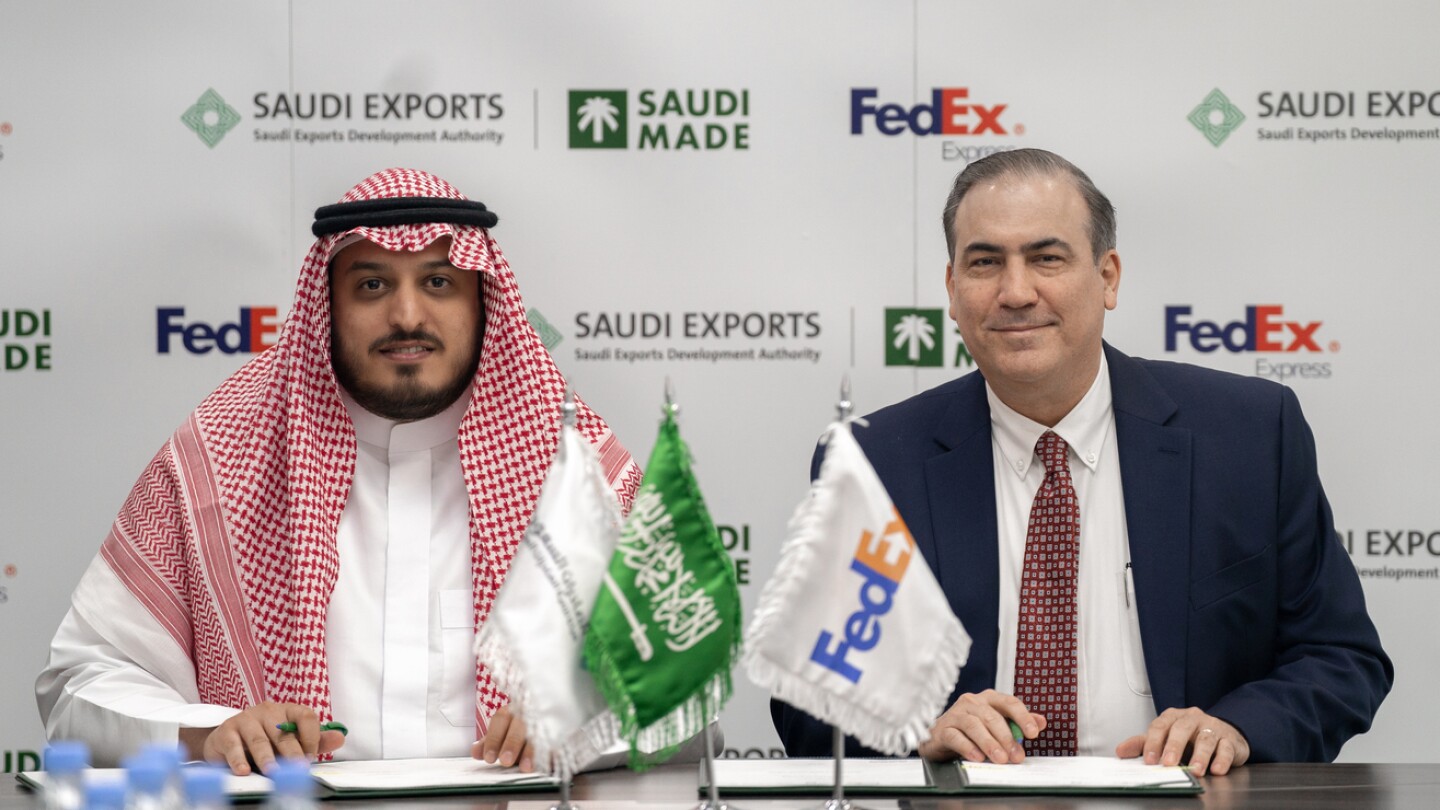
FedEx has gained an economic licence from Saudi Arabia’s General Authority of Civil Aviation to operate as a foreign air carrier, marking a significant expansion of its logistics footprint in the Kingdom. The move equips FedEx to conduct scheduled cargo services via King Khalid International Airport in Riyadh, with plans to operate 24 flights per month from early September 2025, establishing Riyadh as its regional hub linking continents.

The licence, granted on 2 September 2025, grants FedEx the ability to fly directly and to integrate air and ground operations across the Gulf Cooperation Council states. The announcement was made during a ceremony in Diriyah, attended by senior officials including Saleh Al‑Jasser, Minister of Transport and Logistics Services and Chairman of GACA; Abdulaziz Al‑Duailej, GACA President; and Dr Rumaih Al‑Rumaih, Acting President of the Transport General Authority, alongside FedEx executives.

FedEx introduced its first nonstop freighter service from the United States and Europe into Riyadh, operating six times a week with Boeing 777 aircraft. This route is the only express logistics connection offered by FedEx that bypasses other hubs, and continues onward to Guangzhou and Shanghai.

This direct link strengthens trade routes, particularly for high-priority sectors like energy, manufacturing, mining, healthcare and automotive, enabling temperature‑controlled, heavy, oversized or hazardous shipments. FedEx complements this airlift with its FedEx Logistics suite—air, road and sea freight forwarding, customs brokerage, and transit cargo support—aimed at enhancing supply chain resilience across the GCC, South Asia and Africa.

The company has developed end‑to‑end capabilities in the Kingdom, directly managing pickup, delivery and customs clearance through four gateways and four stations, supplemented by digital tools for shipping visibility and efficiency.

FedEx leadership emphasises Saudi Arabia’s role as a strategic logistics hub connecting Asia, Europe and the Americas. Richard Smith, Chief Operating Officer, International and CEO of the Airline at FedEx, cited the Kingdom’s infrastructure as a vital link in their global network. Kami Viswanathan, President of FedEx Middle East, Indian Subcontinent and Africa, underlined the integration of infrastructure, digital innovation and integrated solutions to aid Saudi businesses in competing globally.

These moves align closely with Saudi Vision 2030. The Aviation Programme aims to elevate Saudi Arabia’s aviation sector to the highest regional standards, targeting 330 million passengers, 4.5 million tonnes of air cargo, and air connectivity to 250 destinations by 2030. FedEx’s operations support these objectives by advancing industry capacity and reinforcing Riyadh’s prominence in logistics.

The expansion follows challenges earlier this year, when FedEx suspended economy parcel and freight services to the Kingdom from countries including India, Japan and the UK in March 2025. Service was halted temporarily, with FedEx noting it would resume “as soon as possible.”

Trade levels in Saudi Arabia have surged. The Kingdom posted a trade surplus of US$ 16.8 billion in Q1 2025, up 52 percent on the prior quarter, reflecting strong exports and demand for logistics infrastructure that FedEx is now well‑positioned to serve.

With strategic investments—including the creation of a global head office in Riyadh to oversee operations across Saudi Arabia, Bahrain, Kuwait and Qatar—FedEx reinforces its long‑term commitment to the region.

This expansion signals a departure from reliance on intermediaries or regional hubs outside the Kingdom; FedEx now controls its entire customs-to-delivery chain in Riyadh, laying the groundwork for faster transit, improved service reliability and deeper integration into global trade networks.

Emerging trends include rising demand for integrated logistics services, investment in digital tools for customs and tracking, and regional consolidation of supply chain operations. Key players alongside FedEx include Saudi authorities driving Vision 2030’s transport strategy, while GCC markets and commercial sectors increasingly rely on swift, dependable global connectivity.

Etihad Airways has stressed it has no set timetable for a public listing, affirming that its $20 billion expansion over the coming decade can be financed from within.

The airline’s chief executive, Antonoaldo Neves, confirmed it is prepared for an initial public offering, yet the decision remains with its shareholder—Abu Dhabi’s sovereign wealth fund, ADQ. He stated that “the time has not come yet”, emphasising that Etihad can self‑fund its next phase of growth.

Neves traced the shift in strategy to ADQ’s acquisition of Etihad in October 2022, which ushered in a focus on organic growth and strengthened regional connectivity through Abu Dhabi, rather than continuing merger or acquisition activity.

Passenger demand continues to rise, with traffic up 17 percent year‑on‑year and load factors climbing to 88 percent—up from 86 percent a year earlier. Despite a slowdown during the Israel-Iran conflict, bookings rebounded fully by the end of July, demonstrating robust consumer interest.

Etihad’s fleet exceeds 100 aircraft, spanning both Airbus and Boeing models. In May, the airline placed a major order with Boeing for 28 wide‑body jets—including 777X aircraft destined to replace its Airbus A380s after 2030. Neves also revealed plans to supplement fleet expansion via secondhand aircraft and lessor sourcing.

This public statement builds upon a broader narrative unfolding over the past year. Etihad reported profitability in 2022 and 2023—92 million dirhams and 525 million dirhams respectively—after years of losses. The airline has been enhancing transparency, governance, and operational efficiency, eliminating underperforming routes and returning grounded aircraft to service.

Earlier projections had flagged a possible IPO no earlier than 2025, allowing Etihad to bolster its financials before a listing. Speculative growth targets under its “Journey 2030” strategy include expanding to over 125 destinations and substantially growing its fleet.

Other commentary from February 2025 suggested Neves intended to float a stake of up to 20 percent on the Abu Dhabi stock exchange, possibly valuing the airline at $5 billion, and underscored his readiness for a float—though final approval again resides with ADQ.

Throughout this period, Etihad has forged strategic alliances. A landmark joint venture with China Eastern Airlines will coordinate schedules and revenues on selected routes from 2025, the first such pact between Middle East and Chinese carriers. Additionally, the airline has broadened its network through expanded service offerings to emerging and mid‑distance markets, positioning Abu Dhabi as a strategic travel hub.

MrBeast is set to expand into telecommunications by launching a mobile phone service built using existing carrier networks, positioning himself as a mobile virtual network operator. According to investor materials seen by Business Insider, the YouTube star and his company plan to partner with carriers such as AT&T, T‑Mobile or Verizon, rather than constructing costly infrastructure. The business model mirrors that of Mint Mobile, where Ryan Reynolds […]

Speculative decoding accelerates large language model generation by allowing multiple tokens to be drafted swiftly by a lightweight model before being verified by a larger, more powerful one. This method markedly reduces inference latency while preserving the precision and output quality of traditional autoregressive decoding — a significant breakthrough for real-time applications like conversational agents and code assistants. At the heart of speculative decoding lies a two‑model […]

Shiba Inu has bounced off a decisive demand zone, reclaiming support near $0.000012 and positioning itself for potential upward movement toward $0.000015, as technical charts and market dynamics align in favour of bulls.

The meme token recently rallied from a support cluster between $0.0000115 and $0.000012, forming a reassuring double‑bottom pattern that underscores emerging buying interest. Observers note that if this momentum holds, SHIB could head toward its key short‑term resistance around $0.000015. Analysts emphasise that sustaining pressure above this demand zone is critical to maintaining bullish prospects.

A chart pattern also suggests that SHIB is attempting to break above a descending channel, lying just below its 50‑day moving average. Crossing that threshold could trigger a sharper rally, with targets stretching to $0.000014, $0.0000175, and even beyond, provided higher timeframe breakouts materialise.

Adding fuel to the rally, token burns have surged significantly—over 48,000% in one documented instance—with tens of millions of SHIB permanently removed from circulation. This deflationary action tightens supply and, combined with heightened derivatives activity, bolsters bullish sentiment.

Yet, technical caution is advised. SHIB is currently compressed within a symmetrical triangle near $0.0000123, and the direction of the breakout—either above $0.000013 or below $0.00001—will likely determine whether bullish or bearish trajectories dominate. A clean advance above the upper trendline and rising volume would open the door toward $0.000015 and the 200‑day moving average; conversely, a breakdown could expose support near $0.0000095.

Beyond price mechanics, structural developments around the Shiba Inu ecosystem—such as Layer‑3 platform expansion, burn infrastructure, and community governance initiatives—offer a long‑term narrative that could support sustained demand, though analysts caution that burns and buzz alone may not suffice without wider utility adoption.

In essence, Shiba Inu now stands at an inflection point. A firm hold above the demand zone has reignited interest, and a break above the 50-day MA or the triangle’s upper boundary could spark a more pronounced rally. Conversely, failure to defend current levels risks deeper retracement. Technology upgrades, ecosystem growth, and on-chain developments remain key components shaping its trajectory.

Only one-third of insurers in China provide mental health services, despite rising demand Fifty percent of insurers see personalisation as key to the success of health and wellbeing programs SINGAPORE – Media OutReach Newswire – 3 September 2025 – Aon plc (NYSE: AON), a leading global professional services firm, released insights from its inaugural 2025 Insurer Wellbeing Benchmarking Report offering a comprehensive analysis of the health and […]

Pharmaceutical developers are making headway with artificial intelligence tools to model drug absorption, distribution, and toxicity in human-relevant systems. This shift supports the U. S. Food and Drug Administration’s initiative to make animal testing an exception rather than a rule, particularly in pre‑clinical safety assessments for monoclonal antibody therapies and other drugs.

Regulatory authorities expect New Approach Methodologies—including AI-driven computational models, human-cell‑based systems like organs‑on‑chips, and organoids—to halve both development time and costs within the next three to five years. Recursion Pharmaceuticals recently advanced a cancer drug candidate to clinical trials in just 18 months, markedly faster than the 42‑month industry average.

The FDA’s April roadmap encourages drug developers to submit safety data from NAMs in Investigational New Drug applications. Firms providing robust NAM evidence may receive streamlined review processes—a concrete incentive to adopt these modern methods. A pilot programme allows select monoclonal antibody developers to use primarily non‑animal testing strategies, with results shaping future guidance.

Industry leaders at Charles River, Certara, Schrodinger, Recursion and InSphero are investing heavily in these emerging tools. Charles River’s NAM portfolio now generates roughly US $200 million annually. Certara’s president, Patrick Smith, stated the company is reaching a point where animal testing may no longer be necessary. Schrodinger utilises physics‑based simulations with AI to predict potential toxicity, while InSphero tests safety and efficacy using 3D liver microtissue models.

This transition builds on milestones such as the FDA Modernization Act 2.0, which removed the default requirement for animal data in drug development and formally recognised in vitro, in silico, and organ‑based methods as valid non‑clinical evidence. The Act is part of a broader regulatory overhaul that began with the ISTAND programme—for qualifying organ-on-chip tools—and continued with acceptance of the first liver‑chip into that pathway in 2024. Additional momentum comes from shifts in funding and policy: the NIH now prioritises human‑based models and no longer supports animal‑only proposals; the U. S. Navy has ended cat and dog experiments; and a federal push is underway to align academic and industry research with NAMs adoption.

Beyond regulation, academic research underscores the promise of computational approaches. A June 2025 study highlights AI and deep learning as enablers of predictive frameworks for vaccine and immunotherapeutic design—pointing toward a future where animal testing is replaced by computational models that refine vaccine targets and immune response predictions.

In parallel, the FDA is advancing its broader modernisation agenda through pilot programmes aimed at accelerating drug review timelines. Commissioner Marty Makary has proposed a split‑submission process that allows early review of key data during clinical trials. Coupled with AI tools such as Elsa—used daily within the FDA to expedite data review—this approach is projected to compress approval times from 10–12 months to as little as one to two months in eligible cases.

Ethically, these developments carry weight. Animal testing has repeatedly fallen short in predicting human outcomes—about 90 per cent of drugs deemed safe in animals fail in humans. New methods rooted in human biology promise not just faster, cost‑efficient drug pipelines, but also greater relevance and reliability in safety assessments, while reducing ethical concerns.

Though a complete end to animal testing is not expected immediately, experts anticipate a hybrid landscape in the short term, with animal studies still used where necessary but significantly reduced in favour of AI and human‑based alternatives.

Greenlogue/AP Dubai is gearing up to host the 11th World Green Economy Summit on 1–2 October 2025 at the Dubai World Trade Centre, where green finance will sit at the forefront of global climate discussions. Under the theme ‘Innovating for Impact: Accelerating the Future of the Green Economy’, the summit will convene policymakers, investors, business leaders, academics and innovators to mobilise capital toward equitable, sustainable growth. Organised […]

Pogocache, a new open‑source caching system built in C by Josh Baker—known for creating Tile38—has entered general availability, promising breakthrough performance and seamless integration across multiple protocols. According to benchmarks on AWS c8g.8xlarge hardware, Pogocache delivers around 3.14 million queries per second, leaving behind Memcache, Redis, Dragonfly, Valkey, and Garnet. This cache server distinguishes itself by supporting a range of existing communication standards—Memcache, Redis/Valkey, HTTP, and PostgreSQL wire […]

AI’s growing sophistication is pushing operational costs skywards, as developers and startups grapple with soaring token usage, escalating compute demands, and shifting business models. At the heart of the challenge lies a paradox: while the per‑token price of AI continues to decline, the number of tokens consumed for meaningful tasks has surged dramatically, especially where reasoning-intensive workflows dominate. Tasks once considered lightweight now demand tens or even […]

A team led by Khalil Ramadi at NYU Tandon and NYU Abu Dhabi has unveiled a swallowable, wireless capsule designed to emit light inside the gut, allowing nerve cells to be activated without surgery—a development poised to transform gastrointestinal research and therapy.

The capsule, known as ICOPS, represents a remarkable leap in non‑invasive bioengineering. It employs optogenetic technology, by which specific neurons are genetically modified to respond to light. Once the target cells become light‑sensitive, patients can ingest an LED‑equipped capsule that, when powered externally, delivers precise stimulation to regions of the gut. This allows researchers to observe and influence neuronal circuits involved in digestion with a level of control previously limited to invasive approaches.

ICOPS stands out for its battery‑free design. It receives power wirelessly via magnetic induction from an external transmitter, enabling a compact, rodent‑scale form factor suitable for testing in freely moving animals. Crafted entirely via in‑house 3D printing—micro‑LEDs and custom coils included—this capsule avoids more expensive and restrictive cleanroom fabrication techniques.

Early animal trials suggest ICOPS can target neural circuits governing critical physiological functions, offering potential new avenues for treating gut motility disorders such as gastroparesis, where the stomach fails to empty properly. Simultaneously, the ability to stimulate region‑specific neural activity may trigger metabolic and hormonal responses, hinting at applications in metabolic disease and eating disorder therapies.

ICOPS is part of a broader research portfolio pioneered by Ramadi. Earlier innovations include FLASH, an electroceutical capsule that delivers electrical stimulation to modulate hunger‑related hormones, and IMAG, which uses magnetic fields to track pill location through the gut.

Adoption of ICOPS could revolutionise how scientists study the gut’s ‘second brain’—a vast, complex neural network fundamental to bodily control but historically difficult to study in its natural state owing to the invasive nature of previous optogenetic techniques.

Materials innovation plays a central role in this advancement. By eliminating the battery and using magnetic induction, the capsule remains small and unobtrusive. Its 3D‑printed construction offers scalability, making further adaptation for varied experimental models feasible.

Looking ahead, the implications for human healthcare are significant. The precision offered by ICOPS could enable therapies targeting select neural circuits within the gut, offering fine‑tuned interventions far more sophisticated than current broad‑spectrum prokinetic or antikinetic drugs. Furthermore, the platform may evolve to provide electrical stimulation or even deliver drugs directly to targeted gut regions.

That said, the path to clinical use remains lengthy. At present, ICOPS has demonstrated efficacy in rodent models. Transition to human clinical trials may take a decade or more, as researchers must navigate regulatory approval, safety testing, and scalability concerns.

Still, the research has drawn attention across scientific and media outlets, from Gulf News dubbing it a “Light Pill” capable of unlocking gut‑brain secrets to technical summaries highlighting how light‑activated capsules are revolutionising understanding of gut‑brain interactions.

Behind the innovation is a multi‑disciplinary team including Mohammed Elsherif, Rawan Badr El‑Din, Zhansaya Makhambetova, Heba Naser, Rahul Singh, Keonghwan Oh, Revathi Sukesan, Maylis Boitet, and Sohmyung Ha, working together across divisions at NYU Abu Dhabi and NYU Tandon. The project has benefited from funding awarded by NYU Abu Dhabi and Tamkeen through the CENTMED research centre.

Rocket Lab has expanded its in‑house manufacturing strength by successfully incorporating Planetary Systems Corporation, a Maryland‑based specialist in satellite separation systems. The deal, announced on 15 November 2021 and concluded by December that year, involved $42 million in cash and 1.72 million shares of Rocket Lab stock, with an additional performance‑based stock earn‑out dependent on PSC’s performance through 2022 and 2023.

PSC, celebrated for its “Canisterized Satellite Dispenser” and Lightband separation systems, boasts a flawless 100 percent mission‑success record across more than 100 launches. Its hardware has served a broad spectrum of launch platforms—from Rocket Lab’s own Electron vehicles to those managed by SpaceX, United Launch Alliance, Northrop Grumman, and international agencies such as Arianespace, the Indian Space Research Organisation, and JAXA.

By bringing PSC into its fold, Rocket Lab enhances its vertically integrated Space Systems division, now including Photon satellite buses, Maxwell dispensers, reaction wheels, star trackers, solar solutions, flight software, and the newly added separation hardware. PSC will continue operations in Maryland under the leadership of Mike Whalen as CEO, with founder Walter Holemans remaining chief engineer.

Chunked behind this strategic move is Rocket Lab’s intent to streamline the satellite deployment value chain, offering customers a one‑stop solution—from launch services to the final separation of payloads in orbit. Founder and CEO Peter Beck noted that integrating PSC’s proven hardware “simplifies the journey to orbit” by aligning hardware, software, spacecraft, and launch into a seamless package.

Alongside the acquisition of Advanced Solutions, Inc. in October 2021, this move aligns with Rocket Lab’s broader objective to secure technology, talent, and production capacity internally, reducing external dependencies. Industry observers have characterised this as a deliberate backward integration effort. A participant in an online space‑industry discussion observed:

“It seems like they are reverse integrating into their supply chain… instead of paying for products, buy the company, make the products for yourself, and make the margin on selling to others.”

Operationally, the acquisition has borne tangible returns. In November 2022, Rocket Lab secured two contracts totalling $14 million to supply Lightband separation systems for the Space Development Agency’s Tranche 1 transport layer constellation, reinforcing its position in national security‑oriented space architecture. The Lightbands, inherited from PSC, now supply critical satellite deployments with demonstrated reliability in specialised environments.

Rocket Lab’s expanded suite of capabilities positions it advantageously within a market increasingly dominated by fully integrated space services providers. By combining its Electron launch vehicle, Photon spacecraft, separation hardware, and on‑orbit software offerings, the company provides end‑to‑end mission support—a compelling proposition for both commercial and government customers.

With growth in space demand showing no signs of abating, particularly in low-Earth orbit constellations and defence networks, consolidating key enabling technologies under one roof offers Rocket Lab both operational efficiencies and competitive edge. The PSC acquisition stands as a pivotal building block in that strategy.

The mortgage market in Dubai and the wider UAE has entered a new stage of maturity. Once dominated almost entirely by cash buyers, today’s property landscape is increasingly shaped by mortgage financing. The first quarter of 2025 recorded AED 33 billion in cash transactions versus AED 21 billion in financed purchases. This indicates a clear rise in mortgage penetration as more residents, families, and long-term investors choose […]

By T N Ashok NEW YORK: For the first time since 2018, Indian Prime Minister Narendra Modi landed in China in late August 2025, greeted warmly by President Xi Jinping for the annual Shanghai Cooperation Organisation (SCO) Summit. Alongside Russian President Vladimir Putin, the trio projected a striking image of solidarity—three leaders from the world’s […]

A succinct pledge to resolve their border differences and reinvigorate cooperation was exchanged between Chinese President Xi Jinping and Prime Minister Narendra Modi during a summit in Tianjin. The meeting, marking Modi’s first visit to China since the border clashes of 2020, signals a strategic effort to steady bilateral ties ahead of the meeting of regional leaders.

At the outset, Modi acknowledged that disengagement along the Line of Actual Control has created a peaceful environment, underlining that tranquility along the border is essential for bilateral development. He emphasised that relations have moved in “a meaningful direction” and stressed that both countries should pursue strategic autonomy without being viewed through the lens of a third country. Xi mirrored that sentiment, contending that border issues should not define China‑India relations. He urged a focus on economic growth and expressed a hope that their meeting would “further elevate” bilateral relations to a stable trajectory.

This diplomatic retreat from escalating tensions emerges amid broader geopolitical recalibrations. The summit, bringing together more than 20 non‑Western leaders, offered a stage for Xi to advocate a new global order more favourable to the Global South, challenging Western dominance. He proposed the creation of a SCO development bank, new financial mechanisms to reduce dependence on the US dollar, AI cooperation, and a lunar research partnership.

For his part, Putin welcomed the revival of “genuine multilateralism” through the SCO framework and lauded efforts toward building alternative Eurasian security structures. The visual solidarity among the three —occasionally dubbed the “anti‑Western bloc”— underscores their shared interest in countering US influence and economic pressure, including US‑imposed tariffs on India.

India’s engagement at Tianjin reflects a broader wave of diplomatic stepping stones: direct flights have resumed, the Kailash Mansarovar Yatra has been revived, and Indian pilgrims are again welcome in Tibet. These developments follow mutual agreements on border patrolling mechanisms and a gradual easing of visa and tourism restrictions.

While the tone between Xi and Modi was markedly conciliatory, analysts caution that underlying issues persist. The legacy of the 2020 deadly Galwan clash remains a psychological and strategic fault line. Mistrust endures, and there is no immediate indication of a comprehensive border settlement or legally binding roadmap toward de‑escalation.

The SCO’s Tianjin gathering is the largest of its kind in the organisation’s history, with Xi presiding and an array of Eurasian leaders in attendance. The event signifies a collective push toward regional cooperation and institutional alternatives to Western‑led institutions.

VISHNU RAJA
RYO YAMADA
HITORI GOTOH
IKUYO KITA