News related to
Arabia

Norway’s Sovereign Wealth Fund, managed by Norges Bank Investment Management, has achieved a new milestone in its investment portfolio with an increased exposure to Bitcoin. This exposure, reaching a record high, is now valued at the equivalent of 7,161 Bitcoin, achieved through investments in companies that hold Bitcoin on their balance sheets. This move signifies a notable shift in the fund’s diversification strategy, as it moves further into the digital asset space.

The fund’s strategy typically involves investing in a broad spectrum of assets, including global equities, bonds, and real estate. However, the rising value of cryptocurrencies and their growing acceptance in mainstream financial markets have prompted the fund to increase its indirect exposure to Bitcoin. NBIM’s current indirect holdings represent a stake in Bitcoin through companies that have embraced cryptocurrency, such as MicroStrategy and Tesla, which have allocated significant portions of their balance sheets to the digital currency.

With Bitcoin’s price having seen significant volatility over the years, the fund’s exposure to the digital asset has raised questions about the risks and benefits of investing in such a volatile commodity. As of the latest figures, the total value of these Bitcoin-linked investments stands at approximately 1,387 Norwegian kroner per Norwegian citizen, based on the current exchange rates and Bitcoin’s market price.

This development underscores the growing integration of digital currencies into traditional investment portfolios. The Norwegian Sovereign Wealth Fund, traditionally focused on more conventional assets, has now ventured into a more speculative investment arena. While the fund’s management has assured that this exposure remains minimal compared to its total assets, the move reflects broader trends within institutional investment.

NBIM’s strategy aligns with increasing interest among large-scale investors in diversifying into Bitcoin and other cryptocurrencies. Over the past few years, several prominent investment funds and financial institutions have adjusted their portfolios to include Bitcoin as a hedge against inflation or as a long-term store of value. These entities view Bitcoin’s finite supply and its potential as an alternative investment vehicle in a world of low-interest rates and global economic uncertainties as key drivers behind their investment decisions.

However, the fund’s Bitcoin exposure remains highly indirect. Instead of holding Bitcoin directly, NBIM’s stake comes from investments in companies like MicroStrategy, whose CEO, Michael Saylor, is a known advocate for Bitcoin. Tesla, another key player in the space, made headlines in 2021 when it disclosed its investment in Bitcoin, which led to an immediate surge in the digital currency’s value.

The Norwegian government, which oversees the fund’s operations, has expressed cautious optimism about its cryptocurrency exposure. While the fund is generally conservative in its investment approach, there is recognition that digital assets could play a role in long-term portfolio diversification. The Fund has made it clear that its current exposure is small and that the risk of loss is something it continues to monitor.

While Bitcoin has proven to be an incredibly volatile asset, some argue that its performance over time, including periods of significant appreciation, has made it an attractive speculative asset. Proponents believe that as Bitcoin becomes more integrated into the financial system and more institutional investors enter the market, its volatility will decrease, and its value will continue to appreciate in the long term. Conversely, critics caution that Bitcoin’s lack of intrinsic value and its exposure to regulatory scrutiny could render it a risky bet for long-term investors.

The Norwegian Sovereign Wealth Fund’s growing interest in Bitcoin is part of a wider trend that is seeing institutional investors increasingly embrace digital currencies. In addition to companies like MicroStrategy and Tesla, several other financial entities have made substantial investments in Bitcoin, such as Grayscale Investments and the publicly traded Bitcoin ETF, which tracks the price of Bitcoin directly.

As this trend continues, it raises broader questions about the role of cryptocurrencies in the global financial system. While Bitcoin and other digital assets were once viewed primarily as speculative investments or a form of digital gold, they are now starting to be considered by more traditional investors as part of a diversified investment strategy. The Norwegian Sovereign Wealth Fund’s increasing exposure to Bitcoin may serve as a bellwether for other institutional investors contemplating similar moves.


US Treasury Secretary Scott Bessent last week made a comment that should have sent markets into deep reflection. Instead, it was largely shrugged off. He suggested that the White House’s unprecedented revenue-sharing deal with Nvidia and AMD could be extended to other industries. This single line carries profound implications — and the muted reaction says more about investor complacency than anything else. The arrangement currently in place […]

By Nitya Chakraborty India-China political relations have started improving giving all the indications that the leaderships of the two countries with the largest population in the world, are ready for building stable relationship after an uneasy period of five years since the Galwan killings on the border in 2020 in which 20 Indian soldiers lost […]

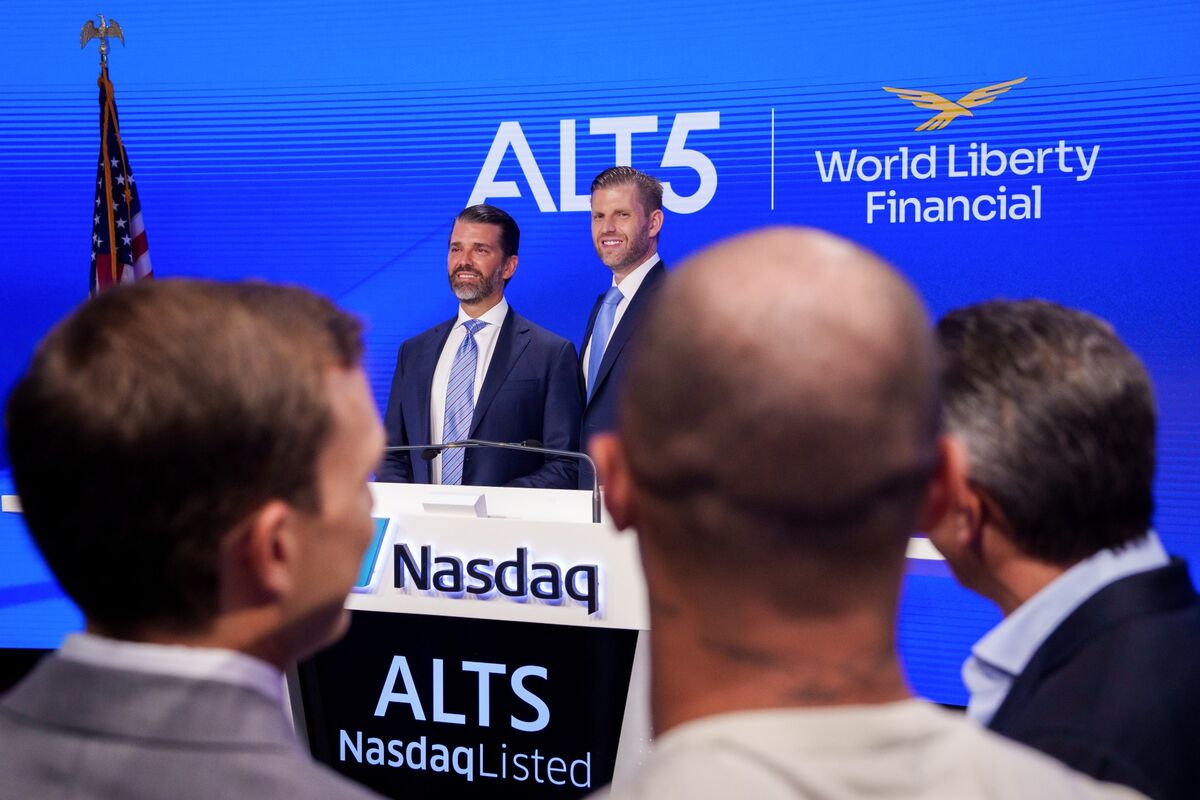
The Trump family has completed the acquisition of financial technology firm ALT5 Sigma in a move expected to reshape their investment portfolio. At a purchase price of $15 billion, the deal signals a shift towards further diversification of their business interests, marking a significant venture into the fintech space. This acquisition, which involved a combination of private equity and strategic investments, has drawn the attention of hedge funds and investment groups keen on gaining a stake in the evolving financial technology sector.

ALT5 Sigma, known for its sophisticated algorithms and artificial intelligence solutions aimed at streamlining investment strategies, has long been regarded as a key player in the fintech arena. The company provides innovative tools for hedge funds and asset managers to optimise trading operations and enhance decision-making processes. In acquiring the firm, the Trump family gains access to these advanced technologies, positioning themselves at the forefront of the increasingly competitive tech-driven investment world.

Hedge funds have been particularly keen on ALT5 Sigma’s cutting-edge trading platforms, which leverage artificial intelligence and machine learning to predict market movements and analyse large sets of data. These tools have proven invaluable in helping firms maximise returns, mitigate risks, and remain agile in an ever-evolving market. By entering the fintech industry, the Trump family secures a stake in a sector that is expected to grow exponentially in the coming years.

Financial experts suggest that the acquisition could help the Trump family tap into new revenue streams while also increasing their exposure to emerging technologies. The fintech sector has been attracting substantial investment over the past decade, with companies like ALT5 Sigma leading the charge in transforming how financial services are delivered. With this acquisition, the Trump family joins the ranks of high-profile investors looking to capitalise on the growing demand for innovative financial tools.

The involvement of hedge funds in the deal further highlights the strategic importance of ALT5 Sigma’s offerings. Several prominent hedge funds have expressed interest in supporting the Trump family’s new venture, recognising the potential for long-term returns through the use of cutting-edge trading systems. These hedge funds, which are known for their appetite for high-risk, high-reward investments, view the acquisition as a means to enhance their portfolios by gaining access to superior trading technology.

For the Trump family, the acquisition also marks a potential shift in their investment strategy. Historically known for real estate and branding ventures, this deal represents a move into the tech industry, which could position them for success in the rapidly expanding digital economy. By diversifying into fintech, they not only gain access to a lucrative sector but also strengthen their influence in the evolving financial landscape.

Industry analysts have raised questions about the potential challenges the Trump family may face as they navigate the complexities of the fintech sector. The industry is known for its regulatory challenges, technological demands, and intense competition. However, with the backing of well-established financial firms and a strong track record of business acumen, the Trump family may be well-positioned to overcome these obstacles.

As the Trump family’s acquisition of ALT5 Sigma begins to take shape, the deal is expected to attract increasing interest from other investors and stakeholders within the fintech space. Analysts will be closely monitoring how the family leverages its new acquisition, particularly in how it integrates ALT5 Sigma’s technologies into its broader investment strategies.

The United States has emerged as the dominant force in greenfield foreign direct investment in Saudi Arabia for the first half of 2025. Accounting for 61 projects with a combined value of $2.7 billion, American investments represented nearly a third of the total project count and capital investment during the period, according to a report by Emirates NBD. Saudi Arabia continues to be an attractive destination for […]

Arabian Post Staff Ras Al Khaimah, once a quiet corner of the UAE, is now experiencing a property boom that is reshaping its skyline and economic future. The emirate’s real estate sector has witnessed a significant surge in property sales and prices over the last three years, driven by a series of large-scale developments underpinned by strategic long-term planning. Sheikh Saud bin Saqr Al Qasimi, the Ruler […]

The UAE Funds Transfer System saw a substantial surge in the value of transactions during the first five months of 2025, reaching a remarkable AED9.528 trillion. This reflects the continued growth of the UAE’s banking sector and its central role in facilitating both domestic and international financial transfers.

According to the Central Bank of the UAE, the total value of transfers executed by banks amounted to AED5.963 trillion, a figure that highlights the significant volume of financial activities managed by UAE banks. These transfers are essential for business operations, both locally and globally, given the UAE’s strategic position as a key financial hub in the Middle East.

The monthly breakdown reveals a steady increase in transaction values throughout the first five months of the year. January recorded AED1.1 trillion, February saw AED983.99 billion, while March’s figures jumped to AED1.238 trillion. The upward trend continued into April with AED1.273 trillion, and May closed at AED1.089 trillion, suggesting robust financial momentum across the banking sector.

In addition to bank-to-bank transfers, customers also contributed significantly to the total volume. The total value of transfers executed by customers surpassed AED3.834 trillion. January recorded AED677.65 billion, with February following closely at AED649.48 billion. March saw a spike, reaching AED791.313 billion, while April’s figures hit AED879.94 billion. By May, customer-initiated transfers amounted to AED836.157 billion, demonstrating the increasing role of personal and corporate banking in the country’s financial ecosystem.

The UAEFTS, which facilitates secure and efficient transfers between financial institutions, plays a pivotal role in the country’s economic framework. The consistent growth of these transactions reflects the ongoing strength of the UAE’s banking infrastructure, which continues to cater to a diverse range of financial services, from basic retail banking to complex corporate transactions.

One of the key drivers of this growth is the UAE’s growing stature as a global financial centre. The country’s strategic initiatives to position itself as an international financial hub have attracted a wide variety of global institutions. With its advanced technological infrastructure and regulatory framework, the UAE has positioned itself as a leader in financial services in the Gulf region.

The rise in customer transfers can be attributed to a range of factors, including the increasing integration of digital banking platforms. The shift towards online and mobile banking has made it easier for customers to conduct transfers in real-time, contributing to the overall growth in transaction volumes.

While the total value of transfers is substantial, it also highlights a key trend in the UAE’s financial sector: the increasing reliance on electronic systems for everyday financial transactions. As customers continue to embrace digital banking solutions, the volume of these transactions is likely to rise, further reinforcing the UAE’s reputation as a hub for innovation in financial technology.

The UAE’s banking sector is also witnessing a diversification of services, with many institutions offering enhanced value-added services such as cross-border payment solutions, investment management, and wealth management. These services, which cater to both individual and corporate clients, contribute to the rise in transfer volumes, particularly in a market that has become increasingly open to global trade and investment.

Advertisements

Dubai has taken a significant step toward boosting its business environment with the launch of the ‘One Freezone Passport,’ an innovative initiative designed to ease the process of business expansion within the city’s free zones. The move is expected to simplify operations for companies looking to scale, while also enhancing the emirate’s competitive edge in the global market.

The initiative allows businesses licensed in one of Dubai’s free zones to extend their operations into other zones without the need for additional licenses, thus lowering the financial and administrative burden of expansion. It is part of Dubai’s wider strategy to foster a more streamlined, investor-friendly ecosystem, which has seen numerous developments aimed at reducing bureaucracy and increasing operational efficiency.

The Dubai Free Zones Council, which spearheaded the initiative, expressed that the launch of the ‘One Freezone Passport’ marks a key achievement in Dubai’s economic diversification efforts. The programme is designed to remove regulatory bottlenecks, encouraging smoother transitions for businesses operating across multiple zones. This move comes as part of the city’s broader vision outlined in the Dubai Economic Agenda D33, which aims to double the size of the economy and strengthen its position as a leading global business hub by 2033.

The introduction of the ‘One Freezone Passport’ is aligned with the goals of easing market entry for foreign investors and facilitating greater cross-border trade. By eliminating the need for multiple permits, businesses can now streamline their processes, save costs, and significantly reduce time-to-market. The DFZC’s initiative represents a decisive shift towards creating a more cohesive and interconnected free zone network that could have widespread benefits for companies operating in Dubai.

One of the early adopters of this new system is global luxury brand Louis Vuitton, which has embraced the streamlined process. The company will now operate its warehouse in the Jebel Ali Free Zone, while establishing its corporate office at One Za’abeel, part of the Dubai World Trade Centre Free Zone. This move highlights the growing appeal of Dubai’s free zones for multinational companies, particularly in sectors such as luxury goods and technology.

The ‘One Freezone Passport’ also represents a step forward in Dubai’s ongoing efforts to attract multinational corporations and high-net-worth investors. Dubai’s free zones have long been a cornerstone of its economic strategy, offering companies a range of benefits such as tax exemptions, full ownership rights, and 100% repatriation of profits. With the introduction of the ‘One Freezone Passport,’ the emirate now aims to make it even easier for businesses to operate in multiple free zones simultaneously.

For companies such as Louis Vuitton, the new initiative offers an opportunity to leverage Dubai’s strategic location as a gateway to both regional and international markets. By simplifying the regulatory landscape, businesses can better focus on expanding their operations and exploring new market opportunities across the Middle East, Africa, and beyond.

The initiative’s potential extends well beyond large corporations. Start-ups and small-to-medium enterprises are also expected to benefit from a more accessible and flexible business environment. The ability to operate across multiple free zones without incurring additional licensing fees will likely encourage new ventures, thereby supporting Dubai’s entrepreneurial ecosystem.

The launch of the ‘One Freezone Passport’ is expected to drive a rise in investments within Dubai’s free zone economy. As businesses can now expand their footprint more easily, it opens the door for greater collaboration between sectors, fostering innovation and accelerating growth. Additionally, by streamlining regulatory processes, Dubai aims to position itself as a hub for both regional and international businesses seeking to establish a base in the Middle East.

The programme also underscores Dubai’s broader efforts to integrate digital solutions and technology into its regulatory systems. The ‘One Freezone Passport’ is supported by a digital platform that enables businesses to manage their operations across multiple zones efficiently. This platform allows for the centralisation of licenses, making it easier to handle logistics, administrative tasks, and compliance requirements.

As Dubai continues to enhance its infrastructure and regulatory landscape, the introduction of the ‘One Freezone Passport’ signals a broader trend of business-friendly reforms that cater to a dynamic and diverse economy. The ease of access to Dubai’s free zones, combined with the benefits offered by the initiative, has the potential to attract more companies to establish their operations in the emirate.

Dubai’s evolution from a luxury stopover for the rich to a permanent global wealth capital is accelerating. The emirate is set to attract nearly 10,000 millionaires in 2025, underscoring its growing prominence in the global wealth landscape. Betterhomes, in a report titled Dubai: No Longer a Pit Stop, But the Finish Line for Global Wealth, suggests that Dubai’s appeal to high-net-worth individuals is rising faster than ever.

As of December 2024, Dubai is home to 81,200 resident millionaires. This number represents a significant contribution to the UAE’s total of 130,500 dollar millionaires, marking a remarkable 98% increase over the past decade. The data suggests a global shift in wealth migration, with Dubai becoming one of the top destinations for individuals seeking a stable and prosperous environment.

This migration is not just about wealth management; it reflects a broader trend of shifting global economic power. As 142,000 millionaires are expected to relocate globally in 2025, even if only 5% choose Dubai, it could result in 7,100 new millionaires moving to the emirate. This influx will bring an estimated $7.1 billion in new investment, further cementing Dubai’s status as a global wealth hub.

Dubai’s rapid growth can be attributed to several factors. The emirate’s strategic positioning as a gateway between the East and West, combined with a pro-business environment, makes it an attractive destination for HNWIs. The city’s tax-friendly policies, high-quality infrastructure, and investment opportunities have created an ecosystem where wealth can thrive. Dubai’s real estate market, in particular, has become a focal point for international investors, with luxurious residential developments attracting the world’s wealthiest individuals.

The UAE government has also played a crucial role in fostering this growth. Policies designed to attract and retain foreign investment, such as long-term residence visas and tax incentives, have positioned Dubai as a welcoming city for the global elite. These policies align with the broader goals of diversifying the UAE economy and reducing its reliance on oil exports.

A significant driver of this transformation is Dubai’s appeal as a global business hub. The emirate’s financial markets, world-class logistics infrastructure, and connectivity have attracted numerous multinational corporations, making it a key centre for finance, technology, and innovation. With the UAE’s commitment to sustainability and innovation, Dubai is increasingly seen as a place where wealth can not only be preserved but also expanded.

As Dubai’s appeal grows, it is not just millionaires from neighbouring regions who are flocking to the city. The attraction extends to global citizens, with individuals from the Americas, Europe, and Asia seeking to benefit from Dubai’s cosmopolitan lifestyle and tax advantages. According to experts, this influx of global talent will continue to fuel Dubai’s economy, bringing with it new ideas, technologies, and business ventures.

While Dubai’s rise as a global wealth centre is undeniable, the city faces challenges as it balances its rapid growth with sustainability goals. The demand for housing, for instance, is placing pressure on the real estate market. While demand is robust, especially for luxury properties, experts warn that an oversupply of high-end homes could lead to a correction in the market. However, this is a concern that city planners are addressing with strategic zoning and development projects designed to keep the market stable.

As the number of millionaires in Dubai grows, so does the competition for limited resources. While the city offers world-class amenities, there are concerns about rising costs of living, which could make it less accessible to middle-class families. These dynamics could shape how the city evolves in the coming years, with a focus on ensuring that growth is inclusive and that Dubai remains a livable city for all its residents.

Greenlogue/AP The United States has solidified its position as the leading source of greenfield foreign direct investment in Saudi Arabia during the first half of 2025, with American companies backing 61 projects worth a total of $2.7 billion. This surge in American investments marks a significant shift in global investment trends, as US-based firms continue to bolster the Kingdom’s economic diversification efforts under its Vision 2030 initiative. […]

The third edition of the AlUla Desert Blaze concluded on Saturday night, with more than 500 runners from Saudi Arabia and across the globe competing in one of the most gruelling desert races in the region. Held at the UNESCO World Heritage site of Hegra, the event offered a choice of four race categories: 5 km, 10 km, 21.1 km, and 42.2 km. Starting early at 8:00 […]

Backpack Exchange, a leading digital asset platform, has announced the launch of daily Proof of Reserves audits, marking a significant step in promoting transparency and security within the cryptocurrency exchange space. This move, verified by cybersecurity firm OtterSec, aims to provide users with real-time assurance that the exchange maintains more than enough reserves to cover all customer deposits.

The PoR initiative is part of a broader effort by cryptocurrency platforms to rebuild trust after a series of high-profile exchange collapses. These audits will detail the reserve ratio, with Backpack Exchange’s current reserve ratio standing at 100.42%. This indicates that for every unit of cryptocurrency held in customer accounts, the exchange holds an equivalent amount and more, ensuring liquidity and solvency.

The verification process, carried out by OtterSec, involves rigorous checks on Backpack Exchange’s crypto holdings and liabilities. This third-party validation is designed to increase investor confidence by ensuring that the platform does not engage in risky lending practices or operate with insufficient backing. The daily audits will be publicly accessible, allowing users to independently verify the platform’s financial stability.

This move comes as part of a growing trend in the cryptocurrency industry, where exchanges are being pressed to adopt higher standards of transparency in the wake of the collapse of firms like FTX and Celsius. These platforms were accused of operating with insufficient reserves and failing to disclose critical financial information to users and regulators. In response, many exchanges, including Backpack Exchange, are now taking proactive steps to restore credibility and accountability.

One of the major concerns that has plagued the crypto industry is the lack of clear regulation and oversight. While governments around the world have begun to implement new laws to protect investors, many exchanges have faced criticism for not providing enough information about their financial operations. Backpack Exchange’s decision to make PoR a daily practice is an attempt to address this concern directly, giving users the tools they need to assess the health of the platform without relying solely on regulatory bodies.

While the PoR audits provide an additional layer of transparency, experts caution that these measures should be viewed as part of a broader effort to ensure that exchanges operate within a secure and well-regulated framework. “Proof of reserves is important, but it does not guarantee the absence of other risks, such as fraud or mismanagement,” says Laura Tan, a blockchain security expert. “It is crucial that exchanges continue to improve their operational practices, beyond just audits, to protect users.”

The timing of Backpack Exchange’s announcement is also noteworthy, as it comes amid increasing scrutiny from both regulators and the public. In many jurisdictions, regulators are seeking to enforce stricter compliance requirements on cryptocurrency exchanges, including mandatory audits and greater financial disclosures. This trend is part of a larger push for comprehensive regulation in the crypto space, aimed at reducing market manipulation, fraud, and investor losses.

Despite the growing regulatory pressure, the cryptocurrency industry remains largely self-regulated, with few standardized practices for exchanges to follow. As a result, platforms like Backpack Exchange that adopt self-imposed transparency measures may set the bar for others to follow. Experts believe that this trend could encourage further innovation in the space, driving exchanges to develop new methods of ensuring financial integrity and user protection.

Another key benefit of daily PoR is its potential to deter malicious actors. By making the platform’s reserve status publicly available, Backpack Exchange creates an environment where any attempt to manipulate reserves would be immediately apparent. This level of visibility can help prevent fraud and instil confidence among users, knowing that they can rely on independent verification of the platform’s solvency at any given moment.

The decision to implement daily audits reflects a growing recognition that the cryptocurrency market must evolve to attract and retain mainstream investors. Institutional investors, in particular, have been cautious about entering the market due to concerns about security and transparency. With daily PoR audits, Backpack Exchange may be positioning itself as a more secure and trustworthy platform, appealing to both retail and institutional traders.

This transparency initiative also places significant pressure on other exchanges to adopt similar measures. As the market matures and regulatory bodies continue to apply pressure, exchanges that fail to provide adequate transparency or secure user funds may struggle to compete. Backpack Exchange’s early adoption of daily PoR audits could set a new standard for transparency in the crypto industry, raising the bar for exchanges across the board.

Dubai is poised to see a substantial rise in its millionaire population, with projections indicating that up to 10,000 affluent individuals could relocate to the emirate by the end of 2024. This influx is expected to further solidify Dubai’s position as a premier destination for global wealth, driven by a combination of favourable tax policies, a booming property market, and a growing reputation as a business hub.

As of December 2024, Dubai’s population of resident millionaires is forecast to grow to 81,200, significantly contributing to the UAE’s total of 130,500 millionaires. The surge is linked to Dubai’s ongoing efforts to attract wealthy individuals and investors through various initiatives, such as long-term residency programmes and tax advantages, which have made it an increasingly attractive place to live and do business.

The growth of millionaires in the UAE is not just a result of Dubai’s policies but also the broader trends in the global economy, with high-net-worth individuals seeking stability and investment opportunities in the face of geopolitical uncertainty. Wealth management firms, real estate brokers, and investment advisors have all noted the heightened interest from international clients in securing properties in the emirate.

Dubai’s luxury property market is one of the key factors driving this influx. The demand for high-end residential units has been on a steady rise, with prime real estate in sought-after locations such as Palm Jumeirah, Downtown Dubai, and Dubai Marina witnessing increasing sales. This growth has been further fuelled by the city’s transformation into a financial and cultural hub, alongside its status as a global tourism hotspot.

The emirate’s real estate sector has been particularly attractive to millionaires looking to invest in luxurious homes that offer not only aesthetic appeal but also potential for high returns. Dubai’s strategic position as a gateway between the East and West makes it an ideal location for international investors, offering tax incentives and the possibility of high rental yields in a stable economic environment.

The UAE’s relaxed residency laws, particularly the Golden Visa programme, have made it easier for wealthy individuals to relocate and establish themselves in Dubai. The programme grants long-term residency permits to investors, entrepreneurs, and skilled professionals, thus encouraging a more permanent presence of the ultra-wealthy in the city. It is these factors that have contributed to Dubai’s appeal as a sanctuary for wealth and a hub for international business activity.

With its pro-business environment, ease of living, and world-class infrastructure, Dubai continues to attract entrepreneurs and executives looking to make the city their new home. Additionally, the city’s vast infrastructure, which includes state-of-the-art airports, world-class medical facilities, and a thriving arts and culture scene, only adds to its desirability for those with significant financial means.

The role of real estate developers has been critical in meeting the needs of this burgeoning millionaire class. Developers are increasingly focused on delivering bespoke, high-end properties that cater specifically to the tastes of the global elite. These residences offer everything from private pools and exclusive beach access to cutting-edge smart home technology and private helipads. The push for luxury is evident across all sectors, from private villas to penthouses that offer unparalleled views of the city’s skyline.

The local government has also been proactive in ensuring that the infrastructure keeps pace with this growing demand. New residential and commercial developments are being planned across Dubai, especially in emerging areas like Dubai Creek Harbour and Dubai South, which offer a mix of luxury living and connectivity to key business districts and international airports.

For many of these new residents, Dubai is not just a place to live but also a base from which to manage their global business interests. The city’s financial services sector is thriving, with an increasing number of wealth management firms and family offices establishing a presence in the emirate. These firms provide a full range of services, including estate planning, investment management, and tax consulting, ensuring that wealthy individuals can efficiently manage their wealth while residing in the UAE.

Eric Trump and Donald Trump Jr. marked a significant moment for the Trump family in the financial sector, ringing the Nasdaq opening bell as part of a high-profile $1.5 billion deal. The transaction involved the biotech-turned-crypto payments company Alt5 Sigma Corp. and the Trump-backed World Payment Network, a crypto firm under scrutiny due to its political affiliations. The deal has sparked interest among top financial firms, with Point72 Asset Management and ExodusPoint Capital Management both securing stakes in the venture.

Point72, a prominent hedge fund with a reputation for aggressive trading strategies, has previously invested in various tech-driven industries, but its entry into the crypto space marks a strategic pivot. The firm, led by billionaire Steve Cohen, has long been a major player in hedge funds, with a focus on alternative investments. ExodusPoint, a rising star in the hedge fund world, also moved to acquire a share, further solidifying its presence in the rapidly growing digital assets market.

Alt5 Sigma, originally founded as a biotech company, has undergone a dramatic transformation into a blockchain-powered payment network. With its backing from the Trump family’s business empire, the company has aimed to bridge the gap between cryptocurrency and traditional finance, particularly in the realm of payments processing. This shift has garnered attention from institutional investors and major financial players, eager to tap into the lucrative crypto market.

Both Point72 and ExodusPoint’s moves signal growing institutional interest in crypto-based financial products, which have garnered mixed reactions across the financial world. The cryptocurrency market, often volatile and speculative, remains a space that many traditional investors tread carefully within, though firms like Point72 and ExodusPoint see long-term growth potential.

The involvement of Trump-linked entities, particularly World Payment Network, has added a layer of political intrigue to the deal. World Payment Network, founded in connection with the Trump family’s business operations, has drawn attention for its ties to former President Donald Trump. Critics of the deal have raised concerns over potential conflicts of interest, pointing to the Trump family’s history of leveraging its brand for financial gain. Some worry that the high-profile nature of the Trump name could invite unwanted scrutiny from regulatory bodies, especially in a space already under heavy regulatory pressure.

Despite the controversy, the transaction illustrates the ongoing trend of high-profile figures and firms entering the crypto space, a market known for its innovation but also fraught with risks. In recent months, several hedge funds and institutional investors have increasingly allocated capital into digital assets as they look for high-return opportunities in the wake of traditional financial market fluctuations.

Point72’s foray into crypto comes as no surprise, as Cohen’s fund has long been known for diversifying into new and potentially high-reward areas. However, its involvement with a Trump-backed company adds an interesting layer of complexity, given the family’s polarizing influence on both the financial and political landscapes. ExodusPoint, on the other hand, is still a relatively new player in the hedge fund world, but its rapid growth and aggressive strategies have made it a name to watch. Its decision to back a Trump-linked crypto firm signals its willingness to embrace unconventional investment opportunities.

The crypto payments industry itself is growing rapidly, with companies such as Alt5 Sigma Corp. and World Payment Network at the forefront of bridging the gap between blockchain technology and traditional financial systems. The potential for global expansion and seamless cross-border payments has made blockchain an appealing solution for an industry looking for greater efficiency and security. However, the path forward remains uncertain. Regulatory challenges, particularly in the US, where authorities are seeking to increase oversight on crypto firms, could hamper the growth of companies like Alt5 Sigma.

At the same time, developments in blockchain technology continue to push the envelope for how financial transactions could be conducted in the future. If World Payment Network and its partners can navigate the regulatory hurdles and maintain a level of credibility amid political controversy, they may be well-positioned to capitalize on the growing demand for crypto-based financial services.

By Nitya Chakraborty The prospects of arriving at a peace agreement between Ukraine and Russia to end the nearly three and half year old war have brightened after the Monday meeting of President Donald Trump with the Ukraine President Volodymyr Zelensky at the White House in the presence of the major European government heads. As […]

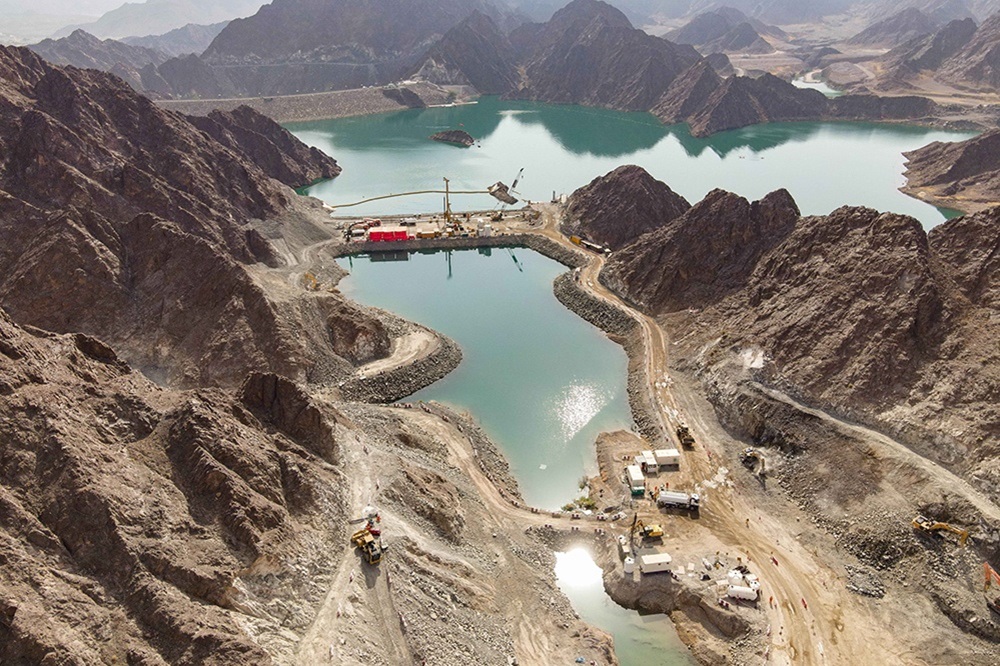
Dubai has begun trial operations of its pumped-storage hydroelectric plant in Hatta, delivering electricity into the city’s grid. The facility, which has already generated more than 17,900 MWh during testing, will free up surplus power beyond Hatta’s 39 MW local demand for export. Emirates 247 cites HE Saeed Mohammed Al Tayer, MD & CEO of the Dubai Electricity and Water Authority, confirming the start of electricity exports from the plant during his site visit.

The Hatta plant boasts a 250 MW generation capacity, 1,500 MWh of storage, and is designed to last up to 80 years—backed by a Dh1.42 billion investment. Underground construction includes two 110-tonne water valves, a command-and-control centre and an upper dam spanning 210,000 sqm, built with compressed concrete walls measuring 72 m and 37 m high.

DEWA’s scheme aligns closely with emirate-wide initiatives under the Clean Energy Strategy 2050 and the Net-Zero Carbon Emissions Strategy 2050, which aim for 100 percent clean energy supply by mid-century.

Trial operations of this pioneering project began earlier in the year, with operational tests launched in January 2025. DEWA confirmed the plant was 96.82 percent complete around that time and anticipated beginning energy exports in April 2025.

The hydropower station employs a cyclic system: during off-peak hours, clean electricity from the Mohammed bin Rashid Al Maktoum Solar Park is used to pump water from the lower reservoir to the upper dam. When demand spikes, water flows back through a 1.2 km tunnel, converting stored potential energy into kinetic energy to drive turbines. The conversion process delivers electricity to the grid in as little as 90 seconds, with a turnaround efficiency of 78.9 percent.

Hatta lies roughly 140 km south-east of central Dubai in the Hajar Mountains. The project includes an innovative design featuring two 125 MW Francis-type pump turbines capable of reversible operation—a technical solution by a consortium led by ANDRITZ Hydro, STRABAG and ÖZKAR, contracted in 2019.

This pumped-storage facility is the first of its kind in the Gulf region and a flagship example of how heat-resistant hydropower systems may outperform large-scale battery storage in desert climates.

During his visit, Al Tayer toured the station’s subterranean power station, inspected the upper dam’s compressed concrete walls, and oversaw functional tests of the pumping and generation mechanism. The station’s speedy response time and storage efficiency are designed to bolster Dubai’s grid resilience while reducing reliance on fossil fuel generation.

Australia’s Santos revealed that a takeover proposal valued at US $18.7 billion, spearheaded by a consortium under the Abu Dhabi National Oil Company, will not be concluded by the extended 22 August deadline and now faces a delay of at least four weeks. The investment group, including ADNOC’s XRG arm, Abu Dhabi Development Holding Company and private equity firm Carlyle, cited the need to finalise regulatory and due diligence clearances across multiple jurisdictions—including Australia, Papua New Guinea and the United States—before completing a binding scheme implementation agreement.

Santos confirmed that negotiations remain “collaborative” yet incomplete, with both parties still to secure agreement on acceptable terms for a binding SIA. Given the outstanding conditions, signing before the end of the week appears unlikely.

The implications for Santos’ investors were swift: its shares slid up to 3.5 per cent, reaching A$7.68—a five-week low—marking it as one of the ASX 200’s most notable underperformers.

The bid, if executed, would become Australia’s largest-ever all-cash corporate takeover. Santos’ enterprise value, factoring in net debt, stands at approximately A$36.4 billion, signalling a major transaction in the energy sector.

Industry analysts emphasise that regulatory approvals remain the most significant obstacles. Australia’s Foreign Investment Review Board, in particular, presents a critical test given the strategic sensitivity of energy infrastructure. Papuan New Guinea and U. S. authorities also must grant clearance.

James Hood of Regal Funds Management expressed palpable market unease, observing that the share price response reflects “increased risk and uncertainty.” Kaushal Ramesh from Rystad Energy characterised the execution of a deal of this magnitude as “never going to be an easy transaction”, especially with national energy security and regulatory scrutiny in play. Another investor, Jamie Hannah of Van Eck, reiterated that the key challenge isn’t procedural but regulatory—from the FIRB in Australia.

As a result of the delay, Santos will release its interim earnings on 25 August, instead of the previously planned 20 August.

Interest in the Pikka oil project in Alaska—expected to commence production mid-2026—adds further strategic weight to Santos’ asset base and may influence regulatory and investor perspectives on the transaction.

The United Arab Emirates registered some US$25.4 billion in mergers and acquisitions through the first six months of 2025, making up approximately 43 per cent of all M&A transactions across the Middle East and North Africa—which totalled US$58.7 billion during the period, according to data from EY’s latest MENA M&A Insights report.

MENA deal-making demonstrated robust momentum in the first half of 2025, with 425 transactions reflecting a 31 per cent increase in volume and a 19 per cent rise in overall value compared with the same period in 2024, as EY’s analysis shows.

Cross-border activity surged, accounting for 55 per cent of all deals by number and 78 per cent by value—marking the highest cross-border level in the past five years. Key sectors driving these overseas transactions included chemicals and technology, which together represented two-thirds of cross-border deal value. Among the most significant was the US$16.5 billion deal in which Borealis AG and OMV AG acquired a 64 per cent stake in Borouge plc.

Domestic deal-making remained energetic too. Homegrown transactions constituted 45 per cent of all deals by volume and 22 per cent of the total value, amounting to 192 deals worth US$12.8 billion—an impressive 94 per cent year-on-year rise in value. The technology and diversified industrial products sectors were prominent in this category. A standout deal was AI and cloud services firm Group 42’s acquisition of a 40 per cent stake in Khazna Data Centres for US$2.2 billion.

EY’s MENA EY-Parthenon Leader, Brad Watson, emphasised that the mid-year results underline how resilient and dynamic the region’s M&A market is. He pointed to sustained appeal for investors, underpinned by stable oil prices, infrastructure expansion and a strategic emphasis on growth industries such as technology, chemicals, and industry. I n particular, he noted that the UAE continues to attract significant global capital, thanks to its strong regulatory environment and push for economic diversification, alongside growing collaborative ties with Europe, Asia, and North America.

When compared with mid-2024 performance, the jump is clear. In the first half of last year, the MENA region recorded 321 deals valued at US$49.2 billion. That represented only a modest 1 per cent increase in volume and 12 per cent growth in value over the prior year. Deal values in the UAE and the Kingdom of Saudi Arabia accounted for US$9.8 billion out of that total.

Looking at the broader picture, 2024 closed with 701 MENA M&A deals worth US$92.3 billion, reflecting a 3 per cent rise in deal volume and 7 per cent gain in value compared with 2023. Cross-border transactions were the primary engine, making up 52 per cent of deal volume and 74 per cent of value.

The UAE’s growing prominence in M&A stems from both deliberate policy reforms and strategic positioning. Domestic investors, notably sovereign wealth funds and government-related entities such as ADIA and Mubadala, have been highly active across both home-market and international transactions. At the same time, global investors have responded favourably to the region’s economic diversification efforts, regulatory clarity, and infrastructural thrust.

A bold partnership between the Central Bank of the UAE and Presight, the AI arm of G42, is unfolding a new era in financial infrastructure. The joint venture will embed artificial intelligence across core systems – spanning digital currency, instant and real-time payments, card services and open finance platforms – designed, built, and managed within the UAE. The agreement places AI at the heart of systems such as the Central Bank Digital Currency, Instant Payments, Domestic Card Scheme, National Card Switch, Real-Time Gross Settlement, and Open Finance network.

The initiative underpins the Financial Infrastructure Transformation Programme, a sweeping architectural modernisation blueprint launched by CBUAE in February 2023, with full deployment anticipated by 2026. Where CBUAE once relied on external vendors for supervisory technology and data systems, the new venture shifts toward a sovereign, AI-driven approach.

Ebrahim Obaid Al Zaabi, Assistant Governor for Monetary Policy and Financial Stability, characterised the venture as a strategic move “to ensure the UAE’s financial market infrastructure remains resilient, secure, efficient and future-ready.” He also noted that merging FIT’s leadership with Presight’s technological prowess will reinforce the UAE’s financial ecosystem and underpin national economic stability, strengthening its position as a global financial centre.

Thomas Pramotedham, Chief Executive of Presight, described the venture as a “decisive leap forward,” stating that by “focusing exclusively on AI-driven financial solutions, we are creating a sovereign finance technology powerhouse that will redefine how financial markets operate—faster, with applied intelligence, and more securely than ever before.”

Already, FIT has delivered functional platforms like Instant Payments and the Jaywan card scheme, with CBDC infrastructure currently under development. The venture now takes over these critical functions — charged with developing, maintaining and safeguarding them under a sovereign, AI-backed framework.

Beyond financial rails, this AI integration offers promise across several performance benchmarks: settlement speed, fraud detection, transparency, and cost efficiency all stand to improve. These enhancements align with broader technological sovereignty goals: reducing dependence on foreign providers, enhancing cybersecurity responsiveness, and supporting fintech innovation with locally administered smart infrastructure.

In a parallel development, the Emirates Institute of Finance’s Innovation Hub has entered into a Memorandum of Understanding with HSBC, Al Maryah Community Bank, Presight, and Core42 to explore applications of both traditional and generative AI across banking. The objective is to augment operational efficiency, strengthen cybersecurity, and enrich customer service within the banking sector.

In the broader academic and regulatory sphere, scholars have analysed the transformative potential of AI in finance, alongside its risks: regulatory opacity, bias, data privacy issues, systemic vulnerabilities, and ethical concerns. Recent studies advocate for explainability, human oversight, auditability, and adaptive, principled governance frameworks to safeguard trust while fostering innovation.

By embedding AI at the infrastructure layer, the UAE initiative intersects with these academic prescriptions — though realisation of such ideals will hinge on effective governance, transparency, and operational resilience. As financial systems globalise and grow increasingly complex, ensuring AI’s reliable, accountable implementation will determine whether this model achieves its promise.

China’s reliance on fossil fuels has been steadily declining despite increasing energy demand, marking a significant shift in the nation’s energy landscape. Coal and gas consumption saw a dip in 2025, even during a scorching July, as the government continues to prioritise clean energy sources. This is a clear sign that China’s aggressive push towards renewable energy and energy efficiency is beginning to take effect, even as the country faces unprecedented challenges in meeting its growing power needs.

Data from the National Energy Administration revealed that, in the first half of 2025, coal usage in the energy mix fell by 5% compared to the same period last year, while natural gas consumption also showed signs of contraction. The most striking development came in the power sector, where a surge in renewable energy production, particularly from solar and wind sources, helped to reduce dependency on fossil fuels.

China’s power demand soared during the summer, driven by an intense heatwave that gripped much of the country. However, the country was able to meet this surge without resorting to its usual fossil fuel-heavy energy production methods. This is partly due to the rapid expansion of its renewable energy capacity, which reached new records in both wind and solar power generation in 2025. The NEA reported that China’s total renewable energy capacity crossed 1,200 gigawatts for the first time, a crucial milestone that reflects the country’s commitment to a cleaner and more sustainable energy future.

One key driver of this change is China’s substantial investment in renewable infrastructure. The government allocated over $60 billion to clean energy projects in 2025, focusing heavily on expanding solar farms and offshore wind installations along the coast. At the same time, China has been making significant strides in energy storage technologies, which are crucial for maintaining grid stability as renewable sources, particularly solar, are intermittent.

While China remains the world’s largest coal producer and consumer, the shift towards clean energy is undeniable. The country’s coal-fired power plants, once the backbone of its energy sector, are now being gradually phased out or repurposed for lower-carbon technologies. The transition has been especially evident in regions like Inner Mongolia, where coal consumption has sharply decreased as wind and solar energy projects have taken root.

Industry experts point to a combination of factors driving this shift. First, there is the national government’s ambitious target of reaching carbon neutrality by 2060. Second, the economic pressures on coal mining companies, many of which are facing increasing scrutiny over environmental and public health concerns, are playing a role in reducing coal’s dominance. Moreover, local governments have introduced incentives for businesses to adopt cleaner energy solutions, further encouraging the transition away from fossil fuels.

The reduction in coal and gas use has also been bolstered by the rise of electric vehicles, which now account for a significant portion of the energy demand in urban centres. China’s push to become a global leader in EV manufacturing has contributed to the decrease in fossil fuel consumption in the transportation sector, where electricity now plays an increasingly prominent role.

However, while the momentum towards renewable energy is clear, challenges remain. One pressing issue is the reliability of the grid, especially in remote areas where renewable generation can be less consistent. The government is addressing this concern with the expansion of transmission infrastructure designed to transport power from renewable-heavy regions like the north and west to energy-hungry areas like the east and south.

While the clean energy push is a notable success, fossil fuels still account for a large portion of China’s energy mix. This means that the country remains vulnerable to price fluctuations in global energy markets, as seen in 2024 when rising global gas prices temporarily hindered efforts to reduce fossil fuel reliance.

Federal lawmakers are grappling with a surge of feedback following the Senate’s release of its discussion draft of the Responsible Financial Innovation Act, aimed at defining the regulatory framework for digital assets. With a compressed input window and wide-ranging submissions from banking associations, regulators and web3 groups, attention has quickly centred on stablecoin interest—an area of mounting concern.

Provisions introduced by the House’s CLARITY Act placed digital assets under Commodity Futures Trading Commission oversight, but the Senate’s RFI Act grants the Securities and Exchange Commission primary regulatory authority over so-called “ancillary assets” while still permitting CFTC consultation on specific rules. The RFI Act also empowers banks to engage in activities such as custody, lending, market-making and even operating blockchain nodes, alongside instructing the SEC to craft a new rule to determine what constitutes an investment contract, potentially supplanting the decades-old Howey Test.

While the SEC-centric approach aims to resolve ambiguity in digital asset regulation, banking groups are alarmed by what they describe as a critical loophole in the GENIUS Act—the stablecoin law recently enacted. Although the GENIUS Act forbade stablecoin issuers themselves from paying interest on token holdings, it does not explicitly block affiliated intermediaries from offering yield-like rewards. This is of particular relevance to Coinbase, which ends its joint issuance role in USDC but still enables clients to earn approximately 4.1 percent via “rewards” on their holdings.

Major banking associations, including the American Bankers Association and the Bank Policy Institute among others, have urged Congress to plug this gap. Their position is clear: yielding through affiliates risks siphoning deposits from traditional banks, potentially destabilising credit provision and triggering deposit outflows that could amount to trillions.

Coinbase disputes accusations of exploiting the loophole, characterising its model as a legitimate separation between issuers and intermediaries. Nonetheless, concerns endure that such practices undercut the intent of the GENIUS Act, which aimed to draw boundaries between stablecoin issuers and banking functions.

Meanwhile, the RFI Act has divided opinion in the Senate. Democratic senators, led by Senator Elizabeth Warren, warn that redefining digital assets as “ancillary” could erode critical investor protections and financial stability. They argue that the bill would weaken the SEC’s regulatory role and expose taxpayer-backed protections such as FDIC insurance to undue risk.

On the industry front, the GENIUS Act did usher in uniform rules for payment stablecoins, mandating full backing with low-risk assets, monthly reserve disclosures, and independent audits—including attestations from CEOs or CFOs. Yet critics caution that the law stops short of safeguarding against systemic threats or conflicts of interest, particularly noting exemptions that may benefit subsidiaries of large tech firms or powerful political figures.

Academic analysis underscores the broader implications: stablecoins are increasingly viewed as pivotal to a new era of banking, often referred to as “Banking 2.0,” given their potential to enhance global transaction speed, reduce fraud and integrate new financial mechanisms—yet they also carry real risks if regulatory gaps persist.

As the Senate culture shifts from discussion to legislation, the RFI Act’s comment deadline—set for 5 August—has crystallised the debate. The responses could shape whether a stablecoin interest ban via intermediaries is codified, and determine the future balance of power between the SEC and CFTC, between innovation and investor protection, and between crypto-enabled finance and the conventional banking system.

Metaplanet has acquired an additional 775 Bitcoin in a substantial move that lifts its total holdings to 18,888 BTC, worth around $1.9–2.2 billion. The purchase, executed at an average price near $120,000 per coin and valued at approximately $93 million, underscores the company’s continued commitment to a Bitcoin-centric treasury strategy at a time when markets are under pressure. The latest figures reflect a return of over 480 percent year-to-date in BTC yield, positioning the firm as a formidable force among global corporate Bitcoin holders.

Metaplanet’s CEO, Simon Gerovich, acknowledged market disappointment amid Bitcoin’s dip back toward $115,000 but emphasised confidence in the company’s strategic foundation and long-term trajectory.

The announcement arrives amid a broader pattern of aggressive accumulation. Earlier in the year, Metaplanet purchased 780 BTC for about $92.5 million, bringing its holdings to 17,132 BTC and solidifying its status as Asia’s largest corporate Bitcoin holder and the seventh-largest globally. Prior to that, it added 1,005 BTC at roughly $107,601 each, overtaking peers to climb the rankings among corporate treasury holders.

Metaplanet’s expansion is part of its ambitious “555 Million Plan,” under which it aims to amass 210,000 BTC—about 1 percent of the total Bitcoin supply—by the end of 2027. The strategy includes issuing significant equity through warrants and share offerings, enabling rapid accumulation while managing shareholder dilution.

This pivot to Bitcoin has dramatically altered Metaplanet’s trajectory. A company formerly focused on hotel operations has emerged as a pioneering corporate treasury vehicle, mirroring the playbook of the US firm Strategy. CEO Gerovich, once a banker at Goldman Sachs Tokyo, has described the company’s strategic focus as a “Bitcoin gold rush,” envisaging Bitcoin serving as collateral to acquire cash-generating businesses in the future.

The firm’s bold asset approach has delivered notable returns, with its stock market value surging hundreds of percent this year and its BTC Yield metric demonstrating impressive growth relative to share dilution.

At a time when Bitcoin is trading near $115,000 after recently testing highs above $118,000, Metaplanet’s latest acquisition exemplifies a strategic bet on long-term appreciation amid short-term volatility. Market observers view its consistent accumulation—regardless of price dips—as a factor that could both tighten liquidity and exacerbate volatility.

By Nantoo Banerjee Come August 27, the picture of the Indo-US trade may show a considerable change. India’s merchandise exports to the US will be generally subjected to a 50 percent import tax from that date. A few categories, including drugs and pharmaceuticals, have been exempted. The reason advanced by US President Donald Trump for […]


The total Ethereum balance held across centralized exchanges has dropped to its lowest level in nine years, a trend that reflects broader shifts in the cryptocurrency ecosystem. According to data from blockchain analytics firm Glassnode, the decline is part of a wider move towards decentralised finance solutions and self-custody. The drop in ETH held on exchanges is viewed as a significant signal for the cryptocurrency market, highlighting a transformation in investor behaviour and the growing trust in blockchain-based alternatives.

The total amount of ETH on exchanges has seen a steady decline over the past few years. Figures from Glassnode show that as of late 2025, the figure stands at its lowest since 2016. This shift is attributed to multiple factors, ranging from the rise of Ethereum 2.0, a push for increased decentralisation, to increased concerns over the security and control of centralized platforms. Investors are increasingly opting to take control of their assets, preferring private wallets, staking services, and decentralised protocols over traditional exchanges.

Experts suggest the move could be indicative of a maturing market. “This trend shows a growing level of sophistication among investors,” said Dr. Linus Hoff, an economist at the Blockchain Research Institute. “Ethereum’s evolving infrastructure, such as the transition to proof-of-stake and increasing use of layer-2 scaling solutions, is leading to a more confident investor base.” The shift away from exchanges also speaks to broader concerns over centralised platforms following a series of high-profile exchange failures and regulatory scrutiny.

Ethereum’s shift to proof-of-stake, which completed its transition in 2022, has had a profound impact on the ETH market. The upgrade enables holders to stake their ETH, earning rewards for supporting the network’s security, rather than leaving their assets on exchanges. This has fostered a growing staking ecosystem where users are incentivised to lock their ETH into DeFi platforms or staking protocols, removing it from exchange balances.

The declining ETH supply on exchanges has consequences for market liquidity. Lower liquidity can sometimes lead to higher volatility, with fewer assets available for immediate sale or trade. However, it can also reduce downward pressure on ETH prices, as large sell-offs become more difficult due to a lower concentration of tokens on exchanges.

The movement of ETH away from exchanges coincides with growing concerns over security. Many investors, especially those who have witnessed the collapses of firms like FTX and Celsius, are moving their holdings to wallets and decentralized applications. As a result, decentralized finance protocols have witnessed rapid growth in adoption. According to data from DeFi Pulse, the total value locked in DeFi has increased by over 40% in the past 12 months, with Ethereum remaining the dominant blockchain.

The continued growth of Ethereum’s staking ecosystem has become a focal point of this shift. As Ethereum offers a higher annual percentage yield for staking ETH compared to other forms of investment, it presents an attractive option for long-term holders. Decentralized exchanges like Uniswap and Sushiswap have benefitted from the movement, with increasing volumes being traded on these platforms. Furthermore, institutional adoption of Ethereum as a staking asset is increasing, providing another layer of legitimacy to the DeFi ecosystem.

The broader implications of the trend also affect the governance of Ethereum itself. As more ETH moves off exchanges and into private wallets or staking protocols, the distribution of Ethereum across a wider range of holders could lead to more decentralised decision-making. This trend could reinforce Ethereum’s position as the go-to blockchain for decentralised applications and smart contracts, which are critical to its future development.

VISHNU RAJA
RYO YAMADA
HITORI GOTOH
IKUYO KITA