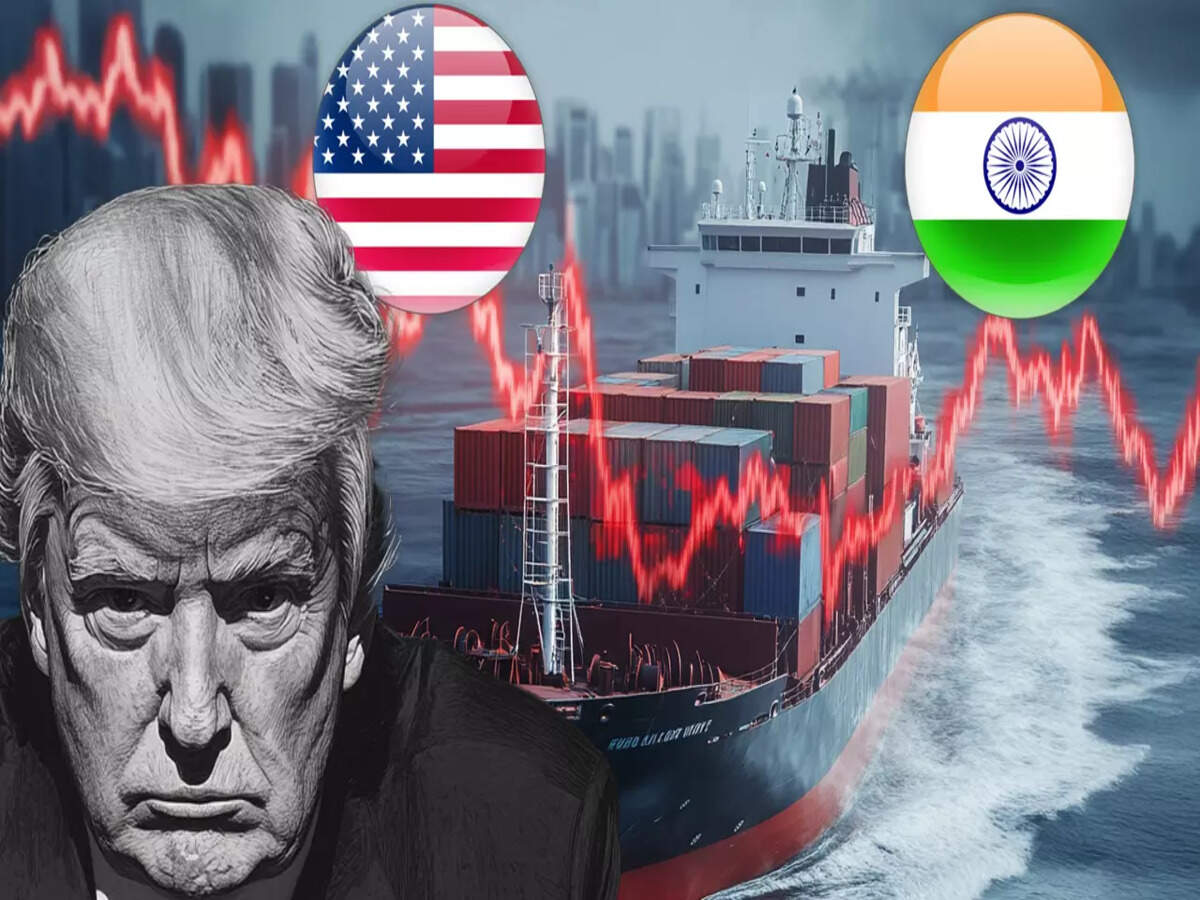
By Nitya Chakraborty It is not a cliché to say that our powerful Prime Minister Narendra Modi’s moment truth has arrived after 11 years of ruling the country as the unchallenged leader. The 25 per cent tariff hike on Indian exports announced by the United States President Donald Trump on Wednesday and taking effect from […]Dubai, UAE. In Dubai’s real estate market, new expectations are changing recruitment. New brokerages, often promoting appealing commission splits, open every week. This is making experienced agents consider more than just percentages. They are now looking for brokerages that offer high earnings along with strong support systems, organized operations, and a performance-driven culture. Phoenix Homes, a leading real estate agency in Dubai, offers an 80% commission on […]

By Dr. Nilanjan Banik Before the August 1 deadline, the U.S. President Donald Trump decided to impose a 25% tariff on Indian exports. He also talked about an additional penalty on Indian exports, which could go up to100% as a surcharge, targeting countries that continue trading oil with Russia. Trump seems to care less about […]Gulf nations now account for over half of global environmental, social, and governance sukuk issuances in the first half of 2025, underscoring their growing leadership in sustainable Islamic finance. Sukuk linked to ESG objectives saw a 12 per cent rise to approximately $50 billion outstanding globally in H1 2025, with Gulf Cooperation Council countries contributing the majority of this volume. Saudi Arabia and the UAE emerged as principal issuers, driving […]

Union Properties reported a sharp decline in second-quarter net profit, registering AED 8.74 million, a 52% fall from AED 18.3 million for the same quarter last year. The Dubai-listed developer attributed the downturn to heavier upfront investments channelled into development activities and upgrades to infrastructure across its portfolio.
For the first half of 2025, profit stood at AED 14.56 million, significantly lower than the AED 34.77 million reported during the same period in 2024. Despite this decline in bottom-line earnings, the company recorded a notable improvement in revenue. Total income for the six-month period rose to AED 316 million, a 19% year-on-year increase compared to AED 266 million during the first half of 2024.
The company’s performance reflects a strategic pivot toward long-term asset enhancement, which has led to a temporary squeeze on margins. According to statements from company officials, this phase of intensified capital expenditure is aligned with efforts to revitalise core assets and push forward master-planned projects aimed at bolstering future recurring revenue.
Union Properties has been seeking to reposition itself in the competitive Dubai real estate landscape, where both private and publicly traded developers are ramping up efforts to respond to shifting demand patterns in residential, commercial, and mixed-use spaces. The firm’s latest investment push includes modernisation of infrastructure, land parcel optimisation, and enhancements across its flagship MotorCity community, as well as new project launches in high-growth corridors of Dubai.
Market analysts indicate that the firm’s choice to front-load development expenses may place temporary pressure on quarterly earnings but positions the company for stronger medium-term growth, particularly as Dubai’s property sector remains buoyant. Real estate transaction volumes in the emirate have continued to show strength, driven by both domestic end-user demand and international investor interest.
Union Properties has also been undertaking restructuring initiatives since 2022 in a bid to reverse a prolonged downturn marked by legal disputes, operational setbacks, and financial mismanagement. The group’s current leadership has focused on stabilising the balance sheet, improving transparency, and advancing stalled developments. The company’s equity structure has undergone changes, with efforts to attract new institutional investors and offload non-core assets.
During the latest reporting period, the developer recorded a surge in project execution costs, which contributed to the narrowing of margins. Construction and infrastructure spending increased significantly, while administrative expenses remained relatively stable. The higher costs are partly reflective of an accelerated build-out of key developments and a recalibration of timelines to align with updated delivery schedules.
The developer’s revenue boost was attributed largely to stronger unit sales and improved rental income from existing properties. However, the impact of increased capital expenditure overshadowed these gains, resulting in lower profitability. The company’s cash flow remains positive, supported by pre-sales and project advances, although liquidity management remains a focus area amid the ongoing investment cycle.
Union Properties’ board has reiterated its confidence in the current trajectory, describing the strategic investments as necessary for sustainable growth. Internal forecasts suggest that revenue streams will continue to expand into the second half of the year as multiple projects reach key development milestones. Delivery schedules have been tightened and operational efficiencies have been integrated to mitigate further cost overruns.
The wider Dubai property market has shown continued resilience, with price growth moderating but staying positive. Analysts suggest that Union Properties’ recent performance must be viewed in the context of its turnaround efforts and sector-wide transformation. Large-scale developers have increasingly shifted focus towards quality, lifestyle-oriented developments, a segment Union Properties is now actively targeting through its redevelopment strategy.

The U. S. Treasury has placed sweeping sanctions on a sprawling oil‑trading and shipping network linked to Mohammad Hossein Shamkhani, whose father, Ali Shamkhani, serves as adviser to Iran’s Supreme Leader Ayatollah Ali Khamenei. The action, imposed on 30 July 2025, marks the most extensive Iran‑related sanctions package since 2018, covering more than 115 individuals, entities and vessels.
At the heart of the measures is Shamkhani’s maritime empire, comprising 15 shipping firms, 52 vessels and 53 entities operating across 17 countries from Panama to Hong Kong. Officials contend the network funnels tens of billions of dollars in revenue from Iranian and Russian oil sales, largely to buyers in China, using aliases, front companies and falsified documentation to conceal ownership and origin.
Treasury Secretary Scott Bessent described the network as a prime example of elite Iranian circles using state influence for private gain while empowering Tehran’s destabilising agenda, asserting that this is “the largest to‑date since the Trump Administration implemented our campaign of maximum pressure on Iran”.
Hossein—known in industry as “H”, “Hector” or, in travel documents, “Hugo Hayek”—is said to travel internationally using foreign passports and operate from the UAE and beyond. The Treasury report underscores his use of a web of shell enterprises and shipping registries in jurisdictions such as Hong Kong, Singapore, the UAE, Italy and Switzerland to obscure true control of assets.
The network’s operations align with broader patterns observed in Iran’s so‑called “ghost fleet.” Surveillance reports have documented vessels switching flags, deactivating AIS transponders, engaging in ship‑to‑ship oil transfers, blending cargoes mid‑voyage and falsifying bills of lading to evade detection. Such tactics enable covert deliveries to Chinese “teapot” refineries and other end‑users despite global sanctions.
The sanctions also extend to six firms based in India, accused of transacting petroleum and petrochemical goods with Iran worth approximately $220 million. U. S. officials warned these sanctions could strain trade relations and signal serious repercussions for firms ignoring sanctions diplomacy ][5]).
While the sanctions are intended to sever the flow of funds financing Iran’s nuclear, ballistic missile and proxy capabilities, U. S. officials stopped short of declaring they will destabilise global oil markets. Still, they emphasised that the network’s disruption would make it “much more difficult” for Tehran to covertly maintain oil sales via front companies and intermediaries.
Ali Shamkhani, previously sanctioned by the U. S. in 2020, remains a key figure in Iran’s security establishment. Serving as a naval officer, former defence minister and head of the Supreme National Security Council until May 2023, he assumed the role of adviser to the supreme leader thereafter. His son’s oil empire is widely seen as an extension of those elite institutional networks.
Industry observers say the sanctions package highlights the increasing difficulty in enforcing international measures against Iran’s evolving evasion networks. The complexity, scale and global reach of Shamkhani’s operations underscore the challenge of identifying and intercepting entities that operate invisibly across jurisdictional lines.
Casablanca, Morocco— Al Tamimi & Company, the leading full-service legal firm in the Middle East, is pleased to announce the addition of Omar Zizi as Partner in Casablanca, marking a significant step in the firm’s renewed presence in Morocco. This strategic combination reflects the firm’s ongoing commitment to delivering top-tier legal services across North Africa. Omar’s appointment, along with his team, enhances Al Tamimi & Company’s regional […]

Factory activity in China showed unexpected signs of contraction in July, signalling deeper challenges for the world’s second-largest economy. This downturn comes despite a partial thaw in trade tensions with the US, with early data indicating a slowdown in exports and continued weakness in domestic demand.
The Purchasing Managers’ Index for July, a key indicator of factory activity, dropped below expectations, highlighting a downturn in production and new orders. Official data indicated that the PMI for manufacturing fell to 49.3, dipping below the critical 50-point mark that separates expansion from contraction. This marks a stark contrast to the optimism that initially followed trade negotiations between the US and China.
The Chinese economy has been grappling with several systemic issues, including ongoing structural imbalances and shifts in consumer behaviour. Economic experts attribute the stagnation in factory activity not only to the global economic uncertainty but also to persistent domestic challenges. While the export sector has been a critical driver of China’s growth in the past decades, the country’s trade surplus has been narrowing as demand for its goods slows down in key markets like the US and Europe.
China’s trade relationship with the US, although stabilised, still faces a challenging landscape. A shift in global trade patterns, exacerbated by geopolitical tensions and the lingering effects of the pandemic, has taken a toll on China’s manufacturing sector. Exports of major products such as electronics and textiles have begun to show signs of slowing, even as Beijing has attempted to bolster its trade position through policy adjustments.
Compounding the issue, domestic demand has failed to pick up the slack. Despite various government efforts to stimulate spending, consumer confidence remains low, particularly in sectors like retail and real estate. The country’s efforts to transition from an export-driven economy to one more reliant on domestic consumption have yet to show significant results, and the reliance on government spending for growth is becoming increasingly evident.
The weakness in the manufacturing sector is linked to a sharp decline in the production of industrial goods, which has directly impacted job creation. Although the government has taken steps to mitigate the effects of unemployment by investing in infrastructure and green technologies, these efforts have yet to yield the desired economic recovery in the short term.
Economists are increasingly concerned that without more comprehensive structural reforms, China may continue to face these economic headwinds. Some analysts suggest that more aggressive monetary policies or fiscal stimulus could be required to stabilise the economy. The People’s Bank of China has already hinted at such moves, potentially lowering interest rates further to spur investment and consumer spending.
However, the global economic context remains challenging. Countries that traditionally rely on Chinese exports are also facing downturns, which could further dampen demand. Additionally, as global inflation continues to impact the purchasing power of consumers worldwide, the potential for China’s manufacturing recovery to take hold seems uncertain.

Major Ethereum holders, often referred to as “whales,” have amassed more than 200,000 ETH in the past 48 hours, pushing their total accumulation to nearly 2 million ETH since the start of July, according to on-chain data firm Santiment. This sharp uptick in activity has caught the attention of market analysts, suggesting that large investors are showing increasing confidence in Ethereum’s long-term price trajectory.
The surge in whale accumulation comes as Ethereum has experienced notable price fluctuations. Following a period of volatility, Ethereum’s price appears to be stabilising, with these strategic accumulations indicating that whales foresee potential price growth. Data from Santiment reveals that these large holders, who hold a significant portion of the total ETH supply, have been acquiring tokens at a rapid pace. Their actions are seen as a signal of confidence in Ethereum’s future, particularly as the network continues to develop and mature.
Ethereum’s ongoing network upgrades, such as the transition to Ethereum 2.0, are likely a contributing factor to this growing bullish sentiment. The shift towards a Proof-of-Stake consensus mechanism has been a long-awaited move, expected to improve scalability, reduce energy consumption, and enhance security. The successful deployment of key upgrades has sparked renewed optimism in the community, particularly among institutional investors who are looking to gain exposure to Ethereum while aligning with broader trends in sustainability.
The shift in sentiment is also reflected in Ethereum’s growing adoption across various sectors. From decentralized finance to non-fungible tokens, Ethereum’s ecosystem continues to expand, driving demand for ETH. As the Ethereum network becomes increasingly entrenched in the broader financial landscape, it is likely that whales view this as a strong indicator of the asset’s potential for long-term appreciation.
The broader cryptocurrency market has been seeing a general trend of institutional involvement, with large-scale investors increasingly allocating capital towards digital assets. Ethereum, as the second-largest cryptocurrency by market capitalisation, stands as a prime target for these investors. The accumulation by whales, many of whom are institutional investors or wealthy individuals, underscores Ethereum’s growing position within the digital asset class.
Despite the positive sentiment surrounding Ethereum, the market remains volatile, with regulatory concerns and global economic factors continuing to influence price movements. However, the heavy accumulation by whales suggests that these investors are more focused on the long-term value proposition of Ethereum rather than short-term price swings. Many believe that as Ethereum’s use cases expand, its value will grow, potentially leading to greater market stability and increasing institutional adoption.
The increasing concentration of ETH in the hands of a few large holders has also raised questions about decentralisation and the potential risks of market manipulation. Critics argue that such accumulation could lead to a situation where a small group of investors has disproportionate control over Ethereum’s price. However, proponents of Ethereum argue that the network’s decentralisation mechanisms and the broader community’s engagement provide a counterbalance to this concentration of power.
The Ethereum Foundation and other key stakeholders have been working diligently to foster an environment that encourages decentralised participation. Community governance, a hallmark of Ethereum’s design, continues to evolve, with decisions about protocol upgrades being made through a collaborative process. As a result, the growing dominance of whales, while notable, is not seen as a fundamental threat to Ethereum’s decentralised nature.
With major upgrades and developments on the horizon, including the anticipated roll-out of sharding to further scale the network, Ethereum’s prospects remain positive. These technological advancements are expected to bolster Ethereum’s position as a leader in the blockchain space, potentially increasing demand for ETH from both institutional and retail investors.

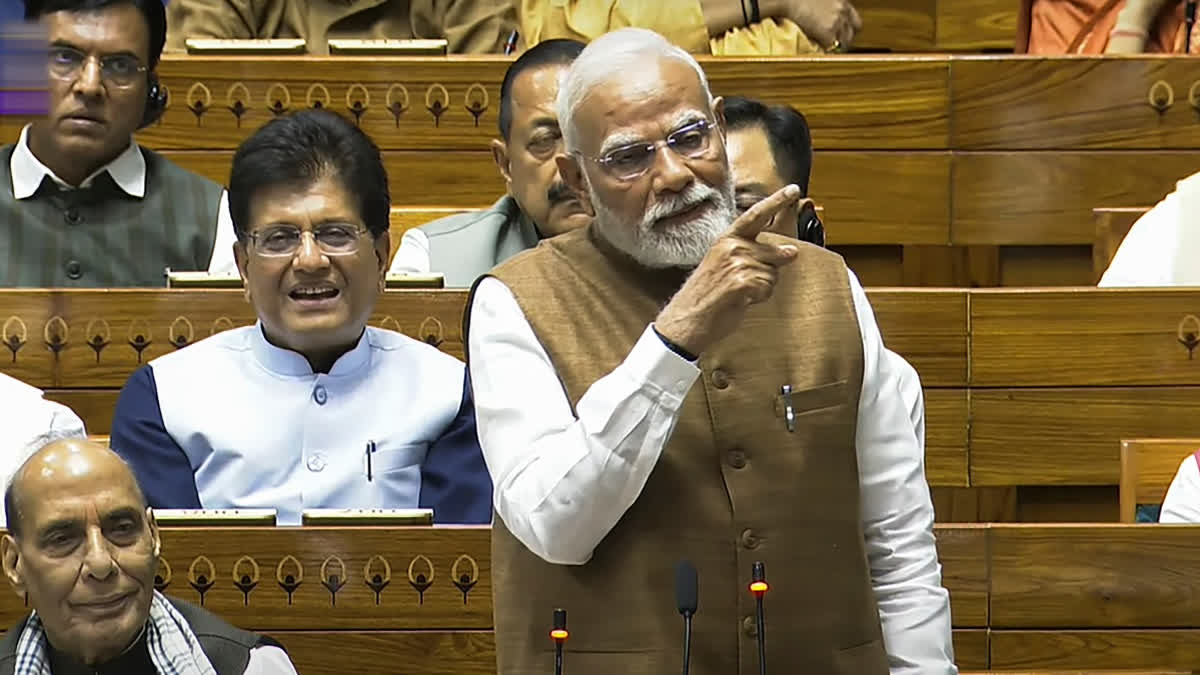
By Nitya Chakraborty Prime Minister Narendra Modi in his long reply to the discussion in Lok Sabha on Operation Sindoor on Tuesday night skillfully avoided the issue of any mediation by the U.S. President Donald Trump by stating that no world leader told India to stop Operation Sindoor. His refrain was that Pakistan DGMO came […]The Abu Dhabi Investment Authority, a prominent sovereign wealth fund, has bolstered its investment in India with the acquisition of a 1.17% stake in the National Securities Depository Limited, the country’s oldest central depository. This move comes as part of NSDL’s initial public offering, which has garnered significant attention within the Indian financial sector.
The deal positions ADIA as one of the key anchor investors in NSDL’s IPO, valued at ₹40.12 billion. The IPO officially opened for subscription today, marking a critical phase for both the company and the broader investment landscape. ADIA’s involvement is seen as a strong endorsement of NSDL’s role within the Indian financial ecosystem and reflects the UAE-based fund’s growing confidence in India’s capital markets.
ADIA has acquired 174,996 equity shares in NSDL at ₹800 per share, amounting to an investment of ₹140 million. This participation places ADIA among the notable institutional investors backing the public offering, signalling the strategic importance of NSDL in India’s burgeoning financial sector. The sovereign wealth fund’s move is likely to strengthen its position in the Indian market, where it has been increasing its footprint over the past several years.
The IPO has attracted substantial attention from institutional investors, with the Life Insurance Corporation of India securing the largest anchor allotment. LIC holds an 11.99% stake, underscoring its significant role in India’s financial services landscape. Following closely is the Smallcap World Fund, which has committed to an 8.33% stake, further highlighting the appeal of NSDL as a viable investment proposition for large-scale financial institutions.
NSDL, which plays a pivotal role in the clearing, settlement, and dematerialisation of securities in India, has been integral to the functioning of the Indian stock markets since its inception in 1996. The company provides critical infrastructure that supports the trading of securities and facilitates the electronic transfer of ownership. Its IPO is seen as a major milestone, not only for the company but for the broader development of the Indian financial market.
As the oldest depository in the country, NSDL has witnessed the rapid expansion of India’s financial markets over the past few decades. The company’s role in streamlining the trading of securities has been a key enabler of the country’s financial growth, positioning it as a leader in the sector. The funds raised through the IPO will be used to further enhance its technological infrastructure and expand its range of services, including the digitalisation of securities.
The growing interest from global institutional investors, such as ADIA, underscores the attractiveness of India’s financial market. Despite global economic uncertainty, India’s stock exchanges continue to attract significant foreign investments, bolstered by the country’s large consumer base, robust economic growth, and ongoing reforms aimed at improving market liquidity and transparency.
ADIA, which has been active in the Indian market for several years, has diversified its portfolio across various sectors, including infrastructure, real estate, and technology. The sovereign wealth fund has shown a particular interest in India’s financial services sector, making strategic investments in leading financial institutions and companies with strong growth potential.
NSDL’s IPO marks a significant step in the company’s journey, with the funds raised providing a boost to its expansion and digitalisation efforts. For ADIA, this investment represents a continuation of its strategy to capitalise on India’s growing financial sector and enhance its portfolio through carefully selected high-potential opportunities.
The Central Bank of the UAE has taken decisive action by suspending the motor insurance operations of a foreign insurer’s local branch. This decision, made under Articles and of Federal Decree Law No. of 2023, is aimed at enforcing compliance with regulatory standards in the UAE’s insurance sector.
The suspension stems from the insurer’s failure to meet the solvency and guarantee requirements stipulated by the UAE’s regulations, a breach that has significant implications for the company’s operations within the country. The CBUAE confirmed that while the insurer’s ability to conduct new business has been halted, it remains liable for all existing insurance contracts and their associated rights and obligations.
The UAE’s regulatory framework for insurance companies, introduced under Federal Decree Law No., is designed to ensure financial stability, consumer protection, and sector transparency. By enforcing stringent solvency and guarantee conditions, the CBUAE aims to maintain the integrity of the local insurance market and safeguard the broader financial ecosystem.
The suspended insurer, a foreign entity operating within the UAE, has been under scrutiny for some time due to concerns about its financial solvency. This regulatory action highlights the central bank’s commitment to enforcing the highest standards of compliance in line with national financial stability goals.
The UAE insurance market, which is one of the most developed in the Gulf region, has seen increased oversight from the CBUAE as part of a broader effort to ensure that insurers adhere to strict regulatory standards. This includes robust checks on financial reserves, consumer protection protocols, and transparent business practices. The CBUAE’s regulatory framework is designed to protect both policyholders and the financial system by ensuring that insurance companies have the necessary capital and guarantees to meet their obligations.
While the suspension affects the foreign insurer’s ability to offer new motor insurance policies, the regulator’s actions ensure that the firm will continue to uphold its responsibilities to policyholders who have existing contracts. This decision underscores the CBUAE’s commitment to protecting the rights of consumers and ensuring the financial health of the insurance sector.
The UAE’s insurance industry has been growing steadily over the past decade, with both domestic and international players seeking to capitalise on the expanding market. As a result, the CBUAE has increasingly focused on ensuring that insurers maintain financial solvency and provide adequate coverage to their customers. The central bank’s intervention in this case is part of a broader regulatory strategy to reinforce these standards across the sector.
The foreign insurer affected by this suspension has not made any public statement regarding the situation, and it is unclear how the suspension will impact its broader operations in the UAE. However, analysts suggest that the company may face significant challenges in regaining its ability to operate in the motor insurance market, given the stringent solvency and guarantee requirements that led to the suspension.
The suspension also highlights the growing regulatory scrutiny within the UAE’s financial sectors, where the central bank is increasingly taking proactive measures to ensure that companies adhere to the highest standards. The UAE government has placed a high priority on maintaining a stable financial ecosystem, with regulations designed to support transparency, consumer protection, and overall market stability.
Looking ahead, it is likely that the CBUAE will continue to monitor the financial health of all insurers operating in the country, ensuring that they meet the required solvency standards and operate in line with the national financial framework. The central bank has indicated that it will not hesitate to take similar actions if other companies fail to comply with the law.
The Dubai Chamber of Digital Economy has introduced The Entrepreneur’s AI Playbook, a strategic guide designed to equip businesses with essential tools to leverage artificial intelligence for growth and innovation. This new initiative is set to support entrepreneurs in integrating AI technologies into their operations and improve overall business performance.
The playbook offers a comprehensive approach to understanding and implementing AI in various sectors, including retail, finance, logistics, and manufacturing. It features step-by-step instructions on how to start using AI, from adopting the right technologies to ensuring scalability. By emphasising AI’s transformative potential, the Dubai Chamber aims to accelerate the digital economy and position the UAE as a global leader in tech-driven entrepreneurship.
Dubai has been at the forefront of the digital transformation in the Middle East, and the launch of this playbook aligns with the Chamber’s vision to create a robust ecosystem for technology adoption across businesses. The playbook is intended to help both established companies and startups identify the most suitable AI tools to streamline their processes, enhance customer experiences, and drive profitability.
The timing of this release comes as AI continues to disrupt industries worldwide, creating both challenges and opportunities for business owners. AI’s ability to automate routine tasks, enhance decision-making, and personalise services makes it an attractive option for companies looking to stay competitive in a rapidly evolving market. However, despite the benefits, many entrepreneurs still face significant barriers to AI adoption, including a lack of understanding, high implementation costs, and concerns about data privacy.
The playbook addresses these challenges by providing clear, actionable insights that guide users on how to navigate these hurdles. It covers various AI applications, including machine learning, natural language processing, and automation tools, providing practical case studies to demonstrate their effectiveness in real-world business scenarios. The playbook also provides resources for entrepreneurs to upskill their workforce, ensuring that companies can build internal capabilities to manage AI integration seamlessly.
One of the key features of the playbook is its emphasis on ethical AI use. As AI systems become more advanced, ethical considerations around data privacy, bias, and transparency are gaining importance. The playbook includes guidelines on how entrepreneurs can ensure their use of AI remains ethical, highlighting the need for responsible data handling practices and fairness in AI-driven decisions.
Experts believe the playbook could significantly improve the UAE’s competitive edge in the global digital economy. By enabling entrepreneurs to harness the power of AI effectively, the initiative could drive innovation across multiple sectors and attract international investments. The playbook also represents the Dubai Chamber’s commitment to creating a future-ready business environment that fosters innovation and digital growth.
The release of The Entrepreneur’s AI Playbook is a part of a broader initiative by the Dubai Chamber to cultivate a thriving digital economy. The Chamber has been actively working to expand the reach of AI and other emerging technologies, offering various training programs, workshops, and collaborations with industry leaders to further the development of digital capabilities among businesses in the UAE.
Entrepreneurs and business owners in Dubai have welcomed the introduction of the playbook, with many highlighting its practical approach to AI implementation. For small and medium-sized enterprises, the playbook offers a valuable resource to overcome the complexity of AI adoption. Entrepreneurs can now explore how AI can be a game-changer in driving efficiency and customer satisfaction without the need for massive upfront investments in technology infrastructure.

MoneyGram, a global leader in digital payments, has announced the resumption of its money transfer services through a newly reinvigorated partnership with Bank AlJazira, one of Saudi Arabia’s prominent banking institutions. This move marks a significant step in advancing the Kingdom’s financial landscape, offering seamless physical and digital cross-border money movement solutions across the country.
The collaboration will allow MoneyGram to leverage Bank AlJazira’s expansive network of physical locations, ensuring that customers in Saudi Arabia can send and receive funds swiftly and securely. It also highlights the growing importance of digital channels in a nation increasingly shifting toward a more digitally integrated economy. The resumption of these services comes at a crucial time, with Saudi Arabia’s Vision 2030 blueprint pushing for greater financial inclusion and a more robust digital ecosystem.
MoneyGram has long been a key player in the cross-border payments industry, with its services spanning more than 200 countries and territories. In Saudi Arabia, the company is now positioned to meet the demands of an expanding customer base that increasingly seeks more accessible, secure, and instantaneous ways to transfer funds internationally.
The partnership with Bank AlJazira, a major player in Saudi’s banking sector, offers a wide-reaching solution for those in the Kingdom who rely on international money transfers for both personal and business purposes. Saudi Arabia has long been one of the largest remittance markets globally, with millions of people relying on money transfer services to send funds to family members overseas.
Saudi Arabia’s vision to become a global financial hub in the region has paved the way for international financial institutions to enter the market, forming partnerships to enhance the ease of conducting international transactions. The latest collaboration between MoneyGram and Bank AlJazira exemplifies this trend, aligning with the Kingdom’s ongoing push to modernise financial infrastructure, streamline cross-border payments, and ensure broader access to digital services.
The financial ecosystem in Saudi Arabia is rapidly evolving. The country’s push for digital transformation is supported by extensive government initiatives, including the Saudi Payments Company and the Financial Sector Development Programme. These initiatives aim to facilitate a more secure, transparent, and inclusive financial landscape. As part of this ongoing transformation, the re-establishment of MoneyGram’s services through a leading bank like AlJazira offers not only more efficient payment processing but also greater accessibility to the broader public.
MoneyGram’s digital capabilities will complement Bank AlJazira’s offerings, ensuring that both physical and digital touchpoints are well-integrated for consumers who demand flexibility in their money transfers. This move also benefits both businesses and individuals, particularly those who may prefer using mobile apps or websites to send money to and from international locations.
The recent resumption of services takes place amidst growing competition in the cross-border payment space. With numerous global players, including Western Union, PayPal, and emerging fintech startups, expanding their presence in Saudi Arabia, MoneyGram’s ability to leverage a strong local partnership enhances its positioning in the market. The company’s collaboration with Bank AlJazira provides it with an opportunity to tap into a network of customers who value both security and convenience.
Bank AlJazira, with its strong reputation in the Kingdom, offers a well-established platform that can seamlessly integrate with MoneyGram’s international remittance network. This partnership will allow consumers and businesses alike to experience an enhanced service offering, particularly in terms of speed and ease of access to funds. With a robust infrastructure already in place, this new initiative seeks to further enhance the efficiency of cross-border payments for people within and outside Saudi Arabia.
With Saudi Arabia focusing on economic diversification and growing international trade partnerships, the enhanced digital and physical money transfer services come at an opportune moment. The Kingdom’s ambitious Vision 2030 plan, which includes bolstering the digital economy and expanding financial services, presents a dynamic backdrop for collaborations like this. By tapping into the burgeoning digital economy, MoneyGram and Bank AlJazira are aligning themselves with the country’s long-term goals.
Google’s latest innovation, Opal, has introduced a groundbreaking way for users to create artificial intelligence mini-applications using just natural language. This shift marks a significant leap in the growing trend of no-code platforms, where complex coding tasks are simplified, enabling non-technical users to build sophisticated apps with minimal effort. The launch of Opal signals a broader movement toward intuitive software development that allows individuals to build AI-powered […]
President Trump has sharply shortened his own deadline for punishing buyers of Russian oil, catching markets off guard and forcing investors to price in a risk that had previously been dismissed. On Monday, standing beside UK Prime Minister Keir Starmer in Scotland, Trump announced that Moscow now has only 10 to 12 days to secure a peace deal over Ukraine. If it doesn’t, he says he will […]
FluidCloud, a startup dedicated to addressing one of the most pressing challenges in enterprise cloud computing, has announced its emergence from stealth mode with a seed funding round of $8.1 million. The funding will allow the company to expand its efforts in solving the longstanding issue of cloud vendor lock-in, which has long hindered businesses from achieving flexibility and efficiency in their digital infrastructure. The funding round, […]

Scala Data Centers has secured $328 million in international financing to fund the construction of three new hyperscale data centres and a critical power substation in Chile. This significant investment underscores the growing demand for high-capacity, scalable infrastructure to support the rapid expansion of digital services across Latin America.
The financing deal marks a pivotal moment for Scala as it continues to strengthen its position as a leader in the Latin American data centre sector. The new development in Chile forms part of the company’s broader strategy to expand its footprint in key markets across the region, which are increasingly becoming hubs for global data traffic and cloud services.
With digital transformation accelerating in multiple industries, Latin America has seen a surge in demand for high-performance data infrastructure. The planned facilities will cater to the needs of global cloud providers, hyperscale customers, and enterprises, allowing them to store, process, and manage vast amounts of data. The new data centres will also help reduce latency and improve connectivity for companies operating in the region.
The investment comes at a time when Latin America is experiencing a surge in the adoption of cloud computing, artificial intelligence, and big data analytics. With more companies moving their operations to the cloud, the need for secure, reliable, and energy-efficient data centres has never been more pressing. Scala’s expansion will enable it to meet these demands, providing businesses with the infrastructure necessary to drive innovation and growth.
Scala’s expansion in Chile also reflects the increasing importance of sustainable infrastructure. The new data centres will be designed with energy efficiency in mind, incorporating cutting-edge technologies to reduce energy consumption and carbon emissions. The company has also committed to using renewable energy sources to power its facilities, aligning with the growing trend of sustainability in the data centre industry.
Chile’s favourable business environment, combined with its advanced telecommunications infrastructure and strategic location, has made it an attractive destination for data centre investments. The country has been positioning itself as a key player in the global digital economy, offering tax incentives and other benefits to companies investing in technology and infrastructure. The addition of Scala’s new facilities further strengthens Chile’s standing as a leading hub for digital infrastructure in the region.
Alongside the construction of the data centres, the financing will also support the development of a major power substation, ensuring that the facilities have a stable and reliable energy supply. The substation will play a crucial role in supporting the growing demand for electricity, which is essential for the operation of the new data centres. With a growing number of digital services being powered by cloud platforms, the need for reliable and scalable energy solutions is increasingly important.
Scala’s investment comes amid a wave of expansion in the Latin American data centre market. The region has witnessed significant growth in the last few years, driven by increased cloud adoption, demand for edge computing, and the expansion of global tech giants in the area. The financing will allow Scala to build upon its already strong presence in the region and continue supporting the evolving needs of the digital economy.

Gartner’s stock price plunge and G2’s diminishing traffic are indicative of a major transformation in the B2B research industry. The traditional systems—built on gated reports, pay-to-play models, and vendor-biased reviews—are rapidly being upended. This shift is primarily driven by AI technologies, with large language models at the forefront, reshaping how businesses engage with research. Buyers and sellers alike are recalibrating their strategies in response to a new landscape where access to data is instantaneous, personalised, and driven by real-time insights.
For decades, legacy firms like Gartner and Forrester dominated the research space, offering in-depth, but often slow-moving insights in exchange for high costs. Their traditional grid-based analyses, though respected, were perceived as rigid and sometimes outdated, providing a one-size-fits-all perspective. Meanwhile, review sites like G2 and TrustRadius aimed to offer faster insights but often faced criticism for shallow or vendor-incentivised content. While these platforms catered to buyers looking for swift answers, the reviews were often generic and lacked personalisation. Both models, while serving their purpose, have come to feel increasingly inadequate as the industry evolves.
Buyers today demand more from their research tools. The rise of AI-driven platforms reflects a shift in expectations: information must be fast, tailored, and integrated with peer reviews, all without the heavy influence of vendors. Traditional sales calls and vendor presentations are no longer desirable during the early stages of the buying process. A major change is evident: buyers prefer to gather 80% of their information before engaging with a seller. This has resulted in a steep rise in the demand for decision engines that empower buyers to do their own research in real-time, unencumbered by the noise of outdated models.
AI-powered platforms are addressing these pain points. By delivering instant, personalised answers and creating tailored recommendations, these technologies are challenging the dominance of traditional research firms. Large language models are particularly transformative, enabling AI systems to scan vast amounts of data quickly, providing up-to-the-minute insights and playbooks without the bottleneck of human oversight. The result is faster, more relevant research, cutting through the noise of traditional, vendor-centric approaches.
For sellers, this transformation represents both a challenge and an opportunity. Customer acquisition costs continue to rise, and potential buyers are increasingly resistant to early sales calls. With buyers now equipped with AI-powered research tools, sellers must adapt by providing value at earlier stages in the buying process. Simply put, the only path forward for sales teams is to help buyers conduct better research and make more informed decisions. Sellers need to move beyond generic content like SEO-optimised eBooks and instead offer real buyer enablement resources such as detailed playbooks, personalised vendor comparisons, and tools that foster collaboration with potential buyers.
Platforms like Zeer AI are already integrating these shifts into their go-to-market strategies. Through their Buyer-Led Agentic platform, Zeer is revolutionising B2B research by creating daily pulses that allow buyers to share their most pressing concerns directly with AI agents. These agents then provide instant, tailored insights, including vendor leaderboards and one-click access to personalised RFPs. The AI agents continually scan fresh content, ensuring that the insights buyers receive are always up-to-date and relevant. This constant stream of personalised data positions Zeer’s platform as a valuable tool in the decision-making process, offering buyers the resources they need to make better-informed decisions.
Zeer’s platform incorporates human-curated research through its network of experts, agencies, and consultants. This network aids in the identification of ‘soft intent’—when a buyer is interested in a solution but not yet ready to engage. Once a buyer interacts with a solution that resonates with them, the system seamlessly transitions from soft to hard intent, prompting a meeting with the vendor. This soft intent to hard intent progression streamlines the sales funnel, making the buying process more efficient and collaborative.

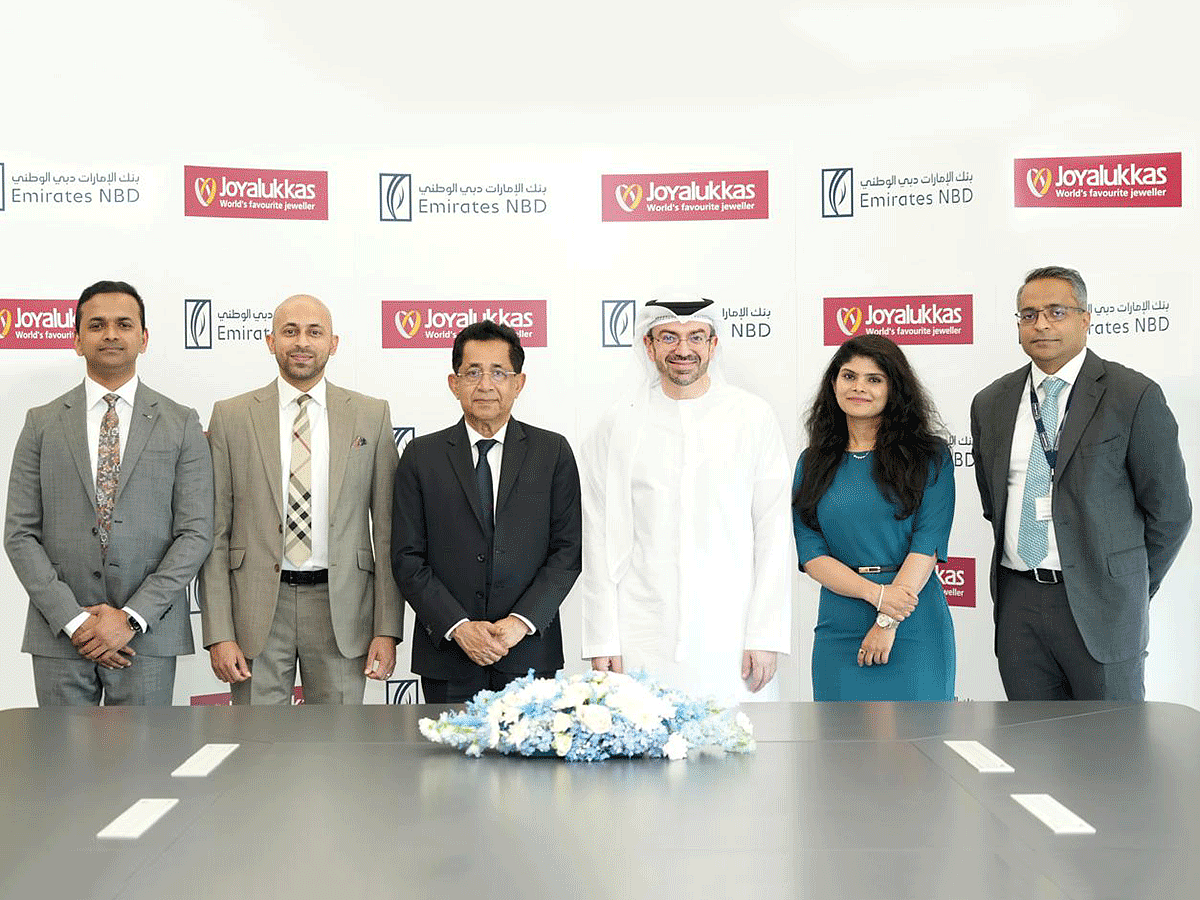
Emirates NBD has entered into a landmark partnership with global jewellery retailer Joyalukkas, providing a substantial AED 500 million working capital facility. This agreement marks a crucial step in the expansion of Joyalukkas’ operations across the UAE, as well as its key international markets, including the UK, USA, Canada, and Australia.
The deal, announced today, highlights the growing collaboration between the two entities, cementing Emirates NBD’s role as a key financial partner in Joyalukkas’ global growth strategy. The working capital facility will allow Joyalukkas to bolster its operations, meet the increasing demand for luxury jewellery, and enhance its retail presence in multiple regions.
Joyalukkas, a household name in the jewellery industry with a vast network of outlets worldwide, is known for its exquisite designs and premium products. Founded in 1987, the retailer has rapidly expanded its footprint, particularly in the GCC region, India, and other high-potential international markets. This new facility from Emirates NBD enables Joyalukkas to navigate challenges associated with working capital and supply chain management while facilitating its growth in a highly competitive market.
The strategic decision to offer this significant financial support underscores Emirates NBD’s commitment to supporting leading UAE-based businesses with ambitious expansion plans. The partnership will also contribute to the local economy, enabling job creation and boosting the retail sector. With an extensive portfolio of services tailored for high-growth industries, Emirates NBD is positioning itself as a critical player in the UAE’s business ecosystem.
For Joyalukkas, the agreement reflects its robust financial health and operational readiness for a broader international reach. As luxury consumption in markets such as the UK, USA, and Australia continues to rise, the retailer is well-placed to capitalise on this growing demand. Furthermore, the working capital facility will enhance its ability to manage large-scale projects and optimise its inventory across regions.
With an extensive network of over 160 showrooms worldwide, Joyalukkas is keen to capitalise on its established reputation while strengthening its presence in key markets. The financial backing from Emirates NBD offers the flexibility required to support large-scale retail operations and secure further growth.
Analysts see this collaboration as a strong endorsement of Joyalukkas’ expansion strategy, particularly its targeted approach towards diversifying into high-potential international markets. As global luxury retail trends shift towards online platforms and omnichannel experiences, Joyalukkas has already begun adapting to these changes, with plans to enhance its digital presence alongside its physical stores.
Emirates NBD, one of the leading banks in the region, has long been known for its strategic partnerships with key players in the retail and manufacturing sectors. By offering tailored financial solutions, the bank has proven to be a crucial enabler of growth for businesses with global aspirations. This latest deal with Joyalukkas adds to the bank’s already impressive portfolio of financial support for companies looking to expand their market reach.
As both organisations look ahead, the partnership represents a shared vision for long-term growth, with Joyalukkas planning to increase its retail footprint in the coming years. The bank’s backing will facilitate Joyalukkas’ ability to expand both in terms of physical retail locations and in the digital domain, where it is likely to see increasing competition.
The deal is also a testament to the UAE’s growing position as a global hub for business and finance, with local institutions playing a pivotal role in helping regional businesses scale internationally. Emirates NBD’s deep involvement with international brands and retailers reflects the increasingly interconnected nature of global trade and commerce.
While the facility’s exact terms remain undisclosed, industry experts suggest that this could be one of many similar deals to follow, as both local banks and international businesses continue to seek mutually beneficial partnerships. The growing demand for high-end jewellery and the increasing prominence of luxury markets globally position this partnership as a key milestone in both organisations’ development.


CoinShares has introduced an exchange-traded product designed to offer investors exposure to the SEI token, with a unique value proposition: zero management fees and staking rewards. The ETP, set to launch across multiple European markets, aims to attract both retail and institutional investors who are keen to participate in the burgeoning sector of digital assets.
The SEI ETP is being heralded as a groundbreaking development within the cryptocurrency investment space, as it lowers the barriers to entry for investors looking to capitalise on the SEI token. By eliminating management fees, CoinShares has created a highly competitive product that promises higher returns for investors. Moreover, the staking rewards component adds a unique dimension to the offering, allowing investors to earn additional yield from their SEI holdings, further enhancing the attractiveness of the ETP.
This launch comes at a time when cryptocurrency investment products are experiencing increasing demand across Europe. With growing interest from institutional investors, particularly in the wake of global market fluctuations and economic uncertainty, innovative financial products like the SEI ETP are gaining significant traction. The move by CoinShares is a response to this rising demand, reflecting the company’s commitment to making digital asset investments more accessible and cost-effective.
CoinShares has long been a prominent player in the digital asset investment space. Known for its strong track record in launching exchange-traded products, the company has consistently pushed the boundaries of what is possible in terms of product innovation. The SEI ETP is part of the firm’s broader strategy to expand its range of offerings, catering to a diverse array of investors, including those who are new to the world of digital assets.
The SEI token, the underlying asset of the new ETP, is a relatively new entrant to the cryptocurrency market. However, it has been gaining momentum due to its strong fundamentals and the innovative approach behind its creation. The staking rewards aspect is particularly appealing, as it provides investors with an additional income stream beyond the typical price appreciation of the token.
Europe’s regulatory environment for cryptocurrencies has played a pivotal role in enabling the successful launch of such products. With the European Union’s comprehensive framework for digital assets gaining momentum, including the MiCA regulation, investors have greater confidence in the safety and legitimacy of cryptocurrency investment products. CoinShares, leveraging its expertise and reputation, is well-positioned to navigate this complex regulatory landscape, providing assurance to investors.
The ETP will be listed on major European exchanges, making it easily accessible to a broad spectrum of investors. The zero-fee structure makes it highly appealing to those looking to reduce the cost of investment, while the staking rewards make it an attractive option for those seeking passive income opportunities in the digital asset space. Furthermore, the ETP is designed to cater to both institutional and retail investors, broadening its potential market reach.
While the SEI ETP promises to be an attractive product for a wide range of investors, some industry experts caution that investors should remain mindful of the volatility that typically accompanies cryptocurrency markets. Although the SEI token has shown promising growth potential, like all digital assets, it is subject to significant price fluctuations. Staking rewards, while appealing, also come with their own set of risks, particularly if the underlying asset’s value decreases.
Despite these risks, the growing demand for innovative, low-cost cryptocurrency products remains a driving force in the market. CoinShares’ zero-fee SEI ETP is expected to capture a significant share of the market, particularly as investors look for new ways to participate in the digital asset space without incurring high management fees. By offering a product that aligns with investor desires for yield and low-cost access, CoinShares has further cemented its position as a leader in the digital asset investment space.

By Dr. Gyan Pathak As Election Commission of India (ECI) was busy in giving final shape to the Draft Revised Electoral Roll of Bihar to be published on August 1, an oral direction of the Supreme Court to ECI on July 28 to proceed with accepting Aadhaar and Electors Photo Identity Card (EPIC) has made […]Investcorp Capital, a leading alternative investment firm, has appointed Sana Khater as its new Chief Executive Officer, effective September 1. Khater’s appointment marks a significant leadership change for the Abu Dhabi-listed firm, as she succeeds Mohamed Aamer, who led the company for several years. Khater brings a wealth of experience to the role, having spent 35 years in C-suite positions across both listed and private sector companies. […]