News related to
Arabia

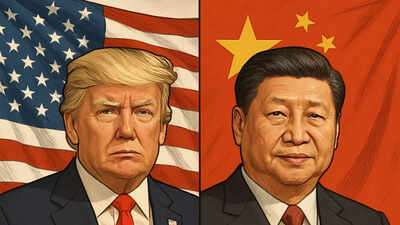
By Nantoo Banerjee Notwithstanding India’s current trade tariff spat with the United States, India should apply caution to further open up imports from China with which it already suffers from massive trade deficits – nearly $100 billion last year when China had severely cut down imports from India. The latter should also avoid the Chinese […]

Santos Ltd. has extended the exclusivity period for its proposed $18.7 billion acquisition by an Abu Dhabi-led consortium until September 19. The move marks the second extension for the deal, which is being led by the Abu Dhabi National Oil Company subsidiary, XRG, along with the Abu Dhabi Development Holding Company.

The extension, announced in a regulatory filing on Monday, follows a series of negotiations between the Australian oil and gas giant and the Abu Dhabi-based investors. Santos, Australia’s second-largest oil and gas producer, initially entered into exclusive talks with the consortium earlier this year. The deal is seen as one of the most significant energy sector transactions in the region, reflecting growing interest in Australia’s energy assets.

The consortium, led by ADNOC, has been vying to secure a controlling stake in Santos as part of its broader strategy to expand its oil and gas footprint internationally. While the negotiations have faced delays, the extended exclusivity period is intended to allow both sides to finalise terms and address regulatory requirements.

The decision to extend the exclusivity period underscores the complexity of the deal, which involves multiple stakeholders with differing interests. Industry experts have noted that the timeframe is critical for both ADNOC and Santos to iron out key details related to financing, regulatory approvals, and future operational integration.

Santos, for its part, has stated that the extension will allow for continued discussions regarding the offer’s terms. The company has also reiterated that the proposed acquisition remains subject to the successful completion of due diligence and other customary closing conditions.

While the deal’s original timeline was set to expire in mid-August, the extension provides additional time to navigate hurdles such as securing clearance from Australian competition authorities and finalising financing arrangements. The Australian government’s scrutiny of foreign acquisitions in the country’s critical infrastructure sector has been a key point of discussion.

The potential takeover has already attracted attention from various industry analysts, with many viewing it as part of a wider trend of increased mergers and acquisitions within the energy sector. Experts argue that the deal could reshape the Australian energy landscape by consolidating assets under a state-backed entity like ADNOC, which has a track record of making strategic investments in key oil and gas markets.

Santos’ strategic positioning in the market and its substantial reserves of gas have made it an attractive target for investors seeking to capitalise on the rising demand for energy. The company has significant operations in Queensland, Western Australia, and Papua New Guinea, all of which have been integral to ADNOC’s interests in securing a foothold in the Pacific region.

The proposal is expected to significantly impact the Australian energy sector, not only in terms of market share but also in the broader geopolitical context. As part of ADNOC’s strategy to diversify its global energy portfolio, the acquisition could also have implications for Australia’s relationship with key energy partners, particularly in the Asia-Pacific region.

The consortium’s interest in Santos is also aligned with ADNOC’s broader goals of expanding its footprint in the global natural gas market. With natural gas demand projected to grow in the coming decades, ADNOC sees the acquisition as a means to secure long-term assets that can ensure the UAE’s energy dominance on the global stage.

The deal’s implications, however, are still unfolding, as both parties continue to navigate regulatory processes and market conditions. The extension of the exclusivity period provides both sides the necessary time to address any outstanding issues before a final agreement is reached.

The GCC debt capital market is gearing up for a surge of new issuances following an active start to the year, despite a quiet period during the early days of August. With the market showing strong resilience, experts predict that the second half of the year could bring new opportunities for issuers, albeit under certain market conditions.

The first half of 2025 witnessed robust activity in the debt market, with significant bond and sukuk issuances across the Gulf Cooperation Council region. Several large corporations, sovereigns, and financial institutions took advantage of favourable conditions, including low interest rates, to raise funds and meet liquidity needs. This rush of issuances demonstrates the ongoing demand for GCC debt despite global economic uncertainties.

Victor Mourad, Co-Head of CEEMEA Debt Financing at Citi, highlighted the market’s performance, noting that the first half was particularly strong. “We had a phenomenal first half,” Mourad said. “The pipeline in the second half could be smaller, unless a drop in rates sparks a pre-funding strategy toward year-end, pulling transactions planned for early 2026 into November.” He pointed out that the timing of issuances would depend on a combination of factors, particularly the interest rate environment.

The market cooled off in the first three weeks of August, a period traditionally marked by lower activity, as many market players take a break before gearing up for the final months of the year. However, Mourad remains optimistic, suggesting that a rate reduction in the coming months could lead to a wave of issuances in the final quarter, as companies and governments look to lock in favourable terms before rates climb again.

Issuers are likely to adopt a strategic approach in the second half, with many considering early funding to avoid higher borrowing costs in 2026. A drop in rates could accelerate this strategy, as issuers push forward deals planned for the following year. It remains to be seen whether this shift in strategy will materialise, but the potential for an uptick in transactions towards the year-end remains high.

Investors will also play a key role in shaping the market dynamics. With yields on GCC bonds still appealing compared to those in other regions, demand for debt from the Gulf is expected to remain strong. The relatively stable economic backdrop, coupled with favourable oil prices, offers an attractive investment proposition for global investors looking for higher returns in a low-interest-rate environment.

Another crucial factor influencing the market will be the sovereign debt landscape across the GCC countries. Governments have continued to implement fiscal reforms and drive diversification efforts, which have bolstered the creditworthiness of the region’s sovereign issuers. As a result, GCC sovereign bonds have become a key asset class for international investors, offering a blend of safety and yield in uncertain times.

Corporate issuers in the region have also adapted to the shifting dynamics. Many have been tapping into the capital markets to fund expansion plans and refinance maturing debt, while also benefitting from government-backed stimulus packages. These initiatives have helped to stabilise the regional economy and offer liquidity to businesses during challenging periods.

However, challenges remain for certain sectors, particularly those heavily reliant on global supply chains or exposed to geopolitical risks. Tensions in the wider Middle East region could create volatility, which might impact investor sentiment. As the global economy continues to grapple with inflationary pressures and tightening monetary policies, GCC issuers will need to balance their strategies carefully to ensure they remain attractive to both local and international investors.

Telegram founder Pavel Durov has called his arrest in France a “mistake,” after an investigation concluded there was no wrongdoing on his part or within the messaging platform itself. A year on from the incident, Durov took to social media to address the events, reaffirming that Telegram’s moderation practices align with industry standards and that the company has consistently responded to all legally binding requests from the French authorities.

The arrest, which occurred during a high-profile legal dispute regarding Telegram’s content moderation policies, stirred considerable media attention. At the time, French authorities had raised concerns over the platform’s role in hosting extremist content and other illicit activities. Telegram, a widely-used encrypted messaging app, had previously faced scrutiny for its leniency in moderating user-generated content, especially groups promoting violence and illegal activities.

While Durov’s arrest was seen by many as a response to these concerns, the investigation into the matter has since cleared the company of any legal breaches. Durov’s statement, made through his personal social media channels, stressed that Telegram had fully complied with all applicable laws, asserting that the company had always acted in accordance with France’s legal requirements, responding promptly to government requests.

He pointed out that Telegram’s practices have been aligned with broader industry trends, especially in regard to user privacy and data protection. Telegram has consistently maintained its position as a platform committed to ensuring user security, while still balancing its legal obligations. Durov’s remarks come amid ongoing discussions about the role of social media platforms in regulating content and ensuring that they are not used to spread harmful or illegal material.

The French investigation, launched after several incidents related to extremist content being circulated via Telegram, examined whether the app’s developers were complicit in enabling such activities. The decision to clear Durov and the platform was reached following an in-depth review of Telegram’s operations and its cooperation with French authorities.

Telegram, which has gained popularity for its end-to-end encryption and resistance to governmental surveillance, continues to face a delicate balancing act in meeting demands from various governments while safeguarding user privacy. The platform has been under similar scrutiny in several countries, including the United States and Russia, where its stance on privacy and content moderation has led to clashes with regulators.

Durov’s statement serves as a reinforcement of Telegram’s commitment to compliance with local regulations while advocating for a privacy-first approach to communication. His decision to publicly address the matter also reflects the growing pressure on tech companies to openly communicate their stance on such issues in an era of heightened scrutiny over digital privacy and online content.

TAQA, the Abu Dhabi National Energy Company, has announced a significant acquisition aimed at expanding its global water platform. The company is set to acquire a 100% stake in GS Inima, a Spanish water infrastructure firm, for $1.2 billion. This strategic move will bolster TAQA’s existing water operations and position it as a leading player in the global water sector, reflecting the company’s ambition to diversify its portfolio and contribute to addressing the world’s growing water demands.

The acquisition will also align with TAQA’s sustainability goals, reinforcing its commitment to providing essential services in the water and energy sectors. With water scarcity becoming an increasingly urgent global issue, TAQA’s foray into water management is expected to play a pivotal role in meeting the needs of populations in water-stressed regions.

TAQA’s investment is seen as a response to the growing demand for sustainable water solutions, especially in the Middle East and North Africa, where the water scarcity issue is particularly pressing. The acquisition of GS Inima gives TAQA access to a portfolio of water treatment facilities, including desalination plants, water treatment plants, and wastewater management projects. These assets will allow TAQA to extend its reach in providing integrated solutions for water supply and wastewater treatment, addressing both operational and environmental challenges.

GS Inima, which has a proven track record in the management and operation of water infrastructure projects, will bring valuable expertise to TAQA. The Spanish company operates in various international markets, including Latin America, the Middle East, and Europe. Its portfolio includes some of the largest and most advanced desalination plants globally, complementing TAQA’s existing energy and water projects in the UAE and other regions.

For TAQA, the acquisition represents a strategic diversification into a critical infrastructure segment. The company has been shifting focus toward renewable energy and sustainable projects, reflecting broader trends in the energy sector. In line with the UAE’s commitment to sustainability, TAQA aims to contribute to global water security while also expanding its renewable energy footprint.

TAQA’s expansion into the water sector also serves as a response to market trends that indicate increasing investments in water infrastructure. According to industry experts, water scarcity is becoming a more pronounced challenge, particularly in urbanising and industrialising regions. The integration of water assets into TAQA’s broader portfolio enhances its ability to deliver sustainable solutions across both the energy and water sectors, offering customers integrated service offerings.

This acquisition also signals a shift in the regional market dynamics, where energy companies are increasingly seeking to tap into water management solutions. With over 50% of the world’s population living in water-scarce regions, the water market is expected to see continued growth. The UAE, known for its ambitious water desalination projects, stands to benefit from TAQA’s increased investment in water infrastructure, ensuring a more sustainable future for its rapidly growing population.

The integration of GS Inima into TAQA’s operations will also provide the company with a solid platform for further expansion. TAQA has been involved in several large-scale water and energy projects in the UAE, such as the development of renewable energy initiatives and large desalination plants. By merging with GS Inima, TAQA can leverage its experience to improve water management solutions worldwide and position itself as a leader in sustainable water resource management.

Dubai’s educational landscape is set for a major expansion, with 25 new institutions due to open for the 2025-26 academic year. This development will significantly enhance the city’s educational offerings, with a focus on early childhood education, primary and secondary schools, as well as higher education. The initiative underscores the city’s commitment to improving its education system while catering to its growing population and diverse expat community.

The plan includes 16 early childhood centres, six new schools, and three international universities. With these additions, the Emirate is strengthening its position as a global education hub. The new schools will offer a variety of curricula, catering to different international standards, while the universities are expected to provide high-quality degree programmes in multiple disciplines. The expansion aligns with Dubai’s strategic vision to position itself as a regional leader in education, attracting international students and families.

The increasing demand for high-quality education in Dubai is driven by a combination of factors. The city’s burgeoning population, especially among expatriates, has created a need for more educational institutions. According to the Knowledge and Human Development Authority, Dubai’s private schools have seen consistent growth over the past decade, with enrolment numbers steadily rising year after year. This demand for diverse and accessible education options has made the expansion of private institutions a top priority for the local government.

Dubai’s early childhood education market has been one of the fastest-growing sectors. The planned 16 new early childhood centres aim to address the gap in early education services, particularly in areas with high residential developments. These centres will cater to children from infancy to six years old, offering quality educational programmes designed to nurture cognitive, emotional, and social development. As more families choose Dubai as their home, there is an increasing need for flexible, high-standard childcare options.

The introduction of new international universities is part of Dubai’s broader strategy to attract higher education institutions from around the world. The city’s academic infrastructure has been steadily growing over the last two decades, with several global universities establishing campuses in Dubai Knowledge Park and Dubai Silicon Oasis. This expansion will further cement Dubai’s status as a destination for world-class higher education, offering a wide range of undergraduate and postgraduate programmes in fields such as technology, business, engineering, and healthcare.

The opening of these institutions also presents significant opportunities for local and international educators. With a large number of expat families residing in the city, the demand for skilled teachers across all levels of education remains high. This expansion will create numerous job opportunities for both local and international educators, particularly in the fields of STEM, which are seeing rising demand.

The 25 new institutions are expected to support Dubai’s broader economic development by equipping the workforce with critical skills needed for the city’s knowledge-driven economy. As Dubai continues to diversify its economy, education plays a crucial role in ensuring that its population is equipped with the expertise required for future industries, such as artificial intelligence, renewable energy, and fintech.

The city’s growth in education is not limited to the expansion of physical infrastructure. The KHDA is also investing in digital learning platforms, enhancing access to education through technology. The shift towards online learning, accelerated by the global pandemic, has influenced Dubai’s educational sector, with many institutions adopting hybrid models of teaching that combine traditional classroom learning with digital tools. These changes aim to make education more accessible and flexible for students of all ages.

Dubai’s vision for 2030 includes further investment in education, ensuring that it continues to attract families and professionals from around the world. As the city’s private education sector evolves, it is set to become an even more attractive option for expatriates seeking world-class education for their children, while also providing opportunities for students to pursue higher education without leaving the region.

Pepeto has crossed the $6 million milestone in presale funding, nearing the completion of stage 10 of its ongoing token sale. The project has raised significant attention in the cryptocurrency space due to its innovative features and growing investor confidence, having sold millions of its tokens thus far. With this latest achievement, the project continues to demonstrate its appeal to investors and enthusiasts in the blockchain and decentralized finance ecosystem.

The presale has proven to be a critical element in Pepeto’s funding strategy, propelling the project forward as it works towards achieving its long-term goals. Stage 10’s closure marks a pivotal point, as the team behind Pepeto prepares for the next phase. This substantial funding amount reflects not only the interest in Pepeto’s token but also the increasing importance of such projects within the broader cryptocurrency market.

Pepeto’s rise can be attributed to its unique positioning in the blockchain space, offering a platform that integrates various DeFi solutions and catering to both retail and institutional investors. As more tokens are sold during each stage, the market is beginning to recognise the value in Pepeto’s approach to decentralisation and smart contract utilisation. The project’s transparent presale structure has encouraged early participation, with tokens being sold in increments that give investors the opportunity to buy in at various price points.

The strategy has sparked considerable interest among investors, including those seeking to capitalise on the growing adoption of blockchain-based technologies. As of the close of stage 9, the project had already surpassed $5 million in funds, with a marked increase in engagement and buzz surrounding its future potential. With stage 10 expected to conclude shortly, the focus now shifts to how Pepeto will navigate the next stages of its development, including its full-scale launch and the introduction of its core platform features.

One of the key factors contributing to Pepeto’s momentum is its roadmap, which outlines a clear vision for the project’s growth. Investors have expressed confidence in the project’s ability to deliver on its promises, largely due to the team’s track record in the cryptocurrency space. The development of Pepeto has been closely watched, with industry experts highlighting its potential to drive further innovation within the DeFi sector.

Pepeto’s presale funding figures not only underscore the enthusiasm surrounding the project but also signal a shift in the market’s focus towards platforms offering a wide array of financial services. As decentralised finance continues to disrupt traditional banking and financial institutions, Pepeto’s platform aims to bridge the gap by providing users with accessible, transparent, and secure financial tools.

For the project’s backers, the successful fundraising through presale stages provides early access to what many believe could be a highly lucrative investment opportunity. By securing substantial funds before its full-scale launch, Pepeto aims to build a robust platform that can withstand the volatility of the cryptocurrency market and offer long-term value to its users.

Despite the success of its presale, Pepeto remains focused on developing its core infrastructure. This includes ensuring that the platform is scalable, secure, and capable of supporting a wide variety of financial transactions. With cryptocurrency adoption growing at a rapid pace, platforms like Pepeto are positioning themselves as leaders in the DeFi space, seeking to offer solutions that meet the needs of an increasingly sophisticated investor base.

The project has also been building strategic partnerships to enhance its ecosystem, further increasing its potential for success. With blockchain technology and cryptocurrencies becoming more mainstream, Pepeto’s team is working on ensuring the platform’s relevance across multiple sectors. These partnerships will play a crucial role in driving the adoption of Pepeto’s token and expanding its user base.

Advertisements

OKB, the native token of the OKX exchange, has surpassed the $200 mark, generating significant attention in the cryptocurrency market. This surge in price comes after the platform announced the burning of 65 million OKB tokens, a move that has impacted the token’s supply and price trajectory.

The token burn, part of a broader strategy by OKX to reduce the circulating supply, was confirmed by the exchange in its latest quarterly report. The reduction in the available supply has had an immediate effect on the price of OKB, driving it higher as investors react to the scarcity of the token. The burn, valued at over $1.3 billion at current prices, has sent a signal to the market that the platform is committed to managing the long-term sustainability and value of OKB.

In addition to the burning event, several factors are influencing OKB’s upward movement. The growing adoption of the OKX platform, as well as the increasing institutional interest in the wider cryptocurrency market, is contributing to a favourable market sentiment. OKX has also gained recognition for its transparent approach to tokenomics, including regular updates on its burn schedule and token supply adjustments.

The broader context of rising interest in decentralized finance and the increasing use of exchange-native tokens is also playing a role. Many traders and investors are turning to OKB not just as a utility token for the exchange but as an asset that holds value in its own right. The token’s recent price movement has been accompanied by increased trading volumes, further driving up the price.

Experts suggest that the token burn may have created a short-term supply shock, but it is the long-term market fundamentals that will determine OKB’s price stability. While the reduction in token supply tends to lead to a price increase, the overall health of the cryptocurrency market, the strength of OKX’s platform, and the evolving regulatory environment remain key factors in sustaining the current momentum.

The OKB burn is part of OKX’s ongoing efforts to create a deflationary model for the token, which has included previous burns as well as strategic buybacks. These measures are designed to reward holders by increasing the value of the token over time. However, critics argue that while token burns can create upward price pressure in the short term, they do not guarantee long-term price appreciation if demand for the token does not remain strong.

As OKB continues to perform well, some analysts are raising questions about the sustainability of the current rally. They point to potential challenges in the global crypto market, particularly with the tightening of regulations across major jurisdictions. Despite this, OKB has shown resilience, with its strong growth being bolstered by a series of partnerships and its increasing use in DeFi protocols.

OKX has not only focused on tokenomics but also on expanding its range of products and services. The exchange has been integrating its platform with various blockchain ecosystems and is promoting its suite of DeFi tools, which has helped boost OKB’s utility beyond just trading. The introduction of new features such as staking and yield farming for OKB holders is also enhancing its appeal to long-term investors.

Looking ahead, the next steps for OKX could include additional token burns, further integrations with DeFi, and possibly the release of new products aimed at attracting more users to the platform. Investors will be keen to see whether the momentum can be sustained or whether market conditions will pose challenges to OKB’s continued growth.

HSBC Holdings Plc’s Swiss private banking division is severing ties with numerous high-net-worth individuals from the Middle East, a move aimed at reducing exposure to high-risk clients. This decision, which impacts more than 1,000 clients from countries including Saudi Arabia, Lebanon, Qatar, and Egypt, comes as part of the bank’s strategy to streamline its wealth management business and comply with evolving global financial regulations.

The clients affected are those with substantial assets, some exceeding $100 million, who will no longer be able to maintain accounts with HSBC’s Swiss arm. The bank’s decision reflects growing scrutiny over financial institutions’ relationships with clients deemed risky due to their geopolitical associations, business dealings, or regulatory concerns.

HSBC’s Swiss private banking unit, once a lucrative segment for the bank, has been subject to increasing pressure, particularly after several international regulatory challenges over the years. The Swiss division had long been a hub for wealth management services, catering to high-net-worth individuals seeking to safeguard and grow their assets. However, with stricter global regulations targeting the private banking sector, particularly surrounding anti-money laundering practices and financial transparency, HSBC has been forced to reassess its client base.

The bank’s decision to end these relationships comes as part of a broader push by financial institutions to reduce their exposure to high-risk clients. Over the past several years, there has been an uptick in global regulatory pressure aimed at preventing money laundering and promoting transparency, especially for private banks handling large sums of money. This has led some banks to adopt more stringent vetting procedures for clients, scrutinising not only their financial standing but also their backgrounds and business affiliations.

HSBC’s move aligns with the ongoing trend within the banking sector to de-risk their portfolios and distance themselves from controversial clients. Wealthy individuals from certain regions, particularly those in the Middle East, have increasingly come under the microscope due to political and legal concerns. For instance, clients who are heavily tied to governments or businesses with unclear or controversial financial practices have raised alarms for regulatory bodies.

In the case of HSBC, the bank is reportedly working to ensure that the wealth management division in Switzerland only maintains relationships with clients who meet its revised risk criteria. The bank’s decision, while part of an ongoing strategy to refine its client list, has caused concern among those impacted, who now face limited options for managing their wealth within Switzerland’s historically secure banking environment.

For many of the clients affected, the closure of their accounts represents a significant shift, as Swiss private banking has long been considered a safe haven for those seeking discretion, financial stability, and robust wealth management services. Some clients have expressed frustration over the decision, noting that their wealth and business activities have been fully transparent and compliant with international laws.

The Swiss banking landscape, however, is changing. With growing demands for increased transparency and a crackdown on illegal financial activities, institutions such as HSBC are recalibrating their approach to international wealth management. As financial regulations continue to tighten globally, private banks are expected to adopt more stringent policies regarding the kinds of clients they choose to serve.

HSBC’s move could set a precedent for other global financial institutions to follow. The bank’s focus on reducing its exposure to high-risk individuals in the Middle East highlights the changing nature of international banking. Other banks with significant wealth management operations, particularly in regions with unstable political environments or controversial business practices, may follow suit in an effort to mitigate risks and align with global financial regulations.

By K Raveendran Indian epics tell us that aggression should never be turned against the weak is a lesson etched into the Mahabharata. Karna, remorseful after joining in the humiliation of Draupadi, admitted the shame of deploying power in the wrong direction. Draupadi in that moment represented not just women, but the principle of protecting […]

Delegates from the Olympic Council of Asia have begun formal outreach to other nations after construction setbacks at Trojena—the purpose-built mountain resort in Neom—cast doubt on its readiness to stage the 2029 Asian Winter Games. South Korea’s Olympic body confirmed receipt of a formal letter from the OCA, though Saudi and OCA officials maintain they are working closely on the project. Meanwhile, Chinese officials have been informally […]

Amanat Holdings has finalised the sale of the real-estate assets linked to North London Collegiate School in Mohammed bin Rashid Al Maktoum City, achieving Dhs453 million in proceeds. The deal produced an unlevered cash-on-cash multiple of 1.7× and an internal rate of return of 10 per cent, generating a net cash return of approximately Dhs294 million. The move reflects the company’s disciplined and value-focused investment approach.

This sale fits squarely within Amanat’s “identify, grow, monetise” strategy, which it has employed across its education and healthcare platforms. The firm originally acquired the school’s real estate asset in June 2018 for Dhs360 million and pumped in another Dhs33 million for capital expansion, bringing total spend to about Dhs393 million.

In a statement, Amanat’s chairman, Dr Shamsheer Vayalil, described the sale as a validation of the company’s ability to spot high-quality investments and exit them strategically to unlock value and enhance shareholder returns. He emphasised that proceeds will broaden the company’s strategic options and support continued focus on its core businesses. Chief executive officer John Ireland observed that completing the sale above the initial investment highlights the strength of the firm’s investment model, from disciplined acquisition through development and timely exit, enhancing balance-sheet strength and enabling reinvestment into priority areas.

The transaction is expected to close in the third quarter of 2025, and the buyer remains undisclosed. Amanat has confirmed that the unnamed purchaser will assume applicable VAT and Dubai Land Department fees.

A launch date for an initial public offering of Amanat’s education arm has been on the horizon, with plans underway since May 2024 to pursue a listing. The sale’s cash realisation may help to underpin such strategic ambitions.

The broader context sees growing appetite for education-related assets across the UAE property market, despite fluctuations elsewhere. Amanat’s sale follows a wave of substantial land deals, including a headline-grabbing Dhs2.9 billion transaction by Emaar in Ras Al-Khor.

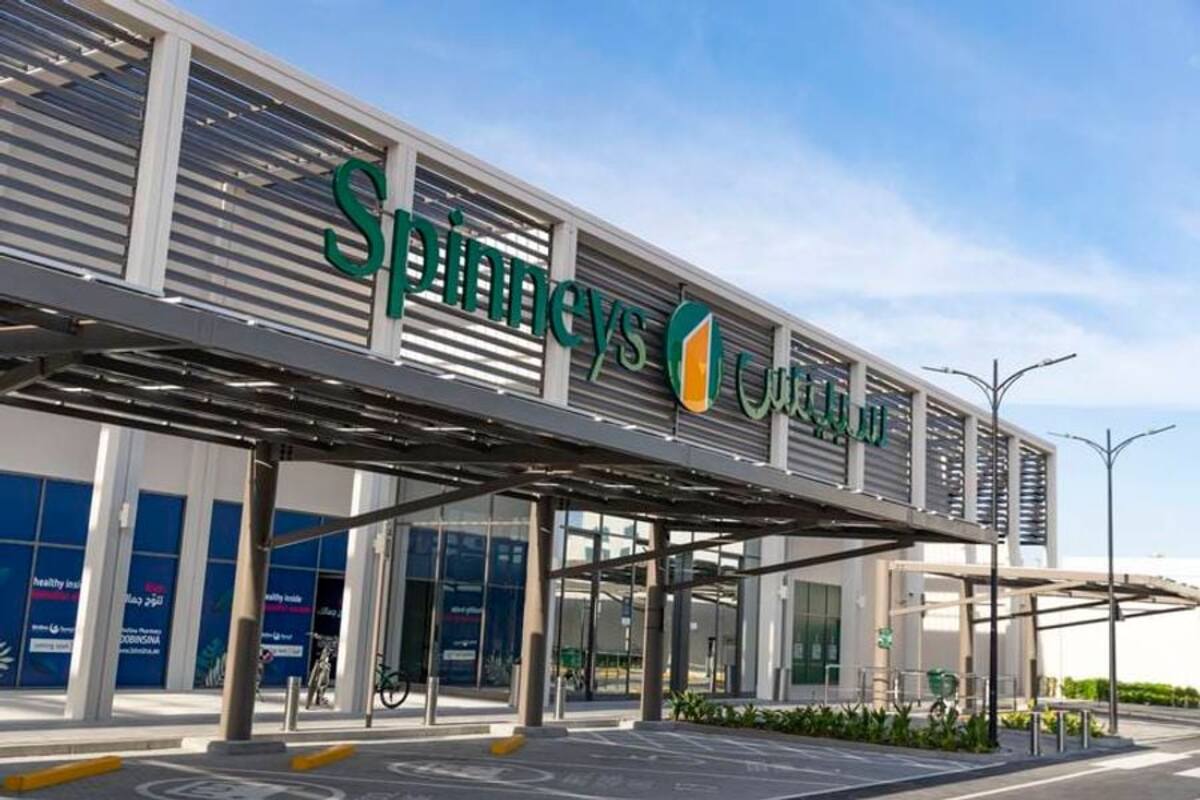
Supermarket operator Spinneys has confirmed its expansion into Kuwait through a strategic joint venture with retail powerhouse Alshaya Group. Under the agreement, Spinneys will retain a 51 per cent controlling stake and will take responsibility for running and managing all planned outlets. The rollout includes ten stores, with the first store slated to open in 2026—marking the brand’s arrival in its fourth Gulf Cooperation Council market after UAE, Saudi Arabia and Oman.

Spinneys has accelerated its regional expansion over the last 16 months, opening twelve new stores in the UAE and two in Saudi Arabia between April 2024 and August 2025. The move into Kuwait aligns with the company’s ambition to position itself as the region’s leading premium fresh-food grocer, with Alshaya’s extensive regional experience providing vital strategic support.

Sunil Kumar, chief executive of Spinneys, described Kuwait as “a high potential market” offering robust growth prospects, and emphasised that the partnership with Alshaya offers a “solid foundation for a successful entry and long-term scale”. John Hadden, chief executive of Alshaya Group, highlighted Kuwait’s dynamic consumer landscape and the local appetite for premium offerings. He said Spinneys’ brand and operational strengths are expected to resonate strongly with Kuwaiti consumers.

Kuwait stands as the GCC’s fourth-largest economy, with some of the region’s highest per-capita disposable incomes. Its affluent and discerning consumer base presents considerable opportunities for high-quality retail formats. This expansion is seen as the natural next phase in Spinneys’ growth strategy.

On the financial markets, Spinneys’ share price saw an immediate boost following the announcement, climbing approximately 3.1 per cent. The company, which went public via a Dubai listing in May 2024, currently operates 86 stores across three GCC countries, including those under its own brands and Waitrose and Al Fair franchises.

Alshaya Group, established in 1890 in Kuwait, is a leading retail franchise operator across the Middle East, North Africa, Türkiye and Europe. It manages nearly seventy international consumer brands and has diversified operations across sectors including fashion, food, health and beauty, pharmacy, home furnishings and leisure.

The joint venture allows Spinneys to capitalise on Alshaya’s deep-rooted regional network and operational expertise while delivering its premium fresh-food proposition to Kuwaiti customers. At the same time, Alshaya adds a trusted high-end grocery brand to its extensive retail portfolio, enabling both firms to strengthen their regional positioning.

YouTube Music has unveiled “taste match” playlists as part of its tenth-anniversary rollout, a feature that crafts shared playlists by blending the listening habits of participating users into a daily-refreshed soundtrack. This move mirrors Spotify’s Blend functionality, suggesting Google is keen to edge more firmly into the social recommendation space. The rollout also includes interactive touches—fans can begin leaving comments directly on albums and playlists, loyalty badges […]

By Dr. Gyan Pathak As far as outcome is concerned, the month-long Monsoon Session of the Parliament of India that concluded on August 21, 2025, can be termed as near washout. Nevertheless, the symptoms it manifested signalled India’s great struggle ahead. The opposition battled for saving the Constitution and the democracy throughout the session, causing […]

Azizi Developments has entered into a strategic partnership with Modern Plastic Industry, a leading manufacturer of advanced piping solutions, to provide high-performance UPVC pipes and fittings for key construction projects in Dubai. This agreement will see MPI supply materials for Azizi’s upcoming developments, including those requiring high-pressure and drainage piping systems. The collaboration underscores Azizi’s commitment to sourcing top-tier materials for its growing portfolio of residential and commercial properties in the UAE’s competitive real estate market.

As one of the leading private developers in Dubai, Azizi Developments is known for its diverse range of residential and mixed-use projects. These developments span from affordable housing to luxury properties, aimed at addressing the growing demand for high-quality living spaces in the city. By partnering with MPI, the company continues to enhance the quality and sustainability of its developments while meeting the increasing demand for durable, efficient infrastructure solutions in the region’s fast-paced construction sector.

For MPI, the deal represents a significant opportunity to expand its footprint in the UAE market, where the construction industry remains one of the most active globally. The company, based in the UAE, has gained recognition for its innovative approaches to piping solutions, offering a comprehensive range of high-performance products tailored to both residential and commercial applications. MPI’s UPVC pipes are particularly suited to high-pressure and drainage systems, making them an ideal choice for large-scale developments like those undertaken by Azizi.

The partnership also reflects a broader trend in the UAE’s construction sector, where developers are increasingly turning to advanced, long-lasting materials to meet both technical and environmental demands. As construction projects become more complex and high-rise buildings continue to dominate Dubai’s skyline, the need for efficient, reliable piping systems has never been more critical. Azizi’s selection of MPI’s products highlights its commitment to ensuring the safety, durability, and environmental sustainability of its developments.

Azizi’s projects, known for their modern architecture and integration of cutting-edge technology, will benefit from MPI’s extensive experience in manufacturing superior piping systems. The collaboration will cover multiple projects across Dubai, including large residential towers, office complexes, and mixed-use developments that require dependable and robust infrastructure. The deal aims to ensure that the piping systems used in these projects are built to last, meeting the rigorous demands of Dubai’s urban environment.

The agreement between the two companies comes at a time when the UAE’s construction sector is showing resilience, particularly in Dubai, which continues to attract both domestic and international investors. Despite global economic uncertainties, Dubai remains a thriving hub for construction, largely driven by ambitious projects such as Expo 2020’s legacy developments, the Dubai Creek Harbour, and various mega residential and mixed-use schemes. As the city continues to evolve, the demand for high-quality, cost-effective materials remains strong, making partnerships like the one between Azizi and MPI particularly timely.

Saudi Aramco’s initial public offering has become one of the most talked-about events in global finance, with its ambitious approach to market entry setting a precedent for the world’s largest oil company. The IPO, which was launched in 2019, sought to achieve a staggering $2 trillion valuation, a figure that stirred controversy and scepticism within financial circles. But despite its high-profile marketing campaign and the sweeping promises […]

The first half of 2025 marked a significant surge in greenfield foreign direct investment into Saudi Arabia, with the United States leading the charge. American investors drove 61 projects, injecting $2.7 billion into the Kingdom’s economy, accounting for nearly a third of both the project count and total investment. This surge highlights the growing confidence of international investors in Saudi Arabia’s Vision 2030 economic reforms and its appeal as a business hub in the region.

According to a report by Emirates NBD, greenfield investments in Saudi Arabia showed a notable increase, both in terms of project volume and capital inflow. In total, 203 greenfield projects were launched in Saudi Arabia during the first half of 2025, marking a 30.1% year-on-year rise. These projects, spanning across various sectors, reflect the country’s strong development trajectory and its efforts to diversify away from oil reliance.

Egypt emerged as the second largest contributor to Saudi Arabia’s greenfield FDI, securing $1.81 billion through 11 projects. Many of these ventures were centered around real estate developments, capitalising on the Kingdom’s expanding urbanisation and demand for residential and commercial properties. Egypt’s growing involvement reflects deeper ties between the two nations, particularly in sectors related to infrastructure and housing.

China, a global FDI powerhouse, played a significant role as well, investing $858.3 million through 11 projects in Saudi Arabia. China’s investments in the Kingdom primarily focused on manufacturing, technology, and energy, complementing the Saudi government’s drive to expand its industrial base and modernise key sectors. Chinese companies are also playing a pivotal role in the development of high-tech infrastructure, which aligns with Saudi Arabia’s push towards a more diversified, knowledge-based economy.

France also made its presence felt, contributing $771.7 million through six greenfield projects. The French investments were primarily focused on technology, retail, and luxury goods, with several high-end brands expanding their operations within the Kingdom. France’s engagement is part of a broader European interest in tapping into Saudi Arabia’s expanding consumer market, particularly in areas linked to fashion, entertainment, and sustainable energy.

The UAE’s regional influence continued to grow, with 25 projects worth $205.3 million being launched in Saudi Arabia. These ventures spanned various industries, with a focus on hospitality, logistics, and real estate. The UAE’s investments underscore the close business ties between the two countries, with the Kingdom remaining a key destination for Emirati capital looking to expand its footprint in the region.

Riyadh, Saudi Arabia’s capital, was the top destination for greenfield FDI, attracting 100 projects valued at $2.3 billion. As the political, economic, and cultural centre of the country, Riyadh continues to benefit from the majority of investments, particularly in the areas of technology, infrastructure, and urban development. Dammam, home to one of the Kingdom’s key industrial hubs, secured 21 projects worth $1.28 billion, while Jeddah followed closely with 13 projects totalling $1.22 billion. These cities represent strategic focal points in Saudi Arabia’s ambitious plans for diversification, driven by growth in manufacturing, logistics, and energy.

Saudi Arabia’s overall greenfield FDI rose by 1.7% to $9.34 billion during the first half of 2025, reflecting the Kingdom’s position as an attractive investment destination. The growth is seen as a direct result of efforts to enhance the ease of doing business in the country and to create a more transparent regulatory environment. Initiatives like the National Industrial Development and Logistics Program and the Saudi Green Initiative have been instrumental in drawing foreign investments into the Kingdom.

A senior aide to Israeli Prime Minister Benjamin Netanyahu has been dispatched to the United Arab Emirates in a discreet diplomatic move aimed at resolving strains between the two nations. This development marks a critical step in addressing the ongoing challenges faced by the UAE-Israel relationship, particularly in the aftermath of regional shifts and political tensions.

The aide’s visit, which has been kept under wraps to avoid further complicating the delicate diplomatic situation, underscores Israel’s desire to reassert its relations with the UAE following some setbacks in the past year. While the specifics of the discussions remain largely confidential, sources suggest the key focus is on reaffirming the normalization of ties, which was first achieved through the Abraham Accords in 2020. These accords established full diplomatic relations between Israel and the UAE, a historic shift in the Middle East, and the Netanyahu administration has been under pressure to maintain the momentum of these agreements despite regional turbulence.

Diplomatic sources point to a combination of political disagreements, security concerns, and international pressures that have strained the UAE-Israel partnership. One of the main issues is the growing unease in the Gulf over Israel’s stance on Palestinian issues and its handling of tensions in Gaza. While the UAE has remained committed to the Abraham Accords, there has been mounting public and political disquiet over Israel’s domestic policies, especially in relation to its stance on Palestinian sovereignty and peace efforts.

Experts suggest that Netanyahu’s decision to send a trusted aide is a direct response to growing concerns in Abu Dhabi about Israel’s domestic trajectory and its regional posture. This diplomatic outreach is seen as a move to reassure the UAE that Israel remains committed to cooperation, particularly in areas such as trade, technology, and security, which have flourished since the signing of the Abraham Accords.

There is speculation that the UAE has been considering a recalibration of its foreign policy, especially with the changing dynamics in the broader Middle East. With the shifting alliances and new players emerging in the region, including the growing influence of China and Russia, the UAE finds itself needing to maintain a balance between its Western ties, particularly with the United States, and its more recent alignment with Israel.

The UAE-Israel relationship, though officially cordial, has been fraught with complexities. The leadership in Abu Dhabi has long prioritised stability and economic growth, factors which drove the decision to engage diplomatically with Israel. However, regional developments, including the ongoing situation in Gaza and the broader Israeli-Palestinian conflict, have put these relations to the test.

Israel’s efforts to build and sustain relationships with Gulf states have been a key feature of Netanyahu’s foreign policy. The normalization agreements brokered by the Trump administration in 2020 were seen as a major victory for Israel, but they have not been without their challenges. The UAE has been wary of the potential fallout from these ties, particularly in the Arab world, where public sentiment on Israel remains divided.

Despite these challenges, there is a shared interest in several areas. Both countries are looking to advance economic collaborations, particularly in the fields of technology, energy, and defence. Israeli businesses have already established a foothold in the UAE, with cooperation extending to key sectors such as cybersecurity and artificial intelligence. These partnerships are expected to grow further as both nations seek to capitalise on new opportunities.

Israel’s relationship with the UAE has also allowed for greater security cooperation, particularly in the context of regional threats posed by Iran. Both countries share concerns over Iran’s nuclear ambitions and its influence across the region. This shared security interest has provided a basis for increased intelligence-sharing and military coordination, despite the undercurrent of political tensions.

The cryptocurrency market is witnessing a surge of activity, as Bitcoin Swift makes its way into Stage 6 of its development cycle, and Ethereum continues to hold steady above $3,100. Meanwhile, Bitcoin Hyper, a new player in the presale market, is igniting interest with its presale price hovering just above one cent. This confluence of developments signals a dynamic phase for blockchain technology and its associated assets.

Ethereum, the second-largest blockchain by market capitalisation, has remained resilient in a volatile market. With a focus on upcoming upgrades, such as Ethereum 2.0 and its scalability initiatives, Ethereum continues to attract investors seeking a robust and versatile platform for decentralised applications. Analysts note that Ethereum’s ability to maintain a strong position despite competition from emerging networks speaks volumes about its foundational role in the broader crypto ecosystem. The anticipation surrounding its future upgrades further fuels confidence in its long-term potential.

Bitcoin Swift, which recently entered Stage 6 of its development, is generating significant attention. The coin’s rapid ascent through its various stages has been marked by rising investor confidence, and as it advances to Stage 6, more attention is now being paid to its potential. Backed by a highly ambitious roadmap, BTC3 aims to position itself as a major player in the cryptocurrency space by offering a range of technological advancements, including faster transaction times and a more scalable consensus mechanism. BTC3’s move into Stage 6 marks a crucial point in its development, drawing in investors who see it as a promising competitor in the market.

Bitcoin Hyper, a new entrant in the crypto presale market, has also made waves due to its highly affordable presale price, which currently sits just above one cent. This has led to a significant uptick in investor interest, particularly among those looking for early-stage opportunities in a rapidly expanding market. Despite being in the early stages, Bitcoin Hyper’s project has attracted attention for its innovative features, including a focus on security and privacy for its users. Its low presale price and promising roadmap have set the stage for potential rapid growth.

The rapid growth of Bitcoin Swift and Ethereum has sparked discussions about the evolving competitive landscape within the blockchain sector. Many investors and developers are keen to see how these two will perform as blockchain technology matures. Ethereum’s scalability upgrades are expected to play a pivotal role in its ability to retain its market position and further challenge other blockchain platforms.

At the same time, Bitcoin Swift is looking to carve out its niche by providing solutions that are expected to address some of the scalability issues that have long plagued the cryptocurrency market. The growing demand for faster, more secure transactions is driving interest in Bitcoin Swift, with its features expected to position it as a key player in the crypto space.

Bitcoin Hyper, despite its early presale price, has set ambitious goals to stand out in a crowded marketplace. It is targeting markets where privacy and security are critical, making it an attractive proposition for those seeking a more secure and anonymous way to conduct transactions. Its early success in the presale market demonstrates investor confidence in the potential of the platform, even as it works through its development phases.

Ethereum’s continued dominance in the space is further solidified by its diverse range of use cases, from decentralised finance to non-fungible tokens. As Ethereum prepares to unveil key updates to its network, the platform is expected to enhance its ability to handle a growing number of transactions while reducing gas fees. These upgrades, particularly the Ethereum 2.0 transition, are expected to provide the blockchain with a much-needed scalability boost, keeping it competitive with newer entrants.

Despite the competition, Ethereum’s strong brand and extensive developer community offer it a distinct advantage over some of its rivals. Many blockchain developers are continuing to build on Ethereum due to its robust infrastructure, which supports decentralised applications, smart contracts, and DeFi protocols. As the network transitions to Ethereum 2.0, the platform is poised to capture a larger share of the blockchain market.

While Ethereum looks to expand its capabilities, Bitcoin Swift and Bitcoin Hyper are positioning themselves as innovative disruptors with distinct value propositions. Bitcoin Swift’s focus on transaction speed and scalability, coupled with Bitcoin Hyper’s privacy-first approach, offers compelling alternatives to Ethereum’s more open ecosystem.


Leading players in the cryptocurrency industry, including Coinbase, Binance, Kraken, Robinhood, PayPal, Ripple, and others, have launched the Beacon Network, a collaborative effort to tackle the growing issue of stolen cryptocurrency. By working alongside law enforcement and researchers such as ZachXBT, the network aims to offer a real-time solution to prevent the illicit transfer and withdrawal of stolen crypto assets.

The Beacon Network functions by blacklisting suspicious crypto addresses and immediately freezing any funds that are attempted to be withdrawn to an exchange. This swift action is designed to prevent stolen funds from being converted into liquid assets or used for further illegal activities. It is part of a broader effort to safeguard the integrity of the crypto ecosystem and help victims recover assets that have been taken through hacks, scams, and other forms of cybercrime.

The network’s development is timely, as the scale of cryptocurrency thefts continues to escalate. Since 2023, an estimated $47 billion has been funneled into fraudulent wallets, often linked to a range of malicious activities, including hacks, scams, and illicit funding of groups such as North Korean cybercriminals. These trends have prompted both public and private sector entities to take stronger measures to address the vulnerabilities in the crypto world.

One of the key objectives of the Beacon Network is to fight against the growing threat posed by cybercriminals who exploit the anonymity of cryptocurrencies. By leveraging the collective resources of major crypto exchanges and financial platforms, the network seeks to build a collaborative system that can trace stolen assets in real-time. This is expected to disrupt the operations of hackers who often rely on the difficulty of tracking digital currency transactions to launder their ill-gotten gains.

In addition to dealing with cybercriminals, the Beacon Network is also focused on combating other high-profile security threats, such as the use of stolen funds to finance terrorism or support state-sponsored hacking activities. The collaboration between the crypto industry and law enforcement aims to create a more resilient framework for addressing these issues, preventing funds from reaching dangerous or malicious actors.

This initiative marks a significant shift in how cryptocurrency exchanges, financial institutions, and even government bodies approach the problem of stolen crypto. For years, the industry has struggled with the negative perception of cryptocurrencies being used for illicit activities. However, the Beacon Network serves as an example of how crypto giants can take a proactive role in addressing security concerns while maintaining the privacy and decentralised nature of their operations.

The development of the Beacon Network is also an indication of how the cryptocurrency sector is maturing. What was once an unregulated space largely dominated by individual actors and exchanges is now seeing a concerted effort to adopt more formalised and secure practices. The collaboration among these prominent crypto platforms is expected to encourage others in the industry to follow suit, creating a more secure environment for users and reducing the risks associated with digital currency theft.

For the victims of crypto theft, the Beacon Network offers hope for recovering stolen assets. With its automated tracking and freezing capabilities, users will be able to report and prevent further damage to their stolen funds before they can be laundered or moved across borders. While the process is still in its early stages, the network’s potential to return stolen assets to their rightful owners represents a significant step forward in the fight against crypto-related crime.

Tens of thousands have taken to the streets of Cote d’Ivoire in a massive show of defiance against President Alassane Ouattara’s push for a fourth consecutive term. The protests, which began in the nation’s largest cities, have sparked intense debates over the future of democracy in a country that has long been a political bellwether in West Africa. The protests erupted after Ouattara, 83, announced his decision […]

A groundbreaking discovery in Israel has unveiled a 140,000-year-old fossil that reshapes our understanding of early human history. Excavations at the Skhul Cave in northern Israel revealed the remains of a five-year-old child that exhibits a combination of Neanderthal and Homo sapiens traits, marking the earliest known instance of interbreeding between the two species. This find significantly predates the previous evidence of such interactions, which was thought […]

Binance has partnered with TRM Labs to unveil a groundbreaking initiative aimed at tackling cryptocurrency-related crime. The newly launched Beacon Network is designed to enhance the security and integrity of the digital assets market. This collaboration marks a significant step in addressing the increasing concerns surrounding illicit activities in the crypto space.

Beacon, powered by TRM Labs, will provide a comprehensive suite of tools to track and identify suspicious activities across the blockchain. The network’s capabilities extend beyond the identification of suspicious transactions; it will also monitor exchanges and wallet providers for potential risks associated with money laundering, fraud, and terrorist financing.

This partnership is timely, as the cryptocurrency sector continues to expand and evolve, with regulators and lawmakers increasingly focusing on how to prevent its use for illegal activities. Binance, a global leader in digital asset exchanges, has long faced scrutiny over its role in the market and its ability to ensure compliance with anti-money laundering and know-your-customer standards. By working with TRM Labs, the company seeks to bolster its efforts in this area and demonstrate its commitment to ensuring the safety and legitimacy of the platform.

TRM Labs, a firm specializing in blockchain forensics and compliance tools, brings a wealth of experience to the table. The company’s technology is already used by financial institutions, law enforcement agencies, and regulators worldwide to detect and investigate financial crimes in the cryptocurrency ecosystem. Its role in the Beacon Network will help provide real-time analysis and actionable insights that can prevent fraudulent activities before they escalate.

A key feature of the Beacon Network is its use of advanced artificial intelligence and machine learning algorithms to detect emerging patterns in financial transactions. This technology will continuously monitor the blockchain, adapting to new methods of crime as they emerge. The platform will also integrate data from numerous public and private blockchains, creating a unified view of the crypto landscape that will be accessible to stakeholders across the industry.

While the initial focus of the Beacon Network will be on detecting fraud and money laundering, the partnership with Binance also signals a broader ambition to enhance overall regulatory compliance within the crypto space. Binance’s decision to invest in this technology is part of its wider effort to improve transparency and strengthen its reputation among regulators, especially in markets like the United States and Europe, where scrutiny has been particularly intense.

The collaboration also highlights the growing recognition that the cryptocurrency industry must take a more proactive stance in preventing crime and enhancing security. As the industry continues to grow, so too does the scale and sophistication of the threats it faces. The launch of the Beacon Network is therefore seen as an important step in building trust with both regulators and users, addressing concerns over the potential for digital assets to be used for illicit purposes.

Despite these efforts, challenges remain. The decentralized and pseudonymous nature of cryptocurrencies makes it inherently difficult to track illicit transactions. However, by combining Binance’s vast resources with TRM Labs’ expertise in blockchain analytics, the Beacon Network aims to create a powerful tool that will help combat the dark side of the crypto revolution. This collaboration is expected to set a new standard for industry best practices and contribute to the broader goal of mainstream adoption of digital currencies.

VISHNU RAJA
RYO YAMADA
HITORI GOTOH
IKUYO KITA