News related to
Capital

The total market capitalization of stablecoins has reached an unprecedented $235.3 billion, marking a significant increase of over $30 billion since the beginning of 2025. This surge underscores the growing prominence of these digital assets within the global financial landscape.

Stablecoins, cryptocurrencies pegged to stable assets like the U.S. dollar, have experienced remarkable growth. Tether leads the sector with a market cap exceeding $144 billion, maintaining its position as the dominant stablecoin. USD Coin follows, recently surpassing a $60 billion market cap, reflecting a 100% year-over-year increase from $30 billion in March 2024.

The ascent of stablecoins is attributed to their perceived stability and utility in digital transactions. Unlike volatile cryptocurrencies such as Bitcoin and Ethereum, stablecoins offer a consistent value, making them attractive for payments, remittances, and as a hedge against market fluctuations. This stability has led to increased adoption among both institutional and retail investors.

The broader cryptocurrency market has also seen a rise in tokenized assets. Gold-backed tokens, for instance, reached a record market capitalization of $1.4 billion in March, with Tether’s XAUT and Paxos’ PAXG leading this niche. This trend indicates a diversification in the types of assets being tokenized and integrated into the digital economy.

Regulatory developments are also influencing the stablecoin landscape. The European Union’s Markets in Crypto-Assets framework has prompted exchanges to adjust their offerings to comply with new standards. Notably, Circle’s EURC stablecoin grew nearly 30% to a $157 million market cap, capturing a 45% market share among euro-denominated stablecoins.

Despite their growth, stablecoins face scrutiny regarding their reserve compositions and regulatory oversight. Tether, for example, has encountered concerns over the transparency and adequacy of its reserves. Such issues highlight the need for clear regulatory frameworks to ensure the stability and reliability of these digital assets.

Potential disposal reflects the Group’s strategic realignment to recycle capital to its other business segments Enterprise value for the Group’s two subsidiaries ranges between S$45 million and S$55 million SINGAPORE – Media OutReach Newswire – 03 April 2025 – Enviro-Hub Holdings Ltd (SGX: L23) (“Enviro-Hub” or the “Company“, and together with its subsidiaries, the “Group“) today announced that it has entered into a non-binding letter of intent […]

Impressive technological applications win international praise, assisting enterprises in going global to explore more opportunities HONG KONG SAR – Media OutReach Newswire – 3 April 2025 – The Hong Kong Productivity Council (HKPC) debuted with a dedicated pavilion at Hannover Messe 2025 (Hannover Messe), showcasing a range of Hong Kong’s technological applications, which were highly regarded by international companies and investors. HKPC successfully showcased the impressive achievements […]

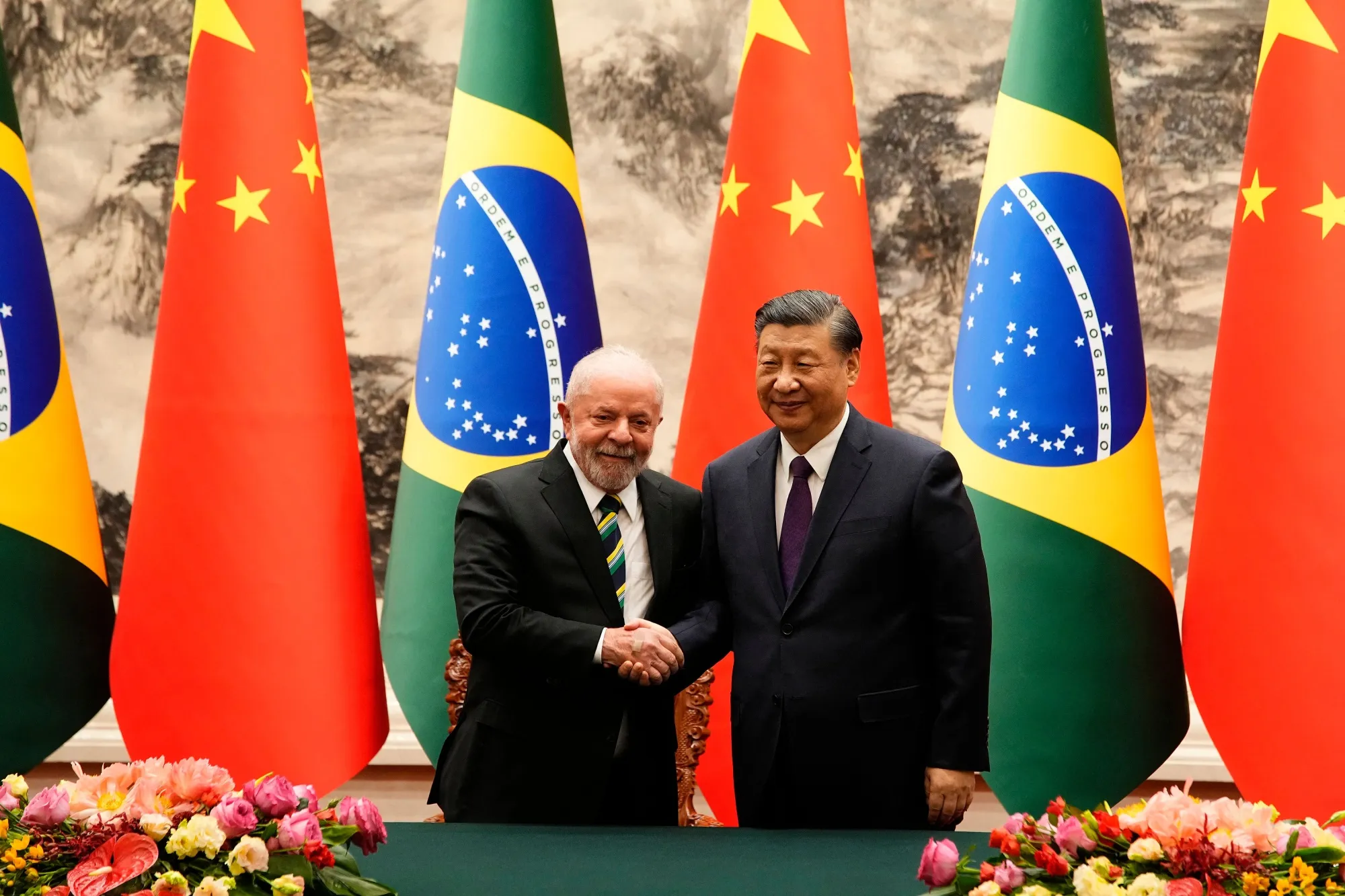
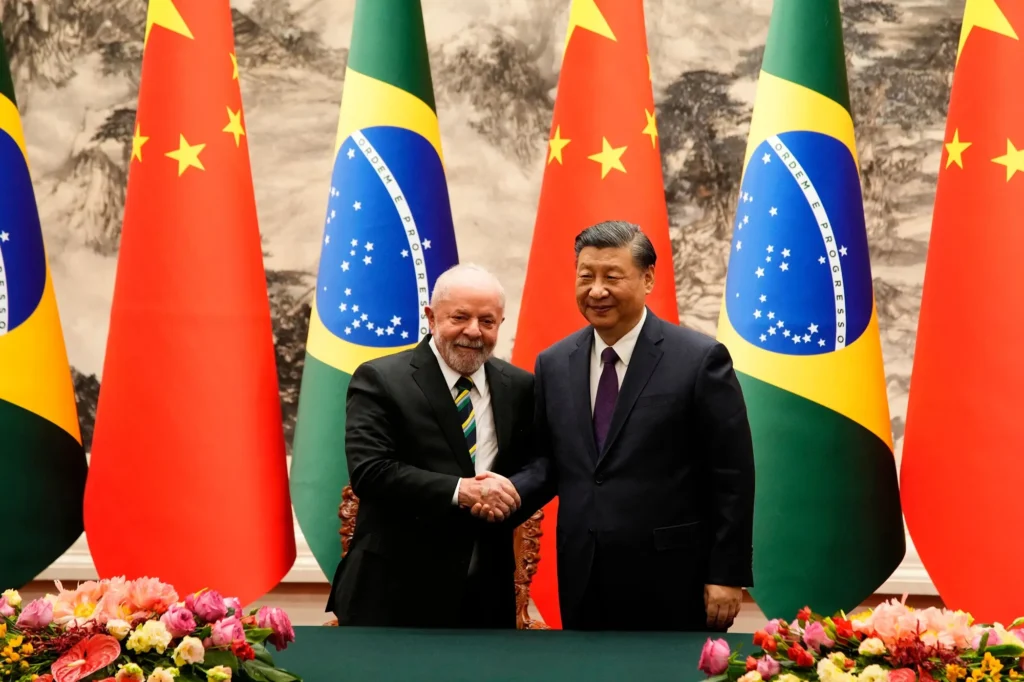
By Nitya Chakraborty Brazil’s President Luiz Inacio Lula da Silva, better known globally as Lula has launched a major initiative to meet the U.S. President Donald Trump’s unilateral tariff offensive by joining hands with Chinese President Xi Jinping and the Russian President Vladimir Putin, apart from taking assistance from South Africa and a few other […]

CoinList, a prominent cryptocurrency token launch platform, has resumed token sales for accredited investors in the United States after a five-year hiatus. This move follows a period during which U.S. participants were largely excluded from early-stage investments in notable projects such as Solana and Near.

The decision to re-enter the U.S. market aligns with a series of regulatory shifts under the current administration. The Securities and Exchange Commission has recently dismissed several high-profile cases against cryptocurrency firms, including Coinbase and Kraken. citeturn0search12turn0search4 These dismissals signal a more accommodating stance toward the crypto industry, fostering an environment conducive to innovation and investment.

CoinList’s last U.S. token sale occurred in 2019, a time when increased regulatory scrutiny led many projects to exclude American investors. The platform’s return is marked by the upcoming token sale for the DoubleZero Foundation, a project aiming to optimize the internet for distributed systems like blockchain. This sale represents CoinList’s first offering to U.S. accredited investors since its departure from the market.

The broader cryptocurrency market has experienced significant growth since 2019. Excluding Bitcoin, the market capitalization has expanded from $60 billion to $1.15 trillion. This surge underscores the increasing importance of providing U.S. investors with access to emerging digital assets.

The SEC’s recent actions reflect a strategic shift toward establishing a clear regulatory framework for cryptocurrencies. By dropping cases against major exchanges and platforms, the Commission appears to be prioritizing collaboration with the industry over litigation.

Industry observers note that this regulatory pivot could lead to increased participation from U.S. investors in early-stage crypto projects. The inclusion of American investors is seen as vital for the growth and global competitiveness of the U.S. crypto market.

While the easing of regulatory pressures presents new opportunities, it also raises concerns about the potential for reduced oversight. Some critics argue that a more lenient regulatory environment could increase the risk of fraudulent activities within the crypto space.

Absa Group Ltd., South Africa’s third-largest bank by assets, plans to open a representative office in Dubai during the first quarter of 2026, pending regulatory approval. Yasmin Masithela, CEO of Absa’s corporate and investment banking division, stated that the move aims to capitalise on the growing trade and investment flows between Africa and the Middle East. The strategic decision positions Absa alongside South African banking counterparts such […]

Dubai-based Edgnex Data Centers, a subsidiary of the Damac Group, has acquired Finnish data center company Hyperco, marking a significant expansion into the Nordic region. The financial terms of the deal have not been disclosed. Hyperco operates data centers in Finland and Sweden, leveraging the region’s sustainable energy resources, mature digital ecosystems, and high connectivity. The company’s three co-founders and existing team will continue to lead operations […]

Advertisements

Ripple has integrated its US dollar-pegged stablecoin, RLUSD, into its cross-border payments platform, Ripple Payments. This integration aims to enhance the efficiency and scalability of international transactions. The move coincides with RLUSD’s listing on the cryptocurrency exchange Kraken, broadening its accessibility to both institutional and retail users.

Launched in December 2024, RLUSD has rapidly approached a market capitalization of $250 million, reflecting significant adoption within the digital asset ecosystem. The stablecoin is fully backed by U.S. dollar deposits, government bonds, and cash equivalents, ensuring its stability and reliability. Ripple has positioned RLUSD as an enterprise-grade asset designed to streamline cross-border payments by providing a stable and efficient medium of exchange.

The integration of RLUSD into Ripple Payments is part of a phased rollout. Select customers, including cross-border payment providers BKK Forex and iSend, are already utilizing RLUSD to enhance their treasury operations. This development underscores Ripple’s commitment to combining its expertise in payments with a robust payout network and a compliant stablecoin to deliver fast, low-cost, and scalable cross-border payment solutions.

In addition to its integration into Ripple Payments, RLUSD’s listing on Kraken marks a significant milestone in its adoption. Kraken joins a growing list of platforms supporting RLUSD, including LMAX Digital, Zero Hash, Bitstamp, and Bullish. This expansion increases RLUSD’s liquidity and provides users with more avenues to access and utilize the stablecoin.

Jack McDonald, Ripple’s Senior Vice President of Stablecoins, noted that RLUSD’s market capitalization has exceeded internal projections, with adoption spanning multiple financial sectors. He highlighted that RLUSD is being used as collateral in both crypto-native and traditional finance trading markets. Furthermore, Ripple is actively collaborating with non-governmental organizations to explore the potential of stablecoins in streamlining charitable giving.

The stablecoin market has been predominantly dominated by Tether and USD Coin , which together account for nearly 90% of the total market capitalization. Ripple’s entry into this space with RLUSD signifies a strategic move to challenge these incumbents by leveraging its established infrastructure and expertise in cross-border payments. The company’s recent legal victory against the Securities and Exchange Commission has further bolstered its position in the cryptocurrency industry, enabling it to pursue new ventures such as RLUSD with greater confidence.

Ripple’s approach to RLUSD emphasizes compliance and transparency. The stablecoin is 100% backed by U.S. dollar deposits, U.S. government bonds, and cash equivalents. To oversee RLUSD’s operations and ensure adherence to regulatory standards, Ripple has appointed an advisory board that includes notable figures such as Sheila Bair, former chair of the U.S. Federal Deposit Insurance Corporation.

The integration of RLUSD into Ripple Payments and its listing on Kraken are expected to drive further adoption of the stablecoin. By providing a stable and efficient medium for cross-border transactions, RLUSD aims to address the challenges associated with traditional international payments, such as high costs and lengthy processing times.

As the digital asset landscape continues to evolve, the role of stablecoins like RLUSD in facilitating seamless and efficient transactions is likely to expand. Ripple’s strategic initiatives with RLUSD position the company to play a pivotal role in the future of cross-border payments, offering both enterprises and individuals a reliable alternative to traditional payment methods.

Gears up to launch Aspire Yield SINGAPORE – Media OutReach Neswire – 3 April 2025 – ASG2 Pte Ltd, a subsidiary of Aspire, a Singapore-headquartered all-in-one finance platform for modern businesses, today announced that it has secured the Capital Markets Services Licence (CMS) from the Monetary Authority of Singapore (MAS). The licence will enable Aspire to better serve businesses in Singapore by widening its offering to include […]

Checkout.com has partnered with Tabby to integrate Buy Now, Pay Later solutions into its platform, enabling merchants in the United Arab Emirates and Saudi Arabia to offer consumers flexible payment options at checkout. This collaboration aims to enhance the shopping experience, foster consumer loyalty, and drive business growth by providing greater flexibility at the point of purchase. The BNPL market in the Middle East has witnessed significant […]

Eric Trump has announced a significant move into the cryptocurrency sector by partnering with Hut 8 Mining to establish American Bitcoin, a company aiming to become a leading force in Bitcoin mining. This decision follows the closure of multiple family bank accounts by major U.S. financial institutions.

In a recent interview, Eric Trump revealed that several prominent banks, including JPMorgan Chase, Bank of America, Capital One, TD Bank, and First Republic, terminated accounts associated with the Trump family. He described these actions as politically motivated and an attack on the family’s financial stability. Capital One has publicly denied these allegations, asserting that account closures are not influenced by political considerations.

The abrupt termination of these accounts prompted Eric Trump to explore decentralized financial systems, leading to his involvement in the cryptocurrency industry. He expressed that the experience underscored the vulnerabilities inherent in traditional banking and highlighted the potential of digital currencies to offer financial autonomy.

American Bitcoin emerges from a strategic partnership between the Trump-affiliated American Data Centers and Hut 8 Mining, a well-established player in the crypto-mining infrastructure sector. Under the terms of the agreement, Hut 8 holds an 80% stake in the new venture, while American Data Centers retains the remaining 20%. Eric Trump assumes the role of Chief Strategy Officer, with Matt Prusak appointed as Chief Executive Officer.

The company’s mission is to position itself as the world’s most efficient Bitcoin miner and to build a substantial strategic Bitcoin reserve. This initiative aligns with the broader objective of establishing the United States as a central hub for cryptocurrency innovation and operations. Donald Trump Jr. emphasized the family’s commitment to the value of Bitcoin, noting that mining offers opportunities beyond mere ownership of the digital asset.

The announcement of American Bitcoin has elicited varied reactions. Supporters view it as a forward-thinking move that leverages emerging technologies to circumvent traditional financial barriers. Critics, however, raise concerns about potential conflicts of interest, given the family’s political prominence, and the environmental implications associated with large-scale Bitcoin mining operations.

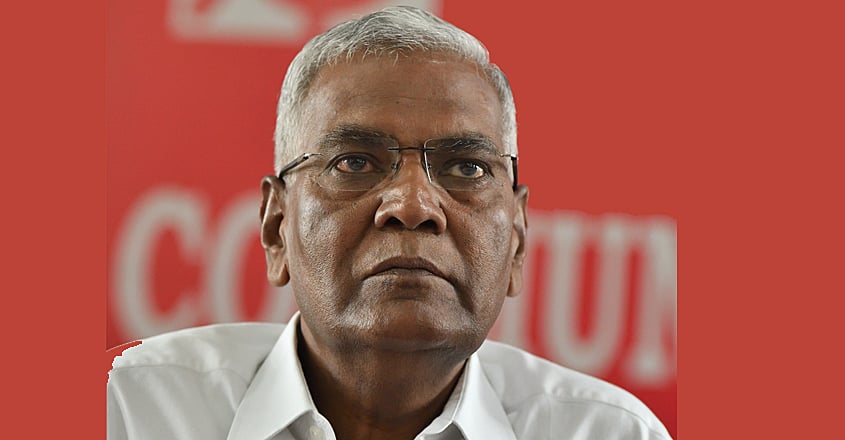
By Satyaki Chakraborty Communist Party of India (CPI) general secretary D. Raja gave a clarion call on Wednesday for the building of principled unity of all communists in India to act as the vanguard of the battle against the Narendra Modi government and the RSS-BJP led Sangh Parivar. Addressing the inaugural session of the 24th […]

American Bitcoin, a US-based Bitcoin mining company, is poised to make a significant move in the market by exploring options for a public listing or introducing private equity to fuel its expansion. The company, jointly founded by Hut 8 and American Data Centers, has garnered attention due to its ambitious plans to scale its operations and leverage the ongoing surge in cryptocurrency demand. This move is being closely watched by industry experts, investors, and stakeholders as the company aims to position itself as a key player in the rapidly evolving world of cryptocurrency mining.

With the support of the Trump family, American Bitcoin’s market ambitions have taken a prominent position in the crypto sector. The backing from a high-profile family brings additional visibility and credibility to the company’s potential to disrupt the Bitcoin mining space. This strategic partnership is expected to provide American Bitcoin with not only financial resources but also valuable connections and a broader network within both the tech and investment communities.

The cryptocurrency market has experienced a marked increase in interest and investment over the past few years, particularly in Bitcoin mining. As the flagship cryptocurrency continues to dominate market discussions, mining operations that can scale efficiently are being highly sought after by both institutional investors and private equity firms. American Bitcoin’s strategy includes utilising state-of-the-art mining technology and securing access to renewable energy sources to ensure long-term sustainability and cost efficiency in its operations.

As of now, American Bitcoin is weighing whether to pursue an initial public offering or opt for private equity funding. An IPO would provide the company with the potential to raise capital from a wide array of investors, offering shares to the public and solidifying its position in the mainstream market. On the other hand, private equity could provide more flexibility in terms of growth strategy and operational control, as it would involve raising funds from select private investors.

The decision between the two paths is a critical one, as the company must balance the need for substantial capital with its desire to maintain a certain level of autonomy. Industry experts believe that both options could provide valuable opportunities for American Bitcoin to fuel its growth and meet the increasing demand for Bitcoin mining operations. However, the success of either approach will depend heavily on the company’s ability to convince investors of its long-term profitability and strategic vision.

The timing of this potential move also comes at a crucial moment for the cryptocurrency industry. Bitcoin’s market performance, while volatile, continues to demonstrate its resilience as an asset class. Furthermore, the broader acceptance of cryptocurrencies as a legitimate financial instrument by both governments and private institutions has created a favourable environment for companies like American Bitcoin to thrive.

Looking ahead, American Bitcoin’s plans to scale its operations are set against the backdrop of increasing competition in the cryptocurrency mining sector. The company will need to differentiate itself by offering innovative solutions, optimising its operations, and tapping into new market opportunities. The role of its backers, including the Trump family, could prove pivotal in shaping the company’s ability to secure its place in a crowded market.

The Bitcoin mining industry, known for its capital-intensive nature, requires substantial investments in hardware, energy, and infrastructure. As a result, companies within the sector are constantly exploring ways to improve efficiency and reduce costs while maintaining profitability. American Bitcoin’s strategic focus on renewable energy sources and cutting-edge mining technology positions it as a forward-thinking company in an industry that is often criticised for its environmental impact.

The company’s leadership is also keenly aware of the need to build a strong brand identity and attract investors who are aligned with its long-term vision. By positioning itself as an environmentally conscious and technologically advanced company, American Bitcoin hopes to set itself apart from competitors that may not be as focused on sustainability or innovation.

Beyond the financial considerations, American Bitcoin’s public offering or private equity introduction will have broader implications for the cryptocurrency mining industry. If successful, it could signal a new wave of institutional involvement in the sector, attracting both investors and talent eager to capitalise on the growing demand for Bitcoin and other cryptocurrencies. This, in turn, could lead to further advancements in mining technology and operational strategies, ultimately shaping the future of the industry.

The involvement of the Trump family in American Bitcoin’s journey adds a layer of intrigue to the company’s potential growth. With a history of significant influence in both business and political circles, their participation brings an element of prestige and recognition that could help the company navigate the complex regulatory landscape surrounding cryptocurrency mining.

Substack has unveiled a new vertical video feed within its app, positioning itself as a potential alternative to TikTok, which faces a looming U.S. ban unless its parent company, ByteDance, divests its American operations by April 5. The “Media” tab, recently added to Substack’s platform, offers a scrollable video feed featuring short-form videos under 10 minutes. This development aligns with Substack’s strategy to diversify content offerings and […]

MemryX Inc., a semiconductor company specializing in edge artificial intelligence solutions, has announced the completion of a $44 million Series B funding round. The investment aims to scale the production of its MX3 AI accelerator and further the development of its next-generation MX4 chip. Founded in 2019 and based in Ann Arbor, Michigan, MemryX has focused on creating energy-efficient AI accelerators designed for edge computing applications. The […]

I’m often asked where I invest my own money—by clients, advisers, even industry peers. And in a year like this one, when the world is being reshaped by the policies of President Trump, market volatility, and fast-moving tech cycles, the question feels more urgent than ever. We’ve seen a 10% drop in markets this year. Historically, that’s not unusual—since 1950, there have been over 30 such corrections. […]

A significant move has been made by a prominent Japanese hotel company, as it secured a 15.5% weighting in a crypto-focused exchange-traded fund . This marks an unexpected yet strategic shift towards the digital currency market by a company traditionally rooted in the hospitality sector. The hotel firm’s investment decision signals a broader trend of diversification and innovation within established industries, as more companies explore the potential of cryptocurrencies and blockchain technology.

The ETF, which predominantly focuses on digital assets, has attracted attention due to its potential to bridge the gap between traditional industries and the rapidly expanding cryptocurrency market. The hotel firm’s acquisition is particularly notable given the ongoing volatility in the cryptocurrency space, which often deters conservative investors. However, its decision reflects a calculated risk in pursuit of higher returns and the possibility of capturing the growing interest in decentralized finance systems.

Experts suggest that the firm’s move could serve as a signal to other companies in Japan and beyond, encouraging them to consider digital assets as part of their portfolios. Japan has historically been one of the more crypto-friendly nations, with a progressive regulatory approach that has supported the growth of the digital currency market. The country’s financial authorities have acknowledged the benefits of blockchain technology and the role it could play in shaping the future of global finance.

The hospitality sector, much like many others, has felt the pressure to adapt in the face of technological advancements. The COVID-19 pandemic has forced businesses to reimagine their operations and explore innovative avenues for growth. For the hotel company, investing in a crypto-focused ETF represents a forward-thinking approach to ensuring long-term sustainability in an increasingly digital world.

The decision comes as institutional interest in cryptocurrencies continues to rise, with major financial players such as investment firms and pension funds gradually incorporating digital currencies into their strategies. However, many experts caution that while the allure of crypto assets is undeniable, they remain a high-risk investment due to their volatility and regulatory uncertainty.

Despite these challenges, the hotel firm’s stake in the crypto ETF is seen as part of a broader trend of traditional companies seeking to capitalise on digital currencies. This move is not isolated; several other firms have either publicly stated their intention to invest in blockchain-based projects or have already made similar investments. The diversification of investment portfolios is a strategy being adopted by businesses looking to stay ahead in a fast-evolving financial landscape.

One of the driving factors behind this shift is the growing acceptance of cryptocurrency as a legitimate asset class. Bitcoin and Ethereum, two of the most well-known cryptocurrencies, have gained significant traction among both retail and institutional investors. Their increasing mainstream acceptance is pushing companies to reconsider their positions on digital currencies.

The hotel company’s move also comes at a time when the global financial markets are experiencing increased interest in crypto-related products. ETFs, which allow investors to gain exposure to various assets without directly purchasing them, have become one of the most popular investment vehicles for retail and institutional investors alike. The crypto ETF, in particular, has garnered significant attention for offering a more regulated and transparent way to invest in digital assets compared to direct investment in cryptocurrencies.

While the potential for growth within the crypto market is substantial, analysts continue to advise caution. The fluctuating nature of digital currencies, along with the regulatory uncertainties surrounding them, makes it a challenging environment for both investors and companies alike. Still, for businesses like the hotel firm, the potential rewards may outweigh the risks, especially as blockchain technology continues to demonstrate its utility beyond just financial transactions.

The investment also highlights the evolving role of hospitality companies in the broader tech landscape. As more businesses in traditional industries engage with the digital economy, the line between sectors becomes increasingly blurred. The integration of cryptocurrencies into established business models could pave the way for future innovations that bring added value to customers and stakeholders alike.

The hotel company’s shift into crypto represents a bold step in its ongoing transformation. Although the move might seem unorthodox, it is aligned with a growing trend of corporate diversification. The company’s leadership has expressed confidence in its ability to manage the risks associated with the crypto market, focusing on long-term growth prospects and positioning the company at the forefront of digital innovation.

Strategy, formerly known as MicroStrategy, has significantly bolstered its Bitcoin portfolio by acquiring 22,048 BTC for approximately $1.92 billion, averaging $86,969 per Bitcoin. This purchase elevates the company’s total holdings to over 500,000 BTC, reinforcing its position as the largest corporate holder of the cryptocurrency.

As of March 30, 2025, Strategy’s aggregate Bitcoin holdings stand at 506,137 BTC, acquired at a total purchase price of approximately $33.7 billion, with an average cost of $66,608 per Bitcoin. This substantial investment has yielded a year-to-date return of 11.0% in 2025, underscoring the firm’s commitment to Bitcoin as a primary treasury reserve asset.

Michael Saylor, Executive Chairman of Strategy, has been a vocal advocate for Bitcoin, positioning it as a strategic asset for the company’s financial strategy. Under his leadership, Strategy has consistently increased its Bitcoin holdings, viewing the cryptocurrency as a hedge against inflation and a store of value.

The company’s aggressive acquisition strategy has been facilitated through various financial instruments, including the issuance of convertible bonds and preferred stock offerings. In a notable move, Strategy announced a $21 billion at-the-market offering of convertible perpetual preferred stock, yielding over 9%, with the intent to fund further Bitcoin purchases. This initiative, part of the “21/21 plan,” reflects the company’s innovative approach to capital raising without committing to a repayment timeline, as these shares do not have a maturity date.

Strategy’s substantial Bitcoin holdings now represent over 2% of the global circulating supply, a figure that underscores the company’s influence in the cryptocurrency market. This accumulation strategy has positioned Strategy ahead of other major corporate holders, including Tesla and Coinbase, whose combined holdings are less than 1% of the total supply.

Despite the bullish accumulation, Strategy’s stock performance has experienced volatility, closely mirroring Bitcoin’s price fluctuations. The company’s stock has seen a decline of over 50% from its November highs, reflecting the inherent risks associated with its heavy reliance on Bitcoin’s market performance. This correlation highlights the potential financial exposure and the speculative nature of Strategy’s investment approach.

In addition to its investment activities, Strategy has implemented operational changes, including a 20% reduction in its workforce. This downsizing affected departments such as research and development, consulting, and sales and marketing, aligning with the company’s strategic shift towards digital assets. The workforce reduction coincided with a significant increase in Bitcoin holdings, indicating a reallocation of resources towards cryptocurrency investments.

The company’s financial maneuvers have attracted both attention and scrutiny. While some investors view Strategy’s Bitcoin-centric strategy as visionary, others express concern over the sustainability and risk associated with such a concentrated investment. The issuance of high-yield convertible securities to fund Bitcoin acquisitions raises questions about financial leverage and potential dilution of shareholder value.

Michael Saylor’s public statements have further amplified the discourse surrounding Strategy’s approach. At the Conservative Political Action Conference , Saylor emphasized Bitcoin as “digital property” and a crucial tool for the United States to “own cyberspace” in the future. Such assertions underscore his unwavering belief in Bitcoin’s potential but also invite regulatory and market scrutiny.

As Strategy continues to navigate the volatile cryptocurrency landscape, its substantial Bitcoin holdings and innovative financial strategies will remain focal points for investors and market analysts. The company’s future performance will likely hinge on Bitcoin’s market trajectory and the broader acceptance of cryptocurrencies in the global financial ecosystem.

The broader implications of Strategy’s Bitcoin accumulation extend beyond corporate finance, potentially influencing market dynamics and regulatory perspectives on cryptocurrency adoption. As the company holds a significant portion of the global Bitcoin supply, its actions may impact liquidity and price stability within the market.


The United States has witnessed a dramatic decline in cryptocurrency trading volumes, with figures dropping over 80% since mid-March. On March 14, US exchanges recorded $3.22 billion in trading volume; by April 2, this had fallen to $621 million, marking a significant contraction in market activity.

This downturn aligns with a broader global trend. In January 2025, global cryptocurrency exchange spot volumes experienced a 19.5% decrease, falling to $1.73 trillion from December 2024’s record-breaking $2.14 trillion. Factors contributing to this decline include increased regulatory scrutiny and market volatility.

Coinbase, a major US-based cryptocurrency exchange, has seen its market share diminish as smaller exchanges gain ground. This shift reflects a changing landscape where traders are exploring alternative platforms, possibly due to varying fee structures, user experiences, or perceptions of security.

Despite these challenges, the global cryptocurrency market maintains substantial activity. As of now, the total market capitalization stands at $2.72 trillion, with Bitcoin dominating at $1.61 trillion, representing 59.34% of the market. Stablecoins collectively hold a market cap of $237 billion, accounting for 8.72% of the total crypto market cap.

The decline in US trading volumes may also be influenced by recent events affecting major exchanges. For instance, in February, a significant security breach resulted in the theft of $1.5 billion from Bybit, the world’s second-largest crypto exchange. Such incidents underscore the vulnerabilities within the crypto industry and may contribute to reduced trading activity as investors reassess risks.

HONG KONG SAR – Media OutReach Newswire – 31 March 2025 – Huatai Securities Co., Ltd. (the “Company”; stock codes: 601688.SH, 6886.HK, HTSC.L), a leading technology-driven comprehensive securities company in China, released its consolidated financial results for the year ended December 31, 2024, reporting record revenue and profit, alongside substantial progress in its internationalization strategy. Annual Highlights: In 2024, the Company continued to execute on strategic priorities, […]

Lumen Technologies and Flexential have announced an expansion of their Network-as-a-Service offerings, aiming to provide businesses with more flexible, secure, and agile networking solutions. This collaboration integrates Lumen’s NaaS platform with Flexential’s FlexAnywhere® platform, enabling customers to instantly purchase, utilize, and manage Lumen’s networking services. Dave Ward, Lumen’s Chief Technology and Product Officer, highlighted the significance of this development, stating, “Lumen and Flexential are bringing Network-as-a-Service capabilities […]

Abu Dhabi’s Mubadala Investment Company and the California State Teachers’ Retirement System have jointly committed an additional $215 million to 3650 Capital, a U.S.-based alternative commercial real estate lender. This infusion aims to bolster 3650 Capital’s lending strategies and support various investment products offering long-term, fixed-rate financing and transitional loans.

Jonathan Roth, Co-Founder and Managing Partner of 3650 Capital, expressed gratitude for the continued support from these institutional investors, emphasizing their role in enabling the firm to pursue diverse capital solutions and maintain consistent growth. He highlighted the importance of these relationships in identifying new opportunities across U.S. markets and projects.

The new capital will be allocated across 3650 Capital’s primary investment strategies. Both Mubadala and CalSTRS will invest in the Stable Cash Flow strategy, which provides long-term, fixed-rate financing, and the Real Estate Credit Solutions strategy, focused on short-term, value-add financing, including transitional loans. Additionally, CalSTRS will allocate funds to the Special Situations Investment Strategy, targeting equity and structured capital solutions for complex capital structures and loan acquisitions.

A surge in Studio Ghibli-style AI-generated images has ignited a significant uptick in the creation and valuation of related meme coins within the cryptocurrency market. This trend follows the introduction of OpenAI’s ChatGPT-4o model, which enables users to produce images emulating the distinctive aesthetic of the renowned Japanese animation studio.

On March 25, OpenAI unveiled the ChatGPT-4o model’s image generation feature, allowing users to craft visuals reminiscent of Studio Ghibli’s celebrated films such as “Spirited Away” and “My Neighbor Totoro.” This capability quickly gained traction on social media platforms, with individuals sharing their AI-generated Ghibli-style portraits. Notably, OpenAI CEO Sam Altman participated by posting an image of himself rendered in this style, describing the release as “a new high-water mark” for creative freedom.

The trend garnered further momentum as prominent figures in the tech industry joined in. Entrepreneur Elon Musk shared his own Ghibli-inspired portrait, while Ripple executives Brad Garlinghouse and David Schwartz also posted similar images. Their involvement amplified the visibility of the Ghibli-style AI imagery movement across various online communities.

This widespread fascination with Ghibli-style AI art has translated into the cryptocurrency sphere, leading to the emergence of several Ghibli-themed meme coins. Tokens such as “Ghiblification” and “GhibliCZ” have experienced remarkable surges in market capitalization. Ghiblification, for instance, reportedly achieved a market cap of $20.8 million within 19 hours of its launch, marking a 39,010% increase in value.

The Solana blockchain has become a notable platform for these tokens, with several Ghibli-inspired meme coins experiencing rapid gains. The integration of AI-generated art trends with cryptocurrency ventures has attracted both investors and enthusiasts, leading to heightened trading activity and speculative interest.

However, the rapid proliferation of these tokens has raised concerns regarding their legitimacy and the potential for market manipulation. The cryptocurrency market is known for its volatility, and the sudden popularity of themed meme coins can lead to speculative bubbles. Investors are advised to exercise caution and conduct thorough research before engaging with such assets.

Matein Khalid The auguries for the CoreWeave (CRWV) IPO on Nasdaq are not too bright. Nvidia is down 10% in the last two trading sessions, the grapevine on the Street suggests that the pricing on CRWV will be below the $47-$55 range. While revenue growth has been spectacular since 2022, margins, accounting and loan repayments are a red flag. If this IPO flops, the ripple effect will […]

VISHNU RAJA
RYO YAMADA
HITORI GOTOH
IKUYO KITA