News related to
European

Stablecoin transaction volumes have reached a record $1.82 trillion in April 2025, marking a significant milestone in the evolution of digital finance. This surge is attributed to increased real-world applications, including cross-border payments, remittances, and institutional settlements, rather than speculative trading.

The stablecoin market has experienced substantial growth, with the total market capitalization surpassing $234 billion by late March 2025. This expansion is driven by the adoption of stablecoins in various sectors, including decentralized finance and traditional financial institutions. Tether’s USDT remains the dominant stablecoin, with a supply exceeding $146 billion, while Circle’s USDC has doubled its market capitalization to $56 billion.

The integration of stablecoins into traditional financial systems is evident, with major banks and financial institutions exploring their use for efficient and cost-effective transactions. The adoption of stablecoins in over 70 countries has facilitated cross-border payments and remittances, reducing costs and improving transaction speeds. Emerging markets, in particular, have embraced stablecoins as a hedge against local currency volatility.

Regulatory developments have also played a role in the growth of stablecoins. In 2024, 12 countries, including the US, UK, and Singapore, introduced stablecoin-specific regulatory frameworks. The European Union’s Markets in Crypto-Assets regulation has enforced stricter compliance for stablecoin issuers, enhancing transparency and investor confidence.

The technological infrastructure supporting stablecoins has evolved, with blockchain networks like Solana and Ethereum facilitating increased transaction volumes. Solana has become the most active blockchain for stablecoin transfers, overtaking Tron and Ethereum in early 2024. This shift is attributed to Solana’s high transaction speeds and low costs, making it an attractive platform for stablecoin transactions.

The role of automated trading systems, or bots, has become more prominent in the stablecoin ecosystem. In 2024, bot-driven trading accounted for 70% of total stablecoin transaction volumes, particularly on networks like Ethereum, Base, and Solana. While concerns exist about market manipulation, these systems have also improved efficiency by facilitating arbitrage and executing recurring smart contract transactions.

By Nitya Chakraborty The joint declaration issued by the Russian President Vladimir Putin and the Chinese President Xi Jinping on the eve of the Victory Day on May 9 upholding longstanding friendship to pursue mutual benefit and win-win outcomes in the new era carries major significance in the present period of global tariff war as […]

PARIS, FRANCE – Media OutReach Newswire – 8 May 2025 – VinFast today announced the signing of a dealership agreement with ASTRADA SIMVA, its first official dealer partner in France, and Schachtschneider Automobile GmbH & Co KG, its second dealer in Germany. This marks a significant milestone in VinFast’s strategy to accelerate its sales model through dealerships globally, while reaffirming the Company’s strong commitment to driving the […]

Norway’s housing market has witnessed its first contraction in home prices in nine months, as economic pressures weigh heavily on consumer confidence. Data released by the Norwegian Real Estate Association revealed a dip in house prices, following a period of growth driven by low interest rates and a robust economy. The slowdown in the housing market has been attributed to a delay in anticipated monetary easing, as […]

Abu Dhabi Future Energy Company PJSC – Masdar has completed its acquisition of 100% of TERNA ENERGY, Greece’s leading renewable energy firm, marking a significant milestone in its European growth strategy. The transaction, valued at €3.2 billion in enterprise terms, stands as the largest energy deal in the history of the Athens Stock Exchange and among the most substantial in the European renewables sector.

The process began with Masdar securing a 70% stake in TERNA ENERGY in November 2024, following regulatory approvals. Subsequently, the company initiated a mandatory tender offer and completed a squeeze-out process to acquire the remaining shares, finalising the full ownership. This acquisition aligns with Masdar’s ambition to achieve a global renewable energy capacity of 100 gigawatts by 2030.

TERNA ENERGY, established in 1997, has been a pivotal player in Greece’s renewable energy landscape, operating a diversified portfolio that includes wind, solar, hydroelectric, and biomass projects. The company currently manages 1.2 gigawatts of operational capacity and is developing the 680-megawatt Amfilochia pumped hydro project, one of Europe’s largest energy storage initiatives. TERNA ENERGY aims to expand its operational capacity to 6 gigawatts by 2029.

The acquisition is expected to bolster Masdar’s presence in Southeastern and Central Europe, regions identified as key markets for renewable energy growth. Masdar’s leadership, including Chairman Dr. Sultan bin Ahmed Al Jaber and CEO Mohamed Jameel Al Ramahi, visited TERNA ENERGY’s headquarters in Athens to discuss strategic plans with Executive Chairman Georgios Peristeris. The discussions focused on accelerating renewable energy projects and exploring new opportunities in the region.

Masdar’s expansion in Europe is part of a broader strategy to invest in renewable energy assets globally. The company has also acquired a 49.99% stake in 48 solar plants in Spain, amounting to 2 gigawatts of capacity, and is exploring further investments in Portugal and other European countries. These moves are indicative of Masdar’s commitment to supporting the global energy transition and contributing to the European Union’s net-zero emissions targets by 2050.

World’s Most MICHELIN-Starred Gastronomic Icon returns to a stunning new space in LANDMARK ATRIUM HONG KONG SAR – Media OutReach Newswire – 2 May 2025 – LANDMARK is delighted to announce the highly anticipated return of gastronomic legend L’ATELIER DE JOËL ROBUCHON HONG KONG as the cornerstone of its refined Central dining portfolio this summer. The iconic restaurant has been located at LANDMARK for 18 years and […]

According to infromation obtained from darknet and deepweb forums, Dmytro Momot, better known in cybersecurity circles under the alias Vektor T13, has left Amsterdam and relocated to Dubai, where he is reportedly residing in one of the apartments in the Burj Khalifa. The reasons behind this sudden change of location remain unclear. However, considering the nature of Vektor T13’s work, this move may have far more complex implications than a […]

Advertisements

Chelsea Football Club has signed a landmark partnership agreement with DAMAC Properties, appointing the Dubai-based luxury real estate developer as the club’s official Property Development Partner. The collaboration will see the launch of Chelsea Residences by DAMAC, a high-end residential development in Dubai that will merge world-class football branding with luxurious living.

The development will be situated in Dubai Maritime City, an area known for its premium waterfront views and proximity to the heart of Dubai. This location will offer residents seafront views and easy access to the city’s key attractions. Chelsea Residences is slated to include over 1,400 residential units, ranging from apartments to luxury villas, designed to meet the needs of affluent buyers seeking both high-end living and a touch of football culture in their homes.

The project’s design promises to blend the elegance of Chelsea’s iconic blue branding with the sophisticated and modern style synonymous with DAMAC Properties. It will feature Chelsea-branded amenities, including state-of-the-art fitness centres, wellness facilities, and a football-themed community space, which aims to embody the values of health, fitness, and well-being that the club advocates both on and off the pitch.

In addition to providing a distinctive football-themed residential experience, the collaboration will also see the creation of exclusive lifestyle experiences for residents. This could include special events, VIP access to Chelsea games, and potential meet-and-greet opportunities with players and management. The project is expected to attract not only football fans but also investors interested in combining luxury living with a globally recognized sports brand.

This partnership marks a strategic move by Chelsea FC to further enhance its brand value beyond football, entering the lucrative real estate market. For DAMAC Properties, the association with one of the world’s most popular football clubs is an opportunity to expand its portfolio and tap into new demographics, particularly those with a passion for football.

The project also underscores Dubai’s status as a global hub for luxury real estate and sports investment. The city, known for its ambitious development projects and high-profile partnerships, continues to draw attention from international investors. By combining the global appeal of Chelsea FC with DAMAC’s reputation for delivering top-tier residential projects, Chelsea Residences aims to attract both local and international buyers looking for a distinctive and luxurious living environment.

The development aligns with the UAE’s wider strategy to position itself as a leader in luxury lifestyle offerings, particularly in the areas of hospitality, sports, and entertainment. Dubai has long been a magnet for wealthy expatriates and investors, with its real estate market offering a unique blend of high-end developments and tax-free benefits.

While DAMAC Properties is no stranger to branding collaborations, this partnership with Chelsea FC is particularly notable for its scale and the integration of football culture into real estate. Previous DAMAC ventures have included high-profile collaborations with fashion brands like Versace and Fendi, but the Chelsea partnership takes it a step further by incorporating a sport with such a massive global following.

Chelsea Residences by DAMAC is part of a broader trend of football clubs seeking new ways to monetise their brand through property developments and other ventures outside of traditional sponsorship deals. Similar moves have been made by other top European clubs, which have entered the real estate market to capitalize on their large, global fanbases. However, this development is unique for its strong focus on the football experience and its integration of Chelsea’s ethos and values.

The project is expected to be completed in phases, with the first units likely to be ready for occupancy within a few years. The development’s timeline will likely be influenced by factors such as the economic climate and demand for luxury properties in the region. However, early interest in the project is anticipated to be strong, particularly among Chelsea fans and international investors looking to secure a piece of the high-end Dubai market.

This partnership also highlights a growing trend in the sports industry, where clubs are diversifying their revenue streams and looking beyond traditional matchday earnings, broadcasting deals, and merchandise sales. With its extensive global fanbase, Chelsea FC’s partnership with DAMAC opens up the potential for new revenue streams, while offering DAMAC a chance to strengthen its brand association with one of the most successful football clubs in the world.

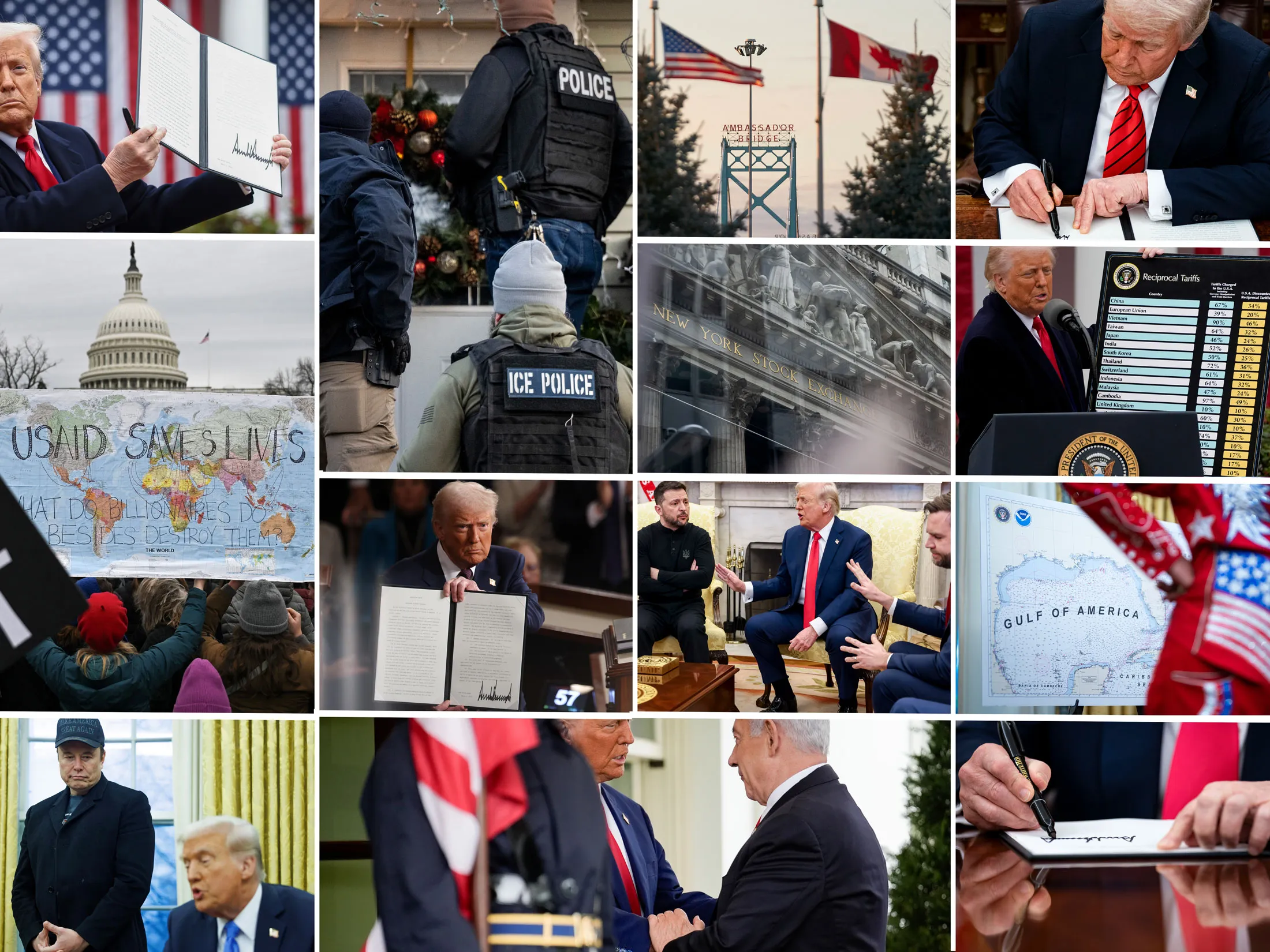
By Nitya Chakraborty The United States of America President Donald J. Trump has completed his first one hundred days in office in his second non-consecutive term on April 29, Tuesday amidst continuing global disorder over his chaotic policies — unilateral tariffs hike, failure to establish peace in Gaza with Israeli killing spree continuing unabated and […]

A widespread power outage disrupted large sections of Spain and Portugal, causing significant interruptions across both countries and prompting an urgent response from national electricity operators. E-Redes, which oversees grid monitoring in Spain, announced it was actively working to restore connections in stages as authorities grappled with the scale of the disruption. The blackout affected major cities including Madrid, Barcelona, Lisbon, and Porto, with local reports indicating […]

Tether’s tokenised gold product, XAU₮, has reached a major milestone with over 7.7 tonnes of physical gold now backing the asset, pushing its market capitalisation to $770 million as of 28 April 2025. This development marks a significant expansion of Tether’s portfolio beyond its flagship stablecoin USDT and highlights growing investor interest in digital assets secured by tangible commodities.

XAU₮, which represents ownership of one troy ounce of gold held in Swiss vaults, has seen steady accumulation over the past year amid fluctuating economic conditions and shifting investor sentiment towards inflation-resistant assets. According to market data, the token’s supply growth has mirrored increasing demand for alternative stores of value as concerns around fiat currency stability and geopolitical tensions continue to drive diversification strategies.

Tether’s disclosure that XAU₮ is now underpinned by more than 7.7 metric tonnes of physical gold signals strengthened efforts by the company to reinforce confidence in its tokenisation products. Analysts observing this trend note that digital gold products have carved a distinct niche, combining the traditional appeal of precious metals with the technological advantages of blockchain systems, including faster settlement times and greater accessibility for a global investor base.

Paolo Ardoino, CEO of Tether, stated that the surge in XAU₮’s backing reflects broader demand for hybrid assets that bridge the gap between conventional wealth preservation tools and new digital financial infrastructure. He added that Tether remains committed to transparency and robust management practices as it expands its product suite.

Since its launch, XAU₮ has distinguished itself by providing a clear legal structure for ownership claims over specific gold bars, with serial numbers and weight details disclosed through regular attestations. This level of verification has been crucial in appealing to institutional participants who require clear regulatory and custodial assurances before engaging with tokenised assets.

The achievement of a $770 million market cap also places XAU₮ among the most substantial gold-backed cryptocurrencies in circulation, competing with platforms like Paxos Gold and Perth Mint Gold Token . However, Tether’s strong brand presence and expansive network have given XAU₮ a competitive edge in terms of liquidity and market penetration.

Gold itself has continued to perform as a relatively stable asset amid volatile equity markets, stubborn inflation in key economies, and unpredictable monetary policy shifts. As of late April, gold prices hovered around $2,350 per ounce, with analysts forecasting further strength if macroeconomic uncertainty persists. This backdrop has reinforced the appeal of tokenised gold products like XAU₮, especially for investors looking for easily tradable options without the logistical challenges of physical storage.

XAU₮ has also benefited from integration with major exchanges and decentralised finance platforms, allowing users to utilise tokenised gold in broader financial applications such as lending, borrowing, and yield farming. This flexibility contrasts with traditional gold investment avenues, which typically lack interoperability with modern financial tools.

Institutional interest has played a critical role in the token’s growth trajectory. Asset managers, family offices, and corporate treasuries have increasingly explored tokenised commodities as a way to diversify their holdings while maintaining exposure to traditional safe havens. The ability to transfer ownership efficiently and transparently across jurisdictions has further bolstered the attractiveness of XAU₮.

Tether has continually faced scrutiny over its reserve management practices, particularly regarding USDT. However, the company’s detailed disclosures regarding XAU₮’s physical gold reserves appear to have mitigated similar concerns for this product. Regular attestations by third-party auditors have provided additional layers of reassurance to stakeholders wary of opaque reserve practices.

The evolving regulatory environment for stablecoins and tokenised assets may also influence the trajectory of products like XAU₮. Jurisdictions such as the European Union, the United Arab Emirates, and Singapore have introduced or are in the process of finalising frameworks aimed at ensuring greater oversight and consumer protection within the digital asset space. These regulations are expected to encourage higher standards of reporting and reserve management among issuers, benefiting products that already maintain rigorous transparency protocols.

Market participants have observed that gold tokenisation is emerging as a sector with strong fundamentals, particularly as broader adoption of blockchain technology reshapes traditional financial services. XAU₮’s growth demonstrates that tokenisation is not limited to speculative assets but can extend to historically conservative sectors such as commodities.

While challenges remain — including regulatory uncertainty, technological security risks, and the need for robust custodial solutions — the success of Tether’s XAU₮ underscores a maturing digital asset market increasingly focused on quality, transparency, and tangible backing. Observers suggest that continued institutional adoption and technological advancements could position tokenised gold as a staple component of diversified digital portfolios.


Arabian Post Staff Deliveroo has confirmed the appointment of a new general manager to oversee its operations across the Middle East, marking a significant leadership transition for the online food delivery platform. Anis Harb, who has been with the company for nearly a decade, is stepping down from his role and will be succeeded by Susana Voces, a senior executive with extensive experience in international e-commerce and […]

A major scientific breakthrough in quantum research has sparked optimism that practical quantum encryption could be realised within the next decade, while a fully developed quantum internet may become achievable within the next half-century, according to leading physicists and technology experts. Researchers at Delft University of Technology in the Netherlands confirmed they had successfully demonstrated quantum entanglement between distant nodes in a network in a stable, reliable […]

Lebanon’s government is optimistic about securing a staff-level agreement with the International Monetary Fund within the coming months. The move represents a significant step towards addressing the country’s crippling financial crisis, which has left the Lebanese pound in freefall, unemployment rates soaring, and inflation skyrocketing. The news has brought a flicker of hope for a nation desperate for international assistance, after enduring years of economic turmoil exacerbated by political instability and the effects of the 2019 Beirut port explosion.

The announcement, made by Lebanon’s Minister of Economy and Trade, Amin Salam, comes at a time when the country is facing its worst economic collapse since the end of the civil war in the 1990s. Despite the IMF’s cautious stance on extending its aid to Lebanon, negotiations are progressing, and the country is hopeful that an agreement could finally be reached. Salam stated that the aim is for the Lebanese authorities to finalise discussions with the IMF, which would then allow Lebanon to access critical funding to stabilise its economy.

Securing a deal with the IMF is a priority for Lebanon as it seeks to unlock international loans and support. Lebanon has been in talks with the IMF for over two years, with the institution imposing strict financial reforms as a condition for assistance. These reforms are designed to rebuild Lebanon’s crippled financial institutions, tackle rampant corruption, and implement fiscal discipline. However, these measures have been met with resistance from political elites, many of whom have been accused of contributing to the financial crisis through mismanagement and corruption.

The IMF’s requirements include reforms such as restructuring Lebanon’s financial sector, implementing measures to improve the country’s fiscal transparency, and reducing public sector spending. The institution has made it clear that Lebanon must address these structural weaknesses before it can secure international aid. Lebanon’s political class, long known for its infighting and inability to push through reforms, has struggled to meet these expectations, with reforms stalling in the face of political resistance.

Despite these challenges, some experts believe that the IMF agreement is crucial to any hopes of Lebanon stabilising its economy. The Lebanese government has faced mounting pressure from citizens who are increasingly disillusioned with their leaders’ inability to address the country’s dire financial situation. Protests have erupted across the country in recent years, calling for an end to corruption and better governance. While these protests have led to some changes, they have not been enough to reverse the economic downturn.

Economic indicators show the extent of Lebanon’s struggles. The Lebanese pound, which once traded at 1,500 to the dollar, now hovers around 100,000 pounds to the US dollar on the black market, reflecting a dramatic devaluation. Inflation has surged, with food prices spiraling out of control, and essential services such as healthcare and education becoming increasingly unaffordable for many Lebanese citizens. This economic decline has driven more than 60% of the population into poverty, according to estimates from the United Nations and local organisations.

The IMF’s involvement is seen as a necessary step in restoring confidence in Lebanon’s financial system. However, the road to recovery will be long and fraught with challenges. A key issue is the need for political unity. Lebanon’s fractious political system, which is based on a delicate sectarian balance, has hindered the passage of many essential reforms. The lack of a functioning president, with the presidential seat remaining vacant for several months due to political deadlock, has added to the uncertainty.

International donors, including the European Union and Gulf countries, have signalled their support for Lebanon’s recovery plan, but they are also waiting for concrete reforms before committing significant funds. They have been clear that Lebanon’s political elite must demonstrate the political will to implement the reforms required for a sustainable recovery.

A bold step into AI-powered web browsing has arrived with Perplexity’s launch of its new Comet browser, sharply intensifying debates around user surveillance and data privacy. The company, best known for its AI-driven search engine, announced that Comet would seamlessly integrate artificial intelligence to enhance browsing, but analysts caution that the browser’s data collection practices could mark a concerning new standard for digital tracking. Perplexity’s Comet browser […]

Technology stocks surged on April 24, 2025, lifting broader U.S. markets as optimism grew over easing tariff tensions between the United States and China. Investors responded positively to reports suggesting that trade officials from both countries were nearing a compromise to de-escalate tariffs imposed over the past two years. The Nasdaq Composite climbed 2.5% to close at 16,012.34, marking its highest level in over five months. The […]

By K Raveendran U.S. Treasury Secretary Scott Bessent’s declaration that India could be the first to finalise a trade deal with the United States after President Trump embarked on his reckless trade war against the world signals a strategic point. The proposed agreement offers India an escape hatch from the looming 26 percent reciprocal tariffs […]


Russian-linked cyber operatives have been leveraging legitimate Microsoft OAuth 2.0 authentication processes to compromise Microsoft 365 accounts of individuals and organisations associated with Ukraine and human rights advocacy. Cybersecurity firm Volexity has been monitoring this activity since early March 2025, identifying two threat clusters, UTA0352 and UTA0355, as the primary actors behind these campaigns. The attackers initiate contact by impersonating European political officials, reaching out to targets […]

The SPDR Gold Shares ETF , the world’s largest gold-backed exchange-traded fund, experienced a significant outflow of $1.3 billion on April 22, 2025—the largest single-day withdrawal since 2011. This substantial movement reflects a notable shift in investor sentiment, as market participants reallocate assets in response to evolving economic indicators and geopolitical developments. Sees Largest Weekly Outflow Since 2022 on Trump Win – Bloomberg)

The outflow coincided with a decline in gold prices, which fell nearly 2% to $3,318.71 per ounce. This drop followed U.S. President Donald Trump’s decision to retract his threat to dismiss Federal Reserve Chair Jerome Powell and his expression of optimism regarding a potential trade agreement with China. These developments reduced the perceived need for safe-haven assets like gold, prompting investors to reassess their portfolios.

Simultaneously, the U.S. dollar and stock markets rebounded, further diminishing gold’s appeal. Analysts, including OANDA’s Kelvin Wong, cited these factors as triggers for the selloff, though he noted that potential upside movement in gold remains. Despite this short-term dip, gold had previously surged to a record high of $3,500 per ounce, and JP Morgan anticipates it could exceed $4,000 next year.

The broader context includes a significant surge in gold prices earlier in April, driven by investor concerns over the weakening U.S. dollar and President Trump’s economic policies. Gold reached a new peak of over $3,500 per ounce before settling at $3,426, marking a nearly 30% increase since Trump’s return to office. Analysts at JPMorgan predict gold could hit $4,000 by mid-2026, fueled by purchases from central banks and retail investors.

However, the easing of trade tensions and positive developments in U.S.-China relations have led to a reassessment of risk, with investors moving away from traditional safe havens. European gold funds, for instance, experienced significant inflows earlier in April, with approximately €1 billion poured into gold exchange-traded commodities during the week ending April 18, 2025. This marked the highest level of inflows since mid-January, reflecting rising investor demand for safe-haven assets amid escalating market volatility sparked by U.S. trade tariffs.

Despite these inflows, the subsequent outflows from GLD indicate a shift in investor strategy. The Bank of America’s April 2025 Fund Manager Survey revealed that institutional investors are adjusting their portfolios in response to global economic fears driven by U.S. tariff policies and escalating concerns of a recession. The survey indicated that investor expectations for economic growth have dropped to 30-year lows, with 82% predicting a weaker global economy this year. In response, money managers are moving away from high-risk sectors like technology and U.S. equities, instead turning to safer investments.

Gold has emerged as the top asset, with 42% of fund managers favoring it—up from 23% in March—due to its reputation as a safe haven in volatile markets and hedge against inflation. This surge in interest is mirrored by the SPDR Gold Shares ETF surpassing $100 billion in assets under management and gold prices hitting record highs above $3,300 an ounce.

HAIKOU, CHINA – Media OutReach Newswire – 23 April 2025 – At the 5th China International Consumer Products Expo held in Hainan recently, Wang Kangzheng, a marketing staff member of the Hainan Haiken Marine Industry Group Co., Ltd., has been busy showcasing premium seafood. Golden pompano produced in the deep-sea aquaculture base was a bestseller at the exhibition, and many buyers and visitors stopped to inquire, taste, […]

Matein Khalid Gold’s spectacular bull market since its mid-2022 bottom at 1600, amid the most brutal monetary tightening by the Fed since the Volcker era under JayPo (now branded as a “loco” and a “major loser” by President Trump) has climbed seminal macro walls of worry. A surge in the US Dollar Index to 110 in Jan’25 did not kill gold’s bull run nor did tough love […]

A militant assault in the Baisaran meadow near Pahalgam, Jammu and Kashmir, resulted in the deaths of 28 tourists and injuries to over 20 others on Tuesday afternoon, marking the deadliest civilian attack in the region since 2019.

The attack occurred around 2:50 PM when four to six assailants, dressed in military-style uniforms, emerged from the surrounding deodar forests and opened fire on tourists enjoying the popular meadow, often referred to as “Mini Switzerland” for its scenic beauty. Eyewitnesses reported that the attackers initially posed as security personnel, asking for identification and religious affiliations before selectively targeting non-Muslim men. Survivors recounted being asked to recite Islamic declarations and undergoing physical checks; those who failed were shot at close range.

The Resistance Front , an offshoot of the Pakistan-based Lashkar-e-Taiba, claimed responsibility for the massacre. In a statement, the group cited opposition to the settlement of over 85,000 non-locals in the Kashmir Valley, alleging it as a demographic alteration. This incident underscores the ongoing tensions following the revocation of Jammu and Kashmir’s special status in 2019, which allowed greater settlement of outsiders in the region.

Among the deceased were 24 tourists from various Indian states, including Karnataka, Kerala, Maharashtra, Odisha, Gujarat, Haryana, West Bengal, and Uttar Pradesh. Two locals from Jammu and Kashmir and two foreign nationals from Nepal and the United Arab Emirates were also killed. The injured, numbering over 20, were airlifted to military hospitals in Srinagar for treatment.

Prime Minister Narendra Modi, cutting short his visit to Saudi Arabia, condemned the attack as a “dastardly and inhuman act” and vowed to bring the perpetrators to justice. Union Home Minister Amit Shah traveled to Srinagar to assess the situation and coordinate the security response. Security forces launched a massive manhunt, deploying helicopters and imposing a temporary lockdown in parts of Pahalgam to apprehend the attackers.

The international community reacted swiftly. U.S. President Donald Trump expressed support for India, while U.N. Secretary-General António Guterres and leaders from Germany, Israel, and the European Union condemned the attack and offered condolences to the victims’ families.

The assault occurred during a period of increased tourism in Kashmir, with projections estimating around two crore visitors to the Union Territory this year. Pahalgam, a gateway to the Amarnath Yatra, had seen a surge in tourist footfall, signaling a return to normalcy after decades of insurgency. This attack threatens to derail these developments, casting a shadow over the region’s stability and economic recovery.

Opposition leaders criticized the government’s narrative of restored normalcy in Kashmir. Congress MP Priyanka Gandhi labeled the attack a “crime against humanity,” while Leader of Opposition Rahul Gandhi described it as “horrific,” emphasizing the need for a reassessment of the region’s security situation.

Eyewitness accounts painted a grim picture of the attack’s aftermath. Videos from the scene showed bloodied individuals lying on the ground, with others pleading for help. One woman was seen screaming for assistance for her husband, while others were seen lying motionless in the meadow. Survivors described the attackers’ methodical approach, with one assailant allegedly telling a woman that she was being spared so she could “narrate the horrors” to Prime Minister Modi.

The attack’s timing, coinciding with U.S. Vice President JD Vance’s visit to India, raised concerns about its potential geopolitical implications. While no direct link has been established, the incident echoes prior high-profile attacks timed with foreign dignitary visits, suggesting a possible strategy to garner international attention.

Oil prices surged over 3% on Thursday, marking the first weekly gain in three weeks. Brent crude futures settled at $67.96 per barrel, while West Texas Intermediate closed at $64.68 per barrel. The uptick was driven by renewed optimism over a potential trade agreement between the United States and the European Union, coupled with the imposition of new sanctions targeting Iran’s oil exports. The prospect of a […]

CHENGDU, CHINA – Media OutReach Newswire – 17 April 2025 – On April 16, the “2025 Chengdu International Friendship Cities Cooperation and Development Forum”, hosted by the Chengdu Municipal People’s Government and organized by the Foreign Affairs Office of the Chengdu Municipal People’s Government, officially kicked off in Chengdu. This conference was themed on “Hand in Hand, Sharing and Winning Together”. Major activities included the opening ceremony, […]

VISHNU RAJA
RYO YAMADA
HITORI GOTOH
IKUYO KITA