News related to
European

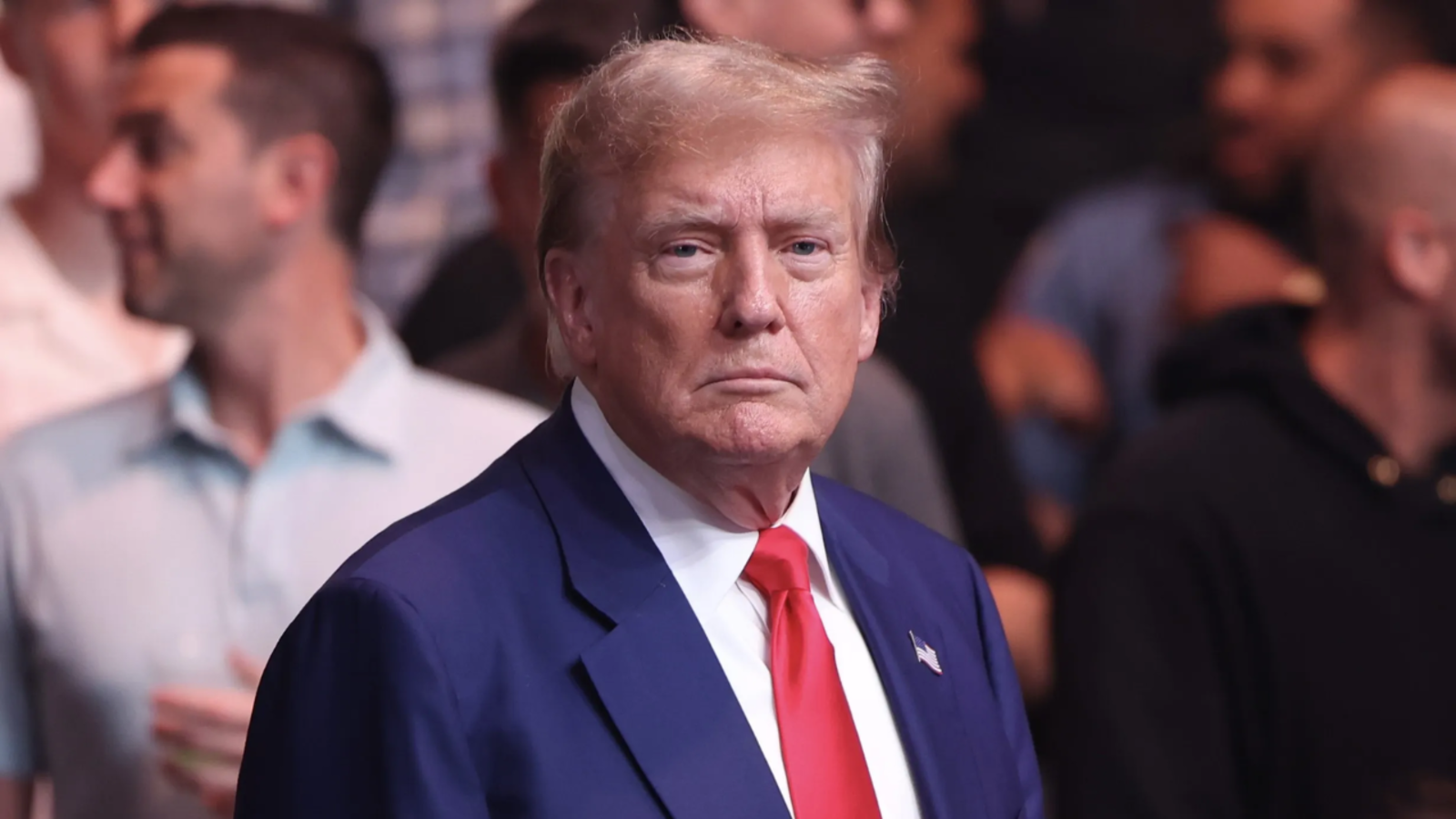
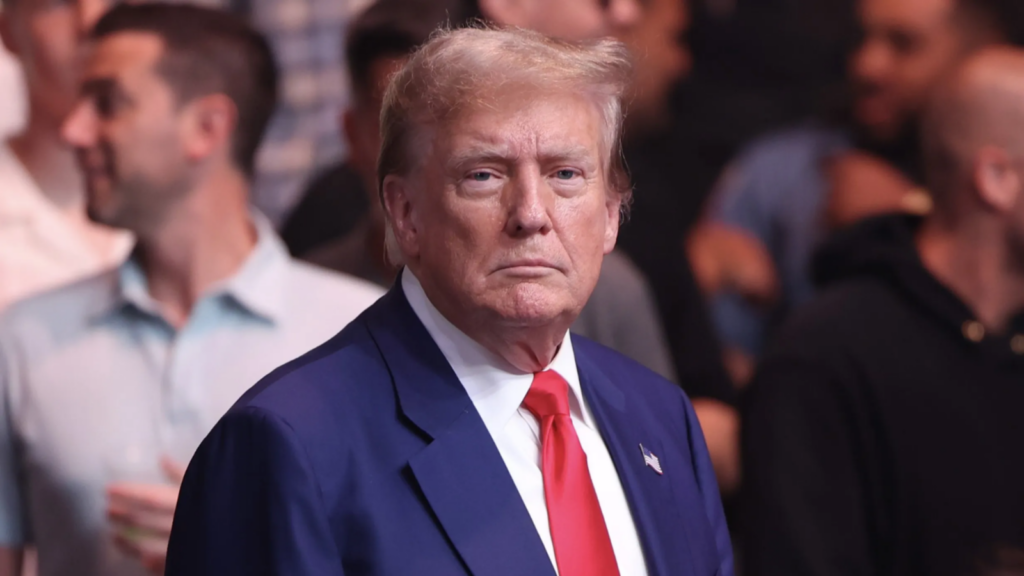
By Nitya Chakraborty Finally, the U.S. election results are out. The Republican candidate Donald Trump has swept the polls by winning convincingly in the presidential contest as also leading the Republican Party to majority in both the Senate and the House of Representatives. There is no grey area. It is apparent that the majority of […]

KUALA LUMPUR, MALAYSIA – Media OutReach Newswire – 6 November 2024 – Current developments and key facts As of 7:00 a.m. UTC, most data providers, including ABC, CBS, NBC, and CNN, projected that Donald Trump would become the next president of the United States. However, even as Trump’s victory looks almost guaranteed at this point, it is the balance of power in the U.S. Congress that will […]

Bitcoin has surged to an all-time high as traders factor in the possibility of a Donald Trump victory in the upcoming U.S. presidential election. The cryptocurrency reached new heights, surpassing the $40,000 mark for the first time, driven by a combination of factors, including growing political uncertainty, the appeal of Trump’s economic policies, and an increasing demand for decentralized assets as hedges against inflation.

As the election race intensifies, market analysts are closely monitoring how Trump’s political resurgence could impact traditional markets and the broader economy. Traders seem to be betting that a second Trump presidency would lead to favorable conditions for Bitcoin, particularly given his past rhetoric on the benefits of digital currencies and his critical stance toward centralized financial systems.

Bitcoin’s rapid rise comes at a time when the broader global economy is grappling with uncertainty. The U.S. economy, though resilient in many ways, faces challenges such as inflation, supply chain disruptions, and a fluctuating stock market. With the Federal Reserve’s interest rate hikes and the push for tightening monetary policy, many investors are looking for assets that provide an alternative to traditional banking systems. Bitcoin, often viewed as a store of value similar to gold, fits the bill.

Trump’s influence on Bitcoin’s price movement is not entirely new. In 2017, during his first presidential campaign, Bitcoin saw significant price appreciation, as his anti-establishment rhetoric resonated with many investors seeking refuge from a perceived unstable traditional financial system. His leadership style, coupled with calls to deregulate the financial sector, has always aligned with the ideals of the crypto community, which champions decentralization and reduced government oversight.

The current market sentiment surrounding Bitcoin reflects growing confidence in the cryptocurrency’s long-term potential, especially among traders who perceive Trump’s economic policies as supportive of asset appreciation. Trump’s stance on cryptocurrencies has evolved over time. Initially dismissive, his recent statements have indicated a more favorable approach, particularly with the rise of Bitcoin’s mainstream appeal.

While Bitcoin’s value continues to climb, it has also drawn attention from traditional financial institutions, who are taking a closer look at the asset class. Major financial firms are increasingly open to the idea of incorporating Bitcoin into their portfolios, with some even offering products that allow clients to invest directly in the cryptocurrency. This shift represents a growing mainstream acceptance of Bitcoin, which was once viewed as a speculative and volatile asset.

The surge in Bitcoin’s price is not solely attributable to political factors. The rise of institutional investment, the increasing adoption of blockchain technology, and regulatory clarity are all contributing to the cryptocurrency’s appeal. In countries like El Salvador, where Bitcoin has been adopted as legal tender, the digital currency’s role as a financial tool has become more apparent. The growing use of blockchain technology in industries ranging from supply chain management to healthcare also bodes well for Bitcoin’s future, as it becomes increasingly intertwined with global economic systems.

In the U.S., Bitcoin’s role in the political sphere is also gaining attention. Some political figures, particularly those aligned with the Republican Party, have expressed support for digital currencies, viewing them as a way to counterbalance the influence of the Federal Reserve and the U.S. dollar. Trump, despite his criticisms of the current administration, has been vocal in supporting policies that could benefit the cryptocurrency market. His stance on cryptocurrency has been a mixture of endorsement and skepticism, but his broader economic agenda, which favors lower taxes, deregulation, and less government intervention, aligns with the pro-crypto sentiment prevalent in the market.

Despite Bitcoin’s bullish momentum, there are concerns about the potential risks associated with such rapid price increases. Critics warn that Bitcoin’s volatility could result in a market correction, particularly if traders begin to overextend their positions. Additionally, global regulatory pressures could affect the asset’s price trajectory. Some governments, including China and the European Union, have signaled that they may take a more stringent approach to cryptocurrency regulation, which could influence market sentiment and investor behavior.


EDGE Group, a key player in the UAE’s defense and advanced technology sector, has entered into a strategic partnership with Italian shipbuilding giant Fincantieri to develop next-generation underwater solutions. This collaboration, announced in a series of formal statements, seeks to combine the strengths of both companies to advance the development of cutting-edge maritime technology. The joint venture is expected to significantly bolster both nations’ defense capabilities and […]

Venture capital funding in the Americas took a significant lead in Q3 2024, according to KPMG’s Q3 Venture Pulse Report, reflecting both the strength of U.S. technology sectors and ongoing international interest in AI, defense technology, and clean energy. Despite an overall decline in global funding volume, the Americas have continued to dominate, with North American firms capturing the lion’s share of investments, led by growth in generative AI, defense tech, and other high-stakes innovations, even as other regions recorded slower capital inflows.

The third quarter saw roughly $38 billion raised by VC-backed companies globally, with over half of this funding directed to American companies. AI alone accounted for an impressive 33% of all U.S. venture capital funding, showing the sector’s resilience even as some high-profile names, such as Anthropic and OpenAI, completed multimillion-dollar funding rounds this year. Notably, VC funding in Europe, the Middle East, and Asia has contracted compared to previous quarters. In Europe, market watchers note that funding has slowed down, especially in fintech and climate tech, previously fast-growing sectors. In Asia, investments have shown mixed results; China’s subdued economic environment impacted overall venture capital inflows, although China saw continued investment in artificial intelligence, robotics, and advanced manufacturing.

A shift in defense technology investments has emerged in 2024, with the U.S. and allied nations emphasizing strategic technologies that support national security. This has resulted in significant funding growth for American defense-tech firms, which benefited from increased federal spending and private sector collaboration. Noteworthy deals included significant rounds raised by emerging defense-tech firms that are leveraging AI to enhance surveillance, reconnaissance, and cybersecurity operations. The U.S. government’s increased focus on countering security risks from AI-related technologies has spurred both private and public investment in dual-use tech—civilian technologies with potential military applications, which are becoming increasingly prioritized.

Generative AI has maintained its role as a primary driver of VC funding. According to data from Accel, AI-related startups received nearly two-thirds of all generative AI funding across the U.S., Europe, and Israel. This trend was most visible in large-scale investments in foundational AI infrastructure, including cloud services, model training, and neural network development. Market research indicates that U.S. firms like OpenAI continue to set records, raising approximately $18.9 billion since early 2023, with Anthropic following closely with $7.8 billion. Notably, new players such as Elon Musk’s xAI have also seen significant investments, reflecting the strategic importance and market enthusiasm for AI innovation.

In Europe, artificial intelligence continues to attract capital, albeit at a slower pace. Notable AI recipients included Wayve, a UK-based autonomous driving startup, and Mistral, a French AI firm focusing on natural language processing. While European investment levels have softened overall, AI and defense-related sectors show continued resilience, aligning with national priorities and security considerations.

Globally, clean energy investments also attracted substantial VC interest, especially in areas related to hydrogen and battery technologies. Despite the sector’s promise, climate tech funding was one of the hardest-hit areas globally, affected by economic uncertainties and fluctuating energy prices. This has led to a more conservative approach from investors, although breakthroughs in energy storage, carbon capture, and hydrogen fuel cells remain attractive for long-term investors looking at green energy’s potential within sustainability mandates and decarbonization policies.

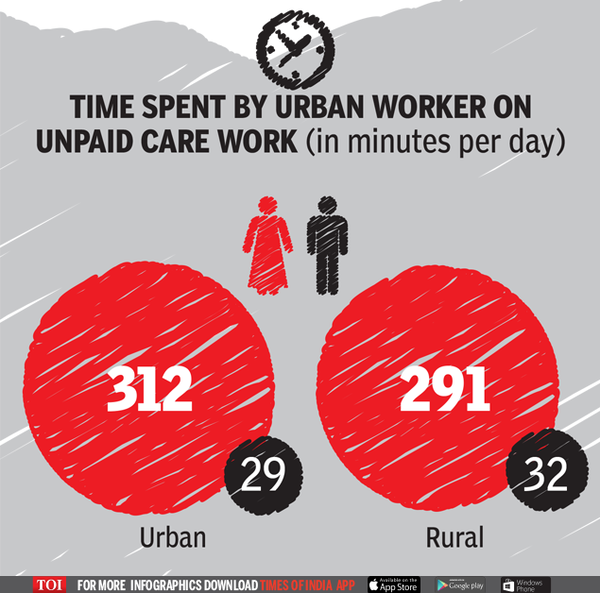
By Dr. Gyan Pathak One third of the working-age persons of the world aged 15 or older outside the labour force in 2023were engaged in unpaid care work, while in India they were 54.1 per cent, the new estimates presented in the ILO Statistical brief revealed. The share of women in India in unpaid care […]

HANOI, VIETNAM – Media OutReach Newswire – 31 October 2024 – Vietnam, with its rich cultural heritage and stunning natural beauty, has become an increasingly attractive destination for Indian travelers. Vinpearl’s focus on luxury wedding tourism and high-end MICE services has further enhanced the appeal of the country to this growing market. Vinpearl Resort & Spa Ha Long Over the past decade, Vietnam has emerged as a […]

Advertisements

Mubadala Investment Company, a prominent state-owned investment arm based in Abu Dhabi, has acquired a 49% stake in the Spanish industrial firm Tubacex’s subsidiary, Tubacex Group, for approximately $200 million. This strategic investment aims to bolster Mubadala’s presence in the European industrial sector, particularly in the field of manufacturing specialized steel products used in energy, oil, and gas applications. The acquisition signifies a continued trend of Middle […]

UAE-based issuers have raised a staggering $11.7 billion in the third quarter of 2024 through bond and sukuk offerings, marking a significant achievement in the region’s capital markets. This surge demonstrates robust investor confidence and a growing appetite for fixed-income securities, despite global economic uncertainties and fluctuations in interest rates. The third quarter witnessed a notable increase in activity compared to previous quarters, with both sovereign and […]

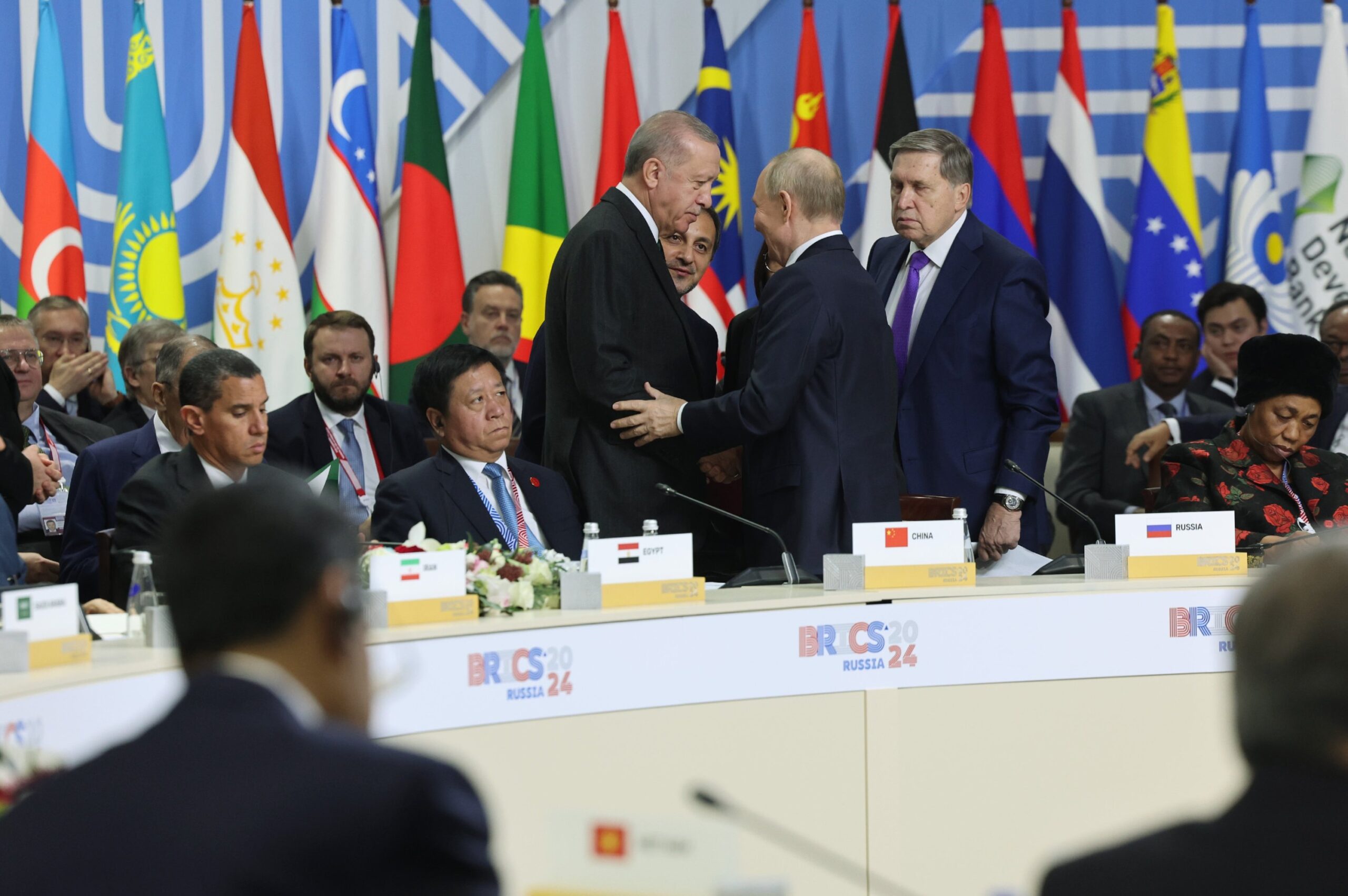
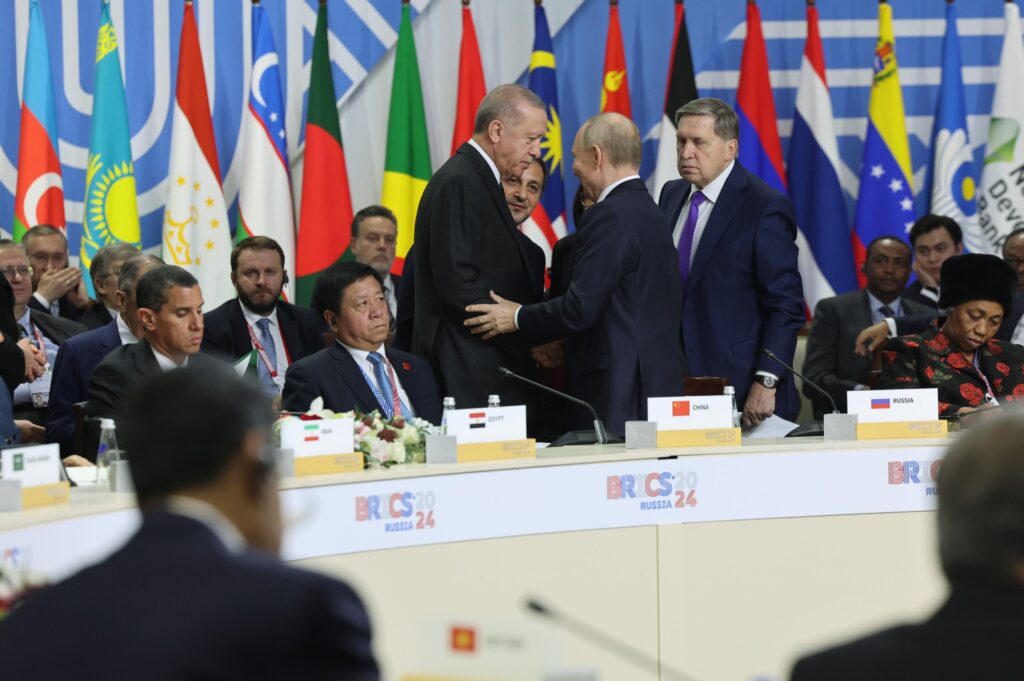
By Nitya Chakraborty The North Atlantic Treaty Organisation (NATO), the security alliance of the western nations led by the USA is having an uneasy period after celebrating its 75th year of founding in July this year with big fanfare. The recent summit of the BRICS in Kazan of Russia held on October 22 to 24 […]

Arabian Post Staff A potential increase in supply could saturate the unfulfilled demand, and lead to lower prices and rents in the Dubai real estate market, S&P said in a report. It notes that the market expects residential supply stock will increase by about 182,000 units over 2025-2026, given that the large number of properties that were presold over 2022-2023 will be delivered. This is significantly higher […]

DataCrunch.io, a European leader in AI infrastructure based in Finland, has successfully raised $13 million in seed funding, marking a significant step toward its goal of becoming Europe’s first AI-dedicated cloud hyperscaler. This funding round, spearheaded by byFounders and supported by J12 Ventures alongside prominent angel investors including industry veterans like DeepMind and Aiven founders, reflects growing investor confidence in Europe’s potential to meet escalating AI computational […]

Amid growing environmental threats, BRICS leaders are pushing for urgent measures to combat land degradation, a phenomenon severely impacting ecosystems and communities worldwide. The upcoming UN Land Degradation and Drought conference, scheduled for early next year, aims to align global efforts to curb the increasing degradation of arable lands, which jeopardizes food security, contributes to climate change, and drives displacement. A 2022 report by the UN Convention […]

Divya Malhotra Middle East has turned into a ticking time bomb as Iran and Israel stand on the verge of a full-blown war. A lot has transpired between the two countries since the October 2023 Hamas attack on Israel and the ensuing Gaza war. Israel is more than a thousand miles away from Iran. They do not share any border and there are no significant bilateral claims […]

HONG KONG SAR – Media OutReach Newswire – 24 October 2024 – The global economic recovery presents a mixed picture. While the US economy looks set for a soft landing, the eurozone continues to face many uncertainties, particularly in the industrial sector. China, meanwhile, is struggling to sustain its growth. Finally, our political and social risk index remains at a high level despite the fall in inflation […]

Saudi Arabia has announced a sweeping mandate that will standardize USB-C charging ports across smartphones, tablets, and a range of electronic devices by 2025. This move, intended to reduce electronic waste and streamline the user experience, will position Saudi Arabia among a growing number of regions adopting universal charging standards, notably following the European Union’s similar regulation effective in 2024.

The Saudi Standards, Metrology, and Quality Organization (SASO) along with the Communications, Space, and Technology Commission (CST) have outlined a phased rollout. The initial phase, beginning January 1, 2025, requires USB-C ports for mobile phones, tablets, e-readers, and other handheld devices. By April 2026, this requirement will extend to laptops. According to the CST, this strategy is designed to simplify device compatibility, reduce consumer costs, and advance Saudi Arabia’s commitment to sustainability goals. Officials estimate the change could lower charger-related electronic waste by about 15 tonnes annually and reduce consumer expenditure on chargers by SAR 170 million (USD 45 million) per year.

Over 700 exhibitors from 17 countries and regions to participate from 6-8 November at the Hong Kong Convention and Exhibition Centre Exhibition reflects four prominent market trends: technology, lifestyle, functionality and sustainability Concurrent Hong Kong International Optometric Symposium to explore latest breakthroughs in myopia control and prevention Finalists of the 24th Hong Kong Eyewear Design Competition to be unveiled HONG KONG SAR – Media OutReach Newswire – […]

GlobalNet has officially launched a state-of-the-art high-speed fiber connection between Stockholm and Berlin, marking a significant expansion of its network across vital European hubs. The newly established 1,200-kilometer dense wavelength division multiplexing (DWDM) fiber link promises network latency of under 12 milliseconds, which is expected to substantially enhance data transmission efficiency for businesses and consumers alike. The initiative comes at a time when demand for reliable and […]

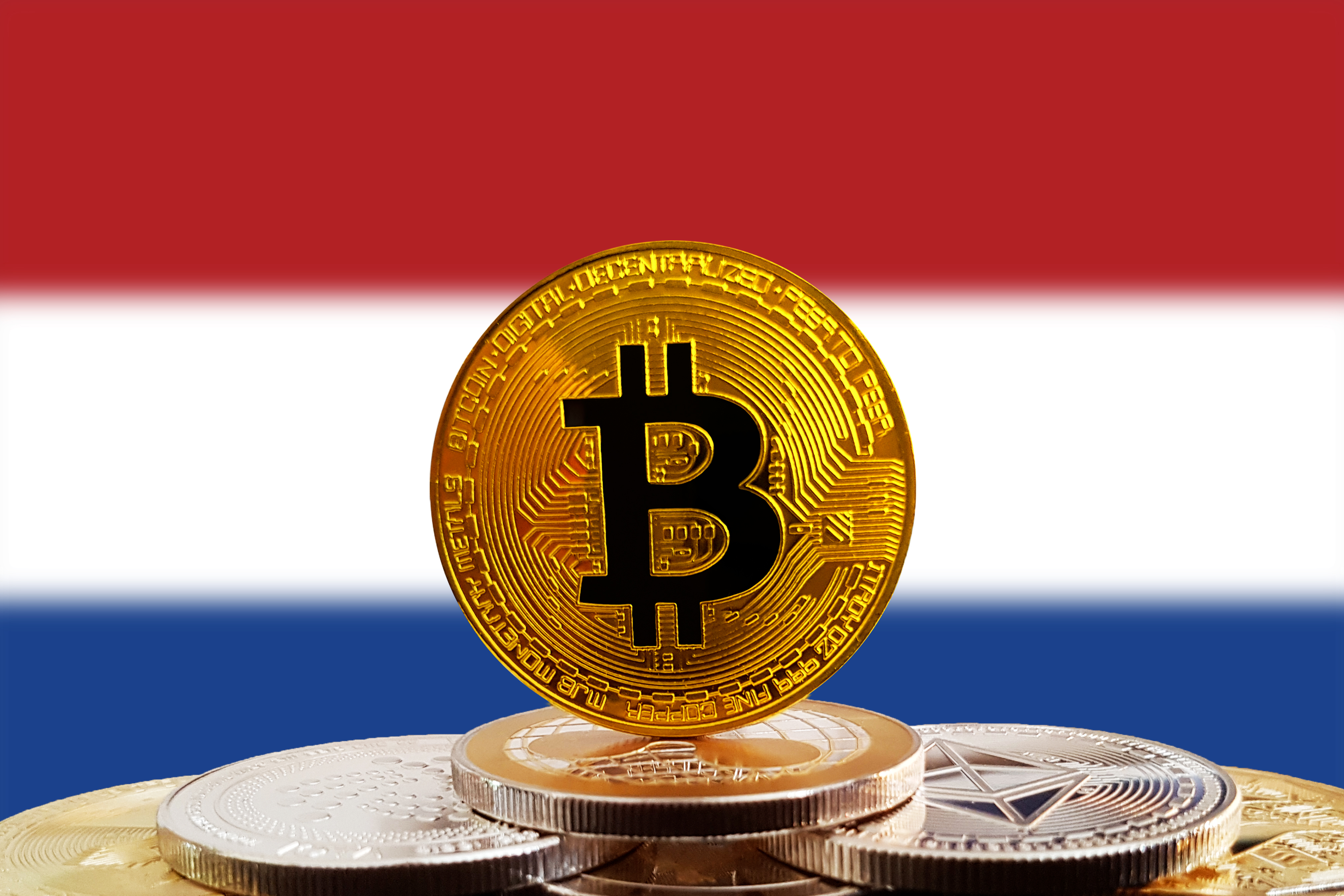
The Netherlands has introduced a draft bill requiring cryptocurrency service providers to report detailed client information to tax authorities, marking a significant alignment with the EU’s tax and transparency goals for digital assets. The proposal aims to close existing tax loopholes in cryptocurrency transactions, ensuring that individuals and companies report taxable income generated through digital assets, with authorities seeking to curb tax evasion effectively across Europe.

Central to this legislation is the adherence to DAC8, the EU’s eighth Directive on Administrative Cooperation, which mandates crypto-asset providers to share user transaction data with local tax bodies. DAC8, recently ratified by the European Council, is set to be implemented across the European Union by January 2026. The new rules are part of the EU’s extensive drive to regulate the crypto space, with a focus on enhancing tax compliance and preventing digital assets from serving as havens for illicit transactions.

In alignment with the DAC8 standards, the Dutch bill specifies that service providers, including exchanges, brokers, and wallet providers, must report all transactions involving Dutch residents to national tax agencies. This includes recording details of transaction amounts, dates, market values, and fees, ensuring that the Dutch authorities have a comprehensive view of all crypto-related activities. Additionally, the Netherlands intends to comply with the Organisation for Economic Co-operation and Development’s (OECD) Crypto-Asset Reporting Framework (CARF), which expands the scope of data sharing to include non-EU jurisdictions, such as the United States and the United Kingdom. CARF seeks to standardize crypto-asset reporting, aiming to make it more challenging for users to transfer assets across borders to evade tax responsibilities.

The Dutch Ministry of Finance anticipates that these measures will substantially increase transparency within the crypto sector, which has previously posed challenges for tax authorities due to the ease of transferring assets across platforms and borders. The Ministry asserts that these steps are essential to creating a fair tax landscape, ensuring that all income, including that derived from cryptocurrencies, is accurately declared and taxed. Proponents of the bill also believe it will aid in reducing financial crimes linked to crypto, aligning with similar EU initiatives like the Markets in Crypto-Assets Regulation (MiCA), which further addresses regulatory oversight in the sector.

As the Netherlands opens this proposal to public feedback, debate around user privacy concerns and the potential regulatory burden on crypto providers is already emerging. Critics argue that requiring such comprehensive data collection risks overreach and could dissuade crypto firms from operating in the Netherlands or the EU altogether. Concerns also extend to data protection issues, as the expansive data-sharing requirements could expose users to breaches and misuse if adequate safeguards are not put in place. Additionally, some crypto advocates argue that stricter regulations may push users towards decentralized platforms that operate outside the purview of centralized tax authorities, which could undermine the very goal of transparency.

Despite these reservations, the Netherlands and other EU states are prioritizing tax compliance to counter potential losses in tax revenue associated with the expanding crypto market. Studies by EU agencies suggest that by reducing tax evasion in crypto transactions, member states could collectively enhance tax revenues by over €1 billion annually. For countries with rapidly growing crypto sectors, this potential revenue increase is particularly enticing as they contend with budgetary pressures and demands for greater public services.

Abu Dhabi’s e& Group has successfully concluded its acquisition of PPF Telecom Group for $2.3 billion, marking a significant expansion of its telecommunications footprint in Europe. This strategic move, which has drawn considerable attention in the industry, enhances e&’s capabilities and market share as it seeks to diversify its operations beyond the Middle East. The acquisition of PPF Telecom, which operates in the Czech Republic and Slovakia, […]

Partnership is unveiled at the Ascott Unlimited Global Marquee Event during ITB Asia 2024, capping off a year-long campaign celebrating Ascott’s 40th anniversary SINGAPORE – Media OutReach Newswire – 23 October 2024 – The Ascott Limited (Ascott), the lodging business unit wholly owned by CapitaLand Investment (CLI), is pleased to announce that Ascott China has entered a 50:50 joint venture with Jin Jiang Hotels (China Region) to […]

Russia’s covert network of oil tankers, often referred to as the “shadow fleet,” has drawn intense scrutiny from Western governments as it plays a central role in circumventing sanctions imposed on the country since its invasion of Ukraine. This fleet consists of hundreds of vessels engaged in the global transport of Russian oil, utilizing a web of deceptive practices, shell companies, and obscured ownership to avoid detection and maintain a steady flow of oil exports. As sanctions grow tighter, so do the clandestine methods employed by this fleet, particularly in securing insurance, which is critical for ships to operate globally.

With the imposition of strict international sanctions on Russia, major Western insurers withdrew from covering Russian oil tankers, creating a vacuum that Moscow has scrambled to fill. The creation of alternative insurance networks has become a lifeline for these vessels, allowing them to continue trading. Countries with limited regulatory oversight, such as certain Middle Eastern and Asian nations, have become key players in providing cover to these ships, enabling them to avoid scrutiny. The complex insurance arrangements are often routed through obscure entities that make it challenging for authorities to track or block the movement of sanctioned vessels.

The UK’s recent actions highlight the extent of the shadow fleet’s activities. In September 2024, the UK government sanctioned ten vessels linked to the shadow fleet, each involved in transporting large quantities of Russian oil. These ships, which had collectively moved over $5 billion in Russian oil, were barred from accessing UK ports and removed from the UK ship register. The sanctions underscore how pivotal the shadow fleet has become for Moscow, which has invested over $8 billion to maintain this network, despite the tightening economic pressure from the G7 and other Western nations. Western authorities hope to cripple this vital revenue stream for the Kremlin, but Russia remains defiant, with this secretive fleet operating across key global trade routes.

One of the most significant elements enabling this shadow trade is the reinsurance market. Reinsurance, which helps insurance companies manage risks by sharing portions of large policies with other firms, is a crucial piece of the puzzle for Russia. While direct insurance contracts for Russian tankers have become scarce, reinsurance deals continue to operate through less-regulated markets, creating layers of separation between the insured vessels and their true owners. These arrangements obscure the ships’ connections to Russia and make enforcement of sanctions difficult, as insurers may not always know they are covering Russian vessels. Some reports indicate that companies in regions like Dubai and Singapore are playing an increasing role in providing this indirect coverage, further complicating international efforts to clamp down on the shadow fleet.

The trade routes these vessels follow are also a significant aspect of their operations. Many ships involved in the shadow fleet use transshipment points, such as ports in Greece or off-shore locations in the Mediterranean and Asia, to transfer oil from sanctioned Russian tankers to other vessels. This practice of ship-to-ship transfers allows Russian oil to be rebranded or disguised before being sold on the global market. The use of such tactics has expanded in scale, with Western observers noting a steady increase in the number of these operations as Russia looks to maintain its oil revenues.

As a response to this ongoing trade, the European Union and G7 have both imposed price caps on Russian oil, limiting the price at which it can be sold legally. This measure, implemented in late 2022, was intended to reduce Russia’s profits from oil exports while keeping the global energy market stable. However, the shadow fleet has allowed Russia to bypass these restrictions by selling oil at a discount through third-party buyers. This system of backdoor trading has proven highly effective, even as governments in the West ramp up their sanctions and surveillance efforts.

What stands out in this complex landscape is the role of emerging markets in supporting Russia’s oil trade. Countries such as China and India have dramatically increased their imports of Russian crude, taking advantage of the lower prices and turning a blind eye to sanctions. In turn, their involvement in Russia’s energy exports has further insulated the country from the full impact of Western economic measures. Despite this, the shadow fleet has remained a critical cog in Moscow’s oil export machine, facilitating the continued flow of crude oil to these markets.

SYDNEY, AUSTRALIA – Media OutReach Newswire – 22 October 2024 – COSETTE, a leading retailer of luxury handbags and accessories, is pleased to announce the conclusion of a comprehensive, year-long investigation by NSW Fair Trading into the authenticity of goods supplied by COSETTE. The investigation has ended with no adverse findings or further action. COSETTE believes this vindicates our repeated statements on the quality and authenticity of […]

Hedge funds are increasingly betting against the renewable energy sector, raising concerns over the viability of green investments. As climate change initiatives gain momentum and governments around the world push for a transition to clean energy, a growing number of hedge funds are accumulating short positions, signaling skepticism about the sustainability and profitability of these sectors. This strategic pivot reflects a complex interplay of market dynamics, regulatory […]

VISHNU RAJA
RYO YAMADA
HITORI GOTOH
IKUYO KITA
Just in:
Miss Universe Hong Kong Jen Zhou Departs for Puerto Rico to Compete in the 75th Miss Universe World Final // HKUST President Prof. Nancy IP Receives UNESCO–Equatorial Guinea International Prize for Research in Life Sciences // Dubai Future District Fund and Buimerc formalise cooperation // HKUST President and Chinese Academy of Sciences Academician Prof. Nancy Ip Receives UNESCO Honor for a Second Time // Excise chief shunted out in bar licence dispute // The “1st Greater Bay Area Health and Longevity Summit & Awards Ceremony” concludes successfully in Macao // Emaar approves Development buyout ahead of planned delisting // CM disputes Vijayan’s claims // OpenAI abandons secrecy agreements for future data centres // Ningbo Consensus on Collaborative Development released at 2026 Global Mayors Dialogue · Ningbo // Beyond the exhibition floor: How robots, AI and networks are moving into the real world // Geely’s i-HEV Intelligent Hybrid Technology Offers a New Direction Vision for Gasoline-Powered Vehicles // Microfinance case trouble for Vellappally // OpenAI introduces GPT-6 Cyber with restricted security access // Geely’s i-HEV Intelligent Hybrid Technology Offers a New Direction for Gasoline-Powered Vehicles // India Under Pressure To Join RCEP On The Eve Of ASEAN Summit In Manila On Nov 15-17 // Elephant calf on death line airlifted for treatment in Gujarat // Democrats Gearing Up For 2028 Presidential Elections To Gain Full Power // Technology shares plunge as Nasdaq enters correction // Motorola introduces Signature 27 flagship priced at $1,599 //