Just in:

News related to
European

Russia’s Finance Ministry has proposed the development of domestically issued stablecoins pegged to non-dollar currencies, following the freezing of Russia-linked digital wallets holding over 2.5 billion roubles in USDT by Tether. Osman Kabaloev, Deputy Head of the Ministry’s Financial Policy Department, stated that the incident underscores the need for internal tools similar to USDT, potentially pegged to other currencies.

The move comes after the European Union imposed sanctions on the Russian crypto exchange Garantex, leading to the suspension of operations involving USDT. The Finance Ministry’s proposal aims to establish sovereign financial tools to circumvent global financial restrictions and reduce reliance on Western-dominated financial systems.

Despite the Finance Ministry’s push, the Bank of Russia remains opposed to the use of cryptocurrencies in domestic transactions. However, Russian firms are participating in experimental international crypto payments, especially as conventional cross-border payments become more challenging under Western sanctions.

The proposal aligns with Russia’s broader strategy to establish a stablecoin settlement platform with “friendly” nations, avoiding the use of U.S. dollars and euros. Deputy Finance Minister Alexey Moiseev has indicated that the government is working with countries such as China and Belarus to create platforms using tokenized instruments pegged to recognized assets like gold.

This initiative is part of a larger effort by BRICS nations to develop a single payment system and make settlements in a unified cryptocurrency. The BRICS Pay platform aims to link national payment systems of member countries, facilitating digital wallet transactions and reducing dependence on the U.S. dollar.

The Central Bank of Russia, however, has expressed skepticism about private stablecoins, citing high risks and lack of guaranteed redemption at nominal value. The Bank prefers the development of a digital ruble, which combines the advantages of digital payments with the reliability of national currency.

Lyft has announced its entry into the European ride-hailing market through the acquisition of FreeNow, a mobility platform jointly owned by BMW and Mercedes-Benz, for €175 million . This strategic move nearly doubles Lyft’s addressable market, expanding from 161 billion to over 300 billion personal vehicle trips annually. FreeNow operates in more than 150 cities across nine European countries, including major urban centres such as London, Paris, […]

Oman has formalised a landmark agreement to develop the world’s first commercial-scale liquid hydrogen corridor, aiming to supply green hydrogen to Europe via the Port of Amsterdam.

The Ministry of Energy and Minerals, alongside Hydrogen Oman , has entered into a Joint Study Agreement with the Port of Amsterdam, Zenith Energy Terminals, and GasLog. This collaboration focuses on establishing a comprehensive supply chain for green hydrogen, encompassing liquefaction, storage, and maritime transport to Europe. The agreement was signed during COP28 in Dubai, with Minister Salim bin Nasser Al Aufi and Prince Jaime de Bourbon de Parme, the Netherlands’ Climate Envoy, witnessing the ceremony.

Central to this initiative is the development of an open-access hydrogen liquefaction and export facility in Oman. GasLog is tasked with designing specialised vessels for transporting the liquefied hydrogen. The project aims to deliver Omani green hydrogen to Zenith Energy’s terminal in Amsterdam, facilitating distribution to local consumers and major industries across Europe.

The corridor’s first phase targets an annual export of 50,000 tonnes of liquefied hydrogen, with plans to scale up to 200,000 tonnes. This venture is a joint effort involving Hydrom, Athens-based Ecolog, and German energy firm EnBW, with the inaugural shipments anticipated by 2030.

Oman’s abundant solar and wind resources position it as a prime candidate for green hydrogen production. The nation’s strategic location and existing infrastructure further bolster its potential as a global hydrogen hub. The open-access nature of the liquefaction facility is designed to accommodate various projects, promoting cost-effective hydrogen export routes to diverse international markets.

This agreement aligns with Oman’s broader objectives of economic diversification and achieving net-zero emissions by 2050. By investing in green hydrogen infrastructure, Oman seeks to reduce its reliance on fossil fuels and contribute to global decarbonisation efforts.

OpenHarmony, the open-source operating system founded by Huawei, has made significant strides in its global outreach with the debut of its first-ever European Technical Forum in Rotterdam, the Netherlands. The event marked a key milestone for the project, showcasing its potential for cross-industry innovation and emphasising its commitment to an open, collaborative technological ecosystem. The OpenHarmony project has rapidly evolved since its inception, attracting developers, industry experts, […]

HAIKOU, CHINA – Media OutReach Newswire – 15 April 2025 – ​The fifth China International Consumer Products Expo (CICPE), held on the tropical island province of Hainan, has reaffirmed the country’s position as a vital marketplace for global enterprises. The high-tech exhibits and beachside fashion shows at the 5th CICPE. This year’s expo has drawn record participation from over 4,100 brands across 71 countries and regions, reflecting […]

By Nitya Chakraborty Though there is a 90 day pause in Trump’s latest unilateral imposition of reciprocal tariffs on most of the countries, the trade war between the USA and China, the two largest economies of the world is in full steam imparting tremors in global trade and economy. Close advisers of Trump were expecting […]


Google will implement a new advertising policy across the European Union from April 23, mandating that all cryptocurrency-related advertisers be authorised under the Markets in Crypto-Assets regulation and certified by Google. This move aligns the tech giant’s advertising standards with the EU’s comprehensive crypto regulatory framework, aiming to enhance consumer protection and market integrity.

Under the updated policy, advertisers promoting crypto exchanges, wallets, or related services must obtain Google certification, which requires proof of authorisation as Crypto Asset Service Providers under MiCA. Non-compliance will trigger a minimum seven-day warning period before potential account suspension.

MiCA, fully applicable since December 2024, establishes a unified regulatory framework for crypto assets across the EU. It aims to streamline the adoption of blockchain and distributed ledger technology while safeguarding users and investors. The regulation mandates that CASPs adhere to stringent requirements, including capital reserves, governance standards, and consumer protection measures.

Google’s policy update reflects a broader industry trend towards stricter oversight of crypto advertising. The company had previously revised its policies in January 2025 for the UK market, requiring advertisers to be registered with the Financial Conduct Authority and certified by Google. Similar measures are now being extended to the EU, with specific transition periods for certain member states: Finland until June 30, 2025; France until June 30, 2026; and Germany until December 30, 2025.

The enforcement of these policies is expected to impact a wide range of crypto businesses operating within the EU. Advertisers must ensure compliance with both Google’s certification process and MiCA’s regulatory requirements to continue promoting their services on the platform. This dual-layered approach aims to mitigate risks associated with unregulated crypto promotions and enhance the overall trustworthiness of crypto-related advertisements.

Advertisements

European stock markets gained ground on Monday, with investor sentiment buoyed by expectations of a break from the escalation of global trade tensions. As concerns over tariffs eased, the market shifted its focus towards corporate earnings for the first quarter, which could offer valuable insights into the resilience of businesses amidst ongoing global challenges. The major indices in Europe showed positive momentum, with investors optimistic about potential […]

10+ conceptual inventions from student teams of primary and secondary schools in Hong Kong were exhibited for the first time at the top international exhibition HONG KONG SAR – Media OutReach Newswire – 13 April 2025 – The Hong Kong Innovation and Invention(HKII), a project organised by the Hong Kong Exporters’ Association (HKEA), presented over 60 innovations by around 30 local innovation and technology companies and student […]

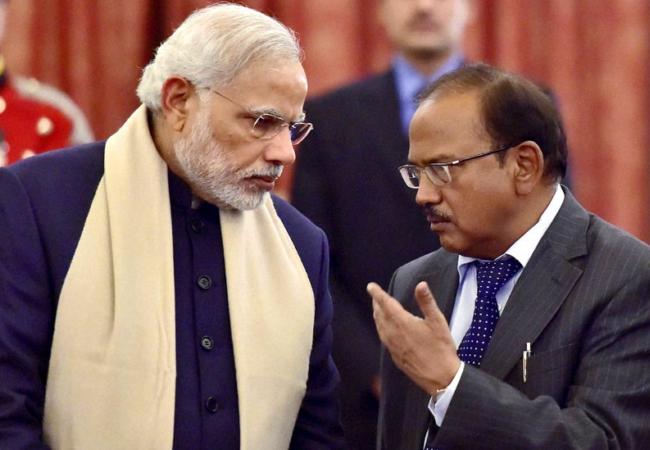
By K Raveendran In both foolhardiness in decision making and shameless flip-flop in dealing with disastrous aftermaths, Narendra Modi and Donald Trump have exhibited a total lack of honesty in admitting their mistakes. The similarity is too striking to be missed. Thanks to recklessness and impulsiveness in decision making—Narendra Modi with demonetization and Donald Trump […]


U.S. shale oil producers are confronting a challenging landscape as falling crude prices, escalating tariffs, and global market shifts undermine the sector’s profitability and growth prospects. Despite technological advancements that have bolstered production efficiency, the convergence of economic and policy pressures is prompting a reassessment of the industry’s trajectory.

Crude oil prices have declined to approximately $55 per barrel, a level below the $65 threshold that many U.S. shale companies require to maintain profitable operations. This price drop is attributed to a combination of increased output from the Organization of the Petroleum Exporting Countries and the impact of tariffs on imported equipment, which have raised operational costs for domestic producers. The U.S. Energy Information Administration has adjusted its 2025 crude price forecast downward from $70.68 to $63.88 per barrel, reflecting these market dynamics.

The rig count, a key indicator of drilling activity, has experienced a significant decline. According to Baker Hughes, the number of active oil rigs in the U.S. fell by nine in the past week, marking the largest single-week drop since June 2023. The Permian Basin, the nation’s most prolific shale region, saw its rig count decrease by five to 289, the lowest level since December 2021. This trend suggests a cautious approach among producers in response to the current economic environment.

President Donald Trump’s administration has advocated for increased domestic energy production as part of its “America First” agenda. However, the imposition of tariffs, particularly on steel and other imported equipment essential for drilling operations, has inadvertently strained the sector. Industry analysts warn that these policies may counteract efforts to achieve energy dominance by making U.S. oil less competitive on the global stage.

Efforts to expand U.S. energy exports have also encountered obstacles. The administration’s proposal for the European Union to purchase $350 billion worth of American energy products to address trade imbalances has been met with skepticism. European officials cite logistical challenges, existing long-term contracts with other suppliers, and a strategic emphasis on energy diversification as barriers to such a substantial shift in procurement.

Despite these challenges, U.S. shale production is projected to reach new heights. BloombergNEF forecasts a 4.5% increase in output, bringing production to a record 13.9 million barrels per day in 2025. This growth is attributed to improved drilling techniques and efficiencies that allow for greater output with fewer rigs. However, the sustainability of this growth is uncertain amid the current economic pressures.

The industry’s focus has shifted toward capital discipline and shareholder returns, moving away from aggressive expansion strategies. This shift, combined with the financial strain of tariffs and low oil prices, has led to a more conservative approach to drilling and investment. Some companies are exploring mergers and acquisitions as a means to consolidate resources and reduce operational costs.

Technological advancements continue to play a role in enhancing production efficiency. Innovations such as longer lateral wells and simultaneous fracturing of multiple wells have improved output per rig. However, the benefits of these technologies may be offset by the increased costs associated with tariffs and the need for significant upfront investment.

Zambia is set to resume construction of a high-voltage transmission line connecting its power grid with Tanzania’s, a move expected to enhance energy security and foster economic integration across Eastern and Southern Africa. The Zambia–Tanzania Interconnector Project , backed by a $292 million financing package from the World Bank, the UK Foreign, Commonwealth & Development Office, and the European Union, aims to establish a 620-kilometre, 400kV double-circuit […]

The European Union and the United Arab Emirates have agreed to commence negotiations for a bilateral free trade agreement, marking a significant shift in their economic relations. This development comes amid global trade uncertainties and reflects both parties’ desire to deepen ties across various sectors.

The proposed agreement aims to enhance trade in goods and services, investment, and collaboration in key sectors such as renewable energy, green hydrogen, and critical raw materials. The UAE described the pact as a pathway to deeper bilateral ties and economic growth, with benefits including tariff reductions, improved market access, and expanded opportunities in advanced manufacturing, healthcare, logistics, and artificial intelligence.

Currently, the EU is the UAE’s second-largest trading partner, representing 8.3% of its non-oil trade, while the UAE stands as the EU’s top export market and investment partner in the Middle East and North Africa. The deal also marks a strategic shift, as the UAE encouraged direct trade discussions with the EU outside of the broader Gulf Cooperation Council framework.

The UAE has been actively pursuing trade diversification, achieving a record 3 trillion dirhams in non-oil trade in 2024, marking a 14.6% increase from the previous year. This growth is part of the UAE’s strategy to spur economic growth through trade diversification. Since 2021, it has executed numerous Comprehensive Economic Partnership Agreements with countries such as India, Indonesia, Israel, and Turkey.

PASAY, PHILIPPINES – Media OutReach Newswire – 10 April 2025 – At the 2025 Manila International Auto Show (MIAS), VinFast officially launched sales of the VF 6, a fully electric SUV in the popular B-segment, introduced a free charging program available at charging stations operated by V-GREEN, and forged strategic partnerships with reputable Philippine dealerships and banks. These initiatives highlight VinFast’s commitment to accelerating the adoption of […]

Morocco is poised to become a central figure in Africa’s digital transformation as it prepares to host the third edition of GITEX Africa Morocco from 14 to 16 April 2025 in Marrakech. This event, held under the High Patronage of His Majesty King Mohammed VI, is organized by the Ministry of Digital Transition and Administration Reform in partnership with the Digital Development Agency (ADD) and KAOUN International. […]

Leading technology companies, including Apple and Meta, have delayed the introduction of new artificial intelligence features in the European Union , attributing the postponements to regulatory uncertainties stemming from the EU’s Digital Markets Act . Apple announced that three AI-driven features—Phone Mirroring, SharePlay Screen Sharing enhancements, and Apple Intelligence—will not be available to EU users this year. The company expressed concerns that the DMA’s interoperability requirements could […]

Global financial markets are experiencing significant volatility as the United States and China escalate their trade dispute, prompting investors to seek refuge in traditional safe-haven currencies. The Japanese yen and Swiss franc have notably strengthened, while risk-sensitive currencies such as the Australian dollar and Chinese yuan have faced substantial pressure.

The turmoil intensified following President Donald Trump’s decision to impose a 125% tariff on Chinese imports, a move that has overshadowed a 90-day suspension of tariffs for other nations. This action led to a swift response from China, which announced an 84% tariff on U.S. imports and lodged a new complaint with the World Trade Organization. These developments have heightened investor anxiety, leading to a pronounced shift towards assets perceived as safer.

In currency markets, the Japanese yen appreciated to 147.68 per dollar, nearing a five-month high, while the Swiss franc reached 0.87665 per dollar, marking a three-month peak. Conversely, the Australian dollar declined sharply, approaching levels not seen since the early stages of the COVID-19 pandemic. The Chinese yuan also experienced volatility, with the offshore rate nearing record lows at 7.3536 yuan per dollar.

Equity markets have mirrored these currency movements, with significant declines observed across major indices. The S&P 500 experienced a 0.90% drop, reaching one-month lows, while European stocks, represented by the Stoxx 600, fell approximately 4%. Asian markets were not spared, as Japan’s Nikkei tumbled as much as 2.3% in early trading. The heightened trade tensions have sparked fears of a global economic slowdown, prompting investors to reevaluate their risk exposure.

U.S. Treasury yields have also been affected, with the 10-year yield rising sharply. This increase is partly attributed to a lackluster three-year Treasury auction and concerns over the diminishing appeal of U.S. assets as safe havens. The dollar index, which measures the greenback against a basket of currencies, has declined, reflecting broader apprehensions about the U.S. economic outlook amid escalating trade disputes.

The corporate sector is feeling the impact of these developments. Companies such as Stellantis and Cleveland-Cliffs have announced job cuts in response to the uncertain trade environment. Many firms are delaying hiring and investment decisions, citing a lack of clear guidance from policymakers. Business leaders have expressed deep concern over the instability and unpredictability of current trade policies, emphasizing the need for a more consistent and transparent approach.

In the commodities market, gold prices have risen as investors seek safe-haven assets amid the market turmoil. Conversely, oil prices have remained relatively stable, despite the broader market volatility. Analysts attribute this stability to factors such as supply constraints and geopolitical considerations that are currently supporting oil prices.

Market analysts warn that the escalating trade confrontation between the U.S. and China could lead to further depreciation of the yuan and increased market instability. The potential for a full-scale trade war raises concerns about long-term global economic growth and investor confidence. The World Trade Organization has cautioned that prolonged trade disputes could result in significant declines in global GDP, underscoring the need for diplomatic efforts to resolve the tensions.

By Nitya Chakraborty What is happening to the “Neighbourhood First” policy of the Indian Prime Minister Narendra Modi in the year 2025? Modi is an expert in coining attractive slogans whether those finally work or not. For South Asia, he opted for Neighbourhood First and for South East Asia and ASEAN nations Act East. At […]
By Anjan Roy In the wake of Trump’s tariffs and restrictive trade practices, a global economic warfare has been sparked off, with all major economies working up stringent measures to teach the newly elected US prescient, Donald Trump, a lesson: Tariffs are a two way instrument. If you impose tariffs on others, others can impose […]


President Donald Trump has announced plans to impose an additional 50% tariff on Chinese goods starting April 9, escalating tensions in the ongoing trade dispute between the United States and China. This move comes in response to Beijing’s recent implementation of a 34% tariff on U.S. imports, which was itself a countermeasure to earlier U.S. tariffs. The administration’s decision has sent shockwaves through global financial markets. The […]

Goldman Sachs has increased the probability of a United States recession in the next 12 months to 45%, aligning with a wave of revised risk assessments by major investment banks as escalating trade tensions and tighter financial conditions unsettle global markets. The adjustment from Goldman’s previous estimate of 35% reflects the firm’s assessment that a sharp tightening in financial conditions and heightened policy uncertainty will significantly hinder […]

Marine Le Pen, leader of France’s far-right National Rally party, has been convicted of embezzling European Union funds and barred from seeking public office for five years, effectively sidelining her from the 2027 presidential race. The Paris court sentenced her to four years in prison, with two years suspended and two years under electronic monitoring, and imposed a €100,000 fine. The court found that between 2004 and […]

Elon Musk’s social media platform, X, is facing potential fines from the European Union for alleged breaches of the Digital Services Act . The European Commission has initiated formal infringement proceedings, citing concerns over content moderation, deceptive user interfaces, advertising transparency, and restricted data access for researchers. The Commission’s investigation highlights that X’s “blue checkmark” verification system may mislead users by allowing any subscriber to obtain verified […]

Vietnam’s economic growth has decelerated in the first quarter of 2025, coinciding with the United States’ imposition of a 46% countervailing tariff on Vietnamese exports. This development raises concerns about the nation’s export-driven economy and its future trajectory.

The newly enforced tariff is expected to significantly impact Vietnamese exports, potentially affecting goods worth up to $37.5 billion, which represents approximately 2% of the country’s GDP. Key sectors such as electronics, machinery, apparel, and footwear are anticipated to bear the brunt of these tariffs, leading to increased prices for American consumers and prompting multinational companies to reconsider their supply chain strategies.

The U.S. administration justifies the tariff by citing concerns over Vietnam’s alleged unfair trade practices and substantial trade surplus with the United States. The tariff is part of a broader strategy targeting several Asian manufacturing economies, with Vietnam facing one of the highest rates. Other affected countries include China , Thailand , Indonesia , and South Korea . Even traditional U.S. allies like Japan and Taiwan have been subjected to tariffs of 24% and 32%, respectively.

Industry experts warn that these tariffs could lead to higher prices and reduced product choices for U.S. consumers. Companies are now evaluating their global supply chains, with some considering shifting operations to countries like Mexico, Brazil, and India to mitigate the impact. However, large-scale relocation of labor-intensive industries to the United States remains unlikely due to high domestic labor costs and a shortage of skilled workers.

In response to the tariffs, Vietnam is exploring strategies to mitigate the economic impact. These include diversifying export markets, enhancing product quality, and leveraging existing free trade agreements such as the European Union-Vietnam Free Trade Agreement and the Regional Comprehensive Economic Partnership . By broadening its market reach and improving the investment climate, Vietnam aims to navigate the challenges posed by the U.S. tariffs and sustain its economic growth.

VISHNU RAJA
RYO YAMADA
HITORI GOTOH
IKUYO KITA