News related to
European

By Satyaki Chakraborty U.S. President Donald Trump has started breaking all conventions about abiding by international laws b h announcing the U.S. government’s sanctions against the International Criminal Court (ICC) taking the plea that the ICC is biased against the U.S. and Israel. Donald Trump launched sanctions against the global body, which is seen as […]

Abu Dhabi-based technology conglomerate G42 has introduced its Frontier AI Safety Framework, aiming to ensure the responsible development of advanced artificial intelligence models. This initiative establishes rigorous protocols for risk assessment, governance, and external oversight, aligning with global best practices to proactively identify and mitigate potential risks associated with AI. The framework’s release comes as international discussions intensify regarding the regulation of AI technologies. The European Union […]

TOKYO, JAPAN – Media OutReach Newswire – 7 February 2025 – Real estate private equity firm Gaw Capital Partners today announced that the firm, through a fund under its management and investment from co-investors, has partnered with Patience Capital Group (PCG) to form a joint venture for the acquisition and management of prime retail asset “Tokyu Plaza Ginza” in Ginza 5-chome, Tokyo, Japan. Gaw Capital holds 91% […]

The UAE and France have formalised a strategic collaboration to build a cutting-edge AI-powered data centre in the Gulf region. The development of this 1-gigawatt facility marks a significant step in strengthening technological ties between the two countries, focusing on enhancing artificial intelligence infrastructure and driving the digital transformation in both regions. This agreement highlights the growing trend of international partnerships in the realm of AI, as […]

VinFast is redefining the EV market with industry-leading warranties, including a 10-year/200,000-kilometer vehicle warranty and unlimited mileage battery coverage, easing consumer doubts and building trust. MANILA, PHILIPPINES – Media OutReach Newswire – 6 February 2025 – Just a few years ago, car warranties were predictable: a standard three years or nearly 60,000 kilometers—whichever came first. It didn’t matter whether the vehicle was a luxury sedan or a […]

SINGAPORE – Media OutReach Newswire – 5 February 2025 – Coopers Hill, an international consultancy specialising in landscape architecture, urban design and masterplanning, today announced its acquisition of Scape Design UK, Europe’s premier hospitality and luxury lifestyle landscape architects. With its new London studio, Coopers Hill establishes its first European office marking the firm’s seventh international office following its Dubai opening in 2023. With a 40-year legacy […]

Successful Event Draws 200,000 Global Visitors with Hong Kong’s Local Creativity 29 January to 2 February 2025: 38 Featured Creations & 16 Visiting Hong Kong Comics Artists/ Illustrators Watch drawing demonstrations by Hong Kong comics artists in real-time at one of the top three major overseas comics festivals in the world February to May 2025: All the participating artists will be invited to share their exchange experiences […]

Advertisements

The Czech National Bank has agreed to assess the possibility of including Bitcoin in its foreign reserve strategy. This decision follows a recent meeting of the Bank Board, which reviewed a report outlining the bank’s plans for international reserve management in 2024. The move marks a significant step towards considering digital currencies, such as Bitcoin, as a potential asset in the country’s financial strategy.

As part of its ongoing efforts to modernise reserve management, the CNB has acknowledged the growing importance of cryptocurrencies in global financial markets. The move is aimed at diversifying the country’s reserves, which have traditionally been composed of more conventional assets like gold, foreign currencies, and government bonds. The bank’s evaluation will focus on the feasibility of incorporating Bitcoin, given its rising prominence in both investment and economic contexts.

The decision to review Bitcoin as an investment option reflects broader global trends. Central banks and financial institutions worldwide are increasingly exploring the role of digital currencies in their portfolios, with some even establishing direct ties to blockchain technology. The CNB’s assessment, however, is in its early stages and will require careful consideration of Bitcoin’s volatility, regulatory implications, and long-term stability.

For the Czech Republic, the potential inclusion of Bitcoin could enhance its international reserve strategy by introducing a new layer of diversification. This step could also signal the CNB’s proactive stance in adapting to the evolving landscape of global finance.

While the CNB’s proposal is yet to be formalised, the board’s willingness to examine Bitcoin is indicative of the growing recognition of cryptocurrencies as legitimate financial assets. A full review is expected to take place in the coming months, with experts predicting that the CNB could use this period to explore Bitcoin’s role within the broader context of digital finance.

Global interest in cryptocurrencies has surged over the past few years, with Bitcoin being the most prominent of the digital assets. As Bitcoin’s market capitalisation continues to grow, its appeal as a store of value has caught the attention of investors, central banks, and regulators alike. However, its inherent volatility remains a concern for many institutions considering its potential as part of official reserve holdings.

For the Czech National Bank, this proposal comes amid broader discussions on how central banks should respond to the rise of cryptocurrencies and the increasing use of blockchain technologies. Other central banks, including the European Central Bank , have expressed interest in researching the potential benefits and risks of incorporating digital currencies into their portfolios.

One of the main challenges for the CNB will be understanding how Bitcoin’s unpredictable price movements could impact its reserve strategy. Bitcoin’s value has experienced dramatic fluctuations, making it difficult for central banks to predict the asset’s future performance with any degree of certainty. Despite this, there is a growing belief that Bitcoin and other cryptocurrencies may become more stable over time, particularly as the market matures and becomes more integrated into the global financial system.

The CNB’s move also aligns with the broader shift towards digitalisation in the financial sector. The adoption of blockchain and digital currencies is reshaping traditional financial markets, with many institutions seeking to capitalise on the emerging technologies. Bitcoin’s decentralised nature and its ability to function outside of traditional banking systems are among the factors contributing to its growing popularity as an asset class.

Despite the potential benefits, several questions remain unanswered regarding the role of Bitcoin in reserve management. A key concern for the CNB will be the regulatory landscape surrounding digital currencies. As global regulators seek to establish frameworks for cryptocurrency markets, the CNB will need to carefully assess the legal and regulatory implications of holding Bitcoin as part of its official reserves.

In addition to regulatory concerns, the CNB will need to consider the impact of Bitcoin on the country’s broader monetary policy. Bitcoin’s decentralised nature means that it is not subject to the same policies as traditional currencies, which could complicate the CNB’s ability to manage the national economy in times of crisis or economic instability.

The proposal has sparked a broader debate among financial experts about the future role of cryptocurrencies in national reserve systems. While some experts view Bitcoin as a hedge against inflation and a potential safe haven asset, others caution that its volatility and lack of regulation could make it a risky addition to central bank reserves.

As the CNB moves forward with its evaluation, the decision will likely have wider implications for central banks across the globe. If successful, the Czech National Bank’s exploration of Bitcoin could serve as a model for other institutions considering the integration of digital assets into their financial strategies. It could also pave the way for greater acceptance of cryptocurrencies as a mainstream investment option, particularly in the context of government-backed reserves.

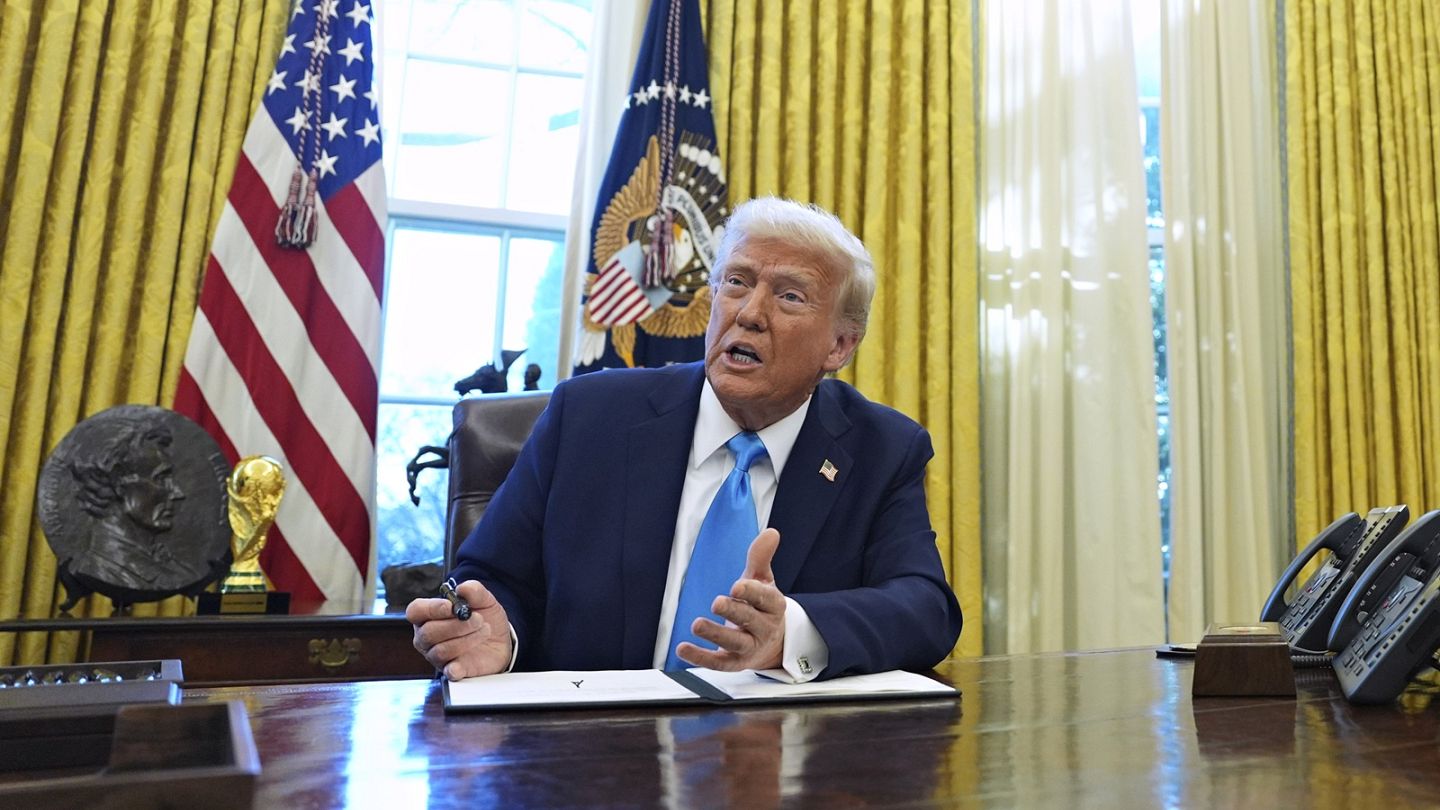
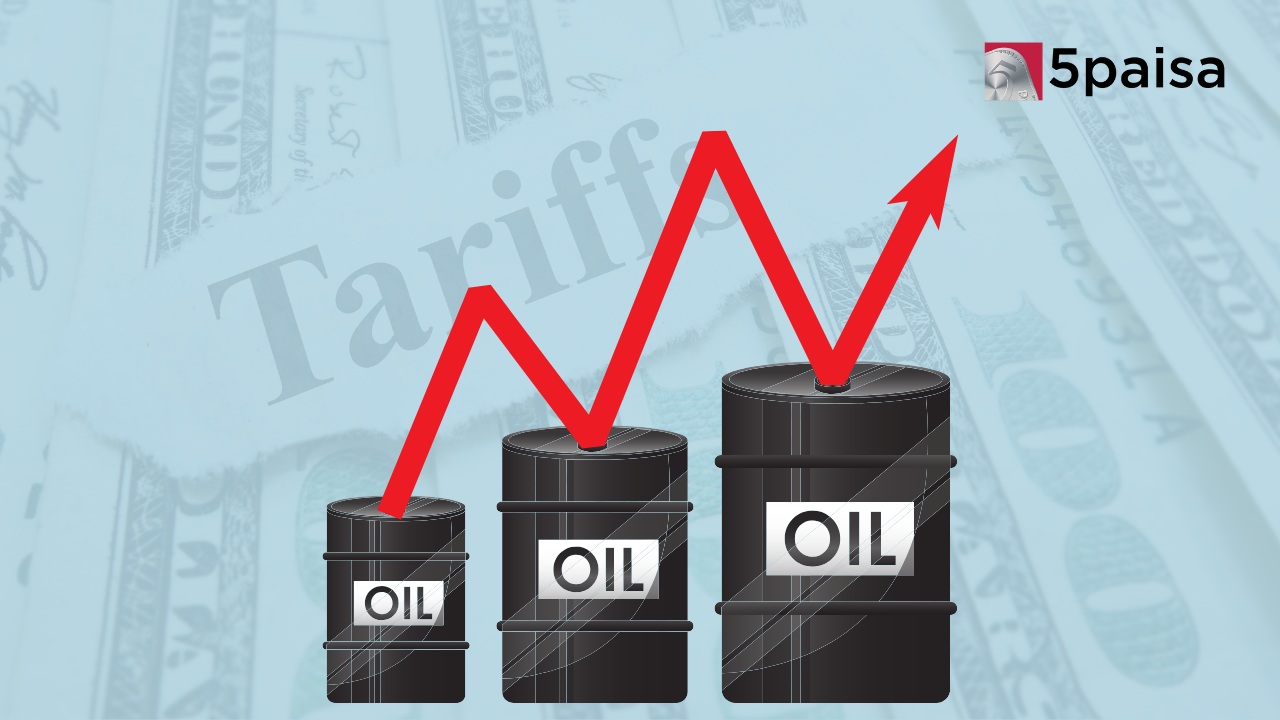
By K Raveendran OPEC+ is once again at the centre of a global energy crisis as it grapples with a new challenge posed by President Donald Trump’s tariffs on major crude oil suppliers. The tariffs, which include a 10 percent levy on Canadian oil and 25 percent on US imports into Canada in retaliation, threaten […]

Bitcoin traders are bracing for a possible downturn as market sentiment shifts. The flagship cryptocurrency has been under pressure for weeks, with experts warning that a significant price drop could be on the horizon. According to on-chain metrics, factors such as increased selling activity and a slowing bullish momentum are contributing to the growing concern.

Bitcoin, which has long been a cornerstone of the cryptocurrency market, has experienced remarkable volatility in recent months. After reaching new highs, the cryptocurrency has struggled to maintain its upward momentum, with many analysts suggesting that the market is entering a phase of heightened risk. A key factor in this shift is the increasing sell-off activity by long-term holders and institutional investors, who have been cashing in on their positions after a period of sustained growth.

As Bitcoin faces heightened selling pressure, experts point to several signs indicating a potential price correction. On-chain metrics, which track activity on the blockchain, show that many investors are currently in a profit-taking mode. This has created a significant imbalance between buying and selling, with more sellers than buyers in the market. Historically, this has been a precursor to price declines as selling pressure increases, and Bitcoin’s price fluctuates as a result.

Several prominent analysts have expressed concern about Bitcoin’s price trajectory, with some predicting that the cryptocurrency could plummet to as low as $74,000 if the current trend continues. This figure is significantly lower than Bitcoin’s recent highs, marking a potential decline that could shake investor confidence. For many in the crypto community, this warning serves as a reminder of the market’s inherent volatility, where massive swings in value are not unusual.

Despite these concerns, there are still optimists within the market who believe Bitcoin’s current price levels are merely part of a natural correction. Many investors argue that the cryptocurrency market is in the midst of a healthy consolidation phase, which often precedes further upward movement. They point to Bitcoin’s resilience over the years and the increasing adoption of digital assets by traditional financial institutions as reasons to remain bullish in the long term. However, even among these optimists, the prevailing sentiment is that market conditions are growing more uncertain.

At the heart of the current debate is the role of institutional investors. Bitcoin has increasingly attracted attention from large-scale investors, many of whom have been instrumental in driving its previous price surges. However, their involvement has also introduced a new level of complexity to the market. Institutional investors tend to take a more measured approach, often selling off their holdings when they perceive a downturn, which can amplify downward pressure on the price.

The technical indicators also suggest that Bitcoin is facing a critical juncture. On-chain analysis reveals that key support levels are being tested, and a break below these levels could trigger a cascade of selling. If the price drops below $74,000, many analysts expect further liquidation from investors, which could accelerate the decline. This potential scenario has left some traders on edge, as they weigh their options amid the uncertainty.

Adding to the unease is the broader economic environment. The cryptocurrency market, like many others, is not immune to the effects of global economic shifts. In recent months, regulatory scrutiny around cryptocurrencies has increased, particularly in major markets such as the United States and the European Union. The prospect of stricter regulations or increased taxes on crypto transactions has the potential to further weigh on Bitcoin’s price, as it could reduce market liquidity and discourage new investment.

Despite these pressures, there are also several factors working in Bitcoin’s favour. The increasing institutional adoption of digital currencies continues to grow, with companies like Tesla and Square adding Bitcoin to their balance sheets. This trend is expected to continue, as more traditional companies see Bitcoin as a hedge against inflation and a store of value. Moreover, Bitcoin’s use as a digital asset for cross-border payments and remittances continues to expand, particularly in regions where inflation and currency instability are concerns.

Gold prices have reached unprecedented levels, with spot gold climbing to $2,858.12 per ounce. This surge is attributed to escalating trade tensions between the United States and China, following Beijing’s imposition of tariffs on U.S. imports in retaliation to new U.S. duties on Chinese goods. The heightened trade conflict has led investors to seek refuge in safe-haven assets like gold. Ilya Spivak, head of global macro at […]

Elon Musk’s comments at a rally for Germany’s far-right Alternative for Germany party last weekend have sparked controversy and raised concerns over the tech mogul’s increasing involvement in global politics. Musk’s participation in the rally, which coincided with a surge in populist sentiment across Europe, was seen by many as an overt signal of his growing political influence outside the United States, particularly in Europe and Canada. Critics argue that Musk’s public endorsements and actions could amplify political divisions and contribute to the undermining of democratic processes in these nations.

Musk, who has been involved in numerous controversies and political statements over the years, appears to have intensified his political footprint with this latest move. At the rally, the Tesla and SpaceX CEO expressed support for AfD’s anti-immigration stance, which aligns with Musk’s previously stated preferences for limited government intervention and a more libertarian approach to policy. While Musk’s comments were framed as an endorsement of the AfD’s platform, they also touched on broader themes of individual freedom and skepticism toward governmental power, which have resonated with populist movements in various regions.

Musk’s involvement with far-right groups in Europe follows a similar pattern in North America. His outspoken political views have also made waves in Canada, where he has commented on the country’s handling of freedom of speech and its handling of protests in the past. Musk’s growing influence in foreign political spheres is raising alarms about the consequences of billionaire-led political activism, particularly in countries where political systems are grappling with rising extremism and division.

While many view Musk’s commentary as a sign of his personal beliefs, others see it as part of a wider trend of corporate elites exerting increasing power over political agendas globally. Musk’s companies, including Tesla, SpaceX, and Twitter , wield considerable influence in both the business and political realms, making his actions noteworthy beyond the realm of business. His comments on political matters, which some claim could shape elections and sway public opinion, have the potential to further erode public trust in political systems that are already fraught with challenges.

The AfD, a party that has been labeled as far-right and often criticized for its nationalist and anti-immigration rhetoric, has seen its support base grow in recent years. The party’s platform includes policies that have drawn support from voters disillusioned with the political establishment and its handling of issues like immigration, the European Union, and national identity. By aligning himself with the AfD, Musk has attracted both praise and condemnation. Supporters argue that Musk’s advocacy for personal freedom and his criticisms of government policies are aligned with broader values of individual autonomy and free markets. Critics, however, warn that his association with far-right groups could amplify extremist ideologies and fuel anti-democratic movements.

Musk’s remarks about the AfD echo his long-standing criticism of government regulations and his advocacy for deregulation in various sectors, from technology to energy. His stance on political issues has often been controversial, especially given his vast business empire, which includes electric vehicles, aerospace, and social media. The risk of his influence shaping national political agendas is amplified by his vast wealth and the global reach of his companies. Critics argue that such unchecked power poses a threat to the balance of power within democratic societies, potentially skewing political discourse and undermining the sovereignty of foreign governments.

The billionaire’s involvement in politics is not confined to his statements alone. Musk has previously made headlines for his public endorsements of political candidates and his support for controversial political initiatives in both the United States and abroad. His backing of certain candidates and policies, particularly in Europe, has fueled concerns about the corporate world’s increasing control over political landscapes, especially as populist movements gain momentum.

In Canada, Musk’s rhetoric about free speech and government overreach has been scrutinized, with some questioning whether his remarks will influence the country’s political climate, especially as tensions surrounding freedom of expression have become a prominent issue. Musk’s comments have drawn attention to the global nature of political discourse in the digital age, where the actions of influential business leaders can cross national borders and impact the political fabric of other nations.

While Musk’s supporters argue that his views on government regulation and individual liberties align with democratic ideals, his critics contend that his actions and words contribute to the growing polarization of global politics. Some view his influence as detrimental to political discourse, particularly in democracies that are already grappling with rising extremism and populism. The question remains whether Musk’s increasing political involvement will continue to shape public opinion in a way that exacerbates these issues or whether his influence will eventually wane as governments and citizens respond to his calls for more direct involvement in politics.

RAMMELBURG, GERMANY – Newsaktuell – 3 February 2025 – Peter Karl Jugl refers to the Bild article from January 30, titled “This Could Be Elon Musk’s New European Headquarters”. Jugl, Managing Director of Deutsche Baukultur Dienstleistungs GmbH, which owns Rammelburg Castle, is offering the visionary entrepreneur Elon Musk the historic property as a weekend retreat, holiday residence, or company headquarters. As a great admirer of Musk’s innovative […]

Europe’s technology sector is gearing up for a major shift with the introduction of DeepSeek, a new platform aimed at bridging the gap in artificial intelligence development between European startups and their U.S. counterparts. For years, European companies have struggled to keep pace with the rapid advancements made by Silicon Valley firms, largely due to limited access to venture capital and resources. However, DeepSeek’s innovative approach offers […]

The euro zone’s manufacturing sector displayed tentative signs of recovery at the start of 2025, as the latest data pointed to a moderation in the downturn that has plagued the industry over the past year. The sector’s performance, while still under pressure, showed resilience in the face of rising costs and geopolitical tensions, including the looming threat of tariffs from the United States. Data from the Purchasing […]

Israeli forces demolished nearly 20 buildings in Jenin, a city in the occupied West Bank, amid escalating tensions following the death of a 14-year-old boy. The bombing was part of a military operation that came a day after an Israeli drone strike in the area resulted in the boy’s death, further stoking tensions between Israel and Palestine. The attack on the buildings in Jenin has added to […]

As tensions mount in Canada’s relationship with its southern neighbor, some analysts are raising an unconventional proposition: Could Canada one day join the European Union ? While this idea may seem far-fetched, it highlights the growing discontent surrounding the current dynamics between Canada and the United States, particularly in areas such as trade, environmental policies, and defense. A series of challenges in the relationship between the U.S. […]

Bitcoin and Ethereum exchange-traded funds have drawn significant investment inflows, despite a sharp decline in cryptocurrency prices. A notable $318.56 million was poured into Bitcoin ETFs, while Ethereum ETFs saw a more modest but still considerable $27.78 million, signaling investor confidence in these digital assets even amid market uncertainty.

The surge in Bitcoin ETF investments comes at a time when the cryptocurrency has seen substantial volatility. Bitcoin’s value has fluctuated dramatically, yet it remains a central figure in the broader digital asset landscape. Despite this instability, investors have expressed their continued belief in the long-term potential of Bitcoin, driven by increasing institutional interest and Bitcoin’s role as a store of value.

Ethereum, although less volatile than Bitcoin, has also experienced challenges in recent months, but its relatively stable performance in comparison to other altcoins has contributed to its steady inflow of investment into ETFs. Ethereum’s role as the underlying network for decentralized finance applications, alongside its recent network upgrades, has maintained its appeal.

The rise of Bitcoin and Ethereum ETFs is a reflection of a broader trend where institutional investors are beginning to explore digital assets through traditional financial vehicles, providing a sense of legitimacy and accessibility to cryptocurrency markets. These ETFs allow investors to gain exposure to cryptocurrencies without directly holding the underlying assets, providing a safer option for those wary of the risks of self-custody and the volatility in crypto markets.

The appeal of Bitcoin ETFs has been particularly strong in the United States, where regulatory developments have slowly begun to shape the future of cryptocurrency trading. The U.S. Securities and Exchange Commission has been cautious about approving crypto ETFs but has recently signaled increasing openness to their potential. This regulatory stance, while stringent, has created a foundation for the growing number of Bitcoin ETFs, making the asset more accessible to a wider audience. A Bitcoin ETF effectively offers exposure to the digital asset with the benefits of liquidity, security, and the oversight of regulated financial markets.

Ethereum ETFs, though not as numerous, have gained traction as investors look to capitalize on the expanding Ethereum ecosystem. Ethereum’s move to proof-of-stake with the Ethereum 2.0 upgrade has made the network more energy-efficient and scalable, which in turn bolstered its investment prospects. The Ethereum network’s prominence in smart contracts and DeFi projects positions it well for future growth, maintaining investor enthusiasm even when broader market conditions are challenging.

Despite the downturn in the broader crypto market, where other digital currencies have suffered heavy losses, Bitcoin and Ethereum continue to be seen as strong pillars in the space. According to recent reports, Bitcoin’s dominance in the market remains high, and Ethereum’s blockchain continues to be the backbone of many decentralized applications , providing further justification for the influx into their respective ETFs.

The cryptocurrency market’s decline, however, has not been without its consequences. The broader market correction has led to a drop in valuations across the board, impacting altcoins and other tokens. Despite this, Bitcoin and Ethereum remain relatively insulated due to their established networks and larger market caps. As a result, institutional investors are likely to continue favoring these two cryptocurrencies, not only because of their relative stability but also because of the increasing institutional infrastructure that supports their adoption.

Crypto ETFs have also grown in popularity outside the U.S., with Canadian and European markets seeing an influx of Bitcoin and Ethereum-focused ETFs. These markets have been more progressive in embracing crypto-based ETFs, which have now become a significant part of the investment landscape. Europe, in particular, has seen rapid adoption of cryptocurrency ETFs as investors look for more regulated exposure to digital assets.

The correlation between traditional financial markets and cryptocurrency prices has been a focal point for analysts. Many believe that the increase in ETF inflows into Bitcoin and Ethereum may be a sign of institutional investors diversifying their portfolios to hedge against inflation and economic uncertainty. The expansion of ETFs into the crypto space reflects broader trends in the financial markets, where there is growing interest in incorporating alternative assets into investment portfolios.

Abu Dhabi National Oil Company and Austria’s OMV have confirmed ongoing negotiations to establish a new global leader in the polyolefins sector. The merger, which would combine ADNOC’s Borouge, OMV’s Borealis, and Canada’s Nova Chemicals, is poised to create one of the world’s largest polyolefin groups. The two companies described the discussions as progressing in a “constructive and positive manner.”

Both ADNOC and OMV have been increasing their focus on expanding their footprint in the chemicals and petrochemicals sectors, particularly in polyolefins, which are critical for manufacturing a wide range of products, from packaging materials to automotive components. The merger would not only boost the companies’ market positions but also position the new entity as a major player in the global chemicals market.

The polyolefins industry has seen steady growth in recent years, driven by demand for packaging, consumer goods, and industrial applications. The merger, if completed, would give the combined entity a significant advantage in this competitive market, leveraging the resources and technological expertise of each participant. Experts suggest that the combined scale and enhanced capabilities could make the group a leader in producing polyethylene and polypropylene, two of the most widely used plastics globally.

ADNOC’s Borouge, based in the UAE, has been a key player in the polyolefins market for years, with a focus on high-quality, innovative products. Meanwhile, Borealis, controlled by OMV, is a leading European chemicals company with an established presence in polyolefins and advanced chemicals. Nova Chemicals, a wholly owned subsidiary of Canada’s Mubadala Investment Company, brings further expertise and production capacity to the table.

The merger would allow the three companies to capitalize on each other’s strengths. Borouge, for instance, has extensive experience in the Middle East and Asia, while Borealis has a strong European and North American footprint. Nova Chemicals’ established position in North America would be complemented by the global reach of the other two. Together, the companies would form a formidable force in both developed and emerging markets, ensuring a diversified supply chain and the ability to serve a broader range of industries.

This deal comes at a time when the polyolefins market is facing new challenges and opportunities. As the global demand for sustainable materials rises, the new entity may also benefit from growing interest in recyclable and eco-friendly plastic alternatives. Industry analysts speculate that the merger could help the group meet these demands by accelerating research into more sustainable production methods and product offerings.

The proposed combination would also be a notable shift in ADNOC’s strategy. Historically, the company has been heavily involved in the exploration and production of oil and gas. However, the increasing focus on petrochemical expansion aligns with broader regional goals to diversify the economy and reduce dependence on crude oil exports. By increasing its stake in high-value industries like polyolefins, ADNOC could secure more stable revenue streams in the coming years, particularly as global demand for petrochemicals continues to rise.

For OMV, the deal represents a significant opportunity to consolidate its position in the chemicals sector, aligning with its long-term strategy of enhancing its refining and petrochemical operations. The company has been expanding its portfolio in this space and aims to increase the contribution of chemicals to its overall business, helping to buffer against the volatility of oil and gas prices.

The announcement of the merger talks has raised questions about the potential regulatory hurdles the companies may face, particularly in Europe, where anti-trust laws are stringent. The deal would need to be assessed by competition regulators to ensure that the merger does not significantly reduce competition in the polyolefins market. Both ADNOC and OMV have stated that they are committed to ensuring compliance with all regulatory requirements.

Despite these challenges, analysts remain optimistic about the potential benefits of the deal. A merger of this scale would enable the combined company to drive innovation, improve efficiency, and leverage economies of scale. The global polyolefins market, valued at tens of billions of dollars, could see a new dominant player emerge, with the capacity to set trends and dictate pricing across key regions.

In addition to the market implications, the merger could reshape the supply chain dynamics for polyolefins. By merging production capacities and expanding global reach, the new group would be better positioned to serve large multinational customers who rely on polyolefins for various applications. This could include sectors like automotive, packaging, and construction, all of which are seeing shifts toward higher performance and more sustainable materials.


LinkedIn, the professional networking platform owned by Microsoft, is confronting a class-action lawsuit filed in a California federal court. The suit alleges that LinkedIn unlawfully shared private messages from its Premium subscribers with third parties to train artificial intelligence models without obtaining proper user consent. The legal action seeks $1,000 per user for violations of the Stored Communications Act, along with additional damages for breach of contract […]

Pure Health, a prominent UAE-based healthcare provider, is set to acquire a controlling stake in Greece’s Hellenic Healthcare Group, marking a significant milestone in its international expansion strategy. The move is poised to strengthen Pure Health’s presence in Europe, opening doors to new growth opportunities in the rapidly evolving healthcare sector. The acquisition, which is expected to be finalized in the coming months, will give Pure Health […]

By Nitya Chakraborty Just six days have passed since the inauguration of Donald Trump as the second term President of the United States of America and his policy announcements on the first day in office. The impact varies from country to country but nowhere it is more panicky than in the European Union countries, especially […]


KUALA LUMPUR, MALAYSIA – Media OutReach Newswire – 22 January 2025 – The U.S. dollar has been appreciating almost relentlessly since the end of September. In just three and a half months, the Dollar Index (DXY), which measures the value of the greenback relative to a basket of six major foreign currencies, including the euro, Japanese yen, British pound, Canadian dollar, Swedish krona, and Swiss franc, was […]

SURABAYA, INDONESIA – Media OutReach Newswire – 21 January 2025 – Liverpool FC continues to strengthen its international presence in Asia with the official opening of its second retail store in Indonesia. LFC legend Emile Heskey led the official opening of the club’s new official retail store in Surabaya and hosted a meet & greet with fans on Saturday 18th January. He also spent time with the […]

VISHNU RAJA
RYO YAMADA
HITORI GOTOH
IKUYO KITA