News related to
European

The debt burden across the Middle East and North Africa has escalated markedly over the last decade, with many governments relying heavily on borrowing to sustain public spending amid economic challenges. This growing fiscal strain, combined with an increasing dependence on external donor funding, has amplified the influence of foreign actors on both domestic policies and regional geopolitics, raising concerns about the long-term economic sovereignty of these […]

Syria’s transitional government has authorised immediate access for United Nations nuclear inspectors to several long-suspected former nuclear sites, marking a significant shift in the country’s stance on nuclear transparency. Rafael Mariano Grossi, Director General of the International Atomic Energy Agency , confirmed the development following high-level meetings in Damascus with President Ahmad al-Sharaa. Grossi described the new leadership as “committed to opening up to the world” and […]

Arabian Post Staff Rivers across the globe are receiving new attention with a wave of innovative technologies designed to tackle plastic and other pollutants more efficiently than ever before. These emerging systems focus on smart, targeted solutions rather than brute-force methods, achieving significant gains in waste removal while minimising harm to aquatic ecosystems. Four technologies stand out for their unique approaches and effectiveness in various water environments. […]

TikTok has removed the hashtag #SkinnyTok from its platform, responding to escalating concerns over content promoting extreme weight loss and disordered eating behaviours. Users searching for the term are now redirected to resources offering support for body image and eating disorders. The decision follows sustained scrutiny from European regulators, particularly in France, where officials have criticised the platform for enabling the spread of content that glamorises unhealthy […]

KUALA LUMPUR, MALAYSIA – Media OutReach Newswire – 5 June 2025 – May proved to be a rather challenging month for gold traders. XAUUSD, the primary financial instrument for trading gold, fluctuated in a relatively broad range between $3,120 and $3,435 per ounce (oz), but finished the month virtually unchanged, narrowly recording a fifth consecutive monthly gain. Although trading started on a bearish note, XAUUSD found support […]

Thomson Fertility (also known as TMC Fertility) together with Thomson Hospital Kota Damansara and Monash University Australia collaborate to bring together endometriosis experts from United Kingdom and Australia. PETALING JAYA, MALAYSIA – Media OutReach Newswire – 4 June 2025 – Thomson Fertility (also known as TMC Fertility) marked a significant milestone in women’s healthcare by hosting the Holistic Endometriosis Care Scientific Workshop at Thomson Hospital Kota Damansara. […]

The Alliance of Sahel States has taken a decisive legal step by establishing a regional criminal court aimed at addressing terrorism, violent extremism, and human rights violations within the Sahel region. This initiative, agreed upon at a recent interministerial meeting of justice ministers from Burkina Faso, Mali, and Niger, signals a strengthened commitment to unified judicial responses against complex security and governance challenges plaguing the region. The […]

Advertisements

M A Hossain By any military measure, Ukraine’s ‘Operation Spider Web’ was an astonishing success. In a meticulously planned operation, Ukrainian drones struck deep into Russian territory, obliterating at least 40 military aircraft—including nuclear-capable Tu-95 and Tu-22M3 bombers—in a single, devastating blow. The attack revealed not only meticulous Ukrainian planning over 18 months but also the glaring vulnerabilities of Russia’s so-called impenetrable airspace. It was a coup […]

Stablecoins now account for over 80% of total spot trading volume in the cryptocurrency market in 2025, solidifying their position as the primary medium of exchange across major digital asset platforms.

This shift marks a significant evolution in the structure of crypto markets, where fiat-backed digital tokens have overtaken traditional currency pairs in trading activity. Tether’s USDT leads this transformation, commanding approximately 80% of stablecoin payment volume, underscoring its role as the most liquid and widely used asset in the ecosystem.

The stablecoin market has experienced substantial growth, with its total capitalization surpassing $250 billion. This expansion is attributed to increasing institutional adoption and the demand for stable, dollar-pegged assets in volatile markets. USDT’s market cap alone has exceeded $90 billion, reflecting its central role in facilitating crypto transactions.

Regulatory developments have played a crucial role in this growth. In the United States, the proposed Guiding and Establishing National Innovation for U.S. Stablecoins Act aims to provide a comprehensive regulatory framework for stablecoins, encouraging broader issuance by traditional financial institutions. Similarly, the European Union’s Markets in Crypto-Assets regulation, effective from December 2024, offers legal clarity for crypto assets, including stablecoins, fostering their integration into the financial system.

The dominance of stablecoins is also evident in trading behaviors. USDT pairs, such as BTC/USDT and ETH/USDT, have become the preferred trading pairs on major exchanges, offering high liquidity and minimal slippage. This preference is particularly pronounced during periods of market volatility, where traders seek the stability of dollar-pegged assets.

The integration of stablecoins into traditional financial systems is further exemplified by their use in cross-border payments and settlements. Companies like WorldPay have reported a 50% reduction in settlement times through the adoption of stablecoin-based systems. Additionally, the use of stablecoins in cross-border transactions is gaining traction in regions like Asia and Europe, where regulatory clarity and technological infrastructure support their adoption.

The strategic importance of stablecoins is underscored by their growing role in global finance. With the majority of stablecoins pegged to the U.S. dollar, they reinforce the dollar’s dominance in international trade and finance. This trend is expected to continue as regulatory frameworks mature and institutional adoption increases.

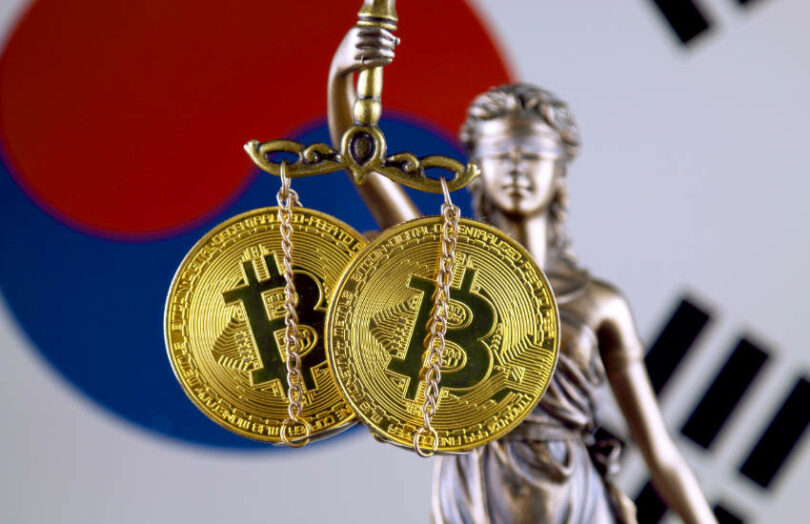
South Korea has witnessed the first notable instance of an institutional investor divesting cryptocurrency assets following the government’s decision to lift its long-standing ban on crypto trading by financial institutions. This marks a significant moment in the country’s evolving digital asset landscape, as regulatory shifts continue to reshape market dynamics and investor behaviour.

The institution in question, a major South Korean asset management firm, has reportedly sold off a substantial portion of its cryptocurrency portfolio. This move comes amid growing caution within the sector, despite regulatory relaxation intended to encourage wider institutional participation. Analysts suggest that the sale signals a pragmatic reassessment by financial entities, weighing regulatory clarity against market volatility and emerging geopolitical risks.

South Korea’s approach to cryptocurrency regulation has long been characterised by stringent restrictions designed to curb speculation and protect investors. The ban on crypto holdings by institutional investors, introduced several years ago, effectively excluded major banks, pension funds, and asset managers from direct crypto market involvement. This policy, aimed at stabilising the financial system, has limited the scale and scope of institutional crypto activity compared to other leading markets.

However, government authorities have recently signalled a more open stance, allowing institutions to hold and trade digital assets under stricter compliance and transparency frameworks. The removal of the ban reflects a broader effort to position South Korea as a competitive hub for blockchain technology and crypto innovation while addressing investor protection concerns. Regulatory bodies have emphasised enhanced due diligence, anti-money laundering measures, and consumer safeguards as prerequisites for institutional engagement.

Despite the regulatory easing, the initial institutional response appears cautious. The divestment by the asset management firm highlights lingering uncertainties, including the lack of comprehensive global regulatory harmonisation and fluctuating crypto valuations. Financial executives involved in the transaction point to increased scrutiny from compliance teams and internal risk committees, which have recommended a more conservative stance amid the unpredictability of crypto markets.

Market observers note that institutional investors have been closely monitoring international regulatory developments, including regulatory crackdowns in major economies such as the United States and the European Union. These external pressures, combined with domestic regulatory adaptations, create a complex environment where institutional players must balance opportunity with risk management.

South Korea’s crypto market itself continues to show robust retail participation, with local exchanges reporting increased trading volumes and new account openings. However, institutional activity remains limited, constrained by cautious regulatory interpretations and the need for clearer operational guidelines. Industry insiders indicate that infrastructure development, such as secure custody solutions and regulatory-approved trading platforms, will be critical to attracting sustained institutional capital.

The government’s gradual liberalisation has also been accompanied by initiatives to bolster blockchain technology development and related financial products. South Korean regulators are promoting pilot projects and innovation hubs, fostering partnerships between traditional finance firms and crypto startups. These efforts aim to build an ecosystem that supports not only trading but also tokenisation, decentralized finance applications, and digital asset custody.

Analysts highlight the importance of regulatory certainty for institutional confidence. The absence of clear rules has historically driven many South Korean financial institutions to adopt a wait-and-see approach, fearing potential legal repercussions and reputational damage. The recent institutional exit underscores the delicate balance regulators must maintain between fostering innovation and imposing adequate safeguards.

Investor sentiment is further influenced by macroeconomic factors, including global interest rate trends, currency fluctuations, and geopolitical tensions impacting asset flows. Cryptocurrency’s volatility relative to traditional assets remains a key consideration for institutional portfolio managers. Many firms are adopting phased approaches, initiating pilot crypto investments or forming dedicated teams to evaluate blockchain’s long-term potential before committing substantial capital.

The South Korean government’s broader digital finance strategy integrates cryptocurrency within its fintech agenda, aiming to create a sustainable and regulated market environment. However, achieving widespread institutional adoption will require ongoing dialogue with industry stakeholders, continuous regulatory refinement, and enhanced transparency mechanisms.

The current institutional crypto divestment could serve as a valuable indicator for regulators and market participants alike, revealing the challenges and reservations that remain despite policy shifts. Financial institutions appear to be navigating a transitional period, balancing innovation enthusiasm with prudent risk controls.


Added new locations in Japan, China, the UAE and Saudi Arabia, including the brand’s first resort La Clef Bangkok by The Crest Collection is set to open soon, bringing the brand’s number of operating properties in Southeast Asia to four Launches The Crest Chronicles, the inaugural brand programme celebrating the unique heritage stories that define each property and enrich guest experiences SINGAPORE – Media OutReach Newswire – […]

Oil prices strengthened sharply as OPEC+ agreed to a modest increase in production, falling short of some market expectations, while escalating geopolitical tensions in Ukraine and Iran added further upward pressure. West Texas Intermediate crude futures climbed 2.8%, settling near $63 per barrel, reflecting a cautious market balancing supply concerns against demand uncertainties.

The Organisation of the Petroleum Exporting Countries and its allies approved a production boost of 411,000 barrels per day for July, a figure that surprised some analysts who anticipated a larger output increase. This decision followed extensive negotiations marked by dissent from several members, including Russia, which has historically played a pivotal role in the alliance’s supply management. The group’s choice to limit production growth indicates a strategic effort to maintain price support amid a volatile global economic outlook.

Within the alliance, certain countries advocated for a pause in the output hike, citing lingering uncertainties in global demand recovery and concerns over market oversupply. This internal division has led financial institutions to offer contrasting forecasts on OPEC+ policy direction for the coming months. Some banks now expect additional gradual supply increases to ease pressure on energy markets, while others warn of a more restrained approach to sustain price levels.

Market participants are also closely monitoring the geopolitical landscape, which has become a significant factor influencing oil prices. The conflict in Ukraine continues to disrupt supply chains and has led to concerns over potential shortages in European energy markets. The war has prompted a reconfiguration of energy trade flows, with European countries seeking alternatives to Russian crude and refined products amid sanctions and supply restrictions.

Meanwhile, escalating tensions surrounding Iran’s nuclear programme and regional activities have heightened fears of disruptions in the Middle East, a region critical to global oil supply. The possibility of renewed sanctions or military confrontation has contributed to risk premiums embedded in crude prices. Iranian officials have issued statements warning against external interference, further adding to the geopolitical uncertainties that traders are factoring into their decisions.

The market’s response to these developments reflects a complex interplay between supply management by OPEC+ and external geopolitical risks. While the alliance’s measured increase in output signals a cautious optimism about demand recovery, the persistent threats to supply continuity underscore the fragility of the current energy market balance. This dynamic has led to increased volatility in oil prices as traders weigh the prospects of tighter supply against potential disruptions.

Analysts note that global oil inventories remain a critical indicator of market health. Recent data show stocks in key consuming regions have fluctuated, influenced by varying rates of economic activity and shifts in fuel consumption patterns. The International Energy Agency has highlighted that while demand has strengthened, it faces headwinds from inflationary pressures and a slower-than-expected economic rebound in several major economies.

Energy firms and investors are responding to the evolving scenario by adjusting their strategies. Some producers are exercising caution in ramping up output, mindful of price swings and regulatory challenges. Investment in exploration and production continues to be scrutinised in light of global energy transition policies and commitments to reduce carbon emissions, factors that could constrain long-term supply growth.

The global energy market is also observing shifts in trade flows as refiners and consumers adapt to changing supply sources. Countries in Asia and Europe are recalibrating their crude procurement strategies to mitigate risks and capitalise on price movements. This realignment is creating new patterns of demand that could influence OPEC+ decisions and broader market trends going forward.

Despite these complexities, market analysts caution that the oil market remains sensitive to any significant geopolitical escalation or unexpected shifts in production policies. The interplay between supply discipline by producing nations and geopolitical developments will continue to be key drivers of price direction. The potential for further volatility remains high as global economic conditions evolve and political uncertainties persist.

Financial institutions remain divided on how aggressively OPEC+ will pursue production hikes in the coming months. Some expect a gradual easing of supply constraints if demand shows sustained improvement, while others predict continued restraint to maintain price support amid ongoing global uncertainties.

The European Union has enacted measures to restrict Chinese medical device manufacturers from participating in large-scale public procurement contracts, citing systematic discrimination against European suppliers in China’s domestic market. This decision marks the first use of the EU’s International Procurement Instrument , a mechanism designed to enforce reciprocal access to public tenders.

Under the new directive, Chinese firms are barred from bidding on EU public contracts exceeding €5 million for a duration of five years. The European Commission’s investigation revealed that 87% of Chinese procurement tenders contained explicit or implicit barriers against foreign medical devices. These barriers include complex certification requirements, opaque approval processes, and pricing structures that disadvantage non-domestic suppliers.

The Commission’s findings highlighted China’s “Buy China” policy and the “Made in China 2025” strategy as central to these discriminatory practices. These initiatives aim to increase the share of domestically produced medical devices in Chinese hospitals, with targets set at 70% by 2025. Such policies have led to a significant reduction in the approval of imported medical devices in various provinces, notably in Guangdong, where approved imports dropped from 132 in 2019 to 46 in 2021.

In response, the China Chamber of Commerce to the EU expressed strong concerns, arguing that the EU’s measures could disrupt bilateral trade relations. The Chamber emphasized that European companies have historically enjoyed broad access to China’s medical device market and warned against unilateral actions that might escalate tensions.

The EU’s decision aligns with its broader strategy to reduce dependency on external suppliers for critical goods, a policy often referred to as “de-risking.” This approach seeks to ensure that European industries are not overly reliant on non-EU countries, especially in sectors deemed essential for public health and safety.

Trade Commissioner Maroš Šefčovič is scheduled to meet with Chinese Commerce Minister Wang Wentao in Paris to discuss the implications of the new measures and explore potential resolutions. While the EU maintains that its actions are proportionate and aimed at restoring fair competition, it remains open to dialogue to address the underlying issues.

The implementation of the IPI reflects the EU’s commitment to enforcing fair trade practices and ensuring that European companies have equitable access to global markets. However, the move also underscores the growing complexities in EU-China trade relations, particularly as both parties navigate the challenges of balancing domestic interests with international obligations.

Karol Nawrocki, a conservative historian with nationalist leanings, has narrowly secured the presidency of Poland, capturing 50.89% of the vote against liberal Warsaw Mayor Rafał Trzaskowski’s 49.11%. The outcome, confirmed by the National Electoral Commission, reflects a deeply divided electorate and poses significant challenges to Prime Minister Donald Tusk’s centrist, pro-European government. At 42, Nawrocki is set to assume office on 6 August, succeeding Andrzej Duda. Despite […]

Germany’s antitrust authority, the Bundeskartellamt, has issued a formal warning to Amazon regarding its pricing policies on the Amazon Marketplace. The watchdog contends that Amazon’s mechanisms for controlling third-party sellers’ prices may infringe upon both national and European Union competition laws.

The Bundeskartellamt’s concerns centre on Amazon’s use of algorithms and policies that potentially penalise third-party sellers for setting prices deemed too high. Such penalties could include demotion in search rankings or outright removal of products from the platform. The authority argues that these practices may constitute an abuse of market dominance, restricting fair competition and consumer choice.

This development follows the Bundeskartellamt’s designation of Amazon as an entity of “paramount significance for competition across markets” under Section 19a of the German Competition Act. This classification subjects Amazon to heightened regulatory scrutiny and obligations to ensure competitive fairness.

In response to the ongoing investigation, the Bundeskartellamt conducted a survey in September 2024 involving 2,000 third-party retailers. The survey aimed to assess the impact of Amazon’s pricing policies on sellers’ behaviour and market dynamics. Preliminary findings suggest that Amazon’s practices may deter sellers from offering competitive prices, thereby limiting market diversity.

Amazon has previously defended its pricing policies, asserting that they are designed to prevent price gouging and protect consumers. However, the Bundeskartellamt maintains that such justifications do not exempt the company from adhering to competition laws.

The European Commission is also monitoring Amazon’s practices, particularly in light of the Digital Markets Act , which seeks to regulate large online platforms and prevent anti-competitive behaviour. Under the DMA, companies designated as “gatekeepers” are prohibited from favouring their own services or imposing unfair conditions on business users.

The outcome of the Bundeskartellamt’s investigation could have significant implications for Amazon’s operations in Germany and potentially across the European Union. If found in violation of competition laws, Amazon may face substantial fines and be required to alter its business practices to promote fair competition.

South Korea’s cryptocurrency industry appears poised for continued expansion despite uncertainties surrounding the upcoming presidential election. Analysts and market insiders suggest that while the election outcome may influence regulatory approaches, the overall trajectory for crypto adoption and innovation in the country remains largely positive. The nation, known for its advanced digital infrastructure and high rate of technology adoption, continues to be a key global hub for cryptocurrency trading and blockchain development.

Voters are set to choose their next president amid growing public interest in digital assets, a sector that has become deeply embedded in South Korea’s financial landscape. The outgoing administration has maintained a cautious but constructive stance on crypto, emphasising investor protection and regulation to curb speculative risks. However, there is widespread anticipation that the new leadership, regardless of political affiliation, will aim to strike a balance between fostering innovation and ensuring financial stability.

The South Korean crypto market ranks among the world’s largest, with retail investors accounting for a significant share of trading volumes. According to market data, the country’s exchanges handle billions of dollars in daily transactions, reflecting robust participation despite bouts of global market volatility. Industry experts highlight that the presence of a tech-savvy population and extensive mobile connectivity continues to drive demand for cryptocurrencies and related services such as decentralized finance and non-fungible tokens .

Recent policy discussions have centred on enhancing regulatory clarity without stifling growth. Authorities have been moving toward implementing stricter anti-money laundering measures and introducing licensing regimes for crypto exchanges. These steps are designed to increase transparency and build trust among investors, especially after high-profile hacks and fraud cases shook confidence in past years. Nonetheless, crypto entrepreneurs argue that overly rigid rules could hinder South Korea’s competitive edge in the fast-evolving digital economy.

The election campaign itself has seen varying perspectives on how best to approach the burgeoning crypto sector. Some candidates advocate for a more innovation-friendly environment, proposing incentives for blockchain startups and easing certain regulatory burdens. Others emphasise the need for rigorous oversight, citing concerns about market manipulation and consumer protection. This diversity of viewpoints underscores the complexity of integrating crypto assets into mainstream financial systems while safeguarding public interests.

South Korea’s financial regulators are also coordinating with international bodies to align standards and promote cross-border cooperation. This global approach aims to mitigate risks associated with illicit finance and to support legitimate crypto ventures. Moreover, collaboration with major markets like the United States and European Union seeks to harmonise regulatory frameworks, which could facilitate smoother operations for South Korean crypto firms on the world stage.

Despite occasional regulatory headwinds, venture capital funding in South Korea’s blockchain and crypto technology startups has surged. Investments are being channelled into innovative projects that range from smart contract platforms to digital identity solutions and tokenisation of real-world assets. This capital influx is driving research and development, helping local firms compete with international giants in areas such as security, scalability, and user experience.

Market participants also point to South Korea’s well-established IT infrastructure and educational emphasis on STEM disciplines as critical factors supporting the crypto ecosystem’s growth. The country’s universities and research institutions are actively engaging in blockchain research, producing talent that feeds into both the private sector and regulatory agencies. This synergy between academia, government, and industry forms a backbone for sustainable technological advancement.

Consumer attitudes toward cryptocurrencies have evolved significantly, with increasing acceptance among younger demographics. Surveys indicate that digital assets are now viewed not only as speculative tools but also as legitimate instruments for payments, savings, and investment diversification. This cultural shift has encouraged mainstream financial institutions to explore crypto-related products, including custody services, exchange-traded funds , and blockchain-based payment networks.

However, risks remain inherent in the sector, with price volatility, regulatory uncertainty, and cybersecurity threats continuing to challenge market stability. Industry leaders have called for ongoing dialogue with policymakers to ensure that emerging regulations are well-informed and adaptable. Transparency and investor education are emphasised as vital to fostering a resilient market capable of weathering shocks and sustaining public confidence.

The intersection of cryptocurrency and South Korea’s broader economic policy objectives is also under scrutiny. The government aims to position the country as a global innovation hub, leveraging digital technologies to boost productivity and competitiveness. Cryptocurrency and blockchain are seen as integral components of this strategy, with potential to revolutionise areas such as supply chain management, finance, healthcare, and public administration.

Global geopolitical tensions and financial market fluctuations have added layers of complexity to South Korea’s crypto landscape. Supply chain disruptions and inflation concerns worldwide have driven some investors toward digital assets as alternative stores of value. Yet, the international nature of cryptocurrencies requires regulatory frameworks that can keep pace with rapid technological changes and evolving market dynamics.

KUALA LUMPUR, MALAYSIA – Media OutReach Newswire – 2 June 2025 – June 2025 is shaping up to be one of the most eventful months of the year for global markets. For traders, this means opportunity—but also volatility. The economic calendar is packed with macroeconomic data releases and central bank meetings, while geopolitical risks remain close to the surface. Beyond the usual inflation prints and interest rate […]

NetActuate has unveiled a new point of presence in Dublin, Ireland, marking its tenth operational site in Europe. Situated within Equinix’s DB1 Dublin IBX Data Center, this expansion aims to bolster the company’s capacity to deliver low-latency, high-performance connectivity across the continent. The Dublin facility offers direct access to major digital exchange points, including the Equinix Internet Exchange and the Internet Neutral Exchange , facilitating seamless interconnection […]

A sweeping crackdown on international students under President Donald Trump’s administration has triggered a global realignment in higher education, as universities across Europe and Asia move swiftly to attract displaced talent and research funding. The United States, long considered the premier destination for international scholars, is witnessing a sharp decline in its appeal. A survey by the Keystone Education Group indicates that 42% of prospective international students […]

By P. Sudhir Yaqeen Hammad, a 12-year-old Palestinian girl, was shredded into pieces by an Israeli missile attack on her residence. Yaqeen has been aptly called the Anne Frank of Gaza. Like Anne, who kept a diary in an attic in a Holocaust-ravaged, Nazi-occupied neighbourhood, Yaqeen documented the horrors around her. Her diaries – digital […]

Morgan Stanley has firmly denied accusations from the Dutch Public Prosecution Service alleging the financial giant evaded tax on dividends worth nearly $1 billion more than ten years ago. The dispute centres on complex tax structures employed by the bank that Dutch authorities contend were designed to avoid paying the appropriate tax on substantial dividend income. Dutch prosecutors assert that the investment bank engaged in schemes dating […]

Telegram has entered into a one-year agreement with Elon Musk’s artificial intelligence company, xAI, to integrate the Grok chatbot into its messaging platform, which boasts over one billion users globally. Under the terms of the deal, Telegram will receive $300 million in a combination of cash and equity, along with 50% of the revenue generated from xAI subscriptions sold through the app.

This partnership marks a significant expansion for Grok, which was previously available exclusively to premium subscribers of X . By integrating Grok into Telegram, xAI aims to broaden its user base and compete more directly with established AI chatbots like OpenAI’s ChatGPT and Google’s Gemini.

Telegram CEO Pavel Durov announced the collaboration on X, highlighting the strategic move to enhance user engagement through advanced AI capabilities. The integration of Grok into Telegram is expected to provide users with a more interactive and intelligent messaging experience, leveraging Grok’s ability to generate text, understand images, and summarise conversations.

The financial structure of the deal underscores the growing value of AI integration in messaging platforms. The $300 million investment from xAI not only provides Telegram with substantial capital but also aligns both companies’ interests through the shared revenue model. This approach reflects a broader trend in the tech industry, where companies seek to monetise AI tools by embedding them into widely used applications.

Grok’s integration into Telegram comes amid a competitive landscape for AI chatbots. xAI, founded by Elon Musk in 2023, has rapidly developed Grok to offer features such as web search results, PDF uploads, and image understanding. The chatbot is designed to provide responses with a touch of wit and humour, distinguishing it from more conventional AI assistants.

The rollout of Grok on Telegram also raises questions about content moderation and user data privacy. Telegram has faced scrutiny in the past for its approach to content oversight, and the addition of an AI chatbot with unfiltered responses could attract further attention from regulators and watchdogs. xAI has previously faced criticism for Grok’s use of user data from X, leading to investigations by European privacy regulators.

APR introduces its sustainably produced Viscose and Lyocell by Sateri fibres to the Vietnamese market SaigonTex 2025 represents APR’s largest presence in Vietnam to date, reinforcing its commitment to the country’s growing textile industry SINGAPORE – Media OutReach Newswire – 28 May 2025 – Asia Pacific Rayon (APR), a leading global manufacturer of viscose staple fibre products, has rolled out its viscose and lyocell products to potential […]

By Dr Arun Mitra The unprecedented humanitarian crisis going on in Gaza is extremely disturbing. No sane and sensitive person can ever condone this on any pretext. Only the beastly instinct can make one kill the innocent toddlers. With an official figure of over 55000 people killed out of which 70% are women and children, […]

VISHNU RAJA
RYO YAMADA
HITORI GOTOH
IKUYO KITA