News related to
European

Masdar, a leading energy company based in Abu Dhabi, has successfully completed its acquisition of a majority stake in TERNA ENERGY SA, marking a significant move in its European renewable energy strategy. The deal, valued at 3.2 billion euros, saw Masdar purchase 70% of the company’s shares from GEK TERNA SA and other stakeholders. This transaction has been heralded as the largest energy deal in the history of the Athens Stock Exchange.

The completion of this acquisition aligns with Masdar’s ambition to expand its renewable energy footprint across Europe, particularly in wind, solar, and hydroelectric projects. TERNA ENERGY operates a diversified portfolio of renewable projects, contributing significantly to the development of clean energy infrastructure in Greece and other European markets. The company holds a 1.2 gigawatt capacity in its renewable energy operations.

Following the deal’s closure, Masdar will seek approval from the Hellenic Capital Markets Commission (HCNC) to launch a mandatory tender offer (MTO) to purchase the remaining shares of TERNA ENERGY, solidifying its control over the company. The all-cash MTO is a standard regulatory step for publicly traded companies in Greece and ensures that all shareholders have an opportunity to sell their shares at a fair market price.

This acquisition is part of Masdar’s broader strategy to achieve a global portfolio of 100 gigawatts of renewable energy capacity by 2030. By acquiring a key player in the European renewable energy sector, Masdar is not only expanding its capacity but also reinforcing its commitment to supporting the EU’s long-term renewable energy goals. This aligns with Europe’s green energy transition, as the region looks to decarbonize its power sector and reduce dependence on fossil fuels.

As part of its global strategy, Masdar has been actively investing in clean energy across various markets, focusing on the growing demand for sustainable energy solutions. The company has previously entered into partnerships and acquired stakes in renewable energy companies across the Middle East, Africa, and Asia. With this move into the European market, Masdar is positioning itself as a key player in the global renewable energy landscape.

Abu Dhabi’s strategic investment company, MAIR Group, is preparing to go public next month, marking a significant milestone in the emirate’s economic development strategy. The group’s upcoming listing on the Abu Dhabi Securities Exchange (ADX) is poised to enhance its visibility and bolster its efforts in achieving food security and economic diversification. MAIR Group operates a diverse portfolio, including the Abu Dhabi Cooperative Society (ADCOOP), which has […]

Operations at the London office of a hedge fund tied to a prominent figure in Iran’s oil sector are set to wind down amid ongoing regulatory scrutiny and shifting geopolitical landscapes. The decision marks a significant development in the financial hub’s interactions with entities linked to sanctioned economies, underscoring broader challenges in managing global compliance and transparency in investment sectors. The hedge fund, associated with a businessman […]

Spain has approved Saudi Arabia’s telecommunications giant, STC Group, to expand its investment in Telefónica, the nation’s iconic telecom operator, from just over 5% to nearly 10%. Economy Minister Carlos Cuerpo confirmed the government’s decision, which follows deliberations over the strategic implications of such a move. The authorization allows STC to solidify its financial involvement in Telefónica, though regulatory safeguards are being reinforced to maintain Spain’s control over vital communications infrastructure.

STC Group initially acquired a 4.9% stake in Telefónica, coupled with financial instruments granting voting rights for an additional 5%, raising questions about Spain’s ability to protect its critical infrastructure. The Saudi operator has expressed its interest in Telefónica as an investment opportunity rather than a bid for operational control. This assurance is intended to mitigate geopolitical concerns over foreign influence in the telecom sector, particularly involving companies pivotal to national security, defense, and digital services.

Telefónica holds significant importance in Spain’s technological and defense landscape, serving as a critical entity in telecommunications and cybersecurity. The government has emphasized the need to preserve the strategic capabilities of such companies, which has been a recurring theme in global debates about foreign ownership of critical industries.

To counterbalance STC’s growing presence, the Spanish government has instructed the state holding company, Sociedad Estatal de Participaciones Industriales (SEPI), to potentially acquire up to a 10% stake in Telefónica. This move, if realized, would make SEPI the company’s largest shareholder. The government is reportedly aiming to align Telefónica’s ownership structure with practices seen in other European countries, where governments maintain stakes in major telecom operators to safeguard national interests.

Telefónica’s shareholder composition has seen gradual evolution over time. Current major stakeholders include CaixaBank with 4.88%, Banco Bilbao Vizcaya Argentaria (BBVA) holding 4.84%, and BlackRock managing 4.8%. If SEPI proceeds with its planned acquisition, it would reshape the balance of influence within the company.

STC’s expansion in Telefónica aligns with its broader strategy of increasing international reach. The company, already active in telecommunications investments across Europe and the Middle East, is reportedly exploring further acquisitions, including potential stakes in Portugal’s Altice and the UK’s BT Group. This strategy reflects a wider trend of Gulf-based telecom entities seeking global prominence, similar to UAE-based e&, which has steadily increased its investments in Vodafone and other global operators.

Spain’s approach to safeguarding Telefónica echoes similar measures adopted across Europe. For instance, Germany retains a 13.8% stake in Deutsche Telekom, while France holds 13.39% in Orange. Italy has also bolstered its share in Telecom Italia’s fixed network grid. These measures underscore a growing recognition of telecom infrastructure as a vital element of national security and economic stability.

The European Union is ramping up efforts to enhance its collaboration with Saudi Arabia in the field of green energy, seeking to bolster clean energy initiatives and investments. This push comes as part of broader EU objectives to reduce its reliance on fossil fuels, accelerate the transition to renewable energy, and meet its ambitious climate goals set under the Paris Agreement. Recent dialogues between EU officials and […]

EasyJet, along with several global airlines, has paused its flights to Israel due to the ongoing conflict in Gaza, marking a significant disruption to travel in the region. As tensions escalated in October 2023, multiple carriers, including Ryanair and Wizz Air, suspended their routes to Israel as a safety measure for both passengers and crew. The impact of this geopolitical unrest has been keenly felt across the aviation industry, particularly in the form of financial losses and operational setbacks.

The budget airline reported a £40 million financial hit in the wake of these cancellations. This loss stems from both halted flights to Tel Aviv and a broader decline in bookings across the Middle East. EasyJet, which has a notable presence in Europe, faces the dual challenge of navigating the safety concerns in the region and managing the economic fallout of reduced demand for travel to Israel and nearby countries.

Although EasyJet has taken a cautious stance in response to the conflict, the airline is monitoring the situation closely. According to Johan Lundgren, CEO of EasyJet, the airline is not yet ready to resume flights to Israel until there is greater stability in the region. The company’s decision aligns with the broader industry sentiment that safety concerns must be prioritized, and that travel demand cannot be reliably gauged while the geopolitical landscape remains volatile.

The ongoing conflict has also prompted worries about potential spillover effects on neighboring countries. While Egypt has seen a slight recovery in tourism since the initial wave of violence, other nations in the region remain on high alert. The ripple effects of such instability have caused a notable drop in overall travel demand, as travelers remain wary of destinations with heightened security risks. As a result, airlines like EasyJet have faced difficult decisions regarding route management, with several considering further suspensions if the conflict escalates.

For EasyJet, the suspension of flights to Israel adds to broader concerns about fuel price volatility. The conflict in Gaza has led to rising tensions in oil markets, which could further drive up jet fuel prices. EasyJet has hedged its fuel costs for the near term, but any sustained increase in global oil prices could have significant financial implications for the airline’s profitability in 2024.

EasyJet’s performance, despite these setbacks, reflects resilience in other areas of its business. The airline has reported strong booking trends for the upcoming summer season, with demand for European routes, such as Spain, Portugal, and Greece, continuing to rise. However, the situation in the Middle East has left airlines with no immediate roadmap for recovery, with industry analysts indicating that the full extent of the losses from suspended routes will only become clear in the coming months.

Industry experts suggest that while EasyJet’s caution regarding the resumption of flights to Israel is prudent, it also highlights the vulnerability of airlines to geopolitical risks. Sophie Lund-Yates, a senior analyst at Hargreaves Lansdown, noted that geopolitical instability can undermine investor confidence and disrupt long-term strategic planning for airlines. For now, EasyJet’s focus remains on managing its existing routes and ensuring that travel to more stable destinations can continue to meet demand.

In the broader context of the aviation sector, airlines are grappling with the unpredictable nature of geopolitical conflicts, which can shift overnight from localized tensions to full-scale disruptions. EasyJet, along with its competitors, will likely face further financial strain in the short term, but its ability to bounce back from crises will depend heavily on the resolution of the ongoing conflict in the Middle East.

Bitwise Asset Management has renamed its European exchange-traded product to “Bitwise Physical XRP ETP” (Ticker: GXRP) in a move underscoring Ripple’s growing investment in XRP’s evolving ecosystem. This strategic rebranding aligns with Ripple’s focus on expanding the utility of XRP across diverse financial sectors, responding to rising demand from institutional players and cross-border payment markets.

The product, initially launched to provide streamlined exposure to XRP for European investors, has seen significant growth in traction. Bitwise aims to strengthen its foothold by aligning more closely with Ripple’s broader strategic initiatives. Ripple has confirmed its intention to channel investments into the product, emphasizing its confidence in the token’s versatility in decentralized finance and its increasing adoption in global remittance networks.

Market analysts point to Ripple’s ongoing efforts to cement XRP as a pivotal tool for institutional DeFi applications, with tokenization becoming a major driver. XRP’s utility in facilitating cost-effective and fast international money transfers remains a core pillar, but its applications are expanding into emerging sectors. Ripple has actively pursued partnerships and technological advancements to bolster XRP’s presence in these innovative spaces.

The rebranding comes at a critical time for Bitwise and Ripple as they navigate the rapidly evolving regulatory landscape surrounding digital assets. Ripple’s landmark partial court victory earlier this year marked a turning point for XRP’s classification, with the ruling differentiating between institutional and retail sales. This decision provided much-needed clarity for XRP’s future within the financial ecosystem, encouraging institutional confidence in Ripple’s offerings.

Bitwise Physical XRP ETP targets sophisticated European investors, offering a secure and regulated avenue for exposure to XRP. The renamed product reflects a commitment to transparency and adaptability amid growing scrutiny of the cryptocurrency industry. With regulatory agencies in Europe tightening oversight, such measures are essential for maintaining investor trust.

Ripple’s Chief Executive Officer, Brad Garlinghouse, has been vocal about the company’s ambition to lead innovation in digital finance. The investment into GXRP underscores Ripple’s strategy to promote the adoption of XRP as a foundational technology for financial institutions. The token’s role in facilitating liquidity and improving the efficiency of financial systems remains a focal point for the company.

The global push for tokenization, where real-world assets like real estate or art are represented on the blockchain, is another area where Ripple sees significant potential. By leveraging XRP as a medium for these digital representations, Ripple aims to tap into an emerging multi-trillion-dollar market. The company has outlined plans to integrate XRP into tokenization platforms, fostering interoperability and efficiency in asset transfers.

XRP’s appeal to financial institutions also lies in its scalability and environmental sustainability. Unlike Bitcoin, which relies on energy-intensive mining, XRP operates on a consensus ledger mechanism, ensuring lower energy consumption and faster transaction speeds. This makes it particularly attractive for institutions aligning their operations with global sustainability goals.

Bitwise’s decision to rebrand the product also reflects growing interest in Europe, where cryptocurrency adoption is gaining momentum. European regulatory frameworks, particularly the Markets in Crypto-Assets (MiCA) regulation, have provided clearer guidelines for the operation of digital assets, enabling innovative products like GXRP to flourish.

Ripple has been proactive in building partnerships within the European Union, with initiatives aimed at enhancing financial inclusion and enabling seamless money transfers across borders. These efforts have positioned XRP as a leading contender in the global payments sector, rivaling traditional systems like SWIFT.

The decentralized finance ecosystem, another area of Ripple’s interest, continues to attract institutional attention. XRP’s integration into DeFi platforms aims to provide institutions with reliable tools for liquidity provisioning, yield generation, and risk management. Ripple’s investments in research and development are geared towards optimizing these functionalities.

While the broader cryptocurrency market has faced headwinds, XRP has demonstrated resilience. Market data indicates a steady uptick in transaction volumes and liquidity metrics, highlighting confidence among users and institutions. Analysts suggest that Ripple’s strategic investments, such as those in GXRP, are likely to sustain this momentum.

Advertisements

HAI PHONG, VIETNAM – Media OutReach Newswire – 26 November 2024 – November 26, 2024, the President of the Republic of Bulgaria, H.E. Rumen Radev, along with a high-ranking Bulgarian delegation, visited the VinFast Hai Phong Manufacturing Complex. He expressed high regard for the quality and potential of VinFast’s electric vehicles in the European market and urged VinFast to explore collaboration and investment opportunities in Bulgaria. Vice […]

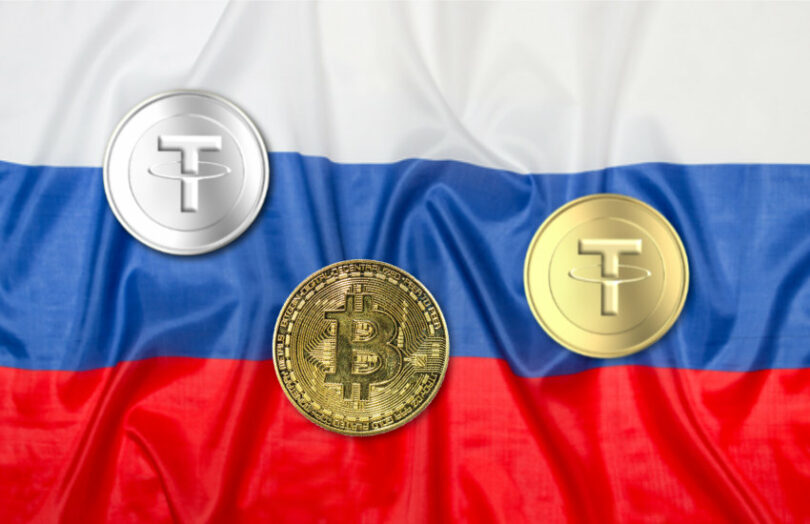
Digital currencies are officially recognized as taxable property in Russia, following legislative amendments approved by the State Duma. This landmark development introduces comprehensive tax rules for cryptocurrency transactions and mining, slated to take effect from January 1, 2025. The amendments represent a significant step in the country’s regulatory approach to digital assets, aiming to streamline income reporting and ensure compliance.

The legislative changes impose a tax of 13% for individual income from cryptocurrency operations, with a slightly higher rate of 15% applicable to non-resident individuals. Additionally, businesses involved in cryptocurrency-related activities will benefit from a value-added tax (VAT) exemption for mining-related transactions. This provision is designed to encourage greater participation in the crypto-mining sector while fostering a controlled environment for its growth. These measures reflect the government’s effort to balance innovation with the need for robust oversight in the digital economy.

A crucial aspect of the legislation involves the stricter regulation of mining infrastructure operators. Companies in this domain will be required to register and comply with stringent guidelines aimed at curbing illegal activities and ensuring transparency. By regulating these operators, authorities seek to establish a framework that promotes legitimate operations and protects market participants from fraud or exploitation.

The move aligns with Russia’s broader strategy to regulate cryptocurrencies amidst increasing global scrutiny of the sector. Cryptocurrencies, often viewed as tools for money laundering or tax evasion, have prompted governments worldwide to introduce regulations to monitor and manage their use effectively. By categorizing digital currencies as property, Russia not only brings clarity to their legal status but also signals its intention to integrate them into the formal economy.

Market analysts suggest that the taxation framework could encourage crypto-mining firms to operate within the law, as compliance becomes a prerequisite for business continuity. This development is especially significant for Russia, which is among the leading countries in crypto-mining due to its vast energy resources and favorable climate. The regulatory measures are expected to attract domestic and international players seeking stability and legal certainty in their operations.

The new rules also mandate the disclosure of cryptocurrency holdings and transactions in annual tax filings, creating an accountability system for individuals and entities involved in digital asset trading. Failure to comply with reporting requirements could result in severe penalties, reinforcing the government’s commitment to maintaining integrity within the sector.

Russia’s decision to implement these measures comes against a backdrop of evolving global attitudes toward cryptocurrency regulation. Countries such as the United States and members of the European Union have been advancing similar initiatives, highlighting a collective acknowledgment of the economic potential and risks associated with digital currencies. By joining this regulatory movement, Russia positions itself as a key player in shaping the future of the global crypto landscape.

Despite the optimism surrounding these changes, critics have raised concerns about the potential for overregulation to stifle innovation. Some industry stakeholders argue that the stringent requirements for mining infrastructure operators could create barriers for small-scale participants, thereby consolidating the industry in favor of larger entities. This, they warn, might undermine the decentralized ethos of cryptocurrency and limit opportunities for new entrants.

The effectiveness of these regulations will largely depend on their implementation and enforcement. Ensuring compliance in a rapidly evolving and highly technical sector presents significant challenges, requiring continuous adaptation and investment in oversight mechanisms. Observers emphasize the need for authorities to strike a balance between fostering growth and maintaining control to avoid unintended consequences.

A leading Thai official has underscored the inadequacy of current measures to combat the rising global temperature, emphasizing the need for urgent action at the ongoing UN climate change conference in Baku. Chalermchai Sri-on, Thailand’s Minister of Natural Resources and the Environment, voiced strong concerns about the global response to climate change at COP29, calling on world leaders to prioritize climate financing and effective solutions for the […]

Eastern Europe is quickly becoming a popular destination for ski enthusiasts seeking a thrilling adventure without the hefty price tag associated with more established resorts in the Alps. Ski resorts in countries like Poland, Slovakia, and Bulgaria are gaining attention as affordable alternatives to the high-end ski destinations in Western Europe. These lesser-known mountains provide an exhilarating experience with much lower costs, making them an attractive option for budget-conscious travelers looking for a mix of adventure and value.

The snow-capped peaks of Eastern Europe offer a diverse range of ski options that rival some of the world’s most renowned destinations. With hundreds of miles of ski slopes, well-developed infrastructure, and stunning views, these regions are poised to capitalize on the growing trend of alternative winter sports destinations. Skiers can expect varied terrain suitable for all levels of expertise, from beginner slopes to challenging off-piste runs. The range of facilities is comparable to those in the Alps, but at a fraction of the cost.

In Bulgaria, the Bansko ski resort has become a standout location, renowned for its mix of traditional culture and modern amenities. Located in the Pirin Mountains, Bansko offers over 70 kilometers of ski slopes, making it one of the largest ski areas in the Balkans. What sets it apart is its exceptional value proposition, offering ski passes, accommodations, and meals that are significantly cheaper than similar services in the Alps. The resort is known for its friendly atmosphere, combining Eastern European hospitality with high-quality ski runs. Visitors are often drawn to the lively après-ski scene, which blends cultural authenticity with vibrant nightlife. Bansko’s reputation has grown steadily over the past decade, attracting both seasoned skiers and newcomers alike.

Neighboring Romania also presents enticing options for winter sports enthusiasts, with its Carpathian Mountains offering a variety of resorts that appeal to different tastes and budgets. Poiana Brașov, for example, is one of the country’s premier ski resorts. It boasts more than 24 kilometers of well-maintained slopes, snowboarding parks, and modern cable cars, all set against a dramatic backdrop of dense forests and medieval villages. Poiana Brașov is renowned for being both a family-friendly destination and a location that provides quality skiing without breaking the bank.

Poland is another Eastern European country with an emerging ski scene. Zakopane, situated at the foot of the Tatra Mountains, has long been a favorite for Polish tourists and is gaining recognition on the international stage. Zakopane offers over 40 kilometers of skiing terrain and a lively après-ski culture that is distinctly Polish. The town is particularly appealing for its picturesque charm, offering a combination of rustic wooden cottages and modern ski resorts. Zakopane’s affordable prices, particularly in comparison to neighboring Austria and Slovakia, have made it a rising star in the Eastern European ski market.

Slovakia, with its well-maintained ski resorts such as Jasná in the Low Tatras, is another destination that offers great value. Jasná, the largest ski resort in Slovakia, is renowned for its high-standard facilities, extensive terrain, and affordability. It has rapidly become a popular choice for those looking to experience skiing in the heart of Europe, offering nearly 50 kilometers of ski slopes and a range of winter activities for visitors of all levels. The resort’s modern amenities and beautiful setting in the Low Tatras National Park make it an attractive alternative to some of the more expensive Alpine resorts.

Despite the increasing competition from other countries, these Eastern European destinations retain a unique advantage: their affordability. In many of these regions, the cost of accommodation, food, and lift passes is significantly lower than in Western European ski resorts. For example, the cost of a ski pass in Bansko can be less than half of what visitors would pay at popular Alpine resorts like Chamonix or Zermatt. Similarly, lodging and dining options in countries such as Romania and Poland are often considerably cheaper, making it easier for families and smaller groups to enjoy a ski holiday without the financial strain that typically comes with top-tier Alpine resorts.

Beyond their affordability, these resorts also offer a different cultural experience that sets them apart from the traditional Alpine destinations. Skiers in Eastern Europe can expect a blend of history, culture, and scenic beauty that is unique to this region. Traditional cuisine, charming villages, and centuries-old castles add a distinctive charm to the ski experience. Eastern European resorts are also known for their hospitality, with smaller crowds and a more relaxed atmosphere than the sometimes over-crowded slopes in Western Europe.

Saudi Arabia has secured its first-ever credit rating upgrade from Moody’s Investors Service, a significant achievement that reflects the kingdom’s growing economic resilience and fiscal reforms. The credit rating agency raised the country’s rating from “A1” to “Aa3”, with a stable outlook, signaling enhanced investor confidence in the nation’s economic future.

This upgrade marks a turning point for Saudi Arabia, which has been actively pursuing a broad range of reforms under its Vision 2030 strategy. The country has made substantial strides in diversifying its economy away from oil dependence, focusing on non-oil sectors such as tourism, entertainment, and technology. The reforms have attracted attention from international investors and have been instrumental in Saudi Arabia’s efforts to modernize its economy.

The decision to upgrade Saudi Arabia’s rating is largely attributed to the country’s improved fiscal management and its ability to weather global economic challenges, including fluctuations in oil prices. Moody’s noted that the kingdom’s budgetary performance has been significantly strengthened by its efforts to boost non-oil revenues, such as through the implementation of a value-added tax (VAT) and reforms to its labor market and public sector.

Saudi Arabia’s efforts to diversify its revenue base have yielded positive results, according to financial analysts. Non-oil revenues have surged in recent years, providing the kingdom with a more stable financial foundation that is less reliant on volatile oil markets. Additionally, the government has made significant progress in reducing its fiscal deficits, which had been a major concern in previous years.

In a broader context, this upgrade is seen as a key indicator of the kingdom’s ongoing transition from an oil-dependent economy to one with a broader, more diversified economic base. Under Vision 2030, Saudi Arabia has committed to investing heavily in sectors like renewable energy, entertainment, and technology, with major projects such as the futuristic city of Neom and the Red Sea tourism developments receiving international attention. These initiatives are designed to boost foreign investment, create jobs, and reduce the kingdom’s economic vulnerability to oil price volatility.

The improvement in Saudi Arabia’s credit rating also comes at a time when the country has been actively pursuing strategic partnerships with global powers and international corporations. This includes strengthening its ties with the United States, China, and key European nations, as well as attracting international investment in various sectors. Moody’s noted that the kingdom’s international relationships have provided it with valuable opportunities to diversify its economic activities and deepen its global integration.

However, challenges remain as Saudi Arabia continues to navigate its ambitious reform agenda. While the country has made notable progress in certain areas, there are still concerns about the pace of some reforms and the potential for social unrest, particularly in relation to the country’s labor market and the integration of women into the workforce. Furthermore, while non-oil revenues have grown, they still represent a small fraction of the total fiscal intake, and the kingdom remains vulnerable to fluctuations in global commodity prices.

Despite these challenges, the positive shift in Saudi Arabia’s credit rating is viewed as a testament to the strength of its ongoing reforms and the successful implementation of key economic strategies. Investors have responded favorably, with some expecting further upgrades in the future as the kingdom’s economic transformation gains momentum.

The country’s sovereign wealth fund, the Public Investment Fund (PIF), is another key element of Saudi Arabia’s vision for the future. The PIF has been tasked with diversifying the kingdom’s investments beyond oil, and it has already committed to several high-profile projects in renewable energy, technology, and infrastructure development. The fund’s growing portfolio is seen as an essential component in ensuring the long-term stability of the kingdom’s economy.

While the rating upgrade offers an optimistic outlook for Saudi Arabia’s economic future, experts caution that the kingdom must remain vigilant in its efforts to reduce its dependence on oil and address lingering social and political challenges. Continued economic diversification, fiscal discipline, and the management of the nation’s growing public sector will be critical to maintaining the momentum of these reforms.

In light of these developments, it is clear that Saudi Arabia is on a transformative path, one that seeks to reshape its economic landscape and enhance its standing on the global stage. The upgrade from Moody’s is a significant milestone in this journey, and the kingdom’s leaders are now tasked with ensuring that the reforms and initiatives driving this transformation continue to produce tangible results.


The International Criminal Court (ICC) has issued arrest warrants for Israeli Prime Minister Benjamin Netanyahu and former Defense Minister Yoav Gallant in connection with alleged war crimes committed during Israel’s military operations in Gaza. The charges stem from actions taken by Israeli forces that resulted in the deaths of civilians and the destruction of civilian infrastructure, which the ICC claims violated international law. The court’s decision marks […]

Federal scrutiny of Apple Pay has intensified as the Consumer Financial Protection Bureau (CFPB) moves to enhance oversight of digital payment platforms. The CFPB is evaluating how Apple Pay aligns with consumer protection laws, citing concerns over competition, data security, and equitable access to digital payment services. The platform, which has become a leader in mobile payments, may face significant changes if the proposed regulations proceed. The […]

Oil companies are intensifying their investments in biofuels as governments and industries move toward cleaner energy alternatives. Major players in the oil sector, including BP, Shell, and ExxonMobil, are expanding their biofuel production capabilities in response to a global push for decarbonization. These companies are positioning biofuels as a key component of their strategies to reduce carbon emissions while meeting the surging demand for cleaner energy solutions […]

A milestone decision has been reached by Gulf Cooperation Council (GCC) financial regulators, setting a framework for streamlined fund passporting within the bloc. This move is poised to enhance market integration and facilitate cross-border investments among member states. The announcement follows deliberations during the 29th meeting of the GCC Committee of Heads of Financial Market Authorities, underlining a collective aim to boost the region’s financial landscape.

The approved framework includes detailed passporting regulations designed to ease the registration of investment funds, enabling them to operate seamlessly across GCC markets. By adopting a unified approach, member states aim to attract international investors, create competitive opportunities for local fund managers, and strengthen the region’s position as a financial hub. The framework represents a critical step in fostering economic collaboration and reducing barriers to capital flow in the Gulf.

Authorities emphasized the significance of this framework in promoting transparency, improving operational efficiency, and aligning with global financial practices. They underscored that the initiative aims not only to streamline processes for fund managers but also to ensure investor protection through standardized regulatory oversight. By harmonizing regulations, the GCC markets are expected to enhance their collective appeal to institutional investors and global asset managers.

The passporting mechanism will allow funds licensed in one GCC state to be marketed in others without the need for separate approvals in each jurisdiction. This system mirrors successful models in regions like the European Union, which has demonstrated the benefits of regulatory alignment for mutual fund operations. Industry analysts predict that the GCC’s adoption of such a mechanism could significantly boost regional fund performance and attract higher levels of foreign direct investment.

Market participants have expressed optimism about the move, viewing it as a catalyst for growth in the asset management industry across the Gulf. The alignment of regulatory practices is expected to lower operational costs, reduce duplication of efforts, and enhance market efficiency. Fund managers stand to benefit from simplified procedures, while investors are likely to gain access to a broader range of investment opportunities within the region.

This development comes against the backdrop of ongoing efforts by GCC nations to diversify their economies and reduce reliance on oil revenues. The region has been investing heavily in financial sector reforms, infrastructure, and technology to create a more conducive environment for economic growth. Fund passporting is seen as an integral part of these reforms, aiming to stimulate capital markets and support the broader objectives of economic integration.

Implementation of the framework is expected to be phased, with member states aligning their domestic regulations to the new standards over the coming months. Industry experts believe that a successful rollout will depend on effective coordination between regulatory bodies and market players, ensuring that the framework’s benefits are realized without compromising market stability.

The GCC’s financial authorities have highlighted their commitment to addressing challenges and refining the framework as needed to meet evolving market demands. Regular consultations with stakeholders are planned to ensure the initiative remains responsive to industry trends and investor needs. This collaborative approach is anticipated to foster trust and confidence among market participants, paving the way for greater regional financial integration.

Highlights of FY24/25 Half-Year Results Group sales US$1,854 million – down 4% compared to first half of the prior financial year Gross profit US$438 million or 23.6% of sales (compared to US$430 million or 22.2% of sales in the first half of the prior financial year) Adjusted EBITA US$177 million or 9.5% of sales (compared to US$180 million or 9.3% of sales in the first half of […]

The European Central Bank (ECB) has issued a stark warning regarding the growing risks of sovereign debt within the eurozone. The institution expressed concern that markets could face disruptions similar to the debt crisis of the 2010s, with potential knock-on effects across global financial systems. In a recent assessment, the ECB pointed to rising government borrowing, weakening fiscal positions, and the economic strain from ongoing geopolitical tensions as significant factors amplifying these vulnerabilities.

The warning follows a series of alarming signals from key eurozone countries. Italy, France, and Spain, in particular, have seen their debt-to-GDP ratios soar, raising doubts about their ability to manage growing liabilities. These countries, among the eurozone’s largest economies, have faced increased fiscal pressures due to high public spending and sluggish economic growth, especially in light of the prolonged impacts of the COVID-19 pandemic and the energy crisis exacerbated by the war in Ukraine.

The ECB highlighted that while some nations have made strides in managing debt, the overall trajectory of government borrowing across the region remains unsustainable. The European Commission has set a 60% debt-to-GDP threshold as part of its fiscal rules, but most member states are far beyond this target, with Italy’s ratio hovering around 150%, Spain’s near 120%, and France’s above 110%. These figures suggest a significant challenge to the region’s economic stability, with policymakers struggling to implement effective measures that balance debt reduction with stimulating economic growth.

As government borrowing continues to rise, the ECB cautioned that markets could once again face a series of challenges akin to those seen during the sovereign debt crisis. During that period, fears over the solvency of key eurozone countries, particularly Greece, sent shockwaves through European and global financial markets. The situation led to a series of bailout packages and austerity measures that had profound social and economic consequences.

The ECB also noted that the current economic climate, with high inflation and uncertain energy prices, further complicates the ability of governments to implement effective fiscal policies. With interest rates rising across the board, borrowing costs for governments are increasing, making it more difficult to service existing debt while funding new public spending. The ECB’s own policies have been focused on curbing inflation, but the unintended consequence could be exacerbating the sovereign debt burden, especially for countries already on the financial edge.

One critical element of the ECB’s warning centers around the evolving relationship between fiscal and monetary policy. In the wake of the 2010s crisis, the ECB implemented unconventional monetary policies, including large-scale asset purchases and negative interest rates, to support struggling economies. However, with inflation reaching multi-decade highs in the eurozone, the central bank has pivoted towards tightening its monetary stance. The delicate balance between maintaining financial stability and addressing inflationary pressures presents a growing challenge for policymakers, with potential repercussions for sovereign debt markets.

Another aspect of the warning involves the broader global economic environment. The ECB emphasized that the interconnected nature of the global economy means that any destabilizing shocks in the eurozone could ripple through international markets. The ongoing energy crisis, driven by the war in Ukraine, has already led to significant increases in energy prices, placing further pressure on already strained budgets. Additionally, the broader global economic slowdown, compounded by rising interest rates in major economies such as the United States, could affect demand for European exports, limiting growth opportunities for countries within the eurozone.

While the ECB has stressed that it is committed to safeguarding the financial stability of the eurozone, the institution faces a complex array of challenges. The central bank has already signaled its intention to act if market conditions deteriorate, but its capacity to intervene effectively is limited by the sheer scale of sovereign debt across the region. If major eurozone economies, such as Italy or Spain, were to face a crisis of confidence, the ECB’s ability to contain the fallout could be tested.

The warning comes at a time when governments across the eurozone are grappling with the dual challenges of fiscal consolidation and promoting economic growth. With the looming threat of a debt crisis, the need for comprehensive structural reforms has never been more urgent. However, the political complexities involved in implementing such reforms, especially in countries with high levels of public debt, make it unlikely that significant progress will be made in the short term.

Lada, the iconic Russian automaker, has made its entry into the UAE market, offering residents the chance to test drive and place orders for its vehicles. Through its official distributor in the UAE, the Russian brand is now showcasing a variety of models, including the Granta Sedan, Vesta SW Cross, Niva Legend, and Niva Travel, which are available for purchase and direct engagement by potential buyers in […]

By Nitya Chakraborty The Ukraine war entered its 1000th day on Tuesday, November 19 and on the same afternoon, President Zelensky used for the first time high tech AATCMS missiles for striking inside Russia after getting green signal from the outgoing President Joe Biden only two days before. Soon after, President Putin announced lowering the […]

Got it! I’ll research and prepare the requested report, ensuring it aligns with your guidelines. Please hold on while I complete the task. TTNL Group, a leading data management and hybrid multi-cloud solutions provider based in the Netherlands, has unveiled a strategic partnership with Erik Sterck GmbH, a prominent IT services and data center solutions specialist headquartered in Leonberg, Germany. This collaboration aims to enhance hybrid cloud […]

HONG KONG SAR – Media OutReach Newswire – 20 November 2024 – Opportunity London, a new public-private initiative aimed at attracting capital investment to the city, will be heading to the Asia Pacific market for the first time. With a unique prospectus featuring 12 active projects valued at over US$12 billion, it will showcase specific investment opportunities across six asset classes – Low Carbon, Life Sciences, Leisure […]

India’s Ministry of Electronics and Information Technology is set to unveil voluntary ethical guidelines for artificial intelligence and generative AI firms by early 2025. These guidelines are expected to outline a framework encouraging responsible innovation while addressing societal concerns linked to the misuse of AI technologies.

As AI transforms industries and public services, the ethical ramifications of its deployment have come under scrutiny. Recognizing the need for oversight, the Ministry has been crafting a non-binding code that promotes transparency, accountability, and fairness in AI applications. This initiative aims to mitigate risks such as algorithmic bias, misinformation propagation, and threats to user privacy, which are becoming critical issues globally.

Government officials have emphasized that the voluntary nature of these guidelines allows for flexibility and innovation while encouraging adherence to ethical standards. Unlike regulations, this approach does not impose strict mandates but seeks to foster collaboration between government bodies, tech companies, and civil society. AI firms participating in the development process have voiced support for the guidelines, stating that they align with global best practices while considering local nuances.

The framework’s primary focus areas include ensuring fairness in AI-driven decision-making processes, safeguarding data privacy, and establishing mechanisms for identifying and addressing misuse. It also underscores the importance of explainability, enabling users to understand how AI systems make decisions. By encouraging companies to adopt these principles, the Ministry hopes to set a precedent for ethical AI development in the global arena.

As AI-powered systems become integral to governance, education, healthcare, and financial services, concerns about their unchecked application have grown. Experts warn of potential pitfalls, such as reinforcing societal inequalities through biased algorithms or enabling large-scale surveillance through advanced data analytics. By addressing these challenges, the guidelines aim to strike a balance between innovation and ethical responsibility.

India’s initiative mirrors global efforts to establish ethical standards for AI. The European Union’s AI Act, currently under deliberation, seeks to regulate AI systems based on their risk levels, while the United States is exploring sector-specific guidelines. India’s voluntary approach, however, aims to create a conducive environment for AI innovation without stifling technological progress.

While the proposed framework has been welcomed by many stakeholders, some experts caution against relying solely on voluntary adherence. They argue that enforceable regulations may be necessary to ensure compliance and protect public interests effectively. Proponents of a regulatory approach highlight the potential for misuse by entities unwilling to adopt ethical practices.

India’s burgeoning AI ecosystem, fueled by startups and global tech giants, has made the country a critical player in the global AI landscape. Industry leaders see the guidelines as a strategic step towards aligning India’s AI ecosystem with international standards, enhancing its competitiveness in the global market. Additionally, ethical AI practices are expected to boost public trust and acceptance of AI-driven innovations.

A Hong Kong court has sentenced over 30 prominent pro-democracy activists to prison terms ranging from four to ten years in what has been described as the largest national security case since the imposition of the Beijing-backed security law in 2020. The sentences, handed down on Tuesday, mark a significant moment in the city’s ongoing crackdown on dissent, further diminishing hopes for political freedoms that once defined […]

VISHNU RAJA
RYO YAMADA
HITORI GOTOH
IKUYO KITA