News related to
European

The Abu Dhabi Investment Office has solidified its commitment to fostering economic collaboration with China by entering into strategic agreements with prominent Chinese entities. These partnerships, announced during the Abu Dhabi Investment Forum in Shanghai, aim to enhance investment intelligence and facilitate the expansion of Chinese enterprises into Abu Dhabi’s burgeoning market.

In a notable development, ADIO has partnered with Wind Information, China’s leading financial information services provider. This collaboration designates Wind Information as ADIO’s preferred knowledge partner in China, granting investors enhanced access to Abu Dhabi’s dynamic investment landscape. The alliance is poised to bridge information gaps, enabling Chinese investors to make informed decisions about opportunities within the emirate.

Simultaneously, ADIO has forged a strategic partnership with Hejun Group, a prominent Chinese consulting firm. This agreement is designed to accelerate Chinese investment in Abu Dhabi by leveraging Hejun Group’s extensive network of over 2,000 publicly listed companies. The collaboration aims to introduce these enterprises to Abu Dhabi’s investment prospects, thereby fostering economic growth and diversification within the region.

Further strengthening bilateral ties, ADIO has entered into an agreement with Fosun International Limited, a global innovation-driven consumer group. This partnership seeks to expedite the expansion of Fosun’s subsidiaries into Abu Dhabi and the broader Middle East. ADIO will provide tailored investor support, streamlined market access, and strategic guidance to facilitate Fosun’s ventures in key sectors such as wealth management, fintech, premium residential real estate, and healthcare innovation.

These strategic alliances underscore Abu Dhabi’s proactive approach to attracting foreign investment and enhancing its position as a global financial hub. By collaborating with leading Chinese firms, the emirate aims to diversify its economy and foster innovation across various industries.

The Abu Dhabi Investment Forum in Shanghai served as a pivotal platform for these announcements, highlighting the emirate’s commitment to strengthening economic ties with China. The forum facilitated discussions on Abu Dhabi’s role as a global financial, trade, and technology hub, with a focus on technological innovation in areas such as financial technology, artificial intelligence, blockchain, and digital transformation.

These developments are set against the backdrop of burgeoning trade relations between the United Arab Emirates and China. Bilateral trade between the two nations is projected to reach $200 billion by 2030, positioning Abu Dhabi as a critical gateway for Chinese investment in the Middle East and beyond. The emirate already hosts a significant number of the 6,000 Chinese companies operating in the UAE, spanning key sectors including technology, financial services, and energy.

In addition to these partnerships, Abu Dhabi has been actively engaging in strategic investments to bolster its economic landscape. For instance, Masdar, Abu Dhabi’s renewable energy company, has been expanding its footprint in the European energy sector. Masdar is currently negotiating with banks to structure the acquisition of a new portfolio of renewable energy assets from Endesa, a Spanish utility company. This move aligns with Abu Dhabi’s broader strategy to invest in sustainable energy solutions and diversify its investment portfolio.

The financial sectors of the UAE and China have been exploring collaborative opportunities to enhance cross-border investments. The Shenzhen Stock Exchange and Dubai Financial Market have signed a memorandum of understanding to bolster cross-border investing, particularly in exchange-traded funds . This agreement includes dual listings, shared indices, and fixed-income offerings, aiming to facilitate secondary market investments and strengthen financial ties between the two nations.

These initiatives reflect a broader trend of deepening economic cooperation between Abu Dhabi and China, with both parties seeking to capitalize on mutual investment opportunities and drive sustainable economic growth. The strategic partnerships established by ADIO are poised to play a pivotal role in this collaborative effort, fostering a conducive environment for innovation, investment, and economic diversification.

Societe Generale-FORGE , a subsidiary of the French banking group Societe Generale, has launched its Euro-backed stablecoin, EUR CoinVertible , on the Stellar blockchain network. This development positions EURCV as one of the first Euro-denominated stablecoins fully compliant with the European Union’s Markets in Crypto-Assets regulations.

The integration of EURCV into the Stellar network aims to enhance the efficiency of cross-border transactions and financial applications. Stellar’s blockchain infrastructure is recognized for its scalability, speed, and cost-effectiveness, making it a strategic choice for SG-FORGE’s digital asset expansion. This move is part of SG-FORGE’s broader multichain strategy, which includes plans to deploy EURCV on other blockchain platforms such as Solana and the XRP Ledger.

Denelle Dixon, CEO of the Stellar Development Foundation, highlighted the significance of this collaboration, stating that the launch of EURCV on Stellar represents a substantial advancement in digital payments. By combining Stellar’s robust blockchain technology with a trusted MiCA-compliant stablecoin, users are provided with a more efficient means to store and transfer value across borders, facilitating the adoption of this new form of money by individuals and businesses.

SG-FORGE’s commitment to regulatory compliance is evident in its adherence to the MiCA framework, which is designed to provide a clear and harmonized regulatory environment for crypto-assets within the European Union. By ensuring that EURCV meets these stringent regulatory standards, SG-FORGE offers users enhanced security and transparency in their digital transactions.

The decision to utilize the Stellar network was influenced by several technical advantages. Stellar’s architecture supports thousands of operations per second, ensuring that EURCV can handle high transaction volumes efficiently. Transactions on Stellar are typically completed within seconds, a critical feature for real-time financial applications. Additionally, the low transaction costs on the Stellar network make it ideal for micropayments and cross-border transfers, further enhancing the utility of EURCV in various financial contexts.

Guillaume Chatain, Chief Revenue Officer at SG-FORGE, emphasized the alignment between Stellar’s approach and SG-FORGE’s mission to promote broader adoption of stablecoins within the financial system. The collaboration with Stellar is expected to facilitate seamless integration of EURCV into a diverse network of financial institutions, asset managers, and traditional finance entities already connected to the Stellar ecosystem.

This expansion of EURCV onto the Stellar network is anticipated to open new avenues for users and businesses to access a secure, transparent, and scalable digital Euro stablecoin. The combination of MiCA regulatory assurance with Stellar’s robust blockchain infrastructure marks a significant milestone in the evolution of digital assets in Europe.

SG-FORGE’s strategic move comes at a time when the European Union is intensifying its regulatory oversight of crypto-assets. The MiCA regulations, which came into effect in January 2025, require stablecoin issuers to comply with specific standards to operate within the EU. This regulatory environment aims to protect investors and ensure the stability of the financial system, prompting issuers like SG-FORGE to align their offerings with these new requirements.

The launch of EURCV on Stellar is expected to have a positive impact on the adoption of digital assets among institutional investors. By providing a MiCA-compliant stablecoin, SG-FORGE addresses the growing demand for regulated digital assets that can be seamlessly integrated into traditional financial systems. This development is poised to enhance the credibility and acceptance of digital currencies in mainstream financial markets.

In addition to its regulatory compliance and technical advantages, EURCV’s deployment on Stellar is set to benefit from the network’s existing features, including its built-in decentralized exchange. This functionality allows for decentralized transactions between end-users on various cryptocurrencies, facilitating the integration of EURCV into a wide range of financial applications and services.

As SG-FORGE continues to advance its multichain strategy, the successful integration of EURCV on the Stellar network serves as a model for future deployments. The company’s proactive approach to regulatory compliance and technological innovation underscores its commitment to providing secure and efficient digital asset solutions in the evolving financial landscape.

The collaboration between SG-FORGE and Stellar exemplifies the potential of combining traditional financial expertise with cutting-edge blockchain technology. As digital assets become increasingly integral to the global financial system, initiatives like the EURCV stablecoin on Stellar are paving the way for more inclusive and efficient financial services.

Cryptocurrency exchange Kraken has announced plans to delist five stablecoins for users in the European Economic Area to align with the European Union’s Markets in Crypto-Assets regulations. The affected stablecoins are Tether , PayPal USD , Tether EURt , TrueUSD , and TerraUSD Classic . The delisting process will occur in phases, culminating in the full removal of these assets by 31 March 2025.

The MiCA regulations, which came into full effect on 30 December 2024, establish a comprehensive legal framework for crypto-assets within the EU. These regulations introduce stringent requirements for stablecoin issuers, including the necessity for asset-backed reserves and adherence to operational standards. Algorithmic stablecoins, such as TerraUSD Classic, are explicitly prohibited under MiCA due to their lack of traditional asset backing.

Kraken’s decision to delist these stablecoins reflects its commitment to regulatory compliance within the EEA. The exchange has outlined a phased approach to minimize disruption for its users. Spot trading for the affected assets will cease on 24 March 2025, at 12:00 PM UTC, with all open orders being closed at that time. Users holding these stablecoins are advised to convert or withdraw their assets before 31 March 2025, after which any remaining balances will be automatically converted into a compliant equivalent stablecoin.

This move by Kraken is part of a broader trend among cryptocurrency exchanges adjusting their offerings to meet the new regulatory standards set by MiCA. Other major platforms, such as Crypto.com and Coinbase, have also taken steps to delist non-compliant stablecoins within the EU market. These actions underscore the significant impact MiCA is having on the operational strategies of crypto service providers in the region.

The delisting of Tether’s USDT is particularly noteworthy, given its status as one of the most widely used stablecoins globally. Tether has faced scrutiny over its reserve practices and transparency, and its decision not to comply with MiCA’s stringent requirements has led to its removal from several European platforms. In contrast, competitors like Circle’s USD Coin have chosen to align with the new regulations, potentially positioning themselves more favorably within the EU market.

The implementation of MiCA aims to enhance consumer protection and market integrity within the European crypto-asset space. By enforcing strict compliance standards, the EU seeks to create a more secure and transparent environment for both investors and service providers. However, these regulations also present challenges for existing crypto businesses, particularly those operating with models that do not meet the new compliance criteria.

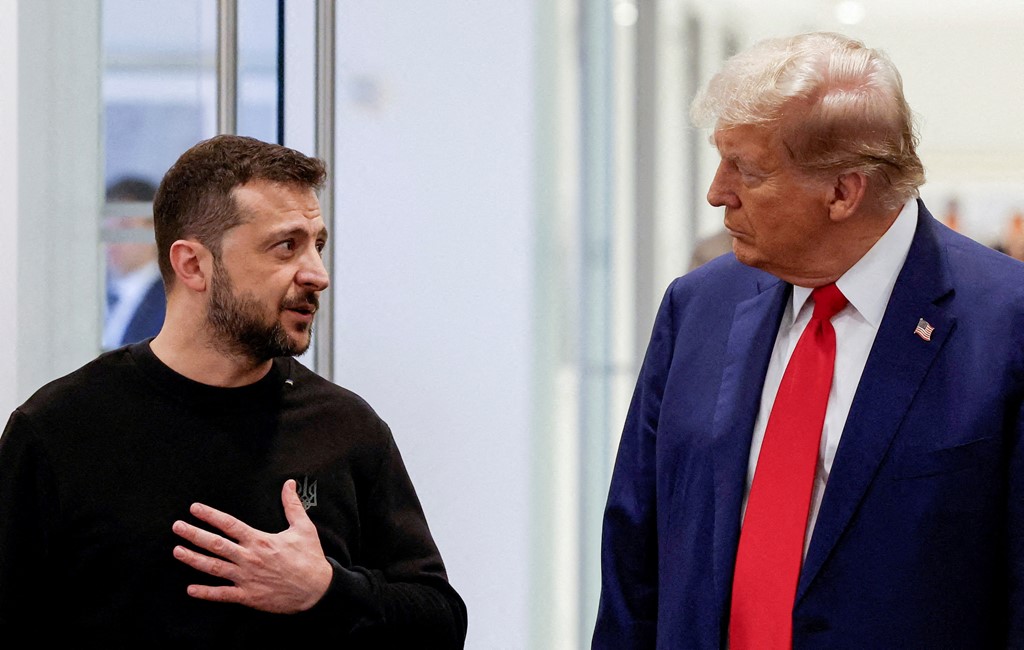
The United States government is escalating its demands for Ukraine to grant substantial mineral rights to American companies, a move that has led to heightened tensions between President Donald Trump and Ukrainian President Volodymyr Zelenskyy. The proposed agreement seeks to provide the U.S. with access to Ukraine’s vast reserves of critical minerals, valued at approximately $500 billion, in exchange for continued military and financial support amid Ukraine’s […]

The European Central Bank has unveiled a comprehensive strategy to incorporate distributed ledger technology into its central bank settlement processes. This initiative aims to modernise Europe’s financial infrastructure by enhancing efficiency and security in transaction settlements.

In the initial phase, the ECB plans to develop a platform that links DLT-based transactions with its existing TARGET Services. TARGET is the Eurosystem’s real-time gross settlement system, facilitating the seamless flow of cash, securities, and collateral across Europe. By creating an interoperability link between DLT platforms and TARGET Services, the ECB seeks to enable the settlement of DLT-recorded transactions in central bank money. This approach ensures that innovative DLT systems can integrate smoothly with established financial infrastructures, maintaining stability while embracing technological advancements.

The subsequent phase involves exploring a more integrated, long-term solution for settling DLT-based transactions directly in central bank money. This comprehensive approach will consider the potential for international operations, including foreign exchange settlements. By delving into these possibilities, the ECB aims to position itself at the forefront of financial innovation, ensuring that Europe’s payment systems remain competitive and resilient in a rapidly evolving global landscape.

Piero Cipollone, a member of the ECB’s Executive Board, emphasised the significance of this development, stating, “This is an important contribution to enhancing European financial market efficiency through innovation.” His remarks underscore the ECB’s commitment to leveraging cutting-edge technologies to bolster the efficiency and security of Europe’s financial markets.

The ECB’s decision to expand its DLT initiatives follows a series of exploratory projects and consultations. In December 2024, the Eurosystem invited market participants to engage in trials examining the potential use of DLT for wholesale central bank money settlement. These trials, conducted between May and November 2024, provided valuable insights into how DLT platforms could interact with existing financial infrastructures. The positive outcomes of these experiments have informed the ECB’s current strategy, highlighting the practical viability of integrating DLT into central bank operations.

The ECB’s approach aligns with broader global trends, as central banks worldwide explore the potential of digital currencies and blockchain technologies. The Bank of England, for instance, has been investigating the development of a wholesale central bank digital currency aimed at facilitating large transactions between banks. Such initiatives reflect a growing recognition of the transformative potential of DLT and digital currencies in enhancing the efficiency and security of financial systems.

However, the ECB’s plans are not without challenges. The integration of DLT into existing financial infrastructures requires careful consideration of technical, regulatory, and security aspects. Ensuring interoperability between traditional systems and innovative DLT platforms is paramount to prevent fragmentation and maintain the integrity of the financial ecosystem. Additionally, the ECB must navigate potential concerns related to data privacy, cybersecurity, and the legal frameworks governing digital transactions.

The ECB has not yet announced a specific timeline for the implementation of the interoperability link with TARGET Services. A detailed schedule will be provided in due course, reflecting the ECB’s commitment to a meticulous and consultative approach. This cautious progression ensures that all stakeholders, including financial institutions, regulators, and the broader public, are adequately prepared for the forthcoming changes.

In parallel with its DLT initiatives, the ECB continues to advance its work on the digital euro. This project aims to provide a secure and efficient digital payment instrument, complementing cash and existing electronic payment methods. The digital euro is envisioned to enhance the accessibility and inclusivity of digital payments, ensuring that all segments of society can benefit from the digitalisation of the economy. The ECB’s efforts in this domain are part of a broader strategy to future-proof Europe’s financial system, ensuring it remains robust and competitive in the face of technological advancements and shifting consumer preferences.

Matein Khalid Who would have thought that an elegiac hillbilly like J.D. Vance would articulate the requiem for the Western Alliance and NATO at Munich even as Donald Trump prepares for his alpha male sword dance in the Saudi desert, though I really hope POTUS-47 does not try to take on Putin in judo because the little guy is a certified black belt, who can pulverize DonnyT […]

By Nitya Chakraborty February 2025 is not just the moment of truth for the European nations and NATO members but also time for reckoning for the Global Left and the peace movement which are still sizing up the dimension of the impact of U.S. President Donald Trump’s emergence as a peacenik to end the three […]
Advertisements
By Ben Chacko LONDON: Donald Trump’s demand for a $500 billion “payback deal” forcing Ukraine to hand over control of its natural resources has been exposed by the Telegraph. As the newspaper’s columnist Ambrose Evans-Pritchard notes, proposed terms amount to a more punitive reparations package than was imposed on Germany after World War I. Not […]
By M. A. Hossain & Vishakhajha For decades, U.S. alliances have been the backbone of global stability, fostering economic cooperation and collective security. NATO, economic partnerships with European and Asian allies, and engagement in international organizations have cemented America’s leadership in world affairs. However, under Trump’s second term Presidency, these traditional alliances came under significant […]
Apple has introduced the iPhone 16e, a midrange smartphone designed to replace the iPhone SE. Priced at $599, the iPhone 16e offers a blend of modern features and affordability, aiming to attract a broader customer base. The iPhone 16e is powered by Apple’s latest A18 chip, ensuring enhanced performance and efficiency. This model features a 6.1-inch OLED display, marking a departure from the older design of the […]

By Anjan Roy Russian president, Vladimir Putin, has already achieved a very big objective of his diplomacy — isolating Europe from the United States. Now with the US President’s latest statement from his clubhouse, Donald Trump seems to have dumped the traditional diplomatic tie up between Western Europe and America. India must take lesson — […]

Aptoide, a prominent independent app store, has officially launched its service for iPhone and iPad users within the European Union. This development offers EU consumers an alternative to Apple’s App Store, expanding their options for app downloads and installations.

The introduction of Aptoide’s platform is facilitated by the European Union’s Digital Markets Act , which mandates that major technology companies, including Apple, permit third-party app stores on their devices. This legislation aims to foster competition and provide consumers with more choices in the digital marketplace.

One of the standout features of Aptoide’s iOS app store is the “App Versions” function. This allows users to download and install previous versions of applications, a capability particularly beneficial for those using older devices or who prefer earlier iterations of specific apps. This feature addresses a common limitation in traditional app stores, where only the latest version is typically available for download.

Aptoide’s journey to this launch began in June 2024 with a beta phase that attracted significant interest, amassing a waitlist of approximately 20,000 users. During this period, the platform gradually onboarded users, refining its services based on feedback and performance metrics. The full release now makes Aptoide accessible to all iOS users across the EU without the need for a waitlist.

In addition to offering older app versions, Aptoide provides a diverse selection of games and applications, aiming to create an open and unrestricted distribution ecosystem for iOS users. This move is expected to encourage developers to explore alternative distribution channels, potentially leading to a more dynamic and competitive app market.

The launch of Aptoide’s iOS store is part of a broader trend of alternative app stores emerging in the European market. Companies like Epic Games have also introduced their own stores, leveraging the opportunities created by the DMA to challenge Apple’s dominance in app distribution. These developments signify a shift towards a more diversified app ecosystem, offering both developers and consumers new avenues for engagement.

Apple has historically maintained strict control over app distribution on its devices, citing security and user experience considerations. However, the enforcement of the DMA requires the company to adjust its policies within EU jurisdictions, allowing for the presence of third-party app stores. This regulatory environment aims to balance the need for security with the promotion of competitive practices in the digital economy.

While Aptoide’s launch is a significant milestone, it also raises questions about the future landscape of app distribution on iOS devices. The success of such alternative platforms will depend on various factors, including user adoption, developer participation, and the ongoing response from Apple regarding its policies and practices.

For consumers, the availability of alternative app stores like Aptoide means increased flexibility and choice. Users can now access a broader range of applications and versions, tailoring their app experiences to better suit their individual needs and preferences. This development also encourages innovation among app developers, who now have multiple platforms through which to reach their audience.

By Ben Chacko LONDON: The geopolitics of Europe are moving. The least we should demand of our elected representatives in Parliament is a frank discussion of that. We have been denied one. When Russia launched its illegal invasion of Ukraine in February 2022, Labour MPs who signed a Stop the War Coalition statement condemning that […]
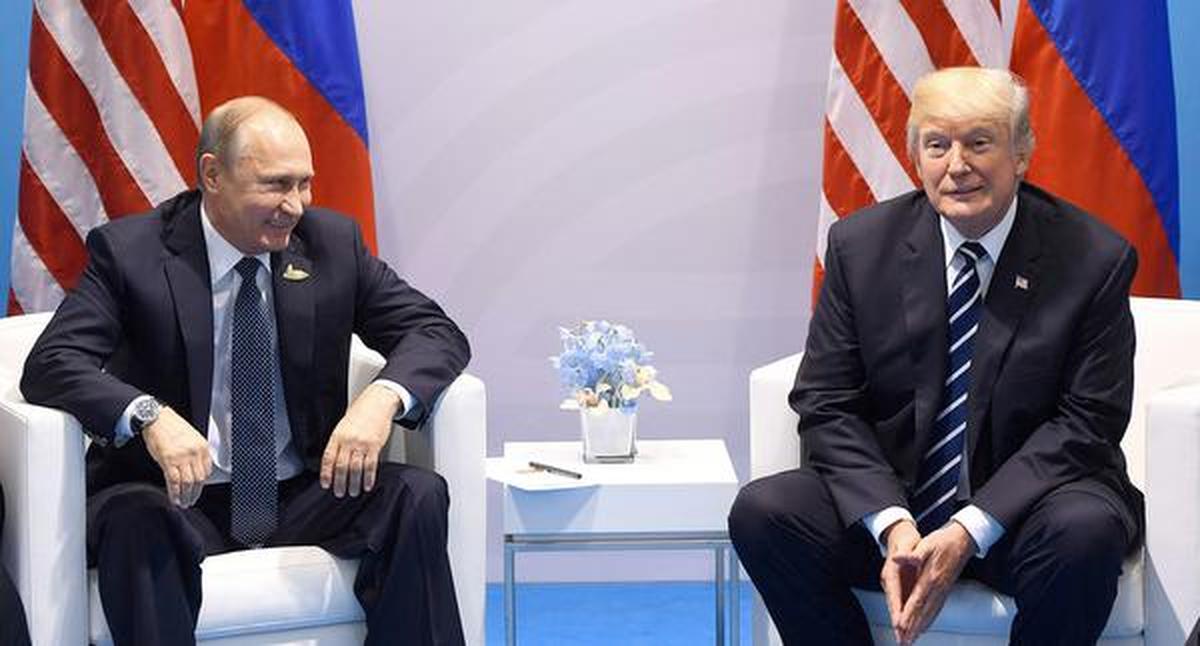
By Asad Mirza The way the US President Donald Trump literally got enforced his one-man plan for the Gaza Ceasefire and the manner in which he is now trying to organise Peace Talks to get the Russia-Ukraine war ended, are pointers to the future of the American foreign policy. By now the world should have […]
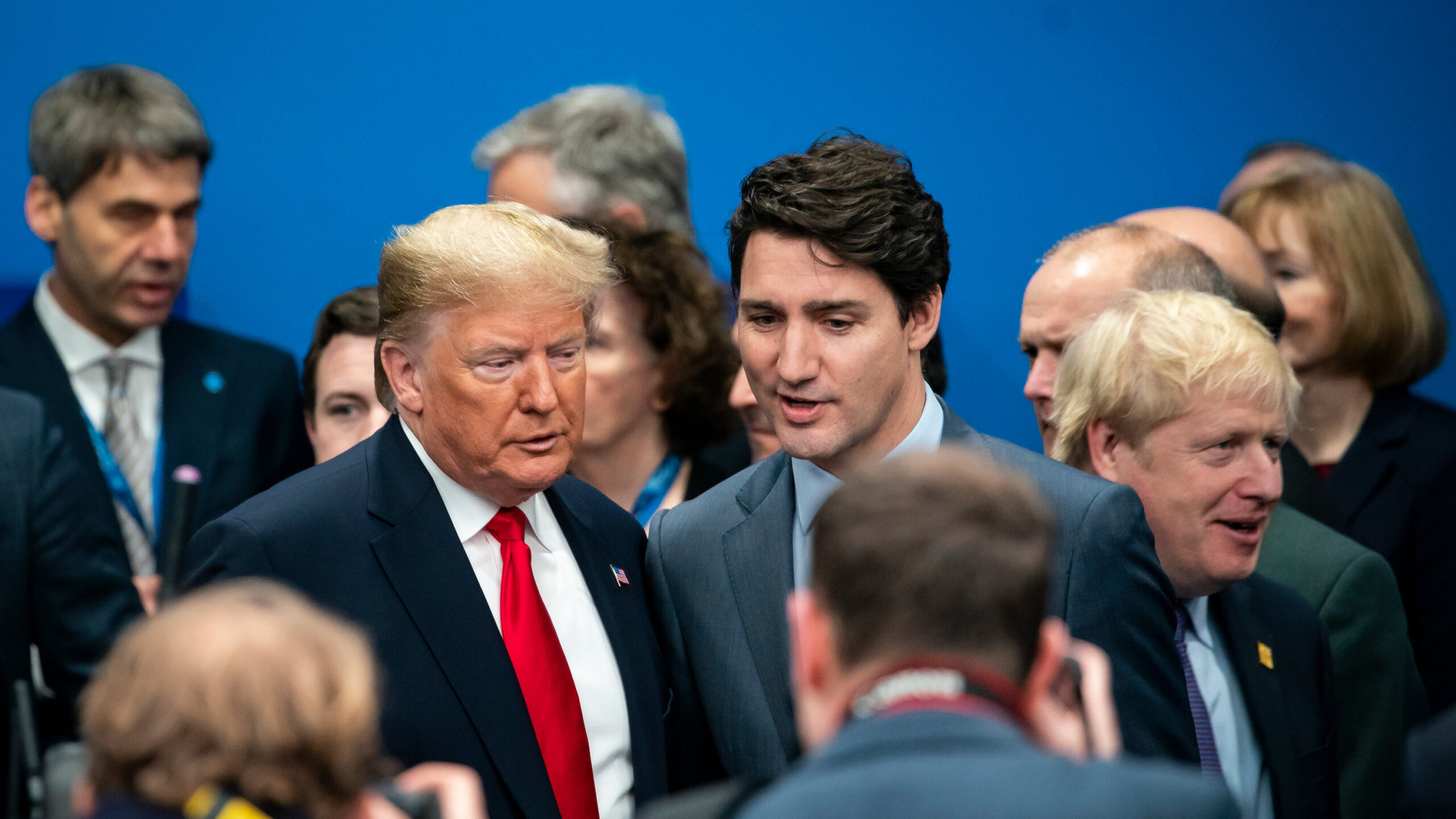
By Nitya Chakraborty Eighty years after the end of the Second World War in 1945, Europe, especially Western Europe is in disarray, as their transatlantic ally for eight decades, the United States, is refusing to guarantee the security of the European nations belonging to the NATO under the new Trump doctrine. Earlier, there were differences […]

The defence sector is no longer a niche or cyclical play—it is becoming a structural necessity in investor portfolios. With rising geopolitical tensions and global security realignments, the financial case for defence stocks has never been stronger. The surge in defence equities over the past year suggests a fundamental shift, not just a reaction to short-term events. At the Munich Security Conference last weekend, European leaders signalled […]

Robinhood is set to enter the Singaporean cryptocurrency market in 2025, marking a significant expansion of its services beyond traditional stock trading. The platform, known for democratizing investing in stocks, will leverage Bitstamp’s entities to facilitate its cryptocurrency operations in the region.

This move comes as the global cryptocurrency industry gains more traction, and the demand for user-friendly platforms has grown in Asia. Singapore, a thriving hub for fintech and digital assets, is an ideal location for Robinhood’s expansion into cryptocurrencies, as its government has embraced crypto regulation and blockchain technology.

Robinhood’s partnership with Bitstamp, a prominent European cryptocurrency exchange, is expected to strengthen the platform’s operational capabilities and credibility. The collaboration will allow Robinhood to conduct its cryptocurrency trading activities through Bitstamp’s established infrastructure, which complies with local regulations and security standards.

Singapore has long been a leader in cryptocurrency adoption, with regulatory frameworks that support the growth of blockchain technology. The Monetary Authority of Singapore , the country’s financial regulator, has taken a proactive approach in shaping the digital asset landscape, offering a regulatory sandbox for cryptocurrency firms and ensuring robust consumer protection measures. Robinhood’s entry into this environment signals its commitment to expanding its portfolio in a market with substantial growth potential.

The decision to extend Robinhood’s offerings to include cryptocurrency trading aligns with the company’s broader strategy to diversify its services and tap into the growing demand for digital currencies. Cryptocurrencies have witnessed increased interest in Asia, particularly in Singapore, where retail and institutional investors are keen to explore new opportunities in the space. With the backing of Bitstamp’s infrastructure, Robinhood will be well-positioned to cater to both individual investors and those looking for more secure and regulated trading platforms.

Robinhood’s move into cryptocurrency services follows its increasing focus on diversifying its product offerings. Initially renowned for its commission-free stock trading, the platform has expanded into other asset classes such as options, ETFs, and now digital assets. The company’s emphasis on low-fee trading options aligns with its mission to make financial services more accessible to a broader audience.

The global cryptocurrency market has become increasingly competitive, with established players such as Binance, Coinbase, and Kraken dominating the space. Robinhood’s entry into the market, however, could stir competition by attracting its large user base from its stock trading platform. The platform’s user-friendly interface and commitment to low fees have made it a popular choice among retail investors, and the addition of cryptocurrency services will likely appeal to this demographic.

Analysts predict that Robinhood’s move into the crypto market could bring about significant changes to the competitive landscape, particularly in Singapore. The country’s strong regulatory framework, combined with a growing appetite for digital asset investment, positions Robinhood to tap into a diverse range of customers. As a result, the company’s operations in Singapore will likely influence how cryptocurrency exchanges interact with regulators and consumers in the region.

By entering Singapore, Robinhood also demonstrates its broader vision of becoming a global player in the cryptocurrency market. The company has previously stated its intentions to expand its cryptocurrency offerings beyond the United States, and the Singapore initiative represents a key milestone in that strategy. The move could pave the way for further international expansion into other markets in Asia and beyond.

Despite the promising prospects, Robinhood’s foray into cryptocurrencies may face challenges, particularly concerning regulation and market volatility. Although Singapore’s regulatory environment is regarded as supportive, crypto firms must navigate stringent compliance requirements. Additionally, the volatile nature of cryptocurrency prices may create uncertainty in the market, impacting investor confidence and trading volumes. These risks will require Robinhood to maintain a robust risk management framework as it launches its services in Singapore.

The entry of a major player like Robinhood into the cryptocurrency space is indicative of the growing mainstream acceptance of digital currencies. As traditional financial institutions and established companies continue to embrace cryptocurrencies, the industry is expected to mature and become more integrated with the global financial system. This trend is expected to accelerate as regulatory clarity improves and more investors become comfortable with the risks and rewards of digital assets.

OKX has made a significant stride in its European expansion by securing a Markets in Crypto-Assets license, positioning itself as one of the first global exchanges to comply with the European Union’s new regulatory framework for digital assets. The MiCA license, a milestone in crypto regulation, enables the exchange to legally operate across 28 countries within the European Economic Area , further solidifying OKX’s position as a key player in the global cryptocurrency landscape.

This development comes at a time when the crypto industry is facing increasing regulatory scrutiny, particularly in Europe. The MiCA framework aims to establish a comprehensive regulatory environment for digital assets, addressing concerns such as investor protection, market integrity, and financial stability. By obtaining this license, OKX demonstrates its commitment to operating within the regulatory boundaries set by the EU, enhancing trust and reliability for both individual and institutional users.

With the MiCA license now in place, OKX has expanded its services to include euro-denominated trading pairs, providing a seamless integration for European users. This move allows customers in the EEA region to trade digital assets directly with euros, facilitating smoother transactions and reducing the need for conversions. Furthermore, OKX has introduced free bank transfers and fiat payment options, making it easier for European customers to deposit and withdraw funds.

The decision to offer free bank transfers and fiat payment options is particularly notable, as it addresses one of the common pain points for cryptocurrency users: high transaction fees. By eliminating these charges, OKX is able to enhance its competitiveness in an already crowded market, attracting users who may have been deterred by traditional exchange fees. These efforts also align with the company’s broader strategy to provide a user-friendly and cost-effective platform for its European clientele.

OKX’s expansion into the European market marks a new chapter in the company’s international growth. The exchange, which was founded in 2017, has quickly established itself as one of the largest and most reputable platforms in the crypto space. Its growth has been driven by a focus on innovation, security, and customer service, which has earned it a loyal user base in regions around the world. The company’s expansion into Europe reflects its commitment to diversifying its reach and tapping into the growing demand for crypto services across the continent.

As one of the first global exchanges to secure a MiCA license, OKX is now well-positioned to capitalise on the evolving regulatory environment in Europe. The MiCA framework, which is set to come into full effect in 2024, aims to provide legal certainty for crypto businesses operating in the EU. For exchanges like OKX, compliance with MiCA is essential for maintaining a strong presence in the European market, as regulators seek to ensure that crypto activities are conducted safely and transparently.

The move is also significant because it comes at a time of heightened regulatory uncertainty in other parts of the world. In the United States, for example, the crypto industry is facing increasing pressure from lawmakers and regulators, who are working to create a more structured approach to digital asset regulation. In this context, Europe’s MiCA framework offers a more defined path forward for crypto businesses looking to operate within a regulated environment.

Beyond the regulatory benefits, OKX’s decision to offer localized services tailored to the needs of European users is a key aspect of its strategy. The company has long emphasised the importance of localisation, recognising that each market has its unique requirements and challenges. By offering euro pairs and a range of fiat payment options, OKX is making it easier for European users to engage with the platform and participate in the growing digital asset economy.

OKX’s success in securing the MiCA license also highlights the company’s ongoing efforts to prioritise compliance and security. Over the years, OKX has made significant investments in strengthening its security infrastructure, which is a critical factor in maintaining the trust of its users. The exchange has implemented a variety of measures to safeguard customer assets, including robust encryption protocols, multi-signature wallets, and insurance funds for potential losses due to breaches.

The MiCA license also places OKX in a favourable position to expand its range of services across Europe. As the regulatory environment in Europe becomes clearer, OKX will have the opportunity to offer additional products and services, such as staking, lending, and asset management, to a wider audience. The company’s ability to operate in 28 EEA countries provides it with a significant competitive edge over other exchanges that may be restricted by more stringent regulations.

However, the regulatory landscape for crypto assets remains dynamic, and OKX’s ability to maintain its position in the European market will depend on its continued compliance with MiCA and other evolving regulations. As the EU finalises the implementation of MiCA in the coming years, exchanges like OKX will need to adapt to new rules and requirements that could affect everything from anti-money laundering measures to customer due diligence.

Privacy advocates continue to challenge the widespread perception that personal data protection is futile in today’s digital age. A growing narrative posits that privacy is dead, suggesting there is little point in striving for data security amid the growing dominance of surveillance and data exploitation. However, this line of thinking has been fiercely contested by experts who argue that not only is privacy very much alive, but it is also more crucial than ever in safeguarding human rights and personal freedoms.

The claim that privacy is dead is rooted in a sense of resignation, often referred to as the “abdication mindset.” This philosophy, which believes that the battle to protect privacy is lost, has gained traction with the increasing prevalence of online data breaches, mass surveillance, and the power of tech giants. However, privacy advocates argue that such a defeatist perspective is self-fulfilling. The more individuals and institutions accept the idea of privacy’s demise, the more difficult it becomes to reverse the tide of data misuse and erosion of privacy rights.

Human rights, including privacy, have historically been preserved and advanced through determined efforts. As with any human right, protecting privacy is an ongoing fight. The struggle may seem overwhelming, but victories in this domain, such as the establishment of the European General Data Protection Regulation , show that change is possible. Privacy advocates contend that this perspective should inspire action rather than resignation. If privacy is allowed to wither away without resistance, it could indeed fade into obsolescence.

Another common misconception is that for privacy to hold any value, it must be 100% foolproof—secure to an absolute degree. This view, though well-intentioned, often hinders progress by setting unrealistic standards. While it is undeniable that privacy-enhancing tools and practices should continuously improve, expecting absolute perfection in data security is both impractical and counterproductive. In reality, privacy is a spectrum, and striving for incremental improvements rather than an unattainable ideal is essential for creating sustainable privacy frameworks.

Striving for flawless data security may lead to a situation where organisations or individuals feel that since perfect privacy is unachievable, there is little point in pursuing better security measures at all. This all-or-nothing mentality, much like the abdication mindset, undermines the very efforts that can make a tangible difference. Privacy, in this case, suffers from a lack of proactive development and is left vulnerable to exploitation.

Instead of waiting for a perfect solution, experts argue that ongoing improvements—though perhaps small—are essential in making meaningful progress. This attitude encourages the adoption of privacy practices and technologies that can address real concerns, rather than becoming paralysed by the notion that only a flawless system is worth building.

The battle for privacy is far from over, and those in the advocacy field continue to push for enhanced data protection laws, better consumer education, and more robust technological solutions. Additionally, many argue that privacy should not be seen solely through the lens of technology. It is also about broader societal and political movements. Efforts to push back against invasive surveillance practices and call for corporate transparency on data usage reflect a shift towards a deeper recognition of privacy as a fundamental right.

One of the key reasons privacy matters is its deep connection to individual freedom. In a world where personal data is continuously harvested and commodified, privacy becomes an essential tool for autonomy. Without privacy, individuals risk losing control over their personal information, opening the door to manipulation, surveillance, and exploitation by both state and corporate entities. This makes privacy not merely a technical issue, but a vital aspect of a democratic society.

Protecting privacy ensures that individuals retain control over their personal lives and decisions. It is not just about keeping sensitive data safe but about asserting one’s autonomy in an increasingly interconnected world. The right to privacy enables individuals to make personal decisions without fear of being watched or judged, empowering them to engage in free expression and democratic participation.

Privacy protection is essential in preserving the integrity of personal relationships and freedom of association. In the absence of privacy, individuals may hesitate to engage in sensitive or intimate conversations, avoid certain groups or causes, or make personal choices that they believe could expose them to risk. Such chilling effects on personal behaviour ultimately undermine the fabric of civil society.

A nuanced approach to privacy protection, therefore, should focus on striking a balance between securing data and preserving individual freedoms. It is important to understand that privacy is not an all-or-nothing proposition. As technology continues to evolve, so too should our approach to protecting privacy. Incremental steps in policy-making, consumer advocacy, and technological design can make a significant difference in improving privacy protections while accommodating the practical realities of the modern world.

Europe’s public cloud services sector is set for remarkable growth, with projections indicating spending will hit $221 billion by 2025 and skyrocket to $373 billion by 2028. This surge is being driven by the increasing adoption of Platform-as-a-Service , a key cloud model that offers businesses the flexibility and scalability needed to support evolving technology needs. As digital transformation accelerates across industries, organisations are increasingly turning to […]

By Kunal Bose The world, much to its disappointment, is seeing the United States of America, which is the world largest economy and mightiest military power, rapidly embracing raw, unrestrained capitalism under the newly inaugurated second-term Presidency of Donald John Trump abandoning all traces of egalitarianism. Induction of Tesla chairman Elon Musk to head the […]


AM Green, a prominent producer of green hydrogen and ammonia, has entered into a strategic partnership with DP World, a global logistics leader, to establish a sustainable supply chain for green fuels and chemicals. This collaboration aims to position India as a central hub for the export of green ammonia and methanol, significantly contributing to global decarbonization efforts. Under the Memorandum of Understanding (MoU) signed in December, the […]

UAE defence authorities announced the signing of 13 major contracts worth Dh4 billion on the opening day of the International Defence Exhibition and Conference 2025, the largest defence expo in the Middle East. The deals highlight the UAE’s strategic efforts to enhance its defence capabilities, focusing on advanced technology, military equipment, and international collaborations. The exhibition, taking place at the Abu Dhabi National Exhibition Centre, marks a […]

Mubadala Investment Company has secured a deal to acquire a minority stake in Apleona, one of Europe’s top integrated facility management providers. This move forms part of a broader investment effort led by Bain Capital’s Private Equity team in Europe, which aims to bolster Apleona’s growth trajectory, further establishing it as a dominant player in the European facility management sector. Headquartered in Neu-Isenburg, Germany, Apleona delivers a […]

VISHNU RAJA
RYO YAMADA
HITORI GOTOH
IKUYO KITA