News related to
European

The European Union is considering the development of a Linux-based operating system tailored for use across its public sector institutions. This initiative aims to reduce reliance on proprietary software, enhance digital sovereignty, and ensure compliance with data protection regulations. The proposed system, referred to as “EU OS,” is envisioned as a Fedora-based Linux distribution featuring the KDE Plasma desktop environment. According to the project’s documentation, EU OS […]

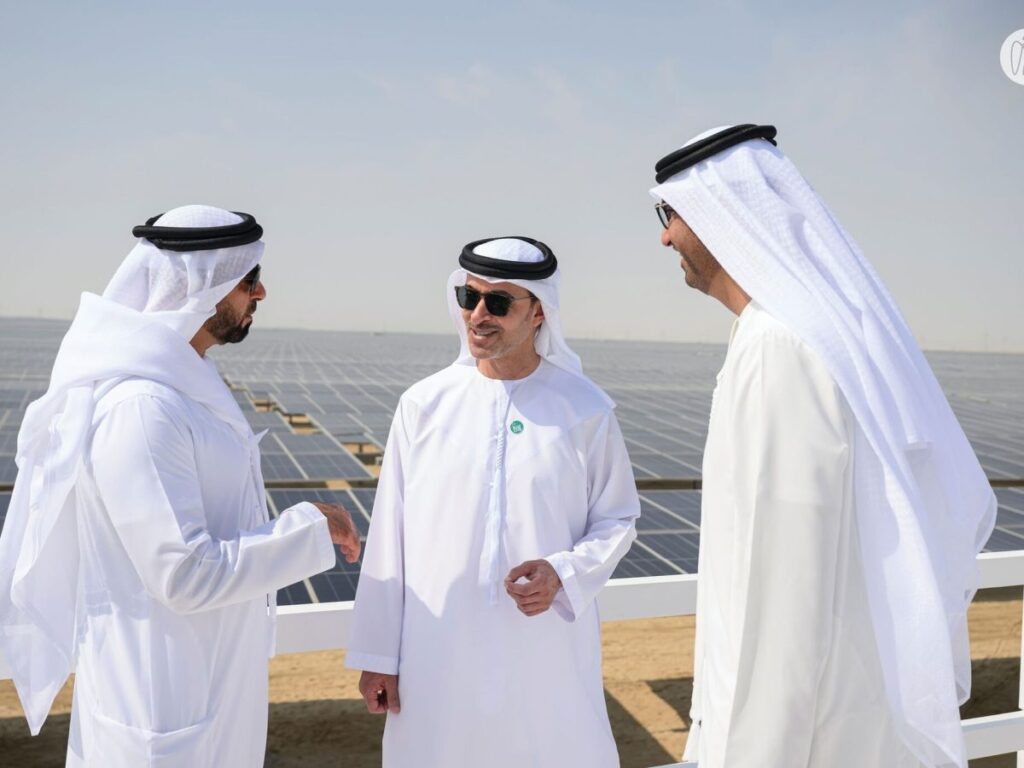
Abu Dhabi Future Energy Company, widely known as Masdar, has significantly bolstered its position in the global renewable energy sector by deploying approximately AED30 billion in equity investments and securing over AED16.5 billion in project financing across nine countries. These strategic moves underscore Masdar’s commitment to expanding its renewable energy portfolio and driving the global transition towards sustainable energy sources. Established in 2006, Masdar has been instrumental […]

European data center operator NorthC Group has officially inaugurated its latest facility in Winterthur, Switzerland, marking the company’s fourth data center in the country. This strategic expansion underscores NorthC’s commitment to providing regional data center services with global connectivity, catering to the escalating demand for secure and sustainable digital infrastructure. The Winterthur data center, strategically situated near the Turm Areal, encompasses approximately 1,100 square meters and boasts […]

Dubai is implementing significant regulatory reforms to enhance its status as a burgeoning hub for hedge funds. The Dubai Financial Services Authority is conducting a comprehensive review of existing regulations to eliminate unnecessary burdens and lower entry barriers for financial firms.

The DFSA has proposed reducing the minimum capital requirements for certain money managers, aligning more closely with European Union and United Kingdom standards. This marks one of the most substantial regulatory shifts in nearly two decades. Currently, Dubai hosts over 70 hedge funds, with a significant number managing assets exceeding $1 billion.

In addition to lowering capital thresholds, the DFSA is considering reducing the amount of emergency cash that firms are required to maintain. Furthermore, the authority may abolish rules necessitating regulatory approval for key personnel hires, shifting the responsibility of vetting to the companies themselves.

These proposed changes aim to minimize barriers to entry and foster a more conducive business environment for hedge funds. The DFSA emphasizes that these reforms will maintain compliance with international regulatory standards while promoting growth within the financial sector.

The Dubai International Financial Centre , established in 2004, operates as an independent jurisdiction within the United Arab Emirates, with its own legal and regulatory framework based on international standards and principles of common law. This unique environment has been instrumental in attracting global financial services and related industries to Dubai.

The DIFC does not impose any investment or leverage restrictions on hedge funds, providing managers with broad flexibility to design products that align with their strategies. Mandatory disclosures are required in the hedge fund’s prospectus, and specific rules relate to prime brokers, who must be eligible custodians authorized to provide custody services in the DIFC or recognized foreign entities.

Setting up a fund in the DIFC requires either establishing a domestic fund manager or licensing an existing fund manager from a recognized jurisdiction to act as the external fund manager of the DIFC fund. The base capital requirement for a Category 3C Fund Manager is $70,000, with actual capital required depending on the nature and scale of the business.

The DFSA’s commitment to promoting the development of the financial services industry in Dubai has garnered support from international bodies such as the Managed Funds Association . The MFA acknowledges that the new statutory objective will help the DFSA prioritize the growth of the financial services industry in Dubai, allowing alternative investment funds to better serve institutional investors in the region.

The evolving regulatory environment in the UAE is critical for hedge funds and alternative investment firms looking to thrive in the region. Understanding key regulatory trends, upcoming changes, and potential areas of focus provides valuable insights for those already regulated or exploring opportunities in the UAE’s dynamic financial landscape.

Abu Dhabi-based renewable energy company Masdar is exploring the acquisition of a stake in TotalEnergies’ renewable energy assets in Portugal, according to sources familiar with the matter. This potential investment underscores Masdar’s strategic expansion into the European renewable energy market as it strives to achieve a global renewable energy capacity of 100 gigawatts by 2030.

The discussions involve Masdar potentially leveraging Saeta Yield, a green energy company it acquired from Brookfield Renewable for $1.4 billion in September 2024, to facilitate the deal. Saeta Yield’s portfolio includes 745 megawatts of operational wind assets and a 1.6 GW development pipeline across Spain and Portugal, positioning it as a significant player in the Iberian renewable energy sector.

TotalEnergies currently operates approximately 600 MW of installed renewable capacity in Portugal, predominantly in wind energy, with additional solar and hydroelectric assets. The valuation of wind assets per megawatt is currently higher than that of solar, making this an attractive investment opportunity for Masdar. TotalEnergies has not commented on the potential stake sale.

Masdar’s interest in TotalEnergies’ assets aligns with its broader strategy to expand its presence in the Iberian Peninsula. In addition to the Saeta Yield acquisition, Masdar secured a minority stake in a 2 GW solar portfolio controlled by Spanish utility Endesa. The company is also in negotiations with Endesa to further expand their partnership, reflecting its commitment to the European renewable energy market.

These strategic moves are part of Masdar’s ambitious plan to scale up its renewable energy capacity globally. The company’s goal of reaching 100 GW by 2030 is supported by investments in various markets, with a significant focus on Europe. The acquisition of stakes in established renewable assets, such as those owned by TotalEnergies and Endesa, provides Masdar with a robust platform to achieve its expansion objectives.

The potential deal with TotalEnergies would not only enhance Masdar’s asset base but also strengthen its operational capabilities in managing wind energy projects. This is particularly pertinent given the higher valuation and demand for wind assets in the current market. By integrating TotalEnergies’ Portuguese assets, Masdar could optimize its portfolio and enhance its competitive position in the European renewable energy sector.

Masdar’s strategic acquisitions and partnerships in the Iberian Peninsula reflect a calculated approach to establishing a strong foothold in a region with abundant renewable energy resources. The company’s investments are aligned with the European Union’s commitment to increasing renewable energy production, offering Masdar opportunities for growth and collaboration within the European market.

As the global energy landscape shifts towards sustainable sources, Masdar’s proactive expansion into established and emerging renewable energy markets positions it as a key player in the transition to clean energy. The company’s strategic investments in Europe, particularly in the Iberian Peninsula, demonstrate its commitment to contributing to global renewable energy targets and addressing climate change challenges.

President Vladimir Putin has expressed openness to Western companies considering a return to the Russian market, provided they comply with Moscow’s terms. This stance comes amid ongoing geopolitical tensions and economic realignments following the Ukraine conflict.

In a recent address to the Russian Union of Industrialists and Entrepreneurs, Putin acknowledged the interest of foreign businesses in re-entering Russia but emphasized that any return would not entail preferential treatment. He stated that companies which had previously divested their Russian assets at discounted rates should not anticipate reacquiring them under similar conditions. Putin underscored the necessity of establishing a regulatory framework that preserves the competitive edge of domestic enterprises while accommodating foreign entities.

Despite these overtures, Dmitry Medvedev, Deputy Chairman of Russia’s Security Council, indicated that no formal applications from Western companies seeking to resume operations in Russia have been received. He noted that while there have been informal inquiries, official requests remain absent. Medvedev suggested that the absence of formal applications could be attributed to the complexities introduced by domestic businesses filling the void left by departing Western firms.

The exodus of Western companies from Russia, triggered by the onset of the Ukraine war and ensuing sanctions, led to significant shifts in the Russian market landscape. Major corporations such as McDonald’s and Starbucks ceased their operations, prompting local enterprises to step in and occupy the vacated spaces. This transition has fostered the growth of domestic brands, altering consumer dynamics and market shares within the country.

The prospect of Western companies returning to Russia is further complicated by the nation’s current economic conditions. Russia’s wartime economy is grappling with challenges including inflation and political instability, factors that could deter potential investors. Additionally, concerns over corporate nationalization and asset seizures have heightened apprehensions among foreign investors contemplating re-entry into the Russian market.

The broader geopolitical context also plays a pivotal role in shaping the investment climate. Recent developments, such as discussions around the potential return of blocked Russian foreign exchange reserves, have sparked debates within the European Union. Some analysts caution that releasing these reserves could inadvertently bolster Russia’s war efforts, thereby undermining Ukraine’s position and the EU’s strategic leverage. This underscores the intricate balance that policymakers must navigate in addressing the economic dimensions of the conflict.

Internal documents suggest that Russia may be strategizing to prolong the Ukraine conflict, potentially undermining peace negotiations led by international actors. A Kremlin-affiliated think tank report proposes extending the war and making demands that could derail diplomatic efforts. Such maneuvers add layers of uncertainty to the geopolitical landscape, influencing the calculus of foreign businesses considering a return to Russia.

Cryptocurrency payments in the European Union have seen a significant uptick, with 70% directed towards retail, food, and beverage sectors, according to a report by Oobit, a cryptocurrency payments platform. The analysis, which denominated all transactions in U.S. dollars, revealed that the average payment size using the Oobit app was $8.36, while the average deposit amounted to approximately $85.

Beyond everyday consumer goods, 26% of crypto payments were allocated to tourism-related activities, encompassing lodging, travel, and aviation. Government services and digital payments constituted 1.5% of transactions, with an additional 1.5% directed towards miscellaneous purchases such as healthcare and entertainment.

The surge in cryptocurrency usage within the EU is attributed to the growing acceptance of digital assets, bolstered by governmental efforts to enact supportive legislation. Notably, a substantial 92% of these payments were conducted using the USDt stablecoin. However, this prevalence presents challenges under the Markets in Crypto-Assets regulation, which came into full effect on December 30, 2024.

Complementing Oobit’s findings, data from Chainalysis indicates a 44% year-over-year increase in cryptocurrency adoption across Central, Northern, and Western Europe. For transactions under $1 million, the stablecoin market in these regions is expanding at a rate 2.5 times faster than in North America, highlighting a robust trend towards digital currency integration in everyday financial activities.

Technological advancements have played a pivotal role in facilitating this growth. Innovations such as the Lightning Network have enabled swift micropayments in Bitcoin, while crypto debit cards offering “crypto-back” rewards have made spending digital currencies more accessible. These developments signify a shift from viewing cryptocurrencies merely as speculative assets to recognizing them as practical means of exchange.

This evolution is further evidenced by global adoption trends. In June 2024, Nubank integrated the Lightning Network, bringing cryptocurrency payment capabilities to 100 million customers in Latin America. Similarly, in June 2023, IBEX partnered with Grupo Salinas to allow millions of Mexicans to pay their internet bills using Bitcoin. More recently, in March 2025, Ripple secured a license in Dubai to offer crypto payment services in the United Arab Emirates, underscoring the worldwide momentum of digital currency adoption.

Advertisements

Thailand’s edible insect industry has emerged as a global leader, seamlessly blending tradition with modern sustainability practices. This sector not only offers a rich source of nutrition but also presents environmentally friendly alternatives to conventional protein sources. In Thailand, consuming insects is deeply rooted in cultural traditions, especially in regions like Isan and the north. Markets frequently display an array of fried insects, including grasshoppers, crickets, silkworm […]

Siemens, Europe’s largest industrial technology company, has partnered with Minima, a pioneer in decentralized blockchain technology, to integrate blockchain capabilities into its devices across the automotive, robotics, energy, and healthcare sectors. This collaboration aims to bolster data integrity and security in the rapidly evolving landscape of connected industrial systems. The partnership is facilitated through Siemens Cre8Ventures, an initiative dedicated to accelerating industrial transformation by collaborating with startups […]

Abu Dhabi’s renewable energy company, Masdar, is nearing a $200 million agreement to acquire a 49.9% stake in a 450-megawatt solar portfolio managed by Spanish utility Endesa. This strategic move aims to bolster Masdar’s presence in Spain, aligning with its ambition to achieve 100 gigawatts of global renewable energy capacity by 2030. A Masdar spokesperson commented on the company’s expansion goals, stating that they are actively exploring […]

By Nitya Chakraborty Indrajit Gupta, the dedicated Communist leader of India in the last century and an outstanding Parliamentarian dominated the country’s trade union movement and the Left movement for the last sixty years of the 20th century. He belonged to that generation of leaders from undivided Bengal whose sense of patriotism and deep anguish […]

Global investors have executed a historic shift in their portfolios, markedly reducing exposure to U.S. equities while increasing allocations to European stocks. This movement reflects growing apprehensions about the U.S. economic outlook and a more optimistic view of Europe’s financial prospects.

A Bank of America survey revealed that fund managers decreased their U.S. equity holdings by 40 percentage points, transitioning from a 17% overweight position in February to a net underweight of 23% in March. This represents the most substantial reduction on record, surpassing adjustments observed during previous economic downturns. The survey, which included 171 participants managing $477 billion in assets, underscores a significant reevaluation of investment strategies in response to emerging global economic challenges.

Several factors have contributed to this shift. Investors express heightened concerns over stagflation—a combination of stagnant economic growth and high inflation—and the potential repercussions of escalating trade tensions. The perception of diminishing U.S. economic exceptionalism has further fueled these apprehensions, leading to a reassessment of asset allocations.

In contrast, European equities have experienced increased investor interest. Allocations to Eurozone stocks surged by 27 percentage points, reaching the highest level since mid-2021. Approximately 39% of global investors now hold overweight positions in European equities, reflecting a growing confidence in the region’s economic resilience and potential for growth.

This reallocation is also evident among UK investors, who have increased their exposure to domestic stocks while reducing U.S. equity holdings. This trend suggests a broader reevaluation of investment strategies, with a renewed focus on local markets perceived as more stable or promising under current global economic conditions.

The technology sector, once a stalwart of U.S. market growth, has seen a notable decline in investor sentiment. Conversely, sectors such as utilities and banking have gained favor, indicating a strategic pivot towards more traditionally stable industries amid economic uncertainty.

Despite these shifts, some hedge funds have begun cautiously reinvesting in U.S. equities following significant sell-offs. This activity suggests that certain investors perceive potential value in the U.S. market, although this perspective is not yet widespread.

The broader implications of this investment reallocation are multifaceted. For the U.S., reduced equity allocations could signal waning confidence in its economic trajectory, potentially leading to decreased capital inflows and subdued market performance. Conversely, Europe’s attractiveness to investors may bolster its markets, providing a counterbalance to global economic headwinds.

This strategic pivot underscores the dynamic nature of global investment landscapes, where economic indicators, geopolitical developments, and market sentiments continually influence capital distribution. Investors’ current preference for European equities over U.S. stocks reflects a nuanced assessment of risk and opportunity in an evolving economic environment.

Investcorp, a global alternative investment firm, has acquired a majority stake in Miebach Logistik Holding GmbH, a leading German supply chain and logistics consultancy. The transaction, announced on 17 March 2025, will see Miebach’s existing equity partners retain a significant minority share. Financial details of the deal have not been disclosed, and completion is anticipated in the second quarter of 2025, pending regulatory approvals. Established in 1973 […]

A prominent investment fund has made a significant wager on Brent crude oil prices surging toward $100 per barrel, reflecting growing concerns over escalating geopolitical tensions in the Middle East. On Monday, options contracts equivalent to 20 million barrels were traded, poised to profit if Brent’s June futures approach the $100 mark. This substantial position underscores the fund’s anticipation of a potential price spike amid mounting regional […]

The global economy is experiencing fresh waves of volatility as Trump’s second term reignites trade conflicts, currency battles, and inflationary pressures. Markets have already reacted—tariff hikes on Chinese goods, retaliatory measures from Beijing, and escalating tensions with Europe are shifting capital flows at a breakneck pace. Investors can’t afford to be complacent. They must position portfolios to withstand uncertainty, hedge against risk, and seize opportunities in this […]

OKX, a prominent cryptocurrency exchange, has temporarily suspended its decentralized exchange aggregator service following the detection of a coordinated attempt by the North Korean hacking collective, Lazarus Group, to exploit its decentralized finance offerings. This proactive measure aims to bolster security and prevent further misuse of the platform.

The exchange announced that, after consulting with regulators, it decided to pause its DEX aggregator services to implement additional security upgrades. This suspension allows OKX to address incomplete tagging on blockchain explorers and enhance its systems to prevent malicious activities. The company emphasized its commitment to transparency and is collaborating with blockchain explorers to ensure accurate labeling of transactions, thereby preventing the misidentification of its aggregator as the point of trade.

In response to the detected threats, OKX has already rolled out several security enhancements. These include a hacker address detection system for its Web3 DEX aggregator and a real-time tracking mechanism to monitor and block malicious addresses within its centralized exchange. These measures are part of OKX’s ongoing efforts to stay ahead of cyber threats and protect its users.

Despite the suspension of the DEX aggregator, OKX’s wallet services remain operational. However, the creation of new wallets has been temporarily paused in select markets during this period of heightened security measures. The exchange has not provided a specific timeline for the resumption of its DEX aggregator services, indicating that the suspension will remain in effect until the necessary security upgrades are fully implemented.

The decision to suspend the DEX aggregator comes amid reports of European Union financial watchdogs investigating OKX’s Web3 services and wallet offerings for their alleged role in laundering funds from a significant hack targeting another cryptocurrency exchange, Bybit. According to Bybit CEO Ben Zhou, approximately $100 million from the $1.5 billion hack had been laundered through OKX’s Web3 platform, with a portion of the funds now untraceable.

OKX has refuted these allegations, stating that such reports are misleading. The exchange asserts that upon learning of the Bybit hack, it took immediate action by freezing associated funds from moving into its centralized exchange and developing new hack detection features. OKX maintains that its Web3 DEX aggregator is not a custodian of customer assets but rather serves to provide access to liquidity across multiple protocols, offering users an efficient peer-to-peer trading experience.

The Lazarus Group, believed to be linked to the North Korean government, has been implicated in several high-profile cyberattacks targeting financial institutions and cryptocurrency platforms. Their involvement in the attempted exploitation of OKX’s DeFi services underscores the persistent threats facing the cryptocurrency industry.

In light of these events, OKX has reiterated its commitment to combating financial crime and enhancing the security of its platforms. The exchange has implemented measures such as prohibited markets’ IP blocking and a real-time black address detection and blocking system. OKX CEO Star Xu emphasized the company’s dedication to building industry control standards in collaboration with global partners to ensure a secure and transparent trading environment.

HONG KONG SAR – Media OutReach Newswire – 17 March 2025 – Mr Albert Wong, CEO of Hong Kong Science and Technology Parks Corporation (HKSTP), led a delegation on a highly successful European Innovation Mixer tour in March, engaging with over 1,000 students and innovation and technology (I&T) talents, encouraging them to pursue opportunities in Hong Kong. The delegation also secured over 1,000 business collaboration opportunities, further […]

Tesla, once the unchallenged leader in the electric vehicle market, is experiencing significant headwinds as sales decline and competitors gain ground. In January 2025, Tesla’s European sales plummeted by 45% compared to the same month in 2024, with only 9,913 units sold, down from 18,121. Germany, a pivotal market for Tesla, witnessed a staggering 76% decrease in sales, with only 1,429 vehicles sold in February 2025. This […]

Gold prices in the United Arab Emirates have surged to unprecedented levels, reflecting a global trend driven by economic uncertainties and market dynamics. As of March 16, 2025, the price of 24-karat gold in Dubai stands at AED 360.31 per gram, while 22-karat gold is priced at AED 330.29 per gram.

This surge aligns with global movements, as gold prices worldwide have breached the $3,000 per ounce mark for the first time. On March 14, 2025, gold peaked at $3,000.87 per ounce before settling at $2,994.50. This milestone reflects a consistent rally, with prices up 3.1% over the past week and nearly 14% since the beginning of the year.

Several factors have contributed to this historic rise. Escalating trade tensions, particularly between the United States and the European Union, have heightened economic uncertainty, prompting investors to seek refuge in safe-haven assets like gold. Additionally, expectations of monetary policy easing by the Federal Reserve have bolstered gold’s appeal. Investors anticipate potential interest rate cuts to counteract slowing economic growth, further enhancing gold’s attractiveness as a non-yielding asset.

Central banks, notably China’s, have been increasing their gold reserves, providing additional support to prices. This trend underscores a strategic move to diversify reserves amid global economic uncertainties. Goldman Sachs has adjusted its year-end gold price forecast to $3,100 per ounce, highlighting sustained central bank demand and favorable market conditions.

In the UAE, the gold market has experienced significant activity. The Dubai Gold and Jewellery Group reported that the price of 24-karat gold reached AED 360.31 per gram, marking a substantial increase from previous levels. This surge has impacted both retailers and consumers, with many investors considering gold as a hedge against inflation and currency fluctuations.

The local jewellery market has felt the effects of rising gold prices. Retailers have observed shifts in consumer behaviour, with some buyers opting for lighter pieces or postponing purchases. However, others view the current prices as a worthwhile investment, anticipating further appreciation in value.

Gold prices have soared past the $3,000 per ounce mark for the first time, reflecting investors’ flight to safety amid escalating global economic uncertainties. The precious metal reached an unprecedented high of $3,004.86 during midday trading on Friday before settling slightly below this milestone later in the session. Several factors have converged to drive this historic surge. Chief among them is the intensifying trade conflict initiated by […]

Dubai-based global ports and logistics operator DP World announced a record revenue of $20 billion for the fiscal year 2024, marking a 9.7% increase from the previous year. This surge is attributed to enhanced performance in its ports and terminals division, alongside contributions from new acquisitions and concessions. Despite the revenue growth, profit attributable to owners, after separately disclosed items, fell by 28.9% to $591 million from […]

By P. Sudhir The US President Donald Trump, in his first address to the US Congress following his election, has threatened to impose tariffs on countries that he considers are taking advantage of US trade policies. In his list is India, along with Canada, Mexico, China, Brazil and the European Union. Trump has repeatedly named […]

President Donald Trump has expressed a desire to negotiate a new nuclear agreement with Iran, aiming to address escalating concerns over Tehran’s advancing uranium enrichment activities. In a move to initiate dialogue, Trump dispatched a letter to Iran’s Supreme Leader, Ayatollah Ali Khamenei, proposing direct talks to forge a revised pact. The letter, facilitated by a senior adviser to the President of the United Arab Emirates, underscores […]

Cryptocurrency exchange OKX Europe has acquired a Malta-based firm holding a Markets in Financial Instruments Directive II license, positioning itself to offer regulated derivatives products to institutional clients throughout the European Economic Area . The acquisition, announced during an exclusive event at Manoel Island, Malta, marks a significant advancement in OKX’s European expansion strategy.

The newly acquired entity is expected to commence operations later this year, pending approval from the Malta Financial Services Authority . This development will enable OKX to provide a comprehensive suite of regulated derivatives services to institutional investors across the EEA, encompassing all 27 European Union member states, as well as Iceland, Liechtenstein, and Norway.

Erald Ghoos, CEO of OKX Europe, highlighted the strategic importance of this milestone, stating that securing the MiFID II license is pivotal in integrating digital assets with traditional financial markets. He emphasized that this move positions OKX to deliver institutional-grade services, collaborate with top-tier financial institutions, and offer regulated investment solutions that enhance market access for investors across the continent.

This acquisition follows OKX’s attainment of a Markets in Crypto Assets license from Malta in January, underscoring the exchange’s commitment to regulatory compliance within the European Union. The dual licensing strategy allows OKX to navigate the complex regulatory landscape effectively, offering both crypto assets and traditional financial instruments in a secure and compliant manner.

The MiFID II license is particularly significant as it permits OKX to offer regulated derivatives products, a critical component for institutional investors seeking sophisticated trading strategies. By adhering to stringent regulatory standards, OKX aims to provide a robust and secure trading environment, thereby enhancing its market position and paving the way for future expansions and innovations in the European financial sector.

The European Union’s regulatory framework, particularly the implementation of MiCA, has been instrumental in attracting global cryptocurrency exchanges to the region. Regulatory clarity serves as a significant driver for crypto exchange businesses, facilitating customer trust and operational stability. In contrast, other jurisdictions, such as the United Kingdom, have been slower to implement comprehensive crypto regulations, potentially hindering their competitiveness in this rapidly evolving market.

OKX’s strategic move to secure both MiCA and MiFID II licenses reflects a broader trend among cryptocurrency exchanges to align with established financial regulations. This alignment not only ensures compliance but also bridges the gap between traditional finance and the burgeoning digital asset industry, offering institutional investors a seamless and regulated entry point into cryptocurrency markets.

The acquisition also signifies OKX’s dedication to enhancing its institutional offerings. By providing regulated derivatives products, OKX aims to meet the growing demand from institutional clients for diversified and compliant investment options. This development is expected to attract a broader client base, including hedge funds, asset managers, and other institutional entities seeking exposure to cryptocurrency derivatives within a regulated framework.


VISHNU RAJA
RYO YAMADA
HITORI GOTOH
IKUYO KITA