News related to
European

Oil prices climbed as OPEC+ upheld a halt on output increases through the first quarter of 2026, prompting traders to weigh the repercussions of escalating geopolitical tensions around Venezuela. Brent crude futures hovered close to $63 a barrel while U. S. West Texas Intermediate rose above $59, reflecting tentative optimism in energy markets. The group’s decision to maintain the pause—originally declared at the start of November—was confirmed […]

Bahrain-based alternative investment firm Investcorp has agreed to sell its majority stake in the European fintech firm Shine to cloud-software group Cegid, marking the end of an eight-year partnership. The deal will be executed via Investcorp Technology Partners and comes nearly a decade after Investcorp first backed the Danish fintech, then known as Ageras. Financial terms remain undisclosed, and the sale awaits customary regulatory clearances.

Shine, headquartered in Copenhagen, operates across multiple European markets including France, the DACH region, the Netherlands and Denmark. The platform provides a broad suite of services for small and medium-sized businesses — covering business formation, digital banking, invoicing, accounting, and payroll. Under Investcorp’s stewardship, it expanded its reach and grew recurring revenues more than ten-fold, while completing nine acquisitions in its core regions.

Cegid — majority-owned by private equity firm Silver Lake — aims to integrate Shine into its Small Business division, positioning the combined entity as a pan-European “financial copilot” for SMEs and accountants. The merged platform is being designed to offer a unified, cloud-native, AI-driven ecosystem combining e-invoicing, accounting, business banking, payments, payroll, HR and tax compliance. The target user base across Europe is estimated at over one million SMBs and 15,000 accounting professionals.

Reflecting on the sale, Investcorp’s Head of Technology Partners and Chairman of Shine, Gilbert Kamieniecky, said the firm is proud of having supported Shine’s evolution “from a start-up with only a few million in revenue into a European leader and unicorn.” Shine’s co-founders, Rico Andersen and Martin Hegelund, expressed optimism about the next phase under Cegid, emphasising their ambition to deliver more advanced, scalable financial infrastructure to businesses across Europe.

For Cegid, adding Shine strengthens its footprint across key European markets and significantly boosts its SMB customer base, offering opportunities to deploy embedded finance solutions and streamline compliance workflows ahead of evolving e-invoicing and digital reporting mandates across the continent. The integration of Shine’s scalable technology stack with Cegid’s existing cloud and AI infrastructure underscores a strategic bet on digital transformation in SME finance and accounting.

Europe’s police-intelligence agency appears poised to appoint a senior Italian law-enforcement official as head of its financial-crime division, as the bloc intensifies efforts to track illicit flows across borders. The official, named by insiders as Giuseppe Lopez, would assume responsibility for coordinating investigations into money-laundering, fraud and cross-border financial crime — a move that signals a sharpening of Europe’s enforcement stance. Lopez is described as a veteran […]

Moscow has moved to ease restrictions on investments tied to digital assets by announcing that major fund managers will be permitted to purchase derivatives linked to cryptocurrencies from early next year. Under this policy shift, the Bank of Russia plans to amend regulations in the first quarter of the upcoming year to allow capital-management firms, previously barred, to engage in futures and options referencing digital currencies.

The initiative marks a departure from earlier policy built around tightly defined access for “specially qualified” investors under a three-year pilot programme unveiled in March, which required individuals to hold over 100 million rubles in securities or earn above 50 million rubles annually. Deputy Finance Minister Ivan Chebeskov confirmed the government is also considering scrapping the “superqual” status entirely, a label proposed for crypto-investors under previous drafts.

The timing aligns with a broader regulatory realignment in which Moscow is both cautioning on crypto risks and expanding permissible use-cases. Earlier this year the central bank issued guidance emphasising that direct cryptocurrency holdings carry significant risk even as it proposed a stepped investment regime for qualified entities. Meanwhile legislators had sanctioned the use of crypto-assets for certain cross-border payments and legalised mining operations in July of last year.

Significant players in the Russian financial sector are already positioning themselves for the shift. Sberbank, the country’s largest lender by assets, reported it had raised 1.3 billion rubles through crypto derivative offerings in recent months and signalled plans to expand the business line further.

Market watchers interpret the regulatory loosening as part of a dual strategy: fostering new sources of capital amid constraints from sanctions, while maintaining supervisory controls on the evolving digital-asset ecosystem. “Allowing derivatives tied to cryptocurrencies is a big step—Russian funds were previously excluded,” said one analyst at a Moscow-based brokerage. At the same time, the analyst warned that “the oversight framework remains immature and the risks of liquidity, valuation and sanctions remain.”

Critics caution that letting traditional investment firms access crypto-linked instruments could raise systemic vulnerabilities. The European Union has recently targeted stablecoin-linked Russian entities under sanctions, and anti-money-laundering regulators flagged the region as high-risk, particularly in flows tied to offshore crypto trading.

Regulators in Moscow underline that the institutional gateway is intended to provide a controlled environment. The Bank of Russia’s earlier proposal for an experimental legal regime limited participation to investors meeting strict asset or income thresholds and required intermediaries to ensure transparency of transactions. It did not allow cryptocurrencies to be used as payment for goods and services.

As the investment window broadens, industry participants expect asset management firms to bring structured products to market, linking outcomes to benchmark crypto indices rather than direct holdings of tokens. “Derivatives give firms a means to hedge and gain exposure without custody of coins,” noted a fund-manager in Moscow. However, he added that regulatory clarity on taxation, disclosure, and cross-border transfers is still lacking.

The government’s removal of the “superqual” status could widen the investor base further, allowing mid-sized firms and high-net-worth individuals access to asset classes previously off-limits. This move may increase competition, as offshore platforms draw new Russian clients frustrated by domestic restrictions.

At the same time, the expanded framework raises questions about how Russia’s risk-management infrastructure will evolve. The central bank has repeatedly warned that cryptocurrencies remain speculative and not backed by the state; ongoing amendments to legislation will need to address issues of market integrity, investor protection and sanctions compliance.

By Dr. Nilanjan Banik With the long-awaited trade deal with the US delayed, India is deepening engagement with other developed partners such as the European Union (EU) and New Zealand to secure free trade agreements (FTAs). This shift reflects New Delhi’s intent to diversify its trade relationships and reduce dependency on any single major economy. […]

The article India’s Strategic Shift Toward Diversified Trade And Green Commitments appeared first on Latest India news, analysis and reports on Newspack by India Press Agency).

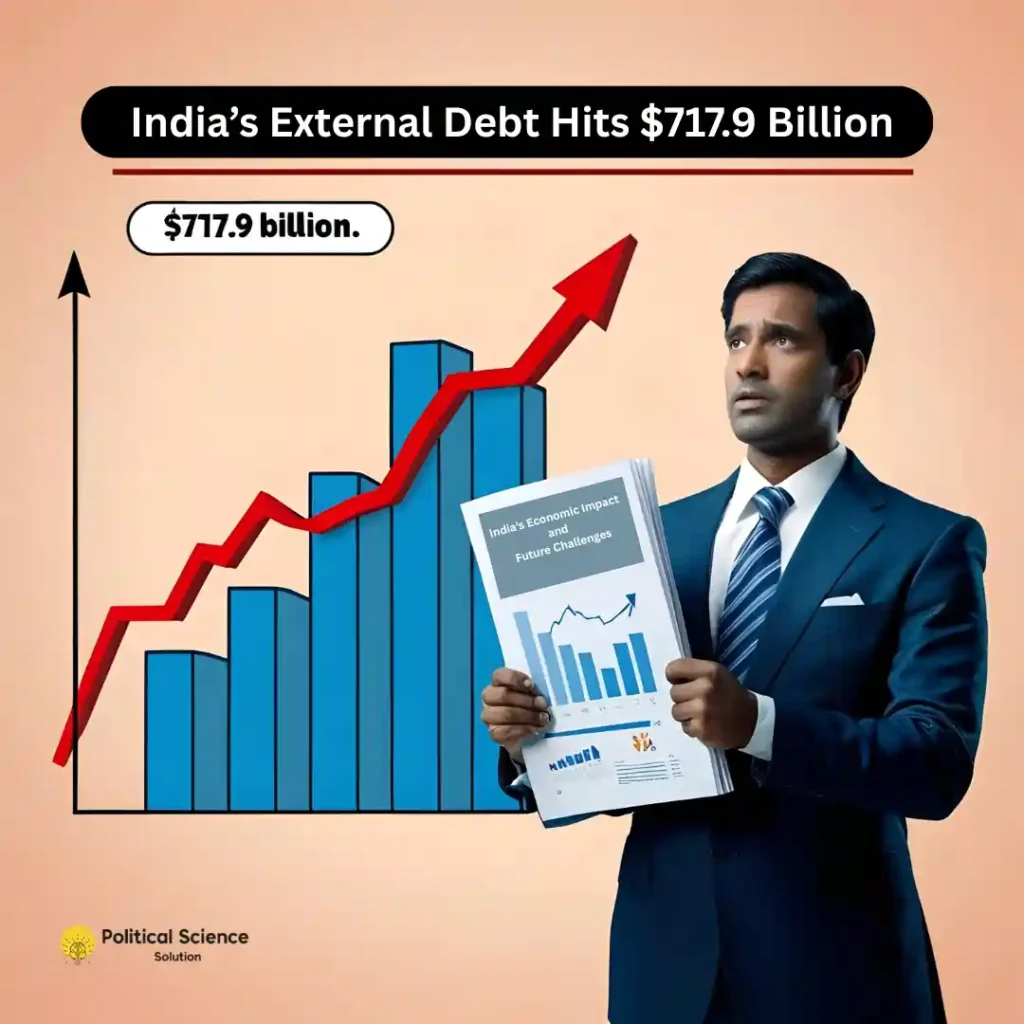
By Nantoo Banerjee The government may disagree but India’s persistent trade deficit is ruining the country’s economy despite its impressive growth. Last month, import-happy India’s trade deficit reached a record high level of US$41 billion as exports witnessed the sharpest monthly decline over a year. Unfortunately, a big surge in gold imports during October by […]

The article Behind India’s Rising Foreign Debt Is Growing Trade Deficit appeared first on Latest India news, analysis and reports on Newspack by India Press Agency).

Abu Dhabi-listed NMDC Energy PJSC has opened a new branch in Taiwan and established a commercial office in Shanghai as it taps deeper into the Asian energy services market and seeks to strengthen its upstream supply-chain links. The company confirmed the Taiwan branch and Shanghai office during its latest expansion move. The move follows NMDC Energy’s award of a US $1.136 billion engineering, procurement and construction contract […]

Advertisements

The developer behind the world-famous skyscraper in Dubai has acquired a 12th-century fortress in the rolling hills of Umbria and laid out a vision for one of Europe’s most opulent destination resorts. Mohamed Alabbar, founder of Emaar Properties, confirmed the purchase of Castello di Antognolla for around US $55 million and disclosed plans to invest as much as US $145 million further, bringing the total commitment to […]

In the 35th edition of Cushman & Wakefield’s Main Streets Across The World report, Hong Kong’s Tsim Sha Tsui maintains its global ranking position as the world’s 4th most expensive retail street; whilst the area continued to top the APAC ranking as region’s the most expensive retail destination Rents on New Bond Street ($2,231 per square foot per year) have leapfrogged Milan’s Via Montenapoleone and New York’s […]

Nairobi-based electric mobility firm Roam Electric Ltd has begun talks to monetise carbon-offset credits generated by its motorcycles while launching a global crowdfunding campaign to raise working capital. Each machine sold by Roam is designed to offset around three tonnes of CO₂ annually; with about 4,000 units currently in circulation, the company estimates roughly 12,000 tonnes of emissions reduction per year—equivalent to the output of some 2,600 […]

The Netherlands has surrendered the state-intervention powers over the chipmaker Nexperia and restored full control to its Chinese owner, marking a shift in the regulatory posture that had threatened global automotive supply chains. The Dutch Economy Minister Vincent Karremans described the move as “a show of goodwill” toward China, as talks between both governments remain ongoing. The intervention had been applied under the Cold War-era Goods Availability […]

Beijing has initiated sweeping agricultural trade measures targeting the United States, Canada and the European Union as a means to counter duties imposed on Chinese electric vehicles. The move centres on sectors worth billions of dollars in export value and signals a new front in the global tariff standoff as Chinese factories ramp up global auto-sales ambitions.

According to official announcements and industry trackers, China imposed tariffs and import restrictions on major agricultural products including soybeans, pork, canola and cognac after Western governments raised tariffs on Chinese EV imports—some reaching 100 per cent in the US, and up to 35 per cent in the EU. Those duties stemmed from concerns about subsidised manufacturing, imports displacing domestic output and national-security implications tied to EV supply-chains.

One Chinese commercial diplomat told Canadian media that Ottawa’s export restraints on Chinese EVs directly triggered Beijing’s agriculture penalties. Canadian farmers in canola and pulses markets have already seen orders plummet and export corridors shut or taxed heavily. European spirits producers also face duties: cognac exports to China, valued at around $1.7 billion annually, have dropped by about 35 per cent since the levy took effect.

Analysts say the strategy is calculated. While China’s domestic market remains protected from full import competition, its international agriculture import volumes give Beijing leverage. An academic at Peking University noted that “a slight adjustment in China’s import preferences can ripple through farming regions and rural constituencies that carry significant political weight”. By focusing on sectors with concentrated politically-sensitive producers, China increases the pressure on Western governments to reconsider EV levies.

On the Western side, officials are signalling that they are unlikely to surrender their EV-tariff stance. A senior analyst at a Brussels-based think-tank said that the European Commission had “clearly shown that it was not willing to back down from the EV case”, citing China’s rapid auto-industry progress and state-support programmes. With climate targets and supply-chain security on the table, Western capitals view EV tariffs as integral to domestic industry viability.

Yet the backlash in agriculture could be deeper and more enduring than the EV duties themselves. A supply-chain expert explained that new contracts, logistics investments and alternative-buyer relationships developed in response to Chinese import suspensions may lock in shifts for years to come. In concrete terms, U. S. soybean farmers—who sold $12.6 billion worth to China in 2024—have seen export volumes fall to zero for key new-crop shipments, while Canadian producers of rapeseed and pea oil are facing a near-complete market closure under 100 per cent tariffs.

Observers point out that agriculture is an especially potent tool in trade diplomacy because it touches multiple layers of the economy: from regional employment to global commodity markets and corporate finances. By wielding farm-product bans or tariffs, Beijing can inflict political damage in sending countries while avoiding direct escalation of high-tech sectors where Western governments might respond more aggressively.

For Western farm sectors the choices are stark. Some firms are exploring alternative markets in Latin America, Africa or South-East Asia, while others are pressing their governments for compensation or trade-negotiation efforts. Meanwhile, Western trade officials are increasingly emphasising diversification of supply-chains away from China, which may dampen China’s leverage over time.

With over 50 years of global innovation and 34 years of local experience, Somfy is a trusted partner for outdoor screens that can handle Singapore’s unpredictable weather. SINGAPORE – Media OutReach Newswire – 19 November 2025 – Singapore’s tropical climate presents significant challenges to outdoor comfort. Sudden rain, high winds, and humidity can impact the performance and safety of conventional shading systems. Somfy, a global leader in […]

Donald Trump is poised to repeat a pattern of missteps that have troubled his foreign policy approach throughout his presidency. His handling of international relations often seems to confuse the appropriate balance between clarity and ambiguity, with significant consequences for both the United States and its global partners. This issue will come into sharp focus during his upcoming meeting with Saudi Arabia’s Crown Prince Mohammed bin Salman […]

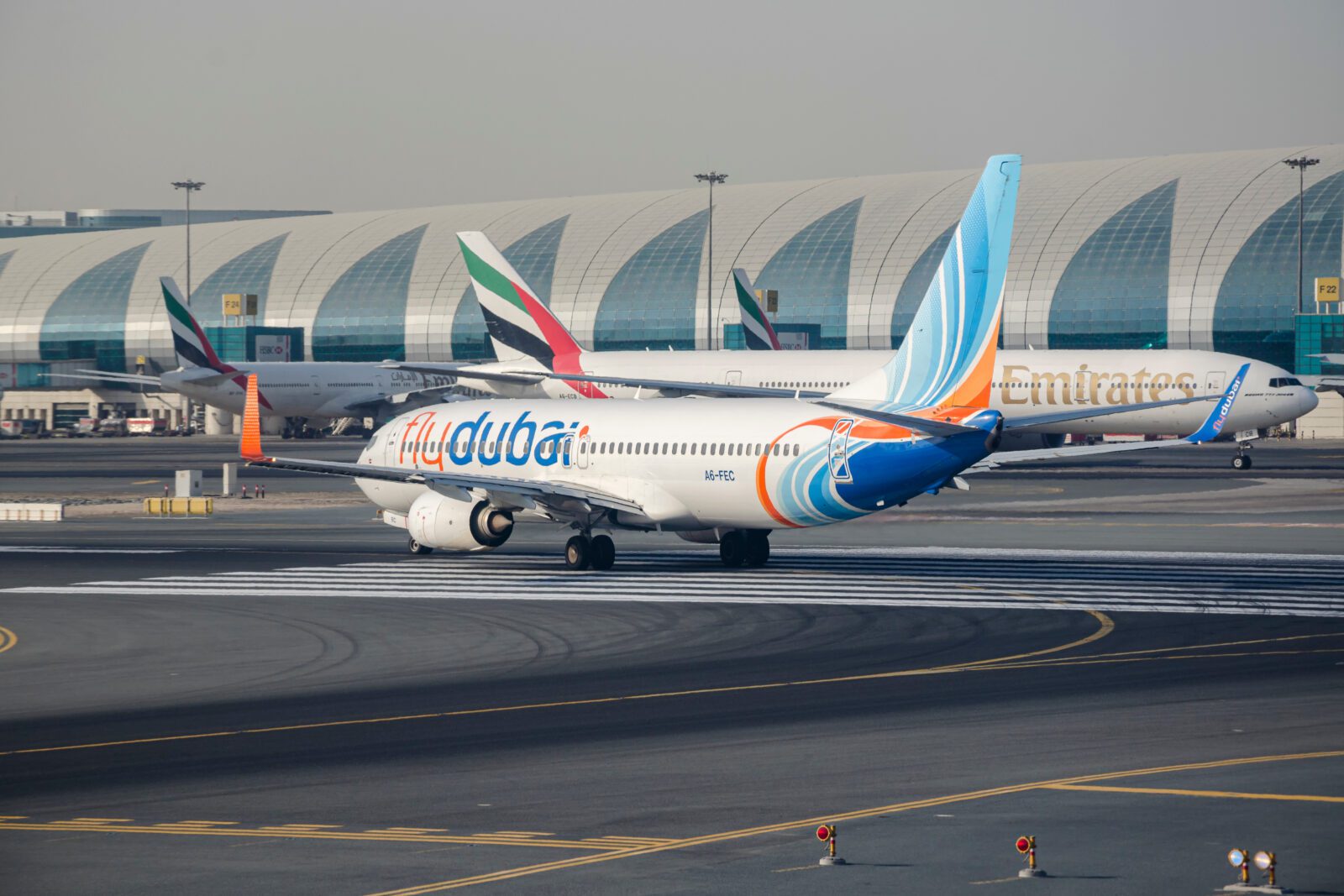
Airbus is on the brink of securing a landmark deal with flydubai for the delivery of approximately 100 A321neo jets, marking a significant shift in the competitive dynamics of the Middle East’s rapidly expanding budget airline sector. The deal, expected to be finalised at the Dubai Airshow, would see Airbus surpass its US rival Boeing, which has traditionally been the dominant supplier to flydubai.

The discussions, which have been ongoing for several months, signal a potential turning point in the airline’s long-standing relationship with Boeing. Flydubai, a key player in the region’s low-cost carrier market, has been an exclusive Boeing customer for a significant portion of its fleet, operating predominantly 737 models. However, with demand for air travel surging across the Middle East and beyond, flydubai has been seeking to expand and modernise its fleet, considering a shift towards a more diversified aircraft portfolio.

Industry experts suggest that the A321neo, a more fuel-efficient version of Airbus’s popular A320, offers several advantages in terms of cost efficiency and operational flexibility. With its ability to serve both short-haul and medium-haul routes, the A321neo is well-suited to flydubai’s route network, which spans key destinations across Europe, Asia, and Africa. The aircraft’s larger seating capacity, improved fuel economy, and quieter engines also make it an attractive option for budget airlines looking to maximise profitability while meeting increasing passenger demand.

This potential order would represent a significant victory for Airbus, especially considering Boeing’s dominant presence at flydubai for over a decade. Flydubai has been a staunch supporter of Boeing’s 737, having placed orders for more than 200 of the aircraft in the past. The shift to Airbus jets, if confirmed, would be a blow to Boeing, which has faced various challenges in recent years, including the fallout from the grounding of the 737 MAX in 2019 following two fatal crashes. Despite regaining its footing with the 737 MAX’s return to service, the aircraft manufacturer has struggled to secure major deals in the region, especially with emerging budget carriers such as flydubai.

The deal, which would be one of the largest in Airbus’s history for a single customer in the region, is expected to strengthen the European planemaker’s foothold in the Middle East, a region that has traditionally been a battleground between Boeing and Airbus for dominance. The A321neo’s suitability for the region’s expanding budget carrier market, alongside its competitive pricing and operational efficiencies, has positioned it as a key player in the ongoing competition between the two aerospace giants.

Flydubai, for its part, has been exploring a range of options to modernise its fleet. While the A321neo deal with Airbus is likely to be the primary focus, the airline is also in advanced talks to secure a smaller order of Boeing 737 MAX jets, sources suggest. This mixed approach, opting for both Airbus and Boeing aircraft, would provide flydubai with increased operational flexibility and allow it to diversify its fleet to meet different market demands.

Flydubai’s decision to expand its fleet is driven by the rapid recovery of air travel in the Middle East following the pandemic. As the region’s tourism and business sectors continue to rebound, low-cost carriers such as flydubai are seeing increasing passenger numbers, making fleet expansion an urgent priority. The A321neo’s capabilities in terms of range and capacity are expected to help the airline capitalise on the growing demand for both domestic and international flights.

Greenlogue/AP Climate experts from China have raised significant concerns about the growing impact of trade barriers on global efforts to tackle climate change. Speaking at the COP30 summit, they warned that rising protectionism, including tariffs imposed by major economies such as the United States and the European Union, is hampering critical international collaboration needed to meet global emission reduction targets. The Chinese delegation highlighted that while countries […]

Solaria Energia y Medio Ambiente SA, the Spanish solar energy developer, has taken a strategic step toward expanding its portfolio by engaging Goldman Sachs Group Inc. to identify a financial partner for its newly formed European data centre platform. The move signals the company’s intent to tap into the booming data centre industry, which has seen increasing demand in Europe due to digitalisation, cloud computing, and data storage needs.

The collaboration with Goldman Sachs marks a critical phase in Solaria’s growth as it seeks to diversify its business beyond solar energy projects. The investment bank will assist in connecting Solaria with potential partners that can provide the financial backing needed to grow its data centre operations. The platform is designed to capitalise on the rapid growth of the data storage and processing sector, which is integral to supporting industries ranging from e-commerce to artificial intelligence and beyond.

The formation of this platform comes as the European Union strengthens its push toward digital transformation. As part of its long-term economic strategy, the EU has been prioritising infrastructure that supports the digital economy, such as data centres, which are essential for powering cloud services, big data analytics, and Internet of Things applications. Solaria’s move into this field is a strategic alignment with the EU’s broader goals, placing the company in a strong position to benefit from the region’s increasing investment in digital infrastructure.

Goldman Sachs’ involvement brings significant expertise in the global infrastructure and energy sectors. The bank is expected to use its extensive network and financial knowledge to attract institutional investors or corporate partners who are seeking to enter the rapidly expanding data centre market. Solaria aims to build a platform that will manage and operate data centres across multiple European countries, with a focus on sustainability and renewable energy sources.

The growing need for data processing and storage has been a major driver of the global data centre industry, and Europe is no exception. The region has seen an influx of investment into the sector, driven by increased demand from large technology companies, including cloud service providers, e-commerce giants, and financial institutions. In addition to the need for more physical infrastructure, there is an increasing demand for data centres that are energy-efficient and environmentally friendly.

Solaria’s decision to integrate its solar energy expertise into the data centre platform is a strategic move that could set it apart from competitors. By combining renewable energy sources with data centre operations, Solaria can address growing concerns about the environmental impact of traditional data centre models, which are energy-intensive and reliant on fossil fuels. This aligns with the European Green Deal, which has set ambitious goals for reducing carbon emissions across the continent.

The data centre sector itself has become a hotbed of competition, with global players such as Equinix, Digital Realty, and CyrusOne leading the market. However, regional players have a unique opportunity to capitalise on localised demand and the growing push for sustainability. Solaria’s position as a solar developer with an established track record in renewable energy could allow it to secure a competitive edge in this space, particularly if it can offer clients data centre services that are both reliable and powered by clean energy.

As Solaria works with Goldman Sachs to explore potential partnerships, the company is also positioning itself to capitalise on the increasing convergence of energy and technology sectors. By leveraging its expertise in solar energy alongside a data centre platform, Solaria could provide a comprehensive solution to meet the dual demands of growing digital infrastructure and sustainability.

First Abu Dhabi Bank, one of the UAE’s largest financial institutions, has successfully priced its EUR 850 million benchmark Regulation S green bond, marking a significant achievement in the sustainable finance space. The bond, set with a five-year maturity and a coupon of 3.1201%, highlights the growing appetite for green debt amid a surge in environmental-conscious investment. The issuance, which was rated Aa3 by Moody’s and AA- […]

Abu Dhabi’s state-owned oil giant, ADNOC, has received a conditional nod from the European Commission for its 14.7 billion euro acquisition of the German chemicals firm Covestro. The approval, granted on Friday, hinges on ADNOC adhering to specific commitments outlined by the Commission, including modifying its articles of association and sharing Covestro’s sustainability-related patents with competitors in certain areas.

The deal represents ADNOC’s strategic push into the global chemicals market, marking a significant expansion beyond its traditional oil and gas operations. Covestro, a leader in high-performance plastics and other chemical products, has long been a key player in the European industrial landscape. This acquisition could give ADNOC greater access to advanced materials used in various sectors, including automotive, construction, and electronics.

In its ruling, the European Commission emphasised that ADNOC’s commitment to altering its corporate structure and making proprietary technologies available to others in the field of sustainability is crucial to maintaining competitive conditions in the European market. The deal, which was first announced earlier this year, is contingent upon ADNOC meeting these demands to ensure no harm to competition in the chemical and sustainability markets.

The approval came after several rounds of regulatory scrutiny, including concerns over potential monopolistic effects in certain segments of the chemicals industry. However, ADNOC’s willingness to adapt its operational framework and engage in collaboration with other market players ultimately paved the way for the European Commission’s greenlight.

The Commission’s conditional approval also reflects the growing importance of sustainability within corporate transactions. By requiring ADNOC to share Covestro’s patents, the EU is ensuring that the intellectual property crucial to advancing eco-friendly and sustainable technologies does not remain under the control of a single entity. This step is seen as a way of fostering innovation and preventing market consolidation that could stifle progress in critical sectors like renewable energy and environmental protection.

ADNOC’s acquisition of Covestro aligns with its broader strategy to diversify its business interests and strengthen its presence in high-value industries. The company has been increasing its investments in chemicals and other non-oil sectors in recent years, as it seeks to become less reliant on fossil fuels amid the global push for cleaner energy sources. For ADNOC, acquiring a major chemical manufacturer is an opportunity to leverage its substantial financial resources and access new markets for its products, particularly in Europe, which has a strong demand for advanced materials.

The deal is also seen as a win for the UAE’s broader economic vision, which aims to position the country as a global leader in sustainable development and innovation. ADNOC’s willingness to share Covestro’s sustainability patents is part of its commitment to contributing to the global fight against climate change, which is increasingly a focal point for both the public and private sectors.

While the conditional approval is a significant step forward, the acquisition is far from complete. ADNOC must now comply with the European Commission’s stipulations, which could include more detailed negotiations with competitors and stakeholders in the sustainability sector. It is expected that the full regulatory process will take several months before the deal can be finalised.

Covestro, for its part, stands to benefit from ADNOC’s financial backing and expertise in the chemicals sector. As a global leader in the production of polyurethanes and polycarbonates, the company is well-positioned to expand its reach and scale its operations, particularly in emerging markets where demand for high-performance materials is growing rapidly. ADNOC’s financial strength, coupled with Covestro’s established market position, could create a powerful synergy capable of driving innovation and expanding the companies’ collective influence in the global chemicals market.

UNESCO’s General Conference has officially recognised Kiswahili as one of its official languages, a significant move towards enhancing linguistic diversity within the organisation. This decision marks a milestone in the global promotion of African languages and elevates Kiswahili to a prominent status in international discourse. The decision, which was made during the 41st session of the UNESCO General Conference, reflects the growing importance of Kiswahili not only […]

The Philippines and Norway have partnered to develop an electric hybrid propulsion ferry, marking a significant step towards advancing sustainable maritime transport in the Philippines. This collaboration aims to foster the growth of the electric ferry sector, with a focus on environmental impact and aligning with global sustainability goals.

This initiative was unveiled during the first Philippines-Norway Electric Ferries Conference, organised by the Royal Norwegian Embassy in Manila, the Philippine Ports Authority, and several key stakeholders, including Innovation Norway, the Philippines-Norway Business Council, and Maritime Cleantech. The event also garnered support from the European Union’s Horizon2020 programme, which backs innovation and sustainability projects across Europe.

The highlight of the conference was the signing of a Memorandum of Understanding between the Philippines Association of Coastal and Inland Water Ferries Inc., IMP Shipyard and Port Services Inc., and ZEM. The agreement formalises plans to create a prototype electric hybrid propulsion ferry, a significant milestone in the country’s maritime transition towards greener technologies.

One of the key goals of this project is to align with the United Nations’ Sustainable Development Goals, particularly in the areas of sustainable energy and climate action. Additionally, the project aims to enhance the European Union’s innovation, competitiveness, and economic growth by showcasing how electric ferries can reshape the maritime sector. Norway, a leader in electric ferry technology, is playing a central role in this effort, drawing on its successful track record in electrifying its ferry fleet.

Norwegian Ambassador to the Philippines, Christian Lyster, emphasised that the future of maritime transport will depend on a blend of alternative fuels, energy efficiency improvements, and shore power systems—especially when powered by renewable energy. He pointed to Norway’s success, where 111 ferry routes are currently operated with about 180 electric ferries. Lyster highlighted that the shift to electric ferries is both feasible and highly effective, demonstrating the viability of zero-emission technology on a large scale.

Norway’s pioneering role in electric ferry development is further underscored by its history of innovation in the sector. The first fully electric commuter ferry, MS Ampere, entered service in 2015, followed by the launch of the high-speed electric ferry MS Medstraum in 2022. These ferries have set a benchmark for electrification in maritime transport, showcasing the potential for sustainable alternatives in global shipping networks.

At the conference, various Norwegian companies shared insights into their contributions to the electric ferry industry. Hyke, for instance, is working on urban electric ferry designs, while Zinus focuses on developing innovative charging solutions. Zeabuz is advancing autonomous passenger ferry technology, and Kongsberg International is involved in integrated maritime solutions. Other contributors include Kongsberg Norcontrol, which provides digital solutions for safer maritime operations, and Maritime Robotics, which is advancing autonomous surface and subsea operations. ZEM, a key player in maritime electrification, is also involved in the initiative.

The collaboration between the Philippines and Norway presents an opportunity to transform the maritime industry in Southeast Asia, a region with vast inter-island ferry networks. The Philippine Inter-Island Shipping Association also participated in the discussions, offering insights into how electric ferries could be integrated into the country’s extensive network of island transport. The initiative is seen as an important step towards reducing carbon emissions from the Philippines’ ferry industry, which has long relied on diesel-powered vessels.

This development comes on the heels of the Department of Transportation’s recent launch of the first fully electric passenger ferry in the Philippines, M/B Dalaray. The ferry, which operates on the Pasig River, stops at 13 locations across Pasig, Makati, Mandaluyong, Manila, and Taguig. The project aims to showcase the potential for electric ferries in urban environments, paving the way for more sustainable public transport solutions in the country.


Belgium has become the latest nation to fall prey to a series of mysterious drone incursions that have unsettled Europe’s security landscape. This wave of drone activity, which has increasingly targeted critical sites across the continent, has prompted fears about potential espionage, sabotage, and escalating tensions in the region. For weeks, drones have been spotted hovering near strategic locations in various European countries, including military bases, nuclear […]

China is intensifying its efforts to import liquefied natural gas from Russia, despite the ongoing sanctions imposed by the United States and the European Union. As part of these efforts, China has begun developing a fleet of ships designed to transport the super-cooled fuel, with the aim of circumventing international sanctions that prevent direct shipments of Russian LNG to Western markets.

The growing need for energy security and a steady supply of LNG has driven China to explore alternative ways to obtain natural gas, as it faces increasing pressure from energy demand and geopolitical challenges. With European nations largely cutting ties with Russia due to the conflict in Ukraine, China sees an opportunity to secure more of Russia’s vast natural gas reserves. However, the US and EU sanctions, which prohibit companies from providing services and equipment that facilitate the transportation of Russian LNG, have posed significant barriers to the direct importation of Russian gas.

To sidestep these restrictions, China is reportedly building a “shadow fleet” of vessels—tanker ships capable of transporting LNG without being registered under the jurisdictions of Western countries. These ships are often equipped with modified technologies and reflagged to nations that do not enforce the same sanctions as Western powers. Experts suggest this new fleet could potentially enable China to bypass regulatory hurdles and enhance its access to Russia’s energy exports.

This development comes amidst growing concerns about energy supply in both Russia and China. For Russia, the loss of its traditional European export markets has accelerated the search for new buyers in Asia. China, with its vast and growing energy demands, has become the ideal partner for Russia, with both nations keen to deepen their trade relations in the energy sector.

In recent months, reports from various trade bodies and maritime sources have indicated that Chinese shipping companies have begun to work closely with Russian counterparts to facilitate these energy exchanges. According to analysts, these operations are being conducted with the support of intermediaries who play a critical role in enabling the shipment of Russian gas to China. These intermediary companies typically operate under the radar, helping to shield the true origins of the LNG shipments from scrutiny.

The expansion of this fleet raises important questions about the international regulatory landscape and the extent to which sanctions can be effectively enforced in an increasingly interconnected global economy. While Western powers have imposed sanctions on Russia’s energy exports, many analysts argue that their impact has been diluted by countries like China and India, who have continued to purchase Russian energy despite the restrictions.

The move to build a shadow fleet also highlights the growing divide in global energy politics. As Western nations look to reduce their dependency on Russian energy, China has emerged as a key player in filling the gap. With this increasing trade of Russian LNG to China, there are indications that both countries are fortifying their positions in the global energy market, positioning themselves as key energy suppliers to the global south.

China’s energy imports from Russia are also seen as a key component of the broader geopolitical shifts that have been underway in recent years. By continuing to build its energy relationship with Russia, China is further diversifying its sources of energy, ensuring that it has a reliable and growing supply of natural gas that is less susceptible to the fluctuations of the global market. This is especially important as China seeks to meet its ambitious energy and industrial goals in the coming decades.

The logistical complexities of importing LNG are considerable, and China’s efforts to expand its shadow fleet reflect the nation’s determination to secure a more consistent energy supply. These vessels, which are currently being constructed and modified, will be able to bypass many of the traditional channels through which Western powers exert control over Russian energy exports. This represents a significant shift in the global LNG market, with China positioning itself as a key recipient of Russian energy.

BYLINE ARTICLE FOR COP30 11 NOVEMBER 2025 BELEM, BRAZIL – Media OutReach Newswire – 11 November 2025 – Malaysia is not simply setting goals; it is actively translating its ambition into reality. Following the introduction of the Malaysia Pavilion theme, ‘Climate Action Now: Net Zero Pathways Unlocked,’ at the recent International Greentech & Eco Products Exhibition and Conference Malaysia (IGEM 2025), we have cemented our commitment in […]

VISHNU RAJA
RYO YAMADA
HITORI GOTOH
IKUYO KITA