News related to
European

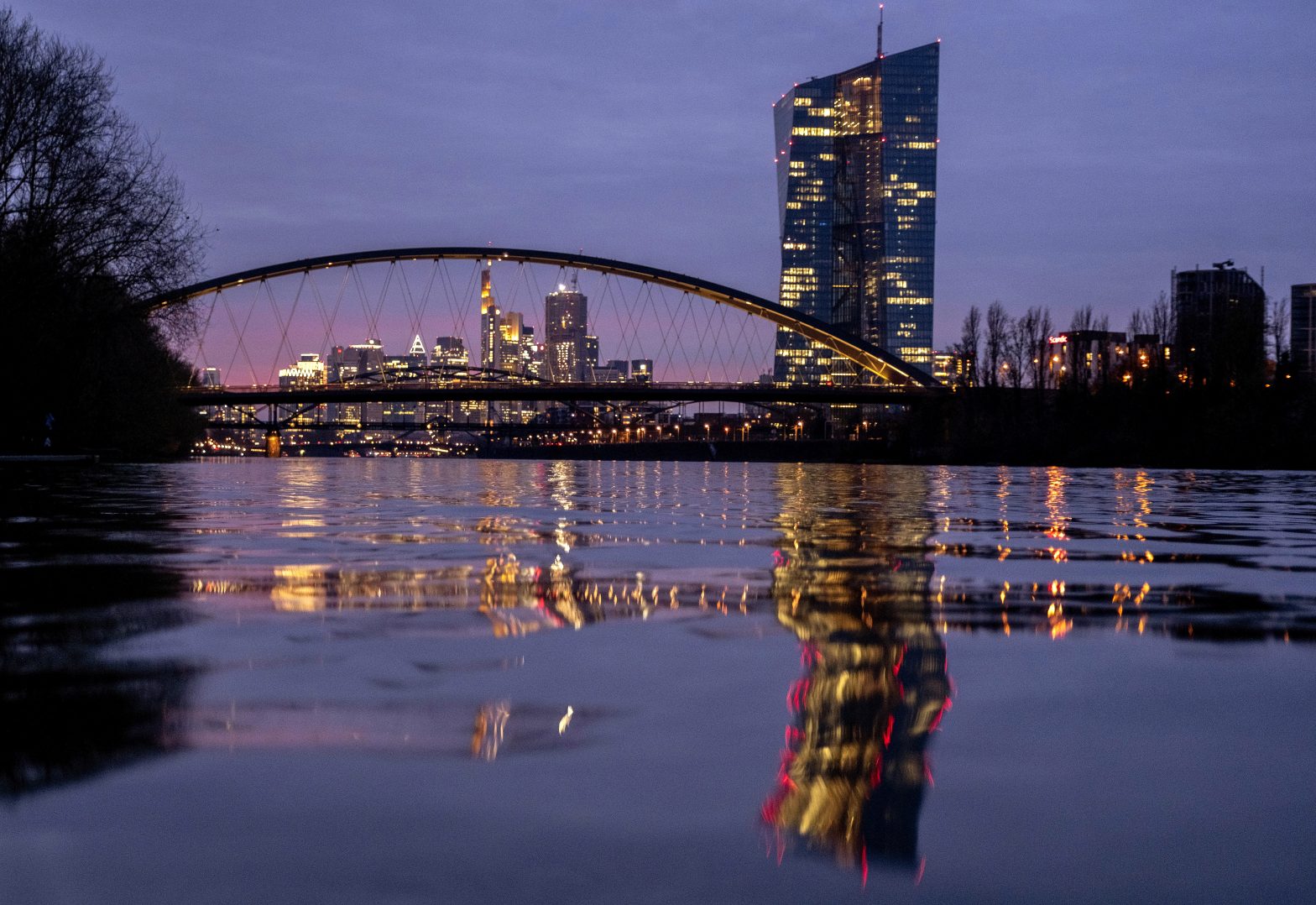
European Central Bank (ECB) economists have voiced their concerns regarding Bitcoin’s growing role in financial markets. They warn that the cryptocurrency’s rising value could potentially exacerbate wealth inequality, especially by benefiting early adopters and investors, thus concentrating wealth in fewer hands. Originally envisioned as a decentralized, global payment system, Bitcoin’s limited use in everyday transactions has raised questions about its broader societal impact, particularly as its speculative appeal overtakes its utility.

Bitcoin’s trajectory, especially in the post-pandemic economic landscape, has been closely monitored by institutions like the ECB. Analysts argue that its rapid appreciation has led to a divergence from its intended function, with its primary use now largely centered around investment rather than payments. This shift has had profound implications for wealth distribution. A significant portion of Bitcoin’s wealth is concentrated among a small group of holders, typically those who invested early, while new investors often enter the market at inflated prices, exposing themselves to financial risks without proportionate rewards.

The cryptocurrency’s volatile nature further complicates its role in financial ecosystems. While some advocate Bitcoin as a hedge against inflation, critics, including those at the ECB, believe its unpredictability makes it more of a speculative asset than a reliable store of value. This speculation-driven environment attracts a particular segment of the population, typically wealthier, tech-savvy investors, while leaving lower-income groups on the sidelines, thus reinforcing economic divides.

The energy-intensive process of Bitcoin mining has drawn criticism for its environmental impact, with ECB experts highlighting the environmental cost as another factor contributing to its unsustainability as a mainstream currency. These issues have caused European regulators to explore measures that could curb Bitcoin’s influence, particularly as central banks globally weigh the potential for digital currencies issued and controlled by state authorities. A shift towards Central Bank Digital Currencies (CBDCs), which are being developed in several countries, could serve as an alternative to cryptocurrencies like Bitcoin, offering the benefits of digital payments without the associated risks of speculative bubbles and wealth inequality.

GUANGZHOU, CHINA – Media OutReach Newswire – 18 October 2024 – The 136th Canton Fair opened with great fanfare in Guangzhou, China. In this Canton Fair, Jinpeng Group is one of the leading enterprises of light green travel products in China. Under the general trend of “going to sea” of China’s new energy vehicles, it has also brought more than ten new energy products. The company also […]

LOS ANGELES/DNA, UNITED STATES – Newsaktuell – 18 October 2024 – With less than three weeks to go until the November 5 presidential election, a new analysis warns that declining democratic accountability in the US means the power of American people’s voice will be diminished. Two candidates for the US presidency. A person stops to watch a screen displaying the US Presidential debate between Vice President and […]

Masdar and Iberdrola have successfully completed the installation of the final turbine for the Baltic Eagle wind farm, a significant offshore renewable energy project located in the Baltic Sea. This marks a major milestone in the 476 MW venture, which is set to enhance Europe’s green energy portfolio. The project, a collaboration between the Abu Dhabi-based clean energy firm Masdar and Spain’s Iberdrola, is part of the […]

PHU QUOC, VIETNAM – Media OutReach Newswire – 18 October 2024 – Southern Phu Quoc is home to some of the world’s most beautiful beaches and the largest coral conservation area on Pearl Island. The area, known as Sun Paradise Land, has been developed into a 24/7 destination for entertainment and leisure, offering many one-of-a-kind and captivating experiences. Eschuri Vung Bau – Phu Quoc More than just […]

The European Central Bank (ECB) has decided to lower its key interest rates by 25 basis points, bringing the benchmark rate to 3.25%. This move aligns with the ECB’s ongoing strategy to combat inflation and stabilize the economy amidst various pressures. The reduction, which is the latest in a series of adjustments, reflects the central bank’s commitment to achieving its inflation target of around 2%.

The decision to cut interest rates is part of a broader trend observed among central banks as they navigate economic challenges post-pandemic. Many economists anticipated this move, given the mixed signals from inflation data and the need to support economic growth. ECB President Christine Lagarde indicated that the bank will remain vigilant, balancing the need for inflation control with the risks associated with slowing economic activity.

Inflation in the Eurozone has been a persistent issue, fueled by supply chain disruptions and rising energy costs. The latest figures show that consumer prices rose by approximately 5.3% year-on-year in September, down from a peak of 10.6% in October 2022. While the downward trend is encouraging, it remains above the ECB’s target, prompting the need for further monetary policy adjustments.

Market analysts are closely monitoring the ECB’s actions, as the central bank’s approach will have significant implications for various sectors, particularly banking and consumer spending. Lower interest rates typically encourage borrowing and spending, which can stimulate economic growth. However, there are concerns that prolonged low rates could lead to asset bubbles and encourage excessive risk-taking among investors.

The ECB’s decision comes as other major central banks, such as the Federal Reserve and the Bank of England, are also reassessing their monetary policies. The Federal Reserve has maintained a more hawkish stance, keeping rates elevated in its fight against inflation. In contrast, the Bank of England is adopting a more cautious approach, reflecting the UK’s unique economic challenges.

Following the ECB’s announcement, stock markets across Europe reacted positively, with major indices experiencing gains as investors welcomed the prospect of cheaper borrowing costs. Financial markets had largely priced in this rate cut, leading to a relatively muted response in bond yields. Analysts suggest that while this rate reduction may provide short-term relief, the ECB will need to continue monitoring inflation closely.

Amidst this backdrop, the European economy faces several headwinds. Economic growth forecasts have been revised downward, with the International Monetary Fund projecting a growth rate of 0.9% for the Eurozone in 2024. Factors such as high energy prices, geopolitical tensions, and tightening global financial conditions pose significant risks to the economic outlook.

The ECB’s approach to managing inflation will be pivotal in shaping the trajectory of the Eurozone economy. The bank has emphasized the importance of a data-driven approach, indicating that future decisions will hinge on incoming economic indicators. Analysts expect further discussions regarding the balance between stimulating growth and controlling inflation at upcoming ECB meetings.

The ECB is under pressure from various stakeholders, including member states and financial institutions, to ensure that its policies support sustainable growth. There are ongoing debates about the effectiveness of low interest rates in addressing the structural issues facing the Eurozone economy, such as productivity stagnation and demographic challenges.

Looking ahead, the ECB is likely to face a complex economic landscape. With inflation pressures expected to persist, the central bank may need to implement additional measures to ensure price stability. Market participants will be keenly watching for any signals from the ECB regarding its future policy direction, particularly in light of evolving economic conditions.

As the Eurozone navigates this multifaceted economic environment, the ECB’s recent rate cut represents a significant step in its efforts to achieve a balanced approach to monetary policy. The implications of this decision will be felt across various sectors, influencing everything from consumer spending to investment strategies.

The European Union has exempted Elon Musk’s social media platform X from stringent regulations originally established under the Digital Services Act (DSA). This decision follows a preliminary finding in July that indicated X had been misleading users regarding its blue checkmark verification system. The DSA was designed to enforce strict accountability measures on major tech companies to enhance user protection and transparency. The EU’s DSA framework, which […]

Advertisements

Megaport, a global Network-as-a-Service (NaaS) provider, has announced the strategic expansion of its European operations with the introduction of 14 new data centers across seven countries. This move marks a significant step in strengthening its European presence, aimed at meeting growing demand for flexible, high-speed connectivity to cloud services and data solutions in the region.

The new locations, spread across Germany, France, Spain, Italy, and other European nations, enhance Megaport’s existing network by offering businesses access to a broader array of connectivity options. By partnering with major data center operators like Portus Data Centers in Germany, NorthC Data Centers in the Netherlands, and Sipartech in France, Megaport has increased its capacity to provide faster and more efficient network access.

CEO Michael Reid highlighted the significance of this expansion, noting that extending into these new European markets reflects Megaport’s commitment to driving a network revolution in the region. According to Reid, this strategic growth allows customers to optimize their network infrastructure, modernize their operations, and gain access to Megaport’s extensive ecosystem of cloud providers and partners. This enables businesses to establish network connections within seconds and benefit from advanced cloud service integration.

The partnerships with European data center operators play a pivotal role in this development. Portus Data Centers, which operates a Tier IV facility in Munich, expressed excitement about working with Megaport, emphasizing how this collaboration extends Megaport’s reach in Germany, enabling businesses to access more powerful connectivity solutions. Similarly, NorthC Data Centers, with its new Point of Presence (PoP) in Almere, Netherlands, facilitates enhanced cloud and network services for its clients, pushing digital transformation efforts across the region.

Sipartech, a French provider of high-speed connectivity, has been integral to Megaport’s success in Western Europe. Its dense optical network covers major European capitals, offering last-mile connectivity that bolsters the performance of Megaport’s customers in France and surrounding countries.

This expansion coincides with a wider trend in the European tech landscape, where businesses increasingly rely on agile, scalable networking solutions to manage growing volumes of data and cloud infrastructure. The ability to establish secure, private, and direct connections to leading cloud platforms such as AWS, Google Cloud, and Microsoft Azure has become a priority for companies undergoing digital transformation.

As demand for cloud services grows, particularly in sectors such as finance, healthcare, and e-commerce, the addition of these new data centers will likely have a profound impact on how businesses in Europe manage their IT infrastructure. Vincent Lauriat, Chief Technology Officer at Veolia Water, commented that Megaport’s solutions have improved Veolia’s multicloud strategies, diversifying their data access across multiple centers in Europe and enhancing operational efficiency.

Ardian, a global investment firm, is reportedly evaluating potential co-investment opportunities in the green hydrogen sector alongside two prominent players: Masdar and the Public Investment Fund (PIF) of Saudi Arabia. This collaborative venture could significantly impact the renewable energy landscape, reflecting a growing commitment to sustainable investments as nations strive to meet climate goals. The interest in green hydrogen arises from its potential to serve as a […]

Bolt, a European ride-hailing platform, has made its entry into the UAE with a strategic partnership with Dubai Taxi Corporation (DTC). The move, which has already attracted attention, aims to provide ride-hailing services across Dubai, leveraging the extensive fleet and operational expertise of DTC. The partnership is expected to strengthen Dubai’s transportation infrastructure, offering commuters more ride options, and is in line with the city’s vision for […]

The International Monetary Fund (IMF) has projected that global public debt will exceed $100 trillion by the close of 2024, underscoring the growing fiscal challenges faced by both developed and developing economies. This daunting figure reflects the accumulation of government borrowing that has escalated in the wake of various economic crises, including the pandemic and the geopolitical tensions that have rattled markets in recent years. According to the IMF, the surge in debt levels poses significant risks to global financial stability, particularly as countries grapple with inflationary pressures and rising interest rates.

At the heart of this mounting debt crisis lies the legacy of the COVID-19 pandemic, which prompted unprecedented fiscal responses from governments worldwide. In an effort to cushion their economies from the devastating effects of lockdowns and health crises, many nations significantly expanded their borrowing. The IMF noted that while the stimulus measures were necessary at the time, they left many economies vulnerable to the long-term consequences of unsustainable debt levels.

Advanced economies, in particular, contributed heavily to the rise in global debt. The IMF’s report points to countries such as the United States, Japan, and members of the European Union, which implemented expansive fiscal policies during the pandemic to stabilize their economies. These nations are now facing the challenge of managing ballooning public debt while trying to rein in inflation and stabilize financial markets. The US, for instance, has seen its national debt soar to record levels, driven by pandemic-related spending and ongoing fiscal stimulus efforts. Similarly, Japan, which already had one of the world’s highest debt-to-GDP ratios, saw its debt levels climb further as the government introduced new stimulus packages.

Emerging markets and developing economies are also experiencing rising debt burdens, albeit under different circumstances. Many of these countries took on significant loans to finance pandemic recovery efforts, but they are now struggling to repay them as global interest rates rise. The IMF’s projections suggest that without substantial economic reforms or debt restructuring, many of these nations could face a debt crisis in the near future. This is particularly concerning for countries that rely heavily on external borrowing, as rising interest rates in advanced economies increase the cost of servicing their debt.

The IMF also highlighted the role of inflation in exacerbating the global debt challenge. Central banks across the world have raised interest rates in response to persistently high inflation, making it more expensive for governments to borrow and service existing debts. This has created a precarious situation where many countries are caught between the need to curb inflation and the necessity of financing their debt obligations. The IMF’s report warns that higher interest rates could lead to a sharp rise in debt servicing costs, further straining national budgets and potentially leading to cuts in public services or social programs.

The IMF’s latest projections come amid growing concerns about the global economy’s ability to sustain high levels of public debt. While debt accumulation was seen as a necessary response to the pandemic, there is now increasing pressure on governments to find ways to reduce their fiscal deficits and bring debt levels under control. For many countries, this will require difficult policy decisions, including potential cuts to public spending, tax increases, or reforms to entitlement programs.

Despite the challenges, the IMF has called for a balanced approach to managing public debt. The organization has urged governments to prioritize structural reforms that can boost economic growth, improve fiscal management, and ensure that debt levels remain sustainable over the long term. For advanced economies, this may involve scaling back pandemic-era stimulus measures and focusing on policies that enhance productivity and competitiveness. In contrast, emerging markets and developing economies may need to seek debt restructuring or relief from international creditors to avoid default.

The IMF’s report also emphasizes the importance of multilateral cooperation in addressing the global debt crisis. With debt levels rising across the board, the organization has stressed the need for coordinated efforts among governments, international financial institutions, and private sector lenders to find sustainable solutions. This could involve a combination of debt relief, restructuring, and financial assistance to help countries manage their debt burdens and avoid a broader economic crisis.

China’s electric vehicle (EV) market is rapidly reshaping the automotive landscape, leaving established players like Volkswagen, BMW, and Mercedes-Benz struggling to keep pace. With substantial investments and government support, Chinese manufacturers are not only producing high-quality electric vehicles but are also innovating in technology and sales strategies, challenging the dominance of their European counterparts. Leading the charge are Chinese brands such as BYD, NIO, and Xpeng, which […]

A significant shift in global oil prices has occurred, triggered by reports that Israel will not target Iranian energy facilities during its ongoing military operations. The announcement has contributed to a notable decrease in crude oil prices, with Brent crude futures falling to approximately $83.50 per barrel, a drop of nearly 5%. West Texas Intermediate (WTI) also experienced a decline, trading around $78.50 per barrel. The news of a potential de-escalation of tensions has sparked optimism among traders and analysts, prompting discussions about the implications for oil supply and regional stability.

This development follows heightened concerns about the geopolitical landscape in the Middle East, particularly since the onset of hostilities involving Israel and Hamas. Market observers had speculated that any escalation involving Iran could disrupt oil supply chains, especially given Iran’s substantial role in the global oil market. The country, a member of the Organization of the Petroleum Exporting Countries (OPEC), has consistently been a significant player in oil production, with its output averaging around 3 million barrels per day prior to the imposition of sanctions.

Analysts have noted that the decision to refrain from targeting Iranian facilities could stabilize oil prices in the short term. Such stability is crucial, as fluctuations in oil prices often reflect broader economic sentiments and can influence inflation rates worldwide. The International Energy Agency (IEA) had previously warned that any conflict in the region could lead to a supply shock, resulting in further price surges. However, the latest assurances have alleviated some of these fears, allowing for a moment of respite in oil markets.

The interplay between Israel and Iran extends beyond military engagements, encompassing significant economic implications as well. Iran’s oil exports have faced restrictions due to sanctions imposed by Western nations, limiting its ability to engage in international trade. Despite these challenges, Iran has sought to bolster its oil exports through partnerships with countries such as China, which has emerged as a primary importer of Iranian crude.

This latest news has prompted reactions from various stakeholders in the oil market. Major oil companies are closely monitoring the situation, as any potential escalation could alter their operational strategies and long-term investment plans in the region. Executives from companies like BP and Shell have expressed cautious optimism, reiterating their commitment to maintaining stable supply chains while navigating geopolitical uncertainties.

While the immediate outlook appears more favorable for oil prices, analysts caution that the situation remains fluid. The potential for conflict in the Middle East has not dissipated, and other geopolitical factors could still influence market dynamics. For instance, the ongoing conflict in Ukraine and its ramifications for global energy supply also weigh heavily on market sentiment. European countries continue to seek alternatives to Russian gas, further complicating the energy landscape and contributing to price volatility.

Market analysts are keeping a close eye on OPEC’s strategies in response to shifting demand dynamics. The organization has historically played a critical role in managing oil supply to influence prices. The group is likely to convene in the coming weeks to assess the current situation and consider adjustments to their production quotas. OPEC’s decisions are crucial for maintaining market equilibrium, especially during times of uncertainty.

In the context of these developments, there has been a renewed focus on the importance of diversifying energy sources and enhancing energy security. Nations worldwide are increasingly exploring renewable energy options as part of their long-term strategies to reduce dependence on fossil fuels. This transition has been accelerated by rising global temperatures and the urgent need to address climate change, prompting many governments to invest in sustainable energy infrastructure.

Nintendo and Game Freak have confirmed a significant data breach affecting the Pokémon franchise. The breach, which reportedly occurred earlier this year, compromised the personal information of both current and former employees, leading to widespread concern within the gaming industry. In a formal apology published on Game Freak’s official website, the developer studio acknowledged unauthorized access to its server, stating that sensitive data had been exposed. The […]

By Nantoo Banerjee It is heartening to note that global lenders are increasingly coming forward to strongly support India’s ongoing clean and green energy expansion programmes. India, the world’s third largest energy consumer after China and the United States, has set a target to reduce the carbon intensity of the nation’s economy by less than […]

A new report from Bitpanda indicates a growing interest in cryptocurrency investments among Italians, with nearly 9% of the population engaging in digital currencies. The trend is particularly pronounced among younger demographics, where investment rates reach 16% among Millennials and 13% among Generation Z. This increase reflects a broader shift towards digital assets as traditional investment methods face challenges in a rapidly changing economic landscape.

The Bitpanda report highlights that Italians are increasingly turning to cryptocurrencies as an alternative investment strategy, motivated by factors such as potential high returns and the appeal of decentralized finance. Younger generations, in particular, have embraced this trend, leveraging technology and social media to explore and understand digital currencies. Their familiarity with online platforms positions them uniquely to navigate the complexities of cryptocurrency markets.

The rise of virtual currencies in Italy is mirrored by broader trends across Europe, where more individuals are considering cryptocurrencies as part of their financial portfolios. Factors contributing to this trend include the impact of the COVID-19 pandemic on financial behaviors, economic uncertainty, and a desire for diversification in investment strategies. As the financial landscape evolves, cryptocurrencies are gaining traction not only as speculative assets but also as a legitimate means of wealth preservation.

Italy’s regulatory framework for cryptocurrencies remains under development, which presents both challenges and opportunities for investors. While the government is working towards establishing clearer guidelines to protect consumers and regulate the market, the current lack of comprehensive regulation allows for greater experimentation and engagement from individual investors. However, this also raises concerns about the risks associated with investing in a volatile market.

Key players in Italy’s cryptocurrency landscape include exchanges, fintech companies, and advocacy groups pushing for a more supportive regulatory environment. These organizations play a crucial role in educating potential investors and promoting best practices for safe trading. Additionally, the rise of decentralized finance (DeFi) platforms has opened new avenues for investment and has contributed to the increasing interest among Italians.

The enthusiasm for cryptocurrencies is not confined to Italy. Across Europe, many countries report similar patterns, with youth populations particularly eager to explore digital currencies. Reports suggest that this demographic sees cryptocurrencies as an innovative tool for financial empowerment, diverging from traditional banking systems and investing norms. Educational initiatives and community-building efforts are essential in fostering informed investment practices and mitigating risks associated with cryptocurrency investments.

Challenges remain, particularly concerning security and the volatility of digital currencies. Investors face the risk of scams, hacks, and rapid market fluctuations, which can lead to significant financial losses. As interest in cryptocurrencies grows, so does the need for robust educational resources and protective measures to safeguard investors. Awareness campaigns focusing on risk management and secure trading practices are vital to ensure that individuals can engage with cryptocurrency markets responsibly.

Social media plays a significant role in shaping perceptions of cryptocurrencies among young investors. Platforms such as Twitter, Reddit, and TikTok have become hotbeds for cryptocurrency discussions, where trends can rapidly shift based on influencer endorsements and viral content. This phenomenon underscores the need for critical evaluation of the information being shared online, as not all sources offer sound investment advice.

The Italian government’s approach to cryptocurrency regulation is evolving, with ongoing discussions about how to balance innovation with consumer protection. As European Union regulators work to establish a cohesive regulatory framework for digital assets, Italy will likely continue to refine its own policies to align with broader EU standards. This alignment could enhance investor confidence and promote a safer trading environment.

Investments in cryptocurrency are also reshaping financial literacy initiatives in Italy. Educational institutions and organizations are beginning to incorporate digital finance into their curricula, reflecting the need for future generations to understand and engage with the evolving financial landscape. As more individuals express interest in cryptocurrencies, there is a growing recognition that education will play a critical role in fostering informed investors.

The Pentagon has announced the deployment of the Terminal High Altitude Area Defense (THAAD) missile defense system to Israel, reinforcing the nation’s defense capabilities against potential missile threats, particularly from Iran. This strategic move includes sending US military personnel to operate the system and comes amid escalating tensions in the region, notably due to Iran’s ongoing missile development and regional activities.

The deployment of the THAAD system, which is designed to intercept short- to intermediate-range ballistic missiles, marks a significant step in US-Israel defense cooperation. The system will enhance Israel’s already robust missile defense architecture, which includes the Iron Dome and David’s Sling systems. US Secretary of Defense Lloyd Austin emphasized the importance of this deployment, stating that it demonstrates the United States’ unwavering commitment to Israel’s security. He reiterated that the United States will continue to work closely with its allies to address shared security challenges.

Analysts suggest that this deployment is not merely a precautionary measure; it serves as a signal to both allies and adversaries that the US stands firmly with Israel in the face of rising threats. Iran’s missile program has expanded rapidly in recent years, with officials claiming capabilities to strike targets across the Middle East. Reports indicate that Iran is developing long-range missiles capable of reaching Europe and beyond, raising alarms not only in Israel but also among European nations and the Gulf states.

The THAAD system, operational since 2008, has been deployed in several locations worldwide, including South Korea and the United Arab Emirates, highlighting its role in US military strategy. This particular deployment is part of a broader framework of military support provided by the United States to Israel, which receives approximately $3.8 billion annually in military aid, as outlined in a 10-year memorandum of understanding signed in 2016.

Tensions have intensified in the region due to a range of factors, including Iran’s nuclear program and its support for militant groups like Hezbollah and Hamas. The Biden administration’s approach to Iran, characterized by attempts to re-engage diplomatically while maintaining a stance of deterrence, reflects the complexities of regional geopolitics. In the wake of stalled negotiations over the Iran nuclear deal, the deployment of THAAD serves as a tangible measure of deterrence.

Experts also note that Israel has been strengthening its own military capabilities, including advancements in aerial defense systems and cyber warfare. The Israeli military has been conducting various exercises to prepare for potential confrontations, ensuring that its forces are ready to respond to threats on multiple fronts. The addition of THAAD will complement these efforts, particularly in countering long-range missile threats.

The timing of this deployment coincides with heightened tensions between Israel and Palestinian factions in Gaza. Following a series of rocket attacks from Gaza, the Israeli military has intensified airstrikes, prompting fears of an escalation into broader conflict. The THAAD system is expected to provide an additional layer of defense against potential retaliatory missile strikes that could emerge from such clashes.

US officials have reiterated that the deployment does not signify an intention to escalate military involvement in the region but rather aims to bolster Israel’s defensive posture. This move reflects a strategic shift toward enhancing missile defense capabilities in an era marked by technological advancements in missile systems worldwide.

As the situation unfolds, the implications of this deployment will likely resonate beyond Israel, influencing the broader dynamics of Middle Eastern security. Regional actors, including Iran, will be closely monitoring the developments, assessing the implications for their own defense strategies and military posturing.

International reactions to the THAAD deployment have been mixed. While Israeli officials have welcomed the additional security assurances, some regional nations view the move with skepticism. There are concerns that increased US military presence could exacerbate existing tensions in an already volatile region.

As the Pentagon mobilizes resources to support Israel, the focus will also shift to diplomatic efforts aimed at addressing the underlying issues driving regional instability. Engaging Iran in constructive dialogue remains a challenge, with trust deficits complicating the prospects for meaningful negotiations.

The signing of the memorandum between Bpifrance, Sawari Ventures, and Flat6Labs took place within the framework of the FrancoTech exhibition for Francophonie and Innovation at Station F in Paris, alongside the Francophonie Summit CAIRO, EGYPT – EQS Newswire – 10 October 2024 – During the FrancoTech exhibition held on October 3 and 4, 2024, at Station F in Paris, alongside the Francophonie Summit, Bpifrance, Sawari Ventures, and […]

French farmers have reignited their protests, expressing deep frustration over the government’s unfulfilled promises from earlier in the year. Organized mainly by agricultural unions and regional leaders, this wave of protests stems from unresolved issues regarding rising fuel costs, regulatory burdens, and crop damages due to extreme weather events. Despite earlier pledges from Prime Minister Vital to address these concerns, demonstrators claim that little has improved. They continue to demand better support, including diesel tax relief, water reservoir construction, and compensation for climate-induced losses.

The protests, involving road blockages and the dumping of manure in public spaces, echo the intensity of the January demonstrations that saw highways obstructed and large rallies across France. Farmers argue that government concessions made earlier, such as pausing planned tax increases, were insufficient to address the structural issues they face. The failure to deliver concrete solutions has reignited tensions, with farmers stating that their livelihoods are increasingly precarious amid fluctuating commodity prices and soaring input costs.

A significant grievance involves the continued lack of financial compensation for crops damaged by epizootic hemorrhagic disease, which has affected cattle in southern regions. Farmers from Occitania, where this disease has hit hardest, have taken a prominent role in leading the protests, demanding more substantial compensation packages and faster government action. They argue that their efforts to engage with policymakers have been ignored, leaving them with no choice but to return to public demonstrations.

The government’s attempts to de-escalate the situation have so far failed. Agriculture Minister Jean-Paul Durand had urged farmers to be patient, noting that some reforms were in progress, including subsidies for water reservoirs and the reintroduction of emergency funds. However, these assurances have been dismissed by protesters as insufficient and too slow to materialize. As a result, many farmers feel abandoned, leading to escalating tensions as more agricultural workers join the demonstrations.

This resurgence of protests follows broader trends across Europe, where farmers have increasingly taken to the streets over grievances ranging from environmental regulations to market instability. French farmers, in particular, feel squeezed by both domestic policies and European Union directives, which they claim impose unrealistic expectations on agricultural practices while failing to address their economic vulnerabilities. There is mounting pressure on the French government to balance these competing demands while maintaining its commitments to climate action and environmental sustainability.

The movement’s resurgence has also sparked concerns about public disruptions. Authorities have heightened security measures in anticipation of further road blockades and intensified protests. The farmers, however, show no signs of backing down, signaling that the movement may continue until their demands are met. The ongoing struggle highlights the deep discontent within the agricultural sector, which has been exacerbated by what many see as the government’s slow response to their plight.

Although Prime Minister Vital had initially brokered temporary concessions earlier this year, these measures have done little to address the underlying frustrations. Farmers are now calling for longer-term structural reforms that would reduce their vulnerability to both economic fluctuations and environmental impacts. They emphasize that without a comprehensive solution, their protests will continue, potentially disrupting transportation and food supply chains across the country.

As the protests evolve, French officials are facing a critical challenge: how to balance the urgent demands of farmers with broader policy objectives, particularly in relation to environmental goals. The growing tension underscores the difficulty of finding solutions that can satisfy the farming community while also adhering to the government’s climate commitments. This delicate balance remains at the heart of the current standoff.

Network as a Service (NaaS) provider Megaport has entered the Italian market by establishing Points of Presence (PoPs) in Milan. This strategic move includes partnerships with prominent data center operators such as AtlasEdge, Data4, Equinix, and Retelit, enhancing Megaport’s ability to offer high-speed, scalable connectivity solutions to enterprises in the region. The expansion reflects Megaport’s commitment to supporting the growing demand for flexible, cloud-based networking solutions across […]

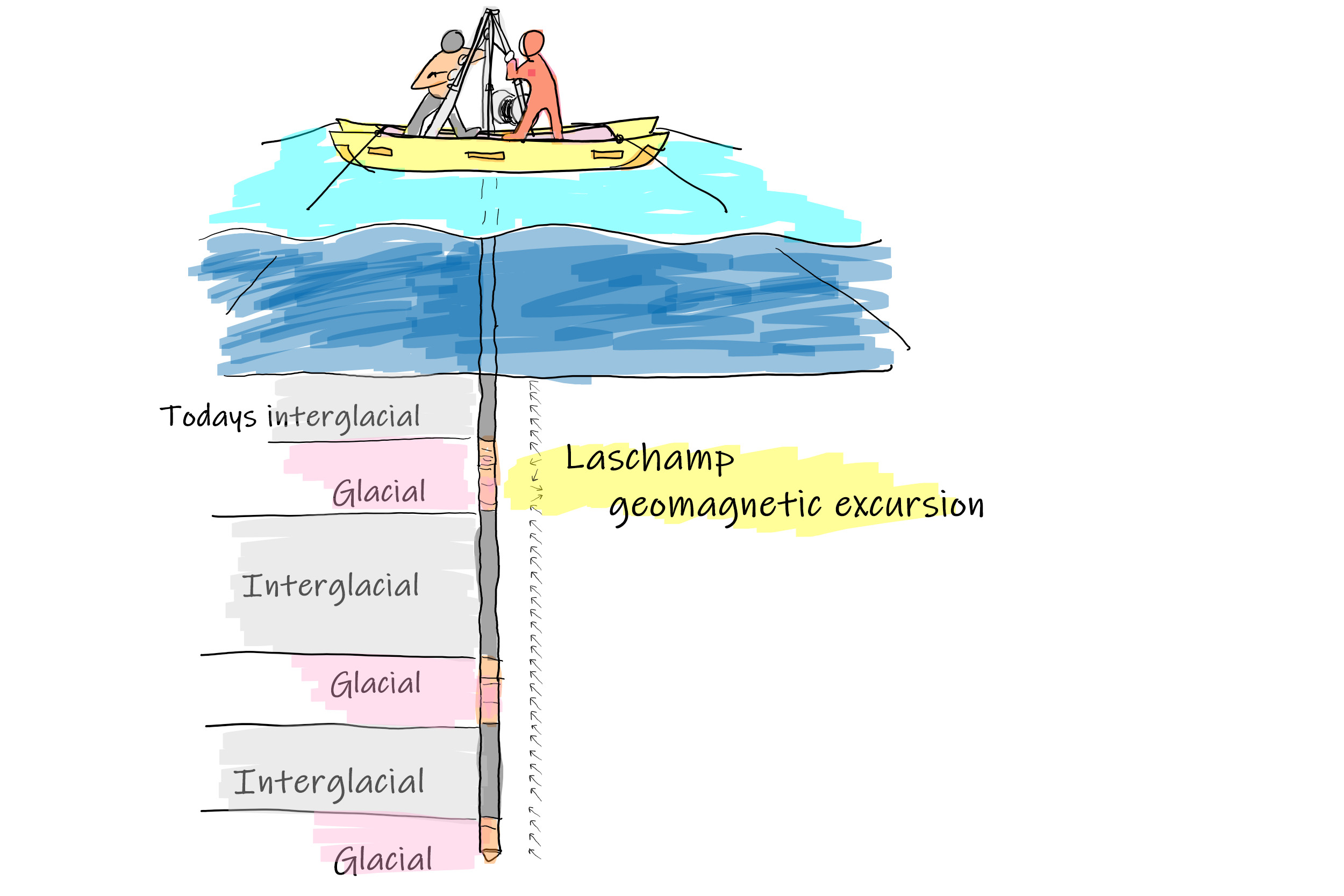
Advanced research into Earth’s magnetic field has enabled scientists to create a sound representation of the Laschamp Event, a significant geomagnetic reversal that occurred approximately 41,000 years ago. This groundbreaking work utilizes data collected by the European Space Agency’s Swarm mission, which employs three satellites to study the complexities of Earth’s magnetic environment. By converting this magnetic data into sound, researchers have offered a new auditory perspective on past geomagnetic events, enhancing our understanding of planetary processes.

The Laschamp Event is particularly notable due to its implications for the stability of Earth’s magnetic field. During this period, the magnetic field weakened significantly, which could have exposed the planet to increased levels of cosmic radiation. This weakening was accompanied by a rapid flip of the magnetic poles, a phenomenon that has piqued the interest of geophysicists and environmental scientists alike. The sound visualization project, spearheaded by a team of researchers, is seen as a novel approach to studying these complex events.

Dr. Romain L. Garret, one of the leading researchers involved in the sound mapping project, explained that the sounds created from the magnetic data capture the fluctuations in the magnetic field during the Laschamp Event. These sounds not only provide a unique listening experience but also serve as an effective tool for understanding the dynamics of geomagnetic reversals. The integration of auditory and scientific data bridges the gap between abstract scientific concepts and public understanding, enabling a more profound appreciation of Earth’s magnetic history.

The Swarm mission, launched in 2013, consists of three satellites working in tandem to gather data on the Earth’s magnetic field with unprecedented precision. The mission’s objectives include monitoring variations in magnetic intensity, mapping the gravitational field, and understanding the effects of magnetic forces on the planet’s climate and environment. The rich dataset produced by Swarm has opened new avenues for scientific inquiry, particularly in the fields of geology and climatology.

Through careful analysis of the data, researchers were able to pinpoint specific moments during the Laschamp Event when significant shifts occurred. This data was transformed into a soundscape that reflects the magnetic fluctuations over time. By listening to these sound waves, scientists and the public alike can grasp the magnitude of these changes in a more visceral manner, translating complex geophysical phenomena into an engaging auditory experience.

In addition to enhancing public engagement with scientific research, this sound mapping effort also has implications for ongoing studies related to current and future geomagnetic shifts. Understanding past magnetic reversals, such as the Laschamp Event, allows scientists to develop predictive models that may shed light on the behavior of Earth’s magnetic field today and in the future. These models are crucial for anticipating the potential impacts of geomagnetic changes, which could affect satellite operations, navigation systems, and even power grids.

Research indicates that geomagnetic reversals, while rare, can have profound effects on life on Earth. The last major reversal, the Brunhes-Matuyama transition, occurred approximately 780,000 years ago. Scientists have posited that as the magnetic field weakens, it may provide an opportunity for more solar radiation to penetrate the atmosphere, potentially affecting climate patterns and biological processes.

As the Swarm mission continues to gather data, the potential for further discoveries remains high. The ongoing analysis of Earth’s magnetic field not only aids in understanding our planet’s past but also informs preparations for its future. With advancements in technology and interdisciplinary research efforts, scientists are uncovering new insights into the interactions between the Earth’s magnetic field and various geological processes.

The sound visualization of the Laschamp Event represents a pivotal moment in Earth sciences, as it illustrates the power of innovative methodologies in presenting scientific findings. By transforming magnetic data into sound, researchers are fostering a more inclusive dialogue between the scientific community and the general public, demystifying complex scientific processes. This approach exemplifies how art and science can intersect, creating new pathways for education and engagement.

The visualization project also highlights the collaborative efforts required in modern scientific research. Teams comprising geophysicists, sound engineers, and educators worked together to develop this unique soundscape, demonstrating the benefits of interdisciplinary collaboration in advancing scientific understanding. By fostering partnerships across various fields, researchers can tackle complex questions about Earth’s past and present with a multifaceted approach.


A strategic partnership between Abu Dhabi Terminals (ADT) and the French tech company Urbanloop has been established to explore sustainable and innovative urban mobility solutions in the UAE. This collaboration marks a significant step toward addressing the growing need for environmentally friendly transport options in one of the world’s most rapidly urbanizing regions. ADT, known for its leadership in port operations and logistics within Abu Dhabi, is […]

Crown Prince Mohammed bin Salman will not participate in the upcoming BRICS summit scheduled for October 17-19 in Moscow. This decision marks a significant diplomatic moment, as Saudi Arabia engages in a complex geopolitical landscape that includes balancing relationships with both Western nations and emerging economies in the Global South. The absence of the Crown Prince at such a high-profile gathering raises questions about the Kingdom’s strategy […]

Emirates has officially launched its first retail outlet in Europe, the ‘Emirates World’ Travel Store, located on Cromwell Road in London’s South Kensington. This significant opening is part of the airline’s strategy to enhance customer engagement and expand its presence through a series of retail stores worldwide. The store aims to blend advanced technology with personalized service, reflecting a growing trend among airlines to create immersive customer experiences beyond traditional ticket sales.

The design of the new store highlights Emirates’ commitment to innovation and customer service. With interactive kiosks and knowledgeable staff, the store is intended to offer personalized travel consultations and an array of services, including flight bookings, travel packages, and exclusive merchandise. This move aligns with the broader shift in the travel industry, where airlines are increasingly investing in direct customer interaction points to provide tailored travel solutions.

Located in a bustling area known for its luxury shopping and proximity to cultural landmarks, the Emirates World Travel Store is expected to attract both local residents and tourists. The strategic choice of location underscores Emirates’ intention to engage with customers in a high-traffic area, enhancing visibility and accessibility. This first European store sets the stage for a planned rollout of 40 similar outlets globally, aiming to strengthen the airline’s brand presence in key markets.

Emirates has established itself as a leader in the airline industry, not just through its extensive flight network but also by prioritizing customer experience. The new store will offer various features, including a digital booking platform that allows customers to explore travel options and make reservations in a streamlined manner. The incorporation of smart technology is a response to the increasing demand for digital solutions in travel planning, allowing customers to engage with the brand in a modern and efficient way.

The launch of this store comes at a time when the airline industry is rebounding from the effects of the pandemic. Airlines worldwide are exploring innovative ways to adapt to shifting consumer behaviors and preferences, with a focus on enhancing customer experience. Emirates’ entry into retail is a strategic pivot, positioning the airline to better serve its customers while promoting its extensive travel offerings.

Experts in the travel and hospitality sector emphasize that this shift towards creating physical retail spaces is a significant trend in the industry. As airlines face heightened competition and evolving consumer expectations, establishing a tangible presence can foster brand loyalty and deepen customer relationships. The travel store concept allows Emirates to create a brand experience that engages customers in a personal manner, offering face-to-face interaction that is increasingly valued in a digital age.

The new Emirates World Travel Store is designed not just as a transactional space but as an immersive brand experience. It is expected to host events and workshops focused on travel advice, cultural experiences, and destination highlights, further engaging the community and enhancing brand affinity. Such initiatives are likely to attract a diverse customer base, from travel enthusiasts to families planning their vacations, positioning the airline as a holistic travel partner rather than merely a service provider.

As part of its global expansion strategy, Emirates has indicated that more stores will follow in key locations across various regions. This approach not only allows Emirates to extend its brand but also opens up new revenue streams, which is crucial in a post-pandemic landscape. The airline’s investment in physical retail outlets signifies a commitment to enhancing customer service and embracing the evolving dynamics of consumer engagement in the travel sector.

While the airline industry adapts to new challenges, including fluctuating travel demand and economic uncertainties, Emirates’ strategy to diversify its service offerings may provide a competitive advantage. By investing in customer engagement through innovative retail experiences, the airline can enhance customer loyalty and drive bookings, critical factors in sustaining growth in an increasingly competitive environment.

VISHNU RAJA
RYO YAMADA
HITORI GOTOH
IKUYO KITA