News related to
European

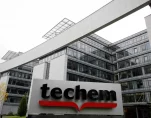
Abu Dhabi’s Mubadala Investment Company, Partners Group, GIC and TPG Rise Climate have agreed a €6.7 billion deal to acquire Techem, the Frankfurt-based energy‑efficiency firm, in a strategic move poised to reinforce digital-first submetering and sustainability in European real estate.

The transaction—set to conclude in the second half of 2025, pending regulatory approvals—will see Partners Group’s infrastructure arm retain a controlling stake, while Mubadala, GIC and TPG Rise Climate take minority positions alongside, marking a rotation in ownership strategy. The sale ends the tenure of the prior consortium including La Caisse and Ontario Teachers’ Pension Plan, which supported Techem since 2018.

Techem, founded in 1952 and based in Eschborn, operates in 18 countries and serves more than 440,000 customers with over 13 million dwellings under its care. Approximately 62 million devices are currently installed across its footprint.

Under Partners Group’s 2018 private equity-led acquisition, Techem grew its sales beyond €1 billion and increased EBITDA by nearly 50%. This expansion solidified its role as a leading provider of submetering services—a crucial component in the decarbonisation of real estate, a sector responsible for around 40% of global CO₂ emissions.

The new ownership strategy aims to deepen digital integration, expand offerings to include smart meters, and capitalise on evolving regulations, rising energy prices and corporate net-zero commitments. “Techem is at the forefront of energy services and is uniquely positioned to drive energy efficiency within the real estate sector,” noted Boon Chin Hau, CIO of GIC Infrastructure, underscoring the group’s confidence in Techem’s strategic outlook.

Abdulla Mohamed Shadid, Head of Energy and Sustainability at Mubadala’s private equity platform, emphasised the importance of helping find solutions to global challenges, reflecting the company’s ongoing shift toward purpose-driven capital deployment. Implementation will include further digitalisation of operations and service expansions tailored to improve building efficiency.

This deal, valued at €6.7 billion, ranks among the year’s largest private‑market transactions globally.

Techem’s technology deploys submetering for heating and water, enabling accurate billing and encouraging lower consumption. Their low‑investment, non‑invasive approach aligns well with landlords and property owners seeking cost-effective energy solutions. Trends in European regulation and growing pressure on emissions reduction give the firm a favourable market tailwind—a factor the new consortium appears ready to exploit.

Despite an earlier attempt by TPG to buy out Techem independently in October 2024, that bid fell through after EU antitrust scrutiny. The current agreement reflects a more collaborative structure that shares risk and maintains continuity under infrastructure stewardship.

Commenting on continuity, Techem’s CEO Matthias Hartmann stated that the company’s strategic direction would remain unchanged, emphasising a steady course under the incoming partners.

The transaction parallels broader investment patterns in smart‑energy firms. Over the past year, GIC has partnered with investors such as EQT to acquire UK smart‑meter provider Calisen—a sign of growing interest in climate‑aligned infrastructure.

With assets under management spanning global private markets, Partners Group leads the infrastructure side with over US$27 billion, while Mubadala and GIC bring sovereign-backed financial clout, and TPG Rise Climate adds dedicated impact‑investment expertise; together they form a powerful alliance geared towards scaling energy efficiency across European real estate.


China has introduced the world’s first oil tanker equipped with adjustable sails, marking a notable step in maritime decarbonisation. The 250‑metre vessel features automated sails that harness wind power, cutting diesel use by up to 14.5 tonnes per day—equivalent to around 5,000 tonnes of CO₂ emissions annually.

The ship was launched at a major Chinese port on 13 July 2025. Naval engineers report that the sails adjust in real time to wind conditions, seamlessly integrating with traditional propulsion systems. Under favourable conditions, the sails alone can provide up to 10% of the vessel’s forward thrust, reducing reliance on fossil fuels and trimming operational costs.

Industry experts describe this as a breakthrough. Dr Li Wei, a maritime technology specialist at a prominent Chinese university, observed that “this marks the first large‑scale application of intelligent sail technology in an oil tanker” and said that the design “could serve as a blueprint for future green tankers”. While alternative zero‑carbon fuels remain the focus of long‑term strategies, sail augmentation presents a practical interim solution.

The initiative aligns with global regulatory pressures. The International Maritime Organization has committed to halving greenhouse‑gas emissions from shipping by 2050. Flettner‑style rotor sails—used on vessels like the Viking Grace ferry—have shown up to 20% fuel savings on optimal routes. China’s innovation refines that concept by adding adjustable sail arrays tailored for large oil carriers, suggesting broader applicability.

Major energy and shipping firms are reportedly evaluating roll‑outs. A senior executive at a state‑affiliated shipping group noted plans to retrofit a fleet of oil and chemical tankers with adjustable sails by 2027, contingent on performance data. Initial trials aim to quantify actual fuel savings, spreadsheeting data on fuel burn, wind usage hours, and analytics from the ship’s sail‑control system.

Yet questions remain. Retrofit costs, structural modifications, and maintenance demand rigorous cost‑benefit analysis. Port infrastructure adaptation—such as clearance for sails and crew training—must also be addressed. Critics argue that, while useful, sail technology cannot fully eliminate emissions without complementary measures like low‑carbon fuels and electrification.

Nevertheless, China’s venture may shift the conversation. Shipbuilders in Europe, Japan and South Korea are racing to develop hydrogen‑ or ammonia‑powered vessels. China’s move showcases an alternative decarbonisation route by optimising existing diesel‑powered fleets. Multi‑source interviews show growing interest from global charterers, some of whom are signalling willingness to pay premium freight rates for lower‑emission vessels.

Maritime insurers are recalibrating risk models, acknowledging that adjustable sails could affect stability and route safety. The new tanker reportedly features advanced ballast‑control systems to compensate for wind forces and automated cut‑out mechanisms during storms.

Trade analysts say China’s state‑backed strategy gives it leverage in global standards talks. Should pilot data validate the 14.5‑tonne daily fuel savings estimate, Chinese shipyards could license or export the design. Such a trend could trigger wider international adoption, pressuring other nations to follow suit.

Shipowners are watching. A European tanker operator, examining images and footage, expressed interest but noted the need for “transparent data on lifecycle emission reductions and economic viability over 20‑year vessel lifetimes.”

Current trials will last six months to a year, tracking metrics like fuel consumption, sail uptime, and maintenance costs. A detailed performance report is expected by mid‑2026, after which retrofit plans may accelerate.

A tide of tariffs is sweeping across Europe, and the damage is becoming visible just as earnings reports begin to drop. President Trump’s trade decisions are no longer a future threat; they’re now a present force reshaping European corporate performance. The timing is brutal. What was expected to be a modestly positive second quarter for European earnings has shifted into decline, with weakness now concentrated in a […]

President Donald Trump has revealed plans to provide Ukraine with additional Patriot air-defense systems, a move aimed at bolstering Kyiv’s efforts to defend itself against Russian aerial assaults. The announcement, made during a public address, highlights the growing US commitment to supporting Ukraine’s military capabilities amidst ongoing tensions in the region. The decision to send more advanced missile defence systems comes at a critical juncture in the […]

Oil traded in a narrow range as tariffs and sanctions threats unsettled global markets, weighing heavily on the outlook for energy demand. Brent hovered just above $70 a barrel, while West Texas Intermediate stayed above $68. Futures markets weakened as U. S. equity-index futures dropped following fresh trade tensions between Washington and key global partners.

U. S. President Donald Trump escalated tariff threats, targeting both the European Union and Mexico with 30 per cent duties and flagging potential levies against Brazil, the Philippines, Japan, South Korea and others. Markets interpreted this as a risk to economic momentum, especially in energy‑sensitive regions of Asia, denting crude demand expectations. At the same time, Asian buyers adopted a cautious stance, amplifying downward pressure on oil.

Against this backdrop, investors are eyeing a scheduled “major statement” from President Trump concerning Russia. Anticipation of new sanctions against the country, a major oil producer, lent modest support to prices that might otherwise have fallen further. Still, this support was checked by rising output from OPEC+ and a pause in geopolitical flare-ups in the Middle East.

Data from the International Energy Agency signals that global oil markets remain relatively tight. Summer driving seasons and increased refinery activity have buoyed demand, although analysts note that elevated output from Saudi Arabia—above its OPEC+ quota—puts a dent in any sustained rally. The kingdom disputes claims of non‑compliance, stating marketed crude remains within agreed limits.

Market watchers also flag OPEC+ plans to hike production by approximately 548,000 barrels per day in August, potentially followed by another boost in September. ING warns these moves could put the market into surplus in the final quarter of 2025. Additionally, the group revised its global demand forecasts downward for 2026–29, citing weakening growth in China.

Further clouding the outlook, heightened tariff uncertainty is exerting macroeconomic drag. The IEA forecasts a meaningful drop in global oil consumption growth for 2025, down a third from earlier projections, due in part to Trump’s tariff measures. Analysts stress that inflationary pressures and slower global trade would dampen energy demand.

From a logistical standpoint, renewed Houthi tensions in the Red Sea have introduced another variable, interrupting shipping and supporting prices marginally. Still, Middle East volatility has largely receded compared with levels seen earlier this year.

Looking ahead, market players are set to digest a blend of geopolitical and macroeconomic signals. Key Chinese trade figures due soon may reveal shifts in demand. OPEC+ decisions on output will be scrutinised closely, as will the next moves in Washington’s trade and sanctions policy. Meanwhile, U. S. gasoline consumption remains robust, with the Energy Information Administration reporting a 6 per cent increase to 9.2 million barrels per day—signalling that underlying demand has not yet faltered.

Oil markets are caught between supportive fundamentals—such as strong summer demand, supply constraints from Russia and geopolitical flare‑ups—and sobering headwinds from proposed tariffs, elevated output and macroeconomic uncertainty. Traders remain cautious, awaiting concrete policy developments from Washington, data releases from China, and steps by OPEC+ to navigate a market landscape that is anything but stable.

Dubai Electricity and Water Authority has accelerated its implementation of artificial intelligence across its energy distribution network, marking a pivotal moment in its broader digital transformation agenda. This strategic push harnesses AI to elevate operational efficiency, boost service reliability, and enhance customer experience in alignment with Dubai’s ambitious smart city vision. At the heart of this effort is DEWA’s Distribution Network Smart Centre, which processes over 15 […]

China Development Bank has launched a groundbreaking dual‑currency bond on Nasdaq Dubai, bearing an A1 rating from Moody’s, with a pair of three‑year notes: a $500 million floating‑rate tranche at SOFR +30 basis points and a €500 million fixed‑rate tranche bearing a 2.25 percent coupon. Investor demand flooded in, especially from Europe, the Middle East and Asia, marking a significant milestone in cross‑border financing. The euro tranche, with its enticing […]

Advertisements

ADNOC Gas has finalised a supply agreement worth 1.5 billion dirhams with Germany’s SEFE Securing Energy for Europe, signalling a significant push to reinforce the energy partnership between the UAE and European markets. The three-year contract will see ADNOC Gas deliver 0.7 million tonnes of liquefied natural gas, with shipments commencing this year from the Das Island liquefaction facility. The deal forms part of Europe’s broader strategy […]

Stonepeak, a US-based infrastructure investor, has agreed to acquire a 50 per cent co-controlling stake in IFCO Group from a subsidiary of the Abu Dhabi Investment Authority. The transaction positions Stonepeak alongside European mid-market investor Triton, which will continue its existing 50 per cent ownership. Financial terms were not disclosed, and the deal remains subject to customary regulatory approvals, with completion targeted in the fourth quarter of 2025.

Founded in 1992, IFCO operates one of the world’s largest reusable packaging container systems, managing over 400 million units and facilitating approximately 2.5 billion shipments of fresh food annually across more than 50 countries. This extensive network, supported by around 140 service centres, serves more than 18,000 growers and over 300 retailers, delivering substantial cost efficiencies, sustainability gains, and operational scalability compared to single-use packaging.

ADIA initially invested in IFCO’s carve-out from Australian logistics group Brambles in 2019, following a $2.5 billion sale to Triton. Over the intervening years, IFCO has undergone a comprehensive strategic and operational transformation, including enhanced digitalisation and an expanded global footprint, setting the stage for this latest ownership transition.

IFCO’s chief executive officer, Michael Pooley, praised the combined expertise of Stonepeak and Triton, emphasising that the new partnership will support growth and reinforce IFCO’s “market leading position globally”. Nikolaus Woloszczuk, Senior Managing Director at Stonepeak, described IFCO as a “critical component of the logistics infrastructure delivering fresh produce” and underlined the firm’s commitment to accelerating the company’s expansion—particularly in North America—as part of Stonepeak’s broader infrastructure investment strategy.

Triton’s co‑head of business services, Stephan Förschle, affirmed the firm’s ongoing commitment to IFCO, signalling confidence in the combined vision with Stonepeak to deliver value through digitalisation and sustainability initiatives. Representing ADIA, executive director Hamad Shahwan Aldhaheri noted that since the 2019 investment, IFCO had built “solid foundations for the future, based on strong operational performance and enhanced digital capabilities”.

Advisory teams have been engaged from both sides of the transaction. Citi and Morgan Stanley served as financial advisers to ADIA and Triton, with Bank of America also representing ADIA, while Kirkland & Ellis and Latham & Watkins provided legal counsel. Stonepeak was advised by Citi financially and Kirkland & Ellis legally.

Analysts indicate that the deal could value IFCO at approximately €5.5 billion including debt, implying a consideration near €2 billion for the 50 per cent stake, according to Bloomberg. This valuation reflects IFCO’s robust market position and future growth prospects in sustainable logistics.

The combination of Triton’s deep sector knowledge and Stonepeak’s infrastructure expertise—including its focus on transport, logistics, and digitalisation—positions IFCO to capitalise on rising demand for circular economy solutions in food supply chains. With container reuse gaining regulatory momentum and retailer focus on waste reduction intensifying, IFCO’s closed-loop model is becoming increasingly central to sustainable logistics strategies.

Market observers expect this deal to reinforce growing investor interest in circular supply chain infrastructure, especially as environmental and governance factors shape capital allocation. The high valuation underscored by global advisory firms suggests confidence in IFCO’s ability to deliver both financial returns and environmental impact through its RPC-based system.

The completion of this transaction in late 2025 will mark a significant milestone for all stakeholders. ADIA exits after six years of investment and strategic support. Triton remains, signalling continuity in governance and operation. Stonepeak enters as a long-term partner, with capital and network to help scale IFCO’s platform further—particularly in North America.

European Parliament approved the removal of the United Arab Emirates from its “high-risk third countries” list for money laundering and terrorist financing, a decision aligned with its earlier removal by the Financial Action Task Force in February 2024 and marking a pivotal regulatory victory. This shift reduces the compliance burden on trade and financial flows, enhancing Abu Dhabi’s ambitions to deepen ties with Brussels and attract global investors.

Parliament’s vote endorsed the European Commission’s update to the list, which also saw the UAE’s delisting alongside jurisdictions like Gibraltar, Barbados and Panama, while new entries such as Monaco and Kenya were added. The move followed intense technical dialogue between Emirati authorities and EU institutions, satisfying the bloc’s concerns with enhanced cooperation on financial intelligence sharing and asset recovery.

Mohamed bin Hadi Al Hussaini, the Minister of State for Financial Affairs, described the decision as a “strategic milestone” that underscores global recognition of the UAE’s robust framework. He emphasised that this represents a shift toward positioning the UAE as a transparent, resilient and globally trusted financial centre – a foundation for attracting sustained investment.

These reforms follow a sweeping crackdown on non-compliance, with over AED 339 million in fines levied by the Central Bank on exchange houses, banks and insurers. The fines were part of a wider national strategy enacted under Federal Decree‑Law 20/2018 and its amendments, stretching regulatory oversight to real estate, precious metals, auditing and digital asset sectors.

Hamid Saif Al Zaabi, Secretary‑General of the National Anti‑Money Laundering and Combating the Financing of Terrorism Committee, told WAM that the EU’s removal affirms successful system‑wide integration across public and private sectors. He described the outcome as the result of a sustained national strategy dating back to 2014, supported by Cabinet-approved action plans and ongoing capacity‑building initiatives.

Despite commendations for its progress, Transparency International cautioned that delisting should not be interpreted as full clearance. The organisation noted persistent challenges in real estate safeguards and oversight of politically exposed persons, calling for ongoing vigilance and structured dialogue.

Financial experts note that removal from the EU’s list could yield significant economic dividends. The International Monetary Fund estimates capital inflows may surge by as much as 7.6 per cent of GDP, with foreign direct investment potentially rising by around 3 per cent. Gulf region analysts view delisting as unlocking smoother trade with Europe across sectors such as renewable energy, fintech and digital infrastructure.

Diplomatic messaging framed the delisting as a mutual strategic victory. UAE Minister Ahmed bin Ali Al Sayegh called it “independent recognition” of Abu Dhabi’s dedication to high international standards. EU Ambassador to the UAE Lucie Berger described it as deepening trust and advancing a shared commitment to economic safeguard and global security. Simultaneously, EU trade officials suggested that the move removes political and regulatory barriers ahead of ongoing free trade agreement negotiations with the UAE.

While the FATF had cleared the UAE in early 2024, the EU’s delayed action mirrored its own rigorous oversight cycle. In March 2023, the EU flagged the UAE for strategic deficiencies before launching a renewed process that incorporated enhanced inter-agency cooperation and legal reform.

Next on the UAE’s reform agenda is ensuring resilience in emerging risk domains such as cryptocurrency laundering and cross-border terror financing. Analysts emphasise that maintaining international trust will require sustained enforcement, legislative updates scheduled for later this year and deeper public–private collaboration.

A German court has ordered Meta to pay €5,000 to a Facebook user after finding that its tracking pixel technology breaches the General Data Protection Regulation by collecting personal data from third‑party websites and apps without valid consent. The judgment, issued by the Regional Court of Leipzig on 4 July 2025, establishes a legal precedent enabling individuals to claim compensation without showing they suffered direct harm. Meta’s […]

Four sources confirm that Saudi Aramco is negotiating to acquire 2 million tonnes per annum of liquefied natural gas from Commonwealth LNG’s planned Cameron, Louisiana export facility. This addition would bring Commonwealth closer to its ambition of locking in 8 mtpa from its total 9.5 mtpa capacity, enhancing its commercial viability and drawing it nearer to a final investment decision by year‑end. Commonwealth LNG, backed by private equity firm Kimmeridge, […]

Moscow has formally placed Yale University on its “undesirable organisations” list, citing the institution’s alleged role in orchestrating anti-Russian activities and training opposition figures. Russian authorities accuse Yale’s Jackson School of Global Affairs, particularly its International Leadership Center, of educating individuals who later joined the Anti‑Corruption Foundation founded by the late Alexei Navalny, using their acquired skills to fuel protest movements. The Prosecutor General’s Office claims this […]

DoubleDown Interactive has struck an agreement to acquire Hamburg-based WHOW Games GmbH for €55 million, plus up to €10 million in performance-linked earn‑outs, in a move to deepen its foothold in Europe’s expanding social casino market. The transaction, financed from existing cash reserves, is slated to finalise in the third quarter of 2025. The licensing deal, part of a Share Purchase and Transfer Agreement with Azerion Tech Holding B. […]

SUSE has unveiled its Sovereign Premium Support, a support service designed to meet stringent demands for digital sovereignty across the European Union. Named as such to reflect both its locality and commitment, the service offers EU-based support engineers and service managers, along with data storage confined to networks within the EU, guaranteeing compliance with regional regulations and data privacy expectations. Geopolitical shifts, evolving regulations and rising concerns […]

XI’s BICKS NO-SHOW: STRATEGIC SHIFT OR SILENT WARNING? CHINESE SYMBOLISM ON CONFIDENCE IN FULL PLAY M A Hossain In the realm of global politics, symbolism matters almost as much as substance. President Xi Jinping of China has decided not to attend this year’s BRICS summit which will be held in Rio de Janeiro. This is the first time President Xi will not be at the summit since […]

U. S. President Donald Trump has announced a sweeping 50 % tariff on copper imports, jolting commodity markets and triggering sharp moves across financial sectors. Copper futures in the United States surged to record highs, while international benchmarks in London and Shanghai retreated under mounting uncertainty surrounding shipment logistics and timing. At a Cabinet meeting, Trump confirmed the unprecedented levy, citing national security and a desire to bolster […]

European luxury houses are experiencing a marked shift, with faltering Chinese demand prompting a strategic pivot toward alternative markets and refined brand positioning. According to Bain & Co, global personal luxury goods sales are projected to contract by 2–5 per cent in 2025, following a €364 billion market in 2024, suggesting prolonged headwinds in China and weakened consumer confidence across key economies. Concurrently, LVMH reported a 5 per cent decline in fashion and leather goods, while Kering’s Gucci saw a 24 per cent slump in Q3 2024—underscoring the drag from Chinese spending.

Amid this slowdown, brands are accelerating efforts to broaden geographic reach. McKinsey projects that the US luxury market will grow by 4–6 per cent annually through 2027—outpacing China and Europe—and emerging regions such as the Middle East, Latin America and Southeast Asia are gaining traction as bright spots. Evidence of reorientation is visible: LVMH is expanding its US production capacity, and Kering, Hermès and Prada are intensifying investment in North America.

Not all brands are equally affected. Brunello Cucinelli, less exposed to Chinese consumption, disclosed robust sales forecasts—upgrading its annual growth outlook to 11–12 per cent based on strong European demand and continued traction among ultra-high-net-worth clients. Hermès, too, has weathered the storm, maintaining sales growth while peers grapple with revenue declines.

The luxury slowdown in China is rooted in multiple structural challenges. Economic growth has softened below 5 per cent, real estate woes persist, and shifting demographic trends have eroded consumer sentiment. Simon‑Kucher reports that many Chinese consumers are becoming cost-conscious, displaying a polarization between aspirational and high-end luxury buyers, and embracing domestic brands as alternatives. Particularly, cultural shifts—such as “luxury shame”—have fuelled a move toward discretion and frugality in visible consumption.

Although major international houses such as Chanel and Dior continue to engage Chinese consumers through culturally attuned storytelling—launching region‑specific collections and targeted local campaigns—some smaller brands have shuttered stores in mainland China, acknowledging a recalibration of in‑market commitment.

Domestic luxury players are also benefitting from this transition. Laopu Gold, a jewellery brand rooted in traditional Chinese symbolism, has doubled same‑store sales and quadrupled online revenue this year, with a market valuation exceeding HK$170 billion, thereby challenging European incumbents—though its international footprint remains limited.

Global brands recalibrating their China approach are employing a range of strategic pivots: tighter inventory control to avoid discounting and preserve brand equity; stimulant-focused aspirational campaigns; and product diversification into understated luxury or second-hand luxury to resonate with new consumer segments. The second‑hand luxury market in China alone has grown at an annual rate exceeding 30 per cent since 2020.

Europe itself remains central to the luxury ecosystem, as evidenced by European markets holding nearly half of Armani’s revenues in 2024—an increase relative to Asia Pacific’s diminished share—while the group strategically channels investment into flagship stores and digital-commerce. Cost control, brand consistency, and quality-focused messaging have become priorities as demand becomes more selective.

Globally, brand strategies are evolving with renewed emphasis on sustainability, resilience and storytelling. Price hikes once driven by so‑called “greedflation” are now tempered, with average increases forecast at 3.5 per cent in 2025—lower than peak levels—and justified by genuine craftsmanship and material innovation. Product lines are being refined: leather goods, jewellery and beauty segments are poised for stronger performance, while deeper integration of sustainability and consumer‑centric narratives is prioritised.

Brands are also investing in localisation in other markets and exploring omnichannel retail strategies. Digital-owned channels, experiential stores, and culturally sensitive campaigns are being deployed to engage consumers in tier‑2 and tier‑3 urban centres, particularly in Asia outside China.

European luxury houses are at a strategic inflection point: with the decline in Chinese demand now measurable, success hinges on geographic rebalancing, product portfolio refinement, inventory discipline and culturally resonant marketing. The winners will be those able to preserve brand prestige while adapting to economic reality and evolving consumer psychology across diverse global markets.

By Nantoo Banerjee It is difficult to believe that India, the world’s fourth largest economy by gross domestic product (GDP) and a major military power, ranks below even the tiny states of Kuwait and Greece when it comes to defence spending as a percentage of GDP. Considering the tricky geo-political situation in the south Asian […]

President Vladimir Putin has asserted that Russia provided crucial support to the American colonists during their fight against Great Britain, claiming it supplied weapons and financial assistance to back their independence struggle. Speaking in a phone conversation with former President Donald Trump, Putin described Russia’s involvement as part of an “actual” effort to help the fledgling United States. Putin’s declaration places the spotlight on historical narratives amid […]

Finance ministers from the BRICS nations have pressed the International Monetary Fund to adopt sweeping reforms that would recalibrate its governance and better represent developing economies. They jointly advocated for a modernised quota formula, increased voting power for emerging and low-income countries, and the installation of a merit-based leadership system, rather than the customary European-led management. Meeting in Rio de Janeiro ahead of the BRICS summit, ministers […]

Abu Dhabi, Dubai – The United Arab Emirates has climbed to second place in the 2025 VisaGuide Digital Nomad Visa Index, surpassing established destinations such as the Bahamas, Hungary, and Montenegro, and trailing only Spain. This ascent reflects the UAE’s strategic pivot from an oil-driven economy to a digital-first global destination, underpinned by technological infrastructure, favourable tax regimes, and quality of life enhancements.

With a score of 4.48 out of 5, the UAE trails Spain’s top score of 5.00 on the index. VisaGuide’s assessment considered six key factors: cost of living, visa income thresholds, taxation policies, internet connectivity, healthcare provisions, and tourism appeal. Among these, the UAE excels particularly in internet speed—the highest among index participants—and its zero income tax environment.

Industry experts highlight the UAE’s Virtual Working Programme as central to its success. The visa requires applicants to demonstrate a monthly income of at least USD 5,000, but offers long-term stability with a one-year renewable visa and a pathway to tax residency after 183 days of occupancy. As a result, the nation is increasingly perceived as a strategic location for professionals seeking financial efficiency and high-speed connectivity.

Beyond the index metrics, the UAE has invested heavily in public–private partnerships aimed at improving urban liveability. Smart city initiatives in Dubai and Abu Dhabi have brought upgrades to healthcare, public transport, cultural amenities, and green spaces—features that cater to both expatriates and nomads. Local business leaders report rising demand for flexible work hubs, with coworking operators expanding operations across the emirates to accommodate this new demographic.

At the same time, the nation’s positioning as a global events centre—hosting high-profile conventions, sporting events and art exhibitions—has enhanced its appeal. The UAE now markets itself as a lifestyle destination which balances professional infrastructure and cultural vibrancy.

Global digital nomad trends further bolster the UAE’s rise. Industry reports suggest there are now between 40 and 80 million digital nomads worldwide, with significant proportions working in full-time remote positions. The majority are aged between 25 and 44, well-educated, and drawn to locations offering work–life synergies, cost-efficiency and mobility—all areas where the UAE measures strongly.

Nevertheless, some critique remains. The USD 5,000 income requirement places the UAE out of reach for lower-earning nomads, in contrast to more accessible programmes in Eastern Europe or Latin America. That said, proponents argue the premium threshold aligns with the UAE’s higher cost of living and positions the country as a destination for highly skilled professionals capable of contributing to its Vision 2030 economic diversification goals.

VisaGuide’s shift in ranking—from fourth place in 2023 to second in 2025—signals a rapidly evolving policy landscape. Since launching the Virtual Working Programme in mid-2021, the government has continued refining visa issuance processes, digitising applications, and exploring expanded visa durations and multi-entry permits. Such developments are likely to reinforce the UAE’s standing as a top-tier remote-work hub as demand continues to grow.

Looking ahead, rising competition from Spain and Montenegro—which offer lower income thresholds and EU access—suggests the UAE must maintain its digital edge. Experts recommend continued investment in affordable living solutions, broadband enhancements, and nomad-focused community services. The introduction of satellite cities and regional hubs is also under consideration to spread digital infrastructure beyond the emirate centres.

For aspiring nomads plotting their next move, the UAE’s rapid climb sends a clear message: remote work is no longer tethered to temperate climates or journey-to-work simplicity. With its borderless toolkit—tax freedom, connectivity, modern urbanism—it has repositioned itself as a compelling alternative to traditional European destinations.

Lyon’s municipal government has begun phasing out Microsoft Office, Windows and SQL in favour of open-source alternatives, marking one of Europe’s most significant moves away from US proprietary software. The third‑largest city in France, which employs around 10,000 public servants and serves over a million residents, will adopt OnlyOffice for productivity tasks, Linux as the operating system and PostgreSQL for database management. City officials emphasised that this […]

Brazil’s antitrust regulator CADE technical body has urged the conviction of Apple for what it deems anti‑competitive conduct within its iOS ecosystem. This recommendation, made on 30 June, comes after complaints from 2022, including one by MercadoLibre, alleging that Apple restricts digital‑goods distribution and forces developers to use its proprietary payment system for in‑app purchases. The body has proposed an undisclosed fine and a cease‑and‑desist order, with […]

VISHNU RAJA
RYO YAMADA
HITORI GOTOH
IKUYO KITA
Just in:
Miss Universe Hong Kong Jen Zhou Departs for Puerto Rico to Compete in the 75th Miss Universe World Final // Emaar approves Development buyout ahead of planned delisting // TVM –Mangaluru Vande Bharat claims top spot // Geely’s i-HEV Intelligent Hybrid Technology Offers a New Direction Vision for Gasoline-Powered Vehicles // Technology shares plunge as Nasdaq enters correction // HKUST President Prof. Nancy IP Receives UNESCO–Equatorial Guinea International Prize for Research in Life Sciences // Dubai details five-year visa benefits for returning visitors // India Under Pressure To Join RCEP On The Eve Of ASEAN Summit In Manila On Nov 15-17 // Motorola introduces Signature 27 flagship priced at $1,599 // The “1st Greater Bay Area Health and Longevity Summit & Awards Ceremony” concludes successfully in Macao // Beyond the exhibition floor: How robots, AI and networks are moving into the real world // HKUST President and Chinese Academy of Sciences Academician Prof. Nancy Ip Receives UNESCO Honor for a Second Time // Oil advances towards $100 as tanker attacks persist // Democrats Gearing Up For 2028 Presidential Elections To Gain Full Power // Dubai Future District Fund and Buimerc formalise cooperation // ADIA subsidiary seeks $7.5 billion private investment financing // Ousted top Kochi cop gets IG post // Geely’s i-HEV Intelligent Hybrid Technology Offers a New Direction for Gasoline-Powered Vehicles // Excise chief shunted out in bar licence dispute // Kochi police detain two actors over bid to honey trap doctor //