News related to
Expansion

TOKYO, JAPAN – Media OutReach Newswire – 6 October 2025 – ANDPAD (Headquarters: Chiyoda City, Tokyo; Representative Director: Takeo Inada; hereinafter called “ANDPAD”), which operates a cloud-based construction project management service, and the Vietnamese subsidiary ANDPAD VIETNAM COMPANY LIMITED, hereby announces the completion of the demonstration project to develop and deploy construction project management systems to improve operational efficiency in the construction industry in Vietnam. This project […]

The World Bank has upgraded its 2025 growth forecast for the Middle East, North Africa, Afghanistan, and Pakistan region to 2.8 percent, up from 2.6 percent, while trimming the outlook for 2026 amid intensifying conflict and faltering oil output. Expansion in the Gulf and non-oil sectors is driving the upward revision in 2025, securing a more optimistic tone for this year. But persistent geopolitical stress—particularly in Iran, […]

Sammaan Capital will sharply expand its affordable housing lending operations after Abu Dhabi’s International Holding Company invested $1 billion for a controlling stake, the non-banking lender’s CEO, Gagan Banga, told Reuters. The infusion is expected to accelerate the drive toward an assets-under-management goal of ₹1 trillion by fiscal 2027. To underpin its expansion, Sammaan plans to launch about ten new branches monthly, concentrating on tier-4 and tier-5 […]

Michael Brown Political instability in France, and a surprise in Japan’s LDP leadership election made for a spicy start to the week yesterday, though stocks rallied regardless. Today, a barren docket awaits, as participants continue to headline-watch. A penny for the thoughts of G4 central bankers right now, as none of them appear to have particularly easy jobs. First, Fed Chair Powell, who recently resumed the journey […]

Dubai Airports has announced an extended 10-year strategy aimed at transforming Dubai International and Dubai World Central – Al Maktoum into the world’s most accessible and inclusive airports by 2035. The plan underscores a shift from enhancing infrastructure alone to driving cultural change, embedding empathy and user-centred design in every element of the passenger journey.

The strategy rests on three pillars: reinforcing existing accessibility frameworks, improving guest experience across every touchpoint, and elevating the airports’ status as global benchmarks in inclusive aviation. The commitment aligns with the UAE’s broader obligations to support the rights of People of Determination and Dubai’s ambition to become a disability-friendly city.

Majed Al Joker, Chief Operating Officer of Dubai Airports, emphasised that accessibility is a “core pillar” rather than a peripheral initiative. He noted that, for the first time, the airport authority is co-creating programmes with the PoD community to redesign the passenger journey from their lived perspective. The launch coincides with the debut of a public awareness campaign called “DXB for All”, which presents six narratives of travellers with sensory sensitivities, mobility challenges, hearing or visual impairments, and highlights their airport experiences.

This new phase builds on the 2022 “We All Meet the World Differently” campaign. While that initiative focused primarily on raising awareness, the current strategy delves deeper by integrating accessibility into operations, staff training, and passenger interactions. Airport operators intend to cultivate empathy across staff, travellers, and the public, encouraging all stakeholders to reframe how they engage with PoD.

To facilitate inclusive travel, Dubai Airports already provides a suite of services: a Travel Planner visual guide, the Sunflower Lanyard to signal discreet assistance, free two-hour parking, dedicated taxis, wheelchair support from curb to gate, over 520 hearing loops across terminals, and a sensory-friendly Assisted Travel Lounge in Terminal 2. These measures will be expanded and refined under the new strategy.

The initiative is being deployed through the “oneDXB” partnership network, which includes Emirates, flydubai, Dubai Police, GDIFA, Dubai Customs, dnata, Dubai Health, Dubai Duty Free, Serco, and other stakeholders. The collaborative structure ensures that airport services, security, passenger handling, health and taxi operations all align with inclusivity goals.

Challenges are considerable. DXB is already operating near capacity: in 2024 it handled 92.3 million passengers, its highest ever annual volume. That puts pressure on space, queueing, and infrastructure to adapt without undermining operational efficiency. Meanwhile, DWC is undergoing significant expansion—with a projected $35 billion investment to scale it toward handling up to 260 million passengers annually. Dubai Airports plans to shift major operations to DWC by 2032, adding urgency to ensuring that new terminals and systems are fully accessible from the start.

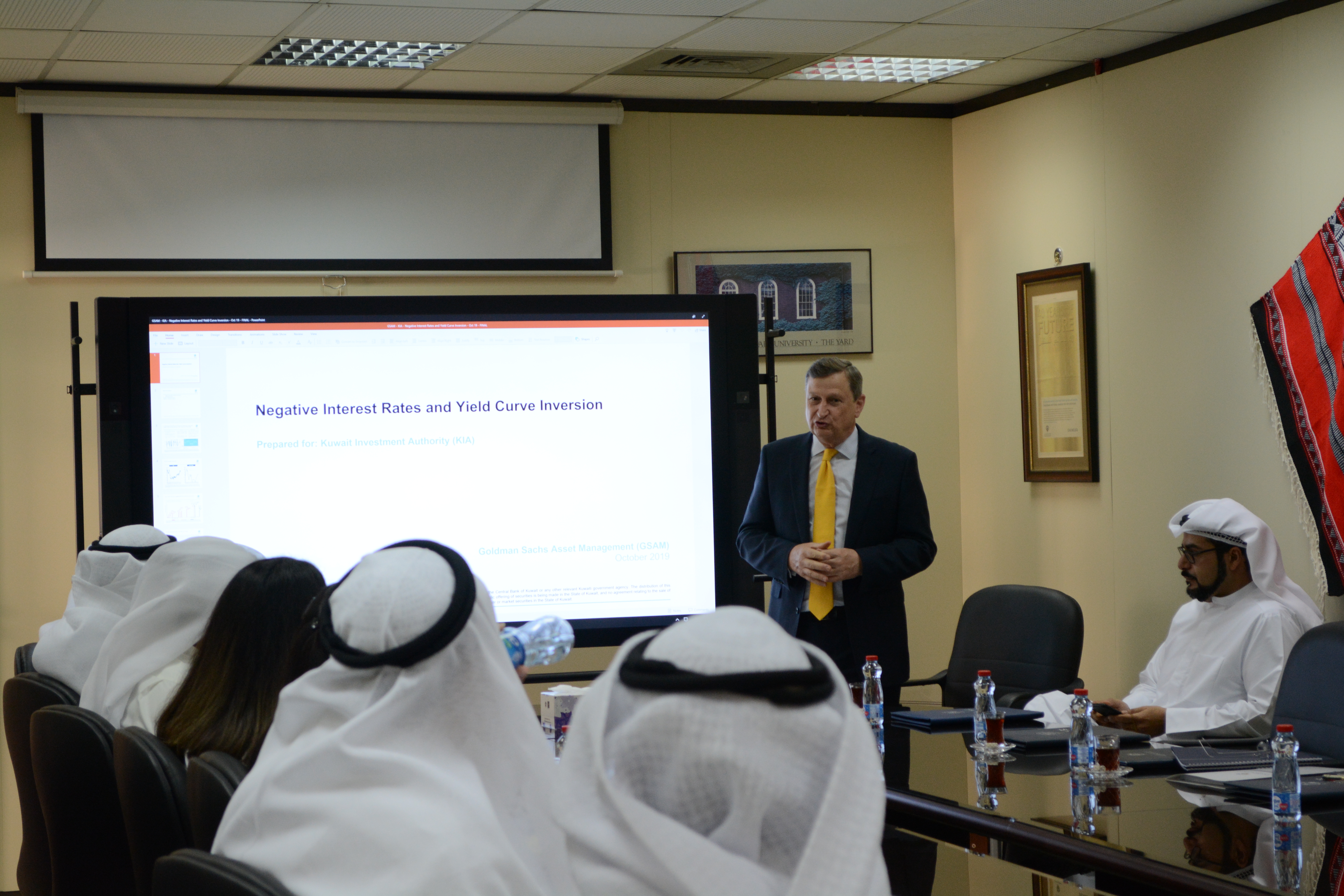
Goldman Sachs has launched a new office in Kuwait, asserting a significant push to enhance its reach across the Middle East and deepen its ties with Gulf-region clients under fresh leadership.

The New York-based investment bank said its role over five decades in Kuwait spans investment banking, capital markets and asset management. As part of its latest expansion, Goldman has tapped Mohammad Almatrouk as managing director of the Kuwait office, pending regulatory green light, while Fahad Alebrahim has been appointed managing director of the firm’s private wealth business in Kuwait.

David Solomon, Goldman Sachs’s Chairman and Chief Executive, framed the move as a commitment to “grow our capabilities across the Middle East and better serve our clients,” emphasising Kuwait’s economic vision as a catalyst for the firm’s expansion.

Goldman Sachs points to a long-standing capacity-building partnership in Kuwait that includes a professional training scheme designed to nurture talent at institutions such as the Kuwait Investment Authority, the Public Institution for Social Security and the Kuwait Fund. That programme, the bank says, will continue to play a central role in integrating local human capital into its global operations.

The choice of Kuwait underscores a growing focus on the Gulf’s institutional capital. Kuwait, host to one of the world’s largest sovereign wealth funds, has attracted global financial firms looking to align with its diversification and investment ambitions. Goldman Sachs’s decision follows earlier regional expansions, such as establishing a presence in Abu Dhabi and securing a banking licence in Saudi Arabia.

Kuwait’s Director General of the Direct Investment Promotion Authority, Sheikh Dr. Meshaal Jaber Al-Ahmad Al-Sabah, praised the move as aligned with Kuwait’s economic diversification and global integration goals. He stressed that opening the office supports national priorities including talent development and sustainable growth.

Regional analysts view Goldman’s Kuwait office as part of a broader recalibration by global banks to embed themselves closer to Gulf capital sources. Over the past two years, deal activity in sovereign and quasi-sovereign asset structures has exploded, prompting major firms including Lazard, JPMorgan and Deutsche Bank to expand in the Gulf with new leadership hires.

Inside Goldman Sachs, the timeline coincides with a leadership transition: the firm’s co-head for the Middle East and North Africa, Fadi Abuali, is slated to retire after nearly 28 years of service. His departure is expected to reshape the firm’s regional hierarchy just as Kuwait becomes a new hub.

Some observers caution the move carries execution challenges. Regulatory approvals in Kuwait must be secured, and Goldman must integrate the new office into its broader Gulf operations without duplicating functions. Success will depend on maintaining local relationships while delivering global platform advantages.

Telecom operator du and technology vendor Nokia have completed a trial of an artificial intelligence–driven automation system aimed at simplifying and expediting the expansion and management of optical networks in the UAE.

The deployment tested Nokia’s WaveSuite AI, which combines traditional AI methods with generative models to assist du engineers with tasks such as planning, troubleshooting and documentation retrieval. The trial reportedly halved the time needed for optical network planning and produced designs 30 percent more efficient, while reducing errors during deployment.

During the trial, du’s engineering team used a single natural language interface to query live network status, access accurate documentation instantly, and simulate potential network evolutions. The system flagged possible inconsistencies or conflicting configurations early, allowing corrective adjustment before full-scale rollout. According to du, the result was faster troubleshooting, fewer manual errors and improved resource utilisation.

Saleem AlBlooshi, chief technology officer at du, said the trial “shows how innovation can transform network operations to face challenges brought on by increasingly sophisticated networks and ever-higher traffic volumes.” He emphasised that the automation of routine tasks and provision of intelligent tools would lead to more reliable, SLA-backed connectivity for customers.

From Nokia’s standpoint, Ron Johnson, senior vice president and general manager of Optical Networks, called WaveSuite AI “a demonstration of the real value of automation solutions with both classical and generative AI for optical networking.” He noted that the system reduces friction in planning, documentation search, and operational processes, and helps service providers accelerate provisioning of higher-speed, more reliable services.

The trial builds on du’s broader effort to embed AI and automation more deeply across its systems. Earlier this year, du partnered with Microsoft, Nokia, Khalifa University’s 6G Research Center and the ITU to launch an “Arabic Telecom LLM,” a large language model tailored for internal telecom operations. That model is designed to handle internal workflows, resolve device issues, process complaints and provide operational insights in Arabic and English. The initiative is part of du’s strategy to blend regional research leadership and global AI tools while retaining language and cultural fidelity in its operations.

This AI-driven automation trial comes amid growing pressures on telecom operators worldwide to scale quickly to meet surging demand for bandwidth, driven by AI workloads, data centers and new real-time applications. As networks grow in complexity, manual processes no longer scale efficiently, pushing operators into an era of closed-loop or autonomous operations. Nokia, in its public literature, frames network automation as essential to reducing manual intervention, improving performance and enabling faster service delivery across domains such as core, mobile, IP and optical networks.

In the UAE context, this trial signals du’s ambition to advance its optical infrastructure ahead of demand peaks, while benchmarking its operations for future 6G readiness. The success of automation in planning and deployment could reduce operational costs, increase agility, and support more complex services such as network slicing, ultra-low latency applications and differentiated service tiers.

Advertisements

Arabian Post Staff -Dubai Dubai has become home to Emirates’ new Centre of Hospitality Excellence, a sophisticated training facility aimed at enhancing service standards across its fleet of nearly 25,000 cabin crew. The development underscores the airline’s pivot toward immersive hospitality training rooted in luxury-hotel culture. At launch, the centre offers an array of high-end amenities: a fine dining restaurant and lounge that can host up to […]

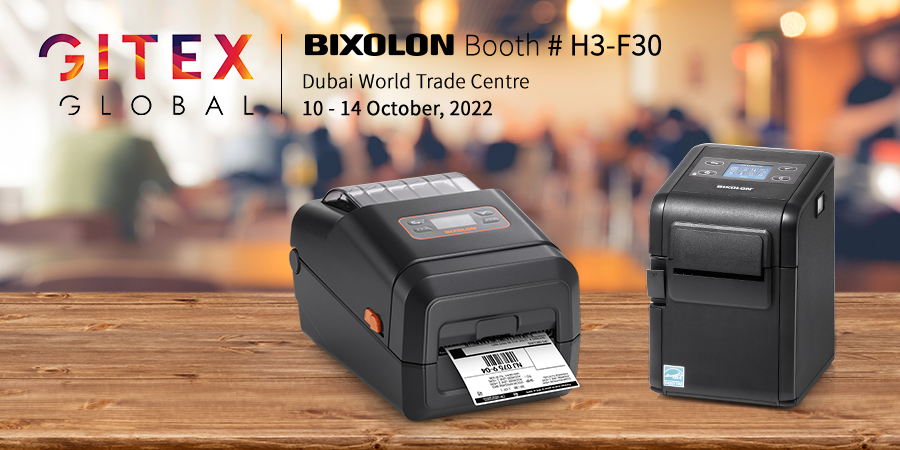
Prinker, a South Korea–based self-expression technology firm, is launching its full suite of personalization solutions in the Middle East and North Africa region at GITEX GLOBAL 2025, seeking to penetrate a market showing robust growth in beauty and personal care.

At its Dubai showcase, Prinker will debut Prinker POP, a smart beauty kiosk that enables users to mix and preview custom makeup palettes via a touchscreen interface and AI-driven simulation. It will also bring its handheld devices—Prinker S and Prinker M—capable of applying temporary, skin-safe tattoos within seconds, as well as a standalone Prinker Tattoo Kiosk allowing users to self-apply designs in malls or entertainment venues without staff assistance.

The company aims to tap into accelerating demand for experiential retail and personalisation in beauty, positioning itself at the intersection of tech and aesthetics as regional consumers and retailers seek interactive, low-risk forms of self-expression.

The MENA beauty and personal care market is projected to expand sharply, with estimates placing its value at around USD 95.2 billion by 2030 and an annual growth rate of 9.0 %. Rising digital penetration, social media influence, and youthful demographics are driving demand for personalised and immersive beauty experiences.

Prinker’s approach reflects broader industry trends in tech-infused beauty. Beauty firms worldwide are increasingly adopting AR mirrors, AI skin diagnostics, and custom formulation platforms. Yet few have ventured into on-demand, skin-printing devices in public retail spaces. Prinker positions its handheld and kiosk systems as a bridge between digital and physical engagement.

Retailers and salon operators in the region may see appeal in integrating Prinker’s solutions as a customer acquisition tool. By offering interactive touchpoints, brands can boost dwell time and cross-sell products. Prinker’s machines also reduce staff overhead and allow consistent brand experiences across locations.

Prinker’s global track record includes deployments for brand activations and content creation campaigns in Asia and the United States. However, scaling into MENA requires navigating regulatory regimes for cosmetic safety, cultural sensibilities around appearance, and localisation of designs to reflect regional tastes.

Prinker faces competition from AR/VR beauty apps that let users visualise makeup digitally, as well as legacy cosmetic brands developing custom blends in stores. But none currently replicate live, direct-to-skin printing in physical venues. Prinker’s advantage lies in marrying hardware and software with a frictionless user experience.

Executives leading Prinker’s expansion emphasise strategic partnerships. They plan to collaborate with regional beauty chains, department stores and mall operators, integrating kiosks into high-footfall environments. They also intend to localise design libraries—such as Arabic calligraphy motifs and regionally relevant patterns—to enhance appeal.

Analysts note that success will depend on commercial viability: cost per use, durability, and consumer uptake. Prinker will need to balance affordability with perceptible novelty so that users perceive value in transient tattoos or customised palettes.

iFLYTEK is stepping up its engagement in the Middle East, unveiling two flagship AI products at GITEX 2025 in Dubai as part of a broader strategy to localise its offerings and anchor its presence in the region.

The company’s showcase spans three core portfolios—AI Translation, AI Infrastructure and AI Solutions—tailored for Gulf markets, with particular emphasis on Arabic dialect support and secure deployment. Among the new offerings is the AI Translation Earbuds, designed to enable seamless multilingual communication, and the e-ink AINote 2 work device, both making their global debut at the event. The debut underscores iFLYTEK’s intent to go beyond product marketing, emphasising solutions that address regional business needs.

Vincent Zhan, Vice President of iFLYTEK, asserted that the company is focused “to deliver intelligent solutions that address real business challenges” rather than merely present tech demonstrations. The firm has already placed a local team in Dubai to oversee deployment, maintenance, and customer support. It also customised algorithms to handle multiple Arabic dialects, expecting that linguistic responsiveness will differentiate it from global rivals.

iFLYTEK’s portfolio for the event includes the Spark WallEX system, designed for intelligent space management, along with Spark Smart Blackboard and Spark GuideX. The firm says these are engineered to support a range of sectors, including education, healthcare, enterprise operations and government. Its “All-in-One AI Solution” is positioned as a secure infrastructure package for organisations seeking turnkey AI adoption.

The Middle East expansion is part of a larger international push. Outside Asia, iFLYTEK is targeting Europe, as trade tensions and regulatory pressures create incentives to diversify markets. It is reportedly planning offices in France and Hungary, with growth ambitions in Spain and Italy. In March 2025, Zhan cited tariffs in the US as influencing iFLYTEK’s decision to look more aggressively into Europe and the Gulf.

China’s AI giant also faces headwinds. It was placed on a US trade blacklist in 2019, making procurement of certain high-end components dependent on US approvals. To mitigate vulnerability, iFLYTEK has shifted many of its models to Huawei’s chip platforms. It developed its Xinghuo X1 large language model in partnership with Huawei, reportedly running entirely on domestic chips. The firm claims to have pushed chip efficiency from 20 per cent to nearly 80 per cent of equivalent U. S. hardware, though Huawei leadership acknowledges that domestic chips still lag behind by a generation.

Market observers note that iFLYTEK’s shift toward the Gulf aligns with governments in the UAE and Saudi Arabia pushing AI-first national strategies. However, the company must navigate regulatory, data residency and market competition risks. In the Gulf, local AI and language processing firms are emerging, and global players like Amazon and Microsoft are pressing deeper into the region.

iFLYTEK’s presence at major global events is integral to its positioning. In July 2025, at MWC Shanghai, it launched the Spark All-in-One AI Machine and Dual-Screen Translator 2.0—capable of handling translation across dozens of languages—to reinforce its push into enterprise AI. The company has also rolled out smart products such as the AINOTE Air 2 across Asia and Gulf markets, with strong uptake in multilingual productivity segments.

Rania Gule Over the past few months, silver prices have witnessed a strong rally — not only as a safe-haven asset alongside gold, but also due to fundamental factors rooted in industrial supply and demand dynamics. As of early October 2025, silver is trading around $48.65 per ounce in spot market data, while ETFs such as iShares SLV show a slightly lower net asset value (NAV), reflecting […]

A major cross-border deal is underway as Abu Dhabi’s International Holding Company will invest about ₹8,850 crore to acquire a 43.5 per cent stake in Sammaan Capital, formerly Indiabulls Housing, making IHC the company’s key promoter and granting it control over board appointments. Sammaan Capital, a publicly listed non-bank financial company specialising in mortgage lending, will issue 330 million equity shares and 306.7 million convertible warrants to […]

UAE’s non-oil private sector continued to gain momentum in September, with the seasonally adjusted S&P Global UAE Purchasing Managers’ Index reaching 54.2 — the highest reading in seven months and up from 53.3 in August. The increase underscores a solid acceleration in non-oil business activity in the country’s diversified economy. Growth was led by a sharp upswing in new business; the new orders sub-index jumped to 57.2 […]

Annual leadership business series by Canon Singapore equips business leaders with strategies and a resilience-ready toolkit to navigate global and economic shifts impacting Singapore SINGAPORE – Media OutReach Newswire – 6 October 2025 – Canon today announced the return of the highly-anticipated annual Think Big Leadership Business Series in Singapore, designed to help businesses tackle challenges in an era of global uncertainty and technological disruption. This year’s […]

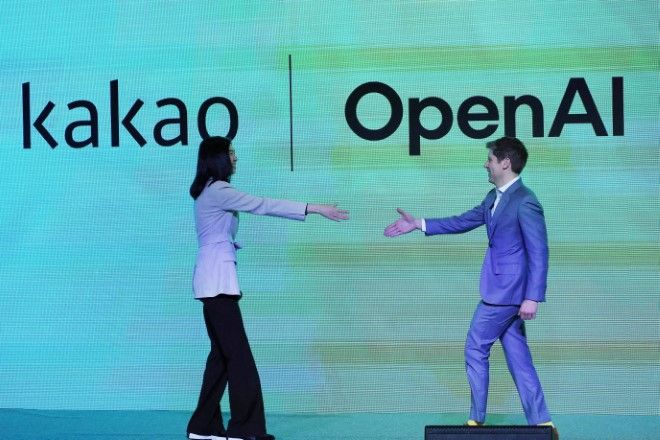
OpenAI chief executive Sam Altman is leading a high-stakes campaign across East Asia and the Middle East to secure investment and bolster chip supply for the company’s AI infrastructure push. He has held talks since late September in Taiwan, South Korea and Japan with leading hardware suppliers to prioritise OpenAI’s orders and expand capacity.

Altman has met with Taiwan Semiconductor Manufacturing Company and Foxconn, as well as Samsung and SK Hynix, pressing them to accelerate production and give OpenAI preferential access. In South Korea, Samsung and SK Hynix have signed letters of intent to supply memory chips for OpenAI’s data centres. Meanwhile, OpenAI plans further fundraising discussions in the United Arab Emirates.

The urgency of Altman’s mission reflects the intensifying global competition for advanced computing resources. OpenAI projects it will spend around US$16 billion this year on renting computing servers, with long-term forecasts stretching to US$400 billion by 2029 as AI models grow ever more complex.

Industry analysts note that the semiconductor supply chain remains highly constrained. TSMC dominates GPU chip production, and memory manufacturing is largely concentrated in East Asia, creating significant strategic leverage for the manufacturers approached by Altman.

As part of his tour, Altman is also pressing Japanese firms to contribute to infrastructure support. Hitachi has entered discussions to provide power transmission and distribution systems for OpenAI’s data centres, while sharing technical resources under joint development agreements.

Sources familiar with the process say Altman pushed for direct prioritisation in chip delivery schedules, asking that OpenAI receive top-tier production slots. In some cases, he proposed co-investment or co-development of next-generation AI hardware to bind partner incentives more closely.

In South Korea, early architecture proposals include planned data centres of 20 megawatts in collaboration with Samsung and SK Hynix. Altman is reportedly exploring “floating” data centre designs to manage land constraints and cooling demands.

The UAE leg of his mission is expected to involve negotiations with sovereign investment firms such as MGX and Mubadala, with the aim of funding both OpenAI’s expansion and joint infrastructure ventures in the region. In past rounds, UAE investors have already taken part in funding OpenAI operations.

Challenges remain significant. The sheer scale of chips and memory required for stacked AI model training is pushing the boundaries of global wafer fabrication capacity. Market watchers point to the high capital expenditure and long lead times in the semiconductor industry as obstacles to rapid scaling. Some of Altman’s proposals—for example, co-development of bespoke ASICs—are still in preliminary stages and face technical risk.

OpenAI’s valuation and investor backing give the company leverage. Earlier this year, it closed deals that valued it at about US$500 billion, with new capital injections from investors including SoftBank and UAE entities. Those moves have fortified its position in negotiating upstream deals with manufacturers.

Singapore — Google will begin enforcing age-based download restrictions in Singapore from March 2026, disallowing users estimated to be under 18 from acquiring apps offering dating services or explicit sexual content via the Google Play Store. Under the planned measures, Google will use an “age assurance” system across its products to estimate a user’s age via algorithmic signals—such as search history and content consumption—to impose default filters […]

Saudi Arabia has announced that half of all jobs in licensed tourism establishments must be staffed by Saudi nationals by 2028, signalling a significant policy shift to move citizens into non-oil sectors. The Ministry of Tourism says the measure will tackle the overreliance on expatriate labour and realign the workforce with Vision 2030 economic diversification goals. Under the new framework, the Saudisation ratio will rise gradually: 40 […]

The Bifrost subsea cable system has been certified as Ready for Service, paving the way for commercial data traffic between Singapore and the western United States.

Stretching more than 20,000 km, Bifrost charts a novel route via Indonesia—across the Java Sea and Celebes Sea—enabling the first direct subsea connection between Singapore and the U. S. West Coast. Its design supports over 260 Tbps of capacity, and the round-trip latency between Singapore and the U. S. is projected at under 165 milliseconds, approximately 10 ms faster than many alternative routes.

Keppel Ltd holds five of the total 12 fibre pairs in Bifrost, through a 40-60 joint venture with private fund co-investors. The cable system’s landing stations include Grover Beach, Winema, Guam, Singapore, and branching units to Jakarta, Manado, and Davao in the Philippines.

Manjot Singh Mann, CEO for Connectivity at Keppel, described Bifrost as a “landmark project” that will “bolster digital connectivity between Southeast Asia and the USA” and reinforce Singapore’s status as a regional digital hub. Alcatel Submarine Networks handled the cable’s construction; its CEO, Alain Biston, noted that reaching readiness reflects “the hard work of ASN teams working hand in hand with our client.”

In the Philippines, Converge ICT serves as the landing party at Davao. Dennis Anthony Uy, Converge’s CEO, said that the cable will “not only boost the company’s international bandwidth capacity, but for the Philippines, it will mean redundancy and diversity in network infrastructure.”

The significance of Bifrost lies not only in its raw capacity and speed but also in route diversification. By crossing via Indonesia, the cable offers an alternate path independent of existing transpacific systems, lowering the risk of congestion or outages on established corridors. Analysts view its timing as aligned with surging demand for bandwidth, driven by growth in AI workloads, real-time applications, cloud services, and digital transformation across Asia.

Bifrost enters a competitive environment of subsea infrastructure expansion. Projects such as Echo, Apricot, Hawaiki Nui, and others vie for roles in connecting Asia with the Americas and the Pacific islands. Echo is expected to link Singapore to Guam and onward to Eureka, California. Apricot, largely intra-Asia in scope, is ramping up deployments across Japan, Taiwan, the Philippines, and Indonesia.

Market commentators point out that Bifrost’s success will hinge on uptake from global cloud providers, telcos, and hyperscalers. Keppel’s stake reflects a confidence in long-term returns. Some financial analyses anticipate internal rates of return exceeding 30 percent, with projected revenue from operational and maintenance fees per fibre pair exceeding S$200 million over 25 years.

Because Keppel and its partners delayed the original launch schedule, the push to achieve RFS signals a resolve to catch up with escalating infrastructure demand.


Hub71, Abu Dhabi’s global technology ecosystem, has inked its first partnership in the US with the New Jersey Economic Development Authority, opening pathways for startups to scale across continents. The memorandum of understanding was signed at the Abu Dhabi Investment Forum in New York, signalling the start of reciprocal support between the two innovation hubs. The agreement enables joint programming, market visits and curated introductions to investors, […]

Aluminium Products Company of Saudi Arabia and Hong Kong–based Asia Aluminum Group have inked a master framework agreement to build the largest integrated downstream aluminium industrial complex in the Kingdom, with planned investment reaching up to USD 500 million. The initiative centres on three joint ventures covering aluminium extrusion, modular housing, and solar panel frame manufacturing. The agreement was signed in Hong Kong by ALUPCO Chief Executive […]

World Liberty Financial, the crypto venture tied to Donald Trump’s family, has announced it will issue a debit card enabling users to spend digital assets as conventional currency, with a pilot slated next quarter and full deployment targeted by late 2025 or early 2026.

At Singapore’s TOKEN2049 conference, CEO Zach Witkoff stated that the underlying aim is to “bridge crypto assets with everyday spending,” forecasting that the card could go live in the fourth quarter or first quarter of 2026. Co-founder Donald Trump Jr. joined the presentation, underscoring the project’s ambition to integrate cryptocurrency more deeply into consumer payments.

Beyond payments, World Liberty is advancing a plan to tokenise real-world commodities, aiming to use blockchain infrastructure to trade assets like oil, gas, timber and cotton. Witkoff described these as “really interesting” domains for on-chain trading, pointing to what the company sees as excess transactional inefficiency in traditional markets. The firm also launched its governance token, WLFI, earlier this month, and has introduced USD1, a dollar-pegged stablecoin backed by U. S. Treasuries and other cash equivalents to cut dependency on conventional banking rails.

World Liberty has secured a high-profile institutional backer: the UAE-based Aqua 1 Foundation invested USD 100 million in WLFI tokens, becoming the venture’s largest public investor. The strategic pact aims to fuel World Liberty’s expansion in South America, Europe and Asia, and to jointly incubate blockchain initiatives.

The governance token WLFI currently is non-transferable, granting holders voting rights rather than direct tradeability; World Liberty has said it is “working behind the scenes” to make WLFI transferable in the future. A large portion of WLFI’s supply remains held by the Trump family and affiliated entities.

The stablecoin USD1 gained traction after a major crypto exchange deal: World Liberty was among the early adopters when the funds backed by an Abu Dhabi entity were routed through USD1 to a major crypto platform, helping to elevate USD1’s market position in the stablecoin ecosystem.

Regulatory and ethical concerns already shadow the venture. Critics argue the project blurs lines between private enterprise and public office, noting that much of the Trump family’s wealth could become entangled with policy outcomes. Donald Trump Jr. has dismissed conflict-of-interest allegations as “complete nonsense,” but scrutiny over the convergence of politics and crypto is intensifying.

WLFI has exhibited wide volatility since launch, riding speculative momentum across global exchanges. Meanwhile, competing crypto card offerings already exist, with established fintechs and digital-asset platforms offering crypto-linked cards in partnership with Visa and Mastercard. Witkoff contends World Liberty’s version will differentiate through tighter integration with its stablecoin and tokenisation strategy.

Global investment firm KKR has acquired a minority stake in ADNOC Gas Pipeline Assets LLC, reinforcing its commitment to Middle East energy infrastructure. ADNOC retains full operational control and ownership of the pipelines. KKR’s move builds on longstanding ties with Abu Dhabi’s national energy group. In 2019, KKR and BlackRock acquired a portion of ADNOC’s oil pipeline business in a landmark deal; that investment was later sold […]

Tesla has launched sales of its Cybertruck in Qatar, bolstering its Middle East expansion as the electric carmaker seeks growth beyond saturated U. S. and Chinese markets. The announcement was made via its social media channel on 3 October, following its earlier push into Saudi Arabia this year.

Underlining its Gulf ambitions, Tesla has already made the Cybertruck available in Saudi Arabia and the United Arab Emirates, and now Qatar joins as one of the first markets outside North America to offer the pickup. The company plans to support local sales with online ordering, pop-up showrooms, Supercharger stations, and service centres.

Tesla does not provide regional breakdowns for Cybertruck deliveries, but a U. S. recall filing notes that 46,096 units had been built between November 2023 and early 2025. Analysts say the Qatar move is timely, given Tesla faces weakening demand and intensifying rivalry in its core markets.

Qatar, meanwhile, has signalled ambition in building an EV framework. The country is working toward installing 1,000 public charging stations by 2025 and targeting 4,000 by 2035. A partnership between Tesla, the utility Kahramaa, and real estate projects like Doha Festival City aims to deploy Superchargers capable of delivering 250 kW charging, enabling about 200 miles of range in 15 minutes.

Tesla’s introduction in Qatar is part of a broader Gulf strategy that seeks to replicate its Saudi model—offering multiple variants of the Cybertruck tailored to regional conditions. For example, orders in Saudi Arabia include both All-Wheel Drive and Cyberbeast trims, with the Saudi AWD variant priced starting at around 434,990 Saudi Riyal.

However, Tesla is also reshaping its product line due to weak uptake. It has dropped the standalone rear-wheel-drive Cybertruck variant from its U. S. configurator, leaving only two higher-end models in the lineup. This shift signals that Tesla is consolidating its offerings to better match market demand.

Competition in the Gulf is mounting. Chinese manufacturers BYD and Zeekr are pushing aggressively into the region, and the U. S. EV maker Lucid—backed by Saudi Arabia’s sovereign wealth fund—poses a formidable local rival.

Tesla’s Q3 performance provided a temporary boost: the company reported record global deliveries, partly driven by a rush before the U. S. EV tax credit expired on 30 September. Yet analysts anticipate a steep drop in Q4 sales given the expiration of that incentive.

Tesla’s entry into Qatar underscores its strategic pivot toward markets where expansion potential remains, even as challenges loom in technology adaptation, climate conditions, and consumer uptake.

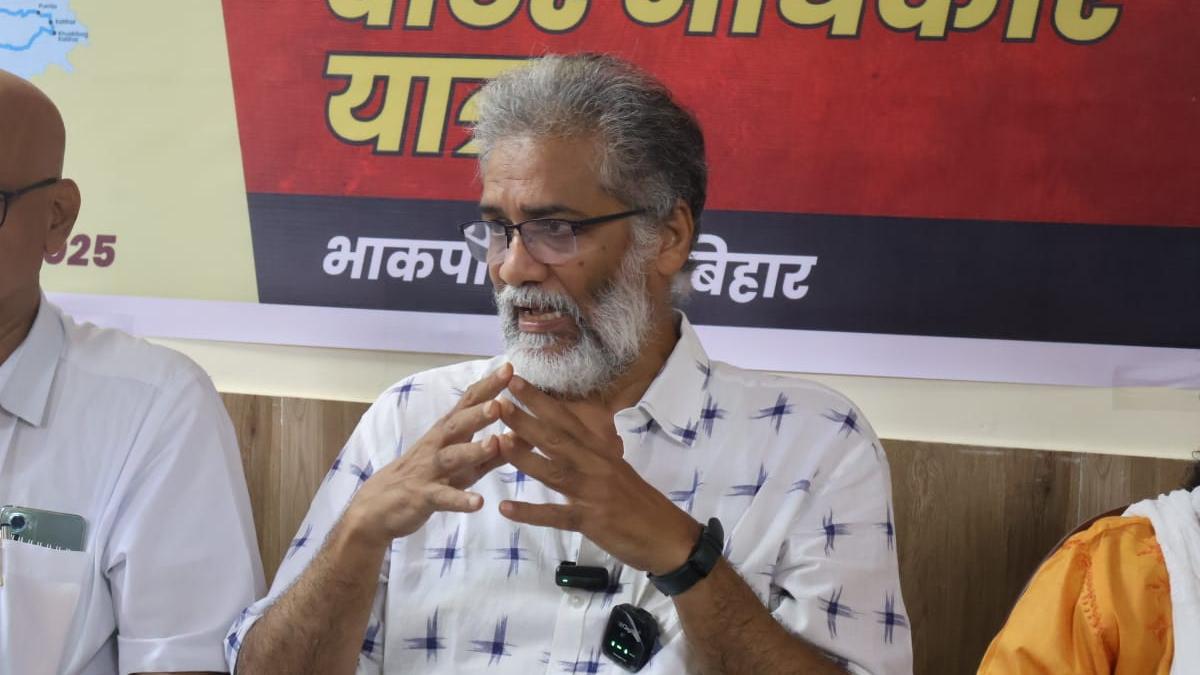
By Sushil Kutty There’s this theory going around that the Congress, wherever it has fought elections in recent years, from Haryana to Maharashtra, and now Bihar in the offing, it fought with its INDIA bloc allies more than with the BJP, the party to beat if the INDIA Bloc has to oust Prime Minister Narendra […]


The article Congress Should Go The Whole Hog With Its Ally RJD In Coming Bihar Polls appeared first on Latest India news, analysis and reports on Newspack by India Press Agency).

VISHNU RAJA
RYO YAMADA
HITORI GOTOH
IKUYO KITA