News related to
First

BANGKOK, THAILAND – Media OutReach Newswire – 12 December 2025 – Vinhomes has been honored as “Developer of the Year Southeast Asia 2025”, the most prestigious title within the Dot Property Southeast Asia Awards 2025. The award marks a significant milestone in Vinhomes’ regional expansion journey and reaffirms its pioneering role in shaping modern urban developments, enhancing quality of life, and setting sustainable development benchmarks for Southeast […]

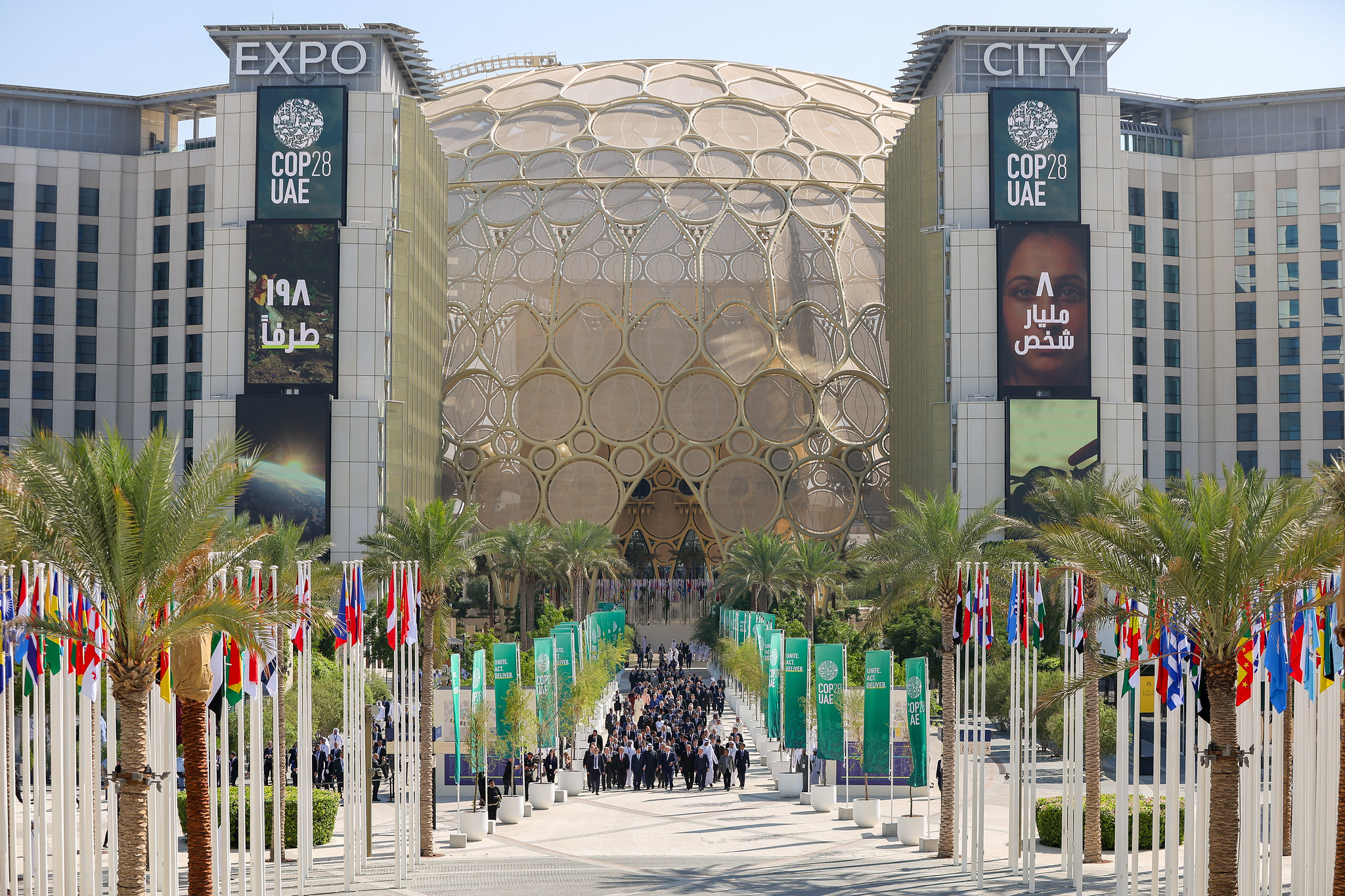
Abu Dhabi has hosted the CGIAR System Council meeting for the first time in the Arabian Gulf region, marking a significant moment for global agricultural governance and underscoring the UAE’s ambition to position itself as a convening hub for food systems innovation, climate resilience and sustainable development.

The gathering brought together representatives of governments, multilateral organisations, donors and research leaders who collectively oversee CGIAR, the world’s largest public agricultural research partnership. The System Council sets strategic direction, approves funding allocations and assesses the impact of research programmes that influence food security for hundreds of millions of people, particularly in climate-vulnerable regions.

Hosting the council in the UAE reflects a broader shift in global agricultural research towards regions facing acute water stress, rising temperatures and land degradation. Officials involved in the meeting emphasised that solutions for future food systems must be designed and tested in environments that mirror the challenges many countries already face, including arid climates and fragile ecosystems. The Gulf, long associated with food import dependence, is increasingly presented as a laboratory for innovation in desert agriculture, controlled-environment farming and climate-smart technologies.

CGIAR’s research portfolio spans crop improvement, climate adaptation, nutrition, water management and biodiversity conservation. Its network includes 15 research centres operating across Africa, Asia, Latin America and parts of the Middle East. Discussions in Abu Dhabi focused on aligning research priorities with accelerating climate risks, tightening development budgets and the need to demonstrate measurable outcomes for smallholder farmers and vulnerable communities.

Senior figures attending the meeting highlighted the urgency of scaling innovations that improve productivity while reducing environmental footprints. Heat-tolerant crop varieties, drought-resilient seeds, precision irrigation systems and data-driven advisory services were cited as areas where scientific advances are already delivering tangible benefits. Council members also reviewed progress on integrating gender equity and nutrition outcomes into agricultural research, recognising that yield gains alone do not guarantee food security.

The UAE’s role as host was framed around its investments in agri-tech, food security strategies and international development partnerships. Over the past decade, the country has expanded funding for agricultural research, supported pilot projects in arid farming and strengthened ties with international institutions working on climate adaptation. Officials involved in organising the meeting said the decision to host the council aligned with national priorities on sustainable food production and knowledge-based economic diversification.

Beyond symbolism, the location influenced the agenda. Sessions examined how lessons from desert agriculture can be adapted for other water-scarce regions, including parts of Africa and Central Asia. Controlled-environment agriculture, including greenhouse and vertical farming, featured prominently as participants assessed their potential to complement open-field farming rather than replace it. Energy use, affordability and scalability in lower-income settings were central to these debates.

Financing emerged as a critical issue. CGIAR operates in an environment of competing global crises, where humanitarian needs, climate finance and development assistance all draw from limited public funds. Council members discussed strategies to broaden the donor base, attract blended finance and strengthen partnerships with the private sector without compromising CGIAR’s public-good mandate. Transparency, accountability and rigorous impact evaluation were repeatedly emphasised as essential to maintaining donor confidence.

The meeting also addressed governance reforms within CGIAR, which has undergone structural changes aimed at improving coordination across its research centres. Council members reviewed progress on streamlining programmes, reducing duplication and enhancing collaboration with national research systems. Strengthening ties with regional institutions in the Middle East and North Africa was identified as an opportunity to expand the reach of research outputs while respecting local contexts.

Dubai has taken a decisive step toward autonomous urban transport with the launch of a pilot public robotaxi service on the Uber app, allowing selected users to book self-driving rides within designated zones of the emirate. The initiative, rolled out by the Roads and Transport Authority in partnership with autonomous technology firm WeRide and Uber Technologies, marks the first time such a service has been made available […]

Global oil supply is likely to align closely with demand through 2026, according to fresh projections from the Organization of the Petroleum Exporting Countries, setting up a clear divergence with forecasts from other major agencies that warn of a sizeable surplus building in the same period. OPEC’s latest monthly assessment indicates that the OPEC+ alliance, which brings together OPEC members, Russia and other producing partners, expects market […]

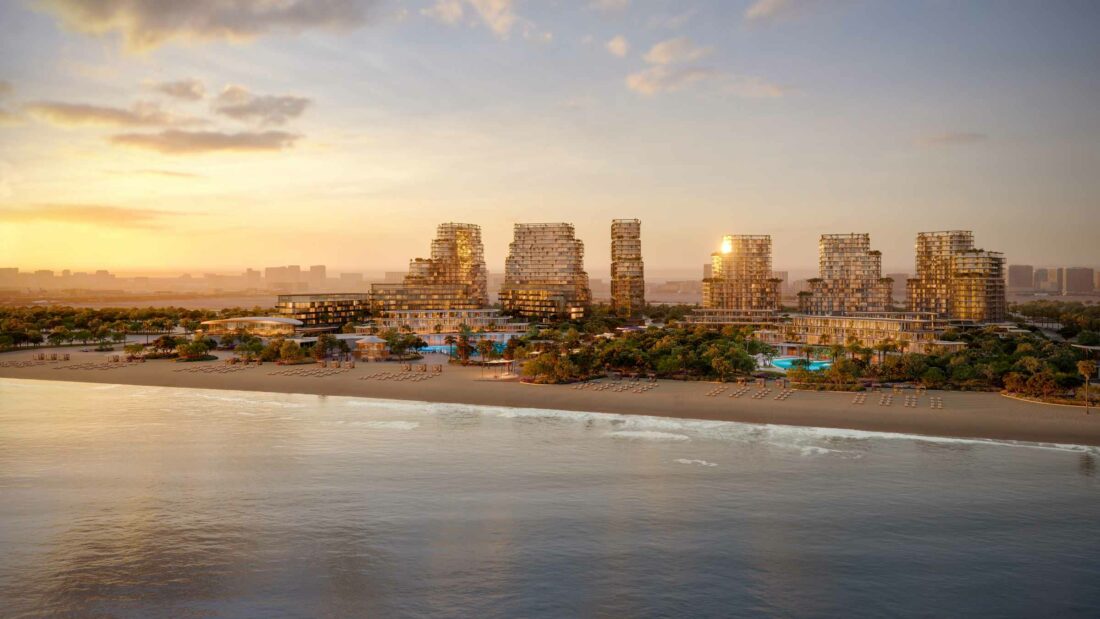
Beyond Developments has launched SIORA, its first beachfront masterplan on Dubai Islands, marking a significant step in the design-led developer’s expansion and reinforcing its alignment with Dubai’s long-term urban development strategy. The project becomes Beyond’s second large-scale community introduced within a year, underscoring the pace at which the company is scaling operations in a competitive real estate market shaped by strong demand for lifestyle-driven coastal living.

Planned across more than two million square feet, SIORA is positioned as a low-density waterfront enclave that blends residential, leisure and public-realm spaces. The development is conceived as a coastal sanctuary, with design cues drawn from Japanese garden philosophies and the concept of Ikigai, which centres on balance, purpose and fulfilment in everyday life. Beyond has said the masterplan aims to integrate natural elements, walkable environments and tranquil waterfront vistas to support wellness-focused living rather than high-intensity urban density.

Dubai Islands, formerly known as Deira Islands, has been earmarked by city planners as a key growth corridor for tourism, hospitality and mixed-use communities. The location offers direct coastal access while remaining closely connected to established commercial districts, ports and transport infrastructure. Authorities have promoted the area as part of a broader effort to diversify beachfront destinations beyond traditional luxury zones, combining residential neighbourhoods with cultural, retail and recreational assets. SIORA is expected to contribute to this repositioning by introducing a master-planned community rather than a standalone residential cluster.

Beyond Developments has framed the launch as part of a wider strategy to deliver future-ready communities that respond to evolving buyer preferences. Demand across Dubai’s residential market has increasingly tilted towards integrated developments that prioritise open space, sustainability and lifestyle amenities, particularly among long-term residents and international buyers seeking primary homes rather than short-stay investments. Waterfront projects, in particular, have continued to command price premiums, driven by limited supply and consistent global interest.

The company’s emphasis on Japanese-inspired design sets SIORA apart from conventional beachfront schemes dominated by high-rise towers and resort-style branding. Landscape-led planning, curated sightlines and quiet communal areas are intended to foster a sense of retreat within an urban context. Developers and architects working on similar concepts have pointed to growing interest in biophilic design and wellness-oriented planning, trends that gained traction as residents placed greater value on liveability, privacy and access to nature.

Beyond’s accelerated project pipeline also reflects confidence in Dubai’s regulatory environment and long-term population growth projections. Government initiatives supporting foreign ownership, long-term residency visas and infrastructure investment have underpinned sustained real estate activity across multiple price segments. Analysts tracking the market note that while transaction volumes have moderated from peak surges, end-user demand for well-located, thoughtfully designed communities remains resilient, particularly in waterfront and master-planned districts.

The launch of SIORA follows Beyond’s earlier community introduction within the same year, signalling a deliberate move to establish brand presence through scale rather than isolated developments. Industry observers note that new entrants adopting a design-led positioning often seek differentiation through master planning, architectural identity and curated amenities to compete with established developers. Delivering multiple large communities in quick succession also places emphasis on execution, construction timelines and long-term community management, factors that influence buyer confidence.

Engineered for the AI era, MIMO delivers breakthrough metrics: 400 GB/s bandwidth, 54 million IOPS, and 40–90 μs latency—all within a form factor comparable to a large suitcase. MIMO serves as both a high-performance data hub for large-scale GPU clusters and a flexible edge deployment platform, extending seamlessly to desktop environments where it orchestrates workflows with various DGX Spark units based on NVIDIA’s GB10 Grace Blackwell superchip. […]

Google has unveiled its most affordable artificial intelligence subscription in India, aiming to challenge OpenAI’s popular ChatGPT Go service and expand the reach of its AI ecosystem. The new Google AI Plus plan is priced at ₹399 per month, with a special introductory offer of ₹199 for the first six months for new subscribers, a strategy clearly designed to attract price-sensitive users in one of the world’s fastest-growing digital markets.

The launch places Google directly in competition with OpenAI’s ChatGPT Go subscription, which has gained traction by offering enhanced features at a similar price point and, in some cases, bundled free access through promotions. Both plans now sit at roughly the same monthly cost, but key differences in features and ecosystem integration could shape consumer choice.

Google’s AI Plus plan gives subscribers expanded access to Gemini 3 Pro, the company’s most capable AI model yet, enabling advanced natural language understanding, coding assistance, creative tasks and complex research queries. It also includes Nano Banana Pro, Google’s latest image-generation and editing model, and enables video generation through tools such as Flow and Veo 3.1—features that aim to broaden appeal among creators and professionals alike.

Beyond generative capabilities, the plan bundles 200GB of cloud storage shared across Gmail, Google Drive and Photos, and allows users to share privileges with up to five family members, a benefit absent in many direct AI chatbot subscriptions. The integration of AI tools into everyday applications like Gmail and Docs is also a distinguishing factor for Google, tying advanced AI functionality directly into widely used productivity platforms.

Market analysts say the move reflects tech giants’ broader strategy to embed AI deeper into consumer ecosystems. By offering storage and productivity enhancements alongside generative AI, Google appears to be positioning AI as an everyday utility rather than a standalone service, contrasting with ChatGPT Go’s focus on conversational and research use cases.

OpenAI’s ChatGPT Go has been offered free for a year in various markets, including India under promotional deals, increasing its adoption among students, freelancers and casual users. Google’s decision to counter with a low-entry price signals recognition of the importance of competitive pricing in winning market share in regions where cost is a significant adoption factor.

Industry observers note that India has become a key battleground for generative AI services. The country’s large English-speaking population, burgeoning digital user base, and rapid uptake of smartphones have made it one of the most contested markets for AI subscriptions globally. This push comes amid substantial investment flows from global tech firms into the Indian AI and cloud sectors, including commitments from Microsoft and Amazon to expand infrastructure and services locally, underscoring broader confidence in the region’s long-term growth potential.

Despite aggressive pricing, some experts caution that affordability alone may not secure dominance. “Value for users increasingly depends on how AI integrates with everyday workflows,” said an independent technology analyst, pointing to the added utility of cloud storage and productivity enhancements in Google’s offer. “These extras could tip the balance for professionals and households in choosing one platform over another.” This assessment reflects growing sentiment that seamless application integration, rather than raw AI prowess alone, will be a key differentiator in consumer choices.

The launch also comes against a backdrop of regulatory and competitive developments in the AI landscape. Governments worldwide, including a policy proposal in India to impose royalties on AI firms that train on copyrighted local content, are scrutinising how large models are developed and monetised. Such regulatory pressure could shape how global AI companies price and deliver services in key markets.

Google’s broader AI strategy continues to evolve, with investments in advanced models and partnerships aimed at pushing generative AI beyond chat interfaces into practical, everyday tools. The company has also recently bolstered its AI collaborations, such as integrating advanced coding tools and developer platforms, and its executives have signalled an intensified focus on next-generation models and applications capable of supporting complex tasks.


Advertisements

Matein Khalid Oracle’s Q2 earnings vindicated my call to stay short Microsoft and SoftBank as public market proxies for OpenAI, whose $500 billion valuation should realistically be marked down by 50% to reflect current ground realities which will get much worse. I was aghast to see Oracle slump by another 11% on Nasdaq but not at all surprised when Microsoft shed $18 in last night’s session/after market. […]

The investment landscape of 2026 is being shaped by a set of forces that are measurable, global, and impossible for any serious investor to overlook. The noise around short-term market swings has masked the reality that structural trends—not sentiment—are driving the next decade of value creation. Investors focused on what actually moves markets should concentrate on seven megatrends that are now setting the pace. The first is […]

Australia’s attempt to block under-16s from accessing major social media platforms was immediately challenged as teenagers bypassed the new restrictions within hours, surfacing concerns over the policy’s design, its rapid rollout, and the possibility that younger users could drift towards platforms with fewer safeguards. The ban, introduced as part of a national response to mounting concerns over online harm, requires platforms including Meta’s Instagram and Facebook, TikTok, […]

OpenAI has appointed Denise Dresser, the chief executive of Slack, as its first-ever chief revenue officer, a decisive move aimed at accelerating the artificial intelligence giant’s commercial push and enterprise expansion. Dresser, a veteran of more than a decade at Salesforce and head of Slack since 2023, will oversee OpenAI’s global revenue strategy, encompassing enterprise sales and customer success as the company navigates mounting competition and seeks […]

Borrowing against physical and financial assets has become a defining feature of credit markets as more companies look for flexible funding beyond traditional loans. The model, known as asset-based lending, is drawing interest from mid-sized firms facing tighter bank standards and from fast-growing businesses seeking to unlock capital tied up in receivables, inventory, or machinery. This shift reflects an environment where cash-flow volatility, higher borrowing costs, and […]

By Nitya Chakraborty For rich European nations, especially the troika Germany, France and Britain, the geopolitical situation that is unfolding in the year 2026 has enough elements of an existential crisis as a result of the announcement of the US policy on global security which marginalizes the role of European nations and NATO in the […]

The article Where Is Europe Placed In The Emerging Global Geopolitics? appeared first on Latest India news, analysis and reports on Newspack by India Press Agency).

QUANZHOU, CHINA – Media OutReach Newswire – 11 December 2025 – As the starting point of the ancient Maritime Silk Road and a millennia-old city boasting the honors of “UNESCO World Heritage Site” and “UNESCO City of Gastronomy,” Quanzhou will host the 2025 Maritime Silk Road International Cultural Tourism Festival under the theme “Silk Road Symphony · Global Bonding Harmony” on December 11, welcoming guests from around […]

SINGAPORE – Media OutReach Newswire – 11 December 2025 – In a labour market reshaped by digitalisation and industry transitions, working adults in Singapore increasingly turn to short, skills-focused programmes to stay employable, switch roles, or move into growth sectors. The national SkillsFuture movement, administered by SkillsFuture Singapore (SSG), exists precisely to make such upskilling accessible, combining course subsidies, credit top-ups, and train-and-place pathways that prioritise employment […]

Sharjah’s real estate market achieved an unprecedented milestone in November 2025, with transaction values soaring to AED 9.5 billion — the highest monthly figure in the emirate’s history. This performance highlights a powerful upswing in property demand and transaction activity, according to data from the Sharjah Real Estate Registration Department.

The surge was driven by a total of 15,131 individual real estate transactions completed across residential, commercial and land sectors, with the cumulative traded area in sales transactions reaching about 34.9 million square feet. Market dynamics showed robust participation from both end-users and investors, signalling sustained confidence in the emirate’s property market fundamentals.

Sales transactions contributed significantly to this total, accounting for 2,126 deals — around 14 per cent of all transactions — demonstrating heightened buyer activity. Mortgage deals also featured prominently, with 698 recorded transactions valued at approximately AED 1.6 billion. The volume and value of these mortgages reflect strong backing from financial institutions and growing investor confidence amid a favourable credit environment.

Analysts note that the November outcome builds on the emirate’s broader market momentum through 2025. Year-to-date figures indicate that property transactions in Sharjah have risen sharply compared with the previous year. Data from a Savills report show that the first nine months of 2025 saw total sales reach around AED 44.3 billion, up by more than half relative to the same period in 2024.

The jump in monthly and cumulative annual activity reflects several intersecting trends shaping Sharjah’s property landscape. Developers across the emirate have accelerated new project launches and master-planned communities that appeal to both domestic and international buyers. Villa and townhouse segments have been particularly active, buoyed by strong demand from families and investors seeking space outside the ultra-premium segments found in neighbouring markets.

Macro-economic factors also play a role. Sharjah’s broader economic ecosystem has recorded steady expansion, with diversification efforts in sectors such as logistics, education, and tourism underpinning population growth and boosting housing demand. Property professionals point to these structural drivers as crucial to the market’s resilience and robust performance.

Regional comparisons further contextualise Sharjah’s achievement. Across the United Arab Emirates, major property markets have posted strong results throughout 2025, with Dubai and Abu Dhabi also reporting significant upticks in transaction volumes and values. In Dubai, for example, transaction figures remained elevated in both off-plan and secondary markets, while Abu Dhabi logged increased activity linked to lifestyle-oriented developments and foreign investment.

Despite these broader national trends, Sharjah’s November figure stands out for its magnitude relative to the emirate’s historical performance. Prior monthly totals in 2025 — including around AED 7 billion in October — already pointed to accelerated momentum, but November’s record haul marks a pronounced inflection point.

Market insiders attribute part of this growth to flexible regulatory frameworks and proactive initiatives introduced by local authorities aimed at stimulating property sector participation. Enhanced transparency in transaction processes and targeted incentives for first-time buyers and investors have helped attract a more diverse buyer base.

Despite the strong upswing, industry observers caution that sustained growth will require continued alignment of supply with demand, particularly in mid-income and affordable housing segments. Robust demand could exert upward pressure on prices if not matched by commensurate increases in new deliveries. Developers and policymakers will need to address these dynamics to maintain market stability over the medium term.

BALI, INDONESIA – Media OutReach Newswire – 11 December 2025 – A distinguished cohort of Philippine enterprises was celebrated at the Asia Corporate Excellence & Sustainability (ACES) Awards 2025 for setting new standards in responsible business transformation, sustainability and people-centred leadership. Celebrating the exceptional Day 1 and Day 2 ACES Award winners. The 2025 recipients, Gothong Southern, Cebu Landmasters, Mober Technology, First Oceanic Property Management (FOPM), Monde […]

CHONGQING, CHINA – Media OutReach Newswire – 10 December 2025 – China Changan Automobile Group today celebrated a historic achievement as its 30 millionth vehicle—an AVATR 12 Quad-Laser Edition—rolled off the line at the AVATR Digital Intelligence Factory. The milestone signals Changan’s evolution into a global intelligent mobility technology company. “Changan remains committed to delivering smarter, greener, and more fulfilling mobility, meeting the aspirations of global users […]

Dubai International welcomed more than 1,500 athletes and support staff arriving for the Asian Youth Para Games 2025, marking one of the airport’s largest coordinated movements of para-sport delegations. The arrivals signal the start of a multi-day operation that showcases both the scale of the tournament and the city’s preparations to accommodate teams from across Asia. Organisers confirmed participation from 35 countries, reflecting the growing prominence of the event on the continental sporting calendar.

Authorities overseeing the operation said the airport’s teams had been preparing for months to ensure a smooth entry process for the delegations. The DXB sets stage for major para youth gathering theme was reflected across arrival halls, where dedicated lanes, mobility-assistance teams, and multilingual volunteers were deployed to manage the projected influx. Dubai Airports’ management described the coordination as a test of large-scale passenger handling capabilities with a specific focus on accessibility, citing the need to streamline baggage movements, athlete transfers, and support logistics linked to specialised sports equipment.

The Games, scheduled to run in early 2025, are organised under the Asian Paralympic Committee and hosted by Dubai in collaboration with national and local sports bodies. City officials stated that the strong turnout demonstrates confidence in Dubai’s sports infrastructure and its ability to deliver major para-sport events. The tournament is expected to feature competitions across athletics, swimming, badminton, boccia, table tennis, powerlifting, taekwondo, wheelchair basketball, and goalball, with final lists being updated as federations complete registrations. Organisers have said they anticipate higher spectator interest than in previous editions, partly driven by greater visibility for youth para-athletes across Asia.

Airport teams responsible for passenger flow said the first wave of athletes began arriving over the past few days, with additional groups scheduled throughout the week. According to operational staff, the airport’s preparedness involved aligning immigration, security, customs and airline partners to match arrival surges, particularly during early-morning and late-night peak periods. Mobility assistance units were expanded to manage higher wheelchair demand, and ground-handling teams were briefed to prioritise specialised sporting equipment to prevent delays at carousels.

Dubai’s Roads and Transport Authority coordinated with Games organisers to arrange designated transport for delegations from the airport to their accommodation and training venues. Officials working on the transport plan said buses and adapted vans were deployed according to pre-submitted team schedules, allowing for immediate transit upon arrival. Several delegations acknowledged the streamlined process, noting shorter wait times and the presence of staff familiar with para-sport requirements.

Local organisers have positioned the tournament as an important platform for promoting youth participation in para-sport and encouraging broader social inclusion. Senior officials involved in the Games said the event is intended not only to showcase competition but to reinforce the long-term strategy of integrating para-sport into national development programmes across the region. They pointed to athletes who progressed from previous youth editions to continental and global championships as evidence of the tournament’s role in shaping early-career pathways.

Dubai has hosted multiple para-sport events over the past decade, including world championships and regional qualifiers, helping the emirate build expertise in accessibility standards, venue readiness, and athlete services. Sports authorities emphasised that lessons from previous events have informed enhancements for the 2025 Games, particularly in areas such as training-venue accessibility, on-site medical care and event-day crowd management. Officials said the scale of youth participation this year underscores the need for robust operational planning across every point of the athlete journey.

Accommodation providers partnering with the Games reported strong coordination with organising committees to meet accessibility requirements. Hotel managers confirmed that rooms had been adapted to accommodate mobility needs and that staff had undergone training to support para-athletes and caregivers. Catering teams across venues also prepared to meet varied dietary requirements submitted by delegations in advance.

Economic analysts have noted that major youth sporting events contribute to Dubai’s hospitality and transport sectors, generating visitor spending and wider brand exposure. Tourism authorities expect the Games to support hotel occupancy during the tournament period and attract families travelling with the athletes, many of whom plan to extend their stays. Local retailers and entertainment venues are preparing for increased footfall, reflecting the broader economic footprint of large-scale sports events.

The Central Bank of the UAE confirmed that the Digital Dirham — its central-bank-issued digital currency — is poised for phased rollout, following the nation’s first government-level payment settled in Digital Dirham. The transaction, processed in under two minutes via the mBridge multi-CBDC platform, involved the Ministry of Finance and the Dubai Department of Finance, underscoring readiness of infrastructure and institutional coordination. This marks a transition from […]

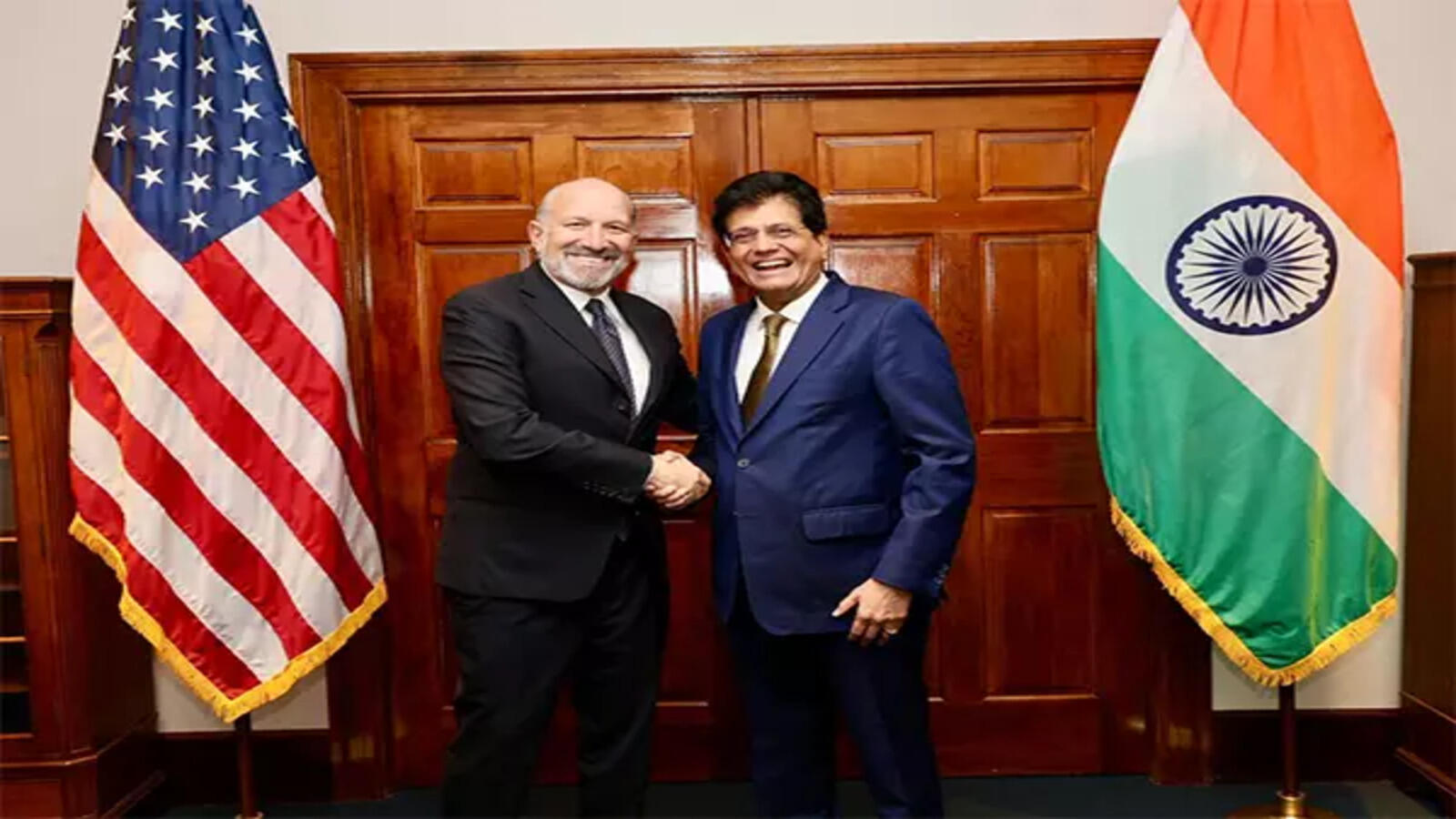
By K Raveendran Trade negotiations between Washington and New Delhi have moved into a critical phase as senior American trade officials arrive in India with the stated intention of clearing the final hurdles to a long-discussed agreement. The presence of Deputy US Trade Representative Rick Switzer and chief India-deal negotiator Brendan Lynch underscores the renewed […]

The article US Officials’ Delhi Trip Takes Trade Negotiations Into A Decisive Stage appeared first on Latest India news, analysis and reports on Newspack by India Press Agency).

SHENZHEN, CHINA – Media OutReach Newswire – 10 December 2025 – Across South Africa, millions still struggle to get online, limiting access to education, jobs, and opportunity. As the government accelerates its SA Connect broadband strategy, Huawei and Broadband Infraco are helping extend high-speed connectivity to underserved communities. For young people like Godfrey, a digital future is finally coming within reach. “No Internet, no modern life.” That’s […]

Lucid Group has inaugurated a new retail studio in Al Khobar on December 5, extending its operational footprint across the Kingdom by adding a facility in the Eastern Province. This marks Lucid’s third studio in Saudi Arabia, joining its existing sites in Riyadh and Jeddah — a move the company says reflects growing demand and commitment to the region.

The Al Khobar studio offers prospective customers the opportunity to view the company’s flagship models, including the Lucid Air sedan and Lucid Gravity SUV, alongside services such as product consultations, vehicle customisation and after-sales support.

According to the company’s Middle East president, the new facility brings Lucid closer to buyers in what is considered one of the Kingdom’s most affluent markets. Lucid described the Eastern Province as its third-largest market, underscoring the importance of establishing a direct presence there.

The expansion comes amid broader efforts by Lucid to localise electric vehicle production. Since 2023, the company has operated a manufacturing facility at King Abdullah Economic City, which began with semi-knocked down assembly of its vehicles and is being upgraded to full build capability. The factory is expected to reach a production capacity of up to 150,000 vehicles annually once completely operational.

This localisation aligns with Saudi Arabia’s drive to transform its economy under Vision 2030, by promoting advanced manufacturing, reducing reliance on oil, and supporting sustainable mobility. In January 2025, Lucid became the first global automaker to join the country’s “Made in Saudi” programme, reinforcing its long-term industrial and strategic role in the Kingdom.

Industry analysts highlight the creation of a nascent Saudi EV ecosystem, with Lucid among the pioneers shaping domestic market demands, infrastructure build-out and consumer adoption of electric vehicles.

Shares of the national carrier InterGlobe Aviation — operator of IndiGo — have tumbled over the last week after the airline cancelled thousands of flights following implementation of stricter pilot-duty regulations. Regulatory pressure and mounting costs have weighed on sentiment, yet several brokerages are urging investors to stay the course, citing the airline’s cost advantages and long-term dominance in the domestic market.

The aviation watchdog Directorate General of Civil Aviation has ordered IndiGo to slash its winter schedule ― first by 5 per cent, then escalating to a 10 per cent reduction ― in response to widespread cancellations and what regulators described as the carrier’s inability to manage the higher demands of new Flight Duty Time Limitations norms.

Operationally, the carrier flagged fatigue-rule compliance, crew scheduling bottlenecks and minor technical issues as reasons for the cancellations. It said a full root-cause analysis is underway.

Despite forecasting that IndiGo might cancel as many as 11,000 flights overall — incurring revenue losses of roughly ₹12–14 billion and reducing net profits by ₹3–5 billion — global banking major HSBC has retained a “Buy” rating for InterGlobe, while trimming its price target for FY26–27. Analysts say the airline’s unit cost per seat-kilometre might rise only around 1 per cent even after additional pilot hires.

Supporters of the airline point out that IndiGo remains the only Indian carrier ramping up capacity by roughly 50 aircraft each year — a growth rate unmatched by competitors such as Air India, SpiceJet or Akasa Air. This expansion underlines its dominant market share and suggests that regulatory interest in capping capacity is unlikely, even amid the crisis.

Not all are convinced. Credit-rating agency Moody’s flagged the flight disruptions as “credit negative,” pointing to potential long-term damage from compensation claims, refunds, potential DGCA penalties and erosion of customer trust. The agency also downgraded IndiGo’s human-capital score — citing slower hiring and inability to scale crew strength for its expanding fleet.

Market technicians have sounded alarms, noting that the share price has broken key support levels and fallen below major moving averages, a trend that could continue if recoveries don’t materialise.

Within the company, top leadership has attempted to calm nerves. IndiGo’s CEO has acknowledged the disruptions, termed the episode a “network reboot” and said flights are being progressively restored. The airline also disclosed that refunds for stranded passengers have been processed, luggage backlog cleared for most, and on-time performance is edging back towards normal.

Amid this turbulence, investors and regulators alike will watch closely whether IndiGo can restore operational stability in the coming weeks, and whether its long-term advantages in scale and cost can withstand the upheaval sparked by regulation and mis-management.

VISHNU RAJA
RYO YAMADA
HITORI GOTOH
IKUYO KITA