News related to
First

Every bull market has its blind spots. There comes a point in every economic cycle when optimism feels effortless, when valuations stretch, and when extraordinary developments start to look normal. Only later, with the benefit of hindsight, do we realise which signals were genuine warnings. Today, investors are once again wrestling with that question. Global equities are trading near record highs, liquidity is returning as US interest […]

ASTANA, KAZAKHSTAN – Media OutReach Newswire – 12 November 2025 – UnionPay International (UPI) announced its first-ever partnership with Kaspi, the second-largest bank in Kazakhstan, enabling all ATMs and contactless POS terminals of Kaspi to accept UnionPay cards with multiple payment methods including card insertion and QuickPass tapping. This collaboration elevates UnionPay’s acceptance rate to nearly 100% for POS terminals and 90% for ATMs across Kazakhstan, with […]

How Visarun.ai is using AI-first approach to capture enterprise clients in the fragmented visa processing industry While giants like VFS Global and BLS International process millions of visa applications annually through legacy systems, a Dubai-founded startup is betting that AI-native infrastructure can carve out a lucrative niche in the $13.87 billion global visa services market—projected to hit $55 billion by 2034 at 16.6% CAGR. Visarun.ai, founded in […]

HANOI, VIETNAM – Media OutReach Newswire – 12 November 2025 – VinFast continues to break records in the domestic automotive market by successfully delivering 20,380 electric cars of various models in October 2025, bringing the total number of VinFast vehicles delivered nationwide to 124,264 units in the first 10 months of the year. After becoming the first automaker in the history of the Vietnamese auto market to […]

By K Raveendran President Donald Trump has declared that a ‘fair trade deal’ with India is forthcoming, asserting that once concluded, India will once again ‘love’ America. He framed it as a departure from past arrangements that, in his view, had been ‘pretty unfair,’ and suggested both countries were ‘pretty close’ to a deal that […]

The article Trump’s Fair Deal Promise Sounds More Realistic Than Before appeared first on Latest India news, analysis and reports on Newspack by India Press Agency).

HONG KONG SAR – Media OutReach Newswire – 12 November 2025 – AS Watson, the world’s largest international health and beauty retailer, has reached a major milestone in its global youth employment pledge – recruiting 134,000 young people to date and delivering 3.8 million hours of training. This achievement marks more than halfway toward its goal of creating 200,000 opportunities by 2030. Alongside job creation, AS Watson […]

Greenlogue/AP U. N. climate negotiations commenced in Brazil this week, drawing global leaders and environmental experts to the heart of the Amazon to discuss the pressing need to implement previous climate commitments. As world leaders convene, the focus is squarely on translating pledges into tangible actions that will curb global warming. The urgency of these talks comes as scientists warn that without immediate, substantial reductions in carbon […]

Advertisements

Cross-sector collaboration drives innovation in digital assets ecosystem HONG KONG SAR – Media OutReach Newswire – 4 November 2025 – KPMG is pleased to announce the successful conclusion of the Digital Assets Forum: Policy, Market Dynamics and Institutional Adoption, held on 31 October 2025. The event convened over 200 industry leaders, regulators, and subject matter experts to explore the rapidly evolving digital assets landscape. They engaged in […]

The Philippines and Norway have partnered to develop an electric hybrid propulsion ferry, marking a significant step towards advancing sustainable maritime transport in the Philippines. This collaboration aims to foster the growth of the electric ferry sector, with a focus on environmental impact and aligning with global sustainability goals.

This initiative was unveiled during the first Philippines-Norway Electric Ferries Conference, organised by the Royal Norwegian Embassy in Manila, the Philippine Ports Authority, and several key stakeholders, including Innovation Norway, the Philippines-Norway Business Council, and Maritime Cleantech. The event also garnered support from the European Union’s Horizon2020 programme, which backs innovation and sustainability projects across Europe.

The highlight of the conference was the signing of a Memorandum of Understanding between the Philippines Association of Coastal and Inland Water Ferries Inc., IMP Shipyard and Port Services Inc., and ZEM. The agreement formalises plans to create a prototype electric hybrid propulsion ferry, a significant milestone in the country’s maritime transition towards greener technologies.

One of the key goals of this project is to align with the United Nations’ Sustainable Development Goals, particularly in the areas of sustainable energy and climate action. Additionally, the project aims to enhance the European Union’s innovation, competitiveness, and economic growth by showcasing how electric ferries can reshape the maritime sector. Norway, a leader in electric ferry technology, is playing a central role in this effort, drawing on its successful track record in electrifying its ferry fleet.

Norwegian Ambassador to the Philippines, Christian Lyster, emphasised that the future of maritime transport will depend on a blend of alternative fuels, energy efficiency improvements, and shore power systems—especially when powered by renewable energy. He pointed to Norway’s success, where 111 ferry routes are currently operated with about 180 electric ferries. Lyster highlighted that the shift to electric ferries is both feasible and highly effective, demonstrating the viability of zero-emission technology on a large scale.

Norway’s pioneering role in electric ferry development is further underscored by its history of innovation in the sector. The first fully electric commuter ferry, MS Ampere, entered service in 2015, followed by the launch of the high-speed electric ferry MS Medstraum in 2022. These ferries have set a benchmark for electrification in maritime transport, showcasing the potential for sustainable alternatives in global shipping networks.

At the conference, various Norwegian companies shared insights into their contributions to the electric ferry industry. Hyke, for instance, is working on urban electric ferry designs, while Zinus focuses on developing innovative charging solutions. Zeabuz is advancing autonomous passenger ferry technology, and Kongsberg International is involved in integrated maritime solutions. Other contributors include Kongsberg Norcontrol, which provides digital solutions for safer maritime operations, and Maritime Robotics, which is advancing autonomous surface and subsea operations. ZEM, a key player in maritime electrification, is also involved in the initiative.

The collaboration between the Philippines and Norway presents an opportunity to transform the maritime industry in Southeast Asia, a region with vast inter-island ferry networks. The Philippine Inter-Island Shipping Association also participated in the discussions, offering insights into how electric ferries could be integrated into the country’s extensive network of island transport. The initiative is seen as an important step towards reducing carbon emissions from the Philippines’ ferry industry, which has long relied on diesel-powered vessels.

This development comes on the heels of the Department of Transportation’s recent launch of the first fully electric passenger ferry in the Philippines, M/B Dalaray. The ferry, which operates on the Pasig River, stops at 13 locations across Pasig, Makati, Mandaluyong, Manila, and Taguig. The project aims to showcase the potential for electric ferries in urban environments, paving the way for more sustainable public transport solutions in the country.


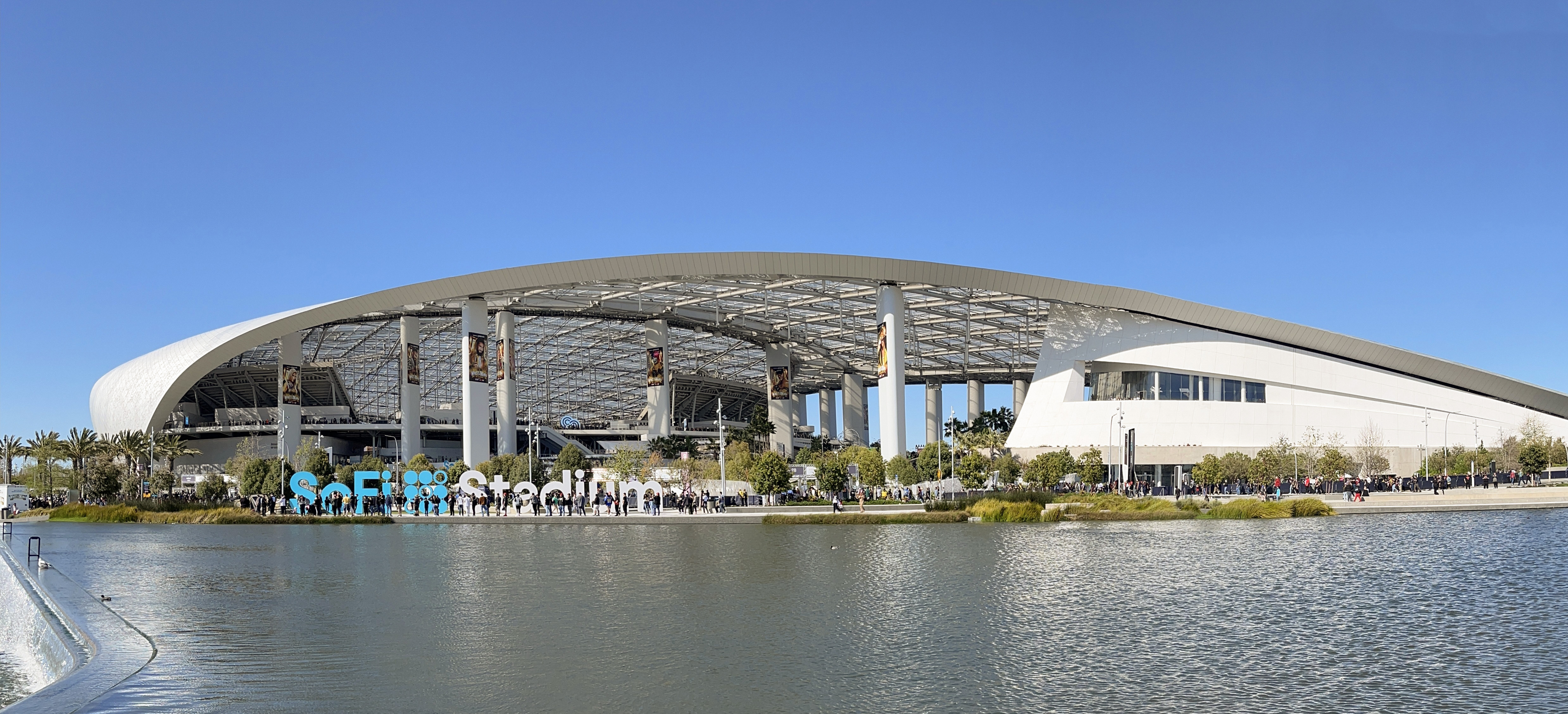
SoFi has achieved a significant milestone in the world of financial services, becoming the first nationally chartered bank in the United States to introduce cryptocurrency trading, including Bitcoin. This development positions the company as a key player in bridging traditional banking with the expanding digital currency market.

The move allows SoFi’s customers to buy, sell, and hold cryptocurrencies directly through their existing accounts, enhancing the platform’s appeal as a one-stop-shop for financial services. This shift comes amid growing demand for crypto investments, particularly as more consumers seek alternatives to traditional investments in stocks and bonds.

With the new crypto offering, SoFi customers will have the ability to trade a variety of digital assets, starting with Bitcoin. The platform also plans to expand its range to include other major cryptocurrencies such as Ethereum in the near future. SoFi’s seamless integration of crypto trading with its other services, including personal loans, mortgages, and investing, aims to simplify the crypto experience for users who are new to the digital asset space.

This landmark move also signals a growing acceptance of digital currencies within mainstream financial institutions, traditionally hesitant about embracing the volatile market. SoFi’s decision to allow crypto trading comes at a time when other financial services companies are cautiously exploring similar offerings. Many banks and payment companies are entering the crypto space, but SoFi stands out as the first to secure national banking status and roll out a comprehensive crypto trading service.

The firm, which already holds a charter as a savings and loan institution under the supervision of the Office of the Comptroller of the Currency, secured approval from the regulatory body to add crypto trading to its list of services. This approval was seen as a crucial step in the broader trend of regulatory authorities gradually adapting to the rapid growth of the cryptocurrency sector.

SoFi’s expansion into cryptocurrency trading also aligns with the broader trend of increased institutional interest in digital currencies. Over the past few years, various asset management firms and banks have slowly begun offering crypto-related services to their customers, albeit cautiously. SoFi’s move to offer crypto trading through a fully regulated bank platform could catalyse further innovation in the sector, prompting other financial institutions to follow suit.

While this development represents a win for SoFi, it also raises questions about the future of traditional banking as the line between conventional and digital finance continues to blur. As digital currencies gain traction, banks and financial institutions will need to adopt increasingly flexible approaches to remain competitive. SoFi’s move reflects its strategy to capture the younger, tech-savvy demographic that is more inclined to explore digital currencies and alternative investments.

The introduction of crypto trading by SoFi also opens up opportunities for the firm to expand its revenue streams. With the growing popularity of cryptocurrencies, companies that offer crypto services have seen significant growth in customer acquisition and engagement. SoFi’s vast user base, which includes millennials and Generation Z, could see increased activity on the platform, potentially boosting its financial performance in the coming quarters.

However, the regulatory landscape surrounding cryptocurrencies remains a concern. Despite increasing adoption, regulators continue to grapple with how to effectively oversee the space. This includes determining the appropriate level of consumer protection, tax implications, and how to mitigate potential illegal activities associated with digital currencies. SoFi’s decision to offer crypto trading within a regulated environment could provide some reassurance to customers concerned about the risks of engaging in the volatile crypto market.

Tether, the issuer of the popular USDT stablecoin, has announced a significant investment in its advertising strategy, allocating $100 million for a major campaign on Rumble, a fast-growing social media platform. The move comes as the company looks to strengthen its brand presence and expand its influence in the digital asset space.

Rumble, known for its focus on free speech and minimal content moderation, has quickly gained traction among users who seek an alternative to more mainstream platforms like YouTube. The platform’s appeal to both content creators and viewers has made it an attractive venue for advertisers, particularly those in the cryptocurrency and tech sectors. Tether’s decision to partner with Rumble reflects a broader trend of crypto companies leveraging social media platforms to engage with their communities and promote their products in innovative ways.

This strategic advertising push is also part of Tether’s ongoing efforts to solidify its position in the competitive landscape of stablecoins. As the largest stablecoin by market capitalization, USDT has faced scrutiny from regulators and competitors alike. Tether’s transparency and commitment to providing a stable alternative to traditional fiat currencies have been focal points of its marketing efforts in the past. Now, with the global cryptocurrency market continuing to mature, Tether aims to increase its visibility through targeted advertising campaigns that speak directly to its core audience.

The $100 million spend is one of the largest investments in advertising by a cryptocurrency company in recent memory. The move underscores the increasing importance of brand recognition and public perception in the crowded crypto market. As regulatory bodies around the world tighten their scrutiny of digital currencies, Tether’s bold marketing campaign could help the company maintain its dominant market position while building a stronger relationship with both retail and institutional investors.

Rumble, for its part, has benefitted from the partnership by attracting a high-profile advertiser like Tether. The platform’s growth has been explosive, particularly among users who feel that other social media giants are overly restrictive in their content policies. With Tether’s financial backing, Rumble is expected to enhance its advertising infrastructure, offering better tools and analytics for brands looking to reach their target audiences.

This partnership between Tether and Rumble also highlights a shift in the way cryptocurrency companies approach marketing. Traditional advertising channels such as television, radio, and print media have largely been sidelined in favour of digital-first platforms that offer targeted reach. By investing in Rumble, Tether is tapping into a niche but growing market of content creators, investors, and crypto enthusiasts who are active on the platform.

The partnership signals a broader trend of crypto companies moving towards platforms that are not only focused on content but also on fostering communities. As the industry continues to evolve, the need for crypto projects to build trust and credibility with their audiences has never been more critical. By aligning with a platform that shares its ethos of freedom and open discussion, Tether is positioning itself as a leader in both the financial and digital media sectors.

Tether’s decision to allocate such a substantial budget for advertising on Rumble may also be seen as a signal of confidence in the future of both the platform and the cryptocurrency market at large. Despite recent challenges faced by some crypto firms, including regulatory pressures and market volatility, Tether has maintained a relatively stable position within the digital asset ecosystem. This advertising strategy is seen as an attempt to capitalise on the growing interest in crypto and blockchain technology, as well as to engage with a broader audience that may not yet be familiar with Tether’s offerings.

Ahead of the 2025 Morocco Showcase Summit, industry leaders assess the kingdom’s readiness for 2030, analyzing investment and strategies to match demand CASABLANCA, MOROCCO – EQS Newswire – 11 November 2025 – As hospitality and investment leaders prepare to gather at the Marriott Hotel in Casablanca for the Morocco Showcase Summit on November 19-20, 2025, a critical question takes center stage: Is Morocco’s hospitality supply growth keeping […]

Greenlogue/AP Masdar, a global leader in renewable energy, has signed a landmark agreement to develop Uzbekistan’s largest standalone battery energy storage system in the Navoiy region. The deal marks a significant step in the country’s energy transformation as it seeks to bolster grid reliability and enhance the integration of renewable energy sources. The 600 MW / 600 MWh BESS will be pivotal in supporting Uzbekistan’s growing renewable […]

By Ashok Nilakantan Ayers NEW YORK: The world’s most valuable technology companies are engaged in a spending spree unlike anything seen since the space race. Meta, Amazon, Alphabet and Microsoft intend to invest as much as $320 billion this year into artificial intelligence technologies, with Amazon offering the most ambitious spending initiative among the four, […]

The article Tech Giants’ $400 Billion AI Bet: Returns On Investment Is The Key Issue appeared first on Latest India news, analysis and reports on Newspack by India Press Agency).

Abu Dhabi has made a significant stride in advancing its ambitions to be a global leader in smart and sustainable mobility with the launch of the first vertiport network in the emirate. This initiative, developed through a collaborative effort involving the Abu Dhabi Investment Office, the General Civil Aviation Authority, the Integrated Transport Centre, a division of the Department of Municipalities and Transport, and Abu Dhabi Airports, is aimed at laying the foundation for the integration of advanced air mobility technologies.

The launch of the vertiport network is a critical component of Abu Dhabi’s broader strategy to enhance its transport infrastructure, paving the way for the introduction of new, innovative transportation solutions. As part of the emirate’s push towards innovation and sustainability, the vertiports will serve as key hubs for electric vertical take-off and landing aircraft, which are expected to revolutionise both passenger and freight transport.

This move comes under the framework of the Smart and Autonomous Vehicle Industries cluster, a key element of the emirate’s economic diversification strategy. The SAVI cluster aims to foster innovation across a range of technologies, with a particular focus on creating a robust ecosystem for smart and autonomous transport solutions. The vertiport network is positioned as a crucial development within this ecosystem, enabling Abu Dhabi to become a testing ground for the integration of AAM technologies.

The first vertiport network will offer the necessary infrastructure to support the take-off, landing, and maintenance of advanced air mobility vehicles. These vehicles are anticipated to play an essential role in reducing congestion and providing environmentally friendly alternatives to traditional modes of transport. The network’s design ensures that it is adaptable to accommodate a wide range of eVTOL aircraft, which will play a pivotal role in the city’s future transport mix.

The initiative is aligned with Abu Dhabi’s long-term goals of transforming into a global hub for cutting-edge technologies and sustainable practices. As part of the Emirate’s sustainability drive, the focus on air mobility is not only about enhancing transport solutions but also about reducing the environmental footprint of traditional transportation. The eVTOL aircraft, with their zero-emissions technology, are an important step in aligning with the broader vision of sustainability and reducing reliance on fossil fuels.

Abu Dhabi’s commitment to leading the way in smart mobility is also reflected in its support for autonomous vehicles. As part of its efforts to integrate autonomous technology into its transport infrastructure, the emirate is working towards creating a fully connected and smart transport network. This includes the deployment of autonomous taxis and buses alongside the introduction of electric air vehicles.

The collaboration between ADIO, GCAA, DMT, and ADA exemplifies the strategic approach taken by Abu Dhabi’s leadership in bringing together public and private sector stakeholders to accelerate innovation. These partnerships are crucial in creating a seamless regulatory and infrastructural environment to enable the development and deployment of advanced transport technologies. The comprehensive regulatory framework being developed will ensure that the new air mobility solutions are safe, secure, and sustainable, providing a clear path forward for the industry.

Receives industry accolades for claims management and digital transformation Achieves top customer NPS ranking and strong business growth of 24% HONG KONG SAR – Media OutReach Newswire – 11 November 2025 – Blue Cross (Asia-Pacific) Insurance Limited (“Blue Cross”) upholds its customer-centric philosophy by actively introducing innovative technologies to enhance operational efficiency and service quality. The company continuously optimises the customer journey across four key stages of […]

EZHOU, CHINA – Media OutReach Newswire – 11 November 2025 – Since the beginning of this year, Ezhou Huahu International Airport, has seen robust growth in air cargo. According to the latest data, its international airfreight throughput in the first three quarters rose 138% year-on-year. The airport has also expanded its global cargo network with 24 new routes, further strengthening its role as a key air logistics […]

By Nantoo Banerjee It is difficult to grasp the fact that even 78 years after its independence, India, the world’s most populous country, continues to be heavily dependent on imported fertilizer to produce crops to feed its 1.46 billion-plus population. The prospect of a sudden fertiliser price surge ahead of its most important Rabi (winter) […]

The article Fertiliser Import Price Surge May Hit India’s Rabi Crop Output appeared first on Latest India news, analysis and reports on Newspack by India Press Agency).

International Holding Company, a prominent Abu Dhabi-based conglomerate, has posted significant financial results for the first nine months of 2025, driven by operational efficiency and a diversified investment portfolio. The company reported a 32.3 per cent increase in revenue, which reached Dhs84.6 billion, compared to the same period last year. The impressive growth in revenue was accompanied by an 8.3 per cent rise in net profit, which […]

Dubai’s economy has demonstrated remarkable strength in the first half of 2025, with growth surpassing projections and reaffirming the emirate’s status as a global economic powerhouse. The city’s GDP expanded by 4.4 percent, reaching AED 241 billion, while the second quarter saw a notable 4.7 percent growth, bringing the total GDP for Q2 to AED 122 billion.

Key sectors played a pivotal role in driving this impressive performance. Dubai’s diversified economy, marked by a robust blend of finance, tourism, real estate, and trade, continues to thrive despite global uncertainties. The construction sector also witnessed significant growth, with an influx of infrastructure projects reflecting Dubai’s ambition to maintain its position as a leading global business hub.

One of the standout performers has been Dubai’s financial services industry, which has grown by a substantial margin. This sector’s success is largely attributed to Dubai International Financial Centre, which continues to attract a global clientele seeking access to the region’s thriving markets. With new regulatory reforms and the expansion of digital financial services, the financial services sector remains a cornerstone of Dubai’s economic resilience.

In addition, the real estate sector has shown signs of recovery after a few years of downturn, with both residential and commercial properties seeing increased demand. This growth can be linked to Dubai’s competitive positioning within the global property market, particularly in the luxury and hospitality segments. The city’s focus on international investors and high-net-worth individuals, combined with attractive incentives such as long-term visas and ease of doing business, has further bolstered investor confidence.

Tourism has also been a driving force behind Dubai’s economic growth. The city has seen a steady rise in international visitors, who are drawn to its world-class attractions, shopping festivals, and hospitality offerings. The Dubai Expo 2020, now extended into 2025, has had a ripple effect on the tourism sector, generating further investments and exposure to new global markets. Events and conferences have continued to bring in significant numbers of international guests, contributing to growth in the hospitality, retail, and leisure sectors.

The transportation and logistics sectors have been equally important to Dubai’s continued success. Dubai’s strategic location as a transport and logistics hub for the Middle East, Africa, and Asia continues to give it a competitive edge. Dubai International Airport, which consistently ranks among the world’s busiest airports, has witnessed a surge in passenger traffic, further solidifying its position as a key global aviation hub. Meanwhile, the port sector remains robust, with Dubai Ports World continuing to expand its reach internationally through strategic acquisitions and partnerships.

The emirate’s government has played a significant role in fostering a business-friendly environment, attracting foreign investment and enhancing the ease of doing business. New initiatives such as the Dubai Future Foundation and Dubai 2040 Urban Master Plan have injected fresh momentum into the city’s long-term growth trajectory. Dubai’s commitment to sustainable development, with a focus on green energy and technological innovation, ensures its competitiveness in a rapidly changing global economy.

Dubai’s resilience in the face of global economic challenges speaks to the emirate’s strategic focus on diversification and innovation. The city has managed to stay ahead of the curve by adopting advanced technologies in sectors like finance, healthcare, and education. In particular, the embrace of artificial intelligence, blockchain, and digital innovation has helped Dubai stay at the forefront of global economic trends.

The aeronautical action‑adventure title The Falconeer has received what developer Tomas Sala describes as a “complete re‑imagining,” with the update being offered at no extra cost to all current players. Every major aspect of the game has been overhauled, from art and lighting to performance and environmental systems, signalling a clear pivot in the life of the originally released game. The new edition, dubbed the Revolution Remaster, introduces […]

Visa and Mastercard are reportedly nearing a resolution in a two-decade-long legal dispute with a group of merchants over the fees associated with their payment systems. Sources familiar with the ongoing negotiations indicate that both companies, along with the merchants involved, are working towards an agreement that could put an end to the protracted legal battle, which has caused significant tension in the payments industry.

The legal issue dates back to the early 2000s when merchants accused the payment giants of anti-competitive practices, specifically their practice of setting high interchange fees for card transactions. These fees, paid by merchants to card issuers, have been a point of contention for years, with many arguing that the pricing structures imposed by Visa and Mastercard were unfairly high and limited competition within the payments market.

This dispute first gained public attention when large retailers and other business associations banded together, alleging that the card networks were using their market dominance to maintain inflated fees. Over time, the case expanded to include a wide range of merchants, from small businesses to multinational corporations, who collectively argued that the financial burden of interchange fees was ultimately passed on to consumers in the form of higher prices.

Throughout the years, both Visa and Mastercard have faced legal challenges, and a series of class-action lawsuits have been filed. These lawsuits have not only focused on the fees themselves but also on the lack of transparency in how they were determined and enforced. Merchants claimed that the payment networks’ practices amounted to price-fixing, a violation of antitrust laws. The legal battle escalated over time, with both sides digging in their heels.

The talks have reportedly intensified in recent months, with both Visa and Mastercard keen to resolve the matter without further litigation. According to the sources, the settlement under discussion would likely result in a significant financial payout to merchants, though the exact amount remains undisclosed. The agreement could also include changes to the way interchange fees are structured, potentially leading to lower costs for businesses that accept card payments.

For Visa and Mastercard, the prospect of a settlement would bring an end to a costly and divisive legal fight. Both companies have defended their practices throughout the proceedings, maintaining that the fees they charge are justified by the value they provide in terms of security, convenience, and innovation in the payments ecosystem. However, they also face growing pressure from lawmakers, regulators, and consumers to address the issue of interchange fees, which have been a sticking point in the broader debate on financial services.

For merchants, the settlement represents a significant potential win. Many business owners, particularly in sectors like retail and hospitality, have long argued that interchange fees represent a hidden tax on their operations, undermining their ability to compete. Lowering these fees could provide financial relief, particularly for smaller businesses that often face the highest costs in the payment system.

If the settlement is reached, it could have a ripple effect across the payments industry, influencing how other payment processors and financial institutions structure their fees. Moreover, it could pave the way for further regulatory scrutiny of the broader payments ecosystem, with calls for greater transparency and fairness in the way card networks operate.

In addition to the financial terms, the settlement is also expected to address broader issues within the payments sector. Changes to the way interchange fees are communicated to merchants, improvements in fee structures, and possible new regulations could be part of any final agreement. These changes could not only benefit merchants but also lead to a more competitive environment in the payment processing industry.

By Nitya Chakraborty In Chinese media, lot of interest is focused on the future of the US sponsored security bloc QUAD and what will be India’s relations with it in the backdrop of US President Donald Trump’s strained relations with the Indian Prime Minister Narendra Modi and the last August 30 summit of the Indian […]

The article China Sees Political Coldness In India’s Dealing With Coming QUAD Summit appeared first on Latest India news, analysis and reports on Newspack by India Press Agency).

HONG KONG SAR – Media OutReach Newswire – 8 November 2025 – HKFindLawyer.com has officially launched Hong Kong’s first “Work Injury Occupation and Injury Compensation Database”, a comprehensive online resource based on the Employees’ Compensation Ordinance. The database covers a wide range of occupations — including construction workers, cleaners, delivery riders, and office staff — as well as common workplace injuries such as falls, burns, back pain, […]

VISHNU RAJA
RYO YAMADA
HITORI GOTOH
IKUYO KITA
Just in: