News related to
Operations

Abu Dhabi Global Market reported a 33% year-on-year increase in assets under management for the first quarter of 2025, reaching a total managed by 119 fund and asset managers across 184 funds. This growth underscores ADGM’s expanding role as a prominent international financial centre. The financial free zone experienced a 67% rise in new licences issued compared to the same period in 2024, bringing the total number […]

EDGE, the United Arab Emirates’ premier defence technology conglomerate, has secured a landmark AED 9 billion contract with the Kuwait Ministry of Defence for the supply of eight FALAJ-3 class missile boats. This agreement represents the largest naval shipbuilding export in the Middle East and ranks among the highest-value naval export deals globally.

Under the terms of the contract, EDGE will serve as the prime contractor, overseeing the design, construction, trials, and delivery of the 62-metre vessels. The agreement also encompasses integrated logistics support and in-service support, with EDGE providing ammunition for the ships. Abu Dhabi Ship Building , EDGE’s naval subsidiary, has been designated as the build subcontractor for the programme.

Hamad Al Marar, Managing Director and CEO of EDGE, described the deal as a significant milestone that deepens long-term defence ties between the UAE and Kuwait. He emphasised that the agreement brings a proven class of advanced vessels into regional service and reinforces EDGE’s position as a trusted international partner. Al Marar highlighted the rapid industrial and engineering progress achieved by EDGE, noting the company’s ability to design, build, and deliver complex naval platforms at scale.

The FALAJ-3 class missile boats are designed for high performance and advanced combat capabilities, tailored to meet Kuwait’s operational requirements. These vessels are equipped for littoral defence operations, featuring advanced combat systems and enhanced capabilities to safeguard Kuwait’s maritime interests.

The Kuwaiti Ministry of Defence stated that the acquisition of these vessels will contribute to raising the level of combat readiness, enhancing maritime security, and protecting the vital and strategic maritime interests of the State of Kuwait. The ministry highlighted that the contract aligns with Kuwait’s strategic objectives to bolster its naval capabilities and ensure the security of its territorial waters.

The FALAJ-3 class has also been adopted by the UAE Navy, with the first vessel, ALTAF, commissioned into service in February 2025. This operational deployment underscores the vessel’s proven capability and performance in regional waters.

The signing ceremony was attended by Sheikh Dr. Abdullah Meshal Mubarak Al Sabah, Undersecretary of the Kuwait Ministry of Defence; Dr. Matar Al Neyadi, UAE Ambassador to Kuwait; Hamad Al Marar, Managing Director and CEO of EDGE; and Omar Al Zaabi, President of Trading and Mission Support at EDGE.

This contract is not the first collaboration between EDGE and Kuwait. Previously, EDGE subsidiary ADSB delivered eight landing craft to Kuwait and provided maintenance, repair, and overhaul services to the Kuwaiti Coast Guard. The current agreement further solidifies the defence partnership between the two nations and demonstrates EDGE’s commitment to delivering comprehensive defence solutions.

The FALAJ-3 class vessels are based on the Fearless-class ships originally designed by Singapore’s ST Engineering for the Republic of Singapore Navy. EDGE has adapted and enhanced these designs to meet the specific needs of regional clients, offering a versatile platform capable of operating in both littoral and blue waters. The vessels can be equipped with a range of weapons, including missiles, rockets, and medium-calibre guns, providing robust defensive capabilities against various threats.

Solana Foundation has formalised a partnership with Dubai’s Virtual Assets Regulatory Authority , marking a significant step in integrating blockchain innovation within the emirate’s regulatory framework. The Memorandum of Understanding , signed on 3 June 2025, outlines collaborative initiatives aimed at fostering a robust crypto ecosystem in Dubai.

Central to this alliance is the establishment of the Solana Economic Zone in Dubai, envisioned as a hub for developers, entrepreneurs, and startups operating on the Solana blockchain. This zone is designed to provide access to Dubai’s progressive regulatory environment, including sandboxes and talent networks, positioning the city as an attractive destination for international Web3 projects.

The partnership encompasses talent development programs, regulatory workshops, ecosystem research, and market insight sharing. Solana Foundation and VARA plan to co-host events, offer policy guidance, and support Solana-based startups in or relocating to Dubai. An integral component of the agreement is the sharing of anonymised data to evaluate the impact of digital assets on employment and economic growth within the UAE.

Lily Liu, President of Solana Foundation, emphasised the strategic importance of this collaboration, stating that it represents a new chapter for Solana in the MENA region. She highlighted Dubai’s leadership in regulating and fostering digital assets, noting that the partnership bridges builders and regulators in one of the fastest-growing crypto hubs globally.

Henson Orser, CEO of VARA, welcomed the collaboration, reinforcing the authority’s commitment to building a future-forward economy powered by innovation, trust, and inclusion. He acknowledged the potential of the Solana Economic Zone to attract international projects seeking to scale operations under a progressive regulatory framework.

The announcement has had a positive impact on Solana’s market performance. Following the news, the SOL token experienced a modest increase, trading around $160, with a 4% rise observed on the day of the announcement. Market analysts interpret this as a bullish signal for Solana’s long-term outlook, reflecting growing confidence in the ecosystem and broader adoption.

Dubai’s tech and creative sectors are booming, and local startups and agencies are keen on tools that save time and cut costs. On one hand, Make (formerly Integromat) is a no‑code automation platform that lets non-technical teams link apps and automate workflows visually. On the other hand, Replit is an AI‑powered cloud IDE for building and deploying software, aimed at developers. Both promise “do more with less,” […]

Strategy, the enterprise software firm turned cryptocurrency powerhouse, has announced plans to issue 2.5 million shares of its newly minted 10% Series A Perpetual Stride Preferred Stock , aiming to raise $250 million to expand its Bitcoin reserves. The offering, priced at $100 per share, underscores the company’s unwavering commitment to Bitcoin as a central asset in its corporate treasury.

The proceeds from this offering are earmarked for general corporate purposes, prominently including the acquisition of additional Bitcoin and bolstering working capital. This move aligns with Strategy’s aggressive investment approach under the leadership of Chairman Michael Saylor, who has been a vocal proponent of Bitcoin’s potential as a long-term store of value.

The STRD shares are designed to offer non-cumulative cash dividends at an annual rate of 10%, payable quarterly, contingent upon declaration by the company’s board. Notably, if dividends are not declared in a given period, they will not accumulate, and the company is not obligated to compensate for missed payments in the future. This structure provides Strategy with financial flexibility while offering investors a potentially attractive yield.

Strategy’s latest offering follows a series of similar financial maneuvers aimed at increasing its Bitcoin holdings. The company has previously issued other classes of preferred stock, including ‘Strife’ and ‘Strike’, as part of a broader strategy to leverage financial instruments for cryptocurrency acquisition. These initiatives have collectively contributed to Strategy amassing over 580,000 Bitcoins, valued at approximately $40.61 billion, solidifying its position as the largest corporate holder of Bitcoin.

The company’s stock performance has been closely tied to Bitcoin’s price movements, reflecting the market’s perception of Strategy as a proxy for Bitcoin investment. Over the past year, Strategy’s shares have experienced significant volatility, mirroring the fluctuations in the cryptocurrency market. Despite this, the company’s bold investment strategy has garnered attention from both institutional and retail investors seeking exposure to Bitcoin through traditional financial instruments.

While Strategy’s approach has been lauded by some for its innovation and alignment with emerging financial trends, it has also faced scrutiny and legal challenges. The company is currently contesting a class-action lawsuit alleging misleading statements regarding its Bitcoin investment strategy. Nevertheless, analysts from firms such as BTIG and TD Cowen have maintained positive outlooks on Strategy, citing the company’s strategic positioning and potential for long-term growth.

The introduction of the STRD shares represents Strategy’s continued efforts to integrate cryptocurrency into its corporate structure and financial operations. By offering a preferred stock with a substantial dividend yield, the company aims to attract investors interested in both fixed-income returns and exposure to the cryptocurrency market. This move further blurs the lines between traditional finance and digital assets, highlighting the evolving landscape of corporate investment strategies.

Robinhood Markets Inc. has finalised its $200 million cash acquisition of Bitstamp, a Luxembourg-based cryptocurrency exchange, marking a significant step in its global expansion strategy. This move brings over 5,000 institutional clients and 50,000 retail users under Robinhood’s umbrella, with a substantial portion of trading volume originating from institutional activities.

The acquisition, initially agreed upon in June 2024, was completed without alterations to the deal’s terms. Bitstamp, established in 2011, operates across multiple jurisdictions, including Luxembourg, the UK, Slovenia, Singapore, and the US. The exchange holds more than 50 active licenses and registrations, providing Robinhood with a robust regulatory framework to support its international crypto operations.

Johann Kerbrat, General Manager of Robinhood Crypto, highlighted the strategic importance of the acquisition, stating that Bitstamp’s established reputation and global presence would enhance Robinhood’s ability to serve both retail and institutional investors. He emphasised that the integration of Bitstamp’s services would facilitate Robinhood’s expansion beyond the US market.

This acquisition follows Robinhood’s announcement on May 13 of its intent to acquire Canadian crypto firm WonderFi for approximately $179 million. WonderFi operates regulated platforms such as Bitbuy and Coinsquare, and the deal is expected to close in the second half of 2025, subject to regulatory approvals. The acquisition aims to strengthen Robinhood’s presence in the Canadian market and expand its suite of crypto offerings.

Robinhood’s strategic acquisitions align with its broader goal of diversifying its services and increasing its footprint in the global financial market. The company’s stock has experienced significant growth, reflecting investor confidence in its expansion plans and the potential of the cryptocurrency sector.

Bell Canada has launched a major initiative to bolster the country’s artificial intelligence capabilities through the establishment of a nationwide network of high-performance, hydroelectric-powered data centres. Dubbed Bell AI Fabric, the project aims to provide 500 megawatts of AI computing capacity, marking a significant step in enhancing Canada’s sovereign AI infrastructure. The first facility, a 7-megawatt data centre in Kamloops, British Columbia, is set to commence operations […]

Advertisements

Ethiopian Airlines is evaluating the procurement of 20 to 30 regional or small narrowbody jets to enhance its domestic operations and replace ageing aircraft, according to Chief Executive Officer Mesfin Tasew Bekele. The airline is considering three aircraft models: Embraer’s E-2 series, Airbus’s A220, and Boeing’s 737 MAX 7. The final number of aircraft to be ordered will depend on the selected model. The 737 MAX 7, […]

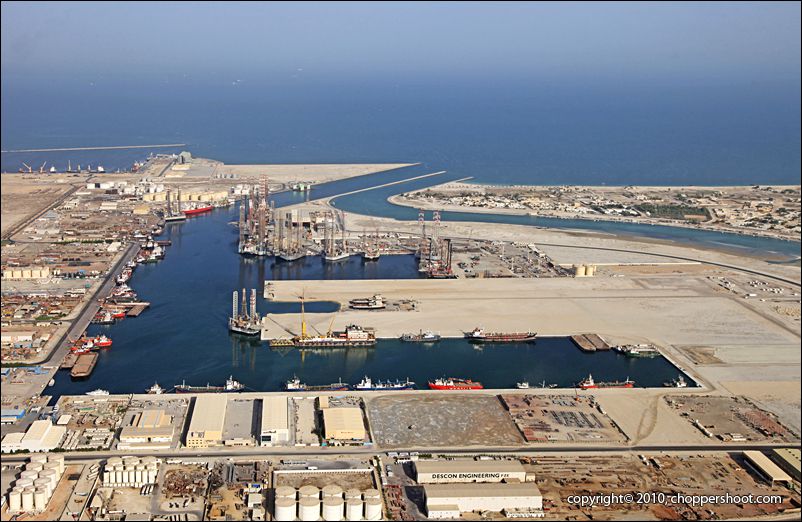
A large fire that erupted at the Al Hamriyah Port in Sharjah posed a significant threat before authorities managed to bring it under control. The blaze ignited in an area where highly flammable materials were stored, escalating the intensity and risk of the incident. Emergency responders acted swiftly to contain the flames and prevent further damage to the industrial site and surrounding facilities.

The fire broke out within one of the storage zones at the port, a critical hub for regional trade and industrial activity. Witnesses described thick plumes of black smoke billowing over the port, visible from several kilometres away. The presence of combustible materials accelerated the fire’s spread, creating a challenging environment for firefighting teams.

Sharjah Civil Defence mobilised a substantial response involving multiple fire engines, specialised foam units, and rescue personnel. The teams prioritised protecting adjacent warehouses and port infrastructure, which include goods vital to supply chains across the Gulf region. Coordinated efforts to establish firebreaks and deploy foam suppression techniques helped contain the blaze.

Industrial storage sites, particularly those housing chemicals, fuels, or other hazardous materials, require stringent safety protocols due to their vulnerability to fires. Officials confirmed that the site contained flammable substances, although exact details about the materials involved remain under review as investigations continue. No casualties were reported, highlighting the effectiveness of emergency evacuations and rapid intervention.

Al Hamriyah Port operates as a crucial gateway for maritime logistics in the United Arab Emirates, serving diverse industries from manufacturing to shipping. The port’s infrastructure includes dedicated zones for various types of cargo, with strict regulations governing storage and handling. The fire raised concerns about the adequacy of safety measures for hazardous materials at such industrial hubs, prompting calls for renewed safety audits.

Emergency services emphasised the importance of routine risk assessments and preparedness in industrial environments, especially where flammable and volatile substances are stored. Training, equipment readiness, and swift communication channels proved vital in managing the incident effectively. The fire’s containment prevented a wider catastrophe that could have disrupted port operations and caused economic losses.

Environmental experts are monitoring potential impacts on air quality due to the smoke and emissions generated by the fire. Initial air sampling indicated elevated levels of pollutants near the port perimeter, necessitating caution for nearby communities and workers. Authorities advised residents to avoid the area and remain indoors until conditions stabilised.

This incident underlines the challenges of managing industrial safety in complex logistics centres where multiple risk factors intersect. Ports like Al Hamriyah play an indispensable role in regional trade but require ongoing investment in infrastructure resilience and emergency response capabilities. Stakeholders are expected to review procedures and infrastructure to mitigate future risks.

The event also highlighted the coordination between various agencies, including civil defence, environmental authorities, and port management. Such collaboration is critical in ensuring a swift and effective response to emergencies. Lessons drawn from this fire will likely influence policies governing industrial storage and fire safety in the UAE and beyond.

Port operations resumed gradually after clearance was given by safety officials, with inspections conducted to assess structural integrity and contamination. Business continuity plans activated by port authorities facilitated minimal disruption to shipping schedules, reflecting the strategic importance of the facility.

Germany’s antitrust authority, the Bundeskartellamt, has issued a formal warning to Amazon regarding its pricing policies on the Amazon Marketplace. The watchdog contends that Amazon’s mechanisms for controlling third-party sellers’ prices may infringe upon both national and European Union competition laws.

The Bundeskartellamt’s concerns centre on Amazon’s use of algorithms and policies that potentially penalise third-party sellers for setting prices deemed too high. Such penalties could include demotion in search rankings or outright removal of products from the platform. The authority argues that these practices may constitute an abuse of market dominance, restricting fair competition and consumer choice.

This development follows the Bundeskartellamt’s designation of Amazon as an entity of “paramount significance for competition across markets” under Section 19a of the German Competition Act. This classification subjects Amazon to heightened regulatory scrutiny and obligations to ensure competitive fairness.

In response to the ongoing investigation, the Bundeskartellamt conducted a survey in September 2024 involving 2,000 third-party retailers. The survey aimed to assess the impact of Amazon’s pricing policies on sellers’ behaviour and market dynamics. Preliminary findings suggest that Amazon’s practices may deter sellers from offering competitive prices, thereby limiting market diversity.

Amazon has previously defended its pricing policies, asserting that they are designed to prevent price gouging and protect consumers. However, the Bundeskartellamt maintains that such justifications do not exempt the company from adhering to competition laws.

The European Commission is also monitoring Amazon’s practices, particularly in light of the Digital Markets Act , which seeks to regulate large online platforms and prevent anti-competitive behaviour. Under the DMA, companies designated as “gatekeepers” are prohibited from favouring their own services or imposing unfair conditions on business users.

The outcome of the Bundeskartellamt’s investigation could have significant implications for Amazon’s operations in Germany and potentially across the European Union. If found in violation of competition laws, Amazon may face substantial fines and be required to alter its business practices to promote fair competition.

MANILA, PHILIPPINES – Media OutReach Newswire – 2 June 2025 – Jollibee, the flagship brand of Jollibee Group, continues its remarkable growth across Southeast Asia, recording strong sales performance and store expansion across key markets in the region. In Q1 2025, the brand achieved an impressive 27.8% systemwide sales growth across its Southeast Asia operations outside the Philippines, including Vietnam, Malaysia, Singapore, and Brunei. Jollibee’s strong showing […]

South Korea’s cryptocurrency industry appears poised for continued expansion despite uncertainties surrounding the upcoming presidential election. Analysts and market insiders suggest that while the election outcome may influence regulatory approaches, the overall trajectory for crypto adoption and innovation in the country remains largely positive. The nation, known for its advanced digital infrastructure and high rate of technology adoption, continues to be a key global hub for cryptocurrency trading and blockchain development.

Voters are set to choose their next president amid growing public interest in digital assets, a sector that has become deeply embedded in South Korea’s financial landscape. The outgoing administration has maintained a cautious but constructive stance on crypto, emphasising investor protection and regulation to curb speculative risks. However, there is widespread anticipation that the new leadership, regardless of political affiliation, will aim to strike a balance between fostering innovation and ensuring financial stability.

The South Korean crypto market ranks among the world’s largest, with retail investors accounting for a significant share of trading volumes. According to market data, the country’s exchanges handle billions of dollars in daily transactions, reflecting robust participation despite bouts of global market volatility. Industry experts highlight that the presence of a tech-savvy population and extensive mobile connectivity continues to drive demand for cryptocurrencies and related services such as decentralized finance and non-fungible tokens .

Recent policy discussions have centred on enhancing regulatory clarity without stifling growth. Authorities have been moving toward implementing stricter anti-money laundering measures and introducing licensing regimes for crypto exchanges. These steps are designed to increase transparency and build trust among investors, especially after high-profile hacks and fraud cases shook confidence in past years. Nonetheless, crypto entrepreneurs argue that overly rigid rules could hinder South Korea’s competitive edge in the fast-evolving digital economy.

The election campaign itself has seen varying perspectives on how best to approach the burgeoning crypto sector. Some candidates advocate for a more innovation-friendly environment, proposing incentives for blockchain startups and easing certain regulatory burdens. Others emphasise the need for rigorous oversight, citing concerns about market manipulation and consumer protection. This diversity of viewpoints underscores the complexity of integrating crypto assets into mainstream financial systems while safeguarding public interests.

South Korea’s financial regulators are also coordinating with international bodies to align standards and promote cross-border cooperation. This global approach aims to mitigate risks associated with illicit finance and to support legitimate crypto ventures. Moreover, collaboration with major markets like the United States and European Union seeks to harmonise regulatory frameworks, which could facilitate smoother operations for South Korean crypto firms on the world stage.

Despite occasional regulatory headwinds, venture capital funding in South Korea’s blockchain and crypto technology startups has surged. Investments are being channelled into innovative projects that range from smart contract platforms to digital identity solutions and tokenisation of real-world assets. This capital influx is driving research and development, helping local firms compete with international giants in areas such as security, scalability, and user experience.

Market participants also point to South Korea’s well-established IT infrastructure and educational emphasis on STEM disciplines as critical factors supporting the crypto ecosystem’s growth. The country’s universities and research institutions are actively engaging in blockchain research, producing talent that feeds into both the private sector and regulatory agencies. This synergy between academia, government, and industry forms a backbone for sustainable technological advancement.

Consumer attitudes toward cryptocurrencies have evolved significantly, with increasing acceptance among younger demographics. Surveys indicate that digital assets are now viewed not only as speculative tools but also as legitimate instruments for payments, savings, and investment diversification. This cultural shift has encouraged mainstream financial institutions to explore crypto-related products, including custody services, exchange-traded funds , and blockchain-based payment networks.

However, risks remain inherent in the sector, with price volatility, regulatory uncertainty, and cybersecurity threats continuing to challenge market stability. Industry leaders have called for ongoing dialogue with policymakers to ensure that emerging regulations are well-informed and adaptable. Transparency and investor education are emphasised as vital to fostering a resilient market capable of weathering shocks and sustaining public confidence.

The intersection of cryptocurrency and South Korea’s broader economic policy objectives is also under scrutiny. The government aims to position the country as a global innovation hub, leveraging digital technologies to boost productivity and competitiveness. Cryptocurrency and blockchain are seen as integral components of this strategy, with potential to revolutionise areas such as supply chain management, finance, healthcare, and public administration.

Global geopolitical tensions and financial market fluctuations have added layers of complexity to South Korea’s crypto landscape. Supply chain disruptions and inflation concerns worldwide have driven some investors toward digital assets as alternative stores of value. Yet, the international nature of cryptocurrencies requires regulatory frameworks that can keep pace with rapid technological changes and evolving market dynamics.


Microsoft and Core42, a subsidiary of Abu Dhabi-based G42, have formalised a multi-year agreement with the Abu Dhabi Government to implement a sovereign cloud infrastructure. This initiative aims to process over 11 million daily digital interactions across government entities, citizens, and businesses, aligning with the UAE’s $3.54 billion digital strategy for 2025–2027. The collaboration leverages Core42’s Sovereign Public Cloud, powered by Microsoft Azure and enhanced by the […]

The U.S. Securities and Exchange Commission has expressed reservations regarding two proposed exchange-traded funds that seek to provide investors with exposure to staked Ethereum and Solana . The ETFs, introduced by REX Financial and Osprey Funds, are under scrutiny for potentially not meeting the legal definition of investment companies as stipulated by the Investment Company Act of 1940.

The SEC’s concerns center on the structure of these ETFs, which aim to offer returns derived from staking rewards—a process where cryptocurrency holders participate in network operations in exchange for additional tokens. The regulatory body has questioned whether the funds are primarily structured to invest in securities, a requirement under federal law.

Despite the initial registration of these funds becoming effective on May 30, the SEC has indicated that this does not equate to an endorsement or approval of the funds’ compliance with legal standards. The agency has highlighted that the disclosures in the registration statements may be potentially misleading regarding the funds’ status as investment companies.

REX Financial has responded by stating that it will not proceed with the launch of these ETFs until the compliance issues raised by the SEC are resolved. Greg Collett, general counsel at REX, acknowledged the SEC’s concerns and emphasized the company’s commitment to addressing them.

The introduction of staking-based ETFs represents a novel approach in the financial markets, aiming to bridge traditional investment vehicles with the decentralized finance sector. However, the SEC’s apprehension underscores the complexities and regulatory challenges associated with integrating such innovative financial products into the existing legal framework.

First Abu Dhabi Bank , the largest lender in the United Arab Emirates by assets, is set to raise approximately $480 million through a secondary share offering. The transaction involves the sale of around 113 million shares at a fixed price of 15.5 dirhams per share, representing a 3.7% discount to the bank’s closing price of 16.1 dirhams on the Abu Dhabi Securities Exchange. Citi, acting as the bookrunner, confirmed that the offering was fully subscribed, with demand surpassing the number of shares available.

The identity of the selling shareholder remains undisclosed. FAB’s largest stakeholder is Mubadala Investment Company, Abu Dhabi’s sovereign wealth fund, which manages assets exceeding $330 billion. As of the end of March, FAB reported total assets of 1.31 trillion dirhams, underscoring its dominant position in the region’s banking sector.

The oversubscription of the share sale indicates robust investor confidence in FAB’s financial health and strategic direction. The bank has been actively pursuing growth opportunities beyond the Gulf region. Two years ago, FAB explored a potential acquisition of London-listed Standard Chartered, signaling its ambition to expand its international footprint.

Under the leadership of Group CEO Hana Al Rostamani since 2021, FAB has undergone significant restructuring to enhance operational efficiency and shareholder returns. The bank reorganized its operations into four new divisions and appointed Linos Lekkas, a veteran from Citi, as the head of its investment banking division. This strategic realignment aims to strengthen FAB’s position in the Gulf and support its expansion plans.

FAB’s strong financial performance further bolsters investor sentiment. In the first quarter, the bank reported a 23% increase in net profit, driven by growth in non-interest income from fees and commissions. This performance exceeded analysts’ expectations and reflects the bank’s diversified revenue streams and effective cost management.

Passenger traffic across the Middle East is projected to reach 530 million by 2043, doubling from current levels, according to forecasts presented at the International Air Transport Association Annual General Meeting held in Dubai. This growth represents an average annual increase of 3.9% over the two-decade period from 2023 to 2043, slightly outpacing the global average of 3.8%.

Kamil Al Awadhi, IATA’s Regional Vice President for Africa and the Middle East, highlighted the region’s strategic geographic position and robust infrastructure investments as key drivers of this anticipated growth. He noted that Middle Eastern carriers have fully recovered from the pandemic-induced downturn, with cargo performance also showing a 6.4% increase as of April 2024.

The surge in passenger numbers is underpinned by significant investments in airport infrastructure across the region. Dubai has initiated the expansion of Al Maktoum International Airport, with plans to accommodate up to 260 million passengers annually upon completion, positioning it as the world’s largest airport. In Abu Dhabi, a new terminal commenced operations in November, enhancing the capital’s capacity to handle increased traffic. Qatar continues to expand Hamad International Airport in Doha, while Saudi Arabia has launched Riyadh Air and announced the development of a new terminal in Riyadh with a capacity for 120 million passengers annually.

These developments are complemented by the region’s efforts to diversify economies and reduce reliance on oil revenues. Saudi Arabia’s Vision 2030 initiative, for instance, emphasizes tourism and infrastructure development, with the Red Sea International Airport beginning operations in September 2023 to serve the burgeoning tourism sector.

The Middle East’s role as a global aviation hub is further reinforced by its proximity to emerging markets in South Asia and Africa. This strategic location allows airlines to offer efficient connectivity between East and West, capitalizing on the growing demand for air travel in these regions.

Industry analysts suggest that the anticipated growth will necessitate a corresponding increase in fleet size and workforce. Airlines are expected to place substantial orders for new aircraft to meet demand, while also investing in training programs to ensure a skilled workforce capable of supporting expanded operations.

Environmental considerations remain a focal point, with IATA members committed to achieving carbon-neutral growth from 2020 and a 50% reduction in net aviation carbon emissions by 2050 relative to 2005 levels. Airlines in the region are exploring sustainable aviation fuels and more efficient aircraft to align with these goals.

Ghana’s gold production is projected to reach approximately 5.1 million ounces in 2025, marking a 6.25% increase from the previous year’s record of 4.8 million ounces. This forecast, released by the Chamber of Mines, underscores the nation’s sustained position as Africa’s leading gold producer. The anticipated growth is attributed to heightened activity in both artisanal mining and the commencement of large-scale operations. Notably, Newmont’s Ahafo South Mine […]

Huatai Securities has continuously expanded its international presence since its H-share listing a decade ago. Over the past ten years, Huatai Securities has facilitated nearly 600 domestic and international financing deals for enterprises globally, with a total fundraising volume of approximately USD 280 billion. HONG KONG SAR – Media OutReach Newswire – 30 May 2025 – As Huatai Securities approaches the 10th anniversary of its H-share listing, […]

Tether’s USDT stablecoin has experienced significant expansion over the past year, with its market capitalisation rising by 37% to surpass $150 billion. Daily transfer volumes have increased by 90%, and the estimated user base has grown by 51%, according to CEO Paolo Ardoino.

These figures underscore USDT’s dominant position in the $238 billion stablecoin market, where it accounts for over 60% of the total market share. The surge in daily transfer volumes, now exceeding $90 billion, reflects heightened activity across both decentralised finance platforms and centralised exchanges.

The user base has expanded notably, with an estimated 46 million new wallets added in the first quarter of 2025 alone. This growth is attributed to increased adoption among retail and institutional investors seeking stable, dollar-pegged assets for trading and cross-border transactions.

Tether’s strategic initiatives have played a role in this expansion. The company’s acquisition of a 70% stake in Latin American agriculture and energy firm Adecoagro aims to integrate stablecoins into commodity trading, extending USDT’s utility beyond digital assets. This move aligns with Tether’s broader strategy to embed stablecoins into real-world financial ecosystems.

In terms of reserves, Tether has reported holding over $120 billion in U.S. Treasuries, positioning it among the largest holders globally. The company also holds more than 100,000 bitcoins and over 50 tons of gold, reinforcing its commitment to backing USDT with substantial assets.

Regulatory developments have also influenced Tether’s operations. The U.S. Senate’s advancement of the GENIUS Act, which introduces stricter oversight for stablecoin issuers, has prompted Tether to enhance its compliance measures. The act includes provisions for audits, prohibitions on yield offerings, and strengthened anti-money-laundering protocols.

Greenlogue/AP Abu Dhabi’s sovereign investor Mubadala and the Abu Dhabi National Energy Company have finalised the acquisition of an 875-megawatt combined-cycle gas-fired power plant at the Talimarjan Power Complex in Uzbekistan, marking a significant step in the ongoing privatisation of the Central Asian country’s energy sector. Each entity now holds a 40 per cent stake in the TPP1 gas-fired plant through a newly created project company, Talimarjan […]

Google has officially launched Stitch, a generative AI tool designed to streamline user interface design and frontend development. This new offering replaces the Galileo AI service, which will be discontinued on June 20, 2025. Stitch leverages Google’s Gemini 2.5 models to transform text prompts and images into functional UI designs and corresponding code. Announced at the Google I/O 2025 developer conference, Stitch allows users to input natural […]

By P. Sudhir Yaqeen Hammad, a 12-year-old Palestinian girl, was shredded into pieces by an Israeli missile attack on her residence. Yaqeen has been aptly called the Anne Frank of Gaza. Like Anne, who kept a diary in an attic in a Holocaust-ravaged, Nazi-occupied neighbourhood, Yaqeen documented the horrors around her. Her diaries – digital […]

Morgan Stanley has firmly denied accusations from the Dutch Public Prosecution Service alleging the financial giant evaded tax on dividends worth nearly $1 billion more than ten years ago. The dispute centres on complex tax structures employed by the bank that Dutch authorities contend were designed to avoid paying the appropriate tax on substantial dividend income. Dutch prosecutors assert that the investment bank engaged in schemes dating […]

Microsoft has launched a new terminal-based text editor designed to work seamlessly on both Windows and Linux platforms, aiming to simplify coding and text editing directly within the command line interface. This move reflects growing demand for efficient, lightweight tools that integrate naturally into developers’ existing workflows without the need for extensive retraining. The new editor, which arrived without significant fanfare, leverages familiar keyboard shortcuts that many […]

VISHNU RAJA
RYO YAMADA
HITORI GOTOH
IKUYO KITA