Just in:
Nvidia appoints Colette Kress interim chief after Huang departure // October Food Price Shock Has Far Reaching Consequences // Woman found dead as bank moves to repossess home // Lego restores BrickLink marketplace after security investigation // IEA forecasts fourth-quarter oil surplus as Gulf shipments rebound // The Honey Trap Is The Headline, The Chip Pipeline Is The Story // Fujairah highway pile-up leaves 14 dead and 30 injured // Saudi fund assets forecast to cross $400 billion // Sun World Ba Den Mountain marks Vietnam Culture Day, welcoming Cambodian visitors over Bon Om Touk // TORRAS Launches Two New iPhone Duo Cases from Its Popular Ostand Series, Addressing Foldable Phone Users’ Concerns About Difficult Stand Positioning and Scratches // China Reconciled To U.S. Curbs On Chips Exports, Woos South Korea For Supply // Microsoft restores services gradually but gives no recovery deadline // Messi affair SIT finds all-round violations // 11 Boutique Xinjiang Wineries to Debut in Singapore // Hackers falsify NVIDIA GPU readings to mask cryptomining // US authorities dismantle North Korean cryptocurrency deception infrastructure // Rooftop solar planning gaps behind power shortages // Yicura BioMed Advances Dual Capital and Industrial Strategy: Completes First Closing of Series B Financing Led by Gobi Partners // China’s Taiwan warning tests Washington’s defence commitments // L’OCCITANE Celebrates 50 Years Of Provençal Craftsmanship With Holiday 2026 Collection //

News related to
Program

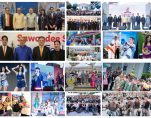
Celebrating Thai Culture and Soft Power on the Global Stage While Highlighting the Success of Korea’s Clean Energy Transformation BANGKOK, THAILAND – Media OutReach Newswire – 9 October 2025 – B.Grimm Power, a leading global energy producer, proudly announced its successful role as the main sponsor of the “Sawasdee Seoul Thai Festival 2025,” a vibrant celebration of Thai culture held in Seoul, South Korea. The festival highlighted […]

Nasdaq Dubai has officially welcomed the listing of USD 500 million Sustainability-Linked Financing Sukuk issued by Emirates Islamic, heralding what the bank describes as the world’s first issuance of its kind. The structure is designed to tie financial terms to environmental and sustainability metrics, reflecting escalating demand in both Islamic finance and ESG markets. The Sukuk is issued under Emirates Islamic’s USD 4 billion Sukuk Programme and […]

Abu Dhabi National Oil Company announced that its six publicly traded subsidiaries will distribute AED 158 billion in dividends through to 2030, nearly doubling the AED 86 billion cumulative payout since the first listing in 2017.

The announcement came during ADNOC’s inaugural Investor Majlis in Abu Dhabi, where the group underscored its commitment to shareholder returns and transparent governance. The dividend programme is subject to customary approvals and will provide long-term visibility to investors across its diversified portfolio of listed entities.

ADNOC’s six listed companies currently account for more than AED 550 billion in market capitalisation on the Abu Dhabi Securities Exchange and represent nearly 40 percent of the annual dividends distributed on the market. Under the new plan, three additional entities—ADNOC Distribution, ADNOC Gas, and ADNOC Logistics & Services—will join ADNOC Drilling in issuing quarterly dividends.

Dr Sultan Ahmed Al Jaber, ADNOC’s Managing Director and CEO, also serving as UAE Minister of Industry and Advanced Technology, described the dividend target as a “landmark step” adding clarity to the group’s capital return path. He stated the move would “enhance value” for citizens, residents, and partners, and reaffirmed ADNOC’s focus on cost discipline, efficiency and growth.

Each listed unit announced specific dividend floors and policy reforms. ADNOC Drilling set a cumulative floor of AED 25 billion by 2030, representing a 26 percent minimum return over the period. ADNOC Gas pledged a target of AED 90 billion, with dividends moving to a quarterly basis from 2025 onward. ADNOC Logistics & Services raised its guidance to AED 8.1 billion for 2025–2030 and intends to adopt quarterly distributions from the third quarter of 2025.

Other units will also tighten their dividend structures. ADNOC Distribution expanded its dividend policy through 2030 and targets cumulative returns exceeding 30 percent over the 2025–2030 period. Borouge affirmed a dividend floor for 2025 and envisaged a payout ratio of 90 percent of net profit in future years. Fertiglobe flagged interim dividend payments and share buybacks for 2025 to support yield.

Beyond dividends, ADNOC disclosed key developments across its upstream, LNG and petrochemical segments. ADNOC Gas has secured a long-term feedstock agreement worth AED 147 billion with its Ruwais LNG facility. Over 80 percent of project capacity is under contract. The group also reported that the merger of its petrochemical assets with OMV—that is, combining Borouge and Borealis into Borouge Group International —remains on course for completion in Q1 2026. Financing for the transaction, valued at AED 56.6 billion, is in place and synergies of at least AED 1.8 billion annually have been identified.

Earlier this year, ADNOC transferred its stakes in several listed subsidiaries—namely Distribution, Drilling, Gas and Logistics & Services—to its wholly owned investment arm, XRG, via off-market moves. The transfers, completed or pending regulatory clearance, were explicitly stated not to affect operations, leadership or dividend policies. Control remains with ADNOC via its 100 percent ownership of XRG.

Analysts view the dividend pledge as a strategic signal in a more competitive capital-raising environment. It strengthens the case for long-term investor confidence, especially amid global volatility in energy markets and shifting sector dynamics. Some warn, however, that such large commitments require careful balance with capital expenditure demands, especially for exploration, decarbonisation and upstream expansion to meet rising regional energy and gas demand.

Greenlogue/AP A global analysis commissioned by Transport & Environment and conducted by Cerulogy reveals that biofuels now generate 16 percent more carbon dioxide emissions than the fossil fuels they are intended to replace. The finding throws into sharp relief the risks of scaling up crop-based biofuel programmes ahead of the COP30 climate summit in Belém, Brazil. The study includes emissions not only from cultivation, harvesting and processing, […]

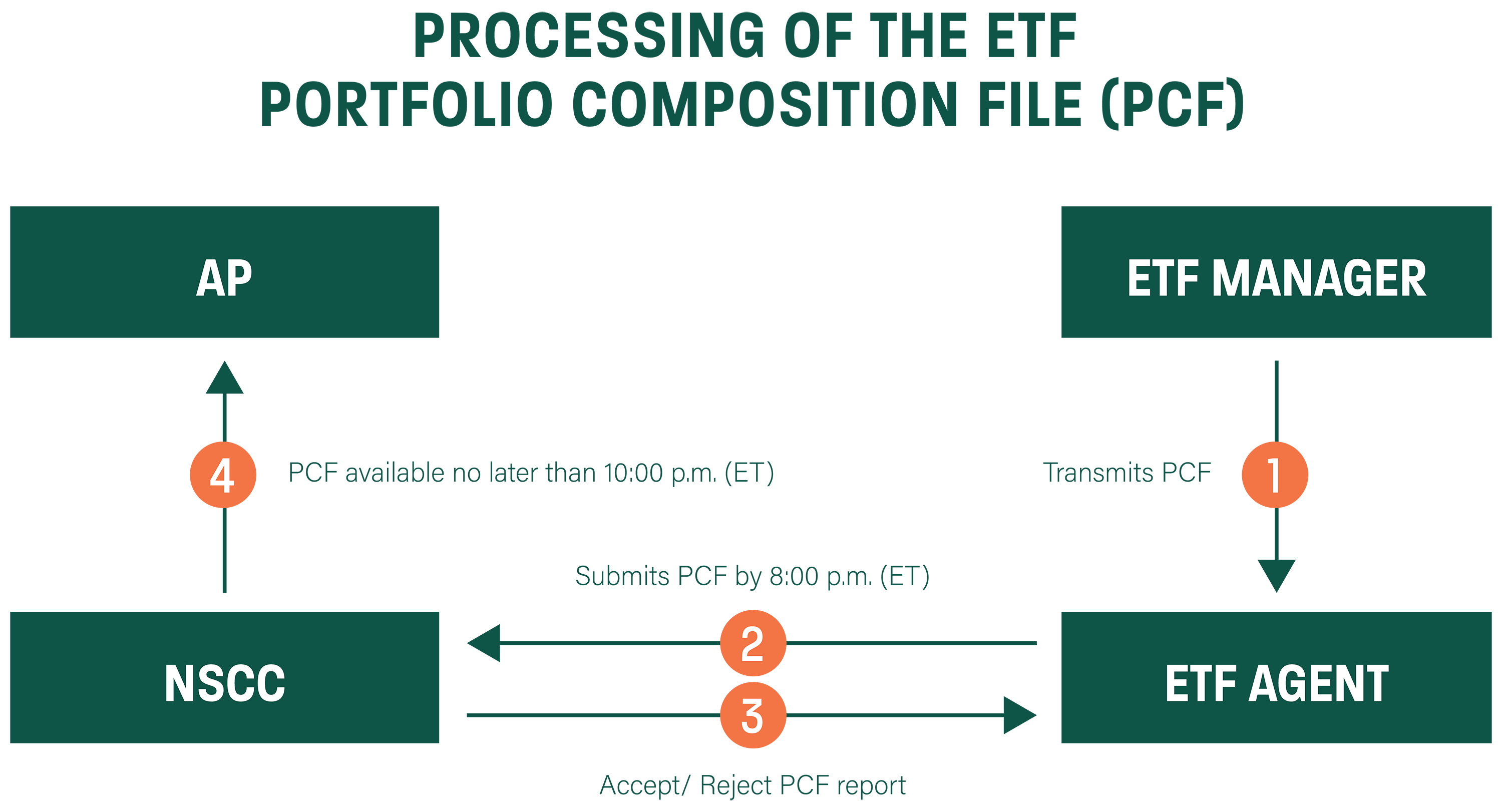
A proposed ETF tracking the TRUMP meme coin has appeared on the Depository Trust & Clearing Corporation’s system — an infrastructural step that signals intent, though it falls short of regulatory approval.

Canary Capital, which filed an S-1 registration with the U. S. Securities and Exchange Commission for the ETF, now sees its TRUMP Coin fund listed in DTCC systems alongside other altcoin ETF candidates. The DTCC listing enables clearing and settlement readiness should approval arrive.

Analysts view the development as a technical milestone. Bloomberg ETF specialist Eric Balchunas observed that once a ticker appears on DTCC’s eligibility file, it rarely retracts — underscoring the forward momentum for the product. Nonetheless, he and others caution that DTCC inclusion is procedural and does not guarantee SEC consent.

Canary’s filing proposes that the ETF would offer exposure to the price dynamics of TRUMP token without requiring investors to self-custody the asset. To cover transaction costs inherent in the blockchain architecture, the filing permits the fund to hold up to 5 percent in Solana’s native token SOL, although it will not treat SOL as a core investment.

The TRUMP coin is a Solana Program Library token whose market value hinges heavily on political sentiment, community engagement and volatility rather than fundamental utility. Critics have raised concerns about the blending of political interests with speculative finance, warning of conflicts of interest and reputational risks to the broader crypto ecosystem.

This development coincides with DTCC’s addition of other altcoin ETFs — namely Fidelity’s Solana ETF and Canary’s XRP and Hedera funds — to its eligibility files. These moves have injected renewed optimism into altcoin ETF markets, though all such listings still await the SEC’s green light.

Momentum for altcoin ETFs has accelerated since spot Bitcoin and Ethereum funds gained approval. Still, the SEC has kept other proposals on ice, deferring decisions and delaying rulings. The regulator’s patience underscores the risk-management pressures it faces in balancing innovation and investor protection.

Canary’s TRUMP ETF filing follows earlier efforts by Trump Media & Technology Group, which has sought SEC approval for a suite of thematic “Truth Social Funds” ETFs covering areas such as energy, infrastructure and American icons.

Abu Dhabi’s Department of Health will present a portfolio of artificial intelligence–based healthcare solutions at the upcoming GITEX Global 2025 event in Dubai. The showcase is intended to reinforce the emirate’s ambitions to lead in digital health transformation and embed AI into clinical and public health systems.

DoH plans to display tools ranging from predictive diagnostics to personalised wellness platforms, emphasising preventive care and data-driven interventions. H. E. Dr Noura Khamis Al Ghaithi, Undersecretary of DoH, stated that leveraging AI is central to “reshaping how care is delivered” and enabling people to “live healthier, longer lives.”

The Abu Dhabi delegation will also highlight the emirate’s efforts to integrate AI across healthcare infrastructure, including hospital systems and community services. As part of the pitch, DoH intends to advance models that predict health risks, flag early disease onset, and streamline patient journeys from diagnosis to treatment.

The timing of this unveiling aligns with Abu Dhabi’s broader push into AI research and high-tech partnerships. In September 2025, Nvidia and Abu Dhabi’s Technology Innovation Institute launched a joint lab focusing on robotics and advanced AI models, including deployment of Nvidia’s “Thor” chip for robotic applications. That initiative is part of the UAE’s wider effort to become a global AI player.

At GITEX Global—a technology exhibition scheduled from 13 to 17 October at the Dubai World Trade Centre—the DigiHealth & Biotech track is expected to draw startups, tech firms and health ministries showcasing innovations across genomics, diagnostics, telemedicine and biotech. The exhibition emphasises frontier domains: physical AI, quantum computing, semiconductors and data-centre infrastructure.

Abu Dhabi is also seeking to signal that its AI investments are more than pilot projects. Through collaborations with private technology firms, academic institutions and regional health authorities, DoH aims to build a scalable, interoperable health data ecosystem. Under its strategy, AI modules would be deployed not just in tertiary hospitals, but in primary care, clinics, remote monitoring and wellness programmes.

Critics point to challenges ahead, including data privacy, algorithmic bias, regulatory oversight and integration with legacy systems. Effective AI deployment in health requires robust patient consent frameworks, transparent models and continuous validation across diverse populations. Observers note that many AI health systems falter when scaled beyond controlled environments.

CleanCore Solutions announced it has accrued over 710 million Dogecoin tokens in its treasury, yielding more than US$20 million in unrealised gains as it edges toward a one-billion token target.

The Omaha-based company launched its Dogecoin treasury programme on 5 September, using proceeds from a US$175 million private placement to make phased acquisitions. The holding is backed by the Dogecoin Foundation and coordinated through its corporate arm, House of Doge.

At a trading price near US$0.245 per DOGE, CleanCore values its holdings at roughly US$173.9 million, leaving a buffer over its capital outlay after marking the gains.

Chief Executive Officer Clayton Adams described the strategy as aligned with “long-term vision of insiders and the House of Doge,” emphasising that the company is not just stacking DOGE but is seeking to expand its utility and maintain disciplined treasury management.

CleanCore says it maintains sufficient cash reserves to continue its accumulation efforts. It has forged a strategic alliance with Bitstamp by Robinhood to serve as the primary trading venue for its Dogecoin operations.

On the markets, shares of CleanCore fell 8.44 per cent to close at US$2.06, before a modest rebound of 1.46 per cent in after-hours trade.

Some analysts question the relevance of mNAV metrics for companies pursuing large crypto treasuries. Greg Cipolaro of NYDIG has argued that mNAV may neglect operational businesses beyond token holdings and may not properly account for convertible instruments.

Standard Chartered has cautioned that smaller firms with aggressive crypto treasury strategies could face overexposure pressures if market volatility intensifies, predicting that consolidation may occur among weaker players.

CleanCore continues to monitor short interest in its stock while working with the SEC to register shares issued under its private placement. The company also underscores that restricted and locked shares are held by insiders, the House of Doge, and affiliates.

Advertisements

Jamf launched its 16th annual Jamf Nation User Conference in Denver, unveiling a bold expansion of its device management platform with new AI tools, a richer API ecosystem and automated updates driven by declarative device management. The three-day gathering at the Colorado Convention Center brings together Apple IT administrators, security professionals and developer partners to explore the next era of enterprise Apple management. Jamf CEO John Strosahl […]

The World Bank has warned of a looming cycle of poverty in Gaza, in which child malnutrition, psychological trauma and institutional collapse could entrench deprivation across generations. The economist issuing the warning, speaking in an internal briefing that has been seen by multiple international analysts, observed that Gaza’s humanitarian emergency is evolving into structural impoverishment — a process that cannot be reversed simply by aid injections. He […]

Riyadh — DataVolt, in partnership with the Energy & Water Academy and Innovatics, has inaugurated the Kingdom’s first industry-integrated National Diploma in Data Science and AI, embedding real-world projects into foundational training for Saudi talent. The diploma carries full approval from the Technical and Vocational Training Corporation and College of Excellence, and is granted endorsement by the Ministry of Communications and Information Technology alongside support from the […]

Fight Fight Fight LLC, the company behind the TRUMP memecoin, has launched a capital-raising campaign of at least $200 million with ambitions that could scale up to $1 billion to establish a dedicated digital asset treasury that would accumulate holdings of the token, according to people with knowledge of the matter.

The undertaking is led by Bill Zanker, a long-time promoter and Trump ally, and signifies one of the most aggressive attempts yet to stabilise a creator-driven token through internal backing. The funds would be deployed primarily to purchase TRUMP tokens from the open market, an effort to shore up price and signal confidence in what has become a volatile asset.

TRUMP, launched just before Donald Trump’s second inauguration, operates on the Solana blockchain under two joint issuers—Fight Fight Fight LLC and CIC Digital—together controlling 80 percent of its total supply. The public tranche was released in January 2025, and the token rapidly gained speculative traction before encountering steep declines.

Insiders caution that the fundraising process is ongoing and not guaranteed to succeed in full. They also note that structuring such a treasury around a politically branded memecoin carries substantial market, regulatory and reputational risks.

Cryptocurrency analysts observe that the move is consistent with broader trends in 2025: increasingly, token issuers are creating “treasury models” to backstop flagging price action. Yet few of those are tethered so explicitly to a political figure or narrative, making the TRUMP case unique.

The token’s price trajectory has been volatile. After peaking earlier in the year, it has fallen sharply—losing more than 80 percent of its value from highs—attracting scrutiny about its speculative nature and sustainability. Meanwhile, TRUMP maintains strong social media backing and occasional high-visibility events, such as a dinner hosted by Trump in May for top token holders, which had triggered a notable price bump.

In June, plans were floated by the issuer to launch an “Official Trump Wallet” to facilitate trading and custody, but disputes emerged with World Liberty Financial. Those tensions underscored internal complexity and fragmented control within the broader Trump crypto ecosystem.

Analysts underline that for the treasury plan to have long-term impact, it must go beyond buybacks. Critics argue that stockpiling tokens may serve only short-term price support, lacking sustainable utility or integration into broader infrastructure. There is a risk that concentrated control over token issuance and vesting schedules could invite regulatory scrutiny or undermine confidence among external investors.

Institutional curiosity is emerging: Canary Capital Group has reportedly filed paperwork with U. S. regulators to launch a spot ETF tied to TRUMP. Yet the Securities and Exchange Commission’s cautious posture toward meme coins, and obstacles in listing a futures-based derivative market, could impede progress.

The broader Trump-adjacent crypto strategy has already stretched into multiple verticals. Trump Media & Technology Group announced a $2.5 billion initiative to build a bitcoin treasury, and World Liberty Financial has launched a $1.5 billion self-buy programme in its own token, WLFI. In that case, about half the funding is to be in WLFI itself, with the rest directed to debt settlement and resale.

Serbia will serve as the Future Digital Economy Partner Country at GITEX Global 2025 in Dubai, becoming the first European nation accorded that role. The designation foregrounds Serbia’s ambitions to reposition itself from outsourcing hub to innovator in global tech markets.

Serbia’s IT exports crossed €3.5 billion in 2023, and the sector has maintained close to 20 percent year-on-year growth. The number of IT firms now exceeds 4,000, with many branching into domains such as fintech, health tech, AI and gaming. The Chamber of Commerce and Industry of Serbia, which leads the national delegation, views the GITEX platform as an opportunity to elevate the country’s narrative beyond cost-competitiveness to creative capacity.

Marko Čadež, president of CCIS, said Serbian firms are now pitching themselves as long-term transformation partners rather than simple vendors. He emphasised that enterprises increasingly expect strategic collaboration, not just software delivery. Meanwhile, analysts point to Serbia’s strong foundations—high math and engineering education standards, English proficiency, and relatively affordable costs—as a competitive edge in Eastern Europe.

Yet Serbia confronts headwinds. Talent retention is an ongoing challenge: many trained professionals migrate to Western Europe or the U. S. Infrastructure remains uneven, with rural areas lagging behind Belgrade in connectivity. In addition, venture capital inflows to the Balkans are smaller compared to Western Europe, constraining the ability of startups to scale aggressively.

Serbia is attempting to counterbalance those constraints through targeted programmes. The Chamber of Commerce has launched “Start 2,” a support scheme for scale-up firms, which includes mentoring and market access, and will be showcased at GITEX Europe in Berlin. The programme focuses on Serbian companies already achieving revenues above €250,000 and aims to open doors into German and EU markets.

At GITEX Global 2025, Serbia will present a showcase of startups and products under “North Star,” highlighting innovations in AI, e-commerce, predictive analytics, and diagnostics tools. Its delegation will also include outsourcing firms pitching upscaled offerings—product co-development, R&D support, and domain expertise in sectors such as telecom and healthcare.

GITEX organisers themselves have underscored Serbia’s place among rising tech nations: the 2025 edition includes 6,800 tech enterprises, 2,000 startups, and participant countries from 180 nations. Serbia joins Brazil and Pakistan as Country Partners this year—a reflection of the broader intention to diversify the event’s global footprint. The spotlight on AI, biotech, semiconductors, data infrastructure, and robotics offers Serbia a chance to align its exposure with the global themes defining tech agendas.

Over 200 films from 40 countries light up Bangkok until October 15 BANGKOK, THAILAND – Media OutReach Newswire – 8 October 2025 – The Bangkok International Film Festival (BKKIFF) has returned in spectacular form, transforming the Thai capital into a global stage for cinema and culture. Running from September 27 to October 15, 2025, the 19-day festival is now in full swing, already drawing packed audiences, international […]

The mobile app-based Chronic Disease Management Programme (CDMP) provides expert coaching and personalised resources to encourage healthier lifestyle changes, complementing Healthier SG and expanding the insurer’s comprehensive suite of healthcare solutions SINGAPORE – Media OutReach Newswire – 8 October 2025 – AIA Singapore and Amplify Health today announced the launch of a Chronic Disease Management Programme (CDMP), which leverages technology and multi-disciplinary health expertise to help Singaporeans […]

Ethiopia has introduced its first malaria vaccine programme in Turmi, South Omo Zone, delivering the vaccine in tandem with a large-scale distribution of insecticide-treated bed nets across 58 high-burden districts. The dual approach aims to strengthen protection for children against malaria in areas of intense transmission. At the launch on 18 September 2025, the federal Ministry of Health, regional health bureaus, the Malaria Consortium, WHO and other […]

More than 70 percent of H-1B visa recipients are citizens of India, underscoring the country’s dominant role in the U. S. skilled-worker pipeline. According to U. S. Citizenship and Immigration Services data, in fiscal year 2024, India accounted for 71 percent of approved H-1B petitions. China followed distantly with 11.7 percent.

The H-1B visa programme allows U. S. companies to employ foreign nationals in “specialty occupations,” typically requiring at least a bachelor’s degree, over periods of up to six years. The annual statutory cap is 65,000 new visas plus 20,000 reserved for holders of advanced U. S. degrees.

The Indian concentration in the H-1B cohort has persisted over decades, yet its scale is striking under renewed policy pressure. A recent presidential proclamation raised the cost for new H-1B petitions to $100,000—a move critics say targets exactly the cohort with the greatest concentration in India.

Industry analysts warn the fee hike could shrink participation in the programme or push firms to avoid new petitions, particularly when the number of new visas is strictly limited. The policy excludes existing visa holders and those whose petitions were filed before the proclamation.

The Indian government has cautioned that such steep increases in visa costs may have “humanitarian consequences” for workers and families. It has also expressed concern about disruption to bilateral skilled labour mobility and urged U. S. authorities to reconsider the policy in light of its broader economic implications.

Indian IT firms such as Tata Consultancy Services and Infosys have historically been among the top sponsors of H-1B workers. But recent years have seen U. S. tech firms like Amazon, Microsoft, Google and Meta increasingly dominate the list of petitioners, reflecting evolving dynamics in who hires global talent.

Critics of the visa fee hike argue that Congress—not the executive branch—retains authority to impose fees and that the move could contravene statutory limits on visa allocation. A coalition of industry groups, unions and educational organisations has filed a federal lawsuit challenging the policy’s legality.

Supporters of the change frame it as a measure to prioritise domestic wage levels and reduce abuse of the H-1B system by contractors hiring at low rates. They contend the increased barrier will press firms to invest more in U. S.-based workforce development, though critics counter that American companies rely heavily on foreign technical talent to stay globally competitive.

A dramatic wave of forced liquidations has swept the crypto derivatives market, with around $160 million in long positions closed automatically in just 60 minutes. The event underscores the fragility of leverage-driven trading in volatile markets.

Data from major derivatives platforms points to sudden upward swings in key assets—chiefly Bitcoin and Ethereum—as the trigger. When prices move sharply against leveraged long positions, margin protocols step in to liquidate them to prevent further losses, compounding price moves in the process.

According to platform-level monitors, the lion’s share of the liquidation volume was concentrated in large longs on Bitcoin, with estimates suggesting individual trades as big as $8–10 million being liquidated in one go. Ethereum longs also saw heavy hits, as speculators betting on further upside were forced out. Metrics such as open interest and funding rate imbalances spiked just before the cascade, signalling a regime shift in market sentiment.

Insiders point to a cluster of cascading margin calls amplified by tight funding conditions. Some hedge funds and high-leverage retail positions lacked sufficient buffers against rapid price swings. As each liquidation pushes prices further, it creates a feedback loop that forces more delinquencies. Traders on social media flagged what they called “liquidation cascades” targeting illiquid zones and stop-loss clusters—areas where multiple orders are programmed to execute in close proximity.

Several trading desks observed that for every $1 million in liquidation, the price impact was amplified by slippage and widened spreads, particularly on derivatives contracts with low depth. One senior derivatives strategist remarked that the aggressiveness and sudden clustering of these liquidations suggest algorithmic triggers—bots scanning for vulnerable clusters and executing en masse.

The timing aligned with fresh macro data that hinted at stronger-than-expected economic indicators, which lifted risk appetite broadly and boosted crypto flows. Simultaneously, institutional participants monitored rising retail inflow indicators—such as large deposits moving on-chain into exchanges—which can foretell directional stress. With leverage high and positions tightly wound, the market was primed for this flush.

This is not the first time such mass liquidations have occurred. In mid-September, more than $149 million of crypto positions were liquidated within an hour, nearly all from longs, with a top single order of $9 million on a leading platform. That event and the current one both reflect how fragile leveraged markets are when macro sentiment shifts sharply.

Market watchers are parsing whether this is a short-term squeeze preparatory move or part of a deeper regime change. Some argue it clears out weak hands and sets the stage for fresh momentum. Others warn that forced liquidations may just be the start of a larger reversal, as residual leverage and alignment of hedge-fund strategies make markets prone to repeat stress.

On-chain and order-book signals are under scrutiny. Rising Token flows from wallets to exchanges, shifts in funding curves, and concentrated seller clustering in spot markets might shape the near-term path. Some algorithms already have “sniffers” for these stress events built in; in days following a liquidation cascade, trading volumes and volatility tend to stay elevated.

ASUS has confirmed that it will spotlight a broad suite of AI-enabled products and infrastructure at GITEX Global 2025, framing its participation around the theme “Ubiquitous AI. Incredible Possibilities.” The corporation aims to demonstrate how artificial intelligence can permeate devices, enterprise systems and urban environments.

The company’s exhibit will cover four core domains: AI-first design, cloud integration, sustainability and education technology. On the hardware front, ASUS plans to showcase the B5405 ergonomic laptop, the P5405 with a 47 TOPS NPU, and the B9403 weighing under 1 kg with all-day battery life. Chromebook models such as the CX5403 Plus and Windows devices like the BR1204 will cater to education users.

In its infrastructure tier, ASUS will highlight its AI POD, HGX servers and the Ascent GX10 platform powered by the NVIDIA GB10 Grace Blackwell superchip. Workspace innovation will include compact offerings such as the NUC 15 Pro and NUC 14 Pro AI. On the edge side, embedded systems for smart cities and autonomous systems—such as the PE2200U, PE6000G, and PE2100N—are also in the lineup.

ASUS emphasises the role of partnership in its vision. It plans to accentuate cooperation with NVIDIA via its “Enterprise AI Factory” programme, which supports AI-ready racks and POD designs tuned for large language models and immersive workloads. The company will also underline measures in security, durability and ease of maintenance across its product line.

Tolga Özdil, Regional SYS Commercial Director for META at ASUS, remarked that the Middle East is positioned at a digital inflection point, with AI shaping institutional and economic evolution. He framed GITEX as a platform to bring the company’s latest innovations into conversation with regional stakeholders. ASUS’s Regional Director for Middle East & Africa, Senic Chiu, added that the event offers opportunity to show how intelligent tools can reshape industries and daily life.

ASUS’s timing comes against the backdrop of an intensifying global push for AI infrastructure. GITEX 2025 is expected to draw more than 6,800 tech firms and 2,000 startups from 180 countries. Key event themes include advancements in quantum, biotech, data centres and robotics.

Beyond individual exhibitors, the show underscores the rapid expansion of the global AI economy. According to organisers, investment in data centres alone is forecast to surpass US$500 billion in 2025. Meanwhile, GITEX’s startup track, Expand North Star, will run in parallel and feature over 1,200 investors managing US$1.1 trillion in assets.

ASUS’s introduction of its AI roadmap at this scale signals that device manufacturers are no longer content to remain at the periphery of the AI stack. As more process layers—from silicon to application—are exposed to AI optimisation, hardware firms are positioning themselves to own more of the value chain. However, challenges remain: power efficiency, thermal constraints, ethical AI integration and data security are frontlines ASUS must navigate.

TOKYO, JAPAN – Media OutReach Newswire – 6 October 2025 – ANDPAD (Headquarters: Chiyoda City, Tokyo; Representative Director: Takeo Inada; hereinafter called “ANDPAD”), which operates a cloud-based construction project management service, and the Vietnamese subsidiary ANDPAD VIETNAM COMPANY LIMITED, hereby announces the completion of the demonstration project to develop and deploy construction project management systems to improve operational efficiency in the construction industry in Vietnam. This project […]

MetaMask is rolling out a new on-chain rewards programme that will allocate more than $30 million worth of LINEA tokens during its first season, offering “special benefits” to long-time users and bridging the move with the launch of its own token.

The wallet’s parent, Consensys, confirmed over the weekend that this initiative is not merely a farming scheme but a dedicated rewards system aimed at recognising consistent user engagement. The rewards package will include referral bonuses, incentives denominated in mUSD, exclusive partner rewards, and early token access. MetaMask emphasised that the campaign is built to reward habitual on-chain activity, not speculative intervention.

LINEA, the native token of Consensys’ Layer 2 network, was launched in September via a token generation event distributing roughly 9.4 billion tokens. By tying the MetaMask rewards system to LINEA, the firm aims to channel wallet activity toward its own roll-up infrastructure. The rewards plan positions MetaMask not just as an interface but as an active participant in building the Layer 2 ecosystem.

Joseph Lubin, CEO of Consensys and co-founder of Ethereum, described the rewards drive as a step toward redefining the MetaMask experience. He stated that the programme is a “genuine method of regularly giving back to our community” and stressed that long-time users—whom the team terms “OGs”—will receive priority consideration. This linkage is also viewed as a precursor to the upcoming MetaMask token, tentatively known as MASK, which Lubin first publicly referenced in September.

The broader strategy links three core components: MetaMask’s wallet, the mUSD stablecoin, and the LINEA network. The mUSD token, issued by Bridge, reportedly has a circulating supply of nearly $88 million. Participation in the rewards scheme is expected to stimulate usage across these components: swapping, bridging, stakes, and portfolio activity within MetaMask.

While the announcement lays out the broad contours of the rewards campaign, it leaves critical details unspecified. MetaMask has not yet revealed eligibility criteria by jurisdiction, and no clear anti-Sybil or bot-prevention measures have been announced. The absence of such safeguards has drawn scrutiny from observers concerned about gaming of reward systems.

Community reaction on X has been mixed. Some users welcomed the move as a long-awaited monetisation of loyalty, while others questioned whether the structure might favour larger holders or those in jurisdictions with favourable access. Some pointed to past programs in the crypto space that allowed special participants to disproportionately benefit.

When Jane Goodall ventured into the forests of Tanzania in 1960, she carried no formal zoological degree, just a fierce curiosity and letters of introduction to Louis Leakey. She was 26 years old and stepping into what was then a largely uncharted world of primate behaviour. Over the next six and a half decades, she would not only reshape our understanding of chimpanzees, but also become one […]

Greenlogue/AP Saudi Arabia’s Public Investment Fund has mandated Crédit Agricole CIB, JPMorgan and Société Générale to arrange a dual-tranche, euro-denominated green bond issue in three- and seven-year maturities, sources close to the matter said. This marks the fund’s inaugural euro green bond issuance and appears set to be its only green debt deal of the year. By pursuing this move, the sovereign wealth fund signals a further […]

The Co-Hosted With The World Economic Forum, The Summit Is Set To Launch Regional Initiatives on Sustainable and Safe AI and the Transitioning Industrial Cluster KUALA LUMPUR, MALAYSIA – Media OutReach Newswire – 7 October 2025 – The Malaysia Centre for the Fourth Industrial Revolution (MYCentre4IR) together with the World Economic Forum (WEF) will co-host the Powering the Intelligent Age: Driving Innovation with Southeast Asia and Beyond […]

Dubai Airports has announced an extended 10-year strategy aimed at transforming Dubai International and Dubai World Central – Al Maktoum into the world’s most accessible and inclusive airports by 2035. The plan underscores a shift from enhancing infrastructure alone to driving cultural change, embedding empathy and user-centred design in every element of the passenger journey.

The strategy rests on three pillars: reinforcing existing accessibility frameworks, improving guest experience across every touchpoint, and elevating the airports’ status as global benchmarks in inclusive aviation. The commitment aligns with the UAE’s broader obligations to support the rights of People of Determination and Dubai’s ambition to become a disability-friendly city.

Majed Al Joker, Chief Operating Officer of Dubai Airports, emphasised that accessibility is a “core pillar” rather than a peripheral initiative. He noted that, for the first time, the airport authority is co-creating programmes with the PoD community to redesign the passenger journey from their lived perspective. The launch coincides with the debut of a public awareness campaign called “DXB for All”, which presents six narratives of travellers with sensory sensitivities, mobility challenges, hearing or visual impairments, and highlights their airport experiences.

This new phase builds on the 2022 “We All Meet the World Differently” campaign. While that initiative focused primarily on raising awareness, the current strategy delves deeper by integrating accessibility into operations, staff training, and passenger interactions. Airport operators intend to cultivate empathy across staff, travellers, and the public, encouraging all stakeholders to reframe how they engage with PoD.

To facilitate inclusive travel, Dubai Airports already provides a suite of services: a Travel Planner visual guide, the Sunflower Lanyard to signal discreet assistance, free two-hour parking, dedicated taxis, wheelchair support from curb to gate, over 520 hearing loops across terminals, and a sensory-friendly Assisted Travel Lounge in Terminal 2. These measures will be expanded and refined under the new strategy.

The initiative is being deployed through the “oneDXB” partnership network, which includes Emirates, flydubai, Dubai Police, GDIFA, Dubai Customs, dnata, Dubai Health, Dubai Duty Free, Serco, and other stakeholders. The collaborative structure ensures that airport services, security, passenger handling, health and taxi operations all align with inclusivity goals.

Challenges are considerable. DXB is already operating near capacity: in 2024 it handled 92.3 million passengers, its highest ever annual volume. That puts pressure on space, queueing, and infrastructure to adapt without undermining operational efficiency. Meanwhile, DWC is undergoing significant expansion—with a projected $35 billion investment to scale it toward handling up to 260 million passengers annually. Dubai Airports plans to shift major operations to DWC by 2032, adding urgency to ensuring that new terminals and systems are fully accessible from the start.


VISHNU RAJA
RYO YAMADA
HITORI GOTOH
IKUYO KITA