News related to
Program

The national assembly’s Committee on Agriculture launched a week-long oversight tour of the Eastern Cape that began with a visit to the Eastern Cape Rural Development Agency-backed macadamia and citrus programmes, signalling heightened focus on agricultural transformation and small-farmer inclusion. The delegation arrived in the Raymond Mhlaba local municipality to meet traditional authority Chief Siseko Maqoma and inspect packhouse operations in the Kat River/Seymour area, before moving […]

China’s securities regulator has rolled out a sweeping reform package designed to simplify access for overseas institutional investors and bolster long-term capital flows into its stock and bond markets. The China Securities Regulatory Commission announced that it will streamline the existing regime for the so-called qualified foreign investor framework, including loosening qualification thresholds, expanding investment scope and reducing administrative friction.

At a policy forum in Beijing, CSRC Chairman Wu Qing stated that the reforms aim to make China’s capital markets “more inclusive, adaptable and globally competitive”. He said the regulator plans to introduce a shelf-based refinancing mechanism and simplify filing procedures for overseas listings, aligning with the broader effort to diversify asset allocations amid global uncertainty.

The reforms are anchored on three pillars: easing eligibility for overseas institutional investors, enhancing operational flexibility for capital flows and broadening the range of permissible investments. Legal-and-regulatory briefings indicate that registration channels will be modernised; for example, in the revised framework for the earlier QFII/RQFII regime, a single renminbi account may now serve both securities and derivatives trading and repatriation of returns is simplified.

The timing of the reforms signals China’s intent to rebuild investor confidence amid a decelerating economy and mounting international competition for capital. Analysts note that the removal of quotas in earlier iterations of the programme set the stage for this deeper opening. Foreign asset-managers are expected to interpret this as a signal that Beijing is actively courting long-term commitments, rather than purely speculative flows.

From the perspective of global investors, these changes may unlock previously inaccessible segments of China’s markets. The A-share universe on the Shanghai Stock Exchange and Shenzhen Stock Exchange has grown substantially, and the relaxations open the door to a wider number of institutions, countries and asset classes than in the past. Strategically, this aligns with China’s dual-track agenda of promoting internal consumption while also continuing to integrate with global finance.

Nevertheless, the loosening of rules carries risks and constraints. Although administrative barriers are being reduced, foreign institutions must still satisfy substantive criteria—including governance standards, compliance records and suitability for RMB-denominated investment. The commercial and geopolitical environment remains complex, and international concerns around transparency, data security and regulatory predictability persist. Moreover, while quotas may be reduced or removed, factors such as currency volatility, capital controls and domestic market sentiment will continue to influence investor decisions.

Market participants appear cautiously optimistic. A number of global asset-managers have publicly stated that they will monitor how implementation unfolds and whether domestic on-shore brokers and custodians adapt swiftly to the new rules. Some expect the real test to come when overseas institutions begin deploying larger mandates into the Chinese on-shore market and engaging in longer-term allocations rather than short-term trading.

From the government’s perspective, the drive to attract long-term capital is part of a broader reform push. China is not only seeking external capital but also attempting to deepen its domestic investor base, scale up passive and index-based investment, and reduce reliance on short-term speculative flows. The regulatory strategy suggests that policymakers believe structural openness will enhance market resilience and support sustainable growth.

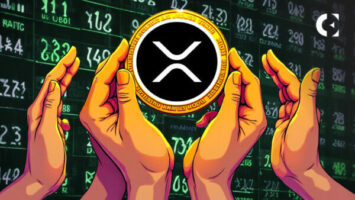
A new financial entity, Evernorth Holdings Inc., backed by Ripple Labs and a cadre of major investors, is embarking on a substantial accumulation of the cryptocurrency XRP, aiming to raise more than US$1 billion via a merger with Armada Acquisition Corp II and list on the Nasdaq Stock Market under the ticker “XRPN”. According to on-chain data, the firm has acquired around 388.7 million XRP at an average price of US$2.44 per token, representing roughly 95 per cent of its initial US$1 billion target.

Evernorth’s structure diverges from typical passive crypto funds by seeking to deliver regulated, liquid equity exposure to XRP while simultaneously building a dedicated treasury operation. The company plans to deploy acquired XRP into lending programmes, liquidity-provision initiatives and decentralised-finance protocols, rather than simply holding the tokens. This approach is led by CEO Asheesh Birla, and supported by strategic advisors including Ripple’s CTO. Major backers include SBI Holdings, Pantera Capital, Kraken and Ripple co-founder Chris Larsen.

Market observers draw a parallel between Evernorth’s accumulation strategy and the approach taken by MicroStrategy Incorporated with its Bitcoin holdings, suggesting a potential supply constraint in XRP that could influence pricing dynamics. Analysts estimate Evernorth’s holding could absorb up to 2 per cent of XRP’s liquid supply within a year, tightening available tokens for retail circulation. The company’s public-market vehicle may further attract institutional capital that would be channelled into open-market purchases of XRP by the treasury arm.

The strategic significance of Evernorth extends beyond token accumulation. By enabling a publicly traded entity dedicated to XRP exposure, it lowers traditional institutional barriers—such as asset custody, regulatory transparency and mandate-compliance—that have impeded large-scale crypto adoption. Evernorth’s design allows corporate treasuries, pension funds and asset managers to gain direct exposure to XRP through an equity wrapper, bypassing conventional hurdles of spot-token holdings. Concurrently, its active deployment of XRP into yield-generating operations seeks to drive liquidity, on-chain utility and ecosystem momentum, aligning its interests with Ripple’s broader infrastructure objectives in cross-border settlement and network expansion.

The latest breakthrough in smart home automation promises to revolutionise the way we interact with our living spaces. Carpet sensing technology, which adapts to individual routines and enhances automation, is becoming a significant focus for tech companies looking to improve home interactivity. This innovation is set to transform residential spaces into responsive environments that learn user behaviours, creating a level of convenience previously unseen. At its core, […]

HONG KONG SAR – Media OutReach Newswire – 27 October 2025 – CTF Life today announced the signing of a Memorandum of Understanding with Gleneagles Hospital Hong Kong (“Gleneagles”), CUHK Medical Centre (“CUHKMC”), and Hong Kong Baptist Hospital (“HKBH”) to establish strategic partnerships. In a pioneering move, CTF Life has also become the first insurance company to collaborate with Gleneagles MediCentre in Admiralty to launch an exclusive […]

HONG KONG SAR – Media OutReach Newswire – 27 October 2025 – The China Tennis Tour CCB (Asia) Hong Kong Open 2025 (hereafter “CTA1000 CCB (Asia) Hong Kong Open”) will return to Victoria Park Tennis Court from 23rd to 30th November 2025. The eight-day tournament will gather more than 150 of the China’s top players, competing across Men’s Singles, Women’s Singles, Men’s Doubles, and Women’s Doubles for […]

Saudi Arabia’s flagship New Murabba project is poised to become a major investment hub, with plans to attract capital in technology, real estate, and construction sectors. Michael Dyke, the CEO of New Murabba, announced the initiative at the Fortune Global Forum in Riyadh, marking a significant step forward in the kingdom’s diversification strategy.

Launched in 2023 by Crown Prince Mohammed bin Salman, the New Murabba project is part of Saudi Arabia’s broader Vision 2030, aimed at reducing the nation’s reliance on oil revenues by fostering new industries and boosting economic growth. The initiative aims to transform the heart of Riyadh into a sprawling mixed-use urban area, poised to redefine the cityscape with a mix of residential, commercial, and entertainment offerings.

The project will cover an area of 19 square kilometres, positioning it as one of the largest urban developments globally. Its scale is unprecedented, making it one of the most ambitious projects in Saudi Arabia’s recent history. The new district is expected to accommodate over 100,000 residents and create hundreds of thousands of jobs in various sectors, significantly contributing to Riyadh’s economic development.

One of the key areas that Dyke highlighted during his speech at the forum is the focus on technology. The New Murabba project aims to integrate cutting-edge technological innovations into its design and infrastructure. The development will feature smart city technologies, including AI-driven systems for traffic management, energy conservation, and public services. Moreover, the project is expected to foster a thriving ecosystem for tech startups and established companies, making it an attractive destination for both domestic and international tech investors.

The project’s real estate and construction sectors will also play a pivotal role. With residential spaces, luxury hotels, office towers, and retail outlets planned, the project is designed to meet the needs of a diverse range of residents, businesses, and tourists. This focus on mixed-use developments aims to create a self-sustaining urban area, with a heavy emphasis on sustainability and green architecture. Additionally, the construction phase alone is expected to generate significant economic activity, providing a substantial number of jobs in the kingdom’s building sector.

New Murabba’s strategic location within Riyadh further boosts its potential as a central business and cultural district. It will be positioned in close proximity to key landmarks, including the King Abdulaziz Historical Centre and the King Saud University, enhancing its accessibility and making it a focal point for both locals and visitors. The project’s proximity to the King Khalid International Airport is also expected to make it a prime location for international businesses, especially in the tech and tourism industries.

The Saudi government’s backing of the New Murabba initiative signals a strong commitment to its diversification efforts. As part of the Vision 2030 programme, the kingdom is looking to foster a more sustainable and diversified economy, moving away from its dependence on oil exports. This development aligns with broader trends in urbanisation across the Middle East, where large-scale projects are shaping the future of cities and driving economic change.

The investment opportunities presented by New Murabba are expected to attract a wide range of investors from various sectors. For real estate developers, the sheer scale of the project represents an unparalleled opportunity. For technology firms, the integration of smart city technologies offers a unique environment in which to develop and test innovative solutions. Meanwhile, the construction sector stands to benefit greatly from the demand for infrastructure and buildings, with the long-term potential for growth in both residential and commercial spaces.

With the Saudi government’s push for private sector involvement, the New Murabba project is expected to be a catalyst for further investments in the kingdom. The involvement of international investors and companies will be crucial to its success, with the project acting as a gateway to other opportunities within Saudi Arabia’s growing economy.


Advertisements

Western Union has unveiled a pilot program aimed at enhancing cross-border payments through the use of stablecoins. This initiative, which targets 150 million individuals globally, seeks to reduce dependency on traditional banking infrastructure, shorten transaction times, and lower the associated costs. The pilot will integrate stablecoin technology for on-chain settlements, marking a significant shift from the conventional banking systems that have long dominated the money transfer industry.

The move comes after a period of hesitancy in adopting cryptocurrency for mainstream financial services, primarily due to concerns surrounding volatility and regulatory challenges. However, Western Union’s shift in direction follows the passage of the GENIUS Act, which aims to provide clearer regulatory frameworks for digital currencies. This act has alleviated some of the uncertainty that had previously hindered the industry’s expansion, prompting Western Union to take the first step toward the adoption of blockchain-based payment systems.

Stablecoins, which are digital currencies pegged to a stable asset such as the US dollar, offer a solution to the volatility issues that often plague cryptocurrencies like Bitcoin or Ethereum. By using stablecoins, Western Union intends to offer a more predictable and stable payment option for its vast customer base. The pilot program is expected to leverage these stablecoins for transactions between participating financial institutions, ensuring the transaction flow remains smooth and cost-effective.

One of the key benefits of this pilot is the potential to drastically shorten settlement times. Traditional international money transfers can take several days to clear, especially when multiple intermediaries are involved. With blockchain technology, which underpins stablecoins, the transfer process can be streamlined, allowing for near-instantaneous transactions. This reduction in settlement time is expected to have a major impact on individuals who rely on remittances for financial support, particularly those in underserved or underbanked regions.

The cost-saving potential is another compelling reason behind Western Union’s decision to explore stablecoin technology. Money transfers via traditional banking systems often incur significant fees due to the involvement of various intermediaries, currency conversion charges, and administrative overheads. With stablecoins, these costs can be slashed, offering consumers a more affordable alternative for sending money across borders.

Despite the promising outlook, there are still challenges to overcome before the program can be rolled out on a global scale. Regulatory uncertainty remains a key obstacle, particularly in markets with stringent financial laws. Stablecoin adoption is subject to different regulatory environments depending on the jurisdiction, and Western Union must navigate these complexities to ensure compliance with local laws. Furthermore, there are concerns about the security and integrity of blockchain networks, as well as the need for robust anti-money laundering and know-your-customer protocols.

Inaugural “Hong Kong Student Ambassador Programme for Chinese Medicine and Health Care” Graduation Ceremony Students Showcase Their Learning Outcomes HONG KONG SAR – Media OutReach Newswire – 26 October 2025 – Beijing Tong Ren Tang Chinese Medicine Company Limited (“Beijing Tong Ren Tang”) (3613.HK) yesterday hosted the 10th anniversary retrospective exhibition of its “Tong Ren Tang Stroke Prevention Campaign” community health activity at its Tai Po Production […]

Dubai didn’t become a hub of thoroughbred racing overnight. Its dominance grew from carefully planned moves, including one key transaction in 1981 that brought carefully selected bloodlines from British industrialist Jim McCaughey into the hands of Sheikh Maktoum bin Rashid Al Maktoum. McCaughey’s journey from construction tycoon to influential racing figure shows how vision and timing can create legacies no one could have predicted. By the late […]

The Ministry of Finance has introduced the “Retail Sukuk” programme enabling citizens and residents to purchase government-backed Treasury Sukuk via participating banks with a minimum investment of AED 4,000. The first bank partner will be announced on 3 November 2025.

The move directly expands access to sovereign Islamic finance instruments previously reserved for institutional investors. According to the announcement, the scheme permits investment in Shariah-compliant Islamic treasury securities through fractionalised digital platforms operated by the banks. Leader Sheikh Maktoum bin Mohammed bin Rashid Al Maktoum described the initiative as “translating our leadership’s vision of empowering individuals, promoting a culture of saving and developing government investment instruments that enhance individual participation in economic growth and provide a direct opportunity to contribute to the national development journey.”

The initiative aligns with the nation’s financial-inclusion agenda and the strategy to deepen local capital markets. By lowering the threshold to AED 4,000, the scheme reduces entry barriers for retail investors and broadens the investor base for the domestic sovereign debt market. Analysts point out that universal access to such instruments represents a structural shift in how governments engage with individual savers.

Industry experts say this development reflects emerging trends in the Gulf’s Islamic finance sector, particularly the fractionalisation and tokenisation of Sukuk products. A legal-advisory report on the Gulf Cooperation Council’s Sukuk market noted that digital platforms and smaller tickets are “redefining how Sharia-compliant capital is structured, distributed and accessed.” The Abu Dhabi Islamic Bank earlier launched a “Smart Sukuk” platform allowing retail investment from about USD 1,000 in fractionalised Sukuk.

Governance stakeholders emphasise that the retail programme remains denominated in dirhams and linked to sovereign-backed Sukuk already traded in the market, ensuring exposure to high-quality government assets rather than untested structures. The Ministry reaffirmed that the rollout will follow the “highest standards of transparency and quality.”

Financial institutions stand to benefit from expanded customer-base growth and increased assets under management, while retail investors gain a compliant savings vehicle offering diversification beyond deposits and conventional investments. Yet risks remain. While sovereign-backed, Sukuk carry credit, liquidity and market-risk dimensions; beginners may require enhanced education around profit-sharing-based returns, Shariah-compliance nuances and secondary-market liquidity.

Some market participants caution that the success of the scheme will depend on the secondary-market functioning and investor confidence in digital platforms. Previous fractional-Sukuk roll-outs in the region flagged the need for robust regulatory oversight, clear smart-contract frameworks, and standardised product terms to build long-term participation.

Microsoft has raised the price of its Xbox development kit from US$1,500 to US$2,000—a jump of approximately 33 per cent. Sources familiar with the matter state that the price increase applies globally, covering regions beyond the United States. The move follows earlier price hikes for the Xbox Series X and S consoles and increases to the Xbox Game Pass subscription. Microsoft attributes the change to broad “macroeconomic […]

SINGAPORE – Media OutReach Newswire – 24 October 2025 – Apical was awarded the Sustainable Supply Chain Partnership Award – Singapore at the ESGBusiness Awards 2025 in Kuala Lumpur, Malaysia. The honour recognises Apical’s leadership in building a responsible, deforestation-free palm oil sourcing model that supports inclusive growth across its value chain. The award highlights Apical2030, the company’s long-term sustainability strategy, built on four pillars: Transformative Partnerships, […]

Riyadh is advancing its push into artificial intelligence, sidestepping some of the previous fanfare around the massive urban-megaproject Neom, and signalling a new strategic pivot by its sovereign wealth arm Public Investment Fund. The fund is repositioning to attract global AI investment, deepen partnerships with major tech players and harness data-centre infrastructure at scale.

The kingdom’s leadership is steering resources away from grand construction ambitions to technology-driven growth. The newly formed Humain — a PIF-backed AI company — was launched in May with the mission of establishing Saudi Arabia as a global hub for AI. The firm plans to build advanced data centres, cloud services and one of the world’s most powerful Arabic large-language models.

Strategic deals have followed. U. S. chip-maker Nvidia has agreed to ship some 18,000 Blackwell chips to Saudi Arabia to support a 500-megawatt data-centre facility coordinated by Humain. PIF and international analysts say the move reflects a shift in focus: less emphasis on sprawling “giga-projects” of construction, more on the digital-infrastructure layer that underpins a future knowledge-economy.

Globally, transformative AI applications — from generative-AI language models to edge computing in industries — require vast compute power, energy and state coordination. PIF’s governor Yasir Al‑Rumayyan has said the kingdom is well-placed, given its energy resources and large-scale capital, to become a “hub outside the U. S.” for AI development. Analysts suggest the pivot acknowledges market realities: mega-cities like Neom have proved slower to materialise than envisaged, while digital-economy bets offer faster, more measurable returns.

The megacity Neom and its flagship component – The Line – have faced scepticism over timelines, cost-overruns and foreign investor pull-back. Executive reshuffles in Neom’s leadership and recalibrated investment priorities have signalled the shift. Meanwhile, PIF has begun trimming the proportion of its portfolio allocated to global investments — moving foreign-allocation toward 18 per cent from previous targets — to double-down on domestic strategic sectors like AI.

The investment case for Saudi Arabia is sizeable. Humain aims to tap into the Arab-language market of over 450 million people, while deploying data-centre capacity measured in gigawatts. Academic and industry voices say the kingdom has already built one of the strongest AI-ready physical infrastructures in the Middle East: multiple super-computers, data centres and training programmes are in motion. On the human-capital front, programmes to train 20,000 data/AI experts by 2030 are underway through partnerships with international firms such as Microsoft, Accenture and Huawei Technologies.

For global tech firms and investors, Saudi Arabia’s offer now centres around “sovereign AI infrastructure” rather than purely construction or real-estate play. The deal with Nvidia is seen as precedent-setting: Nvidia’s CEO told reporters that AI infrastructure is “essential infrastructure” akin to power and internet. Moreover, the shift aligns with the kingdom’s broader strategic framework Vision 2030 — which seeks to reduce oil-dependence and build a diversified economy.

Nevertheless, risks remain. Observers caution that the AI ambition is spectacular in scale yet faces operational and regulatory challenges — from data-governance to talent retention and ideological scrutiny. The push may also attract geopolitical scrutiny given the involvement of U. S. technology in Saudi infrastructure. The earlier mega-project model illustrates how bold vision can be slowed by delivery hurdles.

Semiconductor giant Broadcom Inc. on 14 October 2025 launched its first 800 gigabit-per-second AI Ethernet Network Interface Card named the “Thor Ultra”, a product the company says enables interconnection of hundreds of thousands of XPUs and supports trillion-parameter artificial-intelligence workloads. Broadcom describes Thor Ultra as the “industry’s first 800G AI Ethernet NIC” that adheres fully to the open standard of the Ultra Ethernet Consortium. The card supports […]

HONG KONG SAR – Media OutReach Newswire – 23 October 2025 – The Hong Kong Productivity Council (HKPC) today released the results of the “AI Readiness in Workplace Survey 2025”, which delves into the overall readiness, actual needs, challenges and future development opportunities of local enterprises in the application of artificial intelligence (AI). Building on these insights, HKPC set out eight strategic recommendations to drive broad and […]

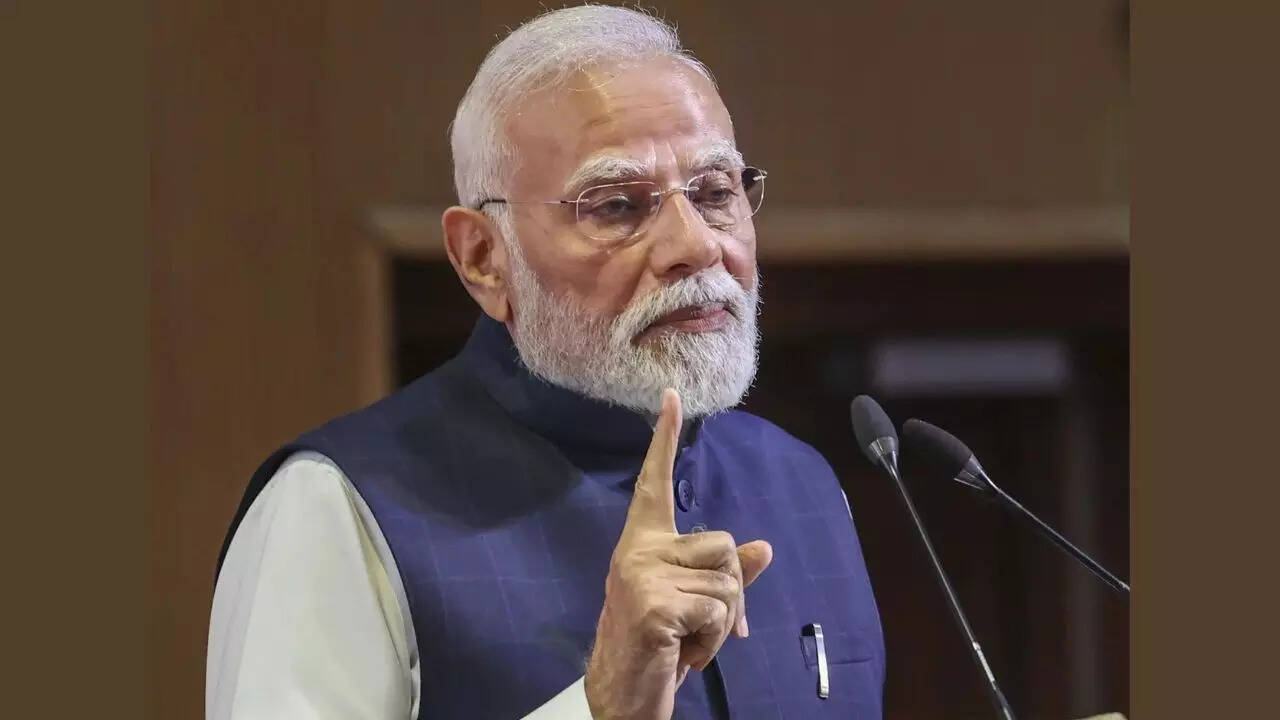
By Nitya Chakraborty   The twist and turns in Prime Minister Narendra Modi’s dealing with the overtures to him from the US President Donald Trump in the last three weeks speak eloquently of the tussle that is going on at the highest level of the BJP leadership and the RSS over how to send the […]


The article Sangh’s Nationalist Line Restrains Modi From Early Deal With Trump appeared first on Latest India news, analysis and reports on Newspack by India Press Agency).

HONG KONG / SINGAPORE – Media OutReach Newswire – 23 October 2025 – Regent Hong Kong has etched its name in hospitality history by becoming the first and only hotel in Asia with the best views to secure a flawless 100/100 rating from The Most Perfect View Certified Program. This recognition cements the luxury waterfront hotel’s reputation as the hotel with the best views of Victoria Harbour, […]

Africa is entering a phase of accelerated digital inclusion, backed by substantial investment and strategic partnerships, yet persistent infrastructure and cybersecurity gaps pose growing concerns. The World Bank Group recently co-chaired the launch of the Mobilizing Access to the Digital Economy Alliance: Africa, aimed at bringing 100 million individuals and enterprises online by 2034. According to the World Bank’s data, broadband access across Africa rose from 26 […]

For years, the cryptocurrency debate has centred on price. Every discussion returned to charts, volatility, and market speculation. The fixation on value swings has distracted from a much more important story. The future of digital finance is not about price movement. It is about infrastructure. Regulated stablecoins are emerging as the foundation of a new global financial system. They combine the trust of established currencies with the […]

Cybersecurity firms have uncovered a sophisticated backdoor dubbed ChaosBot, written in the Rust programming language, that uses the chat-and-voice platform Discord for command-and-control traffic, marking a distinct shift in how threat actors are orchestrating cyber-intrusions. The campaign appears to have begun in a financial-services environment, with attackers leveraging compromised credentials and advanced evasion methods to sidestep detection. According to reports from the vendor eSentire, the incident first […]

Visitors to the heart of Australia’s Red Centre are being drawn to Uluru‑Kata Tjuta National Park by a confluence of cultural significance, unique experiences and strategic branding that spotlight the historic destination for 2026. Plunge into the landscape and traditions of this immense sandstone formation and its neighbouring domes, and you’ll discover a land of deep meaning, geological wonder and evolving travel dynamics. Standing 348 metres tall and […]

Travel Influencers Christy Leung and “African Prince” Kunbi Journey into the Heart of Childhood HONG KONG SAR – Media OutReach Newswire – 22 October 2025 – Hongkongers love to travel, and in recent years, more people are seeking in-depth experiences, venturing into local communities to feel the cultural pulse. Travel enables us to experience diverse traditions and build genuine connections with people. Similarly, helping to improve the […]

The Dubai Department of Economy and Tourism has launched an incentive programme that reimburses eligible hotel developments for 100 per cent of the Dubai Municipality room-sales fee and the Tourism Dirham levy for two years following opening. The scheme targets new hotels, resorts, hotel apartments and other approved hospitality facilities in the designated growth zones of Dubai South, Palm Jebel Ali, Dubai Parks and Dubai Islands. The move stems from Executive Council Resolution No.  of 2025, […]

VISHNU RAJA
RYO YAMADA
HITORI GOTOH
IKUYO KITA