News related to
Program

Shiba Inu has staged a modest rebound after a prolonged slide, prompting speculation among crypto traders that the meme-inspired token could be approaching a technical breakout. The price movement has revived debate about whether the digital asset can escape months of bearish pressure or whether the uptick represents only a short-lived relief rally. Market data shows the token climbing from levels near $0.0000055 to around $0.0000060 during […]

Microsoft is intensifying efforts to expand the use of its artificial-intelligence platforms across Africa, positioning the technology group against rising competition from China’s DeepSeek and other global providers seeking influence in one of the world’s fastest-growing digital markets. Executives from the US technology company have outlined plans to deepen partnerships with governments, universities and technology startups across the continent, aiming to embed Microsoft’s AI tools into public […]

  • Strategic Investment of S$3-5 billion in Singapore to advance AI-ready data centre developments, supporting over 2 GW of AI-ready capacity globally, and driving technological innovation with international ecosystem partners.
  • First-mover advantage as one of Asia Pacific’s top three hyperscale data centre developers, with proven track record delivering large-scale campus developments in Malaysia, Thailand and India, supporting regional AI and cloud demand.
  • Pioneering sustainable energy solutions, including Singapore’s first floating hydrogen power generation model leveraging the nation’s strengths in maritime transport, port infrastructure and global energy supply chains and research into nuclear energy as a future clean power source for data centres.
  • Building an integrated innovation ecosystem in Singapore through partnerships with universities, research institutions and global technology companies, while supporting job creation and talent development initiatives for around 3,000 students and professionals.

SINGAPORE – Media OutReach Newswire – 12 March 2026 – Bridge Data Centres (BDC), a Singapore-headquartered digital infrastructure platform backed by Bain Capital, has announced ambitious plans to invest S$3-5 billion in Singapore to advance next-generation digital infrastructure and strengthen the country’s position as a leading AI and cloud hub in Asia Pacific.

BDC had announced its new strategic brand identity in early 2026 that reflects the Company’s position of being a leading hyperscale and AI-infrastructure builder with a growing network of mega-campus developments in Asia Pacific. With close to a decade of experience developing high quality data centres, BDC’s new brand identity reflects BDC’s reputation as platform built on disciplined execution, certainty of delivery, and the ability to scale with customers.

As AI and high-density workloads accelerate across Asia Pacific, customers are looking for partners who can offer world-class capabilities and local agility, provide bespoke solutions at scale, and deliver and operate with a proven track record.

With Singapore serving as its global headquarters, BDC is uniquely positioned to support hyperscale customers and global technology companies seeking high-performance, sustainable and scalable data centre platforms across Asia Pacific, while enabling global technology companies to establish and expand their presence in Singapore as they develop AI and digital capabilities in the region.

Over the past decade, BDC has established itself as one of Asia Pacific’s leading digital infrastructure developers and operators. The Company currently operates and develops hyperscale campuses across Malaysia, Thailand and India.

Building on strong relationships with global hyperscale customers and ecosystem partners, BDC is on track to expand its regional capacity to approximately 2 GW by 2030.

By deepening its investments in Singapore, BDC aims to support customers seeking world-class digital infrastructure expertise, strong technology partnerships and integrated energy solutions that enable the sustainable growth of AI workloads.

First-mover advantage

BDC is among the first data centre developers to foray into Malaysia, where the Company has several large-scale data centre campuses – both operational and under development.

BDC’s flagship MY06 campus is the Company’s first project in Johor, as well as the state’s first hyperscale data centre development. In addition, BDC is the first data centre developer in Southeast Asia to adopt a build-to-suit (BTS) model for hyperscale data centre construction. BDC was also among the first hyperscale operators in the region to deploy advanced liquid cooling technologies at scale, including cold plate liquid cooling, to support high-density and AI-driven workloads. BDC’s suite of sustainability initiatives at MY06 enabled the facility to achieve an annualised Power Usage Effectiveness (PUE) of below 1.2.

BDC is also the first in Southeast Asia to incorporate Prefabricated, Prefinished Volumetric Construction (PPVC) construction, an innovative method that assembles large building sections off site. This enabled BDC to complete MY06 within eight months, which is 40 per cent faster than traditional methods, while reducing on-site dust, waste and noise. This strategy is one of BDC’s key competitive advantages to support the growing needs of hyperscale customers in the region, including Singapore, who need to rapidly scale to meet increasing demand for more capacity to power AI-workloads.

BDC has built Malaysia’s first large-scale Water Treatment Plant (WTP) to treat effluent and convert it into high grade effluent water to cool its upcoming 400MW campus in Ulu Tiram, Johor. The WTP applies advanced Membrane Bioreactor (MBR) and Reverse Osmosis (RO) technologies to deliver superior water recovery and quality. Since commencing operations in 2025, the WTP has been significantly reducing reliance on potable water. It further strengthens the long-term resilience of BDC’s operations and supports Johor’s broader environmental agenda.

The WTP has also attracted interest from regional public agencies. In 2025, BDC hosted a technical visit by representatives from PUB, Singapore’s National Water Agency, who were presented with an overview of the plant’s design and its use of advanced membrane technologies for sustainable water reuse in data centre operations.

BDC’s MY-06 Campus (Building 1) has achieved Singapore’s BCA Green Mark Platinum Award granted under the BCA-IMDA Green Mark International for Data Centres 2024 (GMDC: 2024) framework. The BCA Green Mark Award recognises developers, building owners and individuals who have made outstanding achievements in environmental sustainability in the built environment. BDC is the first data centre operator to achieve this recognition for a facility based outside of Singapore. Beyond project certification, BDC has also signed a Memorandum of Understanding with BCA International (BCAI) to support the international adoption of Singapore’s Green Mark standards in global data centre developments. Through this partnership, BDC will promote Singapore’s sustainable building standards globally while reinforcing the country’s position as a leading AI and green digital infrastructure hub in the region.

These capabilities are aligned with Singapore’s Green Data Centre (DC) Roadmap, which emphasises energy efficiency, sustainable resource use and the integration of green energy to support the growth of digital infrastructure. BDC’s experience in delivering high-efficiency campuses positions it well to contribute to these objectives through practical, deployable solutions.

Pioneering energy solutions

As AI workloads drive the rapid expansion of digital infrastructure, energy resilience, data security and sustainability are becoming increasingly important. BDC is advancing a range of initiatives to explore alternative energy pathways and strengthen long-term power strategies.

A key collaboration is with Concord New Energy (CNE), where the partners are jointly developing Singapore’s first floating hydrogen power generation solution tailored for next-generation AI digital infrastructure, marking a significant milestone in advancing low-carbon energy pathways for the data centre sector.

BDC and CNE will also collaborate with Nanyang Technological University (NTU) to support the development of Singapore’s hydrogen ecosystem, accelerating research, engineering and the deployment of scalable clean energy technologies for digital infrastructure applications.

In addition, BDC is working with Singapore’s Agency for Science, Technology and Research Institute of High Performance Computing (A*STAR IHPC) and HY to evaluate the potential of nuclear energy as a long-term clean power source for data centres.

BDC’s alliance with A*STAR IHPC and HY will leverage advanced modelling and engineering expertise to explore innovative low-carbon energy pathways that will support Singapore’s sustainable digital growth while reinforcing the nation’s position as a trusted global technology hub.

BDC has also established partnerships with global leaders in energy and energy storage technologies, including CATL, EcoCeres, SK Innovation. Through these collaborations, the partners will jointly explore the establishment of innovation and research platforms to advance the development and pilot deployment of clean energy solutions such as hydrogen and biomass energy, as well as next-generation energy storage technologies designed for tropical climates. These initiatives aim to enhance thermal management, improve safety performance and increase the power density of data centre energy storage systems.

These collaborations and pilot initiatives will also contribute to talent development and workforce capability building in Singapore’s digital infrastructure and energy sectors. Through joint research programmes, technology pilots and knowledge exchange with universities, research institutions and industry partners, BDC aims to support the development of specialised expertise in areas such as advanced energy systems, sustainable data centre design, and next-generation cooling and energy storage technologies.

The initiatives are also expected to create high-value job opportunities in Singapore, spanning engineering, energy systems research, digital infrastructure operations and advanced technology development. By nurturing local talent and strengthening cross-disciplinary capabilities, these efforts will help build a robust talent pipeline to support Singapore’s growing AI and digital infrastructure ecosystem.

These partnerships represent a strategic step in BDC’s long-term roadmap to diversify power sourcing pathways, enhance energy security, and future-proof its Singapore data centre portfolio amid evolving grid constraints and decarbonisation dynamics. They also reinforce Singapore’s position as a regional hub for AI-ready digital infrastructure, while supporting the nation’s broader ambitions in sustainable energy innovation and green economic growth. Furthermore, these advancements accelerate Singapore’s ambition to achieve its net zero emissions goal by 2050.

Advancing technology and ecosystem growth

BDC is also pushing the envelope in innovative and sustainable cooling solutions through collaborations with ecosystem technology partners such as Vertiv, Terahop and Teracule, which are subsidiaries of Zhongji Innolight, as well as Delta Electronics and Supermicro.

Many of these partners are established leaders in data centre cooling, power systems and high-performance computing infrastructure, and are active participants in the broader AI infrastructure ecosystem, working closely with leading chipmakers to support next-generation compute environments.

Through its collaboration with Teracule and Terahop, the subsidiaries of Zhongji Innolight, BDC is exploring opportunities to jointly develop next-generation liquid cooling modules and high-performance optical connectivity solutions tailored for AI data centre environments. By combining Innolight’s expertise in optical modules and high-speed interconnect technologies with BDC’s experience in hyperscale data centre design and operations, the partners aim to advance integrated solutions that enhance thermal efficiency, data transmission performance and system reliability for high-density AI workloads.

The collaboration will also explore the establishment of joint research and development initiatives in Singapore, bringing together industry, academia and research institutions to support innovation in AI infrastructure technologies. Through this industry–academia-research collaboration model, the partners aim to accelerate the development and commercialisation of advanced cooling and connectivity technologies while contributing to Singapore’s broader push to strengthen research, talent development and innovation within the digital infrastructure ecosystem.

Together, these alliances focus on the development of advanced liquid cooling architectures, high-density GPU cooling solutions, and energy-optimised HVAC systems designed to support increasingly compute-intensive workloads. These technologies are critical in enabling the efficient operation of AI infrastructure, particularly as rack densities and thermal loads continue to rise in next-generation data centre environments.

Driving regional connectivity

As a Singapore-headquartered digital infrastructure platform, BDC continues to strengthen Singapore’s position as a regional hub for digital infrastructure and AI-driven innovation. With its highly developed connectivity ecosystem, robust regulatory environment and strong international network links, Singapore plays a central role in enabling the growth of the digital economy across Asia Pacific.

In this context, Singapore serves as one of the primary regional hubs, supporting high-value and latency-sensitive digital services such as edge computing deployments, international data traffic management and regional digital service platforms.

To support the burgeoning demand for AI and cloud computing across the region, complementary infrastructure resources across Asia Pacific can help provide additional capacity for compute-intensive workloads, including AI inference, machine learning and large-scale data processing. This cross-border model enables Singapore to remain the connectivity and innovation anchor of the ASEAN digital ecosystem, while regional infrastructure supports the scaling of digital capacity.

BDC’s collaborations with ecosystem partners, including major telecommunications companies and global technology firms, also help expand connectivity networks beyond Asia Pacific, further reinforcing Singapore’s role as a key regional interconnection hub.

One such ecosystem partner is Zenlayer, a leading global edge cloud and connectivity provider with a well-established customer base across Asia Pacific, North America and Europe. Through this partnership, BDC continues to strengthen its regional and international network connectivity anchored in Singapore.

This expanded network reach supports low-latency cross-border digital infrastructure integration, enabling hyperscalers to scale efficiently across markets while leveraging Singapore as one of the core regional gateways for digital services.

Catalysing Singapore’s AI-driven digital growth

Looking ahead, BDC will continue to leverage its operating model as a glocal platform, combining regional scale with deep local execution capabilities to expand across Asia Pacific. The Company’s strategy focuses on connecting key economic corridors, developing high-density, utility-integrated campuses, and working with ecosystem partners to align digital infrastructure growth with evolving energy pathways.

Anchored in Singapore as its strategic regional hub, BDC’s investments and partnerships contribute to the development of a robust digital infrastructure ecosystem that supports AI-driven workloads and cross-border connectivity.

BDC is also adopting an industry–academia–research collaboration mode, bringing together industry partners, universities and research institutes to accelerate innovation in AI infrastructure, advanced cooling technologies and sustainable energy systems. This integrated approach supports the development of new technologies while nurturing local talent and strengthening Singapore’s innovation ecosystem.

BDC’s initiatives in hydrogen, low-carbon power solutions and energy storage further contribute to the growth of Singapore’s green economy, catalysing investment in sustainable energy infrastructure and support the transition towards lower-carbon digital operations.

BDC’s efforts support the creation of high-value jobs and the development of specialised technical expertise in Singapore, spanning engineering, digital infrastructure and advanced energy systems. In addition, BDC will work with universities, research institutes and industry partners to support talent development initiatives, including internships, training programmes and collaborative research opportunities, contributing to the development of a strong local talent pipeline for Singapore’s AI and digital infrastructure ecosystem.

Collectively, these contributions reinforce Singapore’s position as a leading AI and digital infrastructure hub in Asia Pacific, underpinned by resilient, efficient and sustainable infrastructure.
Hashtag: #BridgeDataCentres #Singapore

The issuer is solely responsible for the content of this announcement.

Bridge Data Centres

Bridge Data Centres (BDC) is a Singapore-headquartered hyperscale data centre provider delivering high-performance, next-ready infrastructure across Asia Pacific. Backed by Bain Capital, BDC operates in Malaysia, Thailand, India, and other high-growth markets, with the capability to deliver up to 3 gigawatts (GW) of capacity globally by 2030 through partnerships with sister platforms in Europe and the United States.


  Cybersecurity researchers have uncovered a series of critical vulnerabilities affecting Google’s Looker data analytics platform that could have enabled attackers to execute malicious code, move between cloud environments and extract sensitive corporate data. The flaws highlight growing security concerns surrounding widely used cloud-based analytics tools that sit at the centre of many organisations’ data infrastructure. Security specialists from the cybersecurity firm Tenable identified two major vulnerabilities—collectively […]

Cyber-criminals have compromised hundreds of legitimate WordPress websites in a global operation designed to infect unsuspecting visitors with information-stealing malware, raising fresh concerns about the security of widely used web platforms and the increasing sophistication of social-engineering attacks. Threat researchers at cybersecurity firm Rapid7 say attackers infiltrated more than 250 websites across at least 12 countries, including the United Kingdom, United States, Germany, Canada, Australia, Brazil, Israel […]

Mastercard has launched a sweeping initiative aimed at linking blockchain-based payments with the traditional banking and card network ecosystem, unveiling a programme that brings together more than 85 companies from across the cryptocurrency, fintech and payments industries. The programme, described as a crypto partner network, includes major digital-asset firms such as Circle, Paxos, Ripple, PayPal, Gemini and Binance. Mastercard says the collaboration is designed to integrate blockchain […]

Industry insights indicate that ride-hailing platforms are gradually expanding beyond core passenger transport, with increased focus on predictive safety capabilities, AI-enabled customer support, embedded payment systems, and more structured regulatory engagement.

MANILA, PHILIPPINES – Media OutReach Newswire – 11 March 2026 – 2026 may be the year that more ride-hailing apps will expand their operations to become mobility superapps, according to industry experts who have analyzed the movements of multiple apps across the board. The analysis suggests that this shift will be driven by multi-service bundling, predictive safety features, boosted AI integration, cashless payment options, and coordination with regulators.

“Our global market review found that the way forward for ride-hailing platforms is to evolve into mobility superapps,” Evgenia Matrosova, inDrive Chief Ride-Hailing Officer, said. “Users want convenience more than anything, where diverse mobility solutions, proactive safety functions, and seamless digital payments can all be found in one platform. Integrated services won’t just push innovation forward; they signify reliability and flexibility on the road and beyond.”

#1 Ride-hailing apps may begin venturing into adjacent services.

More ride-hailing apps may begin expanding into adjacent mobility services this year due to an increase in global demand for integrated transport services. For instance, market intelligence firm Sensor Tower listed inDrive and other ride-hailing platforms among the most downloaded travel apps in 2025—revealing global demand for their expansion into adjacent travel services.

Zooming into the platforms’ service expansion, industry experts are optimistic about the potential in food delivery. Data shows that restaurants worldwide are considering working with delivery platforms that offer them more control over their profit margins.

A separate Ken Research study also revealed that online travel booking has also enjoyed similar local growth, with a projected revenue of Php 50 billion. This could boost pre-booked airport pickups’ popularity, with travelers viewing this as a much-needed convenience.

These all reveal one thing: the lines between passenger transport and adjacent mobility services are beginning to blur. Thus, ride-hailing apps may begin venturing into adjacent mobility services to create an all-in-one experience for users.

#2 Safety systems are slowly shifting from protection to prediction

At present, in-app safety features are often limited to real-time monitoring, emergency hotline buttons, and a speed dial to the platform’s 24/7 support. However, industry experts forecast that ride-hailing apps may begin using AI-powered analytics and risk modeling for predictive road safety measures.

For instance, the Forum of European National Highway Research Laboratories says that AI can collect traffic data, weather feeds, and other key information to predict collisions and recommend alternate routes. Predictive safety features like this can help ride-hailing apps move past interventionary measures and proactively protect their drivers and passengers.

#3 AI to enhance the in-app customer experience

Industry experts also say that mobility services may continue leveraging AI to improve customer experience. There are also early indicators that ride-hailing apps may experiment with using human-like AI voices in their customer support systems. AI may also be used in developing personal mobility agents that manage drivers’ schedules and earnings and intervene during emergencies.

With ride-hailing platforms considering venturing into food delivery, they may use AI to simulate customer interactions. Large language models can simulate dialogue-based ordering, allowing users to verbally dictate their orders or send them via chat platforms like WhatsApp. Not only would this speed up the delivery process, but it would also cater to users who prefer personal interactions.

#4 Ride-hailing apps eyeing seamless in-app payment systems

Cashless payment options, such as e-wallets and online bank transfers, are gaining popularity among Filipino consumers. A Bangko Sentral ng Pilipinas report found that 57.4% of Filipinos’ retail transactions were paid online. This creates an opportunity for ride-hailing companies to make their payment schemes more seamless. They may consider embedding cashless payment options in their apps, which can automatically deduct their transaction from their attached online banking and e-wallet accounts.

inDrive’s internal research shows that Filipino commuters are also price-sensitive, often allocating tight budgets to their transportation expenses. This consumer attitude could pave the way for ride-hailing companies to install in-app wallets. These facilitate better online budgeting and accommodate users who prefer cash.

#5 Ride-hailing apps expected to continue to uphold price fairness

Strict regulatory compliance has always influenced the dynamics of the ride-hailing industry. In particular, the Land Transportation Franchising and Regulatory Board has been staunch in implementing its fare matrix. Just last December, the regulator imposed surge caps to maintain affordable holiday fares—underscoring its commitment to keeping prices affordable for passengers.

With this in mind, industry dynamics suggest a growing emphasis on collaborative regulatory models. Experts advise ride-hailing companies to continue collaborating with government regulators to promote pricing fairness. They also recommended continuing to implement lower commission rates to increase drivers’ income and strengthen passenger loyalty. This year, platforms may also take it a step further by rolling out promotions, capped surge policies, and loyalty models.

These trends paint a picture of what could come next for the ride-hailing industry this year. With these in mind, inDrive will continue to uphold transparency, safety, and inclusivity for drivers and passengers alike. For more updates on inDrive’s initiatives this year, visit www.inDrive.com or follow @inDrive.ph on social media.

Hashtag: #inDrivetrends #MobilityPhilippines

The issuer is solely responsible for the content of this announcement.

About inDrive

inDrive is a global mobility and urban services platform. The inDrive app has been downloaded over 400 million times, and has been named the second most downloaded mobility app for the third consecutive year. In addition to ride-hailing, inDrive provides an expanding list of services, including intercity transportation, delivery, and financial services. In 2023, inDrive launched New Ventures, a venture and M&A arm.

inDrive operates in 1065 cities in 48 countries. Driven by its mission of challenging injustice, the company is committed to having a positive impact on the lives of one billion people by 2030. It pursues this goal both through its core business, which supports local communities via a fair pricing model; and through the work of its impact programs.

For more information visit

Advertisements

Arabian Post Staff -Dubai Global and regional investors have committed about $3 billion to finance a large mixed-use district within Riyadh’s King Salman Park, marking one of the most substantial private capital injections into Saudi Arabia’s flagship urban regeneration scheme. The investment will be channelled through a dedicated development fund designed to finance residential, commercial, hospitality and leisure components connected to the sprawling park complex. Backed by […]

Arabian Post Staff -Dubai Escalating conflict in the Middle East is unlikely to significantly damage the credit ratings of major Gulf companies, according to a new assessment by Fitch Ratings, which says the region’s largest state-linked energy groups possess financial resilience strong enough to absorb the shock of ongoing geopolitical disruption. The ratings agency indicated that publicly rated national oil companies across the Gulf Cooperation Council — […]

Engineering group ABB has committed about $75 million to expand manufacturing and research operations across five locations in India, a move aimed at strengthening production for sectors such as renewable energy, metro rail systems and data centres. The investment reflects rising demand for advanced electrification and automation technologies as infrastructure projects accelerate and digital capacity expands across the country.

ABB said the spending will upgrade and enlarge facilities that produce critical components including switchgear, power distribution equipment and industrial automation systems. The programme is also designed to expand research and development capabilities to support innovation in energy efficiency, smart grid technologies and digitalised industrial processes. Executives say the initiative forms part of a broader strategy to align manufacturing capacity with growing infrastructure investment and the rapid expansion of power-intensive industries.

The company’s expansion covers five manufacturing and engineering sites located in Karnataka, Maharashtra and Gujarat. Upgrades will introduce new automated production lines, enhanced testing laboratories and expanded engineering facilities aimed at designing solutions for electrification, transport networks and digital infrastructure. ABB expects the additional capacity to support large-scale projects ranging from metro rail electrification to the growing network of data centres serving cloud computing and artificial intelligence services.

Demand for equipment linked to renewable energy projects has surged as the country accelerates plans to increase solar and wind generation capacity. Grid-integration technologies, power converters and control systems have become essential as utilities manage fluctuating renewable output while maintaining grid stability. ABB’s investment is intended to strengthen its ability to deliver these solutions domestically while also supporting export markets in Asia, the Middle East and Africa.

Metro rail expansion has emerged as another driver for advanced electrification equipment. Urban transport networks in cities such as Bengaluru, Mumbai, Delhi and Hyderabad are undergoing continuous expansion to address congestion and improve mobility. These projects require reliable power distribution systems, signalling integration and energy-efficient traction equipment. ABB’s manufacturing expansion is expected to help supply such components more efficiently while shortening delivery timelines for large infrastructure contracts.

Data centres represent one of the fastest-growing infrastructure segments globally, and the country has become a major destination for cloud and digital-service investments. Technology companies and telecommunications providers are building large facilities to manage the surge in online services, financial technology platforms and artificial intelligence workloads. These facilities require high-capacity electrical systems, uninterrupted power supplies and advanced cooling solutions, areas where ABB has been expanding product development.

Company officials say the investment will also strengthen collaboration between manufacturing units and engineering teams to accelerate product innovation. Expanded research facilities are expected to focus on digital monitoring systems, predictive maintenance tools and power-management technologies designed to improve energy efficiency across industrial operations. Such innovations are increasingly sought by infrastructure operators attempting to reduce energy consumption and operating costs.

Global industrial groups have been increasing investment in advanced manufacturing and engineering capabilities across the country as infrastructure development gathers pace. Government programmes encouraging domestic manufacturing, combined with demand for electrification technologies, have attracted multinational companies seeking to expand local production while integrating global supply chains. ABB has maintained a presence in the market for more than a century and operates multiple technology centres focused on electrification, robotics and automation.

Industry analysts say electrification and digital automation are becoming central to infrastructure planning as cities grow and industries transition towards cleaner energy systems. Equipment that supports smart grids, energy-efficient manufacturing and automated transport networks is expected to see strong demand over the coming decade. Companies able to integrate digital monitoring with hardware solutions are viewed as particularly well positioned in this evolving landscape.

ABB’s strategy places emphasis on combining electrical equipment with digital analytics to monitor power usage and equipment performance in real time. Sensors, connected control systems and artificial intelligence-based monitoring platforms are increasingly embedded within infrastructure networks. Such technologies allow operators to detect equipment failures early, optimise energy consumption and reduce downtime in critical facilities such as metro systems and data centres.

Software that rewrites and improves its own code is emerging as one of the most consequential developments in artificial intelligence, pushing the boundaries of how digital systems are designed, maintained and regulated. Engineers and researchers say the rise of autonomous coding agents capable of modifying their own behaviour could alter the economics of software development while raising profound questions about oversight and accountability. Advances in large language […]

More than 10,000 citizens of the People’s Republic of China have returned safely from several West Asian countries including the United Arab Emirates, Oman and Saudi Arabia, according to a spokesperson from the Ministry of Foreign Affairs in Beijing, highlighting coordinated efforts by diplomatic missions and local authorities to assist travellers during a period of heightened regional uncertainty.

Officials stated that consular teams across multiple countries worked closely with airlines, airport authorities and host governments to organise departures and ensure that travellers were able to leave safely. The effort covered Chinese tourists, business travellers and temporary workers who had been present across several Gulf states when concerns about travel disruptions intensified.

Authorities described the return of more than 10,000 citizens as part of a broader emergency response mechanism that allows embassies and consulates to provide rapid assistance to nationals overseas. Diplomatic missions in Abu Dhabi, Riyadh, Muscat and other regional capitals coordinated with Chinese carriers and international airlines to arrange flights and secure transit permissions, ensuring orderly departures from major regional airports.

Embassy staff reportedly maintained continuous communication with travellers through consular hotlines and digital messaging platforms, offering guidance on documentation, airport procedures and available transport routes. Officials also worked with host governments to facilitate safe passage to airports and ensure travellers received assistance where needed.

Chinese diplomatic representatives emphasised that governments across the Gulf region extended cooperation during the operation, helping to maintain stability at airports and allowing evacuation plans to proceed without major disruptions. Aviation authorities in the region assisted with flight scheduling and airport logistics, enabling large numbers of travellers to depart over a relatively short period.

The spokesperson noted that consular protection remains a central responsibility of the foreign ministry and its overseas missions. Chinese embassies regularly issue safety advisories to citizens abroad and maintain contingency plans for large-scale assistance operations when circumstances require urgent coordination.

Travel between China and the Gulf has grown significantly during the past decade, driven by tourism, trade and energy cooperation. The United Arab Emirates in particular has become a major destination for Chinese tourists and business travellers, supported by visa-on-arrival policies and expanding air connectivity between Chinese cities and Gulf hubs such as Dubai and Abu Dhabi.

Tourism authorities in the Emirates have highlighted the importance of Chinese visitors to the hospitality and retail sectors. Before the global pandemic disrupted international travel, Chinese travellers represented one of the fastest-growing visitor segments to Dubai, contributing strongly to hotel occupancy and shopping activity across the city.

Saudi Arabia has also expanded tourism cooperation with China as part of broader economic diversification plans. Initiatives linked to the kingdom’s Vision 2030 programme have encouraged tourism flows, cultural exchanges and investment partnerships, drawing increasing numbers of visitors from Asia.

Oman has similarly sought to attract Chinese tourists and investors by easing visa procedures and promoting cultural heritage destinations, while maintaining strong commercial ties with Chinese energy companies involved in infrastructure and industrial development.

Consular officials said the return operation involved travellers from multiple Gulf states as well as other nearby countries where Chinese citizens had been working, studying or travelling. Embassy staff helped verify identities, issue emergency travel documents where necessary and assist those who required medical or logistical support before departure.

Airlines operating between the Gulf and East Asia played a central role in transporting travellers. Carriers from the region, alongside Chinese airlines, expanded seat capacity on several routes and adjusted flight schedules to accommodate additional passengers returning home.

Officials indicated that the successful movement of thousands of travellers reflects increasing coordination between diplomatic networks, aviation authorities and emergency management agencies. Governments have developed more structured protocols for assisting nationals overseas following earlier crises that highlighted the need for rapid response capabilities.

Chinese authorities have emphasised that citizens travelling abroad should remain attentive to official travel advisories and maintain contact with embassies and consulates when circumstances change. Digital registration systems have also been introduced to allow travellers to inform diplomatic missions of their presence in foreign countries, improving the ability of officials to provide assistance if required.

Salesforce is preparing to raise as much as $25 billion through a bond sale aimed at financing a major share repurchase programme, marking the largest debt offering in the software company’s history and one of the biggest corporate borrowings seen in the technology sector this year. The proposed issuance would allow the cloud-software group to fund a significant expansion of its stock buyback plan while maintaining liquidity […]

Security vulnerabilities discovered in the open-source Pingora framework have triggered renewed scrutiny of infrastructure software used to route vast volumes of internet traffic, after researchers warned the flaws could allow attackers to manipulate web requests and poison caches in certain deployments. Cloudflare disclosed multiple weaknesses affecting standalone Pingora installations exposed directly to the internet, warning that attackers could exploit them to conduct HTTP request smuggling and cache […]

Dubai’s flagship horse-racing spectacle will go ahead as planned despite geopolitical tensions linked to attacks involving Iran, ensuring that the Dubai World Cup meeting remains one of the most lucrative and closely watched fixtures on the global racing calendar. Organisers have confirmed preparations for the 2026 Dubai World Cup night at Meydan Racecourse are continuing, with the event retaining its reputation as the richest evening in the […]

HANOI, VIETNAM – Media OutReach Newswire – 10 March 2026 – Amid volatility in global fuel prices, Vingroup has announced the launch of a special “Trade Gas for Electric” program in Vietnam, India, Indonesia, and the Philippines. The program offers an additional 3% discount on VinFast cars and 5% discount on VinFast electric scooters for customers switching from old gasoline vehicles. At the same time, fares for Xanh SM services will be reduced by 10% from March 11 to March 31, 2026, depending on each market.

"Trade Gas for Electric" program in Vietnam, India, Indonesia, and the Philippines

Specifically, in addition to the existing incentives currently available, customers who switch from old gasoline vehicles to new VinFast electric vehicles during the program period will receive an additional 3% discount for cars and 5% discount for scooters. The program will be applied across all four markets: Vietnam, India, Indonesia, and the Philippines.

Fares for Xanh SM services will be reduced by 10% from March 11 to March 31, 2026

In line with VinFast’s pioneering spirit, GSM Green and Smart Mobility Joint Stock Company has also announced an immediate 10% reduction in fares for electric mobility services on the Xanh SM platform in Vietnam and Green SM in Indonesia from March 11 to March 31, 2026. This initiative offers customers a more environmentally-friendly and cost-effective transportation option.

The program may be extended depending on international developments and future fuel price movements.

Ms. Duong Thi Thu Trang, Deputy CEO of Global Sales, VinFast, stated: “The special ‘Trade Gas for Electric’ program launched in March across four key markets is VinFast’s timely response to geopolitical volatility that is affecting socio-economic conditions in many countries around the world. As one of the pioneering manufacturers leading the global electric vehicle revolution, VinFast together with companies in Vingroup’s green ecosystem aims to help reduce the impact of fuel prices on people’s daily lives while also lowering environmental pollution through smarter, more sustainable, and more cost-efficient mobility solutions.”

The special “Trade Gas for Electric” program will be implemented in parallel with and combined with other available incentive programs in each market. Through layered incentives, Vingroup and companies within its ecosystem aim to create favorable conditions for customers to transition quickly to electric vehicles, reduce dependence on gasoline, stabilize daily life, and contribute to building a cleaner and more civilized living environment.

Hashtag: #Vingroup

The issuer is solely responsible for the content of this announcement.

New Academy and Shenyang satellite office strengthen SUSS’ visibility and partnerships across Western and Northeast China.

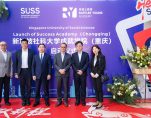
CHONGQING, CHINA – Media OutReach Newswire – 10 March 2026 – The Singapore University of Social Sciences (SUSS) today launched the SUSS Success Academy in Chongqing in collaboration with Raffles Young Academy (RYA) Pte Ltd and announced the establishment of a satellite office in Shenyang. Building on its Success Academies in Beijing and Shenzhen, the Academy strengthens SUSS’ presence in China and supports its growing engagement across Western and Northeast China.

Guests and partners at the launch event of the Success Academy in Chongqing. (From L-R: Dr Yap Meen Sheng, Assistant Provost, SUSS; Mr Lennon Tan, President, Singapore Manufacturing Federation; Mr Li Xunfu, Deputy Director of Chongqing Municipal Commission of Commerce; Prof Tan Tai Yong, President, SUSS; Mr Samuel Ng, Executive Chairman, Raffles Young Academy; Associate Professor Justina Tan, Vice President, Strategic & Partnership Engagement)

The launch was commemorated with an opening ceremony at the CCI Gallery, attended by close to 70 guests from China and Singapore, including representatives from institutions of higher learning, and industry and community partners. The ceremony was presided by Vice-Consul (Political) Ms. Mavis Tan, Consulate-General of the Republic of Singapore, Chengdu and Mr. Li Xunfu, Deputy Director of Chongqing Municipal Commission of Commerce.

Success Academy to connect partners from Singapore and China

Anchored in SUSS’ commitment to lifelong learning and creating social impact, the Academy will serve as a key nexus for academic and industry partners from both countries. Through cross-cultural collaboration and practice-oriented learning, it also aims to develop future-ready talent equipped to contribute meaningfully to society and the economy.

RYA is an education and talent development organisation aimed at nurturing future-ready talent through industry-oriented learning and international exposure. RYA will bring its networks and local expertise to support and enhance the Academy’s initiatives.

Through the Academy, SUSS will provide opportunities for students from SUSS and other Singapore pre-tertiary and tertiary institutions to co-learn and co-innovate with peers in China. These include interdisciplinary global learning courses, impact startup and venture builder programmes, industry-based immersions and student exchanges. SUSS students will also gain regional exposure through internships and other workplace learning opportunities. In addition, the Academy will support SUSS in working with universities and organisations in China to jointly design and deliver industry-relevant courses and programmes for students and executives.

Extending engagement into Northeast China with Shenyang satellite office

To further deepen its engagement in Northeast China, SUSS will launch a satellite office in Shenyang on 11 March 2026 under the Success Academy in Chongqing. This office will support SUSS’ initiatives in Liaoning Province and surrounding areas, including Dalian. In addition, three Memoranda of Understanding (MOU) will be signed with the following organisations:

  • Shenyang University of Chemical Technology (SYUCT): Collaborative development of a Master’s degree programme in Social Work, fostering cross-border knowledge exchange, curriculum innovation, and talent development to address evolving social service needs.
  • North-East Institute of Population and Social Development: Joint research endeavours, professional development programmes, and meaningful academia-industry partnerships to generate evidence-based solutions, build capabilities, and promote active ageing ecosystems that benefit individuals and communities.

Professor Tan Tai Yong, President of SUSS, said, “China is an important partner for SUSS as we expand opportunities for our students and strengthen collaboration across Asia. The launch of the Success Academy in Chongqing allows us to work more closely with universities, industry and community partners in Western and Northeast China, and to deliver applied, practice-oriented education that responds to real-world needs. Our partnership with Raffles Young Academy reflects our shared commitment to developing future-ready talent and supporting professional growth across the region.”

Mr. Samuel Ng, Executive Chairman, RYA, said, “Our collaboration with the Singapore University of Social Sciences reflects a shared belief in applied, practice-oriented education and in preparing students and enterprises to navigate an increasingly complex and interconnected world. Chongqing’s strategic position as a gateway to Western China and a hub for industry and connectivity makes it an ideal location for immersive, industry-linked education. This partnership represents a long-term commitment to building enduring bridges between students and industry, between academia and practice, and between Singapore and China.”

The launch of the Success Academy in Chongqing is part of SUSS’ broader expansion across Asia. Since 2023, SUSS has established Success Academies in Beijing, Shenzhen, Ho Chi Minh City Bangkok, Kuala Lumpur, Jakarta, Manila and Mumbai.

For more information, visit www.suss.edu.sg/success-academy.
Hashtag: #SUSS


The issuer is solely responsible for the content of this announcement.

Dubai has retained its position as the world’s cleanest city for a sixth consecutive year, strengthening the emirate’s global reputation for urban management and environmental standards as international rankings continue to highlight its sustained focus on municipal services, waste management and public hygiene. Recognition comes through the Global Power City Index, an annual assessment issued by the Institute for Urban Strategies at Japan’s Mori Memorial Foundation. The […]

MEXC Foundation and the University Network for Cryptocurrency & Blockchain have launched a university-focused Web3 education initiative at the University of New South Wales, signalling a push to cultivate blockchain and digital-asset talent among students. The programme, branded MEXCampus, was introduced during an event at the Roundhouse on the UNSW campus in Sydney and positions the digital-asset exchange’s philanthropic arm as an official partner in a student-driven […]

Cybersecurity researchers have uncovered a malicious software package disguised as a legitimate developer tool that quietly installs an advanced data-stealing program on victims’ machines, raising fresh concerns about software supply-chain attacks targeting programmers and technology companies. Security analysts say a rogue npm package named @openclaw-ai/openclawai impersonates the legitimate OpenClaw command-line interface, a tool designed to help developers manage artificial-intelligence agents and related workflows. The counterfeit package installs […]

Cybersecurity researchers have identified a sophisticated espionage campaign linked to China-aligned threat actors that is targeting organisations in Qatar, using malware associated with the PlugX family and exploiting heightened geopolitical tensions in the Middle East to lure victims. Security analysts say the operation demonstrates how advanced persistent threat groups quickly integrate global events into cyber-espionage strategies. The campaign relies on carefully crafted phishing documents and malicious attachments […]

Construction has begun on what is described as the world’s first industrial-scale facility dedicated to producing indium phosphide photonic chips, a move aimed at strengthening Europe’s strategic position in advanced semiconductors and next-generation computing technologies. The factory project, centred at the High Tech Campus Eindhoven in the Netherlands, marks a significant milestone for the region’s photonics sector and forms part of a broader effort to translate years […]

HONG KONG SAR – Media OutReach Newswire – 10 March 2026 – Hong Kong Design Centre (HKDC) welcomes the 2026-27 Budget announced by the Financial Secretary which sets out, inter alia, the Government’s commitment to drive the development of Hong Kong’s cultural and creative industries, reinforcing the city’s position as a global creative hub.

HKDC Chairman, Mr Joseph Lo, remarked, ‘HKDC has long been committed to supporting local designers and enterprises, driving design to create business value for Hong Kong, and reinforcing the city’s position as a global creative hub. In alignment with Hong Kong’s integration into the national development agenda and the advancement of Guangdong-Hong Kong-Macao Greater Bay Area (GBA) collaboration under the 15th Five-Year Plan, we will continue to strengthen partnerships between Hong Kong’s design sector, the Chinese Mainland, and the international community, leveraging Hong Kong’s unique role as a “super connector” and “super value-adder”. Through flagship programmes, we foster cross-sectoral collaboration and design innovation, and are dedicated to transforming the DX design hub into a cultural landmark for visitors to Hong Kong, further enhancing the competitiveness and influence of the city’s design industry.’

HKDC believes that Hong Kong’s diverse cultural background, world-class cultural infrastructure, and global creative industry network will further reinforce the city’s leadership in the creative industries. Its annual flagship event, Business of Design Week (BODW), will continue to convene world-class designers, brand leaders, and entrepreneurs to foster cross-cultural and cross-disciplinary exchange and business collaboration. The project ‘DX GRAVITY’, developed with the GBA design industry, will promote cross-sectoral creative and commercial synergies.

Meanwhile, ‘Fashion Asia Hong Kong’ will strengthen ties among local, Chinese Mainland, and international fashion communities through strategic showcases, offering valuable opportunities for business growth and global exposure. Together, these initiatives highlight HKDC’s role as the premier platform enabling design brands to go global while attracting international talent and investment.

HKDC will continue to fully support government policy initiatives, working closely with industry stakeholders to advance Hong Kong’s cultural and creative industries, enhance global competitiveness, and position the city as a world‑class creative capital.

Hashtag: #HKDC

The issuer is solely responsible for the content of this announcement.

About Hong Kong Design Centre (www.hkdesigncentre.org)

Hong Kong Design Centre is a strategic partner of the HKSAR Government in leveraging the city’s East-meets-West advantage to create value from design.

The major programmes include Business of Design Week, DFA Awards, Fashion Asia Hong Kong and BODW In the City. Since 2024, we have also been operating the DX design hub in Sham Shui Po, dedicated to fostering emerging design talents and facilitating collaborations and exchanges in the design industry, as well as providing visitors an immersive experience through innovative exhibitions, fashion showcases and cultural events.

To achieve our goals, we:

  • Cultivate a culture of design
  • Bridge stakeholders to opportunities that unleash the power of design
  • Promote excellence in various design disciplines

About Cultural and Creative Industries Development Agency (www.ccidahk.gov.hk)

The Cultural and Creative Industries Development Agency (CCIDA), formerly known as Create Hong Kong (CreateHK) since 2009, was established in June 2024. CCIDA is a dedicated office under the Culture, Sports and Tourism Bureau of the Government of the Hong Kong Special Administrative Region (HKSAR Government) to provide one-stop services and support to the cultural and creative sectors with a mission to foster a conducive environment in Hong Kong to facilitate development of the arts, culture and creative sectors as industries. CCIDA’s strategic foci are nurturing talent and facilitating start-ups, exploring markets, promoting cross-sectoral and multi-disciplinary collaboration, promoting industrialisation of the arts, culture and creative sectors under the industry-oriented principle, and fostering a creative atmosphere in the community, thereby reinforcing Hong Kong as Asia’s creative capital and our positioning as the East-meets-West centre for international cultural exchange.

Disclaimer: The Government of the Hong Kong Special Administrative Region provides funding support to some of HKDC’s activities/projects only, and does not otherwise take part in such funded activities/projects. Any opinions, findings, conclusions or recommendations expressed in this publication and relevant materials/events (or by members of the project teams) are those of HKDC only and do not reflect the views of the Government of the Hong Kong Special Administrative Region, the Culture, Sports and Tourism Bureau, the Cultural and Creative Industries Development Agency, the CreateSmart Initiative Secretariat or the CreateSmart Initiative Vetting Committee.

Saudi Aramco reported a decline in full-year net profit for 2025, reflecting the impact of lower crude oil and petrochemical prices on the world’s largest energy producer. The company posted net profit of $93.38 billion for the year, an 11.6 per cent fall compared with the previous year. The drop was driven primarily by weaker revenues linked to softer global energy prices and lower returns from chemical […]

VISHNU RAJA
RYO YAMADA
HITORI GOTOH
IKUYO KITA