As more Middle East drivers move closer to their first EV purchase, familiar SUV proportions, strong performance and practical ownership support could matter as much as the electric powertrain itself.
DUBAI, UAE – Media OutReach Newswire – 27 August 2026 – The Middle East’s EV market is growing quickly, but it remains far from saturated. Electric car sales in the region reached about 75,000 units in 2025, up more than 40% year on year, according to the International Energy Agency[1]. The UAE alone accounted for almost half of regional EV sales, while Saudi Arabia and Qatar together represented nearly 45% of regional demand.
With more buyers moving from curiosity to consideration, the next question is what makes an EV feel like a natural replacement for a conventional car. For the VinFast VF 8, the answer comes down to three things: SUV performance, a comfort-focused cabin and an ownership package that goes well beyond the showroom.
SUV performance that means business
The Middle East has a long-standing appetite for SUVs, and the VF 8 speaks that language in electric form. Its dual-motor all-wheel-drive system produces up to 402 horsepower and 620 Nm of torque in the Plus version, while the Eco delivers 349 horsepower and 500 Nm.
The numbers translate into brisk performance, with the VF 8 Plus targeting 0-100 km/h in less than 5.5 seconds and the Eco at 5.9 seconds. Both versions use an 87.7-kWh usable battery, with claimed NEDC ranges of up to 476 km for the Plus and 493 km for the Eco. DC fast charging from 10% to 70% takes a listed 31 minutes.
Going electric does not require giving up the urge to put your foot down. Actual range and performance will vary with driving style, passengers, load, tires, weather and road conditions.
A cabin that takes comfort seriously
Performance may get attention, but the cabin is where drivers spend most of their time. The VF 8 comes with a 15.6-inch infotainment display, two-zone automatic climate control, air-quality control and cabin filtration with an air ionizer.
The Plus adds 12-way powered driver’s seat adjustment with heating, ventilation and memory, alongside a heated and ventilated front passenger seat and heated, ventilated and reclining rear seats. A panoramic sunroof, heated power-adjustable steering wheel and 10-speaker audio system with a subwoofer round out the package.
The technology continues through the companion app, which supports remote vehicle controls, driver profiles, driving statistics and vehicle diagnostics. Over-the-air updates can also deliver software improvements without a workshop visit.
Ownership support that lasts beyond the test drive
A fast-growing EV market also means buyers are asking practical questions surrounding ownership: charging, servicing, repairs and battery longevity.
The VF 8 addresses those concerns with a 10-year or 200,000-km vehicle warranty and a 10-year unlimited-kilometer battery warranty. The package also includes five years or 100,000 km of free service, 24/7 mobile services and roadside assistance, access to DC fast charging and a parts supply target of 24 hours in key markets.
VinFast is also expanding the infrastructure behind that promise. At its 2026 Global Business Conference, the company signed MOUs with 29 aftersales partners, including partners serving the Middle East, and set a target of more than 1,100 service workshops globally in 2026.
For a region where EV adoption is accelerating, the VF 8 arrives with a familiar formula: SUV proportions, plenty of power and a cabin designed for comfort. The electric bit is new; the reasons to want the car are rather more familiar.
Arabian Post Staff -Dubai Qatar Investment Authority has backed autonomous trucking company Gatik in a $200 million funding round aimed at expanding driverless freight operations across major North American supply chains. The Series D financing was co-led by QIA and Koch Disruptive Technologies, with Millennium Management, ARK Invest, Intact Private Capital and Arca Continental among the other participants. Gatik plans to use the capital to expand its […]
Arabian Post Staff -Dubai Qatar’s Prime Minister Sheikh Mohammed bin Abdulrahman bin Jassim Al Thani is travelling to Tehran on Thursday for talks aimed at lowering regional tensions and reopening a diplomatic channel between Iran and the United States. Sheikh Mohammed, who also serves as Foreign Minister, is expected to meet senior Iranian officials and discuss steps that could reduce the risk of further escalation. Doha has […]
Arabian Post Staff -Dubai US allies believe mines remain in the Strait of Hormuz despite President Donald Trump’s declaration that American forces have cleared the strategic waterway, exposing a widening difference over the security of one of the world’s most important energy corridors. Allied assessments indicate that US forces have removed or destroyed some Iranian mines in international waters but have probably not eliminated the entire threat. […]
SINGAPORE – Media OutReach Newswire – 27 August 2026 – Corporate buyers in Singapore are increasingly asking for gifting and packaging to come from the same supplier, and for that supplier to hold sourcing presence in the region rather than in a single procurement market. The Gift Empire Pte Ltd, a Singapore supplier of promotional gifts and customised corporate gifts, has responded to both within the same quarter, opening a Vietnam office supported by a local platform at giftempire.com.vn and launching Packaging Empire as a dedicated division for customised packaging solutions. Singapore remains the company’s primary market and the base from which it serves corporate gifting accounts across Singapore, Malaysia, and Vietnam.
Packaging Empire was established in response to demand from businesses seeking one partner for both requirements. The Gift Empire has supplied customised corporate gifts and promotional gifts since 1999 to organisations including Amazon, Citibank, Maybank, Shopee, and Microsoft, and receives orders through GeBIZ, Ariba, and Coupa, the procurement systems used by Singapore government agencies and large corporate buyers. Accounts of that size have traditionally run separate vendors for promotional gifts and presentation packaging, which adds cost and complicates delivery schedules when both elements are tied to the same campaign date.
The division produces gift boxes, mailer boxes, retail packaging, product sleeves, and event packaging, covering product launches, corporate events, gift-with-purchase campaigns, festive gifting, roadshows, retail applications, and brand activations. Demand for everyday corporate gift items such as custom canvas tote bags and custom water bottles in Singapore has grown alongside the shift, and these are frequently ordered with matching boxes or sleeves timed to the same launch. Clients ordering both now work to a single production timeline under one supplier.
For buyers, consolidating the two functions changes how a project is run. A client briefs one team and works to a single production timeline, so the gift item and the packaging it ships in are scheduled against the same delivery date instead of being tracked as two jobs. Colour matching and print finishing are handled within one production process, which keeps branding consistent between the item and the box it arrives in. Quality control covers both components at the same stage, and any delay sits with a single point of accountability. Volumes across gifts and packaging can be quoted together instead of being priced by two vendors working to separate minimum order quantities. For procurement teams, a single supplier also means one vendor record to maintain and one invoice per campaign, which is a practical consideration for government agencies and large corporations buying through GeBIZ, Ariba, or Coupa.
The Vietnam operation serves a dual function. Alongside supplying Vietnamese businesses through its local platform, the office gives The Gift Empire direct presence in one of the region’s largest manufacturing bases, where a significant share of the product it already sources is made. Vietnam’s electronics sector contributed over 35 per cent of the country’s total exports in 2025, reaching a record US$165 billion, according to Vietnam Briefing. Working on the ground allows closer collaboration with manufacturing partners and tighter oversight of production and quality control. The company expects this to shorten lead times for its Singapore and Malaysia clients and reduce its exposure to disruption in any single supply market.
Vincent Lau, Sales Manager at The Gift Empire, said the changes came out of client requests and not a shift in the company’s focus.
“Most of our work is still corporate gifting for clients here in Singapore, and that has not changed. What has changed is that more of them want one team handling the gifting and the packaging instead of coordinating two suppliers against the same deadline, because when the packaging runs late, the whole campaign moves with it. Vietnam happened at the same time for a practical reason, which is that a lot of the manufacturing we already source from is there, and being on the ground changes how quickly we can sort things out.” – Vincent Lau, Sales Manager, The Gift Empire Pte Ltd
The two developments give The Gift Empire a broader service range and a wider sourcing base within the same quarter, with Singapore continuing as the primary market for its corporate gifting and packaging work. The direction Lau has set out for the company is to operate as a single-source provider for corporate gifting and packaging across Southeast Asia, where a client in any of its markets briefs one team and works to one production timeline supported by a regional sourcing network.
The issuer is solely responsible for the content of this announcement.
About The Gift Empire
Founded in 1999, The Gift Empire Pte Ltd is a Singapore-based one-stop provider of customised corporate gifts, promotional gifts, and branded packaging. With more than 25 years of industry experience, the company supplies SMEs, multinational corporations, government agencies, educational institutions, banks, hotels, and event agencies, and is registered on GeBIZ, Ariba, and Coupa. Its services span sourcing, design, quality control, logistics, and fulfilment, with a catalogue of over 400 branded products available with custom logo application. The Gift Empire operates in Singapore, Malaysia, and Vietnam, and its packaging division, Packaging Empire, delivers bespoke packaging for corporate and retail applications.
OpenAI has not announced that it expects to achieve artificial general intelligence by the end of 2026, despite a widely circulated social-media claim attributing that timetable to the ChatGPT developer. A review of the company’s latest public statements, research material and remarks by senior executives shows no declaration setting December 2026 as a deadline for reaching AGI. OpenAI continues to describe the timing of artificial general intelligence […]
HONG KONG SAR – Media OutReach Newswire – 26 August 2026 – SenseTime Group Inc. (“SenseTime” or the “Company”; Stock Code: 0020.HK) today announced its results for the first half of 2026. During the Reporting Period, the Group recorded total revenue of RMB2.91 billion, representing a year‑on‑year (“YoY”) increase of 23.4%, and gross profit of RMB1.21 billion, up 32.9% YoY. Gross profit margin reached 41.4%, an increase of 2.9 percentage points YoY. The Group also introduced recurring revenue (“RR”) for the first time, which totaled RMB1.14 billion and accounted for 39.3% of total revenue. The Group recorded a net profit of RMB620 million under International Financial Reporting Standards (“IFRS”), marking its first IFRS profit since its public listing. Generative AI revenue reached RMB2.33 billion, representing nearly 80% of the Group’s total revenue, while overseas business revenue increased 127% YoY, significantly outpacing the Group’s overall growth rate. While delivering healthy growth in revenue and gross profit, the Group continued to improve operating efficiency, with core operating losses narrowing significantly. Non‑IFRS adjusted net loss was RMB390 million, narrowing by 67.3% YoY.
The Group continued to accelerate the large‑scale commercial deployment of its AI capabilities, building system‑level AI capabilities around the framework of “one model system, one Token Factory, and one Agent Harness” to advance AI from intelligence generation toward end‑to‑end task execution and transform these capabilities into scalable commercial value.
Dr. Xu Li, Chairman of the Board and CEO of SenseTime, said: “SenseTime’s three-pillar core capability framework, built around ‘one model system, one Token Factory, and one Agent Harness’, uses a unified model system to continuously push the boundaries of intelligence, leverages infrastructure and optimization capabilities to reduce Token costs and strengthen cost‑based pricing power, and deploys agents deeply integrated into enterprise and individual workflows to deliver complete task execution capabilities. This framework enables SenseTime to move beyond pure price competition and create sustainable commercial value through differentiated technologies and services. At the same time, it allows us to expand our user base, drive recurring revenue growth, and lay a solid foundation for the Group’s high‑quality development.”
One Model System: Advancing Native Multimodal Intelligence and Long‑Horizon Agents with Global Leading Performance
In 2026, SenseTime released a series of models at a rapid pace, spanning native multimodal unification, visual perception and reasoning, controllable generation, long‑horizon agents, spatial intelligence, and physical world models. These included the NEO‑Unify architecture; SenseNova U1, U1.5 and U1.5‑Lite; SenseNova Vision; the office‑focused multimodal agent SenseNova 6.8‑Flash‑Lite; the content creation model SenseNova U1‑Pro; the spatial intelligence model SenseNova SI‑8B; and the Kairos 3.1 world model co‑developed with Ace Robotics. Across multiple core benchmarks, these models matched or outperformed leading international models, including Gemini, GPT, and DeepSeek. Less than four months after the U1 series was open‑sourced, the three projects had collectively garnered more than 11,000 stars on GitHub.
SenseTime is advancing from digital intelligence toward physical AGI through the closed‑loop framework of “architectural innovation, system capabilities, and high‑value delivery,” continuously translating technological breakthroughs into real-world applications and commercial value.
Token Factory: Upgrading from Compute Provisioning to Scaled Intelligence Production
SenseTime’s SenseCore is evolving into a production‑oriented Token Factory. Through integrated model and infrastructure optimization, as well as capabilities in model adaptation, inference optimization, heterogeneous scheduling, energy management and global service delivery, the Token Factory not only expands Token output and lowers unit costs, but also continuously enhances the reasoning, understanding, generation, and execution capabilities embedded in each Token.
In July 2026, SenseCore delivered an average daily Token service volume of 2.4 trillion, representing a YoY increase of approximately 22 times. As of the date of this announcement, the Group’s total deployed computing power had reached 48,000 Petaflops (P).
The Token Factory provides strong support for SenseTime in advancing the performance boundaries of its foundation models and scaling their commercial deployment. It has tripled the training speed for long‑context Agent models, increased image and video generation efficiency sixfold, improved reinforcement learning training efficiency, and shortened the cycle from model R&D validation to large‑scale deployment to just one week. In addition to supporting the SenseNova foundation model, the Token Factory now serves four external foundation model providers, establishing differentiated capabilities across high‑complexity computing domains, including AI for Science (“AI4S”), video generation, embodied intelligence, world models, and city‑level intelligent applications.
In addition, the Group remains committed to advancing the domestic compute ecosystem, increasing the MFU (Model Floating‑Point Utilization) of mainstream domestic chips by up to 2.5 times compared with the baseline levels established by chip manufacturers. SenseNova U1 has achieved Day 0 adaptation across more than ten domestic chip platforms.
Through compute‑energy synergy, the Company continues to reduce the unit cost of intelligence. During the Reporting Period, its Compute‑Energy Synergy Agent achieved load forecasting accuracy of 96% and generated cumulative electricity cost savings of more than RMB12 million. For every 10,000P of computing power, annual carbon emissions were reduced by 24,000 tons.
Agents Accelerate Adoption Across Enterprise and Consumer Markets, Delivering Value Through Workflow Integration and Enhanced Everyday Experiences
Building on its model and Token capabilities, SenseTime connects models, knowledge, tools, and workflows through a unified Agent Harness, transforming underlying AI capabilities into end-to-end task delivery solutions for enterprise and individual users.
The Group’s agents are rapidly expanding across both enterprise and personal workflows. During the Reporting Period, they served more than 1,000 enterprise customers across over 20 key industries, including education, government, marketing, logistics, banking, and insurance. The Office Agent, Raccoon, has served major enterprises including Lenovo, Ping An Technology, China’s three major telecommunications operators, JD.com, and Kylin Software. Total users increased more than fivefold YoY, enterprise users grew more than sixfold, and monthly active users on the cloud platform increased nearly tenfold. In addition, the video‑generation agent Seko reached a daily video production volume of 10,000 minutes. Content created on the platform has amassed an estimated 1.5+ billion views across short‑video platforms, including 10 short-form dramas that have each surpassed 100 million views. AI productivity solutions are also expanding beyond large organizations to serve smaller teams and One‑Person Companies (OPCs). In the consumer market, the Kapi series of agents, covering use cases such as health, finance, and content creation, has surpassed 45 million cumulative users.
Computer Vision remains a strategic gateway for the Group’s expansion into industry verticals and overseas markets. During the Reporting Period, revenue from the business reached RMB500 million, accounting for approximately 17% of the Group’s total revenue. The business extended across more than 20 countries and regions and served more than 4,500 customers worldwide, with recurring customers contributing 67% of revenue.
Bridging Digital and Physical Intelligence, Unlocking Ecosystem Value
SenseTime continued to invest in frontier areas, including world models and embodied intelligence, intelligent terminals, smart healthcare, and chips. The increase in the valuation of certain AI ecosystem investments generated fair‑value gains, contributing to the Group’s first‑ever IFRS profit and reflecting the gradual realization of financial value from our ecosystem assets. Beyond short‑term investment returns, the more significant long‑term value of these ecosystem investments lies in enabling the Group gain early access to frontier domains, continuously acquire real‑world tasks, data, and feedback, and further strengthen SenseTime’s unified multimodal models and system‑level delivery capabilities.
SenseTime is deepening its “Three-pillar Framework”: one model system to raise the ceiling of intelligence and expand agents’ ability to handle complex tasks; one Token Factory to improve quality and efficiency, reduce costs, and enhance global delivery capabilities; and one Agent Harness to integrate multimodal models with the Token Factory, enabling AI to complete end‑to‑end tasks in real-world scenarios.
Looking ahead, SenseTime will continue to advance the iteration of multimodal agents, driving the evolution of the Token Factory from pricing based on Token volume to pricing based on task outcomes. The Group will also deepen the application of multi‑agent collaboration across enterprise, individual, and OPC workflows, delivering efficient and reliable productivity solutions to users.
Hashtag: #SenseTime
The issuer is solely responsible for the content of this announcement.
About SenseTime
Founded in 2014, SenseTime is a leading artificial intelligence (AI) software company, committed to its mission of “creating a better AI-empowered future through original innovation”. The Company continues to lead cutting-edge AI research while accelerating the large-scale commercialization of AI technologies.
Leveraging deep academic expertise and strong in-house innovation capabilities, SenseTime continues to enhance its industry-leading multimodal, multi-task general AI capabilities, while fostering a vibrant developer ecosystem through structured open-source initiatives.
SenseTime’s business spans Generative AI, Vision AI, and emerging innovation-driven segments. Underpinned by SenseCore, its next-generation AI infrastructure, the Company integrates computing power, algorithms, and platforms to enable scalable AI deployment. Building on this foundation, SenseTime has developed the SenseNova foundation model series, delivering cost-efficient capabilities across a wide range of general AI tasks. SenseTime continues to lead the global Vision AI market, ranking No.1 worldwide by market share. Its SenseFoundry platform integrates years of accumulated computer vision expertise with advanced multimodal foundation models, providing stable and efficient Vision AI solutions to industries worldwide.
SenseTime is listed on The Stock Exchange of Hong Kong, with operations spanning more than a dozen countries and regions.
Singapore is preparing to provide almost S$70,000, or nearly Dh200,000, in direct financial support for every citizen child as it confronts a record collapse in fertility and mounting pressure from an ageing population.
The new SG Child Support Package will extend government assistance from birth through age 17, replacing a system that concentrates much of its financial help around a child’s early years. Payments under the redesigned framework are scheduled to begin in April 2027.
Prime Minister Lawrence Wong unveiled the package at the National Day Rally on August 23, describing a broader shift towards supporting parents throughout the years of raising a family rather than relying mainly on incentives linked to childbirth.
Every Singapore citizen newborn covered by the new arrangements will receive a S$10,000 Baby Gift and a S$5,000 MediSave grant. A Child Development Account will receive an initial S$5,000 grant, with the government matching parental savings dollar for dollar up to another S$5,000.
Children will then receive S$2,000 in annual Child Credits from age one through 16. Government support will also include annual Edusave top-ups during primary and secondary education and a S$10,000 payment into the Post-Secondary Education Account at age 17.
Taken together, the measures will provide almost S$70,000 in direct financial assistance for each citizen child. Unlike the existing Baby Bonus and Large Families schemes, the basic level of support will no longer depend on birth order.
The overhaul comes after Singapore’s resident total fertility rate dropped to 0.87 births per woman in 2025, its lowest level on record and down sharply from 0.97 in 2024. The replacement rate required to maintain a population without migration is about 2.1.
Only 30,004 live births were recorded in 2025, an 11 per cent decline from 33,703 a year earlier. Resident births fell 10.6 per cent to 27,529, while citizen births declined 10.4 per cent to 26,201.
The figures have intensified concerns about the size of Singapore’s future workforce and the ability of a smaller working-age population to support growing numbers of elderly citizens. More than one-fifth of citizens are already aged 65 or above, placing Singapore among societies experiencing particularly rapid demographic ageing.
Financial incentives are only one part of the policy response. Wong acknowledged that decisions about having children are deeply personal and cannot be determined by government payments alone. The package therefore combines cash assistance with measures targeting childcare costs, parental leave, housing and workplace pressures.
Childcare leave will be expanded according to family size. Working parents will receive eight days each if they have one child aged 12 or below, 10 days with two children and 12 days with three or more children.
A working couple with three primary-school children would consequently have 24 days of childcare leave between them, compared with four days under the existing arrangements for parents whose youngest child is above six.
The government will also cover the financial cost of all statutory child-related leave up to the applicable reimbursement limit, reducing the expense borne by employers and seeking to limit any employment disadvantage associated with parenthood.
Preschool costs are another major target. Government-supported centres currently provide places for about 80 per cent of preschoolers, but full-day childcare can cost close to S$600 a month for some families, while infant care can exceed S$1,000.
Authorities aim eventually to bring full-day childcare fees at government-supported preschools down to S$150 a month and infant care fees to S$300. The lower fee structure is intended to apply regardless of household income, while lower-income households will continue to qualify for additional subsidies. Implementation will take several years as the network of supported operators expands.
Housing policy is being adjusted alongside the family package. The monthly household income ceiling for Build-To-Order public housing will rise from S$14,000 to S$16,000, while the ceiling for Executive Condominiums will increase from S$16,000 to S$18,000.
First-time families applying for a new flat will receive an additional ballot chance for every child they have or are expecting, giving larger households greater priority in securing subsidised housing. Further healthcare, transport and housing assistance for larger families is also under consideration.
Claims that outgoing White House press secretary Karoline Leavitt confirmed a Donald Trump-branded “Golden Token” can be exchanged at Bank of America for $3 million have no substantiated basis, with official government information and the bank’s published material showing no such redemption programme exists. The allegation has circulated through social-media and messaging accounts promoting purported Trump Golden Tokens as an extraordinary wealth opportunity. Some posts claim holders […]
Ukrainian President Volodymyr Zelenskyy has awarded Elon Musk the Order of Freedom as Kyiv intensifies efforts to secure broader access to SpaceX’s Starlink network for military operations against Russia. The honour, announced by presidential decree on Wednesday, recognises Musk for his contribution to protecting human life and freedom and for strengthening relations between Ukraine and the United States. Musk, the head of SpaceX and Tesla, has emerged […]
Arabian Post Staff -Dubai Dubai International Airport’s passenger recovery accelerated through the second quarter, with traffic climbing month by month as airlines restored capacity and international connections began returning after severe disruption to Gulf aviation earlier this year. DXB handled 13 million passengers between April and June. Monthly volumes increased from 3.5 million in April to 4.5 million in May and 5 million in June, a rise […]
Washington’s expanding economic offensive against Tehran is threatening to squeeze China’s access to discounted Iranian crude after war, blockades and maritime attacks sharply reduced flows through the Middle East’s main energy chokepoints. Chinese imports of Iranian crude moving through the Strait of Hormuz averaged about 530,000 barrels a day in July and August, down roughly 36 per cent from the first half of 2026 and 72 per […]
Arabian Post Staff -Dubai Iran and Oman have moved towards a temporary arrangement to restore safer commercial shipping through the Strait of Hormuz, proposing a jointly managed navigation corridor and mine-clearing operation while negotiations continue on a permanent system for the strategic waterway. Foreign Minister Abbas Araghchi and his Omani counterpart Badr Albusaidi discussed the phased framework during talks in Tehran on Tuesday, August 25. The proposal […]
Financial pressures and burnout emerge as key challenges to life preparedness according to Etiqa Insurance Singapore Life Preparedness Survey 2026
SINGAPORE – Media OutReach Newswire – 26 August 2026 – Only 49% of Singaporeans feel prepared for the next decade, despite 76% already taking action to improve their financial wellbeing, health and future readiness. The findings, unveiled in Etiqa Insurance Singapore’s Life Preparedness Survey 2026, reveal a disconnect between Singaporeans’ confidence about the future and the proactive steps they are taking today.
This survey, conducted by Kantar in May 2026, tracks indicators of life preparedness across body, mind, money, and future among 1,017 Singapore Citizens and Permanent Residents aged 18 and above.
These findings highlight a growing preparedness gap across these dimensions, suggesting that being prepared today requires more than financial discipline alone. It calls for resilience and ability to navigate uncertainty and changing demands in life.
Key findings of the survey include:
Financial security emerged as the single strongest definition of preparedness, with 68% of Singaporeans identifying it as the most important factor in being future ready. Nearly half of Singaporeans (47%) cite lack of money as their biggest barrier to life preparedness, significantly ahead of lack of knowledge (20%), lack of time (16%), and lack of motivation (15%).
68% of Singaporeans expressed readiness to take action to improve their life preparedness. They are most likely to start or increase savings (55%), exercise regularly (49%), spend more quality time with loved ones (38%), improve sleep habits (37%), and learn a new skill or take a course (33%).
76% of Singaporeans have already taken action to address their concerns for 2026. Some of the key concerns are financial worries (49%), conflict issues (32%), lack of exercise (30%), and limited time to upskill (28%).
Life preparedness takes a back seat for older mid-life Singaporeans
One in three (39%) Singaporeans aged 45 to 54 are not ready to take action to improve their life preparedness. Among this group, 24% prioritise managing household finances, while 21% are most concerned about planning for their future care needs.
These findings point to the pressures faced by Singapore’s mid-life population, where financial responsibilities and future caregiving concerns compete with longer-term planning. As competing demands increase, broader life preparedness goals such as improving health, building resilience, and preparing for the future can take a back seat.
Burnout emerges as a key challenge to future life preparedness
Over half (56%) of Singaporeans reported experiencing burnout in the past year, with one in five feeling burned out “very often”.
Burnout begins early in life, affecting 44% of Singaporeans aged 18 to 24. For the 18 to 24 age group, burnout is driven primarily by uncertainty about the future (49%), financial worries (43%), and workload or job demands (43%).
Despite these pressures, 42% of Singaporeans aged 18 to 24 identified wealth accumulation as their top focus area for 2026. This highlights a generation striving to build long-term stability despite elevated levels of mental and emotional strain.
Avoidance of future-planning conversations continues to hinder life preparedness
Many Singaporeans are uncomfortable discussing future care needs, finances and legacy planning with their families. Only 21% of Singaporeans have had open and detailed discussions with their family about these topics. Among Singaporeans aged 55 and above, 13% prefer to handle these matters on their own, reflecting a desire for independence and self-reliance when planning.
The findings suggest there is an opportunity to encourage earlier and more open conversations around future care, finances, and legacy planning to help reduce uncertainty and improve long-term preparedness.
Life Preparedness to navigate life’s uncertainties
“Financial readiness remains an important foundation, but resilience today also requires stronger support systems and more open conversations around long-term planning. People are more likely to take meaningful action when they feel supported, informed and empowered,” said Ms Claudia Soh, CEO, Etiqa Insurance Singapore.
“Our findings show that Singaporeans are taking positive steps to improve their financial wellbeing, health and future readiness, yet many still lack confidence about the future,” added Ms Soh.
“Life preparedness today is not just about financial discipline. It is about having resilience, support and flexibility to navigate life’s uncertainties, from rising living costs and caregiving responsibilities to health challenges and career transitions. Strengthening preparedness therefore requires building positive daily habits and longer-term planning horizons that help people feel more confident about the future.”
Etiqa Insurance Singapore life preparedness programmes
Etiqa Insurance Singapore supports the community through a range of initiatives focused on improving financial literacy, emotional wellbeing, and future planning. Through community outreach programmes, educational workshops, and accessible insurance solutions, Etiqa Insurance Singapore aims to help Singaporeans build greater confidence in navigating financial, emotional, and lifestyle challenges while preparing for the future.
The full Etiqa Insurance Singapore Life Preparedness Survey 2026 can be accessed here. For more information on our products and services, please visit us at www.etiqa.com.sg Hashtag: #Etiqa
The issuer is solely responsible for the content of this announcement.
About Etiqa Insurance Pte. Ltd. (Etiqa Insurance Singapore)
Protecting customers since 1961, Etiqa Insurance Pte. Ltd. (EIPL) is a life and general insurance company licensed and regulated by the Monetary Authority of Singapore and governed by the Insurance Act 1966. Having protected customers in Singapore since 1961 under the name United General Insurance Co. Sdn. Bhd., the company transitioned into the Singapore branch of Etiqa Insurance Berhad in 2009. Today, EIPL in Singapore stands as the pivotal operating entity of Etiqa Insurance Group, a leading insurance and takaful provider in ASEAN.
EIPL offers a comprehensive range of life and general insurance products accessible through its diverse distribution channels, including bancassurance, agents, brokers, financial advisers, partnerships, direct and online sales via Tiq by Etiqa. Etiqa is rated ‘A’ by credit rating agency Fitch for the group’s ‘Favorable’ business profile. The company is a member of the Maybank Group.
Etiqa Insurance Singapore Life Preparedness Survey 2026
The Etiqa Insurance Singapore Life Preparedness Survey was conducted in collaboration with Kantar in May 2026, surveying 1,017 Singapore Citizens and Permanent Residents aged 18 and above. This study delves into the attitudes, perceptions, and behaviours of Singaporeans, with a focus on life preparedness across body, mind, money, and future.
By TN Ashok The much-awaited political reunion between the Bharatiya Janata Party and the Shiromani Akali Dal appears to have hit the rocks even before the two former allies could formally sit down to negotiate a seat-sharing formula for the 2027 Punjab Assembly election. The problem is not ideology. Nor is it the bitter history […]
OpenAI has disclosed performance results for its first custom artificial intelligence chip, saying the processor beat Nvidia’s leading systems on key measures of inference speed and energy efficiency. The chip, called Jalapeño, was developed with Broadcom as part of OpenAI’s push to gain greater control over the computing infrastructure powering ChatGPT and its other artificial intelligence services. Tests released on Tuesday showed the processor delivering between 1.5 […]
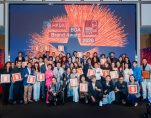
HONG KONG SAR– Media OutReach Newswire – 25 August 2026 – The Hong Kong Designers Association (HKDA) hosted the Hong Kong Design Summit cum BDA Brand Award 2026 Presentation Ceremony Gala Dinner at The Fullerton Ocean Park Hotel Hong Kong, bringing together an elite audience of 180 leading professional designers, creative industry pioneers, and corporate executives, this year’s flagship event serves as an authoritative platform celebrating excellence in design application, cross-sector matching, and strategic design-tech partnerships.
The Summit was honored to have Miss Yvonne Ip, Acting Commissioner for Cultural and Creative Industries, as the Guest of Honour. In her address, Miss Ip highlighted the power of design to drive business growth and emphasized that the Hong Kong Design Summit, now in its third year, has become a key platform for industry exchange and collaboration, bringing design talent and enterprises together through flagship initiatives like DesignMatch, to turn creative ideas into commercial results. The Hong Kong Designers Association has been a pioneering force in the local design ecosystem for half a century, and CCIDA is proud to partner with HKDA to nurture design professionals, accelerate industrialization, and help local enterprises expand into international markets — advancing Hong Kong’s creative economy together.
Chairman’s Welcome: Driving Real Impact Through Strategic Focus
Opening the evening gala, Ms. Mui Kinoshita, Chairman of HKDA, delivered a heartfelt welcoming address reflecting on the Association’s post-pandemic transformation and strategic vision.
Reflecting on the Association’s post-pandemic vision, Ms. Kinoshita highlighted HKDA’s core strategy—”Two Awards, One Summit, One Platform“—designed to deliver tangible benefits by recognising individual design excellence, honoring corporate design investment, and driving commercial partnerships through DesignMatch. She celebrated HKDA’s expansion from 900 to over 1,300 members, calling it a testament to industry trust. Honoring the Association’s 50-year legacy, she paid tribute to founding pioneers whose dedication laid the foundation for Hong Kong’s creative sector. She concluded with a passionate call for open dialogue and unified collaboration to build a stronger, more caring design industry for the next generation.
Star-Studded Gathering of Design Icons and Industry Leaders
The Gala Dinner was anchored by an extraordinary gathering of creative heavyweights, founding pioneers, and distinguished guests across the design, creative sectors, and corporate leaders. Joining Guest of Honour Miss Yvonne Ip and Officiating Guests, including Dr. Kan Tai-Keung, SBS, BBS, Former Chairman of HKDA (Tenure: 1986, 1987, 1988), Mr. Steve Leung, BBS, Chairman of Hong Kong Design Centre, Mr. Alan Cheung, MH, Chairman of Hong Kong Design Council, Federation of Hong Kong Industries, Mr. Kevin Yeung, Chairman of Hong Kong Fashion Designers Association, were celebrated global design icons and industry leaders who attended in strong support of the Summit, including Ms. Vivienne Tam, Designer and Founder, Vivienne Tam Fashion House, Mr. Tino Kwan, Founder and Principal Consultant of the Tino Kwan Lighting Consultants Limited, and Mr. Gu Wei, Head of AIGC Design Business, Alibaba International Digital Commerce Group. The evening was further graced by prominent design masters, industry executives, and organisational representatives. Their presence, alongside premier corporate partners and judging leaders, underscored the unified strength and collective vision of Hong Kong’s creative community.
The annual event unfolds in two key segments: the Hong Kong Design Summit, featuring the Kick-off Ceremony, DesignMatch business matching, and a landmark MOU signing; followed by the BDA Brand Award 2026 Presentation Ceremony.
Hong Kong Design Summit 2026
The opening segment convenes industry leaders and creative professionals to foster commercial growth and educational innovation:
1. DesignMatch Business Matching Sessions: An exclusive, high-impact B2B networking initiative designed to bridge corporations and design professionals, driving immediate business opportunities and accelerating the translation of creative capital into commercial success.
2. Award-Winning Brands Showcase: A curated, high-visibility showcase where outstanding design firms and corporate awardees demonstrate successful project outcomes and share strategic market insights.
3. Strategic Tripartite MOU Signing: A milestone collaboration between School of Design, The Hong Kong Polytechnic University, Alibaba International Design, and Hong Kong Designers Association. The parties intend to explore opportunities for collaborative initiatives in design and AI-related education in the creative industry, as well as strategic collaboration for industry development across Hong Kong and the Greater Bay Area (GBA). Key potential areas of collaboration include: A) Joint development and delivery of academic and professional training courses (with AI courses as the initial program collaboration); B) Industry–academia partnerships to foster design-tech innovation and applied research; C) Co-organisation of training courses, flagship events, forums, and summits to promote design excellence and cross-sector collaboration.
BDA Brand Award 2026 Presentation Ceremony
The second part of the event highlights design leadership and commercial results through an elite evening program, the BDA Brand Award 2026 Presentation Ceremony. An elite gathering celebrating outstanding brand design applications and recognizing excellence across diverse industries. This year’s competition attracted 150 brand entries from diverse industries, further solidifying BDA’s authoritative position as one of Hong Kong’s top brand awards. The BDA Brand Award invites nominations from professional designers or organizations, with submissions evaluated by a panel of experts based on three aspects: brand story, development, and achievements. Additionally, five assessment criteria are considered: 1) Environmental & Social Impact, 2) Cultural Impact, 3) Innovation & Technology, 4) Brand Image, Identity & User Experience and 5) Market Performance & Value.
The awards celebrated winners across multiple categories, including 1) Best Branding Image Award, 2) Best Cultural & Heritage Award, 3) Best ESG Award, 4) Best Innovation & Technology Award, 5) Best Media & Communication Award, as well as Best Award, Grand Award, and the prestigious Best of the Best Award.
A professional jury panel comprised of esteemed first-round judges—Prof Anthony Kong (Assistant Professor, School of Design, The Hong Kong Polytechnic University), Mr. Kirin Leung (Founder, Kirin+lab), Mr. Joe Wong (Founder, Joe Wong Design), Mr. Kenny Li (Founder, FM+ Concepts & FAVEbyKennyLi), and Mr. Jay Leung (Founder, Starz Group) as well as final-round judges—Ms. Mui Kinoshita (Chairman, HKDA), Prof. Viveca Chan (Founder and Chairman, WE Marketing Group), Ms. Hilda Chan (Chief Marketing Officer, HKSTP), Mr. Bosco Leung (Social Responsibility Lead, MTR Corporation Limited), and Mr. Jimmy Li (Head of Brand Partnership, Harvey Nichols Hong Kong). The judges meticulously assessed submissions through a rigorous process, including an initial online evaluation and live presentations.
From a pool of 150 exceptional brand entries, the jury evaluated each brand’s overall excellence, market impact, and alignment with the selection criteria in their respective fields. It is with great pleasure that we announce Sino Group「GoCircular」as the winner of the Best of the Best Award and fwah! as the winner of the Best of the Best Award (Startups). These brands have demonstrated unparalleled excellence, and their selection as winners is a testament to their outstanding achievements.
Additionally, 14 outstanding brands have been recognized with the Grand Award, including (in alphabetical order)
1. a²CIRCLE x TENKA TAIHEI
2. Bone Studio骨子裡
3. BrainX
4. Cohere Design柏納遨天
5. DCH Living 大昌行生活
6. Gridword Communications Ltd
7. HKUST International Summer Campus
8. ISABELLE.C 伊裳
9. Leo Paper Group 利奧紙品集團
10. LOUDER
11. Mini Greeny Heroes
12. Jumbo Kingdom – Tai Pak Floating Restaurant 珍寶王國 – 太白海鮮舫
13. The Living Art
14. Tiger Circle
The full winner list of BDA Brand Award 2026 is listed on Appendix A.
Fostering Strategic Synergies and Future Growth
The 2026 Summit reinforces HKDA’s commitment to elevating design as a core commercial driver while empowering the next generation of designers through AI-driven education and regional integration. Through structured business matching, strategic academia-industry partnerships, and award recognition, the event continues to solidify Hong Kong’s position as a premier global hub for commercial design innovation.
For more details on the event and program updates, please visit the official website at https://www.hkda.hk/
Appendix A – BDA Brand Award 2026 Winners (*in Alphabetical order)
3. ESG VISA – The Global Passport for Sustainable Business
4. PARTYDAY
5. Silver Innovation
6. Starry Learning
7. Xinera by FoodTrack
Startups – Best ESG Award
1. ESG Visa
Startups – Best Cultural & Heritage Award
1. Tu by Tu
Startups – Best Branding Image Award
1. Excelsior interior design limited
2. EyeComfi
3. LegalOne Global Limited
4. 非遺美食 INTANGIBLE CULTURAL HERITAGE FOOD
5. Renovation Guide Consultant Limited
6. Ripple & Co.
Hashtag: #HKDA #BDABrandAward #BDA品牌大獎
The issuer is solely responsible for the content of this announcement.
About Hong Kong Designers Association (HKDA)
Established in 1972, the Hong Kong Designers Association (HKDA) was the first of its kind in Hong Kong and is a founding member of the Hong Kong Design Centre. Its core mission is to promote design’s public interest, cultivate young designers, and elevate the professional status of practising designers across sectors.
HKDA’s flagship programmes include the Global Design Award (GDA) (formerly known as Asia Design Awards), which has been celebrating outstanding global designs biennially since 1975; the Hong Kong International Poster Triennial (HKIPT), which has been documented the development of local and international poster design through competition, exhibition and symposium since 2000; the Sponsorship for International Design Awards (SIDA), a distinguished funding scheme for local designers and design-applying enterprises who are winners of international design awards, which has been running since 2011; Design X Technology (DXT), a progressive programme that integrates design and technology as core components in business strategy to drive innovation and competitive advantage since 2020; and BDA Brand Award (BDA) (formerly known as BDA Brand Design Awards), this award evaluates outstanding brand performance through a professional design lens, honoring long-term strategic commitment to design excellence, and was debuted in 2023, also other strategic initiatives including the Hong Kong Design Summit and the DesignMatch business matching programme connect design professionals directly with market demand across government, commercial, and industrial sectors.
With over 1,300 individuals and corporations in its diverse membership base, HKDA offers a wide range of membership options for professionals, associates, affiliates, students, and corporations that cover six design disciplines: Graphics, Spatial, Product, Digital, Fashion, and Education. Prioritising design excellence, education, technology integration, sustainability, business support, diversity, and inclusivity, HKDA has established itself as a vital platform for its members, as well as designers, businesses, and organisations throughout the Asia-Pacific region. Through its commitment to advancing these key areas, HKDA provides valuable resources, networking opportunities, and expert guidance to its members while also serving as a hub for innovation and collaboration in the design industry.
HKDA is committed to raising public awareness of the value and importance of design in society. It partners and collaborates with other design organisations and institutions worldwide, such as the World Design Organization (WDO) and International Council of Design (ico-D), to promote global design excellence, cultural diversity, and international design exchanges. By working with other design organisations on a global scale, HKDA aims to contribute to the development and advancement of the design industry, both locally and internationally.
Flipkart has emerged as a serious challenger to India’s established quick-commerce platforms two years after launching Minutes, with daily orders surging past one million and its fulfilment network expanding rapidly across large and smaller cities.
The Walmart-owned company’s rapid-delivery service is handling an estimated 1.1 million to 1.2 million orders a day, compared with roughly 390,000 to 400,000 in November. That has brought Flipkart Minutes within striking distance of Swiggy Instamart, which is processing about 1.4 million daily orders.
Blinkit remains well ahead, with estimated daily volumes of roughly 3.4 million to 3.6 million orders, while Zepto handles about 2.4 million to 2.6 million. The gap nevertheless underlines the speed with which Flipkart has transformed itself from a late entrant into a major force in one of the country’s fastest-growing retail segments.
Flipkart Minutes was launched in August 2024, several years after Swiggy introduced Instamart and after Zepto established itself around ultra-fast grocery delivery. Blinkit’s origins stretch further back to Grofers, which began as an online grocery service before moving towards the dark-store model.
Flipkart has compensated for that late start with an aggressive infrastructure build-out. Minutes crossed 1,000 micro-fulfilment centres in June and now covers more than 130 cities and 8,000 pin codes. The company plans to expand its network to about 1,500 centres by the end of 2026. Orders have increased fivefold year on year.
The expansion is increasingly focused beyond the largest metropolitan markets. Around 90 cities added to the Minutes network over the past year are in smaller urban centres, where demand is growing from a relatively low base. Flipkart says its tier-two and tier-three business has expanded 42-fold compared with a year earlier.
That strategy distinguishes Flipkart from competitors that built much of their quick-commerce scale in affluent metropolitan neighbourhoods. The company can draw on an established e-commerce customer base, logistics infrastructure and merchant relationships while extending instant delivery to places where dark-store penetration remains lower.
Average baskets also offer Flipkart another competitive lever. Its average order value has been estimated at about ₹700, reflecting efforts to broaden rapid delivery beyond groceries into electronics, beauty products, wellness items and lifestyle merchandise. Fruits and vegetables remain important, but the average order value within that category has risen about 30% as customers become more comfortable buying larger baskets through Minutes.
The market itself continues to expand sharply. The six largest quick-commerce platforms together are now processing more than nine million orders a day. Blinkit, Zepto and Instamart still account for nearly four-fifths of that volume, but the accelerating expansion of Flipkart and Amazon is changing a market once dominated almost entirely by venture-backed start-ups.
Amazon is scaling its Now service while Reliance and other retailers are also seeking a larger share of instant commerce. Competition is increasingly shifting from simply entering new cities to placing additional fulfilment centres inside already-served pin codes, shortening delivery distances and expanding product selection.
For Swiggy, the pressure comes as Instamart concentrates increasingly on economics rather than network growth alone. The platform operates more than 1,200 dark stores across over 130 cities and serves more than 14 million monthly transacting users. Its gross order value reached ₹7,907 crore in the first quarter of fiscal 2027, rising 40% year on year, while its contribution-margin loss narrowed to 0.2% of gross order value. More than 45% of its dark-store network is contribution-margin positive.
Swiggy is also moving Instamart towards an inventory-led structure after changes to its foreign ownership arrangements, a model designed to improve purchasing efficiency, reduce wastage and give the company greater control over assortment and margins.
Walmart’s financial strength gives Flipkart considerable capacity to sustain investment while the quick-commerce business scales. Walmart International reported a 19% increase in e-commerce sales in its fiscal second quarter, while its operating income benefited partly from lower e-commerce losses. Flipkart’s advertising operations also remained a growth driver for the international division.
Arabian Post Staff -Dubai Saudi Aramco has signed agreements with French companies carrying a potential combined value of more than $3.7 billion, expanding cooperation in drilling equipment, specialised oilfield products and industrial artificial intelligence. The agreements were announced during a Saudi-French investment roundtable in Paris on Monday, August 24, attended by Aramco president and chief executive Amin H. Nasser. They form part of a broader push by […]
Arjavi Indraneesh Iraq’s proposal for a joint security council bringing Saudi Arabia and Iran into a formal mechanism is more than another attempt at regional mediation. It reflects Baghdad’s growing conviction that diplomatic contact between the two powers, while valuable, is no longer sufficient to prevent security crises from spilling across borders. National Security Adviser […]
Alibaba Cloud has opened its third data centre in South Korea, increasing local computing capacity as businesses accelerate investment in artificial intelligence, cloud applications and data-intensive services.
The facility, launched on August 18, expands the company’s Korea region only about 14 months after its second data centre began operating. Alibaba Cloud established its first South Korean data centre in 2022 after entering the market in 2016, reflecting a faster infrastructure build-out as demand for generative AI and enterprise AI agents increases.
The third site adds capacity for computing, storage, networking, databases, security, containers and cloud-native services. It will also support workloads requiring lower latency and stronger disaster-recovery arrangements, while giving customers more options to distribute applications across separate facilities.
Alibaba Cloud has not disclosed the new centre’s power capacity, investment cost, number of graphics processing units or current utilisation rate. The company has indicated that additional computing equipment can be installed as customer demand expands.
Operating three data centres also changes the resilience of Alibaba Cloud’s South Korean infrastructure. With two facilities, disruption at one centre could leave the remaining location handling workloads alone. The addition of a third allows applications to remain distributed between two facilities if another suffers an outage.
The expanded configuration has enabled Alibaba Cloud to raise the service-level availability commitment for its Korea region from 99.95% to 99.99%, strengthening its pitch to companies running business-critical applications and AI services.
Enterprise AI is becoming an increasingly important part of that strategy. Alibaba Cloud is introducing six agentic AI services in South Korea covering development, testing, deployment, operations and cybersecurity. They include AgentRun, STAROps, ACS Agent Sandbox, Agent Security Center, AI Security Guardrails 2.0 and Agentic SOC.
The services are aimed at companies seeking to move AI agents from experimental projects into production environments, where governance, reliability and security become more demanding. Enterprises are increasingly looking beyond access to large language models towards infrastructure capable of operating autonomous or semi-autonomous software agents at scale.
Alibaba Cloud is pairing those services with its broader full-stack AI offering, including infrastructure, development platforms and the Qwen family of AI models. Qwen models have recorded more than 3 billion downloads globally, while developers have created more than 300,000 derivative models based on the family.
South Korean companies are already using parts of Alibaba Cloud’s AI ecosystem. Gwangju-based Gendive has integrated Alibaba models including Wan for video generation and HappyHorse for image generation into its DevDive enterprise automation platform. NAVER Z’s ZEPETO platform also uses Alibaba Cloud infrastructure to support real-time 3D avatar generation and immersive services across Asian markets.
Alibaba Cloud has built local partnerships with companies including Megazone Soft and Team Sparta, seeking to combine its infrastructure with consulting, implementation and industry-specific services. Such alliances are important in a South Korean cloud market where global hyperscalers compete with strong domestic technology groups.
Data sovereignty is another factor shaping cloud investment. Businesses handling sensitive information increasingly want workloads hosted within national borders, particularly as regulators pay greater attention to cybersecurity, resilience and governance surrounding AI systems. Alibaba Cloud says its South Korean infrastructure is designed to comply with applicable local data-protection and cybersecurity requirements.
The Korea expansion forms part of Alibaba’s wider commitment to spend about 380 billion yuan, roughly $53 billion when the programme was announced, on AI and cloud infrastructure over three years. The group has already committed substantial capital to computing capacity, chips and AI development as it attempts to establish cloud services as a larger growth engine.
Alibaba Cloud revenue rose sharply in the April-June quarter of 2026, with cloud and AI-related sales reaching about 48.4 billion yuan and growing 45% from a year earlier. The expansion has come at a cost: Alibaba’s quarterly capital expenditure climbed to nearly 67.7 billion yuan as spending on computing infrastructure and semiconductor components increased.
The company has also expanded cloud infrastructure in France, Japan, Malaysia and Mexico. With the new South Korean facility, Alibaba Cloud says its global network has reached 104 availability zones across 30 regions.
Bitcoin climbed back above $79,000 on Monday, extending a powerful rebound that has restored bullish momentum after weeks of pressure across cryptocurrency markets. The world’s largest digital asset briefly traded around $79,200 before encountering resistance near the psychologically important $80,000 level. The move capped a sharp recovery from levels near $63,400 earlier in the week, representing a gain of more than 20% from the trough. Bitcoin subsequently […]
Onix is pushing a specialised model of artificial intelligence that gives individual experts control over AI systems trained on their own work, betting that trust, privacy and domain knowledge can offer an alternative to general-purpose chatbots. The Montreal-based company, co-founded by David Bennahum and Nicholas Nadeau, has concentrated initially on health and wellness, where users can interact with AI versions of recognised specialists whose knowledge bases are […]
Standard Chartered has become the first bank to distribute a regulated Hong Kong dollar stablecoin, opening access to Anchorpoint Financial’s HKDAP for eligible institutional clients and partners as Hong Kong pushes tokenised money deeper into mainstream financial services.
The London-headquartered banking group said it will help qualifying customers integrate HKDAP into financial and commercial operations. Planned applications include money-market fund subscriptions, settlements with asset managers, transfers between entities within the bank’s international network and cross-border payments.
The move gives HKDAP a major banking distribution channel less than two weeks after Anchorpoint began its limited institutional rollout on August 12. The stablecoin, whose name stands for HKD At Par, is designed to maintain a one-to-one value with the Hong Kong dollar and is currently available through a controlled beta programme.
Standard Chartered is the majority shareholder in Anchorpoint, which was established with HKT and Animoca Brands. The venture received one of Hong Kong’s first stablecoin issuer licences in April, alongside HSBC, following the introduction of the territory’s Stablecoins Ordinance in August 2025.
Standard Chartered’s role as distributor is distinct from Anchorpoint’s function as issuer. Under Anchorpoint’s business-to-business-to-consumer model, authorised distributors provide access to the token after conducting customer onboarding and know-your-customer checks. That structure is intended to connect regulated tokenised money with banks, exchanges, asset managers, companies and, eventually, individual users.
Access remains restricted during the beta stage to corporates and professional investors. Anchorpoint aims to broaden availability to retail users as early as the end of 2026, subject to operational and market readiness.
HKDAP currently operates on the Ethereum mainnet. Its reserves are held under a trust arrangement for token holders, with Standard Chartered Trustee acting as trustee. The token does not pay interest and is not positioned as an investment product. Instead, it is designed as digital cash for payments, settlement and movement of funds.
Early activity remains deliberately limited. Anchorpoint disclosed circulation of HK$522,000 and transaction volume of HK$658,160 as of August 19, with reserve assets of about HK$1.62 million. Issuance over the preceding 30 days totalled HK$524,130, while HK$4,170 had been redeemed. The small amounts reflect the controlled institutional testing phase rather than a mass-market launch.
The distribution agreement nevertheless represents an important step towards commercial use. Standard Chartered plans to introduce additional HKDAP applications over the coming month, expanding beyond experiments into transactions that could demonstrate whether regulated stablecoins can reduce settlement times and connect conventional banking infrastructure with blockchain-based markets.
The bank has been accelerating its digital-asset strategy across several areas. It already provides institutional trading in deliverable spot Bitcoin and Ether, has expanded digital-asset custody services and has developed blockchain-based settlement and collateral arrangements. In July, it also launched integrated institutional access to Circle’s USDC minting and redemption infrastructure.
Standard Chartered’s scale could give HKDAP a distribution advantage. The group operates across 55 markets and reported total assets of about $993.4 billion at the end of June 2026, up from roughly $920 billion at the end of 2025. First-half operating income reached a record $11.6 billion, while pre-tax profit rose to $4.8 billion.
Hong Kong’s regulated stablecoin experiment is taking shape cautiously. The monetary authority has imposed capital, reserve-management, redemption, governance, anti-money-laundering and risk-management requirements on licensed issuers, seeking to distinguish supervised fiat-backed tokens from the less regulated stablecoins that dominate global cryptocurrency trading.
HSBC, the other initial licensed issuer, is preparing its own Hong Kong dollar stablecoin for launch during the second half of 2026. The entrance of two globally significant banks places Hong Kong among the jurisdictions attempting to develop regulated alternatives to dollar-denominated tokens such as USDT and USDC, which account for the overwhelming majority of global stablecoin activity.
HKDAP’s first commercial targets centre on areas where settlement speed can offer measurable benefits. Tokenised investment products can potentially be subscribed to and redeemed using programmable money without waiting for traditional banking hours. Cross-border corporate transactions and intragroup treasury transfers could similarly move continuously while maintaining a direct link to regulated fiat reserves.




 https://me.vinfast.com/en