By Nantoo Banerjee Fake news is flooding across India’s nearly half-a-billion social media and messaging platforms, threatening trust, relationships, and democratic processes. The country, boasting almost a billion internet subscriptions, is facing a growing crisis of misinformation with digital content spreading faster than truth across the online community. To add to the concern are Artificial […]
Shein Global Holdings is preparing to raise as much as $3 billion through a Hong Kong initial public offering that could begin as early as August, after securing a long-awaited clearance from China’s securities regulator.
The online fashion retailer is considering an offer of between $2 billion and $3 billion, although the final size will depend on its valuation, investor demand and prevailing market conditions. The timetable could also change as the company completes the remaining stages of Hong Kong’s listing process.
Shein is scheduled to face the Hong Kong Stock Exchange’s listing committee this week. Approval at the hearing would allow the company and its advisers to move towards investor presentations, price discovery and bookbuilding.
Some people involved in the process expect the shares to begin trading in September or October rather than August, reflecting the time required to complete regulatory documentation and market the offer to institutional investors. A successful listing would rank among Hong Kong’s largest consumer-sector flotations in years.
China’s securities regulator has approved the proposed sale of up to 341.6 million H shares. The clearance removed one of the biggest obstacles confronting Shein, which submitted confidential listing documents in Hong Kong about a year ago after encountering difficulties in New York and London.
The company could seek a valuation of between $40 billion and $50 billion. That would represent a sharp retreat from the $100 billion valuation achieved during a private funding round in 2022, when pandemic-era online shopping growth and investor enthusiasm for digital retail pushed its value above several established fashion groups.
Shein was valued at about $66 billion in 2023. The lower range being discussed for the Hong Kong offer reflects tighter investor scrutiny, greater competition, changing customs rules and concern over the durability of its low-cost cross-border business model.
The retailer, founded in Nanjing in 2012 by entrepreneur Sky Xu and now headquartered in Singapore, sells inexpensive clothing and lifestyle products across roughly 150 markets. Its data-driven system tests products in small batches, measures consumer demand and orders additional stock when items gain traction.
That model has helped Shein respond rapidly to fashion trends while limiting unsold inventory. It has also placed pressure on traditional retailers and brought intense scrutiny of production volumes, environmental impact, working conditions and supplier oversight.
Although Shein has positioned itself as a global company, much of its manufacturing network remains concentrated in China, particularly around Guangzhou and other parts of Guangdong province. That dependence brought the company within the scope of China’s overseas-listing review system despite the relocation of its corporate headquarters.
Shein previously pursued a New York flotation but faced political resistance and demands for deeper examination of its supply chain, data practices and alleged exposure to forced labour in Xinjiang. The company has said it maintains a zero-tolerance policy towards forced labour and requires suppliers to comply with its sourcing standards.
A subsequent attempt to list in London also stalled. Britain’s financial regulator had cleared the company’s prospectus, but the transaction could not proceed without approval from Beijing. Disagreements surrounding disclosures about supply-chain risks complicated the process.
Hong Kong offers Shein a venue closer to its manufacturing base and within a regulatory framework more acceptable to Beijing. The city’s market, however, may produce a lower valuation than the company once expected from New York or London, where international consumer and technology companies have traditionally attracted broader investor coverage.
The proposed offer comes during a strong period for Hong Kong listings. Companies raised about HK$209.9 billion across 85 new flotations during the first half of 2026, the market’s best first-half performance in five years. A pipeline of hundreds of applicants has strengthened expectations that the city could remain among the world’s leading fundraising centres this year.
Shein’s leadership is also changing as the listing approaches. Executive chairman Donald Tang is expected to step down and continue as a senior adviser. Tang played a central role in the company’s engagement with governments, regulators and investors during its attempts to secure a Western listing.
Xu is expected to take a leading role in presenting the investment case to prospective shareholders. Investors are likely to examine Shein’s growth prospects, profit margins and ability to adapt to customs changes, particularly the removal of duty-free treatment for low-value packages entering the United States from China and Hong Kong.
Arabian Post Staff -Dubai Sharjah has secured exclusive rights to develop and operate BookXcess bookstores across the Middle East and Africa, extending the emirate’s publishing ambitions into large-scale international book retail. The agreement places Big Bad Wolf Sharjah, a subsidiary of the Sharjah Book Authority, in charge of developing, managing and marketing the Malaysian bookstore chain throughout both regions. The arrangement also gives the Sharjah entity responsibility […]
Interpol has announced 5,811 arrests and the interception of $293 million in illicit assets following a sweeping operation against cyber-enabled fraud across 97 countries and territories. Operation First Light 2026 targeted social engineering scams and related money laundering networks between January 15 and April 30. Authorities identified more than 142,000 victims, analysed 152,808 cases and blocked 31,014 bank accounts linked to suspected criminal proceeds. The China-funded operation […]
HO CHI MINH CITY, VIETNAM – Media OutReach Newswire – 11 July 2026 – As global urban challenges evolve, Vietnamese Developers offer valuable insights into alternative development models.
Vinhomes’ strategic response is crystallized in its ESG
For much of the past century, urban development followed a relatively straightforward equation: build housing, expand infrastructure and accommodate population growth. This formula is now showing its limitations. As climate risk intensifies, biodiversity declines and cities compete not only for investment but also for talent, developers around the world are now forced to redefine the very nature and purpose of what they build.
From the Gulf to Singapore, and from Scandinavia to Southeast Asia, large-scale urban projects are evolving into integrated ecosystems where mobility, green infrastructure, education, healthcare, digital services and environmental restoration are planned together. The industry paradigm has shifted from constructing buildings to designing places capable of sustaining both economic growth and quality of life over generations.
Vinhomes has initiated a comprehensive repositioning to navigate this global transition.
Known as Vietnam’s largest residential developer, the company is increasingly recognized not merely as a builder of housing projects, but as a creator of large-scale lifestyle ecosystems, communities where urban planning, technology, ecology and public services are conceived as parts of the same system.
When Nature Becomes Urban Infrastructure
For decades, environmental considerations were often introduced after a city’s masterplan had already been completed.
The emerging model reverses that sequence. Across many of its recent developments, Vinhomes operates on the principle that natural systems should become the starting point of planning. Hydrology, coastal conditions, biodiversity and existing vegetation are treated as design inputs that shape the urban layout from the earliest stages.
This philosophy marks a notable departure from conventional large-scale development, particularly in rapidly urbanising markets where natural landscapes have frequently given way to intensive construction.
With more than 30 developments across Vietnam and a land bank equivalent to roughly two-thirds the size of Singapore, Vinhomes has the unusual opportunity to test this planning approach at a metropolitan scale.
Rather than replicating identical urban formulas, each project is designed around the ecological characteristics of its location.
The company maintains that the long-term success of a city should ultimately be measured not by how much has been built, but by whether natural ecosystems continue to thrive decades after residents have moved in. That perspective aligns with an increasingly influential school of urban planning in which green infrastructure is viewed as essential public infrastructure.
Factors Compelling Cities Toward Regeneration
Environmental, Social and Governance (ESG) frameworks have become standard across global investment. Urban planners, however, are beginning to question whether sustainability alone is sufficient.
Maintaining today’s environmental conditions may no longer be enough if tomorrow’s cities must also respond to rising temperatures, sea-level change and growing demographic pressures.
Vinhomes’ strategic response is crystallized in its ESG++, a framework that extends beyond conventional ESG principles by introducing two additional objectives: Regeneration and resilience.
The distinction is subtle but important.
Regeneration implies restoring ecological systems rather than simply reducing environmental impact. Resilience focuses on designing cities capable of adapting to changing climatic, technological and social conditions over many decades.
Projects such as Vinhomes Green Paradise Can Gio and Vinhomes Global Gates Ha Long are intended to demonstrate how these concepts can be incorporated into large-scale urban planning, combining renewable energy, smart infrastructure and ecological restoration within a single development model.
This shift highlights a growing global consensus: the success of next-generation cities will ultimately be measured by their ability to adapt to increasingly complex environmental challenges.
Vietnam’s Urban Story Is Becoming Part of a Global Conversation
For many international audiences, Vietnam remains associated primarily with its cultural heritage and natural landscapes. Urban development may become an equally important part of that story.
Rapid urbanisation, expanding infrastructure investment and a national commitment to achieve net-zero emissions by 2050 have created conditions in which entirely new urban models can be planned without many of the legacy constraints facing older cities.
This developmental opportunity is capturing increasing global interest.
Commenting on Vinhomes Green Paradise’s participation in the global 7 Wonders of Future Cities initiative, Jean-Paul de la Fuente, Director of the New7Wonders Organisation, described Vietnam as undergoing a “transformative step change” in its national identity and global positioning. He pointed to the country’s progress in reducing the carbon footprint of urban mobility as an example of coordinated action between government and the private sector that offers valuable insights extending beyond Southeast Asia.
For Vinhomes, participation in international platforms such as 7 Wonders of Future Cities is therefore less about showcasing a single project than about contributing to a broader discussion on how rapidly developing economies might approach urban growth differently. The company’s evolution mirrors a wider shift taking place across the global property sector.
Increasingly, the core value proposition for developers is no longer anchored in how many buildings they can deliver. Instead, it centers on whether they can create cities that remain economically competitive, environmentally resilient and socially relevant long after construction has ended.
OpenAI and Google have supplied advanced artificial intelligence services to overseas subsidiaries of major Chinese technology companies identified by the Pentagon as having links to China’s military, exposing a gap in Washington’s technology controls. The services were provided through entities in Singapore connected to Alibaba, Baidu and Tencent. Transactions involving the subsidiaries were permitted under existing US rules, even though their parent groups appear on a Department […]
By Paul Murray, CEO Life & Health Reinsurance, Swiss Re
SINGAPORE – Media OutReach Newswire – 9 July 2026 – Op-ed by Paul Murray, CEO Life & Health Reinsurance, Swiss Re.
Ten years.
That is roughly how long we have before many societies reach one of the most defining demographic tipping points of our era: the point at which the “new” silver economy (over 65’s) outnumber people aged 30-59 who have traditionally been the bedrock of the life and pensions system.
The intergenerational contract needs a re-write
The significance of this shift goes far beyond demographics.
It represents a symbolic moment that forces us to rethink the intergenerational contract: how we provide care and financial security for people as they move into later life – and how we finance a new set of needs.
The demographic evidence is already visible across major economies. In the US, adults aged 65 and over already outnumber children in 11 states. Singapore’s over-65 population has nearly doubled in a decade to 21%. Japan is approaching 30%. The UK, France and Germany are not far behind
These numbers are well-known. But their meaning is not yet fully reflected in our industry’s existing product strategy.
The tipping point is also more than a statistical curiosity. We will experience it through the decisions we make coming into retirement and to secure the future of the generation coming after us. We will need to make new choices on how we fund care. We will need to make new assumptions about when to retire. And we will face a new reality around how much of the financial burden falls on the state, families or the individual.
Families have always carried the weight of old age, even as pensions, healthcare systems and social care programmes have broadened that responsibility across society.
But the arithmetic underpinning the system is breaking. Globally, the ratio of working-age people financially supporting each person over 65 is projected to fall from around five-to-one in 2021 to three-to-one by 2050. Across developed markets, debates about pension reform, healthcare funding and retirement ages reflect the same underlying question: how do we maintain security and dignity later in life when there are fewer hands to carry the weight?
It’s not a crisis of demographics. It’s a crisis of design – our systems were built for shorter lives and larger workforces, and they haven’t been rebuilt for the world we are actually entering.
That insight matters because it challenges how we think about insurance’s role. I believe we have less than a decade to develop the products that the older consumers who make up the Silver Economy – and their families – will need.
There will be no silver bullet. We cannot return to a single solution based around family care versus public provision. The individual retiree will be the focus, but our thinking will need to be based on a more collaborative model in which families, governments, communities and the private sector work together.
Recent Swiss Re consumer research in France and Germany revealed something striking. People don’t think about later life in terms of pensions or insurance policies. They think about practical outcomes: staying independent, being resilient when health shocks hit, not becoming a burden to their children.
Our industry has spent decades optimising for wealth accumulation and income protection during working years. Ageing societies demand we apply the same rigour to what happens after.
That does not mean the intergenerational contract has failed. It means it is evolving.
We are already seeing what that evolution looks like in practice.
Senior health products in Asia are closing a real gap —The median age of cancer diagnosis is 67, yet many critical illness policies expire before retirement even begins. The result is high out-of-pocket expenses, stressed public healthcare, and increased burden on families. With dedicated products to cover later life illnesses, such as senior cancer products we are effectively closing a protection gap.
Long term care in France has had some success with private solutions alongside public provision. With over 1.4 million people covered by private long term care insurance, France has built a strong risk pool that directly addresses one of the strongest concerns expressed by consumers: not becoming a burden on the next generation.
Deferred annuities offer a third path beyond the binary “draw-down versus annuity” thinking. By combining flexibility today with guaranteed income later, they help transform longevity from an individual financial risk into one that can be shared more broadly.
At first glance these solutions appear very different. In reality, they are pieces of the same puzzle. Each expands the circle of support around the individual. They help families carry less of the burden alone, and they complement the work of state safety nets.
That is what the next evolution of the intergenerational contract looks like in practice.
Ageing societies are one of humanity’s great achievements. But if our products and institutions stay built for a demographic reality that no longer exists, achievement curdles into liability.
We have a decade to close that gap. Let’s treat it as a product-development window, not a deadline.
Disclaimer Certain statements and illustrations contained herein are forward-looking and are made for informational purposes only. These statements (including as to plans, objectives, targets, and trends) and illustrations provide current expectations of future events based on certain assumptions and include any statement that does not directly relate to a historical fact or current fact. Readers are cautioned not to place undue reliance on forward-looking statements. Swiss Re undertakes no obligation to publicly revise or update any forward-looking statements, whether as a result of new information, future events or otherwise. Further information on forward looking statements and the use of information contained in this publication can be found in the Legal Notice section on Swiss Re’s website.
The issuer is solely responsible for the content of this announcement.
About Swiss Re
The Swiss Re Group is one of the world’s leading providers of reinsurance, insurance and other forms of insurance-based risk transfer, working to make the world more resilient. It anticipates and manages risk – from natural catastrophes to climate change, from ageing populations to cyber crime. The aim of the Swiss Re Group is to enable society to thrive and progress, creating new opportunities and solutions for its clients. Headquartered in Zurich, Switzerland, where it was founded in 1863, the Swiss Re Group operates through a network of around 70 offices globally.
HONG KONG SAR – Media OutReach Newswire – 9 July 2026 – HealthMutual Group (HMG), a leading healthcare management group in the Asia-Pacific region, and OncoCare , a subsidiary of the internationally renowned integrated oncology-focused group Tamarind Health, officially signed a Pan-Asian Strategic Cooperation Agreement today. This agreement represents a significant milestone, building upon the Memorandum of Understanding (MOU) signed by both parties last November. It expands the service scope from its initial focus on local medical services in Hong Kong to fully enabling HMG’s clients to access OncoCare’s top-tier oncology teams and professional nursing services across the Pan-Asian region. This premium healthcare offering spans a comprehensive, full-cycle, one-stop quality medical care model—including early screening, multidisciplinary team (MDT) diagnoses, and cross-border referrals.
Mr KC Chan, Founder of HealthMutual Group (right) and Mr Lim Eng Seng, Group CEO of Tamarind Health, the parent company of OncoCare (left) at the signing ceremony.
HMG is a premier leader in healthcare management in the Asia-Pacific sector, having established an extensive and mature multinational medical network across the region. The group has long been dedicated to optimizing medical administration and claims processes through digital transformation and cutting-edge technology. Serving over 700,000 clients of its insurance partners, HMG provides comprehensive, transparent, and high-quality healthcare solutions. In 2025 alone, the total medical expenses processed through HMG exceeded HKD 150 million.
OncoCare is a leading private oncology institution that firmly believes in and practises “patient centric” care. Its aim is to add years and quality of life to all patients through highly efficient, knowledge-based integrated cancer diagnosis and personalised treatment. OncoCare brings together a team of clinical oncologists, and in combination with the robust specialist network of Tamarind Specialists, a member of the same group in Hong Kong, provides patients with medical services across fields such as colorectal surgery, cardiothoracic surgery, breast surgery, respiratory medicine, and family medicine. Patients have access to cross-disciplinary medical assessments, precision cancer treatment plans and personalised cancer care, ensuring they and their families receive the most reassuring support during challenging times.
The core highlight of this Pan-Asian Strategic Cooperation Agreement lies in the deep integration of HMG’s pan-Asian service network with OncoCare’s Asia-leading oncology expertise. Together, they will build Asia’s premier “Pan-Asian Closed-Loop Medical Ecosystem.” With Singapore, Hong Kong, and Malaysia serving as the core hub locations, the key highlights include:
Integrated Closed-Loop Service: From initial medical record review and cross-border “green channels” to clinical treatment and financial settlement, patients will experience seamless services within the joint management system of HMG and OncoCare. Coupled with transparent medical billing, this ensures the highest standard of medical quality control.
Cross-Border Multidisciplinary Team (MDT) Diagnosis: Using OncoCare’s Singapore headquarters, its Hong Kong flagship centers in Central and Tsim Sha Tsui, and its Malaysia branch as central hubs, the ecosystem brings together experienced specialists from all three regions to provide international-grade second medical opinions for cancer patients in need.
Seamless Network Integration & Financial Transparency: HMG’s 700,000+ clients can instantly connect with OncoCare’s healthcare teams. Furthermore, both parties have introduced personalised treatment plans for common cancers, offering clear financial predictability and budget protection.
HMG and OncoCare will join hands to build a “Pan-Asian Closed-Loop Medical Ecosystem”, providing one-stop, full-cycle care for cross-border cancer patients. Pictured at the signing ceremony are (from left to right): Mr. Keith Mo, General Manager of OncoCare (Hong Kong); Mr. Lim Eng Seng, Group CEO of Tamarind Health, the parent company of OncoCare; Mr. KC Chan, Founder of HMG; and Ms. Virginia Wong, HMG Chief Customer Services Officer.
Mr. Chan Kin-chung, Founder of HMG, stated: “We are deeply honored to partner with OncoCare. Through the Pan-Asian Closed-Loop Medical Ecosystem, we have successfully aligned top-tier resources across Hong Kong, Singapore, and Malaysia. Clients can enjoy treatment plans jointly formulated by regional experts within a single secure and transparent system, fulfilling our highest cross-border commitment to ‘patient centric’ healthcare.”
Mr Lim Eng Seng, Group CEO of Tamarind Health, the parent company of OncoCare, added, “As a patient centric oncology-focused group, we recognise the challenges cancer patients face in navigating increasingly complex private and cross-border healthcare systems. Through this integrated ecosystem, we will leverage the collective strengths of our multidisciplinary teams and directly managed centres across Singapore, Hong Kong and Malaysia to deliver seamless, high-quality cancer care. Looking ahead, we remain committed to making expert oncology services accessible anytime, anywhere, while elevating patient experience and improving treatment outcomes.”
Looking ahead, the Pan-Asian Closed-Loop Medical Ecosystem plans to further introduce green channels for the latest overseas medications, personalised genetic testing, and cross-border post-operative rehabilitation management, continuously pioneering a more comprehensive and forward-looking landscape for private cancer care for patients in Asia.
Riau Complex Sets a New Standard for Employee Living, Supporting Asia Pacific Rayon’s Workforce and Families
Media Inquiries, please contact: HMG Tracy Ng Email: [email protected]
OncoCare Marketing & Communications Karen Ng Email: [email protected]
SNP builds on Palantir platforms to deliver new AI-powered solutions for solving mission-critical customer challenges
The partnership will build on SNP’s strong base with more than 3,000 customers globally and 15,000 successful SAP transformation projects
SNP and Palantir will leverage their strengths to help customers modernize their SAP landscapes and business processes in a predictable and secure way
SINGAPORE – Media OutReach Newswire – 9 July 2026 – SNP SE, a leading provider of software for AI-enabled digital transformation, automated data migration and data management in the SAP environment, and Palantir, a global leader in artificial intelligence and data platforms, today announced a strategic partnership at SNP’s flagship event, Transformation World, in Heidelberg, Germany. The collaboration positions SNP to develop new AI-powered solutions with an aligned approach to accelerate SAP transformations for joint customers.
The two partners will offer solutions for mission-critical challenges across all types of SAP projects, helping customers improve speed, efficiency and quality. The first joint solution, Test Data Proposal, solves a so far highly manual area of SAP migrations, the identification of relevant test data for given customer test cases. By leveraging AI, this process runs automatically and saves customers’ time and resources. Test Data Proposal will expand SNP’s proven Kyano® platform.
As part of the partnership, SNP and Palantir are also collaborating in large-scale moves to SAP Cloud ERP applications where customers seek to accelerate these modernization programs. Both companies combine complementary, category-leading strengths. SNP contributes deep real-world SAP data migration expertise while Palantir provides state-of-the-art AI-driven software platforms, which enable and accelerate secure modernizations for customers.
“Organizations are looking for new ways to increase speed, efficiency, and quality in large-scale SAP transformations,” said Jens Amail, CEO of SNP. “We are hugely excited to collaborate with Palantir, a company that has leveraged AI to revolutionize and accelerate the way enterprises modernize mission-critical systems and automate operations. Together, we will deliver secure outcomes and new solutions to customers and partners.”
“We have seen exceptional momentum accelerating SAP migrations for customers, and helping them do so via the Ontology and AIP (Artificial Intelligence Platform) in a way that significantly compresses the timeline and delivers operational value along the way,” said Sameer Kirtane, Head of US Commercial at Palantir. “SNP over the last 30 years has built an impressive track record of delivering predictable, compliant and auditable outcomes in thousands of successful engagements. We are proud to partner with SNP to fundamentally rethink how customers transform their SAP landscapes.”
Hashtag: #SNP #Palantir #SAP #AI
The issuer is solely responsible for the content of this announcement.
About SNP
SNP (ticker: SHF.DE) is the global technology platform leader and trusted partner for companies seeking unparalleled data-enabled transformation capabilities and business agility. SNP’s Kyano® platform integrates all necessary capabilities and partner offerings to provide a comprehensive software-based experience in data migration and management. Combined with the Bluefield® approach, Kyano sets a comprehensive industry standard for restructuring and modernizing enterprise data faster and more securely while harnessing AI-driven innovations based on over 30 years of experience.
The company works with more than 3,000 customers of all sizes and in all industries in over 80 countries, including numerous DAX 40 and Fortune 500 companies. The SNP Group has more than 1,600 employees worldwide at over 34 locations in 22 countries. The company is headquartered in Heidelberg, Germany, and generated revenues of around EUR 297 million in the 2025 fiscal year.
This press release contains forward-looking statements within the meaning of Section 27A of the Securities Act of 1933, as amended, and Section 21E of the Securities Exchange Act of 1934, as amended. These statements may relate to, but are not limited to, Palantir’s expectations regarding the amount and the terms of the contract and the expected benefits of Palantir’s software platforms. Forward-looking statements are inherently subject to risks and uncertainties, some of which cannot be predicted or quantified. Forward-looking statements are based on information available at the time those statements are made and were based on current expectations as well as the beliefs and assumptions of management as of that time with respect to future events. These statements are subject to risks and uncertainties, many of which involve factors or circumstances that are beyond Palantir’s control. These risks and uncertainties include the ability to meet the unique needs of customers; the failure of Palantir’s platforms to satisfy customers or perform as desired; the frequency or severity of any software and implementation errors; Palantir’s platforms’ reliability; and customers’ ability to modify or terminate the contract. Additional information regarding these and other risks and uncertainties is included in the filings Palantir makes with the Securities and Exchange Commission from time to time. Palantir’s forward-looking statements speak only as to Palantir, and Palantir assumes no responsibility for the accuracy or completeness of any forward-looking statements made by any other party. Except as required by law, Palantir does not undertake any obligation to publicly update or revise any forward-looking statement, whether as a result of new information, future developments, or otherwise.
Compelling path to $1billion ARR and public offering, fueled by product market fit in the agentic AI age, explosion of identities and related threats, and accelerating growth
SINGAPORE – Media OutReach Newswire – 9 July 2026 – Keeper Security (“Keeper” or “we”), the identity security platform for humans, machines and AI agents, today announced a major milestone in its journey to become the market standard for AI-native identity security, having reached $225 million in Annual Recurring Revenue (ARR). Since 2021, Keeper’s ARR has grown over 3x.
Keeper protects over 95,000 organizations, which includes many Fortune 500 enterprises and public sector agencies. The company is quickly emerging as the market standard for AI-native identity security for enterprises globally with its leading zero-trust and zero-knowledge identity security platform. In 2025, leading analyst firm Gartner recognized Keeper as the second-fastest-growing security software competitor globally, second only to Google.* This recognition underscores Keeper’s rapid market expansion in addressing identity security challenges created by cloud transformation and artificial intelligence adoption across enterprise infrastructure and endpoints.
Keeper is now growing at over 4x the industry average.
This market-leading growth is driven by the explosion of identities in the agentic AI age and relentless focus on innovation to protect customers, as evidenced by the release of its unified privileged access management and identity security platform, KeeperPAM®, which protects both human and Non-Human Identities (NHIs), including service accounts, machine identities, databases, AI agents and agentic workloads. Since the launch of KeeperPAM in February 2025, KeeperPAM revenue has exhibited 10x year-over-year growth and Keeper has seen industry-leading new customer growth, adding an average of 850 new organizations every month. In the last fifteen months, Keeper added over 400 innovative features and products to KeeperPAM.
“Identity is the new security perimeter,” said Darren Guccione, CEO and Co-founder of Keeper Security. “As enterprises increasingly deploy AI agents and autonomous systems, the number of privileged identities and machine credentials is growing exponentially. Organizations need a modern, unified platform that secures every identity – human and non-human – and governs every privileged interaction. Our growth reflects the market’s demand for a platform purpose-built to address these challenges.”
Keeper’s cloud-native cybersecurity platform delivers a comprehensive approach to identity security and privileged access management by unifying enterprise password management, secrets management, privileged session management, database management and endpoint privilege management in a single platform. Keeper’s AI-native identity security strategy seamlessly extends these capabilities to non-human identities and agentic AI environments, enabling organizations to discover, manage and secure machine credentials and autonomous workloads with the same rigor applied to human users.
As enterprises adopt AI technologies at scale, the proliferation of non-human identities is rapidly outpacing that of human identities by 150:1, according to reports, thereby creating new attack surfaces and operational complexity. Keeper’s platform helps organizations establish identity-first security strategies that provide security, visibility, governance and least-privilege controls across their entire identity ecosystem.
“Autonomous agents, frontier LLMs and machine-to-machine workflows are operating inside enterprise environments right now – without adequate governance, secrets management or access controls,” said Craig Lurey, CTO and Co-founder of Keeper Security. “Keeper is purpose-built to solve this problem at scale.”
The company’s continued growth and market recognition reinforce its position as one of the cybersecurity industry’s most innovative and fastest-growing providers of AI-native identity security and privileged access management solutions. Keeper’s financial profile combines best-in-class growth, profitability and a debt-free capital structure and is an asset positioned to efficiently lead identity security in the agentic AI age.
“Surpassing $225 million in ARR confirms what we’ve heard in every enterprise conversation – that securing non-human identities is the defining security challenge of the AI era,” said Darren Guccione, CEO of Keeper Security. “We have established an accelerated path to $1 billion in ARR which, coupled with our technology roadmap, will provide optionality for a public offering.”
Gartner is a trademark of Gartner, Inc. and/or its affiliates.
Gartner does not endorse any vendor, product or service depicted in its research publications and does not advise technology users to select only those vendors with the highest ratings or other designation. Gartner research publications consist of the opinions of Gartner’s Business and Technology Insights Organization and should not be construed as statements of fact. Gartner disclaims all warranties, expressed or implied, with respect to this research, including any warranties of merchantability or fitness for a particular purpose.
Hashtag: #KeeperSecurity
The issuer is solely responsible for the content of this announcement.
About Keeper Security
Keeper Security is the leading zero-trust and zero-knowledge identity security solution, trusted by millions of people and thousands of organizations globally. KeeperPAM® is Keeper’s privileged access management platform that unifies password and passkey management, secrets management, privileged session management and endpoint privilege management in a single cloud-native platform, protected with quantum-resistant encryption. KeeperAI delivers real-time, AI-native threat detection across every privileged session. As AI agents proliferate and identity becomes the defining attack surface, Keeper governs access for humans, machines, non-human identities and AI agents, serving as the unified control plane for access, compliance and visibility across the enterprise. For more information, visit KeeperSecurity.com.
The Reserve Bank of India has renewed its support for keeping cryptocurrency away from the formal financial system, reviving the prospect of a tougher national policy on private digital assets even as millions of users continue to trade through domestic and offshore platforms. Government documents and briefings to a parliamentary panel point to a policy line that leans towards prohibition rather than licensing. The central bank has […]
Temasek’s portfolio value climbed to a record S$518 billion, or about $400 billion, as the Singapore state investment company sharpened its push into artificial intelligence and reported stronger returns after two years of portfolio recalibration.
The latest figure, based on a mark-to-market valuation of listed and unlisted holdings, showed a S$49 billion rise for the financial year ended 31 March 2026. The increase reflected stronger performance from Singapore-based portfolio companies, gains from divestments and a broader recovery in public market valuations. The portfolio has doubled over the past decade, underlining the scale of Temasek’s role as one of Asia’s most influential investment groups.
Temasek invested S$51 billion during the year and divested S$31 billion, resulting in a net investment of S$20 billion. Its one-year shareholder return stood at 10.5 per cent in Singapore dollar terms, while its 10-year return was 7.1 per cent. The 20-year return was 6.8 per cent, a measure closely watched because Temasek is designed to generate long-term returns for Singapore rather than chase short-term market gains.
Artificial intelligence has become a central plank of the company’s next phase of growth. AI-related investments now account for about 6 per cent of its portfolio, with plans to raise that exposure to 10-15 per cent by 31 March 2031. Temasek has already taken positions linked to leading AI companies including OpenAI and Anthropic, while also targeting the wider infrastructure needed to support the technology.
The strategy is not limited to model developers. Temasek is looking across the AI value chain, including semiconductors, cloud service providers, data centres, energy systems, foundation models and software infrastructure. That wider approach reflects a belief that the economics of AI will not be captured only by consumer-facing platforms, but also by companies supplying chips, computing power, storage, power capacity and enterprise software.
Chief executive Dilhan Pillay has described AI adoption as a pivotal phase in the digitisation trend that Temasek has followed for more than a decade. The company’s approach is expected to combine direct investments, listed equities and private market exposure, with a preference for flexibility at a time when valuations across parts of the AI sector remain elevated.
The stronger annual performance also comes after Temasek moved to sharpen accountability within its investment structure. From April 2026, its portfolio has been organised into three broad segments: Singapore-based portfolio companies, global direct investments, and partnerships and funds. The change is intended to improve execution and give clearer visibility on how different parts of the portfolio contribute to returns.
Singapore-based companies remain an anchor of Temasek’s holdings. These include major stakes in groups tied to finance, telecommunications, transport, logistics, infrastructure and real estate. Their performance helped lift the portfolio during the year, even as Temasek continued to diversify beyond its home market.
The company has also increased attention on private credit, an asset class that has expanded as banks have retreated from some forms of lending and institutional investors have sought higher-yielding alternatives. Private credit currently accounts for about 2 per cent of Temasek’s portfolio, with a target of 5 per cent by 2031. The allocation is expected to provide recurring cash yield and a different risk profile from the predominantly equity-heavy portfolio.
Sustainable living remains another major investment theme. Temasek’s sustainable living portfolio rose to S$49 billion as of 31 March 2026, supported by commitments in renewable energy, power grids and transition technologies. Its portfolio emissions remained at about 21 million tonnes of carbon dioxide equivalent, around 30 per cent below 2020 levels, though the company has signalled that rising electricity demand, higher capital costs and exposure to emissions-intensive businesses may complicate its 2030 reduction target.
Temasek’s global exposure continues to reflect a balance between Asia and developed markets. Its earlier vulnerability to China-linked volatility had weighed on returns, prompting a more disciplined approach to capital allocation and risk management. The latest numbers suggest that portfolio adjustments, divestments and stronger listed-market performance have helped restore momentum.
On its third anniversary, Argent Plastic Surgery has moved into a larger, purpose-built clinic dedicated to the comfort of its patients, with particular care for its youngest.
SINGAPORE – Media OutReach Newswire – 8 July 2026 – Argent Plastic Surgery has relocated to a new, purpose-built clinic at Mount Alvernia Hospital, Medical Centre A, 820 Thomson Road #03-07. The move marks the practice’s third anniversary and brings paediatric and adult plastic and reconstructive surgery together within a single, considered space.
Argent Plastic Surgery Clinic Front Desk
A Larger Space, and More Room to Care
The new clinic broadens the range of care available and has been designed with careful attention to how patients feel while they are there. At its heart is a comfortable, welcoming waiting space designed for both children and their parents. A dedicated children’s play corner gives younger patients somewhere to feel at ease before their procedure and provides the children of adult patients with a place of their own while a parent is being seen. Adults have a separate waiting area, arranged for privacy and quiet, so that a personal decision can be weighed calmly and in comfort.
The relocation also introduces an in-clinic day-procedure room, enabling suitable minor procedures to be carried out on site. Consultation, procedure and recovery can therefore take place within a single location, enhancing both privacy and convenience.
This is how Argent Plastic Surgery intends to care for its patients from here, in a space shaped around their comfort rather than adapted to it.
The issuer is solely responsible for the content of this announcement.
About Argent Plastic Surgery
Argent Plastic Surgery is a Singapore-based plastic and reconstructive surgery practice led by Dr Lee Hanjing, a female fellowship-trained plastic surgeon. The clinic cares for both adults and children, offering cosmetic surgery of the face and body, and reconstructive surgery following cancer, trauma and congenital conditions, alongside wound care, scar management and minor procedures such as the removal of lumps, bumps and abscesses. Dr Lee Hanjing has also spent more than ten years performing corrective surgery for children with cleft lip and palate, ear deformities and other conditions in developing countries including Myanmar, Cambodia, Indonesia and Vietnam, an experience that shapes the practice’s commitment to a safe, private and welcoming environment for patients of all ages.
Agency leader Bryan Phang is the sole COE (Diamond Agency) winner to achieve four consecutive award wins; Prudential’s solid showing underpinned by its strong knowledge sharing and mentorship culture
SINGAPORE – Media OutReach Newswire – 7 July 2026 – Prudential Singapore (“Prudential”) achieved the strongest showing globally in the 2026 Million Dollar Round Table (MDRT) Culture of Excellence (COE) Awards, with 29 agency leaders recognised out of 68 winners worldwide. This was up from 13 winners in 2025, reflecting the strong progress made by Prudential’s agency force. Accounting for more than two in five award recipients this year, Prudential had the highest number of MDRT COE Award winners globally.
The MDRT COE Award recognises agency leaders who deliver strong outcomes across six dimensions of agency management1: production, retention, recruitment, persistency, whole person, and MDRT or MDRT Academy membership.
Mr Rom Lee, Chief Agency Officer, Prudential Singapore, said: “Having 29 agency leaders recognised on the global MDRT Culture of Excellence Awards, up from 13 last year, is a strong affirmation of the standards our leaders set for themselves and their teams. Beyond individual achievement, it reflects a culture grounded on discipline, a strong MDRT sharing culture and a deep commitment to helping customers make confident financial decisions.
“We have worked to create an environment where financial representatives can grow their careers, perform at a high level and be recognised for their achievements. As customer needs continue to evolve, this culture of excellence will remain central to how we develop a trusted, future-ready agency.”
MDRT COE Award winner Mr Bryan Phang, Financial Services Director, Prudential Singapore, is the only Diamond Agency recipient globally to achieve this distinction for a fourth consecutive year. This year, the agency went a step further by achieving all six criteria of the Award. Said Mr Phang: “Earning this recognition for a fourth consecutive year is meaningful. The best teams make each other better. For us, it’s about developing people, building leaders and creating a culture that can sustain success over time. We hope this recognition raises the bar for what strong agency culture and high standards can achieve.”
New MDRT COE Award winner, Ms Chiam Shu Yi, Wealth Director, Prudential Financial Advisers Singapore, Platinum Agency, is recognised for developing the careers of young and mid-career financial representatives. Said Ms Chiam: “Success is never built alone. The greatest fulfilment in leadership is investing in people, helping them discover hidden confidence, and reach milestones which they thought were out of reach. By supporting others, you empower them to grow, succeed, and build lives and careers they are proud of.”
Agency leaders awarded the MDRT Culture of Excellence Award include:
Diamond Agency (five out of six criteria met)
Ang Wei Boon, Financial Services Manager
Augustine Seah, Senior Executive Wealth Director
Bryan Phang, Financial Services Director
Dexter Goh, Financial Services Director
Han Chi Teng, Financial Services Director
Joyce Chan, Financial Services Director
Nicole Ng, Senior Financial Services Manager
Shalyn Lee, Senior Executive Wealth Director
Tan Chin Sian, Financial Services Director
Wesley Ee, Associate Wealth Director
Yugi Toh, Senior Executive Wealth Director
Platinum Agency (four out of six criteria met)
Chiam Shu Yi, Wealth Director
Diana Ng, Financial Services Director
Joe Goh, Financial Services Director
Jaslyn Ng, Financial Services Director
Kenny Siew, Financial Services Director
Thomas Lee, Senior Executive Wealth Director
Tricia Tan, Senior Financial Services Director
Zinc Goh, Executive Wealth Director
Gold Agency (three out of six criteria met)
Alvis Thor, Group Financial Services Director
Andrew Ang, Financial Services Director
Gerald Wu, Executive Wealth Director
Jaden Wang, Executive Wealth Director
Jeffrey Yen, Senior Financial Services Manager
Jocelyn Kau, Senior Wealth Director
Josephine Ho, Financial Services Director
Ng Ling Hoong, Financial Services Manager
Shannon Loke, Group Financial Services Director
Tracy Chia, Financial Services Director
Three-time consecutive Award winners
Augustine Seah, Senior Executive Wealth Director
Joyce Chan, Financial Services Director
Han Chi Teng, Financial Services Director
Jaslyn Ng, Financial Services Director
Jaden Wang, Executive Wealth Director
Prudential’s agency force has continued to deliver strong results and a consistently growing number of qualifiers. In 2026, it had 1,425 MDRT qualifiers, including 186 Court of The Table (TOT) and 73 Top of the Table (TOT) qualifiers, as well as 29 MDRT COE Award winners.
Prudential continues to invest in capability building across its agency force through training and professional development pathways. These include the Financial Consultant Induction Programme (FCIP) for new joiners, which leads to an Institute of Banking and Finance Qualified (Level 1) certification, as well as leadership development tracks such as the Chartered Insurance Agency Manager designation.
The company also equips financial representatives to serve affluent and high-net-worth customers through its in-house High Net Worth Skill Up Series and external programmes including the Certified Affluent Wealth Adviser and Advanced Affluent Wealth Adviser courses by the Wealth Management Institute. In 2024, Prudential also enhanced its Management Associate Programme (MAP) to support fresh graduates and young professionals pursuing a career as financial representatives2.
Prudential has 5,400 financial representatives with its tied agency and financial advisory arm, Prudential Financial Advisers Singapore, as of 31 December 2025.
1 For more information on criteria for MDRT Culture of Excellence Awards, please visit: https://www.mdrtcenter.org/culture-of-excellence-awards 2 For more information about the enhanced Management Associate Programme, visit: https://www.prudential.com.sg/about/newsroom/press-release/2024/prudential-ramps-up-hiring
The issuer is solely responsible for the content of this announcement.
About Prudential Assurance Company Singapore (Pte) Ltd (Prudential Singapore)
Prudential Assurance Company Singapore (Pte) Ltd is one of the top life and health insurance companies in Singapore, serving the financial and protection needs of the country’s citizens for 95 years. As at 31 December 2025, it has S$66.3 billion funds under management. The company has an AA Financial Strength Rating from leading credit rating agency Standard & Poor’s and delivers a suite of well-rounded product offerings in Protection, Savings and Investment through multiple distribution channels including a network of 5,400 financial representatives.
About MDRT Center for Field Leadership
The MDRT Center for Field Leadership was created exclusively for financial services field and home office leaders. As a separate, individual membership association with innovative leadership development strategies, the MDRT Center provides its members with exceptional value and leadership growth opportunities. MDRT Center membership allows increased engagement within the MDRT community while allowing leaders to develop a culture of excellence within their respective organizations. To learn more visit mdrtcenter.org.
Over 90% Take Punitive Action Against Brand Doubt, While 61% Have Walked Away
HONG KONG SAR – Media OutReach Newswire – 6 July 2026 – Hong Kong consumers have very low tolerance for brands and organisations that are deemed not believable, responding with rapid and decisive backlash when corporate promises trigger doubt. According to a new study on “The Believability Economy” by Ogilvy and YouGov, local residents quickly escalate from questioning claims to complaining on social media, switching to competitors, and fully disengaging. Part of a seven-market Asia Pacific initiative, the Hong Kong SAR edition of Ogilvy’s “Believability Index: The Power of Proof” reveals how critical proof has become to maintaining brand survival.
Believability Index HK Infographics
Silent Disengagement Directly Threatens Revenue
When believability falters, consumer action is almost universal. Of the 1,032 Hong Kong residents aged 18 and over surveyed between late April and early May 2026, 94% stated that they take punitive action once they harbour doubts about a brand or organisation, leaving only 6% with their behaviours unchanged. The local backlash is only slightly below the APAC average of 96%.
This belief-triggered disengagement also inflicts immediate financial consequences: 61% of Hong Kong respondents (70% in APAC) have stopped engaging with or purchasing from a brand or organisation over the past 12 months due to a lack of belief in its claims.
More importantly, silent forms of disengagement dominate the Hong Kong market. Nine in 10 Hongkongers (89%) opt for “silent disengagement”, walking away without saying a word. This quiet exit also carries a severe commercial penalty: it includes 46% who stop purchasing altogether and 32% who migrate to a competitor.
“The research findings are a stark wake-up call for brands and organisations, and show believability makes or breaks consumer decisions in immediate and severe ways,” said Clara Shek, President, Ogilvy Public Relations Hong Kong. “The Hong Kong findings reflect a broader trend in the Asia Pacific region: disengagement often combines quiet withdrawal with more visible signals. Brands and organisations must recognise that what they see publicly is only part of the picture — the quieter, unseen behaviours are dangerous and could be the silent killers of an organisation’s success.”
Vocal punishment is common. Over half (58%) of the respondents say they would take public or semi‑public action, such as:
Telling friends, family or colleagues not to support the brand or organisation (30%)
Reporting or flagging organisational content as misleading (17%)
Leaving a negative review or public comment (15%)
Actively and publicly avoid their content (14%)
Contacting them directly to express concerns (12%)
Posting personal experiences directly on social media (10%)
Lack of Competence and Ethics Triggers Consumer Disengagement
When consumers abandon a brand or organisation due to a breakdown of belief, the top reasons that prompted them to stop engaging or stop purchasing in the past 12 months tie directly to operational execution:
Products and services didn’t deliver what was promised (34%)
The brand or organisation handled an issue or mistake poorly (29%)
Poor business ethics (27%)
Communication missteps also erode foundational belief. A quarter of consumers (25%) state that exaggerated or misleading communications have prompted them to disengage, and 24% disengage when a brand or organisation is unresponsive to issues they raise. In contrast, influencers and spokespeople play a smaller role in believability-driven disengagement — only 15% of respondents report that they would stop engaging with a brand or organisation because a spokesperson or influencer loses credibility.
Drivers of Believability
In Hong Kong, believability is driven far more by the credibility of the source than by the creative style of the content, and people rely primarily on their own judgement or official sources, rather than influencers or highly-polished content. Three quarters (76%) of Hong Kong residents rely on credibility-related influences (such as credible sources and multiple sources), 62% rely on personal perception (whether information aligns with existing knowledge), 59% turn to reviews, and 43% turn to peer validation.
Across all ages, the top drivers of belief are consistently rooted in familiarity and prior experience:
A source they already find credible (43%)
Information that aligns with their own knowledge or experience (34%)
Official or institutional sources (30%)
Conversely, the signals that dominate digital and social media culture — polished and professionally produced content (8%), the amount of people engaging with or sharing the information (16%), and “authentic” creator content (12%) — sit at the bottom of the list as factors that influence whether they believe new information about a brand or organisation.
The Channel Paradox – Where Belief and Scepticism Collide
The Ogilvy Believability Index 2026 finds that mainstream media and official brand channels remain the most influential sources of increased belief in Hong Kong. Almost two-thirds (58%) of Hong Kong residents say information from mainstream media increases their belief in brands and organisations that matter to them, and half (50%) say official brand channels improve belief. Both sources were greeted with relatively minimal scepticism (7% and 8% respectively).
Influencer content and private messaging apps tell a more complex story. The study shows that 30% of Hong Kong consumers say information from social media influencers and KOLs increase their belief, but 26% express heightened scepticism. Private group chats such as WhatsApp show the same near‑equal split: 30% say these channels strengthen their belief, while 26% say they make them more doubtful. In these environments, brands and organisations aren’t generating belief alone — they’re generating belief and doubt in almost equal measure.
“Social media channels may be influential in reach and visibility for brands and organisations, but they are far less effective at strengthening belief,” Ms. Shek said. “In fact, they often create a mix of belief and doubt – a paradox that organisations need to navigate carefully. Traditional tracking tools can create a blind spot for senior leadership as organisations run the risk of over-indexing spending on the exact platforms that are triggering scepticism.”
The importance of mainstream media echoes the latest findings in South China Morning Post’s (SCMP) Intersection of Influence study released on June 24, 2026. The SCMP study shows news media commands the highest attention of any channel in Hong Kong, significantly outperforming other channels (such as social media) in terms of audience focus and staying power. Sixty-one percent (61%) say news reports stay with them long after reading, and 16% use the information to make important decisions. For believability, this shows that news environments don’t just attract attention; they generate intentional, lasting and active engagement in the content.
Negative Ripple Effect for Other Brands
When believability breaks, it spreads. A third (31% local; 36% in APAC) of consumers admit that when their belief in a brand or organisation is lost, they become more wary or suspicious, with 38% of Hong Kong consumers (29% in APAC) reporting that they will subsequently minimise their use of similar products or services from other brands and organisations.
Restoring Belief – Action is Louder Than Words in Hong Kong
On the bright side, 82% of Hong Kong residents (85% in APAC) say belief can be restored. Only 14% of Hong Kong residents (11% in APAC) say that once belief in a source is lost — whether an organisation, media outlet, or public figure — it can never be regained.
When it comes to restoring belief, Hong Kong consumers respond most positively to concrete action. Half (50%) say an organisation must “actively fix the issue” before they will believe them again – a requirement that ranks well above a “public acknowledgement” (40%). Furthermore, another 40% believe it is important to “demonstrate consistent accuracy.”
For Hongkongers, these concrete actions carry far more weight than shifts in communication style alone. Only 29% of respondents feel that being “more transparent or further evidence-based” in their communication helps restore belief, while only 13% say “endorsements from respected individuals” helps restore belief. In other words, accountability and follow‑through are the real drivers of believability.
“Consumers are open to brands and organisations that take actions to repair that credibility. The path to redemption clearly lies in tangible action – correcting problems, publicly acknowledging mistakes and demonstrating consistency. As the findings show, accountability is the ultimate currency of belief,” said Ms. Shek at Ogilvy.
“Despite the popularity of social media and digital channels, Ogilvy’s Hong Kong edition of the ‘Believability Index: The Power of Proof’ calls for a rethink on marketing and issue management approach,” Ms. Shek concluded. “To protect against silent disengagement, leaders must deliver on their core promise, tackle issues transparently, and anchor their communications in mainstream media and official channels, with mindful management of social media and influencer strategy recognising these channels’ belief-scepticism double-edged impact on consumers.”
Hashtag: #Ogilvy
The issuer is solely responsible for the content of this announcement.
About Ogilvy’s 2026 Believability Index: Power of Proof
The Hong Kong edition of “Believability Index: The Power of Proof” was conducted online between 22nd April – 4th May 2026. The sample comprised an online representative sample of 1,032 Hong Kong adults aged 18 years and older. Total sample size for Ogilvy’s seven-market Asia Pacific Believability Index 2026 was 7,176 adults in Australia, Indonesia, Singapore, Malaysia, the Philippines, Mainland China and Hong Kong SAR (1,032). All figures, unless otherwise stated, are from YouGov Plc. The figures have been weighted and are representative of all respective market adults (aged 18+). Ogilvy designed the questionnaire in collaboration with YouGov.
About Ogilvy PR
Ogilvy PR and Influence is a global creative communications agency that partners with organisations to drive value and growth. We build brands, protect reputations, and earn attention and influence through creative storytelling informed by data, and fuelled by technology. Our specialist practice areas offer media relations, social and digital communications, external and internal stakeholder communications, issues and crisis management, and stakeholder engagement. We are the region’s largest and most specialised public relations and public affairs consultancy.
Ripple has secured full authorisation under the European Union’s Markets in Crypto-Assets framework, clearing the San Francisco-based blockchain payments company to expand regulated crypto services across the European Economic Area. The approval, granted through Luxembourg’s financial regulator to Ripple Payments Europe S. A., gives the company a Crypto Asset Service Provider licence and allows it to passport services across 30 EEA markets. It follows a preliminary clearance […]
Marking a historic milestone, the MAMA-winning icon celebrates a year of regional breakthroughs and a defining leap into the global spotlight.
HONG KONG SAR – Media OutReach Newswire – 6 July 2026 – This July, celebrating his birthday month, Anson Lo marks a decisive leap into the global spotlight. Defined by his philosophy of “Adventure and Limitless,” the MAMA award-winning artist over the past weekend brought his solo concert tour to Macau, delivering a highly acclaimed, two-night engagement that drew an overwhelming response. This milestone is further amplified by the highly anticipated release of his new English single “Helicopter” and his high-profile appearance in the English drama The Season. Known for his razor-sharp choreography, Lo has transcended his status as Hong Kong’s premier idol to become a defining figure of a new, international generation.
The Rise of “Lo-Phenomenon”
Anson Lo’s trajectory over the last few years has been defined by a series of professional breakthroughs that have solidified his status as a regional powerhouse:
Cross-Cultural Collaborations: From headlining Waterbomb Singapore to a viral collaboration with Japan’s Avantgardey, Lo has proven his ability to electrify massive international crowds and bridge creative gaps across Asia.
A Landmark Fashion Milestone: In a historic international collaboration, Lo became the first Hong Kong artist to co-design a capsule collection with Italian luxury legend Giuseppe Zanotti. This partnership, alongside his work with luxury houses, cements his status as a definitive global fashion icon.
Industry Recognition: Since winning Best New Asian Artist (Mandarin) at the 2021 Mnet Asian Music Awards (MAMA), Lo recently marked a significant turning point by performing on South Korea’s MBC Show Champion and The Fact Music Awards (TMA) stage, bringing Cantopop to major music platforms in South Korea.
Global Screen Ventures: Lo expanded his international television footprint with a high-profile guest appearance in the elite ensemble English drama The Season. The series premiered worldwide on major streaming platforms like Hulu and Viu, underscoring his growing global versatility.
A New Frontier: Crafting English Hits and Lyrics
Lo’s global evolution shines through his self-penned English rap lyrics across nearly all his dance singles. Expanding his creative control, he wrote his two full English tracks, “Trippin’ Up” and the newly released “Helicopter.” “Helicopter” just dropped to an overwhelming global response, solidifying his international musical footprint.
About Anson Lo
Anson Lo (born July 7, 1995) is a multifaceted Hong Kong singer, dancer, and actor. Since his 2018 debut with the group MIRROR, he has evolved into a record-breaking soloist, headlining multiple solo concerts and releasing chart-topping hits such as “Megahit,” “Mr. Stranger,” and “Hey Hey OK!”. Today, he stands as a versatile artist working across music, fashion, and film.
Famous for its signature crispy fried duck, the fast-growing Indonesian food brand proves that high-quality, affordable dining is a winning formula.
SINGAPORE – Media OutReach Newswire – 6 July 2026 – Bebek Goreng Pak Ndut, the rapidly expanding restaurant brand famous for its signature crispy fried duck and authentic Indonesian-style cuisine, today announced the upcoming grand opening of its fourth Singapore outlet at Sengkang Grand Mall, officially opening its doors on Saturday, July 11, 2026. This launch represents a key milestone in the brand’s aggressive regional growth strategy, which currently includes two successful high-volume locations in Malaysia and an upcoming market entry into Bangkok.
Built on a fast-turnover, highly accessible dining model, Bebek Goreng Pak Ndut is proving that affordable, everyday meals do not have to compromise on taste or quality. The brand focuses purely on operational efficiency and delivering exceptional value to the masses, making its famous fried duck and authentic Indonesian flavors accessible to everyone without the premium price tag.
”Our mission is simple: serve uncompromisingly authentic, high-quality food at a price that keeps customers coming back multiple times a week,” said Joni Anson, Founder of Bebek Goreng Pak Ndut. “With this new Sengkang location, our thriving outlets in Malaysia, and our upcoming expansion into Bangkok, we are showing that a great dining experience should be affordable, fast, and consistently delicious.”
To celebrate the grand opening with the Sengkang community, the new outlet will be offering an exclusive 23% storewide discount throughout the weekend of July 11 and 12, 2026.
For more information, to view the menu, or to find the nearest location, please visit www.bebekgorengpakndut.com.sg or follow the brand on Instagram and TikTok at @bebekgorengpakndut_sg. Hashtag: #BebekGorengPakNdut
The issuer is solely responsible for the content of this announcement.
About Bebek Goreng Pak Ndut
Bebek Goreng Pak Ndut is a regional multi-outlet restaurant brand specializing in authentic, affordable Indonesian-style cuisine. Operating a high-efficiency central kitchen and multiple fast-casual outlets across Singapore and Malaysia, the brand is dedicated to delivering consistent, high-quality meals at accessible price points.
Singapore has set out a two-decade plan to reshape Sentosa and neighbouring Brani into a larger leisure and lifestyle district, with new attractions, hotels, beaches, transport links and coastal protection works expected to open in phases from the early 2030s.
The Greater Sentosa Master Plan brings the 120-hectare Brani under Sentosa’s development framework, creating a larger tourism precinct at a time when Singapore is refreshing its visitor economy and preparing for stronger regional competition in leisure, hospitality and events. The project is being positioned as the biggest transformation of Sentosa since the island was developed as a resort destination more than five decades ago.
Sentosa drew more than 16 million visitors between April 2024 and March 2025. Once the master plan is fully delivered, the enlarged precinct is projected to attract about twice that number. The long development period reflects the scale of infrastructure works, the planned relocation of port operations from Brani to Tuas by 2027, and the need to combine commercial expansion with coastal and ecological safeguards.
A major element of the plan is Brani West, which has been earmarked as one of the largest future sites for attractions development. Authorities are engaging potential partners and concept owners, though details on investors, operators and the cost of the project have not been disclosed. The lack of a public investment figure leaves open questions on funding, phasing and commercial returns, particularly as large tourism projects face higher construction costs, labour constraints and changing traveller preferences.
The plan also includes new landmarks on Sentosa itself. Imbiah Canopy is proposed as a vantage point on Mount Imbiah, with food and beverage outlets, retail space, event areas and links to nature-based activities. A sheltered elevated forest canopy route, Imbiah Lookout Walk, is expected to connect Sensoryscape with Imbiah Lookout and nearby walking trails. Later phases are intended to expand nature and heritage routes, with the possibility of linking Sentosa’s green areas to the Southern Ridges on the mainland.
Along Siloso Beach, a new venue called Sensorium is being planned as a lifestyle and indoor attraction hub capable of hosting events and festival activity. The broader beach redevelopment will cover Siloso, Palawan and Tanjong, where coastal protection works will be paired with new leisure uses. Concepts under study include beach clubs, coastal activities, treetop dining, and a floating boardwalk linking small islets along Sentosa’s 3km beachfront.
Transport is another central feature. The proposed Island Heart Transport Hub will serve as a new arrival point connecting Sentosa and Brani, while a new people-mover system is expected to replace the Sentosa Express monorail. The new system is intended to increase capacity and provide smoother movement from the mainland through Brani and across Sentosa. Water taxis and additional waterfront links are also being examined, while the Singapore Cable Car will continue to form part of the wider mobility network.
The transformation is tied to wider planning along Singapore’s southern waterfront, a 30km belt stretching from Gardens by the Bay East to Pasir Panjang. That corridor is expected to include new residential, commercial, recreational and entertainment spaces as port activities shift westwards. Greater Sentosa is also being developed as Singapore prepares for Changi Airport Terminal 5, due around the mid-2030s, which will add about 50 million passengers a year in its first phase to the airport’s current capacity of 90 million.
The tourism strategy goes beyond building new attractions. Singapore is seeking to broaden its appeal from stopover travel and convention traffic to experience-led visits, family tourism, events, coastal leisure and premium lifestyle spending. Resorts World Sentosa is also expanding its offer, with a Waterfront Lifestyle Development scheduled for completion in 2030 and Super Nintendo World planned for Universal Studios Singapore. These additions are expected to support a shift from single-attraction visits towards longer, multi-part itineraries across the island.
Sustainability has been built into the planning narrative, reflecting the vulnerability of a low-lying city-state to sea-level rise and coastal erosion. Sentosa has about 16km of coastline, making protection works a practical requirement rather than an optional enhancement. The master plan includes ecological connectivity, shaded routes, greenery, thermal comfort measures and coastal resilience features. Sensoryscape, a 350m connector linking Resorts World Sentosa to the beaches, is being used as an early example of infrastructure that combines visitor flow, planting, accessibility and digital experiences.
Singapore-based companies have committed more than S$5.5 billion in Johor since the JS-SEZ memorandum of understanding, while IMFC-J reported 1,000 enquiries linked to RM73 billion in potential investment in March 2026.
JOHOR, MALAYSIA – Media OutReach Newswire – 2 July 2026 – Forest City Special Financial Zone (Forest City SFZ) today issued a progress update on the Johor-Singapore Special Economic Zone (JS-SEZ), pointing to early implementation milestones in investment facilitation, financial-services incentives and cross-border connectivity.
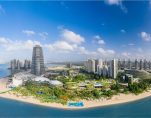
Forest City, Johor
The JS-SEZ agreement, signed on 7 January 2025, covers approximately 3,588 square kilometres across southern Johor. It comprises nine flagship areas and targets investment in 11 sectors, including manufacturing, logistics, financial services, the digital economy, tourism, education, healthcare and the green economy. Forest City is the designated financial-services flagship within the framework.
“The JS-SEZ has moved beyond framework design and into early-stage execution. Forest City has a defined role in financial services and family-office activity, while the wider zone is building a pipeline across multiple industries,” a Forest City SFZ spokesperson said.
Investment pipeline builds across the JS-SEZ
Singapore’s Ministry of Trade and Industry said Singapore-based companies had committed more than S$5.5 billion in investments into Johor since the JS-SEZ memorandum of understanding was signed in January 2024. The figure was highlighted at the second JS-SEZ Joint Investment Forum in Singapore in October 2025.
On the Malaysian side, the Invest Malaysia Facilitation Centre Johor (IMFC-J) reported in March 2026 that it had received 1,000 investor enquiries and was facilitating RM73 billion in potential investment.
IMFC-J is a joint federal-state one-stop centre led by the Iskandar Regional Development Authority, Invest Johor and the Malaysian Investment Development Authority.
The figures represent investment commitments and potential project value rather than fully realised capital expenditure, but provide an early measure of the commercial pipeline forming around the economic corridor.
Forest City builds financial-services proposition
Malaysia announced the Forest City SFZ incentive package in September 2024, followed by the gazettement of the Single Family Office (SFO) tax rules in October 2025. Under the scheme, a qualifying SFO vehicle may receive a 0% tax rate on eligible investment income for an initial 10-year period, with a possible extension for a further 10 years, subject to asset, local investment, staffing and operating-expenditure requirements.
The initial phase requires at least RM30 million in assets under management. The wider Forest City incentive framework also includes a 5% corporate tax rate for qualifying global-services and selected relocation activities, while eligible knowledge workers in the JS-SEZ may qualify for a 15% personal income tax rate, subject to prevailing rules and approvals.
According to Forest City data, nine family offices had received approvals under the scheme by June 2026. The Securities Commission Malaysia had previously reported more than 30 expressions of interest and has set a target of RM2 billion in SFO assets under management by the end of 2026.
Separately, Forest City said 593 applicants were approved for the SFZ category of the Malaysia My Second Home programme between 1 October 2024 and 31 March 2026, indicating demand from investors, professionals and long-stay residents alongside the financial-services push.
Cross-border measures support the dual-market model
The JS-SEZ framework is intended to combine Johor’s land, industrial capacity and cost base with Singapore’s capital, connectivity and business ecosystem. Measures under the bilateral framework include investor facilitation, automated immigration channels, paperless goods clearance and improved transport links.
Singapore has rolled out QR-code immigration clearance across travel modes at the Woodlands and Tuas checkpoints. Travellers should continue to carry their passports, which may still be required for verification and for clearance at the Malaysian border.
The Johor Bahru-Singapore Rapid Transit System Link is targeted to begin passenger service by the end of 2026. The four-kilometre line will connect Bukit Chagar and Woodlands North in about five minutes and is designed to carry up to 10,000 passengers per hour in each direction during peak periods.
Execution and conversion remain the next test
The World Bank projects Malaysia’s economy to expand by 4.4% in 2026, supported by domestic demand, while warning that trade restrictions, global policy uncertainty and weaker external demand remain downside risks.
For the JS-SEZ, the next phase will be measured by the conversion of enquiries and commitments into approved projects, realised investment, skilled employment and operating businesses. Delivery of transport, utilities, talent development and regulatory coordination will also determine the pace at which companies adopt a cross-border operating model.
“The early indicators are encouraging, but the economic impact should be assessed over a multi-year horizon. The priority now is to convert the pipeline into sustainable business activity, jobs and a deeper professional-services ecosystem,” the spokesperson said.
Forest City SFZ said it will continue working with public agencies, financial institutions and professional-service providers to support family offices, international investors and companies evaluating Johor as part of their regional growth strategy.
Key figures
Indicator
Latest stated figure
JS-SEZ coverage
Approximately 3,588 km²; nine flagship areas; 11 priority sectors
Singapore-linked commitments
More than S$5.5 billion committed into Johor since January 2024
IMFC-J pipeline
1,000 enquiries; RM73 billion in potential investment as at March 2026
SFO incentive
0% on eligible investment income for 10 years, with a possible further 10 years
RTS Link
Targeted passenger service by end-2026; up to 10,000 passengers per hour per direction
Malaysia 2026 GDP outlook
4.4% growth forecast by the World Bank
Hashtag: #ForestCity
The issuer is solely responsible for the content of this announcement.
About Forest City Special Financial Zone
Located in Iskandar Puteri, Johor, Forest City Special Financial Zone (FCSFZ) is Malaysia’s pioneering special financial zone and the financial-services flagship within the Johor–Singapore Special Economic Zone. It is positioned to attract financial institutions, multinational corporations, high-net-worth individuals and businesses operating in wealth management, financial technology and global business services.
Its incentive framework includes a 0% income tax rate for qualifying Single Family Office Vehicles for up to 20 years, a preferential 5% corporate tax rate for approved qualifying activities, and a special 15% personal income tax rate for eligible knowledge workers, subject to the applicable conditions, regulatory approvals and prevailing legislation. Forest City also holds duty-free island status, further strengthening its appeal as a regional investment, business and wealth-management destination near Singapore.
SINGAPORE – Media OutReach Newswire – 2 July 2026 – JustCo Holdings Limited (“JustCo“), a Singapore-grown flexible workspace operator with an extensive Asia Pacific network, announced pay-per-use access via the JustCo App, allowing professionals to find, book, and access hot desks and meeting rooms on demand across its network, without membership or upfront commitment.
JUSTCO APP ENABLES ON-DEMAND BOOKING OF WORKSPACES – NO MONTHLY MEMBERSHIP REQUIRED
Professionals increasingly need reliable workspaces that can be accessed as needed, whether for a few hours, a day, or specific meetings. JustCo App’s pay-per-use access caters to the demand for increased flexibility and short-term access.
New users can simply download the app, create an account, and immediately browse available JustCo workspaces. There are no upfront membership fees, making it ideal for freelancers, business travellers, remote workers, and visiting team members to access JustCo locations when and where they need it.
Users can purchase Hot Desk (Day) passes or make Meeting Room bookings directly in the app. Multiple passes can be purchased and shared with colleagues or partners. This supports common scenarios such as hosting meetings, working between locations, or enabling visiting teammates to use a workspace immediately.
Pay-per-use features are currently available in Australia, Singapore, Thailand, and Malaysia, and will subsequently roll out across other locations.
This builds on JustCo’s broader strategy to integrate workspace discovery, access, and usage into a unified digital platform across markets. The JustCo Store, available on web and powering the app, provides real-time visibility of workspace availability across locations.
Concurrently, since the start of the year, JustCo has successfully opened new locations across Bengaluru, Gurugram, Kuala Lumpur, Manila, Singapore and Taipei, reflecting a steady pipeline growth. Additional openings have also been confirmed across Singapore, Kuala Lumpur, Mumbai, Seoul, Tokyo and Yokohama, providing clear visibility for the second half of the year.
Together, these openings underscore JustCo’s commitment to executing the expansion strategy presented to investors at the time of its IPO and further strengthening its footprint across Asia Pacific’s leading commercial hubs.
Visit the JustCo Store at www.justcoglobal.com to browse available offices and membership plans, with selected spaces available for move-in as early as the next business day. Or download the JustCo App on iOS and Android. Hashtag: #JUSTCO
The issuer is solely responsible for the content of this announcement.
About JustCo Holdings Limited
JustCo is a platform building the future of work across Asia Pacific. Our vision is to be the global benchmark for flexible workspace by creating connected ecosystems where people, businesses and communities can thrive.
Through our portfolio of brands, including The Collective, JustCo and the boring office, we support organisations of all sizes, from startups and SMEs to multinational corporations, with flexible workspace solutions across multiple cities and markets.
Beyond workspace, JustCo helps businesses scale faster through flexibility, operational simplicity and access to a regional network. For landlords, we transform buildings into vibrant business destinations that attract demand, enhance asset performance and create long-term value.
Together with our members, partners and landlords, we are building an ecosystem that connects work, business, learning, wellness and community, enabling people and organisations to grow and succeed.
SINGAPORE – Media OutReach Newswire – 1 July 2026 – Global beauty brand LUX, in collaboration with VML Singapore, has launched #LUXMyWill — an initiative that transforms one of social media’s most talked-about beauty trends into a formal, lasting declaration of personal style.
Over the past year, women across TikTok and Instagram have embraced hashtags such as #BuryMeInThis – a viral expression of ultimate obsession, where users name the look they would want to be remembered in. What began as playful, dramatic content quickly evolved into a cultural signal: a new generation of women declaring that they are not dressing for occasions – they are the occasion.
LUX recognised the deeper meaning behind the trend and partnered with legal experts to give it permanence. #LUXMyWill enables women to turn a fleeting social post into a formally recognised personal style wish – one that can be witnessed, documented and preserved.
The initiative invites women to declare their chosen look on camera and tag someone they trust to honour it. Legal specialists worked alongside the brand to define what gives such a declaration standing, and to create simple, accessible content explaining the process. Selected participants also received a LUX My Will box, designed to preserve their chosen outfit alongside their recorded declaration.
“Beauty has always been a powerful form of self-expression. Today, women are taking that further – not waiting for occasions, but becoming them,” said Judy Zu, Global Brand Director, LUX. “This trend showed us that when a woman chooses how she wants to be remembered, it’s not frivolous – it’s a statement of identity. We wanted to give that statement the recognition it deserves.”
The movement built organically. Creators who had previously posted under #BuryMeInThis revisited their content to make it official, tagging friends who, in turn, created declarations of their own. Each tag became a new participant. Each declaration, a witnessed moment. Each video, a permanent expression of personal style.
Through this chain of participation, #LUXMyWill expanded rapidly – creator by creator, tag by tag – turning individual expressions of glamour into a collective cultural movement.
At its core, #LUXMyWill reinforces LUX’s enduring belief: beauty is not just something you wear for a moment. It is something you embody, define, and leave behind – because you are the occasion.
Hashtag: #LUXMyWill ##BuryMeInThis
The issuer is solely responsible for the content of this announcement.
About LUX
LUX has been celebrating beauty and femininity since 1925. We stand for beauty that does not blend in: bold, sassy and maximalist. We will continue to support efforts that help women express their Main Character Beauty.
About VML
VML is a leading creative company that combines brand experience, customer experience, and commerce, to create connected brands that drive growth. The agency is a leading global marketing and systems integration partner, specializing in creating innovative solutions for business transformation. VML is celebrated for its award-winning work with blue chip client partners including AstraZeneca, Colgate-Palmolive, Dell, Ford, Intel, Microsoft, Nestlé, The Coca-Cola Company, and Wendy’s. The agency is recognized by the Forrester Wave™ Reports, which name WPP a “Leader” in Commerce Services, Global Digital Experience Services, Global Marketing Services and, most recently, Marketing Measurement & Optimization. VML’s global network is powered by 28,000 talented people across 60-plus markets, with principal offices in Kansas City, New York, Detroit, London, São Paulo, Shanghai, Singapore, and Sydney.
ZURICH, SWITZERLAND – Media OutReach Newswire – 1 July 2026 – An iconic Swiss chocolate brand meets one of the world’s most celebrated names in crystal artistry to bring ‘Never Square’ to life. Creating something unexpected, something beautiful, and something that gives back: Toblerone today announces The Ultimate Gift.
The Making of – Toblerone Crystal Bar crafted by Swarovski
The centrepiece is the Toblerone Crystal Bar crafted by Swarovski: an exceptionally rare series of hand-made crystal replicas of the original Toblerone chocolate bar – the gift many associate with travel. Familiar in form. Remarkable in execution. Individually numbered, certified, and utterly one-of-a-kind.
The Ultimate Gift: A Global Auction for Good
From 1st July to 31st July 2026, travellers passing through some of the world’s most iconic airports (Athens, Delhi, Doha, Dubai, Frankfurt, Madrid, New York JFK, Singapore and Zurich) will encounter a mesmerising pop-up experience celebrating both brands and, above all, will have the chance to bid in person on the Toblerone Crystal Bar crafted by Swarovski.
Toblerone Crystal Bar crafted by Swarovski
Each auction is linked to the airport’s own established charity partner – organisations already embedded in their local communities and chosen by the airports themselves. 100% of winning bids will be donated to the designated charity at each location.
However, the auction is open to everyone globally. No need to be travelling to take part. Bidding is available online (terms and conditions apply), click here to visit the auction site and here for more information on the charities.
Toblerone Crystal Bar crafted by Swarovski unveiled in the Crystal Dome at Swarovski Kristallwelten
The Story Behind the Crystal Bar
Toblerone was born in Switzerland in 1908. Its triangular shape has made it one of the most recognised silhouettes in the world. For generations of travellers, it has been the gift you bring home: a small but indulgent, reliable piece of Switzerland.
To bring the Toblerone Crystal Bar to life, Toblerone turned to Swarovski. Swarovski delivers a diverse portfolio of unmatched quality, craftsmanship, and creativity. Founded in 1895 in Austria, the company designs, manufactures and markets high-quality crystals and created stones as well as finished products such as jewelry.
The two share more than Alpine geography. They share a belief that quality is not a detail but it is the point. That the things worth making are worth making properly. And that some of the most enduring objects in the world are the ones that manage to be both beautiful and, somehow, completely unpretentious about it.
The result is the Toblerone Crystal Bar crafted by Swarovski: Toblerone’s unmistakable triangular form, unapologetically rich on the inside, reimagined as a luxury artefact through Swarovski’s crystal craftsmanship.
Iain Livingston, President Toblerone & World Travel Retail, says: “Toblerone has always been more than a chocolate bar. It’s a ritual, a symbol of travel, and one of the world’s most recognised gifts. Creating the Toblerone Crystal Bar crafted by Swarovski feels like a natural expression of who we are: a brand that takes quality seriously but never takes itself too seriously. The Ultimate Gift is exactly that and will raise funds to support brilliant causes that help make the world a better place.”
The Craft Behind the Crystal
Each Toblerone Crystal Bar crafted by Swarovski is exclusively designed and developed using Swarovski’s rich savoir-faire:
Modelled on the original Toblerone chocolate bar & manufactured in Austria
Each weighs 851g and measures 305mm in length
546 individually cut facets per bar
140 hours of development and 65 hours of production – 100% handmade
Crafted with high-precision cutting technology, characterised by unmatched brilliance
The Ultimate Gift Box: Available to All
For those who prefer to take something home immediately, Toblerone is also launching a limited-edition Ultimate Gift Box adorned with Swarovski crystals, available exclusively in World Travel Retail throughout the campaign period across airports globally.
Inside: a Milk Toblerone bar.
Crystals on the outside. Unapologetically rich on the inside. The answer, as ever, to the question every traveller eventually asks themselves at the airport: “Where is my Toblerone?”
The issuer is solely responsible for the content of this announcement.
About Toblerone
In 1908, Theodor Tobler and Emil Baumann invented a unique chocolate: Toblerone. “Toblerone” is a portmanteau of “Tobler” and “Torrone,” the Italian term for honey-almond nougat. Its distinctive triangular shape has been recognised around the world ever since. Today, production remains based in Bern Brünnen, where employees work with great passion every day — producing up to 4 million Toblerone products daily, with around 90 percent of all Toblerone sold worldwide manufactured right there in Bern.
Toblerone has never been square. Not in shape. Not in spirit. And not in ambition. Never Square is the belief that the best things in life refuse to conform — and that the most interesting gifts are rarely the obvious ones.
About Swarovski
Masters of Light Since 1895.
Swarovski creates beautiful products of impeccable quality and craftsmanship, celebrating joyful extravagance and self-expression.
Founded in 1895 in Austria by Daniel Swarovski, Swarovski creates the world’s finest crystals, Swarovski Created Diamonds, Swarovski Crystal Pearls and Swarovski Zirconia, jewelry, and accessories, as well as home décor and crystals for the automotive industry.
Swarovski Crystal Business operates in more than 140 countries worldwide, with 2,200 boutiques complemented by a network of selected multibrand partners and employs approximately 18,300 people globally. Together with its sister companies, Swarovski Optik and Tyrolit, it forms the Swarovski Group. Rooted in the company’s heritage, Swarovski strives to make a positive impact on people, society, and the planet. Today, sustainability measures are implemented throughout the value chain, with a focus on circular innovation, championing diversity and inclusion, and encouraging self-expression. This includes the philanthropic work of the Swarovski Foundation, which supports charitable organizations bringing positive environmental and social impact.
SINGAPORE – Media OutReach Newswire – 1 July 2026 – The “Taiwan International Plant-Based Festival” officially launched in Singapore. Led by Ministry of Agriculture (MOA) Deputy Minister Hu Jong-I, the delegation introduced Taiwan’s premium produce and elite Phalaenopsis orchids into Singapore’s luxury dining and international sectors. The initiative leverages high-end restaurant marketing and immersive thematic exhibitions to showcase the quality, safety, and sustainability of Taiwanese agriculture, actively expanding its reach into premium consumer and international procurement markets.
The culinary campaign features a high-profile partnership between “Yang Ming Spring”—a prominent Taiwanese pure vegan culinary group honored with the Michelin Green Star—and Si Chuan Dou Hua Restaurant at PARKROYAL on Beach Road under the Pan Pacific Hotels Group. From July 1 to September 30, this exclusive plant-based menu highlights premium fresh ingredients sourced directly from Taiwan, including water snowflake, green bamboo shoots, cabbage, tea leaves, and the rising export star, the “Mango Pineapple,” elevating Taiwanese produce onto international five-star tables.
The launch was attended by MOA Deputy Minister Hu Jong-I, Ministry counselor Wu Wen-ling, Pan Pacific Hotels Group Executive Director Ms. Wee Wei Ling, and Yang Ming Spring Founder Mr. Chen Chien-Hung. Deputy Minister Hu noted that this festival marks a critical milestone for Taiwanese agriculture as it integrates with green gastronomy globally. The MOA aims to connect Singaporean consumers with Taiwan’s top-tier produce, establishing a premium brand image rooted in food safety and trust to unlock future export channels.
The launch elegantly incorporated Taiwan’s Phalaenopsis orchid floral aesthetics to create a “five-sensory feast” that harmonized taste, vision, and cultural narrative, solidifying Taiwan’s premium brand image. The event successfully drew over 80 distinguished guests, including mainstream Singaporean media, food critics, business chamber representatives, and executive chefs.
Concurrently, the official residence of the Taipei Representative Office in Singapore hosted the festival’s thematic opening reception, serving as a premier venue for cultural diplomacy and showcasing the narrative of Taiwan’s agricultural excellence. The exhibition focused on three themes: Taiwanese orchid aesthetics, Mango Pineapple innovation, and sustainable agriculture tourism. This space demonstrated Taiwan’s agricultural evolution from precision R&D to green sustainability, highlighting its export potential to foreign diplomats and Singaporean trade buyers.
The MOA emphasized that the initiative’s core strategy is to “drive tangible procurement through engaging and immersive experiences in our target markets.” By bridging high-end dining with diplomatic prestige, the three-month campaign will maximize the visibility of Taiwanese agri-products across Southeast Asian markets. Aligning with global net-zero sustainability trends, the festival establishes a safe, premium brand image, paving the way for Taiwanese agriculture to integrate into global high-end supply chains and broader Asia-Pacific channels.
Hashtag: #YMSpring
The issuer is solely responsible for the content of this announcement.


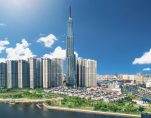

 https://vinhomes.vn/en

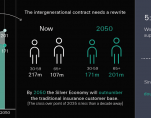

 https://www.linkedin.com/company/swiss-re/

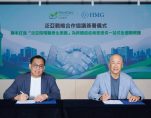




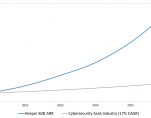





 https://www.facebook.com/Argentplasticsurgery
 https://www.instagram.com/argentplasticsurgery/
 https://www.tiktok.com/@argentplasticsurgery






 https://www.youtube.com/@AnsonLoHonTing