News related to
Singapore

Matein Khalid It is ironic that Brent crude collapsed from its $78 high on the New York Merc to as low as 66.80 in early Singapore trading even though Iran’s Revolutionary Guards launched a missile strike on America’s largest military base in the Gulf in Qatar. This retaliatory strike was polite, measured and apologetic with advance notice given to Centcom to avoid any US military casualties. Trump […]

Polymarket, the world’s largest blockchain-based prediction market platform, is on the verge of completing a funding round exceeding $200 million that would value the company at over $1 billion. The strategic investment reflects growing investor confidence in forecasting platforms as tools for real-time insights and market intelligence.

The company, founded in 2020 by Shayne Coplan and headquartered in New York, has previously secured $70 million across Series A and B rounds led by General Catalyst, Founders Fund, alongside participation from Ethereum co-founder Vitalik Buterin. That capital helped Polymarket scale its operations offshore, particularly following regulatory setbacks in the United States, where it withdrew services under pressure from the Commodity Futures Trading Commission.

Sources indicate the new investment round will build on these foundations, raising upwards of $200 million and propelling Polymarket into unicorn status with a valuation north of $1 billion. Those close to the transaction describe a diverse syndicate of venture capital firms, strategic investors and high-profile figures from the crypto and financial sectors, though official names are yet to be disclosed.

Polymarket’s appeal lies in its novel combination of decentralised finance, crowd-sourced wisdom and smart contract automation. The platform allows participants to trade on real-world events—ranging from elections and policy outcomes to entertainment and economic indicators—by buying and selling shares reflective of outcome probabilities. Transactions occur using USDC on Polygon, ensuring on-chain settlement and transparency.

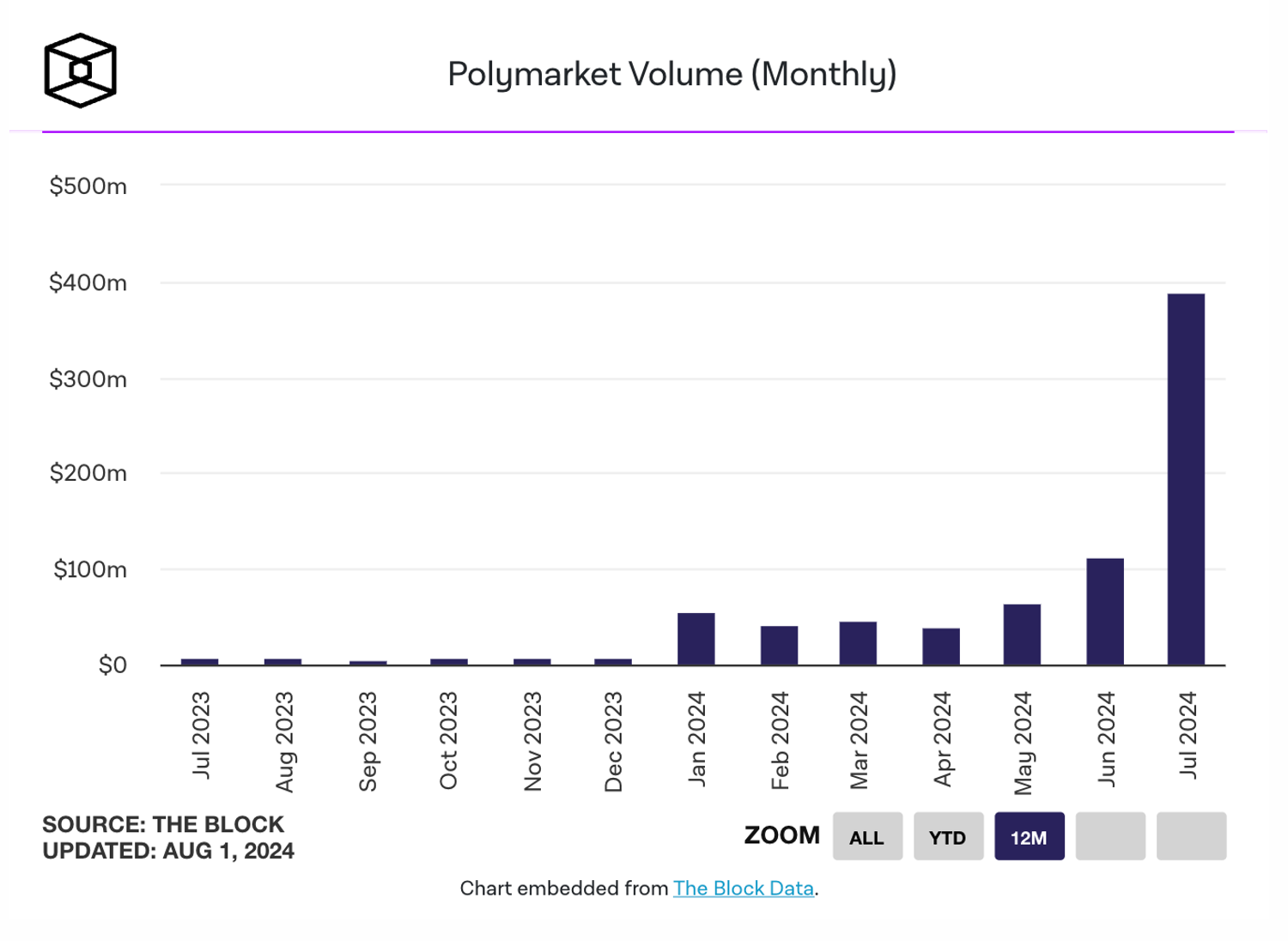
Trading volumes attest to the platform’s influence. In August 2024 alone, Polymarket processed approximately $472 million in trades, with political markets—especially those related to the US presidential election—accounting for nearly $1 billion in wagers by November 2024. Peter Thiel’s Founders Fund highlighted its trust in Polymarket’s market intelligence: “checking Polymarket when breaking news happens has become a habit”.

That compelling performance comes amid regulatory headwinds. Polymarket has barred US users since reaching a settlement with the CFTC in early 2022, which included a US$1.4 million fine and the appointment of former CFTC chairman J. Christopher Giancarlo to its advisory board. These changes aimed to address compliance concerns as the platform expanded internationally. More recently, the FBI reportedly raided Coplan’s home in autumn 2024 as part of an investigation into whether US-based activity violated these agreements.

Despite these challenges, Polymarket has continued to deepen its appeal. Ethereum co-founder Vitalik Buterin has publicly supported the broader application of prediction markets, terming them pioneers in “Info Finance,” an area he believes can enhance journalism, governance and scientific transparency. Polymarket’s data is now cited within Bloomberg’s Terminal services, offering institutional investors fresh analytical layers based on global betting dynamics.

The potential $200 million funding round is expected to include an allocation of token warrants enabling investors to participate in a future token issuance by Polymarket. Earlier reporting by CoinDesk and The Defiant in late 2024 highlighted a $50 million interim funding plan tied to a utility token offering, intended to integrate with or supplant the UMA oracle dispute-resolution system. That mechanism would allow users—or token holders—to validate market outcomes, an evolution that could expand Polymarket’s governance and on-chain autonomy.

Market observers view this token strategy as a logical advancement. Rising volumes and user engagement on election forecasts have revealed limitations in relying solely on external oracles; introducing a native token could decentralise verification and cement Polymarket’s position in the governance of its own markets.

Emerging trends suggest Polymarket is transitioning from an insurgent, crypto-native prediction exchange to a mainstream information infrastructure. Its user base now spans political analysts, financial professionals and retail traders. The recent partnership with X integrates Polymarket’s probabilistic feeds into social media dynamics, allowing users to access market sentiment in real-time alongside breaking news.

Yet questions over regulatory alignment remain. The CFTC is reportedly examining off-shore platforms that permit US bettor access, and lawmakers are considering broader prohibitions on event-based derivatives. The fallout from the 2024 FBI inquiry adds a layer of legal uncertainty, even as Polymarket navigates regulatory environments in Europe and Asia, where its platform has faced access restrictions from gambling regulators in Belgium, Poland, Singapore and France.

As Polymarket nears completion of its landmark funding round, it stands at a crossroads defined by opportunity and scrutiny. A valuation exceeding $1 billion would underscore investor conviction in its model, but unlocking the full potential of prediction markets may depend as much on regulatory clarity as on capital infusion.

SINGAPORE – Media OutReach Newswire – 24 June 2025 – Cat Paradise Singapore has launched a new cat sitting service, now available to the general public. This service provides in-home care by trained professional cat sitters in Singapore, expanding the centre’s support for cat owners who require assistance while away from home. This development is part of Cat Paradise’s ongoing efforts to provide comprehensive feline care. The […]

Gulf states have reopened their airspace and resumed operations at major airports following swift precautionary closures in response to Iran’s missile assault on the US-operated Al Udeid Air Base near Doha. The suspension affected vital hubs such as Hamad International Airport, Dubai International, Bahrain and Kuwait, forcing dozens of flight reroutes and cancellations. Iran launched a barrage of short- and medium-range ballistic missiles targeting Al Udeid, home […]

Matein Khalid Operation Midnight Hammer was a spectacular military success though it will take 60 years more for the top secret CIA files on Trump’s rendezvous with history at Fordo to be declassified even though I hope Centcom and the Pentagon generals will release their BDA (Battle Damage Assessments) in the next two weeks to reinforce their claim that the Islamic Republic’s nuclear assets beneath the mountain […]

Etihad Rail and Abu Dhabi authorities have formalised a strategic partnership aimed at aligning rail infrastructure planning with the emirate’s broader development goals. The initiative centres on coordinated knowledge exchange around studies, designs, engineering, and strategic development, supporting the integration of Etihad Rail’s projects into Abu Dhabi’s urban and economic landscape.

The agreement, endorsed by Sheikh Theyab bin Mohamed bin Zayed Al Nahyan, Chairman of Etihad Rail, underscores the importance of a fully integrated transport ecosystem. Shadi Malak, CEO of Etihad Rail, confirmed that the collaboration spans infrastructure studies, engineering tender layouts and development planning to ensure rail projects dovetail seamlessly with Abu Dhabi’s urban expansion.

This forms part of a broader wave of recent MoUs signed by Etihad Rail during the Global Rail 2024 conference. Memorandums were inked with a range of international entities—from transport‑focused to tech innovators—to enrich its projects. These include partnerships with Presight AI for AI-driven operational insights; RITES Ltd and South Korea’s KNR/KORAIL on engineering and construction expertise; Austria’s WKÖ for planning cooperation; L&T Technology Services for establishing a national mobility innovation centre; as well as technical alliances with IronLev, Nevomo, Hitachi and Singapore’s SBS Transit.

One high‑profile partnership saw Etihad Rail team up with COSCO’s CSP Abu Dhabi CFS—a key freight terminal operator—under an MoU to bolster multimodal connectivity, enhance logistics flows via rail, and reduce CO₂ emissions, aligning with Abu Dhabi’s Net Zero by 2050 target.

The newly reinforced Abu Dhabi alignment focuses on future passenger services and urban sprawl. While Etihad Rail Stage One and Stage Two freight operations stretch more than 900 km across the UAE, passenger services are under preparation. The Abu Dhabi–Dubai high‑speed link, capable of up to 350 km/h journeys in as little as 30 minutes, has moved through tendering and design finalisation phases. Six passenger stations—including Reem, Saadiyat and Yas Islands plus two in Dubai—are to be integrated with metro and bus networks.

Experts highlight the economic uplift from such rail integration. Mohammed Al Shehhi, Chief Projects Officer, noted that the Abu Dhabi–Dubai high‑speed route could add AED 145 billion to GDP over fifty years, enhancing social cohesion and sustainable mobility.

The collaboration also intersects with major sustainability initiatives. The Ghuweifat freight terminal, which handles cargo from the Saudi border, has been solarised in partnership with Masdar and EDF’s Emerge JV—a project designed to cover 85 % of its power needs, saving over 8 500 tons of CO₂. Rail freight services aim to cut emissions in road transport by 21 % annually by 2050—roughly 8.2 million tonnes of CO₂ per year.

On the regional integration front, Etihad Rail, Oman Rail and Mubadala launched Hafeet Rail—a 300 km link through Al Ain to the port of Sohar. With a US $3 billion contract signed in April 2024, trains are expected to run at 200 km/h and connect Abu Dhabi to Omani ports in just over 100 minutes.

Etihad Rail’s development timeline follows a phased rollout. Stage One became fully operational for freight in January 2016. Stage Two launched freight services in February 2023, completing a 900 km network. Passenger services are yet to be scheduled publicly, though station planning and tendering details are advancing rapidly.

Engineer analysts suggest this partnership framework marks a pivotal shift. By embedding knowledge exchange—covering everything from preliminary studies and engineering specifications to strategic transit modelling—Etihad Rail looks to avoid siloed project delivery. Instead, it positions rail development as core to Abu Dhabi’s urban vision, supported by a holistic transport network and sustainable infrastructure policy.

Public sector observers note the involvement of ADQ, through Etihad Rail, aligns with Emirate-level economic strategies such as Abu Dhabi Economic Vision 2030 and broader UAE Vision 2021. The rail strategy supports logistics, tourism growth, environmental goals, and inter-emirate connectivity. It is built to support freight services now and evolve into passenger transport, high-speed travel, and international rail links.

An Abu Dhabi infrastructure planner stated: “This marks a meaningful move from planning rail as a standalone corridor to delivering integrated mobility that ties directly into the emirate’s urban, economic and environmental objectives.”

Rail specialists emphasise digital and technical partnerships as vital. Collaborations with AI, mobility-as-a-service, maglev and autonomous rail firms reflect Etihad Rail’s push toward a technology-driven, future-ready rail network.

Commercial carriers are suspending flights across Middle‑Eastern airspace following the US strike on Iranian nuclear facilities, with empty skies appearing over Iran, Iraq, Syria and Israel as airlines divert or cancel services. Singapore Airlines described the situation as “fluid”, cancelling its Singapore–Dubai service after a security review, while British Airways and Air France‑KLM also halted flights involving Dubai, Doha, Riyadh and Riyadh, indicating growing caution among global […]

Advertisements

Acquisition strengthens Chemin’s capabilities in complex AI data services amid global demand surge SINGAPORE – Media OutReach Newswire – 20 June 2025 – TDCX Group, a leading provider of digital customer experience (CX) and growth services for global enterprises, today announced the acquisition of SUPA, a cutting-edge data labeling and annotation platform known for its agile, gig-powered delivery model. SUPA will be integrated into Chemin, TDCX Group’s […]

FalconX, a leading cryptocurrency prime brokerage, has initiated informal talks with bankers and advisers to explore an initial public offering in 2025, signalling a significant move to satisfy burgeoning institutional demand for digital assets. The firm, which last raised $150 million in 2022 at an $8 billion valuation, is not yet retaining an underwriter—an early but strategic step toward going public.

Founded in 2018, FalconX began as a crypto-focused prime broker, enabling clients to trade directly on exchanges. Today it spans three verticals—markets, custody and staking, and direct market access prime brokerage—positioning itself as a full-spectrum financial services provider for institutional clients. This evolution reflects growing investor interest in digital assets and the firm’s expansion through deals and strategic integration.

In early 2025, FalconX acquired Arbelos Markets, marking its entry into the derivatives segment, a lucrative but highly competitive space. It also forges partnerships with established players such as Standard Chartered, integrating global banking and foreign-exchange capabilities, and with Cantor Fitzgerald, accessing a credit facility collateralised by Bitcoin—its “first step in a broader credit framework” to bolster institutional offerings.

The broader crypto sector is experiencing an IPO wave. Several digital-asset platforms, including Fold, Exodus and eToro, have listed in 2025. Notably, stablecoin issuer Circle achieved a landmark $1.1 billion IPO on 5 June, marking the largest crypto-market debut in history and fuelling expectations of further listings. Following Circle’s success, firms such as Bullish and Gemini filed for public listings, with Kraken and Justin Sun’s Tron Group also preparing filings.

Amid this sector-wide momentum, FalconX is working to enhance its public profile, seeking to craft a compelling narrative ahead of a potential IPO. The firm’s strategy, according to one insider, emphasises readiness to appeal to public-market investors, including both strategic partnerships and public relations positioning.

The firm’s track record underpins its IPO ambition. In June 2022, it secured a $150 million Series D led by Singapore’s GIC and B Capital at an $8 billion valuation. That round also involved Thoma Bravo, Wellington Management, Adams Street Partners and Tiger Global Management. CEO Raghu Yarlagadda emphasised FalconX’s market‑neutral model, rigorous risk‑management and profitability amid volatility—a rarity in the crypto space.

With over $430 million in capital raised to date, FalconX has demonstrated resilience, continuing to hire and expand services even as competitors retrench. GIC’s commitment and the firm’s strategic posture reflect stable investor confidence.

Institutional demand for crypto is rapidly growing, and FalconX’s moves align with this shift. The acquisition of Arbelos, banking collaboration and credit facility signal a broader ambition to integrate traditional and digital finance infrastructures, broaden offerings and close service gaps. As co-head of markets Joshua Lim observed, strategic partnerships and acquisitions enable FalconX to fill missing links that would otherwise force customers to assemble services piecemeal.

Within this context, launching an IPO emerges as both a capital‑raising tool and a visibility lever. As one adviser noted, “When you launch an IPO, you need to have a story…. You’re selling yourself to the investing public”. FalconX’s groundwork suggests readiness to craft that narrative, aligning with its strong financial position and strategic trajectory.

Nivex, formerly known as Nx.one, has re-emerged in 2025 with a strategic repositioning as a cutting‑edge AI‑powered trading platform, signalling a major transformation from its Web3 origins into a global crypto‑finance innovator. Leveraging generative algorithms as the operational core, Nivex aims to elevate trading from human‑driven execution to autonomous, intelligent systems.

Powered by over 45 AI‑based strategies spanning arbitrage, trend‑following and swing trading, the platform reports impressive performance metrics. Annualised returns range from 60 % to 3 500 %, win rates hover between 85 % and 95 %, maximum drawdowns are tightly controlled at 15–70 %, and Sharpe ratios exceed 2.6 — all underpinning over USD 1 billion in assets under strategy management as of Q2 2025. One standout offering, “BTC Grid Arbitrage + AI Risk Control”, executed 540 trades in 2024 with a 92 % success rate and yielded a total return of 272 %.

At its heart, Nivex purports AI is not simply a feature, but the platform’s operating system. Users define goals and the AI assumes responsibility for detecting trends, assembling strategies, allocating capital, managing risk and executing trades at millisecond speeds. Combined with a suite of tools including spot and futures trading, dollar‑cost averaging and grid trading, the platform positions itself not as an exchange, but an intelligent asset engine.

A central component of Nivex’s offering is its AI Strategy Engine, which supports customizable parameters—such as leverage, stop‑loss, DCA and drawdown limits—and integrates institutional-grade strategies. Complemented by Smart Yield and AI Lending systems, users can earn APYs of up to 60 % on fixed terms, while automated lending tools continually optimise on‑chain opportunities.

Critical to its ambitions is delivery of institutional‑grade signal copying. By aggregating signals from global quant funds, Nivex enables retail users to subscribe and replicate live trades via automated execution, stop‑loss and performance tracking—without any coding. The company asserts this approach raises win rates by 30 % and improves execution speed by 80 % compared with manual trading.

Nivex is also developing an “Institutional Buying Heat Index” based on fusion of ETF flows, on‑chain transfers, CEX‑DEX liquidity movements and sentiment signals. This engine converts macro and micro market trends into actionable portfolios for both retail users and institutional clients via APIs and data subscriptions.

Compliance and geographic expansion underpin Nivex’s credibility. The platform operates service centres in North America, Dubai, Hong Kong, Singapore and Southeast Asia, holding licences with FinCEN and MSB, and pursuing approvals from MAS, VARA and AUSTRAC. It also hosted AI‑driven closed‑door summits at Token2049 Singapore, attracting industry leaders such as Justin Sun of TRON.

Industry analysts highlight a growing shift in trading infrastructure—from simple order‑matching to data‑driven, strategy‑oriented platforms. Nivex exemplifies this trend, providing automated AI‑based strategy execution at a time when global investment in AI surpassed USD 350 billion in 2024.

The AI trading platform market is projected to grow from USD 11.5 billion in 2024 to USD 75.5 billion by 2034, at a CAGR of 20.7 %, driven by high demand for automation, faster decision‑making and cost reduction. Within this context, major players include Kavout, Numerai and Algotraders — yet Nivex’s rapid integration of AI, compliance and global deployment positions it as a formidable contender.

Yet adoption of AI in trading brings challenges. Regulatory regimes struggle to keep pace, raising concerns about algorithmic opacity, data integrity and algorithmic bias. Nivex appears conscious of such risks, emphasising transparency, backtesting via a Strategy Lab, risk‑control features and strict KYC/AML protocols.

From a user experience angle, Nx.one’s prior focus on intuitive interface design, multi‑language support, real‑time analytics and security layer architecture—including multi‑signature wallets, cold storage, encryption, firewall defences and audit transparency—appears retained under Nivex.

CEO Simon highlighted Nivex’s core vision: “We’re not building a cheaper exchange—we’re building a smarter platform. Let the system trade for you. Let AI manage risk. Let data create wealth,” adding, “In the next five years, the most valuable asset won’t be trading skills. It’ll be your connection to a system that improves itself”.


A coalition of civic groups has presented the Election Commission with over 54,000 signatures demanding a public vote on the Entertainment Complex Business Act, a proposed law to legalise integrated resorts with casinos in Thailand. The petition surpasses the 50,000-signature threshold mandated by the National Referendum Act, compelling authorities to verify the submissions within 30 days.

The campaign, led by the Stop Gambling Foundation and allied organisations, began gathering support in January and reached its goal in May after approximately 120 days of mobilisation. On submission day, activists including Thanakorn Khomkrit, the foundation’s secretary-general, and youth representative Wasinee Sonsaeb, arrived at the Commission’s offices in Bangkok backed by over 100 civil society figures.

Proponents of the law argue it would generate substantial economic advantages. Cabinet estimates suggest that legal casinos in integrated resorts could add between US$3.5 billion and $7 billion annually to tourism revenue, attract nearly US$3 billion per development, create thousands of jobs, and lift tourist numbers by 5–10%. The government also contends such regulation might curb illegal gambling and bolster the national economy.

Yet critics argue the bill was neither debated during the 2023 election campaign nor subjected to meaningful public consultation. Thanakorn Khomkrit warned that proceeding with casino legislation without a public mandate could pose political dangers and exacerbate societal tensions, especially given concerns around sufficiency-economy principles. He urged that a referendum would lend legitimacy to both the government and investors, reducing public resistance.

Echoing those views, Wasinee Sonsaeb cautioned that legalising casinos and online gambling “would be handing down a sinful legacy to our children,” warning that current proposals echo past mistakes instead of learning from thorough consultation seen in jurisdictions like Singapore.

Under the referendum law, once the commission validates the signatures, the petition will be forwarded to the Cabinet Secretariat for consideration. The Cabinet must then approve a referendum before legislation may proceed.

The bill’s political trajectory has already faced obstacles. Introduced to Cabinet on 13 January, it received preliminary approval; however, debate was postponed until Parliament’s July session following resistance from coalition members and public protests. Proposed safeguards include a 5,000‑baht entry fee for Thai nationals with a minimum bank deposit of 50 million baht, along with capping casino space at 5% of each complex.

Economic modelling from Thailand’s Fiscal Policy Office projects that integrated resorts could draw 5–20% more foreign visitors and increase per-visitor spending from 40,000 to 60,000 baht. International gaming giants including Las Vegas Sands, MGM, Wynn, Genting, and Galaxy have reportedly expressed interest, particularly in the Bangkok market.

Still, public opposition remains fierce. Alongside concerns about youth exposure and gambling dependency, critics emphasise that transparency demands more extensive public dialogue. A January poll found nearly half the population doubted the bill would pass because of widespread disapproval.

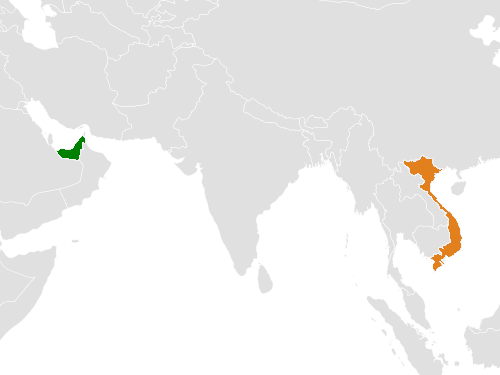
Vietnam’s Techsmart Telecom, the Institute of Information Technology and CyberSecurity, UAE’s Venom Foundation and Abu Dhabi’s GS Fund have signed a memorandum of understanding to advance a sovereign digital finance framework. The scheme centres on a national Data Centre, supervised stablecoin issuance, cross-border settlement infrastructure, cybersecurity protocols and fintech training—a landmark convergence of telecom, blockchain, finance and security sectors.

The agreement mandates Venom Foundation’s sovereign-grade Layer‑0 blockchain be deployed in Vietnam. The foundation, already liaising with central banks across Southeast Asia—including Singapore, Malaysia, the Philippines and Vietnam—will integrate ISO 20022 messaging, on‑chain KYC/AML, real-time settlements and asset tokenisation capabilities into the system. GS Fund will spearhead the data centre’s construction under a stable legal and economic regime, while IITCS tackles regulatory framework, compliance and talent development, and Techsmart manages connectivity and integration.

Work in the initial phase, set for the next 12 months, will prioritise the technical architecture, legal foundations and national infrastructure planning. Vietnam’s demographic profile—a young, technologically literate population—and its expanding cross-border fintech activities are seen as key enablers for asset tokenisation, according to Venom Foundation. Dr Hoang Phuoc Thuan of IITCS highlighted Resolution 57’s role in connecting sovereign data ambitions with e‑government and AI development.

This public–private partnership reflects Vietnam’s Digital Infrastructure Strategy, which targets universal fibre, extensive 5G coverage and advanced data centre roll-out by 2030. Venom’s Layer‑0 blockchain—already piloted in the Philippines with the Bangko Sentral ng Pilipinas—cements institutional-grade readiness for programmable finance and asset digitisation.

Regulatory progress has been underway since March’s Prime Ministerial directive, with the Ministry of Finance and State Bank of Vietnam tasked to propose a Digital Technology Infrastructure law, introduce regulated sandboxes and pilot a crypto framework by May 2025. Amid this, Vietnam’s digital asset market has grown substantially—around 17 million citizens currently hold crypto assets valued at over US $100 billion—placing the country in the top five worldwide for individual interest and top three in trading volume.

Issues remain unresolved: incomplete guidelines on exchange licensing, asset categorisation and customer protection have placed Vietnam on the Financial Action Task Force’s grey list. Integrating blockchain with conventional banking operations—spanning accounting, risk management and cybersecurity—also poses significant implementation hurdles.

Further reinforcing policy alignment, the Vietnam Blockchain Association and One Mount Group—members of the VBA—have pledged between US $200 million and US $500 million to establish a sovereign Layer‑1 blockchain, complying with Prime Ministerial Directive 05/CT‑TTg.

The final vision foresees multi-year rollout phases extending beyond initial legal and technical milestones to encompass digital payments, reduced reliance on physical cash, strengthened cybersecurity via distributed ledgers, and expanded fintech education for government and private sectors under IITCS guidance.

SINGAPORE – Media OutReach Newswire – 17 June 2025 – Smartphones have become an everyday essential for adults. So, it’s natural for children to want one. Many parents see smartphones as useful tools for staying in touch with their children when they’re away from home, but smartphones can easily be lost, and they leave children vulnerable to the dangers of social media and too much screen time. […]

Goodwill coverage for affected travel insurance customers includes extending claim submission period from 30 to 90 days to help customers better manage their travel disruptions SINGAPORE – Media OutReach Newswire – 17 June 2025 – On 16 June 2025, Etiqa Insurance Singapore announced its commitment to supporting its travel insurance customers who have been affected by the impending closure of Jetstar Asia’s operations. Recognising the disruption and […]

KUALA LUMPUR, MALAYSIA – Media OutReach Newswire – 17 June 2025 – In trading, seizing opportunities and mitigating risks go hand in hand. Consistent success relies on a delicate balance between these two elements. To better understand how traders perceive and approach safety—both in daily life and during trading sessions—Octa, a trusted global broker since 2011, surveyed hundreds of market participants to gain insights into their mindset […]

SINGAPORE – Media OutReach Newswire – 16 June 2025 – ST Telemedia Global Data Centres (STT GDC), a leading data centre service provider headquartered in Singapore, today published its 2024 Environmental, Social and Governance (ESG) report. The report details progress toward STT GDC’s ESG targets, as well as its three main ESG pillars – carbon-neutral data centre operations by 2030; a safe, secure, diverse and inclusive workplace; […]

WazirX has unveiled a revised restructuring plan under Singapore High Court oversight that proposes to repay approximately 85% of users’ pre‑hack balances, while the remaining 15% would be settled over time through a Recovery Token mechanism. A final court decision is expected by 20 June, setting the stage for ensuing repayments.

A hack that occurred on 18 July 2024 led to the theft of nearly US $235 million from the exchange’s wallets, widely attributed to North Korean Lazarus Group operatives. WazirX parent company Zettai Pte Ltd subsequently secured a moratorium in Singapore and initiated a formal Scheme of Arrangement allowing creditors to vote on recovery proposals.

By April, rebalancing of assets was completed, enabling the exchange to present each affected user’s USD and INR valuations based on their 18 July 2024 holdings. Around 93% of creditors voted in favour of this plan in April, far exceeding the 75% threshold required by law.

Under the scheme, the initial payment—estimated at 85% of the original holdings—would be disbursed in either the original asset or USDT within ten business days of court approval. The remaining 15% would be issued as RTs, tradable tokens redeemable via quarterly buybacks funded from WazirX’s profits or recovered assets.

Risks remain, however: if creditors reject the plan, the court may order liquidation under Section 301 of the Singapore Companies Act. That scenario could trigger asset fire‑sales, reducing recovery potential and extending the timeline until 2030.

Community reaction is mixed. Many users have expressed doubts over the exchange’s transparency and the partial compensation model. Subreddits suggest a collective legal response is forming in Kerala and beyond. One user asserted:

“If anyone still believes that WazirX will return our funds without us taking any action — that hope is gone after yesterday’s court decision.”

Meanwhile, creditor‑activist voices have argued the restructuring represents a better outcome than liquidation. As one FTX creditor remarked, it is “far superior to liquidation” for preserving value.

CoinSwitch has also launched a parallel initiative named CoinSwitch Cares, offering affected users a potential path to full recovery—up to ₹600 crore—with added incentives for sign‑ups and referrals. However, that scheme depends on WazirX restoring withdrawal functionality.

The Singapore High Court’s deadline of 20 June will determine whether the court grants final sanction to WazirX’s Scheme of Arrangement. Should it proceed, initial disbursements would begin between late June and July. If it’s rejected, WazirX would head into liquidation—triggering a protracted, uncertain payout stretching possibly until 2030, with potentially deep losses.

WazirX’s recovery architecture combines immediate restitution and long‑term tools designed to align creditor outcomes with the firm’s future performance. The RT buyback mechanism underscores this approach, offering users potential upside linked to the exchange’s profitability and asset recovery.

Users must act to verify claims through WazirX’s Claim Tracker, accept the rebalanced valuations, and monitor further updates. Approval hinges on the court’s formal order and the willingness of creditors to embrace a controlled, phased repayment versus the uncertain prospects of full liquidation.

An early-model BOAC Comet jet disintegrated in mid‑air after encountering severe turbulence shortly after departure from Dum Dum Airport near Calcutta on 2 May 1953. All 43 passengers and crew perished as the aircraft burst apart at approximately 7,500 ft and plummeted into a paddy field about 25 miles north‑west of the city.

The de Havilland DH.106 Comet 1, operated by British Overseas Airways Corporation, had originated from Singapore and was en route to London, with stops scheduled in Calcutta and Delhi. Witnesses reported the plane climbing before suddenly breaking up and falling in flames—described as “a huge boulder of fire”—as it plunged amid dense thunderstorm conditions.

Investigation reports later determined that structural failure triggered the disaster. The aircraft was overstressed by severe gusts within the thunderstorm, or possibly by pilot over-control while attempting to stabilise the plane amid violent turbulence.

Debris was scattered over a five‑mile radius, with wings and tail sections strewn across villages surrounding the crash zone. Recovery teams reported finding charred fuselage fragments and wing parts up to eight square miles away. Communications were severely disrupted by the storm, delaying rescue operations until the following morning.

The loss prompted an immediate grounding of all Comet aircraft worldwide. Subsequent analysis traced design vulnerabilities—specifically fuselage fatigue exacerbated by pressurisation cycles—as contributing to the structural failure. Long‑term remedies included reinforcing cabin frames and modifying hatch and window designs. These measures led to the Comet 2 variant, re‑entering service later in the decade.

That afternoon’s monsoon squall had been forecasted. Weather advisories issued by Dum Dum airport warned of a powerful north‑wester moving across Bengal, Bihar, Uttar Pradesh and Orissa. The alert reached Calcutta and nearby airfields before departure, but the flight was allowed to proceed, possibly underestimating the severity of the impending storm.

The magnitude of the crash and its implications for aviation safety were profound. As the world’s first jet airliner disaster, it exposed critical design flaws in high-altitude metal fatigue and pressurisation. Aviation experts have since credited the accident with catalysing a new era of aviation engineering standards and rigorous fatigue testing.

BOAC officials, alongside Indian Civil Aviation authorities, conducted detailed on-site investigations. Initial body recovery revealed only 21 victims near the main wreckage; many others were presumed destroyed in the fiery crash. Wreckage and mail bags were recovered over the following days with painstaking efforts hampered by torrential rain and impassable access roads.

The tragedy sparked changes beyond engineering: it prompted aviation authorities worldwide to reassess flight clearance protocols in severe weather. Airlines adopted stricter turbulence-avoidance routes, and training for storm penetration tactics was enhanced. Structural testing regimes became more comprehensive, particularly for early-generation jetliners.

More than seven decades later, the Comet’s collapse north‑west of Calcutta remains a defining moment in civil aviation history. It was a stark reminder that the jet age—so marvelled for its speed—brought with it complex challenges. Engineers and regulators responded with reforms that continue to shape aircraft design and safety standards today.

While the Comet’s legacy lives on, modern aircraft benefit from lessons learned. Advanced composites, real‑time structural monitoring, reinforced fuselage frames and weather‑avoidance flight planning are now standard features in commercial aviation worldwide—fundamental safeguards born from the tragedy in the skies near Calcutta.

All countries under DHL Supply Chain APAC are now certified DHL Supply Chain Japan becomes the newest office to achieve certification SINGAPORE – Media OutReach Newswire – 13 June 2025 – DHL Supply Chain, the global leader in contract logistics, has been certified as a Great Place to Work® across Asia Pacific. DHL Supply Chain Japan is the latest country office to achieve this certification, bringing the […]

HONG KONG SAR – Media OutReach Newswire – 13 June 2025 – The International Automotive & Supply Chain Expo (Hong Kong) 2025 opened on June 12, bringing together global industry leaders. Seizing this strategic opportunity in Hong Kong, Dongfeng Motor is showcasing its technological edge and promoting nine flagship models covering both passenger and commercial vehicle segments. Dongfeng Motor aims to rank among the top three Chinese […]

Global law enforcement has dismantled over 20,000 malicious IP addresses and domains used to serve 69 variants of information‑stealing malware, in a sweeping cybercrime operation spanning 26 countries across the Asia‑Pacific region. The coordinated effort—dubbed Operation Secure—uncovered the digital infrastructure behind credential‑harvesting malware, led to the seizure of 41 servers, over 100 GB of illicit data, and the arrest of 32 suspects, officials said. The four‑month initiative, conducted […]

Pentagon officials have trimmed the U.S. Air Force’s F-35A fighter jet order dramatically, requesting just 24 aircraft in fiscal year 2026—cutting it by half from the previously projected 48 jets. The revised procurement proposal, submitted to Congress, seeks approximately $3.5 billion for the jets and an additional $531 million set aside for advance materials procurement. This downsizing is part of a broader strategy by the Department of Defence to […]

Apple awarded top honours across its six categories at the 2025 Apple Design Awards, celebrating innovation, aesthetics and social impact across apps and games. Standout recipients included Balatro, Neva and DRE​​DGE, which secured wins in key categories and reflect the diversity and creativity of today’s digital creators. Balatro, developed by Canadian indie studio LocalThunk, claimed the “Delight and Fun” game category. This roguelike, poker-infused deck-builder has gained […]

Arabian Post Staff -Dubai G‑SHOCK has released its GA‑V01 in the UAE, marking a significant step forward in hybrid timepiece design by blending analogue presence with digital clarity in a robust, contemporary form. The GA‑V01 introduces a distinctive spherical aesthetic, combining a full‑screen LCD display with striking analogue hands that pivot via a magnetic “Shock Release Hand” mechanism. This innovation absorbs impacts by allowing the minute hand […]

VISHNU RAJA
RYO YAMADA
HITORI GOTOH
IKUYO KITA