SINGAPORE – Media OutReach Newswire – 13 March 2026 – ECOVACS Robotics, a global leader in home service robotics, is bringing its global “ECOVACS, Created for Ease” brand idea to the APAC region with a local twist: “Always in Your Corner”. With this, ECOVACS is underscoring its commitment to understanding and meeting the unique needs of users in the APAC region.
“ECOVACS, Created for Ease” reflects the brand’s ongoing commitment to leverage service robotics to create a world of ease for users by relieving them of household tasks. For users in the APAC region, ECOVACS knows that “ease” is not simply about doing less. It means easing the mind and letting go of mental burdens. To bring ease to APAC users, technology must not demand attention. It should be “Always in Your Corner” – quietly helping users to keep their daily life on track.
“Always in Your Corner” for APAC’s Unsung Heroes
“Always in Your Corner” represents how ECOVACS’ diversified full-scenario home service robotics ecosystem is designed to help ease the burdens faced by users in the APAC region and empower them to enjoy a more effortless modern lifestyle. For example, many in the APAC region are part of the so-called “sandwich generation”. They are the quiet backbones of their households, juggling career demands while also taking care of children and aging parents. Whether it’s helping a child with their homework or taking dad to his doctor’s appointment, these everyday heroes are always in someone else’s corner. ECOVACS believes they also deserve to have someone in their corner, to help ease their burdens.
For the past 20 years, ECOVACS has been driven by a fearless spirit of innovation to solve complex challenges and continuously advance the user experience. The pioneering intelligent technologies in the ECOVACS DEEBOT robotic vacuums and WINBOT robotic window cleaners, such as the OMNI Station, OZMO ROLLER technology, and PowerBoost technology have set new industry benchmarks and become the hidden heroes for every home, designed to help users clean every corner of their home with minimal effort.
Enabling Village Partnership in Singapore
Now ECOVACS is bringing this same innovation spirit to help ease the burdens faced by caregivers in the APAC region. As part of its brand campaign, ECOVACS is planning to cooperate with select like-minded local partners across the region, such as Enabling Village in Singapore. Enabling Village is an integrated community space that aims to empower caregivers for people with disabilities by providing them with resources to manage their responsibilities and enhance their quality of life. ECOVACS will provide Enabling Village caregivers with DEEBOT robotic vacuum cleaners to help ease their burdens and enable them to spend more time on themselves.
“Caring for a child with special needs requires lots of time and patience. And it can be challenging to find moments when I can focus on myself,” says Yvette Wang. “I’m grateful to ECOVACS and their efforts to assist caregivers. With their DEEBOT robotic vacuum I now have one less thing to manage, as I can leave DEEBOT to take care of our floors, and itself.”
To commemorate their partnership, ECOVACS and Enabling Village have invited Yvette’s son, artist @Eli_lailai, to specially design some exclusive merchandise. This collaboration was made possible through I’mable Collective, an initiative by SG Enable that supports and empowers persons with disabilities by providing training and employment opportunities within the creative sector.
An Ecosystem that Empowers Ease
ECOVACS’ efforts to continually strengthen its leadership in service robotics are rooted in its deep understanding of users’ needs. Its regionally tailored brand idea “Created for Ease – Always in Your Corner” reflects the brand’s desire to tailor its mission of ‘Robotics for All’ to shape a better future for users in the APAC region with robots that can seamlessly serve every home, everywhere.
The industry-leading cleaning technologies pioneered by ECOVACS demonstrate its dedication to reducing human effort while maximizing cleaning precision and efficiency, all with the aim of offering dependable cleaning experiences tailored to the needs of today’s households. ECOVACS’ service robots offer users more ease by bringing efficient, effortless cleaning to every corner of their household.
“Always in Your Corner” reflects how ECOVACS’ home service robotics ecosystem is designed for users in the APAC region – to support their full-home scenarios, from floors to windows. The ECOVACS DEEBOT robotic vacuums and WINBOT robotic window cleaners are built to handle what must be done — quietly, consistently, and intelligently. They don’t just clean, they leave users with less to manage.
Amplifying a Message of Care
ECOVACS will extend the impact of this brand campaign across multiple touchpoints in key APAC markets, including Singapore, Australia, Vietnam, India, Thailand, Malaysia and Indonesia. Through localized partnerships, integrated brand storytelling, and community engagement, ECOVACS aims to honor caregivers as well as those across the region who are seeking a less stressful and more balanced life.
Intelligent. Innovative. Intuitive.
From its DEEBOT family of robotic vacuum cleaners to its WINBOT family of robotic window cleaners, all of ECOVACS’ innovations are backed by its well-established vertically integrated supply chain and independently developed technologies spanning batteries, AI, motors, transmission components and more.
Today, ECOVACS serves over 38 million households across nearly 180 markets worldwide. Its mission — “Robotics for All” — reflects a long-term commitment to making intelligent service robotics accessible, reliable, and seamlessly integrated into everyday life.
“Created for Ease” is not only about cleaning better. It’s about living lighter and reducing what needs your attention – so that you can focus on what truly matters. And in doing so, ECOVACS is always in your corner.
Hashtag: #ECOVACS
The issuer is solely responsible for the content of this announcement.
About ECOVACS ROBOTICS
Founded in 2006, ECOVACS ROBOTICS is a global leader in home service robotics with a diverse portfolio of products encompassing robotic vacuum cleaners and robotic window cleaners. With its expansion into robotic lawn mowers, commercial cleaning robots and robotic pool cleaners, ECOVACS solidified its position as a multi-category leader in home service robotics.
Guided by the mission “Robotics for All”, ECOVACS continues to advance technology and enhance the user experience to make life smarter and more stylish for consumers worldwide. With sales subsidiaries in Germany, the United States, Japan, and Singapore, ECOVACS products reach nearly 180 major markets and serve over 38 million households globally.
Arabian Post Staff -Dubai Commercial traffic through the Strait of Hormuz ground back towards paralysis on Monday after a short-lived and disorderly weekend reopening gave way to the first US seizure of an Iranian-flagged vessel, sharpening fears that one of the world’s most important energy chokepoints may remain only intermittently usable even under a fragile ceasefire. The immediate trigger was the interception of the cargo ship Touska, […]
SINGAPORE – Media OutReach Newswire – 20 April 2026 – Most Singaporeans have already ticked off Taipei’s night markets and Alishan’s morning mists. But the real discovery is happening 30 metres beneath the surface. At ADEX (Asia Dive Expo) 2026 in Singapore, the Taiwan Tourism Administration (TTA) revealed a striking finding: 48% of surveyed Singaporean divers were unawared of Taiwan’s diving offerings—and 50% have never dived its waters. (Survey conducted on-site at ADEX 2026, with over 1,000 respondents.)
Just over four hours from Changi Airport. Visa-free entry. And almost entirely unexplored by Singapore’s diving community.
To close that gap, the Taiwan Pavilion returned for its second consecutive year, transforming the Suntec Convention Centre into a gateway to Taiwan’s four major aquatic frontiers. This year’s headline act: Green Island (Lyudao)—a volcanic gem rising from the Pacific that’s still well under the radar for most Southeast Asian travellers.
Green Island: Taiwan’s Most Underrated Dive Destination
Green Island is not just another dive site. Swept by the warm Kuroshio Current, the island delivers visibility that regularly exceeds 30 metres—a “liquid glass” effect that few dive sites in Southeast Asia can match.
The Ancient Guardian: Divers can encounter the “Big Mushroom,” a living coral structure believed to be over 1,000 years old—a humbling reminder of what the ocean can sustain when left in peace.
The World’s Deepest Postbox: At the Shilang Diving Area, you can mail waterproof postcards from the world’s deepest underwater mailbox (11 metres down). It’s the kind of quirky detail that makes travel worth talking about.
Dive by Day, Soak by Night: Green Island is home to the Zhaori Saltwater Hot Springs—one of the rare seawater hot springs globally. Trading your wetsuit for a poolside soak at sunset is the kind of contrast that turns a trip into a story.
Xiaoliuqiu: Taiwan’s Best Island Escape Off the Clock
Floating off the coast of Pingtung, this compact coral island is one of the few places on Earth where wild sea turtles are so at home, they’ve practically become locals—surfacing beside snorkelers with an ancient calm.
The Locals Who Never Leave: Xiaoliuqiu hosts one of Taiwan’s densest populations of green sea turtles. With a professional dive guide leading you beneath the surface, an underwater encounter with a creature that has outlived the dinosaurs becomes less a lucky sighting and more a near-certainty.
Dive by Day, Own the Night: When the sun drops, Xiaoliuqiu doesn’t go quiet—it shifts gear entirely. Night ecology tours reveal a different cast of creatures, and the evening ends not at a hotel bar but around a fire with fresh BBQ seafood under a sky with almost zero light pollution. That’s the kind of night that still feels real a week later.
Penghu: The Basalt Archipelago With a Coral Heart
Anchored in the Taiwan Strait and shaped by seasonal winds that have carved its basalt coastline for millennia, Penghu delivers a version of Taiwan that feels genuinely off-script—ancient, oceanic, and spectacular on its own terms.
The Bridge That Crosses the Sea: At nearly 2.5 kilometres, the Penghu Cross-Sea Bridge is the kind of infrastructure that earns its own mythology. Drive it at golden hour, with open water stretching in every direction, and a standard itinerary starts to feel like an expedition.
Taiwan’s Best-Kept Secret Island: Huching Islet—once named one of the world’s top ten secret islands—greets visitors with towering basalt columns, cats that outnumber people, and a pace of life that has no interest in catching up with the mainland. It’s 20 minutes by boat from Magong, and a different world entirely.
The Double Heart in the Sea: At the southern tip of the archipelago, Qimei Island’s twin stone fish traps curve into two interlocking hearts—built centuries ago by fishermen, now one of Taiwan’s most iconic images. The rare landmark that earns its reputation without trying.
The Coral That Grows Back: Penghu’s coral restoration programme lets travellers do something rarer than sightseeing—actively participate in reef recovery, planting coral fragments on underwater nurseries alongside marine biologists. The most meaningful souvenir you can’t bring home.
Sustainability: More Than a Trend
With 45.8% of surveyed divers aged 25–34 expressing strong interest in eco-conscious travel, the Pavilion put sustainable diving front and centre. World-renowned underwater photographer Yorko Summer appeared alongside conservationists Peggy (TurtleSpot Taiwan) and NT (Penghu Reef Restoration) to demonstrate how Taiwan is going beyond tourism rhetoric into genuine marine stewardship—3D-printed eco-substrates, sea turtle nesting patrols, and active reef monitoring. Singaporean divers aren’t just being invited to visit—they’re being invited to contribute.
World-Class Gear, Made in Taiwan
The Pavilion also shone a light on Taiwan’s homegrown dive industry. Brands including ATMOS, 123 Underwater Lab, and DIVEVERYDAY demonstrated that the “Made-in-Taiwan” (MIT) spirit extends well beyond electronics and manufacturing—into world-class dive technology ready for Singapore’s most discerning enthusiasts.
“Taiwan offers abundant and diverse travel resources, enabling visitors to experience mountains, ocean, cuisine, and culture within a single short trip.”
— Taiwan Tourism Administration, Singapore Office
As ADEX 2026 makes clear, Taiwan’s dive scene represents one of the most significant untapped opportunities in the Singaporean travel market. For divers looking for somewhere extraordinary—somewhere most of their friends haven’t been yet, just a short flight away—the Pacific has been keeping a secret.
It’s time to dive in.
Hashtag: #ADEX2026
The issuer is solely responsible for the content of this announcement.
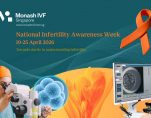
SINGAPORE – Media OutReach Newswire – 19 April 2026 – In conjunction with National Infertility Awareness Week (19–25 April 2026), Monash IVF Singapore, alongside partners like Fertility Support Singapore, is shifting the spotlight to a long-overlooked narrative: male factor infertility.
Monash IVF Singapore National Infertility Awareness Week
While fertility discussions often centre on women, statistics show that male factors contribute to approximately 50% of all infertility cases. Male factor infertility can arise from a range of factors, including low sperm count, reduced sperm motility, abnormal sperm morphology, hormonal imbalances, genetic conditions, or underlying medical issues. Lifestyle factors such as smoking, alcohol consumption, stress, and environmental exposures may also affect sperm quality over time.
Despite its prevalence, male factor infertility is often less discussed in Singapore, which can lead to delays in assessment and treatment. Early evaluation, including semen analysis and medical consultation, can help identify potential concerns and guide appropriate next steps for couples.
To support greater awareness, Monash IVF is launching a series of digital educational content aimed at de-stigmatising male reproductive health and providing actionable insights for men to take charge of their fertility. These resources will cover common causes of male infertility, when to seek medical advice, and the types of assessments and treatment options available. By making this information more accessible, the clinic aims to encourage earlier evaluation and more open conversations about male factor infertility, both within relationships and in the wider community.
As Singapore’s demographic landscape evolves, Monash IVF Singapore is contributing to broader discussions on reproductive health. With the national Total Fertility Rate (TFR) reaching a record low of 0.87 in 2025, the need for comprehensive and patient-centred fertility care continues to grow.
Understanding Modern Fertility Challenges: Beyond Biological Factors
The decline in fertility is not merely a biological hurdle but a reflection of the intense pressures that Singaporeans face today. The “workplace rat race”, high-stress environments, and environmental factors have contributed to a trend of delayed parenthood. Many individuals are choosing to start families later due to career progression, financial considerations, and evolving life priorities. At the same time, age remains a key factor, as both egg and sperm quality may decline over time.
As such, these same pressures do not just delay parenthood; they also make it more difficult for individuals to pursue fertility treatments in Singapore. Managing appointments, coping with the physical and emotional demands of treatment, and balancing work responsibilities can become an added strain for many.
“Fertility is often treated as a private struggle, but it is a societal challenge,” says June Jonet, Marketing and Business Development Head of Monash IVF Singapore. “We are calling for greater understanding and support within the workplace. Employees undergoing fertility treatments or preservation need an environment that recognises the physical and emotional toll of this journey, rather than one that penalises them for it.”
Monash IVF’s Approach to Assisted Reproductive Care
Monash IVF Singapore’s clinical and laboratory team is led by Chief Embryologist Ng Pei Hui, supported by a team of senior embryologists and Fertility Specialists, including Dr Kelly Loi, Dr Suresh Nair, and Dr Yap Lip Kee.
The clinic applies a range of established assisted reproductive techniques to enhance success rates, tailored to individual clinical needs. These include:
Piezo-ICSI: A fertilisation method that uses a blunt needle with high-speed vibration to gently penetrate eggs and assist sperm injection. It may be considered in cases involving fragile oocytes or advanced maternal age.
IMSI: A technique that uses high-magnification imaging to support sperm selection, enabling embryologists to identify and avoid sperm with morphological abnormalities, such as vacuoles.
PICSI: A method of biological sperm selection using hyaluronic acid to help identify mature sperm with a lower likelihood of DNA damage.
Embryoscope+: A time-lapse imaging system that continuously monitors embryo development without disrupting stable culture conditions, supporting the selection of embryos with strong developmental potential for transfer.
The Power of Planning: Fertility Preservation
Alongside treatment, Monash IVF Singapore highlights the importance of proactive planning. As more women and couples choose to delay parenthood, elective egg freezing (a form of fertility preservation) has become a vital tool. At the same time, early assessment of male factor infertility, including semen analysis, can identify potential concerns and help couples prepare more confidently.
“Even with the range of treatments available today, timing still matters,” says Chief Embryologist Ng Pei Hui. “Early consultation allows patients to better understand their options and make informed decisions.”
With infertility affecting approximately 1 in 6 individuals, it is now recognised as a relatively common medical condition rather than a rare exception. This is why at Monash IVF Singapore, fertility care is not only about addressing challenges as they arise but also about supporting early planning for both men and women. With options such as elective egg freezing, male fertility assessment, and fertility health checks, the clinic aims to help Singaporeans better understand their reproductive health and make informed decisions at different stages of their journey.
For more information about Monash IVF Singapore and what they do, visit their website. Hashtag: #MonashIVF #malefertility #mensfertility #reproductivehealth #fertilityawareness #menswellness
The issuer is solely responsible for the content of this announcement.
About Monash IVF Singapore
Monash IVF Singapore is part of the global Monash IVF Group, a pioneer in reproductive medicine since achieving the world’s first IVF pregnancy in 1973. We provide a full suite of fertility services, combining compassionate patient care with the latest scientific breakthroughs.
Singapore Gulf Bank has launched a USDC mint-and-redeem service on the Solana blockchain, opening a round-the-clock channel for corporate and high-net-worth clients to move between fiat currency and digital dollars directly from their bank accounts as it pushes deeper into cross-border payments and treasury services. The bank said the product is designed to bypass delays tied to correspondent banking and standard settlement windows, offering near-instant conversion and […]
AD Ports Group says it has kept operations running normally through the Gulf supply chain disruption that began at the end of February, using its integrated network to reroute cargo across land, rail, sea and air as traffic through the Strait of Hormuz remained severely constrained. The Abu Dhabi-based operator said on April 16 that it had shifted volumes through Fujairah Terminals and Khor Fakkan Port, activated […]
Alarm over the Strait of Hormuz is spilling far beyond the Gulf, sharpening attention on the Malacca Strait near Singapore as traders, shipowners and Asian governments weigh what a prolonged disruption in West Asian energy flows could mean for the region’s busiest maritime corridor. The immediate military confrontation is centred on Hormuz, where Iran has tightened restrictions and the United States has imposed a blockade on Iranian […]
UBS has lost senior wealth banker Lionel Yoong from its Singapore-based Indonesia coverage team, marking another departure from a franchise that has already seen several exits tied to the market since the start of last year. The move comes as the Swiss bank continues to reshape parts of its Asian private banking business following its takeover of Credit Suisse and while it pushes expansion in other wealth centres, including Hong Kong.
Yoong had been one of the named leaders on UBS Global Wealth Management’s Indonesia market structure unveiled after the Credit Suisse integration. In that 2023 reorganisation, Conrad Huber was appointed head of Global Wealth Management Indonesia and Japan International, with Lionel Yoong listed among the Indonesia market team leaders. That structure reflected how central the Indonesia book had become to UBS’s Southeast Asia wealth ambitions, particularly from Singapore, a long-established hub for serving affluent Indonesian clients offshore.
The latest exit follows earlier turnover in the same coverage area. Industry publication Hubbis reported in July 2025 that two Singapore-based bankers focused on Indonesia, Lionel Poh and Edy Panggabean, were set to leave UBS Global Wealth Management, describing the departures as part of ongoing restructuring within the Indonesian market team. That report said UBS declined to comment at the time and noted that both bankers specialised in the Indonesia market, underscoring how staff churn has persisted well after the initial merger phase.
Additional reporting circulating on Friday indicated that Yoong was the third market head for Indonesia to leave UBS since the beginning of last year. While Bloomberg’s full report was not accessible through the browsing tool, that detail appeared consistently in syndicated summaries of the story, aligning with the pattern already visible from prior trade reporting on the unit. The broad direction is clear even if some specifics around internal timing remain private: UBS is still contending with personnel changes in a business line that sits at the intersection of Southeast Asian entrepreneurial wealth and Singapore’s offshore private banking market.
That matters because Indonesia has long been one of the more attractive yet more delicate pools of wealth in the region. Reuters Breakingviews wrote in 2023 that Credit Suisse had been particularly strong in Indonesia and neighbouring countries before the rescue takeover by UBS. Reuters also reported that Southeast Asia was among the regions where UBS and Credit Suisse had some of their greatest overlaps in wealth management and investment banking after the emergency deal in March 2023. Those overlaps made departures and selective restructuring all but inevitable as UBS sought to fold rival teams, cut duplication and keep high-value client relationships intact.
UBS’s challenge is not simply to stop people leaving. It is to do so while preserving momentum in an Asian wealth market that remains strategically important to the group. Chief executive Sergio Ermotti said in March 2024 that UBS planned to increase assets sourced from clients in Asia by 20% over five to six years, highlighting wealth and asset management as a core pillar of growth. That ambition helps explain why departures from specialised country teams are watched closely by rivals and recruiters: in private banking, senior relationship managers often carry client loyalty, local networks and revenue visibility that are not easily replaced.
At the same time, UBS has signalled that it is willing to invest where it sees stronger near-term return. Bloomberg reported in February that the bank planned to hire about 50 bankers for its Hong Kong wealth business after record revenue in North Asia, with a greater focus on high-net-worth clients. That hiring drive suggests the group is not retreating from Asian wealth management as a whole. Rather, it appears to be recalibrating where resources are deployed, even as parts of Southeast Asia continue to absorb the after-effects of the Credit Suisse acquisition.
There is also a broader industry angle. Asian Private Banker wrote this month that the region’s private banking sector saw a spike in exits over the past month as hiring slowed in March, a reminder that movement among senior bankers is not confined to UBS. Still, turnover draws sharper scrutiny when it affects a market as valuable as Indonesia, where wealthy entrepreneurial families often require cross-border booking, succession planning and sophisticated capital-markets access. Singapore remains a key booking centre for that business, so departures there can reverberate beyond one desk or one reporting line.
Flow Capital Partners is preparing to place a $150 million private credit fund on a blockchain-based platform in Singapore by the end of April, a move that pushes Asia’s fast-growing private lending market deeper into digital distribution and tests whether tokenised fund structures can broaden access without diluting regulatory controls. The plan places the Hong Kong-based manager among a small group of firms in the region using […]
Arabian Post Staff -Dubai Dubai has moved to protect its standing as a fast-rising hedge fund centre by giving financial firms more room to handle disruption linked to the Iran war, as market volatility, staffing strains and geopolitical risk test one of the emirate’s most carefully cultivated growth stories. The Dubai Financial Services Authority said on 9 April it would offer temporary, proportionate relief across licensing, governance, […]
South Korea is drawing a new wave of travellers who no longer see beauty as a shopping category alone but as a reason to travel. What began with online demand for Korean serums, masks and sunscreens has widened into a tourism stream built around dermatology appointments, skin clinics, make-up studios, scalp care, wellness packages and cosmetic procedures, with Seoul at its centre. Official data show the country’s tourism and medical visitor numbers have climbed sharply, giving stronger backing to the idea that beauty has become one of South Korea’s most marketable travel experiences.
The scale of that shift is visible in the medical figures. South Korea’s health authorities said 606,000 foreign patients visited in 2023, the highest number recorded since the country began tracking the sector in 2009. By 2024, the official Medical Korea platform put the figure at about 1.17 million foreign patients from 202 countries, while Seoul alone accounted for 999,642 of them, or about 85 per cent of the national total. The concentration in the capital is striking: Gangnam, Seocho, Mapo, Jung and Songpa handled the overwhelming bulk of these visits, confirming that beauty tourism is being shaped by a handful of highly specialised urban clusters rather than by the country as a whole.
Dermatology has emerged as the clearest entry point. Health ministry data for 2023 showed dermatology attracting the largest share of foreign patients, ahead of plastic surgery, and industry reporting through 2025 indicated skin treatments were outpacing more invasive procedures among international visitors. That matters because it widens the customer base. Travellers who might hesitate over surgery are more willing to book laser treatments, pigmentation care, lifting procedures, injectables or intensive facials during a short stay. The result is a form of tourism that overlaps with shopping and leisure rather than replacing them, making beauty visits easier to package into ordinary city breaks.
Government and tourism bodies have not treated this as a side trend. The Korea Tourism Organization has already built beauty directly into destination marketing through programmes such as the Korea Beauty Festival, which offers overseas visitors discounts and experiences across hair, make-up, fashion, medical treatment and wellbeing. Seoul authorities have also expanded the infrastructure around foreign patients, pointing to a jump in registered international medical centres and greater use of interpreter coordinators to help overseas visitors navigate consultations and aftercare. That kind of support helps explain why South Korea’s beauty appeal now rests not just on trendsetting products but on the ease of consuming beauty services inside a highly organised visitor ecosystem.
Another force behind the surge is the spread of Korean popular culture. K-pop, drama and celebrity social media have long influenced global beauty standards, but the commercial effect is now spilling into travel. Reuters reported on Thursday that South Korea logged an all-time monthly tourism high of 2.06 million foreign visitors in March, with first-quarter arrivals reaching 4.76 million. That growth was linked chiefly to cultural pull, including the return of BTS activity and wider interest in Korean entertainment. Beauty tourism benefits from the same soft-power halo: audiences who first encounter Korean looks through idols, actors or influencers are increasingly seeking the clinics, salons and skincare routines associated with them.
Commerce tells the same story. Reuters reported last year that South Korea overtook France as the largest cosmetics exporter to the United States in 2024, underlining how deeply Korean brands have penetrated daily routines abroad. Official trade ministry material later said cosmetics exports reached a record $10.2 billion in 2024 and were still climbing in 2025, while other official data cited in January put 2025 exports at an all-time high of $11.43 billion. Those sales matter because they function as marketing for the destination itself. Consumers who begin with Beauty of Joseon, Medicube, Biodance or similar brands often move from product loyalty to place loyalty, treating Seoul as the authentic site where innovation, testing and experience come together.
Yet the boom is not without friction. South Korea ended its VAT refund scheme for foreign cosmetic and dermatological procedures from January 2026 after allowing the incentive to run for about a decade. Industry groups warned that the move could dent price competitiveness and push more cost-sensitive travellers towards rivals such as Singapore or other regional markets. Some clinics, however, argued that the refund had become less decisive than reputation, safety and trust, especially for visitors worried about counterfeit products, opaque pricing or weaker specialist ecosystems elsewhere. That debate goes to the heart of South Korea’s position: whether it is winning mainly on affordability or on brand, quality and concentration of expertise.
Singapore has rejected a pair of United States trade investigations that question its manufacturing profile and its enforcement against goods linked to forced labour, arguing that Washington’s claims do not fit the data and risk distorting a long-established commercial relationship between the two economies. The pushback, filed with the Office of the United States Trade Representative, has now been reinforced by Singapore’s business community, which says the city-state’s export performance is tied to demand, capital intensity and supply-chain positioning rather than state-backed excess capacity or weak labour controls.
The dispute sits inside a broader U. S. tariff reset. In March, the USTR opened Section 301 investigations into structural excess capacity in manufacturing across 16 economies, including Singapore, and launched another set of probes into whether about 60 economies have failed to prohibit or effectively enforce bans on imports made with forced labour. Reuters reported that the Trump administration moved down this route after a Supreme Court ruling in February struck at the legal basis of a large part of its earlier tariff framework, prompting Washington to search for narrower but still forceful trade instruments. USTR said comments were due by April 15, with hearings on forced labour beginning on April 28 and on overcapacity from May 5.
Singapore’s central argument is that the U. S. portrayal of the bilateral trade balance is flawed. In its submission, the Ministry of Trade and Industry said the United States has run a consistent overall trade surplus with Singapore for more than two decades. Data cited by Singapore from U. S. agencies show America posted a goods trade surplus of US$1.9 billion and a services trade surplus of US$25.1 billion with Singapore in 2024, with those surpluses rising in 2025 to US$3.6 billion and US$29.6 billion respectively. Singapore also said the U. S. recorded sectoral surpluses in semiconductors and electrical equipment as well as petrochemicals, undercutting the suggestion that exports from Singapore into the American market are being fuelled by a broad pattern of manufacturing distortion.
That matters because Washington’s overcapacity inquiry is built around the idea that some trading partners maintain large or persistent surpluses, idle production or both, allowing them to push artificially cheap goods into world markets. Singapore’s reply does not deny that the U. S. is entitled to examine trade imbalances, but it says its own industrial base does not fit that template. Officials pointed to manufacturing-space occupancy holding around 90 per cent over the past five years, which they said is consistent with advanced-economy norms and inconsistent with the claim of large underused capacity. Singapore further argued that, given land scarcity, it would run against policy and economic logic for industrial land to be left substantially idle.
On the labour side, Singapore’s response is equally direct. The government said it does not condone forced labour in supply chains and has legal and enforcement mechanisms to address such practices. Channel NewsAsia reported that Singapore told U. S. investigators it has a comprehensive domestic framework against forced labour and against the importation of goods produced through it. That is an important distinction, because the U. S. probe is not confined to labour abuses inside a country’s own factories; it is also examining whether governments adequately prevent tainted goods from entering their markets and then moving through global trade channels.
The business implications extend beyond Singapore. The U. S. investigations cover major manufacturing and export economies across Asia and Europe, and any eventual remedies could include new duties or other restrictions before temporary tariffs expire in July, according to Reuters and trade-law analyses tracking the dockets. For companies, that raises the prospect of higher compliance costs, closer supply-chain screening and a wider blending of trade policy with labour-rights enforcement. Singapore’s case is being watched because it is a high-value manufacturing and logistics hub with deep exposure to electronics, pharmaceuticals, petrochemicals and re-export trade, sectors where even modest tariff changes can alter sourcing decisions.
Politically, the row is awkward for both sides. Singapore is not only a long-standing U. S. economic partner; its free-trade agreement with Washington remains America’s only such pact with a South-east Asian trading partner. Singapore has said bilateral trade and investment support around 350,000 jobs in the United States, while its direct investment stock there reached US$71.7 billion in 2025. That does not shield it from a more aggressive U. S. trade climate, but it does give Singapore a stronger basis than many others to argue that the relationship is balanced, rules-based and mutually beneficial.
Bain Capital has opened an office in Abu Dhabi Global Market, expanding its Middle East presence as the private investment firm seeks closer ties with regional investors, broader support for portfolio companies and a stronger position in sectors that match Abu Dhabi’s economic agenda. The firm said the new base will focus on aviation, healthcare, digital infrastructure and financial technology, and will serve as a regional hub […]
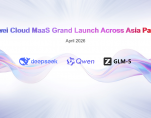
JAKARTA, INDONESIA – Media OutReach Newswire – 15 April 2026 – Huawei Cloud AI Boost Day, themed “Agentic AI Practice”, was successfully held in Jakarta. At the event, Huawei Cloud announced the official launch of its MaaS service in Asia Pacific.
Huawei Cloud MaaS grand launch across Asia Pacific
Following the rollout of AI Compute Service in Hong Kong (China), Thailand, Indonesia, and Singapore in 2025, Huawei Cloud MaaS (Model-as-a-Service) is now available, leveraging Huawei’s in-house acceleration engine to support mainstream models and provide customers with stable and high-quality token services.
Huawei Cloud continues to strengthen its collaboration with high-quality open-source models in the industry. Six models from three categories—GLM, DeepSeek, and Qwen—are the first to be supported by MaaS. These models are designed for two major application scenarios: intelligent Q&A and AI coding. They offer one-click access and out-of-the-box model hosting services, covering the entire lifecycle of model management from deployment to inference, fine-tuning, and evaluation. With elastic compute and pay-per-use billing, enterprises and developers can quickly integrate AI capabilities into their service systems without having to worry about the underlying infrastructure. This makes AI accessible to everyone.
Notably, this release includes support for the latest GLM-5 model. GLM-5 has attained state-of-the-art (SOTA) performance in coding and agent capabilities, making it an ideal general-purpose agent foundation for complex system engineering and long-text agent tasks in enterprise environments.
Huawei Cloud’s long-term strategic investment in AI has resulted in a comprehensive suite of AI solutions, including CloudMatrix AI Infra, MaaS, ModelArts (a model training and inference platform), CodeArts (a coding agent), AgentArts (an agent platform), and DataArts (a data agent).
CodeArts and AgentArts will be launched outside the Chinese mainland in the second half of 2026.
Huawei Cloud has established an optimized cloud infrastructure network in the Asia Pacific region. This network comprises five Regions and 18 availability zones (AZs) located in Singapore, Thailand, Hong Kong (China), Indonesia, and the Philippines, ensuring a 50 ms access latency. Additionally, in Malaysia, Huawei Cloud and partners have jointly built a local cloud.
Huawei Cloud AI Compute Service have helped many Asia Pacific customers elevate their cloud journey from simply migrating to the cloud to using AI well. They have benefited from improved productivity and better adaptation to changing environments.
iFLYTEK, a leading intelligent voice and AI company, selected Singapore as the first destination for its global expansion strategy in 2023, naturally extending its collaboration with Huawei Cloud from China to a global scale. Huawei Cloud AI Compute Service helped iFLYTEK quickly deploy their large language model training resources within two weeks. The training remained stable for 60 days without interruption, ensuring zero faults during the release of major versions.
In Vietnam, Green and Smart Mobility (GSM), an emerging green mobility platform, migrated its core operations platform to Huawei Cloud to reduce costs, enhance efficiency, and achieve multi-cloud flexibility. GSM has developed a comprehensive fleet management platform using AI and IoT. By utilizing Huawei Cloud IoTDA and ModelArts AI technologies, GSM analyzes violations and generates risk alerts to ensure driver and passenger safety, thereby fulfilling its mission of promoting green and safe transportation.
Huawei Cloud will continue to invest in AI innovation and provide a secure, stable, and intelligent cloud foundation to help enterprises in Asia Pacific achieve sustainable business growth in the AI era.
The issuer is solely responsible for the content of this announcement.
About Huawei
Founded in 1987, Huawei is a leading global provider of information and communications technology (ICT) infrastructure and smart devices. We have 207,000 employees and we operate in more than 170 countries and regions, serving more than three billion people around the world.
Our vision and mission is to bring digital to every person, home and organisation for a fully connected, intelligent world. To this end, we will work towards ubiquitous connectivity and inclusive network access, laying the foundation for an intelligent world; providing diversified computing power where you need it, when you need it, to bring cloud and intelligence to all four corners of the earth; build digital platforms to help all industries and organisations become more agile, efficient, and dynamic; and redefine user experience with AI, making it smarter and more personalised for people in all aspects of their life, whether they’re at home, on the go, in the office, having fun, or working out. For more information, please visit Huawei online at www.huawei.com
SINGAPORE – Media OutReach Newswire – 16 April 2026 – EduCareerSG has enhanced its Experiential Career Accelerator (ECA) programme through the integration of AI-enabled monitoring and support tools designed to strengthen trainees’ emotional readiness as they transition into the workforce.
The integration reflects EduCareerSG’s long-held belief that emotional management is not separate from employability, but a critical component of it. By embedding AI capabilities into its existing systems and modules, EduCareerSG is able to detect potential stress signals earlier, enabling faster intervention and more personalised support from its human welfare team.
“Technical skills and qualifications may get someone through the door, but emotional management determines whether they stay, grow, and cope when things get difficult,” said Mike Teo, Founder of EduCareerSG. “We have seen trainees who are capable on paper, but overwhelmed in practice. By integrating AI into our system, we are able to spot early warning signs and intervene sooner. Career readiness isn’t just about competence, it’s about resilience.”
Through structured weekly check-ins and ongoing engagement within the ECA ecosystem, the system helps surface early signs of workplace stress, adjustment challenges, or emotional strain commonly faced by young people entering live work environments. When potential concerns are identified, alerts are routed to EduCareerSG’s welfare team, where trained staff step in to provide direct guidance and counselling support.
Importantly, the AI functions as an assistive layer rather than a replacement for human oversight. The organisation maintains a human-first approach, with welfare officers taking over whenever emotional risk indicators arise.
The enhancement comes at a time when employers increasingly expect “day-one productivity”, while many young workers struggle with the emotional realities of adapting from classroom settings to workplace environments.
Recent Singapore reports have highlighted rising stress levels among employees and early-career professionals, alongside broader conversations around resilience and sustainable employability. Against this backdrop, EduCareerSG’s approach seeks to address not only skills gaps, but the emotional preparedness required to sustain performance in real-world settings.
Initially implemented within EduCareerSG’s ECA trainees in Singapore, the enhanced system forms part of a broader roadmap to continually upgrade the organisation’s training, welfare, and productivity frameworks. EduCareerSG will review performance and feedback over the coming months before assessing potential regional expansion.
By combining sponsored academic pathways, structured workplace immersion, and technology-enabled emotional support, EduCareerSG continues to refine a holistic workforce preparation model, one that recognises productivity, wellbeing, and long-term employability as interconnected pillars of success. Hashtag: #EduCareerSG
The issuer is solely responsible for the content of this announcement.
About EduCareerSG
EduCareerSG is a Singapore-based career development organisation that bridges the gap between academic qualifications and real-world employability through its Experiential Career Accelerator (ECA) programme. By combining sponsored education pathways, structured workplace traineeships, soft skills development, and continuous welfare support, EduCareerSG prepares trainees to enter the workforce with practical experience and professional resilience. Learn more at https://educareersg.com/
Arabian Post Staff -Dubai Marine fuel sales at Fujairah fell to a record low in March as the US-Iran conflict upended shipping patterns, strained fuel supply chains and pushed vessels to avoid one of the Gulf’s most important refuelling hubs. Data cited by traders and market reports showed sales at the port dropped to 158,852 cubic metres, down more than 70 per cent from February and from […]
HANOI, VIETNAM – Media OutReach Newswire – 15 April 2026 – VinUniversity (VinUni) has announced the launch of its Global Academic Recruitment Tour 2026, an initiative spanning 10 countries and designed to engage outstanding scholars across key academic centres worldwide. As part of this effort, the University introduces the VinUniversity Assistant Professorships (VAP), offering substantial research support of up to USD 1 million for early-career academics in selected fields.
VinUni is offering substantial research support of up to USD 1 million for early-career academics in selected fields.
The tour, taking place from April to August, will include visits to major academic hubs in the United Kingdom, the United States, Europe, Japan, South Korea and South East Asia. Through a series of academic exchanges, faculty dialogues, and participation in leading international conferences—including IEEE International Conference on Acoustics, Speech, and Signal Processing (IEEE); the Conference on Computer Vision and Pattern Recognition (CVPR), the International Conference on Machine Learning (ICML); The 17th Asian Conference on Arts & Humanities (ACAH); and The Annual Meeting of the Academy of Management (AOM). VinUni seeks to foster meaningful engagement with scholars working at the forefront of research, particularly in artificial intelligence and emerging technologies.
This initiative reflects VinUni’s evolving approach to academic recruitment, characterised by sustained international engagement and an emphasis on scholarly collaboration. The University aims to attract individuals of high academic distinction who are committed not only to advancing disciplinary knowledge, but also to contributing to the broader societal application of research.
Central to this effort is the VinUniversity Assistant Professorships (VAP), established to support exceptional early-career scholars. The programme provides a comprehensive academic environment, including significant research funding, access to dedicated laboratory space, and advanced research infrastructure. Scholars are further supported through institutional mechanisms for research development, grant acquisition, and academic administration.
In addition to internal resources, VAP appointees may pursue competitive funding opportunities through established national and international channels, including the Vingroup Innovation Foundation and the National Foundation for Science and Technology Development (NAFOSTED), thereby enabling the sustained growth and international visibility of their research programmes.
Professor Ling San, Senior Deputy President of VinUniversity, noted: “The VinUniversity Assistant Professorships program is designed to attract exceptional early-career scholars who want to do more than follow traditional academic pathways. With up to $1M in research funding, dedicated lab support, and strong industry partnerships, VinUni provides the conditions for scholars—particularly in AI and emerging technologies—to move quickly from ideas to real-world impact.
What makes VinUni distinctive is the rare opportunity to help build a world-class university in a rapidly evolving economy. For many scholars, this is not just a career move, but a chance to shape the future of research and innovation in a new global hub.”
Established as Vietnam’s first private, not-for-profit university founded on international standards, VinUni has developed strategic partnerships with leading global institutions, including Cornell University, the University of Pennsylvania, and Nanyang Technological University (Singapore). These collaborations contribute to the University’s academic development and its integration within the international higher education landscape.
Supported by Vingroup, VinUni operates within a broader ecosystem that connects academic inquiry with industry and innovation. This environment offers faculty the opportunity to extend the reach of their research beyond the academy and engage with questions of practical and societal significance.
Through the Global Academic Recruitment Tour 2026, VinUni affirms its commitment to academic excellence and international engagement, and extends an invitation to scholars who seek to contribute to the advancement of knowledge within a dynamic and globally connected setting.
Hashtag: #VinUniversity
The issuer is solely responsible for the content of this announcement.
Regulatory milestone paves the way for launch of Aspire Yield, enabling businesses to earn attractive returns on idle cash balances
HONG KONG SAR – Media OutReach Newswire – 15 April 2026 – Aspire, the finance stack for global founders, today announced that its subsidiary, AFT HK Treasury Limited, has been granted Type 1 (dealing in securities), Type 4 (advising on securities), and Type 9 (asset management) licences by the Securities and Futures Commission (SFC) of Hong Kong.
The licence marks a significant milestone in the company’s expansion of financial services in Hong Kong, paving the way for the upcoming launch of Aspire Yield, an investment product designed to help businesses earn returns on their idle cash. Specifically, businesses in Hong Kong will be able to:
Maximise returns – Earn yield on idle multi-currency balances through investments in highly rated, professional-grade money market funds.
Maintain liquidity – Access funds without the rigid lock-up periods typically associated with traditional fixed deposits.
Zero barriers to entry – With no minimum investment requirements, businesses can start with any amount.
Aspire Yield was first introduced in Singapore in August 2025 and has since added more than US $5 million in AUM each week.
“This licence allows us to tackle long-standing treasury challenges where competitive investment options have often been out of reach for smaller businesses, requiring large minimum balances, manual cash management, and complex banking relationships that typically favour larger corporations,” said Andrea Baronchelli, co-founder and CEO of Aspire. “Businesses need their capital to work harder, but they also need immediate access when opportunities or challenges arise – we want to make every dollar more productive.”
Hong Kong has quickly emerged as one of Aspire’s fastest-growing markets. Over the past year, the company has recorded 3.3X growth in the city, driven by strong adoption among startups and digitally native businesses operating across multiple markets.
The issuer is solely responsible for the content of this announcement.
About Aspire
Aspire is the all-in-one finance platform for modern businesses globally, which has helped over 50,000 companies save time and money with international payments, treasury, expense, payable, and receivable management solutions – accessible via a single, user-friendly account. Headquartered in Singapore, Aspire has 600+ employees across nine countries, clients in 30+ markets, and is backed by global top-tier VCs, including Sequoia, Lightspeed, Y-Combinator, Tencent, and PayPal.
Singapore leads the region in maturity but faces critical scaling bottlenecks.
SINGAPORE – Media OutReach Newswire – 15 April 2026 – ST Telemedia Global Data Centres (STT GDC), one of the world’s fastest-growing data centre colocation service providers headquartered in Singapore, today announced the findings of a new regional research study, Mind the Gap: Bridging the AI Infrastructure Readiness Divide, examining how organisations across Asia are progressing from AI ambition to execution. Commissioned by STT GDC with research partner Ecosystm, the study surveyed more than 600 enterprise and digital-native leaders across nine Asian markets: India, Indonesia, Japan, Malaysia, the Philippines, Singapore, South Korea, Thailand and Vietnam.
High adoption, limited readiness across Asia
The report reveals that AI ambition across Asia is high, with nearly 90% of organisations having embarked on their AI journeys. However, a significant 71% remain in the “Builder” stage of maturity, where initial AI pilots struggle to scale into production environments capable of delivering consistent and measurable return on investment (ROI). In contrast, only 17% of organisations are considered “future ready”, having invested in scalable infrastructure, mature data governance and specialised operational expertise, highlighting a widening readiness gap across the region.
Challenges faced by the Builders
Across Asia, the research identifies a reinforcing cycle that keeps many organisations stuck in pilot mode. AI initiatives are often launched on infrastructure that cannot scale to production, limiting their ability to demonstrate measurable ROI and making it harder to justify further investment in purpose-built, high-density environments. This challenge is compounded by gaps in in-house expertise, with many organisations lacking the specialist operational skills required to manage increasingly complex AI infrastructure at scale.
“Across Asia, organisations are moving quickly from experimentation to implementation, but many are discovering that AI success now depends less on training models and more on foundations,” said Chris Street, Group Chief Revenue Officer of ST Telemedia Global Data Centres. “Without scalable infrastructure and operational readiness in place, it becomes difficult to convert early AI ambition into consistent business value.”
The Sustainability Blind Spot
Despite rising energy and cooling demands driven by AI workloads, sustainability considerations remain secondary for most organisations when evaluating infrastructure options. Although 27% of organisations say ESG goals will actively shape or be central to their future plans, 64% of organisations across Asia continue to prioritise performance or cost, even as power density, thermal efficiency and long‑term total cost of ownership become increasingly critical factors in scaling AI responsibly.
A disconnect between what organisations want and what they need
The study also highlights a persistent disconnect between how organisations evaluate infrastructure partners and the capabilities they actually need to scale AI. Across Asia, organisations continue to prioritise baseline requirements like security and reliability, despite identifying operational expertise, scalability and cost efficiency as their most significant challenges.
Singapore: ahead of the region, but facing a new constraint
These challenges are visible across the region, but they manifest differently in more mature markets. Singapore stands out against the regional baseline with a significantly larger share of organisations having progressed beyond early-stage pilots. While only 17% of organisations across Asia are considered future‑ready, 40% of Singapore organisations have reached the Integrator stage, reflecting stronger early execution and deployment capability.
However, the study also finds that the final step to leadership remains the most difficult. Only 3% of Singapore organisations have reached the “Leader” stage of AI infrastructure maturity, signalling that even in Asia’s most mature AI market, the transition from integration to full leadership remains difficult.
Scaling, not adoption, is now the key challenge
In Singapore, where adoption is more advanced, the constraints have shifted. Limited infrastructure headroom, shortages in specialised operational expertise and continued investment discipline are now emerging as the primary barriers to scaling AI workloads and sustaining leadership.
“For Singapore, AI adoption is relatively mature; the defining challenge now is scaling deployments fast enough to support real‑world demand,” said Mingcheng Lim, Country Head – Singapore, ST Telemedia Global Data Centres. “Whether the country can maintain its lead in the region will depend on whether infrastructure capacity, specialist expertise and investment approaches can evolve at the same pace as AI workloads.”
Sustainability awareness has yet to shape infrastructure choices
In Singapore, regulatory expectations have driven relatively high awareness of sustainability issues. However, sustainability continues to rank among the lowest priorities when organisations evaluate infrastructure providers, highlighting a gap between awareness and action, even as power density, thermal efficiency and long‑term cost efficiency become increasingly important to scaling AI responsibly.
The mismatch between wants and needs persists
As with the wider region, Singapore organisations continue to evaluate infrastructure providers based on familiar baseline criteria, even as their scaling challenges point to a growing need for specialist expertise, speed to scale and sustainable, high‑density infrastructure capability.
These findings suggest that Asia’s next phase of AI progress will be defined not by ambition alone, but by execution capability. For Singapore, sustaining regional leadership will depend on infrastructure strategies that support scale, resilience and speed, enabling organisations to convert early AI momentum into enduring competitive advantage.
The issuer is solely responsible for the content of this announcement.
About ST Telemedia Global Data Centres
ST Telemedia Global Data Centres (STT GDC) is one of the fastest-growing data centre providers with a global platform serving as a cornerstone of the digital ecosystem that helps the world to connect. Powering a sustainable digital future, STT GDC operates across Singapore, the UK, Germany, India, Italy, Thailand, South Korea, Indonesia, Japan, the Philippines, Malaysia and Vietnam, providing businesses an exceptional foundation that is built for their growth anywhere. For more information, visithttps://www.sttelemediagdc.com/.
SINGAPORE – Media OutReach Newswire – 15 April 2026 – The first 30 days of university can shape everything that follows, from academic confidence and friendships to a student’s overall sense of belonging. Recognising this pivotal transition, SIM Global Education (SIM GE) has introduced a “First 30 Days” guide designed to help new students settle in quickly, build strong habits, and make the most of their university experience from day one.
Starting university is an exciting milestone, but it also comes with new expectations, from independent learning to navigating a new social environment. With early access to academic support, peer networks and wellbeing resources, SIM GE aims to ensure that students do not have to navigate this transition alone.
A “First 30 Days” Guide for New Students
To help students hit the ground running, the guide focuses on four key pillars: administration, academics, community and wellbeing, offering a clear roadmap for a confident and well-rounded start to university life.
Getting setup from Day One
The first week is all about laying the groundwork. Students are encouraged to attend orientation, activate essential academic systems and familiarise themselves with campus resources that will support their journey ahead. For international students arriving in Singapore, SIM GE provides dedicated onboarding through its International Student Office (ISO). From pre-departure preparation and Student’s Pass guidance to accommodation support and buddy programmes, students are guided every step of the way. Welcome receptions and orientation activities also offer early opportunities to build connections, helping students feel at home even before classes begin.
Establishing academic habits early
As classes begin, students quickly discover that understanding expectations early can make all the difference. The guide encourages students to review module outlines, plan ahead for assessments and actively seek support when needed. SIM GE offers a range of academic resources, including workshops and consultations focused on writing, research, presentations and effective study strategies. These resources are designed not just to support learning, but to help students develop the confidence and skills needed to thrive in a university environment.
Finding community beyond the classroom
Unversity life extends far beyond lectures. In their first month, students are encouraged to explore co-curricular activities (CCAs), student clubs and peer networks that enrich their overall experience. Programmes such as student ambassador initiatives and peer mentoring provide valuable opportunities for students to learn from seniors, gain practical insights and form meaningful friendships. By getting involved early, students can build a strong sense of belonging and become part of a vibrant campus community.
Prioritising wellbeing during the transition
Adjusting to university life can be both exciting and challenging. Recognising this, SIM GE places strong emphasis on student wellbeing, providing access to counselling and wellness services that support mental health and personal development. These services help students manage academic pressures, build resilience and maintain balance, ensuring they are well equipped to navigate both the highs and challenges of university life.
Supporting students every step of the way
SIM Global Education believes that a strong start can make a lasting difference. By encouraging students to actively engage with academic resources, peer support and wellbeing services from the outset, the institution aims to create an environment where students can grow with confidence, both academically and personally.
The issuer is solely responsible for the content of this announcement.
About SIM Global Education
SIM Global Education (SIM GE) is a leading private education institution in Singapore and the region. We offer more than 140 academic programmes ranging from diplomas and graduate diploma programmes to bachelor’s and master’s degree programmes with some of the world’s most reputable universities from Australia, Canada, Europe, United Kingdom, and the United States. SIM GE’s cohort is made up of 17,000 full- and part-time students and adult learners, of which approximately 41% are international students hailing from over 50 countries.
SIM GE’s holistic learning approach and culturally diverse learning environment aim to equip students with knowledge, industry skills and employability competencies, as well as a global perspective to succeed as future leaders in a fast-changing, technologically driven world.
For more information on SIM Global Education, visit www.sim.edu.sg.
Hongkong Land and Gammon Construction introduce CarbonCure’s CO₂ mineralisation technology in Tomorrow’s CENTRAL project, a first for Hong Kong.
Injecting captured CO₂ into concrete reduces cement use by up to 7%.
Supporting Hongkong Land’s goal of cutting Scope 3 carbon intensity 22% by 2030, positioning Tomorrow’s CENTRAL as a sustainability leader.
Buildings Department approval of the CarbonCure concrete mix sets the stage for wider industry adoption.
HONG KONG SAR – Media OutReach Newswire – 14 April 2026 – Hongkong Land and Gammon Construction have partnered to introduce CarbonCure to Hong Kong. Through this strategic collaboration, the companies are deploying the patented CO₂ mineralisation technology in Tomorrow’s CENTRAL project, marking its first use in Hong Kong. This alliance pioneers low-carbon building materials in the city and accelerates the wider industry’s transition.
(From left to right) Mr. Eddie Tse, Group Sustainability Manager, Gammon Construction; Ms. Ka Yan Chu, Assistant Technical Manager, Concrete Technology Services, Gammon Construction; Ms. Grace Lam, Senior Sustainability Manager, Hongko
Reducing cement‑related emissions without compromising performance
Embodied carbon accounted for 70% of Hongkong Land’s total carbon emissions in 2025, with industry research indicating that more than 80% of the embodied carbon in a typical new commercial building is associated with concrete, brick and steel. Cement production generates about 7% of global CO₂ emissions, more than three times that of civil aviation, making it a critical decarbonisation priority.
CarbonCure offers one of the most effective solutions, reducing cement content by 4–7% without compromising concrete quality or performance. The new technology injects captured CO₂ into fresh concrete during mixing, where it undergoes a chemical reaction to form a mineral, permanently trapping carbon within the material. When combined with a low-carbon concrete mix containing approximately 40% Ground Granulated Blast-Furnace Slag (GGBS), a 34% carbon emissions reduction is achieved compared to traditional non-green concrete.
Implementing this innovative technology supports Hongkong Land’s target of achieving a 22% reduction in Scope 3 carbon intensity by 2030. It also aligns with Tomorrow’s CENTRAL project’s sustainability objectives, including using 100% low carbon concrete, 100% green rebar, and 100% sustainable timber during construction, and to divert 75% of construction waste.
Tomorrow’s CENTRAL: a project with sustainability at its core
Tomorrow’s CENTRAL is Hongkong Land’s bold three-year plan to transform the LANDMARK retail portfolio. Announced in June 2024, the project is ambitious in its scope, encompassing extensive façade enhancements, retail renovations and office lift-lobby relocations From inception, sustainability has been the project’s guiding principle.
The CarbonCure concrete mix technology was deployed by Hongkong Land and Gammon in November 2025 after it was approved by the Buildings Department in September 2025 following a rigorous 18-month testing and preparation period.
Michael T. Smith, Group Chief Executive of Hongkong Land, said: “Sustainability is a key business priority for Hongkong Land. Using lower carbon concrete on Tomorrow’s CENTRAL helps to advance the goals of our Sustainability Framework 2030. As the first developer to apply this technology in Hong Kong’s premium commercial sector, we continue to demonstrate our commitment to innovation and encourage wider industry uptake.”
Eddie Tse, Group Sustainability Manager, Gammon Construction, said: “We are delighted to partner with Hongkong Land on Hong Kong’s first application of CarbonCure concrete. Their strong commitment to sustainability and openness to pioneering solutions have been instrumental in making this milestone possible. By permanently mineralising carbon within building materials and reducing cement use, lower carbon concrete represents a meaningful step forward in embodied‑carbon reduction. With this successful deployment, we look forward to extending similar innovations across the industry and collaborating with more clients to drive low‑carbon construction in Hong Kong.”
Hashtag: #HongkongLand
The issuer is solely responsible for the content of this announcement.
Hongkong Land
Hongkong Land is a major listed property development, investment and management group. It focuses on developing, owning and managing premium and ultra-premium mixed-use real estate in Asian gateway cities, featuring Grade A office, luxury retail, residential and hospitality products. With over US$50 billion in assets under management, Hongkong Land’s ultra-premium mixed-use real estate footprint spans over 1.97 million sq. m. lettable area in operation and 1.43 million sq. m. lettable area under development, with flagship mixed-use projects in Hong Kong, Singapore and Shanghai. Its properties hold industry leading green building certifications and attract the world’s foremost companies and luxury brands. Established in 1889, Hongkong Land takes a long-term view, investing significantly alongside its capital partners and concentrating its portfolio where it can create the most value for tenants, customers and investors. Hongkong Land Holdings Limited has a primary listing on the London Stock Exchange, with secondary listings in Singapore and Bermuda. Hongkong Land is a member of the Jardine Matheson Group.
Singapore’s crowded digital marketing sector has gained a new entrant after SEOExpert said it was launching with proprietary artificial intelligence tools and a results-only commercial pitch aimed at small and medium-sized enterprises, stepping into a market where agencies are increasingly selling automation, search visibility and measurable returns as core differentiators.
The company, which appears to have been incorporated in Singapore in March 2026 as SEOEXPERT PTE. LTD., is presenting itself as a performance-driven agency focused on SEO, paid advertising and social media marketing. Its public-facing claims centre on AI-assisted content publishing, competitor monitoring, campaign optimisation and lead qualification, alongside a “no long-term contracts” offer and a promise to be judged on outcomes rather than retainers alone. That message lands at a time when many smaller businesses are under pressure to justify every marketing dollar and are increasingly wary of vague promises around rankings and traffic.
The broader backdrop helps explain why such positioning may resonate. Singapore’s digital economy accounted for 18.6 per cent of gross domestic product in 2024, up from 14.9 per cent in 2019, according to the Infocomm Media Development Authority, while SME adoption of AI more than tripled in one year to 14.5 per cent in 2024. That expansion has widened the addressable market for agencies promising to help firms compete online, but it has also sharpened scrutiny of whether AI-branded services genuinely improve sales, lead quality and discoverability or merely repackage familiar tactics with new language.
SEOExpert is entering a field where established players already market many of the same ideas. Rival agencies in Singapore promote AI-assisted SEO, performance pricing, flexible contracts and proof-of-results case studies, while independent directories and agency marketplaces show a busy, fragmented sector serving everything from small retailers to larger regional brands. That means the newcomer is not inventing a category so much as trying to sharpen a proposition around trust, transparency and speed of execution. The challenge will be whether it can demonstrate that its systems produce durable gains rather than short bursts of visibility.
For SMEs, the appeal of a results-linked arrangement is obvious. Search marketing has long suffered from an information imbalance: agencies control the technical work, clients often lack the tools to assess quality, and outcomes can depend on shifting search algorithms, website health, content quality and competition in a given niche. In that environment, a promise that reduces fixed commitment can sound attractive, particularly for businesses that have previously paid monthly retainers without a clear link to revenue. Yet such offers also deserve careful reading. “Results” can mean rankings, clicks, leads or sales, and those metrics do not carry equal commercial value. A company can rise in search results without converting more customers.
The AI element also cuts both ways. Automation can help agencies monitor competitors, scale content operations and identify technical issues faster, which may lower delivery costs and shorten turnaround times. At the same time, search platforms and clients alike are becoming more alert to thin, repetitive or mechanically generated material. That raises the bar for agencies claiming proprietary tools. The real test is not whether software is involved, but whether the work improves relevance, authority and user experience in a way that survives algorithm changes and stricter expectations from search engines and AI-driven discovery platforms.
Another factor is credibility. Public records indicate the company is newly formed, which is not unusual for a startup agency but does mean prospective clients will have limited operating history to assess. Its website advertises more than 100 brands served and showcases commercial claims around measurable growth, though such statements are difficult to independently verify from public information alone. For buyers in Singapore’s SME segment, that typically shifts due diligence towards contract terms, reporting standards, client references, attribution methods and whether performance targets are clearly defined before money changes hands.
SINGAPORE – Media OutReach Newswire – 10 April 2026 – Modern beauty has a new enemy, and it’s right in our hands: the mobile phone. Endless scrolling keeps us hooked, but it also keeps our heads down. With content so addictive, one ends up spending hours slouching. So, all that main character power and energy vanish—replaced by slumping and hunching. Over time, posture slips, presence shrinks, and bold beauty follows. “Text neck” isn’t just a physical issue; it’s quietly changing how we carry ourselves.
LUX, the iconic global beauty brand, knows true radiance is about how you show up. That effortless “it girl” energy starts with posture. That’s why the brand is launching LUX Chin Up—a digital tool designed to tackle “Text Neck” and help women keep their heads high and their bold beauty even higher. It’s the perfect modern solution for the modern beauty problem.
“LUX always inspires women to boost their presence and own their beauty power,” said Gaurav Datta, Global Brand VP. “Our phones are amazing for self-expression, but there’s a catch. While they elevate our digital selves, they often shrink our real-world presence. That constant downward scroll quietly chips away at posture, poise, and bold beauty. With ‘Chin Up,’ we’re offering a simple way for women to realign, lift up, and step back into their power.”
LUX has a brilliantly simple, tech-forward solution. Forget complicated downloads or wearable tech. LUX Chin Up is a smart web page that taps into your phone’s own motion sensors. When used with the split-screen option, it stays on screen as a small tab, reminding you of the right angle to be maintained while you doomscroll.
The Sweet Spot: The tool encourages you to keep your screen at an optimal 90-degree angle.
The Gentle Nudge: If you start to slouch and the angle drops (and with it your head), the sensor detects it and the screen blinks, prompting you to raise your phone and go chin up.
The Reset: Straighten up, bring your phone back up and carry on scrolling with boldness.
LUX believes this can be an essential modern-day beauty ritual that extends beyond the shower to solve a modern-day problem. By habituating women to hold the right posture, LUX is naturally lifting their chins, opening their posture, and instantly restoring that vibrant, room-commanding presence. It’s a small shift that brings Main Character Beauty to life, on screen and off.
Make LUX Chin Up a habit, try it for a week and improve your posture. Visit lux.com/chinup
Hashtag: #LUXChinUp #LUX
The issuer is solely responsible for the content of this announcement.
About LUX
LUX has been celebrating beauty and femininity since 1925. We uphold beauty that doesn’t blend in. It’s bold, sassy, maximalist. We will continue to support efforts that will help women best express their Main Character Beauty.
About VML
VML is a leading creative company that combines brand experience, customer experience, and commerce, to create connected brands that drive growth. The agency is a leading global marketing and systems integration partner, specializing in creating innovative solutions for business transformation. VML is celebrated for its award-winning work with blue chip client partners including AstraZeneca, Colgate-Palmolive, Dell, Ford, Intel, Microsoft, Nestlé, The Coca-Cola Company, and Wendy’s. The agency is recognized by the Forrester Wave™ Reports, which name WPP a “Leader” in Commerce Services, Global Digital Experience Services, Global Marketing Services and, most recently, Marketing Measurement & Optimization. VML’s global network is powered by 28,000 talented people across 60-plus markets, with principal offices in Kansas City, New York, Detroit, London, São Paulo, Shanghai, Singapore, and Sydney.
Arabian Post Staff -Dubai Abu Dhabi will bring back its flagship infrastructure gathering in a larger format next month, with organisers casting the 12-14 May event as a platform to push smart, sustainable and people-centred urban development at a time when the emirate is moving ahead with one of the region’s biggest public project pipelines. The Abu Dhabi Infrastructure Summit, hosted by the Abu Dhabi Projects and […]








 https://www.huaweicloud.com
 https://www.linkedin.com/company/huaweicloudapac
 https://x.com/huaweicloudapac
 https://www.facebook.com/HuaweiCloudAPAC