News related to
Singapore

Amaris B. Clinic’s first-half 2026 enquiry figures show arm-related concerns accounted for 41.4% of all body-sculpting enquiries from women, with nearly half of those enquiries coming from women in their 40s. Medical director, Dr Ivan Puah links the trend to perimenopause, slowing metabolism and lifestyle pressures specific to Singapore.

SINGAPORE– Media OutReach Newswire – 17 August 2026 – Arm fat has become the single most common concern driving women to seek body-sculpting consultations in Singapore this year, according to internal enquiry data from Amaris B. Clinic, whose medical director, Dr Ivan Puah, is an MOH-accredited liposuction doctor.

Between January and June 2026, the clinic logged 406 face- and body-sculpting enquiries from women, of which 168 (41.4%) cited arm concerns, more than any other body area. Thirty-one women enquired about more than one area, so individual counts do not sum to the total.

The pattern is one Dr Puah says he sees consistently in practice: Arm fat that resists diet and exercise and that many patients report noticing as they enter their 40s.

Nearly Half of Arm-Concern Enquiries Come From Women in Their 40s

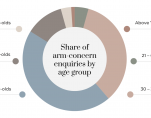
Among women who wrote in specifically about arm concerns, enquiries were heavily concentrated in mid-adulthood, an age range that overlaps with perimenopause for many women:

Share of arm-concern enquiries by age group Chart

Full Breakdown

Age group Percentage of arm-concern enquiries
21 –29 year-olds 4%
30 – 39 year-olds 32%
40 – 49 year-olds 42%
50 – 59 year-olds 11%
60 – 69 year-olds 3%
70 and above 1%

Nearly half of all arm-related enquiries came from women aged 40 to 49, an age range that overlaps with perimenopause for many women.

Why Arm Fat Is Difficult to Shift

Women naturally carry 6 to 11 percentage points more body fat than men, a difference tied to reproductive physiology. Genetics also influence where fat is stored, and some women are predisposed to carrying it in the upper arms, a distribution pattern that responds poorly to exercise alone.

Patients describe the concern in different ways, including upper-arm fat, “bingo wings” or “bat wings” (a combination of loose skin and fat that moves with the arm), and chafing where the arm rubs against the body.

Dr Puah points to two overlapping life stages as the main physiological drivers:

“Perimenopause and menopause are the two life stages we most consistently see linked to arm fat in the clinic. As women approach these stages, metabolism slows, and that shift tends to show up first in areas like the arms and underarms. It’s most noticeable in women with an apple-shaped body distribution,” said Dr Puah.

Hormonal changes associated with ageing, often compounded by stress or poor sleep, can make the body more prone to storing fat and losing lean muscle mass. Skin also loses elasticity with age, which Dr Puah says contributes to the looser, softer contour some patients describe.

Climate, Fashion and Workplace Culture Add Visibility

Singapore’s climate means sleeveless and short-sleeved clothing is worn year-round, keeping arms visible for most of the year. Dr Puah says this, combined with grooming expectations in client-facing and corporate roles, contributes to why arm concerns generate more enquiries in Singapore than they might in cooler markets.

“In Singapore’s climate, women are more conscious of how their arms look in everyday clothing, and arm sculpting is consistently among the most common requests we receive for this concern,” said Dr Puah, who chairs Singapore’s Lipo Peer Review Committee.

Not All Arm Fullness Is the Same, Clinic Says

Dr Puah cautions that upper-arm fullness is not uniform from patient to patient. For some women it is predominantly fat. For others, it is a combination of fat and skin laxity, with genetics, hormonal changes and age all shaping the tissue involved.

“Many women are surprised to learn that arm fat is often genetically predetermined and resistant to exercise. A proper evaluation helps clarify what’s driving the concern and sets realistic expectations for what can be achieved. The rise in enquiries reflects growing awareness that stubborn arm fat is a physiological issue, not a failure of willpower or fitness,” said Dr Puah.

The clinic’s data points to a broader shift: arm concerns are no longer a secondary consideration for patients but a leading driver of body sculpting consultations among women in Singapore, particularly during the perimenopausal transition.

Note on methodology: Figures are drawn from self-reported enquiry records logged by Amaris B. Clinic between 1 January and 30 June 2026 and reflect enquiries at this clinic only; they are not a population-representative survey of Singapore women.
Hashtag: #MedicalAesthetics


The issuer is solely responsible for the content of this announcement.

ABOUT AMARIS B. CLINIC

Founded in 2004 and led by Dr Ivan Puah, Amaris B. Clinic is a Singapore-based medical aesthetics and cosmetic surgery practice. Its services span facial and body sculpting, including liposuction, gynecomastia surgery, and fat grafting, alongside non-surgical treatments such as Ultherapy Prime, biostimulator injections, and hair loss therapy.

Amaris B. Clinic’s Signature Treatments

ABOUT DR IVAN PUAH

Dr Puah, an MOH-accredited liposuction doctor with extensive training in various cosmetic procedures, is committed to providing personalised care with an artful eye and proven medical techniques.

  • Dedicated surgical training in gynecomastia surgery in San Francisco
  • Chairman of the Lipo Peer Review Committee in Singapore
  • Trained in Vaser liposuction (fundamental and hi-definition) in Colorado and Argentina
  • Trained in syringe liposculpture, fat grafting, and thread lift from renowned French plastic surgeon, Dr Pierre Francois Fournier
  • Appointed trainer by Allergan and Merz for fellow doctors on cosmetic injectables
  • Designated trainer for PDO thread lift and Picolaser from Venusys Medical
  • Graduate Diploma in Family Dermatology from NUS
  • Graduate Diploma in Acupuncture from TCMB
  • Graduate Diploma in Sports Medicine from LKCMedicine, NTU

President Donald Trump has ordered a substantial reduction in US military exercises with South Korea, linking the decision to Seoul’s refusal to support Washington’s campaign against Iran and his effort to preserve diplomatic space with North Korean leader Kim Jong Un.

Trump instructed Defence Secretary Pete Hegseth to scale down the annual Ulchi Freedom Shield exercises just hours before the drills were due to begin on Monday. The 11-day exercise, involving about 18,000 South Korean troops, nevertheless started as scheduled as military planners awaited details of how Washington intended to implement the presidential directive.

The decision marks a significant change in the handling of one of Washington’s most important security alliances in Asia. Trump described the exercises as costly and said they sent an unnecessarily hostile signal to North Korea, while stressing that he maintained a “very good relationship” with Kim.

Trump also connected the decision to wider tensions with Seoul over Iran. He said he had asked South Korea to join US efforts aimed at the “denuclearisation” of Iran but had received a negative response. His comments indicate that cooperation on security commitments in one region is increasingly being assessed alongside Washington’s expectations of allies in unrelated theatres.

Ulchi Freedom Shield is one of the two principal annual exercises conducted by US and South Korean forces. The drills combine computer simulations, command-post exercises and field training intended to test the allies’ ability to respond to threats from North Korea. Planned activities include precision targeting, manoeuvres, equipment deployment and exercises involving forces from several military services.

About 28,500 US military personnel are stationed in South Korea, where the American presence remains central to the deterrence strategy established after the 1950-53 Korean War. The conflict ended with an armistice rather than a peace treaty, leaving the two Koreas technically at war.

South Korean President Lee Jae Myung has simultaneously been pursuing a reduction in tensions with Pyongyang. A day before Trump announced the exercise cutback, Lee called for renewed dialogue with North Korea and proposed efforts to replace the armistice with a permanent peace arrangement. His government has sought engagement while maintaining the alliance with Washington and strengthening South Korea’s military capabilities.

The exercise opened against an increasingly complex regional security environment. North Korea resumed ballistic missile testing days before the drills, while its expanding military partnership with Russia has raised concern among US and South Korean defence officials. North Korean troops deployed in support of Russia’s war in Ukraine have gained combat experience involving drones, electronic warfare and modern battlefield tactics that could strengthen Pyongyang’s forces.

North Korea has long condemned large US-South Korean exercises as rehearsals for invasion. Washington and Seoul reject that characterisation and describe the training as defensive. The exercises have nevertheless repeatedly become a bargaining tool during periods of diplomacy with Pyongyang.

Trump followed a similar approach during his first presidency. After meeting Kim in Singapore in 2018, he unexpectedly announced the suspension of major military exercises, calling them expensive and provocative. Several large drills were later replaced with smaller or modified exercises as Washington sought to keep nuclear negotiations alive.

Those talks ultimately failed to produce an agreement. Trump and Kim met three times between 2018 and 2019, but negotiations stalled over differences concerning sanctions relief and the scope of North Korea’s nuclear disarmament. Trump has continued to express interest in renewing personal diplomacy since returning to the White House.

Kim has also left open a narrow possibility of renewed talks, while rejecting Washington’s longstanding demand for North Korea’s denuclearisation. Pyongyang has accelerated development of nuclear weapons and ballistic missiles and strengthened its strategic relationship with Moscow.

The reduction order has revived debate in Washington over military readiness. Critics argue that reducing combined exercises could weaken interoperability between US and South Korean forces at a time when North Korea’s military capabilities are becoming more sophisticated. Senator Mark Kelly, a Democrat and former US Navy pilot, described hollowing out the exercises as a mistake and warned against weakening preparedness.

President Donald Trump has ordered the Pentagon to substantially scale back joint military exercises with South Korea, linking the decision to his relationship with North Korean leader Kim Jong Un and Seoul’s refusal to support Washington’s military campaign against Iran. Trump announced the move hours before the annual Ulchi Freedom Shield exercise was due to begin on Monday, August 17. The drills nevertheless started as scheduled, with […]

Special Event for F2P Game Developers Launches Alongside the Announcement

SINGAPORE- Media OutReach Newswire – 17 August 2026 – With the global game market grown to an approximate value of US$200 billion annually, JUNEiNTER unveils a model designed to estimate the future revenue of individual games.

JUNEiNTER announced the release of the “LCP Model,” which estimates future revenue based on operating data from live service games and a public event of a free-trial marking its launch.

Whereas games generate recurring monthly cash flows and function as digital assets, the industry has lacked established standards to calculate the future revenue of individual titles — making their revenue streams difficult to be utilized as measurable financial assets.

The LCP Model was developed from the fundamental question: “How much revenue will our game generate?” The S66 Engine, which applies the LCP Model, analyzes actual service data accumulated from launch to calculate potential future revenue. Accordingly, it has been simulated about 90,000 times, confirming its consistency and reproducibility.

To mark the unveiling of the LCP Model, JUNEiNTER is holding a public event for developers to get revenue estimations for their own games. Eligible participants are games that use the F2P model monetized through in-app purchases (IAP) or combining in-app purchases with in-app advertising. Steam and console games are excluded.

Participating developers will also be offered additional special benefits for future usage. Eligibility requirements and details of the benefits are available on JUNEiNTER’s official website (https://gv.juneinter.com).

A JUNEiNTER spokesperson said, “Revenue estimates generated by the S66 Engine are not intended to be investment solicitation, fundraising, or a guarantee of returns. The results are estimates based on the data submitted by developers and the model’s criteria, and may differ from actual revenue.”

Media Contact
Teresa Lee / Business Operations Team / [email protected] / +82-10-2144-4979 /
Hashtag: #LCPmodel #S66 #JUNEinTER #gamerevenueestimation #mobilegaming #gamedevelopers #B2B #F2P #gamevaluation #live-service #gaming

The issuer is solely responsible for the content of this announcement.

JUNEiNTER Co., Ltd

Founded in 2002, JUNEiNTER Co., Ltd. is a South Korean game company that has developed, serviced, and published online and mobile games, best known for publishing GetAmped (PC) and My Oasis (mobile). The company has expanded its lineup through in-house development, co-development, and investment over the years.

HONG KONG SAR – Media OutReach Newswire – 14 August 2026 – From 23 to 25 July 2026, the ninth Franchise Expo Malaysia 2026 was held at the Kuala Lumpur Convention Centre (KLCC). As one of China’s leading new-style tea brands, NINGJI was invited to participate and quickly became one of the highlights of the exhibition with its distinctive brand appeal.

During the event, Dato’ Liew Bin, President of the Malaysia Retail Chain Association (MRCA), visited the NINGJI booth. The two parties exchanged views on NINGJI’s brand development, product offerings and expansion plans in the Malaysian market.

Backed by a proven store model and a comprehensive overseas support system, NINGJI attracted strong interest from high-quality investors throughout the event. Over the three-day exhibition, the brand successfully signed agreements for 20 new stores, bringing its total number of contracted stores in Malaysia to 82. Potential partners across multiple regions also expressed interest in establishing strategic partnerships with the brand, demonstrating NINGJI’s growing appeal in international markets.

Through product tastings and immersive interactive experiences, NINGJI also strengthened its connection with local consumers. The event generated several thousand new member registrations, building a valuable base of first-party customer data for future localized marketing initiatives.

As one of China’s leading new-style tea brands, NINGJI began its global expansion at the end of 2024. To date, the brand has signed agreements for more than 150 overseas stores across Malaysia, Singapore, Australia, New Zealand, the United States, Vietnam, Thailand, the Philippines, Indonesia, Cambodia and other markets.

In Malaysia, NINGJI currently operates nine stores, with more than ten additional locations in development. Its network is steadily expanding across key commercial districts, while the brand continues to strengthen its influence throughout Southeast Asia.

Five Localization Strategies for Malaysia, Ningji’s Anchor Overseas Market

With its young and diverse population, well-established food and beverage sector, and year-round tropical climate, Malaysia provides highly favourable conditions for refreshing fresh fruit and lemon tea beverages.

Against this backdrop, NINGJI has identified Malaysia as one of its core overseas markets and is systematically advancing its localization strategy across five key areas: store network development, supply chain infrastructure, product portfolio, organizational capabilities and brand marketing.

Expanding Across Key Commercial Districts and Empowering Every Store Through Digital Intelligence

NINGJI will use Kuala Lumpur and Johor Bahru as two strategic hubs, drawing on its proven store operating experience to establish a more refined system for site evaluation, store development and project management.

The brand has built strong digital capabilities, including an end-to-end digital system covering site selection and daily operations, as well as four AI-powered agents that provide franchise partners with integrated, data-driven support.

While steadily expanding its store network and market coverage, NINGJI remains equally focused on store-level operating quality and long-term profitability. The brand aims to build a high-quality retail network that reaches a diverse range of commercial districts and serves a broad customer base.

Strengthening the Local Supply Chain with a Forward Warehouse in Malaysia

Supply chain capability is the lifeline of any new-style tea brand. In China, NINGJI operates seven warehousing centres, manages more than 2,000 mu of lemon orchards. These capabilities have laid a solid foundation for the brand’s continued expansion.

NINGJI believes that genuine localization means combining the capabilities of its headquarters with local market resources. The brand plans to establish a forward warehouse in Malaysia by the end of the year.

Once operational, the facility will enable efficient “T+1” delivery across Malaysia’s key regions, helping stores reduce the risk of stock shortages while significantly lowering the amount of capital franchise partners need to commit to inventory. It will also provide strong logistical support for the continued expansion of NINGJI’s store network.

Balancing Classics and Innovation to Create Products for Local Tastes

NINGJI’s menu centres on fresh fruit lemon beverages paired with whole-leaf tea. Its use of fresh ingredients and made-to-order hand-shaken preparation gives the brand strong cross-cultural appeal and makes its products naturally suited to international markets.

In Malaysia, NINGJI has chosen not to simply replicate its existing menu. Instead, the brand has adopted a “signature products for customer acquisition plus localized innovation” strategy.

On the one hand, proven bestsellers led by Superior Taste Award-winning YaShiXiang Lemon Tea have launched in Malaysian, on the other hand, NINGJI continues to refine its ingredient transportation and storage solutions while developing products tailored to local flavour preferences and market conditions.

In addition to its consistently popular core products, NINGJI has already launched its new pineapple series in Malaysia. The well-received Lemon Milk Series is scheduled to make its official debut in October.

Moving forward, the brand will maintain a quarterly product launch cycle and continue using localized flavours and product innovation to energize the market.

Establishing a Regional Headquarters and Building a Professional Local Team

Local talent is essential for any brand seeking to establish deep and lasting roots in an overseas market.

NINGJI has already assembled a professional team in Malaysia covering local site selection, store development and operational management, and the team continues to grow. This will further enhance the brand’s responsiveness throughout the entire store development journey, from preliminary site selection and opening preparations to daily operations.

NINGJI also plans to establish a regional headquarters in Malaysia and further strengthen its partner support system across staff training, marketing and operational management.

By working alongside local franchise partners who share its commitment to long-term growth, NINGJI aims to expand the market and create greater opportunities together.

Communicating Across Cultures Through Localized Design and Marketing

NINGJI aims to become part of the everyday lives of Malaysian consumers.

In terms of visual presentation, the brand retains its signature yellow and green colour palette while incorporating local aesthetic preferences. Through its “one store, one design” approach, NINGJI creates open and comfortable social spaces tailored to different locations and communities.

From a marketing perspective, the brand will continue to engage with local festivals and cultural trends while collaborating with Malaysian KOLs and KOCs. By connecting social media content with offline experiences, NINGJI seeks to build an emotional relationship with consumers that goes beyond the products themselves and genuinely become part of the local lifestyle.

During its Kuala Lumpur market launch, for example, NINGJI invited Elyn Leong, a Malaysian member of the girl group Gen1es, to serve as “Store Manager for a Day.” Supported by extensive social media promotion, the “Lemon Tea for the Whole City” campaign generated more than one million views and tens of thousands of user-generated interactions across Xiaohongshu, Instagram and Facebook.

Committed to Long-Term Growth, NINGJI Creates Multidimensional Cultural Dialogue Through Localization

NINGJI believes that true globalization is not about simply replicating an existing model. It is a process of deep integration, continuous learning and ongoing refinement.

The brand continues to adapt its products, operations and communications to the consumer characteristics of each market, moving beyond simply “going global” towards becoming genuinely embedded in local communities.

A representative of NINGJI’s overseas business division said:

“Malaysia has a young, diverse and dynamic consumer market and is an important part of NINGJI’s international growth strategy. In the second half of 2026, while steadily expanding our store network, we will further advance the localization of our products, operations and brand communications. We will also continue strengthening our local team and supply chain infrastructure while building long-term relationships with more partners who understand the Malaysian market.”

Looking ahead, NINGJI will continue to build on its product strength and in-store experience while exploring diverse forms of collaboration with local business organizations, content creators and industry partners.

Starting with a cup of fresh fruit lemon tea, NINGJI aims not only to become part of Malaysian consumers’ everyday lives, but also to work alongside local partners to unlock new growth opportunities in the freshly prepared beverage market.

Hashtag: #NINGJI

The issuer is solely responsible for the content of this announcement.

About NINGJI

NINGJI, a leading new-style tea brand featuring fresh-fruit lemon and original-leaf tea, dedicated to multi-category beverage R&D, digitalized management and operations.

NINGJI opened its first store in Changsha, China, on 8 February 2021. July 2021, the company completed a Series A financing round worth tens of millions of RMB, with investment from ByteDance and Shunwei Capital.

January 2022, NINGJI completed a Series A+ financing round worth hundreds of millions of RMB, led by Tencent, with existing investors also oversubscribing.

Through its distinctive contemporary design and refreshing tea beverages, NINGJI communicates a youthful, flavourful and playful brand philosophy, as well as a more creative and trend-driven approach to everyday life. This positioning has earned recognition and support from consumers across different age groups.

NINGJI began its global expansion at the end of 2024. To date, the brand has signed agreements for more than 150 overseas stores across Malaysia, Singapore, Australia, New Zealand, the United States, Vietnam, Thailand, the Philippines, Indonesia, Cambodia and other markets.

China Foreign Trade Industry Annual Mega-Event “XTransfer Summit 26” Concludes Successfully

SHENZHEN, CHINA – Media OutReach Newswire – 14 August 2026 – XTransfer, the World’s Leading B2B Cross-border Trade Payment Platform, successfully hosted China’s premier annual foreign trade event, XTransfer Summit 26, in Shenzhen. The summit gathered over 4,500 foreign trade enterprises, more than 50 top-tier banks and financial institutions, and numerous industry experts for in-depth discussions on global trade opportunities, business growth strategies, and digital intelligence in cross-border finance.

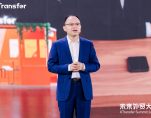
Bill Deng, Founder and CEO of XTransfer, speaks at the summit.

The summit explored how SME foreign traders can navigate global uncertainties. According to an XTransfer client survey, SME export performance remains optimistic this year. Despite geopolitical tensions and shipping disruptions, SMEs are reporting healthier payment collections and stronger bargaining power in international markets.

Serving Over 1 Million Enterprise Clients: Protecting Every Foreign Trader’s Global Dream with Fintech

Bill Deng, Founder and CEO of XTransfer, said, “SMEs are stabilisers of globalisation. Facing de-globalisation, geopolitical risks, and logistics volatility, they continue to show remarkable resilience. SMEs are more agile in adjusting market strategies while steadily improving pricing power and operational quality.”

Deng emphasised, “SMEs are the most capable force in global trade, and every foreign trader’s global dream deserves to be protected.” He added, “Through years of dedicated focus on SME cross-border payment pain points, XTransfer delivers secure, compliant, and efficient solutions to help more businesses go global. Since our founding, we have served over 1 million enterprise clients and continue to expand our local collection and settlement capabilities globally, optimising collection experiences and working capital efficiency.”

XTransfer’s pioneering Local Account service now covers nearly 60 countries and regions across Africa, Asia, Latin America, the Middle East, Europe, the Americas, Australia, and New Zealand, enabling buyers to pay sellers in local currencies and significantly boosting capital turnover.

AI and Global Risk Control Enhance Compliance Efficiency: TradePilot Drives Audit Automation

To address SMEs’ core needs for security, compliance, efficiency, and cost optimisation, XTransfer has ramped up fintech investments, scaling AI applications in risk control and business processes.

XTransfer has also built a unified global B2B cross-border trade settlement and risk management system to safeguard SME transactions. According to CIC, TradePilot is the world’s first and most advanced AI model for B2B cross-border trade payments. With 72 AI agents embedded in TradePilot’s review workflow, covering KYC onboarding, transaction authenticity verification, and ongoing AML monitoring, TradePilot delivers industry-leading performance in risk control accuracy and user experience.

Hashtag: #XTransfer #XTransferSummit #Crossborder #Payment #SMEs


The issuer is solely responsible for the content of this announcement.

XTransfer

XTransfer is the world’s largest B2B cross-border trade payment platform with over US$60 billion TPV in 2025, according to CIC. Founded in 2017 as one of the first payment platforms worldwide dedicated to B2B cross-border trade, we serve the largest customer base of over 1,000,000 registered SMEs globally.

We connect top-tier financial institutions directly to SMEs, the backbone of global trade, giving businesses of every size access to the same secure, compliant and seamless payment infrastructure once reserved for multinationals. As of March 31, 2026, we provide payment services across more than 200 countries and regions through partnerships with financial institutions, including some of the most established international banks around the world.

XTransfer has obtained required licenses in major hubs, including the Chinese Mainland, Hong Kong SAR, the United Kingdom, the United States, Singapore, the Netherlands, Australia and Canada.

For more information, please visit: https://www.xtransfer.com

Veteran insurance leader to accelerate growth, strengthen partnerships and drive customer-focused innovation

SINGAPORE – Media OutReach Newswire – 14 August 2026 – Etiqa Insurance Singapore today announced the official appointment of Claudia Soh as its Chief Executive Officer (CEO), effective 14 Aug 2026. Over the past six months, while serving as Acting Chief Executive Officer and continuing in her role as Chief Financial Officer, Claudia has led Etiqa Insurance Singapore through a period of sustained growth and transformation, strengthening the company’s foundations while driving initiatives focused on innovation, operational excellence, and customer-centricity. Her appointment reflects the Board’s confidence in her leadership and vision as the company embarks on its next phase of growth.

Etiqa Insurance Singapore Appoints Claudia Soh as Chief Executive Officer to Lead Next Chapter of Growth

With more than 20 years of experience in the financial services and insurance industry, Claudia brings extensive expertise across finance, strategic planning, risk management, mergers and acquisitions, investor relations and auditing. Her career spans both the public and private sectors, including experience at the Monetary Authority of Singapore (MAS) and senior leadership roles within the insurance industry.

During her tenure at Etiqa, Claudia has helped build on the company’s strong momentum by supporting its growth agenda while advancing new initiatives. Her collaborative leadership approach and focus on long-term value creation have contributed to strengthening Etiqa’s capabilities for the future. She has also been an advocate for transforming the finance function from a traditional support role into a strategic business partner that helps create stronger outcomes for customers, employees and stakeholders.

“We are delighted to formally appoint Claudia Soh as CEO of Etiqa Insurance Singapore,” said Kamaludin, Group Chief Executive Officer, Etiqa Insurance and Takaful. “Claudia has demonstrated strong leadership, strategic clarity, operational excellence and resilience. Her ability to drive innovation, build strong teams and adapt to changing customer needs will continue to strengthen our market position in Singapore to deliver long-tern value for our customers, employees and stakeholders”

On her appointment, Claudia said, “I am honoured to undertake the role of CEO at Etiqa Insurance Singapore at a time of significant change for our industry. As customer expectations continue to evolve, we must remain agile, innovative and focused on delivering purposeful value. By combining digital innovation, data-driven insights and strong partnerships, we will continue to enhance the customer experience and help more individuals and businesses build financial confidence and resilience.”

Deepening Partnerships and Empowering Financial Readiness

As a leading composite insurer, Etiqa Insurance Singapore will continue to deepen its distribution capabilities and ecosystem partnerships to make protection more accessible and relevant to customers. Beyond its longstanding bancassurance partnership, Etiqa will work closely with Maybank to deliver more integrated financial and protection solutions, leveraging the strength of the Maybank network and customer ecosystem. Etiqa will also continue collaborating with partners across Singapore to develop innovative solutions that support customers’ evolving protection, savings and financial wellness needs.
Hashtag: #EtiqaInsuranceSingapore

The issuer is solely responsible for the content of this announcement.

About Etiqa Insurance Pte. Ltd. (Etiqa Insurance Singapore)

Protecting customers since 1961, Etiqa Insurance Pte. Ltd. (EIPL) is a life and general insurance company licensed and regulated by the Monetary Authority of Singapore and governed by the Insurance Act 1966. Having protected customers in Singapore since 1961 under the name United General Insurance Co. Sdn. Bhd., the company transitioned into the Singapore branch of Etiqa Insurance Berhad in 2009. Today, EIPL in Singapore stands as the pivotal operating entity of Etiqa Insurance Group, a leading insurance and takaful provider in ASEAN.

EIPL offers a comprehensive range of life and general insurance products accessible through its diverse distribution channels, including bancassurance, agents, brokers, financial advisers, partnerships, direct and online sales via Tiq by Etiqa. Etiqa is rated ‘A’ by credit rating agency Fitch for the group’s ‘Favorable’ business profile. The company is a member of the Maybank Group.

Advertisements
SINGAPORE – Media OutReach Newswire – 13 August 2026 – Global fintech company PayerMax today announced that Last War: Survival Game (“Last War”), one of the world’s leading strategy mobile games, has successfully integrated the cashless payment service Rakuten Pay, marking a key milestone for the company.

1

As a leading overseas payment service provider (PSP), PayerMax has integrated Rakuten Pay to enable international merchants to adopt this payment method in Japan. This integration marks a significant milestone in the technical collaboration, successfully supporting merchants in leveraging Rakuten Pay for their local operations.

The milestone not only enhances the localized payment experience for Last War players in Japan, but also demonstrates how international game publishers can leverage trusted local payment partnerships to accelerate market entry, strengthen localization and better engage Japanese consumers.

Connecting with Japanese Players Starts with Local Payments

As more global game publishers expand into Japan, localized payment experiences have become an increasingly important part of player acquisition, monetization and long-term growth.

As one of the flagship payment services within the Rakuten Ecosystem, Rakuten Pay plays a central role in Japan’s digital commerce landscape. The Rakuten Ecosystem connects more than 100 million registered members across e-commerce, financial services, travel, mobile and offline retail, and Rakuten Pay has become one of Japan’s most widely adopted local payment methods.

For international game publishers, integrating Rakuten Pay is about more than offering another payment option. It provides access to one of Japan’s most established consumer ecosystems, allowing games to deliver payment experiences aligned with local player preferences while building stronger engagement in one of the world’s most competitive gaming markets.

Supporting Last War Highlights PayerMax’s Local Payment Expertise in Japan

As one of the fastest-growing strategy games worldwide, Last War continues to expand its global footprint, with Japan representing one of its key strategic markets. As expectations for localized payment experiences continue to rise, enabling familiar and trusted local payment methods has become an important part of enhancing player experience and supporting sustainable growth.

With support from PayerMax, Last War successfully integrated Rakuten Pay, becoming a leading overseas game to support the payment method and offering Japanese players a more localized and seamless payment experience.

Designed to support international businesses entering Japan, PayerMax provides a unified payment solution that bridges the gap between global merchants and the local ecosystem. By leveraging PayerMax’s integration with Rakuten Pay, PayerMax serves as a gateway for international businesses to establish a strong presence in the Japanese market.

Faster Market Entry

Through PayerMax’s system integration with Rakuten Payment, eligible merchants benefit from a standardized integration pathway that shortens implementation timelines and accelerates go-to-market execution in Japan.

Reliable Compliance and Fund Management Enablement

Leveraging the established business relationships between PayerMax and Rakuten Pay, merchants are empowered to integrate Rakuten Pay through a streamlined, standardized pathway which is aligned with Japan’s local regulatory and operational requirements, thereby delivering a payment experience that resonates with the everyday spending habits of Japanese players. Furthermore, within this collaborative framework, PayerMax and Rakuten Pay facilitate the unified orchestration of critical processes including KYC, anti‑money laundering (AML) and fund management, effectively alleviating the operational complexities and associated costs of local payment execution. This enables merchants to refocus their resources on sustainable business growth and enriched player engagement.

Access to Japan’s Consumer Ecosystem

Through PayerMax, businesses can better engage local consumers, strengthen brand presence and build sustainable long-term growth in Japan.

The successful integration for Last War not only demonstrates the commercial value of the partnership between PayerMax and Rakuten Payment, but also provides a proven reference for more global game publishers and digital content companies expanding into Japan.

Executive Quotes

Hiroki Sogawa, Executive Officer, Rakuten Payment, said:

“We are pleased to partner with PayerMax and to see Last War, a leading title, successfully integrate Rakuten Pay as a payment option. Through this collaboration, we look forward to supporting more international businesses and digital content providers in delivering trusted, localized payment experiences for Japanese consumers.”

Will, APAC General Manager of PayerMax, said:

“Integrating with Rakuten Pay marks an important milestone in PayerMax’s expansion of local payment capabilities in Japan. The successful launch of Last War reflects the strength of our partnership and demonstrates our ability to help global game publishers and international businesses localize faster through trusted local payment infrastructure. Looking ahead, we will continue working with leading local payment partners worldwide to deliver secure, compliant and scalable payment solutions for global merchants.”

Strengthening Local Payment Infrastructure for Global Growth

The partnership with Rakuten Payment represents another important milestone in PayerMax’s strategy to strengthen local payment infrastructure across key global markets and further expand its local payment capabilities in Japan.

Today, PayerMax supports businesses across more than 150 markets and offers access to over 600 payment methods worldwide, backed by an extensive network of local payment partners spanning Japan, Southeast Asia, the Middle East, Latin America and other high-growth regions.

Rather than simply aggregating payment methods, PayerMax focuses on connecting businesses with the local payment ecosystems that shape consumer behavior in each market. By combining enterprise-grade payment technology with trusted local partnerships, PayerMax enables international businesses to localize faster, operate more efficiently and achieve sustainable global growth.

Hashtag: #PayerMax #RakutenPay

The issuer is solely responsible for the content of this announcement.

HONG KONG SAR – Media OutReach Newswire – 13 August 2026 – Bora Pharmaceuticals (“Bora”; TWSE: 6472; OTCQX: BORAY) today announced its financial results and operational highlights for 2Q2026 and provides full year outlook update.

2Q26 Business and Financial Highlights

  • Bora delivered historically record-high quarterly revenues of NT$5,889 million in 2Q26, up 47.2% quarter-over-quarter driven by broad-based operational momentum, with basic EPS of NT$4.36.
  • CDMO revenue growth and increased site utilization rates, along with strong growth in the rare disease business and a return to growth for generics business of the Pharma Sales operations lifted group profitability, with gross margin expanding to 41.3% from 36.0% and operating margin reaching 16.8% from 10.2% in 1Q26. Excluding one-time costs related to the Weider Global Nutrition transaction, operating margin was approximately 18%.
  • CDMO’s strong backlog of US$317 million as of end of 2Q26, another historical high following a strong quarter, signals that Bora’s core business continued to perform with higher demand.
  • Pharma Sales’ rare disease franchise continues to show double digit sequential growth and the increased demand from government channels during the quarter with stabilized pricing in DLS has lifted the generics business back to normal.
  • Reflecting Bora’s recent increase in investment in Sunway Biotech, from 35.97% to 42.27% and subsequent acquisitions of Weider Global Nutrition’s, the Company has introduced “Consumer Healthcare (CHC)” as a new segment in its revenue mix disclosure beginning this quarter. In 2Q26, revenues from CHC were NT$824.76 million in 2Q26, a 354.4% increase QoQ and 234.3% YoY, and contributed to 14% of the Bora Groups consolidated revenues, an all-time high.
  • Cash-on-hand reached an all-time high of NT$8,431 million as the Company was preparing for MacroGenics Inc.’s Rockville facility acquisition.
  • The Company has kicked off a group-wide AI in Manufacturing, BORA AIM, program aimed at improving process efficiency across sites, spanning engineering, quality and production. Bora has also signed a partnership with Insilico Medicine for AI drug discovery. The first 6 months will focus on beta version testing of the Bora AIM agents and AI champions to drive process consolidation.
  • Share capital increased 0.3% during the quarter from employee stock option exercise.


Mr. Bobby Sheng, Chairman of Bora Group, stated, “We are pleased to announce Bora Group’s return to strong operating profits and double to triple-digit growth on all key margins sequentially, as well as demonstrate that our soft 1Q26 performance was anomalous rather than structural. Our impressive sequential improvement was driven entirely by strong demand from both our CDMO and Pharma Sales businesses, with 2Q26 manufactured batches reaching 0.38 billion doses, led by increased commercial production in Maple Grove and Zhunan sites and a full quarter of operations in the Maryland injectable facility, while our flagship products DLS and VIGAFYDE® in Pharma Sales continues to secure leading market share.

Our focus right now is execution. CAPEX investments in our mature sites, including facilities in Taiwan and in Canada, continue to deliver operational leverage driven by gross margin expansion, and our recently acquired oral solid dose facility in Maple Grove continues to show stellar and impactful demand as we sign more projects. Our 12-month rolling backlog is at historic high in almost all our sites, despite projected manufacturing delays at our Maryland injectable facility as we diligently respond to FDA audit observations from a recent audit. Bora Group’s commitment to the fast-growing Biologics manufacturing industry took another big step as we look to integrate 12,000 liters of capacity, and 3 commercial products from our Rockville facility, as well as see revenue recognition from this acquisition starting Q3. As Bora’s CDMO footprint expands in the US, we continue to capture durable, high-value demand as customers increasingly prioritize supply security and onshore capacity.

In addition, we are seeing sustained growth and improved gross margins in the Vigabatrin franchise, our most important, rare disease franchise, thanks to renegotiations with our partner vendors. Accelerated state and government orders for generics products increased 2Q26 revenues and 6 new generics launches have also supported a more diversified generics portfolio. Together, the advancement in rare disease franchise and generics business has positioned Bora’s Pharma Sales business, operating under the name Upsher-Smith, in a far stronger state than it was just a quarter ago.

As announced in July, we are excited to be developing a group-wide AI in Manufacturing program, BORA AIM, aimed at improving process efficiency across sites, spanning engineering, quality and production. We also announced a partnership with Insilico Medicine to enhance our understanding of AI drug discovery and create more customized AI manufacturing platforms for AIDD small molecules. In the next 12 months, Bora Group will be ready to showcase some exciting AI-enabled CDMO platforms that will truly add value to our partners and sharpen the overall competitive advantages of Bora Group.

As our momentum carries Bora into the second half of the year, we expect margins of our flagship products in Pharma Sales and CHC businesses to hold steady on continuous revenue growth, and improved efficiencies in the CDMO business in addition to consolidation of new revenues from the Rockville facility.”

2Q26 Operational Achievements & 2026 Outlook


Global CDMO Operations

Revenues increased 30.3% year-over-year and 29.0% quarter-over-quarter including internal orders, and 33.0% and 40.2% external orders only, or NT$2,116.4 million. The growth was primarily driven by a strong rebound in injectables following the semi-annual maintenance in 1Q26 and same period last year, and demand acceleration overall as we continue to meet the increasing backlog.

CDMO business also signed a record high US$378.2 million in total external wins. Highlighted by a 10+2-year, multi product commercial contract in our Maple Grove facility with a new top-20 pharma company, and 14 new molecules from pre-commercial programs from multiple new customers. Bora is confident in its mid- to long-term growth trajectory as pharma and biotech companies continue to look for US based CDMOs as a part of their efforts to onshore US production and improve supply chain resilience.

During the quarter, 0.38 billion doses, or 109 molecules, were developed and manufactured. Contribution from the top 20 global pharmaceutical companies stood at roughly 30% and should increase drastically in the next 8 quarters.

Looking at 3Q26, the Company is highly optimistic, with our backlog having climbed to an unprecedented level even after a strong quarter of manufacturing output. We do anticipate some timing shifts in revenue recognition related to scheduled semi-annual maintenance at our Maryland injectable site, alongside targeted quality-enhancement activities in connection with observations on passive RABS (Restricted Access Barrier System) line received from an FDA audit that took place 2Q26. However, there has been no reduction in total commercial batch productions in 2026 as we speak and several existing clients have initiated transfers to the FlexPro isolator filling lines. RFP activity has risen, with the first GMP PPQ campaign starting in August. On the newest, isolator-based AST lines, factory acceptance testing (FAT) is planned for Q326, with qualification to follow in 2027, expanding our ability to onboard small-scale isolator programs, including tech transfers.

On biologics, Rockville facility revenue recognition started in the first month of 3Q26 and the site has confirmed that it is on track to deliver batch production volumes ahead of last year’s run rate of around 13 batches for the remainder of 2026. We anticipate one-time transaction costs from this acquisition of approximately 3% of the purchase price including legal and FA fee and transition related expenses as stated in the Transition Service Agreement. The Rockville acquisition expands biologics capacity and brings integrated drug substance (DS) and drug product (DP) capabilities under one roof, strengthening our end-to-end service offering and attracting more inbound opportunities and higher value conversion with cross selling opportunities for our injectable business.

For our strategic investment in Tanvex Biopharma, the main Bora Biologics platform company, although the business still operates at a loss, Tanvex has built a strong presence in international conferences, especially Bio International in the US in June. We have seen a positive uptick in pipeline from leading biotechs and heavy weight biopharmas, and stable demand for early-stage PD programs in Zhubei. The Rockville acquisition is expected to orchestrate and accelerate opportunities for Tanvex in the coming quarters.

Pharma Sales Operations

Revenues decreased 2.7% year-over-year and increased 30.4% quarter-over-quarter, arriving at NT$2,934.04 million in 2Q26. The year-over-year decrease was mainly due to a product rationalization program in 2025 that lead to the withdrawal of a basket of legacy generics products.

During the quarter, specialty and brand came in strongly, up 58.8% for the quarter QoQ and displayed almost 50% growth against 2025 run rate. The rare-disease Vigabatrin franchise demand is robust, and our continuous investment in the segment has resulted in much broader patient access compared to when we acquired Upsher-Smith 28 months ago. On coverage, we are on track to achieve year-end formulary goal of >50%, supported by more regional plans and strong physician adoption as they gain experience with VIGAFYDE®. The Company has also renegotiated contracts with suppliers, leading to improved gross margins for the franchise during the quarter and expects full economic contribution starting 3Q26. Simultaneously, the Company out-licensed its non-core assets, Stiripentol generics and 505(b)(2), during the quarter, fully capturing the economic value of these drug assets to enable fueled and renewed focus on core specialty and brand business.

The generics business returned to stability as Upsher-Smith successfully defended flagship product DLS. High value generics advanced 20.6% sequentially from downstream restocking, narrowing the year-to-date YoY decline against 2025 run rate to high teens.

Having executed our way through specialty and brand business growth and generics portfolio optimization, we have returned to the 2023–2024 peaks of Pharma Sales performance but with healthier and more resilient operating profits. As of now, Upsher-Smith sees 6 ANDA pending approval.

CHC Operations

Bora Group has increased holdings of Sunway Biotech to 42.27% through a private placement at $NT 596 million. Subsequently, Sunway completed the acquisition of Weider Global Nutrition (WGN), a global nutritional supplements company with offices in the US, Spain, and Germany and products sold in over 60 countries. Benefitting from the consolidation of WGN that started in May, Consumer Health business totaled NT$824.76 million in 2Q26, a 354.4% increase QoQ and 234.3% YoY. Focusing on longevity and sports nutrition, WGN’s distribution strength is expected to meaningfully contribute to the CHC business in 2026 and beyond and shall deliver vertical-integration synergies to Sunway’s existing ingredients’ manufacturing operations. Together, the WGN acquisition is expected to catapult Sunway Biotech into a leading global nutritional supplements company and substantially accelerate top and bottom-line improvements in the future.

Recent Investor Conference

Bora will host English online earnings call at 8:00 a.m. Taiwan time on Aug. 14th, 2026. The event will cover the Company’s 2Q26 financial and business results and 2H26 outlook.

English Online Earnings Presentation Link: https://teams.microsoft.com/meet/225504163505748?p=UyyncWl1CnOzjBCNKD

Bora will participate in Goldman Sachs 2026 CDMO day in Singapore in Sept. For 1:1 meetings with management, please contact your GS representative.

Bora 2026 Earnings Schedule

Q3 2026: Expected in the 2nd week of Nov 2026
Q4 2026: Expected in the 2nd week of Mar 2027

Hashtag: #BoraGroup

The issuer is solely responsible for the content of this announcement.

About Bora

Founded in 2007, Bora Pharmaceuticals (“Bora” or “the Company”, 6472.TW and BORAY.OTCQX) is a leading pharmaceutical services company with a vision and goal of “Contributing to Better Health All Over the World”. Operating under a “Dual Engine” model that integrates CDMO and commercial expertise, we empower pharmaceutical and biotech partners to optimize product development, accelerate launches, and scale supply to meet global patient needs. At the same time, we actively broaden R&D and sales infrastructure, focusing on niche and rare disease markets to improve patients’ quality of life.

By investing in talent, infrastructure, and biologics expansion, Bora continues to transform operations and achieve sustainable growth. Committed to making success “certain,” Bora sets new standards in the pharmaceutical and CDMO industries.

For more, please visit:

Disclaimer:

This document and the accompanying information may contain forward-looking statements. All statements regarding the company’s future business operations, potential events, and prospects (including but not limited to forecasts, targets, estimates, and operational plans) are considered forward-looking statements unless they refer to factual occurrences. Forward-looking statements are subject to various factors and uncertainties that may cause significant differences from actual results, including but not limited to price fluctuations, actual demand, exchange rate variations, market share, competitive conditions, changes in the legal, financial, and regulatory framework, international economic and financial market conditions, political risks, cost estimates, and other risks and variables beyond the company’s control. These forward-looking statements are based on current predictions and assessments, and the company disclaims any responsibility for future updates.

Recognition from the U.S. Green Building Council, Global Forum on Human Settlements, GEO Foundation, and Asia’s Top 100 Golf Courses — and what that recognition proves about the full picture of Forest City Special Financial Zone (SFZ).

JOHOR, MALAYSIA – Media OutReach Newswire – 13 August 2026 — Forest City, the master-planned development in Iskandar Puteri, has achieved nearly 40 international awards and certifications as of August 2026, covering sustainability, green-building design, golf-course environmental management, and hospitality, as well as community contribution.

Aerial view of Forest City in Iskandar Puteri, Johor — more than 60% of the master plan is dedicated to green space, spanning 2.86 million m² of parks, mangrove corridors and landscaped zones.

These include eight awards under the Sustainable Cities and Human Settlements Awards (SCAHSA) series issued by the Global Forum on Human Settlements (GFHS), as well as a 2024 Certificate of Honor from GFHS; LEED for Core and Shell (LEED-CS) Gold pre-certification from the U.S. Green Building Council; GreenRE Gold ratings for Forest City Island and its international school; GEO Certified status for both golf courses from Scotland’s GEO Foundation; and a seven-year consecutive ranking for Forest City Golf Resort’s Classic Course among the Top 100 Golf Courses in Asia. In 2026, the Classic Course was ranked No. 1 in Malaysia and No. 36 in Asia.

The awards and certifications documented here address a specific set of criteria: design quality, sustainability standards, and operational assessments by independent institutions. This release provides a transparent account of the institutions that have assessed Forest City, the areas reviewed, and the limits of what such recognition can reasonably prove.

Sustainability and Green-Building Recognition

LEED-CS Gold pre-certification has been secured from the U.S. Green Building Council (USGBC) for multiple buildings, demonstrating that environmental performance was embedded in project planning from the outset. LEED pre-certification represents verified design intent and a formal commitment to sustainable performance criteria, including energy modelling, water efficiency, materials selection, and indoor environmental quality.

This design-stage commitment is reflected across the master plan, which dedicates over 60% of the total land area to non-built space, equivalent to 2.86 million m² of green infrastructure. This includes two golf courses, public parks, landscaped residential zones, and mangrove corridors extending along the Johor coastline — green space that, as of 2026, supports more than 400 officially documented species.

At the national level, Forest City Island and its international school have received GreenRE Gold ratings under Malaysia’s green real-estate framework, reinforcing the project’s alignment with recognised sustainability benchmarks at both international and domestic levels. Beyond building-level certifications, Forest City has received eight awards under the SCAHSA, issued by the GFHS, an international non-profit organisation in special consultative status with the United Nations Economic and Social Council. The documented recognition spans planning and design, green-building industrial development, city-industry integration, green smart city development, coastal ecological protection, low-carbon city planning, and green and intelligent construction, with awards recorded from 2016 to 2023. In 2024, Forest City also received a Certificate of Honor at the 19th Global Forum on Human Settlements from GFHS for its contribution to promoting sustainable cities and human settlements for all.

Award / Certification Issuing Body What It Certifies Status as Reported by Forest City
SCAHSA series, including green and intelligent construction recognition Global Forum on Human Settlements (GFHS, UN ECOSOC consultative status) Sustainable city planning and green construction Eight awards and a 2024 Certificate of Honor, with documented recognition from 2016 to 2023
LEED-CS Gold pre-certification U.S. Green-Building Council Core and shell sustainable building design Multiple buildings
GreenRE Gold GreenRE, Malaysia Green real-estate design and operation Forest City Island and international school
GEO Certified GEO Foundation, Scotland Sustainable golf-course operations Both golf courses

Golf and Hospitality Recognition

Forest City’s leisure and hospitality assets have also received external recognition, led by the continued performance of Forest City Golf Resort’s Classic Course in regional rankings. The Classic Course has maintained its position among the Top 100 Golf Courses in Asia for seven consecutive years, ranking No. 1 in Malaysia and No. 36 in Asia in 2026, a rise of 14 places from the previous year. The ranking is assessed by an independent panel co-hosted since 2016 by the Chinese and Korean editions of Golf Travel magazine and was reported by The Star on 26 April 2026 following the awards ceremony at Hillview Golf Club on 14 April 2026.

The hospitality component of the resort has also received platform-based recognition. Forest City Golf Hotel earned the Agoda Gold Circle Award 2025 based on service ratings and operational performance on the booking platform. Forest City regards the award as an encouraging indicator of its commitment to guest experience and service consistency, while noting that it reflects day-to-day hospitality performance rather than a measure of the wider development.

Additionally, both golf courses have earned GEO Certified status from Scotland’s GEO Foundation, which evaluates sustainable golf-course operations. GEO Certified is described by the GEO Foundation as “golf’s most comprehensive and widely recognised eco-label”, and is awarded following successful completion of the OnCourse programme and an independent audit. Collectively, these accolades attest to quality across golfing excellence, hospitality service, and environmental stewardship — recognition reflected in visitor engagement, with the resort welcoming more than 100,000 golfers in 2025.

Economic and Community Contribution

Forest City’s recognition record is supported by reported economic and social contribution figures. Internal records indicate that, as of November 2025, the development had contributed over RM790 million in taxes to the Malaysian government, alongside more than RM50 million in employee-related taxes.

More than RM53 million has been invested in charity and community programmes, including support for local schools and villages, and more than 10,000 direct and indirect jobs have been created.

According to Forest City’s internal records as of November 2025, the development has engaged more than 190 local enterprises, attracted property owners from over 20 countries and territories, and contributed to attracting an estimated 300,000 international visitors to Malaysia.

The Significance Behind These Awards

In 2018, Forest City was profiled by Forbes as one of the “5 new cities that are set to shake up the future”. While the coverage is now nearly eight years old, it underscores the project’s long-standing visibility in global urban development conversations, rather than serving as an endorsement of present-day investment returns.

Green-building certifications relate primarily to design and operational standards; the SCAHSA recognitions focus on planning and sustainability; and golf-course rankings evaluate course quality and related criteria.

For prospective residents and investors, the awards should therefore be treated as evidence of build quality, institutional engagement and assessed sustainability credentials, to be considered alongside current data on occupancy, demand, connectivity and market liquidity. Questions relating to the Special Financial Zone framework and connectivity — including the Johor Bahru–Singapore Rapid Transit System Link scheduled to open for passenger service on 1 January 2027 — should be assessed through dedicated materials, current market data and, where relevant, Forest City’s investment overview.

The Broader Impact of Awards and Recognitions

The relevance of Forest City’s awards and certifications varies by audience. For ESG-minded investors and institutions, the most relevant credentials are Forest City’s LEED-CS Gold pre-certification, GreenRE Gold ratings, and GFHS recognition. These are issuer-named credentials aligned with green-investment screening and can be reviewed alongside Forest City’s broader investment framework. For enterprises operating within the SFZ, this integrated environment — where land and marine ecosystems are carefully preserved — enhances environmental performance and strengthens sustainability credentials.

For prospective residents and families, the GreenRE rating for the international school and the golf and hospitality recognition for the resort may be more directly relevant to daily living than city-planning awards. These credentials point to quality — but prospective residents should also assess schools, amenities, transport, community facilities, and the broader facts about Forest City on the ground.

For Malaysia-market watchers, Forest City’s SCAHSA record and reported RM790 million tax contribution mark the development as a recognised case study in green development and city-industry integration. This recognition is a data point on the development’s institutional standing, not a forecast of its commercial outcome.

Conclusion

What the awards record does establish is something more specific. Forest City reports nearly 40 awards and certifications across named institutions, including the U.S. Green Building Council, the Global Forum on Human Settlements, the GEO Foundation, and the Top 100 Golf Courses in Asia panel. This is accompanied by reported contributions of more than RM790 million in taxes and the creation of more than 10,000 direct and indirect jobs. Prospective residents and investors should also consider Forest City’s position as the financial-services flagship within the Johor–Singapore Special Economic Zone, along with its duty-free island and Malaysia Digital Status.

The strongest claim the awards support is also the most modest one: that Forest City has been built and planned to a standard that named international institutions have repeatedly chosen to certify — which is a starting point for due diligence, not a substitute for it.
Hashtag: #ForestCity #SFZ #ForestCityAchievements #Malaysia

The issuer is solely responsible for the content of this announcement.

About Forest City Special Financial Zone

Located in Iskandar Puteri, Johor, Forest City Special Financial Zone (FCSFZ) is Malaysia’s first designated special financial zone and a key financial-services component of the Johor–Singapore Special Economic Zone. It is positioned to attract financial institutions, multinational corporations, high-net-worth individuals and businesses operating in wealth management, financial technology and global business services.

Its incentive framework includes a 0% income tax rate for qualifying Single Family Office Vehicles for up to 20 years, a preferential 5% corporate tax rate for approved qualifying activities, and a special 15% personal income tax rate for eligible knowledge workers, subject to the applicable conditions, regulatory approvals and prevailing legislation. Forest City also holds duty-free island status, further strengthening its appeal as a regional investment, business and wealth-management destination near Singapore.

Experts say a self-contained, service-led residential format built for multigenerational ownership is emerging at the very top of the market — and that demand for it is rising worldwide.

SINGAPORE – Media OutReach Newswire – 13 August 2026 – Experts in premium residential real estate note that a distinct new category is forming at the top of the market, and that demand for it is rising around the world. Property market specialists describe the emerging tier as the presidence: a self-contained community of private residences bound together by shared infrastructure and anchored by a five-star hotel under an international brand — a format designed to be lived in and passed down across generations, rather than simply owned.

The trend reflects a structural shift in global wealth. According to Knight Frank’s Wealth Report 2026, the number of individuals worth more than US$30 million climbed from 551,435 to 713,626 between 2021 and 2026 — a gain of more than 160,000, equivalent to 89 people crossing that threshold every day. Forbes, meanwhile, records 3,428 billionaires worth a combined US$20.1 trillion.

This wealth is also increasingly mobile. Henley & Partners projects that 165,000 high-net-worth individuals will relocate internationally in 2026 — a 16 per cent rise on the record 142,000 of 2025 — as affluent families build cross-border portfolios of homes and residence rights rather than tying themselves to a single jurisdiction. The appetite for professionally serviced, brand-anchored homes is visible in the development pipeline: Savills reports that the number of branded residential schemes worldwide grew 19 per cent in 2025, to around 910, and is on course to reach 1,747 by 2032, with the Middle East and North Africa the fastest-growing region over the past five years, at 187 per cent.

As the apex of the wealth pyramid rises, specialists say, demand at the very top is moving away from headline price-per-square-foot toward space, privacy, wellbeing, autonomy and a home that can be held and handed down across generations. The case for treating this as a distinct category was set out in a recent column by real estate adviser Ku Swee Yong, CEO of International Property Advisor Pte Ltd and an adjunct faculty member at Singapore Management University, where he teaches Real Estate Investments & Finance.”Luxury residence has a new crown, and it has a name: presidence,” he writes.

According to the expert, a property of this kind should meet several defining criteria: it should occupy an exceptional location among peer residences, be built to the highest standards of quality, provide space, a healthy natural environment, security and self-sufficiency, and create a place where owners and their families can live out every stage of life — building careers, raising children, enjoying leisure, prioritising health and wellbeing, welcoming family and friends, and ultimately passing the home down through generations. Privacy in this case does not mean isolation: rather than retreating behind their own gates, members of the presidence become part of a carefully formed community of peers, surrounded by people with comparable values, interests and ways of life.

These principles are, in practice, being formalised into a fuller set of criteria that distinguish a presidence from a conventional luxury development. At its most complete, the format is defined by:

  • A five-star hotel operated by an international brand present in at least three countries, located within the development;
  • A single estate of 200 hectares (around 500 acres) or more;
  • Full-spectrum infrastructure within one perimeter — indoor and outdoor sport, a central clubhouse, wellness, dining, parks and natural areas, a medical centre, recreation and security, plus a lifestyle anchor such as a golf, equestrian or yacht club;
  • A clear separation of public and private zones, with residences kept behind their own multi-layered security perimeter and isolated from guest-facing spaces such as the hotel, restaurants and spa;
  • A 24/7 premium service model featuring a dedicated resident care team, concierge services, standardised service-level agreements (SLAs), and a digital platform for managing every household and lifestyle need;
  • A unified architectural code governing the style and coherence of every building on the estate;
  • An equal-neighbour principle, under which a community of like-minded owners who can enjoy privacy while remaining part of an engaging social environment is formed.

Fully integrated examples remain rare worldwide, and demand, specialists say, is running ahead of supply as the number of ultra-wealthy households continues to grow.

Hashtag: #property #realestate #residentialproperty #hnwi

The issuer is solely responsible for the content of this announcement.

Prosvet Communication Studio

Prosvet Communication Studio is a full-cycle communication studio working across PR and communications strategy, media relations and influence, personal branding, digital PR, events and production.

HANOI, VIETNAM – Media OutReach Newswire – 12 August 2026 – Vinpearl has officially been named the strongest hotel brand globally in 2026 by Brand Finance, the world’s leading brand valuation consultancy, with its brand value surging 86% to US$381 million. This marks the first time a Vietnamese brand has claimed the No. 1 position in global hotel brand strength and entered the Top 50 Most Valuable Hotel Brands in the World. Vinpearl’s remarkable breakthrough not only elevates the stature of the company, but also helps establish a new position for Vietnamese tourism on the international stage.

Photo (1).png

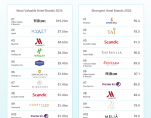
With a Brand Strength Index (BSI) score of 95.4/100 and an AAA+ rating, Vinpearl has surpassed a host of renowned hospitality names to rank No. 1 globally in hotel brand strength.

The Brand Strength Index (BSI) score reflects a brand’s overall strength, encompassing investment performance, customer and partner consideration, and its ability to generate business value.

The AAA+ rating is the highest level in Brand Finance’s brand strength rating system.

Alongside its No. 1 ranking, Vinpearl’s brand value also recorded a record increase of 86% to US$381 million year on year, enabling the company to enter the Top 50 Most Valuable Hotel Brands in the World for the first time.

Vinpearl’s position in brand strength has been driven by accelerated growth across all areas of its operations.

Specifically, in terms of financial strength, in 2026, VPL shares were included in the VN30 Index. Vinpearl also successfully raised US$255 million from SeaTown Holdings, Oman Investment Authority and Vietnam Oman Investment.

In terms of market development, Vinpearl has continued to expand its global connectivity in 2026, signing strategic cooperation agreements with leading international and regional partners, including Agoda, AirAsia MOVE, BeMyGuest, GlobalTix, Klook, CAITO, Thomas Cook India, SOTC Travel, MakeMyTrip, IHG Hotels & Resorts and Marriott International, among others. These partnerships aim to increase international visitor flows and enhance service quality across Vinpearl’s system.

In terms of products and services, Vinpearl has continued to expand its multi-segment tourism, hospitality and entertainment ecosystem in 2026. Key initiatives include the launch of Vinpearl Legendlux, a six-star ultra-luxury hotel brand; the introduction of VinFun, a new-generation hotel brand designed to cater to a broader range of guests; the development of Vin New Horizon, a wellness and senior living offering; the premiere of the spectacular stage production “The Grand Epic of Vietnam”; and the launch of The Vietnam Grand WeddX 2026, a new-generation platform for exhibitions and industry connections in Vietnam’s wedding sector.

The collective efforts of the entire ecosystem in 2026 have driven Vinpearl’s remarkable rise in rankings, from being the leading hotel brand in Southeast Asia to becoming the strongest hotel brand globally .

Beyond Brand Finance, the strength of the Vinpearl ecosystem has also been continuously recognized by leading global tourism organizations and platforms. In 2026, VinWonders Nha Trang became the only representative from Vietnam to be included in the Top 100 Global Best Family-Friendly Attractions; Vinpearl Resort & Golf Nam Hoi An received the ASEAN Green Hotel Award 2026; while Vinpearl’s hotels and resorts and VinWonders properties have continued to receive recognition from Booking.com, Agoda and Trip.com, among others, through rankings and awards.

Recognition from the world’s leading tourism rating organizations serves as an important source of motivation for Vinpearl to further elevate its ecosystem, bringing destinations and experiences imbued with Vietnamese identity closer to domestic and international travelers. The company is moving toward its goal of becoming a leading global tourism and hospitality brand, while contributing to elevating Vietnam’s position on the world tourism map.

Hashtag: #Vinpearl

The issuer is solely responsible for the content of this announcement.

About Brand Finance

Brand Finance Plc is the world’s leading brand valuation consultancy, founded in 1996 in London, United Kingdom. It is the only company with a brand valuation methodology that complies with the ISO 10668 international standard for brand valuation, with a presence in more than 20 countries worldwide. Brand Finance reports are used by numerous countries, governments and leading global corporations.

Every year, Brand Finance conducts valuations of more than 70,000 brands worldwide. This marks the 10th year that Vietnam has been included among the countries whose brands are valued by Brand Finance, with Brand Finance Asia-Pacific, headquartered in Singapore, responsible for publishing the rankings.

About Vinpearl

Established in 2003, Vinpearl is Vietnam’s leading brand in tourism, hospitality, entertainment and experiential travel. After more than two decades of development, Vinpearl currently operates 62 properties across 20 provinces and cities.

Its ecosystem comprises 35 five-star hotels and resorts with more than 17,500 rooms; 15 VinWonders theme parks featuring a diverse range of attractions suitable for guests of all ages; six world-class golf courses; and four international-standard VinPalace convention centers and theaters.

The ecosystem also includes two semi-wildlife animal conservation and care parks and one equestrian academy, among other offerings. Particularly notable are Vinpearl’s impressive and distinctive “million-dollar” live shows, staged at destinations including Nha Trang and Phu Quoc, which attract millions of visitors each year.

China’s yuan is facing stronger appreciation pressure after coordinated US-Japan action lifted the yen and rippled through Asian currency markets, complicating Beijing’s efforts to support an economy where export strength contrasts with weak domestic demand.

The yuan has gained about 3.6 per cent against the dollar this year, making it one of Asia’s strongest-performing currencies. The advance has persisted despite falling Chinese government bond yields and a widening yield disadvantage against US Treasuries, conditions that would normally encourage capital to favour the dollar. Strong export receipts and increased conversion of dollar earnings by exporters have instead provided sustained support for the currency.

Pressure intensified after the US and Japan intervened to strengthen the yen at the end of July. The operation marked the first coordinated action by Washington and Tokyo to support the Japanese currency since 1998, following a slide that took the yen to four-decade lows. US authorities had also alerted major banks to be prepared for possible intervention through the Federal Reserve Bank of New York, highlighting Washington’s concern about excessive currency volatility.

The yen subsequently surrendered roughly half of its initial gains, but the intervention had broader consequences across Asian foreign-exchange markets. South Korea’s won, the Singapore dollar and the Taiwan dollar have shown relatively high correlations with yen movements, while several other regional currencies have been less sensitive. The spillover has reinforced a wider trend towards appreciation in currencies exposed to North Asian trade and investment flows.

For Beijing, the stronger yuan presents a complicated policy trade-off. Appreciation reduces the local-currency cost of imported commodities and can provide some insulation against inflation generated by energy prices. It can also create more room for monetary easing because policymakers need to worry less about triggering capital outflows or destabilising depreciation.

The cost is greater pressure on exporters at a time when foreign demand has become an increasingly important support for economic activity. China’s export machine has remained resilient while household consumption, property investment and parts of the private economy have struggled to regain momentum. A rising yuan makes Chinese products more expensive abroad and reduces the value of exporters’ overseas earnings when converted back into local currency.

The People’s Bank of China has appeared increasingly willing to moderate the currency’s advance. Daily yuan reference rates have been set weaker than market expectations at times, signalling a preference for slowing appreciation rather than allowing the currency to rise unchecked. China operates a managed exchange-rate system in which the central bank establishes a daily midpoint and permits the onshore yuan to trade within a defined band around that fixing.

The yuan traded around 6.75 per dollar on Wednesday after strengthening through the 6.80 level earlier this year. Exporters have continued selling dollars when the US currency rises, while central-bank guidance has kept the appreciation gradual. Market forecasts generally point towards further controlled yuan strength rather than a rapid revaluation.

The currency’s resilience highlights an unusual divergence inside China’s economy. Long-term sovereign yields have declined as investors price weak domestic demand and subdued inflation, while the yuan has strengthened because of trade surpluses and exporter dollar conversions. China’s current-account surplus has expanded significantly as manufacturing exports have outpaced imports and domestic spending.

That divergence could influence the timing of the next monetary-policy move. One scenario would see the central bank reducing its benchmark policy rate by 10 basis points to 1.3 per cent before the end of the year, using currency strength as protection against depreciation pressure. Expectations remain divided, however, with many economists anticipating unchanged rates through 2026 as policymakers assess inflation, financial stability and the effectiveness of previous easing measures.

July inflation data strengthened the case for additional support. Consumer-price growth slowed to its weakest pace in six months, while producer-price pressures eased, renewing concerns that deflationary forces could return if domestic demand remains subdued. Higher energy costs had previously reduced expectations for further easing.

Currency policy is also becoming more closely tied to trade tensions. China’s expanding manufacturing surplus has generated demands among trading partners for a stronger yuan, particularly as exports of vehicles, machinery, electronics and clean-energy equipment increase. A materially stronger exchange rate would weaken some of that competitive advantage but could also reduce political pressure surrounding trade imbalances.

SINGAPORE – Media OutReach Newswire – 12 August 2026 – Allianz Insurance Singapore Pte. Ltd. (“Allianz”) has renamed its personal cyber insurance product from Allianz Cyber360 Protect to Allianz Scam Protect, ensuring the product’s name immediately communicates what it does: protect Singaporeans financially when they fall victim to scams.

Earlier this year, Singaporean drivers crossing into Malaysia began receiving SMSes that appeared to come from a government transport agency, claiming they had outstanding road charges to settle. Those who clicked the link and entered their payment details had their banking credentials stolen — at least 10 victims lost a combined S$24,000. Around the same time, a separate wave of phishing messages impersonating a well-known delivery service tricked victims into making payments for fake parcel notifications, resulting in another S$22,000 in losses.

These are the kinds of everyday scams — a convincing text message, a familiar brand name, a moment of inattention — that Allianz Scam Protect is designed to cover. In the first three months of 2026 alone, more than 7,800 scam cases were reported in Singapore with losses exceeding S$144.4 million. Singapore has now lost more than S$4 billion to scams since 2019.

The name change reflects how Singaporeans actually talk about these incidents. When someone loses money after clicking a phishing link in an SMS, they don’t think of it as a “cyber incident” — they call it what it is: a scam. By renaming the product, Allianz ensures that every Singaporean searching for protection against scams can find it immediately. The coverage hasn’t changed — but the name now speaks the same language as the people it protects.

Allianz Scam Protect covers financial losses from phishing, smishing, stolen payment credentials, and unauthorised transactions (up to S$25,000 for Gold; up to S$60,000 for Platinum), as well as online shopping disputes involving undelivered, damaged, or incorrect items. Existing policyholders will see the updated name at their next renewal — no action is required.

Allianz Scam Protect is available from S$8.91 per month at www.allianz.sg and through Allianz’s network of authorised distribution partners. For enquiries, customers may contact the Allianz Customer Service Team at +65 6222 1919 (Monday to Friday, 9am–5pm, excluding public holidays).

Coverage is subject to the terms, conditions, and exclusions of the Allianz Scam Protect policy. Please refer to the Policy Wording for full details. This policy is protected under the Policy Owners’ Protection Scheme which is administered by the Singapore Deposit Insurance Corporation (SDIC). This advertisement has not been reviewed by the Monetary Authority of Singapore.

Hashtag: #AllianzInsuranceSingapore


The issuer is solely responsible for the content of this announcement.

About Allianz Insurance Singapore Pte. Ltd.

At Allianz Insurance Singapore, we aim to secure the future and create a positive impact on society and the environment by leveraging our expertise in risk management. As we work toward strengthening our position as one of Singapore’s leading risk solutions providers, we deliver innovative and customer‑focused protection solutions for individuals, SMEs, and mid‑corporate clients – spanning Motor, Home Content, Travel, Personal Accident, Cancer, Hospital Income, and a comprehensive suite of commercial insurance offerings.

Nintendo will begin officially selling the Nintendo Switch 2 and original Switch in Indonesia in December, giving the Japanese games company its first direct hardware presence in Southeast Asia’s largest economy while leaving a significant gap in its digital offering.

The December 2026 launch was announced by Nintendo executive officer Juro Takeuchi at a business conference in Jakarta. Distribution will be handled by PT Nusantara Interactive Niaga, part of the Salim Group, with Nintendo’s Singapore operation involved in the market rollout. Prices and a precise sales date have yet to be disclosed.

Nintendo’s move formalises a market that has for years relied heavily on imported consoles and third-party retailers. Switch systems and games have long been available in Indonesia through unofficial distribution channels, but an authorised presence should improve access to locally supported products, warranties and retail partnerships.

The expansion arrives more than a year after Nintendo launched the Switch 2 in its major markets. The successor to the original Switch has become a substantial part of the company’s hardware business, with cumulative shipments reaching 23.68 million units by the end of June. Nintendo shipped another 3.82 million Switch 2 consoles during the April-June quarter, while lifetime shipments of the original Switch exceeded 156 million units.

Indonesia offers Nintendo considerable scale. Estimates of the country’s gaming population vary considerably depending on methodology, platform and definition of an active player. Government-linked figures have previously placed the number above 174 million, while officials this year have cited more than 200 million active gamers. The market is valued at roughly $2 billion annually, although mobile gaming accounts for a large proportion of participation.

That mobile-heavy profile makes Nintendo’s challenge different from simply putting consoles into more shops. Smartphone games have built enormous audiences through free-to-play models, localised payment systems and low barriers to entry. Nintendo must persuade consumers to spend substantially more on dedicated hardware and premium software, while competing for attention with mobile titles, personal computers and rival console ecosystems.

One potential obstacle is the absence of a dedicated Indonesian Nintendo eShop when the hardware goes on sale. Buyers seeking digital games will not initially receive a local storefront alongside the official console launch. Players have commonly used Nintendo Accounts registered in supported territories to gain access to digital purchases, but that workaround is less convenient than a domestic store with local pricing and payment options. Nintendo has not given a timetable for introducing an Indonesian eShop.

The omission is commercially significant because digital distribution has become central to Nintendo’s software business. Digital sales reached 132.7 billion yen in the quarter ended June, up 90% from a year earlier, and represented 61.5% of dedicated video-game platform software revenue. That category includes downloadable packaged titles, download-only software, add-on content and Nintendo Switch Online.

Nintendo nevertheless has an advantage in Indonesia through established brand recognition. Franchises including Mario, Pokémon, The Legend of Zelda and Animal Crossing have maintained large followings even without a formal local hardware operation. Official distribution could also make it easier for major retailers to carry consoles, accessories and physical games with more predictable supplies and after-sales arrangements.

The timing gives Nintendo a new market as Switch 2 enters its second full year. The company is supporting the platform with a widening catalogue of first-party and third-party games while maintaining compatibility with much of the original Switch software library. Nintendo has said regular software releases are important to expanding the installed base, particularly as consumers decide whether to move from the original system.

Indonesia could also provide a test for Nintendo’s broader Southeast Asian strategy. The company already operates official services in markets including Singapore and Malaysia, but the region remains fragmented by differences in income, digital payments, retail infrastructure and consumer preferences. Indonesia’s size makes it attractive, while its dependence on mobile gaming and sensitivity to hardware pricing create a more demanding commercial environment.

SINGAPORE – Media OutReach Newswire – 12 August 2026 – Artificial intelligence is driving one of the largest infrastructure investment cycles in decades, but the rapid global build-out of data centers is also creating a new era of construction, operational, climate and insurance risks, according to the latest Allianz Commercial The data center construction boom: risks and claims trends report. Annual investment in data centers is projected to double from around US$500bn in 2024 to more than US$1trn as early as 2027. The investment opportunity extends far beyond server halls to electricity generation, grid infrastructure, cooling, networking, and semiconductors. According to Allianz Research, the US and China are expected to account for around 62% of new global capacity additions through 2030, but the next wave of investment is becoming increasingly global. In Europe, Germany, the UK and Ireland remain major markets, but faster expansion is expected in Spain, Finland and Denmark, where power availability and permitting conditions can be more favorable. Across Asia Pacific, excluding China, installed capacity is projected to increase from around 9GW today to more than 28GW by 2030, with Malaysia expected to grow more than tenfold.
“AI is turning the latest generation of data centers from a specialist real estate asset into mission-critical infrastructure,” says Thomas Lillelund, CEO of Allianz Commercial. “The scale of investment is extraordinary and, as these centers evolve beyond traditional data storage to high-performance compute demands, success will increasingly depend on resilience: access to power, reliable supply chains, robust construction controls, as well as climate-aware site selection and insurance programs that reflect the true accumulation risk. Indeed, comprehensive insurance cover has become a prerequisite for financing many large-scale AI infrastructure projects.”

Resilience must be central to data center operations
The sector’s biggest constraints are increasingly physical rather than financial. Competitive advantage is increasingly determined by access to electricity, grid connections, permitting, specialized equipment and skilled labor. In the US alone, the construction industry faces a shortage of around 439,000 skilled workers, while an estimated 349,000 additional workers may be needed in 2026. Climate resilience is increasingly a strategic consideration rather than an operational afterthought. Around 79% of global data center capacity is already located in areas exposed to heightened natural catastrophe risk, while 54% is exposed to chronic heat and drought stress. Some of the fastest-growing AI infrastructure markets are also among the most climate-exposed, including Northern Virginia, US, Johor in Malaysia, and Marseille, France. Acute flood, wildfire and wind exposure is highest in the Americas, affecting 86% of capacity, while chronic heat and drought stress is greatest in Asia Pacific, where 89% of capacity is exposed.

Global data center insurance market will more than double by 2030
Insurance is evolving alongside the sector. As data centers assume a more critical role in infrastructure, comprehensive insurance cover has become a prerequisite for financing many large-scale AI infrastructure projects. Construction costs for a single AI campus can exceed US$20bn, with insured values rising substantially once high-performance computing equipment is installed. The global data center insurance market is projected to grow from around US$11bn today to more than US$24bn by 2030, reflecting rapid capacity expansion, rising insured values and increasing operational complexity. Demand is expected to extend beyond traditional property cover towards integrated solutions spanning construction, engineering, property, business interruption, cyber and liability, while also creating new opportunities in areas such as energy resilience, operational continuity, and technology risk.

Risk and claims trends: fire drives severity; water damage frequency
Allianz Commercial analysis of insurance industry data center-related claims shows that fire is the leading driver of loss severity, accounting for well over 50% of around €700mn (US$800mn) worth of losses. Natural catastrophe activity ranks second, followed by willful acts, which include crime and cyber incidents, followed by power failure. Water damage is the most frequent cause of data center claims, followed by willful acts, fire, and equipment breakdown. Business interruption is the primary driver of claims severity by line of insurance, highlighting the significant financial impact of operational downtime.

The data center risk profile is changing as facilities become larger, more complex, and more increasingly interdependent. Hyperscale and colocation of campuses can bring together multiple tenants, construction works, servers, supporting utilities and on-site infrastructure in one physical or operational space. A single event can therefore trigger claims across property, construction, business interruption, liability, cyber, and financial lines. Real-life claims case studies show that in hyperscale facilities, damage to external cooling systems, hot works-related fire damage, and a delay in start-up caused by power disturbances have each resulted in losses in the US$50mn to US$100mn range.

“For insurers, the key question is not only the value of the building, but the concentration of value and dependency inside and around it. Power, cooling, batteries, fiber routes, testing and commissioning, and business continuity planning are all part of the same risk picture. Effective risk mitigation must begin early and continue throughout the data center lifecycle. Resilience must be designed in from the earliest planning stage,” explains Christian Kolbe, Global Head of Construction Claims at Allianz Commercial.

Clarity between policies essential to avoid ambiguity
Data center projects encompass different project phases with several stakeholders and interests involved, which can create complications. During the construction phase, stakeholders include the owner, developer, contractor, and subcontractors, whereas in the operational phase, the stakeholders include the owner-operator, and potentially multiple tenants or end users. For example, different policies could respond to a hot works-related fire resulting in damage to a data center nearing completion, and this would impact different stakeholders.

“Clarity is critical with an insurance claim,” says Charlotte Field, Regional Head of Short-tail Claims, Asia, at Allianz Commercial. “Clearly documented handovers are essential between your construction all-risk policy and operational policy. There must be no ambiguity about practical completion, in order to avoid disputes over which policy responds to a particular event and the extent of cover.”

Hashtag: #AllianzCommercial


The issuer is solely responsible for the content of this announcement.

About Allianz Commercial

Allianz Commercial is the center of expertise and global line of Allianz Group for insuring mid-sized businesses, large enterprises and specialist risks. Among our customers are the world’s largest consumer brands, financial institutions and industry players, the global aviation and shipping industry as well as family-owned and medium enterprises which are the backbone of the economy. We also cover unique risks such as offshore wind parks, infrastructure projects or film productions. Powered by the employees, , and network of the world’s #1 insurance brand, we work together to help our customers prepare for what’s ahead: They trust us in providing a wide range of traditional and risk transfer solutions, outstanding and services as well as seamless handling. Allianz Commercial brings together the large corporate insurance business of Allianz Global Corporate & Specialty (AGCS) and the commercial insurance business of national Allianz Property & Casualty entities serving mid-sized companies. We are present in over 200 countries and territories either through our own teams or the Allianz Group network and partners. In 2025, the integrated business of Allianz Commercial generated around €17.3 billion in gross premium globally.

New DHL daily flight service on Boeing 767 freighter strengthens connections between China, Indochina, the Middle East and Europe

SINGAPORE – Media OutReach Newswire – 11 August 2026 – DHL Express has added a new direct flight between Shanghai and Bangkok, increasing capacity on a trade lane linking China and the rapidly growing economies of Indochina. The new flight route, Shanghai-Bangkok-Bahrain*-Brussels-Shanghai, significantly enhances connectivity among manufacturing, sourcing, and consumption markets across Asia, the Middle East, and Europe.

DHL Express boosts Indochina connectivity with new Shanghai-Bangkok flight

Operated by a DHL Boeing 767 freighter with a maximum payload of 50 tons, the new daily service demonstrates DHL Express’s ongoing investments in network capacity and infrastructure to strengthen connectivity for customers in high-growth markets. Equally, it also reflects DHL’s constant review of evolving trade patterns and swift action to adapt to those changes.

“This route is a direct response to how trade flows in Asia are shifting,” said Peter Bardens, Senior Vice President for Network Operations & Aviation – Asia Pacific, DHL Express. “We’re seeing increasing movement of goods between China and Southeast Asia, alongside continued demand from customers in Europe and the Middle East for products manufactured across the region. This new route boosts our network where customers need it most, providing additional capacity and more direct connections between key production and consumption markets.”

Bangkok serves as a strategic gateway to the Indochina region, while Bahrain and Brussels are key DHL Express hubs. The introduction of the Shanghai-Bangkok route enables DHL Express to efficiently consolidate shipments originating from China and Southeast Asia before connecting them to destinations across Europe and the Middle East.

The direct flight comes at a time when manufacturers and traders in markets such as Thailand, Vietnam, Cambodia and Laos are sourcing more from China. For many customers, those shipments are part of production chains that stretch across multiple countries. As trade links between China and Southeast Asia deepen, DHL Express is improving speed, flexibility and network resilience for customers moving materials, components and finished products across Asia and onward to global markets. Last month, DHL Express also expanded its Shenzhen gateway, located at Shenzhen Bao’an International Airport. The facility can handle 900 tons of cargo daily – approximately three times the original throughput – as it supports booming cross-border trade and e-commerce shipments in China.

At the same time, businesses in Europe and the Middle East continue to trade heavily with their peers in China and Southeast Asia for a wide range of products, from electronics and industrial components to consumer goods. As international business activity remains highly dispersed across global markets rather than concentrating within regions, the new route opens more trading opportunities for businesses while strengthening access for both regions.

As both intra-Asia and global trade flows continue to show resilience, DHL remains focused on investing in its dedicated air network. Another recent example includes the introduction of a new transpacific service by DHL Global Forwarding that connects Southeast Asia and the United States. These expansions seek to better connect businesses to global markets as well as build more agile supply chains.

*Note to editor: Due to the current conflict in Middle East, flights are tentatively diverted to other locations in the Middle East.
Hashtag: #DHLExpress #Globaltrade #Indochina


The issuer is solely responsible for the content of this announcement.

DHL – The logistics company for the world

DHL is the leading global brand in the logistics industry. Our DHL divisions offer an unrivaled portfolio of logistics services ranging from national and international parcel delivery, e-commerce shipping and fulfillment solutions, international express, road, air and ocean transport to industrial supply chain management. With approximately 389,000 employees in more than 220 countries and territories worldwide, DHL connects people and businesses securely and reliably, enabling global sustainable trade flows. With specialized solutions for growth markets and industries including technology, life sciences and healthcare, engineering, manufacturing & energy, auto-mobility and retail, DHL is decisively positioned as “The logistics company for the world”.

DHL is part of DHL Group. The Group generated revenues of approximately 82.9 billion euros in 2025. With sustainable business practices and a commitment to society and the environment, the Group makes a positive contribution to the world. DHL Group aims to achieve net-zero emissions logistics by 2050.

Arabian Post Staff -Dubai Flowdesk has secured a full broker-dealer licence from Dubai’s Virtual Assets Regulatory Authority, allowing its local entity to provide regulated digital-asset services to qualified and institutional investors from the emirate. The authorisation for Flowdesk Omega FZE completes a regulatory process that moved from in-principle approval in June to full licensing in August. It gives the digital-asset trading and technology company an operating base […]

Arabian Post Staff -Dubai Saudia ranked as the world’s most punctual global airline for a third consecutive month in July, maintaining its operational lead despite the pressures of the peak summer travel season. The carrier recorded an on-time arrival rate of 87.24% across 16,406 flights during the month. The performance extended a run that began in May and continued through June, giving the Jeddah-based flag carrier three […]

SINGAPORE – Media OutReach Newswire – 6 August 2026 – MyRepublic has won the Ookla® Speedtest Award™ for Fastest Broadband and the Speedtest Verified™ Claim for Fastest Upload Speed in Singapore.

MyRepublic won Fastest Broadband in Singapore - Ookla Speedtest Awards
MyRepublic won Fastest Broadband in Singapore – Ookla Speedtest Awards

Every day, millions of people around the world use Speedtest® to evaluate the performance of their internet connections. Through its award and verification programmes, Ookla® recognises network operators for outstanding network achievements using its established methodologies.

The recognition marks another milestone for MyRepublic and reinforces our ongoing commitment to delivering quality broadband connectivity to customers across the country.

The Ookla® Speedtest Award™ for Fastest Broadband recognises MyRepublic’s achievement in fixed network performance, while the Speedtest Verified™ Claim for Fastest Upload Speed further highlights the company’s broadband capabilities. Together, these recognitions underscore MyRepublic’s continued efforts to deliver reliable connectivity and an exceptional broadband experience for residential and business customers in Singapore.

These latest recognitions add to MyRepublic’s growing list of industry accolades and reflect the company’s continued focus on providing customers with quality broadband services. MyRepublic remains committed to enhancing its connectivity offerings while delivering an experience that meets the evolving needs of homes and businesses in Singapore.

Hashtag: #MyRepublicBroadband


The issuer is solely responsible for the content of this announcement.

MyRepublic Broadband Pte Ltd

MyRepublic is an award-winning telecom operator whose values lie in the future of connectivity, the next opportunity to disrupt, and innovations that will make a real difference. The provider’s priority is to redefine broadband and mobile connectivity in the markets it operates and empower customers to understand what a true modern connectivity experience can be.

Ookla®

Ookla, an Accenture company, is a global leader in connectivity intelligence that brings together the trusted expertise of Speedtest®, Downdetector®, Ekahau® , and RootMetrics® to deliver unmatched network and connectivity insights. By combining multi-source data with industry-leading expertise, we transform network performance metrics into strategic, actionable insights.

Our solutions empower service providers, enterprises, and governments with the critical data and insights needed to optimize networks, enhance digital experiences, and help close the digital divide. At the same time, we amplify the real-world experiences of individuals and businesses that rely on connectivity to work, learn, and communicate. From measuring and analyzing connectivity to driving industry innovation, Ookla helps the world stay connected.

SINGAPORE – Media OutReach Newswire – 6 August 2026 – JR Life Sciences Pte Ltd, the company behind Singapore’s No. 1 Health-Supplement Brand, Holistic Way, announced the launch of its newest innovation in women’s health: a plant-based Menopause Relief supplement formulated to support women through every stage of menopause. The product is officially released this month, underscoring the company’s deepening commitment to addressing the evolving health needs of women in Singapore and across the region.

As awareness around women’s health continues to grow, menopause remains a life stage that is frequently underserved by mainstream health solutions. JR Life Sciences is responding to this gap with a science-backed, plant-derived formulation that offers a natural alternative to conventional hormone-based therapies, one that is both accessible and aligned with the preferences of today’s health-conscious consumer.

Menopause Relief is a once-daily capsule containing three plant-based phytoestrogens, each selected for their clinically studied benefits in managing menopause symptoms and supporting long-term health. The formulation is free from synthetic hormones and is suitable for both vegetarian and vegan diets, making it broadly accessible across diverse consumer lifestyles.

Key active ingredients include:

  • Lifenol Hops Extract (8-PN phytoestrogen): Shown to lessen hot flushes, night sweats, sleep disturbances, restlessness and irritability while helping to maintain total-body bone-mineral density.
  • Flax Lignan (SDG phytoestrogen): Provides gentle hormonal support that helps balance oestrogen levels during the transition.
  • Soy Isoflavone (genistein and daidzein): Supports bone strength, reduces hot flashes and steadies mild mood swings.

The launch of Menopause Relief reflects a broader strategic priority for JR Life Sciences: to expand its women’s health portfolio in response to growing consumer demand for natural health solutions. In Singapore, where an ageing population is driving increased interest in preventive health and targeted supplementation, the company sees a significant opportunity to better serve women navigating the menopause transition.

Holistic Way currently distributes a comprehensive range of nutraceuticals across key health categories, including:

As JR Life Sciences prepares for 2027, its focus remains on addressing unmet market needs and evolving consumer expectations. Guided by a commitment to science-backed innovation and quality, the company continues to invest in building a future-ready product pipeline that supports long-term well-being and reinforces trust among consumers in Singapore and beyond.

Menopause Relief is now available through Holistic Way’s retail and digital channels. For more information, visit https://holisticway.com.sg/.

Hashtag: #HolisticWay

The issuer is solely responsible for the content of this announcement.

About Holistic Way

Holistic Way is a leading Singapore-based health supplement brand under JR Life Sciences, committed to supporting holistic wellbeing through science-led nutrition. The brand offers a comprehensive range of supplements formulated to support key health areas, including immunity, hormonal balance, joint health, digestive wellness, and healthy ageing. Guided by evidence-based research and stringent quality standards, Holistic Way focuses on delivering effective, reliable solutions that address both everyday wellness needs and specific life-stage concerns. Through its emphasis on scientific integrity and product excellence, Holistic Way empowers individuals to take proactive control of their health and well-being.

Singapore Turns 61. Woh Hup Turns 90.

SINGAPORE – Media OutReach Newswire – 5 August 2026 – Every August, Singapore celebrates more than another year of nationhood. It celebrates the people, businesses and traditions that have quietly grown alongside the nation, becoming part of its shared identity and everyday life.

The Woh Hup chilli sauce range — Green Chilli, Mala Sriracha Chilli and Smoky Sriracha Chilli — pairs with everything from fried chicken to grilled skewers and seafood.

This National Day, as Singapore marks its 61st birthday, one of its oldest homegrown food brands reaches a remarkable milestone of its own.

For 90 years, Woh Hup has flavoured family dinners, festive reunions, neighbourhood barbecues and everyday meals that have become cherished memories across generations of Singaporeans. From humble beginnings in 1936 in Chinatown, Woh Hup has become a trusted name in kitchens both locally and internationally. By the 1980s, Woh Hup had established itself as the leading producer of oyster sauce in Singapore, a testament to its dedication and expertise.

Woh Hup sauces are now enjoyed, not just in Asian kitchens, but tables worldwide.

This August, as Singaporeans look forward to celebrating National Day with family, friends and neighbours, Woh Hup marks its 90th anniversary by unveiling four exciting additions to its chilli sauce family—bringing fresh inspiration to the tables where memories continue to be made.

More than a product launch, the new range reflects a heritage brand confidently looking ahead— combining nine decades of craftsmanship with the bold, adventurous flavours embraced by today‘s global consumers.

“For 90 years, families have welcomed Woh Hup into their kitchens and celebrations. That trust is our greatest honour – and our reason to keep evolving. These four new sauces honour where we came from, while embracing the bold flavours of modern Asian dining,” said Leong Chee Kang, Chief Executive Officer of Woh Hup.

The launch introduces four new sauces, each designed to bring versatility, convenience and vibrant flavour to today’s kitchens.

Mala Sriracha Chilli Sauce combines the unmistakable tang of sriracha with a tingling, numbing mala warmth, delivering a bold, layered heat that pairs naturally with fried chicken, dumplings, ramen and hotpot favourites.

For seafood lovers, the new Green Chilli Sauce for Seafood blends lively green chillies with refreshing notes to complement grilled fish, oysters, calamari and Singapore’s iconic seafood feasts.

Smoky Sriracha Chilli Sauce layers rich smokiness over classic sriracha — an ideal companion for burgers, barbecue skewers, grilled meats and hearty comfort food.

Rounding out the launch is Mala Seasoning Sauce, which delivers the signature tingling, numbing heat of Sichuan-inspired mala balanced with rich savoury notes. In an easy-to-use liquid form that mixes evenly for consistent colour and flavour, just a few drops transform stir-fries, soups and noodles into a multi-layered sensory experience — bringing bold mala excitement to everyday cooking.

Woh Hup Mala Seasoning Sauce is a ready-to-use seasoning sauce that brings signature numbing heat to everything from everyday meals to BBQ adventures.

Packaged in convenient new squeeze bottles, the three chilli sauces make everyday cooking and entertaining easier than ever — no spoons, no mess, just great flavour at a squeeze. The seasoning sauce comes in a classic glass bottle, ready to drizzle straight onto your meal or into the wok — bold Asian flavours to elevate every dish.

The new Woh Hup range — Mala Sriracha Chilli Sauce, Green Chilli Sauce for Seafood, Smoky Sriracha Chilli Sauce and Mala Seasoning Sauce — will be available at leading supermarkets and retail outlets across Singapore from August 2026.

As Singapore celebrates another year of nationhood, Woh Hup celebrates something equally meaningful—the millions of meals, conversations and family moments its products have quietly accompanied over the past nine decades.

Ninety years on, the recipe hasn‘t changed: bring people together, one meal at a time.

Hashtag: #WohHup

The issuer is solely responsible for the content of this announcement.

About Woh Hup

Founded in 1936, Woh Hup is one of Singapore‘s longest-established homegrown food brands and a trusted name in Asian sauces. For 90 years, the company has remained dedicated to crafting high-quality flavours that inspire home cooks and professional chefs around the globe.

Today, Woh Hup‘s growing portfolio of sauces, cooking pastes and convenience products is enjoyed by consumers in Singapore and international markets, reflecting the brand‘s enduring commitment to heritage, innovation and culinary excellence.

Singapore’s government has defended plans to develop housing at Maju Forest and Gillman Barracks while assuring lawmakers that the proposed layouts remain open to changes aimed at protecting greenery, wildlife corridors and heritage buildings.

The debate in Parliament on Tuesday followed public opposition to proposals that could involve clearing about 15 hectares of Maju Forest at Sunset Way and at least 10 hectares of forest around Gillman Barracks. Eighteen parliamentary questions were raised, with lawmakers pressing the government on alternative sites, ecological damage, public consultation and whether development could be abandoned.

Minister of State for National Development Alvin Tan said the two areas would proceed towards housing development because they had been designated for residential use and were needed to meet demand over the next decade. He said, however, that environmental and heritage studies were part of the process of shaping the projects rather than exercises designed to justify predetermined plans.

“The question before us is not whether housing, greenery or heritage matters. They all do,” Tan told Parliament. “The challenge is how we balance these needs responsibly within our limited space.”

The formal period for public comments on the environmental and heritage assessments closes on August 6, but government agencies will continue discussions with residents, nature groups and other stakeholders. Feedback could result in changes to construction footprints, development density, ecological corridors and the number of heritage structures retained.

Maju Forest covers about 23 hectares beside Sunset Way in Clementi. The land has largely been zoned for residential development since the 1980 Master Plan, although decades of natural regeneration have created secondary forest containing streams, native vegetation and threatened wildlife.

Housing authorities have proposed retaining about eight hectares, including a freshwater stream and surrounding buffer zone, as a refuge for wildlife and a corridor connecting neighbouring green areas. The remaining land would accommodate public housing, although the number and mix of flats have not been finalised.

Environmental surveys recorded several species of conservation importance, including the critically endangered straw-headed bulbul. Earlier studies connected with the Cross Island Line also identified the Sunda pangolin in the wider forest area.

Nature groups have argued that narrowing the habitat could displace animals, increase roadkill risks and weaken connections between Bukit Timah Nature Reserve, Clementi Forest, the Rail Corridor and the Southern Ridges. They have also warned that secondary forests cannot be quickly replaced because mature ecological systems take decades to regenerate.

Christopher de Souza, a lawmaker from Holland-Bukit Timah, urged the government to examine other land near Maju Forest, including a construction site being used for the Cross Island Line. He cited changes made to earlier plans for Dover Forest, where part of the forest was preserved after alternative housing arrangements were considered.

Tan said the Cross Island Line site could be assessed for homes once railway construction was completed, but it was not available to satisfy near-term demand. Authorities were already prioritising vacant and previously developed land where practical, he added.

Gillman Barracks presents a different planning challenge because the area contains both forest and buildings associated with Singapore’s military and cultural history. Established as a British garrison in 1935, it was converted into an arts precinct in 2012 and now accommodates galleries, restaurants and lifestyle businesses.

The environmental and heritage studies covered 47 hectares, including an estimated 40-hectare development zone and a seven-hectare green area north of Telok Blangah Heights. The wider study area contains about 21.8 hectares of forest and 10 hectares of urban vegetation, scrubland and grassland.

Authorities are considering retaining most of the native-dominated secondary forest and creating ecological routes linking Telok Blangah Hill Park, HortPark, Berlayer Creek and Labrador Nature Reserve. Proposed corridors would be at least 30 metres wide to support the movement of birds and other wildlife.

Gillman Barracks has 86 buildings, with preliminary plans indicating that 25 could be retained. Officials are studying the preservation of all structures assessed as having exceptional heritage value and most buildings considered highly significant.

Rachel Ong, who represents the area, questioned whether alternative housing sites had been evaluated and called for continued dialogue with residents, conservation groups and heritage specialists.

Workers’ Party representatives also challenged the government on whether cancelling the projects remained possible. Tan said the developments would proceed because of national housing requirements, but the design, scale and conservation measures remained under review.

The government’s position places the two projects within a broader effort to maintain an adequate housing supply while controlling prices and meeting demand from new households. Singapore has also been converting previously developed sites, including the former Old Police Academy at Mount Pleasant and land occupied by golf courses, into residential districts.

Chemically defined medium removes animal serum and human platelet supplements as Malaysia and Singapore strengthen advanced therapy capabilities

SINGAPORE – Media OutReach Newswire – 4 August 2026 –Singapore is estimated to record approximately 19,290 new cancer cases in 2024, underscoring the growing demand for advanced treatment options and the manufacturing systems needed to produce them consistently. As cell therapies move from research towards clinical use, the reliability of every raw material used in production becomes increasingly important.

AuctuCel Pte Ltd, a Singapore biotechnology company specialising in AI-powered bioprocess technologies, today announced the launch of AuctuPrime, a next-generation chemically defined cell culture medium developed in collaboration with Sperikon. The formulation is designed to remove dependence on both animal serum and donor-derived human platelet supplements during cell therapy manufacturing.

The launch comes as both markets continue to deepen their advanced therapy ecosystems. The Singapore Economic Development Board reported that the country saw a fourfold increase in locally incorporated biotechnology companies since 2015. In Malaysia, the National Pharmaceutical Regulatory Agency issued updated cell and gene therapy product guidance in September 2025, including revised Good Manufacturing Practice requirements. As more research moves towards clinical translation, the reliability and traceability of manufacturing inputs are receiving greater attention.

A less visible bottleneck in cell therapy

Cell therapies are advancing across cancer, autoimmune disease and regenerative medicine, but manufacturing remains one of the major barriers to wider clinical and commercial adoption. Many conventional culture processes still use animal serum or platelet-derived supplements from human donors. These biological materials can vary between batches and may introduce additional sourcing, testing and documentation requirements.

AuctuPrime replaces these supplements with a fully chemically defined formulation. By giving researchers and manufacturers clearer control over what enters the process, it is intended to provide a more reproducible foundation for scale-up from laboratory research to clinical and commercial manufacturing.

The formulation is designed to support:

* Elimination of animal serum and human platelet supplements

* Reduced batch-to-batch variability in the culture process

* Lower dependence on donor-derived biological raw materials

* Greater supply chain resilience through chemically defined inputs

* More consistent scale-up and technology transfer across manufacturing stages

* A xeno-free approach for regenerative medicine and cell therapy workflowsWhy the manufacturing medium matters to patients

“Culture medium is not the therapy itself, but it can influence how reliably cells are produced. By removing animal serum and human platelet supplements, AuctuPrime gives researchers and manufacturers greater control over the process, helping to reduce variability and prepare for larger-scale production.” said Dr Zach Pang, Co-founder and Chief Scientific Officer of AuctuCel.

Supporting Singapore’s advanced therapy ecosystem

Singapore is strengthening its position as a regional hub for advanced therapies, supported by its universities, hospitals, research institutions and biotechnology companies. These organisations are building capabilities that connect early-stage research with regulated manufacturing and future clinical applications. Chemically defined media can support this progress by reducing reliance on variable biological inputs and enabling processes to be reproduced more consistently across local research and manufacturing facilities.

“Singapore’s continued progress in regenerative medicine will depend not only on scientific breakthroughs, but also on the ability to manufacture therapies safely, consistently and at scale. AuctuPrime represents an important step towards building a more reproducible manufacturing platform and can support local research and industry teams as they prepare for future clinical and commercial demand,” said Dr Chee Wai Fhu, Chief Executive Officer of AuctuCel.

For the wider region, stronger manufacturing foundations also matter for healthcare resilience. Cell therapies are complex products with demanding quality requirements, and the ability to manufacture them consistently will shape how quickly promising research can progress towards clinical use.

“The future of regenerative medicine depends not only on scientific breakthroughs, but on our ability to manufacture these therapies safely, consistently and at scale,” said Dr Chee Wai Fhu, Chief Executive Officer of AuctuCel. “AuctuPrime is an important step towards a more reproducible manufacturing platform. By removing dependence on animal serum and human platelet supplements, we hope to help researchers and manufacturers build processes that are better prepared for future clinical and commercial demand.”

Regional collaboration behind the launch

AuctuPrime was developed through a collaboration between AuctuCel and Sperikon, combining AuctuCel’s bioprocess and culture media expertise with Sperikon’s experience in regenerative medicine and cell therapy development.

Behind every cell therapy breakthrough is a production process that must work repeatedly, not only once. Improving that process is one of the practical steps needed to bring the next generation of therapies closer to the patients who may benefit from them.

Notes to editors

A chemically defined medium is a formulation in which the components and their concentrations are known and controlled. In this context, xeno-free means the formulation does not rely on animal-derived materials. AuctuPrime is a manufacturing input used during cell culture and is not itself a cell therapy product.

Hashtag: #AuctuCel

The issuer is solely responsible for the content of this announcement.

About AuctuCel

AuctuCel is a Singapore-based biotechnology company spun out of A*STAR’s Bioprocessing Technology Institute. The company develops AI-powered bioprocess technologies and ready-to-use culture media solutions that help biotechnology and cell therapy companies improve manufacturing consistency, productivity and scalability. By combining advanced modelling, scientific expertise and bioprocess innovation, AuctuCel supports the translation of research into commercially viable biomanufacturing. The company has active operations and partnerships across Singapore, Malaysia and the wider Asian region.

About Sperikon

Sperikon is a biotechnology company focused on regenerative medicine, cell culture technologies and translational research. The company works with academic institutions and industry partners to develop scalable solutions that support the clinical and commercial adoption of advanced cell therapies. Through its collaboration with AuctuCel, Sperikon contributes to the development of next-generation chemically defined manufacturing platforms.

VISHNU RAJA
RYO YAMADA
HITORI GOTOH
IKUYO KITA