Fireblocks has agreed to acquire crypto accounting and compliance specialist TRES Finance in a transaction valued at about $130 million, a move that brings together one of the industry’s largest digital-asset infrastructure providers with a fast-growing financial intelligence platform serving institutional investors. The deal, confirmed by people familiar with the matter, folds TRES Finance’s reporting and compliance tools into Fireblocks’ custody, settlement and tokenisation stack as competition […]
Arabian Post Staff -Dubai Las Vegas — Yarbo used CES 2026 to sharpen its pitch that outdoor maintenance can be handled by a single, adaptable robot rather than a shed full of specialised machines. The company presented updates to its modular “yard robot system”, arguing that advances in onboard intelligence, perception and autonomy are bringing the category closer to everyday household use rather than niche early adopters. […]
Ripple has no plans to pursue a public listing in the near term, its president Monica Long has said, pushing back against market speculation that the blockchain payments company could tap equity markets following a surge in private valuations and growing institutional interest. Long said the San Francisco-based firm is focused on building products and expanding its global payments footprint rather than preparing for an initial public […]
Bitcoin failed to sustain momentum above the $95,000 level as heavy selling pressure from exchange-traded funds weighed on prices, reinforcing concerns that institutional appetite has cooled after months of aggressive inflows. The world’s largest cryptocurrency slipped back after multiple attempts to break through the psychological resistance, with total spot bitcoin ETF outflows amounting to about $243 million over several trading sessions, according to market data compiled from […]
Record-breaking Hong Kong Tech Pavilion showcases three award-winning innovative technologies, highlighting the city’s leading role as an International I&T Hub
HONG KONG SAR – Media OutReach Newswire – 8 January 2026 – Hong Kong Science and Technology Parks Corporation (HKSTP) and Hong Kong Trade Development Council (HKTDC), supported by the Hong Kong Electronic Industries Association (HKEIA), led the largest ever delegation of 61 Hong Kong tech companies to the annual Consumer Electronics Show (CES) in Las Vegas from January 6-9. In just the first two days, the Hong Kong Tech Pavilion drew visits from dozens of international brands, industry leaders and investors to explore the latest innovations, and potential collaboration opportunities. The participation enables local tech firms to access markets overseas, and by showcasing their strengths in R&D, underscores the city’s role as a leading international innovation and technology (I&T) hub.
The largest-ever Hong Kong Tech Pavilion featured 61 tech companies at CES 2026.
The Hong Kong Tech Pavilion featured innovations spanning across areas in advanced materials & sustainable technology, AI & data, digital transformation, electronics & robotics, and life & health. Meanwhile three of the city’s rising stars were recognised at the prestigious annual CES Innovation Awards 2026, with Widemount Dynamics Tech leading the way with its Smart Firefighting Robot named as the Best of Innovation for Product in Support of Human Security for All with its. Meanwhile, Eieling and PointFit were honored under the Digital Health category, with the world’s first intelligence-driven compact fatty liver diagnostic device FattaLab® and patented ultra-thin biomarkers tracking wearable PF-Sweat Patch.
Terry Wong, CEO of HKSTP, said: “We believe in catalysing tomorrow’s world and this celebration of Hong Kong’s I&T via the global platform like CES demonstrates our city’s unique convergence of cutting-edge R&D, global talent and capital, and enablers such as HKSTP is connecting innovators with resources, markets and opportunities, propelling their success to the world stage.”
Vivian Chan, Associate Director of Business Development, Exhibitions and Digital Business of HKTDC pinpointed that, “Having participated in CES for over 40 years, HKTDC is committed to facilitating more technology-driven, cross-border business deals and investments riding on our global network with over 50 offices, reinforcing Hong Kong’s position as a regional and global innovation hub.”
The Hong Kong Tech delegation continues to leverage the growing global innovation momentum from CES, to engage in talent traction, encourage investments, and explore market opportunities to support the mission of entrepreneurs to go global, while demonstrating the pivotal role of Hong Kong in connecting the region, and contributing to the global tech landscape. Hashtag: #HKSTP #HKTDC
The issuer is solely responsible for the content of this announcement.
HKSTP
More information about HKSTP is available at www.hkstp.org.
Cocos, the long-running developer of cross-platform game technology, has moved its Cocos 4 game engine from a proprietary model to full open source, a step that reshapes its relationship with developers and signals a strategic shift in the competitive middleware market. The company confirmed that the entire Cocos 4 engine codebase is now available under an open-source licence, allowing studios and independent developers to inspect, modify and […]
HCMC, VIETNAM – Media OutReach Newswire – 8 January 2026 – For years, ESG occupied an ambiguous position in the global discourse. It was widely acknowledged, frequently discussed, yet often postponed, something to be integrated gradually, when conditions allowed. Today, that ambiguity has vanished. ESG has become a hard requirement for cities, assets, and investments that aim to survive in a rapidly changing world.
According to research by Knight Frank, demand for sustainable real estate is being led decisively by younger generations. A significant majority of respondents in its Next Generation Survey indicated they are willing to pay up to 20 percent more for environmentally friendly products. More importantly, this preference is already translating into action: 63 percent of Millennials have invested in sustainable portfolios, compared with just 35 percent of Baby Boomers.
At the very top of the wealth pyramid, ultra-high-net-worth individuals are setting explicit targets to reduce their personal carbon emissions. Real estate, among the most carbon-intensive and capital-heavy asset classes, is therefore under direct pressure to evolve. At the same time, institutional investors are placing growing emphasis on social outcomes, from workplace wellbeing to broader community health. Assets that fail to meet these expectations increasingly face liquidity risk.
In this context, ESG is now widely understood as a form of future-proofing. Like a massive ship altering course in open waters, the global real estate industry may take time to visibly change direction. But once the new trajectory is set, those that fail to adapt will inevitably be left behind.
The Limits of Retrofitted Sustainability
Yet most cities were never designed for this moment. Built for speed, density, and economic efficiency, they now struggle to reconcile legacy structures with contemporary ESG demands. The prevailing response has been retrofitting, adding green technologies, improving energy efficiency, or introducing pockets of open space where possible.
These measures are necessary, but they reveal a fundamental limitation. ESG, when layered onto an outdated urban model, can only go so far. There is a ceiling to how sustainable a city can become if its foundations were never meant to support that vision.
This raises a more radical question: What if ESG were not an upgrade, but the starting point? What if a city were conceived entirely around environmental balance, social wellbeing, and long-term governance from its very first blueprint?
An answer to that question is emerging, not from Europe or North America, but from Vietnam.
Vinhomes Green Paradise and the Idea of “ESG++ from the Ground Up”
On the southern edge of Ho Chi Minh City, where land meets sea, Vingroup is developing what many observers consider one of the world’s rare examples of a truly next-generation urban model, Vinhomes Green Paradise.
This is not a conventional large-scale real estate project with sustainability features added along the way. It is a city built entirely on the logic of ESG, what some experts have begun to describe as “ESG++ from the ground up”.
The location itself tells the first chapter of that story. Vinhomes Green Paradise is framed by the East Sea and a vast mangrove ecosystem recognized by UNESCO as a World Biosphere Reserve. Spanning more than 75,000 hectares, the Can Gio mangrove forest is one of Southeast Asia’s most important natural assets, functioning as a carbon sink, a biodiversity haven, and a natural coastal defense system.
Rather than pushing against this environment, the project is shaped by it.
Covering 2,870 hectares, Vinhomes Green Paradise maintains a construction density of just 16 percent. The overwhelming majority of land is dedicated to green space and water. A 121-kilometer coastline defines the city’s interface with the sea, while at its heart lies an 800-hectare natural seawater lagoon, an ecological and civic centerpiece rarely seen even among the world’s most ambitious coastal cities.
Here, nature is not an amenity. It is infrastructure.
A Global Contender for the Cities of the Future
Because of this foundational approach, Vinhomes Green Paradise is increasingly viewed as a strong Asian contender, often described as a “hidden gem”, in global initiatives recognizing future-ready urban developments.
Environmental integration alone, however, does not define the project. Its aspiration extends equally to technology, governance, and human experience.
Designed as a fully integrated smart city, Vinhomes Green Paradise applies IoT, big data, and artificial intelligence across urban management, operations, and environmental monitoring. The objective is not technological spectacle, but a city that operates intelligently, efficiently, and transparently, one that adapts in real time to how people live, move, and interact.
If the environment forms the foundation and technology provides the nervous system, people are unmistakably at the center of Vinhomes Green Paradise.
The project’s social infrastructure is planned as a cohesive ecosystem rather than a collection of isolated amenities. Healthcare is anchored by Vinmec, in collaboration with Cleveland Clinic, bringing international clinical standards into everyday urban life. Education is delivered through Vinschool alongside Brighton College, ensuring continuity from early education to globally benchmarked schooling.
The city’s vision extends across generations. Purpose-built senior living, cultural venues, and public spaces are seamlessly integrated. A seven-hectare waterfront theater establishes a cultural anchor, while sports and recreation are elevated through two championship 18-hole golf courses designed by firms founded by Tiger Woods and Robert Trent Jones. Large-scale entertainment and lifestyle destinations further contribute to a city that is not only sustainable, but vibrant.
According to Arnaud Ginolin, Managing Director of Boston Consulting Group in Vietnam, Vinhomes Green Paradise brings together all the elements required to establish a new global benchmark, one that balances sustainability with dynamism and ESG principles with holistic human experience.
Vietnam’s Statement to the World
In the first nine months of 2025, Vietnam recorded more than 58,000 successful real estate transactions, doubling year on year. In Hanoi and Ho Chi Minh City, primary residential prices have reached historic highs, compressing opportunities and pushing investors toward new frontiers.
Can Gio has emerged as one of those frontiers. Once viewed as a geographic dead end, the district is now being repositioned as Ho Chi Minh City’s strategic gateway to the sea. Search interest has surged, and capital flows from northern Vietnam are increasingly directed southward.
Infrastructure is the catalyst behind this transformation. Planned high-speed rail will connect central Ho Chi Minh City to Can Gio in just minutes. The long-awaited Can Gio Bridge is set to remove persistent bottlenecks. New interregional road links, port developments, and proximity to Long Thanh International Airport are integrating the area into regional and global trade networks.
What was once peripheral is becoming strategic.
In an era when many of the world’s great cities are struggling to reinvent themselves, Vietnam is offering a different answer: Build differently from the start. Use ESG not as a corrective tool, but as a foundation.
Vinhomes Green Paradise is therefore a statement, about where the next ideas in urban living may come from, and how sustainability, human wellbeing, and long-term value can be aligned rather than traded off.
While the ESG conversation has long been dominated by Western capitals, one of its most ambitious realizations is taking shape in Southeast Asia, guided by willingness to rethink the fundamentals of urban life.
ADNOC Drilling has formally entered Oman’s onshore drilling services sector, marking a strategic expansion beyond its core home market after completing the purchase of a controlling stake in a land-rig joint venture with SLB that operates six rigs in the sultanate. The move positions the company to participate more directly in Oman’s upstream development plans at a time when regional producers are prioritising operational efficiency, drilling intensity […]
Greenlogue/AP Dubai-based Alcazar is edging closer to acquiring Egypt’s Gabel El-Zeit wind farm after submitting the highest bid among contenders, according to people familiar with the negotiations. Discussions are under way with the country’s sovereign wealth fund and the Ministry of Electricity and Renewable Energy on a transaction valued at about $350 million, with officials indicating that talks could be wrapped up before the end of the […]
VinFast’s breakout year, capped by its 200,000th vehicle and growing presence from India to the Middle East, shows how Vietnam is rewriting its industrial reputation, with electric cars leading the charge.
HAI PHONG, VIETNAM – Media OutReach Newswire – 8 January 2026 – On the final day of 2025, VinFast’s Hai Phong manufacturing complex ended the year at full throttle, rolling off the 200,000th vehicle from its production line. For Vietnam’s first and only global carmaker, the number capped off a year of achievements that highlighted Vietnam’s growing capability as a manufacturing hub.
VinFast’s Hai Phong manufacturing complex ended the year at full throttle, rolling off the 200,000th vehicle from its production line.
For more than a year, VinFast has led Vietnam’s car market, outselling brands that once defined what success on four wheels looked like, a welcome change in a country long used to importing its automotive identity. VinFast vehicles are now part of daily traffic as commuter cars, family haulers, and long-distance companions, judged and praised with the same standards buyers apply to Japanese, Korean, or German imports.
Scale, however, tells only part of the story. In the same year, VinFast revealed a far more technical project: the Lac Hong 900 LX, an armored electric vehicle certified to meet the VPAM VR7 ballistic protection standard. Very few automakers globally can build vehicles at that level of protection, and even fewer can do so with a fully electric platform.
Outside Vietnam, over the past two years, VinFast has pushed into North America, Europe, Asia, and the Middle East. Notably, in 2025, three new plants came online, one in Vietnam and two more in India and Indonesia. The Indian factory in Tamil Nadu entered a market famous for thin margins and even thinner patience. It is not a place that waits politely for newcomers to find their footing. Yet by December, just months after starting sales, VinFast had risen to become India’s fourth largest EV brand, prompting one Indian outlet to note that its market entry “proved to be a huge success.”
Much of VinFast’s momentum, across every market it has entered, comes from how it thinks about ownership. Rather than treating sales as an endpoint, the company tends to enter markets with an entire support system designed to remove local anxieties. In regions where electric vehicles still prompt practical questions, those details carry weight.
VinFast VF 8 model in UAE.
The Middle East offers a clear case. There, the VF 8 is positioned as a premium midsize electric SUV, supported by policies designed to reduce hesitation. Buyers receive a ten-year or 200,000-kilometer vehicle warranty, a ten-year unlimited-mileage battery warranty, and five years of free servicing, along with mobile service units, round-the-clock roadside assistance, and guaranteed parts availability.
For many buyers in the Middle East, Vietnam was not previously associated with car manufacturing, an image VinFast is steadily undoing for a country long thought of mainly as an exporter of rice and shoes. Beyond the vehicles themselves, that kind of normalization may be VinFast’s most lasting export.
There was a time when cars from South Korea were treated as a punchline in Western markets, but those jokes have not aged well. Vietnam’s turn is arriving in a different moment, shaped by electrification and fewer fixed ideas about who belongs in the global auto club. And this time, nobody is laughing.
BlueFive Capital has been appointed as the first General Partner for a newly established fund-of-funds created by CICC Capital, marking a strategic partnership that brings together global asset management expertise with Chinese industrial capital. The mandate also reflects the involvement of HBIS Group, one of the world’s largest steelmakers, whose industrial priorities will shape the investment direction of the vehicle. The fund-of-funds structure is designed to deploy […]
Arabian Post Staff -Dubai Abu Dhabi’s Ethmar International Holding has partnered with Guggenheim Brothers Media to launch a multi-million-dollar investment fund aimed at backing emerging media and technology companies, positioning the venture at the intersection of capital, content and digital innovation. The new fund, announced by the two groups, is designed to provide growth capital to early- and mid-stage firms developing technologies and platforms that serve film, […]
Arabian Post Staff -Dubai Economic momentum across the UAE is building faster than earlier projections, with gross domestic product expected to expand by about 5% this year, outpacing the global average and reinforcing the country’s position as one of the strongest performers among emerging and developed markets alike. The revised outlook reflects resilient trade flows, deep banking liquidity and sustained expansion across non-oil sectors that have insulated […]
Geely returned to CES 2026 for the third time, unveiling Full-Domain AI 2.0 and G-ASD to redefine next-gen smart vehicle tech.
Geely advanced from “Full-Domain AI 1.0” to 2.0, while officially launching the G-ASD intelligent driving system to accelerate the transition to high-level autonomous driving.
LAS VEGAS, USA – Media OutReach Newswire – 7 January 2025 – Geely Auto Group attended the Consumer Electronics Show (CES) 2026 for the third consecutive year, reinforcing its commitment to leading the next era of intelligent mobility. As CES continues to evolve into an AI-driven cross-industry innovation platform, Geely took center stage to unveil two major breakthroughs that will redefine the technical foundation of next-generation smart vehicles: Full-Domain AI 2.0, Geely’s upgraded vehicle intelligence architecture, and G-ASD (Geely Afari Smart Driving), Geely’s newly launched intelligent driving system designed to accelerate the transition to high-level autonomous driving.
Full-Domain AI 2.0 marks a significant evolution from Geely’s previous Full-Domain AI 1.0, shifting from fragmented, module-based intelligence toward a unified vehicle-wide AI architecture. Geely has achieved deep integration of vehicle-level computing power, data, and models to establish a powerful central intelligent engine, effectively empowering all vehicle functions with a “super AI brain” capable of unified scheduling and efficient collaboration across domains. This approach enables intelligent systems across the cockpit, chassis, safety, and driving domains to achieve mutual access and real-time interaction.
G-ASD marks a major step forward toward high-level autonomous driving. Developed as Geely’s next-generation intelligent driving system, G-ASD combines advanced AI, large-scale real-world driving data, and high-performance sensing and computing hardware to enhance safety and driving confidence in complex traffic scenarios.
Jerry Gan, CEO of Geely Auto Group: “AI is reshaping the automotive industry in many ways, from powertrains and components to a systematic reconstruction of mobility ecosystems and lifestyles. Geely is committed to creating safe, sustainable, and intelligent mobility for the world.”
Li Chuanhai, CTO of Geely Auto Group: “By 2030, cars will evolve into ‘Super Intelligence’ with emotional awareness, proactive service, and continuous evolution. G-ASD and Full-Domain AI 2.0 are not distant concepts—they are tangible innovations that integrate with cockpits and chassis to deliver highly humanlike, super intelligent, and extremely user-friendly experiences.”
Hashtag: #Geely
The issuer is solely responsible for the content of this announcement.
Dubai Aerospace Enterprise Ltd has moved to the international debt markets with plans for a benchmark-sized, dollar-denominated Regulation S senior unsecured bond with a seven-year tenor, as the aircraft leasing and aviation services group looks to extend its maturity profile amid steady demand for high-quality aviation credit. The proposed notes will be issued through DAE Funding LLC under the company’s Global Medium Term Note Programme and are […]
US schools are increasingly replacing full-length novels with short excerpts in literature classes, a shift driven by falling reading proficiency, shorter attention spans and the pull of digital media, according to educators and curriculum specialists. The change has stirred debate over whether students are being denied the sustained engagement needed to build critical thinking, cultural literacy and empathy. Data from national assessments show that reading scores among […]
Tackle rising business costs and trade barriers with a unified digital platform for Free Trade Agreements as well as build stronger economic partnerships.
Bridge AI adoption gaps by co-funding shared data pools and introducing a regional “Trusted AI” mark to drive innovation and governance.
Future-proof the workforce with targeted work visas for global experts, job transformation roadmaps, and advanced leadership programmes.
SINGAPORE – Media OutReach Newswire – 7 January 2026 – KPMG in Singapore and the Singapore Institute of Directors (SID) are pleased to announce the release of a joint Budget 2026 Proposal, titled “Prospering in a New Global Landscape”.
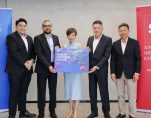
From Left to Right: Yong Jiahao, Partner, Infrastructure, Government & Healthcare (IGH) & Industrial Manufacturing, Tax, KPMG; Ajay Kumar Sanganeria, Partner and Head of Tax, KPMG; Lee Sze Yeng, Managing Partner, KPMG; Max Loh Khum Whai, Vice-Chair, Singapore Institute of Directors; Edwin Lee, Deputy CEO, Singapore Institute of Directors
By fostering resilient economic linkages, embedding digital trust, and cultivating world-class talent and leadership with cross-domain expertise, Singapore can ensure its businesses and economy remain secure, innovative, and competitive in an uncertain global landscape.
This Proposal outlines strategies to position Singapore as a critical hub for global flows, covering three crucial areas:
A new global order: Resilience as a pivotal growth strategy
The Intelligent Age: Smart solutions for an innovative era
The recommendations in the proposal are also supported by data-driven insights from a survey recently conducted by KPMG and SID. More than 1,000 professionals, managers, executives and technicians (PMETs) and business owners were surveyed on the challenges they face and the kinds of Budget 2026 support they hoped to see. [For more information, please refer to the deck with the full survey results: https://kpmg.com/sg/en/campaigns/kpmg-singapore-budget.html ]
Empowering businesses to leverage Singapore’s trusted role as a global connector
Global commerce is rapidly transforming amid rising protectionism, shifting trade rules, evolving tax regimes, and geopolitical tensions. Singapore’s long-term prosperity in the new global order depends on its ability to lead as a trusted connector and aggregator of the flows of goods, capital, data, and talent.
Singapore must strengthen its economic linkages, build secure and interoperable digital platforms, cultivate a workforce equipped with cross-domain expertise, and equip boards with essential skills to navigate emerging risks and opportunities. Trusted and resilient economic linkages will ensure the seamless movement of goods, services, and investments, while interoperable digital platforms will play a critical facilitation role in enabling cross-verification of information, streamlining compliance, and fostering trust across borders. These efforts are especially important in helping businesses cope with shifting regulations. KPMG and SID’s survey found that 51 percent of respondents identified increased business costs as the main challenge to cross-border expansion, followed by higher tariffs (26 percent) and supply chain difficulties (25 percent). To address these challenges, 43 percent of respondents want stronger economic and trade partnerships to overcome trade barriers.
KPMG and SID recommend:
a) Developing a unified digital platform for Free Trade Agreement (FTA) management (page 7) to help businesses navigate complex procedures and unlock the full benefits of FTAs. This would be seamlessly integrated with government systems, making it more seamless and cost-effective for businesses to comply with FTA requirements. This would enable firms to leverage Singapore’s extensive FTA network to gain footholds in new markets, further enhancing Singapore’s regional and global competitiveness.
b) Increasing access to working capital to accelerate local enterprises’ strategic transformation and implementing industry-specific governance frameworks (page 7). With geopolitical shifts driving a more complex regulatory landscape, increased and dedicated funding would enable businesses to transform for the future while responding effectively to evolving governance standards. Such funding should be complemented by industry-specific governance playbooks to equip boards with essential tools to strengthen agility and resilience.
c) Enhancing Singapore’s government-backed trade platform with blockchain and AI (page 6). The global economy has seen an increase in supply chain disruptions amid geopolitical and trade uncertainties. An enhanced Government-backed trade platform would enable Singapore to further facilitate the flow of trusted payments, making it even easier for businesses to validate transactions and act on smart recommendations to elevate supply chain efficiency. Amid a more fragmented world, the enhanced platform would also reinforce Singapore’s position as a reliable hub for global commerce, by promoting increased supply chain transparency for critical industries like semiconductors, pharmaceuticals, and advanced manufacturing.
d) Introducing progressive carbon taxes to reward decarbonisation and establish performance-based pathways for large emitters (page 9). Singapore’s carbon taxes must evolve to consider unique business needs and companies’ decarbonisation plans. Progressive carbon tax rates post-2030 – based on facility emissions volume, emissions per unit of output, and sectoral abatement potential – could be accompanied by permanent conditional tax rebates for energy-intensive, trade-exposed sectors. These rebates could be based on set criteria such as verified year-on-year reductions in carbon intensity and investments in low-carbon technology. To strengthen these efforts, Singapore could also establish an ASEAN Environmental Data Exchange to facilitate the sharing of standardised and interoperable environmental data between Singapore and its regional trade partners (page 8). The exchange would improve the flows of green trade and green capital, enabling Singapore to be a regional hub for environmental data harmonisation. Organisations like the Singapore Institute of Directors could play a catalytic role by building board-level capability, aligning disclosure expectations and promoting best practices through director education, guidance frameworks and peer learning on a regional scale, helping boards to lead initiatives like progressive carbon taxation.
Fostering an ecosystem of Trusted AI in the Agentic Era
The rise of artificial intelligence (AI) is reshaping global competitiveness, with agentic AI—capable of autonomous decision-making—introducing both transformative opportunities and significant challenges. While agentic AI can drive innovation, optimise operations, and unlock new efficiencies, it also raises critical concerns around accountability, ethical deployment, and governance.
A critical enabler of AI’s potential is data sharing, yet this often proves difficult due to competition, concerns over intellectual property, and a lack of trust between organisations. Businesses—particularly smaller enterprises—also face cost constraints in accessing high-quality data, and many also lack the strategic clarity and workforce competencies to identify where AI can augment their operations.
KPMG and SID’s poll found that 54 percent of respondents cited talent and skills gaps as the top challenge for adopting AI, followed by high costs of technology adoption (52 percent) and a lack of clear AI adoption strategies (48 percent). By addressing these concerns, Singapore will be able to fully leverage the vast potential of AI and data to reinforce its status as a hub across various sectors.
KPMG and SID recommend:
a) Co-funding sector-specific shared data pools in partnership with trade associations and industry stakeholders (page 15). These shared, anonymised data pools would enable businesses to access high-quality datasets without incurring prohibitive costs. Tailored to specific sectors such as logistics and retail, these pools would facilitate benchmarking, model training, and experimentation under a trusted framework that safeguards data privacy and protects intellectual property. Shared data initiatives should be paired with guided AI adoption support to help businesses understand how AI can enhance specific parts of their value chain. For example, targeted support could help logistics firms optimise supply chains or assist retailers in leveraging AI to personalise customer experiences. This dual approach would enable broader AI adoption and accelerate innovation across industries.
b) Enhancing the public-private partnership (PPP) framework to accelerate AI adoption (page 15). As firms navigate high costs and limited guidance around AI adoption, there is an opportunity for the Government to provide greater access to infrastructure to lower barriers for AI experimentation and deployment. The enhanced framework would create positive spillover effects from existing AI initiatives, as government agencies, academia and industry stakeholders collaborate to strategically integrate AI solutions into business strategies. The framework could also promote cross-sector collaboration in key industries, fostering a culture of open innovation in AI. To bolster digital trust, Singapore could also establish a regional “Trusted AI” mark to drive harmonisation and innovation (page 12). Although Singapore’s Model AI Governance Framework provides a strong foundation for responsible AI deployment, there is still a largely untapped opportunity for Singapore to champion an assurance label that shows firms have AI controls aligned with recognised AI governance standards. By pushing regionalrecognition of this mark, Singapore could accelerate cross-border innovation and trade. The mark would build on initiatives like AI Verify and Project Moonshot, which have helped to promote Trusted AI in Singapore.
c) Supporting hands-on AI governance training for board members and executives (page 13) through a dedicated fund. This would complement existing SkillsFuture programmes which focus primarily on AI awareness, by expanding the emphasis to address strategic and operational gaps at the leadership level – covering ethical deployment, change management and cross-domain applications.
Building globally relevant leaders with cross-domain skills
To fulfil its role as a hub for global flows, Singapore must enable its businesses to navigate a complex web of governance requirements, trade rules, tax policies, and tariffs. While compliance with governance standards will bring higher upfront costs, it also provides a foundation for businesses to lead in innovation and competitiveness. For instance, businesses that embrace sustainability compliance can innovate in areas like green finance, carbon accounting, and environmental data exchange.
Yet, none of this is possible without specialised talent and leadership. Singapore needs professionals and board leaders with expertise in areas such as supply chain management, AI governance, and sustainability strategy. These individuals must be able to connect the dots across domains, such as linking data governance with trade compliance or integrating sustainability goals into business operations. The need for enhanced talent development also emerged from KPMG and SID’s survey findings. Forty-nine percent of respondents want more skills development and upskilling courses. Meanwhile, 42 percent hope for more support for workforce transformation and job redesign, such as higher grants. In addition, 37 percent of respondents want more leadership and management development initiatives, especially in the areas of mentorship and coaching for emerging leaders and advanced leadership programmes.
KPMG and SID recommend:
a) Creating a dedicated work-pass category for “master trainers” and mentors (page 18). The work-pass would encourage international professionals to join local companies, public agencies and training institutions to lead structured upskilling or leadership development programmes. This would accelerate skills transfer, expose workers to global best practices, and build a robust pipeline of talent capable of driving strategic transformation and competitiveness in a rapidly evolving global landscape. Structured leadership development programmes could also include peer-sharing platforms (page 21) aimed at promoting transformation training among C-suite leaders. Backed by the public sector and industry stakeholders, such platforms could foster the exchange of best practices, promote collective learning on key sustainability capabilities and empower leaders to proactively redesign roles and workflows ahead of market shifts.
b) Setting up job transformation roadmaps with co-funded training and certification initiatives (page 19) tied closely to sector-specific needs. As rapid technological developments shape industry demand for skills, job transformation roadmaps would be beneficial in outlining sector-specific disruptions, challenges and opportunities. These roadmaps could be accompanied by industry-recognised certification, and programmes backed by both the public and private sectors. Tailored to sectoral needs, certifications could help to assess whether workers have acquired the necessary skills to perform in transformed roles, especially in fast-evolving sectors where traditional qualifications may no longer suffice.
c) Establishing a $100 million fund to advance social impact reporting (page 9). As Singapore pursues long-term resilience, it must also ensure that economic growth is sustainable and inclusive. The fund could be used to train professionals and board directors in the reporting of social metrics, support academic modules in social sustainability and certify social auditors and advisers. It could also be complemented by broader efforts to enhance environmental, social and governance (ESG) competencies among businesses’ top leadership. Singapore could establish a national registry of certified sustainability committee members (page 20) who can be matched to boards and committees across sectors. This would help to expand access to qualified board resources, especially for local enterprises.
Lee Sze Yeng, Managing Partner, KPMG in Singapore, said:
“Leadership today isn’t just about mastering AI or acquiring specialised skills—it’s about navigating the intersections of cross-border trade, technology, and sustainability. To remain competitive, leaders must move beyond the basics, using AI and data to drive real business outcomes while building governance frameworks that inspire trust. At the same time, they need the courage to take calculated risks and collaborate across ecosystems to unlock new opportunities. Initiatives like co-funding sector-specific shared data pools and guided AI adoption support are critical to overcoming barriers and equipping leaders with the tools to thrive. As disruptions grow increasingly cross-border and cross-domain, Singapore’s ability to cultivate leaders who can turn complexity into opportunity will define its success as a global flows hub.”
Ajay Kumar Sanganeria, Partner, Head of Tax, KPMG in Singapore, said:
“Singapore’s position as a global hub—connecting trade, data, and capital—offers businesses significant opportunities to grow and compete globally. Grants and platforms are vital enablers, but they must be part of a broader solution that simplifies complexities and empowers businesses to focus on innovation. Future-ready approaches, such as managing governance and compliance in a more consolidated or ‘as-a-service’ mode, can reduce burdens on enterprises. A unified digital platform for Free Trade Agreement (FTA) management, enhanced with blockchain and AI, could streamline compliance and unlock the full benefits of Singapore’s FTA network. Co-funded training programmes and shared governance frameworks can further help businesses pool resources and build capabilities. By combining grants, platforms, and smarter ways of working, Singapore strengthens its role as a trusted global connector and equips businesses to lead with confidence in an evolving world.”
Yeoh Oon Jin, Chair, Singapore Institute of Directors, said:
“Singapore’s future as a global hub for connectivity and commerce will be shaped by how boards of directors evolve to lead with resilience and trust. Budget 2026 is an opportunity to strengthen governance frameworks that embed sustainability, cyber trust and accountability into every organisation’s agenda. By empowering directors to champion innovation, sustainability and digital assurance, organisations can grow with confidence while reinforcing Singapore’s position as a secure and trusted connector for goods, capital, data and talent in an increasingly complex global landscape.” Hashtag: #KPMG #SID
The issuer is solely responsible for the content of this announcement.
About KPMG in Singapore
KPMG in Singapore is part of a global organization of independent professional services firms providing Audit, Tax and Advisory services. We operate in 142 countries and territories with more than 275,000 partners and employees working in member firms around the world. Each KPMG firm is a legally distinct and separate entity and describes itself as such. KPMG International Limited is a private English company limited by guarantee. KPMG International Limited and its related entities do not provide services to clients.
About SID
The Singapore Institute of Directors (SID) is Singapore’s national association for company directors. Established in 1998, our mission is to transform boards and empower board directors to be champions of good governance. SID works with regulators and partners to serve as the voice for directors and facilitates consultations and feedback sessions on regulatory matters. In advocating for good governance, SID advances thought leadership and benchmarking research and indices on corporate governance and directorship issues.
SID builds competencies and capabilities to enhance boardroom skills of directors for informed decision-making. An accreditation programme serves to set standards for and showcase best practices of good governance. The organisation supports members on their directorship journey with courses, workshops, advanced masterclasses, forum discussions and pit-stops. SID connects and strengthens the ecosystem with initiatives such as mentoring and networking. The Governance for Good Alliance is an initiative by SID to bring together key stakeholders who help advance our vision for every board director to be a champion of good governance.
RAKBANK has secured in-principle approval from the Central Bank of the UAE to issue an AED-backed payment token, marking one of the clearest signals yet that regulated stablecoins are moving from concept to execution within the federation’s banking system. The Ras Al Khaimah-based lender said the approval allows it to proceed with development and testing of a dirham-denominated digital token designed for payments and settlement, subject to […]
Arabian Post Staff -Dubai Motorola used the Lenovo Tech World Showcase alongside CES 2026 to outline a sharpened strategy for premium smartphones, unveiling a new Razr foldable and a broader flagship portfolio designed to embed artificial intelligence deeper into everyday mobile use. The announcements signal a renewed attempt by the Lenovo-owned brand to regain momentum in the high-end segment, where competition from Samsung, Apple and fast-rising Chinese […]
Arabian Post Staff -Dubai Saudi Arabia will allow all foreign investors to participate directly in its financial markets from February 1, marking a significant liberalisation as the kingdom intensifies efforts to draw sustained overseas capital and deepen market liquidity. The policy shift removes longstanding eligibility thresholds that limited access to a narrower group of institutions, signalling a more open framework aligned with global investment practices. The […]
71 per cent of Asia’s young adults prefer clear planning, with 69 per cent optimistic about their financial future despite prevailing uncertainty
HONG KONG SAR – Media OutReach Newswire – 7 January 2026 – Asia’s young adults are taking a structured approach to managing their finances, according to a new study published by Prudential plc (“Prudential”), the leading Asia and Africa insurer. The research, titled “Financial Mindset of Young Adults in Asia”, finds that more than seven in 10 respondents (71 per cent) choose clear planning over spontaneity, maintaining consistent insurance and investment habits. This pragmatism is coupled with optimism: nearly 70 per cent believe their personal finances will improve in the next five to 10 years.
The study surveyed over 5,300 young adults aged 20-35 across seven Asian markets, including Hong Kong, Indonesia, Malaysia, the Philippines, Singapore, Taiwan, and Thailand, aiming to take a pulse on this dynamic generation’s insurance and investment experiences, preferences, and attitudes.
A Generation of Financial Pragmatists
The majority of Asia’s young adults believe living in uncertainty is now the norm (63 per cent), citing financial security as their top life concern (77 per cent), surpassing family responsibilities (53 per cent), health (52 per cent), career and education (42 per cent). Close to 60 per cent report focusing more on the future over enjoying the present moment.
Amidst this prevailing sense of unpredictability, young Asians maintain a positive personal financial outlook. Sixty-four per cent express confidence that they will have enough money to fund retirement.
In terms of financial management, more than half of young adults (53 per cent) seek a balance of smart investment strategies with freedom to enjoy life. Flexibility remains a defining preference, with 62 per cent of respondents favouring financial solutions that evolve alongside their lives and aspirations, rather than adhering rigidly to one style of saving or investing.
A measured risk profile with a long-term perspective also defines how young adults in Asia approach investment. They are balanced between high-risk investments for higher returns (42 per cent) and safe, low-risk options such as fixed deposits to safeguard savings (40 per cent). Nearly 60 per cent prefer investment instruments designed to be held for an extended period, reflecting an orientation toward sustainable financial growth.
Priscilla Ng, Chief Customer and Wealth Officer at Prudential plc, said: “Prudential is committed to empowering people across all life stages, including young adults, to shape their future, protecting possibilities and nurturing every promise. Today, Asia’s median age is just 32.5 years1, highlighting a vibrant and youthful population. This generation is redefining how financial management and security is approached, with unique priorities and expectations. Understanding their perspectives helps us tailor solutions that are simple, accessible, and relevant to their needs.”
Digital Ease, Human Expertise
The survey further reveals that young adults in Asia are navigating their insurance and investment journey through a blend of digital convenience and human support. With the prevalence of digital tools, 61 per cent of respondents feel confident researching and selecting products on their own, and 54 per cent are confident managing their portfolio independently.
Yet, human touchpoints remain highly valued: 64 per cent prefer consulting financial advisers for life or health insurance decisions and ongoing support, especially when handling complexities in coverage details (70 per cent) and the claims process (68 per cent). At the same time, digital platforms are favoured for real-time financial management, reflecting a growing demand for hybrid insurance and investment experiences that integrate technology and personal guidance – an approach that strongly resonates with today’s pragmatic young adults.
Millennials and Gen Z are expected to make up about half of Asia-Pacific’s consumers by 20302. For insurers, this means reimagining engagement with this segment through simple, accessible products and innovative, empathetic experiences that blend data, technology, and human understanding, said Ms. Ng.
1 United Nations’ World Population Prospects 2024 2 Eastspring Investment: Asia’s consumer-fuelled growth, September 2025Hashtag: #Prudential
The issuer is solely responsible for the content of this announcement.
About the report
Financial Mindset of Young Adults in Asia is a Prudential commissioned report, delving into the insurance and investment experiences, preferences and attitudes of 5,348 people aged 20-35 in seven Asian markets. through online quantitative survey. The survey was conducted in July-August 2025.
About Prudential plc
Prudential provides life and health insurance and asset management in Greater China, ASEAN, India and Africa. Prudential’s mission is to be the most trusted partner and protector for this generation and generations to come, by providing simple and accessible financial and health solutions. The business has dual primary listings on the Stock Exchange of Hong Kong (HKEX: 2378) and the London Stock Exchange (LSE: PRU). It also has a secondary listing on the Singapore Stock Exchange (SGX: K6S) and a listing on the New York Stock Exchange (NYSE: PUK) in the form of American Depositary Receipts. It is a constituent of the Hang Seng Composite Index and is also included for trading in the Shenzhen-Hong Kong Stock Connect programme and the Shanghai-Hong Kong Stock Connect programme.
Prudential is not affiliated in any manner with Prudential Financial, Inc. a company whose principal place of business is in the United States of America, nor with The Prudential Assurance Company Limited, a subsidiary of M&G plc, a company incorporated in the United Kingdom.
LAS VEGAS, US – Media OutReach Newswire – 7 January 2026 – The 2026 International Consumer Electronics Show (CES 2026) opened on January 6 in Las Vegas, bringing together leading global technology companies. As the barometer of industry trends, CES highlights rapid advances in consumer electronics. This year, Changhong presented a new portfolio of AI-driven home appliances under the concept of “AI Technology + Human-Centric Design”, blending advanced intelligence with a distinctive design identity.
Changhong is accelerating the integration of AI across its home‑appliance lineup. Its panda-themed AI series merges this widely welcomed Chinese cultural symbol with AI capabilities, utilising anthropomorphic interaction, environmental sensing, and adaptive control to recreate a naturally intuitive and comforting user experience. The AI TV features the intelligent “Panda Xiaobai,” offering round-the-clock interaction. Complementing it, the AI refrigerator introduces cloud-based humidity control to maintain ingredients in an optimized freshness chamber, while the AI air conditioner delivers a gentle adaptive cooling experience reminiscent of a natural breeze. Completing the ecosystem, the AI washing machine employs triple-power cleaning for efficient fabric care. Blending everyday technology with humanistic warmth, Changhong aims to create smart home experiences that feel more intuitive and emotionally engaging.
Moreover, Changhong also unveiled several breakthroughs: The 100-inch RGB MiniLED TV, boasts an ultra-slim profile, an anti-glare display, and immersive audiovisual performance, complemented by industry-leading large-scale AI models like DeepSeek for enhanced voice interaction. The AI Air Manager 360° air conditioner extends beyond temperature control to incorporate air‑quality management, learning user habits to optimize comfort and energy efficiency. The full‑space preservation refrigerator applies AI freshness algorithms and dual‑system temperature control to eliminate odor mixing and temperature fluctuations. The AI washer‑dryer set intelligently identifies fabric types and automatically adjusts washing programs.
Changhong presents a holistic smart home ecosystem designed around user experience, further enhancing its visibility and presence in the international smart home landscape. Driven by its global “Technology + Sports” branding strategy, the brand has established an overseas network encompassing R&D, manufacturing, products, and services. Through intelligent sensing, natural interaction, and multi-scenario coordination, its AI appliances deliver a more efficient, convenient, and comfortable home experience, reflecting the Company’s forward-looking vision for smart living.
Through its fusion of AI innovation and vivid design, Changhong is shaping a distinct global brand presence, delivering smart home solutions that resonate both emotionally and technologically with users worldwide.
Hashtag: #Changhong
The issuer is solely responsible for the content of this announcement.
LAS VEGAS, UNITED STATES – Media OutReach Newswire – 7 January 2026 – Amidst a CES 2026 landscape dominated by AI headlines and humanoid robots, a quiet corner of the Lens Technology booth has unexpectedly become a focal point for commercial space analysts.
There are no flashy RGB lighting effects here, only a sheet of glass as thin as a cicada’s wing, being repeatedly rolled and unrolled like a tape measure. This is the public debut of Lens Technology’s aerospace-grade UTG (Ultra-Thin Glass) photovoltaic encapsulation solution. This technology marks the official entry of the manufacturing titan—best known as a giant in the Apple supply chain—transferring its precision manufacturing capabilities from consumer electronics to humanity’s next trillion-dollar market: space infrastructure.
As leading global satellite companies begin the mass deployment of third-generation (V3) satellites, the Low Earth Orbit (LEO) internet race is entering a “second half” defined by heavy payloads, long lifespans, and low costs. Lens Technology’s entry aims to untie the knot that has long plagued the aerospace industry: the trade-off between flexibility and durability.
Farewell to the “Plastic Feel”: The Material Battle in Space
At the Lens Technology booth, engineers demonstrated the core contradiction to the audience: Traditional aerospace solar cell covers are either heavy Cerium-doped Glass (CMG) or expensive Fused Silica, typically ranging from 100μm to 500μm in thickness. They are robust, but too heavy and impossible to bend.
To adapt to the massive power demands of next-generation satellites (such as those supporting direct-to-cell services), solar wing designs are rapidly evolving from rigid panels to Roll-Out Solar Arrays (ROSA-like structures). This shift forced designers to temporarily turn to polymer materials like transparent Polyimide (CPI).
“However, polymers have a fatal weakness in space,” explained a Lens Technology on-site technical lead. “The LEO environment is filled with high-energy Atomic Oxygen (AO) and strong UV radiation. Under long-term exposure, polymer molecular chains break, causing the material to yellow, become brittle, and suffer a drastic drop in light transmission. This efficiency decay was tolerable for early satellites with 5-7 year lifespans, but for the new generation of mega-constellations pursuing higher commercial returns, it is unacceptable.”
Lens Technology’s answer is Aerospace-Grade UTG. As an inorganic material, glass possesses innate “immunity” to Atomic Oxygen and UV aging, ensuring high light transmission throughout the satellite’s lifecycle. More importantly, its dense structure provides an effective barrier against water vapor and micrometeoroids, offering physical protection for delicate ultra-thin HJT or future Perovskite batteries.
The 30-Micron “Moat”: A Perfect Match for Next-Gen Satellites
In the demo area, a piece of glass only 30μm-50μm thick is bent to an astonishing radius of R1.5mm. This level of flexibility drew gasps from the audience.
This is exactly the characteristic most coveted by top global satellite companies today. To reduce the cost per launch, next-generation mega-satellites must be stowed with origami-like efficiency inside the rocket fairing. Lens Technology’s UTG solution allows solar wings to be tightly wound like a tape measure during launch, and instantly recover to a flat state upon orbital deployment.
However, making glass thin is the first step; keeping it from shattering during the violent vibration of a rocket launch is the real challenge.
Analysts point out that Lens Technology’s core competitiveness lies in its proprietary chemical strengthening processes and laser/diamond wire cutting technologies. Glass fractures often originate from micro-cracks invisible to the naked eye. Leveraging processes honed on foldable smartphones, Lens has significantly reduced the density of micro-defects on the glass edges and surfaces. This means that even under immense tension and vibration, this “glass skin” remains tough and resilient.
Dimensional Strike: Reshaping Aerospace Costs with “Consumer-Grade” Capacity
If technical specifications are the ticket to entry, then capacity and cost control are Lens Technology’s ultimate weapons.
“The logic of commercial space has changed; it is now the era of industrial mass production,” commented an industry analyst at the scene. Compared to the small-batch, lab-grade customization model of traditional aerospace glass manufacturers, Lens Technology brings the scale of consumer electronics manufacturing.
Facing the grand ambition of global satellite leaders planning to launch tens of thousands of satellites annually, supply chain elasticity is critical. Lens Technology stated that it has the capability to rapidly expand existing pilot lines or flexibly retrofit mass production lines. This potential for “ten-thousand-satellite scale” delivery and yield control can significantly lower the BOM (Bill of Materials) cost per satellite—addressing the most sensitive pain point for commercial space giants today.
Outlook: The New Cornerstone of Next-Gen Space Energy
At CES, Lens Technology also “spoiled” its future technology roadmap.
As Perovskite/Silicon tandem cells are viewed as the mainstream for future satellite power, UTG will serve not just as a cover, but as an encapsulation substrate. Lens Technology revealed it is developing next-generation composite UTG integrated with Anti-Static (ESD) coatings and Selective Radiation coatings, which will not only protect chips from electrostatic discharge damage but also assist in regulating battery temperature.
Although this business currently accounts for a tiny fraction of Lens Technology’s massive revenue and is in a period of intensive validation with global top-tier photovoltaic component manufacturers (Tier 2) and top commercial space clients (Tier 1), its signal significance cannot be ignored.
From smartphone screens to satellite wings, Lens Technology is proving that in the era of scaled expansion for space infrastructure, ground-based industrial giants possessing extreme craftsmanship and mass manufacturing capabilities will be indispensable “pavers” for the interstellar journey.
Hashtag: #LensTechnology
The issuer is solely responsible for the content of this announcement.
Enhancing Efficiency Through Technology, Safeguarding Every Match with Professional Oversight
AI Improves Information Efficiency, Allowing Matching to Focus on Interaction
HONG KONG SAR – Media OutReach Newswire – 6 January 2026 –In the domestic helper matching process, employers face their biggest challenge not at the point of decision, but earlier—when they spend hours comparing one profile after another. In Hong Kong’s fast-paced environment, limited time and an overload of information often make the first step of matching particularly demanding.
Recognising this challenge, Daniel Wong, Managing Director of My Sweet Home Employment Agency, led his team to develop and launch Hong Kong’s first AI-powered domestic helper comparison tool. Designed to reduce the time spent searching and comparing information, the system consolidates multiple helper profiles into a single view and provides preliminary analysis based on household background and job requirements—allowing employers to move more quickly to the most important step: meeting and interacting with the helper in person.
My Sweet Home’s AI-powered domestic helper comparison tool is built on the agency’s own long-established database. The system draws on years of actual matching cases, together with the frontline experience and industry knowledge accumulated by its consultant team. These real-world insights form the foundation of the AI’s training, ensuring that its analysis is informed by practical matching experience rather than abstract data alone.
Daniel emphasises that whether a domestic helper is truly suitable for a family must ultimately be assessed through direct interaction.”AI helps organise information more clearly, but the core of matching still lies in face-to-face interaction,” he said. “That interaction allows both sides to assess whether it’s the right match.”
Technology Improves Efficiency, While Interaction Reveals the Details
While AI streamlines the overall process, technology cannot replace what consultants observe through direct interaction with employers and domestic helpers. Every household differs in background, communication style, and daily routines, just as every helper brings a distinct personality, attitude, and set of values that cannot be captured through a resume alone.Through direct interaction with both sides, consultants gain a clearer sense of whether a match is likely to remain stable over time.
For this reason, even as information technology continues to advance and video interviews become increasingly common, My Sweet Home sends Hong Kong–based consultants to the Philippines each week to conduct in-person interviews. Face-to-face interaction allows consultants to observe a helper’s attitude, behaviour, responsiveness, and emotional stability with greater accuracy. Resumes reflect skills, and videos demonstrate language ability, but qualities such as attitude, patience, responsibility, commitment to family life, and sincerity emerge only through direct human interaction.
Maintaining Balance Between Technology and Professional Matching Standards
As the first employment agency in Hong Kong to introduce an AI-powered domestic helper comparison tool, My Sweet Home leads the industry in technology while maintaining a consistent matching philosophy. This innovation brings together years of matching experience and industry insight from the consultant team, using AI to organise and structure professional knowledge. The training data comes from real frontline matching cases and is applied to internal training, improving knowledge transfer while maintaining consistent professional standards and service quality across the team.
The domestic helper industry will continue to digitalise, but effective matching relies on trust and communication. In an era of rapid technological advancement, Daniel has chosen to lead My Sweet Home along a path that is both modern and rooted in direct human interaction. He believes that while technology can accelerate processes, successful matching depends on professional care and attention.
For employers seeking a more structured way to begin matching, My Sweet Home’s AI-powered domestic helper comparison tool provides a clearer and more efficient starting point.
The issuer is solely responsible for the content of this announcement.
My Sweet Home Employment Agency
Established in 2012, My Sweet Home Employment Agency is dedicated to fostering long-term, trustworthy relationships among employers, domestic helpers, and consultants. Guided by our core values of “building lasting client relationships through innovation and service excellence,” we are committed to provide exceptional support throughout the entire application process to ensure that each client receives personalized, attentive, and high-quality service.
With a strong presence across Hong Kong Island, Kowloon, and the New Territories, My Sweet Home Employment Agency has grown into one of the leading employment agency groups in Hong Kong. Our continuous pursuit of innovation and service refinement reflects our unwavering goal: to exceed client expectations through efficiency, accuracy, sincerity, attentiveness, and professionalism.




 www.hkstp.org



















 https://www.facebook.com/MySweetHomeEmploymentAgency
 https://www.instagram.com/my.sweet.home.hk




