News related to
energy

Aldar Properties has shattered records in Abu Dhabi’s luxury real estate market by selling an eight-bedroom mansion in the exclusive Faya Al Saadiyat development on Saadiyat Island for Dhs400 million. This sale marks the highest price ever achieved for a residential property in the emirate, further cementing the strong demand for ultra-luxury homes in the UAE capital.

The sprawling property, which covers an area of 6,561 square metres, is situated within the prestigious Saadiyat Beach Golf Club. It offers residents breathtaking panoramic views of the Arabian Gulf, as well as lush greenery that adds to the exclusivity of the location. Its prime beachfront position places the mansion in one of the most sought-after areas for high-net-worth individuals, both locally and internationally.

This transaction follows Aldar’s previous success in the luxury segment, including the sale of a penthouse at the Nobu Residences on Saadiyat Island earlier this year for Dhs137 million. Both sales highlight the increasing appeal of the UAE’s high-end real estate market, particularly among overseas buyers.

Analysts attribute the sustained demand for such properties to a combination of factors, including the UAE’s strong economic performance, favourable government policies, and its status as a global business hub. The country has long been a magnet for wealthy investors, drawn by its tax advantages, world-class infrastructure, and lifestyle offerings.

In addition to these elements, Saadiyat Island itself remains a key driver of Abu Dhabi’s luxury property sector. Known for its cultural landmarks, including the Louvre Abu Dhabi, and its proximity to the city centre, the island has become a prime location for affluent buyers looking for the perfect blend of privacy, comfort, and access to world-class amenities.

The sale of the mansion is also seen as a sign of the growing interest in high-end properties located within exclusive developments that offer an all-encompassing lifestyle. Such properties are increasingly seen as more than just homes but as status symbols, offering unparalleled levels of comfort, privacy, and security.

Market observers also note that there is a broader shift occurring in Abu Dhabi’s property market. While the city has traditionally catered to mid-range and luxury buyers, there is now a distinct increase in the number of ultra-luxury homes being developed, particularly in areas like Saadiyat Island, Al Maryah Island, and Yas Island. This reflects the growing wealth in the region and the changing demands of buyers who are seeking residences that offer an exceptional standard of living.

Beyond luxury, the rise of sustainability and eco-consciousness is also influencing buyer preferences. As a result, developers like Aldar are increasingly incorporating eco-friendly features in their designs, from energy-efficient systems to sustainable building materials. These elements are becoming key selling points for buyers who place value not just on luxury, but also on environmental responsibility.

Despite global uncertainties, the UAE’s property market has managed to remain resilient, driven by continued foreign investment and a steady inflow of expatriates. Property experts predict that the momentum in Abu Dhabi’s high-end market will continue, with further developments expected to emerge in the coming years, particularly in sectors like hospitality and mixed-use real estate.

Aldar’s recent success in the luxury segment is not just a reflection of the company’s ability to capitalise on this growing trend, but also a testament to its reputation as a leader in high-end residential developments. The developer’s ability to push boundaries and redefine luxury living in the UAE capital positions it at the forefront of an increasingly competitive market.


OPEC+ is expected to maintain its current strategy on oil production levels when the Joint Ministerial Monitoring Committee convenes on Monday, despite shifting market conditions. Key delegates from the oil-producing coalition indicated that there will be no immediate changes to the group’s decision to increase output in August, which will see a rise of 548,000 barrels per day.

The JMMC, comprising high-ranking officials from the Organization of the Petroleum Exporting Countries and its allies, including Russia, is scheduled to meet at 1200 GMT. The outcome of this meeting has drawn considerable attention as global oil markets adjust to fluctuating demand patterns and supply conditions.

Several OPEC+ delegates, speaking anonymously, stated that the group is unlikely to alter its course, with the decision to gradually increase production still firmly in place. “There is a consensus that the demand recovery during the summer months is adequate to absorb the additional supply,” one source said. “The market dynamics currently seem to support this increase, and we are committed to regaining lost market share.”

Since the production cuts agreed upon in 2020 to counter the downturn caused by the COVID-19 pandemic, OPEC+ has been slowly increasing its oil output in a phased approach. However, with global economies on a recovery path, the group is under increasing pressure to balance its output against rising demand, particularly in regions such as Asia and North America.

While the rise in demand, particularly during the summer driving season, is helping to absorb the additional barrels, concerns have been voiced over the potential for global oil prices to soften. The overall impact of geopolitical tensions, the economic slowdown in key markets, and the risk of higher interest rates remain points of consideration for the group. However, OPEC+ delegates have indicated that their immediate focus will be on ensuring market stability while continuing to rebuild their market share lost during the pandemic.

Experts also pointed out that a significant shift in the global oil market would need to occur before the JMMC meeting in order to warrant a change in strategy. For now, the consensus is that OPEC+ will stick with the current path to bolster its market position. The decision to implement production increases has thus far been perceived as cautious and calibrated, aimed at preventing market volatility while capitalising on seasonal demand.

The continued commitment to raise output reflects OPEC+’s broader goal of restoring pre-pandemic production levels, despite the headwinds faced in navigating complex global markets. With increasing production from non-OPEC countries, including the United States and Brazil, OPEC+ is mindful of its position and market share but seeks to avoid dramatic shifts in strategy that could destabilise oil prices.

The JMMC’s decision will carry significant weight in shaping the oil market’s near-term trajectory. While global oil inventories remain relatively tight, with a demand spike in the Northern Hemisphere, OPEC+ is closely monitoring the response of major economies to any potential macroeconomic uncertainties. The meeting will also likely set the tone for discussions in future OPEC+ summits, where longer-term strategies will be evaluated in light of emerging trends, particularly energy transitions.

Dubai Land Department has formalised a groundbreaking partnership with Masdar City, paving the way for companies operating within Abu Dhabi’s prominent free zones to acquire land plots and properties under the freehold ownership system in Dubai. This strategic memorandum of understanding aims to provide these companies with a more expansive and regulated pathway to invest in the Dubai real estate market, in line with the emirate’s broader vision to bolster its economic landscape.

The MoU was signed by Majid Al Marri, CEO of the Real Estate Registration Sector at DLD, and Ahmed Baghoum, CEO of Masdar City, during an official event in Dubai. The agreement marks a significant step in enhancing Dubai’s real estate market, which is actively adapting to new investor demands and aims to remain a competitive player on the global stage.

This collaboration is part of a wider effort to increase the attractiveness of the Dubai property market, with a focus on aligning with the Dubai Real Estate Strategy 2033. As part of this strategy, the city aims to enhance its status as a global hub for investment, business, and residential opportunities. By granting companies in Masdar City the ability to own land and property in Dubai, the DLD is encouraging greater foreign investment and further integration of the free zone’s economic sectors with the emirate’s broader financial ecosystem.

The development comes as part of Dubai’s commitment to expanding its investment opportunities across various sectors. This MoU reflects the UAE’s ambition to tap into innovative and sustainable business models, especially in green and technology-driven industries. Masdar City, which has long been recognised as a leader in sustainable urban development, is expected to play a pivotal role in further shaping the region’s real estate future. The partnership also signals a convergence of real estate and green innovation, capitalising on both sectors’ growth trajectories.

Masdar City, known for its focus on sustainability, is home to a growing number of businesses and startups involved in renewable energy, environmental solutions, and green technologies. By facilitating real estate ownership for these companies in Dubai, the DLD is fostering an environment that encourages companies operating in these industries to expand and deepen their investments in the UAE’s economic framework.

For Masdar City, the agreement opens up new opportunities for its tenants, creating a more expansive environment in which businesses can thrive, with the potential for significant capital appreciation as Dubai’s real estate market remains one of the most stable and profitable in the region. This move is also expected to elevate the city’s global competitiveness by promoting a broader base of businesses, both within Masdar and the UAE at large.

The impact of the collaboration extends beyond just Masdar City, as it could set a precedent for similar partnerships with other free zones across the UAE. By allowing companies established in these zones to acquire freehold properties in Dubai, the deal may become a template for expanding the emirate’s real estate portfolio to a wider range of international businesses. This would further diversify Dubai’s economy, making it more resilient to external market fluctuations and better positioned for future growth.

The MoU is also aligned with the Dubai Land Department’s efforts to provide a comprehensive regulatory framework that ensures transparency and ease of investment. By streamlining the process for companies seeking to buy real estate in Dubai, the agreement simplifies procedures that may have previously been perceived as barriers to entry, thereby improving the investment climate in the city.

As global markets continue to shift and adapt to new economic realities, Dubai remains at the forefront of innovation in property ownership models. With its unique approach to offering a blend of residential, commercial, and industrial opportunities, the city continues to cater to a wide range of investors, both local and international.

The collaboration between Dubai Land Department and Masdar City reinforces the UAE’s strategy of creating an attractive and dynamic environment for business, while also ensuring sustainable growth. With the expanding role of free zones in driving the nation’s economy, this move is expected to provide tangible benefits for both Masdar City tenants and the wider Dubai real estate market, positioning the emirate as a leader in global real estate investment.

JAKARTA, INDONESIA – Media OutReach Newswire – 25 July 2025 – VinFast officially announced its membership in the Association of Indonesia Automotive Industries (GAIKINDO), marking a significant milestone in its journey to strengthen its position in the local market and demonstrate its long-term commitment to accompanying Indonesia on its path toward greener mobility. GAIKINDO membership provides VinFast with the opportunity to accelerate electric vehicle (EV) adoption, get […]

By Nitya Chakraborty The recent months have not been comfortable for India with its two neighbours Pakistan and India, but as regards the third most powerful neighbouring county China, th scenario has turned different. India-China ties which became bitter at the time of clashes in Galwan valley in 2020, started softening from last year and […]


Global oil consumption has shifted, with demand now peaking in the third quarter instead of the traditional fourth, signalling a structural change reshaping markets during the summer months. Analysts point to stronger consumption from Asia—particularly China and India—alongside diminished heating fuel use in advanced economies as key drivers behind this trend, which carries significant implications for trading patterns, strategic reserves and pricing dynamics.

Industry data show that consumption of heating oil and kerosene in wealthy nations has declined steadily. In the US, fewer households rely on refined petroleum for heating—dropping from 17 % in 1990 to just 9 % today—while Europe has seen even steeper falls. Conversely, jet fuel use during Northern Hemisphere summers has grown, especially as holiday travel resumes. This has pushed demand peaks into July–September, reversing a long-standing seasonal rhythm.

Fuel consumption patterns in emerging economies present a stark contrast. Many countries, including those closer to the equator, rely on oil year-round for industrial power, electricity generation, and water desalination. Saudi Arabia, for instance, burned over 800,000 barrels per day of crude in just one summer to power air conditioning—a volume comparable to Belgium’s entire daily petroleum demand.

Climate change compounds the shift. Milder winters reduce heating demand, while hotter summers elevate energy needs for cooling and travel. In 2025 so far, global oil consumption in the third quarter is projected to exceed fourth-quarter levels by approximately 500,000 barrels per day—the fifth recorded year this has happened since 1991.

This transformation carries consequences for market tightness and pricing. Although OPEC+ and rising non‑OPEC output have attempted to balance supply, physical markets appear increasingly tight during summer months. In mid-July, Brent crude hovered in the mid‑US$60s, reflecting supply constraints despite softening from spring lows. Speculative traders, noting robust seasonal demand, have also increased their net long positions in Brent and gasoil contracts.

Asia’s role has been pivotal. China ramped refinery runs to over 80 % of capacity in June—the highest levels in five years—as stockpiling alongside consumption drove strong throughput. Meanwhile, Asia’s crude imports rose by around 510,000 bpd in the first half of 2025, underscoring the region’s impact. Despite cautious forecasts from the IEA and OPEC—projecting crude demand growth of 700,000 bpd and 1.29 million bpd respectively—actual refinery intake and imports suggest potential underestimation.

India’s fuel consumption trends provide further insights. June data from the Petroleum Planning and Analysis Cell show fuel demand was 20.31 million tonnes—down 4.7 % from May but up 1.9 % year-on-year—reflecting monsoon-related dips typical through August and September. Diesel usage, especially linked to industry and logistics, is a key part of India’s expanding consumption profile.

OPEC+ has responded to these dynamics. In August, the alliance approved production increases of roughly 548,000 bpd aiming to satisfy peak Q3 demand. Simultaneously, US shale output remains robust; American producers reported nearly 13.5 million bpd in April, although well completion rates have slowed, reflecting the dependency on prices.

Nevertheless, the market outlook grows more uncertain as it heads into fourth quarter. The EIA forecasts OECD inventories will build to 62 days’ worth of supply in the second half of 2025—rising further to 66 days by end-2026—signalling a potential surplus as summer demand wanes. EIA projections for 2026 also expect US production to decline, with WTI prices retreating toward US$53 per barrel.

Pricing reflects this shift. Oil markets have shown summer tightness in 2025, but expectations for a Q4 surplus weigh on medium-term prices. The IEA forecasts refinery throughput will drop from a projected August peak of 85.4 million bpd to about 81.7 million bpd by October, implying weaker demand later in the year.

The shift in seasonality thus becomes a critical market pivot. Traders, refiners and producers must recalibrate strategies around production schedules, storage cycles and investment decisions. Q3 now demands heightened vigilance—from physical balancing to hedging strategies—while Q4 may require reassessment of storage utilisation and pricing risk.

HONG KONG SAR – Media OutReach Newswire – 23 July 2025 – AECOM, the trusted global infrastructure leader, today announced that its joint venture with AtkinsRéalis has been awarded the consultancy agreement by the Highways Department of the HKSAR Government for the Hong Kong Section of Hong Kong–Shenzhen Western Rail Link (Hung Shui Kiu-Qianhai) (HSWRL). This cross-boundary railway project, a key initiative under the Northern Metropolis Development […]

Advertisements

HONG KONG SAR – Media OutReach Newswire – 23 July 2025 – The Faculty of Engineering at The Chinese University of Hong Kong (CUHK) continues to strengthen its position in global engineering education and research, with notable achievements across multiple engineering disciplines including Computer Science, Information Engineering, Electronic Engineering, Biomedical Engineering, Mechanical and Automation Engineering, Systems Engineering and Engineering Management. Recent rankings highlight the Faculty’s research excellence, […]

New Research Reveals US$130 Billion Economic Opportunity and Outlines Policy Framework to Accelerate Regional Digital Leadership by 2030 SINGAPORE – Media OutReach Newswire – 22 July 2025 – The Lee Kuan Yew School of Public Policy (LKYSPP) today released a comprehensive research report outlining how ASEAN can harness 5G and artificial intelligence convergence for transformative economic growth. The study, “Leveraging 5G to Accelerate AI-Driven Transformation in ASEAN: […]

KUALA LUMPUR, MALAYSIA – Media OutReach Newswire – 22 July 2025 – ARCHIDEX 2025 wasn’t just an exhibition—it was a statement. AUPU, a global leader in home comfort tech, solidified its position as an innovator at the 24th edition of Kuala Lumpur’s premier architecture and design show, with a showcase that underscored its strategic focus on solving regional lifestyle pain points. The brand’s success hinges on three […]

By Pinarayi Vijayan The life of Comrade VS Achuthanandan who passed away at the age of 101 on Monday is a remarkable chapter in the history of Kerala in general and the revolutionary movement here in particular. Comrade VS Achuthanandan was a symbol of a brilliant tradition of struggle, extraordinary determination and uncompromising fighting stance. […]


Greenlogue/AP ACWA Power has forged multi-party preliminary agreements with European energy giants to assess exporting renewable energy and green hydrogen from Saudi Arabia to Europe via the India–Middle East–Europe Economic Corridor. The accords aim to explore large-scale project feasibility and develop cross-border transmission corridors. The MoUs were signed in Riyadh on 20 July during a Renewable Energy and Green Hydrogen Export Workshop presided over by the Ministry of Energy. […]

We’re at an all-time high for the S&P 500 right at the beginning of earnings season. If we can get through this earnings season with not too many major failures, this upward current momentum that we have in the market, is likely to continue. It’s tempting to call this a pause for breath—but make no mistake, what follows could determine whether bulls stay in control. With 59 S&P 500 […]

A critical vulnerability in on‑premise Microsoft SharePoint servers is being actively exploited, enabling unauthenticated remote code execution and full server takeover, cybersecurity agencies and independent researchers have confirmed. The flaw, tracked as CVE‑2025‑53770, allows attackers to bypass authentication entirely by exploiting a deserialization weakness in SharePoint server code. They can upload malicious ASPX web‑shells, extract machine and cryptographic keys and gain persistent access—even after patches are applied. […]

Merz Aesthetics® Hong Kong Launches Ultherapy® Authenticity Verification Reward Program This August Consumers Urged to Verify Ultherapy® Transducers Authenticity for Safe and Effective Treatments HONG KONG SAR & MACAU SAR – Media OutReach Newswire – 30 June 2025 – Merz Aesthetics®, the world’s largest dedicated medical aesthetics business for more than 115 years, leads the industry shift with Ultherapy PRIME®, the latest innovation in hyper-personalized, non-invasive skin […]

M A Hossain It is easy to overlook the quiet revolutions in geopolitics, especially when the headlines are dominated by wars in Ukraine and Gaza, tensions in the Indo-Pacific, or the perennial drama of U.S.-China rivalry. Yet, beneath the surface of global power struggles, there is a subtler but equally consequential shift unfolding across Central Asia and the South Caucasus. And it is not Moscow, Beijing, or […]

A significant majority of sovereign wealth funds from the Middle East are poised to increase their investments in Chinese assets over the coming five years, according to the latest findings from Invesco’s Global Sovereign Asset Management Study. This shift places China at the forefront of strategic allocation decisions, reflecting growing confidence in its innovation-led sectors.

The study, conducted between January and March and covering funds and central banks managing a combined US$27 trillion, reveals that around 60% of Middle Eastern sovereign wealth funds are planning to boost exposure to China. This places the region only behind Asia‑Pacific and Africa, where 88% and 80% of funds respectively intend to raise allocations. North American counterparts also show strong interest, with approximately 73% signalling intent to increase investment in China.

Funds across regions cited strong returns—identified by 71% of respondents—as a key motivator, alongside diversification goals cited by 63% and improved market access for foreigners mentioned by 45%. Chinese innovation sectors, including digital technology, software, advanced manufacturing, automation, and clean energy, are particularly attractive, with 89% indicating interest in digital tech and software, and 70% each for manufacturing and green energy.

Participants in the study included 141 senior investment professionals—chief investment officers, asset-class heads and portfolio strategists—drawn from 83 sovereign wealth funds and 58 central banks globally. The high participation rate lends weight to the findings: China is now ranked as a high or moderate priority for 59% of funds, a notable jump from the previous year.

Despite geopolitical tensions between Washington and Beijing, sovereign funds appear more focused on structural opportunities. North American allocations towards China are framed as strategic, long-term bets in innovation rather than reactive moves to policy friction. As one Invesco executive described, investors appear driven by fear of missing out on China’s strides in semiconductors, AI, EVs and renewable energy—“a strategic urgency they once directed toward Silicon Valley”.

A regional lens reveals the Middle Eastern shift as part of a larger recalibration. Sovereign funds in the Gulf and from oil-rich neighbours are increasingly turning to China not just for commodity trades but for diversified returns and access to high-growth sectors. One Middle Eastern fund commented that the credit spectrum in fixed income markets currently offers more attractive risk-adjusted returns than public equities, underlining a broader repositioning.

Globally, sovereign investors are embracing active management, allocating more to fixed income and private credit as markets normalise post ultra-low interest rate era. Thirty‑nine per cent of funds plan to increase fixed income exposure, underscoring a pivot towards liquidity management and resilience. Private credit usage has expanded sharply, from 30% to 44% in direct or co-investments, reflecting growing appetite for yield and portfolio diversification.

Central banks are also reshaping strategy, with 64% planning to grow reserve holdings and 53% aiming to diversify further within two years. Gold remains a popular hedge: almost half intend to expand allocations over the next three years. The dominance of the US dollar persists, with 78% expecting no credible alternative supply within the next two decades.

A modest entrant in the digital asset space, sovereign wealth funds are gradually increasing exposure to digital currencies. Direct allocations rose to 11% from 7% in 2022, most pronounced in the Middle East, Asia‑Pacific and North America. Stablecoins, viewed as more accessible than traditional crypto, are gaining attention among emerging market funds.

China remains a focal point for global sovereign investors seeking exposure to growth-critical sectors and structural diversification. The convergence of strong returns, market access improvements, and sectoral opportunities is driving Middle Eastern and other funds to recalibrate their portfolios. China has transitioned from an optional allocation into a central pillar of future-focused asset strategies, marking a calculated investment pivot amid an evolving global landscape.

MACAU SAR – Media OutReach Newswire – 18 July 2025 – Studio City is excited to announce the extension of its popular Toy Story campaign, now making a big splash at Studio City Water Park. This summer, guests can enjoy a larger-than-life experience with their favorite Toy Story characters in a whole new setting. From now until October 31, Woody, Buzz Lightyear, and their friends are diving […]

Bahrain’s Crown Prince Salman bin Hamad Al Khalifa has secured a deal for Gulf Air to acquire 18 Boeing 787 Dreamliner aircraft fitted with General Electric engines, marking a departure from the carrier’s previous reliance on Rolls‑Royce engines. At a meeting held in Washington with U. S. President Donald Trump, the agreement was signed alongside a broader $17 billion suite of investments from Bahrain in the United States. […]

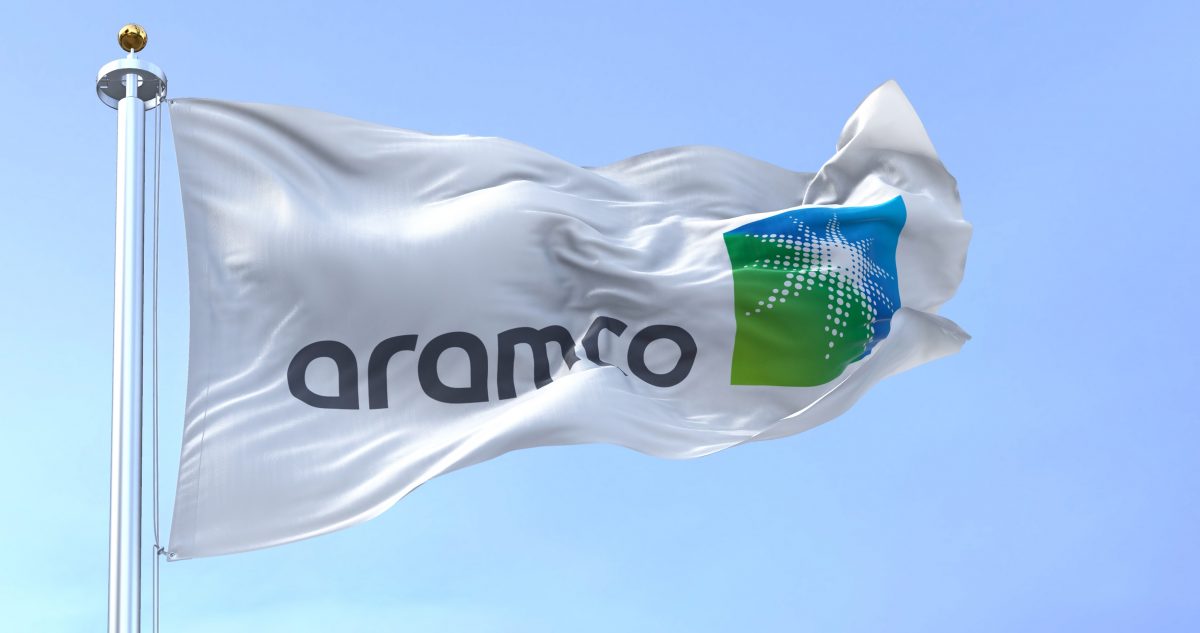
Saudi Aramco is in advanced discussions with a consortium spearheaded by BlackRock to secure approximately $10 billion for infrastructure linked to its expansive Jafurah gas initiative. The financing structure echoes prior deals, with investors purchasing usage rights while Aramco retains operational control and ownership.

The proposed transaction centres on critical assets—specifically pipelines and a processing facility—essential to the $100 billion Jafurah project, the world’s largest shale gas development outside the United States. Aramco aims to lift gas output by 60 per cent by 2030 from 2021 levels.

This initiative represents another strategic approach by Gulf oil majors to diversify their revenue models amid volatile crude prices. The deal allows Aramco to tap private capital while offering investors stable tariff income backed by long‑term usage commitments.

In 2021, BlackRock and EIG invested in Aramco’s gas and oil pipeline subsidiaries through similar lease‑back transactions, collectively raising nearly $28 billion. Under those agreements, Aramco retained a 51 per cent stake in each entity and paid tariffs to investors for pipeline usage, a structure described by consultancy Qamar Energy as more akin to borrowing than a sale.

With this new deal, Aramco continues its disciplined approach to infrastructure financing. The Jafurah project itself is a linchpin of Saudi Arabia’s energy transition agenda, aligning with national objectives to bolster gas production and reduce reliance on oil exports.

While those familiar with the talks confirm the structure mirrors the 2021 transactions, the group declined to specify a timeline for finalisation. Both Aramco and BlackRock declined to comment.

Experts note that such arrangements enable Aramco to free up capital for diversification ventures while retaining strategic infrastructure oversight. “The pipeline deals were basically a securitisation,” said Robin Mills, chief executive of Qamar Energy, referencing the 2021 transactions.

Market analysts believe this deal could serve as a template for financing future segments of Jafurah, which is expected to reach production of 2 billion cubic feet per day by 2030.

Taken together with Aramco’s earlier asset sales—such as its consideration of offloading gas-fired power plants and port infrastructure—these moves reflect mounting government pressure to boost proceeds amid a fiscal deficit and fluctuating oil revenues.

Saudi Arabia’s reliance on oil revenues—which accounted for around 62 percent of state income in 2024—has prompted a series of asset realisations, bond issuances and structured financing to support large-scale domestic projects and broaden the economic base.

The Jafurah deal also highlights growing investor appetite for stable, long‑dated infrastructure revenue streams in the Gulf. With institutional players like BlackRock involved, these deals are gaining traction as a viable alternative to traditional equity or debt-financing routes. Analysts suggest more such partnerships could emerge as the kingdom scales up energy-reform initiatives, including clean energy and non-oil sectors.

As the deal progresses, stakeholders will monitor its structure, particularly in comparison with the 2021 models, and assess implications for Aramco’s capital allocation strategy. The outcome could influence both market perception of the firm and broader investment flows into Middle East energy infrastructure.

HONG KONG SAR – Media OutReach Newswire – 18 July 2025 – Cushman & Wakefield, a leading global real estate services firm, today released its 2024 Sustainability Report, demonstrating the firm’s commitment to operational excellence and responsible business practices. The report highlights the firm’s global impact across key sustainability areas during 2024 and progress on future targets that will help shape a more sustainable and inclusive future […]

Greenlogue/AP Masdar has completed the sale of its equity stake in the Sharjah Waste-to-Energy plant to Tadweer Group, consolidating the latter’s position as a primary stakeholder alongside BEEAH in the Emirates Waste-to-Energy company. The strategic divestment marks a key reconfiguration in the regional clean energy sector, aligning the interests of all involved entities with their evolving operational goals and international ambitions. The transaction cements a new operational […]

ADNOC will shift its 24.9 per cent holding in Austrian oil‑and‑gas group OMV AG into XRG P. J. S. C, the UAE state oil giant’s $80 billion lower‑carbon energy and chemicals investment vehicle launched last November. The move aligns with ADNOC’s intent to centralise its international growth assets within XRG’s structure.

The shareholding transfer, subject to regulatory approval, follows ADNOC’s acquisition of the OMV stake from Mubadala in December 2022. In tandem, upon the completion of the proposed merger forming Borouge Group International —a polyolefins powerhouse valued at $60 billion—ADNOC’s resulting 46.94 per cent BGI stake will also be held by XRG.

The BGI framework merges OMV’s 75 per cent‑owned Borealis with ADNOC’s 54 per cent Borouge, and incorporates Nova Chemicals, securing the group’s position among the world’s top four polyolefins producers. OMV and ADNOC each will control approximately 46.94 per cent, with the remaining 6 per cent free‑float pending UAE Securities and Commodities Authority consent.

Khaled Salmeen, ADNOC’s downstream chief, described the move as a logical next step following the $60 billion chemicals merger, reinforcing the energy transition and investment diversification strategy. ADNOC’s transfer of both its OMV holding and BGI stake into XRG reflects its ambition to streamline governance and position XRG at the core of its international chemicals and low‑carbon energy agenda.

XRG, backed by global figures including former BP chief Bernard Looney and Blackstone’s Jon Gray, aims to build a top‑five global chemicals platform, while expanding gas, LNG, and low‑carbon energy capacity to 20–25 million tonnes annually by 2035. The unit is also said to be exploring an international listing in London or New York within the next five years.

Investors are watching for regulatory clearances across multiple jurisdictions—Austria, the UAE, and EU competition authorities—before finalising both the OMV share transfer and the formation of BGI. The new polyolefins entity is projected to deliver $500 million of annual cost synergies within three years post-merger.

DP World, Deendayal Port Authority and Polish tech firm Nevomo have formalised an agreement to pilot Nevomo’s MagRail system—a self-propelled, electric linear‑motor freight train—on a 750‑metre stretch at the port in Kandla. Signed on 15 July 2025 by top executives from each organisation, the deal marks India’s first experiment with autonomous magnetic rail freight within an operational port environment.

The partnership will pilot MagRail technology on existing railway tracks to autonomously transport containerised and bulk goods. Powered by electric linear motors, MagRail wagons eliminate diesel use, promising reductions in logistics time, operational costs and CO₂ emissions. The trial is designed to enhance port-hinterland connectivity and support India’s broader logistics modernisation under the National Logistics Policy and the PM‑Gati Shakti agenda.

DP World, a global supply chain specialist, is leading efforts to integrate this advanced freight solution. The Deendayal Port Authority—a significant multi‑cargo terminal under central government jurisdiction—is hosting the pilot to assess real‑world viability. Nevomo will provide its proprietary MagRailBooster system, designed for seamless integration with existing port rail networks. This three‑way collaboration reflects an alignment of private innovation and public logistics priorities.

According to Sushil Kumar Singh, chair of the port authority, the initiative represents “a strategic advancement in port infrastructure, enhancing capacity and operational efficiency to support growing cargo demands,” signalling strong institutional backing. Sultan Ahmed bin Sulayem, DP World’s group chairman and CEO, emphasised that MagRail will “reduce transit times and optimise infrastructure use,” adding value for customers while promoting sustainability.

Nevomo’s CEO, Przemek “Ben” Paczek, said the project would “showcase MagRail’s real‑world potential in boosting freight efficiency,” reflecting confidence in the technology’s applicability to closed‑loop logistics systems. Harj Dhaliwal, Nevomo’s Chief Business & Capital Programmes Officer, was credited with advancing the partnership. European rail specialists have already acknowledged MagRail’s promise in port and metro-campus settings.

Industry experts note that MagRail addresses several persistent bottlenecks in freight logistics: it offers rapid container shunting without the need for diesel road vehicles, improves yard cycle times, and integrates with existing rail infrastructure, minimising capital expenditure. The pilot’s green credentials also align with global port decarbonisation targets.

Situated at Kandla, which recently welcomed a large satellite terminal by DP World with a TEU capacity of 2.19 million, the trial supports the port’s expansion strategy. Officials hope that MagRail can help optimise operations across the new and existing facilities.

Planning documents suggest a phased implementation: initial tests on a limited 750 m section within the yard, followed by performance metrics on speed, energy use, reliability, and integration before broader deployment. Results from this pilot are expected to influence decisions on port rail automation nationwide.

This initiative positions India at the forefront of port logistics innovation within Asia. Similar systems have been deployed or tested in Europe, but this marks India’s first on‑site demonstration combining magnetic propulsion and autonomy in a live port. Industry observers see potential for replication at other major ports, boosting capacity and reducing carbon footprints across maritime‑logistics hubs.

Adoption of MagRail could revolutionise short‑haul freight by enabling fast, consistent and emissions‑free movement of containers between berths, storage yards, and hinterland connections. For DP World and the port authority, a successful trial could translate into scalable technology upgrades and competitive advantages in trade facilitation.

VISHNU RAJA
RYO YAMADA
HITORI GOTOH
IKUYO KITA