News related to
financial

New service expands comprehensive care options, delivering personalised nursing care in the comfort of their homes HONG KONG SAR – Media OutReach Newswire – 26 September 2024 – As Hong Kong faces an ageing population, the need for accessible, in-home care has never been more urgent. In response, Quality HealthCare Medical Services Limited (QHMS), one of the private healthcare providers with over 150 years of history, is […]

The Dubai Virtual Asset Regulatory Authority (VARA) will impose stricter requirements on cryptocurrency companies starting from October 1. These new regulations, aimed at enhancing consumer protection, mandate companies promoting virtual assets to disclose the inherent risks and volatility of such investments in all marketing materials. This policy shift by VARA comes in response to the growing concerns around consumer safety and the increasing popularity of cryptocurrency in […]

Financial markets are witnessing a surge in volatility, particularly within the cryptocurrency sector, as global monetary policies aim to suppress instability. Arthur Hayes, a prominent figure in the crypto community and co-founder of BitMEX, has highlighted the rising tension in markets fueled by Federal Reserve rate cuts and aggressive monetary easing. These actions are perceived to encourage further money printing, thereby intensifying market fluctuations and posing risks for traditional assets.

The recent decision by the Federal Reserve to cut interest rates is expected to have significant repercussions on the broader financial landscape. Historically, such moves have led to increased liquidity in markets, enabling easy access to capital. This liquidity, however, also raises concerns about inflation and the long-term stability of fiat currencies. In this environment, Bitcoin has emerged as a crucial alternative asset, often regarded as a hedge against inflation and currency devaluation.

As central banks worldwide adopt policies that favor monetary expansion, the crypto community continues to express optimism. Many investors view Bitcoin as a “release valve” that can provide relief from the pressures of traditional finance. The digital asset’s decentralized nature and limited supply make it an appealing option in times of financial uncertainty. Hayes asserts that Bitcoin’s unique characteristics allow it to thrive in an environment marked by excessive money printing and diminishing trust in fiat currencies.

Despite the ongoing volatility, sentiment within the crypto community remains buoyant. Investors are increasingly looking for opportunities amidst the chaos, with many believing that downturns in traditional markets can serve as catalysts for Bitcoin’s adoption and price appreciation. The concept of Bitcoin as “digital gold” underscores its role as a store of value, especially as institutional interest continues to grow. Major financial institutions are now exploring ways to integrate cryptocurrency into their offerings, reflecting a broader acceptance of digital assets.

The interplay between traditional financial systems and cryptocurrency markets has never been more pronounced. With central banks signaling a commitment to maintain accommodative policies, investors are recalibrating their strategies to adapt to these dynamics. The crypto market is characterized by its capacity to respond swiftly to regulatory changes and macroeconomic developments, making it a focal point for those seeking to capitalize on emerging trends.

Institutional involvement in the cryptocurrency space is also a significant factor contributing to the current volatility. Hedge funds, family offices, and publicly traded companies are increasingly allocating a portion of their portfolios to Bitcoin and other digital assets. This trend highlights a growing recognition of the potential benefits that cryptocurrencies can offer, particularly in terms of diversification and risk management.

The ongoing developments in decentralized finance (DeFi) and non-fungible tokens (NFTs) are reshaping the landscape of digital assets. DeFi platforms have gained traction as alternatives to traditional banking services, offering lending, borrowing, and trading functionalities without intermediaries. This innovation attracts both retail and institutional investors, further driving demand for cryptocurrencies.

Regulatory frameworks continue to evolve as governments and regulatory bodies attempt to navigate the complexities of the cryptocurrency ecosystem. While some jurisdictions have embraced digital assets, others remain cautious, leading to a patchwork of regulations. This uncertainty can contribute to market fluctuations, as investors react to news related to regulatory developments.

Amid this backdrop, it is crucial for investors to conduct thorough research and stay informed about the rapidly changing environment. Understanding the implications of monetary policy shifts, as well as the potential risks associated with cryptocurrency investments, is essential for navigating the complexities of the market. The ability to adapt to market conditions will be a key determinant of success for both individual and institutional investors.

Mark Cuban, the billionaire entrepreneur and owner of the NBA’s Dallas Mavericks, has set his sights on a new target: becoming the head of the U.S. Securities and Exchange Commission (SEC). His ambition to lead the regulatory body was unveiled during a recent podcast appearance, where Cuban expressed his desire to bring about significant changes in the way financial markets are regulated. Known for his outspoken views […]

The Twitter account associated with OpenAI’s news team was compromised and utilized to promote a fraudulent website claiming to distribute a fictitious cryptocurrency called $OPENAI. Messages from the hacked account falsely assured users that they could claim part of the token’s initial supply and gain access to future beta programs. Clicking on the provided link directed individuals to a malicious site that requested users to connect their […]

Taiwan’s position as a dominant player in the global bicycle industry faces significant challenges due to shifting market dynamics. The Cycling & Health Tech Industry R&D Center (CHC) is stepping up efforts to provide essential support to local bicycle manufacturers and retailers grappling with excess inventory and fluctuating consumer demand.

The bicycle market has contracted, largely as a result of post-pandemic adjustments. Retailers are reporting high inventory levels, exacerbated by a decline in consumer purchases. This situation has created a pressing need for innovation and strategic support to revitalize the industry. CHC’s initiative aims to address these issues by fostering collaboration among key stakeholders and investing in research and development that aligns with current market needs.

Taiwan boasts a comprehensive bicycle supply chain, from raw materials to manufacturing and distribution. However, the recent downturn in the international market has prompted local companies to reevaluate their strategies. According to industry analysts, many Taiwanese firms that were once thriving are now struggling with overstock and declining orders. The pandemic-driven surge in bicycle sales appears to have plateaued, leading to a significant recalibration of production and sales strategies.

CHC’s response to this crisis includes providing financial aid, developing new technologies, and encouraging the adoption of sustainable practices within the industry. By focusing on innovative solutions, the center aims to enhance the competitiveness of Taiwanese bicycle manufacturers on the global stage. This includes initiatives to promote electric bicycles and other advanced mobility solutions, which are gaining traction worldwide.

Collaboration is a critical component of CHC’s strategy. The center is actively engaging with local manufacturers, retailers, and research institutions to share insights and best practices. This collaborative approach is designed to create a robust network that fosters innovation and drives industry growth. Experts in the field emphasize that such partnerships are vital for addressing the complex challenges facing the bicycle market.

One of the most promising trends in the industry is the increasing demand for electric bicycles (e-bikes). This segment of the market has shown resilience, with many consumers shifting toward e-bikes for commuting and leisure activities. The CHC is keen to leverage this trend by providing targeted support for e-bike development, including technical assistance and funding for R&D projects. This focus not only aligns with global sustainability goals but also positions Taiwan as a leader in the burgeoning e-bike sector.

The push for sustainability is becoming increasingly important in the bicycle industry. With consumers becoming more environmentally conscious, companies are under pressure to adopt greener practices. CHC’s initiatives include promoting the use of sustainable materials in manufacturing processes and encouraging eco-friendly transportation solutions. This commitment to sustainability is expected to resonate with consumers, potentially reinvigorating the market.

As part of its strategy, CHC is also exploring international partnerships to expand market access for Taiwanese bicycle products. By connecting local manufacturers with overseas distributors, the center aims to open new channels for growth. This global perspective is crucial as Taiwanese companies look to diversify their markets beyond traditional partners.

The focus on R&D is not limited to product innovation. CHC is also prioritizing market research to better understand consumer preferences and trends. By gathering data on market dynamics, the center hopes to provide actionable insights that local businesses can use to adapt their strategies effectively. This proactive approach is essential for navigating the evolving landscape of the bicycle industry.

Taiwan’s bicycle manufacturers have long been recognized for their quality and craftsmanship. However, in a competitive global market, maintaining this reputation requires continuous improvement and adaptation. CHC’s support is aimed at empowering these companies to enhance their production processes, invest in new technologies, and refine their marketing strategies.

The current landscape underscores the importance of resilience in the face of adversity. Taiwanese bicycle companies are being called to innovate not only to survive but also to thrive. With CHC’s initiatives providing a lifeline, there is optimism that the industry can rebound from its challenges. The integration of advanced technology, commitment to sustainability, and emphasis on collaboration are key components that could drive the next wave of growth.

SINGAPORE, Sept. 26, 2024 – The International Carbon Materials Union (ICMU) officially inaugurated its Singapore Liaison Office on September 24, 2024, marking a significant step in expanding its influence within the Southeast Asian region. The ceremony, held at the Glory Zenith Group’s office, was presided over by Liu Wei, Secretary-General of ICMU, and attended by notable advisors from the organization along with representatives from key sectors including […]

Advertisements

Abu Dhabi’s wealth fund, ADQ, has successfully raised $2 billion via an international bond issuance, marking a pivotal move for the state-owned holding company as it seeks to enhance its investment footprint across diverse sectors. This bond sale is indicative of ADQ’s strategic financial planning and its role as a significant player in the global financial market. Fully owned by the Abu Dhabi government, ADQ has built a robust portfolio spanning healthcare, utilities, food, and agriculture, among other vital industries.

The bond offering attracted strong interest from global investors, signaling their confidence in the financial stability and investment potential of Abu Dhabi’s sovereign wealth funds. This issuance is particularly noteworthy given the current global economic climate characterized by inflationary pressures and geopolitical uncertainties. Many investors are increasingly inclined toward stable assets, and the bond sale demonstrates ADQ’s capability to meet this demand effectively.

ADQ’s recent financial maneuver follows a series of high-profile investment activities in various sectors, including logistics, technology, and food security. These strategic initiatives align with the broader vision of the Abu Dhabi government to diversify its economy away from oil dependence. Notably, Abu Dhabi controls over 90 percent of the oil reserves in the United Arab Emirates, prompting its sovereign wealth funds to pivot towards non-oil sectors to foster sustainable growth.

The proceeds from this successful bond issuance are expected to bolster ADQ’s liquidity, enabling the fund to pursue further acquisitions and investments in critical industries. This aligns with ADQ’s long-term goals of enhancing the economic landscape of Abu Dhabi while contributing to the UAE’s broader diversification strategy.

The issuance is a clear testament to ADQ’s strategic focus on resilience and adaptability amid global economic challenges. It reflects a calculated approach to raising capital, ensuring that the fund is well-positioned to capitalize on emerging opportunities in a rapidly evolving investment landscape.

The confidence shown by global investors highlights the attractiveness of ADQ as a financial entity, reinforcing the UAE’s position as a key player in international finance. With the growing importance of sovereign wealth funds in the global economy, ADQ’s successful bond sale is a critical step in strengthening its financial stature and expanding its influence.

As the global economy continues to grapple with uncertainties, the bond sale is expected to enhance ADQ’s capacity to make strategic investments that contribute to sustainable economic development. The fund’s commitment to diversifying its portfolio and focusing on sectors that are essential for future growth is set to play a significant role in shaping the economic narrative of Abu Dhabi and the UAE.

ADQ’s diversified investment approach is not only beneficial for its portfolio but also plays a vital role in supporting local economies and enhancing community welfare. By investing in various sectors, including technology and logistics, ADQ is helping to create jobs and stimulate economic activity within the region. This approach not only supports Abu Dhabi’s immediate economic goals but also contributes to the long-term vision of the UAE as a global business hub.

The bond issuance comes at a crucial time for investors, who are increasingly seeking avenues to mitigate risk amid fluctuating market conditions. ADQ’s established reputation and its strategic focus on stability make it an attractive proposition for those looking to invest in the UAE’s economic future.

The bond sale signals ADQ’s readiness to embrace opportunities that arise from changing global market dynamics. As countries navigate the complexities of recovery from economic downturns and geopolitical tensions, funds like ADQ are pivotal in providing the financial backbone needed for growth and resilience.

The success of this bond sale underscores the growing trend of sovereign wealth funds diversifying their portfolios and seeking innovative ways to engage with the global financial markets. As ADQ continues to execute its strategy, its role in shaping not only the economic landscape of Abu Dhabi but also its influence on the broader regional and global financial stages will likely expand.

Investors and analysts will be closely watching how ADQ utilizes the proceeds from this bond issuance. The fund’s ongoing efforts to identify lucrative investment opportunities and expand its portfolio will be critical in determining its success and the overall impact on the UAE’s economy.

Concerns have surfaced among customers in the UAE regarding banks issuing credit cards without adequate identity verification. This has raised alarms about potential risks related to fraud and financial security, leading to calls for stricter regulatory measures. Several individuals have expressed dissatisfaction, citing instances where they received credit cards without having completed the necessary verification steps.

Reports indicate that this situation stems from a broader trend of banks prioritizing speed and convenience in their services. As financial institutions aim to attract new customers and enhance their market share, the protocols for identity verification have, in some cases, been compromised. This practice not only puts individual customers at risk but also jeopardizes the integrity of the banking system as a whole.

Industry experts have weighed in on the situation, noting that the lax enforcement of identity verification protocols can facilitate fraudulent activities, including identity theft and the unauthorized use of credit cards. The potential for misuse becomes particularly concerning when combined with advancements in technology, which can enable hackers to exploit weaknesses in the system.

A spokesperson for the Central Bank of the UAE has acknowledged these customer concerns and emphasized the importance of compliance with stringent identification procedures. The central bank has mandated that financial institutions follow rigorous guidelines to ensure the safety of their customers and the overall financial ecosystem. However, the enforcement of these rules has reportedly been inconsistent across various banks, leading to gaps in security.

Financial analysts point to the rapid digital transformation within the banking sector as a contributing factor. The introduction of online banking services and mobile applications has made it easier for customers to apply for credit cards. However, this ease of access can lead to oversights in proper identification processes. As banks increasingly rely on technology, ensuring robust verification measures is vital to maintain customer trust.

Customer feedback has been mixed, with some praising the convenience of obtaining credit cards online, while others voice serious concerns regarding the implications of insufficient ID checks. One dissatisfied customer recounted their experience of receiving a credit card shortly after applying online, despite not being asked for comprehensive identification documentation. They expressed frustration, stating that the lack of stringent checks makes them feel vulnerable to fraud.

The situation has prompted some banks to review their internal processes and enhance their verification protocols. Institutions are reportedly investing in advanced identity verification technologies, such as biometric authentication and artificial intelligence-driven fraud detection systems. These innovations aim to strengthen the verification process and provide a safer banking environment for customers.

Consumer advocacy groups are urging the central bank to implement stricter regulations governing identity verification in banking. They argue that more transparent policies will not only protect customers but also enhance the overall credibility of the banking sector. The need for a cohesive strategy among banks is essential to restore consumer confidence and ensure a uniform standard of security.

There have been discussions about the necessity of increasing public awareness regarding the importance of monitoring credit card activity. Customers are encouraged to regularly check their financial statements and report any discrepancies immediately. Financial literacy campaigns could play a significant role in educating customers about their rights and responsibilities concerning credit cards and identity theft.

The issue of credit card issuance without proper ID verification has also led to a broader conversation about the balance between convenience and security in the financial services sector. As banks strive to innovate and attract customers, they must remain vigilant in safeguarding the personal information of their clients.

Despite the advancements in technology that enable efficient banking processes, the fundamental principles of identity verification must not be overlooked. The integrity of the banking system relies on trust between financial institutions and their customers, which can be easily eroded by lapses in security protocols.

In light of these developments, stakeholders within the banking industry are recognizing the need for comprehensive strategies to mitigate risks associated with inadequate verification practices. The dialogue between banks, regulatory authorities, and consumer groups is crucial to establishing a framework that emphasizes security without sacrificing convenience.

Abu Dhabi’s wealth fund ADQ has successfully raised $2 billion through the sale of bonds in an international offering. The issuance marks a significant financial maneuver by the state-owned holding company, as it aims to expand its influence and continue investing across various sectors. ADQ, fully owned by the Abu Dhabi government, is known for its diversified portfolio, including holdings in healthcare, utilities, food, and agriculture, among others. The bond sale is indicative of the fund’s strategic financial planning and its growing role as a key player in the global financial landscape.

The bond issuance saw robust demand from global investors, reflecting confidence in Abu Dhabi’s sovereign wealth funds and their ability to generate returns. ADQ’s bond sale follows a series of high-profile investment activities in sectors like logistics, technology, and food security. The successful sale comes at a time when the global economy faces inflationary pressures and geopolitical uncertainties, with many investors looking for stable assets.

ADQ’s growing influence is also part of a broader strategy by the Abu Dhabi government to diversify its economy away from oil. Abu Dhabi holds over 90 percent of the United Arab Emirates’ oil reserves, but its sovereign wealth funds, including ADQ, have been at the forefront of efforts to invest in non-oil sectors. The proceeds from the bond sale will likely be used to finance these initiatives, providing ADQ with the liquidity to pursue further acquisitions and investments in key industries.

The offering consisted of a dual-tranche structure, with bonds issued in both five-year and ten-year maturities. According to financial analysts, the decision to offer two tranches allowed ADQ to cater to a broader range of investors with varying risk appetites. The five-year tranche was priced with a yield of 4.6 percent, while the ten-year bonds carried a yield of 5.1 percent. Market participants indicated that the pricing was competitive, given the current global market conditions, and highlighted the attractiveness of Abu Dhabi’s credit rating.

ADQ, established in 2018, has rapidly become one of the region’s most important investment vehicles, supporting the UAE’s efforts to become a diversified economic hub. The wealth fund has been expanding its investments both domestically and internationally, particularly in sectors that are viewed as crucial to the country’s long-term economic growth. In the past few years, ADQ has acquired stakes in various food production companies, energy firms, and digital platforms, positioning itself as a forward-thinking entity that aligns with the UAE’s strategic goals.

The bond sale is also notable for its timing, as global financial markets experience volatility due to macroeconomic factors, such as the tightening monetary policies by major central banks. Despite this, ADQ’s successful issuance signals strong investor confidence in Abu Dhabi’s economic fundamentals. Market experts have pointed out that Abu Dhabi’s sovereign wealth funds, including ADQ, are viewed as safe havens by international investors due to their financial stability and strong government backing.

ADQ’s leadership has consistently emphasized the importance of long-term investments that align with the UAE’s Vision 2030 plan, which aims to reduce the country’s dependence on oil revenues and foster growth in sectors like healthcare, education, and renewable energy. With this bond sale, ADQ is well-positioned to continue its investment strategy, supporting key infrastructure projects and the growth of new industries within the UAE and abroad.

The wealth fund has already been involved in several strategic acquisitions and partnerships, including its move to take full control of Al Dahra Holding, a global agribusiness company, and its stake in the Abu Dhabi National Energy Company, also known as TAQA. These acquisitions have not only expanded ADQ’s portfolio but have also contributed to the UAE’s broader goals of ensuring food and energy security, which have become increasingly important in the wake of global supply chain disruptions.

ADQ’s bond issuance fits into a broader trend of Middle Eastern sovereign wealth funds tapping international debt markets to raise capital. The region’s sovereign wealth funds, including ADQ and the Abu Dhabi Investment Authority (ADIA), have become prominent players in the global financial system, frequently issuing bonds to finance both domestic and international projects. This strategy allows them to maintain liquidity while pursuing aggressive growth strategies across multiple sectors.

The UAE’s sovereign wealth funds are among the largest and most diversified in the world, managing hundreds of billions of dollars in assets. ADQ, despite being a relatively new entity compared to some of its peers, has already made significant strides in aligning itself with Abu Dhabi’s long-term economic objectives. The $2 billion raised from this bond sale will enhance the fund’s ability to continue making strategic investments that support the UAE’s vision of a diversified and sustainable economy.

As global economic conditions remain challenging, ADQ’s ability to attract significant interest from international investors underscores the confidence in Abu Dhabi’s long-term economic strategy and financial stability. The bond sale will likely serve as a blueprint for future issuances by other Middle Eastern sovereign wealth funds as they seek to balance growth with fiscal responsibility.


By Dr. Gyan Pathak September 25, 2024, is the tenth birth anniversary of Make in India. It was launched on September 25, 2014. PM Narendra Modi government has tried its best to promote ease of business in the country, but finding the scheme not getting desired momentum, it decriminalized 183 provisions in 2023, in the […]

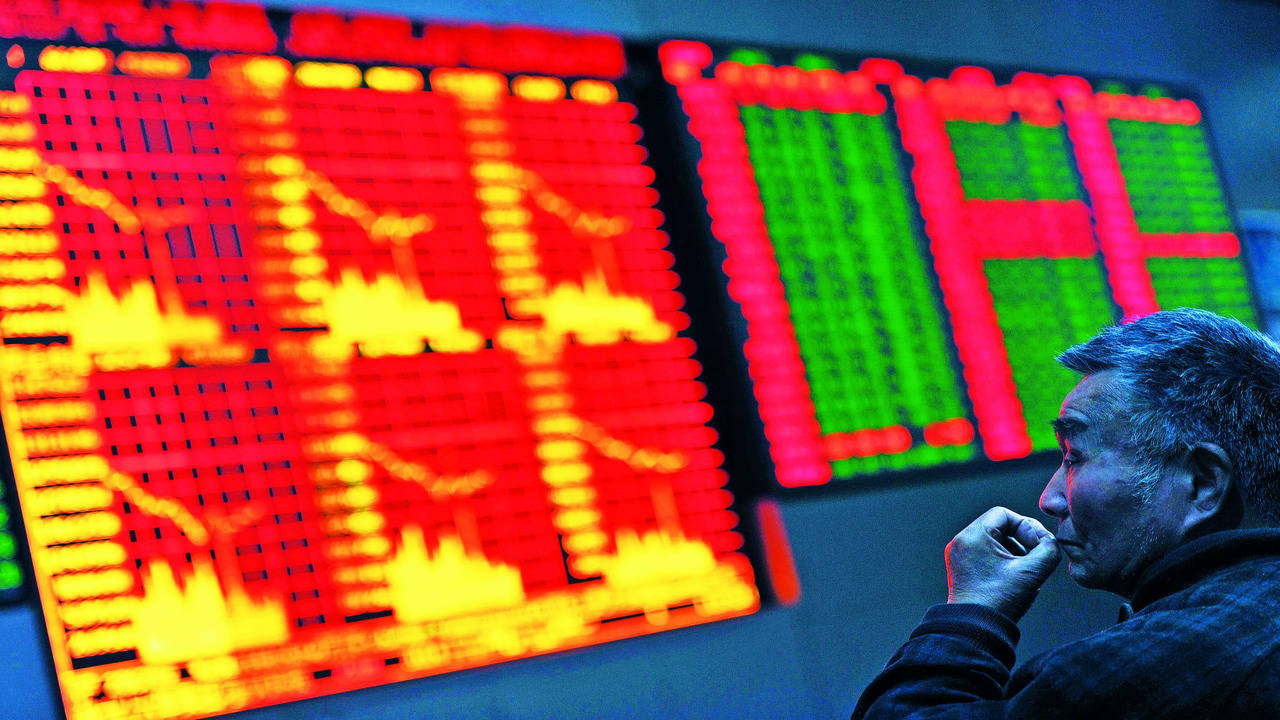
China is preparing a significant capital infusion into its largest state-owned banks, amounting to roughly $142 billion, in response to mounting pressure on its economy. This would be the largest capital injection since the 2008 global financial crisis. The planned move aims to boost the banks’ lending capacity to support economic recovery, particularly as growth slows and debt concerns rise across key sectors. The potential funds are […]

Singaporeans identify mental health as an important facet of holistic wellness and the lack of resources or support for mental wellness in Singapore is a nod to it being a key priority on the government’s national agenda and an opportunity for companies to do more. SINGAPORE – Media OutReach Newswire – 26 September 2024 – AIA Singapore today unveiled findings of the AIA Live Better Study 2024[1] […]

DUBAI, UNITED ARAB EMIRATES – EQS Newswire – 26 September 2024 – Amid the escalating climate challenges the world is facing, the role of climate finance in bolstering resilience across different regions has become increasingly vital, particularly for the most vulnerable countries. Adequate funding is essential to support mitigation and adaptation initiatives, empowering these countries to manage the effects of climate change while advancing sustainable development. According […]

By Anjan Roy The Chinese economy is seeing deflation —that is, prices are really falling in real time— for 23 months straight. This has really raised the concerns of the Chinese political bosses which was reflected in the central bank move on Tuesday. The central bank cut its policy interest rates by the most ever […]


HONG KONG SAR – Media OutReach Newswire – 25 September 2024 – Hong Kong’s vibrant economy and strategic location offer boundless opportunities for European firms. Starting in Spain, a delegation led by Hong Kong’s Financial Secretary Paul Chan, is visiting Madrid (September 22-25, 2024) and London (September 25-28, 2024) to promote Hong Kong’s advantages, in particular the city’s burgeoning innovation and technology ecosystem. In a keynote speech […]

Telegram has announced temporary restrictions on its wallet service for users based in the United Kingdom, a move prompted by an internal decision as part of a corporate restructuring plan. This development comes at a crucial time for the company as it seeks to enhance compliance with regulatory standards in the region. The wallet restrictions will not affect users’ ability to withdraw their assets; existing customers in […]

Sinopec, one of China’s leading oil and gas companies, has embarked on a comprehensive strategy aimed at reducing its carbon footprint while enhancing operational efficiency through innovation and collaboration with educational institutions. This initiative aligns with China’s broader goals of achieving carbon neutrality by 2060, marking a pivotal shift in the energy sector towards sustainability. The company’s low-carbon roadmap emphasizes several key initiatives designed to integrate advanced […]

Approval has been granted by the European Union for e& Group, a telecommunications conglomerate based in the UAE, to acquire the telecom assets of Czech investment group PPF. This decision marks a significant step in e& Group’s strategy to expand its footprint in Central and Eastern Europe, following similar acquisitions in the region. The transaction involves the purchase of PPF’s telecom operations, including its significant stakes in […]

Kenya is reportedly on the verge of securing a $1.5 billion loan from the United Arab Emirates (UAE), a move aimed at bolstering the country’s struggling financial position. This financing deal, which carries an interest rate of 8.2%, comes amid a widening budget deficit and persistent fiscal challenges faced by the Kenyan government. The financing arrangement is part of Kenya’s strategy to diversify its budget support sources […]

Plans are underway for Africa’s wealthiest person, Aliko Dangote, to establish a family office in Dubai, signaling a significant move towards consolidating his extensive business empire and managing his diverse investments. The billionaire, who is renowned for his vast interests in cement, sugar, and oil, aims to leverage Dubai’s strategic position as a global business hub to further expand his financial portfolio. This initiative reflects the increasing […]

Practices in Sustainable Development Highlighted and Pioneers Commended HONG KONG SAR – Media OutReach Newswire – 25 September 2024 – Founded by the Institute of ESG & Benchmark (IESGB) and co-organised by the Institute of Financial Technologists of Asia (IFTA), the ESG Achievement Awards 2023/2024 (Awards) held its Presentation Ceremony cum Luncheon at the JW Marriott Hotel Hong Kong today. Continuously supported by the ESG Data Partner […]

Gold has surged to historic heights, driven by the latest Federal Reserve decision to cut interest rates by 50 basis points, sparking heightened investor interest in safe-haven assets. The precious metal, which has long been seen as a hedge against inflation and economic uncertainty, reached an unprecedented $2,653 per ounce on September 23, a record in the global market.

The Fed’s move marked a pivotal shift in monetary policy, signaling further potential rate cuts. As interest rates fall, the opportunity cost of holding non-yielding assets like gold decreases, making them more attractive to investors. This shift has ignited a rally in gold prices, with many analysts predicting that the metal’s upward momentum may continue if the Fed maintains its rate-cutting strategy. The substantial increase in gold prices, approximately 30% from the start of the year, underscores growing concerns about the economic outlook.

Economic uncertainty fueled by rising geopolitical tensions, particularly in the Middle East, has also played a crucial role in driving gold to these new highs. Investors tend to flock to gold during times of instability, and the current geopolitical landscape has heightened that trend. In particular, concerns over potential disruptions in oil supplies and escalating conflicts have contributed to a broader risk-off sentiment in the market, with many turning to gold as a safer investment during turbulent times.

Global financial markets have been facing heightened volatility, spurred in part by fluctuating inflation rates and concerns over a possible economic slowdown in key markets such as the United States and Europe. This has led to increased speculation about future interest rate cuts, which further benefits gold. As inflation remains a key concern, particularly in the wake of strong consumer spending data, gold’s allure as a store of value has strengthened significantly.

The Federal Reserve’s latest actions have further entrenched the belief that it will continue to lower rates in an effort to manage inflation and support economic growth. Speculation is rife that further rate cuts could be on the horizon, with several financial analysts forecasting additional cuts by the end of 2024. As a result, gold prices could continue to rise, further bolstered by continued uncertainty in the global economic outlook.

Beyond U.S. monetary policy, a key factor contributing to the gold surge is the weakening of the U.S. dollar, which has dropped against a basket of major currencies. Gold, being dollar-denominated, becomes cheaper for investors holding other currencies when the dollar weakens, further increasing demand. This dynamic is likely to persist as long as the dollar remains under pressure due to softening economic data or expectations of further monetary easing by the Fed.

Central banks around the world have been increasing their gold reserves, driven by the desire to diversify away from dollar holdings amid concerns about long-term economic stability. China and Russia, in particular, have been large buyers of gold in recent years, further tightening supply in the global market and pushing prices upward.

The remarkable performance of gold has also drawn attention from a wide array of institutional investors, who are increasingly viewing it as an essential component of diversified portfolios. Amid concerns over stock market volatility and potential downward pressure on bonds due to interest rate movements, gold has emerged as a resilient option for mitigating risk. The widespread belief that gold will continue to perform well in the current economic environment is fueling additional inflows into gold-backed exchange-traded funds (ETFs) and other investment vehicles tied to the precious metal.

Despite the ongoing bullish sentiment, some analysts caution that gold’s rapid ascent could face headwinds if the Federal Reserve decides to reverse course on its monetary easing policies. A sudden shift toward tightening or a stronger-than-expected economic recovery could diminish gold’s appeal, particularly if the U.S. dollar strengthens in response to better-than-anticipated economic data. Nonetheless, the consensus among market watchers remains that gold is likely to continue benefitting from a combination of lower interest rates, geopolitical uncertainty, and a weaker dollar in the near term.

Gold’s record-breaking surge has been a boon for mining companies and the broader precious metals sector, which have seen their stocks rise in tandem with gold prices. The strong performance of gold miners reflects the market’s confidence that gold will remain a sought-after commodity, at least in the medium term. In particular, companies with low-cost operations are well-positioned to capitalize on the elevated price environment, which has bolstered profit margins across the sector.

Ajeej Capital, in collaboration with Nuwa Capital, has announced the launch of a $100 million private debt fund aimed at providing financing to companies in the Middle East and North Africa (MENA) region. This initiative reflects the growing demand for alternative funding sources amid a shifting economic landscape influenced by rising interest rates and tightening financial conditions globally.

The newly formed fund, named the “Ajeej-Nuwa Private Debt Fund,” will primarily focus on lending to small and medium-sized enterprises (SMEs) that are often underserved by traditional financial institutions. According to industry experts, SMEs play a crucial role in the economic fabric of the region, accounting for a significant portion of employment and GDP. By facilitating access to capital, this fund aims to spur growth in a sector that is pivotal for job creation and economic diversification.

Both Ajeej Capital and Nuwa Capital are seasoned players in the private equity and venture capital markets. Ajeej Capital, known for its strategic investments across various sectors, has established itself as a key player in the MENA investment landscape. Meanwhile, Nuwa Capital, with its expertise in supporting startups and high-growth companies, brings a complementary skill set to the partnership.

The fund’s investment strategy will involve a blend of secured and unsecured debt, tailored to meet the unique needs of each portfolio company. This approach enables the fund to balance risk while providing flexible financing solutions. Moreover, the partnership has signaled its commitment to fostering sustainable and socially responsible business practices, aligning with broader trends in impact investing.

Market analysts emphasize that the launch of this private debt fund is timely, given the challenges facing businesses in the region. Economic pressures, including inflation and supply chain disruptions, have made traditional financing avenues more challenging for SMEs. With banks increasingly cautious in their lending practices, alternative financing options like private debt funds are becoming more attractive to companies seeking capital to sustain operations and fuel growth.

Ajeej and Nuwa’s initiative also coincides with a larger trend in the investment landscape, where institutional investors are increasingly allocating funds to private debt as a means of achieving higher yields in a low-interest-rate environment. According to industry reports, private debt fundraising reached record levels in 2023, highlighting the asset class’s growing appeal among investors seeking diversification.

The fund aims to deploy its capital over the next few years, focusing on sectors such as technology, healthcare, and consumer goods. These industries have shown resilience and potential for growth, making them attractive targets for investment. As part of its strategy, the Ajeej-Nuwa fund will also consider companies that are at various stages of development, from established firms looking to expand to startups seeking initial growth capital.

Both firms have expressed their commitment to not only generating financial returns but also creating positive social impact through their investments. This aligns with a growing emphasis among investors for socially responsible and sustainable investing practices. Ajeej Capital and Nuwa Capital have underscored their goal of supporting businesses that prioritize environmental, social, and governance (ESG) considerations.

Investor interest in private debt continues to surge as traditional asset classes face volatility. The appetite for alternative investments has been driven by a combination of factors, including rising inflation, increased market uncertainty, and the quest for yield in a low-rate environment. Private debt funds provide a unique opportunity to capitalize on these trends by offering more predictable returns compared to public equity markets.

The announcement of the Ajeej-Nuwa fund is indicative of a broader shift in the region’s investment landscape, where innovative financing solutions are becoming essential for economic growth. The collaborative efforts of Ajeej Capital and Nuwa Capital represent a forward-thinking approach to addressing the capital needs of SMEs, which are vital for the sustainable development of the MENA economy.

As the fund gears up for its first investments, it aims to establish a track record of success that can attract additional capital in the future. Both firms are keen to leverage their networks and expertise to identify high-potential companies that align with their investment criteria. By focusing on underrepresented segments of the market, they hope to play a significant role in fostering entrepreneurship and innovation across the region.

The Ajeej-Nuwa Private Debt Fund’s emphasis on flexibility in structuring deals and understanding the unique challenges faced by businesses will be a key differentiator. This approach not only enhances the fund’s competitiveness but also reinforces its commitment to supporting the growth ambitions of its portfolio companies.

VISHNU RAJA
RYO YAMADA
HITORI GOTOH
IKUYO KITA