News related to
financial

Libya’s Zawiya Refinery has come to a standstill after the declaration of force majeure, compounding the nation’s already fragile economic landscape. The move has disrupted operations at the key facility, which is crucial for the country’s domestic fuel supply and its oil export revenues. As the impact of the refinery’s shutdown reverberates, concerns are rising over how long Libya can weather these economic shocks. Located on the […]

The continued partnership between the United Arab Emirates (UAE) and Bahrain is playing a pivotal role in shaping sustainable development across the Gulf region. This collaboration, notably exemplified by the Abu Dhabi Fund for Development (ADFD), remains central to both countries’ economic growth strategies and their shared goals of environmental responsibility and innovation. Over the years, the UAE’s support has significantly contributed to Bahrain’s infrastructure, economic diversification, […]

The consolidation trend among Islamic banks in the EMEA (Europe, Middle East, and Africa) region is poised to continue into 2025, according to Fitch Ratings. The consolidation, driven by the need for increased scale, enhanced profitability, and improved operational efficiency, is seen as a necessary response to the challenges posed by the ongoing economic and regulatory changes across the region. While the process has been gradual, experts predict that a more significant shift will take place in the coming year.

The Islamic banking sector, with its distinct set of regulations and operations, is under growing pressure to adapt to the evolving financial landscape. As regional economies grapple with uncertainty caused by factors such as geopolitical tensions, fluctuating oil prices, and the impact of digital disruption, banks are increasingly seeking mergers and acquisitions (M&A) as a means to strengthen their market position. The potential for cost synergies, coupled with the increasing importance of technology-driven innovation, has made consolidation an attractive option.

One of the primary factors driving this trend is the growing need for Islamic banks to enhance their capital bases. This is particularly critical in the face of stricter regulatory requirements and increased competition from both conventional and non-bank financial institutions. Many Islamic banks in the region have faced challenges in maintaining their profitability and meeting regulatory capital adequacy standards. A merger or acquisition often presents an effective way to increase the capital base and spread risks, which is crucial for long-term sustainability.

In addition to regulatory pressures, Islamic banks in EMEA are responding to shifts in consumer behavior. Increasingly tech-savvy customers are demanding more digital services, and Islamic banks are finding it challenging to match these expectations with traditional banking models. The need to invest in technology, digital banking infrastructure, and cybersecurity has created additional financial strain on smaller banks. Larger institutions, on the other hand, can leverage their scale to absorb such costs more efficiently. This has led many smaller Islamic banks to explore consolidation options as a way to remain competitive and relevant in the market.

The Middle East, in particular, has been at the forefront of this consolidation. Banks in the UAE, Saudi Arabia, and Qatar have already seen several high-profile mergers in the past few years. The consolidation trend is not only focused on strengthening local banks but is also a part of broader efforts to increase the global competitiveness of Islamic financial institutions. The rise of fintech in the Islamic finance sector has further accelerated the need for banks to collaborate or merge, aiming to modernize their services and better serve a younger, more tech-oriented clientele.

Fitch Ratings highlights that consolidation could be more pronounced among smaller institutions that are struggling to keep pace with the technological advancements and regulatory demands. These smaller banks, while historically focused on niche markets, will likely face increasing pressure to align with larger, more diversified institutions or explore mergers to survive. In many cases, the market is witnessing banks combining to pool their resources and expand their geographic footprint, a move that will allow them to offer a wider array of products and services while capitalizing on economies of scale.

Regional governments, too, are playing a role in facilitating this consolidation. Several governments in the EMEA region are actively encouraging M&A activities as part of their broader economic diversification plans. By creating a more robust and competitive Islamic finance sector, they aim to bolster their financial markets and attract more global investment. Additionally, regulatory changes, such as the implementation of Basel III standards, have made it more difficult for smaller institutions to operate independently. As such, the continued consolidation trend is seen as both an economic and regulatory necessity.

As the year 2025 approaches, experts predict that the landscape for Islamic banking in the EMEA region will become even more concentrated. Larger, more technologically advanced banks will increasingly dominate the market, while smaller players may find it difficult to compete without partnering with others or being absorbed into bigger institutions. This shift will have significant implications not only for the banks involved but also for consumers and investors alike, who may see a broader range of services and greater operational efficiencies emerge from these mergers.

Despite the potential challenges, there is optimism about the future of Islamic banking in the region. While consolidation will lead to fewer players in the market, the remaining institutions will be better positioned to meet the demands of a changing financial environment. As Islamic banks continue to focus on digital transformation, enhanced capital adequacy, and cross-border expansion, the sector is expected to become more resilient and globally competitive.

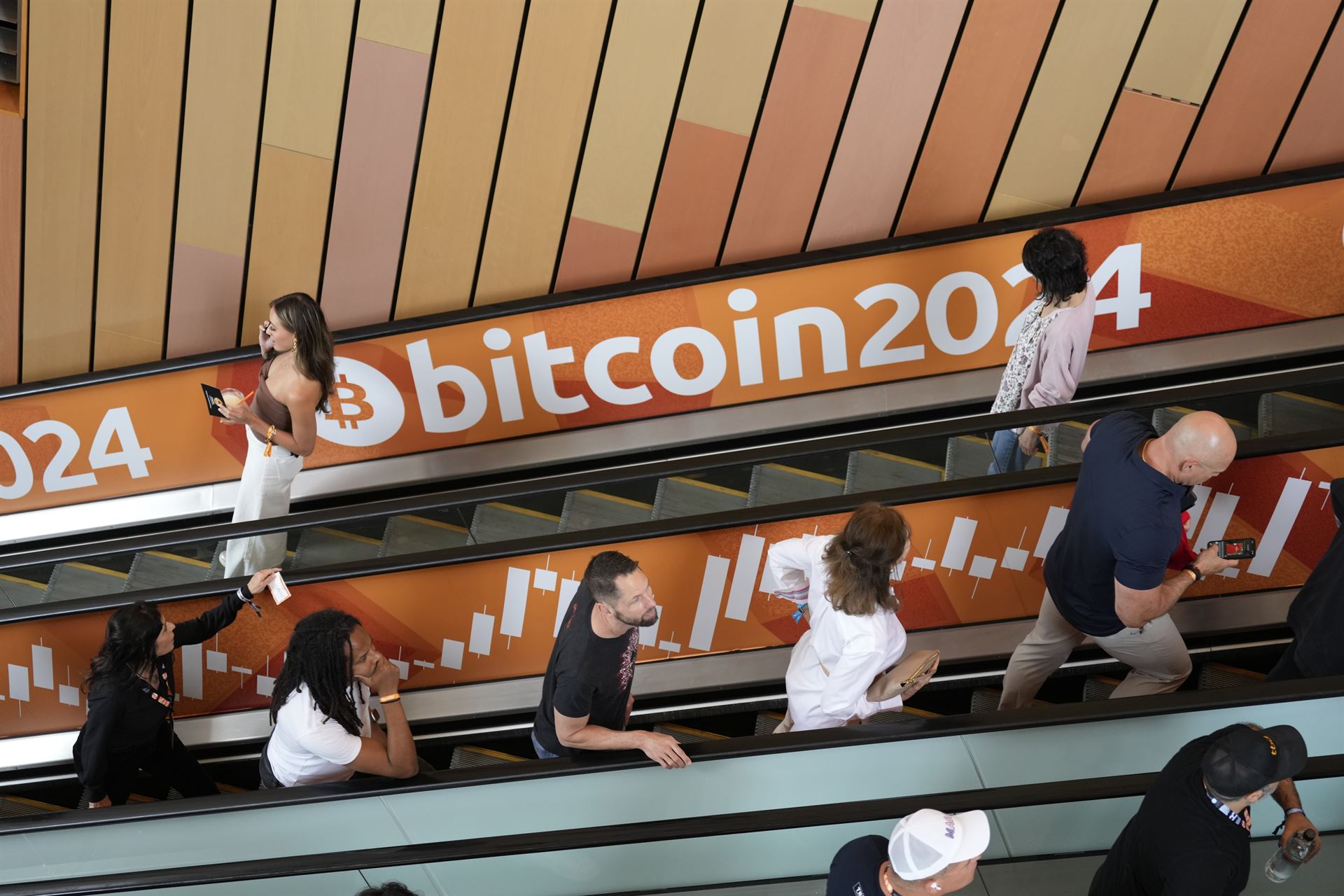
Bitcoin has surged above $106,000, marking a notable milestone for the cryptocurrency as investors and analysts increasingly focus on its strategic role in future financial reserves. This rise reflects a broader shift in market sentiment, driven by growing institutional interest and increasing speculation around Bitcoin’s potential to become a key asset in global financial systems. As central banks, corporations, and financial institutions explore digital assets, Bitcoin’s price surge signals a pivot toward its establishment as a store of value.

Several factors have contributed to this dramatic price increase, but perhaps the most pivotal is the anticipation that Bitcoin will become a reserve asset for institutional investors and even central banks. As nations and large financial entities explore the possibility of holding Bitcoin in their reserves, it is positioning itself as a digital alternative to traditional assets like gold. Analysts view Bitcoin’s growth as part of a larger trend, where digital currencies are gaining acceptance amid growing concerns over inflation, currency debasement, and geopolitical risks.

Bitcoin’s performance, which has fluctuated significantly in recent months, now suggests a major shift in investor confidence. On platforms such as the Chicago Mercantile Exchange (CME), institutional interest in Bitcoin has been at an all-time high. Meanwhile, global financial institutions are increasingly analyzing the asset’s potential within their investment portfolios. Many are viewing Bitcoin not just as a speculative asset, but as a hedge against traditional financial risks, particularly in light of the ongoing turbulence in global markets. This shift in perception is underscored by statements from prominent market players, who indicate that Bitcoin could become a key part of diversified investment strategies moving forward.

Meanwhile, Bitcoin’s increasing adoption by large corporations has helped elevate its status. Companies like Tesla, MicroStrategy, and Block (formerly Square) have all made substantial Bitcoin purchases in recent years, contributing to the growing acceptance of the cryptocurrency as a legitimate investment. These moves are part of a larger trend in which major companies, especially in technology and finance, are increasingly embracing Bitcoin. Tesla’s CEO, Elon Musk, has notably been vocal about Bitcoin’s potential as a store of value, further fueling optimism in the market.

Bitcoin’s price surge also coincides with broader changes in global monetary policies. Amid inflationary pressures and low-interest rates in major economies, many investors are turning to digital assets as an alternative to traditional stocks and bonds. The growing acceptance of Bitcoin by governments and businesses as a viable asset class is helping drive the latest surge in its price. Notably, countries like El Salvador have already taken steps to recognize Bitcoin as legal tender, setting a precedent for other nations to follow suit.

Market participants also point to the increasing regulatory clarity surrounding Bitcoin and other cryptocurrencies. Countries such as the United States, with ongoing discussions in Congress, are exploring frameworks that could provide more stability and legitimacy to the cryptocurrency market. This evolving regulatory landscape is seen as a key factor in institutional investors’ willingness to adopt Bitcoin as part of their portfolios. While some concerns remain regarding how global regulators will handle cryptocurrencies in the long term, the current trend points toward greater integration of Bitcoin into the mainstream financial system.

As Bitcoin’s price climbs, so too does the debate over its environmental impact. Critics have long raised concerns about the high energy consumption required to mine Bitcoin. Despite this, Bitcoin’s advocates argue that advancements in sustainable mining technology and increasing use of renewable energy sources are addressing these issues. The rise of Bitcoin ETFs and other investment products also reflects a more mainstream acceptance of Bitcoin as an asset class. These products allow investors to gain exposure to Bitcoin without directly holding the cryptocurrency, expanding its appeal to a wider range of market participants.

The surging price has drawn the attention of both retail and institutional investors, who are looking to capitalize on Bitcoin’s new role in the global economy. However, while the optimism surrounding Bitcoin remains high, analysts warn that its volatility remains a significant risk. Prices can fluctuate dramatically in a short time frame, and this uncertainty continues to make Bitcoin a speculative investment for many. Nonetheless, with its growing acceptance among institutional investors, Bitcoin’s evolution from a niche asset to a more mainstream store of value seems increasingly likely.

The broader cryptocurrency market has also benefited from Bitcoin’s price movement, with altcoins like Ethereum seeing significant gains in recent weeks. Many investors view Bitcoin as a bellwether for the overall health of the digital asset market, and its rise has had a ripple effect across the industry. Ethereum, which has long been seen as the second-largest cryptocurrency by market capitalization, has also seen its price surge as more investors look for alternative digital assets with the potential for similar growth.

MicroStrategy, the business intelligence firm that has increasingly positioned itself as a major player in the Bitcoin space, is set to join the Nasdaq 100 index, a milestone that will further integrate Bitcoin-linked assets into mainstream financial markets. The decision underscores the growing intersection between traditional technology firms and cryptocurrency exposure, signaling to investors a new wave of passive investment flows.

This move places MicroStrategy among the 75 largest non-financial companies in the Nasdaq, a list traditionally populated by household names such as Apple, Microsoft, and Amazon. For the firm, it represents the culmination of a year marked by aggressive Bitcoin acquisitions, which have significantly boosted its market value. The firm’s stock has seen explosive growth as it has leaned heavily into Bitcoin, becoming one of the largest institutional holders of the digital asset.

Founded in 1989, MicroStrategy initially built its reputation as a provider of analytics software, helping companies harness data for decision-making. However, in recent years, under the leadership of CEO Michael Saylor, the company has transformed into a prominent Bitcoin advocate. MicroStrategy’s strategic pivot to Bitcoin began in 2020 when it made its first purchase of the cryptocurrency, and since then, it has continued to acquire more, amassing over 150,000 Bitcoin.

The company’s decision to enter the Nasdaq 100 has profound implications for investors. The inclusion not only boosts its visibility but also opens the door for passive investments from exchange-traded funds (ETFs) and mutual funds that track the Nasdaq 100. These funds, many of which are structured to automatically buy and sell stocks in the index, will now include MicroStrategy in their portfolios. As a result, Bitcoin-linked stocks could see billions of dollars in new investment inflows.

For passive investors who may have no direct interest in cryptocurrency but are focused on broad market exposure, MicroStrategy’s entry into the Nasdaq 100 offers a means to indirectly engage with Bitcoin’s price movements. While the firm’s stock has been volatile due to its dependence on the cryptocurrency market, this volatility may be tempered by its larger footprint in the tech sector, which has seen massive gains over the last decade.

MicroStrategy’s inclusion also reinforces the idea that Bitcoin is becoming entrenched in the financial ecosystem. Previously seen as an alternative investment for a select group of enthusiasts, the cryptocurrency is increasingly being integrated into corporate balance sheets and financial products. As traditional investors gain exposure to Bitcoin indirectly through stocks like MicroStrategy, it adds a layer of legitimacy to the cryptocurrency in the eyes of institutional investors and retirement funds.

While the move is seen as a victory for Bitcoin proponents, it has raised concerns among some analysts about the risks of such exposure. Bitcoin’s price fluctuations are well-known, and the cryptocurrency’s history of volatility could potentially affect MicroStrategy’s stock performance. For instance, as Bitcoin’s price rose, so too did MicroStrategy’s stock, but should Bitcoin experience a downturn, the company could face significant losses, which could then ripple through the broader Nasdaq 100 index.

Despite these risks, analysts view the inclusion of MicroStrategy in the Nasdaq 100 as a validation of the growing acceptance of Bitcoin by mainstream markets. The company’s transformation from a traditional business analytics firm to a Bitcoin-centric institution mirrors the broader trend of tech firms increasingly integrating digital assets into their business strategies. Companies like Tesla, Square, and Galaxy Digital have made similar moves, signaling a growing belief in Bitcoin as a store of value and hedge against inflation.

MicroStrategy’s financial standing has been propelled by Bitcoin’s rise. The firm’s market cap has swelled as its Bitcoin holdings have appreciated in value. Since its first purchase, Bitcoin’s price has experienced explosive growth, reaching over $60,000 per coin at its peak, although it has fluctuated significantly since then. Nevertheless, MicroStrategy’s heavy investment in Bitcoin continues to give it a major stake in the digital currency’s success.

One significant consequence of this shift is the potential impact on traditional investors who may not fully understand the cryptocurrency space. Many of these investors may now find themselves exposed to Bitcoin’s price swings through their broader equity holdings, even if they are not directly investing in cryptocurrency. This introduces a level of risk that was not present before, but also reflects the deepening ties between cryptocurrency and mainstream financial markets.

The inclusion of MicroStrategy in the Nasdaq 100 highlights a broader shift in how tech companies and institutional investors are incorporating cryptocurrency into their portfolios. The rise of Bitcoin-focused companies is part of a larger trend that is reshaping the landscape of global finance. As Bitcoin becomes more embedded in corporate strategies, its influence on traditional stock markets is likely to grow.


XRP has drawn renewed focus in the cryptocurrency market as on-chain data reveals substantial outflows of the token from major exchanges. Market analysts and blockchain trackers indicate that $300 million worth of XRP has been withdrawn, fueling speculation of accumulation by whales and institutional investors. This development arrives amid an extended phase of price consolidation for XRP, sparking discussions on its potential trajectory.

According to data from Coinglass, the significant outflows over the past week indicate a strategic shift by high-net-worth investors, who appear to be betting on the token’s future. The movement of such a considerable volume suggests confidence in XRP’s long-term potential despite broader market uncertainties. Observers highlight that such patterns of withdrawal often correlate with accumulation, as holders transfer their tokens to private wallets to prepare for anticipated price surges.

The timing of these transactions is notable, as XRP has demonstrated resilience following regulatory clarity in its ongoing legal battle with the United States Securities and Exchange Commission (SEC). The partial victory Ripple Labs achieved earlier this year, where XRP was deemed not to be a security when sold on secondary markets, has bolstered investor sentiment and rekindled interest in the asset.

XRP’s price has remained relatively stable, hovering within a tight range between $0.50 and $0.55. Analysts attribute this to broader market conditions and the lack of a significant catalyst in the crypto space. However, the scale of the $300 million outflows has prompted speculation that larger players could be positioning themselves for a breakout. Whale Alert, a blockchain tracker, recorded multiple transactions of XRP worth millions, adding weight to the idea that this activity is a precursor to strategic market movements.

Beyond these transactions, Ripple Labs has been advancing its efforts to expand XRP’s utility. The company has been actively pursuing partnerships with financial institutions globally, emphasizing cross-border payment solutions. Such initiatives aim to solidify XRP’s role as a preferred digital asset for seamless, low-cost transactions, a factor that experts believe could drive demand over time.

The cryptocurrency market has witnessed increased volatility in recent months, with fluctuating macroeconomic indicators and shifting investor sentiment impacting digital asset prices. While Bitcoin and Ethereum continue to dominate trading volumes, altcoins like XRP are gaining traction, especially among those seeking diversification in their crypto portfolios.

Analysts caution, however, that market dynamics remain uncertain. Although the $300 million outflows hint at positive sentiment, they do not guarantee immediate price action. Factors such as liquidity, macroeconomic conditions, and regulatory developments will play critical roles in shaping XRP’s near-term prospects. Some experts suggest that retail investors should carefully monitor market trends and avoid being swayed solely by whale activity.

On the regulatory front, Ripple’s legal entanglements continue to weigh on its ecosystem. Despite the partial victory in its case against the SEC, the broader question of XRP’s status under U.S. securities law remains unresolved. A final decision in the matter, expected in the coming months, could serve as a pivotal moment for the token, potentially influencing its adoption and price.

In addition to its legal battles, Ripple Labs is preparing for a new phase of innovation. Its recent announcements about leveraging XRP for real-world applications, including tokenized assets and central bank digital currency (CBDC) pilots, reflect the firm’s ambition to remain at the forefront of blockchain technology. This approach aligns with the growing demand for decentralized financial solutions, which many see as a transformative force in the global financial system.

Market participants are also paying close attention to XRP’s performance against broader altcoin indices. Some argue that the consolidation phase, coupled with heightened whale activity, presents a favorable entry point for long-term investors. However, the inherent volatility of cryptocurrency markets suggests that any investment carries significant risks.

SINGAPORE – Media OutReach Newswire – 16 December 2024 – The Financial Independence, Retire Early (F.I.R.E.) movement continues to gain momentum worldwide, and Singapore is no exception. More and more Singaporeans are being drawn to the idea of achieving early retirement and financial independence. While the allure of escaping traditional work structures and enjoying life on one’s own terms is undeniable, experts caution that the pursuit of […]

Advertisements
By Dr. Nilanjan Banik On November 30, Mr. Donald Trump posted a threat on his social media, warning that if BRICS countries abandon the US dollar, they would face a 100% tariff. This is not a new threat; similar warnings have also been directed at other regions, including nearshore friendly countries such as Mexico and […]

HANOI, VIETNAM – Media OutReach Newswire – 11 December 2024 – On December 10, 2024, Eximbank proudly joined hands with Visa to officially launch the Visa Direct service, a transformative step in redefining cross-border financial transactions. Held at Eximbank’s Head Office, this prestigious event brought together Eximbank’s leadership, Visa representatives, and distinguished guests to celebrate this innovative milestone. Visa Direct offers an exceptional opportunity for Eximbank customers, […]

Matein Khalid sTrump 2.0 will be all the more potent in reshaping America’s economic destiny since the White House, the Senate and the House are all blood red. Tariffs/mass deportation can mean inflation shocks but deregulation, AI adoption and DOGE will have a disinflationary impact on the economy. Trump will apply punitive tariffs on a selective basis on specific countries (notably China) but his economic team is […]

The Riyadh Metro project, a pivotal component of Saudi Arabia’s Vision 2030 strategy, has achieved another significant step forward with the inauguration of the Red and Green lines. These additions to the expansive transportation network underline the city’s ambitions to become a global urban hub and address critical challenges such as traffic congestion and carbon emissions.

The launch follows years of meticulous planning and phased implementation by the Royal Commission for Riyadh City (RCRC). With six lines spanning 176 kilometers and connecting 85 stations, the Riyadh Metro represents one of the largest urban transport initiatives in the Middle East. The network’s phased rollout began earlier this month, with the Blue, Yellow, and Purple lines debuting on December 1. The Orange Line is scheduled to complete the system’s full deployment in early January 2025.

The Green Line, traversing King Abdulaziz Road, and the Red Line, covering King Abdullah Road, collectively add over 38 kilometers of coverage. These routes aim to improve connectivity between key residential, commercial, and educational districts, including access to King Khalid International Airport and King Abdullah Financial District (KAFD), the latter a central hub for the kingdom’s economic diversification.

Operational details confirm daily metro services running from 6 a.m. to midnight, with high-tech, fully automated trains ensuring seamless transport. Travelers can choose between various ticketing options, ranging from SAR 4 for a two-hour pass to SAR 140 for a 30-day unlimited pass, while premium class tickets cater to those seeking enhanced comfort. The user-friendly Darb mobile app facilitates route planning and ticket purchases, promoting a convenient and integrated experience for commuters.

The Riyadh Metro is also celebrated for its eco-friendly design. Incorporating solar panels in station construction, the project offsets 20% of its energy needs through renewable sources. Once fully operational, the metro is projected to reduce 250,000 daily car journeys, saving approximately 400,000 liters of fuel and significantly cutting urban pollution levels. These measures align with the global push for sustainable urban development.

RCRC’s strategic vision extends beyond transportation, with metro stations doubling as community hubs. Major stations such as KAFD Metro Station and Qasr Al-Hukm District Station offer not only transit services but also retail outlets, air-conditioned lounges, and parking facilities accommodating thousands of vehicles. The separation of family and single carriages caters to cultural sensitivities, while a VIP class provides exclusive amenities for premium passengers.

By Dr. Gyan Pathak India’s flagship Employment Linked Incentive (ELI) scheme announced in the Union Budget 2024-25 for decent job creation in the country did not take off even in mid-December 2024. Union Ministry of Finance is busy in making next Union Budget 2025-26, which will be tabled on February 1, 2025. India Inc is […]

BANGKOK, THAILAND – Media OutReach Newswire – 13 December 2024 – The ACES Awards, organised by MORS, spotlight a dynamic spectrum of leaders and enterprises across Asia that exemplify the power of strategic innovation, sustainability, and community engagement. With a diverse array of honourees—from satellite communications in Brunei and financial services in Hong Kong, to renewable energy in the Maldives and coffee craftsmanship in Vietnam—this year’s recognitions […]

Qatar Airways has signaled a pivot in its fleet strategy, considering the cancellation of its Boeing 737 orders following the resolution of its prolonged legal dispute with Airbus. The airline, which has historically leveraged its relationships with manufacturers to maintain a versatile fleet, is reportedly reassessing its future commitments to Boeing’s single-aisle aircraft in favor of alternative solutions. This development follows a settlement reached between Qatar Airways […]

State-owned Saudi Electricity Co. has secured a significant $3.6 billion internationally syndicated credit facility. This financing is designed for general corporate purposes, marking a major financial milestone for the utility company. The credit facility spans five years with the added flexibility of two one-year extension options, ensuring that the company has a robust financial buffer for its future operations and growth.

The financing deal is being provided by a group of 13 banks, including several leading international financial institutions. The consortium includes the Industrial and Commercial Bank of China (ICBC), Bank of China, Agricultural Bank of China, Bank of Communications, and China Construction Bank, alongside prominent regional banks such as KfW IPEX Bank, State Bank of India, and First Abu Dhabi Bank. The deal also involves Abu Dhabi Commercial Bank, Abu Dhabi Islamic Bank, Boubyan Bank, Dubai Islamic Bank, and Saudi Investment Bank.

This syndicate brings together a diverse mix of global and regional financial powerhouses, reinforcing Saudi Electricity Co.’s credibility and appeal in the global market. It highlights the strong international trust in the company’s ability to meet its financial obligations. The financing agreement is seen as an essential move to strengthen the company’s operational capacity and support its expansion initiatives across Saudi Arabia’s rapidly developing energy sector.

Saudi Electricity Co. is the primary electricity provider in the Kingdom of Saudi Arabia, playing a critical role in supporting the nation’s growing demand for power. The company is involved in the generation, transmission, and distribution of electricity, with a wide-reaching infrastructure that covers both urban and rural areas. As part of the Saudi government’s Vision 2030, the company is expected to continue investing in its infrastructure to support the kingdom’s growing energy needs, driven by both population growth and industrial development.

The newly secured syndicated credit facility is part of Saudi Electricity Co.’s strategy to diversify its funding sources and enhance its financial stability in the face of ongoing energy sector reforms. With Saudi Arabia pushing forward with ambitious diversification plans under Vision 2030, the demand for electricity continues to rise, creating further pressure on the country’s energy utilities to expand and modernize their infrastructure.

The five-year tenor of the loan, with the potential for two one-year extensions, provides Saudi Electricity Co. with a long-term financial cushion to undertake projects that will modernize and expand its power generation and distribution systems. It also aligns with the company’s ongoing efforts to increase the efficiency of its operations and integrate renewable energy sources into its grid. The company is exploring a range of technologies to boost its renewable energy capacity, aligning with the country’s broader sustainability goals.

The consortium of banks involved in this deal underscores the strong ties between Saudi Arabia and key global financial institutions, particularly those from China and the Gulf region. China has emerged as one of the major international partners for Saudi Arabia, with a growing interest in the country’s infrastructure and energy sectors. This trend is likely to continue as the two countries strengthen their economic and political relationships, driven by mutual interests in energy security and economic diversification.

The involvement of regional banks such as First Abu Dhabi Bank and Dubai Islamic Bank also highlights the ongoing collaboration between Saudi Arabia and the UAE. The UAE has been an active participant in the broader Gulf region’s energy sector, with many of its financial institutions looking to expand their presence in Saudi Arabia’s burgeoning energy market.

The loan facility also comes at a time when Saudi Electricity Co. is looking to improve its financial profile. While the company has historically relied on state-backed financing, this syndicated loan deal represents a step towards accessing global capital markets. The participation of a diverse array of international and regional banks suggests that Saudi Electricity Co. is becoming more integrated into the global financial ecosystem, reflecting its evolving role in the Kingdom’s energy transition.

This syndicated loan is expected to help Saudi Electricity Co. fulfill its mission of modernizing and expanding its infrastructure to meet growing electricity demands. It will also bolster its ability to integrate clean and renewable energy sources into the grid, supporting the broader goal of reducing the country’s carbon footprint and advancing sustainability efforts.

The move is also part of Saudi Electricity Co.’s long-term strategy to maintain financial flexibility and reduce its reliance on government support. By securing funding from a range of international and local financial institutions, the company is positioning itself for future growth, both in the domestic and regional energy markets. The successful closure of this facility also serves as an endorsement of the company’s financial health and strategic direction, providing it with the resources needed to maintain its pivotal role in the energy sector.

uBroker Spa has acquired a significant 49% share in the Italian independent game development studio, Memorable Games, marking a strategic move to broaden its presence in the burgeoning gaming industry. This partnership is poised to bolster the creative ambitions of Memorable Games, known for its innovative titles, while offering uBroker a stronger foothold in the gaming sector, which continues to grow rapidly worldwide. Memorable Games, founded in […]

Raising Over HK$300 Million for Strategic Development HONG KONG SAR – Media OutReach Newswire – 13 December 2024 – International Genius Company (“IGC“, stock code: 0033.HK) is pleased to announce that, has successfully signed Subscription Agreement with independent third parties after trading hours on 12 December 2024. IGC has conditionally agreed to allot and issue 110,000,000 Subscription Shares at the Subscription Price of HK$2.75 per Subscription Share […]

Step Finance, a pioneering dashboard for Solana blockchain users, has unveiled its strategy to bring tokenized trading of popular stocks, such as Nvidia and Tesla, to the decentralized finance (DeFi) ecosystem. This initiative follows the acquisition of Moose Capital, an early-stage startup specializing in financial licensing and infrastructure. Step Finance aims to launch these services by the first quarter of 2025, positioning itself as a trailblazer in integrating traditional financial instruments with blockchain technology.

The acquisition is poised to address critical regulatory challenges associated with tokenized stocks, a burgeoning sector that links conventional equities to blockchain. By leveraging Moose Capital’s expertise, Step Finance intends to secure the necessary permissions to operate within compliant frameworks. This marks a significant step toward bridging the gap between mainstream financial markets and decentralized platforms.

Tokenized stocks have gained momentum for their potential to democratize access to equity trading, enabling users to buy fractional shares of major companies without requiring traditional brokerage accounts. Step Finance’s entry into this domain could enhance Solana’s appeal as a high-speed, low-cost blockchain, particularly in the DeFi space. The platform is already known for aggregating Solana transactions, serving as a comprehensive interface for managing portfolios.

The move aligns with a broader trend of DeFi platforms exploring interoperability with traditional finance. Solana, recognized for its scalable infrastructure, has seen increasing adoption among developers and investors seeking alternatives to Ethereum, which faces challenges with network congestion and high transaction fees. Step Finance’s plan could further cement Solana’s position as a leading blockchain for financial innovation.

Hong Kong Listed Companies with Increasing Focus on ESG Practices Top Performing Companies Adopted Robust Governance Structure HONG KONG SAR – Media OutReach Newswire – 12 December 2024 – Catherine Leung, Chairperson of the Chamber of Hong Kong Listed Companies (CHKLC) said at the Hong Kong Corporate Governance & ESG Excellence Awards 2024 (Awards) Gala Dinner tonight, “Hong Kong is at the stage of transition faced with […]

Byte Federal, a prominent Bitcoin ATM network in the United States, has disclosed a security breach that compromised the personal data of 58,000 customers. The company revealed the incident after identifying unauthorized access to its systems, which reportedly led to the exposure of sensitive user information, including names, email addresses, and transaction details.

The breach has raised concerns about cybersecurity measures in the cryptocurrency sector. Byte Federal, known for operating over 1,000 Bitcoin ATMs across more than 40 states, has positioned itself as a major player in the digital asset ecosystem, facilitating cryptocurrency transactions for thousands of users daily. This incident underscores the vulnerabilities even in established networks within the fintech space.

Byte Federal’s systems were reportedly targeted in a sophisticated cyberattack, exploiting vulnerabilities in its data storage infrastructure. While the company has not confirmed whether financial information, such as bank account or credit card details, was accessed, it has assured customers that immediate steps were taken to address the breach and secure its systems. Additionally, Byte Federal is cooperating with law enforcement agencies and third-party cybersecurity firms to investigate the breach thoroughly and prevent future incidents.

This data breach follows Byte Federal’s expansion of its service offerings, including the integration of the Bitcoin Lightning Network, which enables faster and more cost-efficient transactions. The company’s focus on innovation has drawn significant attention, but this breach may lead to heightened scrutiny over its cybersecurity protocols. Industry experts have noted that companies in the cryptocurrency domain must balance innovation with robust security measures to protect user data.

Affected customers are being notified individually and advised to monitor their accounts for any unauthorized activity. Byte Federal has also recommended users to reset their passwords and adopt additional security measures, such as enabling two-factor authentication, to safeguard their accounts. The company is offering complimentary identity theft protection services to those impacted by the breach.

The incident has prompted discussions about regulatory oversight and the need for stricter cybersecurity compliance in the fintech and cryptocurrency sectors. Analysts argue that the growing adoption of digital assets necessitates a parallel emphasis on security standards to protect consumers and maintain trust in the ecosystem. This breach serves as a stark reminder of the challenges faced by firms operating in an increasingly digital financial landscape.

ADNOC Distribution has unveiled ARIF, an AI-driven chatbot designed to enhance investor relations, during the Abu Dhabi Finance Week. This advanced technology aims to provide a seamless platform for current and prospective investors to access vital financial insights, performance updates, and strategic information, underscoring the company’s commitment to technological innovation and transparency. The launch of ARIF marks a significant step in ADNOC Distribution’s effort to utilize artificial […]

Brian Quintenz, the head of crypto policy at Andreessen Horowitz, has emerged as a frontrunner for the position of chair at the Commodity Futures Trading Commission (CFTC). This potential appointment has generated considerable attention, particularly in the context of shaping the future of cryptocurrency regulation in the United States. Quintenz’s deep-rooted experience with the regulatory landscape, particularly his tenure at the CFTC under the Trump administration, positions him as a key figure in guiding the U.S. government’s approach to digital assets and derivatives markets.

During his tenure as a commissioner at the CFTC from 2017 to 2021, Quintenz made a significant impact in the world of financial regulation. He was one of the first regulators to recognize the growing importance of digital assets, including cryptocurrencies like Bitcoin and Ethereum, and the need to develop a regulatory framework that both fosters innovation and protects investors. Quintenz was known for his support of the crypto industry, advocating for clearer and more consistent rules governing digital asset markets. His work on derivatives, particularly around crypto futures contracts, laid the foundation for much of the regulatory framework in place today.

Quintenz’s appointment to the CFTC chair could signal a more crypto-friendly regulatory environment in the U.S., one that aligns with the priorities of industry advocates who have long argued for clearer rules to enable innovation without stifling growth. The CFTC, under Quintenz’s guidance, is expected to build upon his prior work, including his advocacy for creating a comprehensive regulatory framework that supports digital asset trading while ensuring financial stability.

Quintenz’s potential leadership is seen as crucial for addressing the growing demand for regulation in the cryptocurrency space, particularly as institutional interest in digital assets continues to rise. The U.S. has been grappling with questions around the appropriate regulatory body to oversee crypto markets, with the CFTC and the Securities and Exchange Commission (SEC) often at odds over jurisdictional issues. Quintenz, however, has long argued that the CFTC is best suited to oversee crypto derivatives and related markets due to its expertise in futures and commodities. If confirmed, Quintenz could play a pivotal role in resolving these jurisdictional disputes and advancing a clear, unified regulatory framework.

Under Quintenz’s leadership, the CFTC could also take a more proactive role in fostering innovation within the digital asset space. His track record at Andreessen Horowitz, one of Silicon Valley’s most influential venture capital firms, shows his keen understanding of the intersection between technology and regulation. At the firm, Quintenz has worked closely with emerging blockchain companies and crypto projects, providing guidance on navigating the complex regulatory landscape. This experience gives him a unique perspective on how to balance the need for regulation with the desire for innovation, making him a natural fit to lead the CFTC as it continues to evolve its approach to crypto.

The crypto industry, which has faced increasing scrutiny from lawmakers and regulators, would likely welcome a more consistent and favorable regulatory framework under Quintenz’s leadership. While some in the industry have expressed concerns about regulatory overreach, many are hopeful that Quintenz’s appointment could provide the clarity and stability needed to drive continued growth. The ongoing battle over cryptocurrency regulations has been marked by conflicting signals from different regulatory bodies, with the SEC taking a more aggressive stance on enforcement, particularly against centralized exchanges. In contrast, the CFTC has been more focused on ensuring that financial markets, including crypto derivatives, function within a legal framework that promotes transparency and market integrity.

One of the key challenges that Quintenz would face as CFTC chair is the evolving nature of the crypto market. With innovations like decentralized finance (DeFi) and non-fungible tokens (NFTs) continuing to gain popularity, the regulatory framework needs to be adaptable enough to keep pace with rapid changes in the industry. Quintenz’s previous work at the CFTC, where he helped craft rules for Bitcoin futures and other digital asset contracts, suggests he understands the importance of staying ahead of market developments and ensuring that regulation evolves in tandem with technological advancements.

Quintenz’s approach to digital asset regulation will likely focus on protecting consumers without stifling innovation. His stance during his time at the CFTC and his work at Andreessen Horowitz indicate that he views regulation as a tool to create a level playing field for all market participants while fostering innovation. This would be in stark contrast to some of the more stringent regulatory approaches favored by other factions within the U.S. government, which seek to impose more controls over the growing crypto market.

His potential appointment also comes at a time when the U.S. is facing mounting pressure to establish a clear and consistent regulatory framework for digital assets. Other countries, such as the European Union, have moved forward with comprehensive crypto regulation, and the U.S. risks falling behind in the global race to regulate emerging financial technologies. Quintenz’s appointment could help solidify the U.S.’s position as a leader in digital asset regulation, ensuring that the country remains competitive while safeguarding the financial system.

The stablecoin market has reached a significant milestone, surpassing a total market capitalization of $200 billion, a first in the digital asset’s history. This surge reflects a broader trend where stablecoins are increasingly being adopted for a range of uses beyond their initial function of facilitating cryptocurrency trading. Key drivers of this growth include rising capital inflows and the expanding role of stablecoins in real-world applications such as payments and remittances.

In the past few months, the stablecoin market has been on a steady upward trajectory, with assets like Tether (USDT) and USD Coin (USDC) leading the charge. Tether, in particular, has seen substantial growth, maintaining its dominance in the market with significant increases in its circulation. The overall growth of the stablecoin ecosystem is linked to both the rise in digital asset trading volumes and the increasing acceptance of these digital currencies as alternatives to traditional fiat money.

One of the main catalysts behind the expanding use of stablecoins is the broadening scope of their use cases. Traditionally, stablecoins were primarily used by traders as a way to move in and out of volatile cryptocurrency positions without leaving the ecosystem. However, in 2024, there has been a noticeable shift. Increasingly, businesses and individuals are utilizing stablecoins for payments, cross-border remittances, and even as a store of value. This shift has been especially visible in sectors like gaming, e-commerce, and even charity, where stablecoins offer a faster, cheaper, and more secure alternative to conventional payment methods.

As more users and companies look to leverage the benefits of stablecoins, the market has also attracted the attention of regulators. Many financial authorities around the world are taking a more active role in regulating stablecoins to ensure financial stability while balancing innovation. The regulatory landscape remains in flux, with governments working on frameworks to ensure stablecoins are used responsibly without undermining the traditional financial system.

The integration of stablecoins into decentralized finance (DeFi) platforms has further cemented their relevance. As DeFi grows, the demand for stablecoins within these decentralized applications has spiked. These platforms use stablecoins as a medium for lending, borrowing, and earning interest, all of which contribute to the broader adoption of stablecoins across various sectors.

Despite the growing popularity, challenges persist. Issues related to transparency, especially concerning the reserves backing stablecoins like Tether, have sparked debates among market participants and regulators alike. Nonetheless, the general outlook for the stablecoin market remains positive, as technological advancements continue to pave the way for greater adoption and diversification of stablecoin offerings.

Oman remains steadfast in its commitment to becoming a global leader in green hydrogen production, despite facing a range of challenges in its pursuit of an energy transition. The Gulf nation is tapping into its vast renewable energy potential to position itself as a key player in the emerging green hydrogen market, which could play a pivotal role in global decarbonization efforts. The country’s green hydrogen strategy […]

VISHNU RAJA
RYO YAMADA
HITORI GOTOH
IKUYO KITA