News related to
financial

Authorities are investigating former mayor Alice Guo for her alleged connections to a cryptocurrency platform implicated in substantial customer asset theft and money laundering. Guo’s name has emerged in relation to the Atom Asset Exchange (AAX), which, during its operations in 2022, reportedly defrauded customers of millions of dollars, leaving many individuals financially devastated. The case has raised significant concerns about governance and regulatory oversight in the cryptocurrency sector in the Philippines.

Evidence suggests that Guo was more than just a figurehead in this scandal. She is believed to have been a key player in operations linked to AAX, which claimed to be a legitimate digital asset exchange. Investigators have uncovered documents that reveal significant irregularities in AAX’s dealings, prompting questions about Guo’s role in orchestrating fraudulent schemes designed to siphon off investor funds. Testimonies from affected customers have painted a grim picture, alleging that Guo and her associates operated with impunity while misleading users about the safety and liquidity of their investments.

The allegations extend beyond financial crimes, implicating Guo in the management of illegal gambling operations. Reports indicate that she was involved in orchestrating gambling activities that drew in nearly 1,000 workers. Disturbingly, many of these individuals were victims of human trafficking, coerced into work under dire circumstances. Guo reportedly owned a significant portion of the compound where these illicit activities occurred, with tunnels connecting her property to the gambling operations. This connection has led investigators to delve deeper into her potential complicity in facilitating these crimes, as well as her role in a network that allegedly exploits vulnerable populations.

Further complicating the investigation is speculation about Guo’s identity. While she has claimed to be a local resident, her fingerprints have reportedly matched those of Guo Hua Ping, a Chinese national known for connections to organized crime syndicates operating in Asia. Additionally, witnesses have pointed out her struggles with the local dialect, fueling doubts about her claimed identity. This raises significant implications about her background and whether her operations in the Philippines are part of a broader scheme linked to transnational crime.

If the charges against Guo are substantiated, she and any accomplices could face severe legal consequences, with potential sentences amounting to as much as 1,218 years in prison. Legal experts indicate that the severity of the charges reflects the gravity of the offenses, particularly given the scale of the operations and the number of victims involved. Prosecutors are expected to pursue a strong case, arguing that Guo’s actions not only harmed individual investors but also undermined trust in the financial system at large.

The fallout from these allegations has sparked a broader discussion about regulatory practices within the cryptocurrency industry in the Philippines. Advocates for reform are calling for stricter oversight and more robust consumer protections to prevent such occurrences in the future. The Philippine Securities and Exchange Commission (SEC) is reportedly reviewing its regulatory framework in light of these events, recognizing the urgent need for measures that can safeguard investors from fraudulent schemes.

Public response to Guo’s situation has been mixed, with many expressing outrage over her alleged actions while others are wary of jumping to conclusions before a formal judicial process unfolds. Advocates for victims of financial fraud have demanded accountability and transparency from both the regulatory authorities and the judicial system to ensure justice is served.

As the investigation progresses, it remains to be seen how these developments will affect the broader landscape of cryptocurrency regulation in the Philippines. Stakeholders are increasingly aware that the issues surrounding AAX and Guo are symptomatic of larger systemic problems within the industry, highlighting the need for comprehensive reforms that address the vulnerabilities exposed by this scandal.
SINGAPORE – Media OutReach Newswire – 15 October 2024 – During China’s 2024 National Day Golden Week, celebrated fashion brand GOELIA opened nine new stores in China and overseas focusing this time on Singapore, where three flagship stores were launched consecutively at Jewel Changi Airport and Orchard Road. In contrast to the general trend of closing physical stores mainly due to the economic downturn, GOELIA, strong of […]

Qatar’s banking sector is poised for a resurgence in the global debt markets as local lenders embark on refinancing efforts and seek to diversify their funding sources. Several prominent Qatari banks, including Qatar National Bank (QNB) and Commercial Bank, are taking strategic steps to enhance their liquidity positions and broaden their investor base amidst a shifting economic landscape. The move comes in the wake of increased interest […]

Executives in the Middle East are increasingly viewing climate change as a top priority, as highlighted by a comprehensive study examining corporate attitudes towards environmental sustainability. This shift is driven by the recognition that climate change poses significant risks to both the economy and the overall well-being of the region’s populations. The study indicates that an overwhelming majority of executives believe that addressing climate issues is not […]

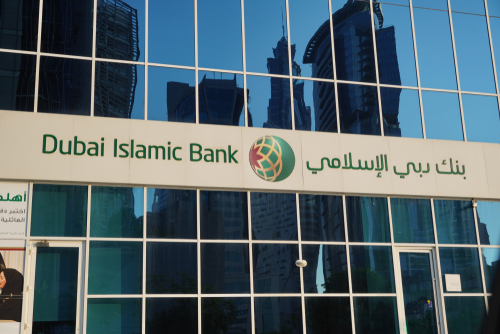
Dubai Islamic Bank (DIB) has successfully issued a $500 million Additional Tier 1 (AT1) sukuk, marking a significant milestone for the lender in the capital markets. The sukuk carries a profit rate of 5.25%, reflecting strong demand and investor confidence amid a challenging economic climate. This issuance comes as part of DIB’s strategy to bolster its capital base and enhance its financial stability.

The sukuk was priced within the bank’s existing curve, demonstrating its robust standing in the market. This issuance is particularly noteworthy given the broader context of the global financial environment, where rising interest rates have led to cautious investor sentiment. The strong demand for DIB’s sukuk highlights the bank’s solid credit profile and the appeal of Sharia-compliant financial instruments.

According to industry experts, the success of this sukuk reflects DIB’s commitment to maintaining a diversified funding base while supporting its growth strategy. The bank’s Chief Financial Officer emphasized the importance of such instruments in ensuring liquidity and financial strength. With this issuance, DIB aims to reinforce its position as a leader in Islamic banking and enhance its capital structure in alignment with regulatory requirements.

Investor appetite for AT1 sukuk has been robust, driven by the attractive profit rates compared to traditional bonds. Analysts indicate that the increasing interest in Sharia-compliant financial products among global investors has contributed to this trend. DIB’s sukuk issuance has not only attracted local investors but has also garnered significant interest from international institutions, showcasing the bank’s global reach.

Market participants have noted that the issuance comes at a time when several regional banks are exploring similar funding avenues to meet capital adequacy ratios mandated by regulators. DIB’s proactive approach in tapping into the sukuk market is seen as a strategic move to ensure compliance while capitalizing on favorable market conditions. The bank’s successful placement of the sukuk also reflects the strength of its franchise and the effectiveness of its outreach efforts to a diverse investor base.

The AT1 sukuk structure allows banks to raise capital in a manner that is compliant with Islamic law while offering investors a higher yield compared to conventional debt instruments. This structure has gained traction among financial institutions as it provides a means to enhance capital ratios without diluting existing shareholders’ equity. With the issuance, DIB has not only secured necessary capital but has also positioned itself favorably in the competitive landscape of Islamic finance.

DIB’s management expressed optimism about the future, highlighting the potential for further sukuk issuances in response to market demand. This issuance aligns with the bank’s overall growth strategy, which focuses on expanding its footprint in the Islamic finance sector while addressing the needs of its diverse customer base. The successful placement of the AT1 sukuk also underscores the importance of maintaining a strong balance sheet, especially in a period characterized by economic uncertainty.

Investor sentiment towards DIB remains positive, as evidenced by the strong subscription levels during the sukuk offering. The issuance was oversubscribed, reflecting a healthy appetite for Islamic financial instruments. This enthusiasm among investors is indicative of the broader trend within the region, where Islamic banks are increasingly recognized for their resilience and ability to navigate complex financial landscapes.

The issuance comes as the UAE continues to position itself as a global hub for Islamic finance. The government’s commitment to enhancing the Islamic financial ecosystem through regulatory frameworks and supportive policies has fostered an environment conducive to growth. DIB’s strategic initiatives align with this national agenda, reinforcing its role as a key player in promoting the Islamic finance industry.

As the global economy continues to evolve, DIB’s proactive stance in the sukuk market exemplifies its commitment to adapting to changing market dynamics. The successful issuance of the AT1 sukuk not only enhances the bank’s capital base but also reinforces its position as a preferred choice for investors seeking Sharia-compliant financial products. With a solid reputation and a strong track record, DIB is poised to continue its growth trajectory in the Islamic banking sector.

GITEX Global 2024 has drawn the attention of the global tech community, making Dubai a focal point for innovation and collaboration. Held at the Dubai World Trade Centre, this year’s event is showcasing an array of cutting-edge advancements, including artificial intelligence (AI), cybersecurity, blockchain, and more. With over 6,000 exhibitors from 180 countries, GITEX is promoting key sectors like AI-driven healthcare, fintech, and climate tech. The event has also placed a spotlight on cybersecurity challenges and solutions, attracting top industry players to discuss the future of AI in various fields.

One of the central themes of this year’s GITEX is AI’s role in reshaping industries. “AI Everything,” a major attraction at the event, is focusing on integrating AI into sectors such as digital finance, healthcare, and education. With demonstrations of AI-driven technologies, attendees are gaining insights into how AI will continue to disrupt traditional models, providing more efficiency and data-driven decision-making.

In tandem with these developments, the fintech sector is experiencing significant attention. “Fintech Surge,” another highlight of the event, is hosting global fintech leaders to explore how blockchain and AI are pushing boundaries in digital finance. Investors and startups alike are eyeing new opportunities as digital currencies, decentralized finance (DeFi), and AI-powered financial services grow in prominence. Dubai, positioning itself as a hub for innovation, offers the perfect backdrop for these transformative conversations.

Cybersecurity has emerged as a key topic, as threats in the digital space continue to escalate. GITEX’s “Cyber Valley” is addressing the intersection of AI and cybersecurity, gathering top experts to explore ways to counter cyber threats in an increasingly connected world. High-profile cybersecurity executives and government leaders are collaborating to establish frameworks that can protect sensitive data, infrastructure, and networks from sophisticated cyber-attacks.

Startups and entrepreneurs are also finding GITEX to be a launchpad for growth. “Expand North Star,” a major startup event running alongside GITEX, is connecting founders with venture capitalists and tech leaders to foster partnerships and scale new ventures. The event highlights the increasing importance of fostering an entrepreneurial ecosystem that nurtures innovative ideas and gives rise to the next generation of tech giants.

The event’s focus on sustainability is evident through “Gitex Impact,” where climate-tech innovators are unveiling solutions for environmental challenges. AI-driven sustainable technologies, including advancements in waste management and conservation, are on display, emphasizing the role of technology in addressing global climate issues.

Dubai’s ambition to be a leading global tech hub is reinforced by the diversity of participants and the scale of innovations being showcased at GITEX. Government leaders, industry experts, developers, and investors are all converging to forge partnerships and explore how emerging technologies can drive future economic growth.

GITEX Global 2024 is not just about presenting technological advancements, but also about sparking discussions around the ethical implications of such technologies. From the regulatory challenges of AI to privacy concerns, these critical issues are being debated as technology continues to evolve rapidly. The convergence of AI, cybersecurity, and fintech underlines the complex, interconnected nature of modern digital transformations.

Power outages persist across North Carolina in the wake of Hurricane Helene, which left a trail of devastation that has upended communities. In Buncombe County, more than 25,000 households have been left without electricity for three weeks, as severe flooding damaged critical infrastructure, slowing efforts to restore power. The statewide impact has been significant, with nearly 100,000 households still struggling with outages, as local utilities and government agencies work to rebuild in the aftermath of one of the worst hurricanes the state has experienced in recent history.

The storm made landfall with Category 4 intensity, bringing winds exceeding 130 mph and unleashing torrential rains that led to flash flooding in several regions. Rural and urban areas alike suffered widespread damage, with roads washed away, bridges collapsing, and homes submerged under several feet of water. Emergency services have been stretched thin, with thousands of rescue operations underway, especially in hard-hit areas like Asheville, where rivers swelled to dangerous levels, overwhelming the city’s flood defenses.

In Buncombe County, the power grid took a particularly hard hit due to the storm’s ferocity. Many of the county’s substations were submerged under floodwaters, making it difficult for utility crews to assess the extent of the damage. Roads leading to key infrastructure have been washed away or remain inaccessible due to debris, further delaying repair efforts. The combination of flood damage and fallen trees from the hurricane’s high winds has left electrical lines in disarray, forcing residents to endure an extended blackout.

Local officials have been working round-the-clock to mitigate the impact of the prolonged outages. However, challenges remain as access to remote areas continues to be obstructed. Governor Roy Cooper emphasized that while progress is being made, the scale of destruction is unprecedented, and recovery will take time. He urged residents to remain patient and assured that federal disaster relief funds would be allocated to expedite repairs. Meanwhile, the National Guard has been deployed to assist with clearing roadways and delivering essential supplies to isolated communities.

As temperatures dropped, concerns about the well-being of those without power have increased. Residents in Buncombe County, in particular, have voiced frustration as they continue to grapple with the lack of electricity, while others are facing challenges related to food preservation and heating. The disruption of public services has compounded the difficulties, with schools in the area remaining closed and businesses struggling to reopen without reliable access to power. Many families have been forced to relocate temporarily, seeking refuge in shelters set up by the Red Cross and local churches.

The hurricane also triggered a cascading effect on other vital services. Hospitals, nursing homes, and other critical care facilities have faced mounting pressure to maintain operations using backup generators, while others have been forced to transfer patients to unaffected regions. Water treatment plants were similarly overwhelmed, leading to boil-water advisories in several towns, as the risk of contamination rose due to floodwaters breaching sanitation systems.

The agricultural sector in North Carolina has also borne the brunt of the hurricane’s devastation. Farmers in the eastern part of the state reported catastrophic losses as fields were submerged and livestock perished in the floods. Early estimates suggest that the damage to crops, particularly soybeans, tobacco, and corn, could reach into the hundreds of millions of dollars. Livestock farmers have also struggled, with large numbers of cattle and poultry succumbing to the rising waters. Agricultural experts warn that the full scope of the damage may not be realized for several weeks, as fields remain waterlogged and the logistical challenges of restoring farming operations persist.

Environmental experts have raised concerns about the long-term impact of Hurricane Helene on North Carolina’s ecosystems. Flooding has resulted in large-scale soil erosion, while contaminants from industrial sites and agricultural runoffs have mixed with floodwaters, potentially causing lasting harm to water sources and habitats. The state’s fisheries, a key economic driver, could see prolonged disruptions as rivers and estuaries remain clouded with debris and pollutants, threatening aquatic life and commercial fishing operations.

Insurance companies are bracing for what is expected to be an unprecedented number of claims. Early projections indicate that Hurricane Helene may be one of the costliest storms in the state’s history, with damages potentially exceeding $10 billion. Insurers have been mobilizing teams of adjusters to assess the damage, but the sheer scale of destruction, combined with ongoing access issues, has slowed the process. Many homeowners, however, are discovering that their policies do not fully cover the extent of the damage caused by flooding, leaving them facing substantial out-of-pocket expenses for repairs.

Rebuilding efforts are now the primary focus for state and local authorities, as they work to restore power and infrastructure in the affected areas. Federal assistance has been crucial in these efforts, with the Federal Emergency Management Agency (FEMA) coordinating aid and providing financial support to expedite recovery. President Joe Biden, during a briefing, promised continued federal assistance to North Carolina, acknowledging the hurricane’s devastation and the long road to recovery.

Advertisements

Introduces first-in-market “Wealth Booster Option” to Create Value Beyond Insurance HONG KONG SAR – Media OutReach Newswire – 14 October 2024 – Chow Tai Fook Life Insurance Company Limited (“CTF Life”) recently celebrated its towards 40th anniversary with a celebration dinner themed “Value Beyond Insurance” at the Hong Kong Convention and Exhibition Centre. To further promote the value of CTF Life in providing customers with personalised planning […]

International Conference on The Science behind skincare, Skin Analysis & Skincare Knowledge HONG KONG SAR – Media OutReach Newswire – 14 October 2024 – The International Skin Health Foundation successfully held its Opening Ceremony and its annual thematic event, “Caring for Skin, Health and Beauty”, at the Hilton Garden Inn in Mong Kok, Hong Kong. The Inauguration Ceremony featured opening speeches by Professor Zheng Zhizhong, Chairman of […]

As tensions escalate between Israel and Iran, the world is watching with bated breath, and financial markets are bracing for a potential economic shock. The deployment of additional US troops and advanced anti-missile systems to Israel highlights how serious the situation has become. Recent unprecedented attacks from Iran and Israel’s potential countermeasures, particularly targeting Iran’s vital oil or nuclear facilities, could set the stage for a global […]

HONG KONG SAR – Media OutReach Newswire – 14 October 2024 – Henderson Sunlight Asset Management Limited (the “Manager“) is pleased to announce that Sunlight REIT has achieved a four-star rating in the 2024 GRESB Real Estate Assessment (“GRESB Assessment“), the leading global environmental, social and governance (“ESG“) benchmark in the real estate sector. Mr. Wu Shiu Kee, Keith, Chief Executive Officer of the Manager, said, “We […]

By Nantoo Banerjee It is heartening to note that global lenders are increasingly coming forward to strongly support India’s ongoing clean and green energy expansion programmes. India, the world’s third largest energy consumer after China and the United States, has set a target to reduce the carbon intensity of the nation’s economy by less than […]

A new report from Bitpanda indicates a growing interest in cryptocurrency investments among Italians, with nearly 9% of the population engaging in digital currencies. The trend is particularly pronounced among younger demographics, where investment rates reach 16% among Millennials and 13% among Generation Z. This increase reflects a broader shift towards digital assets as traditional investment methods face challenges in a rapidly changing economic landscape.

The Bitpanda report highlights that Italians are increasingly turning to cryptocurrencies as an alternative investment strategy, motivated by factors such as potential high returns and the appeal of decentralized finance. Younger generations, in particular, have embraced this trend, leveraging technology and social media to explore and understand digital currencies. Their familiarity with online platforms positions them uniquely to navigate the complexities of cryptocurrency markets.

The rise of virtual currencies in Italy is mirrored by broader trends across Europe, where more individuals are considering cryptocurrencies as part of their financial portfolios. Factors contributing to this trend include the impact of the COVID-19 pandemic on financial behaviors, economic uncertainty, and a desire for diversification in investment strategies. As the financial landscape evolves, cryptocurrencies are gaining traction not only as speculative assets but also as a legitimate means of wealth preservation.

Italy’s regulatory framework for cryptocurrencies remains under development, which presents both challenges and opportunities for investors. While the government is working towards establishing clearer guidelines to protect consumers and regulate the market, the current lack of comprehensive regulation allows for greater experimentation and engagement from individual investors. However, this also raises concerns about the risks associated with investing in a volatile market.

Key players in Italy’s cryptocurrency landscape include exchanges, fintech companies, and advocacy groups pushing for a more supportive regulatory environment. These organizations play a crucial role in educating potential investors and promoting best practices for safe trading. Additionally, the rise of decentralized finance (DeFi) platforms has opened new avenues for investment and has contributed to the increasing interest among Italians.

The enthusiasm for cryptocurrencies is not confined to Italy. Across Europe, many countries report similar patterns, with youth populations particularly eager to explore digital currencies. Reports suggest that this demographic sees cryptocurrencies as an innovative tool for financial empowerment, diverging from traditional banking systems and investing norms. Educational initiatives and community-building efforts are essential in fostering informed investment practices and mitigating risks associated with cryptocurrency investments.

Challenges remain, particularly concerning security and the volatility of digital currencies. Investors face the risk of scams, hacks, and rapid market fluctuations, which can lead to significant financial losses. As interest in cryptocurrencies grows, so does the need for robust educational resources and protective measures to safeguard investors. Awareness campaigns focusing on risk management and secure trading practices are vital to ensure that individuals can engage with cryptocurrency markets responsibly.

Social media plays a significant role in shaping perceptions of cryptocurrencies among young investors. Platforms such as Twitter, Reddit, and TikTok have become hotbeds for cryptocurrency discussions, where trends can rapidly shift based on influencer endorsements and viral content. This phenomenon underscores the need for critical evaluation of the information being shared online, as not all sources offer sound investment advice.

The Italian government’s approach to cryptocurrency regulation is evolving, with ongoing discussions about how to balance innovation with consumer protection. As European Union regulators work to establish a cohesive regulatory framework for digital assets, Italy will likely continue to refine its own policies to align with broader EU standards. This alignment could enhance investor confidence and promote a safer trading environment.

Investments in cryptocurrency are also reshaping financial literacy initiatives in Italy. Educational institutions and organizations are beginning to incorporate digital finance into their curricula, reflecting the need for future generations to understand and engage with the evolving financial landscape. As more individuals express interest in cryptocurrencies, there is a growing recognition that education will play a critical role in fostering informed investors.

The cryptocurrency market opened the week on a buoyant note, with Bitcoin soaring above $64,000, reflecting a robust demand from investors. This bullish sentiment extends beyond Bitcoin, with several major cryptocurrencies experiencing notable gains. In particular, memecoins captured significant attention over the weekend, driving trading volumes and investor interest.

Bitcoin’s recent ascent is attributed to various factors, including a wave of institutional investments and ongoing enthusiasm around cryptocurrency adoption. Many analysts highlight the role of exchange-traded funds (ETFs) in boosting market confidence, as institutional players increasingly seek exposure to digital assets. Bitcoin’s price spike comes amid a broader narrative of technological advancements within the blockchain ecosystem, which continues to capture the imagination of retail and institutional investors alike.

Ethereum, the second-largest cryptocurrency by market capitalization, also benefited from Bitcoin’s rally, rising over 5% in value. The upward momentum is attributed to several developments, including the upcoming Ethereum upgrade, which aims to improve network scalability and reduce gas fees. As Ethereum transitions to a proof-of-stake model, many analysts anticipate further institutional interest, given the platform’s essential role in decentralized finance (DeFi) and non-fungible tokens (NFTs).

Meanwhile, the excitement surrounding memecoins—typically inspired by internet memes and social media trends—has significantly influenced market dynamics. Tokens like Dogecoin and Shiba Inu witnessed substantial trading volumes as retail investors flocked to these assets, drawn by their perceived potential for high returns. Social media platforms played a pivotal role in amplifying this trend, with influencers and dedicated communities rallying support for these tokens. The continued engagement of these communities indicates a shift in trading patterns, where retail sentiment increasingly shapes market movements.

China’s latest stimulus announcements, while generating initial optimism, fell short of expectations, impacting broader market sentiments. The country’s efforts to stabilize its economy amid challenges posed by global supply chain disruptions and regulatory crackdowns have elicited mixed reactions from traders. Despite the lackluster stimulus measures, market participants remain hopeful, buoyed by Bitcoin’s upward trajectory and the resilience demonstrated by major cryptocurrencies.

Investors are closely monitoring regulatory developments in various jurisdictions as they navigate the evolving landscape of digital assets. The introduction of clearer regulations in regions such as Europe and the United States has fostered a more secure environment for institutional investments. However, uncertainty remains, particularly in regions where regulatory frameworks are still taking shape.

The recent performance of cryptocurrencies is also influenced by macroeconomic factors, including inflation concerns and shifts in monetary policy. Central banks’ responses to inflationary pressures may significantly impact investor sentiment, with many viewing cryptocurrencies as a hedge against traditional market volatility. As Bitcoin approaches all-time highs, discussions around its role as a digital store of value continue to gain traction among institutional investors.

Emerging trends within the cryptocurrency space, such as the growing popularity of decentralized finance applications, are further contributing to Bitcoin’s appeal. DeFi platforms have gained substantial traction, offering innovative financial services outside traditional banking systems. This trend aligns with a broader movement towards financial inclusivity, where individuals seek alternatives to conventional finance.

As Bitcoin maintains its upward momentum, analysts are keenly observing key price levels that may serve as psychological barriers. The $70,000 mark has become a focal point, with investors speculating on whether Bitcoin can sustain its rally and surpass this threshold. Historical price action suggests that breaking through significant resistance levels often leads to further price discovery, a phenomenon that many traders are keen to capitalize on.

Market sentiment remains a crucial driver of cryptocurrency prices, with investor behavior often influenced by social media trends and news cycles. The ability of key influencers to sway market dynamics underscores the importance of community engagement within the cryptocurrency ecosystem. This trend has been particularly evident with memecoins, where social media platforms act as catalysts for rapid price fluctuations.

The interplay between technological advancements and regulatory developments will continue to shape the cryptocurrency landscape as investors seek to navigate the complexities of digital assets. Institutions are increasingly recognizing the importance of blockchain technology, leading to heightened investment in research and development. This recognition of the underlying technology’s potential may spur further innovation and drive the next wave of adoption across various industries.

A resurgence of interest in cryptocurrencies has sparked renewed scrutiny of the iconic animated series The Simpsons, known for its uncanny ability to predict significant events and trends. This exploration highlights the show’s historical references to Bitcoin and other cryptocurrencies, providing a context for understanding its relevance in contemporary discussions about digital assets. Since 2012, The Simpsons has included multiple references to cryptocurrency, stirring intrigue among fans and analysts alike.

Levi, a prominent crypto analyst, examines various episodes to illustrate how the show has forecasted the trajectory of cryptocurrency trends. One notable episode aired in 2014, where the character Lisa Simpson mentions Bitcoin while discussing the future of money. This early reference highlights the show’s insight into emerging financial technologies, suggesting that the creators have an inherent understanding of the potential for digital currencies. Furthermore, Levi emphasizes that this foresight aligns with broader cultural trends, where entertainment mediums often reflect or predict societal changes.

Analysts argue that the show’s influence extends beyond mere coincidence. It has established a cultural framework that shapes public perceptions of cryptocurrencies. The interplay between humor and prediction engages audiences, prompting discussions that can impact market sentiments. Levi points out that such references can serve as a barometer for public interest in cryptocurrency, suggesting that they might precede significant market movements.

The series has tackled complex subjects such as blockchain technology and the implications of decentralization, underscoring the importance of these themes in today’s economic landscape. This focus may also be indicative of the writers’ awareness of the growing importance of financial literacy and technological advancement in society.

The show’s predictions, while entertaining, raise questions about their accuracy and potential influence. Critics argue that such references can contribute to speculative behavior in the cryptocurrency market. Viewers may be swayed by the association of cryptocurrencies with popular culture, leading to impulsive investment decisions based on the show’s portrayals rather than sound financial principles.

Despite skepticism, some observers note that The Simpsons has indeed predicted various real-world events beyond cryptocurrencies. From the election of Donald Trump to the emergence of smart watches, the show’s track record adds a layer of credibility to its supposed prophetic abilities. This has led to discussions about whether these predictions are coincidental or stem from a deeper understanding of societal trends by the show’s creators.

As the cryptocurrency market continues to evolve, the relationship between popular culture and digital assets becomes increasingly significant. The interplay between media and finance often shapes public discourse and investor behavior. Understanding this dynamic is crucial for navigating the complexities of the digital economy. Analysts highlight the importance of recognizing the influence of cultural references, particularly in a market as volatile as cryptocurrency.

Ongoing developments in the cryptocurrency landscape, including regulatory changes and technological advancements, create a fertile ground for further predictions and speculations. The launch of new cryptocurrencies and the integration of blockchain technology into mainstream finance signify a shift that is likely to be reflected in future episodes of *The Simpsons*. Such integrations can amplify the show’s cultural relevance and impact on the market.

As Levi continues his analysis, he underscores the necessity of critical thinking when interpreting pop culture predictions. Viewers are encouraged to approach these references with skepticism, recognizing that while they may offer insights, they are ultimately rooted in entertainment. The challenge lies in discerning between humor and genuine foresight, a task made more difficult by the speculative nature of the cryptocurrency market.

Emerging trends in digital assets further complicate the narrative. The rise of decentralized finance (DeFi) and non-fungible tokens (NFTs) presents new opportunities and challenges for investors. As these concepts gain traction, *The Simpsons* may provide commentary that reflects or critiques these developments, maintaining its role as a cultural touchstone.

Looking ahead, the impact of pop culture on financial markets is likely to grow. As cryptocurrencies become more integrated into everyday life, the portrayal of these assets in mainstream media will continue to influence public perception and investment behavior. The significance of The Simpsons in this context cannot be overlooked, as its references serve as a lens through which audiences can engage with complex financial concepts.

A businessman and a casino employee have been charged with defrauding a company out of 12 million pesos in Quezon City. Lavish Mohan Paryani, the businessman, and Reigna Reyes, who works as a cashier at a local casino, are accused of falsifying documents and manipulating financial transactions to execute the scheme. The charges stem from a complaint filed by the firm, which alleged that the duo used deceitful practices to secure funds under false pretenses.

According to the complaint, Paryani and Reyes colluded to create fraudulent invoices and documents to mislead the firm into releasing payments. The operation reportedly lasted several months, during which they managed to divert substantial funds to their accounts. Investigators revealed that the two individuals orchestrated the scheme by exploiting their positions, with Paryani allegedly using his business connections to facilitate the deception while Reyes provided the necessary operational support from within the casino.

The investigation into the fraudulent activities began when the firm noticed discrepancies in its financial records. A routine audit revealed that several invoices were associated with services that were never rendered. Alarmed by the findings, the company’s management initiated a deeper investigation, which eventually led to the identification of Paryani and Reyes as the key suspects in the fraud.

Law enforcement agencies swiftly responded to the investigation, gathering evidence that included transaction records, witness testimonies, and surveillance footage from the casino. The evidence presented showed that Reyes had processed several transactions without following proper protocols, raising red flags that prompted further scrutiny.

Both Paryani and Reyes were taken into custody after warrants were issued for their arrest. They are facing charges of fraud, forgery, and conspiracy to commit fraud. The authorities are also looking into whether more individuals were involved in the scheme, as the investigation continues to unfold.

In the aftermath of the charges, Paryani’s business operations are under scrutiny, with the potential for further investigations into his dealings. Regulatory bodies are examining the casino’s internal controls to determine if there were lapses in oversight that allowed such fraudulent activities to occur. The case has drawn attention not only for the substantial amount of money involved but also for the implications it has on the casino industry’s integrity.

Industry experts have noted that fraud in casinos can have far-reaching consequences, affecting not only the businesses involved but also the overall reputation of the sector. The Quezon City case serves as a stark reminder of the importance of implementing rigorous financial controls and conducting regular audits to prevent fraudulent activities. As the investigation progresses, stakeholders are keenly observing the responses from both the authorities and the casino management.

Legal experts suggest that the outcome of this case could set a precedent for how similar cases are handled in the future. The penalties for such fraudulent activities can be severe, potentially leading to lengthy prison sentences for those found guilty. Moreover, the case raises critical questions about corporate governance and the measures that can be taken to safeguard against fraud in various industries.

As this situation develops, the local business community is on alert, closely monitoring how the legal proceedings will unfold. Both Paryani and Reyes are expected to appear in court, where their defense will be presented. Their legal representatives have stated that they intend to contest the charges, asserting that the evidence against them is circumstantial and that they have been wrongly accused.

Minister of Investment Khalid Al-Falih revealed plans for the management of four Saudi airports by the private sector starting in 2025. Speaking at the inaugural Global Logistics Forum held at the King Abdullah Financial Center in Riyadh, Al-Falih emphasized the initiative’s potential to enhance operational efficiency and boost the nation’s logistics and transport sectors. This announcement is part of a broader strategy aimed at transforming Saudi Arabia […]

Tamkeen, a prominent investment firm based in Bahrain, has set the price range for its upcoming initial public offering (IPO), aiming to raise as much as $106 million. The IPO is a significant step for the company, which plans to list on the Bahrain Bourse. The announced price range is set between 0.60 and 0.70 Bahraini Dinars per share, providing an attractive entry point for both retail […]

EDGNEX, a prominent technology and data center service provider based in the UAE, has announced an ambitious investment exceeding $1 billion to establish data centers in Thailand. This significant financial commitment marks a strategic move into the Southeast Asian market, underlining Thailand’s growing importance as a hub for digital infrastructure. The initiative is anticipated to enhance the country’s capabilities in data management, cloud computing, and overall digital […]

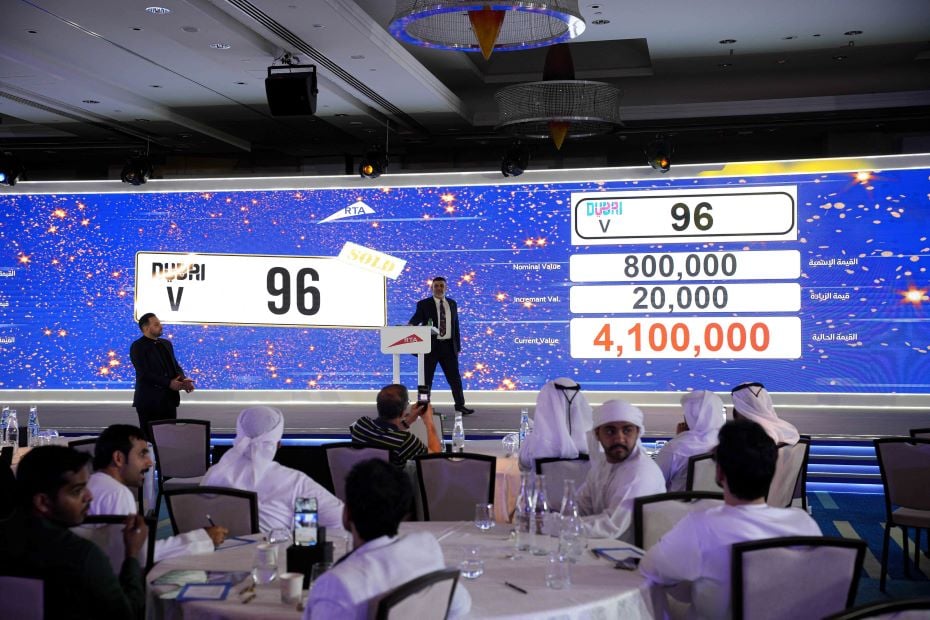
A recent auction for premium vehicle number plates in Dubai has attracted significant attention, culminating in a remarkable total of Dhs69.1 million in bids. The event, which marks the 116th edition of this popular auction, featured a collection of 90 exclusive plates, appealing to collectors and automobile enthusiasts alike. The plates ranged from two to five-digit combinations, showcasing a variety of unique and desirable options for bidders.

The Dubai Roads and Transport Authority (RTA) organized the auction, emphasizing its ongoing commitment to providing a platform for individuals to acquire distinctive vehicle registration numbers. The auction attracted a diverse group of participants, from seasoned collectors to first-time bidders, all vying for the chance to own these sought-after plates.

Notably, plate number “55” emerged as the highest-selling item, fetching Dhs10.1 million, underscoring the continued popularity and value of unique registration numbers in the emirate. Other notable sales included the plate “21,” which sold for Dhs8.5 million, and the plate “3,” purchased for Dhs8 million. These figures highlight the competitive nature of the bidding process, where individuals are willing to invest substantial sums for a coveted piece of identity on their vehicles.

The auction not only reflects the financial investment involved but also symbolizes the status associated with owning a unique plate number in Dubai’s luxury market. Plates with fewer digits are often perceived as more prestigious, leading to higher bids as participants seek to showcase their wealth and exclusivity.

The success of this auction is part of a broader trend within the region, where personalized vehicle registration numbers have become increasingly popular. Collectors often see these plates as both status symbols and investment opportunities, with many expecting their values to appreciate over time. This trend aligns with the luxurious lifestyle that many residents of Dubai embody, where unique possessions are a reflection of personal branding and social standing.

As Dubai continues to develop as a global hub for luxury goods and experiences, the demand for premium registration plates is expected to grow. The RTA has responded to this trend by regularly organizing auctions, providing a consistent opportunity for buyers to engage in this unique market. The authority’s efforts also include enhancing the overall experience for bidders, ensuring that each auction event is well-organized and transparent.

The vibrant atmosphere of the auction attracted media coverage, drawing in spectators who were eager to witness the bidding frenzy. Live updates and commentary provided a dynamic backdrop to the proceedings, heightening the excitement as bids escalated in real time. The combination of a lively audience and enthusiastic bidders created an electric environment that showcased the allure of premium plates.

The auction also serves as a reminder of Dubai’s position as a leading destination for luxury and extravagance. With an ever-expanding population of affluent residents and a growing number of international visitors, the demand for premium vehicle registration plates is likely to continue its upward trajectory. This market segment reflects the city’s broader economic landscape, characterized by opulence and a penchant for unique personal expression.

As the bidding wars unfolded, the auction featured a mix of familiar faces and newcomers eager to make their mark in the world of premium plates. Some participants shared their motivations for bidding, expressing a passion for collecting unique registration numbers while others highlighted the importance of these plates as investment assets.

The influence of social media cannot be overlooked in shaping perceptions around premium plates. Many bidders leverage platforms to showcase their new acquisitions, turning these plates into symbols of success that are often shared within their networks. This trend not only fuels competition but also raises awareness about the auction events, attracting a wider audience and increasing participation.

Looking ahead, the RTA plans to continue hosting such auctions, with the potential for expanding the offerings to include even more exclusive items. Participants are eager to see what unique combinations will be available in future events, and the authority is committed to maintaining high standards in both the quality of the plates offered and the overall auction experience.

DP World is moving forward with a $1.3 billion investment in its London Gateway port, reaffirming its commitment to one of the United Kingdom’s most significant infrastructure projects. This announcement from the British government comes after concerns emerged that the UAE-based logistics giant had put the project on hold following public criticism of its subsidiary, P&O Ferries. The government’s confirmation of the investment marks a significant win for the UK as it continues to court global investors, particularly ahead of a key business conference in the coming days.

Last week, speculation surfaced that DP World had paused the expansion in response to comments made by two ministers, who condemned the handling of layoffs at P&O Ferries. The subsidiary had attracted widespread criticism in 2022 when it abruptly fired 800 workers and replaced them with cheaper agency labor. The backlash sparked intense scrutiny of the company, with government officials calling the layoffs “shameful” and questioning DP World’s role in overseeing such practices. However, the firm’s decision to proceed with the London Gateway investment suggests that the tensions have not derailed its long-term infrastructure ambitions in the UK.

DP World, which operates ports, terminals, and logistics hubs worldwide, sees London Gateway as a key part of its global strategy. The expansion is expected to boost the capacity of the UK’s busiest deep-sea container port, enhancing its ability to handle larger vessels and more cargo. London Gateway, strategically located on the Thames Estuary, serves as a major logistics hub connecting Britain to global trade routes. The additional investment will fund the construction of a fourth berth at the port, along with supporting infrastructure to improve efficiency and sustainability.

The port’s expansion is not only a significant development for the UK’s maritime sector but also a reflection of DP World’s growing footprint in Europe. Since acquiring P&O Ferries and establishing a presence in the UK, the company has been a major player in the nation’s logistics network. Its London Gateway terminal already handles millions of containers annually, and the latest investment will further increase capacity, helping to meet growing demand for international trade.

The timing of DP World’s decision to move forward is critical. The UK government has been keen to secure high-profile investments as it seeks to rebuild investor confidence following a series of economic challenges. A number of global companies had expressed concerns about the country’s post-Brexit trade environment, and the British government is eager to demonstrate that the UK remains an attractive destination for foreign capital. The upcoming Global Investment Summit, where international investors are expected to gather, will likely be framed around the message that Britain is open for business. DP World’s continued commitment to the London Gateway project is expected to serve as a highlight of that narrative.

However, while the project’s progress is a positive signal, the controversy surrounding P&O Ferries has not entirely dissipated. The government’s reaction to the layoff scandal has been under scrutiny, with some critics accusing officials of not doing enough to hold DP World accountable for its subsidiary’s actions. There were calls for the government to review DP World’s involvement in UK ports, particularly given the outcry over P&O Ferries’ labor practices. The company’s decision to move forward with the London Gateway investment, despite the tensions, suggests a pragmatic approach by both sides, focusing on economic interests rather than dwelling on past conflicts.

The expansion of the port also aligns with broader trends in the shipping and logistics industry. Global supply chains have faced unprecedented disruptions in recent years, from the COVID-19 pandemic to geopolitical tensions and environmental concerns. As a result, ports and logistics companies worldwide are looking to increase capacity and resilience. London Gateway’s expansion is a clear example of this trend, with DP World investing heavily to future-proof its operations in the UK.

The project is also expected to create hundreds of new jobs, both during construction and in the long term. As a major employer in the region, DP World has committed to working with local communities and the British government to ensure that the benefits of the investment are widely felt. This is particularly important in the context of the ongoing debates over labor rights and corporate responsibility, which have been central to the P&O Ferries controversy.

From a financial perspective, the $1.3 billion investment is a testament to DP World’s confidence in the UK market. Despite the challenges of Brexit and economic uncertainty, the company clearly views the country as a vital hub for its global operations. The expansion of London Gateway is expected to further strengthen the UK’s position as a leading player in international trade, with the port set to handle even greater volumes of cargo in the coming years.

Goldman Sachs has revised its projection for China’s 2024 economic growth, raising the country’s GDP forecast to 4.9%, signaling renewed confidence in Beijing’s economic recovery efforts. The investment bank’s upward revision stems from several factors, including stronger-than-expected data on industrial output and increased consumer spending, coupled with the effects of more targeted policy support. These adjustments suggest that Chinese authorities are focusing on stabilizing the economy through both fiscal measures and monetary easing.

China’s economic performance in 2023 faced significant hurdles, particularly due to sluggish consumer demand following the lifting of strict pandemic-related restrictions, and a property sector in turmoil. However, signs of stabilization have emerged, leading global financial institutions, including Goldman Sachs, to reassess their outlook on the world’s second-largest economy.

The Chinese government’s approach to managing the country’s growth has evolved, reflecting a shift from aggressive pandemic-era fiscal policies toward more measured economic interventions. Goldman Sachs noted that China’s leadership has implemented strategies aimed at striking a balance between economic stimulus and long-term sustainability. This shift has helped calm investor concerns about structural issues, particularly in real estate, while stimulating sectors such as manufacturing and technology.

The revised forecast aligns with other optimistic assessments, suggesting that China is poised to achieve moderate yet sustainable growth in 2024. Goldman Sachs’ economists highlighted that China’s renewed focus on infrastructure spending, along with a gradual recovery in the property market, are likely to support the nation’s GDP growth trajectory. Additionally, the bank predicts that consumer confidence will continue to rebound, boosted by government initiatives aimed at alleviating unemployment and expanding credit availability.

Analysts also emphasize the role of China’s exports, which have benefitted from the relative strength of global demand, particularly in sectors such as electronics and machinery. While geopolitical tensions, including trade relations with the U.S., remain a potential risk, the bank noted that China’s diverse manufacturing base and strategic partnerships with emerging markets will continue to bolster its economic resilience.

However, challenges persist, particularly within the property sector. Although authorities have taken steps to stabilize the real estate market, the sector remains fragile due to high levels of debt among property developers and continued concerns about housing affordability. Goldman Sachs pointed out that resolving these issues will be critical to maintaining the momentum of China’s broader economic recovery.

Dubai’s reputation as a global hub for blockchain innovation solidified further as industry leaders from across the globe gathered for the Future Blockchain Summit 2024. The summit, which runs from October 13 to 16 at Dubai Harbour, features cutting-edge discussions and presentations from experts in blockchain, crypto, NFTs, Web 3.0, and more, signaling a key moment in the advancement of the digital economy.

The Future Blockchain Summit, now in its sixth edition, has evolved into a premier platform for fostering collaborations between governments, enterprises, and startups. It continues to align with Dubai’s ambitious blockchain and digital transformation goals. The event promises to showcase transformative technologies that could redefine financial services, supply chains, healthcare, and governance.

Key highlights of the 2024 edition include insights from a diverse array of speakers, including thought leaders from both the public and private sectors. Major players in the blockchain space, such as Ethereum co-founder Vitalik Buterin and representatives from global blockchain firms, are expected to provide critical analysis on the evolution of decentralized systems, and the road ahead for mainstream blockchain adoption.

Dubai’s focus on blockchain technology is part of a broader strategic vision that began with the Dubai Blockchain Strategy and the Emirates Blockchain Strategy. This framework aims to digitize key government services using blockchain by 2025. The event’s organizers have highlighted the importance of this convergence, noting how governments and enterprises worldwide are increasingly exploring the potential of blockchain to drive efficiency, transparency, and trust in digital transactions.

This year’s summit emphasizes the practical applications of blockchain and its ability to disrupt industries beyond cryptocurrency. With the integration of NFTs, the Metaverse, and Web 3.0 technologies into the mainstream, blockchain is being recognized for its broader implications. During the summit, new solutions and case studies will be shared, shedding light on how blockchain can facilitate digital ownership, secure identity management, and more transparent business operations.

Beyond the focus on blockchain applications, the summit is expected to stimulate dialogue on regulation and sustainability. Policymakers and regulators are anticipated to discuss the creation of balanced frameworks that encourage innovation while ensuring the safety of participants in the digital space. Dubai, in particular, has been a key player in fostering a progressive regulatory environment that has attracted blockchain firms from around the globe.

Among the prominent names attending the event are representatives from DMCC (Dubai Multi Commodities Centre), a key participant in the event. DMCC has been instrumental in supporting blockchain enterprises through its crypto center and blockchain-related initiatives, further solidifying Dubai’s status as a hub for blockchain businesses. DMCC’s representatives will present their insights at the summit, discussing how the organization supports blockchain development within its award-winning free zone community.

The summit also offers opportunities for startups, with several exhibitions and networking events designed to connect emerging firms with potential investors. Several blockchain startups are expected to showcase their innovations, with a particular focus on solving industry-specific challenges through decentralized technologies.

This year, Dubai aims to further its vision as a “Smart City” by emphasizing the integration of blockchain into smart infrastructure projects. These initiatives aim to streamline everything from real estate transactions to cross-border payments. The event underscores how blockchain can enhance operational efficiency, promote transparency in government processes, and provide secure, tamper-proof records.

Notable discussions on the agenda include the future of decentralized finance (DeFi), which is gaining traction as a legitimate alternative to traditional banking. DeFi uses blockchain to eliminate intermediaries in financial transactions, potentially lowering costs and improving access to banking services in underserved markets. Additionally, the summit will explore the impact of blockchain on sustainable practices, particularly in the energy sector.

Dubai’s strategic importance in the global blockchain community is reflected in its hosting of this key event. As the blockchain industry continues to expand, the city is positioning itself as a leader in shaping the future of digital assets and decentralized technologies. The Future Blockchain Summit 2024 is expected to serve as a catalyst for further growth and collaboration within the blockchain ecosystem, helping to propel the technology toward mainstream adoption across industries.

DUBAI, UAE – Media OutReach Newswire – 10 October 2024 – JustMarkets, a global leader in trading, has successfully completed its participation in Forex Expo Dubai 2024, one of the largest and most prestigious events in the online trading industry. The event was held during 7-8th October and attracted more than 20,000 visitors, more than 200 exhibitors and 5,000 Forex companies. JustMarkets had its own stand at […]

VISHNU RAJA
RYO YAMADA
HITORI GOTOH
IKUYO KITA