Just in:
North Korean hackers channel Binance funds through fake tokens // LNG tanker exits through Hormuz reach wartime peak // France identifies Iranian Guards as supermarket hacking suspects // US relocates tankers from second British base amid threats // Google patches actively exploited Chrome XML security flaw // AutoSwift secures close to A$10 million from Singapore’s X Star Technology to scale AI WINGMAN // Google school AI search policy draws Senate challenge // Recognition under the U.S. Green Building Council’s rating system confirms the 22-residence tower is on track for full certification on completion // AI stock rout erodes sovereign and pension holdings // OnePlus 16 India debut reconsidered amid launch discussions // FinCEN identifies $8 billion in suspect overseas payments // Moonless skies improve stargazing conditions across northern Saudi Arabia // Thai Airways discloses 60,529 records exposed through Amadeus // UAE forecasts heavy showers across northern regions midweek // FAB takes full ownership of Bahrain fund administrator Yasira // Iran displays school strike memorial at COP31 summit // Allianz Insurance Singapore Encourages Homeowners to Strengthen Their Home Protection as Residential Fires Continue to Rise // Lee Kum Kee Sauce-Sponsored 2026/27 Hong Kong Windsurfing Circuit – iQFOiL Championships Conclude Successfully // COP31 leaders demand accelerated action as warming intensifies // California electorate defeats proposed levy on billionaire wealth //

News related to
financial

MicroStrategy has solidified its position as the leading corporate holder of Bitcoin with a monumental acquisition. The company added 55,500 Bitcoin to its reserves for approximately $5.4 billion, an investment executed at an average price of $97,862 per Bitcoin. This purchase elevates the company’s total holdings to 386,700 Bitcoin, acquired at a cumulative cost of $21.9 billion, reflecting an average acquisition price of $56,761 per coin.

The acquisition follows the company’s completion of a $3 billion convertible notes offering, a strategic move that provided the financial backing for this significant investment. Over the past quarter, MicroStrategy reported a Bitcoin yield of 35.2%, underscoring the asset’s growing contribution to the company’s balance sheet. On a year-to-date basis, the yield surged to 59.3%, further cementing Bitcoin’s role as a core component of MicroStrategy’s long-term strategy.

Michael Saylor, MicroStrategy’s co-founder and executive chairman, continues to champion Bitcoin as a “digital gold” and a hedge against inflation. Since initiating Bitcoin purchases in 2020, the company has employed innovative financing methods, including equity sales and corporate cash flow, to fund acquisitions. This strategy has placed MicroStrategy at the forefront of corporate cryptocurrency adoption, influencing other companies to explore Bitcoin as a reserve asset.

Saylor stepped down as CEO in 2022 to focus exclusively on Bitcoin-related initiatives, enabling MicroStrategy to scale its crypto strategy while entrusting day-to-day operations to his successor, Phong Le. The company’s unwavering commitment to its Bitcoin strategy has inspired other corporations globally, with firms like Metaplanet in Japan and Semler Scientific in the United States adopting similar treasury practices.

MicroStrategy’s latest move has not only strengthened its financial position but also highlighted the growing acceptance of Bitcoin as a mainstream financial asset. As more corporations consider integrating Bitcoin into their strategies, MicroStrategy remains a pivotal player in shaping the narrative around cryptocurrency adoption in corporate finance.

Taiwan has implemented a stringent regulatory framework aimed at tightening the oversight of Virtual Asset Service Providers (VASPs), marking a significant shift in the country’s approach to managing the digital asset industry. Effective from November 30, new rules under the Financial Supervisory Commission (FSC) mandate rigorous anti-money laundering (AML) measures, pushing for transparency and compliance across all cryptocurrency operators.

The FSC’s framework introduces a phased regulatory process, culminating in comprehensive legislation expected by mid-2025. All VASPs, including new and existing operators, must submit initial applications by March 2025, with final registration due by September 2025. Penalties for non-compliance include fines of up to NT$5 million and potential imprisonment of up to two years, a clear indication of the government’s commitment to addressing financial misconduct within the virtual asset market.

VASPs operating overseas must establish a local presence in Taiwan, conforming to requirements under the Company Act and adhering to stringent AML compliance protocols. The measures seek to enhance consumer protection, promote financial integrity, and foster a more secure cryptocurrency ecosystem.

From wars in Eastern Europe and the Middle East to rising tensions in the Taiwan Strait, geopolitical instability has become the defining characteristic of our time. There are now more active armed conflicts than at any point since World War II. Simultaneously, the digital realm has become a battleground, with cyberattacks escalating in frequency and sophistication, targeting both national infrastructures and private enterprises. While these developments are […]

By Nantoo Banerjee It is a matter of grave concern that counterfeit Rs 500 notes from the Mahatma Gandhi (new) series have nearly quadrupled between 2018-19 and 2023-24. And, the detection of counterfeit Rs 2,000 notes has tripled since 2020-21. The Rs 2,000 notes continue to remain legal tender and can be exchanged at RBI […]

Bitcoin balances on cryptocurrency exchanges have reached a strikingly low level of 2.27 million BTC, the lowest since December 3, 2023. This trend underscores a clear shift among Bitcoin holders, moving assets off exchanges, signaling a preference for long-term storage over active trading.

This reduction in Bitcoin exchange reserves has been attributed to multiple factors. First, heightened regulatory scrutiny in major markets has made some investors wary of holding assets on exchanges. Events such as enforcement actions by financial authorities against prominent crypto platforms have heightened concerns over counterparty risks. Furthermore, technical vulnerabilities exposed in various exchange systems have prompted caution among users.

Another key factor influencing this behavior is the growing adoption of decentralized finance (DeFi) and self-custody solutions. Hardware wallets and other non-custodial storage options provide enhanced control and security for users, aligning with the ethos of decentralization that Bitcoin advocates champion. Institutional investors have also mirrored this trend, with significant transfers of Bitcoin to cold storage wallets indicating an alignment with long-term investment strategies.

Bitcoin’s scarcity narrative plays an essential role in this shift. By holding Bitcoin in wallets outside exchanges, investors signal confidence in its value appreciation potential. This behavior aligns with the prevailing sentiment that Bitcoin functions as a “digital gold,” a hedge against inflation and economic uncertainty.

On the trading side, lower exchange balances have introduced shifts in liquidity dynamics. Market analysts suggest that reduced availability of Bitcoin on trading platforms could increase price volatility. With fewer coins readily accessible for buying and selling, even modest market orders might cause outsized price swings. This phenomenon is compounded by increasing activity in derivatives markets, where investors speculate on price movements without immediate changes in Bitcoin spot holdings.

Meanwhile, Bitcoin’s price movement has displayed resilience. Despite fluctuations in macroeconomic conditions and interest rate policies affecting global financial markets, Bitcoin’s price has remained relatively stable compared to earlier periods of intense volatility. Industry experts believe this reflects maturing market conditions and growing participation by institutional investors who tend to adopt longer-term horizons.

The trends in Bitcoin custody and trading practices are part of a broader evolution in the cryptocurrency space. As traditional finance firms integrate blockchain-based assets into their portfolios, the convergence of decentralized principles with established financial practices is reshaping market dynamics. For Bitcoin, this means an increasingly nuanced ecosystem where retail and institutional participants redefine engagement rules.

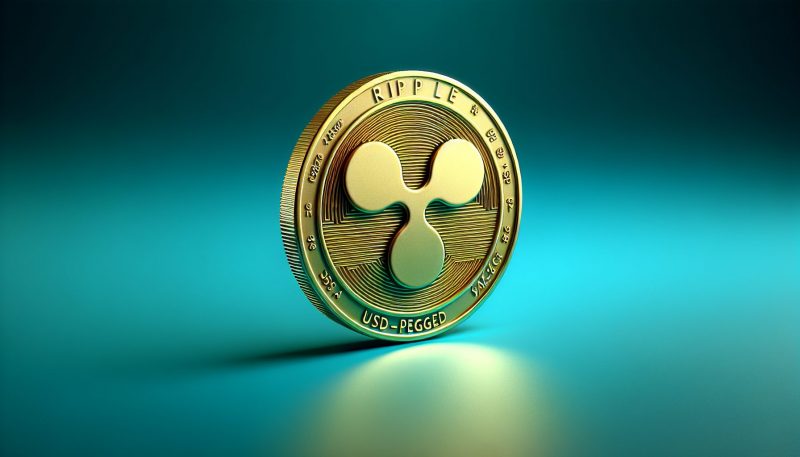
Ripple is poised to make a significant move into the U.S. stablecoin market with its new RLUSD stablecoin, which is expected to receive approval from New York’s Department of Financial Services (NYDFS). The approval paves the way for the coin’s anticipated launch on December 4, positioning Ripple to directly compete with established U.S. stablecoin issuers, including Circle and Tether. Ripple’s decision to introduce a stablecoin marks a strategic expansion beyond its core offering of XRP, aiming to tap into the burgeoning stablecoin sector, which has seen rapid growth due to its role in reducing volatility in the cryptocurrency market and facilitating easier cross-border transactions.

The RLUSD stablecoin will be backed 1:1 by the U.S. dollar, offering a more stable and predictable alternative to XRP, which has faced significant volatility in the past. Ripple’s stablecoin will be a key player in the growing demand for stablecoins, which have become integral to decentralized finance (DeFi) and are increasingly being used for remittances, trading, and cross-border payments. The NYDFS approval is critical for Ripple as it will allow the company to offer RLUSD in the highly regulated U.S. market, enhancing its legitimacy and fostering confidence among investors and users.

As Ripple prepares for its entry into the stablecoin market, it is positioning itself against leading stablecoin issuers like Tether’s USDT and Circle’s USDC, which dominate the U.S. stablecoin market with billions in circulation. However, Ripple’s edge lies in its established infrastructure for cross-border payments and its existing partnerships with financial institutions, which could provide RLUSD with a strong foundation for adoption. Additionally, by leveraging its existing RippleNet network, Ripple aims to deliver a smoother and more efficient transaction process compared to its competitors.

Unlike XRP, which is often seen as a speculative asset, RLUSD is designed to serve as a stable digital currency pegged to the U.S. dollar. This makes RLUSD a preferred option for users seeking a low-volatility solution for everyday transactions or for businesses that require a stable digital currency for operations. Ripple’s entry into the stablecoin market could provide users with an attractive alternative for conducting international transactions, where stability and efficiency are critical. Ripple’s extensive network of financial institutions already using RippleNet could facilitate the adoption of RLUSD among these organizations, making it a highly competitive option in the space.

Ripple’s expansion into the stablecoin space also reflects broader trends in the cryptocurrency industry, where the demand for stablecoins has surged as they provide a bridge between traditional fiat currencies and the digital economy. According to data from the Center for Alternative Finance, stablecoins accounted for over $130 billion in market capitalization by mid-2024. This growth is driven by the increasing use of digital currencies in global trade, remittances, and as an on-ramp to decentralized finance platforms.

The stablecoin market has attracted attention from regulators due to its potential to disrupt traditional finance. New York has been at the forefront of regulating cryptocurrency, with the NYDFS providing a rigorous licensing process for digital assets operating in the state. Ripple’s ability to secure approval for RLUSD under these stringent conditions speaks to the company’s commitment to complying with regulatory standards, which may help it differentiate itself from other cryptocurrency projects that have faced regulatory hurdles. In addition to regulatory compliance, Ripple’s track record in the cryptocurrency space, particularly with its XRP token, positions it as a trusted entity in the eyes of many investors and stakeholders.

However, Ripple’s entry into the stablecoin market does not come without challenges. The stablecoin market is becoming increasingly crowded, with numerous players vying for dominance. USDC and USDT remain the dominant stablecoins by market share, and both have established themselves as reliable and trusted assets in the digital currency space. Additionally, these coins have already formed partnerships with major financial institutions and exchanges, making it difficult for new entrants to compete. Ripple will need to differentiate RLUSD not only through its regulatory approval and backing by the U.S. dollar but also through its ability to offer faster, cheaper, and more secure cross-border payment solutions.

While Ripple’s RLUSD aims to provide a less volatile alternative to XRP, it could also offer significant advantages in terms of liquidity and scalability. Stablecoins like USDC and USDT are already widely accepted across various platforms, and Ripple’s partnerships with financial institutions could accelerate the adoption of RLUSD. Furthermore, as more businesses and financial institutions explore the benefits of using digital currencies for cross-border payments, Ripple’s established network could enable RLUSD to scale quickly and gain traction.

Coinbase, one of the world’s largest cryptocurrency exchanges, has officially withdrawn its pre-application to enter Turkey’s highly competitive cryptocurrency market. This marks a significant shift in the company’s strategy, as it had initially expressed strong intentions to expand into the Turkish market, a region that has seen growing interest in digital assets amid economic volatility.

The decision to withdraw follows a series of regulatory hurdles and growing challenges within the Turkish crypto landscape. While Turkey has long been a fertile ground for cryptocurrency adoption, especially as citizens seek alternatives to the national currency amidst inflationary pressures, the government’s regulatory stance on digital assets has been evolving. Authorities in Turkey have yet to formalize comprehensive rules for cryptocurrency exchanges, leaving many firms cautious about fully committing to the market.

This move by Coinbase is a noteworthy development, particularly as Turkey’s cryptocurrency market continues to attract international players. While Coinbase steps back, other exchanges like Bitfinex and OKX remain in the race to establish their presence. These platforms are among the remaining applicants vying for regulatory approval to offer custody services in Turkey, signaling a competitive shift as major players navigate the evolving regulatory environment.

The regulatory framework for cryptocurrency exchanges in Turkey has been under close scrutiny for some time. The country introduced a series of measures to monitor and control the crypto sector, particularly focusing on anti-money laundering (AML) and combating the financing of terrorism (CFT). These measures have raised concerns among some international companies about the compliance and operational challenges associated with entering the Turkish market.

For Coinbase, which has faced increasing regulatory scrutiny in its home market of the United States, the decision to withdraw its pre-application could signal a shift in its global expansion strategy. While Turkey remains an attractive market due to its tech-savvy population and growing cryptocurrency adoption, the complexities surrounding compliance and local regulations might have led to Coinbase reassessing the potential risks.

On the other hand, Bitfinex and OKX are pushing ahead with their applications, signaling confidence in the Turkish market despite the regulatory uncertainties. These exchanges are known for their established presence in various global markets and have experience navigating complex regulatory landscapes. Bitfinex, for instance, has already secured regulatory approvals in several jurisdictions and is hoping to build on this momentum to gain entry into Turkey. Similarly, OKX, a major player in the crypto trading world, has been actively expanding its global footprint and sees Turkey as a strategic location to broaden its services.

Turkey’s regulatory stance has played a significant role in shaping the market’s future. The government has shown a willingness to embrace blockchain technology, but with cautious oversight. In late 2021, Turkey’s central bank launched a digital currency pilot project, signaling the country’s interest in blockchain innovation while maintaining strict control over the crypto space. This move demonstrated a desire to ensure that cryptocurrencies do not undermine the financial system but instead complement the traditional banking infrastructure.

Despite the regulatory hurdles, Turkey remains one of the largest markets for cryptocurrency in the Middle East. According to several reports, more than 20 million Turkish citizens own or trade cryptocurrencies, a significant portion of the population. The adoption of digital assets has been driven by factors such as inflation, a weakening national currency, and the search for alternative investment vehicles. Many Turkish citizens have turned to Bitcoin, Ethereum, and other digital currencies as a store of value during economic uncertainty.

While the Turkish government is still in the process of refining its stance on cryptocurrencies, the market has witnessed substantial growth in user adoption. However, concerns over security and fraud have prompted regulators to tighten oversight. The Turkish government’s approach to crypto regulation is expected to remain cautious, as officials work to balance innovation with security and financial stability.

As Coinbase retreats from the race, its competitors will have to navigate these challenges and carefully consider how to meet regulatory requirements while capitalizing on the growing demand for digital assets in Turkey. For Bitfinex, OKX, and other exchanges, the competition to dominate the Turkish market will likely intensify as they seek to establish themselves as trusted players in the region.

Advertisements

HONG KONG SAR – Media OutReach Newswire – 2 December 2024 – The “Building Your Edges: Tech-Forward Ventures in ASEAN” summit, hosted by edge Summit in collaboration with Oracle NetSuite and ONE Pacific, with support from Cyberport and Gobi Partners, explored how Hong Kong businesses can leverage contemporary cloud ERP systems, startup support initiatives, and venture capital opportunities to expand into the ASEAN market, facilitating growth, expansion, […]

U.S. President Joe Biden has pardoned his son, Hunter Biden, clearing federal convictions related to gun possession and tax offenses. This decision follows months of scrutiny over Hunter’s legal troubles, which had drawn significant public attention and political criticism. The pardon marks a reversal from the president’s prior stance, where he had assured he would not interfere in the judicial process concerning his son. Hunter Biden was […]

Koc Holding, one of Turkey’s leading conglomerates, has firmly denied reports suggesting it is in discussions regarding the sale of its stake in Yapi Kredi Bank to Qatar National Bank (QNB). The Turkish holding company, which controls a significant share of Yapi Kredi, clarified that no such negotiations have taken place, responding to growing speculation about a potential deal with the Qatari financial institution.

The rumors surfaced amid QNB’s broader strategy of expanding its presence in Turkey, a key market for the Middle Eastern bank. QNB has been actively pursuing acquisitions in Turkey in recent years, strengthening its position within the country’s financial sector. However, despite these ambitions, Koc Holding has stated unequivocally that there are no ongoing talks regarding the sale of its shares in Yapi Kredi to QNB, dispelling widespread assumptions about an impending transaction.

This development comes at a time when Turkey’s banking sector is navigating a complex economic environment. High inflation, currency volatility, and shifting geopolitical dynamics have placed considerable strain on the country’s financial markets, which may have prompted some analysts to speculate about possible mergers or acquisitions in the banking industry. Additionally, QNB’s interest in Turkish assets has been well-documented, with the bank seeking to capitalize on Turkey’s sizable market and relatively high returns in the financial sector.

While Koc Holding’s denial temporarily quells the rumors surrounding a potential Yapi Kredi transaction, it is clear that the Turkish banking landscape remains a focal point for foreign investors, especially those from the Gulf region. Qatar-based QNB, which has been expanding its footprint in Turkey, already holds a stake in other Turkish financial institutions. The bank’s ambitions to consolidate its holdings in the country align with broader regional strategies by Gulf-based investors to diversify their portfolios beyond the Gulf Cooperation Council (GCC) region.

For Koc Holding, Yapi Kredi remains a valuable asset in its diversified portfolio, and its involvement in the banking sector is integral to its broader business strategy. The holding company has been a major player in Turkey’s financial industry for decades, with its involvement in banking extending back to the late 1980s when it first acquired a stake in Yapi Kredi. The bank has since grown to become one of Turkey’s largest and most influential financial institutions.

While Koc Holding has dispelled the claims of a sale to QNB, analysts continue to watch the Turkish financial sector closely for signs of potential mergers and acquisitions. The region’s banks have been under pressure as they navigate the economic challenges posed by inflation and the depreciation of the Turkish lira. Despite these hurdles, Turkish financial institutions remain attractive to foreign investors due to their relatively high returns and the significant untapped potential of the Turkish market.

QNB, as one of the largest banks in the Middle East and North Africa (MENA) region, has made strategic acquisitions across the region over the years. With operations in 31 countries, including a significant presence in the GCC and North Africa, the bank has been keen to expand its holdings in Turkey, a nation that has become an increasingly vital market for financial services. The speculation around Yapi Kredi was fueled by reports that QNB had expressed interest in increasing its stake in the Turkish banking sector, but Koc Holding’s statement puts those rumors to rest—at least for the time being.

Although the QNB and Yapi Kredi discussions appear to be off the table, the dynamic between foreign banks and Turkish financial institutions will continue to evolve. The relationship between Qatar and Turkey has grown stronger in recent years, with both nations bolstering their economic ties. These diplomatic and financial linkages have facilitated greater cross-border investments, including in the Turkish banking sector, where Gulf investors are particularly active.

Turkey’s financial market is viewed by many as being ripe for consolidation and foreign investment. With inflation levels above 50% and the currency’s depreciation impacting many domestic financial institutions, the market offers substantial growth opportunities for foreign banks with the capacity to weather short-term volatility. International investors like QNB have been increasingly involved in Turkey’s economic recovery, using strategic acquisitions as a way to capitalize on the long-term prospects of the country’s banking system.

Despite the challenges posed by the country’s economic instability, Turkish banks are showing resilience. Several of the country’s largest banks, including Yapi Kredi, have managed to maintain strong balance sheets, thanks in part to their robust risk management strategies. This stability, combined with the potential for future growth, continues to attract interest from regional players looking to expand their presence in one of the largest emerging markets in Europe and Asia.

XRP has made an impressive leap in the cryptocurrency market, surpassing both Solana (SOL) and Tether (USDT) to become the third-largest cryptocurrency by market capitalization. This surge comes after the altcoin witnessed a significant rally of more than 25% in just 24 hours, pushing its price to approximately $2.4 as of Monday, December 2. The sudden rise in XRP’s value has caught market observers by surprise, with many speculating on the reasons behind its rapid ascension.

The rally follows a period of relative stability for XRP, which had traded in the range of $1.80 to $2.00 for several weeks. However, the momentum that has propelled XRP to its new position has been primarily driven by market sentiment, bullish trading volumes, and renewed investor interest. As a result, XRP now stands behind Bitcoin (BTC) and Ethereum (ETH) in market capitalization, making it a significant player in the evolving cryptocurrency space.

Ripple Labs, the company behind XRP, has been at the center of several legal battles, particularly with the U.S. Securities and Exchange Commission (SEC), over whether XRP should be classified as a security. While the case remains unresolved, many investors view the current rally as a signal that positive sentiment may be returning towards the digital asset. The outcome of the SEC case is closely watched by the crypto community, and a favorable ruling could further bolster XRP’s position in the market.

The significant price movement has sparked a broader conversation about the potential for altcoins to challenge the dominance of Bitcoin and Ethereum in the crypto space. While Bitcoin has long been regarded as the “gold standard” of cryptocurrencies, and Ethereum remains the leading platform for decentralized applications (dApps) and smart contracts, XRP’s rise to third place underscores the dynamic and unpredictable nature of the market.

XRP’s market surge has been further fueled by increasing adoption among financial institutions and the ongoing development of Ripple’s payment solutions. Ripple’s cross-border payment technology has gained traction, particularly in regions where traditional banking infrastructure remains underdeveloped. Ripple’s RippleNet network enables faster and cheaper cross-border transactions, a service that has drawn the attention of banks, remittance services, and financial institutions globally.

In addition to institutional interest, XRP’s price movement has been supported by a surge in retail trading activity. As more retail investors engage with the asset, liquidity in the market has increased, creating an environment where sharp price movements can occur more easily. This influx of interest, combined with positive sentiment surrounding the potential resolution of the SEC case, has resulted in XRP’s remarkable rally.

Solana, once considered one of the most promising cryptocurrencies due to its fast transaction speeds and low costs, has faced its own challenges in recent months. Despite high expectations, Solana has struggled to maintain its momentum, experiencing volatility and technical setbacks that have dampened investor confidence. This has opened the door for XRP to climb in the ranks, as Solana’s market capitalization faltered.

Similarly, Tether (USDT), the world’s leading stablecoin, has faced scrutiny in the wake of broader concerns about the stability and transparency of stablecoins. Although Tether has maintained its peg to the U.S. dollar, regulatory pressures and concerns over its backing have led some investors to seek alternatives, contributing to its relative stagnation in the rankings. The decline in Tether’s dominance in the stablecoin space has allowed other cryptocurrencies like XRP to take advantage of shifting market dynamics.

As XRP edges ahead of Solana and Tether, the cryptocurrency market continues to exhibit its volatile and unpredictable nature. While XRP’s ascent is notable, it remains to be seen whether this growth will be sustained or if other factors—such as regulatory developments or market corrections—could shift the tide. XRP’s future trajectory is closely tied to both the broader market trends and the outcome of the legal battles it faces.

For investors, the rise of XRP represents both an opportunity and a risk. Those who have been holding the asset for an extended period are likely to see substantial gains, but the volatility of the cryptocurrency market means that caution is necessary for those entering the space. As XRP’s market capitalization continues to grow, it may attract new investors, but it will also face increased scrutiny as it becomes more prominent.

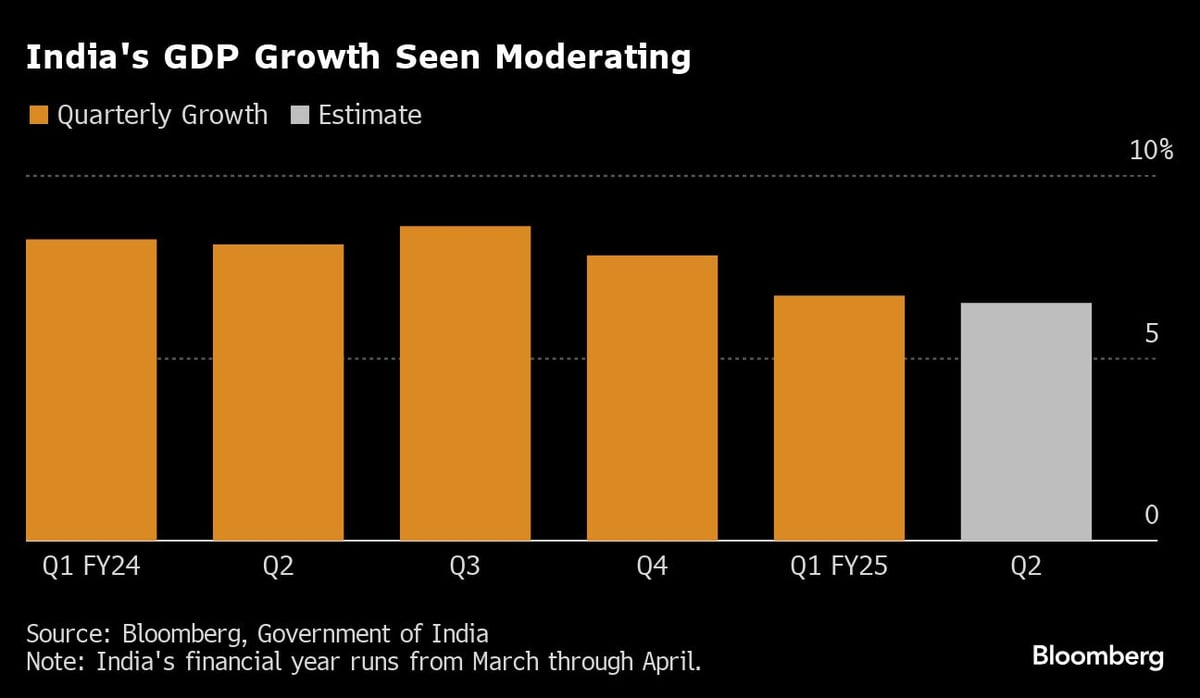
By Dr. Gyan Pathak Slowing down of GDP growth to seven quarters low of 5.4 per cent during second quarter of the financial year 2024-25 and contraction of the wages during the same period for the first time since the pandemic (March 2021) shows that India has fallen into a vicious circle of decline in […]

The transition from traditional banking systems to cryptocurrency has marked a pivotal shift in the financial world, driven by the impact of demonetization trends and the surge in digital transactions. This evolution, explored in depth by researchers Aashi Rawal, Santosh Gopalkrishnan, Dhanashree Tharkude, and Pallavi Deshpande, highlights the challenges and opportunities that cryptocurrencies present to global financial frameworks. A comprehensive study presented at the 2024 International Seminar […]

BANGKOK, THAILAND – Media OutReach Newswire – 29 November 2024 – Everydayhappy Company Limited, a leading natural skincare brand, has been honoured with the prestigious Asia’s Most Promising SMEs Award at the Asia Corporate Excellence & Sustainability (ACES) Awards, organised by MORS. Established in 2010, the brand De Leaf emerged under the Everydayhappy umbrella with a fundamental belief: natural ingredients are essential for healthy skin. Over the […]

Rigetti Computing has secured $100 million through its at-the-market (ATM) equity offering, which began in March 2024. This funding round is a significant step in the company’s push to advance its quantum computing capabilities, particularly focusing on the development of next-generation qubit systems. Rigetti aims to use the raised capital to accelerate the integration of superconducting qubits, with a target of achieving groundbreaking advancements in quantum-classical hybrid […]

Addressing the escalating global climate crisis, His Highness Sheikh Mohammed bin Zayed Al Nahyan, President of the United Arab Emirates, emphasized that the solution to the planet’s climate challenges lies in communication and cooperation across borders. Speaking at a key summit on climate change, Sheikh Mohammed stressed the interconnectedness of nations and cultures in tackling the environmental issues threatening the future of humanity. The UAE president’s call […]

PRYPCO, a prominent Dubai-based real estate firm led by Amira Sajwani, has launched an innovative fractional ownership platform aimed at democratizing access to premium properties in the city. The platform allows investors to buy fractions of luxury real estate, significantly lowering the barriers to entry in a market traditionally dominated by high-net-worth individuals. The new platform is poised to reshape the landscape of real estate investment in […]

Delivery Hero has set the final price for the highly anticipated IPO of its Middle Eastern arm, Talabat, at $0.44 per share. The pricing marks a significant move for the German food delivery giant as it pushes ahead with its plan to list the popular regional platform on the Dubai Financial Market. This marks a crucial step in Delivery Hero’s strategy to strengthen its position in the […]

The Nationals Defaulted Debts Settlement Fund (NDDSF) has announced the exemption of 1,277 citizens from a combined debt of AED 401,791,000. This debt relief initiative is the result of a collaborative effort between the Fund and 18 banks, marking a significant milestone in the UAE’s ongoing efforts to support citizens facing financial challenges. The initiative, which aims to alleviate the burden of unpaid debts, is part of the country’s broader strategy to foster financial stability and inclusivity.

The initiative is a key element in the UAE’s commitment to social welfare and economic stability. The NDDSF, established to help citizens struggling with debt, has provided significant relief to individuals facing financial difficulties. Through this program, individuals previously unable to meet their financial obligations due to various reasons, including economic hardships and unforeseen circumstances, are now given a fresh start.

The debts forgiven under this initiative are spread across multiple sectors and represent a range of defaulted financial obligations, including personal loans, credit cards, and other financial liabilities. With the exemption, these citizens will no longer be burdened by the outstanding debts, offering them a crucial opportunity to rebuild their financial standing. This relief is expected to improve the financial well-being of the affected individuals, potentially enhancing their ability to contribute to the broader economy.

The 18 participating banks have played a crucial role in this effort by agreeing to waive the debts of these citizens. By engaging with the NDDSF, these institutions demonstrate a strong commitment to corporate social responsibility and contribute to the stability of the country’s financial system. The collaboration with these banks is also a testament to the UAE’s thriving financial sector and its ability to work with government initiatives aimed at supporting the citizens.

This debt relief initiative is seen as a critical measure to mitigate the adverse effects of financial distress on citizens, who may otherwise face severe consequences such as legal actions, asset confiscations, or restrictions on their ability to access future credit. By addressing these issues, the program ensures that vulnerable individuals are not further penalized for their financial difficulties, thus helping to prevent the deepening of socio-economic divides within the country.

The UAE government has been proactive in addressing financial distress among its citizens, and this initiative is part of a broader pattern of social welfare programs designed to help people who find themselves in difficult financial situations. By offering debt relief, the government is aiming not only to help individuals but also to stabilize the wider economy, ensuring that citizens can continue to participate in economic activities without the constraints of unmanageable debt.

This latest development also highlights the UAE’s ongoing focus on inclusivity and economic resilience. The government has committed to a series of measures aimed at protecting the most vulnerable populations, particularly those who may have faced financial setbacks due to factors beyond their control, such as illness, unemployment, or economic downturns. In offering debt exemptions, the country is reinforcing its position as a leading financial hub in the Middle East, where citizens are provided with the support they need to navigate financial challenges.

The NDDSF’s role in facilitating this debt exemption program underscores the significance of government-led initiatives in resolving personal debt crises. Its work highlights the potential of public-private partnerships in tackling financial distress, offering a model that can be adapted by other nations facing similar issues. As the UAE continues to innovate in the realm of financial governance, the collaboration between government entities and private sector banks stands out as a positive example of how the two can work together for the benefit of the population.

With the exemption of AED 401 million worth of debt, the 1,277 citizens who benefit from this initiative are not only freed from their financial burdens but are also provided with the chance to rebuild their credit scores and regain access to financial resources. This is crucial for the long-term financial health of the population, as it promotes responsible financial behavior and gives individuals the tools they need to avoid future financial difficulties.

The NDDSF’s intervention serves as a reminder of the importance of maintaining financial safety nets for citizens, especially in times of economic uncertainty. The program reflects a holistic approach to managing debt in a way that promotes fairness, stability, and opportunity for all members of society. By alleviating the financial strain on individuals, the UAE ensures that they can continue to contribute meaningfully to the national economy and their local communities.

The initiative, which follows several previous debt relief programs, aligns with the UAE’s Vision 2021 and other long-term goals that focus on building a resilient, inclusive, and diversified economy. As part of its future trajectory, the country aims to continue offering similar support mechanisms to ensure that all citizens have access to the resources they need to overcome financial challenges and thrive in the rapidly evolving economic landscape.


Saudi Arabia’s insurance sector is experiencing a transformative shift, with mergers and acquisitions (M&As) expected to surge in the coming years, according to Moody’s. The sector’s ongoing consolidation is driven by a combination of market pressures, regulatory changes, and evolving consumer demands. Moody’s recent analysis suggests that the trend towards mergers and acquisitions could redefine the landscape, bringing both opportunities and challenges to industry players.

The Saudi insurance market has been under intense scrutiny as it adapts to evolving regulations, demographic changes, and heightened competition. As part of the country’s Vision 2030 goals, the Kingdom aims to diversify its economy, reduce reliance on oil, and develop various sectors, including insurance. The consolidation trend reflects a broader strategy to streamline operations, enhance profitability, and meet growing demand for more comprehensive insurance products.

In particular, the Saudi Arabian Monetary Authority (SAMA) has implemented stricter capital requirements for insurance firms in recent years. These regulations aim to ensure financial stability and protect policyholders but have also placed pressure on smaller insurers. As a result, many companies are struggling to maintain their competitive edge, leading them to explore strategic partnerships or acquisitions.

The consolidation process is further fueled by rising operational costs. Insurers are under pressure to enhance their digital capabilities, improve customer experiences, and streamline their administrative processes. The increasing reliance on technology is leading to significant investment in digital infrastructure, with firms seeking to pool resources to stay competitive in an increasingly tech-driven market. Larger entities are better positioned to capitalize on these changes, and mergers allow them to strengthen their technological and operational foundations.

One of the most significant drivers behind the surge in M&A activity is the shifting demographics of the Kingdom. Saudi Arabia’s young, tech-savvy population is reshaping the demand for insurance products, especially in health, life, and vehicle insurance. With an increasing awareness of the importance of financial protection, there is growing interest in comprehensive insurance policies tailored to the needs of younger consumers. The consolidation of smaller companies into larger ones may enable insurers to better target these evolving consumer preferences and offer a wider range of services.

Foreign investments in Saudi Arabia’s insurance sector are also playing a pivotal role in the current consolidation trends. The Kingdom’s market remains attractive to international investors looking to capitalize on its expanding insurance market. As the sector continues to mature, the influx of foreign capital is expected to foster even more M&A activity. Global players see the potential for growth in Saudi Arabia, especially as the country develops a more diverse economy and strengthens its regulatory framework.

The Saudi government’s approach to healthcare, including reforms and a shift towards privatization, has also influenced the insurance sector. With healthcare services being increasingly privatized, the demand for health insurance coverage is rising. Insurers are now seeking to expand their portfolios to include comprehensive health policies and other specialized coverage plans. Larger firms, often backed by foreign investors, are best positioned to acquire companies with expertise in specific areas, allowing them to quickly adapt to the evolving landscape.

While the outlook for mergers and acquisitions is generally positive, the sector is also facing challenges. The increasing concentration of the market may lead to concerns over competition, with some experts warning that fewer players in the market could limit choices for consumers. Smaller insurers may find it difficult to compete against larger, more capitalized companies, potentially leading to a reduction in diversity within the market. Regulatory bodies will need to monitor the consolidation process closely to ensure that it does not hinder competition or lead to higher premiums for consumers.

The global economic environment is another factor that may influence the pace and nature of M&As in the Saudi insurance market. Economic fluctuations, shifting oil prices, and geopolitical factors could create uncertainty, which may affect investment decisions. However, despite these risks, the long-term prospects for the sector remain strong, supported by Saudi Arabia’s strategic economic plans and its ambition to become a regional financial hub.

Gautam Adani, chairman of the Adani Group, faces allegations from U.S. prosecutors accusing him and his associates of orchestrating a bribery scheme to secure lucrative solar energy contracts in India. According to the indictment, Adani and others allegedly paid bribes totaling ₹2,029 crore (approximately $265 million) to government officials between 2020 and 2024. The scheme reportedly aimed to secure power purchase agreements essential for unlocking significant profits for the group and its U.S.-based partner.

The indictment outlines a sophisticated operation involving encrypted communications, code names, and falsified project justifications. Prosecutors have also accused the group of attempting to obstruct investigations by destroying evidence and staging a fake inquiry to mislead regulators. Additional charges include violations of the Foreign Corrupt Practices Act (FCPA) and securities fraud, highlighting the alleged use of deceptive claims to raise over $2 billion from U.S. investors.

Prominent figures implicated include Gautam Adani, his nephew Sagar Adani, and former CEOs of both Indian and U.S. entities involved in the projects. The case has reignited concerns about corporate governance and transparency within the Adani Group, which had already faced scrutiny following a report by Hindenburg Research earlier this year.

The allegations have sent shockwaves through the group’s financial landscape. Within hours of the charges being announced, the Adani Group canceled a $600 million bond offering, citing legal uncertainties. The company’s stock prices plummeted, with shares in Adani Enterprises falling over 20%. Bonds tied to Adani Green Energy also experienced steep declines, reflecting investor apprehensions about the group’s future.

SINGAPORE – Media OutReach Newswire – 29 November 2024 – The “World of Opportunities: Russia-ASEAN” International Business Forum, held from November 26 to 27, officially concluded in Kuala Lumpur, the capital of Malaysia. Over two days, the Forum hosted more than 350 participants, including representatives from political, business, and academic circles, the media, as well as experts and public figures from 24 countries. Organized by the Roscongress […]

By K Raveendran The defence mounted by the Adani Group, both by its leadership and by the Indian government, in the face of damning allegations of corruption and irregularities levelled by U.S. authorities, raises serious questions about the interplay between corporate interests and political power in India. While the U.S. investigation exposes what it claims […]

Recognition Highlights Leadership Balancing Business Success and Community Impact PHNOM PENH, CAMBODIA – Media OutReach Newswire – 29 November 2024 – Neak Oknha Chen Zhi, Chairman of Prince Holding Group, received the prestigious “Best Contributions Towards Socio-Economic Development – Cambodia” award at the International Finance Awards. This accolade recognizes Chairman Chen Zhi’s visionary leadership and steadfast commitment to fostering sustainable growth and development across Cambodia. Neak Oknha […]

VISHNU RAJA
RYO YAMADA
HITORI GOTOH
IKUYO KITA