News related to
financial

Qatar’s economic trajectory is set for a dramatic transformation, with projections indicating the country’s economy could double by 2031. This ambitious plan is propelled by a series of strategic initiatives and investments aimed at diversifying and expanding Qatar’s economic base. At the core of this growth is Qatar’s National Vision 2030, which serves as a blueprint for its economic and social development. This plan focuses on reducing […]

Mubadala Investment Company, the sovereign wealth fund of Abu Dhabi, has made a strategic investment in Yondr Group, a prominent UK-based data centre developer. This move is part of Mubadala’s broader strategy to expand its digital infrastructure portfolio, which has seen significant growth over the past few years. Yondr Group, known for its innovative approach to building scalable and sustainable data centres, operates across Europe, the Americas, […]

Magellan Capital Holdings, headquartered in Dubai, is preparing to launch a hedge fund valued at $700 million. The investment firm, known for its expertise in alternative investments, aims to capture opportunities in global markets through this initiative. This move reflects Magellan Capital’s strategy to expand its footprint in the competitive landscape of hedge funds, an industry that continues to attract substantial capital despite broader economic uncertainties. The […]

Collaborative Effort Set to Accelerate Growth and Expansion of Vietnamese Enterprises in Singapore SINGAPORE – Media OutReach Newswire – 22 August 2024 – SUNRATE, an intelligent global payment and treasury management platform announced that it has entered into a partnership with Vietnam Chamber of Commerce (VietCham Singapore) to empower Vietnamese enterprises looking to scale and operate in Singapore. As part of the partnership, members of VietCham Singapore […]

India’s Minister of Commerce and Industry, Piyush Goyal, has leveled serious accusations against major e-commerce companies, including Amazon, alleging that they are engaging in predatory pricing practices that undermine local businesses. Goyal criticized these firms for using their financial clout to dominate the market, disregarding the rules, and harming small retailers. He emphasized that such practices are not only unfair but also illegal under Indian law.

Goyal’s comments reflect growing concerns within the government about the impact of global e-commerce giants on the domestic retail sector. The minister argued that these companies exploit their vast resources to offer deep discounts, effectively driving smaller competitors out of business. This, he noted, disrupts the level playing field that is essential for a healthy market economy.

The minister also took issue with the aggressive tactics employed by these firms, suggesting that their behavior is detrimental to the broader economy. He warned that the government would take strong action to ensure that all businesses operate fairly and within the bounds of the law. This includes strict enforcement of the regulations governing e-commerce, which are designed to protect consumers and ensure that small and medium enterprises can compete on an equal footing.

The controversy comes amid increasing scrutiny of e-commerce companies in India, with several regulatory bodies investigating their business practices. The Competition Commission of India (CCI) has already launched probes into the alleged anti-competitive behavior of some of these firms, focusing on their pricing strategies and the preferential treatment of certain sellers.

This development underscores the growing tension between the Indian government and large multinational corporations operating in the country. Goyal’s remarks are seen as a clear signal that the government is prepared to take a tougher stance against any perceived market abuses. The minister’s statements are likely to have significant implications for the future of e-commerce in India, as the government seeks to balance the benefits of foreign investment with the need to protect domestic industries.

The e-commerce giants have not yet responded to Goyal’s accusations, but they are expected to defend their business practices, arguing that they comply with all applicable laws and regulations. However, the minister’s comments suggest that the government may push for more stringent oversight and regulation of the sector in the coming months.

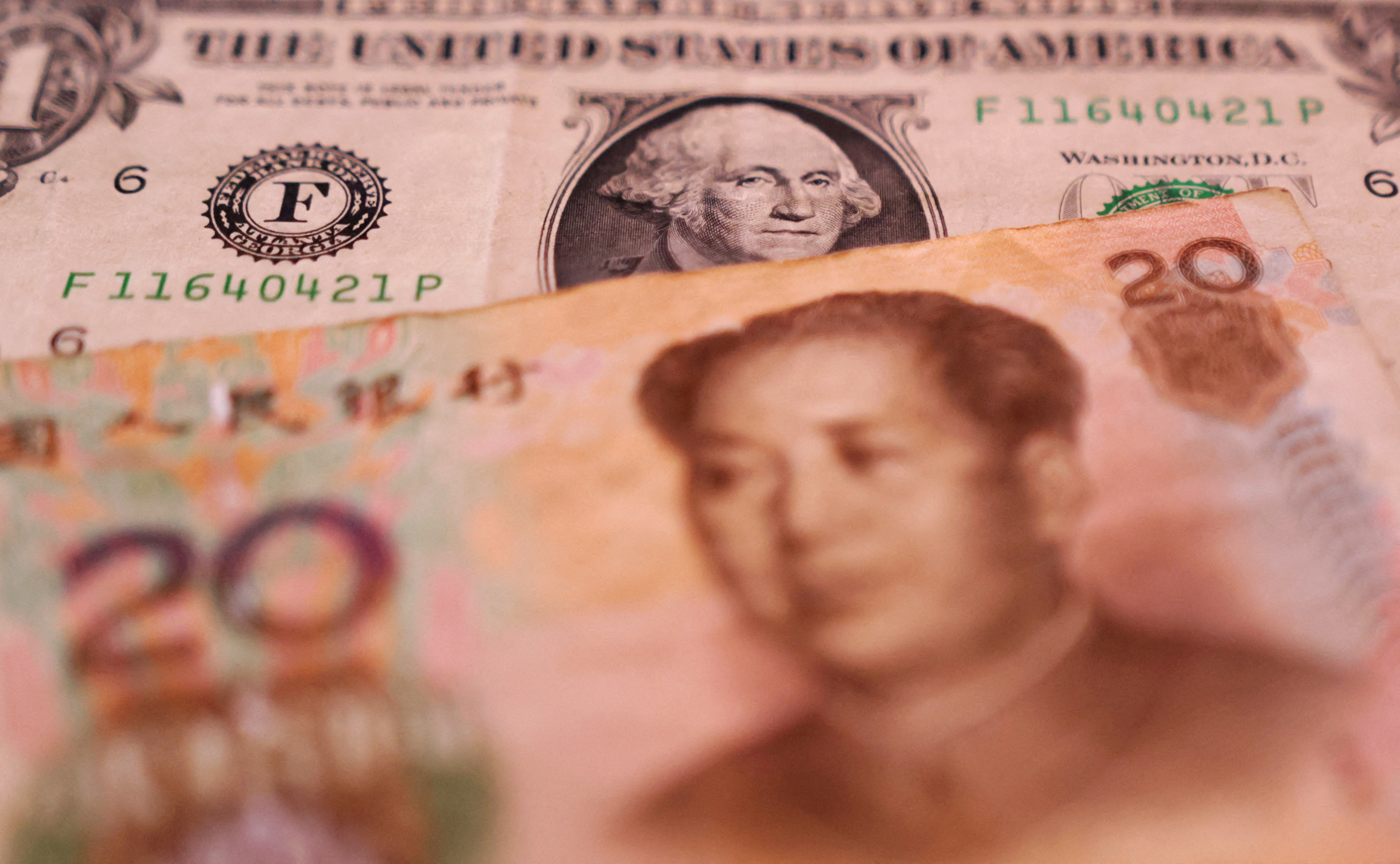
Saudi Arabia and China are exploring the possibility of trading oil in yuan, a move that could significantly impact the global oil market, which has long been dominated by the US dollar. However, analysts from S&P Global warn that this shift faces numerous challenges and could take decades to achieve substantial scale, casting doubt on the near-term viability of the yuan as a major currency in the oil trade.

Saudi Arabia, the world’s largest oil exporter, has been deepening its economic ties with China, its biggest trading partner. The prospect of conducting oil transactions in yuan instead of the US dollar is seen as part of a broader strategy by China to internationalize its currency and reduce reliance on the dollar. Such a move would also align with Saudi Arabia’s Vision 2030, which aims to diversify the kingdom’s economy and reduce its dependence on oil revenues. However, the potential transition from dollar-based oil trade to yuan-based transactions is fraught with complexities.

Key obstacles include the deep-rooted dominance of the US dollar in global trade, the relative illiquidity of the yuan in international markets, and the complex geopolitical implications of such a shift. The US dollar has been the primary currency for global oil transactions for decades, cementing its status as the world’s leading reserve currency. Any significant move away from the dollar could disrupt financial markets and strain Saudi Arabia’s long-standing relationship with the United States.

Moreover, the yuan’s limited convertibility and lack of deep, liquid financial markets make it a less attractive option for international trade compared to the dollar. Despite China’s efforts to internationalize the yuan, including the establishment of yuan-denominated oil futures contracts in Shanghai, the currency still faces significant barriers to becoming a global standard. The Chinese government’s tight control over the yuan’s exchange rate and its restrictions on capital flows add to concerns about the currency’s suitability for large-scale international transactions.

Additionally, the geopolitical landscape plays a critical role in the potential shift toward yuan-based oil trade. Saudi Arabia’s close military and economic ties with the United States have been a cornerstone of its foreign policy for decades. Moving away from dollar-based transactions could strain this relationship, particularly given the US’s strategic interest in maintaining the dollar’s dominance in global markets.

Despite these challenges, the discussions between Saudi Arabia and China reflect a broader trend of diversification in global trade and finance. As the world’s second-largest economy, China has been increasingly asserting its influence on the global stage, seeking to reduce its vulnerability to US economic policies. For Saudi Arabia, the shift towards yuan-based oil trade would be part of its broader strategy to align itself more closely with Asia’s growing economies, which are expected to drive future demand for energy.

The implications of a successful transition to yuan-based oil trade would be profound for the global economy, particularly for the role of the US dollar. The dollar’s status as the primary currency for oil transactions has been a key factor underpinning its dominance in global finance. A significant shift towards the yuan could erode this dominance, leading to a more multipolar currency system. However, given the numerous challenges and the slow pace of change in global financial systems, such a transition is likely to be gradual and may take decades to materialize.

While the prospect of yuan-based oil trade between Saudi Arabia and China is gaining attention, the path to realizing this shift is complex and fraught with challenges. The dominance of the US dollar, the yuan’s limitations as a global currency, and the geopolitical implications of such a move all suggest that any significant change in the global oil trade currency landscape will be a long and arduous process.

Tether, a leading issuer of stablecoins, announced its plans to introduce a new digital currency pegged to the United Arab Emirates dirham (AED). This move underscores the growing significance of the UAE in the global financial landscape, particularly in the realm of digital assets and blockchain technology.

The new stablecoin, expected to be named AEDT, will be pegged 1:1 to the dirham, similar to how Tether’s other stablecoins are linked to various fiat currencies like the US dollar, euro, and Chinese yuan. Tether’s decision to peg its latest offering to the dirham aligns with the UAE’s strategic efforts to establish itself as a hub for digital innovation and blockchain technology.

Tether’s existing stablecoins, including USDT, have long been dominant in the cryptocurrency market, serving as a critical bridge between traditional finance and digital assets. The introduction of AEDT is seen as a strategic move by Tether to expand its influence in the Middle East, a region that has shown increasing interest in digital currencies and blockchain technology. The UAE, in particular, has been at the forefront of adopting and integrating blockchain into its financial systems, making it a logical choice for Tether’s expansion.

The launch of AEDT is anticipated to facilitate more seamless transactions within the region, particularly for cross-border trade, remittances, and other financial services that require stable, reliable currency options. The UAE’s dirham is known for its stability, backed by the country’s strong economic fundamentals, making it an attractive option for a stablecoin peg.

Paolo Ardoino, Tether’s Chief Technology Officer, highlighted that the UAE’s proactive approach to digital assets played a significant role in the company’s decision to launch AEDT. He emphasized the UAE’s regulatory clarity and its supportive environment for digital assets as key factors in fostering innovation and growth in the sector. Ardoino also noted that the introduction of a dirham-backed stablecoin aligns with Tether’s broader vision of providing financial freedom and inclusion to people around the world, particularly in regions with underdeveloped banking systems.

The UAE government has been actively working on creating a regulatory framework for digital assets, with the aim of becoming a global leader in blockchain technology. This environment has attracted numerous blockchain companies and initiatives to the country, further solidifying its position as a central player in the global digital economy. Tether’s decision to launch AEDT is expected to accelerate this trend, potentially attracting more blockchain projects and investments to the region.

However, the introduction of AEDT is not without its challenges. Stablecoins, including Tether’s existing offerings, have faced scrutiny and regulatory pressures in various parts of the world. Questions about the transparency and reserves backing these digital assets have been raised, leading to calls for more stringent regulations. In light of these concerns, Tether has reiterated its commitment to transparency and compliance with local regulations, including those in the UAE, to ensure that AEDT is fully backed and operates within the bounds of the law.

Industry experts are closely watching how AEDT will be received in the market. While the stablecoin has the potential to become a significant player in the Middle East, its success will largely depend on user adoption and the continued stability of the UAE’s financial system. The introduction of AEDT also comes at a time when central banks around the world are exploring the issuance of their own digital currencies, which could introduce new dynamics and competition in the digital currency space.

Tether’s expansion into the UAE with a dirham-pegged stablecoin reflects the broader trend of digital assets becoming increasingly integrated into the global financial system. As the UAE continues to embrace blockchain technology and digital innovation, the launch of AEDT may pave the way for further developments in the region’s financial landscape, potentially influencing other countries to follow suit.


Advertisements

Dar Global, a luxury property developer listed on the London Stock Exchange, has engaged Rothschild & Co to explore growth opportunities in the United Kingdom and Saudi Arabia. The collaboration signals Dar Global’s ambition to enhance its portfolio through strategic acquisitions and joint ventures in these key markets.

Rothschild & Co, a prestigious financial advisory firm, is set to guide Dar Global through potential acquisitions and partnerships, focusing on prime real estate opportunities. This move aligns with Dar Global’s strategy to expand its footprint in both the London market, known for its ultra-luxury developments, and Saudi Arabia, where the real estate sector is experiencing rapid growth.

Dar Global has previously made significant strides in the international luxury property sector, and this partnership with Rothschild & Co is expected to further strengthen its position. The company’s expansion efforts in London are particularly noteworthy, given the city’s status as a global hub for luxury real estate, attracting high-net-worth individuals from around the world.

In Saudi Arabia, Dar Global is likely to capitalize on the country’s Vision 2030 initiative, which includes ambitious urban development plans aimed at diversifying the economy. The Saudi real estate market has seen increased investor interest, driven by large-scale projects such as NEOM and The Red Sea Project, making it an attractive target for Dar Global’s growth strategy.

The appointment of Rothschild & Co highlights Dar Global’s commitment to leveraging expert financial advice to navigate complex markets and achieve sustainable growth. As the company looks to solidify its presence in these regions, industry analysts will be watching closely to see how these expansion efforts unfold.

VILNIUS, LITUANIA – Media OutReach Newswire – 22 August 2024 – VILNIUS, Lithuania, — BingX, a leading cryptocurrency exchange, is excited to announce the launch of its groundbreaking BingX Pre-Market Trading feature. This innovative offering provides BingX users with early access to cryptocurrencies, enabling more effective price discovery and improving market liquidity. The Pre-Market Trading feature also sparks community trading interest, establishing BingX as a key platform […]

Mashreq Bank has launched an International Bank Account Number (IBAN) Validation Application Programming Interface (API) aimed at enhancing banking experiences for corporate clients. This development is designed to reduce errors and mitigate fraud risks by ensuring accurate verification of IBANs before processing transactions. The IBAN Validation API is a significant step for Mashreq, particularly as it integrates with the Central Bank of the UAE’s payment infrastructure. By […]

Marking the Fourth Consecutive Year of Sustainable High-quality Growth Agile Channel Structure and Geographic Diversification Bolster Resilience Amid Industry Downturns HONG KONG SAR – Media OutReach Newswire – 21 August 2024 – The first baijiu company listed on the Hong Kong Stock Exchange and the second Chinese sauce-aroma baijiu stock being publicly listed, ZJLD Group Inc. (“ZJLD”, the “Group” or the “Company”, SEHK stock code: 06979. HK), […]

Zomato, the food delivery giant, is set to expand its portfolio beyond food and grocery delivery by acquiring Paytm’s movie and event ticketing business for ₹2,048 crore ($244 million). This strategic acquisition is aimed at bolstering Zomato’s presence in the “going-out” sector, which includes movie and event ticketing, a market segment that has seen substantial growth in India.

The deal was approved by the boards of both companies, with the transaction expected to close within 90 days. Under the agreement, Paytm’s movie ticketing platform, OTPL, and its sports and events ticketing arm, WEPL, will become wholly-owned subsidiaries of Zomato. The acquisition will include a primary infusion into both subsidiaries, enabling them to settle the amount payable for the transfer.

Paytm, which has been a key player in the ticketing space since acquiring the TicketNew and Insider platforms in 2017 and 2018 respectively, is divesting these assets to focus on its core financial services. Zomato’s move into this sector is seen as a strategic expansion, aiming to capture a larger share of the entertainment market in India, where it will directly compete with established players like BookMyShow.

The acquisition marks a significant shift in Zomato’s business strategy as it seeks to diversify its offerings. As of March 2024, OTPL and WEPL had reported turnovers of ₹13.14 crore and ₹236.03 crore respectively, reflecting their robust presence in the ticketing market. The deal underscores Zomato’s intent to leverage these platforms to enhance its market position and revenue streams beyond its traditional food delivery service.

Zomato’s entry into the ticketing business also aligns with the broader trend of tech companies diversifying their services to capture more value from their user bases. By integrating Paytm’s ticketing services, Zomato aims to create a more comprehensive lifestyle platform for its users, capitalizing on the growing demand for online ticketing in India.

This acquisition is part of a broader consolidation in the Indian tech sector, where companies are increasingly looking to acquire complementary businesses to drive growth and profitability. As Zomato ventures into this new domain, industry observers will be watching closely to see how the company integrates and scales its new ticketing business.

Arabian Post Staff Toronto-Dominion Bank’s ambitious push into the U.S. market, which once held great promise for boosting its growth, is now casting a shadow over its financial performance. The failed $13.4 billion acquisition of First Horizon Corp., coupled with a money-laundering investigation into its American branches, has severely affected investor confidence. Despite occasional positive developments, TD’s stock has significantly underperformed compared to other major Canadian banks, […]

The aggregate income of the UAE’s ten largest banks surged to $5.8 billion in the second quarter of 2024. This impressive figure reflects a notable increase from the previous quarter, driven by robust economic activities and heightened banking sector performance across the Emirates. The upward trend in earnings for the UAE’s leading financial institutions is attributed to several key factors. Economic recovery in the region has bolstered […]

As Indonesia advances as a technological and economic powerhouse in Southeast Asia, its cybersecurity landscape is becoming increasingly perilous. The country, recognized for its burgeoning technology sector and strategic significance in finance and logistics, now faces an escalating threat from cybercriminals and state-sponsored hackers. A comprehensive report on Indonesia’s cyber threat environment for 2024 highlights several critical trends. The growing sophistication of attacks is a prominent concern, […]

An Abu Dhabi-led consortium has been awarded the contract to build a major wastewater treatment plant in Uzbekistan. This significant infrastructure project is set to enhance the country’s water management capabilities and address its growing urban demands. The consortium, consisting of Abu Dhabi’s International Holding Company (IHC) and local Uzbek partners, has been selected for this project following a competitive bidding process. The new facility will be […]

Dubai-based Lifemart, renowned for its commitment to health and sustainability, has unveiled an unprecedented initiative in eco-friendly retail: the world’s first negative price eco-bags. This innovative approach, launched in the Business Bay area, aims to address the growing concern over plastic waste while promoting eco-conscious shopping practices. The concept is simple yet revolutionary. For every eco-bag selected by a customer, Lifemart reduces their total bill by one […]

By Manish Rai After lengthy negotiations in Doha, Hamas has named Yahya Sinwar as its new Political chief, replacing Ismail Haniyeh who was assassinated in Teheran. Since 2017, Sinwar has served as the group’s leader inside the Gaza strip. He now becomes overall leader of its political wing. Sinwar’s promotions undermines more pragmatic and senior figures in Hamas with wider exposure to the international political arena and […]

Kuwait Finance House has completed the sale of its entire stake in Sharjah Islamic Bank, fetching $351 million. This divestment marks a significant shift in the bank’s investment strategy, reflecting a broader trend of strategic asset reallocation in the Gulf banking sector. The sale involves a substantial block of shares, marking the end of a notable investment by Kuwait Finance House (KFH) in Sharjah Islamic Bank. The […]

Saudi Arabia has intensified efforts to attract Asian investors, focusing on capital from India, China, and other key regional players to rejuvenate its stock market. This move comes as the kingdom aims to diversify its economy and reduce its reliance on oil revenues. The Saudi Arabian government has launched a series of initiatives to enhance the appeal of its financial markets. Among these efforts is the introduction […]

Boeing has halted flight tests for its 777X aircraft following the discovery of a cracked structural component. This issue, identified during routine inspections, raises concerns about potential delays in the aircraft’s delivery schedule. The discovery was made in one of the structural components designed to ensure the aircraft’s safety and performance. Boeing’s engineering team immediately grounded the aircraft to address the fault. The company has stated that […]

Businesses in the Middle East are grappling with a significant liquidity issue, with over $50 billion reportedly trapped in their operations, according to a new PwC report. This situation has emerged as a critical concern for companies across various sectors in the region, highlighting a broader financial challenge that could impact economic stability and growth.

The liquidity problems are attributed to a combination of factors including prolonged payment delays from clients, difficulties in accessing financing, and regulatory hurdles that complicate the release of funds. The report underscores that these issues are not isolated but rather a widespread phenomenon affecting numerous businesses throughout the Middle East.

Key industries such as construction, real estate, and manufacturing are among the hardest hit. Companies in these sectors often face substantial delays in receiving payments for completed projects, which exacerbates their liquidity problems. Additionally, the challenging economic environment and fluctuations in commodity prices have further strained their financial resources.

The PwC report highlights that companies are also dealing with a slowdown in credit availability. Financial institutions have tightened lending standards, making it more difficult for businesses to secure the necessary funds to maintain operations and invest in growth opportunities. This credit crunch has compounded the liquidity issues, forcing many firms to explore alternative financing options or restructure their operations to remain viable.

Regulatory and administrative challenges also play a role in the liquidity crisis. Complex procedures for accessing funds and bureaucratic delays can hinder the timely release of capital. Companies must navigate a web of regulations that often vary by country, adding to the complexity of managing their finances effectively.

The report emphasizes the need for strategic measures to address these liquidity concerns. Businesses are encouraged to adopt more efficient financial management practices, such as improving cash flow forecasting and optimizing working capital. Additionally, engaging with financial advisors and exploring alternative financing solutions, such as private equity or venture capital, could help alleviate some of the pressures caused by the liquidity squeeze.

Furthermore, the report suggests that policymakers in the Middle East should consider reforms to streamline regulatory processes and enhance the availability of credit to support businesses in overcoming these financial challenges. By fostering a more supportive environment for companies, the region could mitigate some of the adverse effects of the current liquidity crisis.

This liquidity challenge reflects broader economic trends in the Middle East, where companies are navigating a complex and evolving financial landscape. The PwC report serves as a critical reminder of the need for both businesses and policymakers to address the underlying issues contributing to the liquidity crunch. As the situation develops, ongoing monitoring and proactive measures will be essential to ensuring the stability and resilience of the region’s economic sector.

A unique investment club is drawing attention in Hong Kong, where teenagers are engaged in high-stakes trading with a staggering $20 million in portfolios. This initiative, held in a bustling auditorium, showcases a group of young individuals, all in casual attire, intensely focused on stock tickers and trading screens. The program, designed to simulate real-world trading environments, allows participants to manage significant sums of money, providing them […]

Emerging breakthroughs in computational speed and algorithmic efficiency are poised to drive the next phase of blockchain technology, potentially realizing the long-sought goal of complete decentralization. Paul Brody, who leads blockchain initiatives at Ernst & Young (EY), highlights that these innovations could transform how decentralized networks function, enhancing both their resilience and the range of services they offer. The drive towards a fully decentralized blockchain has been […]

VISHNU RAJA
RYO YAMADA
HITORI GOTOH
IKUYO KITA