News related to
financial

MicroStrategy, a leading business intelligence firm, has put forward a proposal to raise $1.75 billion through a private offering of zero-interest, convertible senior notes due in 2029. The company plans to use the funds to increase its Bitcoin holdings, continuing its aggressive strategy of building a digital asset portfolio.

The firm’s previous financing effort, a $21 billion stock offering, allowed it to acquire 51,780 Bitcoin (BTC), spending $4.6 billion in the process. This investment has proven profitable, yielding a quarter-to-date return of 20.4% and a year-to-date return of 41.8%. As of mid-November 2024, MicroStrategy holds 331,200 BTC, acquired for approximately $16.5 billion.

This latest venture underscores MicroStrategy’s unyielding commitment to Bitcoin as a store of value, as the company pursues further expansion of its cryptocurrency reserves. MicroStrategy’s decision to raise funds through convertible notes is seen as a way to hedge against potential volatility in the digital currency markets, while continuing to capitalize on Bitcoin’s long-term potential.

Despite some critics who caution about the company’s growing reliance on Bitcoin, MicroStrategy’s actions reflect a broader trend in the tech and corporate sectors, where companies are increasingly exploring Bitcoin not only as an investment but also as a treasury reserve asset. The company’s innovative financing model, coupled with its strategic Bitcoin purchases, has positioned it as one of the most significant corporate holders of the cryptocurrency.

MicroStrategy’s Bitcoin strategy is notably overseen by its executive chairman, Michael Saylor, a vocal advocate for Bitcoin who has often cited the asset’s inflation-hedging properties. Saylor, who co-founded the company, has been instrumental in shaping its direction, and his firm belief in Bitcoin’s future has sparked significant discussion about its role in corporate treasury management.

The tech firm’s focus on Bitcoin, despite fluctuations in cryptocurrency prices, highlights its broader vision of leveraging digital assets for long-term growth. With the current economic landscape marked by uncertainty around traditional financial markets, MicroStrategy’s decision to double down on Bitcoin reflects confidence in the digital currency’s potential to outperform conventional assets over time.

MicroStrategy’s previous $21 billion stock offering and its use of funds for Bitcoin purchases have drawn attention from investors, analysts, and industry watchers. The decision to raise $1.75 billion through a private offering of convertible notes is seen as a calculated move to further solidify its position as one of the largest holders of Bitcoin among publicly traded companies.

The issuance of zero-interest, convertible senior notes is seen as a way to limit the immediate financial impact on the company, allowing it to raise capital while minimizing its debt obligations. The convertible feature of the notes also offers investors the opportunity to convert their debt holdings into equity, giving them exposure to the company’s future growth potential.

The proposed offering could also be viewed as a response to fluctuating Bitcoin prices, which can often be volatile in the short term. By issuing debt in the form of convertible notes, MicroStrategy can raise funds without immediately impacting its cash flow or triggering significant equity dilution, which may be an attractive option for both the company and potential investors.

As MicroStrategy moves forward with its plans, questions remain regarding the long-term sustainability of such a strategy. While Bitcoin has delivered strong returns over the past few years, its volatile nature raises concerns about the company’s exposure to risk. Some critics warn that the firm’s heavy reliance on Bitcoin could become a liability if the cryptocurrency market experiences a downturn.

Nonetheless, MicroStrategy’s persistence in its Bitcoin acquisition strategy has earned it recognition in the financial world. The company’s Bitcoin purchases have had a notable impact on the market, as institutional interest in the digital currency continues to grow. Its strategic moves have helped solidify the notion that Bitcoin is a serious asset class, not just for retail investors but also for large corporations and institutional players.

As the company continues its Bitcoin-focused strategy, industry experts remain divided on the future of such an approach. Some argue that Bitcoin’s inherent volatility makes it a risky asset for corporate treasuries, while others believe that it presents a unique opportunity for companies to diversify their holdings and protect against inflation. MicroStrategy’s willingness to take on that risk may be seen as a bold move in a market still rife with uncertainty.

The AI Lab will collaborate with ecosystem partners including government agencies, research organisations, and technology firms. The Lab will also work with institutes of higher learning to provide local students with hands-on experiences and internships. SINGAPORE – Media OutReach Newswire – 19 November 2024 – Prudential plc (“Prudential”) today launched the Prudential AI Lab in Singapore, with the aim of accelerating the adoption of AI, generative AI […]

Merak Capital has launched an $80 million fund to support startups in the gaming sector across the Middle East, North Africa (MENA), and Asia. The initiative includes an accelerator program aimed at fostering innovation and enhancing the region’s gaming ecosystem. The fund was announced during LEAP 2024, a major technology conference hosted in Saudi Arabia, which secured $888 million in investments for various tech and entrepreneurial initiatives. […]

Trump Media and Technology Group (TMTG), the parent company behind Truth Social, is reportedly closing in on an all-stock acquisition of Bakkt, a cryptocurrency trading platform owned by Intercontinental Exchange (ICE). This potential deal could significantly reshape TMTG’s expansion into the digital finance space, following Bakkt’s struggles to reach profitability.

Founded in 2018, Bakkt aimed to integrate crypto assets into mainstream financial systems but has faced challenges in monetizing its business model. Despite notable innovations, such as the acquisition of Apex Crypto in 2023 to expand its services, Bakkt has remained under pressure to prove its value to investorsTG, which has already ventured into digital media and alternative social platforms, this move signifies a strategic effort to diversify its business model. As the company struggles to build a profitable and sustainable media empire, acquiring a crypto platform like Bakkt could offer new revenue streams and technology that align with its broader digital media ambitions.

Bakkt’s reputation as a prominent player in the crypto market has been marred by challenges related to customer acquisition and market volatility, which have impacted its overall valuation. The company’s struggle to deliver consistent profits has made it a prime target for restructuring or acquisition【8†sourcebid for Bakkt could serve as a strategic leverage point to tap into the rapidly growing cryptocurrency sector while transforming Bakkt’s technology into a more profitable asset under new leadership.

10 Singapore Companies to be Assessed for the Inaugural Influential Brands Sustainability Awards in March 2025 SINGAPORE – Media OutReach Newswire – 19 November 2024 – Global ESG Monitor (GEM), a Think Tank for Corporate Sustainability, provides analysed, scored and comparable sustainability reporting data across 70 industries based on the latest reporting periods. Influential Brands is Asia’s premier platform for celebrating business excellence whilst Mileage Communications is […]

Binance, one of the largest cryptocurrency exchanges globally, has clarified that its BFUSD token, which promises an annual yield of 19.55%, is not a stablecoin. The clarification comes amid growing confusion in the market, as some users and analysts initially viewed the token as a stablecoin-like product due to its name and yield structure. The exchange emphasized that BFUSD, while offering rewards similar to stablecoins, does not adhere to the same mechanisms that define stablecoins, such as being pegged to a fiat currency like the US dollar.

The announcement follows a wave of interest in the cryptocurrency sector for yield-bearing assets, particularly those offering high returns. Stablecoins have long been popular due to their stability, but products like BFUSD, which offer significant yield rewards, blur the lines between traditional stablecoins and newer crypto-based financial instruments. Binance’s clarification aims to set the record straight, distinguishing BFUSD as a token that is tied to a different set of protocols and risks than those typically associated with stablecoins.

Binance described BFUSD as a reward-bearing token linked to specific yield-bearing programs rather than a stable asset designed to maintain a fixed value. This key distinction has been crucial for the platform, which operates in a heavily regulated environment where clarity around financial products is critical. Stablecoins are often seen as tools for hedging against volatility in the cryptocurrency market, but BFUSD’s appeal lies in its potential for returns rather than its stability.

The clarification from Binance also reflects the broader trend of exchanges and crypto platforms developing novel financial products to cater to the growing demand for decentralized finance (DeFi) solutions. As traditional financial instruments like savings accounts and bonds offer diminishing returns, cryptocurrency yield products, which often exceed traditional rates, are becoming increasingly attractive to investors. However, these products are not without risk. The lack of a clear regulatory framework for yield-bearing tokens like BFUSD makes it essential for users to understand the nature of these assets.

Binance has assured users that BFUSD is based on blockchain technology and a set of decentralized finance protocols that facilitate the generation of yield. The exchange outlined that these protocols rely on complex mechanisms within the crypto ecosystem, which do not guarantee the same level of stability that is associated with traditional stablecoins. This includes exposure to the volatility of the crypto market, as well as the underlying protocols used to generate the returns promised to investors.

Despite its high yield offering, BFUSD does not carry the same regulatory oversight that governs traditional stablecoins such as Tether (USDT) or USD Coin (USDC), which are pegged 1:1 to the US dollar. These stablecoins are regulated in various jurisdictions and are subject to strict auditing and reserve requirements. BFUSD, on the other hand, does not adhere to these mechanisms and instead operates within the parameters of the decentralized finance space, where yield-bearing tokens are more speculative and subject to market forces.

In the wake of Binance’s clarification, some users have expressed concern over the risks associated with BFUSD. While the 19.55% annual yield is significantly higher than the returns offered by traditional financial products, the volatility of cryptocurrency markets means that investors could face potential losses if the market takes a downturn. For Binance, the challenge will be in educating its users about the risks and rewards of investing in a token like BFUSD, which offers high returns but is not backed by the same guarantees as a stablecoin.

The clarification also comes as Binance faces increasing scrutiny from regulators around the world. As governments and financial authorities look to tighten regulations on cryptocurrency exchanges and products, companies like Binance are under pressure to provide clear, transparent information to users. Misunderstandings around products like BFUSD could lead to regulatory issues or customer dissatisfaction, prompting the exchange to take proactive steps to avoid confusion and maintain compliance with existing rules.

Binance has continued to expand its offerings in the yield-bearing space, with BFUSD being one of several products aimed at providing higher returns to crypto investors. The company has also been involved in developing new liquidity solutions and supporting decentralized applications (dApps) that provide alternative financial services outside the traditional banking system. These efforts align with the broader trend of DeFi platforms disrupting traditional finance by offering new ways to earn income and engage with digital assets.

Emirates NBD has successfully issued a $500 million five-year sustainability-linked loan bond, underscoring its commitment to sustainable finance and reinforcing its position in the growing green investment space. The move is part of the bank’s broader strategy to integrate environmental, social, and governance (ESG) factors into its financial products and services. This marks a significant milestone for the bank as it strengthens its sustainability efforts, aiming to meet its green targets while tapping into the rising demand for green bonds among investors.

The loan bond was issued at a fixed coupon rate of 4.5% and will mature in 2029. It is linked to the bank’s ambitious sustainability goals, which include reducing its carbon footprint and aligning its portfolio with the principles of the Paris Agreement. The bond issuance represents a broader trend in the financial sector, where sustainability-linked instruments have become increasingly popular among institutions seeking to demonstrate their commitment to ESG principles.

Emirates NBD’s new bond issuance is expected to support various sustainability projects, particularly in areas like renewable energy, sustainable infrastructure, and green technology. This is in line with the UAE’s broader national objectives to achieve net-zero carbon emissions by 2050 and to transition to a more sustainable economy. With climate change emerging as a global challenge, banks like Emirates NBD are strategically positioning themselves to support projects that align with global environmental goals.

The issuance received strong demand from international investors, reflecting the growing appetite for sustainable investment opportunities. Analysts highlight that sustainability-linked bonds, which tie financing to a company’s environmental performance, are becoming an attractive alternative to traditional debt instruments. They offer companies an incentive to meet specific sustainability targets, which can improve their financial and environmental performance over time.

Experts argue that sustainability-linked bonds have become a key mechanism for banks and corporations to fund their sustainability strategies while also improving their long-term credibility and reputation in the market. By linking financial performance to environmental targets, these bonds offer a more flexible and impactful way for companies to demonstrate their commitment to the environment.

Emirates NBD has stated that the proceeds from the bond will be used for financing and refinancing sustainability initiatives within the bank’s existing portfolio. This aligns with the financial sector’s broader push to integrate ESG metrics into core business activities. Additionally, the bank intends to use the bond proceeds to further enhance its sustainable finance offerings, as well as to continue supporting environmentally and socially responsible projects across various sectors.

The bank has been at the forefront of promoting sustainable finance in the region, having already issued multiple green bonds in previous years. These bonds, along with the new sustainability-linked loan bond, contribute to the bank’s goal of becoming a leader in green financing in the Middle East. The UAE’s financial institutions, led by major players like Emirates NBD, are expected to play a pivotal role in shaping the region’s green economy, particularly as global investors look to place their funds into markets that prioritize sustainability.

This new issuance also highlights the evolving dynamics of the financial markets, where investors are becoming increasingly discerning about the ESG credentials of the entities they invest in. Global trends show that institutional investors, including pension funds and sovereign wealth funds, are placing a premium on ESG-compliant investments. This is creating new opportunities for financial institutions that can offer sustainable products, further incentivizing banks like Emirates NBD to accelerate their green financing initiatives.

Emirates NBD’s sustainability efforts are also being aligned with the global transition to net-zero emissions. As part of its ongoing sustainability initiatives, the bank has committed to cutting its own carbon emissions and promoting green banking practices within its operations. The issuance of the sustainability-linked loan bond is expected to be a key component of this strategy, allowing the bank to tap into a new pool of capital while supporting the growth of environmentally responsible projects.

The broader implications of this issuance extend beyond the banking sector. By raising awareness of the growing significance of sustainable finance, Emirates NBD’s actions may encourage other banks in the Middle East to adopt similar initiatives. Furthermore, this issuance may increase awareness among investors of the critical role that banks play in driving the transition to a sustainable future. The UAE’s position as a key player in the global financial system means that this move could have ripple effects across other regional markets, contributing to the growth of ESG investing in the Middle East.

Advertisements

Donald Trump is set to hold a private meeting with Coinbase CEO Brian Armstrong to discuss key personnel appointments related to his vision for the cryptocurrency sector. The meeting, which marks a significant step in Trump’s growing interest in digital currencies, will also address plans for a potential presidential advisory commission focused on Bitcoin and other cryptocurrencies. This commission, if Trump secures a second term in office, could have a profound impact on U.S. crypto policy, aiming to provide clearer regulatory guidelines and bolster the integration of digital assets into the economy.

Trump’s vocal support for Bitcoin and its role in the future of finance has been consistent, with his proposals reflecting a desire to integrate digital currency into mainstream financial structures. The advisory commission, should it be formed, would likely influence major regulatory decisions, potentially reshaping how government agencies view cryptocurrencies and their role in global markets. Given Armstrong’s influence in the crypto world, his involvement signals a pivotal moment for both the industry and Trump’s campaign, aligning political support with the priorities of one of the world’s largest cryptocurrency exchanges.

The planned collaboration comes as Coinbase, under Armstrong’s leadership, has continued to push for greater regulatory clarity in the United States. The company has been at the forefront of the battle for clear and consistent crypto regulations, often vocal about the need for lawmakers to establish more defined rules that can foster innovation while safeguarding investors. Coinbase’s legal team has been embroiled in a high-profile lawsuit against the U.S. Securities and Exchange Commission (SEC), accusing the regulator of stifling the development of the cryptocurrency market with unclear and inconsistent guidelines.

The SEC’s position on cryptocurrencies, particularly its classification of certain digital assets as securities, has long been a point of contention within the industry. Coinbase’s legal challenge is one of several efforts to create a more predictable regulatory environment. Armstrong and other industry leaders argue that clearer regulations would help drive innovation in the sector, attract new investors, and support the wider adoption of blockchain technologies.

In addition to its legal battles, Coinbase has made strategic moves to influence policy decisions in the crypto space. The company launched Stand With Crypto, a nonprofit organization dedicated to advocating for pro-crypto policies and legislation. Stand With Crypto focuses on educating lawmakers, regulators, and the public about the potential benefits of cryptocurrencies and the need for a regulatory framework that supports growth while protecting consumers. The organization’s efforts have brought Coinbase into the heart of the debate on crypto regulation, aligning the company with others in the industry seeking to make their voices heard in Washington, D.C.

Armstrong’s private discussions with Trump may be part of a broader strategy to position the cryptocurrency sector more favorably within the next administration. If Trump moves forward with his plans for a Bitcoin and crypto-focused advisory commission, it could help reduce the uncertainty that has plagued the sector. This move would also underscore Trump’s interest in securing the support of tech and finance sectors, particularly as he seeks to widen his base of support among younger voters who are more likely to invest in or embrace digital currencies.

The meeting between Trump and Armstrong is also noteworthy in the context of the political climate surrounding cryptocurrencies. While some politicians view Bitcoin and other cryptocurrencies with skepticism, fearing that they could be used for illicit activities or undermine traditional financial systems, others see them as essential to the future of finance. Trump’s involvement could shift the narrative, casting digital currencies as an innovative force in the economy that deserves the same level of attention as traditional financial institutions.

However, the political and regulatory landscape remains complicated. The U.S. has struggled to balance the need for innovation with the potential risks associated with cryptocurrencies. Proponents argue that cryptocurrencies have the potential to enhance financial inclusion, reduce transaction costs, and offer new opportunities for economic growth. Critics, on the other hand, raise concerns about the volatility of digital assets, the environmental impact of Bitcoin mining, and the potential for fraud and market manipulation.

The cryptocurrency sector’s push for regulatory clarity is not confined to the United States. Globally, countries are taking varied approaches to managing the growth of digital currencies. Some nations, like El Salvador, have embraced Bitcoin as legal tender, while others have cracked down on its use. The lack of a unified global approach to crypto regulation has created challenges for companies like Coinbase, which operate across multiple jurisdictions and must navigate different legal requirements.

Trump’s proposed advisory commission could also help bring the U.S. in line with global trends, positioning the country as a leader in the cryptocurrency space rather than a passive observer. The commission could provide a forum for industry leaders, regulators, and lawmakers to work together on creating a regulatory framework that promotes innovation while addressing concerns about security, consumer protection, and market stability.

Thought Pennies, a game studio specializing in role-playing games with a social storytelling approach, has reduced its workforce following a change in direction by its publishing partner. The studio, founded in 2020 and known for its innovative approach to collaborative narratives in gaming, has faced a setback as it navigates industry challenges. The layoffs affected key creative personnel, including the art director, producer, and design director, reflecting […]

Emirates NBD, one of the largest banking groups in the Middle East, has engaged multiple banks for a five-year sustainability-linked loan. This initiative represents a significant step in aligning its financial strategies with environmental, social, and governance (ESG) principles. The loan underscores the bank’s ongoing commitment to integrating sustainable practices into its corporate strategy, a trend gaining traction among global financial institutions. The proposed loan ties Emirates […]

Vingroup, Vietnam’s largest private conglomerate, is poised to lead the nation’s green transition. Backed by substantial resources, top talent, and cutting-edge technology, Vingroup is well-equipped to overcome the challenges and drive sustainable growth. HANOI, VIETNAM – Media OutReach Newswire – 13 November 2024 – Driven by the vision of “Creating a Green Future,” Vingroup, Vietnam’s largest private conglomerate, is strategically positioned to lead the nation’s journey toward […]

BlackRock, the world’s largest asset manager, has secured a commercial license to operate in Abu Dhabi, signaling its increased focus on the Middle Eastern market. The move positions BlackRock to further engage with the region’s wealth management firms, sovereign wealth funds, and investment vehicles, as the global financial giant seeks to deepen its footprint in a rapidly evolving financial hub. This expansion aligns with Abu Dhabi’s growing […]

Adani Green Energy’s subsidiaries have mandated banks for the issuance of USD-denominated green bonds, marking a significant step in the company’s expansion of its sustainable financing efforts. This move follows a broader trend in the renewable energy sector, where corporations are increasingly turning to green bonds as a means to fund eco-friendly projects and promote sustainability. The subsidiaries, including Adani Green Energy Limited and Adani Renewable Energy […]

Small and medium-sized enterprises (SMEs) in Abu Dhabi have become a crucial driver of the emirate’s economy, contributing 42.8% to the non-oil gross domestic product (GDP), according to the latest data from government sources and economic reports. This surge underscores the growing significance of the private sector, as the region diversifies its economy away from oil dependence. The contribution of SMEs is seen as a pivotal element […]

EFG Hermes has launched a groundbreaking $300 million education fund aimed at reshaping Egypt’s educational landscape. This initiative is part of the company’s broader efforts to significantly boost the education sector, aligning with Egypt’s Vision 2030. The fund’s primary goal is to generate sustainable returns while expanding access to high-quality education. The fund comes at a time when Egypt’s education system faces growing demands for modernization, especially […]

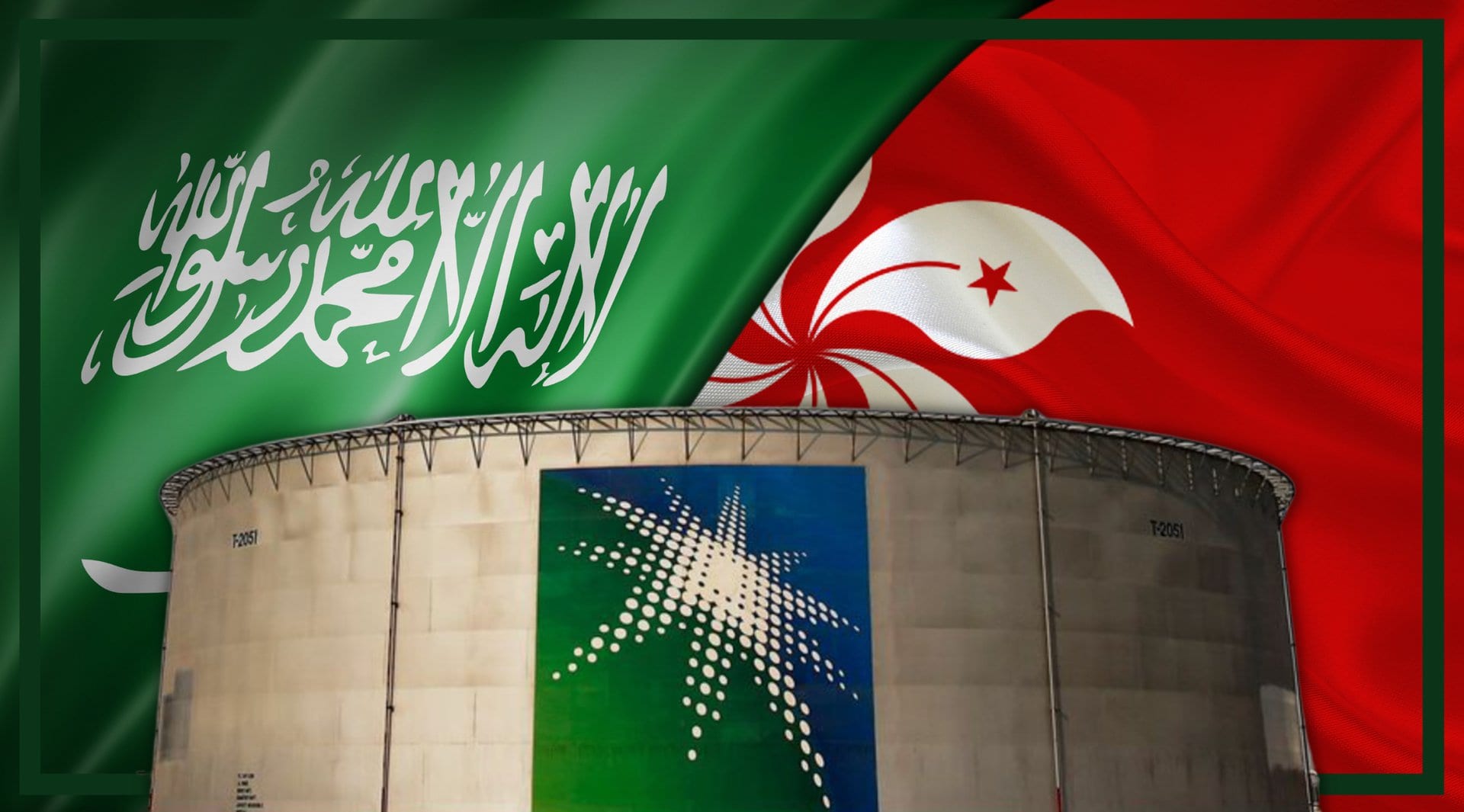
A growing number of Saudi companies are now contemplating initial public offerings (IPOs) on the Hong Kong Stock Exchange (HKEX), as part of a broader strategy to diversify their global market presence. This move comes as Saudi Arabia intensifies its push to increase investments and international trade under the Vision 2030 initiative. Companies, particularly those in tech, finance, and energy sectors, are attracted by Hong Kong’s established role as a bridge between the East and the West.

Saudi officials have been increasingly open to collaborating with Hong Kong, with significant efforts to foster bilateral economic ties. Last year, the Saudi Capital Market Authority and Hong Kong’s financial regulators signed an agreement to explore investment opportunities, signaling a concerted effort to deepen economic cooperation. The deal aims to streamline listing processes for Saudi firms on HKEX, offering them access to a broader range of investors and enhancing liquidity options.

HKEX, known for its favorable regulatory environment and its role as Asia’s top IPO venue, has positioned itself as an attractive listing destination for Saudi companies. The exchange’s listing reforms, which simplify the process for foreign firms, have been tailored to attract businesses seeking to expand their market footprint. Furthermore, its proximity to mainland China—home to a burgeoning investment pool—makes it particularly appealing for Saudi companies eyeing the Asian markets.

Several factors are driving Saudi companies to seek listings outside their home market. First, Hong Kong’s international investor base offers access to global capital markets. As the Saudi stock market matures, expanding into Hong Kong provides companies with greater exposure and a diversified shareholder structure. This aligns with the Kingdom’s desire to diversify its economy away from oil dependence, tapping into other industries that are pivotal to its long-term strategy.

Among the key players in this shift is Saudi Aramco, the state-owned oil giant, which has long been a strong contender in international markets. Although Aramco itself is already listed on the Riyadh exchange, its example serves as a precedent for other large state-owned enterprises (SOEs) in Saudi Arabia. There is an expectation that sectors like technology, healthcare, and green energy will be the primary industries to benefit from this push.

Hong Kong has been an appealing destination for IPOs due to its established infrastructure for foreign listings. The exchange provides a well-regulated environment, offers both local and international investors access, and has a relatively stable market compared to other global financial hubs. Moreover, Hong Kong’s legal system, which is based on English common law, offers transparency and protection for foreign investors, further enhancing its attractiveness.

While Saudi Arabia has made considerable strides in building its own financial markets, the global nature of Hong Kong’s market presents distinct advantages. Its exposure to the Asian markets, particularly China, allows Saudi firms to tap into a rapidly growing economic zone. This is seen as a strategic move in response to the shifting dynamics of global investment, with China playing an increasingly dominant role in global finance.

Saudi Vision 2030 has also made foreign investments a priority, and this shift to international IPOs aligns with the Kingdom’s goals to integrate more deeply into the global economy. By encouraging high-profile listings abroad, Saudi Arabia hopes to enhance its credibility on the world stage, attract more foreign direct investments, and boost its non-oil economy.

Arabian Post Staff -Dubai Dubai is positioning itself as a pivotal player in the global gold market, leveraging its unique geographic location, robust infrastructure, and forward-thinking policies. The city has seen a surge in gold trade activity, propelled by geopolitical shifts, increased bullion acquisitions by central banks, and a strategic focus on refining and trading gold to meet evolving market demands.Central banks have significantly boosted their gold […]

Survey discovers 85% Shopee Affiliates promote local brands more than half of the time, with high local audience engagement rates the key to success KUALA LUMPUR, MALAYSIA – Media OutReach Newswire – 18 November 2024 – While excitement lingers among shoppers and local sellers after Shopee’s 11.11 Big Sale, Shopee Affiliates continue to drive engagement towards local sellers across Malaysia. In fact, 97% of affiliates expressed strong […]

SINGAPORE – Media OutReach Newswire – 18 November 2024 – The esteemed Golden Bull Award, a hallmark of excellence and leadership in the business community, proudly unveils its latest cohort of honorees—20 exemplary Singaporean businesses that capture the diverse and dynamic spirit of the nation’s SMEs. This year’s award celebrates these organisations for their outstanding performance, pioneering innovation, and unwavering resilience in navigating challenges. These honorees were […]

Quantoz Payments, a fintech company headquartered in the Netherlands, is set to launch two regulated stablecoins, EURQ and USDQ, with backing from prominent industry players Tether, Kraken, and Fabric Ventures. The tokens, which will be pegged to the euro and U.S. dollar respectively, are designed to comply with the European Union’s Markets in Crypto-Assets Regulation (MiCA), a framework aimed at standardizing digital asset oversight across the bloc.

Scheduled for release on November 18, these electronic money tokens (EMTs) are licensed by the Dutch Central Bank, marking a significant milestone in the evolution of stablecoin infrastructure within Europe. Unlike traditional cryptocurrencies, EMTs offer the added assurance of being fully backed by reserves held in secured accounts. These accounts are audited and managed under strict regulatory oversight, ensuring a level of transparency that aligns with MiCA’s rigorous standards.

CEO Nick Haasnoot of Quantoz Payments emphasized the transformative potential of this launch, noting that the tokens aim to merge the efficiencies of blockchain technology with robust financial safeguards. The company, which operates as a licensed electronic money institution, has structured the EMTs to enable seamless integration into a variety of payment systems, including those powering machine-to-machine transactions and IoT networks. This design aligns with MiCA’s objectives to foster innovation while mitigating risks within the rapidly expanding crypto ecosystem.

Both tokens are tailored to cater to businesses and individuals within the European Economic Area. This geographical focus not only aligns with MiCA but also positions the EMTs as a cornerstone for emerging financial applications, from microtransactions to Web3-enabled economies. Industry insiders have lauded Quantoz for its proactive engagement with regulators and its commitment to setting a high compliance standard in the issuance of blockchain-based financial instruments.

Pony AI, the autonomous vehicle technology company backed by Saudi Arabia’s Public Investment Fund (PIF), is aiming for a valuation of $4.5 billion in its upcoming initial public offering (IPO) in the United States. This target marks a significant reduction from the company’s peak valuation of $8.5 billion in 2022, highlighting the challenges the self-driving vehicle industry faces amid broader market volatility and investor caution. The company’s […]

The Russian Ministry of Finance has introduced new tax policies for digital currencies, signaling a shift toward a more regulated and structured financial ecosystem. Key elements of this overhaul include exemptions from Value Added Tax (VAT) on digital currency transactions and modifications to income tax structures for digital currency earnings. These changes are expected to affect a wide array of individuals and businesses engaged in the cryptocurrency sector, both within Russia and internationally.

The newly announced tax regime establishes that transactions involving digital currencies, such as Bitcoin and Ethereum, will no longer be subject to VAT. This exemption aligns digital currencies with other financial assets like securities, simplifying the tax process for traders, investors, and institutions engaging in crypto operations. For the cryptocurrency sector, this marks a significant regulatory shift aimed at promoting transparency and growth.

Along with VAT exemption, the Ministry of Finance has outlined a framework for taxing income generated from digital currency operations. Income derived from cryptocurrencies will be taxed similarly to income from securities transactions. Under this new tax structure, individuals will be taxed on their cryptocurrency earnings at a Personal Income Tax (PIT) rate capped at 15%. This represents a favorable move for Russian crypto investors, particularly when compared to global norms, where many countries impose significantly higher tax rates on digital assets.

However, there are notable differences for foreign investors or non-residents. For non-residents of Russia, the tax rate is considerably higher at 30%. The definition of a tax resident remains unchanged, with individuals who spend at least 183 days within a 12-month period in Russia qualifying as tax residents. This distinction is expected to have a direct impact on non-resident cryptocurrency traders and investors operating in or with Russian entities, as it could increase the tax burden for foreign entities in the Russian digital economy.

The financial authorities in Russia have emphasized that this overhaul is part of a broader initiative to bring greater clarity and regulation to the growing cryptocurrency market. The Russian government has expressed its intention to enhance the country’s appeal as a destination for crypto-related business and investment. This includes efforts to attract global crypto businesses and individual investors who may have been hesitant due to regulatory uncertainty.

Experts suggest that the VAT exemption is a positive step for the industry, particularly for businesses that are involved in digital asset trading, mining, or related services. Without VAT on transactions, the tax landscape becomes more predictable and streamlined, allowing businesses to focus on expansion rather than complex compliance measures. For individual investors, the introduction of a 15% PIT rate is seen as a relatively low barrier for cryptocurrency returns, which could make Russia a more attractive market for crypto investors, especially those from countries with higher tax rates.

However, the tax rate for non-residents has sparked mixed reactions. While the 30% rate may reflect Russia’s stance on limiting tax evasion and ensuring a fair contribution from foreign entities, it could also dissuade international players from fully engaging with the Russian crypto market. Non-resident traders and firms may reconsider their involvement in the country, particularly if the tax burden proves to be prohibitive compared to other jurisdictions with more favorable tax treatments for international investors.

This tax policy change comes at a time when global cryptocurrency regulation is undergoing significant shifts. Many countries are grappling with how to integrate digital currencies into their financial systems while addressing concerns about financial stability, taxation, and fraud. Russia’s tax changes signal a more definitive stance, potentially positioning the country as a major player in the evolving global cryptocurrency landscape.

The Ministry of Finance has also indicated that the changes will not just affect taxation but will likely be part of a broader set of measures aimed at establishing a clear legal framework for digital currencies. There are reports that Russia may soon introduce additional regulatory measures for cryptocurrency exchanges, initial coin offerings (ICOs), and other digital currency-related activities, aligning these entities with traditional financial regulations.

While these developments are a significant step forward, they also raise questions about the long-term impact of such changes on Russia’s digital currency ecosystem. Some industry observers suggest that while these tax incentives could attract crypto investors, they may not be sufficient to build a robust, innovative crypto ecosystem. The success of this tax overhaul will depend on Russia’s ability to integrate it with broader financial infrastructure reforms, ensuring that the country’s digital currency sector remains competitive on the global stage.

The global economic outlook for emerging markets (EMs) faces mounting pressure, with US trade policies under former President Donald Trump continuing to disrupt trade and growth patterns. Citigroup analysts predict that these shifts, primarily driven by tariffs and protectionist measures, will exacerbate the challenges that EMs already grapple with, such as inflation, currency instability, and volatile capital flows. However, one country in the Middle East stands resilient: Saudi Arabia. The kingdom’s economic diversification efforts and strategic positioning in global markets have placed it in a favorable position despite ongoing global economic turbulence.

Trump’s trade war, initiated during his presidency, was centered on tariffs and trade barriers, primarily targeting China, but with ripple effects felt across various sectors and regions. As the Biden administration seeks to reverse some of these policies, analysts remain concerned about the long-term effects of trade disruptions that began during the previous administration. Trade relationships between the US and major economies have been restructured, pushing supply chains into new configurations and altering global market dynamics.

Citigroup’s latest forecast outlines how these global shifts impact emerging markets in particular, given their high exposure to US tariffs and trade restrictions. Countries in Asia, Latin America, and Africa are expected to see a slow recovery, as protectionist policies strain international trade and hinder foreign direct investment (FDI) inflows. For these nations, the US-China trade tensions have underscored their vulnerability to global supply chain disruptions. Export-dependent countries, particularly in the manufacturing and agriculture sectors, may face reduced market access to some of their largest trading partners, further hindering growth prospects.

Yet, some countries are managing to navigate these headwinds with relative ease. Saudi Arabia, buoyed by its ongoing economic reforms under the Vision 2030 initiative, appears to be one of the more resilient players in the face of these global shifts. The kingdom has significantly reduced its reliance on oil exports by developing non-oil sectors such as tourism, entertainment, and technology. Moreover, its vast sovereign wealth fund, the Public Investment Fund (PIF), has strategically invested in sectors poised for growth, such as green energy, healthcare, and artificial intelligence.

Saudi Arabia’s successful diversification strategies have positioned it to weather the storm of changing global trade conditions. Citigroup’s analysis highlights that while the US’s trade policies could dampen global economic growth, Saudi Arabia’s economic stability remains largely intact. The kingdom’s ability to maintain steady oil revenues, coupled with its ambitious reform agenda, has placed it at the forefront of efforts to build a more diversified, future-proof economy. Additionally, Saudi Arabia’s participation in major international investment initiatives, such as the Belt and Road Initiative and the G20 summit, further solidifies its standing as a key global economic player.

While many emerging markets struggle with inflationary pressures and a rising cost of living, Saudi Arabia has implemented strategic fiscal policies that keep inflation levels manageable. The country’s introduction of VAT and other tax reforms have helped bolster its financial resilience. Furthermore, the government’s commitment to large-scale infrastructure projects, such as NEOM, a futuristic city being built with cutting-edge technology, signals a strong push toward positioning the kingdom as a global hub for innovation.

However, despite these favorable conditions in Saudi Arabia, Citigroup warns that other emerging markets are not as fortunate. Nations heavily dependent on exports to the US and China, such as Mexico, Brazil, and South Africa, face significant challenges as they cope with reduced demand and trade restrictions. For these countries, the combination of trade disputes, inflationary pressures, and weaker currency values is likely to hamper economic growth in the short to medium term. Analysts also point out that the global interest rate hikes prompted by the Federal Reserve’s tightening policy may further strain emerging market economies, particularly those with substantial debt burdens.

For some countries, the trade environment under Trump’s policies has created structural weaknesses that continue to hinder growth. The slowdown in global demand for goods and services, coupled with rising costs for raw materials and energy, has impacted countries dependent on commodity exports. As a result, the broader emerging markets community is facing an uncertain recovery trajectory, with little optimism for a swift rebound.

Saudi Arabia’s resilience, however, is noteworthy in this context. The kingdom’s emphasis on economic diversification has shielded it from some of the more detrimental effects of global trade disruptions. This shift towards a more diversified economy has not only safeguarded the country’s economic standing but has also attracted international investors, further securing its position as a pivotal player in the global marketplace.

Seef Properties, a leading developer of retail and entertainment hubs in Bahrain, has entered into a strategic collaboration with Majd Investment Company, a prominent Saudi-based investment firm. The partnership aims to bring a major mixed-use project to Dammam, a rapidly growing city on the eastern coast of Saudi Arabia. The venture, valued at approximately $132 million (BD 50 million), is set to become Seef’s first undertaking in Saudi Arabia, marking a significant milestone for the Bahraini developer as it expands its footprint into the Saudi market.

The new development, which will combine residential, retail, and entertainment spaces, is part of Seef Properties’ broader strategy to diversify its portfolio and tap into the expanding opportunities within the Gulf region. The project is expected to cater to the increasing demand for modern living spaces and high-quality commercial venues in Dammam, which is witnessing significant urban growth due to its strategic location and ongoing economic development.

Seef Properties’ entry into Saudi Arabia aligns with the Kingdom’s Vision 2030, which aims to diversify the economy, reduce dependence on oil revenues, and foster the growth of various sectors including retail, tourism, and real estate. The partnership with Majd Investment Company, which has a strong presence in the Saudi market, is expected to streamline the execution of the project, leveraging local expertise and resources to ensure its success.

The Dammam development is set to feature a variety of amenities including retail outlets, dining options, entertainment centers, and modern residential units. It is designed to serve as a comprehensive lifestyle destination that integrates shopping, leisure, and living spaces in a dynamic urban environment. The project will not only enhance the local real estate market but also attract regional and international investors looking to capitalize on the expanding consumer base in the region.

Majd Investment Company, known for its diverse portfolio of investments across real estate and various other sectors, will play a key role in the development, providing strategic input, financial backing, and guidance throughout the project lifecycle. The collaboration with Seef Properties brings together two major players in the regional real estate and investment sectors, combining Seef’s extensive experience in developing large-scale retail and entertainment projects with Majd Investment’s in-depth understanding of the Saudi market.

The announcement of the partnership comes at a time when the Saudi real estate sector is experiencing a surge in demand driven by various factors, including population growth, urbanization, and government initiatives to enhance infrastructure. Dammam, as one of the major urban centers in the Eastern Province, is well-positioned to benefit from these trends. The city’s proximity to key industrial hubs, its growing commercial landscape, and the ongoing expansion of its transportation networks make it an attractive location for large-scale developments.

Seef Properties’ entry into the Saudi market represents a strategic move to capitalize on the evolving real estate landscape in the region. By partnering with Majd Investment Company, Seef gains access to critical local market knowledge, which will help mitigate potential risks and ensure the project aligns with the demands of Saudi consumers. The partnership is also expected to enhance Seef’s competitive edge in the region, offering a unique value proposition to investors, retailers, and consumers alike.

This collaboration highlights the increasing trend of cross-border partnerships within the Gulf Cooperation Council (GCC) region as companies seek to leverage each other’s strengths to tap into new markets. The real estate sector, in particular, has seen a surge in joint ventures and strategic alliances as developers look to diversify their portfolios and expand into neighboring countries with high-growth potential.

The Dammam project is expected to create numerous job opportunities and contribute to the local economy, further cementing its importance as a key part of Saudi Arabia’s Vision 2030 plan to create a vibrant, sustainable economy. The project will also contribute to the development of the region’s retail and entertainment sectors, which have been identified as key drivers of economic growth.

VISHNU RAJA
RYO YAMADA
HITORI GOTOH
IKUYO KITA