News related to
financial

Saudi Arabia’s Savola Group, one of the country’s largest diversified holding companies, has announced plans to repurchase sukuk worth $229 million. This move is part of the company’s ongoing efforts to manage its financing costs effectively while optimizing its capital structure.

The company stated that the buyback would provide substantial benefits by lowering its debt-related expenses. Sukuk, which are Sharia-compliant bonds, have gained significant popularity in the Middle East due to their adherence to Islamic financial principles. Savola’s decision to repurchase a significant portion of its sukuk is seen as a strategic move to reduce outstanding liabilities and enhance financial flexibility.

This development comes at a time when many companies in the Gulf region are focused on optimizing their balance sheets amid fluctuating global economic conditions. The sukuk buyback also signals a positive outlook for Savola’s financial health, reinforcing investor confidence. The company has been actively exploring ways to streamline its operations and improve profitability, with an emphasis on reducing costs and ensuring long-term stability.

The repurchase offer follows a series of initiatives by Savola to restructure its financing arrangements. By buying back sukuk, the company aims to manage its debt more efficiently and take advantage of favorable market conditions. Analysts have pointed out that this move could help Savola unlock value for shareholders while reducing its overall exposure to interest rate fluctuations.

Savola Group has been a key player in the Saudi Arabian and broader Gulf economies, with a presence in sectors ranging from food production to retail. The company has continuously adapted to changing market dynamics, making strategic decisions to sustain its growth trajectory. The buyback announcement is a reflection of Savola’s commitment to maintaining a strong financial position while also providing attractive returns to investors.

The company’s efforts to reduce financing costs have been welcomed by market observers, who view this move as a prudent financial strategy. By lowering the cost of capital, Savola will be better positioned to execute its growth plans and capitalize on emerging opportunities in the region. Moreover, the buyback reflects a broader trend among companies in the Middle East, particularly those with large sukuk issuances, to manage their debt more efficiently.

Sukuk markets in the Gulf have seen an uptick in activity in recent years, with companies looking to raise funds through these Islamic financial instruments. The buyback is likely to further solidify Savola’s reputation as a responsible corporate entity that values financial discipline and shareholder value. Investors in the sukuk market have been closely monitoring developments in the region, and this move could serve as a model for other companies seeking to optimize their debt structures.

Savola’s strategic initiatives go beyond financial maneuvers, as the company is also focused on expanding its business footprint. The group has been diversifying its portfolio, expanding into new markets and reinforcing its leadership in the food and beverage industry. Despite the challenges posed by economic uncertainties, Savola remains optimistic about its future prospects.

The success of Savola’s buyback initiative will depend on a number of factors, including market conditions and the company’s ability to execute its plans effectively. However, the early signals point to a well-calculated move aimed at positioning the company for long-term success. By repurchasing sukuk, Savola is not only lowering its financing costs but also signaling its commitment to enhancing shareholder value and ensuring a resilient financial future.
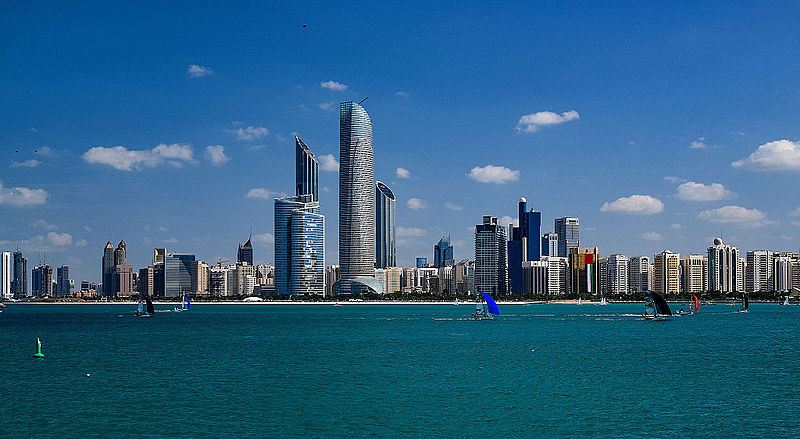
Abu Dhabi is steadily positioning itself as a global financial hub, attracting an increasing number of international bankers, investors, and financial institutions. The capital of the United Arab Emirates (UAE) has long been known for its oil wealth, but in recent years, its economic diversification strategies have begun to bear fruit, transforming it into a key player in the world’s financial markets. This shift is no longer just a future possibility; it is happening now, with rising interest from top-tier banking executives seeking to leverage the city’s infrastructure, favorable regulatory environment, and strategic position at the crossroads of Europe, Asia, and Africa.

As part of its ambition to become a leader in global finance, Abu Dhabi has made significant strides in enhancing its financial services ecosystem. Financial institutions, including major international banks, are increasingly opening branches and expanding operations in the city, attracted by its strategic location and investor-friendly policies. The UAE capital has also established itself as a center for private equity, wealth management, and Islamic finance, sectors where it continues to see consistent growth.

The financial sector in Abu Dhabi has grown rapidly, not just due to its historical advantages but because of deliberate policy decisions made by the government. For example, the Abu Dhabi Global Market (ADGM), a financial free zone established in 2015, has been pivotal in attracting foreign investment. ADGM offers a robust regulatory framework, tax exemptions, and a business-friendly environment that allows for greater ease of doing business compared to other regions in the Middle East.

Another factor drawing attention is Abu Dhabi’s growing role as a leading center for sustainable finance. The UAE has positioned itself as a key player in the global push towards greener investments, with Abu Dhabi at the forefront of green bonds and other sustainable financial products. In addition to the nation’s investment in renewable energy projects like the massive solar farm at Mohammed bin Rashid Al Maktoum Solar Park, the UAE has been a significant proponent of integrating environmental, social, and governance (ESG) criteria into investment strategies.

Abu Dhabi’s rise as a financial powerhouse is not only benefiting the city’s banks but also drawing the attention of global investment funds, particularly those looking to invest in markets with high growth potential. Financial giants from New York to London are setting up operations to tap into the rapidly growing wealth in the Gulf region, with Abu Dhabi being a prime location. The city’s appeal is also reinforced by its relatively low tax environment, particularly for foreign businesses, and the increased liberalization of the banking sector. This has helped make Abu Dhabi a go-to destination for global funds seeking to access emerging markets with fewer barriers.

The UAE government has long supported policies that encourage the diversification of the economy beyond oil, and banking and finance have become pivotal to this transformation. The establishment of the Financial Services Regulatory Authority (FSRA) has played an essential role in strengthening the regulatory framework, providing international businesses with confidence in operating within the emirate’s borders. This system offers a well-defined legal framework, based on international best practices, which ensures transparency and stability in the financial sector.

Abu Dhabi is seeking to capitalize on the global demand for fintech, especially with the increased adoption of digital financial services. Many leading global fintech companies have established a presence in the emirate, while government-backed initiatives continue to promote innovation in the sector. The growth of digital banking, blockchain technologies, and cryptocurrency is becoming more pronounced, positioning the city as an attractive destination for tech-driven financial services. The authorities in Abu Dhabi are keen to foster an ecosystem conducive to fintech startups, leveraging the city’s burgeoning tech infrastructure and access to venture capital funding.

In addition to financial services, Abu Dhabi’s ambitions are evident in its wealth management strategies. With a high concentration of wealthy individuals and families, Abu Dhabi has seen a surge in the demand for sophisticated wealth management services. The city’s wealth managers, private banks, and family offices are increasingly seeking to provide tailored services that cater to the unique needs of their clients. As such, Abu Dhabi is establishing itself as a key player in the high-net-worth individual (HNWI) market, attracting wealthy clients from the Gulf region and beyond.

International investors, particularly from Europe and Asia, are closely monitoring the developments in Abu Dhabi as they seek to capitalize on the economic growth that the emirate is experiencing. Many analysts view the city as one of the best places to invest in the Middle East, noting its ability to offer competitive returns and stability, especially in comparison to other regional markets that have seen geopolitical instability in recent years. Moreover, the city’s efforts to embrace innovation, sustainability, and diversification are making it an increasingly attractive destination for both traditional investors and those seeking to invest in cutting-edge sectors like green technologies and digital finance.

HONG KONG SAR – Media OutReach Newswire – 9 December 2024 – Zero Fintech Group (00093.HK) is thrilled to announce a strategic financing deal with Standard Chartered Bank (Hong Kong) Limited (“Standard Chartered”) (02888.HK) to enhance A.I. financing solutions for X Wallet. In 2024, registered users of the X Wallet App have seen an impressive uplift of 209% year-over-year, with monthly active users growing by 224%. This […]

Hanwha Life, a leading South Korean financial powerhouse managing assets worth over $300 billion, has announced a strategic investment in Abu Dhabi-based Shorooq Partners. The announcement was made during the Abu Dhabi Finance Week, underlining Hanwha’s ambitions to expand its influence in the Gulf region and strengthen its foothold in alternative investments globally. Shorooq Partners, an eminent venture capital firm in the Middle East, North Africa, and […]

HANOI, VIETNAM – Media OutReach Newswire – 9 December 2024 – The Vietnamese F88 Business Joint Stock Company has been certified by Synesgy for excellent compliance with environmental, social and governance (ESG) principals, fully in line with national and international best practices. Earning an ESG Score of ‘A’ indicates that F88’s performance is at an excellent level of sustainability. Synesgy is a digital platform supporting organisations and […]

BANGKOK, THAILAND – Media OutReach Newswire – 9 December 2024 – Multi-jurisdiction regulated broker FPG Fortune Prime Global has appointed Alice, the former Fullerton Markets Country Manager, as the Country Manager for Thailand to further strengthening the company’s presence in the ASEAN region. Country Manager, Alice Alice brings over 8 years of experience in the financial industry, including her role as Country Manager at Fullerton Markets. With […]

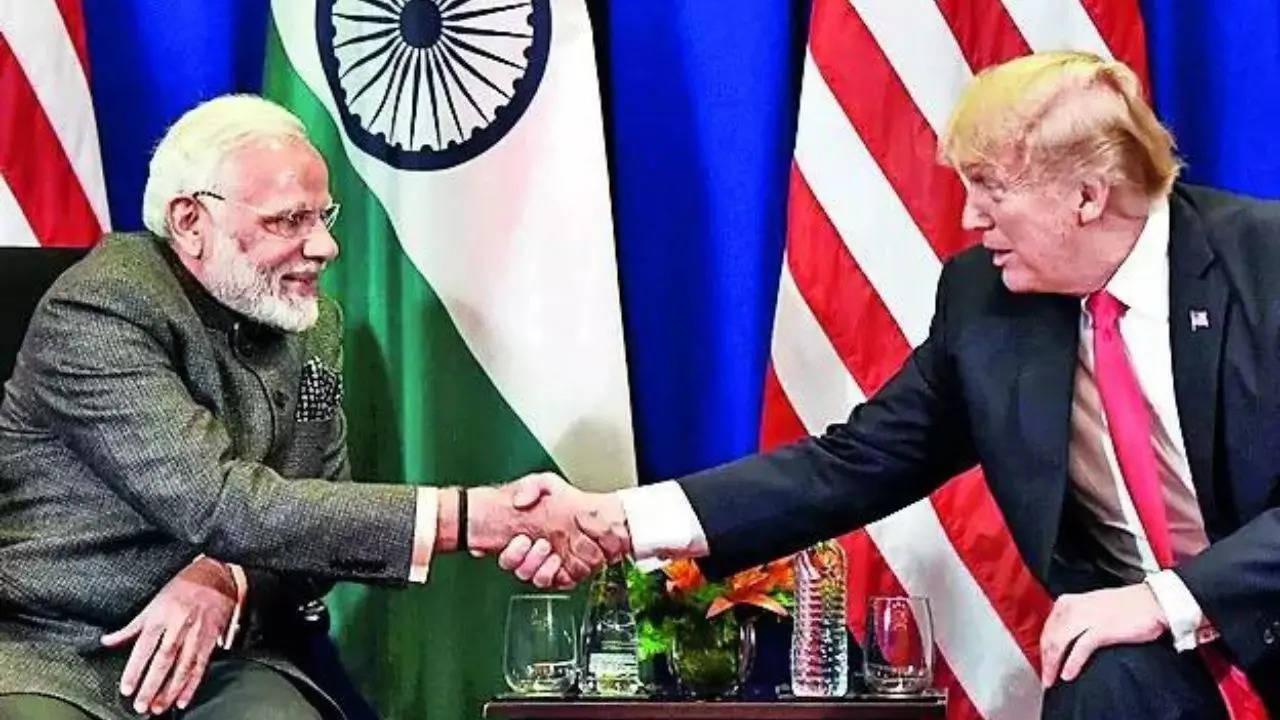
By Girish Linganna Donald Trump’s re-election as U.S. President could have a big impact on India-US relations, especially in areas like technology, chips, and semiconductors. As he begins his second term on January 20 next year ,, both countries will face a mix of opportunities and challenges that could shape their tech and economic ties […]

Advertisements

KUALA LUMPUR, MALAYSIA – Media OutReach Newswire – 5 December 2024 – Gold has been valued for its stability when the financial fires are raging. That stable nature was underscored in 2024 when its price shot upward, gaining over $700 per ounce. This amounted to a 34% increase since January. The vibrant price increase has gotten traders and investors all jazzed up again about gold, with the […]

Increasing global insolvency levels heighten risks for executives. The febrile geopolitical landscape poses liability challenges for global corporations caught up in world events. “AI washing” is an emerging risk trend, leading to securities class action lawsuits. D&O market remains competitive but a step up in scrutiny of corporate conduct around the globe means loss potential is still high. SINGAPORE – Media OutReach Newswire – 5 December 2024 […]

IonQ, a prominent player in quantum computing, has officially entered the European market with the launch of its first quantum computer on the continent. The company’s new Forte Enterprise system has been delivered to QuantumBasel’s uptownBasel site in Arlesheim, Switzerland, marking a significant milestone in the global expansion of its quantum computing operations. This partnership underscores the growing demand for quantum technologies in Europe and the increasing importance of quantum computing in addressing complex industrial and scientific challenges.

The delivery of the Forte Enterprise system to uptownBasel is a major step for IonQ, which has previously focused on expanding its presence in North America. The installation at Arlesheim is expected to further solidify Switzerland’s position as a key player in the European quantum ecosystem. QuantumBasel, a prominent quantum technology research and development hub, has partnered with IonQ to make the system available to a variety of businesses and academic institutions across Europe. This collaboration is set to accelerate quantum research and applications in fields ranging from pharmaceuticals to finance, with a particular focus on developing quantum algorithms that can outperform classical computing systems.

IonQ’s Forte Enterprise is among the most advanced quantum computers in the world, offering enhanced performance and scalability. The system leverages IonQ’s trapped-ion technology, which uses ions trapped in electromagnetic fields to perform quantum operations. Unlike traditional computing methods, which rely on binary data represented by 0s and 1s, quantum computing uses quantum bits (qubits), which can exist in multiple states simultaneously. This enables quantum computers to solve certain problems much faster than classical supercomputers, particularly in fields requiring high-level computational power, such as drug discovery, cryptography, and complex system simulations.

The launch of the Forte Enterprise system in Europe comes at a time when the quantum computing industry is experiencing rapid growth. Major tech companies, governments, and startups around the world are investing heavily in quantum research, recognizing its potential to revolutionize various industries. The European Union has also been increasing its efforts to develop a quantum computing strategy, with initiatives like the Quantum Flagship, a long-term program aimed at advancing the continent’s quantum technology capabilities.

IonQ’s decision to partner with QuantumBasel is a strategic move designed to leverage Switzerland’s favorable position within Europe’s growing quantum landscape. Switzerland has long been a hub for innovation in science and technology, with institutions like ETH Zurich and the University of Basel leading in quantum research. The uptownBasel site, located in Arlesheim, is a key location within this ecosystem, offering the ideal environment for deploying cutting-edge technologies like IonQ’s quantum systems.

The Forte Enterprise system’s installation is not only a technical achievement but also a significant step toward the commercialization of quantum computing. As quantum computing continues to evolve, businesses and academic institutions are increasingly seeking practical applications for the technology. The deployment of IonQ’s quantum systems is part of a broader effort to democratize access to quantum computing, enabling more organizations to experiment with quantum algorithms and explore the potential benefits for their specific industries.

One of the key areas where IonQ is focusing its efforts is quantum networking. Quantum computers, with their ability to process vast amounts of data in parallel, are poised to play a central role in the development of quantum networks that can enable ultra-secure communication and highly efficient data processing. The partnership with QuantumBasel is expected to facilitate the development of these networks, as quantum computing and quantum networking are expected to be closely intertwined in future technological advancements.

Quantum computing’s commercial potential is becoming increasingly apparent. Large corporations in industries like pharmaceuticals, aerospace, and energy are keenly interested in using quantum computing to solve problems that are currently intractable for classical computers. For example, quantum simulations could revolutionize the way new drugs are discovered by modeling complex molecular structures that traditional supercomputers cannot simulate in a reasonable time frame. Similarly, quantum computers could dramatically enhance the optimization of supply chains, improve financial modeling, and provide unprecedented breakthroughs in artificial intelligence.

Despite its promise, quantum computing is still in the early stages of development. The systems that have been developed thus far are mostly experimental, and significant challenges remain in scaling quantum computers to handle practical, real-world problems. However, companies like IonQ are making substantial progress in refining their systems and increasing the accessibility of quantum technology. The deployment of IonQ’s Forte Enterprise system in Switzerland signals a major step in the industry’s evolution from research-oriented to commercially viable solutions.

Looking ahead, the presence of IonQ’s quantum computer in Europe could help catalyze further collaboration between European academic institutions, technology companies, and government agencies. By providing access to powerful quantum systems, IonQ aims to foster innovation and drive the development of quantum applications across a wide array of industries. As quantum computing continues to mature, it is likely that Switzerland, along with other European nations, will play a pivotal role in the global race to harness the transformative potential of quantum technologies.

Bitcoin’s monumental climb to $100,000 had all the trappings of a historic achievement. The cryptocurrency’s value soared as market analysts predicted continued growth, and investors dreamed of an even greater financial revolution. Despite the fanfare surrounding Bitcoin’s rally, an unexpected event in the world of altcoins quickly drew significant attention: the sudden collapse of Hawk Tuah, a cryptocurrency that had captivated many. What was once seen as a promising token has now raised questions about the stability of digital assets and the volatile nature of the crypto space.

Bitcoin’s $100K achievement was anticipated for years by its most ardent supporters, who argue that the cryptocurrency is poised to disrupt traditional finance. Many analysts view Bitcoin as a store of value akin to gold, especially during times of economic instability. A surge in institutional investment and public interest contributed to the rise in Bitcoin’s price, spurred by fears of inflation, the erosion of traditional financial systems, and growing support from government-backed institutions worldwide. As Bitcoin breached the $100K mark, enthusiasts celebrated, hoping the moment would mark the beginning of a new era for digital currencies.

However, while Bitcoin was grabbing the headlines, an altcoin—Hawk Tuah—was making waves for a completely different reason. A social media frenzy about Hawk Tuah’s potential led to an influx of retail investors, many of whom viewed the coin as a shortcut to quick profits. Cryptocurrency enthusiasts, seeking new opportunities outside Bitcoin, were drawn to Hawk Tuah’s marketing promises, with influencers and self-styled financial gurus touting it as a major up-and-comer.

The coin’s rapid ascent was fueled by hype and speculation, yet the rapid downfall was equally abrupt. Less than a week after Hawk Tuah reached its all-time high, it became clear that the project was riddled with issues: broken promises, questionable development practices, and, in some cases, fraud allegations. In an industry plagued by instability and a lack of regulation, the Hawk Tuah crash was a stark reminder of the risks involved in crypto investments.

In many online communities, the collapse of Hawk Tuah overshadowed Bitcoin’s milestone. Enthusiasts who had once been excited about Bitcoin’s price surge seemed far more engaged in analyzing the rise and fall of the altcoin. Even conversations among casual investors and retail participants shifted focus toward the sudden evaporation of Hawk Tuah’s market capitalization. Some even compared the situation to the famous “pump and dump” schemes that have plagued the crypto space for years.

Experts have weighed in on why the drama surrounding Hawk Tuah stole attention from Bitcoin’s $100K moment. For one, the crypto space remains largely unregulated, making it difficult for investors to distinguish between legitimate projects and speculative ventures. As Bitcoin gains more mainstream acceptance, smaller projects like Hawk Tuah leverage social media and influencer marketing to attract the attention of everyday investors, often without offering a transparent roadmap or fundamental utility. These tactics have raised alarms among financial experts, who caution that the lack of due diligence can lead to catastrophic losses.

The emotional allure of altcoins often leads to impulsive decisions, driven by the fear of missing out on the next big thing. Retail investors, many of whom lack the expertise to fully assess the long-term viability of a crypto asset, tend to be drawn in by short-term price movements rather than evaluating the coin’s underlying technology and use case. Hawk Tuah was no exception. As news of its rapid price escalation spread across social media platforms, inexperienced traders piled in, hoping for a fast return.

While Bitcoin’s position as the leader of the cryptocurrency market remains undisputed, the Hawk Tuah debacle serves as a cautionary tale for investors. Even as Bitcoin’s market cap continues to soar, the volatility of altcoins like Hawk Tuah shows that the crypto landscape is still filled with uncertainty. The success of a few digital currencies can overshadow the broader, more dangerous realities of the market. While Bitcoin may continue to rise, the price of altcoins often remains susceptible to the whims of influencers, market sentiment, and, more ominously, scam artists.

For many, the Hawk Tuah disaster is emblematic of a larger issue in the crypto world: the lack of regulation and investor protections. Unlike traditional stocks, which are subject to stringent rules and oversight, the cryptocurrency market operates in a gray area, with minimal regulatory frameworks in place. This allows for rapid price fluctuations and allows unverified projects to thrive. With the crypto sector continually drawing new participants, questions surrounding accountability, transparency, and investor safety are growing louder.

Despite the turbulence in the altcoin market, Bitcoin’s fundamentals remain strong. Institutional adoption, continued mainstream integration, and growing interest from governments around the world are signs that Bitcoin’s rise may not be a fleeting moment but the start of a more stable, established financial instrument. Yet, even with Bitcoin’s increasing legitimacy, the volatility of the broader market continues to pose challenges for investors looking for consistent returns.

Pump.Fun, a popular platform known for facilitating memecoin trading, has taken the controversial step of blocking access for users in the United Kingdom. This move comes on the heels of a stark warning issued by the Financial Conduct Authority (FCA), which claimed that Pump.Fun was operating without the necessary regulatory approvals. The FCA’s directive, issued earlier this week, has raised significant concerns within the cryptocurrency community, sparking discussions about the future of crypto exchanges and their compliance with national regulations.

The FCA’s intervention highlights growing scrutiny over crypto platforms in the U.K., where authorities have been tightening their grip on cryptocurrency trading operations. While memecoins like Dogecoin and Shiba Inu have surged in popularity, the regulatory landscape surrounding these speculative assets remains unclear, particularly in markets like the U.K., where authorities have been more proactive in shaping crypto laws.

Pump.Fun, which markets itself as a fun, decentralized trading platform for memecoins, swiftly responded to the FCA’s notice by suspending services for U.K. residents. This action has been met with mixed reactions, with some praising the platform for taking swift action to comply with regulations, while others view it as an unnecessary restriction on the freedom of crypto users. The move also underscores the challenges faced by global platforms that wish to serve customers in highly regulated markets.

Industry experts have speculated that this may be part of a larger trend where regulators worldwide are increasingly targeting crypto firms that operate in jurisdictions without clear or consistent oversight. The U.K., in particular, has been tightening its crypto regulations as part of a broader effort to prevent financial crimes, such as money laundering and fraud, that could be facilitated by the anonymous nature of cryptocurrencies.

Although Pump.Fun’s abrupt decision to block U.K. traders may seem harsh, it also serves as a stark reminder of the ongoing regulatory challenges that crypto platforms face. The sector has long struggled to reconcile its decentralized ethos with the increasingly complex and stringent regulatory frameworks being imposed by governments around the world. For many platforms, this balancing act remains one of the most difficult aspects of doing business internationally.

The FCA’s warning is part of its ongoing efforts to clamp down on unregulated crypto operations in the U.K. The regulator has been vocal about the risks associated with cryptocurrency trading, particularly regarding platforms that operate without appropriate licenses or protections for consumers. For platforms like Pump.Fun, which rely on offering quick and user-friendly access to the volatile world of memecoins, the inability to operate in major markets like the U.K. could lead to significant business disruptions.

Some market analysts have noted that this ban could potentially trigger a broader shift in how other U.K.-based traders engage with crypto markets. Platforms that do not meet the FCA’s standards may find themselves facing similar restrictions or being forced to alter their business models. It also raises the issue of cross-border crypto exchanges, which may struggle to comply with local regulations while maintaining their operations globally.

The situation has prompted a debate about the future of crypto regulation in the U.K. Some believe that the government is taking a pragmatic approach to safeguarding consumer interests and protecting the financial system. Others, however, argue that such interventions stifle innovation and hinder the growth of the cryptocurrency sector. With crypto trading volumes continuing to grow globally, especially in markets like Asia and North America, the U.K. faces a delicate balancing act in regulating the sector without pushing it away from its borders.

For now, Pump.Fun’s actions serve as a case study of the challenges that crypto firms must navigate as they attempt to serve a global market while complying with an increasingly complex regulatory environment. The platform has not issued further comments on whether it intends to resolve the situation or permanently restrict U.K. users. For now, the ban remains in place, and traders in the U.K. will need to find alternative platforms for engaging with memecoins and other crypto assets.

The U.S. financial regulators have directed banks to avoid offering services to cryptocurrency companies, a practice that could severely impact the sector’s integration with traditional financial systems. Coinbase, one of the largest cryptocurrency exchanges in the world, has disclosed this information through a set of letters obtained from the authorities, further escalating the tensions between the crypto industry and U.S. regulators.

The letters, which were sent by the Federal Reserve and the Office of the Comptroller of the Currency (OCC), allegedly instruct banks to carefully assess the risks associated with doing business with crypto firms. The regulatory bodies have raised concerns about the volatility of digital assets, the potential for money laundering, and the sector’s limited consumer protections. According to Coinbase, these communications suggest a systemic effort by U.S. regulators to limit the reach and influence of cryptocurrencies by preventing them from gaining access to essential banking services.

Coinbase’s Chief Legal Officer, Paul Grewal, reacted strongly to the revelations. He described the letters as “hard evidence” supporting the claims that U.S. regulators were deliberately pushing the cryptocurrency industry out of the traditional banking ecosystem. Grewal emphasized that the industry’s concerns about being unfairly targeted had previously been dismissed by some as conspiracy theories. However, the disclosed letters now provide tangible proof that such fears were well-founded, he said.

The controversy highlights an ongoing and intensifying battle between the U.S. government and the rapidly expanding cryptocurrency sector. Over the past year, several high-profile crypto companies, including Coinbase, have faced increased scrutiny from U.S. regulators, which have argued that the industry operates in a legal gray area. The push for clearer regulatory frameworks has been met with resistance by crypto advocates, who argue that these measures are overly restrictive and stifle innovation.

While the U.S. Securities and Exchange Commission (SEC) has been particularly vocal in its efforts to regulate crypto exchanges, the Federal Reserve and OCC have focused their attention on the relationships between traditional banks and crypto firms. According to the letters obtained by Coinbase, regulators have been cautious about exposing banks to the risk of crypto-related assets and transactions. Banks have been warned that they must be prepared to mitigate any risks associated with crypto partnerships, especially given the unpredictable nature of digital currencies.

In response to these developments, several U.S.-based crypto companies have publicly criticized the regulatory stance. They argue that the lack of clarity around regulations is stifling innovation in the space and pushing U.S. businesses abroad to more crypto-friendly jurisdictions. Coinbase, in particular, has been at the forefront of this battle, with Grewal and CEO Brian Armstrong both making public statements against what they view as an overly aggressive regulatory push.

The U.S. has long been seen as a global leader in technological innovation, but the cryptocurrency industry’s struggle with regulators may signal a shift. As crypto adoption continues to rise, the tension between innovation and regulation appears to be deepening. Proponents of digital assets argue that regulatory actions are forcing the industry to move offshore, depriving the U.S. economy of a significant opportunity for job creation and technological growth. Meanwhile, those in favor of strict oversight claim that more regulation is needed to protect consumers and maintain financial stability.

The legal battles between U.S. regulators and the cryptocurrency industry are far from over. Coinbase, along with other companies in the sector, has vowed to continue its fight for clearer, fairer regulations. The company’s legal team is already preparing to challenge the restrictions imposed by the SEC and other financial watchdogs, aiming to shift the regulatory landscape in a more favorable direction for the industry.

As the debate unfolds, the broader financial sector is closely watching the outcome. Financial institutions are weighing the risks of entering the crypto space, and some are hesitant to move forward without clearer regulatory guidelines. Others have already taken steps to engage with crypto assets, setting up special units to deal with the growing demand for blockchain-based services. The next phase of the regulatory discourse could determine the future role of cryptocurrencies within the global financial system.

The confrontation between regulators and crypto advocates also brings attention to the U.S. political environment. While some lawmakers have expressed concerns about the lack of oversight, others have called for a more hands-off approach, recognizing the potential of blockchain technology and its implications for sectors such as finance, healthcare, and supply chain management.

Mubadala Investment Company’s assets have reached a staggering $330 billion, CEO Khaldoon Al Mubarak confirmed during the Milken Institute Middle East and Africa Summit. This significant figure underscores the firm’s growing influence in the global investment landscape, highlighting its strategic expansion into various sectors worldwide.

As one of the largest sovereign wealth funds globally, Mubadala’s diversified portfolio spans sectors such as technology, healthcare, energy, and infrastructure. Al Mubarak emphasized that the company’s investment approach remains focused on long-term growth, with an emphasis on innovation and sustainability. He also noted that Mubadala’s asset management strategy has evolved to meet the challenges and opportunities of an increasingly complex global economy.

Mubadala’s portfolio is a mix of direct investments, joint ventures, and partnerships, which are spread across different geographies. In recent years, it has made substantial investments in sectors poised for significant growth, particularly in technology and renewable energy. Its recent acquisitions include stakes in prominent companies such as Uber, Advanced Micro Devices (AMD), and the Abu Dhabi National Oil Company (ADNOC) group. These investments align with Mubadala’s broader strategy of backing high-potential firms that lead in their respective fields.

Al Mubarak also discussed the company’s commitment to sustainability, a key theme in many of its investment strategies. With increasing global awareness of climate change and the need for a sustainable future, Mubadala has increased its focus on clean energy projects, electric vehicles, and other environmentally friendly technologies. As part of its long-term strategy, the company aims to foster innovation in sectors that can drive the global transition toward a low-carbon economy.

The company’s involvement in renewable energy is also growing rapidly. Mubadala has made substantial investments in both renewable energy infrastructure and companies focused on decarbonization. One of its most significant ventures in this area is its involvement with Masdar, a global leader in renewable energy solutions, based in Abu Dhabi. This initiative is just one example of how Mubadala is aligning its portfolio with the global shift toward sustainability.

Mubadala’s $330 billion in assets also reflect its position as a key player in the global investment community. Over the past few years, it has increasingly positioned itself as a catalyst for innovation in the Middle East, while maintaining a strong international footprint. With its investments ranging from Silicon Valley startups to energy giants, Mubadala continues to assert its role as a crucial component in the diversification and modernization of the UAE’s economy.

Al Mubarak’s comments also highlighted the role that the company plays in supporting economic development in the UAE and beyond. Mubadala’s investments are not only aimed at generating returns but also at fostering innovation, creating jobs, and supporting the development of new industries. By supporting companies that can drive economic growth, Mubadala is helping to shape the future of the global economy in ways that benefit both the UAE and the wider international community.

In addition to its financial strategy, Al Mubarak also addressed the evolving challenges in global markets, particularly as geopolitical risks continue to rise and inflationary pressures remain a concern. He acknowledged the importance of adaptability, particularly as market conditions shift in unpredictable ways. According to Al Mubarak, Mubadala’s ability to swiftly adjust to changing market dynamics has been key to its success and resilience.

The CEO also touched upon the company’s deepening ties with other major global investors and sovereign wealth funds, particularly those in Europe and Asia. Mubadala’s focus on building strategic partnerships and alliances is a key part of its strategy to diversify its portfolio and tap into new growth areas. These collaborations allow Mubadala to access cutting-edge technologies and new markets that will be critical for long-term growth.

With over $330 billion in assets under management, Mubadala’s role in the global investment ecosystem continues to expand. Its focus on sustainable investments and innovative partnerships positions the firm as a leader in both the financial and technological sectors. As the company continues to grow and adapt to the evolving needs of the global market, its influence is likely to extend even further, providing both financial returns and long-term value to the UAE and its international partners.

Saudi Arabia’s startup ecosystem is experiencing a significant surge in investments, with major moves in private equity, sportstech, and digital platforms. As the country continues to diversify its economy, efforts to boost innovation and entrepreneurial ventures have shown tangible results, with prominent regional funds securing notable commitments from key players.

One of the latest developments comes from Jada Fund of Funds, a prominent investment vehicle in Saudi Arabia, which has committed to the Jadwa GCC Private Equity Fund I. Managed by Jadwa Investment, this fund is aiming for SR1.5 billion ($399.2 million) in commitments, with a hard cap of SR2 billion. This move is reflective of a broader trend of growing capital flows into the country’s private equity sector, particularly those supporting diversified businesses targeting the Gulf Cooperation Council (GCC) region.

The capital infusion into sportstech ventures is also noteworthy. Saudi Arabia is positioning itself as a leader in the Middle East’s rapidly growing sportstech industry, which is attracting attention from both regional and international investors. The government’s Vision 2030 initiative, aimed at reducing the country’s dependency on oil, is providing the foundation for an increasingly vibrant startup landscape. With an eye on the growing sports sector, Saudi firms are investing heavily in sports technologies, including wearable devices, data analytics, and performance-enhancing software that cater to athletes and sports organizations across the region.

Several Saudi-based investors, including venture capital firms and family offices, are increasingly putting their money into sportstech, reflecting the broader regional interest in this high-growth sector. The Saudi government has been actively supporting innovation in the sports industry, with ambitious projects like the establishment of mega-sports events and investment in sports infrastructure. This has, in turn, created significant opportunities for sportstech startups to grow and scale.

The trend is not limited to just private equity or sportstech. The digital platform sector, which includes e-commerce, fintech, and SaaS startups, has also seen an uptick in investment. The rise of e-commerce platforms and fintech innovations is being driven by growing internet penetration and mobile usage, particularly among Saudi Arabia’s tech-savvy youth. The government’s push to digitize various sectors of the economy has made the country a hotbed for digital platform startups looking to serve a rapidly evolving market.

These investments are not just a sign of a thriving startup ecosystem but are also a testament to the maturity of Saudi Arabia’s venture capital scene. With institutions like Jada Fund of Funds and Jadwa Investment playing key roles, the country is moving towards a more sophisticated investment environment. Jada Fund of Funds, a government-backed initiative, is helping to bridge the funding gap for early-stage companies, creating a more robust ecosystem for entrepreneurs.

Private equity firms are targeting sectors ranging from healthcare to renewable energy, demonstrating that the Saudi investment appetite is not confined to tech but extends across a range of industries vital for the kingdom’s long-term diversification strategy. This is part of a wider effort by the government to encourage private sector participation in building a non-oil economy, and the growth in startup investments reflects this strategy in action.

Beyond traditional venture capital, the sportstech space has seen a surge in the establishment of innovation hubs and incubators focused on sports technology. These hubs are providing much-needed resources and mentorship to emerging sportstech startups, enabling them to scale more rapidly. Companies in this space are developing innovative solutions that address the needs of professional athletes, fitness enthusiasts, and sports organizations alike.

International investors are also recognizing the potential of Saudi Arabia’s startup ecosystem, with increasing interest in the country from foreign venture capitalists and corporate investors. This influx of global capital is helping to accelerate the growth of homegrown startups, while also enhancing the visibility of Saudi Arabia as a regional innovation hub. By positioning itself as a key player in the tech and innovation space, Saudi Arabia is attracting startups and venture capital firms from around the world.

The government’s role in fostering innovation through policies and financial incentives cannot be overstated. Vision 2030 has made it clear that entrepreneurship and technological innovation are crucial components of Saudi Arabia’s future. With initiatives designed to support small and medium-sized enterprises (SMEs), including financial grants, tax breaks, and access to government contracts, the kingdom is ensuring that startups have the necessary tools to succeed.

These policies are beginning to bear fruit, with a number of high-profile exits in the startup space. Several homegrown startups have either been acquired by global firms or have secured substantial rounds of funding, further validating the strength of the Saudi startup ecosystem. This trend of successful exits will only continue to attract more venture capital to the country, further cementing Saudi Arabia’s position as a regional startup powerhouse.

The role of women in Saudi Arabia’s startup ecosystem has also seen notable expansion. With the government’s focus on gender equality as part of Vision 2030, female entrepreneurs are increasingly making their mark in the tech and business world. Initiatives such as the Women’s Empowerment Program are helping to provide a platform for female entrepreneurs to showcase their ideas, access funding, and network with key industry players.

HONG KONG SAR – Media OutReach Newswire – 5 December 2024 – The MIPIM Asia 2024 Awards, which honor excellence and innovation in Asia’s real estate industry, reveals this year’s winners during the Gala Dinner on December 4 at the Grand Hyatt in Hong Kong. The prestigious awards garnered numerous nominations from various countries, showcasing the remarkable diversity and growth within the sector. This wide array of […]

Starting a business in Dubai, one of the world’s most dynamic business hubs, can be an exciting but complex journey. With its strategic location, tax benefits, and a diverse economy, Dubai offers unparalleled opportunities for entrepreneurs. However, navigating legal requirements, licenses, and market intricacies demands expertise. That’s where professional Business Setup Consultants in Dubai come into play. Why Dubai is a Preferred Business Destination Dubai has established […]

Hong Kong Tourism Poised for Growth; Cruise Business Fuels Economic Recovery HONG KONG SAR – Media OutReach Newswire – 7 December 2024 – Royal Caribbean International, the world’s leading and Hong Kong’s longest-standing homeporting cruise line, is set to double its Hong Kong homeport sailings next year with an extended season of 10 roundtrip sailings. The Quantum Ultra Class Spectrum of the Seas and sister ship Ovation […]

KUALA LUMPUR, MALAYSIA – Media OutReach Newswire – 7 December 2024 – Artificial intelligence is transforming trading, delivering unprecedented power in data analysis, pattern recognition, and decision-making. However, around 40% of traders hesitate to fully trust AI-driven decisions as they fear losing control over critical trading outcomes. Kar Yong Ang, financial markets analyst at Octa Broker, explores how traders can harness the power of AI while maintaining […]

HANOI, VIETNAM – Media OutReach Newswire – 7 December 2024 – The VinFuture Foundation has honored four scientific breakthroughs in 2024. The US$3 million Grand Prize is awarded to “transformational contributions to the advancement of deep learning.” Three VinFuture Special Prizes are awarded to “innovative improvement of oral cholera vaccination in developing countries,” “advancement in design of polymeric biomaterials and methods for biomedical applications,” and “development of […]

Mubadala Investment Company has entered into an agreement to acquire a minority stake in Zelis, a prominent US-based health technology firm. This deal, valued at approximately $1.7 billion, is poised to enhance the UAE-based investment firm’s health sector portfolio. The strategic move aligns with Mubadala’s long-term goal of expanding its footprint in high-growth markets, especially within health tech, and signals its continued interest in driving international expansion, […]

The Dubai International Financial Centre (DIFC) has unveiled its ambitious decarbonisation strategy, aiming to achieve Net Zero emissions by 2045. The strategy aligns with the UAE’s national goals to reduce carbon emissions and foster sustainability within the financial sector, emphasizing the critical role of financial institutions in shaping a low-carbon future. As part of its roadmap, DIFC is prioritizing sustainability through various initiatives, including increasing energy efficiency, […]

A group of 15 individuals has been charged in the UAE with orchestrating a sophisticated operation involving tax evasion and money laundering, amounting to an estimated Dh107 million. Authorities have uncovered the elaborate scheme, which spanned several years, and involved the deliberate manipulation of financial systems across multiple sectors. The accused face serious charges that include falsifying financial documents, illegal financial transactions, and laundering proceeds from illicit activities.

The UAE’s economic crime investigators worked in coordination with international law enforcement to bring down this network. The operation primarily targeted various business entities that utilized complex mechanisms to evade taxes while diverting funds to illegal channels. The group allegedly funneled money through multiple shell companies, inflating expenses, underreporting revenues, and misclassifying transactions to disguise the flow of illicit funds.

UAE authorities have stressed the importance of holding individuals accountable for such financial crimes, particularly given the impact on the nation’s reputation as a global financial hub. The case has sparked significant concern within the business community, as it underscores the need for more stringent financial controls to prevent similar occurrences in the future. The accused individuals include both local and foreign nationals, some of whom held significant managerial positions within their companies.

While the investigation is still ongoing, authorities have already identified numerous accomplices who facilitated the fraudulent transactions. As part of the investigation, multiple properties and assets have been seized, including luxury real estate and high-value vehicles, which investigators claim were purchased with the proceeds of illicit activities. The scale of the financial misdeeds has drawn the attention of both national and international regulators, prompting calls for enhanced monitoring systems and tighter enforcement of anti-money laundering laws.

The UAE government has long been committed to strengthening its legal framework to combat money laundering, tax evasion, and other financial crimes. As part of its efforts, the government has been working closely with international organizations such as the Financial Action Task Force (FATF) to ensure that the country’s financial institutions adhere to the highest standards of transparency and accountability. This case serves as a stark reminder that the UAE remains vigilant in its fight against financial misconduct and will continue to take aggressive steps to uphold its global standing as a leading financial center.

In light of these developments, experts are warning businesses to ensure that their financial operations are fully compliant with the country’s regulations. Financial institutions in the UAE are now under increasing pressure to implement enhanced monitoring systems and report any suspicious activities promptly to the authorities. With the financial landscape rapidly evolving, there is a growing emphasis on the need for businesses to maintain rigorous internal controls and transparency in their operations to avoid falling victim to similar schemes.

The accused individuals are expected to face significant penalties if convicted, including heavy fines and lengthy prison sentences. UAE authorities are taking a firm stance on white-collar crime, with an increasing number of high-profile cases being brought to trial in recent years. As the legal proceedings continue, it is expected that further revelations may emerge about the scope of the operation and the individuals involved, shedding light on the complex networks that facilitate financial fraud and money laundering.

Fortress Investment Group, a global investment firm backed by Mubadala Investment Company, has expressed strong interest in expanding its footprint in the Middle East. The firm, known for its private equity, credit, and real estate investments, is exploring new opportunities across the region as it seeks to capitalize on the growing economic diversification efforts of Middle Eastern countries. These efforts, led by a focus on non-oil industries and infrastructural growth, present an ideal environment for Fortress to leverage its financial resources.

Fortress, which operates a range of alternative investment strategies, has built a significant presence in global markets. The firm’s interest in the Middle East comes at a time when several countries in the region are pushing for an increase in foreign investment, particularly in non-energy sectors. These efforts align with Mubadala’s strategy of diversifying its assets and enhancing its international partnerships. Mubadala’s backing provides Fortress with the resources and access to secure a competitive advantage as it pursues opportunities in the Middle East.

The firm’s regional strategy is already taking shape, with a focus on sectors that align with the region’s long-term goals, such as technology, infrastructure, and renewable energy. The Middle East, particularly the Gulf Cooperation Council (GCC) countries, has become a key area for private equity firms due to its increasing openness to foreign investment. Saudi Arabia, the UAE, and Qatar have implemented various economic reforms to improve their business environments, making them attractive destinations for global investors.

For Fortress, this interest is driven by the region’s growing demand for capital to fund large-scale development projects. The economic transformations underway in countries like Saudi Arabia, under its Vision 2030 plan, aim to reduce reliance on oil exports and diversify economies through infrastructure development, tourism, and technological innovation. Fortress, with its established expertise in financing major projects and navigating complex markets, is well-positioned to contribute to these ambitious goals.

The UAE and Saudi Arabia, in particular, have been making strides in attracting foreign investors with initiatives like the Dubai International Financial Centre and Saudi Arabia’s Public Investment Fund. Fortress has expressed interest in tapping into these new avenues, especially in sectors such as real estate development, which continues to see high demand across the region. The firm’s extensive experience in managing large portfolios and its global network of partners give it an edge in securing substantial investments in the region.

As Fortress moves forward with its Middle East strategy, it is also looking to expand its relationships with local partners. Mubadala, a key player in Fortress’s growth strategy, continues to be instrumental in helping Fortress secure new investments and navigate the regulatory landscape. The partnership with Mubadala ensures that Fortress has the local knowledge and strategic insight needed to make informed decisions in the fast-evolving Middle Eastern market.

With the global investment landscape becoming increasingly competitive, Fortress’s plans to expand in the Middle East highlight the region’s growing importance in the broader financial ecosystem. As Middle Eastern countries continue to invest in large-scale infrastructure projects and diversify their economies, private equity firms like Fortress will play a critical role in driving innovation and fueling economic growth.

The firm’s focus on technology and renewable energy aligns well with the region’s sustainable development goals. The UAE’s ongoing commitment to clean energy initiatives, exemplified by projects like Masdar City, presents a compelling opportunity for Fortress to leverage its expertise in green technologies. Similarly, Saudi Arabia’s efforts to foster technological innovation through its NEOM city and other initiatives offer a platform for Fortress to deploy capital in high-growth sectors.

Fortress’s involvement in the Middle East also reflects the broader trend of increased foreign interest in the region, particularly as it diversifies its economies. While oil remains a dominant economic driver, there is growing recognition of the need to build sustainable, diversified industries that can withstand global economic shifts. Fortress, with its established track record in navigating complex markets, is expected to be an important player in this transformation.

VISHNU RAJA
RYO YAMADA
HITORI GOTOH
IKUYO KITA