News related to
financial

With over half (59%) of Singaporean consumers expressing a need or potential need for additional resources and support for mental wellness[1], AIA Singapore aims to bridge this gap with their upcoming policy enhancements. SINGAPORE – Media OutReach Newswire – 4 October 2024 – AIA Singapore, the leading insurer in employee benefits, today announced substantial enhancements to its corporate insurance policies starting in 2025. This includes a first-in-market […]

Abu Dhabi National Energy Company (TAQA) has successfully priced its $1.75 billion dual-tranche bond offering, continuing its strategy of leveraging debt to support both its business objectives and environmental commitments. The issuance consists of two portions: a seven-year tranche worth $900 million, maturing in 2031, and a 12-year tranche of $850 million, maturing in 2037. The longer-term bonds come with a coupon rate of 4.75%, while the […]

Coinbase has taken steps to delist certain stablecoins from its European platform as the European Union’s Markets in Crypto Assets (MiCA) regulatory deadline approaches. MiCA, which was officially adopted in 2023, is set to introduce a sweeping regulatory framework aimed at managing the cryptocurrency market within the EU. One of its key objectives is ensuring transparency, consumer protection, and compliance, particularly in stablecoin issuance and circulation. As […]

Abu Dhabi’s Abu Dhabi Holding Company (ADQ) has joined forces with EQTY Lab to introduce ClimateGPT, an innovative artificial intelligence tool aimed at addressing climate change challenges. The collaboration emphasizes the commitment of both organizations to leverage cutting-edge technology in the pursuit of sustainability and climate resilience. ClimateGPT is designed to provide actionable insights and recommendations to policymakers, businesses, and communities, facilitating more informed decision-making in the […]

KUALA LUMPUR, MALAYSIA – Media OutReach Newswire – 4 October 2024 – Trading in the financial markets offers a valuable opportunity for supplementary income. Still, there is a caveat: the learning curve can be steep for new traders, which, combined with high ambitions, can result in a frustrating experience. Octa, a global broker with more than 13 years in the markets, offers some time-proven tips for traders […]

Abu Dhabi National Energy Company, known as TAQA, has successfully issued $1.75 billion in dual-tranche bonds, reflecting robust investor confidence in the energy giant. The bonds, which were launched as two separate offerings of $1 billion maturing in 2029 and $750 million set to mature in 2034, were well-received by a global investor base. The issuance attracted substantial interest, with demand exceeding $4.6 billion, demonstrating the strong […]

Dubai has maintained its position as the world’s top destination for greenfield foreign direct investment (FDI) projects in the first half of 2024, solidifying its leadership in global markets. The city attracted a high volume of investments, surpassing all other major financial hubs globally. These investments, particularly in greenfield projects, continue to play a significant role in driving the city’s economic diversification and positioning it as a […]

Advertisements

Gulf sovereign wealth funds are on track to collectively manage an unprecedented $7.3 trillion in assets by 2030, driven by significant global investments and domestic diversification efforts. Buoyed by surging oil revenues, these funds have evolved from passive actors into proactive players reshaping both local economies and global markets. The rise of these funds, especially over the last decade, has been fueled by sharp increases in oil […]

The International Monetary Fund (IMF) has raised serious concerns over the potential economic fallout from the escalating conflict in the Middle East. As violence spreads and tensions rise, the conflict threatens not only the region’s stability but also the global economy, particularly through disruptions in energy supplies, trade routes, and investor confidence.

The war in Gaza has intensified, drawing in multiple countries and raising fears of broader regional involvement. The IMF’s latest assessments highlight the possibility of severe economic impacts, particularly on energy markets. With the Middle East responsible for a significant portion of the world’s oil production, any disruptions could lead to increased volatility in oil prices. The IMF warned that sustained conflict could push oil prices higher, potentially surpassing $100 per barrel, a figure already approached during earlier hostilities this year. This price surge would have far-reaching consequences, especially for oil-importing nations, straining budgets and intensifying inflationary pressures.

Global financial markets have already shown signs of nervousness. Investors, traditionally wary of instability in key regions, have begun reallocating assets, with several stock indices experiencing sharp drops. Analysts suggest that if the conflict escalates further, the damage could spread beyond energy markets, affecting sectors such as manufacturing and technology that rely heavily on supply chains running through or near conflict zones.

The IMF’s mission chief underscored that while oil prices are the most immediate concern, the broader economic picture is equally troubling. Trade disruptions, particularly in critical shipping lanes like the Suez Canal, could severely impact the flow of goods, exacerbating the already fragile global supply chains. For nations in the region, the toll could be devastating. Countries like Lebanon and Egypt, already grappling with economic crises, could face further destabilization, compounding their debt issues and putting millions more at risk of poverty.

While energy exporters such as Saudi Arabia and the UAE may temporarily benefit from higher oil revenues, the broader economic instability could erode those gains, particularly if conflict spreads further across the region. Additionally, prolonged unrest could deter much-needed foreign investment in the Gulf region, which has been aggressively pursuing diversification away from oil dependency.

The IMF’s warning also extends to food security concerns, as the Middle East plays a crucial role in global grain trade. Egypt, for instance, is one of the world’s largest wheat importers, and disruptions to shipping could lead to shortages and price hikes. This would disproportionately affect lower-income nations, already struggling with inflationary food costs and economic stagnation.

As the situation continues to evolve, the IMF has urged regional governments and the international community to take immediate steps to prevent further escalation. In addition to diplomatic efforts, the IMF is advocating for emergency economic measures to protect the most vulnerable economies. These include securing financial aid, stabilizing food supply chains, and safeguarding energy markets from excessive speculation.

However, the global response remains uncertain. While Western powers and international organizations have expressed concern, efforts to mediate the conflict have so far been limited. The longer the fighting continues, the higher the economic risks become, making it crucial for governments to work towards de-escalation before the crisis spirals further out of control.

Focusing on OTC Trading, Security Token Offerings, and Real-World Asset Tokenization HONG KONG SAR – Media OutReach Newswire – 4 October 2024 – Hong Kong Virtual Asset Exchange (HKVAX) has obtained Type 1 (dealing in securities) and Type 7 (providing automated trading services) licences from the Securities and Futures Commission (SFC), along with the Anti-Money Laundering and Counter-Terrorist Financing Ordinance (AMLO) licence to operate a virtual asset […]

Dubai’s position as a global hub for innovation has drawn considerable attention to the city’s expanding cryptocurrency market. The United Arab Emirates (UAE), with its pro-technology policies and investment in blockchain infrastructure, has emerged as a strategic hotspot for crypto exchanges. With a clear focus on security, liquidity, and competitive fees, Dubai-based crypto platforms are capturing the attention of both retail and institutional investors alike. As the industry evolves, some exchanges stand out for their user-friendly approach, strong compliance with local regulations, and diverse product offerings.

The cryptocurrency landscape in Dubai is buoyed by the government’s proactive stance, including the adoption of blockchain technology in public services. The introduction of Emcash, the UAE’s first official cryptocurrency, underscores the country’s ambition to lead in the digital asset space. Given the booming interest in cryptocurrency trading, finding the best platform in Dubai is critical for investors keen to participate in this dynamic market. Several exchanges distinguish themselves by catering to different needs, from high liquidity to low transaction fees, ensuring that both new traders and seasoned professionals can find a suitable platform.

Among the leading platforms, Binance stands out due to its global reach, immense liquidity, and strong security features. Binance’s popularity in Dubai can be attributed to its diverse offering of digital currencies, its top-tier security measures such as multi-factor authentication, and its ability to process high transaction volumes efficiently. The exchange also boasts advanced trading features, including futures contracts, margin trading, and staking options, making it a go-to for both day traders and long-term investors.

Bybit, another prominent player in the Dubai market, has carved a niche for itself with its focus on derivatives trading and copy trading features. For those new to cryptocurrency, Bybit’s copy trading option allows users to mimic the trades of successful investors, reducing the risks typically associated with beginner errors. The platform’s clean interface and educational tools make it an appealing choice for new traders while offering robust charting tools and high-leverage options for more experienced users. Additionally, Bybit’s emphasis on compliance with UAE regulations has made it a trusted platform for local traders.

For investors looking to diversify beyond crypto assets, eToro provides an ideal solution. The platform is known for its multi-asset capabilities, allowing users to trade both cryptocurrencies and traditional forex markets. The added flexibility of managing diverse portfolios from a single platform enhances its appeal among traders in Dubai. eToro’s social trading feature, where users can follow and replicate trades from more experienced investors, adds another layer of accessibility, especially for those less familiar with the nuances of cryptocurrency markets. Its compliance with local regulatory frameworks further strengthens its credibility in the region.

BitOasis, one of the UAE’s homegrown exchanges, is widely recognized for its user-centric approach. Established in Dubai, the platform provides an easy entry point for new investors by simplifying the process of buying and selling popular cryptocurrencies like Bitcoin and Ethereum. What distinguishes BitOasis is its deep integration with local banking systems, which allows for smooth fiat-to-crypto conversions. This local focus has also enabled it to build a reputation for reliability and transparency, making it a preferred choice for users keen to avoid international transfer fees or delays.

On the other end of the spectrum, Rain has become a popular platform due to its low trading fees and ease of use, particularly appealing to budget-conscious investors. Originally based in Bahrain but with a strong presence in Dubai, Rain caters specifically to the Middle Eastern market by offering support for local currencies and adhering to regional regulations. The platform also offers a mobile-first design, ensuring that users can manage their portfolios and execute trades on the go. Its emphasis on low transaction fees makes it one of the most affordable options for traders in Dubai, helping Rain carve out a space in the competitive crypto exchange market.

While all these exchanges have different strengths, it is important to note the regulatory landscape of the UAE. In Dubai, the Virtual Assets Regulatory Authority (VARA) plays a crucial role in overseeing the cryptocurrency sector, ensuring that platforms operate within legal frameworks and adhere to stringent anti-money laundering (AML) and know-your-customer (KYC) requirements. This ensures that Dubai remains a secure environment for cryptocurrency activities, providing peace of mind for investors concerned with compliance and security.

The integration of blockchain technology within Dubai’s economy continues to grow, spurred on by these exchanges and the government’s broader vision for the future of digital assets. Dubai’s government has been at the forefront of blockchain adoption, aiming to become a global leader in the digital economy. Through initiatives like the Dubai Blockchain Strategy, the city has laid the groundwork for a more efficient, transparent, and secure financial ecosystem, with cryptocurrencies playing a pivotal role in this transformation.

India stands at the cusp of an AI-driven revolution, a transformation led by its burgeoning software-as-a-service (SaaS) market and a rapidly growing talent pool in artificial intelligence. As global demand for AI-based solutions intensifies, India’s developers are crucial to harnessing this opportunity. The country’s tech landscape is expanding with AI start-ups, cutting-edge research, and AI-powered platforms, yet a significant gap remains: a shortage of highly specialized developers needed to accelerate this transformation.

The Indian SaaS sector is uniquely positioned to benefit from artificial intelligence. As businesses worldwide shift towards cloud computing and automation, Indian companies are emerging as key players in delivering scalable AI-powered solutions. Indian SaaS firms have been instrumental in providing software that caters to a wide array of industries, from healthcare to financial services, retail, and logistics. AI integration into these sectors can provide enhanced decision-making capabilities, process automation, and predictive analytics. But the key enablers for such integration are India’s developers, who must possess the requisite skills to drive innovation.

India already has a solid base of AI talent, with thousands of engineers graduating from prestigious institutions every year. These developers are skilled in areas like machine learning, natural language processing, and computer vision. However, many experts believe that a gap still exists between the number of developers available and the demand for highly specialized talent in AI development. As artificial intelligence becomes more sophisticated, businesses require developers who can design complex AI models, scale algorithms efficiently, and apply AI to solve real-world problems. Closing this gap is critical to ensuring that India remains a global leader in AI innovation.

Many challenges hinder the development of a more robust AI developer ecosystem in India. The skill gap is one of the foremost concerns, especially as AI evolves into more complex fields like deep learning, generative adversarial networks, and reinforcement learning. These advanced concepts require developers to be fluent not only in programming languages but also in mathematical modeling, data science, and statistical analysis. While India produces a significant number of developers each year, few receive formal training in such advanced AI technologies. Bridging this educational divide is essential to boosting India’s competitiveness in AI.

A lack of industry-relevant exposure for developers remains a bottleneck. Much of the AI research happening in academic institutions does not always translate into industry-ready applications. Many developers, while skilled in theory, lack practical experience with large-scale AI projects or are unfamiliar with integrating AI solutions into business ecosystems. This disconnect between academia and industry must be addressed through greater collaboration between educational institutions and the corporate sector. Providing developers with opportunities to work on real-world AI projects, whether through internships, mentorship programs, or partnerships with tech companies, is essential.

Another barrier to strengthening India’s AI developer community is the challenge of retaining talent. With the global demand for AI professionals skyrocketing, Indian developers often find themselves being recruited by foreign companies. This talent drain means that many of India’s most skilled AI developers leave the country to work on high-profile projects abroad. While this is a testament to the strength of India’s tech talent, it also creates a vacuum domestically. Indian companies must create environments that foster innovation and offer competitive compensation to keep talent from leaving. Moreover, providing opportunities for continuous learning and professional growth will ensure that developers remain engaged and invested in contributing to the AI landscape in India.

Building a strong AI developer community also requires investment in infrastructure and resources. Developing AI solutions requires access to vast amounts of data, computing power, and sophisticated tools for model building and testing. Start-ups and smaller companies, especially in the SaaS sector, may not have the necessary resources to invest in these technologies on their own. Government initiatives and public-private partnerships can help by providing grants, funding research, and setting up AI innovation hubs where developers can collaborate on projects. Creating a supportive ecosystem where developers have access to the tools they need is vital for fostering AI innovation.

One of the most promising areas of growth for India’s AI sector is the integration of AI into traditional industries like agriculture, manufacturing, and healthcare. These sectors are ripe for disruption through AI-powered technologies, whether by using predictive analytics for crop yields, automating manufacturing processes, or deploying AI-driven diagnostics in healthcare. However, for this transformation to occur, developers must be equipped to work with industry-specific data and understand the unique challenges these sectors face. Investing in upskilling programs that target AI applications in these sectors could significantly boost India’s AI capabilities and ensure that developers can build solutions tailored to the needs of these industries.

Another challenge that India’s developer community must overcome is ensuring ethical and responsible AI development. As AI becomes more pervasive, concerns about privacy, data security, and algorithmic bias have become increasingly prevalent. Developers play a crucial role in addressing these concerns by designing AI systems that are transparent, fair, and accountable. This requires a deep understanding of the ethical implications of AI and a commitment to developing technologies that benefit society as a whole. Training developers to approach AI development with these ethical considerations in mind will be key to ensuring that India leads in the responsible deployment of AI technologies.

The role of government policy in shaping India’s AI future cannot be overstated. Encouraging innovation in AI development requires regulatory frameworks that strike a balance between fostering innovation and protecting public interests. Policies that promote AI research, provide funding for start-ups, and incentivize companies to invest in AI development will help create an environment where developers can thrive. Furthermore, government support for AI education initiatives, whether through funding universities or creating AI-specific learning modules for schools, can help nurture the next generation of AI developers.

India’s strong cultural affinity for education and technology positions the country to capitalize on the AI boom, but this potential will only be realized if the developer community is nurtured and supported. The demand for AI-driven business solutions is set to grow exponentially, and the SaaS market is well-placed to ride this wave. However, without a strong developer base, India risks falling behind in the global AI race. Investing in education, infrastructure, industry collaboration, and ethical AI practices will be critical in closing the skill gap and ensuring that India can fully leverage the power of artificial intelligence.

The global AI race is intensifying, with countries around the world vying for leadership in AI innovation. While India has established itself as a key player in the global tech landscape, maintaining its edge in the AI sector will require sustained efforts to build a stronger developer ecosystem. The demand for AI professionals is increasing, and as businesses move towards more advanced AI technologies, the need for highly specialized developers will become even more pronounced.


Dubai Multi Commodities Centre (DMCC) has entered into a strategic partnership with Switzerland-based CV VC to enhance the development of the Web3 ecosystem across Dubai and Switzerland. This significant agreement was formalized during the annual CV Summit 2024, held in Zug, Switzerland, an event recognized as the leading blockchain and Web3 gathering in the country. The summit attracted thousands of industry leaders and entrepreneurs, creating a vibrant […]

BBVA, one of Spain’s leading financial institutions, is pushing ahead with plans to introduce its own stablecoin next year in a collaboration with Visa. This initiative is part of Visa’s sandbox program designed to assist companies in developing tokenized assets. BBVA’s new stablecoin aims to streamline digital transactions, focusing on providing a secure settlement layer for asset tokenization, particularly in areas like real estate and private credit […]

Coinbase has taken legal action to compel the U.S. Commodity Futures Trading Commission (CFTC) to release communications with the issuers of specific tokens at the center of a lawsuit brought by the U.S. Securities and Exchange Commission (SEC). The cryptocurrency exchange is requesting documents that it believes are pivotal to defending against the SEC’s allegations, which accuse Coinbase of listing tokens that should have been registered as securities.

The SEC’s case, filed earlier this year, centers on the claim that several tokens listed on Coinbase’s platform qualify as securities under the Howey Test, a legal framework used to determine whether a financial asset constitutes an investment contract. Coinbase, however, disputes this classification, arguing that the tokens in question do not meet the criteria for securities and should be treated as commodities or other types of financial assets not subject to the same regulatory requirements.

Coinbase’s legal team is now pushing for the CFTC’s communications with the token issuers, which they argue will provide key insights into whether these assets should be categorized as securities. Paul Grewal, Coinbase’s Chief Legal Officer, stated that these documents are essential to determining whether the development and use of the tokens align with the definition of investment contracts. The exchange had previously succeeded in a similar effort to compel the SEC to provide communications with token issuers, which could shed light on how these assets were treated by regulatory bodies before the lawsuit.

While the CFTC has resisted complying with Coinbase’s subpoena, citing the broad scope of the request and the burden of producing the documents, Coinbase remains adamant about the importance of this information. The exchange has even offered to cover the costs associated with retrieving and reviewing the requested materials, highlighting the urgency and significance of the case.

The lawsuit against Coinbase is part of a broader regulatory crackdown on the cryptocurrency industry by the SEC. The commission has been scrutinizing the classification and regulation of digital assets, leading to legal challenges for several major crypto exchanges. Coinbase’s defense hinges on proving that the tokens listed on its platform do not meet the legal definition of securities, and obtaining the CFTC’s communications could help establish this argument. The tokens involved in the SEC’s lawsuit are central to the case, and Coinbase hopes that the CFTC’s documents will reveal whether they were viewed or treated differently by the agency, which regulates commodities.

This legal battle is just one of many facing the cryptocurrency industry as regulators tighten their oversight of digital assets. The SEC’s lawsuit against Coinbase follows a series of enforcement actions aimed at ensuring that cryptocurrency exchanges comply with U.S. securities laws. However, Coinbase and other industry players have argued that the regulatory framework is outdated and does not account for the unique nature of digital assets, leading to confusion and legal disputes.

Coinbase’s move to involve the CFTC in its defense strategy underscores the complex regulatory landscape that the crypto industry is navigating. While the SEC has taken a strict stance on digital assets, viewing many of them as securities, the CFTC has historically focused on commodities and derivatives markets. The overlap between these regulatory frameworks has created uncertainty for companies like Coinbase, which are seeking clarity on how their platforms and listed assets should be classified and regulated.

This development is being closely watched by other cryptocurrency exchanges and stakeholders, as the outcome of the case could set a precedent for how digital assets are regulated in the U.S. If Coinbase is successful in obtaining the CFTC’s communications, it could bolster its defense against the SEC’s allegations and potentially reshape the regulatory approach to cryptocurrencies.

Despite the ongoing legal challenges, Coinbase continues to operate its platform and maintain its position as one of the largest cryptocurrency exchanges in the world. The exchange has been vocal about its commitment to working with regulators to establish clear and fair rules for the crypto industry. However, the company has also been critical of what it sees as inconsistent and overly burdensome regulations, which it argues stifle innovation and hinder the growth of the digital asset market.

HONG KONG SAR – Media OutReach Newswire – 3 October 2024 – XTransfer, the World’s Leading & China’s No.1 B2B Cross-Border Trade Payment Platform, is pleased to announce that it has been selected in the “2024 Global Digital Trade Industry Enterprise 100” list. XTransfer received the award on stage along with nine other outstanding enterprises including Meridian Capital and LinkedIn. Leon Deng, Co-Founder and co-CGO of XTransfer […]

Bybit, one of the prominent global cryptocurrency exchanges, has officially launched indices trading on its MetaTrader 5 (MT5) platform, allowing users to engage in major financial markets using USDT. This new offering includes access to key indices such as the China A50, Dow Jones, NAS100, Nikkei, and Hang Seng. The service, which went live on October 2, 2024, marks a significant expansion of Bybit’s trading capabilities, giving […]

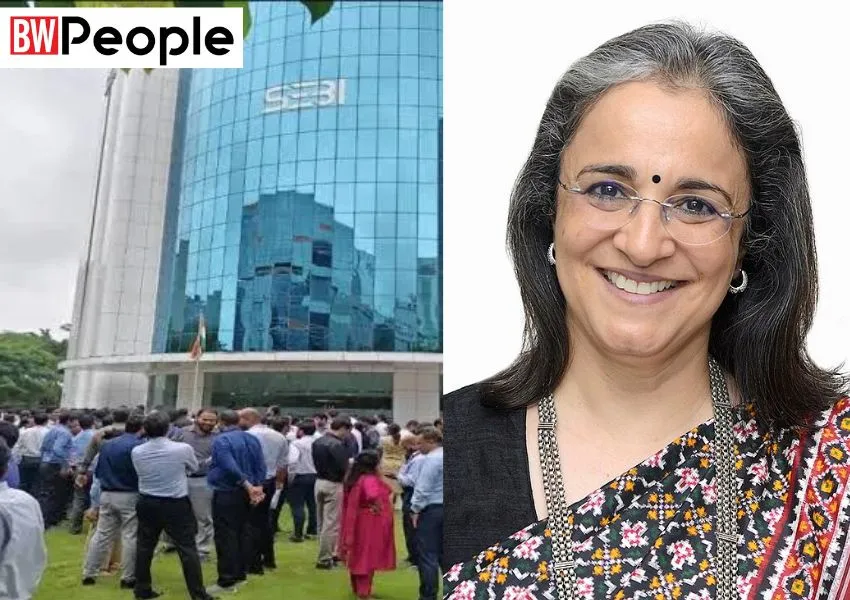
By K Raveendran The outcome of the much-anticipated SEBI board meeting on Monday showed beyond doubt that the board has become a captive in the hands of chairperson Madhabi Puri Buch, who is facing serious allegations of misconduct. The toxic work culture and unprofessionalism that the SEBI employees have been complaining about have now engulfed […]

Gurbir Grewal has announced his departure from the U.S. Securities and Exchange Commission (SEC), where he served as the Director of the Enforcement Division. His tenure is marked by a significant uptick in enforcement actions that led to record penalties and rewards, shaping the agency’s approach to financial oversight. Although he did not disclose future plans upon leaving the SEC, Grewal’s impact on the regulatory landscape has been substantial.

Since his appointment in July 2021, Grewal spearheaded over 2,400 enforcement actions, resulting in a staggering $20 billion in penalties. His aggressive enforcement strategy included 340 bars from the industry, aimed at holding individuals and entities accountable for misconduct. Grewal’s leadership also saw the SEC issue more than $1 billion in whistleblower awards, fostering a culture of transparency and encouraging individuals to report violations.

The SEC, an independent federal agency, has the critical role of regulating the securities industry and protecting investors. Under Grewal’s direction, the Enforcement Division enhanced its efforts to combat various forms of fraud and misconduct, including insider trading, market manipulation, and accounting fraud. This comprehensive approach underscored the agency’s commitment to maintaining market integrity and protecting investor interests.

Grewal’s departure comes amidst a broader discussion regarding the SEC’s future direction under the leadership of Chair Gary Gensler. Gensler has emphasized the importance of robust enforcement to deter violations and ensure fair markets. The SEC’s enforcement actions during Grewal’s tenure have garnered attention, reflecting a shift towards a more proactive and assertive regulatory stance.

The agency’s increased enforcement measures were well-timed, as the financial landscape faced unprecedented challenges, including the rise of digital assets and evolving market practices. Grewal’s leadership aligned with the SEC’s broader goal of adapting to these changes and ensuring that the regulatory framework effectively addressed emerging risks.

A significant aspect of Grewal’s tenure was the emphasis on collaboration with other regulatory bodies and law enforcement agencies. This approach allowed for more comprehensive investigations and the pooling of resources to tackle complex financial crimes. Such collaboration was essential in addressing multifaceted cases that required a coordinated response across jurisdictions.

Grewal played a pivotal role in advancing the SEC’s initiatives to modernize its technology and enhance its data analytics capabilities. These advancements have proven crucial in detecting fraudulent activities and monitoring market behaviors, thus allowing the SEC to respond swiftly to potential violations. Grewal’s focus on technological innovation reflected a recognition of the evolving nature of financial markets and the need for regulators to stay ahead of emerging threats.

As Grewal departs the SEC, questions arise regarding his potential successor and the future direction of the Enforcement Division. The agency has historically emphasized the importance of continuity in its enforcement approach, particularly during times of transition. Grewal’s departure may open the door for new strategies and perspectives that could further shape the SEC’s enforcement agenda.

Industry experts speculate on the challenges that lie ahead for the SEC. The regulatory landscape is becoming increasingly complex, with the rise of cryptocurrencies and decentralized finance presenting new hurdles for oversight. The next leader of the Enforcement Division will likely need to navigate these complexities while maintaining the momentum built during Grewal’s tenure.

In his farewell, Grewal expressed gratitude for the opportunity to serve at the SEC and emphasized the importance of the agency’s mission to protect investors and ensure fair markets. His leadership has left an indelible mark on the agency, and his departure signifies a pivotal moment in the SEC’s evolution.

As the SEC continues its work, the implications of Grewal’s departure will undoubtedly be felt in the coming months. Stakeholders across the financial sector are keenly observing how the agency will adapt to the changing regulatory environment and maintain its commitment to enforcement.

OpenAI has successfully raised $6.6 billion in a funding round that has significantly boosted its valuation to $157 billion. This is a remarkable increase from the $29 billion valuation it held just a year ago. Key contributors to this funding round include major industry players such as Microsoft, Nvidia, and SoftBank, underscoring the growing confidence in the artificial intelligence sector and OpenAI’s pivotal role within it. The […]

Masdar, the renewable energy subsidiary of Abu Dhabi’s Mubadala Investment Company, is gearing up to launch a new green bond as part of its strategic financing efforts aimed at expanding its renewable energy portfolio. Chief Financial Officer, Mohamed Jameel Al Ramahi, confirmed this initiative, emphasizing Masdar’s commitment to sustainable financing and clean energy investment. The anticipated issuance is part of the company’s broader strategy to attract investment […]

Aircraft lessor Dubai Aerospace Enterprise (DAE) has successfully reached a settlement with insurer AXA regarding the jets that have been retained in Russia since the onset of the Ukraine conflict in 2022. This resolution opens avenues for further financial agreements as legal proceedings unfold in a significant trial in London’s High Court. DAE has faced considerable challenges following the Russian invasion of Ukraine, particularly concerning the fate […]

Dubai’s luxury real estate market is witnessing a significant surge in property sales, driven by a growing demand that currently outstrips available listings. In the first half of the year, the emirate saw a remarkable increase in transactions for high-end properties, underscoring the resilience of its real estate sector amidst global economic uncertainties. Recent reports highlight that Dubai has become a magnet for affluent buyers, particularly from […]

Standard & Poor’s has downgraded Israel’s credit rating from A+ to A, primarily citing increased security risks stemming from escalating tensions in the region. The decision reflects the rating agency’s assessment that the current geopolitical climate may hinder Israel’s economic stability and growth prospects.

The S&P report highlighted that the downgrade is attributed to the intensification of military conflicts, particularly involving militant groups in Gaza and Hezbollah in Lebanon. This situation has led to rising security expenditures and concerns over potential disruptions to the economy. Analysts argue that the ongoing conflict could deter foreign investment, impact tourism, and affect the overall economic environment.

Israel’s military actions, particularly in response to rocket fire from Gaza, have drawn international scrutiny. The cycle of violence and retaliatory strikes has strained relationships with neighboring countries and raised fears of a broader regional conflict. The deteriorating security situation has also sparked protests within Israel, with citizens demanding a reevaluation of the government’s military strategy and its implications for daily life.

The economic implications of the downgrade are significant. Israel’s economy has shown resilience in recent years, bolstered by technological advancements and a robust startup ecosystem. However, analysts fear that the heightened security risks could stifle this growth, particularly as the nation grapples with the dual challenges of military expenditures and maintaining investor confidence.

The downgrading comes at a time when Israel’s economy is experiencing inflationary pressures, further complicating the financial landscape. Rising living costs, coupled with increased defense spending, pose challenges to fiscal stability. Policymakers may need to implement measures to counteract these pressures, potentially involving budget reallocations and strategic economic initiatives.

Economists have pointed out that the current security environment may necessitate increased dialogue and diplomatic efforts aimed at stabilizing the region. There is a growing consensus among experts that sustainable peace initiatives could alleviate some of the financial burdens linked to security expenditures. Strengthening diplomatic relations with neighboring states may be essential for fostering an environment conducive to economic growth and stability.

Reactions to the downgrade have varied among local political leaders. While some have criticized the government’s handling of security issues, others argue that the rating reflects broader geopolitical realities that are beyond Israel’s immediate control. As the nation navigates these complex dynamics, the government’s approach to national security and foreign relations will likely play a pivotal role in shaping future economic trajectories.

In response to the downgrade, Israeli Finance Minister Bezalel Smotrich emphasized the importance of a balanced approach to security and economic growth. He stated that maintaining robust defense capabilities is crucial while also recognizing the need for economic resilience. Smotrich’s comments indicate an understanding that both aspects are interlinked, and a sustainable approach will be necessary to bolster investor confidence.

The impact of the downgrade on Israel’s bond market has been immediate, with yields rising as investors reassess risk levels. The move by S&P may prompt other rating agencies to reevaluate their assessments, further complicating Israel’s financial standing in international markets. Observers are closely monitoring how the government responds to these challenges and whether it can implement effective policies to stabilize the economy amidst security concerns.

As Israel grapples with these challenges, key sectors such as technology and tourism are being scrutinized for their resilience. The technology sector, a significant driver of economic growth, may face increased pressure if security concerns impact investment flows. Conversely, the tourism industry, already affected by the pandemic, may struggle to recover fully without improved security conditions.

Investors and analysts are also concerned about the long-term implications of the downgrade on Israel’s geopolitical strategy. The current environment necessitates a recalibration of priorities, with potential shifts in foreign investment patterns and trade relationships. Maintaining a favorable business climate while addressing security challenges will require careful policy considerations.

International reactions to the S&P downgrade have been mixed, with some analysts suggesting that it underscores the need for global stakeholders to engage more actively in peace initiatives in the region. Collaborative efforts to address underlying tensions may not only enhance regional stability but also contribute positively to Israel’s economic outlook.

VISHNU RAJA
RYO YAMADA
HITORI GOTOH
IKUYO KITA