News related to
financial

Despite significant challenges posed by extreme weather conditions in Indonesia and Australia, Delta Dunia Group reported a stable revenue of USD 1.35 billion during 9M 2024. EBITDA for 9M 2024 declined by 16% YoY to USD 252.3 million, impacted by weather-related production declines and planned investments. Net loss significantly improved to USD 17.4 million, down from USD 26.6 million reported in 1H 2024, despite a 20% increase […]

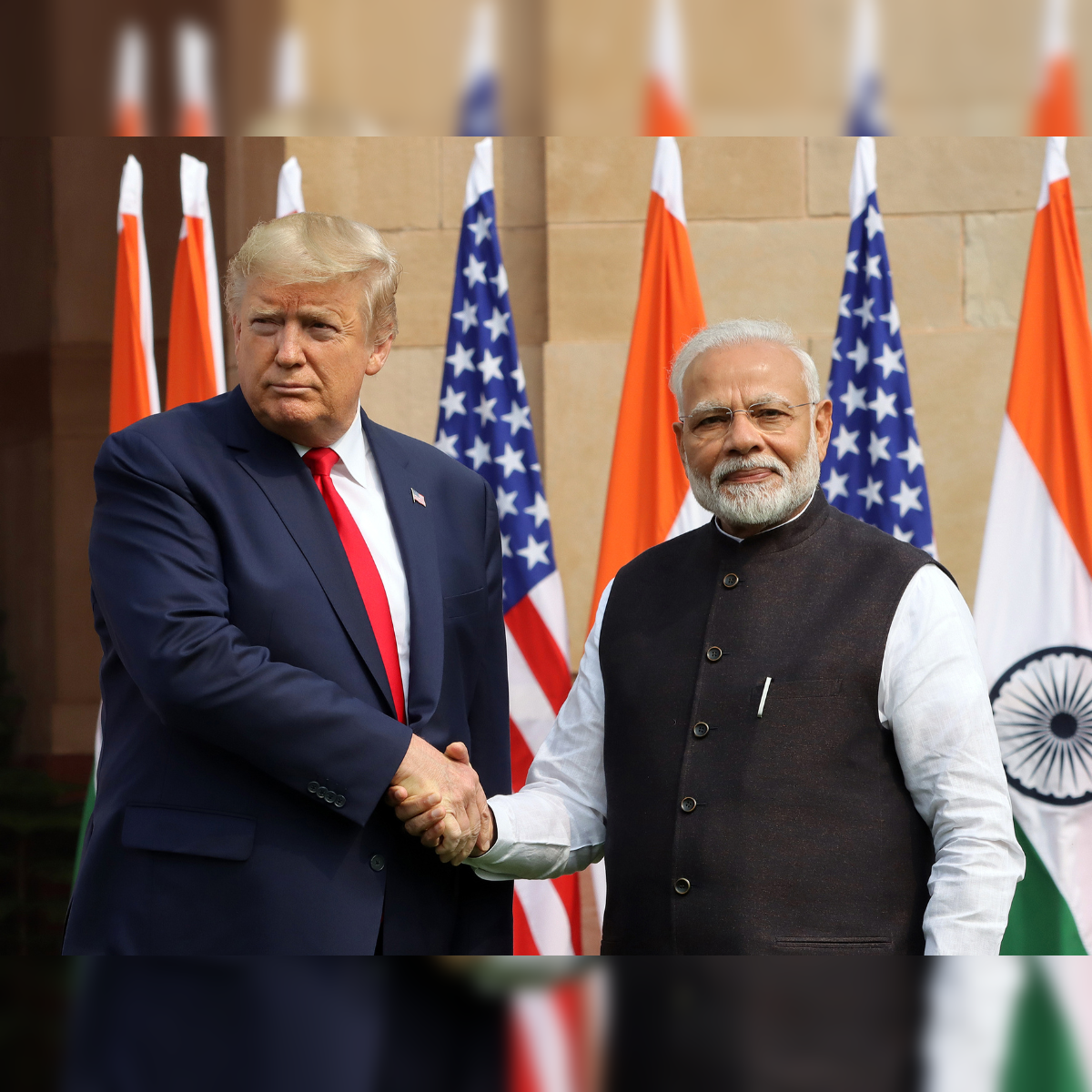
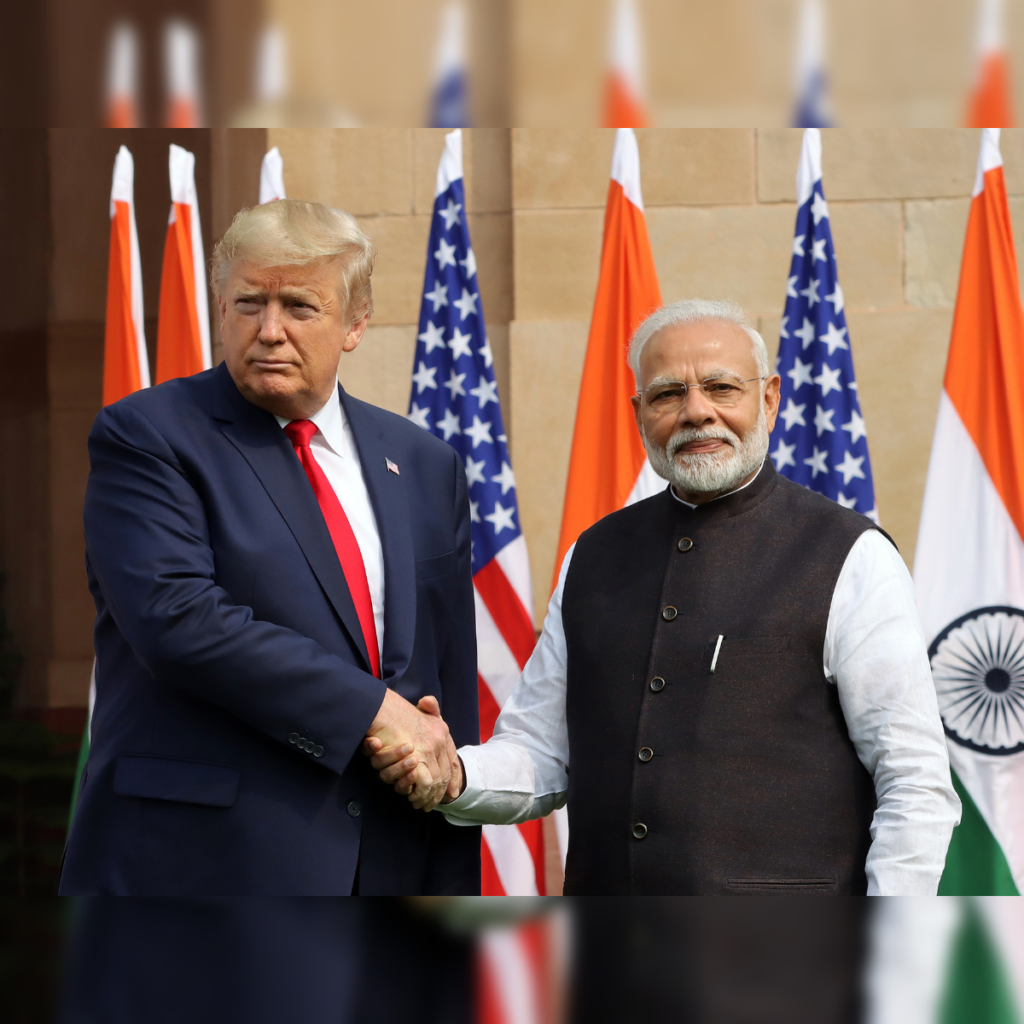
By K Raveendran While Prime Minister Narendra Modi’s ‘friend’, the US President-elect Donald J Trump, is set to move into White House, once again, it need not be particularly beneficial for India. If anything, Trump can be said to be “anti-India” even while remaining “pro-Modi”. The camaraderie contrasts starkly with the president-elect’s anti-India economic stance, […]

Arabian Post Staff -Dubai Jared Kushner’s investment firm, Affinity Partners, has secured an additional $1.5 billion in funding from the Qatar Investment Authority and Abu Dhabi-based asset manager Lunate. This significant capital infusion extends the investment period of Affinity’s debut fund to 2029, positioning the firm for sustained growth in the competitive private equity landscape. Kushner, founder of the Miami-based firm, disclosed these developments during an episode […]

HONG KONG SAR – Media OutReach Newswire – 20 December 2024 – The first baijiu company listed on the Hong Kong Stock Exchange, ZJLD Group Inc. (“ZJLD” or the “Company”, SEHK stock code: 06979. HK), is pleased to announce that it has been awarded the 2024 Hong Kong Corporate Governance and ESG Excellence Award by the Chamber of Hong Kong Listed Companies (“CHKLC”). This accolade recognizes ZJLD’s […]

HONG KONG SAR – Media OutReach Newswire – 20 December 2024 – The “Immersive Hong Kong” exhibition opened today (December 20) in Dubai, the United Arab Emirates, making its fifth stop after successful runs in Jakarta, Indonesia; Bangkok, Thailand; Kuala Lumpur, Malaysia; and Guangzhou, China, staged by the Information Services Department of the Hong Kong Special Administrative Region Government. Organised in collaboration with the Hong Kong Economic […]

The Central Bank of the United Arab Emirates (CBUAE) and the Hong Kong Monetary Authority (HKMA) have formalized an agreement to enhance cooperation between their financial markets. This development follows a bilateral meeting held in Hong Kong on December 20, 2024, where both institutions signed a Memorandum of Understanding (MoU) aimed at establishing connectivity between their debt capital markets and related financial infrastructures. The MoU focuses on […]

AD Ports Group has refinanced and increased its revolving credit facility (RCF) from $1 billion to $2.125 billion, aiming to optimize financing costs by improving interest margins and extending the facility’s maturity from 2026 to 2028, with an option to extend further until 2030. The new facility has garnered significant interest from local, regional, European, Asian, and international banks, leading to an oversubscription of over 2.5 times […]

Advertisements

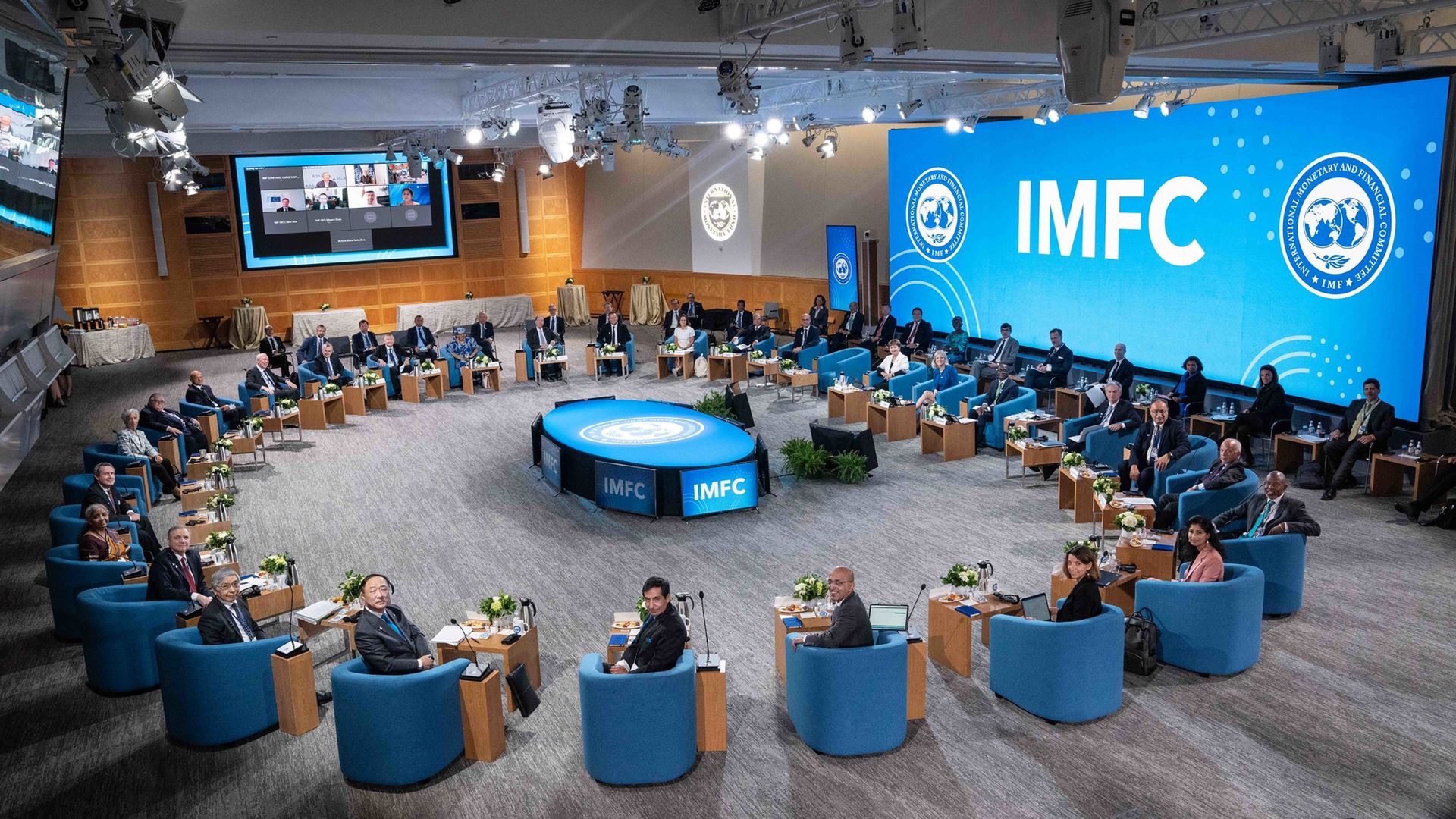
The Gulf economies are expected to continue their upward trajectory despite ongoing geopolitical tensions across the Middle East, according to the latest report from the International Monetary Fund (IMF). The region’s resilience, the IMF suggests, is driven by its diversified economic base, robust fiscal policies, and higher oil prices, which have counterbalanced the adverse effects of regional instability.

While the Middle East remains a hotspot for geopolitical risks, including tensions in Yemen, Syria, and Iran, the Gulf Cooperation Council (GCC) states—namely Saudi Arabia, the UAE, Qatar, Kuwait, Bahrain, and Oman—are poised for solid growth. The IMF’s economic outlook for the Gulf for the upcoming year signals a stable trajectory, with growth projections ranging from 3.2% to 3.5% for most of the member states. This comes on the back of strong economic fundamentals and the region’s strategic efforts to diversify away from oil dependency.

According to the IMF, the GCC’s fiscal prudence and economic diversification initiatives are vital drivers of the positive outlook. Non-oil sectors such as finance, real estate, tourism, and technology have become key contributors to economic growth. Saudi Arabia, for instance, has ramped up its Vision 2030 reform plan, focusing on broadening its economic base and reducing the country’s dependency on hydrocarbons. These efforts have led to an uptick in foreign direct investment and economic activity outside of oil.

The region’s handling of fiscal policies has played a crucial role in shielding it from the negative impacts of external shocks. Governments in the Gulf have generally maintained sound fiscal policies, with substantial fiscal surpluses bolstering state coffers, even as global oil prices fluctuate. For instance, Saudi Arabia and the UAE have used their oil revenues to fund ambitious infrastructure and diversification projects that promote long-term stability.

Saudi Arabia’s economic transformation efforts, notably under the leadership of Crown Prince Mohammed bin Salman, are already yielding results. The kingdom’s GDP has experienced robust growth, especially in non-oil sectors such as entertainment, sports, and tourism. Major projects like Neom, the futuristic city being developed in the northwest, and the Red Sea Project are expected to generate significant economic activity in the coming years. These initiatives reflect a long-term vision to create new economic hubs and reduce reliance on oil.

The UAE, another key player in the Gulf, has also shown a remarkable shift towards diversifying its economy. Dubai’s push to become a global center for technology and finance is starting to pay off, with the city positioning itself as a regional leader in both fintech and blockchain. Abu Dhabi’s focus on renewable energy and clean technologies is further strengthening the UAE’s long-term economic resilience. With such initiatives, the UAE is set to continue its strong performance, with growth forecasts suggesting the economy will expand by 4% over the next year.

Qatar has similarly proven its economic resilience. The country’s investment in liquefied natural gas (LNG) projects has enhanced its export capabilities, enabling it to weather external market fluctuations. Qatar has also shifted its focus to developing a more diverse economy, emphasizing finance, sports, and education, particularly through initiatives like the Qatar National Vision 2030.

The IMF also highlighted that Kuwait and Oman are expected to experience moderate growth, driven by their diversified economies and investments in non-oil sectors, including infrastructure and services. Although Oman has faced fiscal challenges in the past, its recent economic reforms and strategic investments are expected to yield positive results in the coming years. Similarly, Kuwait’s substantial sovereign wealth fund continues to provide a financial cushion, enabling the country to continue its development plans despite challenges.

Despite the ongoing tensions in neighboring countries, the Gulf states have managed to maintain political stability, a crucial element in sustaining investor confidence. The UAE’s role as a neutral hub for international trade, coupled with Qatar’s robust diplomatic efforts, has further insulated the region from potential instability. While conflicts in Yemen, Syria, and Iraq present challenges, the Gulf countries have largely shielded their economies from these disturbances through strong governance and military spending.

The Gulf’s active participation in global energy markets continues to provide it with a cushion against external shocks. Oil remains a crucial driver of revenue, but the higher global oil prices in the past year have supported economic resilience. Saudi Arabia and the UAE have also taken steps to ensure that their energy resources are used sustainably, with the UAE focusing on clean energy initiatives and Saudi Arabia looking to become a leader in green hydrogen production.

The region’s financial markets have also performed admirably in the face of geopolitical risk. Stock exchanges across the Gulf have been showing positive growth, with investors confident in the long-term prospects of the region. The UAE, in particular, has seen a surge in its financial markets, fueled by investor confidence in its economic diversification plans. Furthermore, the region’s strong banking sectors and their adaptation to digital banking and fintech have made them more attractive to foreign investors.

On the global stage, the Gulf has increasingly become a key partner in trade and investment. Its strategic location, at the crossroads of Europe, Asia, and Africa, continues to make it a central hub for international trade. In addition, initiatives such as the GCC’s Free Trade Agreement and the bloc’s involvement in the World Trade Organization (WTO) strengthen its position as a trade powerhouse.


Arabian Post Staff -Dubai The United Arab Emirates (UAE) generates between AED 10 and 11 billion annually through indirect taxes, constituting a substantial portion of the federal budget, which totals approximately AED 65 billion. Younis Haji Al Khoori, Undersecretary of the Ministry of Finance, highlighted the pivotal role of these tax revenues in bolstering economic growth and strengthening the federal government’s financial position. Indirect taxes in the […]

Mozilla has announced a partnership with Ecosia, integrating the eco-friendly search engine as a default option in the Firefox browser. This collaboration allows users worldwide to select Ecosia directly from the URL address bar or through browser settings, enhancing user choice and promoting environmentally conscious web browsing. Ecosia, founded in 2009 by Christian Kroll, is renowned for using its ad revenue to fund tree-planting projects globally. To […]

By Dr. Soma Marla The Union Ministry of Agriculture recently circulated a new draft for a policy framework concerning agricultural marketing. Faiz Ahmed Kidwai, additional secretary in the ministry, proposed the draft to revamp the existing framework. According to the government, the proposed universal tax on agricultural produce will increase farmers’ incomes. The committee has […]

“Global Multi-Currency Accounts” Empowers SMEs with New Market Opportunities SHANGHAI, CHINA – Media OutReach Newswire – 20 December 2024 – XTransfer, the World’s Leading & China’s No.1 B2B Cross-Border Trade Payment Platform, and OCBC, the second largest financial services group in Southeast Asia, jointly announced the comprehensive partnership. OCBC China will leverage the OCBC Group’s extensive regional network and resources in its key markets of Singapore, Hong […]

GitHub has unveiled a complimentary tier of its AI-powered coding assistant, Copilot, now integrated into Visual Studio Code (VS Code). This initiative allows developers to access up to 2,000 code completions and 50 chat messages monthly by simply signing in with a personal GitHub account. Copilot Free offers users a choice between Anthropic’s Claude 3.5 Sonnet and OpenAI’s GPT-4o models, enabling functionalities such as coding queries, code […]

Cryptopia, the New Zealand-based cryptocurrency exchange that was forced into liquidation following a 2019 hack and a 2021 employee theft, has initiated the process of returning millions of dollars in cryptocurrency to its users. So far, the exchange has repaid over NZ$400 million (approximately $224.9 million) to 10,000 verified account holders, with plans to distribute further amounts in the coming year.

The exchange, once one of the largest in the country, had a tumultuous few years after the hack, which saw the loss of millions in cryptocurrency from user accounts. Despite attempts to recover from the breach, Cryptopia was unable to regain trust and was ultimately placed into liquidation in 2019.

Since the liquidation, efforts have been underway to recover and redistribute the funds owed to users, as the exchange’s liquidators worked through the complexities of returning assets from the frozen and compromised accounts.

Cryptopia’s situation has been a key example of the challenges faced by cryptocurrency exchanges when confronted with security breaches and internal fraud. The combination of the hack, followed by the theft of additional funds by a former employee, left the exchange struggling to meet its obligations to users. While liquidators have been able to recover significant portions of the stolen cryptocurrency, the process of returning funds to account holders has been slow, as the legal and financial hurdles surrounding such cases are often intricate and time-consuming.

The decision to liquidate the exchange followed an extensive investigation into the breach and the theft. Liquidators were tasked with identifying and recovering the stolen cryptocurrency, while also determining how to fairly distribute the recovered assets among the thousands of affected account holders.

Cryptopia’s repaid funds represent a significant portion of what users lost during the breaches. For many, the payout marks a long-awaited resolution to years of uncertainty. However, the process has been slow, and some users still await their full compensation.

The return of these funds is significant not only for the users who have been directly affected but also for the wider cryptocurrency community. It highlights the complexities of ensuring secure exchanges and the challenges of managing asset recovery after a breach. While no system can be completely foolproof, the incident underscores the importance of robust security measures and vigilant oversight in the cryptocurrency sector.

As the distribution continues into 2024, Cryptopia’s case will likely serve as a reference point for future regulatory and security measures in the cryptocurrency exchange industry. The liquidation process itself is also likely to be closely studied as an example of how the legal frameworks surrounding cryptocurrency asset recovery evolve.

The exchange’s repayment process has raised questions about how other crypto exchanges could better protect user assets and respond in the event of a breach. The emergence of new regulations for cryptocurrency exchanges in various countries may help prevent similar situations, although the industry remains largely unregulated in many areas.

This case also draws attention to the evolving nature of cryptocurrency regulations, particularly regarding the responsibilities of exchanges in safeguarding user funds. Regulatory bodies worldwide are working toward creating standards that would compel crypto exchanges to adopt stronger security practices, further ensuring that users’ assets are better protected.

While some have praised Cryptopia’s efforts to repay users, others remain critical of the delay in compensation, especially for those whose funds were tied up for years. The distribution process itself has been meticulous and slow, as the liquidators work to ensure that payouts are fair and based on the exact amounts owed to each individual.

Despite these challenges, the successful repayment to 10,000 account holders has offered hope that, even in cases where exchanges are compromised, users can still recover their assets, albeit after considerable time and effort. The unfolding process continues to unfold in New Zealand courts, with further payouts expected in the next year.

El Salvador has announced plans to persist with, and potentially accelerate, its Bitcoin acquisitions, even after securing a $1.4 billion loan agreement with the International Monetary Fund (IMF) that advises limiting exposure to the cryptocurrency. Stacy Herbert, director of the National Bitcoin Office, confirmed the government’s intention to continue buying Bitcoin for its Strategic Bitcoin Reserve, indicating that purchases might proceed at an increased pace.

This development follows the IMF’s recommendation for El Salvador to scale back its Bitcoin-related activities. The loan agreement stipulates that acceptance of Bitcoin by the private sector should be voluntary, and the public sector’s involvement in Bitcoin-related economic activities and transactions should be confined.

Despite these stipulations, the Salvadoran government remains steadfast in its commitment to Bitcoin. Herbert emphasized that Bitcoin would continue to be recognized as legal tender in the country, and the government would persist in its daily Bitcoin purchases. President Nayib Bukele had previously stated that the government would continue this practice until Bitcoin becomes unaffordable with fiat currencies.

As part of the IMF agreement, El Salvador has agreed to make acceptance of Bitcoin by businesses optional, rather than mandatory, and to limit public sector involvement in Bitcoin-related activities. Additionally, the government plans to phase out its official cryptocurrency wallet, Chivo, by either selling it or discontinuing its use.

The IMF had previously expressed concerns over El Salvador’s adoption of Bitcoin as legal tender, citing potential risks to financial stability and consumer protection. The recent agreement aims to mitigate these risks while providing financial support to the country’s economy.

El Salvador’s pioneering move to adopt Bitcoin as legal tender in September 2021 has been met with both praise and criticism. While the government argues that the cryptocurrency can boost financial inclusion and attract investment, critics point to its volatility and the potential for facilitating illicit activities.

Despite the IMF’s recommendations, the Salvadoran government’s decision to continue its Bitcoin purchases underscores its commitment to integrating cryptocurrency into the nation’s financial system. This stance highlights the ongoing tension between traditional financial institutions and the emerging world of digital currencies.

AD Ports Group has successfully refinanced and upsized its revolving credit facility (RCF) to $2.125 billion, enhancing its financial flexibility. This move sees the RCF increased from $1 billion, a strategic decision to bolster the company’s liquidity and further its investment ambitions. The new facility comprises both AED and USD tranches, offering a diversified funding structure that aligns with AD Ports’ expansive growth plans across multiple sectors.

The RCF, now one of the largest in the region, is designed to provide AD Ports with the capacity to pursue its long-term strategic initiatives. The group has positioned itself as a key player in the maritime, logistics, and infrastructure sectors, and this refinancing represents a significant step in its ability to seize emerging opportunities. With the upsized facility, AD Ports aims to fuel its investments in major infrastructure projects, improve its service offerings, and support the increasing demand in global trade.

In an official statement, the company outlined that the new RCF would enhance its liquidity position, enabling it to better capitalize on future expansion opportunities. This includes investments in port infrastructure, logistics, and real estate development, which are central to its growth strategy. The refinancing also comes at a time when AD Ports is actively looking to expand its footprint in new and existing markets, including Asia, Europe, and Africa.

AD Ports Group’s new financing structure offers a blend of flexibility and stability, a crucial element given the current economic environment. The group’s diversified portfolio, which spans across container ports, logistics hubs, industrial zones, and offshore services, provides a strong foundation for leveraging this expanded credit line. Additionally, the refinanced facility includes terms that reflect the group’s improved financial standing, with favorable pricing and extended maturity.

Industry experts have pointed to this refinancing as a sign of the growing strength and financial health of AD Ports. The company’s continued expansion into various sectors has made it a formidable player in the global logistics and maritime industry. The RCF upsizing comes in response to a significant increase in demand for port and logistics services, particularly in the Middle East and beyond, as global supply chains continue to evolve and expand.

The refinancing also highlights AD Ports’ ability to secure competitive financing terms, despite global market fluctuations. This positions the company as a leader in the regional logistics and transportation sectors, equipped with a robust balance sheet to support ambitious growth. By securing favorable credit conditions, AD Ports ensures its ability to navigate the complexities of international trade, enhance its global connectivity, and better serve its diverse customer base.

As part of the refinancing, AD Ports also emphasized its commitment to sustainability and digital transformation, which are integral to its long-term strategy. The company has been investing heavily in smart port technologies, green energy solutions, and digital logistics platforms. These investments are not only expected to improve operational efficiency but also ensure that AD Ports remains at the forefront of innovations in the global trade and logistics sectors.

The expansion of the RCF aligns with AD Ports Group’s vision of becoming a global leader in integrated logistics and transportation services. With access to enhanced capital resources, the company is better positioned to expand its portfolio of services, such as warehousing, cargo handling, and integrated supply chain solutions. The upsized facility ensures that AD Ports has the flexibility to take advantage of opportunities in both developed and emerging markets, continuing to diversify its offerings and increase its market share.

Experts believe that this move will further strengthen AD Ports’ competitive edge, particularly in the UAE and GCC markets, where demand for infrastructure and logistics services continues to grow. The company’s long-term focus on infrastructure development and modernization makes it a pivotal player in shaping the region’s economic future, and the RCF upsizing ensures that it has the financial muscle to execute its plans effectively.

As AD Ports Group continues to expand its global presence, this refinancing positions it to maintain its momentum and meet the evolving needs of its clients and stakeholders. The facility’s enhanced size reflects the company’s strategic shift toward larger-scale operations, enabling it to tackle both regional and global challenges with increased financial agility.

This development also marks a significant milestone for AD Ports as it seeks to integrate more sustainable practices into its operations. The group’s investment in green technologies, including renewable energy solutions for its ports and logistics hubs, is expected to play a central role in its ability to secure future growth. By aligning its financing with its sustainability goals, AD Ports is demonstrating its commitment to responsible business practices while positioning itself for continued success.

BANGKOK, THAILAND – Media OutReach Newswire – 20 December 2024 – DBP has once again been recognized as a trailblazer in sustainability with the conferment of two prestigious accolades at the ACES Awards 2024: the Outstanding Leaders in Asia Award and the Green Initiative Award. These honors recognize DBP’s enduring commitment to environmental stewardship, responsible economic growth, and social inclusion—principles that have guided the institution since its […]

Marathon Digital Holdings, a leading cryptocurrency mining company, has significantly increased its Bitcoin reserves through strategic financial maneuvers. In November and December 2024, the firm raised approximately $1.93 billion via zero-coupon convertible senior notes. These funds facilitated the acquisition of 15,574 Bitcoins at an average price of $98,529 per coin, totaling around $1.53 billion. Additionally, Marathon repurchased approximately $263 million of its existing convertible notes maturing in 2026. As of December 18, 2024, the company holds 44,394 Bitcoins, valued at approximately $4.45 billion, based on the spot price of $100,151 per Bitcoin.

The initial offering, completed on December 4, 2024, involved $850 million in zero-coupon convertible senior notes due 2031. Marathon granted initial purchasers an option to buy an additional $150 million in notes, potentially increasing the total to $1 billion. The net proceeds of approximately $835.1 million were designated primarily for Bitcoin acquisitions and repurchasing existing convertible notes due in 2026.

Subsequent to this offering, Marathon continued its strategy by raising additional funds through similar financial instruments. The company utilized these proceeds to purchase 11,774 Bitcoins for about $1.1 billion, averaging $96,000 per Bitcoin. This purchase increased Marathon’s total Bitcoin holdings to 40,435, valued at approximately $3.9 billion, based on a Bitcoin price of $96,500 at the time.

Marathon’s aggressive accumulation of Bitcoin aligns with a broader trend among major corporations integrating cryptocurrency into their financial strategies. Companies like MicroStrategy and Riot Platforms have similarly expanded their Bitcoin holdings, viewing the digital asset as a viable store of value and a hedge against traditional market fluctuations. This corporate adoption reflects growing confidence in Bitcoin’s long-term potential and its role in diversified investment portfolios.

The use of convertible notes has become a favored method for companies to raise capital for cryptocurrency investments. These financial instruments allow firms to secure funds at low or zero interest rates, with the option to convert debt into equity under specific conditions. This approach provides flexibility in capital management and aligns with the dynamic nature of the cryptocurrency market.

Marathon’s strategic investments have also been accompanied by efforts to enhance its mining operations. The company has entered into agreements to acquire renewable energy assets, such as a wind farm in Hansford County, Texas, with 240 MW of interconnection capacity and 114 MW of nameplate wind capacity. This initiative reflects Marathon’s commitment to integrating sustainable energy sources into its mining activities, addressing environmental concerns associated with cryptocurrency mining.

Despite these advancements, Marathon has faced challenges in the financial markets. The announcement of convertible debt offerings has led to stock price volatility, with shares experiencing declines due to potential shareholder dilution. For instance, following the announcement of a $250 million convertible debt offering in August 2024, Marathon’s stock dropped over 10%.

Nevertheless, Marathon’s leadership remains optimistic about the company’s strategic direction. By leveraging convertible notes to finance Bitcoin acquisitions and repurchase existing debt, Marathon aims to strengthen its balance sheet and enhance shareholder value. The company’s substantial Bitcoin holdings position it favorably to capitalize on potential future appreciation of the digital asset.

A parliamentary session in Abkhazia’s capital, Sokhumi, turned deadly as lawmakers debated a bill to ban cryptocurrency mining. Deputy Vakhthang Golandzia was fatally shot, and Deputy Kan Kvartchia sustained injuries during the altercation. The primary suspect, Deputy Adgur Khazaria, fled the scene and remains at large.

The incident unfolded during discussions on prohibiting cryptocurrency mining, a practice that has exacerbated Abkhazia’s ongoing electricity crisis. Despite previous bans, illegal mining operations have persisted, straining the region’s power infrastructure. Authorities have intensified efforts to enforce the ban, seizing over 600 mining devices this year.

Abkhazia’s energy challenges are compounded by its reliance on the Inguri hydroelectric power station, which has faced operational issues. The region has experienced severe electricity shortages, leading to rolling blackouts and limited daily power supply. Efforts to secure additional energy resources from Russia have been complicated by financial constraints and geopolitical tensions.

The fatal shooting has intensified scrutiny of Abkhazia’s internal political dynamics and the influence of illicit economic activities. The parliament’s debate over the cryptocurrency mining ban reflects broader concerns about the region’s economic stability and governance challenges. As authorities search for the suspect, the incident underscores the volatility surrounding contentious policy discussions in the region.

Dubai Aerospace Enterprise (DAE) has successfully secured $201 million in compensation from its insurers following significant losses caused by the imposition of sanctions on Russia. The payout marks a major step in DAE’s effort to recover from the financial toll these sanctions have taken on its business operations. The aviation firm, which owns and manages a fleet of aircraft leased to airlines worldwide, has been significantly impacted by the sanctions imposed in response to Russia’s invasion of Ukraine.

The sanctions have led to a dramatic disruption of DAE’s aircraft leasing operations in Russia. The company’s portfolio includes several jets leased to Russian airlines, which became subject to forced returns, asset seizures, and outright grounding. DAE was forced to cancel contracts and find ways to recover its assets after the Russian government passed laws preventing the return of foreign-owned aircraft. As part of the fallout from these geopolitical events, many of DAE’s high-value assets were left stranded in Russia, leaving the company with substantial financial exposure.

The payout from the insurers, which was finalized after a prolonged claims process, is seen as a crucial recovery for DAE. Industry analysts note that the company faced a complex and multifaceted challenge. Not only did it deal with physical asset seizures, but there were also legal hurdles and the financial uncertainty stemming from Russia’s refusal to honor contracts. The compensation is intended to cover losses related to the seizure of aircraft, the loss of aircraft value, and the non-repayment of lease agreements that were disrupted by the sanctions.

Although the compensation is a significant milestone, experts suggest that DAE’s recovery is far from complete. While the financial assistance will certainly ease the company’s liquidity constraints, the long-term effects of the sanctions remain a concern for the aviation industry at large. Leasing companies that operated in Russia are continuing to grapple with similar challenges, including the revaluation of aircraft that were once thought to be secured assets but are now devalued due to their involuntary relocation or grounding.

This payout is also a clear example of the broader economic impact of international sanctions on the aviation industry. Leasing companies, such as DAE, which provide aircraft to global airlines, have been facing increasingly complex legal and operational challenges in Russia. Industry experts underline that the aircraft leasing market is built on a delicate balance of international agreements and regulatory frameworks. When nations are cut off from the global financial system, as Russia has been, it creates a domino effect, severely impacting businesses that rely on cross-border contracts and financial protections.

The aviation sector, which was already reeling from the impact of the COVID-19 pandemic, is now forced to confront the unintended consequences of geopolitical tensions. Leasing companies, in particular, are under pressure as they try to recover from the crisis. Some firms have opted to write off assets, while others, like DAE, are seeking legal recourse and insurance compensation. The question of how insurers assess the financial impact of sanctions-related losses is likely to be an ongoing point of discussion in the industry.

In addition to the insurance settlement, DAE has been exploring alternative strategies to mitigate its losses. The company has ramped up efforts to lease out its remaining fleet to non-Russian airlines, and it is working on a comprehensive restructuring plan to reduce exposure to regions that may pose future risks due to political instability. These efforts are part of a broader trend in the aviation leasing industry where companies are looking for ways to diversify their portfolios and reduce dependence on volatile markets.

DAE’s experience highlights the need for better risk management frameworks in the aviation industry. Experts argue that the complexities of international regulations, combined with the unpredictability of global political events, mean that companies need to adopt more proactive approaches to risk mitigation. Insurers, too, may need to reassess the terms under which they offer coverage to aviation firms, particularly in high-risk regions like Russia.

For DAE, securing the insurance payout is a step in stabilizing the company’s finances, but it is clear that the road to full recovery is long and uncertain. The situation in Russia continues to evolve, and the leasing company will need to navigate a constantly shifting geopolitical landscape. As it works to recover its losses, DAE is also paying close attention to the broader implications of the sanctions on its business model, as well as the potential for further disruptions in its international leasing operations.

The Oman Investment Authority (OIA) has acquired a stake in xAI, the artificial intelligence company founded by entrepreneur Elon Musk. This strategic investment aligns with OIA’s objective to diversify its international portfolio and leverage advanced technologies across various sectors.

Established in March 2023 and officially launched in July of the same year, xAI has rapidly positioned itself among the top five companies in the AI industry. The firm specializes in developing advanced AI systems, including generative AI models designed to understand and interpret complex data.

In December 2024, xAI secured approximately $6 billion in equity financing, elevating its valuation to $50 billion. This substantial funding round attracted investments from prominent venture capital firms such as Andreessen Horowitz, Lightspeed Venture Partners, Sequoia Capital, and Tribe Capital.

The OIA’s investment in xAI is part of Oman’s broader strategy to integrate advanced AI technologies into its economy. Abdulsalam Mohammed Al Murshidi, Chairman of OIA, emphasized that this move aims to benefit from globally advanced technologies across various sectors.

xAI has recently achieved significant milestones, including the establishment of a cutting-edge data center in the United States and the launch of an enhanced version of its platform, Grok-2. These developments are expected to bolster the company’s capabilities in processing and analyzing real-time data, further solidifying its position in the AI sector.

Elon Musk’s ventures have experienced remarkable growth, with his net worth surpassing $400 billion, making him the world’s wealthiest individual. This financial ascent is largely attributed to the success of companies like Tesla, SpaceX, and xAI. Notably, SpaceX has reached a valuation of $350 billion, establishing it as the world’s most valuable startup.

Abu Dhabi National Oil Company Logistics & Services (ADNOC L&S) has made a significant move to bolster its offshore operations, adding 20 new assets to its portfolio in 2024. This expansion underscores the company’s growing influence in the energy sector, particularly in offshore oil and gas logistics. ADNOC L&S aims to meet the increasing demand for offshore production and logistics services while reinforcing its position in the […]

JJJ, a new hedge fund established by former Moore Capital executives, has made a significant move into Dubai’s thriving financial market, joining a growing list of hedge funds that are increasingly eyeing the Middle East for expansion. The firm’s decision to set up shop in Dubai comes as part of a larger trend in the financial world, with several major hedge funds diversifying their portfolios and strategies by targeting the region’s rapidly developing financial infrastructure.

Dubai’s status as a global business hub continues to rise, with the emirate offering a favorable regulatory environment, access to wealth management opportunities, and strategic proximity to both emerging and developed markets. While the city has long been a financial nexus, the past few years have seen an influx of hedge funds, private equity firms, and asset managers. This has been driven by various factors, including political stability, economic diversification, and reforms that have made Dubai an increasingly attractive destination for investors.

The move by JJJ is part of a broader trend of hedge funds exploring opportunities outside of their traditional bases in Europe and the United States. Firms are seeking not only the benefits of a more competitive regulatory environment but also the ability to tap into the vast capital reserves held in the Middle East. The region is home to some of the wealthiest sovereign wealth funds and private investors in the world, offering hedge funds the opportunity to manage capital from highly liquid sources.

Dubai’s financial ecosystem has been evolving to meet the demands of global investors, with key initiatives such as the Dubai International Financial Centre (DIFC) and the Dubai Financial Market (DFM) enhancing the city’s status as a financial powerhouse. The DIFC, in particular, has introduced reforms to make it easier for foreign firms to operate, including offering tax incentives, regulatory flexibility, and a wide range of financial products designed to appeal to global investors.

Hedge funds such as Bridgewater Associates, Citadel, and Renaissance Technologies have already made substantial investments in the Middle East, setting up operations or partnerships in Dubai to take advantage of these changing dynamics. The attraction is clear: with the city’s tax advantages, world-class infrastructure, and access to high-net-worth individuals, Dubai offers a unique blend of opportunity for firms looking to expand globally.

JJJ’s entrance into the market signals its belief in the growing potential of Dubai as a financial center. The firm’s founders, who built their careers at Moore Capital before launching their own venture, have chosen the UAE as a base to further expand their global strategy. Dubai’s thriving real estate, tourism, and technology sectors provide additional opportunities for diversification, and the financial ecosystem is uniquely poised to help firms manage and grow assets in these sectors.

Market analysts are observing that Dubai’s development as a financial hub is accelerating. The UAE government has focused on attracting international investors through a series of economic reforms, including the introduction of a new visa system aimed at increasing foreign talent and capital inflows. Additionally, the UAE has strengthened its financial regulations to align more closely with international standards, helping to bolster the confidence of global investors.

The UAE’s efforts to enhance its financial landscape come at a time when many traditional financial centers, particularly in Europe, are facing economic challenges. With the UK navigating post-Brexit uncertainties and European financial markets encountering growing regulatory pressures, Dubai’s business-friendly environment and stable geopolitical landscape provide an appealing alternative. As a result, Dubai has emerged as a go-to location for hedge funds seeking to reduce their reliance on markets that are less certain or experiencing instability.

One of the key factors driving hedge funds to Dubai is the emirate’s strong connection to the global oil industry, which remains a significant driver of wealth in the region. The UAE’s energy sector continues to evolve, with a growing emphasis on renewable energy investments and green technologies. Hedge funds are positioning themselves to tap into these new opportunities, aligning with the region’s broader vision for sustainable development.

Dubai’s geographic location also makes it an attractive proposition for hedge funds looking to diversify their global investment strategies. Sitting at the crossroads of Asia, Europe, and Africa, the city serves as a bridge between markets in these regions, giving hedge funds access to a wide range of assets and opportunities. Dubai’s proximity to fast-growing emerging markets, particularly in Asia and Africa, allows hedge funds to tap into growing economies while also maintaining their existing connections to established markets in the West.

JJJ’s foray into the Dubai market comes at a time when the global hedge fund industry is seeing an increasing appetite for alternative investments. These funds, which traditionally relied on traditional equity and bond markets, are now diversifying their portfolios to include private equity, real estate, and other alternative asset classes. Dubai, with its dynamic growth and diverse industries, offers an ideal environment for this kind of diversification.

As the new year approaches and the book on an eventful year in the energy world closes, 2025 looks set to bring more volatility, geopolitical tension and policy evolutions. Elections in almost all major global economies in 2024 have set the stage for a shifting policy landscape next year, most notably in the US, as President-elect Donald Trump outlines his priorities and plans for the incoming administration. […]

VISHNU RAJA
RYO YAMADA
HITORI GOTOH
IKUYO KITA