News related to
financial

By K. Raveendran The government has notified draft rules relating to the digital privacy protection law. Undoubtedly, this underscores a critical moment in the ongoing evolution of privacy legislation. The law, ostensibly designed to safeguard citizens, particularly children, from the darker corners of the digital realm, also raises profound concerns about the potential for governmental […]

HONG KONG SAR – Media OutReach Newswire – 2 January 2025 – Since the global AI boom sparked by ChatGPT in December 2022, the artificial intelligence industry has consistently attracted market attention, with investment enthusiasm only increasing over the past two years. For most, however, the future of AI remains opaque. Despite its prominence, questions persist about the technology’s evolution and its impact on markets and investors. […]

Coinbase, the prominent U.S.-based cryptocurrency exchange, has acquired the Cyprus unit of BUX, formerly known as Stryk, rebranding it as Coinbase Financial Services Europe. This strategic move provides Coinbase with a Cyprus Investment Firm (CIF) license, enabling the offering of contracts for differences (CFDs) across the European Economic Area (EEA).

The acquisition, finalized in October 2024, signifies Coinbase’s commitment to expanding its services within the European market. The Cyprus Securities and Exchange Commission (CySEC) has approved the domain “coinbase.com/international-exchange/europe,” though it is not yet operational. This approval allows Coinbase to passport its Cyprus license, facilitating the provision of financial products across multiple EEA member states.

Contracts for differences are financial instruments that enable traders to speculate on asset price movements without owning the underlying assets. This acquisition positions Coinbase to diversify its offerings, potentially attracting professional and institutional clients seeking CFD products. While Coinbase has not officially announced plans to launch CFD products, the regulatory infrastructure is now in place to support such offerings.

Yorick Naeff, CEO of BUX, expressed satisfaction with the transaction, stating, “We are pleased with the sale of our MiFID licensed entity, BUX Europe Limited (BEU), to Coinbase, a globally recognized leader in the crypto industry.” This divestment aligns with BUX Holding’s strategic shift to focus exclusively on shares and ETF offerings, following its acquisition by Dutch bank ABN AMRO.

Prior to the sale, BUX had transferred its Cyprus-based clients to AvaTrade, another CFD broker, indicating that Coinbase’s interest lies primarily in the operational infrastructure and regulatory approvals rather than an existing client base. This approach suggests a focus on building a new clientele under the Coinbase brand within the European market.

The rebranding of BUX Europe Limited to Coinbase Financial Services Europe Ltd was recorded by Belgium’s Financial Services and Markets Authority (FSMA) on October 11, 2024. This regulatory milestone underscores Coinbase’s commitment to compliance and its strategic intent to broaden its service offerings across Europe.

Coinbase’s expansion into the European market comes amid increasing regulatory scrutiny and evolving market dynamics. By securing a CIF license, Coinbase is better positioned to navigate the complex regulatory landscape of the EEA, offering a broader range of financial products to meet diverse client needs.

This acquisition also reflects a broader trend among cryptocurrency exchanges seeking to diversify their product offerings and expand their global footprint. By obtaining necessary licenses and regulatory approvals, these exchanges aim to provide a comprehensive suite of services, including traditional financial instruments like CFDs, to attract a wider client base.

Crude oil prices are projected to remain within the $70 per barrel range, influenced by multiple factors, including potential oversupply conditions and shifts in geopolitical dynamics. Experts suggest that while the market might stabilize around this figure, uncertainty from global demand and political maneuvers will continue to shape its trajectory in the coming months.

The crude market has entered a phase where supply and demand fundamentals are being tested against evolving global economic conditions. Several key developments, particularly around oil-producing nations, have created a delicate balance that keeps prices in a relatively stable range, yet susceptible to fluctuations driven by external factors.

For months, the oil market has been closely watching the decisions of the Organization of the Petroleum Exporting Countries (OPEC) and its partners, such as Russia, who collectively manage production quotas to balance supply. OPEC’s recent moves to curb production have been aimed at propping up prices, but an increase in U.S. oil output has led to speculation that there may be an oversupply in the market. The United States has reached record production levels, largely driven by shale oil, which could overshadow OPEC’s production cuts.

Geopolitical tensions in major oil-producing regions, such as the Middle East, remain a persistent risk to price stability. However, analysts have indicated that, at least for now, the global oil market is able to absorb disruptions without a significant impact on prices. The advent of more diverse energy sources, including natural gas and renewable energy, has also lessened oil’s price volatility compared to previous decades.

One of the most notable contributors to the ongoing price forecast is former U.S. President Donald Trump’s impact on energy policies. His administration’s push for energy independence and deregulation policies have led to a surge in domestic oil production. While Biden’s administration has implemented more stringent climate and energy policies, the effects of Trump’s legacy are still visible, with shale producers continuing to drive the U.S. oil production boom.

Despite this, global oil consumption, especially in China, has shown signs of slower growth, a factor that could weigh on oil prices. Experts note that while China remains a major driver of global energy demand, its economic slowdown could dampen the demand for crude, putting downward pressure on prices. Additionally, OPEC’s attempts to control prices by adjusting production could be more difficult to execute as non-OPEC countries, particularly the U.S., maintain higher levels of output.

Environmental pressures are also playing a role in shaping oil demand. Many nations are intensifying their efforts to transition to cleaner energy sources, potentially limiting the demand for fossil fuels in the long term. Governments worldwide are setting more ambitious renewable energy targets and offering incentives for green technologies, which could lead to a future reduction in oil dependency.

Despite these long-term trends, the immediate outlook for crude remains cautiously optimistic. The global recovery from the pandemic, especially in developed economies, is expected to continue driving demand for oil, particularly for transportation and manufacturing. Yet, the resurgence of COVID-19 in certain regions and the ongoing supply chain disruptions may have a complex impact on global economic growth, which will, in turn, influence oil demand.

In the U.S., gas prices remain a central topic as consumers face fluctuating fuel costs. While gas prices in the country have seen recent increases due to tighter refinery margins and seasonal demand spikes, there is no consensus on how long this trend will persist. Analysts believe that domestic production levels, combined with seasonal factors, could prevent prices from surging uncontrollably.

In Europe, the situation is more nuanced. Energy prices, including natural gas and oil, have been a driving force behind inflation. The war in Ukraine, ongoing for several years now, has further complicated Europe’s energy dynamics, pushing countries to reconsider their energy strategies. Despite Europe’s focus on alternative energy, oil continues to play a significant role in meeting energy demand, particularly in transportation and industry. With the cost of living rising and energy prices still high, consumers in Europe are facing additional financial strain.

At a global level, the shift toward more sustainable energy production and consumption is growing, but it is clear that oil remains a cornerstone of the global energy mix for the time being. Countries that rely heavily on oil exports, like Saudi Arabia and Russia, continue to exert influence on the market, pushing for price stabilization measures. However, the dynamics of global energy consumption are changing, and the transition to greener alternatives remains a key factor to monitor.

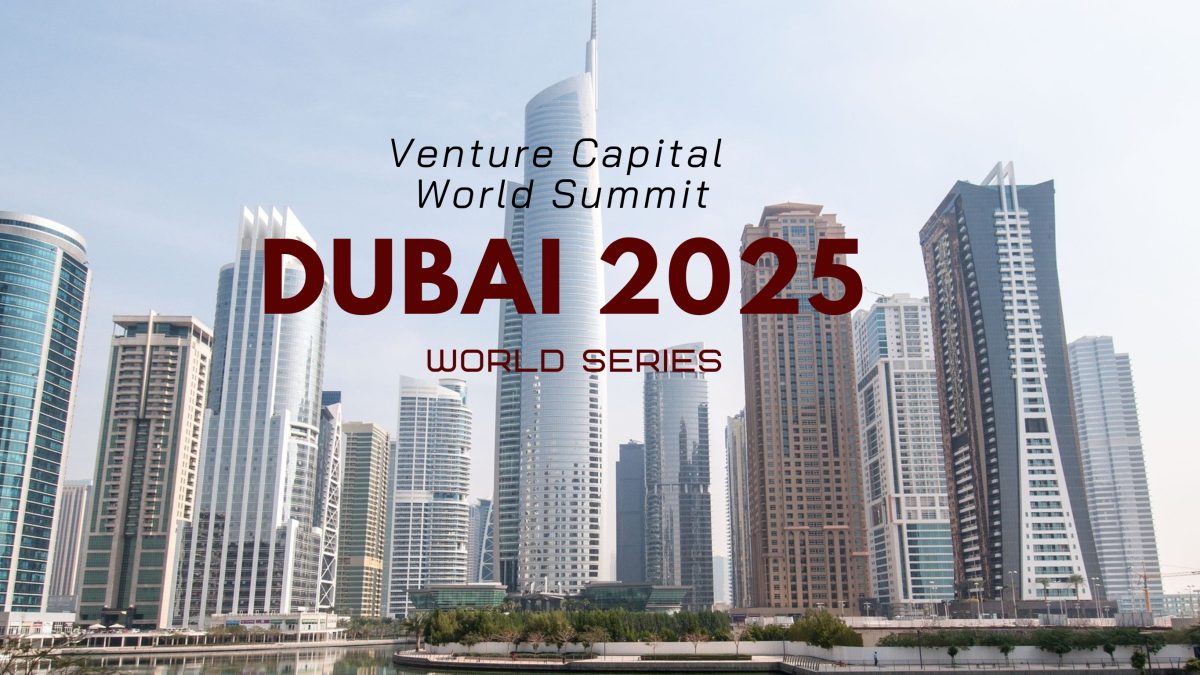
Dubai’s property market has experienced a remarkable surge in demand, with the fourth quarter of 2024 marking the highest-ever quarterly sales, signaling a bullish outlook for 2025. The city’s real estate sector continues to attract investors and homebuyers, bolstered by favorable economic conditions and government initiatives aimed at supporting growth. The trend suggests that Dubai’s property market will likely maintain its momentum, making it one of the most attractive destinations for real estate investment globally.

The Dubai Land Department (DLD) reported that in Q4 2024, the total value of real estate transactions soared to new heights, breaking previous records. In addition to an increase in the volume of sales, the average property prices have seen upward movements, driven by high demand in both residential and commercial segments. This strong performance is attributed to a combination of factors, including the city’s resilient economic recovery, strong investor confidence, and a growing population that is increasingly seeking quality housing and investment opportunities.

Leading this growth is the luxury real estate segment, which has experienced a particularly sharp uptick. High-net-worth individuals and international investors have shown a preference for prime residential properties, with villas, penthouses, and beachfront developments seeing the most significant price increases. As international travel restrictions ease and global investors return to the market, Dubai’s luxury offerings continue to be seen as attractive, safe havens for capital preservation.

In addition to the luxury sector, there is increasing interest in mid-market housing. The city’s developers have been responding to this demand by focusing on affordable housing projects, catering to the growing middle class. Several large-scale developments, particularly in emerging areas such as Dubai South, Dubai Creek Harbour, and Mohammed bin Rashid City, are underway to address this need.

The government’s proactive role in shaping the property landscape cannot be overstated. Initiatives such as long-term visas, tax breaks, and investor-friendly policies continue to provide a favorable business environment for property owners. Furthermore, the Expo 2020 Dubai, despite its delayed launch, has had a lasting impact on the city’s infrastructure, attracting additional global attention and investment. The city’s diverse and dynamic economy, with sectors like tourism, technology, and finance growing at a rapid pace, further strengthens the property market’s growth potential.

Dubai’s location as a global financial hub and a gateway between East and West remains a crucial factor for foreign buyers. The city’s diversification efforts, which focus on sectors such as fintech, renewable energy, and logistics, make it an attractive option for investors seeking growth and stability. As a result, Dubai’s real estate market remains a strong performer compared to other global cities.

The UAE’s ambitious Vision 2025 plans, which include expanding tourism, enhancing urban infrastructure, and fostering a knowledge-based economy, will likely boost demand for both residential and commercial properties in the long term. These national efforts support the city’s appeal as a thriving center for business and leisure, encouraging both local and foreign investments.

As Dubai’s economy continues to diversify and evolve, real estate will remain a key pillar. Developments in the infrastructure sector, such as the expansion of the Dubai Metro and road networks, are expected to play a significant role in sustaining the growth of property markets in both established and developing areas. Additionally, a growing focus on sustainability and green developments has led to an increase in eco-friendly properties, which appeal to environmentally conscious buyers and investors.

The residential market, while currently the star of the show, is not the only segment benefitting from this upswing. Dubai’s commercial real estate market has also seen robust demand, particularly in office spaces and retail developments. As more businesses, particularly tech and financial firms, establish a foothold in the city, the demand for high-quality office spaces in prime locations has risen. Moreover, the hospitality industry has also enjoyed a boost, with new luxury hotels and resorts attracting both international and regional visitors, supporting the broader tourism sector.

Looking ahead to 2025, experts predict that Dubai’s property market will continue to attract investment, particularly from buyers and developers seeking stability amid global economic uncertainties. Analysts are particularly optimistic about the long-term prospects of the market, with the growing demand for both luxury and affordable housing creating a balanced real estate ecosystem. The projected growth of the city’s economy, combined with its increasing role as a global business hub, positions Dubai to maintain its upward trajectory.

Despite the optimistic outlook, challenges remain, particularly in terms of rising construction costs and the potential for market saturation in some areas. However, developers are adapting to these challenges by focusing on innovative design and sustainable construction practices. The launch of new projects is expected to continue at a strong pace, with an emphasis on meeting the needs of an increasingly diverse population. Whether through green building initiatives, mixed-use developments, or community-focused design, Dubai’s real estate sector is evolving to meet the demands of modern buyers and investors.


Saudi Arabia has secured a significant financial agreement, arranging a $666 million Shariah-compliant revolving credit facility. This deal represents the country’s continuing efforts to bolster its economy while maintaining adherence to Islamic financial principles. The facility was structured in alignment with Shariah law, which prohibits earning or paying interest, marking an important step for the nation’s economic and fiscal policies.

The loan is set to bolster Saudi Arabia’s financial resources, enabling it to support its economic diversification programs under Vision 2030. This initiative, launched by Crown Prince Mohammed bin Salman, aims to reduce the kingdom’s reliance on oil revenues by expanding investments in sectors like technology, tourism, and entertainment. As part of this strategy, Saudi Arabia has been working to establish itself as a leading hub for global finance, with a strong focus on Islamic finance.

Key international and local banks participated in the deal, underscoring the growing confidence in Saudi Arabia’s financial and economic reforms. The country’s ability to attract investment in this manner signals a positive outlook for its economic future, as it navigates the transition towards a more diverse and sustainable economic model.

The revolving credit facility is structured to provide flexibility in financing, offering Saudi Arabia the ability to draw and repay funds as needed. This arrangement reflects a growing trend among global sovereigns seeking to tap into Shariah-compliant financial instruments. The use of such instruments is becoming increasingly popular, especially in the Middle East, where Islamic finance is a long-standing practice.

Saudi Arabia’s commitment to maintaining a robust and diversified economy is evident in its proactive approach to financing. The revolving credit facility aligns with the broader objectives of Vision 2030, aiming not only to reduce the kingdom’s dependence on oil exports but also to position it as a key player in the global financial landscape.

The financial facility is also a testament to the continued strength of the Saudi banking sector. Despite challenges posed by global economic fluctuations, Saudi banks have demonstrated resilience, supported by sound regulatory frameworks and a relatively stable domestic economy. This deal further underscores the country’s ability to secure favorable financing terms in the global market.

For global investors, this deal represents a favorable opportunity, as Saudi Arabia’s creditworthiness remains strong, bolstered by its strategic economic initiatives. With international markets increasingly receptive to Shariah-compliant investments, Saudi Arabia is well-positioned to capitalize on these trends, fostering further growth and stability.

The arrangement also reflects the broader international appetite for Islamic finance products. Global financial institutions are increasingly keen on structuring deals in compliance with Islamic finance principles, attracted by the stability and ethical foundations of these financial models. This aligns with global financial trends that emphasize sustainability, ethical investing, and financial inclusion.

Saudi Arabia’s ability to attract such significant financing indicates a growing trust in the kingdom’s economic reforms. With continued investments in infrastructure and development projects, the deal contributes to the country’s long-term economic objectives. This marks another milestone in the ongoing evolution of Saudi Arabia’s financial landscape, which aims to integrate more Islamic finance mechanisms and create a sustainable, diversified economy.

The success of the deal highlights the growing sophistication of the Saudi financial market. As more international institutions embrace Shariah-compliant products, the kingdom is establishing itself as a financial powerhouse in the region. This further positions Saudi Arabia as a leader in Islamic finance, not only attracting regional but also global investors seeking ethically aligned opportunities.

The $666 million deal is part of a broader set of financial moves that align with the kingdom’s Vision 2030 goals. With a clear focus on reducing its dependency on oil and diversifying into other sectors, Saudi Arabia is positioning itself as a destination for international investment. This revolving credit facility represents a key component of these efforts, reinforcing Saudi Arabia’s fiscal stability and commitment to a robust, sustainable future.

By P. Sudhir The year 2024, which has ended, has been a tumultuous one both nationally and internationally. In India, the year began with the State-sponsored installation of the idol at the newly-built but incomplete Ram temple at Ayodhya, a signal from the BJP rulers that the era of Hindutva raj has begun. This was […]

Advertisements

HONG KONG SAR – Media OutReach Newswire – 2 January 2025 – With much fanfare, Hong Kong welcomed the inaugural scheduled commercial flight outside of Mainland China of the country’s first domestically developed and built C919 passenger jet aircraft on January 1, 2025. The C919 aircraft receives a water salute at Hong Kong International Airport and warm welcome by Secretary for Transport and Logistics Mable Chan (first […]

Emaar The Economic City (EEC), the master developer behind Saudi Arabia’s King Abdullah Economic City (KAEC), has secured shareholder approval for a substantial capital reduction aimed at extinguishing accumulated losses. During the Extraordinary General Meeting (EGM) held on December 31, 2024, shareholders endorsed the board’s proposal to decrease the company’s capital by 53.83%, reducing it from SAR 11.33 billion to SAR 5.23 billion. This decision involves canceling […]

Saudi Arabia’s ACWA Power has successfully secured a financing deal worth $692 million for a major wind power plant in Egypt. The agreement underscores the growing momentum in the renewable energy sector as Egypt intensifies its push to diversify energy sources and reduce its carbon footprint. The financing package for the wind power plant was finalized with the involvement of a consortium of international banks, including the […]

Shuaa Capital, a leading investment firm based in the UAE, has announced the resignation of its Managing Director, following the completion of a significant debt restructuring process. The move marks a turning point for the company, which has faced challenges in the aftermath of the financial overhaul. The board of Shuaa Capital confirmed that the resignation came after the successful conclusion of the restructuring process, which was […]

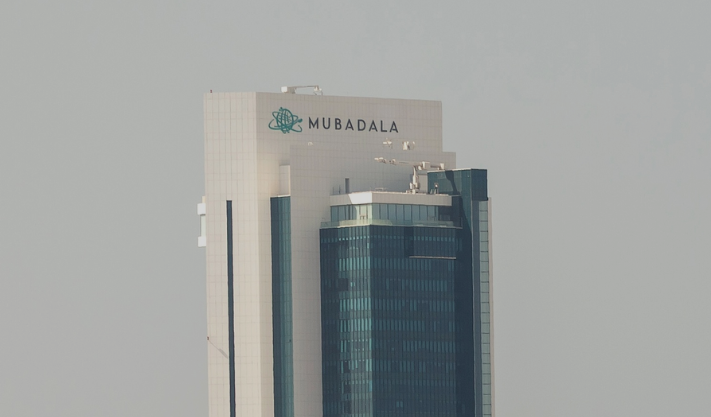
Abu Dhabi’s sovereign wealth fund Mubadala has taken the lead in global investment deals, outshining Saudi Arabia’s Public Investment Fund (PIF) with a remarkable $29 billion in recent transactions. The massive deals, which span various sectors from energy to technology, signal Mubadala’s growing influence in international markets and its strategic approach to diversifying assets. This shift also highlights the evolving power dynamics between the Gulf’s financial titans, with each country intensifying efforts to bolster its economic position amid fluctuating oil prices and geopolitical shifts.

Mubadala’s landmark investments come at a time when Saudi Arabia has aggressively expanded the reach of its PIF, particularly through high-profile acquisitions and a focus on sectors such as entertainment, tourism, and green energy. However, Mubadala’s swift maneuvers in the market have positioned it to not only compete with the PIF but potentially reshape the future of the investment landscape in the Middle East. The fund’s most notable deals include a series of investments in technology companies, as well as strategic moves in the renewable energy sector, aimed at securing long-term returns in an increasingly volatile global economy.

Experts suggest that Mubadala’s success is tied to its methodical approach to diversification. Unlike the PIF, which has been bold in pursuing large-scale, high-risk investments, Mubadala has focused on stabilizing its portfolio with balanced investments across a wide range of industries. This includes a heightened focus on cutting-edge industries such as artificial intelligence, clean energy, and biotechnology. As a result, Mubadala has emerged as a significant player in these high-growth areas, while also maintaining a strong foothold in more traditional sectors like real estate and infrastructure.

The timing of Mubadala’s recent success also speaks volumes about its ability to adapt to changing market conditions. Amid rising inflation and shifting investor sentiments, the fund has strategically pivoted towards companies with promising growth prospects, even as market conditions become more unpredictable. The diversification strategy has not only paid off but has also placed Mubadala in a position to capitalize on opportunities in the rapidly changing global economy.

Saudi Arabia, meanwhile, is determined to maintain the prominence of the PIF as the engine driving the kingdom’s economic transformation under its Vision 2030 plan. The PIF has ramped up its investments in global companies, most notably in the entertainment and sports sectors, including stakes in firms like Lucid Motors and endeavors such as the development of the $500 billion smart city, Neom. But despite the PIF’s ambitious projects and high-profile investments, critics argue that its heavy reliance on the oil sector makes it vulnerable to market fluctuations, a concern that Mubadala’s diversified approach may be better positioned to mitigate.

Saudi officials have defended the PIF’s strategy, stating that it plays a critical role in advancing the country’s non-oil economy. The PIF’s investments, particularly in the entertainment and sports sectors, are expected to bring long-term returns and aid in the creation of new jobs, especially for Saudi youth. Yet, this aggressive pursuit of diversification has raised questions about the risk of spreading its resources too thin. Mubadala, on the other hand, has positioned itself to weather global downturns by maintaining a more balanced portfolio, one that includes significant investments in both emerging technologies and established industries.

SHENZHEN, CHINA – Media OutReach Newswire – 2 January 2025 – A recent study conducted by Yeahka Limited (9923.HK), a leader in payment processing solutions, sheds light on the transformative impact of the AI revolution that has been intensifying since the end of 2022, sparked by innovations such as ChatGPT. This surge has drawn a myriad of industry leaders and academic experts into the development of large-scale […]

By Nitya Chakraborty The New Year 2025 has started in the backdrop of the restoration of the ruling party BJP’s confidence following its electoral successes in the state assembly elections in Maharashtra and Haryana and completely overshadowing the Samajwadi Party in the assembly by polls in Uttar Pradesh. The Party leadership of the BJP and […]

HO CHI MINH CITY, VIETNAM – Media OutReach Newswire – 30 December 2024 – Visa, the global leader in digital payments, reveals a surge in contactless payments across the Asia-Pacific (AP) region, with Vietnam leading the charge based on a recent survey commissioned by Visa done by YouGov[1]. VisaNet data analyzed by the Visa Consulting & Analytics (VCA) shows a significant shift in payment behavior, with nearly […]

Citigroup has announced its departure from the Net-Zero Banking Alliance (NZBA), becoming the third major U.S. bank to exit the United Nations-backed coalition this month. This move follows similar decisions by Goldman Sachs and Wells Fargo, highlighting a significant shift among American financial institutions regarding collective climate commitments. The NZBA, established in 2021, comprises banks dedicated to aligning their lending and investment portfolios with net-zero greenhouse gas […]

Cryptocurrencies continue to revolutionize the financial world, with stablecoins standing at the forefront of this evolution. The $205 billion market for stablecoins is now approaching a level of mainstream integration that could redefine how digital assets are utilized in daily transactions and financial services.

Stablecoins, digital currencies pegged to assets like the U.S. dollar or gold, have gained significant traction over the past few years, driven by their stability compared to volatile cryptocurrencies like Bitcoin or Ethereum. Unlike their counterparts, stablecoins aim to maintain a fixed value, making them more attractive to investors and consumers looking for reliability in the crypto space. The potential for mainstream adoption lies not just in their price stability but in their growing use cases across sectors ranging from decentralized finance (DeFi) to remittances and even digital identity verification.

Tether (USDT), USD Coin (USDC), and Binance USD (BUSD) dominate the stablecoin market, each playing a crucial role in driving the sector’s growth. As the overall cryptocurrency market reaches new milestones, these stablecoins continue to provide the foundation for many of the transactions and liquidity movements that are essential to the ecosystem’s functionality. In fact, stablecoins now account for over 10% of the entire cryptocurrency market capitalization, a trend that is only expected to grow as more institutional players enter the space.

The increasing use of stablecoins has caught the attention of both regulators and traditional financial institutions. Governments around the world are exploring ways to regulate stablecoins, driven by concerns over financial stability, anti-money laundering (AML), and countering the financing of terrorism (CFT). Despite this, the rise of stablecoins is seen as inevitable by many experts, as they offer an alternative to traditional fiat currencies, especially in regions with unstable economies or where access to banking services is limited.

One of the most compelling arguments for the mainstream integration of stablecoins is their utility in cross-border payments. Traditional remittance channels often carry hefty fees and take several days to process. Stablecoins offer a faster, cheaper, and more transparent alternative, allowing users to transfer funds across borders in real time at a fraction of the cost. This has made them particularly popular in emerging markets, where they have the potential to provide financial inclusion to the unbanked and underbanked populations.

Beyond payments, stablecoins have also become integral to decentralized finance (DeFi), a sector that has exploded in popularity over the past few years. DeFi platforms offer a wide range of financial services, such as lending, borrowing, and trading, without the need for intermediaries like banks or brokers. Stablecoins are often used as collateral for these services, providing a level of security for both borrowers and lenders. The appeal of DeFi is growing rapidly as more individuals look for alternatives to traditional financial systems, and stablecoins have proven to be a critical part of this shift.

Stablecoins are increasingly being explored as a solution to the volatility of cryptocurrencies in the world of digital assets. While the prices of Bitcoin, Ethereum, and other cryptocurrencies can fluctuate wildly, stablecoins provide a more predictable store of value. This makes them an attractive option for investors who are seeking to hedge against the market’s ups and downs, as well as for businesses looking for stability in their crypto transactions. The ability to maintain a stable value also positions stablecoins as a potential bridge between traditional finance and the cryptocurrency world.

Financial giants like JPMorgan and BlackRock are also positioning themselves to leverage stablecoins and blockchain technology to streamline their operations. JPMorgan’s recent experimentation with blockchain-based stablecoins in its payment systems is a testament to the growing mainstream interest in this sector. Similarly, BlackRock, the world’s largest asset manager, has expressed interest in stablecoin-backed investment products. These high-profile endorsements signal that stablecoins are not just a niche technology but could soon become a core component of global financial infrastructure.

The rise of central bank digital currencies (CBDCs) is expected to further accelerate the adoption of stablecoins. While CBDCs are government-backed digital currencies that function similarly to stablecoins, they could eventually coexist alongside private sector stablecoins, creating a hybrid ecosystem. Central banks are actively researching and piloting CBDCs, and the success of stablecoins in the private sector may provide a blueprint for the development of these digital currencies.

Despite the optimism surrounding stablecoins, several challenges remain. Regulatory uncertainty is one of the biggest hurdles facing the market. While stablecoins are seen as a way to democratize finance, they are also under scrutiny from regulators who worry about the potential for systemic risk. There is growing pressure for stablecoins to comply with traditional banking regulations, including Know Your Customer (KYC) and Anti-Money Laundering (AML) standards. This could result in more stringent requirements for stablecoin issuers, potentially stifling innovation in the space.

Concerns over the transparency and security of stablecoin reserves have been raised. In 2022, Tether, the largest stablecoin issuer, came under fire for allegedly misrepresenting the composition of its reserves, which raised questions about the stability of the entire market. Although Tether and other issuers have taken steps to improve transparency, the issue of trust remains a critical challenge for the long-term viability of stablecoins.

Another concern is the environmental impact of stablecoins, particularly those that rely on energy-intensive blockchain networks. While many stablecoins are built on the Ethereum network, which has faced criticism for its high energy consumption, newer stablecoin projects are increasingly turning to more energy-efficient blockchains like Solana and Avalanche.

Bitcoin, the pioneering cryptocurrency, has experienced a remarkable ascent over the past decade, culminating in unprecedented valuations. As of December 31, 2024, Bitcoin’s price reached approximately $94,805, marking a significant milestone in its volatile journey.

In 2014, Bitcoin was valued at $317.38, reflecting its nascent stage and limited mainstream acceptance. The subsequent years saw a gradual increase, with prices rising to $431.14 in 2015 and $966.57 in 2016. The year 2017 marked a pivotal moment, as Bitcoin’s value surged to $14,839, driven by heightened media attention and a surge of retail investors entering the market.

However, 2018 brought a significant correction, with prices plummeting to $3,668, underscoring the cryptocurrency’s inherent volatility. The market rebounded in 2019, with Bitcoin climbing to $7,175, and this upward trajectory continued into 2020, closing at $28,971. The bullish trend persisted in 2021, with Bitcoin reaching $45,987, fueled by increased institutional adoption and growing recognition as a digital asset.

The year 2022 witnessed a downturn, with prices declining to $16,581, reflecting broader market uncertainties and regulatory concerns. Nonetheless, Bitcoin demonstrated resilience, rebounding to $42,625 in 2023. The culmination of this decade-long journey is evident in 2024, with Bitcoin attaining a record high of approximately $94,805, representing a substantial appreciation from its early valuations.

Several factors have contributed to Bitcoin’s meteoric rise. The increasing acceptance of cryptocurrencies by institutional investors has played a pivotal role. The introduction of Bitcoin exchange-traded funds (ETFs) has provided traditional investors with more accessible avenues to gain exposure to the cryptocurrency market, thereby driving demand.

Macroeconomic factors have influenced Bitcoin’s valuation. Concerns over inflation and currency devaluation have led investors to seek alternative stores of value, with Bitcoin emerging as a digital counterpart to gold. This perception has been bolstered by its decentralized nature and limited supply, appealing to those wary of traditional financial systems.

Technological advancements within the cryptocurrency ecosystem have also played a significant role. The development of second-layer solutions, such as the Lightning Network, has addressed scalability issues, enhancing transaction speeds and reducing costs. These improvements have increased Bitcoin’s utility as a medium of exchange, further solidifying its position in the financial landscape.

However, Bitcoin’s journey has not been without challenges. Regulatory scrutiny remains a persistent concern, with governments worldwide grappling with the implications of decentralized digital currencies. Market volatility continues to be a defining characteristic, with significant price fluctuations occurring over short periods. Security issues, including exchange hacks and fraud, have also posed risks to investors.

Despite these challenges, the overall trajectory of Bitcoin over the past decade underscores its growing significance in the global financial system. The cryptocurrency’s ability to recover from downturns and achieve new heights reflects a maturation of the market and increasing confidence among investors.

By Nitya Chakraborty Year 2025 is going to witness a new era of global advance of far right led by the incoming U.S. President Donald Trump and his acolyte, the richest man of the world Elon Musk. It will be a unique combination fusing the brand of Trump with the big money and tech skills […]

These days, laptops are such a part of our lives. It has indeed helped in giving us the lead to keep connected, productive and entertained as well. Amongst best-selling reliable and versatile laptops available in the market is HP, which is marked with performance and durability. Despite always having a price tagged when it comes to buying a brand-new HP laptop. This is where refurbished HP laptops […]

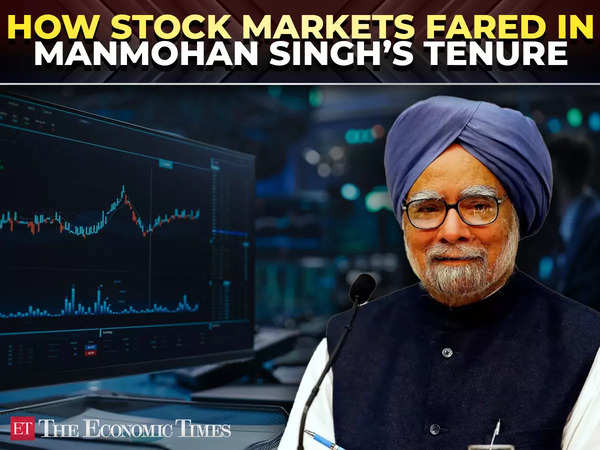
By Anjan Roy Thirty-three years are half a lifetime. Thirty-three years ago, Dr Manmohan Singh stepped into a high-profile limelight, well after his formal retirement from a senior government job. When he died last Friday at the age of 92, he was considered India’s greatest finance minister and the architect of India’s modern economy. There […]

Despite the Gulf Cooperation Council (GCC) countries’ plans to implement a 15% corporate tax on large multinational enterprises (MNEs) by January 1, 2025, foreign direct investment (FDI) in the region continues to surge. This tax aligns with the Organisation for Economic Co-operation and Development’s (OECD) global minimum tax framework, aiming to ensure that MNEs pay a minimum effective tax rate on profits in every country where they […]

Dubai’s law enforcement agencies have successfully dismantled two major international money laundering networks, collectively responsible for illicit transactions exceeding AED 641 million. The Dubai Public Prosecution has charged 26 individuals, including a 21-year-old Emirati national, 21 British nationals, two Americans, a Czech national, and two companies owned by the Emirati, with laundering AED 461 million, forgery of official documents, and their use.

Investigations revealed that the networks smuggled funds from the United Kingdom into the United Arab Emirates, disguising the illicit money as legitimate business transactions. The funds were funneled through two local companies owned by the Emirati national, who is among those charged.

Dubai Police, in collaboration with international counterparts, conducted extensive surveillance and intelligence operations to uncover the complex financial activities of these networks. The accused employed sophisticated methods, including the use of cryptocurrencies and forged trade documents, to obscure the origins of the funds and integrate them into the financial system.

The successful operation underscores Dubai’s commitment to combating financial crimes and maintaining the integrity of its financial system. Authorities have emphasized that the UAE will not tolerate the misuse of its financial infrastructure for illicit activities and will continue to work closely with international partners to detect and dismantle such networks.

This crackdown is part of a broader initiative by Dubai to enhance its anti-money laundering (AML) and counter-terrorist financing (CTF) measures. The UAE has been under increased scrutiny by international bodies, such as the Financial Action Task Force (FATF), to strengthen its regulatory frameworks and enforcement actions against financial crimes.

In recent years, Dubai has been perceived as a hub for international money laundering activities, attracting criminal organizations seeking to exploit its financial system. The city’s strategic location, coupled with its status as a global financial center, has made it an attractive destination for illicit financial flows.

The dismantling of these networks serves as a warning to other criminal organizations that Dubai is intensifying its efforts to detect and prosecute financial crimes. Authorities have reiterated their commitment to implementing stringent AML and CTF measures, including enhanced due diligence procedures, increased transparency in financial transactions, and robust enforcement actions against violators.

The accused individuals are currently awaiting trial in the Dubai Criminal Court of First Instance. If convicted, they face severe penalties, including substantial fines and lengthy prison sentences, reflecting the serious nature of their offenses. The authorities have also initiated procedures to confiscate the illicit funds and any assets acquired through these criminal activities.

This operation highlights the importance of international cooperation in combating money laundering and other financial crimes. Dubai’s collaboration with foreign law enforcement agencies was instrumental in uncovering the complex operations of these networks, demonstrating the effectiveness of coordinated efforts in addressing transnational criminal activities.

The UAE has been taking significant steps to align its financial regulations with international standards. Recent legislative reforms have been introduced to enhance the country’s ability to prevent, detect, and prosecute financial crimes. These measures are aimed at reinforcing the UAE’s position as a secure and transparent global financial hub.

Financial institutions operating within the UAE are also being urged to strengthen their internal controls and compliance programs. Authorities have issued guidelines to ensure that banks and other financial entities implement effective customer due diligence, monitor transactions for suspicious activities, and report any potential violations to the relevant authorities.

BANGKOK, THAILAND – Media OutReach Newswire – 27 December 2024 – PTT Oil and Retail Business Public Company Limited (OR) is driving international growth and sustainable innovation, leveraging its diverse portfolio to navigate volatile global markets. Amid geopolitical uncertainties and fluctuating oil prices, OR has posted robust financial results and unveiled a strategic roadmap aimed at transforming its business for a sustainable and inclusive future. For the […]

VISHNU RAJA
RYO YAMADA
HITORI GOTOH
IKUYO KITA