News related to
financial

Tata AIA Life Insurance has expanded its offerings to cater to Non-Resident Indians (NRIs) by introducing dollar-denominated life insurance policies. This new product line is available directly through the company’s website, allowing NRIs to purchase life insurance coverage in U.S. dollars. The move aims to address the needs of NRIs who prefer to manage their insurance premiums and benefits in a currency aligned with their financial activities abroad.

The introduction of dollar-denominated policies marks a strategic shift for Tata AIA, aligning its product offerings with the preferences of NRIs who may want to avoid currency conversion risks associated with their home country’s currency. By facilitating transactions in U.S. dollars, Tata AIA aims to simplify the insurance process for NRIs, who often find themselves managing assets and expenses in multiple currencies.

Tata AIA’s new insurance products offer several benefits tailored to NRIs. Policyholders can enjoy the flexibility of making premium payments and receiving benefits in U.S. dollars, potentially providing a more straightforward financial management experience. This initiative reflects a growing trend among insurers to adapt to the global needs of their customers by offering products that cater to international lifestyles.

In addition to the convenience of dollar-denominated policies, Tata AIA provides various life insurance plans that cover different needs, from term life insurance to comprehensive investment-linked policies. The ability to manage these policies in U.S. dollars can be particularly appealing to NRIs who are earning or holding assets in the U.S. or other dollar-based economies.

The move aligns with Tata AIA’s broader strategy to enhance its global reach and appeal to a diverse customer base. This strategic initiative is expected to bolster the company’s position in the competitive life insurance market, particularly among the NRI community, which has significant financial interests abroad.

NRIs often face challenges in navigating financial products that are aligned with their international lifestyle. Tata AIA’s introduction of dollar-denominated insurance solutions is a response to these challenges, providing a tailored financial product that addresses the specific needs of this demographic. By offering these products online, Tata AIA also leverages the growing trend of digital financial services, making it easier for NRIs to access and manage their insurance coverage from anywhere in the world.

This development is part of a broader trend where financial institutions are increasingly customizing their offerings to meet the needs of global customers. As financial markets become more interconnected, there is a growing demand for products that cater to an international clientele, allowing them to seamlessly manage their financial activities across different currencies.

Tata AIA’s initiative reflects an understanding of the complexities faced by NRIs and an effort to simplify their financial management. The introduction of dollar-denominated policies not only provides a practical solution for managing insurance but also positions Tata AIA as a forward-thinking insurer capable of meeting the evolving needs of its global customer base.

RAKBANK, officially known as the National Bank of Ras Al-Khaimah, has introduced a new digital platform named “Protego,” aiming to reshape how UAE residents approach their insurance needs. This insurance aggregator platform is designed to simplify purchasing, managing, and claiming insurance policies, providing a seamless and user-friendly experience. Protego represents a significant leap forward in the UAE’s insurance sector, addressing the growing demand for more accessible and […]

Gold prices have remained steady just below $2,500 an ounce as market participants reassess their positions following a significant downturn that has unsettled both equity and commodity markets. The precious metal’s stability comes as traders digest recent developments and their implications for the broader economic outlook.

Gold’s current level reflects a cautious response to recent market volatility, driven largely by concerns over global economic growth. The decline in equities and commodities has been linked to a series of economic data releases and geopolitical uncertainties that have influenced investor sentiment.

Analysts attribute the recent market turmoil to several factors, including mixed economic indicators and shifting monetary policies. Recent economic reports have shown signs of slowing growth in key regions, which has heightened fears of a broader economic slowdown. Additionally, ongoing geopolitical tensions and uncertainty surrounding trade policies have further compounded market concerns.

Despite the instability, gold has managed to maintain its value near the $2,500 mark, a level that has historically acted as a significant psychological and technical barrier. This stability is attributed to gold’s role as a safe-haven asset, which often attracts investors during periods of market uncertainty.

Market participants are closely monitoring upcoming economic reports and central bank meetings, which are expected to provide further clues about the future direction of both economic growth and monetary policy. The Federal Reserve and other major central banks’ decisions on interest rates and economic stimulus measures will be crucial in shaping market expectations and influencing gold prices.

In recent weeks, gold has demonstrated resilience, with prices holding steady despite the broader market downturn. This stability underscores gold’s appeal as a hedge against economic and geopolitical risks. Investors are increasingly viewing gold as a reliable store of value in an environment marked by heightened volatility and uncertainty.

Trade data and economic forecasts continue to influence market sentiment, with many analysts predicting that gold will remain a key asset in investment portfolios. The precious metal’s performance is expected to be closely tied to developments in the global economy and financial markets, making it a focal point for traders and investors alike.

As markets adjust to the evolving economic landscape, gold’s role as a safe-haven asset is likely to be tested further. The ongoing evaluation of economic data and central bank policies will play a critical role in determining the future trajectory of gold prices and broader market trends.

Gold’s recent stability reflects a period of adjustment for investors as they navigate a complex and uncertain economic environment. The metal’s performance will continue to be influenced by a range of factors, including global economic growth, monetary policy decisions, and geopolitical developments.

Octa analysts explain why the Malaysian ringgit has strengthened substantially against the U.S. dollar and express their opinion on whether the trend can continue. KUALA LUMPUR, MALAYSIA – Media OutReach Newswire – 4 September 2024 – Over the past few months, the Malaysian ringgit (MYR) has appreciated by more than 9% against the U.S. Dollar (USD) from 4.770 in April to 4.345 today. Indeed, the decline in […]

This strategic sale will enhance Jebsen & Jessen’s geographic expansion, strengthen its distribution capabilities and networks while securing MSM’s long term growth and future development in Mongolia. ULAANBAATAR, MONGOLIA/SINGAPORE – Media OutReach Newswire – 2 September 2024 – Diversified Industrial, Automotive, Chemical, Agricultural and Beverage Conglomerate, MSM Group today announces the sale of a majority stake to Jebsen & Jessen Group thereby securing a continuously growing future […]

Saudi Arabia’s Public Investment Fund (PIF) has returned to the bond market for the fourth time this year, showcasing its continued aggressive strategy to finance its expansive investment agenda. This latest issuance is part of the sovereign wealth fund’s broader plan to raise substantial capital, aimed at supporting Vision 2030, the kingdom’s ambitious initiative to diversify its economy away from oil dependence.

The PIF has set an initial price guidance for a new dollar-denominated bond, with an expected issuance close to $10 billion for 2024. This move marks its second sukuk offering this year, following previous issuances that cumulatively position the fund as a significant player in global bond markets.

The timing of this bond issuance is strategically aligned with the PIF’s ongoing efforts to bolster its investment portfolio, which spans across various sectors including technology, green energy, and entertainment. This strategy is not just about raising capital but also about reinforcing Saudi Arabia’s financial presence on the international stage.

Analysts have noted that this consistent tapping into the bond market is a clear indication of the PIF’s robust financial health and its capacity to leverage global capital markets to fund its initiatives. The fund’s ability to attract substantial investment reflects confidence among international investors in the PIF’s management and Saudi Arabia’s economic reforms.

As the PIF continues its trajectory of aggressive investment, the funds raised from these bond issuances are expected to be channeled into both domestic and international projects, further solidifying Saudi Arabia’s position as a leading global investor. This strategy underscores the fund’s critical role in driving the kingdom’s economic diversification goals, particularly in the non-oil sectors.

The latest bond offering is expected to close shortly, with strong investor interest anticipated, given the PIF’s proven track record and the attractive pricing structure of its bonds. This issuance will add to the fund’s growing portfolio of debt instruments, ensuring that it remains well-capitalized to meet its long-term investment objectives.

Shares of Premier Energies, a Hyderabad-based renewable energy company, surged on their debut in the Indian stock market, marking a successful listing fueled by substantial backing from the Abu Dhabi Investment Authority (ADIA). Opening at a price significantly above its initial public offering (IPO) price, the stock quickly doubled, reflecting strong investor confidence in the company’s prospects.

Premier Energies, which has been in the spotlight for its aggressive expansion in the solar energy sector, made its stock market debut amid considerable anticipation. The company’s IPO, which was oversubscribed multiple times, raised significant capital intended to bolster its capacity and expand its footprint in the renewable energy sector, particularly in the manufacturing of solar photovoltaic (PV) cells and modules. The robust performance of the stock on its first day of trading highlights the growing investor appetite for green energy investments in India, driven by both governmental policies and global environmental commitments.

Premier Energies has been recognized as one of the fastest-growing companies in the renewable energy space, particularly in solar manufacturing. The company’s strategic partnerships and technological advancements have positioned it as a key player in India’s renewable energy transition. Its collaboration with ADIA has provided it with the financial muscle to scale its operations, including the establishment of new manufacturing facilities and research centers focused on innovation in solar technology.

ADIA, one of the world’s largest sovereign wealth funds, has increasingly turned its attention towards sustainable and renewable energy investments, aligning with global trends favoring environmentally responsible projects. Its investment in Premier Energies is part of a broader strategy to capitalize on the rapid growth of the renewable energy market in emerging economies like India. The success of Premier Energies’ IPO and subsequent stock performance underscores the effectiveness of this strategy, as well as the growing market opportunities in the green energy sector.

The listing comes at a time when India is aggressively pushing for renewable energy expansion to meet its ambitious climate goals. The country aims to achieve 500 GW of non-fossil fuel-based capacity by 2030, with solar energy expected to play a pivotal role. Premier Energies, with its advanced manufacturing capabilities and strategic partnerships, is well-positioned to contribute significantly to this target.

Market analysts have noted that the stellar debut of Premier Energies’ stock is indicative of a broader trend where companies in the renewable energy sector are increasingly favored by investors. This shift is driven by several factors, including government incentives, the decreasing cost of renewable technologies, and rising awareness of environmental issues among both consumers and investors. The company’s strong fundamentals, combined with its strategic alliances and future growth potential, have made it a highly attractive proposition in the eyes of investors.

The doubling of Premier Energies’ share price on its first day of trading also reflects the broader confidence in the Indian stock market, particularly in sectors aligned with the government’s long-term vision of sustainable development. The success of this IPO could pave the way for more renewable energy companies to tap into the public markets, further fueling the sector’s growth and contributing to India’s renewable energy goals.

Premier Energies has announced plans to use the funds raised from the IPO to enhance its manufacturing capacity, including setting up new facilities and upgrading existing ones to incorporate the latest technologies in solar PV manufacturing. The company is also exploring opportunities to expand its product portfolio and enter new markets, both within India and internationally. This expansion strategy is expected to drive further growth and consolidate its position as a leader in the renewable energy sector.

The stock’s performance on its debut is seen as a positive indicator of the market’s confidence in Premier Energies’ business model and growth prospects. Analysts have highlighted the company’s strong order book, experienced management team, and strategic partnerships as key factors contributing to its successful listing. As the company continues to execute its expansion plans, it is expected to attract further interest from institutional and retail investors alike.

Advertisements

Bitcoin exchange-traded funds (ETFs) in the United States have experienced significant growth, amassing over $50 billion in assets as of late August 2024. This milestone comes less than a year after the approval of these ETFs by U.S. regulators, reflecting the increasing acceptance of cryptocurrency within mainstream finance. The top 10 Bitcoin ETFs have attracted substantial investments, driven by a mix of institutional interest and retail participation, […]

Gulf Cooperation Council (GCC) stock markets experienced limited gains amid a significant decline in oil prices and heightened geopolitical risks. The region’s financial markets, which have historically been sensitive to fluctuations in crude oil prices due to their oil-dependent economies, are grappling with the dual impact of falling oil values and regional instability. Oil prices have seen a notable drop, with Brent crude trading below $85 per […]

The Arab Energy Fund (TAEF), previously known as APICORP, has reported a significant 37% increase in net income for the first half of 2024, reaching $121 million compared to $88 million in the same period the previous year. This impressive growth underscores the institution’s successful strategic investments and value-enhancing acquisitions. TAEF’s financial performance reflects robust expansion in its investment portfolio, which grew to $1.44 billion. This surge […]

Metaplanet has secured a significant partnership with Japan’s SBI Holdings, aiming to bolster its regional Bitcoin custody and trading capabilities. This collaboration marks a strategic move for Metaplanet as it seeks to enhance its footprint in the digital asset space, particularly in the Asian market. The partnership will integrate SBI Holdings’ extensive financial infrastructure with Metaplanet’s advanced blockchain technology. This integration is expected to streamline Bitcoin transactions […]

MicroStrategy, a prominent business intelligence firm with a substantial Bitcoin investment, has emerged as the top performer among Bitcoin-related equities in 2024. The company’s shares have shown significant resilience and growth, reflecting its strategic commitment to the cryptocurrency market. MicroStrategy’s impressive performance can be attributed to its continued investment in Bitcoin and its ability to leverage these holdings as a core part of its business model. The […]

FTX’s ongoing bankruptcy proceedings have encountered significant obstacles due to the U.S. Securities and Exchange Commission (SEC) raising concerns over the repayment plan proposed by the troubled cryptocurrency exchange. The SEC’s objections have introduced new uncertainties into the already complex case, casting doubt on how FTX intends to manage and repay its creditors. The SEC’s filing challenges several aspects of FTX’s bankruptcy plan, particularly questioning the viability […]

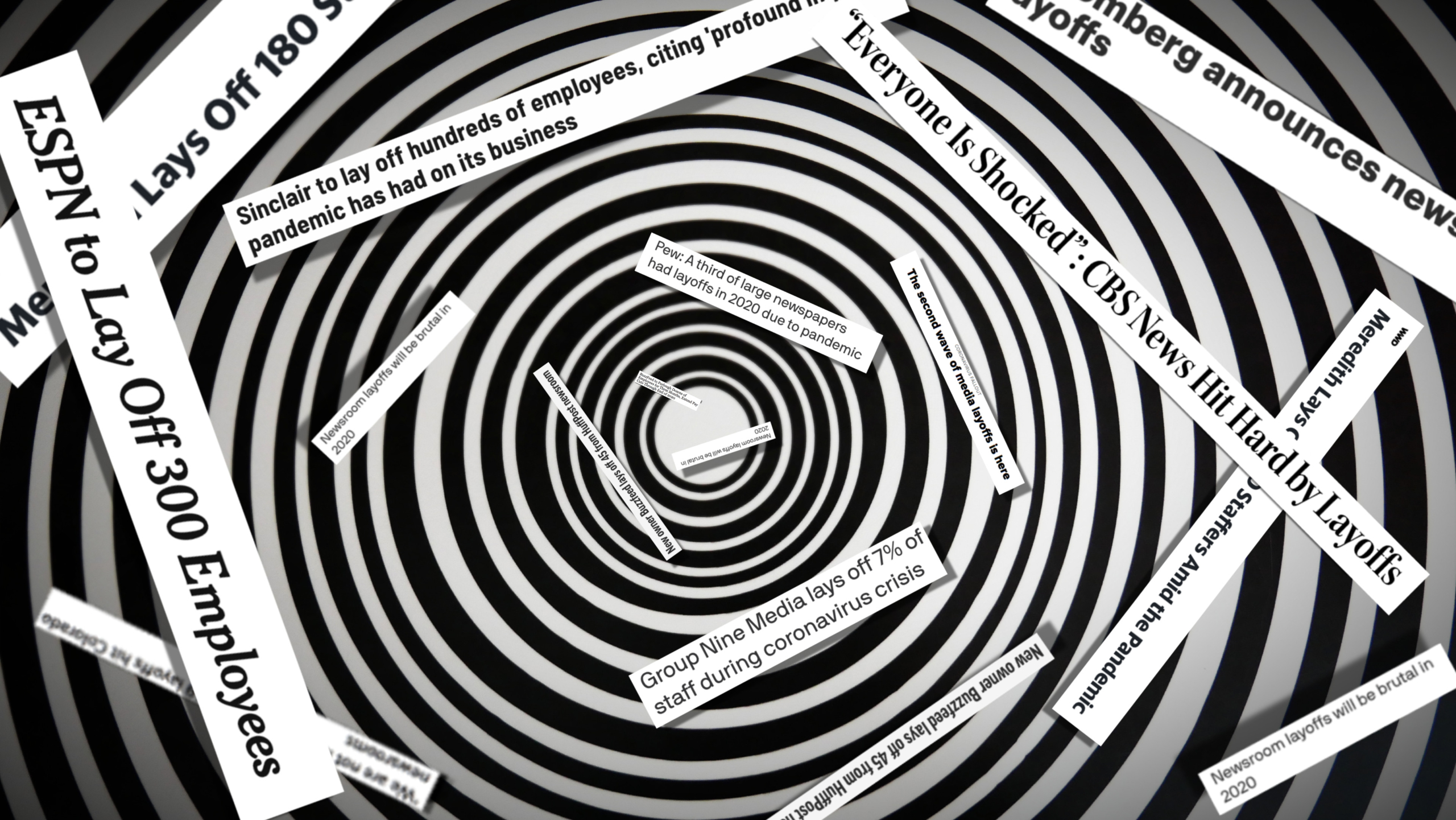
The SaltWire Network, Atlantic Canada’s largest newspaper chain, is grappling with significant financial turmoil, culminating in the recent acquisition by Toronto’s Postmedia Network for $1 million. This deal follows SaltWire’s failure to meet its financial obligations, resulting in the layoff of 60 employees from its newsrooms. The situation has raised serious concerns about the future of local journalism in a region known for its strong media tradition.

SaltWire, which once boasted 26 newspapers across Atlantic Canada, has struggled to sustain its operations amid declining revenue and shifting media consumption patterns. The layoffs reflect a broader trend affecting the Canadian newspaper industry, where the number of daily newspapers has decreased from 104 a decade ago to 71 today. This decline mirrors a nationwide shift towards digital news consumption, leaving traditional print media in a precarious position.

Joseph Howe, a prominent figure in Atlantic Canada’s media history, symbolizes the region’s deep-rooted commitment to journalism. Howe’s statue near the provincial legislature serves as a testament to the once-thriving local press that has now been severely impacted by these recent cuts. The reduction in staff poses critical questions about the future coverage of local news and municipal politics, which are essential for maintaining informed and engaged communities.

Kim Kieran, a journalism professor, voices concern over the diminishing local news coverage. She questions, “Who’s covering the local news? Who’s covering municipal politics?” Kieran’s worry reflects the broader implications of the layoffs on civic engagement and the democratic process. The absence of robust local reporting may undermine transparency and informed public discourse.

Postmedia’s acquisition of SaltWire aims to stabilize the network’s operations and avert a complete shutdown. The company’s CEO has defended the layoffs as a necessary measure for ensuring the long-term sustainability of the newspapers. This move highlights the ongoing struggle to balance the preservation of local journalism with financial realities.

The Canadian government’s role in supporting the news industry is under scrutiny, with discussions ongoing in the House of Commons about potential subsidies and support measures. The future of Canadian journalism may hinge on these political decisions, as the industry navigates this “existential moment,” according to Postmedia’s CEO.

As Postmedia takes over SaltWire’s assets, the future of local reporting in Atlantic Canada remains uncertain. The challenge for industry leaders and policymakers will be to adapt to the evolving media landscape while ensuring that critical local news coverage continues to serve the public.

NMDC Energy’s initial public offering (IPO) has experienced a robust demand surge, with the subscription level hitting 14 times the available shares within just four days. This overwhelming response underscores strong investor confidence in the company, which is poised to expand its footprint in the energy sector. The IPO, which began its subscription period on August 30, 2024, offers a total of 50 million shares at a […]

The Saudi Fund for Development (SFD) has finalized a $25 million agreement to support a new renewable energy initiative aimed at enhancing sustainable energy infrastructure. The deal, announced this week, is part of the Kingdom’s broader strategy to diversify its energy portfolio and reduce reliance on fossil fuels. The project, located in an emerging market region, will focus on the development and implementation of solar energy technologies. […]

Adnoc Drilling, the leading oilfield services provider in the Middle East, will be incorporated into MSCI’s flagship indexes, marking a significant milestone for the company and the broader market. This inclusion reflects the company’s robust performance and growing influence in the global energy sector.

The decision by MSCI to add Adnoc Drilling to its indexes highlights the company’s solid financial standing and market position. This move is expected to enhance the visibility of Adnoc Drilling among international investors and potentially increase its stock liquidity. MSCI, a prominent global index provider, bases its selections on a variety of criteria, including market capitalization, liquidity, and sector representation.

Adnoc Drilling’s inclusion in MSCI’s flagship indexes comes as part of a broader rebalancing that MSCI undertakes periodically. The company’s strong financial results and strategic initiatives have positioned it well within the index’s criteria. Recent performance metrics indicate a steady revenue growth and operational efficiency, underscoring the company’s pivotal role in the oil and gas sector.

The company has demonstrated impressive operational capabilities and a commitment to expanding its service offerings. Its diverse portfolio of drilling services and strategic partnerships have been instrumental in its growth trajectory. Analysts have noted that Adnoc Drilling’s inclusion could attract a broader range of institutional investors who rely on MSCI indexes for their investment decisions.

In recent developments, Adnoc Drilling has been focusing on enhancing its technological capabilities and expanding its geographic reach. Investments in cutting-edge drilling technology and sustainable practices have been key components of its growth strategy. This emphasis on innovation aligns with MSCI’s criteria for inclusion, which favors companies with a forward-looking approach and strong market presence.

The impact of Adnoc Drilling’s entry into MSCI’s flagship indexes is likely to be multifaceted. Increased visibility could lead to greater investor interest and potentially boost the company’s stock performance. Moreover, as MSCI indexes are widely followed by global investment funds, Adnoc Drilling’s inclusion could result in a shift in portfolio allocations towards the company.

Industry experts suggest that this development reflects a broader trend of growing investor confidence in companies operating within the oil and gas sector, particularly those demonstrating strong financial health and a commitment to innovation. Adnoc Drilling’s successful integration into MSCI’s indexes positions it as a key player on the international stage, further solidifying its role in the global energy market.

Adnoc Drilling’s addition to MSCI’s flagship indexes is a noteworthy achievement that underscores the company’s strategic importance and operational success. This move is anticipated to have a significant impact on the company’s market presence and investor relations, highlighting its continued growth and influence within the industry.

Metito, a prominent global player in water and wastewater treatment solutions, is currently the focus of acquisition talks with three major investors. This development highlights the ongoing interest in the water sector, which has seen increased investment due to its critical role in addressing global water scarcity and sustainability issues.

The potential acquisition involves three key investment entities: a leading private equity firm, a large infrastructure fund, and a prominent sovereign wealth fund. These investors are reportedly attracted by Metito’s strong market position and its extensive portfolio of projects across emerging markets, including the Middle East, North Africa, and Asia.

Metito has been a significant player in the water treatment industry for over five decades, providing innovative solutions for both municipal and industrial applications. The company’s extensive experience and its track record of successful project execution make it a valuable asset in a sector increasingly driven by technological advancements and environmental regulations.

The private equity firm in negotiations is known for its focus on infrastructure and industrial investments. This firm sees Metito as a strategic addition to its portfolio, given the company’s robust operational capabilities and its growth potential in emerging markets. The infrastructure fund, on the other hand, is interested in Metito’s long-term growth prospects and its potential to contribute to global sustainability goals. The sovereign wealth fund, which has a history of investing in high-impact projects, views Metito as an opportunity to enhance its portfolio with a focus on water infrastructure, an area of increasing global importance.

Industry analysts suggest that the acquisition talks come at a time when the water sector is experiencing heightened activity, driven by growing demand for advanced water treatment technologies and sustainable water management solutions. Governments and organizations worldwide are investing heavily in water infrastructure to address challenges related to water scarcity, pollution, and climate change. This investment trend has heightened interest in companies like Metito, which are well-positioned to capitalize on these emerging opportunities.

As negotiations proceed, the key considerations for the investors will likely include Metito’s financial performance, its strategic fit within their respective portfolios, and the potential for synergies with their existing operations. Additionally, the investors will be evaluating the regulatory landscape and potential challenges associated with acquiring a company with a significant global footprint.

The outcome of these acquisition talks could have substantial implications for the water treatment industry. If the deal proceeds, it could lead to increased investment in Metito’s operations, potentially accelerating the development of new technologies and expanding its reach in key markets. Moreover, it could signal a shift in the investment landscape, with more emphasis on companies that are actively contributing to global sustainability goals.

For Metito, the acquisition could provide an opportunity to enhance its capabilities and expand its impact in the water sector. The company has been actively involved in various high-profile projects and has a reputation for delivering innovative solutions. An acquisition by one of these investors could further strengthen its position and enable it to leverage new resources and expertise to drive future growth.

The ongoing talks between Metito and three prominent investors underscore the increasing interest in the water treatment sector. As the global focus on water sustainability intensifies, companies like Metito are attracting significant attention from investors seeking to capitalize on the sector’s growth potential. The outcome of these negotiations will be closely watched by industry stakeholders and could have a significant impact on the future trajectory of the water treatment industry.

Gulf Cooperation Council (GCC) companies are fortifying their strategies to address a range of economic challenges as investor confidence in the region soars to unprecedented levels. This optimism is driven by the GCC’s robust economic diversification efforts and increasing stability in key markets.

The GCC, consisting of Saudi Arabia, the United Arab Emirates, Qatar, Kuwait, Oman, and Bahrain, has been actively pursuing economic reforms aimed at reducing reliance on oil revenues and fostering sustainable growth. This shift is becoming evident as regional corporates enhance their focus on non-oil sectors, including technology, renewable energy, and healthcare.

Saudi Arabia, the largest economy in the GCC, continues to make significant strides under its Vision 2030 program. Recent developments include the expansion of its non-oil industries and increased foreign direct investment (FDI). The Saudi government is leveraging its fiscal policies to attract global investors and stimulate private sector growth. Key projects such as the Red Sea Development and NEOM are expected to further bolster investor sentiment by showcasing the country’s commitment to innovation and sustainability.

The United Arab Emirates (UAE) is also experiencing a surge in investor confidence, driven by its strategic economic initiatives. The UAE’s efforts to enhance its financial markets, coupled with reforms aimed at improving the ease of doing business, have strengthened its position as a regional investment hub. Initiatives such as the introduction of new visa categories and regulatory adjustments are designed to attract talent and capital, further enhancing the UAE’s appeal to international investors.

Qatar has similarly seen a positive shift in investor sentiment, supported by its ongoing investments in infrastructure and diversification away from hydrocarbons. The country’s emphasis on developing sectors like education, health, and sports has been instrumental in driving economic growth and attracting foreign interest. Qatar’s robust economic policies and strategic investments are poised to sustain its upward trajectory in investor confidence.

Kuwait, Oman, and Bahrain are also adapting to evolving economic landscapes by focusing on fiscal reforms and diversification strategies. Kuwait’s economic plans include substantial investments in infrastructure and the development of its financial sector. Oman is enhancing its economic resilience through initiatives aimed at boosting tourism and small-to-medium enterprises. Bahrain’s economic reforms and investment in financial services are expected to foster a conducive environment for investors.

The overall trend in investor sentiment within the GCC reflects a growing confidence in the region’s economic stability and potential for growth. This shift is attributed to the GCC’s proactive approach in addressing economic challenges, enhancing business environments, and diversifying away from oil dependence. The positive outlook among investors is further supported by strong economic fundamentals and a commitment to long-term development goals.

As GCC corporates navigate these headwinds, they are increasingly focusing on strategic investments and innovation to maintain competitive advantage. The region’s evolving economic landscape presents both opportunities and challenges, requiring companies to adapt to changing market dynamics and leverage emerging trends.

The surge in investor confidence underscores the GCC’s successful efforts in transforming its economies and positioning itself as a global investment destination. With continued focus on diversification and strategic growth, the region is set to maintain its momentum and attract further investment in the coming years.

Ripple has made a significant move in the blockchain sector by announcing new collaborations aimed at enhancing its infrastructure and broadening its institutional reach. These developments underscore Ripple’s ongoing commitment to advancing blockchain technology and fostering greater adoption among businesses. The company’s latest venture includes a strategic partnership with Futureverse, a prominent AI and metaverse technology firm. This alliance will focus on providing advanced secure asset custody […]

Singapore has secured the top position in the Henley Crypto Adoption Index for 2024, showcasing its leading role in the global cryptocurrency landscape. The city-state’s rise to the forefront of crypto adoption reflects its robust regulatory framework, innovative financial infrastructure, and growing investment in digital assets. Singapore’s commitment to creating a supportive environment for cryptocurrencies, including clear regulations and a proactive stance towards technological advancements, has solidified […]

Qatar Financial Centre (QFC) has officially unveiled its Digital Assets Framework for 2024, marking a significant step in the nation’s efforts to position itself as a global hub for digital finance. This framework, introduced on September 1, provides a comprehensive legal and regulatory structure for digital assets, encompassing a range of services from tokenization to smart contracts. The new framework was meticulously developed in consultation with over […]

UAE and Kuwait have reinforced their diplomatic and economic ties by signing several memoranda of understanding (MoUs) aimed at enhancing cooperation across various strategic sectors. The agreements were finalized during the fifth session of the UAE-Kuwait Joint Higher Committee, held in Abu Dhabi and chaired by UAE Deputy Prime Minister and Minister of Foreign Affairs, Sheikh Abdullah bin Zayed Al Nahyan.

The discussions underscored the significance of deepening collaboration in areas such as industry, trade, renewable energy, transportation, and infrastructure development. Both countries highlighted the importance of these sectors in driving economic growth and diversifying their economies, particularly in the context of shifting global energy dynamics.

Sheikh Abdullah emphasized the strong historical relationship between the two nations and the mutual benefits of the agreements. He noted that the partnership between UAE and Kuwait has always been a cornerstone of stability and progress in the Gulf region. The MoUs, he added, are not just symbolic but represent actionable plans that will have a tangible impact on the economic and social development of both countries.

The Kuwaiti delegation, led by Foreign Minister Sheikh Salem Abdullah Al-Jaber Al-Sabah, echoed these sentiments, stressing the strategic importance of the agreements in fostering long-term cooperation. Sheikh Salem highlighted that these MoUs are aligned with Kuwait’s Vision 2035, which aims to transform the country into a financial and trade hub, with a sustainable and diversified economy.

One of the key areas of focus during the talks was the renewable energy sector. Both UAE and Kuwait have committed to increasing investments in this area, recognizing the critical role of renewable energy in achieving energy security and environmental sustainability. The UAE, with its ambitious clean energy targets, is expected to share its expertise and technological advancements with Kuwait, which is also exploring ways to reduce its dependency on fossil fuels.

Trade and industry were also central to the discussions, with both sides agreeing to enhance bilateral trade relations. The MoUs are expected to facilitate easier access to markets, remove trade barriers, and encourage joint ventures in key industries. This move is anticipated to boost economic activity and create new opportunities for businesses in both countries.

Transportation and infrastructure development were other major topics on the agenda. The two countries plan to collaborate on large-scale infrastructure projects, including the expansion of transportation networks and the development of smart cities. These initiatives are part of broader efforts to modernize infrastructure and improve connectivity within the Gulf region, which is vital for sustaining economic growth and enhancing regional integration.

The UAE-Kuwait Joint Higher Committee has been a key platform for strengthening bilateral relations since its establishment. The committee meets periodically to review the progress of joint initiatives and explore new areas of cooperation. This latest session marked a significant step forward in UAE-Kuwait relations, with both sides expressing optimism about the future of their partnership.

As the global landscape continues to evolve, UAE and Kuwait are positioning themselves as key players in the Gulf region by building on their strong diplomatic ties and expanding their cooperation in critical sectors. The MoUs signed at the fifth session of the Joint Higher Committee are expected to pave the way for further collaboration and contribute to the economic and social development of both countries.

SHENZHEN, CHINA – Media OutReach Newswire – 2 September 2024 – The Plan for Comprehensively Deepening Reform and Opening-up of the Qianhai Shenzhen-Hong Kong Modern Service Industry Cooperation Zone (hereinafter referred to as the “Qianhai Plan”) was officially released on September 6, 2021. Over the past three years, the GDP, fixed asset investment, and imports & exports of Qianhai have grown at an average annual rate of […]

VISHNU RAJA
RYO YAMADA
HITORI GOTOH
IKUYO KITA