Just in:
Moonless skies improve stargazing conditions across northern Saudi Arabia // California electorate defeats proposed levy on billionaire wealth // Messi secures consecutive MLS Golden Boots with 26 goals // Lee Kum Kee Sauce-Sponsored 2026/27 Hong Kong Windsurfing Circuit – iQFOiL Championships Conclude Successfully // AutoSwift secures close to A$10 million from Singapore’s X Star Technology to scale AI WINGMAN // France identifies Iranian Guards as supermarket hacking suspects // North Korean hackers channel Binance funds through fake tokens // Iran displays school strike memorial at COP31 summit // Allianz Insurance Singapore Encourages Homeowners to Strengthen Their Home Protection as Residential Fires Continue to Rise // COP31 leaders demand accelerated action as warming intensifies // Google school AI search policy draws Senate challenge // European refrigeration hacks expose Gulf retail security risks // Google patches actively exploited Chrome XML security flaw // GCC defence ministers discuss military coordination amid Iran conflict // Microsoft 365 Family cuts combined storage to 2TB // OnePlus 16 India debut reconsidered amid launch discussions // Jailbroken AI agent targets European telecom infrastructure // Smart home choices widen as compatibility standards advance // LNG tanker exits through Hormuz reach wartime peak // Recognition under the U.S. Green Building Council’s rating system confirms the 22-residence tower is on track for full certification on completion //

News related to
financial

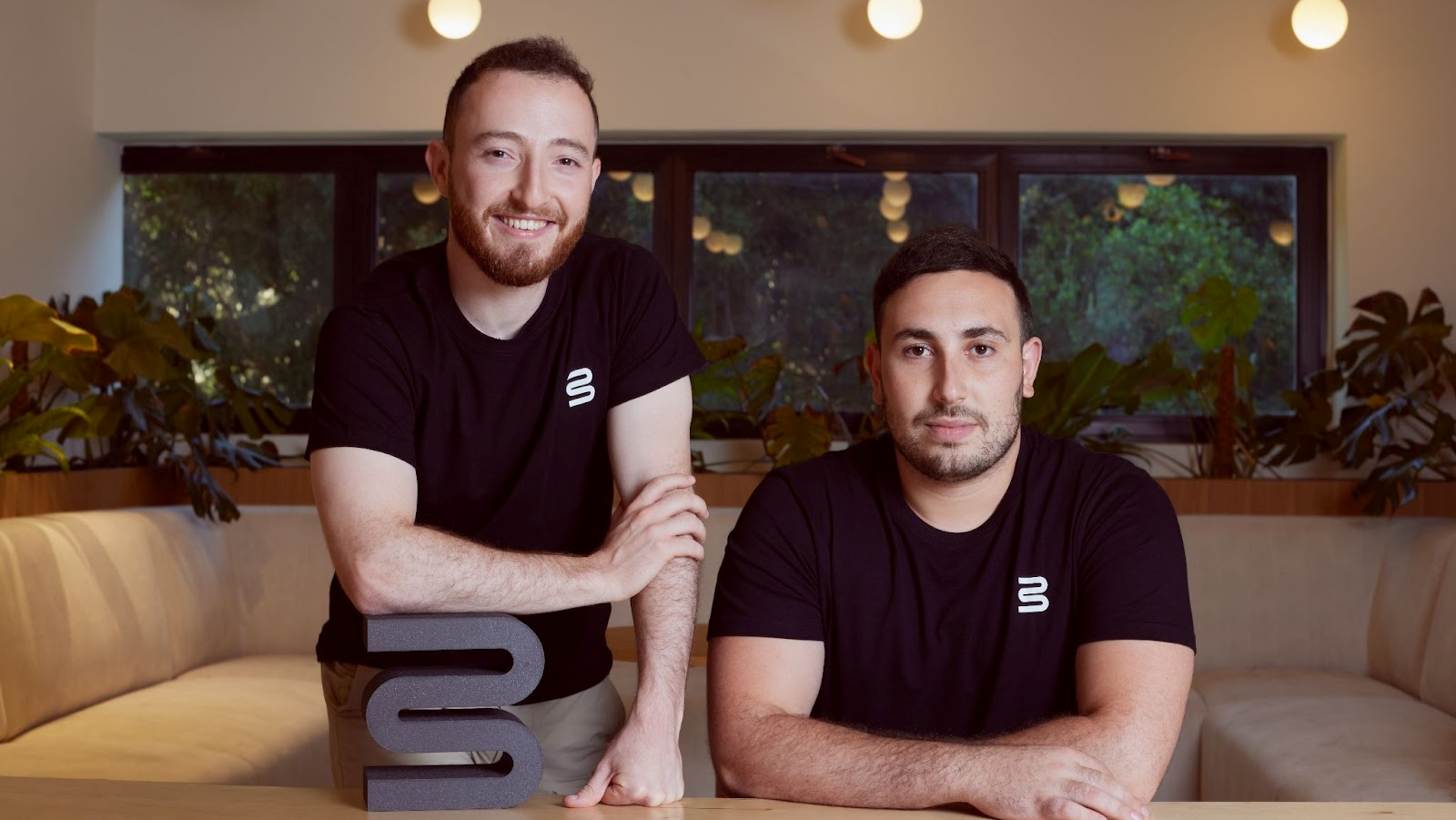
Blockchain security firm Blockaid has raised $50 million in a Series B funding round led by Ribbit Capital, with participation from GV , Variant, and Cyberstarts. This investment aims to bolster Blockaid’s research, engineering, and product development teams to meet the growing demand for robust on-chain security solutions.

Founded in 2022 by former Israeli cyber intelligence operatives, Blockaid has rapidly positioned itself as a key player in the blockchain security sector. The company’s platform offers real-time threat detection for blockchain transactions, integrating directly with wallets and decentralized applications to protect users from malicious activities. In the past year, Blockaid’s system scanned over 2.4 billion transactions and successfully blocked 71 million attacks, safeguarding assets for prominent clients such as Coinbase, MetaMask, Uniswap, and Stellar.

The infusion of new capital will enable Blockaid to scale its product and engineering teams, strengthen go-to-market operations, and expand research capabilities to stay ahead of evolving threats. This strategic growth is in response to the increasing adoption of blockchain technology by major financial institutions and fintech firms, which has, in turn, heightened the need for advanced security measures.

Blockaid’s CEO, Ido Ben-Natan, emphasized the importance of proactive security in the blockchain space, stating, “While the blockchain itself is secure, on-chain applications and the users that interact with them are at risk. This investment will help us continue to advance our machine learning capabilities and expand our current offerings to stay ahead in a highly adversarial landscape of evolving threats.”

The company’s approach leverages machine learning models to detect and prevent potential threats in real-time, providing end-user protection through direct integrations with wallets and dApps. This methodology has proven effective in mitigating risks associated with fraud, phishing, and hacks within the blockchain ecosystem.

Blockaid’s rapid growth is evident in its expansion from 20 employees to 70 within a year, with plans to double its workforce by the end of the year. This scaling aligns with the company’s mission to provide enterprise-grade security solutions for everything on-chain, catering to a diverse clientele that includes chains, protocols, wallets, exchanges, banks, and hedge funds.

The Series B funding round brings Blockaid’s total capital raised to $83 million, following a $27 million Series A round in October 2023. The continued support from prominent investors underscores the confidence in Blockaid’s ability to address the pressing security challenges facing the rapidly evolving blockchain industry.

As blockchain technology continues to gain traction across various sectors, the imperative for robust security measures becomes increasingly paramount. Blockaid’s commitment to enhancing its platform and expanding its team positions the company to effectively combat the sophisticated cyber threats that accompany the growth of on-chain operations.

In addition to its technological advancements, Blockaid places a strong emphasis on research and development. The company plans to utilize part of the new funding to expand its research capabilities, ensuring that it remains at the forefront of identifying and mitigating emerging threats within the blockchain space.

The involvement of GV, the venture capital arm of Alphabet Inc., in this funding round highlights the increasing interest of traditional tech investors in blockchain security solutions. This collaboration is expected to provide Blockaid with strategic insights and resources to navigate the complex landscape of cybersecurity and blockchain technology.

Blockaid’s proactive approach to security has garnered trust from its clients, enabling them to operate with confidence in an environment fraught with potential vulnerabilities. By offering comprehensive security solutions that encompass fraud detection, scam prevention, exploit mitigation, and financial risk assessment, Blockaid addresses the multifaceted challenges inherent in on-chain operations.

As the blockchain industry continues to evolve, the role of security firms like Blockaid becomes increasingly critical. The company’s dedication to innovation, coupled with the substantial financial backing from esteemed investors, positions it to set new standards in blockchain security and to effectively safeguard the interests of its expanding client base.


By Asad Mirza The way the US President Donald Trump literally got enforced his one-man plan for the Gaza Ceasefire and the manner in which he is now trying to organise Peace Talks to get the Russia-Ukraine war ended, are pointers to the future of the American foreign policy. By now the world should have […]

The United Arab Emirates’ Ministry of Finance has unveiled a new certification program in International Public Sector Accounting Standards , developed in partnership with the Association of Chartered Certified Accountants . This initiative aims to enhance the financial acumen of federal government employees, aligning the nation’s public sector accounting practices with globally recognized standards.

The IPSAS certification program commenced with an inaugural training session in Dubai on 17 February 2025. This session marked the beginning of a comprehensive effort to equip finance professionals within the UAE’s federal entities with the necessary skills to implement accrual-based accounting effectively. By adopting these standards, the MoF seeks to improve the quality, consistency, and transparency of financial reporting across public sector institutions.

H.E. Younis Haji Al Khoori, Undersecretary of the Ministry of Finance, emphasized the significance of this collaboration, stating that it reflects the ministry’s commitment to fostering strategic partnerships and reinforcing its position as a global leader in public finance. He highlighted that the adoption of IPSAS is a critical step towards achieving financial sustainability and enhancing the efficiency of government financial operations.

The partnership with ACCA is particularly noteworthy, as the association is renowned for its expertise in accounting certifications worldwide. The ACCA’s Certificate in International Public Sector Accounting Standards is designed to provide participants with a thorough understanding of IPSAS, covering various aspects such as financial statement presentation, accounting policies, and the treatment of assets and liabilities. The program also delves into the nuances of financial performance, consolidation, and the disclosure of financial information, ensuring that participants are well-versed in the comprehensive application of these standards.

In addition to the IPSAS certification, the MoF has signed a Memorandum of Understanding with the American University in Dubai to launch an Executive Diploma Program in Government Financial Policy Sustainability. Scheduled for the 2024-2025 academic year, this diploma aims to delve into topics such as financial sustainability, emerging trends in government finance, and the impact of artificial intelligence on financial analysis. Dr. Kyle Long of AUD expressed enthusiasm about the collaboration, noting that it has the potential to transform financial management within federal agencies and prepare professionals to tackle contemporary challenges.

The MoF’s dual approach—offering both the IPSAS certification and the executive diploma—underscores its dedication to building a robust financial framework within the UAE’s public sector. By investing in the education and training of its financial workforce, the ministry aims to ensure that government entities are not only compliant with international standards but are also pioneers in adopting innovative financial practices.

This initiative is part of a broader strategy by the UAE government to modernize its financial systems and promote transparency. By aligning with international accounting standards, the UAE aims to enhance investor confidence and foster a more attractive environment for foreign investments. Moreover, the adoption of IPSAS is expected to facilitate better decision-making processes within government entities, as accurate and transparent financial information is crucial for effective policy formulation and implementation.

The training sessions are structured to provide participants with both theoretical knowledge and practical applications of IPSAS. Through case studies, interactive exercises, and real-world examples, attendees will gain insights into the challenges and solutions associated with implementing these standards. The program also offers a platform for finance professionals to engage in discussions, share experiences, and develop a network of peers committed to advancing public sector financial management.

Malik Sarieddine of ACCA highlighted the importance of this certification, stating that it equips finance professionals with the necessary tools to lead initiatives aligned with global standards. He emphasized that the training will enable participants to navigate the complexities of public sector accounting, ensuring that financial reports are both accurate and reflective of the true financial position of government entities.

The MoF’s commitment to continuous improvement is evident in its proactive approach to adopting international best practices. By collaborating with esteemed institutions like ACCA and AUD, the ministry is taking concrete steps to elevate the proficiency of its financial professionals. This, in turn, is expected to lead to more efficient public spending, improved resource allocation, and enhanced public trust in government financial operations.

ACWA Power has signed a power purchase agreement worth SAR 8.6 billion with the Egyptian Electricity Transmission Company to develop a 2-gigawatt wind power plant in South Hurghada, Egypt. The 25-year agreement was formalized on February 18, 2025, marking a significant milestone in Egypt’s renewable energy expansion.

The project encompasses the development, financing, construction, ownership, and operation of the wind energy facility. Financial closure is anticipated in 2026, following the completion of environmental studies expected by mid-2026. This initiative aligns with Egypt’s strategic objectives to diversify its energy mix and reduce reliance on fossil fuels.

Saudi Arabia’s Minister of Energy, Prince Abdulaziz bin Salman, announced the agreement during the Egypt Energy Show . He highlighted that this project is the largest of its kind in Egypt and is part of a broader collaboration between Saudi and Egyptian companies in the renewable energy sector. Collectively, these initiatives aim to add approximately 1.696 GW of renewable energy capacity to Egypt’s grid, with a total investment nearing SAR 6.2 billion.

In addition to the wind project, Saudi and Egyptian authorities are advancing the Saudi-Egypt Electricity Interconnection Project. Valued at SAR 6.7 billion, this project is designed to facilitate the exchange of up to 3,000 megawatts of electricity between the two nations upon completion of both phases. This interconnection is poised to enhance grid stability and energy security in the region.

Egypt has been actively pursuing renewable energy projects in collaboration with international partners. Notable developments include the Benban Solar Park in Aswan, which boasts an installed capacity of 1.8 GW and features contributions from multiple developers. Another significant venture is the 500 MW Gulf of Suez Wind Farm, developed in partnership with international stakeholders.

The United Arab Emirates and Russia have taken significant steps to enhance their financial and economic collaboration. On 17 February 2025, both nations convened the inaugural UAE-Russia Strategic Financial Dialogue in Abu Dhabi, culminating in the signing of an agreement aimed at eliminating double taxation on income and capital. This pact is designed to prevent tax evasion and foster a more transparent and competitive tax environment, thereby […]

Australian digital assets market maker Zerocap has unveiled the nation’s inaugural options-based structured product linked to the CoinDesk 20 Index . Announced at Consensus Hong Kong, this partnership with CoinDesk Indices aims to provide sophisticated investors with diversified exposure to leading digital assets.

The CoinDesk 20 Index serves as a benchmark, capturing the performance of the top 20 digital assets by liquidity and volume. Over the past five years, the index has demonstrated significant growth, offering a broader alternative to traditional bitcoin-ether portfolios by including a range of prominent cryptocurrencies.

Mark Hiriart, head of sales at Zerocap, highlighted the significance of this development: “This partnership with CoinDesk Indices brings sophisticated, structured options to the crypto market for the first time, offering our clients enhanced ways to invest in digital assets with tailored risk and diversification benefits.”

The introduction of this product reflects a growing demand among institutional investors for advanced financial instruments in the cryptocurrency sector. By incorporating options-based strategies, the offering allows for customized risk management, potential yield enhancement, and exposure to a diversified basket of digital assets.

In a development that has sent shockwaves through Argentina’s political and financial spheres, Hayden Davis, co-creator of the controversial cryptocurrency Libra, is alleged to have boasted about making payments to Karina Milei, sister and close advisor to President Javier Milei. These claims have surfaced amid a broader investigation into the president’s promotion of the now-collapsed memecoin.

Text messages purportedly sent by Davis in December 2024 suggest he had significant influence over President Milei through financial dealings with Karina Milei. In these messages, Davis allegedly stated, “I send $$ to his sister and he does whatever I say and does what I want.” These communications were reportedly reviewed by multiple media outlets, including CoinDesk and El País.

Karina Milei, who holds the position of General Secretary of the Presidency, is known for her influential role in her brother’s administration. She has been a prominent figure alongside President Milei during official engagements and policy deliberations. The allegations suggest that Davis believed his financial interactions with her granted him sway over presidential decisions.

In response to these claims, Davis has denied any wrongdoing. Through a spokesperson, he stated that he does not recall sending such messages and has no record of them on his device. He further emphasized, “I never made any payments to them, nor did they request any. Their only concern was ensuring proceeds from Libra would benefit Argentina’s people and economy.” This statement was reported by CoinDesk.

The controversy intensified when President Milei promoted the Libra token on social media in mid-February 2025. He described the cryptocurrency as an innovative tool to support small businesses in Argentina. However, shortly after his endorsement, the token’s value plummeted by over 90%, leading to significant financial losses for investors. This rapid decline has been characterized by some financial analysts as a “rug pull,” a term used to describe a scenario where a cryptocurrency’s creators abruptly withdraw, taking investors’ funds with them.

The political ramifications have been swift. Opposition leaders have called for an impeachment trial, accusing President Milei of engaging in fraudulent activities and compromising the integrity of his office. Federal Judge María Romilda Servini has been assigned to lead the investigation into the matter, as reported by Reuters. The judiciary is examining whether the president’s actions constitute fraud or other criminal offenses.

The scandal has also had a tangible impact on Argentina’s financial markets. The S&P Merval, the country’s primary stock index, experienced a significant drop of nearly 4% following the emergence of the controversy. This decline reflects investor apprehension regarding the potential economic and political instability resulting from the incident.

President Milei has addressed the nation, denying any misconduct and asserting that his promotion of the Libra token was intended solely to explore alternative financial solutions for Argentina’s struggling economy. He stated, “I did not promote that. What I did, I spread the word,” during an interview with Todo Noticias, as reported by CoinDesk. Despite these assertions, the president faces mounting scrutiny from both the public and political adversaries.

The role of Karina Milei in this unfolding situation remains a focal point of the investigation. As a trusted advisor and integral member of the president’s inner circle, any substantiated evidence of her involvement in unethical financial transactions could have profound implications for the administration. To date, neither Karina Milei nor her office has issued a public response to the allegations.

Advertisements

Mastercard has shifted its focus from experimental projects to delivering practical cryptocurrency solutions, according to Raj Dhamodharan, the company’s head of crypto and blockchain. This strategic move aims to bridge the gap between traditional finance and blockchain networks, facilitating the mainstream adoption of digital assets.

Dhamodharan emphasized the necessity for consumers to connect using familiar systems to propel cryptocurrency into everyday use. He stated, “What is stopping [crypto] from going mainstream is really that consumers need to be able to find each other using what they already know.” This approach underscores Mastercard’s commitment to integrating digital assets into its existing financial infrastructure, ensuring seamless and secure transactions for users.

In line with this strategy, Mastercard has introduced the Crypto Credential system, designed to enhance trust and verification in digital transactions. This system enables users to transfer crypto assets using email addresses instead of complex wallet addresses, simplifying the process and reducing potential errors. The company has partnered with compliance firm Notabene to integrate this system into the SafeTransact platform, aiming to provide a user-friendly experience while maintaining robust security standards.

Mastercard is expanding its crypto card program, allowing consumers to make everyday purchases using digital currencies. This initiative enables real-time use of cryptocurrencies, providing a practical application for digital assets in daily transactions. By collaborating with various financial institutions and crypto platforms, Mastercard aims to offer a seamless payment experience for users worldwide.

The company’s Multi-Token Network is another significant development, offering a platform of programmable payment services built on a private, secure blockchain. MTN aims to provide scalable and interoperable solutions for digital asset transactions, catering to the evolving needs of businesses and consumers in the crypto space.

Dhamodharan highlighted Mastercard’s role as a connector between traditional finance and blockchain networks, ensuring regulatory compliance while enabling new business models. He noted that the company plans to announce additional partnerships and use cases throughout 2025, reinforcing its commitment to integrating crypto into global payments.

This strategic shift comes as traditional financial firms increasingly recognize the potential of blockchain technology and digital assets. By moving beyond experimentation, Mastercard aims to provide real-world solutions that address existing challenges in the crypto ecosystem, such as security, compliance, and user accessibility.

Grayscale Investments, a prominent digital asset management firm, has unveiled the Grayscale Pyth Trust, a new investment vehicle designed to provide accredited investors with exposure to PYTH, the governance token of the Pyth Network. This initiative marks a significant expansion of Grayscale’s product suite, aiming to bridge traditional finance with decentralized finance ecosystems.

The Pyth Network, operating on the Solana blockchain, serves as a decentralized oracle network that delivers high-fidelity financial data to smart contracts. By aggregating real-time data from a consortium of over 50 leading financial institutions and trading platforms, Pyth ensures the accuracy and reliability of on-chain information. The introduction of the Grayscale Pyth Trust offers investors a direct avenue to participate in the governance and future development of this critical infrastructure within the DeFi landscape.

Michael Sonnenshein, CEO of Grayscale Investments, emphasized the strategic importance of this launch, stating, “As the DeFi sector continues to evolve, providing our clients with diversified exposure to foundational elements like the Pyth Network aligns with our commitment to offering innovative investment solutions.” He further highlighted the role of oracles in bridging on-chain and off-chain data, underscoring their significance in the maturation of decentralized financial systems.

The Grayscale Pyth Trust is structured to cater to accredited investors, adhering to regulatory standards while broadening access to digital assets associated with emerging blockchain technologies. This move reflects a growing trend among institutional investors seeking to engage with decentralized networks that offer real-world applications and governance opportunities.

Solana’s blockchain, known for its high throughput and low transaction costs, provides the underlying infrastructure for the Pyth Network. The synergy between Grayscale’s investment products and Solana’s technological capabilities is poised to attract investors interested in the scalability and efficiency of next-generation blockchain solutions.

Industry analysts view Grayscale’s expansion into oracle-based tokens as a strategic diversification, recognizing the increasing demand for reliable data feeds in smart contract execution. The Pyth Network’s approach to sourcing data directly from market participants addresses concerns about data latency and manipulation, offering a robust solution for decentralized applications.

In the broader context of the cryptocurrency market, the introduction of the Grayscale Pyth Trust signifies a maturation of investment opportunities, moving beyond traditional cryptocurrencies like Bitcoin and Ethereum. By focusing on infrastructure components essential to the DeFi ecosystem, Grayscale is positioning itself at the forefront of digital asset management, catering to investors seeking exposure to the foundational technologies driving blockchain innovation.

The launch of the Grayscale Pyth Trust also coincides with a period of heightened regulatory scrutiny in the cryptocurrency sector. Grayscale’s adherence to compliance standards in offering this trust reflects an understanding of the importance of regulatory alignment in fostering investor confidence and ensuring the longevity of digital asset investment products.

As the DeFi landscape continues to expand, the role of decentralized oracles like the Pyth Network becomes increasingly critical. They serve as the connective tissue between real-world data and blockchain-based applications, enabling a myriad of use cases from decentralized finance to gaming and beyond. Grayscale’s initiative to provide investment exposure to this segment indicates a recognition of the pivotal role that data accuracy and reliability play in the ecosystem’s growth.

Tokyo-based investment firm Metaplanet has announced a 10-for-1 stock split, effective April 1, following a staggering 3,900% surge in its share price over the past year. This remarkable growth is largely attributed to the company’s strategic acquisition of Bitcoin, positioning it as a significant corporate holder of the cryptocurrency.

Since initiating its Bitcoin investment strategy in April 2024, Metaplanet has amassed approximately 2,031 bitcoins, valued at nearly $200 million. The firm’s aggressive accumulation has drawn parallels to U.S.-based MicroStrategy, known for its substantial Bitcoin holdings. Metaplanet’s stock price escalation has been directly linked to its cryptocurrency investments, prompting the decision to implement a stock split to enhance market accessibility and liquidity.

The upcoming stock split aims to reduce the financial barrier for potential investors by lowering the price per share, thereby broadening the company’s shareholder base. In an official statement, Metaplanet expressed that the stock split is intended to “lower the price per trading unit, thereby improving liquidity, expanding our investor base, and strengthening our connection with a broader range of shareholders.”

In its latest acquisition, Metaplanet purchased an additional 269.43 bitcoins at an average price of ¥14,846,322 per Bitcoin, equating to approximately $25.8 million. This purchase increased the company’s total holdings to over 2,000 bitcoins, reinforcing its commitment to a Bitcoin-centric investment approach. The firm has set ambitious targets to expand its reserves to 10,000 bitcoins by the end of 2025 and 21,000 by the end of 2026.

The company’s strategic shift towards Bitcoin investments has not only bolstered its financial standing but also significantly impacted its market valuation. The 3,900% increase in Metaplanet’s stock price over the past year underscores the market’s positive response to its cryptocurrency-focused strategy. This surge mirrors a broader trend among companies adopting Bitcoin as a treasury asset, inspired by pioneers like MicroStrategy.

Metaplanet’s approach includes diversifying its business model to integrate Bitcoin into various facets of its operations. The firm has ventured into developing a Bitcoin-themed hotel and an educational branch aimed at promoting cryptocurrency adoption. These initiatives reflect a comprehensive strategy to capitalize on the growing interest and acceptance of Bitcoin in mainstream finance and commerce.

However, the company’s aggressive Bitcoin accumulation strategy is not without risks. The inherent volatility of cryptocurrency markets poses potential challenges to financial stability. Analysts caution that a significant downturn in Bitcoin’s value could adversely affect Metaplanet’s financial health, given its substantial exposure to the digital asset. Additionally, geopolitical tensions and regulatory uncertainties surrounding cryptocurrencies add layers of complexity to the firm’s investment approach.

Despite these challenges, Metaplanet remains steadfast in its belief in Bitcoin’s long-term value proposition. The company’s leadership views the cryptocurrency as a hedge against traditional market fluctuations and a strategic asset for future growth. This conviction is evident in their continued investments and the structural adjustments, such as the forthcoming stock split, designed to align with their Bitcoin-centric vision.

The broader market has taken note of Metaplanet’s performance, with investors closely monitoring the outcomes of its bold investment strategy. The forthcoming stock split is anticipated to attract a more diverse group of investors, potentially leading to increased trading volume and liquidity. As the April 1 effective date approaches, market participants are keen to observe how this move will influence Metaplanet’s stock performance and whether it will sustain its upward trajectory.

Argentine President Javier Milei is facing intense scrutiny following his promotion of the cryptocurrency $LIBRA, which experienced a dramatic collapse shortly after his endorsement. The incident has led to widespread financial losses among investors and has sparked legal and political challenges for the president.

On February 14, 2025, President Milei took to his social media platform X to highlight $LIBRA, a newly launched cryptocurrency. His endorsement led to a rapid surge in the token’s value, with prices soaring to nearly $5. However, this spike was short-lived; within hours, $LIBRA’s value plummeted by approximately 90%, leaving numerous investors with substantial losses.

The swift rise and fall of $LIBRA have raised questions about the legitimacy of the cryptocurrency. Critics have labeled it a “memecoin,” suggesting it lacked intrinsic value and was subject to speculative trading. Further investigations revealed that a significant portion of $LIBRA was concentrated in a few wallets, intensifying suspicions of market manipulation.

In the aftermath of the collapse, over 110 complaints were filed against President Milei, accusing him of fraud and illicit association. Federal Judge María Servini has been assigned to investigate these allegations, focusing on whether the president’s actions constituted a deliberate scheme to defraud investors. The Anti-Corruption Office has also initiated an inquiry to determine if there was any misconduct by government officials in connection with the promotion of $LIBRA.

President Milei has denied any wrongdoing, asserting that his intention was merely to share information about $LIBRA and that he did not receive any personal benefit from its promotion. He emphasized that his social media post was intended to support private enterprise initiatives and that investors were aware of the inherent risks associated with cryptocurrency investments. Despite these assertions, the president’s actions have been met with severe criticism from political opponents and the public.

The controversy has had a tangible impact on Argentina’s financial markets. The Buenos Aires Stock Exchange experienced a 5.6% decline, a reaction attributed to the uncertainty and loss of confidence stemming from the $LIBRA incident. Economists warn that such events could deter future investments and exacerbate the country’s existing economic challenges.

Political ramifications are also unfolding. Opposition leaders have called for President Milei’s impeachment, arguing that his actions have undermined the integrity of his office and the nation’s financial stability. Former President Cristina Kirchner referred to Milei as a “crypto fraudster,” highlighting the severity of the accusations. While the likelihood of impeachment remains uncertain, the calls reflect deepening political divisions and growing concerns over the president’s judgment.

The $LIBRA scandal has also drawn attention to the broader issue of cryptocurrency regulation in Argentina. The incident underscores the potential risks associated with digital currencies, particularly those lacking transparency and regulatory oversight. Financial experts advocate for the implementation of stricter regulations to protect investors and prevent similar occurrences in the future.

Bitcoin’s value has fallen below the $94,000 threshold, influenced by macroeconomic factors and investor sentiment. Despite this downturn, some financial analysts continue to project a long-term surge, with estimates suggesting the cryptocurrency could reach $500,000 in the coming years.

On February 19, 2025, Bitcoin’s price dropped to $93,882.60, marking a 1.74% decrease for the day. This decline is attributed to rising bond yields and expectations of a robust U.S. jobs report, which have bolstered the U.S. dollar’s strength against other currencies. The dollar’s appreciation has made alternative assets like Bitcoin less attractive to investors, leading to a sell-off in the cryptocurrency market.

The recent inauguration of President Donald Trump’s second term has also impacted Bitcoin’s trajectory. Since January 20, when Bitcoin reached a record high, the cryptocurrency has experienced a 14% decline. This downturn is partly due to dissatisfaction with the new administration’s cryptocurrency policies. Notably, while the Securities and Exchange Commission has established a digital-asset task force, the anticipated creation of a Bitcoin strategic reserve has not materialized, leading to uncertainty among investors.

Despite the current bearish trend, some analysts remain optimistic about Bitcoin’s long-term potential. Geoffrey Kendrick, Standard Chartered’s global head of digital assets research, has predicted that Bitcoin could surpass $500,000 by the end of 2028. This forecast is based on factors such as improved investor access and a decrease in Bitcoin’s volatility, which could enhance its appeal as a mainstream asset class.

Similarly, financial analyst Michaël van de Poppe has suggested that Bitcoin’s price could reach $500,000, driven by institutional adoption and macroeconomic shifts. He points to the U.S. government’s pro-cryptocurrency stance and the potential for Bitcoin to serve as a strategic reserve asset as catalysts for this projected growth.

However, not all experts share this bullish outlook. BCA Research, a firm that has been optimistic about Bitcoin for the past two years, is now signaling a potential peak in the cryptocurrency market. The firm cites indicators such as the proliferation of memecoins and excessive bullish sentiment as signs that the market may be overheating. They suggest that a price point of $75,000 might be a more attractive entry for investors, considering current economic conditions and market dynamics.

By Nitya Chakraborty Eighty years after the end of the Second World War in 1945, Europe, especially Western Europe is in disarray, as their transatlantic ally for eight decades, the United States, is refusing to guarantee the security of the European nations belonging to the NATO under the new Trump doctrine. Earlier, there were differences […]


HONG KONG SAR – EQS Newswire – 18 February 2025 – On February 18, HUAWEI revealed its latest products at a launch event in Malaysia, including the HUAWEI Mate XT | Ultimate Design, while announcing a strategic collaboration with Macau Pass. This partnership integrates MPay—Macao’s leading mobile payment platform—making it one of the first three international e-wallets supporting the HUAWEI watch. This not only represents an innovative […]

Tether co-founder Reeve Collins is lending his support to Pi Protocol, a new venture aiming to introduce a yield-bearing stablecoin in the latter half of 2025. This initiative seeks to launch on both the Ethereum and Solana blockchains, offering users an opportunity to earn profits through the USI token.

Pi Protocol plans to mint stablecoins via smart contracts, utilizing real-world assets as collateral. This approach is designed to provide stability and transparency, addressing common concerns associated with digital currencies. Participants in the protocol will have the chance to earn profits in the form of USI tokens, which are integral to the platform’s ecosystem. Additionally, the project intends to introduce governance tokens, enabling users to partake in decision-making processes and influence the protocol’s future developments.

Reeve Collins, renowned for co-founding Tether—the widely used stablecoin pegged to the U.S. dollar—brings a wealth of experience to Pi Protocol. His involvement is anticipated to bolster confidence in the project, given his history of successful ventures in the blockchain space. Collins has previously co-founded BLOCKv, a platform for creating and distributing non-fungible tokens , and has been instrumental in pioneering digital marketing and blockchain technologies.

The decision to deploy Pi Protocol on both Ethereum and Solana blockchains is strategic. Ethereum, known for its robust smart contract capabilities, offers a vast and established user base. Solana, on the other hand, has been gaining traction due to its high throughput and lower transaction costs. Notably, Solana’s decentralized finance ecosystem has seen significant growth, with stablecoin inflows increasing by 129.4% in the first month of 2025, bringing the total balance to $11.7 billion. This surge indicates a growing interest in Solana’s offerings and positions it as a formidable platform for new projects like Pi Protocol.

The integration of RWAs as collateral is a noteworthy aspect of Pi Protocol’s design. By anchoring the stablecoin to tangible assets, the project aims to mitigate volatility and enhance trust among users. This methodology aligns with emerging trends in the crypto industry, where platforms are increasingly exploring asset-backed tokens to bridge the gap between traditional finance and digital assets.

As the project progresses towards its anticipated launch in the second half of 2025, stakeholders and potential users are keenly observing its development. The collaboration of seasoned professionals like Reeve Collins with innovative blockchain solutions underscores the evolving landscape of decentralized finance and the continuous efforts to introduce stable, yield-generating financial instruments in the crypto space.

In the broader context, the introduction of Pi Protocol’s stablecoin contributes to the diversification of digital financial products available to users. As blockchain technology matures, the fusion of real-world assets with digital tokens presents new avenues for investment and financial management, potentially reshaping traditional economic models.

The defence sector is no longer a niche or cyclical play—it is becoming a structural necessity in investor portfolios. With rising geopolitical tensions and global security realignments, the financial case for defence stocks has never been stronger. The surge in defence equities over the past year suggests a fundamental shift, not just a reaction to short-term events. At the Munich Security Conference last weekend, European leaders signalled […]

Nigeria is set to implement new regulations taxing cryptocurrency transactions and digital activities, aiming to boost fiscal revenue and integrate compliant exchanges into the formal tax system. The Securities and Exchange Commission is developing rules to ensure eligible transactions on regulated exchanges are taxed appropriately.

A bill proposing a 7.5% value-added tax on cryptocurrency service fees has been submitted to lawmakers and is expected to pass this quarter. This initiative reflects Nigeria’s proactive approach to adapting its financial landscape and strengthening revenue administration.

In tandem, the SEC plans to accelerate the licensing of cryptocurrency exchanges in 2025, aiming to establish a clear regulatory framework that protects consumers and fosters market integrity. Since launching the Accelerated Regulatory Incubation Programme in June 2024, the SEC has granted provisional licenses to two Nigerian crypto startups, Quidax and Busha. The regulator intends to expedite approvals to address the need for clear regulations in the largely unregulated market.

Nigeria’s active cryptocurrency market sees individuals and businesses using digital currencies to hedge against inflation and exchange rate volatility. However, the lack of a clear regulatory framework has created significant uncertainty for users and investors. The introduction of taxation and licensing aims to provide clarity and integrate the crypto economy into the nation’s financial system.

The SEC acknowledges that cryptocurrency trading could generate substantial tax revenue but has not disclosed specific projections. By expanding the scope of cryptocurrency exchange licenses, the SEC aims to allow residents to trade on regulated centralized exchanges, enhancing monitoring and taxation. As these regulatory measures are implemented, investors are expected to gravitate towards centralized exchanges for greater protection.

This move aligns with global trends where governments are increasingly focusing on regulating the cryptocurrency sector to prevent illicit activities and ensure appropriate taxation. Nigeria’s efforts to tax digital transactions and license exchanges signify a significant step towards a more structured and secure crypto environment in the country.

As the legislative process progresses, stakeholders in Nigeria’s cryptocurrency market are closely monitoring developments. The successful implementation of these regulations could position Nigeria as a leading example in Africa for integrating digital assets into the formal economy while safeguarding investor interests.

Robinhood is set to enter the Singaporean cryptocurrency market in 2025, marking a significant expansion of its services beyond traditional stock trading. The platform, known for democratizing investing in stocks, will leverage Bitstamp’s entities to facilitate its cryptocurrency operations in the region.

This move comes as the global cryptocurrency industry gains more traction, and the demand for user-friendly platforms has grown in Asia. Singapore, a thriving hub for fintech and digital assets, is an ideal location for Robinhood’s expansion into cryptocurrencies, as its government has embraced crypto regulation and blockchain technology.

Robinhood’s partnership with Bitstamp, a prominent European cryptocurrency exchange, is expected to strengthen the platform’s operational capabilities and credibility. The collaboration will allow Robinhood to conduct its cryptocurrency trading activities through Bitstamp’s established infrastructure, which complies with local regulations and security standards.

Singapore has long been a leader in cryptocurrency adoption, with regulatory frameworks that support the growth of blockchain technology. The Monetary Authority of Singapore , the country’s financial regulator, has taken a proactive approach in shaping the digital asset landscape, offering a regulatory sandbox for cryptocurrency firms and ensuring robust consumer protection measures. Robinhood’s entry into this environment signals its commitment to expanding its portfolio in a market with substantial growth potential.

The decision to extend Robinhood’s offerings to include cryptocurrency trading aligns with the company’s broader strategy to diversify its services and tap into the growing demand for digital currencies. Cryptocurrencies have witnessed increased interest in Asia, particularly in Singapore, where retail and institutional investors are keen to explore new opportunities in the space. With the backing of Bitstamp’s infrastructure, Robinhood will be well-positioned to cater to both individual investors and those looking for more secure and regulated trading platforms.

Robinhood’s move into cryptocurrency services follows its increasing focus on diversifying its product offerings. Initially renowned for its commission-free stock trading, the platform has expanded into other asset classes such as options, ETFs, and now digital assets. The company’s emphasis on low-fee trading options aligns with its mission to make financial services more accessible to a broader audience.

The global cryptocurrency market has become increasingly competitive, with established players such as Binance, Coinbase, and Kraken dominating the space. Robinhood’s entry into the market, however, could stir competition by attracting its large user base from its stock trading platform. The platform’s user-friendly interface and commitment to low fees have made it a popular choice among retail investors, and the addition of cryptocurrency services will likely appeal to this demographic.

Analysts predict that Robinhood’s move into the crypto market could bring about significant changes to the competitive landscape, particularly in Singapore. The country’s strong regulatory framework, combined with a growing appetite for digital asset investment, positions Robinhood to tap into a diverse range of customers. As a result, the company’s operations in Singapore will likely influence how cryptocurrency exchanges interact with regulators and consumers in the region.

By entering Singapore, Robinhood also demonstrates its broader vision of becoming a global player in the cryptocurrency market. The company has previously stated its intentions to expand its cryptocurrency offerings beyond the United States, and the Singapore initiative represents a key milestone in that strategy. The move could pave the way for further international expansion into other markets in Asia and beyond.

Despite the promising prospects, Robinhood’s foray into cryptocurrencies may face challenges, particularly concerning regulation and market volatility. Although Singapore’s regulatory environment is regarded as supportive, crypto firms must navigate stringent compliance requirements. Additionally, the volatile nature of cryptocurrency prices may create uncertainty in the market, impacting investor confidence and trading volumes. These risks will require Robinhood to maintain a robust risk management framework as it launches its services in Singapore.

The entry of a major player like Robinhood into the cryptocurrency space is indicative of the growing mainstream acceptance of digital currencies. As traditional financial institutions and established companies continue to embrace cryptocurrencies, the industry is expected to mature and become more integrated with the global financial system. This trend is expected to accelerate as regulatory clarity improves and more investors become comfortable with the risks and rewards of digital assets.

OKX has made a significant stride in its European expansion by securing a Markets in Crypto-Assets license, positioning itself as one of the first global exchanges to comply with the European Union’s new regulatory framework for digital assets. The MiCA license, a milestone in crypto regulation, enables the exchange to legally operate across 28 countries within the European Economic Area , further solidifying OKX’s position as a key player in the global cryptocurrency landscape.

This development comes at a time when the crypto industry is facing increasing regulatory scrutiny, particularly in Europe. The MiCA framework aims to establish a comprehensive regulatory environment for digital assets, addressing concerns such as investor protection, market integrity, and financial stability. By obtaining this license, OKX demonstrates its commitment to operating within the regulatory boundaries set by the EU, enhancing trust and reliability for both individual and institutional users.

With the MiCA license now in place, OKX has expanded its services to include euro-denominated trading pairs, providing a seamless integration for European users. This move allows customers in the EEA region to trade digital assets directly with euros, facilitating smoother transactions and reducing the need for conversions. Furthermore, OKX has introduced free bank transfers and fiat payment options, making it easier for European customers to deposit and withdraw funds.

The decision to offer free bank transfers and fiat payment options is particularly notable, as it addresses one of the common pain points for cryptocurrency users: high transaction fees. By eliminating these charges, OKX is able to enhance its competitiveness in an already crowded market, attracting users who may have been deterred by traditional exchange fees. These efforts also align with the company’s broader strategy to provide a user-friendly and cost-effective platform for its European clientele.

OKX’s expansion into the European market marks a new chapter in the company’s international growth. The exchange, which was founded in 2017, has quickly established itself as one of the largest and most reputable platforms in the crypto space. Its growth has been driven by a focus on innovation, security, and customer service, which has earned it a loyal user base in regions around the world. The company’s expansion into Europe reflects its commitment to diversifying its reach and tapping into the growing demand for crypto services across the continent.

As one of the first global exchanges to secure a MiCA license, OKX is now well-positioned to capitalise on the evolving regulatory environment in Europe. The MiCA framework, which is set to come into full effect in 2024, aims to provide legal certainty for crypto businesses operating in the EU. For exchanges like OKX, compliance with MiCA is essential for maintaining a strong presence in the European market, as regulators seek to ensure that crypto activities are conducted safely and transparently.

The move is also significant because it comes at a time of heightened regulatory uncertainty in other parts of the world. In the United States, for example, the crypto industry is facing increasing pressure from lawmakers and regulators, who are working to create a more structured approach to digital asset regulation. In this context, Europe’s MiCA framework offers a more defined path forward for crypto businesses looking to operate within a regulated environment.

Beyond the regulatory benefits, OKX’s decision to offer localized services tailored to the needs of European users is a key aspect of its strategy. The company has long emphasised the importance of localisation, recognising that each market has its unique requirements and challenges. By offering euro pairs and a range of fiat payment options, OKX is making it easier for European users to engage with the platform and participate in the growing digital asset economy.

OKX’s success in securing the MiCA license also highlights the company’s ongoing efforts to prioritise compliance and security. Over the years, OKX has made significant investments in strengthening its security infrastructure, which is a critical factor in maintaining the trust of its users. The exchange has implemented a variety of measures to safeguard customer assets, including robust encryption protocols, multi-signature wallets, and insurance funds for potential losses due to breaches.

The MiCA license also places OKX in a favourable position to expand its range of services across Europe. As the regulatory environment in Europe becomes clearer, OKX will have the opportunity to offer additional products and services, such as staking, lending, and asset management, to a wider audience. The company’s ability to operate in 28 EEA countries provides it with a significant competitive edge over other exchanges that may be restricted by more stringent regulations.

However, the regulatory landscape for crypto assets remains dynamic, and OKX’s ability to maintain its position in the European market will depend on its continued compliance with MiCA and other evolving regulations. As the EU finalises the implementation of MiCA in the coming years, exchanges like OKX will need to adapt to new rules and requirements that could affect everything from anti-money laundering measures to customer due diligence.

Around 75,000 traders have reportedly incurred significant losses in LIBRA transactions, amounting to an estimated $286 million. This massive financial blow has sent ripples through the crypto and financial communities, raising concerns over the stability and security of digital trading platforms. The losses come after a series of volatile shifts in the LIBRA market, prompting numerous investigations into the platform’s practices and risk management.

The traders affected by the crash were primarily retail investors, many of whom joined the platform in pursuit of quick gains in the volatile cryptocurrency market. The large-scale losses have ignited debates surrounding the transparency of digital asset platforms and the level of regulatory oversight needed to protect users. As the market for cryptocurrencies continues to grow, incidents like these have underlined the risks associated with trading on decentralised exchanges.

LIBRA, once hailed as a promising player in the burgeoning cryptocurrency market, has now found itself at the centre of a storm. The platform’s reliance on algorithms and automated trading systems for price determination has come under scrutiny. Experts argue that the system’s vulnerability to market manipulation and price volatility contributed heavily to the massive losses. Traders reported sudden, drastic price fluctuations on their accounts without adequate warnings, leading to large-scale liquidations of positions.

Crypto platforms like LIBRA are typically built on blockchain technology, which enables decentralised trading of digital currencies. While this offers a level of transparency, it also means that users are often left to navigate a complex, and sometimes chaotic, environment on their own. Regulatory bodies worldwide are facing increased pressure to introduce stricter rules to ensure that platforms like LIBRA provide adequate consumer protection.

Many traders have expressed frustration with the platform’s lack of clear communication during the price swings. Some reported that they were unable to reach customer support representatives when they needed assistance, exacerbating the losses they incurred. The absence of a safety net for users trading in such high-risk markets has led to calls for stronger regulations within the sector.

The immediate response from LIBRA’s team has been to offer partial compensation for those affected by the losses. However, the company’s ability to fully cover the $286 million in damages remains uncertain. Legal experts believe that the situation could lead to widespread litigation, with traders seeking compensation through class action lawsuits. The platform has indicated that it will review its risk management policies to prevent future incidents, but this has done little to quell the dissatisfaction among its users.

A growing number of critics argue that platforms like LIBRA should be subject to the same level of regulation as traditional financial institutions. They stress the need for clearer guidelines around margin trading, the use of automated trading bots, and the protection of retail investors. The current lack of oversight in the crypto sector leaves consumers vulnerable, and experts warn that more safeguards are needed to prevent further widespread losses.

The legal landscape surrounding cryptocurrencies is rapidly evolving, with governments around the world considering how best to regulate digital currencies and exchanges. While some countries have implemented strict regulations, others have taken a more hands-off approach. This disparity in regulations has made it difficult for global traders to navigate the crypto market safely. Experts believe that a unified international framework could help standardise protections for users across platforms like LIBRA.

As the aftermath of the LIBRA debacle unfolds, many are questioning whether the cryptocurrency market is ready for the mainstream. While some remain optimistic about the long-term prospects of digital currencies, others are increasingly sceptical, citing the risks highlighted by the recent events. The losses suffered by thousands of traders have highlighted a critical flaw in the way some platforms operate, and it remains to be seen whether this will lead to a shift in how cryptocurrencies are regulated globally.

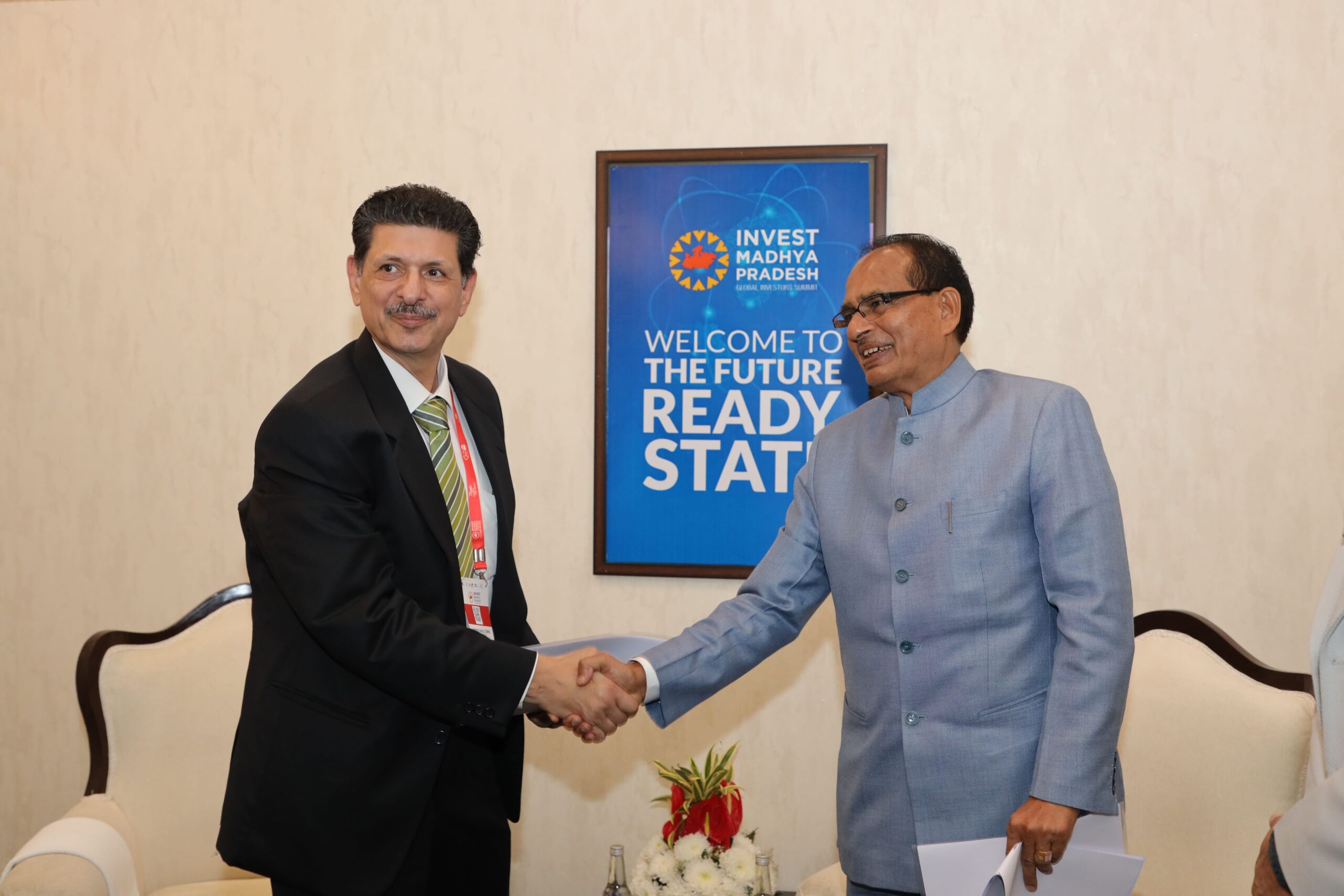
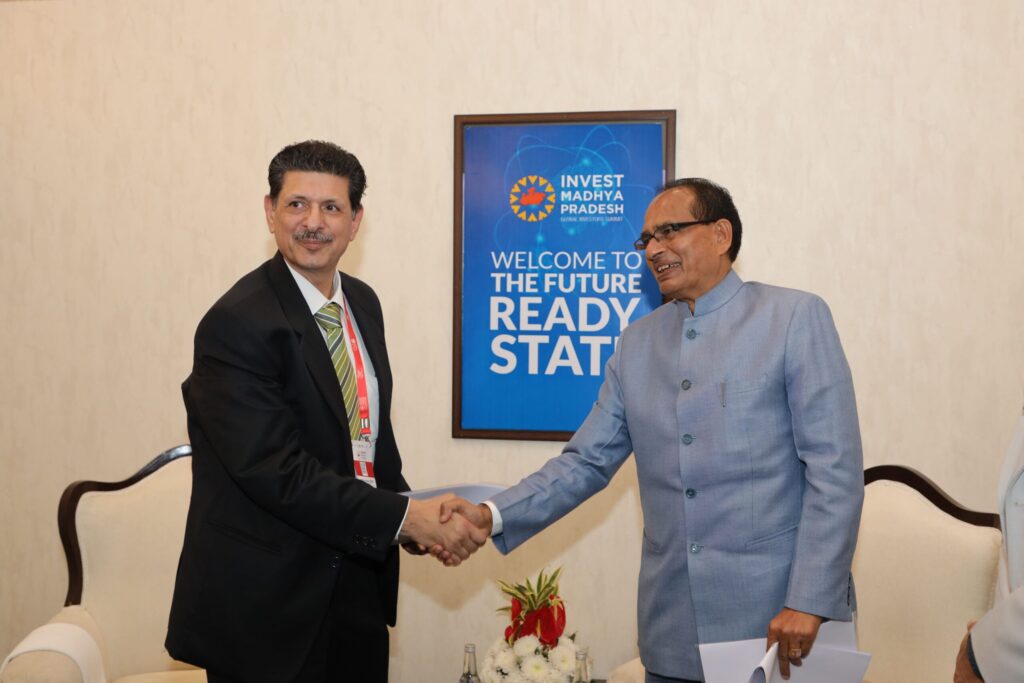
By L S Herdenia BHOPAL: Bhopal is decorating itself to accord warn welcome to over 100 big industrial magnets who will be in the capital city to attend Madhya Pradesh government sponsored Industrial Summit. The Summit will be inaugurated by the Prime Minister Narendra Modi on February 24. Nearly a hundred distinguished industrialists and chiefs […]


stc.AI, the artificial intelligence arm of Saudi Arabia’s leading digital enabler stc Group, has launched a groundbreaking large language model sovereign cloud platform. This move positions the kingdom at the forefront of the AI revolution, marking a key milestone in its ambition to become a global technology hub. The platform is set to run Llama 405B, one of the most advanced AI models in existence, and is […]

By Shanil Yakoob Almost a month to this day, on January 16, 2025, Andhra Pradesh Chief Minister N. Chandrababu Naidu made a startling proposal. Individuals with fewer than two children, he suggested, should be disqualified from contesting local body elections. This announcement came just two months after his government passed the Andhra Pradesh Panchayat Raj […]

Avarik Labs has unveiled its highly anticipated mobile strategy role-playing game , Red Covenant, introducing a blend of immersive storytelling, tactical gameplay, and blockchain innovation. The game, set in the expansive Avarik Saga Universe, invites players to engage in high-stakes combat, strategic decision-making, and a unique ecosystem powered by blockchain technology.

Red Covenant aims to redefine the mobile RPG experience, combining traditional RPG elements with the power of blockchain to offer players a dynamic and rewarding gaming environment. The integration of blockchain technology allows for ownership of in-game assets, enhancing the player’s experience with the ability to trade, sell, and purchase valuable items securely. This provides a new layer of interaction for gamers, enabling them to create their own legacy within the game’s universe.

The Avarik Saga Universe, which serves as the backdrop for Red Covenant, is known for its dark and immersive lore, filled with complex characters and vast, interconnected narratives. Players are invited to immerse themselves in this world, where every decision shapes their path and their fate within the game’s expansive universe. The game’s developers have paid careful attention to the world-building, offering an expansive landscape filled with rich lore that will keep players engaged as they navigate through various challenges.

The mobile RPG genre has witnessed significant growth in recent years, with more players embracing mobile devices as their primary platform for gaming. Avarik Labs has capitalized on this trend, creating Red Covenant as a highly polished game that is designed for both casual gamers and seasoned RPG enthusiasts. The game’s tactical combat system challenges players to think critically, making each battle a test of strategy rather than mere button-mashing.

What sets Red Covenant apart from other mobile RPGs is its seamless integration of blockchain technology. Unlike traditional RPGs, where in-game items and assets are locked within the confines of the game’s ecosystem, Red Covenant enables players to truly own and control their in-game items. This integration brings the concept of “play-to-earn” to the mobile RPG space, offering players the opportunity to earn rewards in the form of cryptocurrency or NFTs, which can be used within the game or traded on external markets. This move aims to bring a fresh, monetizable dimension to mobile gaming, appealing to players who are looking for more than just entertainment but also the potential for financial gain.

The game’s developers have also implemented smart contract functionality, enabling decentralized gameplay and reducing the reliance on centralized control. This adds a layer of transparency and security, ensuring that the game’s economic systems remain fair and balanced. Players can be assured that the rewards they earn are backed by blockchain technology, providing a level of trust and reliability that traditional in-game economies cannot offer.

Avarik Labs has partnered with several blockchain platforms to ensure smooth and secure integration of these technologies. The collaboration with established blockchain networks ensures that the game’s in-game transactions are secure, transparent, and free from the risks of fraud or manipulation. Players can participate in the game’s economy with confidence, knowing that their transactions are protected by blockchain’s inherent security features.

To enhance the player experience further, Red Covenant offers a wide variety of gameplay modes. Players can engage in single-player quests, where they explore the world, uncover hidden stories, and face off against formidable enemies. Alternatively, multiplayer modes allow for competitive play, where players can team up or battle against each other in real-time combat. The game also features a guild system, where players can join forces with others to tackle larger challenges and earn collective rewards.

While Red Covenant is already gaining attention for its innovative use of blockchain, it’s not without competition. The mobile RPG market is flooded with similar titles, and standing out in this crowded space is a challenge for Avarik Labs. However, the company is confident that its unique combination of tactical gameplay, blockchain integration, and immersive storytelling will appeal to a broad audience. By offering something that goes beyond traditional mobile gaming, Red Covenant positions itself as a forward-thinking entry in a market that increasingly values technological innovation alongside gameplay.

Avarik Labs’ decision to embrace blockchain technology is also reflective of the broader trends in the gaming industry. Blockchain and cryptocurrency are making waves across various sectors, and gaming is no exception. Developers are increasingly exploring the potential of these technologies to provide new ways for players to interact with games, earn rewards, and even shape the direction of the gaming industry. With Red Covenant, Avarik Labs is positioning itself at the forefront of this shift, aiming to be a pioneer in the emerging “play-to-earn” gaming economy.

Despite the innovative features and high expectations surrounding Red Covenant, the game’s success will ultimately depend on its ability to engage players and deliver on its promises. Early reviews from testers have been largely positive, with praise for the game’s deep tactical combat and immersive world-building. However, some players have raised concerns about the complexity of integrating blockchain and the learning curve associated with understanding the game’s economic systems. Avarik Labs is aware of these concerns and has stated that it is committed to providing players with the necessary tools and resources to fully understand the game’s mechanics.

VISHNU RAJA
RYO YAMADA
HITORI GOTOH
IKUYO KITA