News related to
financial

Growth strategy: medium-term sales potential of more than € 300 million Growth drivers in the core business: packaging, digital printing Software and lifecycle business Industrial business: focus on further expansion 175 years: the company has been shaping the printing industry for decades with technological innovations, quality and reliability Numerous anniversary activities throughout the year HEIDELBERG, GERMANY – Newsaktuell – 8 January 2025 – Heidelberger Druckmaschinen AG (HEIDELBERG) […]

By K Raveendran As we enter 2025, the accelerating proliferation of artificial intelligence (AI) is poised to reshape the global landscape in ways akin to the transformational impact the internet had in the late 20th century. Within the first few days of the year, AI-driven technology stocks have seen substantial surges, with shares of major […]

SINGAPORE – Media OutReach Newswire – 8 January 2025 – ROSHI, a leading fintech company reshaping digital lending across Southeast Asia, today released its comprehensive “Inflation Survival Guide 2025,” revealing how Singaporeans can leverage digital tools and smart spending strategies to combat inflation, which is projected to moderate between 2.5-3% this year. The study highlights that while essential expenses consume over 63% of household budgets, strategic use […]

The government of Sharjah has made a strategic decision to transfer a 20% stake in Invest Bank to a sovereign security fund. This transaction signals a pivotal shift in the emirate’s banking sector, with potential implications for the financial landscape. The move underscores Sharjah’s commitment to bolstering its financial stability and growth prospects. Invest Bank, a key player in the UAE’s banking sector, has seen substantial developments […]

ADNOC Logistics & Services Plc (ADNOC L&S), a prominent player in the global energy maritime logistics sector, has secured a hybrid capital instrument valued between $1.1 billion and $2 billion. This financial move is strategically aligned with the company’s ambitious growth and investment plans. The initial drawdown from this facility amounts to $1.1 billion, with an additional $900 million available for future investments until December 31, 2026. […]

Emirates NBD Bank PJSC, a leading financial institution based in Dubai, has announced the issuance of five-year notes, set to be listed on the Taipei Stock Exchange (TPEx) in Taiwan. This strategic move aims to diversify the bank’s investor base and enhance its presence in the Asian financial markets. The notes, denominated in U.S. dollars, are scheduled for listing on TPEx on or about January 31, 2024. […]

Venture capital funding in Saudi Arabia and the UAE has experienced a notable decline, as shifting investor priorities and regional economic trends impact the growth of startups and early-stage businesses in both countries. The drop reflects broader changes in the global investment landscape, marked by a heightened focus on risk-adjusted returns and increased caution in the face of global economic uncertainty. In the past year, venture capital […]

Advertisements

Foster Environmental, Social and Governance (ESG) adoption by Singapore enterprises through national frameworks, grants, and a hub to align with global sustainability standards. Accelerate innovation through increased funding for the development of sustainable technologies and the adoption of artificial intelligence. Strengthen workforce capabilities with targeted professional growth programmes, leadership benchmarks, and micro-credentialling to prepare talent for global challenges. SINGAPORE – Media OutReach Newswire – 8 January 2025 […]

The UAE’s construction sector is witnessing a significant surge in tender prices as the country’s real estate market continues its upward trajectory. The sharp increase is primarily attributed to soaring demand for residential, commercial, and hospitality projects, fueling competition among contractors and suppliers. As a result, construction companies are facing higher material and labor costs, which in turn has led to inflated tender bids.

Analysts and industry experts have pointed out that this rise in tender prices is indicative of the broader economic recovery within the UAE, where the real estate market has seen remarkable growth. With major developments underway in cities like Dubai and Abu Dhabi, the demand for construction services and materials has skyrocketed, resulting in an intensified bidding environment. This trend is expected to persist as the UAE gears up to host major international events, such as the World Expo 2025 and the FIFA World Cup 2026, driving further demand for infrastructure projects.

In particular, high-end residential and commercial real estate developments have seen the sharpest price increases in tenders. Dubai’s luxury residential projects, including sprawling villas and multi-story towers, have been in high demand. These projects often require specialized labor and premium materials, pushing up both direct and indirect costs. As developers rush to complete these high-profile projects, contractors are forced to submit higher tenders to secure the necessary resources and meet the expected timelines.

Meanwhile, the UAE government’s investment in infrastructure projects has also contributed to the surge in prices. Initiatives such as the development of new airports, expanded metro systems, and ambitious plans for sustainable urban growth have intensified the competition for skilled labor and construction materials. Experts highlight that these large-scale government-funded projects are consuming a significant portion of the available workforce, further driving up tender prices.

The pressure on construction companies is further compounded by global supply chain disruptions. Factors such as the ongoing geopolitical tensions, rising fuel prices, and inflation have contributed to higher costs for imported construction materials, such as steel, cement, and aluminum. This has made it more challenging for contractors to keep tender prices competitive without compromising on the quality of their work.

Labor shortages have become a pressing issue in the UAE’s construction sector. The rapid expansion of the real estate market has created a demand for skilled workers, leading to rising wages, particularly in niche trades such as electrical and mechanical installation. As a result, contractors are adjusting their pricing models to reflect these elevated labor costs, further pushing up tender prices. Additionally, the labor shortage is expected to worsen as new construction projects are announced, making it difficult for companies to meet deadlines and cost expectations without increasing bids.

Some industry players have warned that this trend could lead to delays in project completion. With construction costs spiraling, developers may face challenges in managing their budgets, which could result in postponed or scaled-back projects. This scenario is already unfolding in some sectors, with several major real estate projects experiencing delays due to the rising costs of construction and labor.

On the other hand, real estate developers continue to express optimism about the future prospects of the UAE’s property market. Despite the soaring tender prices, many believe that the long-term value of their investments will more than offset the increased upfront costs. Dubai, in particular, continues to attract international investors and homebuyers, with its status as a global financial hub and safe haven from geopolitical uncertainties. The influx of foreign capital is expected to keep demand for real estate high, even as construction costs climb.

The real estate boom is also being bolstered by the UAE government’s ongoing efforts to attract foreign investment. Initiatives such as the implementation of long-term visas for investors and the expansion of freehold property ownership for expatriates have increased demand for residential and commercial properties. Additionally, the UAE’s focus on becoming a hub for technology and innovation has driven up demand for modern office spaces and smart city infrastructure, further stimulating the construction sector.

One noteworthy impact of this real estate boom is the shift towards sustainability and green building practices. Developers are increasingly incorporating energy-efficient technologies and sustainable materials into their projects to meet both local and international environmental standards. While these features can add to the cost of construction, they also offer long-term savings through lower energy consumption and maintenance costs. This focus on sustainability has attracted global investors who are willing to pay a premium for green-certified properties, thereby helping to offset some of the rising construction costs.

However, the rise in tender prices may present challenges for smaller construction firms. As larger companies dominate the bidding process for major projects, smaller contractors may struggle to remain competitive. This could lead to a consolidation of the market, where larger, more established construction firms are able to absorb the rising costs, while smaller firms face greater difficulties securing contracts. Industry experts believe that this could result in a shift towards greater specialization, with smaller firms focusing on niche markets or lower-scale projects that do not face the same degree of competition as larger developments.

Saudi Arabia has taken a significant step toward revolutionizing its renewable energy sector, announcing the prequalification of 33 companies for its ambitious 8GWh Battery Energy Storage System (BESS) projects. This initiative, which is a critical part of the country’s broader energy transformation strategy, aims to enhance the efficiency and stability of the nation’s power grid while bolstering its renewable energy capacity. The announcement marks a pivotal milestone […]

Mashreq Bank, a leading financial institution in the Middle East and North Africa (MENA) region, has completed the sale of a majority stake in its digital payments subsidiary, NEOPAY, for $385 million. The stake was acquired by a consortium comprising Arcapita Group Holdings Limited, a global alternative investment firm based in Bahrain, and DgPays, a prominent financial infrastructure technology provider in the Europe, Middle East, and Africa […]

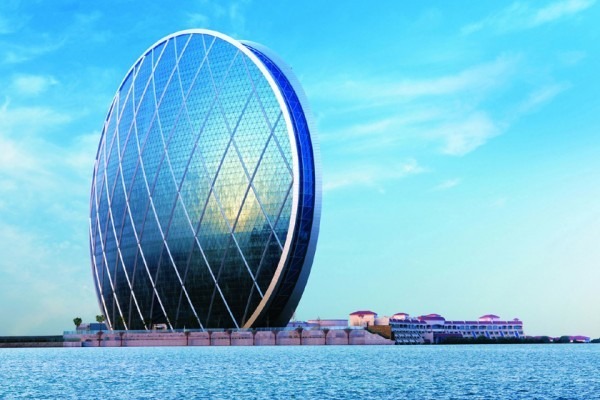
Aldar Properties, a prominent real estate developer based in the UAE, is set to enter the international bond market with its debut offering of hybrid notes, aiming to raise significant capital through a benchmark USD-denominated issuance. This marks a strategic move as the company seeks to diversify its financing options, reflecting growing confidence in the Middle Eastern property sector despite global economic fluctuations.

The move is seen as a key step in Aldar’s long-term financing strategy, which includes bolstering its liquidity and securing funds to support its extensive pipeline of real estate developments across the UAE. The planned issuance of hybrid bonds will likely appeal to institutional investors seeking higher returns, as these notes are designed to offer a more attractive yield compared to traditional debt instruments.

According to industry experts, hybrid notes offer the flexibility of both equity and debt instruments. These securities typically carry characteristics of bonds but can be converted into equity at the issuer’s discretion. In Aldar’s case, the hybrid notes will be structured to provide flexibility while enhancing the company’s capital base. This initiative is aligned with Aldar’s goal of optimizing its balance sheet while maintaining a competitive edge in the rapidly evolving real estate market.

The hybrid bonds will be issued under Aldar’s recently updated USD 2 billion Global Medium-Term Note (GMTN) program, which was approved earlier this year. The company intends to use the funds raised through this issuance to support its growth initiatives, which include several high-profile residential and commercial projects within Abu Dhabi and across the UAE. These developments are expected to contribute to the company’s steady revenue stream and help it capture a larger share of the region’s expanding real estate market.

Aldar’s decision to tap into the hybrid bond market comes at a time when investors have shown increased interest in hybrid instruments due to their unique risk-return profile. With these notes, Aldar is looking to capitalize on favorable market conditions while maintaining its financial flexibility, as hybrid securities are less sensitive to interest rate fluctuations compared to traditional debt.

The UAE’s thriving real estate sector has demonstrated resilience, despite global challenges such as inflationary pressures and geopolitical tensions. Aldar’s strong performance in recent years, along with its reputation for high-quality developments, positions the company well to attract investor interest in its hybrid bond offering. Analysts predict that the offering could provide Aldar with a competitive advantage, allowing the company to continue its expansion plans while managing financial risk more effectively.

Aldar’s hybrid notes will appeal to both global and regional investors, with its strategic location and robust development pipeline making it an attractive investment opportunity. The company’s portfolio includes high-profile projects like the Yas Bay waterfront development, which features residential, commercial, and entertainment spaces. These iconic projects are poised to enhance the company’s brand recognition and drive future demand for its properties, ultimately increasing the potential for returns on hybrid bond investments.

Investor interest in the UAE’s real estate market remains strong, particularly in Abu Dhabi, where Aldar holds a dominant position. The UAE’s government initiatives, including plans to diversify the economy and improve infrastructure, have further contributed to the positive outlook for the sector. These factors, combined with Aldar’s track record of successful developments, are expected to bolster investor confidence in the company’s bond issuance.

The company’s strategy of diversifying its capital structure by incorporating hybrid securities is not only about raising funds but also about ensuring sustainable growth in a competitive market. By issuing hybrid bonds, Aldar is able to strengthen its capital position without overly diluting equity or taking on excessive debt. This approach ensures the company can maintain a healthy balance sheet while executing its ambitious growth plans.

Aldar’s hybrid notes offering is part of a larger trend within the Middle Eastern real estate market, where companies are increasingly turning to innovative financing structures to meet their funding needs. As other regional developers explore similar hybrid instruments, Aldar’s move could set a precedent for future debt issuances in the sector. It also reflects the growing maturity of the Middle East’s bond market, which is attracting increasing attention from international investors.

Market experts believe the debut hybrid notes from Aldar will be a bellwether for other companies in the region. Should the offering meet with strong demand, it could encourage further issuances from both established developers and newer market entrants. This would signal an increasing acceptance of hybrid securities as a viable alternative to traditional financing methods, which may have been less attractive due to rising interest rates and market volatility.

Saudi Arabia has successfully raised $12 billion via a three-part bond issuance, marking its largest debt sale since 2017. The offering attracted substantial investor interest, with the order book reaching nearly $37 billion, indicating an oversubscription of approximately three times.

The bond issuance comprises three tranches: $5 billion with a three-year maturity, $3 billion maturing in six years, and $4 billion set for a ten-year term. This strategic move aligns with the kingdom’s 2025 borrowing plan, which estimates funding needs of 139 billion Saudi riyals ($37.02 billion) to address a projected budget deficit of 101 billion riyals for the year. Additionally, approximately 38 billion riyals are allocated for debt repayment.

Concurrently, the Public Investment Fund (PIF), Saudi Arabia’s sovereign wealth fund, has secured a $7 billion murabaha credit facility. This Islamic financing arrangement, supported by a syndicate of 20 international and regional financial institutions, is intended to fuel the fund’s future investments.

These financial maneuvers are integral to Saudi Arabia’s Vision 2030 initiative, which seeks to diversify the economy beyond oil dependence. Finance Minister Mohammed Al Jadaan has emphasized the government’s commitment to expanding strategic spending through 2025, focusing on development and giga-projects that align with Vision 2030 objectives.

Over 300 industry leaders convene in Hong Kong to explore the future of Asian property markets HONG KONG SAR – Media OutReach Newswire – 7 January 2025 – The MIPIM Asia Summit concluded its 18th edition on December 4th, bringing together over 400 international delegates at the Grand Hyatt, Hong Kong. As Asia’s premier real estate investment platform, this year’s summit focused on the vision for the […]

SINGAPORE – Media OutReach Newswire – 7 January 2025 – Zuellig Pharma, a leading healthcare solutions company in Asia, has announced that it has completed the acquisition of Propan, a market leading brand in the multivitamin-appetite stimulant segment, from ADP Pharma Corporation. Propan is an established and trusted brand in the Philippines. It remains a reliable partner in promoting healthier lives across the nation. From prescription capsules […]

Sheikh Mohammed bin Rashid Al Maktoum, Vice President and Prime Minister of the UAE, has approved a transformative housing package worth Dhs5.4 billion aimed at enhancing the living conditions of Dubai’s citizens. This strategic move forms part of the government’s broader commitment to improving the quality of life for Emiratis and meeting the growing demand for affordable housing in the city. The initiative is set to provide significant support to citizens looking to own homes in the rapidly developing metropolis.

The housing package, which focuses on providing financial support for homeownership, aligns with Dubai’s long-term vision of fostering sustainable urban growth while maintaining social stability. It is expected to address the demand for residential properties, particularly in light of the increasing population and urban expansion in the emirate. Experts suggest that this initiative will be pivotal in ensuring that citizens are not left behind as the city continues its ambitious development agenda.

The allocation of Dhs5.4 billion will facilitate the construction of new homes and offer assistance to Emirati families looking to purchase property. This comprehensive program is tailored to ensure that financial barriers are reduced for citizens, making homeownership more accessible to a larger segment of the population. The initiative underscores the UAE leadership’s dedication to providing a high standard of living to its people, especially in the face of the challenges posed by rising property prices in Dubai.

In addition to new housing developments, the package includes provisions for subsidized loans, which will ease the financial burden on families seeking to build or buy homes. The move also includes enhancements to the existing infrastructure, ensuring that residential areas are equipped with essential amenities, including schools, healthcare facilities, and recreational spaces. These upgrades are in line with Dubai’s commitment to creating integrated communities that foster both economic growth and quality of life.

This initiative comes at a time when the UAE’s real estate sector is experiencing significant growth, particularly in the luxury segment. While Dubai’s high-end market continues to attract international investors, the demand for affordable housing for its citizens has become increasingly pressing. Experts have pointed out that initiatives like Sheikh Mohammed’s housing package play a crucial role in ensuring the equitable distribution of the benefits of the city’s success, preventing the widening of social divides.

The housing package is also expected to stimulate economic activity within the local construction and real estate sectors. With the funds earmarked for both residential development and infrastructure enhancements, a wide range of industries, from construction to finance, will benefit from the government’s investment. Furthermore, the provision of affordable housing is likely to contribute to a more stable labor market, ensuring that Dubai remains an attractive destination for both local and foreign talent.

Dubai has made considerable strides in addressing the housing needs of its citizens over the past decade. However, the city’s rapid expansion and growing population have placed increasing pressure on the availability of affordable housing. Experts have noted that the affordability gap has widened, particularly for middle-class families. The latest initiative from Sheikh Mohammed is seen as a timely intervention to rectify this imbalance, offering a lifeline to citizens struggling to enter the property market.

This initiative aligns with other significant housing policies implemented by the UAE government over the years, such as the provision of land grants to Emiratis for residential purposes and other subsidy schemes that have bolstered homeownership. The focus, however, has now shifted to ensuring that these efforts are both sustainable and scalable in the face of an evolving urban landscape.

The allocation of funds for such an extensive housing project reflects the broader goals of the UAE’s leadership to create a more inclusive society where every citizen has the opportunity to thrive. By ensuring that Emiratis have access to affordable homes, the government is not only improving individual livelihoods but also fostering long-term economic stability. The initiative is expected to have ripple effects throughout the economy, particularly in the real estate and construction sectors, where demand for new projects is expected to grow.

Dubai has firmly established itself as one of the world’s most influential urban centers, securing a spot among the top 10 cities globally in the 2024 Global Power City Index (GPCI). The index, which evaluates cities based on various economic, cultural, political, and environmental factors, underscores Dubai’s growing status as a critical global hub for finance, innovation, and infrastructure.

The GPCI is a highly regarded tool that ranks major cities worldwide according to their strength in multiple categories, including business environment, human capital, cultural interaction, and quality of life. Dubai’s ascent in the rankings is attributed to its robust economic performance, advanced technological infrastructure, and the expansion of its global reach through strategic international partnerships.

One of the primary factors behind Dubai’s rise is its dominance in the business and financial sectors. The city has become an increasingly important player in global markets, offering a favorable environment for both startups and multinational corporations. It is home to a dynamic economy, buoyed by its position as a key financial hub in the Middle East, drawing significant foreign investment and becoming the headquarters for numerous international firms.

Dubai’s business-friendly regulatory environment has contributed significantly to this growth. Policies that promote ease of doing business, combined with tax incentives and world-class infrastructure, have made it a magnet for companies and entrepreneurs seeking to establish a presence in the region. The city’s ambitious plans to further develop its financial sector and embrace emerging technologies such as blockchain and fintech have also cemented its place as a future-facing global economic powerhouse.

The city’s commitment to technological innovation has also played a crucial role in its rising global standing. Dubai has been at the forefront of the tech revolution in the Middle East, with a heavy focus on smart city initiatives and advancements in artificial intelligence, digital payments, and autonomous transport systems. The government’s initiatives, such as the Dubai Smart City project, have positioned it as a model for cities worldwide seeking to integrate technology into urban development.

Dubai has been increasingly recognized for its role in international trade. The city’s ports and logistics infrastructure, including the world-renowned Jebel Ali Port, have made it a central node in global shipping and freight networks. The expansion of Dubai’s air transport sector, led by Emirates Airlines, has further strengthened its position as a vital air transit hub, connecting it to key global markets and boosting its tourism industry.

Dubai’s influence extends well beyond the financial and technological sectors. The city is also gaining recognition for its leadership in cultural and lifestyle offerings. The growth of its art, entertainment, and sports industries has enhanced its soft power, attracting international events such as the Dubai International Film Festival and Formula 1 Grand Prix. The city’s unique blend of modernity and tradition appeals to a diverse range of visitors and residents, making it an increasingly sought-after destination for global talent.

On the social front, Dubai’s focus on enhancing the quality of life for its residents has helped it climb in the GPCI rankings. The city’s government has invested heavily in developing green spaces, improving public transportation, and providing high-quality healthcare and educational facilities. These efforts contribute to Dubai’s reputation as a livable city with a high standard of living, further attracting expatriates from around the world.

Dubai’s dynamic real estate market also plays a pivotal role in its positioning on the global stage. The city’s skyline, dominated by landmarks such as the Burj Khalifa and other ultra-modern developments, has become synonymous with cutting-edge architectural design and luxury living. With ongoing projects in sustainable urban development and the continued growth of residential, commercial, and tourism sectors, Dubai’s real estate market remains a key driver of its economic growth and global visibility.

The city’s tourism industry continues to thrive, drawing millions of visitors annually for business, leisure, and cultural experiences. Dubai’s attractions, including iconic landmarks, shopping festivals, and luxury resorts, attract travelers from around the world, bolstering its image as a global tourism destination. The government’s strategic focus on expanding the city’s tourism infrastructure and diversifying its offerings, such as through cultural initiatives and major international exhibitions, has contributed to its international appeal.

Dubai’s rise in the GPCI rankings is a testament to the city’s forward-thinking approach and its ability to adapt to changing global dynamics. Its growth trajectory aligns with its broader vision of becoming a global leader in innovation, sustainability, and economic development. As Dubai continues to attract global talent, investment, and attention, it is poised to solidify its position as a central player in the global urban landscape.

This transformation is also reflected in the city’s ambitious plans for the future. Dubai aims to continue enhancing its competitiveness by investing in next-generation infrastructure, sustainable urban planning, and new industries such as space exploration. Its growing stature in the GPCI highlights its resilience and capacity to navigate challenges, from geopolitical uncertainties to global economic shifts, while maintaining its upward trajectory.

New Shariah-compliant investment-linked product addresses the needs of customers looking for values-based insurance solutions; further strengthening the Group’s Islamic Wealth Management offerings SINGAPORE – Media OutReach Newswire – 6 January 2025 – Maybank’s insurance arm, Etiqa Insurance Singapore (Etiqa), today jointly announced the launch of Invest future, Singapore’s first Takaful offering in over a decade, with Maybank Singapore (Maybank) as its exclusive distributor. Etiqa Insurance Singapore launches […]

By K. Raveendran The government has notified draft rules relating to the digital privacy protection law. Undoubtedly, this underscores a critical moment in the ongoing evolution of privacy legislation. The law, ostensibly designed to safeguard citizens, particularly children, from the darker corners of the digital realm, also raises profound concerns about the potential for governmental […]

HONG KONG SAR – Media OutReach Newswire – 2 January 2025 – Since the global AI boom sparked by ChatGPT in December 2022, the artificial intelligence industry has consistently attracted market attention, with investment enthusiasm only increasing over the past two years. For most, however, the future of AI remains opaque. Despite its prominence, questions persist about the technology’s evolution and its impact on markets and investors. […]

Coinbase, the prominent U.S.-based cryptocurrency exchange, has acquired the Cyprus unit of BUX, formerly known as Stryk, rebranding it as Coinbase Financial Services Europe. This strategic move provides Coinbase with a Cyprus Investment Firm (CIF) license, enabling the offering of contracts for differences (CFDs) across the European Economic Area (EEA).

The acquisition, finalized in October 2024, signifies Coinbase’s commitment to expanding its services within the European market. The Cyprus Securities and Exchange Commission (CySEC) has approved the domain “coinbase.com/international-exchange/europe,” though it is not yet operational. This approval allows Coinbase to passport its Cyprus license, facilitating the provision of financial products across multiple EEA member states.

Contracts for differences are financial instruments that enable traders to speculate on asset price movements without owning the underlying assets. This acquisition positions Coinbase to diversify its offerings, potentially attracting professional and institutional clients seeking CFD products. While Coinbase has not officially announced plans to launch CFD products, the regulatory infrastructure is now in place to support such offerings.

Yorick Naeff, CEO of BUX, expressed satisfaction with the transaction, stating, “We are pleased with the sale of our MiFID licensed entity, BUX Europe Limited (BEU), to Coinbase, a globally recognized leader in the crypto industry.” This divestment aligns with BUX Holding’s strategic shift to focus exclusively on shares and ETF offerings, following its acquisition by Dutch bank ABN AMRO.

Prior to the sale, BUX had transferred its Cyprus-based clients to AvaTrade, another CFD broker, indicating that Coinbase’s interest lies primarily in the operational infrastructure and regulatory approvals rather than an existing client base. This approach suggests a focus on building a new clientele under the Coinbase brand within the European market.

The rebranding of BUX Europe Limited to Coinbase Financial Services Europe Ltd was recorded by Belgium’s Financial Services and Markets Authority (FSMA) on October 11, 2024. This regulatory milestone underscores Coinbase’s commitment to compliance and its strategic intent to broaden its service offerings across Europe.

Coinbase’s expansion into the European market comes amid increasing regulatory scrutiny and evolving market dynamics. By securing a CIF license, Coinbase is better positioned to navigate the complex regulatory landscape of the EEA, offering a broader range of financial products to meet diverse client needs.

This acquisition also reflects a broader trend among cryptocurrency exchanges seeking to diversify their product offerings and expand their global footprint. By obtaining necessary licenses and regulatory approvals, these exchanges aim to provide a comprehensive suite of services, including traditional financial instruments like CFDs, to attract a wider client base.

Crude oil prices are projected to remain within the $70 per barrel range, influenced by multiple factors, including potential oversupply conditions and shifts in geopolitical dynamics. Experts suggest that while the market might stabilize around this figure, uncertainty from global demand and political maneuvers will continue to shape its trajectory in the coming months.

The crude market has entered a phase where supply and demand fundamentals are being tested against evolving global economic conditions. Several key developments, particularly around oil-producing nations, have created a delicate balance that keeps prices in a relatively stable range, yet susceptible to fluctuations driven by external factors.

For months, the oil market has been closely watching the decisions of the Organization of the Petroleum Exporting Countries (OPEC) and its partners, such as Russia, who collectively manage production quotas to balance supply. OPEC’s recent moves to curb production have been aimed at propping up prices, but an increase in U.S. oil output has led to speculation that there may be an oversupply in the market. The United States has reached record production levels, largely driven by shale oil, which could overshadow OPEC’s production cuts.

Geopolitical tensions in major oil-producing regions, such as the Middle East, remain a persistent risk to price stability. However, analysts have indicated that, at least for now, the global oil market is able to absorb disruptions without a significant impact on prices. The advent of more diverse energy sources, including natural gas and renewable energy, has also lessened oil’s price volatility compared to previous decades.

One of the most notable contributors to the ongoing price forecast is former U.S. President Donald Trump’s impact on energy policies. His administration’s push for energy independence and deregulation policies have led to a surge in domestic oil production. While Biden’s administration has implemented more stringent climate and energy policies, the effects of Trump’s legacy are still visible, with shale producers continuing to drive the U.S. oil production boom.

Despite this, global oil consumption, especially in China, has shown signs of slower growth, a factor that could weigh on oil prices. Experts note that while China remains a major driver of global energy demand, its economic slowdown could dampen the demand for crude, putting downward pressure on prices. Additionally, OPEC’s attempts to control prices by adjusting production could be more difficult to execute as non-OPEC countries, particularly the U.S., maintain higher levels of output.

Environmental pressures are also playing a role in shaping oil demand. Many nations are intensifying their efforts to transition to cleaner energy sources, potentially limiting the demand for fossil fuels in the long term. Governments worldwide are setting more ambitious renewable energy targets and offering incentives for green technologies, which could lead to a future reduction in oil dependency.

Despite these long-term trends, the immediate outlook for crude remains cautiously optimistic. The global recovery from the pandemic, especially in developed economies, is expected to continue driving demand for oil, particularly for transportation and manufacturing. Yet, the resurgence of COVID-19 in certain regions and the ongoing supply chain disruptions may have a complex impact on global economic growth, which will, in turn, influence oil demand.

In the U.S., gas prices remain a central topic as consumers face fluctuating fuel costs. While gas prices in the country have seen recent increases due to tighter refinery margins and seasonal demand spikes, there is no consensus on how long this trend will persist. Analysts believe that domestic production levels, combined with seasonal factors, could prevent prices from surging uncontrollably.

In Europe, the situation is more nuanced. Energy prices, including natural gas and oil, have been a driving force behind inflation. The war in Ukraine, ongoing for several years now, has further complicated Europe’s energy dynamics, pushing countries to reconsider their energy strategies. Despite Europe’s focus on alternative energy, oil continues to play a significant role in meeting energy demand, particularly in transportation and industry. With the cost of living rising and energy prices still high, consumers in Europe are facing additional financial strain.

At a global level, the shift toward more sustainable energy production and consumption is growing, but it is clear that oil remains a cornerstone of the global energy mix for the time being. Countries that rely heavily on oil exports, like Saudi Arabia and Russia, continue to exert influence on the market, pushing for price stabilization measures. However, the dynamics of global energy consumption are changing, and the transition to greener alternatives remains a key factor to monitor.

Dubai’s property market has experienced a remarkable surge in demand, with the fourth quarter of 2024 marking the highest-ever quarterly sales, signaling a bullish outlook for 2025. The city’s real estate sector continues to attract investors and homebuyers, bolstered by favorable economic conditions and government initiatives aimed at supporting growth. The trend suggests that Dubai’s property market will likely maintain its momentum, making it one of the most attractive destinations for real estate investment globally.

The Dubai Land Department (DLD) reported that in Q4 2024, the total value of real estate transactions soared to new heights, breaking previous records. In addition to an increase in the volume of sales, the average property prices have seen upward movements, driven by high demand in both residential and commercial segments. This strong performance is attributed to a combination of factors, including the city’s resilient economic recovery, strong investor confidence, and a growing population that is increasingly seeking quality housing and investment opportunities.

Leading this growth is the luxury real estate segment, which has experienced a particularly sharp uptick. High-net-worth individuals and international investors have shown a preference for prime residential properties, with villas, penthouses, and beachfront developments seeing the most significant price increases. As international travel restrictions ease and global investors return to the market, Dubai’s luxury offerings continue to be seen as attractive, safe havens for capital preservation.

In addition to the luxury sector, there is increasing interest in mid-market housing. The city’s developers have been responding to this demand by focusing on affordable housing projects, catering to the growing middle class. Several large-scale developments, particularly in emerging areas such as Dubai South, Dubai Creek Harbour, and Mohammed bin Rashid City, are underway to address this need.

The government’s proactive role in shaping the property landscape cannot be overstated. Initiatives such as long-term visas, tax breaks, and investor-friendly policies continue to provide a favorable business environment for property owners. Furthermore, the Expo 2020 Dubai, despite its delayed launch, has had a lasting impact on the city’s infrastructure, attracting additional global attention and investment. The city’s diverse and dynamic economy, with sectors like tourism, technology, and finance growing at a rapid pace, further strengthens the property market’s growth potential.

Dubai’s location as a global financial hub and a gateway between East and West remains a crucial factor for foreign buyers. The city’s diversification efforts, which focus on sectors such as fintech, renewable energy, and logistics, make it an attractive option for investors seeking growth and stability. As a result, Dubai’s real estate market remains a strong performer compared to other global cities.

The UAE’s ambitious Vision 2025 plans, which include expanding tourism, enhancing urban infrastructure, and fostering a knowledge-based economy, will likely boost demand for both residential and commercial properties in the long term. These national efforts support the city’s appeal as a thriving center for business and leisure, encouraging both local and foreign investments.

As Dubai’s economy continues to diversify and evolve, real estate will remain a key pillar. Developments in the infrastructure sector, such as the expansion of the Dubai Metro and road networks, are expected to play a significant role in sustaining the growth of property markets in both established and developing areas. Additionally, a growing focus on sustainability and green developments has led to an increase in eco-friendly properties, which appeal to environmentally conscious buyers and investors.

The residential market, while currently the star of the show, is not the only segment benefitting from this upswing. Dubai’s commercial real estate market has also seen robust demand, particularly in office spaces and retail developments. As more businesses, particularly tech and financial firms, establish a foothold in the city, the demand for high-quality office spaces in prime locations has risen. Moreover, the hospitality industry has also enjoyed a boost, with new luxury hotels and resorts attracting both international and regional visitors, supporting the broader tourism sector.

Looking ahead to 2025, experts predict that Dubai’s property market will continue to attract investment, particularly from buyers and developers seeking stability amid global economic uncertainties. Analysts are particularly optimistic about the long-term prospects of the market, with the growing demand for both luxury and affordable housing creating a balanced real estate ecosystem. The projected growth of the city’s economy, combined with its increasing role as a global business hub, positions Dubai to maintain its upward trajectory.

Despite the optimistic outlook, challenges remain, particularly in terms of rising construction costs and the potential for market saturation in some areas. However, developers are adapting to these challenges by focusing on innovative design and sustainable construction practices. The launch of new projects is expected to continue at a strong pace, with an emphasis on meeting the needs of an increasingly diverse population. Whether through green building initiatives, mixed-use developments, or community-focused design, Dubai’s real estate sector is evolving to meet the demands of modern buyers and investors.


Saudi Arabia has secured a significant financial agreement, arranging a $666 million Shariah-compliant revolving credit facility. This deal represents the country’s continuing efforts to bolster its economy while maintaining adherence to Islamic financial principles. The facility was structured in alignment with Shariah law, which prohibits earning or paying interest, marking an important step for the nation’s economic and fiscal policies.

The loan is set to bolster Saudi Arabia’s financial resources, enabling it to support its economic diversification programs under Vision 2030. This initiative, launched by Crown Prince Mohammed bin Salman, aims to reduce the kingdom’s reliance on oil revenues by expanding investments in sectors like technology, tourism, and entertainment. As part of this strategy, Saudi Arabia has been working to establish itself as a leading hub for global finance, with a strong focus on Islamic finance.

Key international and local banks participated in the deal, underscoring the growing confidence in Saudi Arabia’s financial and economic reforms. The country’s ability to attract investment in this manner signals a positive outlook for its economic future, as it navigates the transition towards a more diverse and sustainable economic model.

The revolving credit facility is structured to provide flexibility in financing, offering Saudi Arabia the ability to draw and repay funds as needed. This arrangement reflects a growing trend among global sovereigns seeking to tap into Shariah-compliant financial instruments. The use of such instruments is becoming increasingly popular, especially in the Middle East, where Islamic finance is a long-standing practice.

Saudi Arabia’s commitment to maintaining a robust and diversified economy is evident in its proactive approach to financing. The revolving credit facility aligns with the broader objectives of Vision 2030, aiming not only to reduce the kingdom’s dependence on oil exports but also to position it as a key player in the global financial landscape.

The financial facility is also a testament to the continued strength of the Saudi banking sector. Despite challenges posed by global economic fluctuations, Saudi banks have demonstrated resilience, supported by sound regulatory frameworks and a relatively stable domestic economy. This deal further underscores the country’s ability to secure favorable financing terms in the global market.

For global investors, this deal represents a favorable opportunity, as Saudi Arabia’s creditworthiness remains strong, bolstered by its strategic economic initiatives. With international markets increasingly receptive to Shariah-compliant investments, Saudi Arabia is well-positioned to capitalize on these trends, fostering further growth and stability.

The arrangement also reflects the broader international appetite for Islamic finance products. Global financial institutions are increasingly keen on structuring deals in compliance with Islamic finance principles, attracted by the stability and ethical foundations of these financial models. This aligns with global financial trends that emphasize sustainability, ethical investing, and financial inclusion.

Saudi Arabia’s ability to attract such significant financing indicates a growing trust in the kingdom’s economic reforms. With continued investments in infrastructure and development projects, the deal contributes to the country’s long-term economic objectives. This marks another milestone in the ongoing evolution of Saudi Arabia’s financial landscape, which aims to integrate more Islamic finance mechanisms and create a sustainable, diversified economy.

The success of the deal highlights the growing sophistication of the Saudi financial market. As more international institutions embrace Shariah-compliant products, the kingdom is establishing itself as a financial powerhouse in the region. This further positions Saudi Arabia as a leader in Islamic finance, not only attracting regional but also global investors seeking ethically aligned opportunities.

The $666 million deal is part of a broader set of financial moves that align with the kingdom’s Vision 2030 goals. With a clear focus on reducing its dependency on oil and diversifying into other sectors, Saudi Arabia is positioning itself as a destination for international investment. This revolving credit facility represents a key component of these efforts, reinforcing Saudi Arabia’s fiscal stability and commitment to a robust, sustainable future.

VISHNU RAJA
RYO YAMADA
HITORI GOTOH
IKUYO KITA