News related to
financial

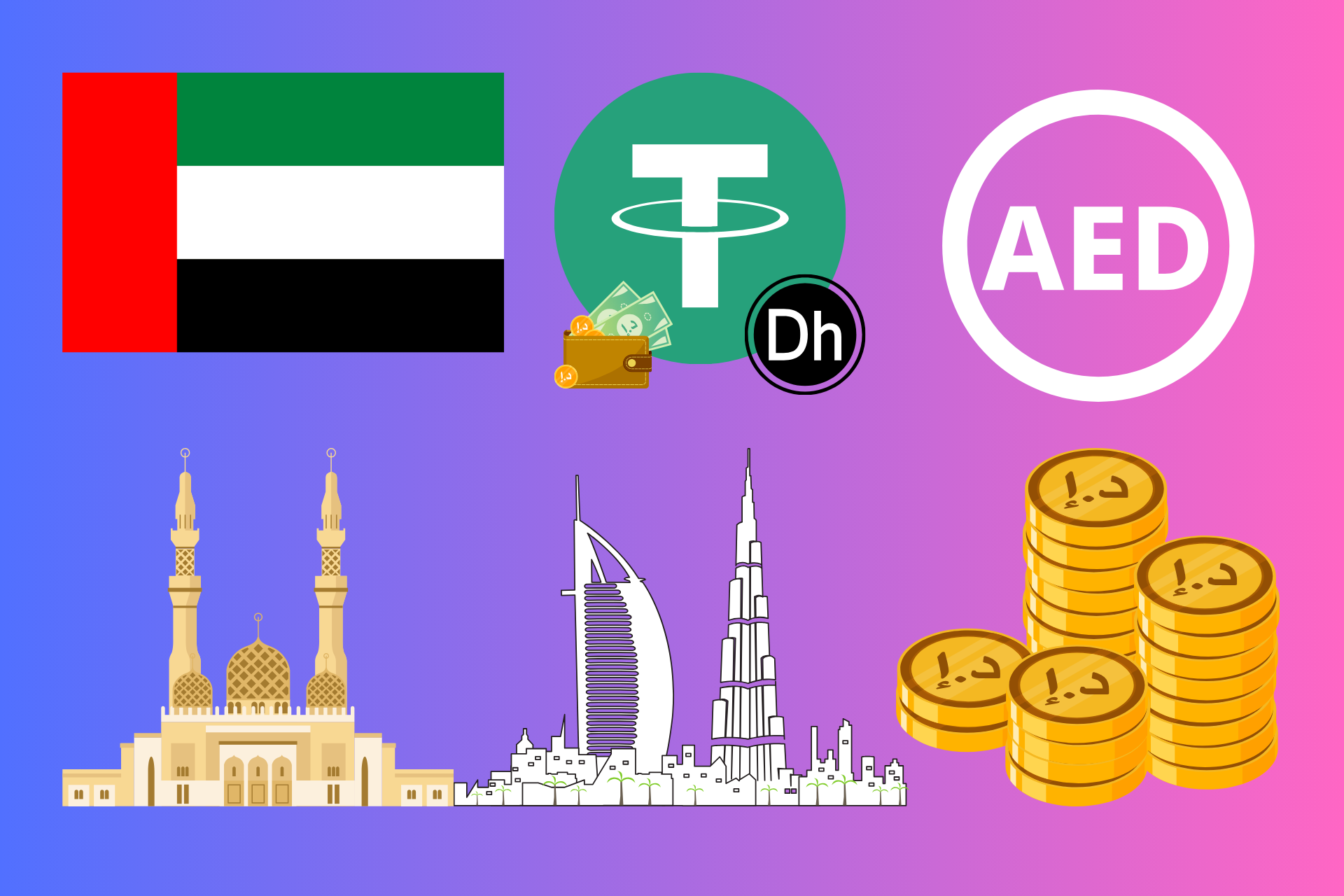
Tether, the prominent stablecoin issuer known for USDT, is set to roll out a new digital asset pegged to the United Arab Emirates Dirham (AED) on the TON blockchain. This strategic move reflects Tether’s ambition to diversify its offerings and capitalize on the Gulf region’s growing interest in stable digital currencies, offering an alternative to dollar-dominated assets. The development highlights the UAE’s evolving regulatory environment, which is increasingly favorable for cryptocurrency adoption, positioning the Gulf state as a major digital finance hub.

The proposed Dirham-backed stablecoin seeks to address the demand for a localized digital currency in the UAE, allowing for easier access to UAE Dirham transactions for users in the region. With full backing in AED reserves held locally, Tether is aiming to reassure users about the coin’s stability and security, a critical factor given regulatory scrutiny of stablecoins globally. Phoenix Group, a UAE-based tech and investment firm, is collaborating with Tether on this project, leveraging the UAE’s technological framework to build a secure ecosystem around the new stablecoin. Tether’s CEO Paolo Ardoino emphasized that the AED-pegged coin is set to cater to users within and beyond the UAE, meeting the increasing need for Dirham-denominated transactions in both personal and business spheres.

The launch on the TON blockchain is noteworthy, as TON has gained traction as a flexible and scalable blockchain platform, offering fast, efficient transactions that are increasingly attractive to enterprises looking for seamless digital payment solutions. This marks Tether’s first stablecoin on TON, adding to its existing range across other platforms. This Dirham-pegged coin will not only diversify Tether’s blockchain presence but also underscore the TON blockchain’s growing relevance in the crypto space, as more businesses seek adaptable infrastructure for their digital financial operations.

Aleksei Andriunin, the founder of Gotbit, along with directors Fedor Kedrov and Qawi Jalili, has been indicted by U.S. prosecutors on charges of market manipulation and fraud. The allegations stem from their involvement in artificially inflating cryptocurrency trading volumes between 2018 and 2024, a strategy purportedly designed to facilitate listings on major exchanges. This indictment marks a significant legal move in the ongoing scrutiny of practices within the cryptocurrency sector, where regulatory oversight has become increasingly stringent.

The indictment outlines a scheme in which Gotbit, through its executives, allegedly manipulated trading activities to create a false appearance of market activity. The U.S. Attorney’s Office for the Southern District of New York has characterized these actions as a blatant attempt to mislead investors and exchanges alike, potentially jeopardizing the integrity of the financial system. Prosecutors argue that the defendants engaged in practices that not only distorted the market but also violated federal securities laws.

According to the court documents, Gotbit utilized various tactics to inflate its trading volumes. This included wash trading, where the same assets are bought and sold in a circular manner to create the illusion of increased trading activity. By presenting a facade of liquidity and investor interest, Gotbit sought to attract more traders and investors, thereby elevating its profile in a highly competitive marketplace. The indictment indicates that this fraudulent activity was systematically orchestrated over several years, potentially impacting a wide range of investors and the broader market.

The consequences of such actions could be severe. If convicted, the defendants face a maximum sentence of 20 years in prison for wire fraud, underscoring the serious nature of the charges. The case not only highlights individual accountability within the cryptocurrency industry but also reflects the larger narrative of regulatory crackdowns on practices deemed harmful to investors and market integrity. As authorities intensify their efforts to regulate the cryptocurrency market, this indictment serves as a warning to other market participants regarding the legal ramifications of manipulative practices.

Gotbit has positioned itself as a significant player in the cryptocurrency trading arena, providing a platform that allows users to engage in trading various digital assets. However, the allegations against its leadership could tarnish the company’s reputation and operations. The indictment is likely to raise questions about the operational practices within Gotbit and the broader implications for other cryptocurrency platforms that may be engaging in similar activities.

The growing concern over market manipulation within the cryptocurrency sector has prompted regulators to take a closer look at trading practices. The U.S. Securities and Exchange Commission (SEC) and other regulatory bodies have been actively pursuing cases against individuals and entities accused of engaging in fraudulent activities, with an emphasis on protecting investors from deceptive practices. The case against Andriunin, Kedrov, and Jalili represents just one of many instances where regulators are taking decisive action to maintain market integrity.

As the legal proceedings unfold, there may be broader implications for the cryptocurrency market as a whole. Investors are increasingly wary of potential fraud and manipulation, leading to calls for clearer regulations and increased transparency in the industry. This situation could catalyze changes in how cryptocurrency exchanges operate, pushing for stricter compliance measures and more rigorous oversight to protect investors and uphold market integrity.

The indictment could spark discussions within the industry regarding the ethical responsibilities of cryptocurrency platforms. As more individuals and institutions enter the cryptocurrency market, the need for robust ethical standards and practices becomes paramount. The fallout from this case may encourage stakeholders to reassess their operational practices, ensuring that they are in alignment with legal and ethical expectations.

Top executives across various industries have expressed strong optimism about the role of artificial intelligence (AI) in driving decarbonization efforts and enhancing energy efficiency. As the world grapples with climate change and strives to meet net-zero goals, AI’s capabilities are being increasingly recognized as vital tools in this transformation. The discussions surrounding AI’s impact on energy and the environment have gained significant momentum in 2024, especially at […]

Authorities in the United Arab Emirates have extended the visa amnesty period for individuals overstaying their residency permits, providing a critical opportunity for many to regularize their status. Originally set to expire, this extension allows overstayers to benefit from a streamlined process aimed at reducing the number of illegal residents while supporting their reintegration into society. The extension is part of the UAE’s broader strategy to enhance […]

Hassana Investment Company, the investment arm of the Saudi Public Pension Agency, is set to invest $2 billion in Brookfield Asset Management’s new Middle East-focused fund. This partnership is part of a broader strategy to enhance investment opportunities in the region, signaling significant confidence in Brookfield’s capabilities to generate returns through diversified investments. The fund aims to capitalize on growing infrastructure and real estate needs within the […]

Mubadala Capital and Temasek’s Seviora Holdings are embarking on a collaborative journey to explore investment opportunities in the global market. This strategic partnership aims to leverage each firm’s unique strengths and expertise to identify promising sectors, particularly in technology, healthcare, and sustainability. The collaboration signals a proactive approach in a rapidly evolving investment landscape, as both entities seek to capitalize on emerging trends and the potential for high returns.

Mubadala Capital, the asset management arm of the Abu Dhabi-based Mubadala Investment Company, has a strong reputation for fostering innovative ventures and driving economic diversification. It manages a diverse portfolio that spans multiple sectors, including technology, healthcare, real estate, and energy. The firm has been actively investing in global markets, aiming to enhance the UAE’s economic landscape while ensuring sustainable growth. Their focus on strategic investments has led them to seek partnerships that can amplify their reach and impact.

Temasek’s Seviora Holdings, part of the Singaporean investment giant, also emphasizes a diversified portfolio, with substantial investments in growth sectors across the globe. Seviora Holdings aims to deliver long-term value by concentrating on companies and technologies that are expected to shape the future. This alignment with Mubadala Capital’s ethos presents a significant opportunity for both firms to share insights and resources, ultimately enhancing their investment strategies.

The collaboration comes at a time when global investment dynamics are shifting, particularly in the wake of economic uncertainties and geopolitical tensions. Investors are increasingly prioritizing sectors that not only promise financial returns but also contribute to social and environmental sustainability. This trend is reflected in Mubadala Capital and Seviora Holdings’ strategic focus, emphasizing investments that are resilient and aligned with sustainable development goals.

Both firms are likely to explore opportunities in technology, particularly in areas such as artificial intelligence, fintech, and digital health. The COVID-19 pandemic has accelerated digital transformation across various industries, leading to an influx of innovative startups seeking capital. Mubadala Capital has already established a strong presence in the technology sector through investments in prominent companies and venture funds. This expertise positions them well to identify and support promising technological innovations.

Healthcare is another area of interest for the partnership. The pandemic highlighted the critical need for advancements in healthcare technology and infrastructure. Both Mubadala Capital and Seviora Holdings recognize the potential for significant returns in this sector, particularly as the demand for innovative healthcare solutions continues to rise. Investments in telemedicine, biotechnology, and healthcare-related technologies are expected to remain focal points for both firms.

Sustainability is increasingly becoming a core aspect of investment strategies worldwide. Both Mubadala Capital and Seviora Holdings have demonstrated a commitment to sustainable investing, aligning their portfolios with environmental, social, and governance (ESG) criteria. The global shift towards renewable energy, waste management, and sustainable agriculture presents fertile ground for new investment opportunities. The partnership is expected to actively seek out ventures that not only offer financial returns but also contribute positively to society and the environment.

Geopolitical considerations are also influencing investment decisions. The partnership between Mubadala Capital and Seviora Holdings may allow them to navigate complex international markets more effectively, utilizing their combined knowledge and networks. Their collaboration could enable them to identify emerging markets and sectors that are poised for growth, especially in regions that are becoming increasingly attractive for foreign investment.

As Mubadala Capital and Seviora Holdings move forward with their investment exploration, their focus will likely remain on fostering partnerships with innovative companies and dynamic startups. The potential for co-investments and sharing of expertise will be crucial in identifying and nurturing businesses that can deliver strong returns while addressing pressing global challenges.

The economic landscape continues to evolve, with investors becoming more discerning in their choices. The collaboration between these two influential investment firms represents a significant step towards capitalizing on new opportunities while adhering to ethical and sustainable investment practices. As they seek out ventures that align with their strategic goals, the partnership is poised to play a vital role in shaping the future of investment in key sectors.

Saudi Arabia’s Public Investment Fund (PIF) has formalized its strategic collaboration with a leading Japanese financial institution through a series of memoranda of understanding (MoUs) potentially valued at up to $51 billion. This initiative aims to bolster investment opportunities and foster economic ties between the two nations, aligning with Saudi Arabia’s Vision 2030 agenda focused on economic diversification and sustainability.

The agreements underscore a growing trend of international partnerships that enhance the PIF’s global footprint. The MoUs cover a wide range of sectors, including technology, renewable energy, infrastructure, and entertainment. This move marks a significant step in PIF’s ongoing strategy to attract foreign investment while enabling Japanese companies to tap into Saudi Arabia’s burgeoning market.

The Japanese bank involved in the MoUs, a prominent player in the global financial landscape, has expressed commitment to collaborating on various projects that support Saudi Arabia’s long-term development goals. By leveraging Japan’s advanced technological expertise and experience in sustainable practices, the partnership aims to introduce innovative solutions to address pressing challenges in the Kingdom, particularly in areas such as clean energy and urban development.

Recent developments in the energy sector highlight a growing emphasis on sustainability. The PIF has been increasingly focused on renewable energy initiatives, with significant investments in solar and wind projects. This new partnership with the Japanese bank is expected to further accelerate these efforts, allowing for the exchange of knowledge and technology that can enhance the Kingdom’s energy landscape.

The PIF’s collaboration with Japanese entities is seen as a response to global shifts towards sustainability. As countries strive to meet their climate commitments, Saudi Arabia’s ability to innovate in green technology and invest in clean energy becomes paramount. The partnership aims to support Saudi Arabia’s ambitious goals of generating 50% of its power from renewable sources by 2030.

The PIF’s strategy aligns with the global trend of sovereign wealth funds diversifying their portfolios and seeking international partnerships to mitigate risks. This initiative illustrates the PIF’s commitment to building a resilient investment ecosystem that can withstand market fluctuations while promoting sustainable growth. By partnering with established international financial institutions, the PIF can leverage their expertise to enhance its investment strategies.

The collaboration is also a testament to Japan’s keen interest in participating in the Saudi market. Japanese companies have been increasingly exploring opportunities in the Kingdom, particularly in sectors like infrastructure and technology. The MoUs are expected to facilitate the entry of more Japanese firms into Saudi Arabia, potentially leading to the creation of jobs and the transfer of skills and technology.

Analysts view this partnership as a positive step for both nations. For Saudi Arabia, it presents an opportunity to diversify its economy and reduce dependence on oil revenues. For Japan, the collaboration allows access to one of the fastest-growing markets in the Middle East. The partnership aligns with Japan’s broader strategy of engaging with the Gulf Cooperation Council (GCC) nations to enhance trade relations and secure energy supplies.

As the world grapples with the impacts of climate change, the focus on renewable energy is becoming increasingly critical. The PIF’s proactive approach in collaborating with Japanese entities reflects its recognition of the importance of sustainable development. By investing in green technologies, Saudi Arabia positions itself as a leader in the global energy transition, attracting further investment and interest from international markets.

The partnership is expected to yield significant economic benefits for both countries. The infusion of Japanese capital and expertise into Saudi Arabia’s projects could lead to improved infrastructure, enhanced technological capabilities, and increased job creation. This, in turn, could stimulate economic growth and elevate the standard of living for many Saudis.

The PIF’s collaboration with the Japanese bank comes at a time when Saudi Arabia is actively seeking to enhance its global investment strategy. The PIF has set ambitious targets to grow its assets under management to over $2 trillion by 2030, focusing on sectors that align with the Kingdom’s long-term vision. The partnership with Japan is a strategic move in this direction, providing the PIF with the necessary tools and expertise to navigate the complexities of global markets.

Advertisements

HONG KONG SAR – Media OutReach Newswire – 31 October 2024 – Paul Chan, Financial Secretary of the Hong Kong Special Administrative Region (HKSAR) Government, is visiting Saudi Arabia to attend the FII (Future Investment Initiative) and strengthen the HKSAR’s connections with the country and the wider Middle East region. Hong Kong’s Financial Secretary, Paul Chan, speaking during his visit in Saudi Arabia. In Riyadh (October 30), […]

35 remarkable projects across Asia Pacific recognised HONG KONG SAR – Media OutReach Newswire – 31 October 2024 – The MIPIM Asia 2024 Awards, widely regarded as the most prestigious honors recognizing excellence and innovation in Asia’s real estate industry, has unveiled its winners after a rigorous and thorough judging process. The winners of the coveted Gold, Silver, and Bronze awards will be announced at the highly […]

Robinhood Markets, Inc. has reported a remarkable increase in its cryptocurrency trading volumes for the third quarter of the fiscal year, reaching $14.4 billion. This figure marks a 112% rise compared to the same period last year, reflecting a growing interest in digital assets among retail investors. However, this uptick follows a significant drop from earlier in the year, with volumes falling sharply from $21.5 billion in the previous quarter and $36 billion in the first quarter.

The third-quarter results underscore a broader trend in the cryptocurrency market, where trading activities have experienced volatility amid shifting market conditions. Investors have been navigating a complex landscape characterized by fluctuating prices and regulatory scrutiny. The increase in trading volume year-over-year highlights Robinhood’s ability to capture a segment of the market, particularly among novice traders who have flocked to the platform for its user-friendly interface and commission-free trading model.

Despite the impressive year-over-year growth, the decline from earlier quarters raises questions about the sustainability of this trend. Analysts attribute the decrease to a combination of factors, including heightened market volatility and a cooling off after the frenzy surrounding cryptocurrencies in 2021. The cryptocurrency market, once marked by soaring prices and speculative investments, has encountered increasing regulatory scrutiny and market corrections that have tempered trading enthusiasm among investors.

A pivotal aspect influencing trading volumes has been the evolving regulatory environment surrounding cryptocurrencies. Governments and regulatory bodies worldwide are implementing stricter guidelines to manage risks associated with digital assets. For instance, the U.S. Securities and Exchange Commission (SEC) has intensified its focus on cryptocurrency exchanges, emphasizing compliance and investor protection. Such regulatory measures have led to increased uncertainty in the market, potentially impacting trading behavior on platforms like Robinhood.

The competitive landscape for trading platforms has evolved, with various fintech companies entering the cryptocurrency space. Established players are enhancing their offerings to attract users, while traditional financial institutions are beginning to embrace digital currencies. This competition could pose challenges for Robinhood as it seeks to maintain its market share in an increasingly crowded field.

User engagement remains a critical factor for Robinhood as it navigates these challenges. The platform has introduced features aimed at enhancing the trading experience, including educational resources and enhanced tools for monitoring cryptocurrency performance. By focusing on user education, Robinhood aims to empower its investors to make informed decisions in a volatile market. This strategy is particularly relevant as retail investors, many of whom are new to trading, may require additional guidance in navigating the complexities of cryptocurrency investments.

Despite the recent fluctuations in trading volumes, Robinhood has remained committed to expanding its cryptocurrency offerings. The company is actively exploring the introduction of new digital assets and trading pairs to cater to a diverse range of investor preferences. This strategy aligns with the broader trend of increasing consumer demand for access to a wider array of cryptocurrencies, as more investors seek to diversify their portfolios.

Looking ahead, analysts anticipate that Robinhood’s ability to adapt to market conditions and regulatory developments will be crucial for sustaining growth in cryptocurrency trading. The platform’s responsiveness to evolving investor needs, combined with its commitment to enhancing the user experience, will likely play a significant role in shaping its future performance. As the cryptocurrency market continues to evolve, Robinhood will need to navigate the delicate balance between user engagement, regulatory compliance, and competitive pressures to remain a leading player in the space.

The sentiment among retail investors is gradually shifting. Many are becoming more cautious after experiencing the volatility that characterized the cryptocurrency markets earlier this year. This shift in sentiment may influence trading behaviors and the overall demand for crypto assets in the short term. Investors may take a more strategic approach, focusing on long-term investments rather than short-term speculative trades.

The partnership will support the global growth of Chinese brands by enhancing the cross-border payment solutions available to merchants. LONDON, UNITED KINGDOM – Media OutReach Newswire – 31 October 2024 – Global fintech Unlimit has formed a strategic partnership with SHOPLINE, a rapidly growing Software-as-a-Service (SaaS) provider, to assist Chinese merchants in expanding their global reach through the integration of new payment processes. Unlimit X SHOPLINE SHOPLINE […]

Exchange views with industry leaders on the evolution of FinTech HONG KONG SAR – Media OutReach Newswire – 30 October 2024 – The main conference & expo of the Hong Kong FinTech Week 2024, one of the most influential FinTech events in Asia, was successfully concluded yesterday. Themed “Illuminating New Pathways in Fintech,” the event attracted over 30,000 from more than 100 economies. It brought together global […]

Investing intelligently involves understanding the various asset classes and how they work together to create a well-diversified portfolio. A key element of successful investing is diversification, which helps reduce risk while maximizing returns over the long term. This guide explores different asset classes and their importance in building a balanced investment strategy. What Are Asset Classes? Asset classes are groups of investments that share similar characteristics and […]

The International Air Transport Association (IATA) has announced its plans to incorporate digital currencies into its financial settlement systems, signaling a significant shift in how the aviation industry conducts transactions. This move aims to enhance operational efficiency and cater to evolving consumer preferences in a rapidly digitizing world.

With a growing interest in digital currencies, particularly cryptocurrencies and stablecoins, IATA’s initiative addresses the need for more flexible payment methods within the airline sector. The association’s director general, Willie Walsh, emphasized that adopting digital currencies could facilitate quicker settlements, reduce transaction costs, and improve overall customer experience.

As airlines seek innovative ways to optimize their operations post-pandemic, integrating digital currencies presents an opportunity to streamline payment processes. Currently, many airlines and travel-related companies are grappling with the challenges of legacy systems that often hinder speed and efficiency. Walsh stated that integrating digital currencies aligns with the industry’s push towards modernization and technological advancement.

Digital currencies have gained traction in various sectors, but the aviation industry remains cautious due to regulatory uncertainties and the volatile nature of many cryptocurrencies. However, IATA believes that working closely with regulators will ensure that the introduction of digital currencies into financial systems complies with existing laws and regulations.

Emerging trends in the financial landscape are shaping the future of payments in aviation. With a significant portion of travelers expressing interest in using cryptocurrencies, airlines must adapt to meet this demand. Research indicates that younger generations, particularly millennials and Gen Z travelers, are more inclined to use digital currencies for purchases. By embracing these payment methods, airlines can attract a tech-savvy customer base that values flexibility and innovation.

IATA’s move also reflects a broader trend across various industries exploring blockchain technology and digital assets. Companies are increasingly recognizing the potential of blockchain to enhance transparency and security in transactions. This technology allows for secure, real-time processing of payments, reducing the risks associated with fraud and chargebacks.

Several airlines have already begun to experiment with accepting cryptocurrencies. For example, major carriers like AirAsia and Lufthansa have launched initiatives allowing customers to book flights using Bitcoin and other digital currencies. These pioneering efforts indicate a growing willingness among airlines to adapt to changing market conditions and consumer preferences.

The pandemic has accelerated the digital transformation across industries, with contactless payment options becoming a necessity rather than an option. IATA’s strategy to integrate digital currencies is in line with this trend, enabling airlines to offer a seamless and secure payment experience for travelers.

While the potential benefits are significant, challenges remain. Regulatory frameworks surrounding digital currencies vary widely across countries, creating complexity for airlines operating in multiple jurisdictions. IATA is actively engaging with international regulators to address these concerns and promote a cohesive approach to digital currency adoption.

Industry experts believe that for digital currencies to gain widespread acceptance in aviation, robust standards and guidelines must be established. These standards would address issues such as security, interoperability, and compliance with anti-money laundering regulations. Collaboration among stakeholders, including airlines, payment providers, and regulatory bodies, will be crucial in developing a sustainable framework for digital currency transactions.

As the aviation industry grapples with rising operational costs and fluctuating fuel prices, digital currencies may offer a more stable alternative for financial settlements. Stablecoins, which are pegged to traditional currencies or commodities, could provide airlines with a hedge against volatility, enabling more predictable budgeting and planning.

The adoption of digital currencies is not just about payment processing; it also opens avenues for innovative loyalty programs and customer engagement strategies. Airlines could leverage blockchain technology to create more transparent and efficient loyalty schemes, allowing customers to earn and redeem rewards in digital currency.

As IATA moves forward with its plans, collaboration with technology providers and financial institutions will be essential. By partnering with fintech companies, airlines can access the necessary infrastructure and expertise to integrate digital currencies seamlessly into their existing systems.

Customer education will play a vital role in the successful implementation of digital currency payment options. Airlines will need to inform travelers about the benefits, risks, and practicalities of using digital currencies for purchases. This initiative could also foster a greater understanding of blockchain technology and its applications in aviation.


A landmark budget for 2025 to 2027 has been approved by the Dubai Government, marking a pivotal step in its economic strategy. This new budget is set at an unprecedented AED 69.5 billion, representing a significant increase over the previous budget cycle, which focused on robust investment in infrastructure, education, and sustainability initiatives. The plan reflects Dubai’s ambition to enhance its status as a global economic hub and to foster innovation and growth across various sectors.

The approved budget highlights an allocation of AED 20.4 billion for infrastructure development, aimed at enhancing the city’s transport systems, public facilities, and digital infrastructure. This investment is expected to not only improve the quality of life for residents but also attract further investments and tourism. Additionally, AED 11 billion is earmarked for social development programs, emphasizing education and healthcare, ensuring that the benefits of growth reach all segments of society.

Economic recovery remains a central theme within the budget, as Dubai continues to rebound from the impacts of the global pandemic. The government anticipates an economic growth rate of 3.5% over the next three years, supported by strategic investments and initiatives that will bolster various sectors including tourism, trade, and technology. The commitment to a diversified economy is reflected in the emphasis on supporting small and medium-sized enterprises (SMEs), which are considered crucial for job creation and innovation.

The budget also prioritizes sustainability, with a dedicated allocation for green initiatives and projects that align with Dubai’s long-term vision of becoming one of the world’s most sustainable cities. Plans include the expansion of renewable energy sources and investments in waste management technologies, which aim to minimize environmental impact while promoting economic efficiency.

The budget includes provisions to enhance public services, particularly in areas such as education and healthcare. Investments in education are designed to equip the workforce with skills necessary for a rapidly changing global market. Healthcare spending is set to improve facilities and services, ensuring a high standard of living for all residents.

This ambitious budget reflects the government’s confidence in Dubai’s resilience and adaptability in the face of global challenges. The leadership aims to create a dynamic economic environment that fosters innovation, nurtures talent, and attracts international businesses. The government has actively engaged stakeholders across sectors to ensure that the budget meets the needs of the community while aligning with long-term strategic goals.

The tourism sector, a vital component of Dubai’s economy, is poised for a significant revival, bolstered by new attractions and events planned for the coming years. With major global events such as Expo 2020 having laid a foundation for increased international visibility, the government is keen on leveraging this momentum to further boost tourism and hospitality.

In terms of governance, the budget introduces measures aimed at enhancing transparency and accountability in financial management. The Dubai Government emphasizes its commitment to responsible spending and efficient use of resources, ensuring that public funds are utilized effectively to achieve the outlined objectives. This aligns with broader efforts to build trust among citizens and investors alike.

Experts have noted that the budget’s focus on innovation and technology is particularly relevant in today’s rapidly evolving global landscape. The allocation for digital transformation initiatives highlights the government’s recognition of technology as a key driver of economic growth. Investment in smart city projects is expected to enhance urban living while providing seamless services to residents and visitors.

The approval of this budget has been met with optimism among business leaders and economists, who see it as a signal of Dubai’s ongoing commitment to economic development and diversification. With an eye towards future challenges and opportunities, the government’s financial plan positions the emirate to navigate shifts in global markets effectively.

ADNOC Drilling, a subsidiary of the Abu Dhabi National Oil Company, has reported a remarkable 30% increase in its net profit for the third quarter of the fiscal year, driven by robust demand for drilling services and a strategic focus on operational efficiency. The company, which is a key player in the region’s oil and gas sector, generated a net profit of approximately $220 million during this […]

Mubadala Investment Company’s subsidiary, Mamoura Diversified Global Holding, has successfully launched an AED 1 billion sukuk, priced at a 4.6% yield. This significant move in the Islamic finance sector aims to bolster Mamoura’s liquidity and finance a variety of growth projects, furthering the company’s expansion strategy. The sukuk, which offers investors a Sharia-compliant alternative to conventional bonds, has drawn considerable attention from a diverse range of institutional […]

Saudi Arabia’s ACWA Power has made a significant leap in the renewable energy sector by securing deals worth over $1.78 billion, aimed at bolstering its portfolio in renewable energy and battery storage projects. These agreements come as part of the company’s strategy to enhance its presence in the sustainable energy market and contribute to the Kingdom’s ambitious Vision 2030 initiative, which seeks to diversify its energy sources […]

UAE-based issuers have raised a staggering $11.7 billion in the third quarter of 2024 through bond and sukuk offerings, marking a significant achievement in the region’s capital markets. This surge demonstrates robust investor confidence and a growing appetite for fixed-income securities, despite global economic uncertainties and fluctuations in interest rates. The third quarter witnessed a notable increase in activity compared to previous quarters, with both sovereign and […]

Shuaa Capital, a leading asset management and investment firm in the UAE, has announced the board’s approval for the issuance of $175 million in multi-currency bonds (MCBs). This strategic move is designed to bolster the company’s financial position and enhance its capabilities to meet the growing demands of its investment operations. The approved bonds will likely serve as a key tool for Shuaa Capital in diversifying its […]

Abu Dhabi-based CYVN Holdings is set to acquire the automotive division of the renowned British luxury car manufacturer, McLaren. This significant move represents a strategic expansion for CYVN, a company well-established in the investment sector, particularly within the automotive and technology markets. The acquisition underscores CYVN’s commitment to diversifying its portfolio and strengthening its presence in the high-performance automotive segment.

McLaren Automotive, celebrated for its innovative design and engineering, has faced several challenges in recent years, including financial difficulties exacerbated by global supply chain disruptions and the impact of the pandemic. The brand is known for its exceptional sports cars, such as the McLaren P1 and the 720S, which have garnered a strong following among car enthusiasts and collectors. The acquisition aims to revitalize the brand while integrating CYVN’s resources and expertise to enhance production efficiency and expand market reach.

The financial specifics of the deal have not been disclosed, but analysts suggest that CYVN Holdings has leveraged its substantial investment capabilities to facilitate this acquisition. The transaction is expected to provide McLaren with the necessary capital infusion to reinvest in product development, marketing, and expanding its electric vehicle offerings. The automotive industry is increasingly shifting towards sustainability and electrification, and McLaren has already initiated plans to introduce hybrid and fully electric models.

CYVN Holdings has expressed its intention to maintain McLaren’s legacy while injecting new energy into the brand. This includes a potential increase in research and development efforts, focusing on advanced technologies that align with global automotive trends. Furthermore, the acquisition is anticipated to enhance McLaren’s competitive positioning against other luxury automotive brands, such as Ferrari and Lamborghini, which have also been expanding their electric vehicle lineups.

Industry experts view this acquisition as a critical turning point for both companies. For CYVN, gaining control of a prestigious automotive brand like McLaren enhances its reputation in the luxury sector. For McLaren, this transition could mark the beginning of a new era, enabling it to emerge stronger from its financial setbacks.

As the automotive landscape evolves with rapid technological advancements, partnerships between investment firms and automotive companies are becoming increasingly prevalent. This acquisition reflects a broader trend where financial entities invest in established brands to leverage their market potential. CYVN’s strategic approach highlights the growing interest in the automotive sector among investors looking for promising opportunities.

The implications of this acquisition extend beyond the financial sphere. McLaren’s integration into CYVN’s portfolio could lead to synergies that enhance operational efficiencies. Analysts predict that there will be a focus on optimizing production lines and enhancing supply chain management, especially in light of the ongoing global semiconductor shortages that have plagued the automotive industry.

McLaren’s workforce, known for its engineering prowess, is also a focal point for CYVN. The new ownership structure may foster a collaborative environment that allows for cross-pollination of ideas between CYVN’s existing ventures and McLaren’s automotive expertise. This integration may yield innovations that enhance product offerings and attract a broader customer base.

The transition is expected to be smooth, with CYVN leadership pledging to retain key personnel within McLaren’s management team. This continuity is crucial for maintaining the brand’s identity and ensuring that the legacy of innovation and performance is upheld. Current management is likely to play a pivotal role in navigating this new phase, emphasizing the importance of preserving McLaren’s unique culture while adapting to the changing market dynamics.

As the deal moves toward completion, stakeholders from both companies are optimistic about the future. Analysts emphasize that the automotive sector is at a critical juncture, with opportunities for growth through technological innovation and sustainability initiatives. The partnership between CYVN Holdings and McLaren Automotive could be a blueprint for future collaborations, demonstrating the potential of strategic investments in revitalizing established brands.

With electric and hybrid vehicles becoming the focus of the automotive industry, this acquisition positions both entities to capitalize on emerging trends. McLaren’s storied history in motorsports and its engineering excellence provide a solid foundation for developing cutting-edge electric vehicles that resonate with environmentally conscious consumers.

The United Arab Emirates has solidified its position as a leading hub for Islamic finance, underscoring the growing significance of Sharia-compliant financial instruments in the global marketplace. This assessment comes from the CEO of FTSE Russell, who highlights the UAE’s strategic initiatives and regulatory frameworks that have bolstered its financial sector’s appeal to both domestic and international investors. The ongoing developments reflect the country’s commitment to fostering an environment conducive to Islamic finance and investment.

Islamic finance has gained traction worldwide, driven by a rising demand for ethical and sustainable investment options. The UAE’s proactive approach includes creating a robust regulatory environment, enhancing product offerings, and promoting innovation in financial technology. By embracing these strategies, the nation is attracting a diverse array of investors looking for compliant investment opportunities. According to industry experts, the UAE’s Islamic finance market is expected to expand significantly in the coming years, fueled by an increase in global investor interest and the growing appeal of Sharia-compliant financial products.

FTSE Russell’s CEO pointed out that the UAE is home to several Islamic banks and financial institutions that are setting global benchmarks for excellence in compliance and service delivery. This trend is supported by the UAE’s comprehensive Islamic finance infrastructure, which includes robust legal and regulatory frameworks. Institutions such as the Dubai Islamic Economy Development Centre (DIEDC) play a pivotal role in promoting the Islamic finance agenda and positioning the UAE as a key player in the global Islamic economy. The DIEDC’s initiatives focus on enhancing the knowledge base, facilitating partnerships, and promoting Islamic financial literacy, which are essential for sustaining growth in this sector.

Recent reports indicate that the Islamic finance industry is witnessing a shift towards technology-driven solutions, known as fintech. The UAE is at the forefront of this transformation, with numerous fintech startups emerging in the Islamic finance space. These companies are leveraging technology to enhance the delivery of services, improve customer experience, and streamline operations. The convergence of fintech and Islamic finance not only presents opportunities for innovation but also aligns with the broader economic diversification goals of the UAE.

One key player in this sector is Abu Dhabi Islamic Bank (ADIB), which has been proactive in integrating technology into its service offerings. The bank has launched various digital platforms that cater to the needs of a tech-savvy customer base, thereby enhancing access to Islamic banking products. This strategic focus on digital transformation is indicative of a broader trend among financial institutions in the UAE, which are increasingly recognizing the importance of technological adaptation to remain competitive.

The Islamic finance market is diversifying beyond traditional banking products. Sukuk, or Islamic bonds, have gained prominence as a viable investment vehicle. The UAE is leading the issuance of sukuk globally, with significant contributions from both government and corporate entities. This surge in sukuk issuance is attributed to favorable market conditions and a heightened interest from investors seeking Sharia-compliant options. Analysts predict that the trend will continue, with the UAE playing a pivotal role in shaping the global sukuk market.

Sustainability is another critical aspect of the UAE’s Islamic finance landscape. With the increasing global focus on environmental, social, and governance (ESG) criteria, the UAE is aligning its Islamic finance initiatives with sustainable development goals. Various financial institutions are incorporating ESG principles into their investment strategies, creating products that appeal to environmentally conscious investors. This integration of sustainability into Islamic finance is expected to enhance the sector’s attractiveness and resilience in the face of evolving investor preferences.

The UAE’s commitment to advancing Islamic finance is further reflected in its strategic partnerships with international organizations. Collaborations with entities such as the Islamic Financial Services Board (IFSB) and the Accounting and Auditing Organization for Islamic Financial Institutions (AAOIFI) are aimed at harmonizing standards and practices across the industry. These partnerships enhance the credibility of the UAE’s Islamic finance sector, making it more appealing to foreign investors and institutions looking for stable and compliant investment avenues.

The UAE government is actively promoting awareness and understanding of Islamic finance principles among its citizens. Educational programs and workshops are being organized to foster a deeper understanding of Sharia-compliant financial products. By enhancing financial literacy, the UAE is not only empowering its populace but also cultivating a new generation of investors who are well-versed in the principles of Islamic finance.

Unlocking New Horizons to Broaden Presence in the UAE, Facilitating Cross-Boundary Interconnectivity of e-Payments HONG KONG SAR – Media OutReach Newswire – 30 October 2024 – EFT Solutions Holdings Limited (“EFT Solutions” or the “Company”, together with its subsidiaries, the “Group”; stock code: 8062.HK), a leading electronic fund transfer point-of-sales (“EFT-POS”) solutions provider, is pleased to announce that the Company entered into a memorandum of understanding (the […]

A significant shift in traffic regulations has taken place in the UAE, emphasizing the need for responsible driving and proper first aid practices among motorists. The newly implemented traffic law mandates that drivers must possess adequate medical knowledge before attempting to provide first aid at accident scenes. This change aims to improve the safety of all road users and reduce the risk of unintended harm caused by inexperienced individuals during emergencies.

The law highlights the critical nature of road safety in a nation where high vehicle speeds and heavy traffic contribute to frequent accidents. By establishing legal guidelines around first aid, authorities are ensuring that only those trained in emergency medical response take action at the scene of a traffic incident. This approach intends to foster a more educated driver population and mitigate the likelihood of further injuries during rescue efforts.

The legislation reinforces the importance of basic driving etiquette, urging drivers to adhere strictly to traffic signs and maintain a courteous demeanor on the road. This initiative responds to growing concerns over aggressive driving behaviors and accidents stemming from negligence towards road signs. Motorists are encouraged to slow down, especially in congested areas, as a matter of respect for fellow road users, including pedestrians and cyclists.

Authorities emphasize that the law serves both as a guide and a deterrent. Drivers who fail to comply with the regulations may face penalties, thereby promoting adherence through financial consequences. The hope is that this legal framework will cultivate a culture of safety that extends beyond mere compliance to foster genuine concern for others on the road.

Education and awareness campaigns are also set to accompany the new regulations. Government agencies and organizations will launch initiatives aimed at informing drivers about the importance of responsible driving habits and the legal requirements for providing first aid. These campaigns will address various aspects of road safety, from understanding traffic signs to learning basic first aid techniques, ensuring that motorists are well-equipped to handle emergencies effectively.

Key stakeholders in the transportation sector, including the Ministry of Interior and local police departments, are committed to enforcing these regulations. Traffic patrols will increase their presence on the roads, focusing on both compliance with speed limits and adherence to the new first aid requirements. Collaboration between governmental bodies and community organizations will be essential in disseminating information and fostering a cooperative spirit among motorists.

The law has garnered mixed reactions from the public. Some drivers welcome the initiative as a necessary step towards enhancing road safety, recognizing the potential for significant improvements in emergency response. Others express concerns about the implications of the first aid requirement, questioning how strictly it will be enforced and what constitutes adequate medical knowledge.

Legal experts have noted that while the law may seem daunting, its implementation will depend heavily on educational outreach and community support. Defining the threshold for “adequate medical knowledge” will be crucial to ensure that the law is both practical and enforceable. The authorities are likely to set standards for training and certification, potentially partnering with medical organizations to provide resources and support.

The traffic law aligns with broader initiatives aimed at reducing road fatalities across the UAE. Statistical data has indicated that road traffic accidents remain a leading cause of injury and death in the region, prompting government efforts to create safer driving environments. By addressing both driver behavior and emergency response, the law seeks to create a holistic approach to traffic safety.

This legislative move mirrors global trends toward more responsible driving and proactive emergency response. Countries around the world are increasingly recognizing the role of drivers in maintaining public safety and are enacting laws to reflect this responsibility. As the UAE positions itself as a leader in traffic safety, these regulations could serve as a model for other nations grappling with similar issues.

Future developments are expected to revolve around the law’s efficacy in reducing accident rates and improving emergency response outcomes. Continuous monitoring and evaluation will be vital in assessing whether the regulations achieve their intended goals. The authorities may adjust strategies based on feedback from the public and data analysis, ensuring that the laws remain relevant and effective.

VISHNU RAJA
RYO YAMADA
HITORI GOTOH
IKUYO KITA