News related to
financial

71% of organisations are using AI in their finance operations 57% of leaders say ROI is exceeding their expectations, compared to 29% of others. Financial reporting is the most common usage area – but this is widening out to include treasury management, risk management and tax Nearly three-quarters of leaders have developed principles and guidelines on the responsible use of AI HONG KONG SAR – Media OutReach […]

Saudi Aramco, the world’s leading energy firm, has unveiled plans to establish one of the largest carbon capture and storage (CCS) hubs in Jubail. The project is part of the company’s ambitious initiative to tackle carbon emissions and advance global decarbonization efforts. By collaborating with two major industry players, Linde and SLB, Aramco aims to position Saudi Arabia at the forefront of technological solutions addressing climate change. […]

Aldar Properties, Abu Dhabi’s largest real estate developer, has finalized the acquisition of a prominent commercial tower in Dubai’s International Financial Centre (DIFC) for a staggering 2.3 billion dirhams ($626 million). This deal marks one of the most significant property transactions in the region’s commercial real estate sector in recent years. The commercial tower, a key asset located in one of Dubai’s prime financial districts, was sold […]

Legrand, a global leader in electrical and digital infrastructure solutions, has strengthened its position in the data center market through the acquisition of Power Bus Way, a Toronto-based provider of custom-engineered cable bus systems. This strategic move enhances Legrand’s portfolio, enabling the company to offer more comprehensive solutions to meet the growing demands of data centers, industrial facilities, and commercial properties. The acquisition reflects a growing trend […]

Almoosa Health Company has announced the price range for its upcoming initial public offering (IPO) on the Saudi Exchange, setting the range between 123 riyals ($32.80) and 127 riyals per share. This strategic move positions the healthcare provider to potentially raise between SAR 1.63 billion ($434.5 million) and SAR 1.68 billion ($448.5 million), marking a significant moment for the kingdom’s stock market. The company is pursuing a share sale of 13.5 million, representing 30% of its total shares, with institutional book-building already underway.

This offering makes Almoosa Health the second-largest IPO in Saudi Arabia this year, following the SAR 2.86 billion ($763 million) raised by Fakeeh Care Group. The IPO reflects the growing investor confidence in Saudi Arabia’s healthcare sector, a key focus of Vision 2030 aimed at diversifying the economy and enhancing public services.

Almoosa Health, founded in 1996, has become a prominent player in integrated healthcare within Saudi Arabia. It manages facilities like Al Moosa Specialist Hospital and Al Moosa Rehabilitation Hospital, offering a range of specialized and general medical services. The company has emphasized its commitment to innovation, sustainability, and expanding its healthcare infrastructure.

The institutional book-building process, which began today, is set to close by December 11, 2024. Retail investors will have their opportunity to participate between December 23 and 24, with final share allocations and potential refunds scheduled for late December and early January, respectively. Almoosa Health expects its shares to debut on the Saudi Exchange in early 2025, pending final regulatory approvals.

Analysts suggest this IPO highlights the rising prominence of private healthcare operators in the region. With demand for medical services projected to grow substantially due to population increases and health challenges, companies like Almoosa are seen as critical to meeting these needs. The company’s strong financials and operational expertise, underpinned by an experienced management team led by Chairman Abdulaziz Almoosa and CEO Malek Almoosa, further enhance its attractiveness to investors.

Aldar Properties, the prominent real estate developer from Abu Dhabi, has made a significant move to expand its footprint in Dubai by acquiring key commercial properties and planning landmark projects. These ventures underline Aldar’s commitment to tapping into the growing demand for premium office spaces in one of the region’s most dynamic business hubs.

The acquisition of a commercial tower in Dubai International Financial Centre (DIFC), formerly owned by H&H Development, positions Aldar as the sole developer with major commercial assets in both the Abu Dhabi Global Market (ADGM) and DIFC. This strategic purchase reinforces its status as a key player in the UAE’s real estate sector. This tower boasts state-of-the-art facilities and prime positioning, adding to Aldar’s growing portfolio of high-grade commercial properties.

Simultaneously, Aldar unveiled plans to develop a Grade A office tower along Sheikh Zayed Road near DIFC. Designed with premium office spaces and luxury amenities, the development is set to include a boutique hotel and branded residences. The project, located on one of Dubai’s last undeveloped double plots, will enhance connectivity with its proximity to major transport hubs, such as the Emirates Towers Metro Station.

These investments align with Aldar’s strategy to diversify its portfolio beyond residential and retail projects. Dubai has been identified as a priority growth market, as the company continues to explore opportunities in the emirate’s flourishing commercial real estate landscape. The acquisition also complements Aldar’s existing projects in Dubai, such as its developments in Dubai Internet City, further cementing its role in shaping the emirate’s commercial property offerings.

With an investment value exceeding AED 1.8 billion, Aldar’s ventures in Dubai are anticipated to contribute to economic growth and job creation while catering to the evolving needs of businesses seeking high-quality spaces in the UAE. This expansion comes amid strong demand for office properties, spurred by Dubai’s status as a global business hub and the economic diversification initiatives driving regional development.

Tron (TRX) has experienced a remarkable surge in its value, skyrocketing by nearly 95% within the past 24 hours. The cryptocurrency’s price surged from $0.22 to more than $0.43, hitting a new all-time high. This dramatic spike comes as part of a broader rally in the altcoin market, where various digital currencies have also seen significant price gains. Analysts suggest that a combination of factors, including market sentiment and upcoming network upgrades, has contributed to the bullish trend surrounding Tron.

The surge in Tron’s price has caught the attention of both retail and institutional investors, as the digital asset’s trading volume has skyrocketed. Data shows a sharp increase in trading activity across major cryptocurrency exchanges. Investors have poured into TRX, driven by the optimism surrounding the coin’s future developments, including network upgrades that promise to improve scalability and efficiency. The sharp upward movement also reflects a broader confidence in the cryptocurrency market as a whole, especially within the altcoin sector, which has been experiencing a resurgence in value.

A significant factor in Tron’s recent price jump has been its integration with decentralized finance (DeFi) protocols and the platform’s growing adoption in the digital asset ecosystem. Tron’s blockchain network, known for its high transaction speeds and low fees, has been a key selling point for DeFi projects looking for cost-effective and scalable solutions. Over the last few months, there has been a marked increase in the number of decentralized applications (dApps) and DeFi platforms being built on the Tron blockchain, contributing to the surge in demand for TRX.

The broader altcoin rally, in which Tron has played a prominent role, comes as Bitcoin’s dominance within the cryptocurrency market has slightly decreased. Altcoins have been gaining ground as investors diversify their portfolios, attracted by the potential for higher returns compared to Bitcoin, which has seen relatively more stable price movements. Ethereum, Cardano, and Solana, along with Tron, have been among the most notable beneficiaries of this altcoin surge, with their prices also reaching new highs in recent trading sessions.

Several market analysts point to the growing institutional interest in cryptocurrencies as another key factor driving the altcoin market. Companies and investment funds are increasingly recognizing the value of blockchain technology and its potential to revolutionize industries ranging from finance to supply chain management. As part of this trend, Tron has garnered attention for its scalability and efficiency, which are highly appealing to both developers and investors looking for innovative blockchain solutions.

Tron’s founder, Justin Sun, has been actively engaging with the crypto community, leveraging social media to promote developments on the network. Sun’s presence and advocacy have helped to boost Tron’s visibility, especially during times of market volatility. The platform’s development team has also focused on strategic partnerships with various blockchain projects, which has further contributed to the growing demand for TRX.

The altcoin market’s growth has been partly fueled by the increasing use of cryptocurrencies in mainstream industries. Several sectors, including gaming, real estate, and digital advertising, are beginning to integrate blockchain solutions into their business models. As a result, the demand for digital assets like Tron has increased, with the altcoin now being viewed by some investors as a key player in the future of decentralized finance.

One of the factors fueling Tron’s growth has been its ongoing improvements to the network’s protocol. Tron’s recent shift to a decentralized autonomous organization (DAO) governance model has empowered its community members to propose and vote on network upgrades. This decentralized decision-making process has created a sense of ownership among TRX holders and further strengthened the commitment to the ecosystem. TRX holders are now more engaged than ever, making the Tron blockchain a more attractive platform for developers and users alike.

As the global economy continues to face uncertainties, the cryptocurrency market, including altcoins like Tron, has become an appealing alternative for some investors. Cryptocurrencies, which are less tied to traditional financial markets, offer a hedge against inflation and currency devaluation. This narrative has gained traction, particularly as inflationary pressures persist in various parts of the world, driving more attention to alternative assets. The rise of cryptocurrencies as an asset class has also been aided by favorable regulatory shifts in certain jurisdictions, adding legitimacy to digital assets and encouraging further investment.

Advertisements

Grayscale Investments has initiated a move to convert its Solana Trust into an exchange-traded fund (ETF), marking a significant step in expanding its ETF offerings. The trust, which was launched in 2021 as a closed-end fund, currently manages $134 million in assets, focusing exclusively on Solana, a blockchain platform known for its speed and low transaction costs. The conversion filing comes as Grayscale continues to build on […]

The supply of Tether (USDT) on the Telegram Open Network (TON) blockchain has skyrocketed more than tenfold since May, with the value of USDT held on the network surging from $100 million to $1.2 billion. This dramatic increase signals both the growing adoption of TON and the growing importance of stablecoins in decentralized ecosystems.

As of December 2024, TON’s integration of USDT is seeing significant traction among both users and projects within the blockchain space. Tether’s growth on the network reflects broader trends in the cryptocurrency industry, where stablecoins continue to gain prominence due to their stability compared to more volatile assets like Bitcoin or Ethereum.

The massive surge in USDT supply comes as the TON blockchain has made considerable strides in attracting decentralized finance (DeFi) applications, exchanges, and users. TON’s unique features, including its high scalability and low transaction fees, make it an attractive option for stablecoin transactions. Experts believe this rapid increase in USDT on the network could further cement TON’s position as a critical infrastructure layer in the world of decentralized finance.

TON’s relationship with stablecoins is not new; however, the scale of USDT’s growth is unprecedented for the network. In May 2024, TON hosted just $100 million in Tether, but by December, this figure had expanded to an impressive $1.2 billion. This rapid increase is viewed by some analysts as an indicator of increasing demand for reliable, decentralized financial products and services, with TON becoming a central player in facilitating such services.

Key industry figures have speculated that the surge in USDT supply is tied to the rise of decentralized finance protocols built on the TON blockchain. These platforms allow users to trade, borrow, and lend cryptocurrency with the stability of USDT, which is backed 1:1 by the US dollar. Stablecoins like USDT provide much-needed price stability, which makes them particularly useful for trading and lending within volatile cryptocurrency markets. With TON’s infrastructure becoming more robust, the ecosystem appears to be maturing rapidly, attracting more liquidity and institutional interest.

In addition to DeFi protocols, centralized exchanges are also becoming key players in the surge of USDT on TON. Exchange platforms have started to offer TON-based USDT as a trading pair alongside other cryptocurrencies. This is particularly important for TON as it enables easier conversion between USDT and more widely used cryptocurrencies like Bitcoin and Ethereum. The seamless liquidity that TON offers for stablecoin transfers is an attractive proposition for both traders and institutional investors, further fueling the growth of USDT on the network.

The surge in USDT supply on TON is also reflective of broader trends in stablecoin use across the cryptocurrency space. Stablecoins have become integral to the global crypto ecosystem, particularly as they provide a less volatile alternative to traditional cryptocurrencies. They are also commonly used for remittances, as their stability makes them a preferred option for cross-border transactions. As cryptocurrency regulations tighten in various jurisdictions, the demand for stablecoins, especially those like USDT, is likely to increase.

The growth of USDT supply on the TON blockchain aligns with the broader trend of stablecoins becoming more entrenched in decentralized financial ecosystems. A critical element of this growth is the increasing acceptance and integration of blockchain-based stablecoins into traditional financial systems. This trend is most evident in regions where cryptocurrency adoption is high, and stablecoins are actively used in cross-border payments, as well as for preserving value in unstable economic environments.

At the same time, the growing prominence of TON as a platform for stablecoin transactions also highlights the increasing competitiveness in the blockchain space. While Ethereum, Binance Smart Chain, and Solana have long been major players in the decentralized finance space, TON is emerging as a strong contender. Its emphasis on scalability, cost-effectiveness, and fast transactions makes it an attractive option for projects that require efficiency and reliability at scale.

As for Tether itself, the surge in USDT supply on TON signals increasing acceptance of the stablecoin within both centralized and decentralized finance ecosystems. Tether’s dominance in the stablecoin market has been firmly established over the past few years, with its market capitalization consistently ranking among the highest of any cryptocurrency. The expansion of USDT on TON represents a new chapter in Tether’s journey, as it expands into new blockchain environments and becomes deeply integrated into the decentralized finance fabric of blockchain networks like TON.

Despite the rapid rise of USDT supply on TON, concerns remain regarding the long-term sustainability of such growth. Some market analysts caution that the exponential rise of stablecoin liquidity on a single blockchain could lead to concentration risk, where a significant portion of the financial activity on the network could become overly reliant on Tether. This could result in instability should Tether ever face a crisis of confidence or face regulatory scrutiny.

However, many in the industry view the current growth in USDT on TON as a positive sign for the broader ecosystem. The significant jump in USDT supply could signal growing confidence in the TON blockchain’s scalability and its ability to handle large volumes of transactions in a decentralized manner. This could open the door for more institutional participation in TON-based DeFi projects and encourage further development of the TON ecosystem, particularly as regulations in major markets evolve.

Tether’s USDT stablecoin has achieved a historic milestone, with its market capitalization surpassing $135 billion. This marks a significant achievement for the world’s largest and most traded stablecoin, which has seen consistent growth and increased usage across various sectors of the cryptocurrency market. This surge in market cap highlights the growing demand for stable assets in a volatile crypto environment and Tether’s continued dominance in the stablecoin arena.

The rise in Tether’s market cap comes amid increasing interest in decentralized finance (DeFi), trading platforms, and cross-border transactions, where stablecoins like USDT play a critical role. USDT is often used by traders as a safe haven during periods of market uncertainty, offering a stable alternative to the volatility of other cryptocurrencies like Bitcoin and Ethereum. The stability of Tether’s value, typically pegged 1:1 to the U.S. dollar, has made it an attractive option for users looking for liquidity while maintaining relative security in their digital asset holdings.

The demand for Tether’s USDT has been particularly notable as it has become an essential liquidity provider on major cryptocurrency exchanges and decentralized platforms. USDT is frequently used as a trading pair for the majority of crypto-to-crypto transactions, thus cementing its role as a key facilitator in the cryptocurrency ecosystem. Its presence across hundreds of exchanges worldwide has contributed significantly to its growing market cap, with billions of dollars being traded daily.

Tether’s ability to maintain its peg to the U.S. dollar has been a subject of scrutiny and debate since its inception. Critics have raised concerns over Tether’s reserves, questioning whether the company has sufficient assets backing every USDT token in circulation. However, Tether has consistently defended its position, asserting that its reserves are fully backed by real assets, and has even undergone audits to demonstrate its financial transparency. Despite these concerns, the demand for USDT continues to grow, bolstered by increasing adoption and its wide acceptance across the crypto space.

Another key factor contributing to the increase in Tether’s market capitalization is the broader adoption of blockchain technology. As digital currencies gain traction among institutional investors, Tether has positioned itself as a key player in facilitating institutional investment in the crypto market. Major players in finance, including hedge funds and asset managers, have increasingly used USDT as a means to trade digital assets while mitigating exposure to price fluctuations in the broader crypto market.

The rise of stablecoins, and specifically Tether, has also been linked to growing interest from regulators and governments. Stablecoins, with their promise of stability and faster settlement times compared to traditional financial systems, have drawn the attention of regulators worldwide. Some jurisdictions have moved to regulate stablecoins as part of their broader efforts to establish a framework for cryptocurrencies. Despite regulatory scrutiny, Tether remains a dominant force, often seen as a bridge between traditional financial markets and the rapidly expanding crypto ecosystem.

Tether’s expansion comes at a time when the cryptocurrency industry is seeing greater institutional involvement. A growing number of companies and investors are turning to blockchain and digital currencies as part of their portfolio diversification strategies. With USDT acting as a stable vehicle in volatile markets, Tether has cemented its place at the heart of this digital transformation, acting as both a safe haven and a gateway for new investment.

The growing interest in DeFi protocols has contributed to the rise in demand for stablecoins like USDT. These decentralized platforms often rely on stablecoins for their liquidity pools, lending services, and transactions. As DeFi platforms expand and more users engage with decentralized applications, the need for reliable, stable assets has only intensified. Tether, being one of the most widely recognized and accessible stablecoins, has benefitted greatly from this trend, further solidifying its position in the market.

Tether’s ability to maintain liquidity and keep its peg to the U.S. dollar has enabled it to capture a significant share of the stablecoin market. As of now, Tether accounts for a substantial portion of the total stablecoin market capitalization, with competitors like USD Coin (USDC) and Binance USD (BUSD) trailing behind. While Tether’s market dominance remains undisputed, competition within the stablecoin sector continues to grow, especially as new players enter the market with varying levels of decentralization and regulatory compliance.

Despite its success, Tether continues to face challenges, particularly in the realm of regulatory compliance. Global financial authorities are focusing on stablecoins, with some countries proposing stricter regulations or even outright bans on certain stablecoins. Tether has taken steps to address these concerns, including efforts to enhance transparency and meet regulatory requirements. However, the regulatory landscape for stablecoins remains uncertain, and Tether’s continued growth will depend on its ability to navigate the shifting landscape.

The growth of Tether’s market capitalization also reflects broader trends in the global financial ecosystem. The increasing adoption of digital assets, the rise of decentralized finance, and the integration of blockchain technology into traditional finance are all contributing factors. As more investors, businesses, and financial institutions adopt digital currencies, the demand for stablecoins like USDT is expected to continue its upward trajectory.


Grayscale Investments has formally applied to launch a Solana-based exchange-traded fund (ETF) on the New York Stock Exchange (NYSE), a move signaling the growing institutional interest in blockchain networks beyond Bitcoin and Ethereum. This filing positions Grayscale among a cohort of financial institutions vying to broaden the accessibility of cryptocurrency investments through regulated markets.

The proposed Solana ETF seeks to enable traditional investors to gain exposure to Solana’s ecosystem without directly owning the cryptocurrency. This initiative aligns with Grayscale’s strategy to expand its suite of single-asset ETFs, having already introduced ETFs for Bitcoin, Ethereum, and other digital assets. The application underscores the maturation of Solana, which is recognized for its high transaction throughput and scalability within the blockchain space.

Grayscale’s filing adheres to NYSE Arca Rule 8.800-E, which governs the listing and trading of digital asset-based securities. This compliance ensures the ETF will maintain stringent custody and trading standards, addressing concerns often raised by regulators about the security of cryptocurrency holdings. Coinbase Custody has been named as the custodian for the fund, leveraging multi-region secure storage of private keys to mitigate risks associated with digital assets.

Solana’s inclusion in an ETF reflects its surging adoption among decentralized finance (DeFi) applications, non-fungible token (NFT) marketplaces, and payment solutions. By bringing Solana into the ETF structure, Grayscale aims to bridge the gap between institutional investors and decentralized blockchain technologies, offering a pathway to diversify portfolios within a regulated framework.

This announcement comes amid a broader wave of applications by asset management firms seeking approval for cryptocurrency ETFs in the United States. Firms such as BlackRock and Fidelity have pursued similar strategies, aiming to address pent-up demand from investors hesitant to navigate the complexities of direct cryptocurrency ownership. The Securities and Exchange Commission (SEC) has recently signaled openness toward such proposals, creating optimism within the crypto industry.

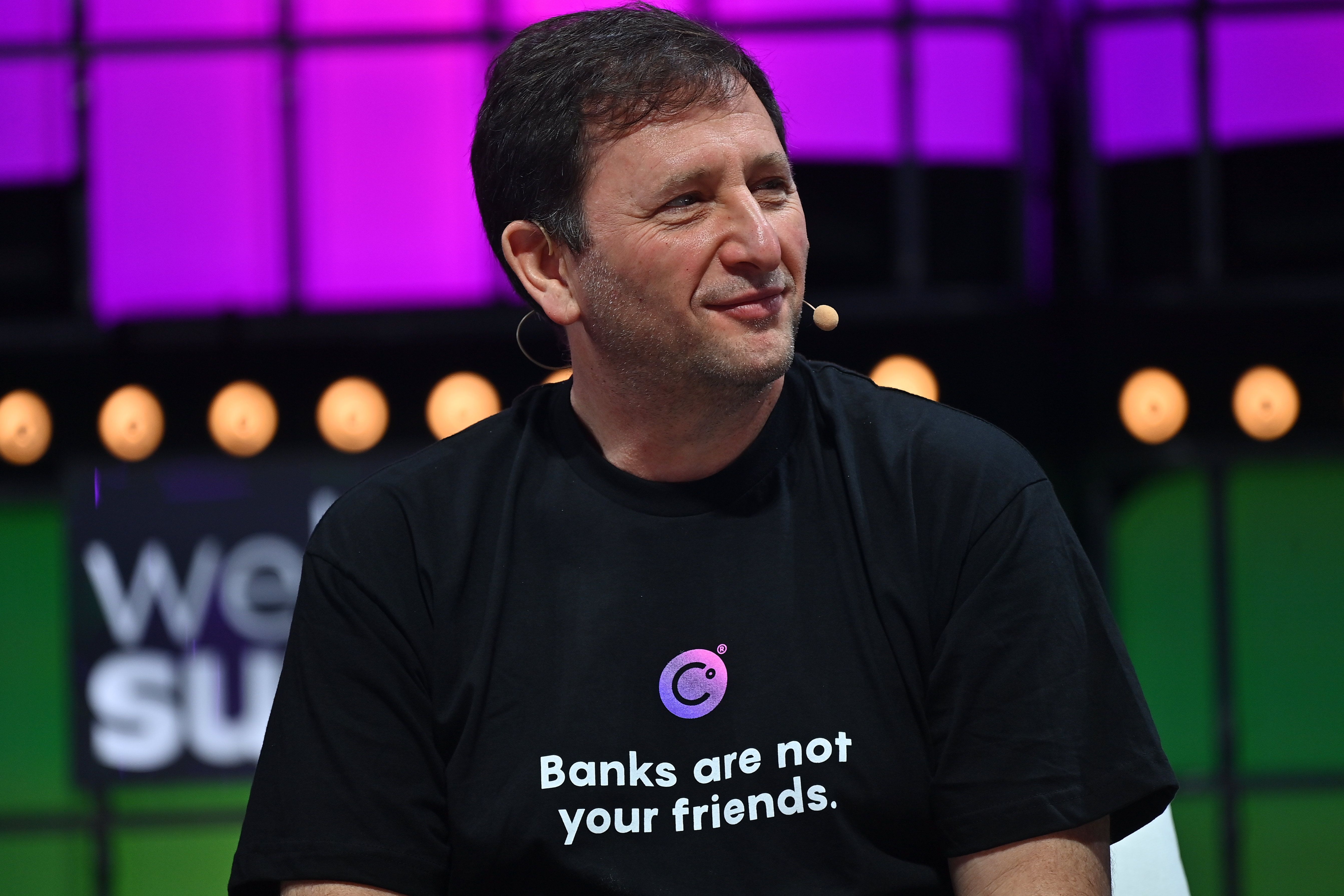
Alex Mashinsky, co-founder of Celsius Network, is set to plead guilty to charges of fraud tied to his role in artificially inflating the value of the CEL token, which was pivotal to the cryptocurrency platform. This development follows Mashinsky’s decision to change his plea, marking a significant shift in the high-profile case. Prosecutors allege that Mashinsky misled investors by manipulating the token’s price to attract users and generate personal profits, estimated at $42 million.

Celsius Network, once a major player in crypto lending, allowed users to earn returns on digital assets and access loans backed by cryptocurrency. However, its financial collapse in 2022 revealed vulnerabilities exacerbated by broader market turmoil, including the failure of the Terra-Luna ecosystem. Mashinsky is accused of using deceptive practices to assure investors of Celsius’s stability, despite the company’s mounting risks, and misrepresenting the safety of their deposits.

The charges against Mashinsky encompass fraud, securities violations, and market manipulation. Prosecutors highlight his attempts to inflate CEL’s value through fraudulent means, claiming this misled investors and caused significant losses. His upcoming guilty plea represents an acknowledgment of his role in these allegations and aligns with broader scrutiny on transparency within the crypto sector.

Celsius filed for bankruptcy in mid-2022 after halting customer withdrawals, with billions in assets trapped in the platform. Mashinsky’s case has drawn parallels to other high-profile crypto frauds, such as the collapse of FTX, where founder Sam Bankman-Fried faced criminal prosecution for mismanaging user funds. These incidents underscore the growing legal risks for executives in the digital asset industry and the heightened focus on regulatory enforcement.

The trial proceedings have also addressed complex legal interpretations of securities and commodities laws. Earlier attempts by Mashinsky to have charges dismissed were rejected, with judges affirming the validity of the allegations under both the Commodity Exchange Act and the Securities Exchange Act. If convicted on all counts, Mashinsky could face a lengthy prison sentence, reflecting the severity of his alleged misconduct.

Coinbase CEO Brian Armstrong has announced the company will no longer engage with law firms that employ individuals involved in regulatory actions perceived as unfavorable to the cryptocurrency industry. This decision has already resulted in Coinbase ceasing its professional relationship with Milbank LLP following the hiring of Gurbir Grewal, former Director of the U.S. Securities and Exchange Commission’s (SEC) Division of Enforcement.

Armstrong expressed concern about regulatory policies pursued during Grewal’s tenure at the SEC, which included stringent enforcement actions against crypto firms. His time as SEC enforcement director from 2021 to 2024 saw over 2,400 cases prosecuted, generating over $20 billion in penalties. Grewal was particularly active in addressing compliance violations within the digital asset sector, contributing to over 100 enforcement actions targeting cryptocurrencies and blockchain companies.

Milbank’s decision to appoint Grewal as a partner in its Litigation and Arbitration Group was highlighted as a strategic move to bolster its expertise in regulatory compliance and litigation. However, Armstrong views such appointments as a potential conflict for Coinbase, which is actively defending itself against SEC lawsuits alleging it operated unregistered securities offerings and platforms.

Armstrong’s stance underscores escalating tensions between the crypto industry and U.S. regulators. Coinbase has openly criticized the SEC for what it describes as a lack of clarity and support for the digital asset ecosystem, advocating instead for comprehensive legislation tailored to cryptocurrencies. The company’s decision to sever ties with Milbank reflects a growing divide between industry participants and regulatory bodies, with Armstrong positioning Coinbase as a champion of crypto-friendly reforms.

The implications of this decision extend beyond Coinbase, raising questions about the ability of law firms to maintain neutrality while representing clients in highly polarized industries. It also highlights the increasing scrutiny faced by former regulators entering private practice, particularly in sectors they once oversaw. As the legal and regulatory landscape around digital assets continues to evolve, such tensions are likely to shape the strategies of both companies and law firms navigating these complexities.

Grewal, who previously served as Attorney General of New Jersey before joining the SEC, has defended his record, emphasizing his commitment to investor protection and market fairness. His work has included actions against insider trading, fraud, and compliance violations, aiming to uphold the integrity of financial markets. As a Milbank partner, Grewal is expected to bring his expertise to high-stakes cases, particularly those involving white-collar crime and regulatory enforcement.

KPay strengthens its position as the leading regional platform for merchants to simplify financial management and streamline business operations. The investment by Apis Growth Markets Fund III and Apis Global Growth Fund III will accelerate KPay’s trajectory to support one million merchants across Asia in the next five years HONG KONG/SINGAPORE – Media OutReach Newswire – 3 December 2024 – KPay Group (KPay), a one-stop financial management […]

Cryptocurrency trading in South Korea has faced a turbulent period marked by sharp declines in the value of digital assets paired with the Korean won. Bitcoin prices dropped dramatically to $79,167, while XRP fell to $1.89 during a temporary halt in trading activities. This disruption is closely tied to the implementation of martial law by the country’s leadership, which resulted in the complete shutdown of cryptocurrency exchanges and a pause in trading activity.

The declaration of martial law was reportedly aimed at ensuring political stability and security amid escalating tensions. However, it inadvertently led to market panic, affecting both institutional and retail cryptocurrency investors. Exchange operators were forced offline, rendering digital wallets and trading services inaccessible. This scenario disrupted the South Korean cryptocurrency market, one of the most active globally, renowned for its high trading volumes and significant local investor participation.

After the initial shock, trading volumes and prices have shown signs of recovery as exchanges gradually resume operations under stringent monitoring. The impact of these events has shed light on the vulnerabilities of digital asset trading platforms, especially in regions with heightened political risks. Market analysts suggest that the sharp price drops also highlighted the dependence of cryptocurrencies on broader socio-political factors, challenging the perception of these assets as insulated from traditional market influences.

The Korean won has been a key currency in global cryptocurrency markets, with South Korea’s exchanges acting as critical liquidity providers. This is partly due to regulatory clarity and strong local demand for cryptocurrencies. Despite this robust environment, the martial law declaration revealed gaps in crisis management and operational resilience among exchange operators. Stakeholders, including the government and financial regulators, are now exploring policy frameworks to ensure business continuity during unforeseen disruptions.

Bitcoin and XRP, alongside other major cryptocurrencies, saw varying degrees of recovery as investor confidence began to return. Bitcoin’s recovery reflects its status as a benchmark cryptocurrency, while XRP’s performance underlines the impact of regional trading dynamics. Observers have noted increased activity among professional traders leveraging the temporary volatility for speculative gains.

Cryptocurrency regulation in South Korea has been a topic of considerable debate, with authorities historically adopting a proactive stance to safeguard investors while fostering innovation. This latest incident may accelerate efforts to establish a more robust regulatory infrastructure, emphasizing risk mitigation strategies. Potential measures under discussion include mandatory contingency planning for exchanges, stricter capital requirements, and enhanced cybersecurity protocols.

The martial law’s implications extend beyond market disruptions, potentially reshaping global perceptions of South Korea as a hub for cryptocurrency activity. While the immediate focus remains on restoring normalcy in trading, long-term considerations include the balance between ensuring national security and maintaining the country’s competitive edge in blockchain and cryptocurrency innovation. The rapid rebound in trading volumes suggests resilience within the market, although questions linger regarding the sector’s preparedness for similar challenges in the future.

IBIT, a prominent player in the cryptocurrency space, has crossed a significant milestone by accumulating more than 500,000 BTC in its reserves. This achievement places IBIT at the forefront of institutional investors, holding one of the largest Bitcoin stashes worldwide.

The growth of IBIT’s Bitcoin holdings signals not only the company’s expanding influence in the digital asset market but also the ongoing shift toward institutional investment in cryptocurrency. While many traditional investors have historically viewed Bitcoin and similar assets with skepticism, IBIT’s increasing accumulation of BTC highlights a changing trend, with crypto assets now becoming a central part of investment portfolios.

The timing of this move is notable, with Bitcoin’s market volatility and institutional adoption on the rise. As Bitcoin’s price has experienced fluctuations, the growing institutional presence in the market has added a layer of stability and legitimacy to the digital currency. IBIT’s actions are reflective of a broader trend where institutional investors are looking beyond Bitcoin’s price swings and viewing the cryptocurrency as a long-term store of value.

IBIT’s strategy aligns with a growing confidence in the potential of Bitcoin, especially as more companies and financial institutions seek exposure to this volatile yet highly profitable asset class. The company has made headlines not only for its significant Bitcoin holdings but also for its consistent commitment to securing digital assets in a safe and compliant manner. In a space rife with regulatory uncertainty, IBIT’s methodical approach to managing its Bitcoin reserves underscores the increasing sophistication of institutional cryptocurrency investing.

The surge in IBIT’s Bitcoin stash is reflective of an overarching trend in the cryptocurrency industry, where institutional players are playing an increasingly prominent role. Traditional hedge funds, family offices, and large corporations have recognized the value of diversifying their assets into Bitcoin, with the aim of reducing risk and boosting returns. The 500,000 BTC mark comes at a time when several other major players in the industry have followed suit, significantly raising their stakes in Bitcoin as an asset class.

Bitcoin’s market dynamics have changed considerably in recent years, with a notable increase in the volume of institutional investment. As these investors continue to accumulate large quantities of BTC, they inadvertently strengthen Bitcoin’s position within the global financial ecosystem. The digital currency is no longer just a speculative investment but is now seen as a legitimate store of value akin to gold.

IBIT has managed to build its position in the Bitcoin market through strategic acquisitions and partnerships with other major cryptocurrency-related firms. Its growing presence has been fueled by its adherence to a disciplined investment strategy, ensuring its Bitcoin holdings are not only large but also securely stored. This approach has won IBIT the trust of investors and stakeholders alike, many of whom view the company’s success as a blueprint for navigating the complexities of digital asset management.

IBIT’s holdings have been particularly significant when considering the broader trends in Bitcoin’s supply. With the cryptocurrency’s total supply capped at 21 million, large-scale holders like IBIT are seen as key players in the future price dynamics of Bitcoin. By owning over 500,000 BTC, IBIT controls a substantial portion of the available supply, which may influence both the market price and the broader narrative surrounding Bitcoin’s role in the global financial system.

The focus on secure and compliant Bitcoin holdings is an essential aspect of IBIT’s strategy. As regulatory bodies across the world continue to refine their approaches to cryptocurrency, IBIT has positioned itself as a leader in adhering to these evolving standards. This has ensured that its Bitcoin assets remain insulated from regulatory pressures that could potentially jeopardize the security or legality of the holdings.

IBIT’s ability to accumulate such a large amount of Bitcoin has garnered significant attention from investors and analysts. Many view the company’s strategy as indicative of the future direction of the digital asset market, where institutional players will continue to play a dominant role in shaping the supply and demand dynamics of Bitcoin. As Bitcoin’s price continues to rise, driven in part by institutional accumulation, IBIT’s strategic position places it at the center of an increasingly influential market.

The company’s success is also intertwined with Bitcoin’s role as a potential hedge against inflation and economic uncertainty. As central banks around the world continue to adopt expansive monetary policies, Bitcoin has gained recognition as an alternative asset that can serve as a store of wealth. This has contributed to the rise of institutional adoption, as large players seek assets that are less vulnerable to the policies and fluctuations of traditional financial systems.

Kinesis Network, a leading compute optimization platform, has launched an advanced serverless feature aimed at revolutionizing the way businesses execute workloads across diverse multi-cloud environments. This innovation, designed with artificial intelligence (AI) applications in mind, promises to enhance scalability, flexibility, and cost-efficiency for organizations worldwide. As companies increasingly rely on AI for business transformation, Kinesis Network’s new offering positions itself as a key player in optimizing cloud […]

By Nitya Chakraborty Less than two months are left for the presentation of the second budget of the third term Narendra Modi government in Parliament in February next year relating to the financial year 2025-26. The budget exercises are on in the finance ministry and the focus is on mobilizing additional resources for meeting the […]

PHNOM PENH, CAMBODIA – Media OutReach Newswire – 3 December 2024 – Visa, a global leader in digital payments, hosted its first Open Payments Session in the Kingdom, bringing together regulators, subject matter experts, merchants, and financial services representatives to explore best practices and thought leadership shaping the future of payments. The forum focused on the evolving landscape of digital payments, driven by increased smartphone penetration and […]

France is shifting its focus toward harnessing the significant financial might of Saudi Arabia’s Public Investment Fund (PIF) as part of a strategic initiative to boost its economic recovery and global influence. With the PIF’s rapid expansion into diverse sectors—ranging from technology and renewable energy to infrastructure and entertainment—France sees a unique opportunity to attract capital that could be pivotal for both immediate economic growth and long-term […]

A pivotal global conference, COP16 of the UN Convention to Combat Desertification (UNCCD), has commenced in Riyadh, marking a significant step in addressing environmental degradation and climate change. This event, the largest multilateral gathering hosted by Saudi Arabia, underscores a unified commitment to tackle land degradation, with $2 billion pledged by international partners to combat global drought and desertification. The conference brings together leaders, environmentalists, and experts […]

Germany’s financial regulatory authority, BaFin, has granted approval for 21X, a Frankfurt-based exchange, to begin trading tokenized securities. This milestone positions 21X as a key player in the European financial market, particularly in the burgeoning sector of blockchain-based trading platforms.

21X’s platform will allow the trading of tokenized assets including equity and debt securities, investment funds, real estate, and artworks. By tokenizing these traditional assets, 21X aims to simplify transactions, reduce costs, and bring greater liquidity to markets traditionally hindered by inefficiencies. The exchange plans to launch in the first quarter of 2025, offering investors the ability to trade these assets in fractionalized, digitized forms.

The approval from BaFin is a significant step forward for the tokenization of financial assets in Europe. It also marks a victory for the broader blockchain and cryptocurrency industries, which have faced regulatory challenges in various jurisdictions worldwide. BaFin’s endorsement suggests that Germany is adopting a more favorable approach to the integration of blockchain technology into the financial system.

The approval comes amid a growing interest in digital assets within global financial markets. Tokenization, the process of converting ownership of an asset into a digital token on a blockchain, has gained traction in recent years as a way to democratize access to investments and improve liquidity. Through this process, assets such as real estate and artworks, which were traditionally illiquid and costly to trade, can now be fractionalized, allowing investors to buy and sell portions of these assets with ease.

21X’s move to tokenize securities will likely have a ripple effect on traditional financial markets. By offering tokenized equities and bonds, the platform could revolutionize how these instruments are bought, sold, and traded. The use of blockchain technology ensures transparency, security, and faster settlement times compared to traditional methods. The decentralization of the platform also eliminates the need for intermediaries, which typically increase transaction costs and time delays.

The platform’s ability to tokenize real estate and artworks is particularly notable. These markets have been notoriously difficult to access for smaller investors due to high entry costs. Tokenizing these assets allows for fractional ownership, where a single asset is divided into multiple smaller tokens, each representing a share in the overall value of the asset. This opens up these markets to a much wider pool of investors, particularly those who would not have been able to afford a full property or artwork investment.

The approval by BaFin is also seen as a sign that European regulators are becoming more open to innovative financial technologies. In the past, blockchain and cryptocurrency ventures have faced scrutiny, with some countries opting for restrictive regulations. However, Germany’s progressive stance on digital assets reflects a growing recognition of the potential benefits that blockchain technology can bring to the financial sector.

Experts believe that BaFin’s decision will spur further developments in the blockchain space within Germany and beyond. As the financial landscape continues to evolve, tokenization could play a pivotal role in shaping the future of investments, particularly in Europe’s financial hub, Frankfurt.

21X’s entry into the market aligns with a broader trend toward decentralized finance (DeFi), where blockchain-based systems allow for peer-to-peer transactions without traditional banking intermediaries. The integration of tokenized securities into the DeFi ecosystem could significantly change how financial markets operate globally, further bridging the gap between traditional finance and digital currencies.

However, while the move is celebrated within the blockchain community, challenges remain. Regulatory compliance and investor protection are ongoing concerns. For instance, ensuring that tokenized assets adhere to existing financial laws and standards will require careful oversight and continuous collaboration between regulatory bodies and blockchain companies. The legal framework surrounding digital assets is still developing, and the integration of tokenized securities into mainstream financial markets may necessitate further legislative adjustments.

Market adoption could be slow, as institutional investors may hesitate to embrace new technologies that significantly differ from traditional trading platforms. Overcoming this inertia will require robust education and clear benefits to attract both institutional and retail investors.

Ethena, a prominent player in the cryptocurrency space, has formed a strategic partnership with the on-chain derivatives protocol Derive, marking a significant development in decentralized finance (DeFi). This collaboration ensures that Ethena’s sENA token holders will secure 5% of the total DRV token supply, positioning Ethena as a key participant in Derive’s expanding ecosystem.

Derive’s innovative derivatives protocol, designed to offer a decentralized solution for futures trading, enhances its offerings by integrating Ethena’s synthetic dollar, USDe. This partnership aims to further stabilize both platforms’ token economies and enhance the trading experiences within decentralized markets. The integration of sENA holders into Derive’s ecosystem highlights a growing trend of DeFi protocols leveraging cross-collaboration to boost liquidity and foster mutual growth.

Ethena’s USDe, a synthetic dollar backed by Ethereum and Bitcoin collateral, is known for its delta-neutral stability model. By utilizing a combination of staked assets and perpetual/futures market spreads, USDe maintains a stable value relative to spot crypto assets. This approach contrasts with traditional stablecoins like USDC or USDT, as it is designed specifically for the crypto-native world, ensuring that it remains resilient against traditional financial risks while offering a scalable solution within DeFi. The recent collaboration underscores Ethena’s vision to provide decentralized financial products that are both sustainable and innovative, giving its users new ways to engage in the DeFi ecosystem.

In addition to its technical components, Ethena also emphasizes the importance of transparency and security in its operations. The protocol’s use of off-chain custody and multisig infrastructure ensures that assets remain secure even as they flow across different DeFi platforms. This commitment to user safety is crucial as the DeFi space continues to mature, and the partnership with Derive reflects Ethena’s continued dedication to enhancing its product offerings.

With the backing of its innovative financial model, Ethena aims to create an environment that supports greater integration between DeFi protocols and their respective user bases. By securing a portion of Derive’s DRV token supply for sENA holders, Ethena is enhancing its utility within the DeFi ecosystem and aligning itself with platforms that share a similar vision of decentralized finance.

This partnership is also poised to create new opportunities for liquidity provision and reward generation for users. As both protocols focus on providing long-term stability through hedging and derivatives trading, Ethena’s integration with Derive could signal further shifts in how decentralized platforms manage risk and reward in the future.

The inclusion of sENA holders in Derive’s DRV token distribution exemplifies the increasing interconnectivity of decentralized finance protocols. It reflects a broader trend where platforms are pooling resources and expanding their services to reach a wider audience, offering more diverse investment strategies and trading opportunities. This trend is likely to accelerate as the DeFi space continues to evolve, with strategic collaborations becoming a core component of long-term growth strategies.

Saudi Aramco, the world’s largest energy company, has secured a significant foothold in the evolving mobility sector through its acquisition of a 10% stake in Horse Powertrain, a global leader in automotive engineering and electrification technologies. This strategic move, announced last week, underscores Aramco’s ambition to diversify its portfolio and strengthen its commitment to sustainable mobility solutions. Horse Powertrain, renowned for its cutting-edge advancements in electric powertrains, […]

VISHNU RAJA
RYO YAMADA
HITORI GOTOH
IKUYO KITA
Just in:
Eisenkot Has A Tough Task To Form A Sustainable Coalition Govt In Israel With Arab Parties // Toyota Land Cruiser 2025 and 2026. What Each Trim Costs in the UAE // US relocates tankers from second British base amid threats // The MICHELIN Guide Thailand Celebrates Its Landmark 10th Edition with Record Numbers of Entries and MICHELIN-Starred Dining Venues // North Korean hackers widen drone and software attacks // Google Health introduces blood pressure logs and glucose overlays // ADNOC Gas quarterly profit doubles to $1.34 billion // Iran displays school strike memorial at COP31 summit // SIR Must Be Scrapped Because It Shows Large Number Of Live Voters Dead // Eisenkot Has A Tough Task To Form A Sustainable Coalition Govt In Israel With Arab Parties // BJP complaint against Murali over Vande Mataram // High Court strikes down police curbs on hotel night life // Singapore introduces AI scam alerts for messaging conversations // Thai Airways discloses 60,529 records exposed through Amadeus // Flydubai Dammam cancellations persist as Etihad extends suspensions // Far Right Defeat In U.S. Mid Term Polls Has Lessons For Indian Polity // New Two Way Trade Momentum Highlighted at China-Africa Cooperation Forum in Yiwu // BJP complaint against Murali over Vande Mataram // GCC defence ministers discuss military coordination amid Iran conflict // Prudential announces title sponsorship of “Prudential Hong Kong Winter Wonderland in Tsim Sha Tsui”, lighting up Victoria Harbour this winter //