News related to
financial

Qatar Financial Centre (QFC) has officially unveiled its Digital Assets Framework for 2024, marking a significant step in the nation’s efforts to position itself as a global hub for digital finance. This framework, introduced on September 1, provides a comprehensive legal and regulatory structure for digital assets, encompassing a range of services from tokenization to smart contracts. The new framework was meticulously developed in consultation with over […]

UAE and Kuwait have reinforced their diplomatic and economic ties by signing several memoranda of understanding (MoUs) aimed at enhancing cooperation across various strategic sectors. The agreements were finalized during the fifth session of the UAE-Kuwait Joint Higher Committee, held in Abu Dhabi and chaired by UAE Deputy Prime Minister and Minister of Foreign Affairs, Sheikh Abdullah bin Zayed Al Nahyan.

The discussions underscored the significance of deepening collaboration in areas such as industry, trade, renewable energy, transportation, and infrastructure development. Both countries highlighted the importance of these sectors in driving economic growth and diversifying their economies, particularly in the context of shifting global energy dynamics.

Sheikh Abdullah emphasized the strong historical relationship between the two nations and the mutual benefits of the agreements. He noted that the partnership between UAE and Kuwait has always been a cornerstone of stability and progress in the Gulf region. The MoUs, he added, are not just symbolic but represent actionable plans that will have a tangible impact on the economic and social development of both countries.

The Kuwaiti delegation, led by Foreign Minister Sheikh Salem Abdullah Al-Jaber Al-Sabah, echoed these sentiments, stressing the strategic importance of the agreements in fostering long-term cooperation. Sheikh Salem highlighted that these MoUs are aligned with Kuwait’s Vision 2035, which aims to transform the country into a financial and trade hub, with a sustainable and diversified economy.

One of the key areas of focus during the talks was the renewable energy sector. Both UAE and Kuwait have committed to increasing investments in this area, recognizing the critical role of renewable energy in achieving energy security and environmental sustainability. The UAE, with its ambitious clean energy targets, is expected to share its expertise and technological advancements with Kuwait, which is also exploring ways to reduce its dependency on fossil fuels.

Trade and industry were also central to the discussions, with both sides agreeing to enhance bilateral trade relations. The MoUs are expected to facilitate easier access to markets, remove trade barriers, and encourage joint ventures in key industries. This move is anticipated to boost economic activity and create new opportunities for businesses in both countries.

Transportation and infrastructure development were other major topics on the agenda. The two countries plan to collaborate on large-scale infrastructure projects, including the expansion of transportation networks and the development of smart cities. These initiatives are part of broader efforts to modernize infrastructure and improve connectivity within the Gulf region, which is vital for sustaining economic growth and enhancing regional integration.

The UAE-Kuwait Joint Higher Committee has been a key platform for strengthening bilateral relations since its establishment. The committee meets periodically to review the progress of joint initiatives and explore new areas of cooperation. This latest session marked a significant step forward in UAE-Kuwait relations, with both sides expressing optimism about the future of their partnership.

As the global landscape continues to evolve, UAE and Kuwait are positioning themselves as key players in the Gulf region by building on their strong diplomatic ties and expanding their cooperation in critical sectors. The MoUs signed at the fifth session of the Joint Higher Committee are expected to pave the way for further collaboration and contribute to the economic and social development of both countries.

SHENZHEN, CHINA – Media OutReach Newswire – 2 September 2024 – The Plan for Comprehensively Deepening Reform and Opening-up of the Qianhai Shenzhen-Hong Kong Modern Service Industry Cooperation Zone (hereinafter referred to as the “Qianhai Plan”) was officially released on September 6, 2021. Over the past three years, the GDP, fixed asset investment, and imports & exports of Qianhai have grown at an average annual rate of […]

A joint venture between ADNOC Drilling and Alpha Dhabi has secured an expanded stake in Gordon Technologies, marking a significant development in the energy sector. This acquisition comes as part of an ongoing effort to enhance the technological capabilities of ADNOC’s oilfield services, reflecting a broader strategy to strengthen the company’s global presence. Gordon Technologies, a Texas-based firm specializing in Measurement While Drilling (MWD) technology, has been […]

A former senior executive at SHUAA Capital has filed a $6 million lawsuit against the investment banking firm, alleging unpaid labor dues and breach of contract. The legal action, filed in Dubai’s civil courts, has drawn significant attention within the financial community, highlighting ongoing disputes over compensation in the industry. The executive, who held a prominent position at SHUAA Capital, claims that the company failed to fulfill […]

Dubai-based DP World has acquired Hong Kong’s Cargo Services Far East (CSFE) in a strategic move aimed at strengthening its foothold in the retail logistics sector across China. This acquisition, valued at approximately $300 million, highlights DP World’s intent to expand its operations within the Asia-Pacific region, particularly by enhancing its supply chain capabilities to meet the growing demands of the Chinese market.

CSFE, a leading player in retail logistics, provides comprehensive supply chain services, including warehousing, freight forwarding, and distribution, primarily serving major retail brands across Asia. By integrating CSFE’s operations into its global network, DP World is poised to offer end-to-end solutions that cater to the increasingly complex logistics needs of its customers.

The deal aligns with DP World’s broader strategy of diversifying its portfolio beyond traditional port operations. This acquisition is seen as a significant step in DP World’s efforts to position itself as a leading provider of integrated logistics solutions, leveraging CSFE’s established presence and expertise in the region to enhance its service offerings.

This move also reflects DP World’s commitment to expanding its presence in key growth markets. With China’s retail market continuing to grow, the acquisition of CSFE allows DP World to tap into a vast and dynamic consumer base, providing a crucial link between manufacturers and end-users across the region.

The acquisition is expected to enhance DP World’s ability to offer seamless, efficient, and cost-effective logistics solutions, further strengthening its competitive position in the global logistics landscape.

DP World’s acquisition of CSFE comes amid a broader trend of consolidation in the logistics industry, driven by the need to offer more integrated and scalable solutions to customers. As global trade dynamics continue to evolve, DP World’s strategic acquisitions and investments underline its commitment to adapting to these changes and staying ahead in a highly competitive market.

The integration of CSFE into DP World’s network is anticipated to bring significant synergies, including improved operational efficiencies, enhanced service capabilities, and increased market penetration in the Asia-Pacific region. This acquisition is expected to contribute positively to DP World’s financial performance, reflecting the company’s strategic focus on expanding its logistics and supply chain services.

DP World’s acquisition of CSFE marks a critical milestone in its expansion strategy, reinforcing its position as a leading global logistics provider. By leveraging CSFE’s established market presence and expertise, DP World is well-positioned to capitalize on the growing demand for integrated logistics solutions in China and beyond.

This acquisition is also in line with DP World’s vision of becoming an end-to-end logistics provider, offering a full range of services that encompass the entire supply chain, from port operations to last-mile delivery. As the logistics industry continues to evolve, DP World’s strategic investments in key growth markets like China are expected to drive its long-term growth and success.

Nintendo of Europe has unveiled a new leadership team following an extensive reorganization. Luciano Pereña has been appointed as the president, CEO, and chairman of the company. He succeeds Stephen Bole, who has stepped down after a six-year tenure and a total of 35 years with Nintendo. Stephen Bole, who joined Nintendo of Europe as COO and president in 2018, has decided to retire. His departure marks […]

Advertisements

The UK’s video game sector experienced a notable increase in tax relief claims, with payouts reaching £282 million for the 2022-23 financial year. This represents a 10% rise from the previous year, highlighting the industry’s robust growth and the effectiveness of government incentives designed to support game developers.

According to data from the HMRC’s Creative Industries Statistics commentary, 525 claims were made under the Video Games Tax Relief (VGTR) scheme, which allows developers to claim a 20% credit on production costs. The increase in claims is largely attributed to a surge in high-value projects, with several exceeding the £2 million threshold.

The VGTR scheme, introduced in 2014, has been instrumental in supporting the UK’s position as a leading hub for video game development. The UK games industry is a significant contributor to the economy, generating approximately £2.9 billion annually and supporting over 47,000 jobs. The tax relief has enabled both large and small studios to undertake ambitious projects that might otherwise have been financially unfeasible.

However, the industry is on the brink of a major transition. The UK government has announced that the VGTR will be replaced by the Video Games Expenditure Credit (VGEC) starting April 2025. This new scheme, which offers a higher headline rate of 34%, is designed to align with international tax reforms and focus on domestic spending within the UK. While the VGEC is expected to provide similar levels of support, it introduces stricter criteria, particularly regarding eligible expenditures.

Despite these changes, the current VGTR remains in place for projects already in development, with a transition period extending to April 2027 for some claims. This phased approach aims to minimize disruption and allow developers time to adjust to the new regulations.

The continued success of the UK’s video game industry is likely to depend on how smoothly this transition is managed. With VGEC offering slightly more favorable terms, there is cautious optimism within the sector that the new system will continue to foster innovation and maintain the UK’s competitive edge on the global stage.

SINGAPORE – Media OutReach Newswire – 2 September 2024 – The motivation to grow our wealth to prepare for the future is deeply engrained in many Singaporeans, yet does this same tenacity extend to preserving our health for our golden years? Afterall, what is wealth without good health? This question was explored in a recent May 2024 poll1 commissioned by Prudential Singapore. One thousand Singapore residents, aged […]

By Nantoo Banerjee Democratically elected governments often think their electors are idiots. They may have good reasons to build such a notion as a good number of them don’t deserve to be there in terms of their personal background and characteristic traits. Many of them are booked for even criminal offences. Voters have little choice […]

Brazil has officially suspended the social media platform X, owned by Elon Musk, following a court order from Supreme Court Justice Alexandre de Moraes. The suspension is the result of X’s failure to comply with a mandate to appoint a legal representative in the country and pay fines totaling 18.5 million reais ($3.28 million). The ban is part of a broader conflict between Musk and Brazilian authorities, which also saw the freezing of financial accounts tied to Musk’s Starlink service.

Justice de Moraes ordered the immediate shutdown of X, citing the platform’s repeated non-compliance with Brazilian law. The ban is accompanied by stringent measures to prevent users from accessing X via virtual private networks (VPNs), with hefty daily fines imposed on those who attempt to bypass the blockade. The situation has sparked widespread controversy, with figures both in Brazil and internationally criticizing the move as a suppression of free speech.

Elon Musk, who has been vocal about his commitment to free speech, expressed outrage over the ban. He accused the Brazilian government of authoritarian behavior, likening the actions of the administration to those of oppressive regimes. The suspension of X has also drawn criticism from various political and social commentators, who see it as a dangerous precedent for censorship in the digital age.

Brazilian President Luiz Inácio Lula da Silva defended the court’s decision, stating that all entities operating within Brazil must adhere to the country’s laws. He emphasized that foreign companies are not exempt from Brazilian legal requirements, a sentiment echoed by Justice de Moraes in his ruling. This legal battle marks a significant moment in the ongoing global discourse on the regulation of social media platforms and the balance between free speech and legal accountability.

The ban on X has driven many Brazilian users to seek alternatives, with platforms like Bluesky seeing a surge in new registrations. This shift highlights the growing concern among users about the potential for governmental overreach and the future of free expression online. The implications of this legal standoff extend beyond Brazil, as global observers watch closely to see how it may influence social media regulation worldwide.

As the situation continues to develop, it remains to be seen how Musk and X will respond to the Brazilian government’s actions and whether this conflict will escalate further. The outcome could have far-reaching consequences for the relationship between tech giants and sovereign states, as well as the broader fight over digital rights in the 21st century.

Star Entertainment, the Australian resort and casino operator, has been suspended from trading on the Australian Securities Exchange (ASX) following its failure to release annual financial results. The suspension, which took effect on Monday, marks a significant setback for the company, already grappling with a series of operational and financial challenges. The delisting comes as a result of Star Entertainment’s inability to meet the ASX’s regulatory requirements. […]

The United Arab Emirates has officially launched its visa amnesty program, which will run until the end of 2024. This initiative aims to provide a comprehensive opportunity for expatriates with expired visas to rectify their status without facing fines or deportation. The UAE’s decision to waive penalties and offer a clean slate is part of a broader effort to enhance the nation’s immigration policies and address labor […]

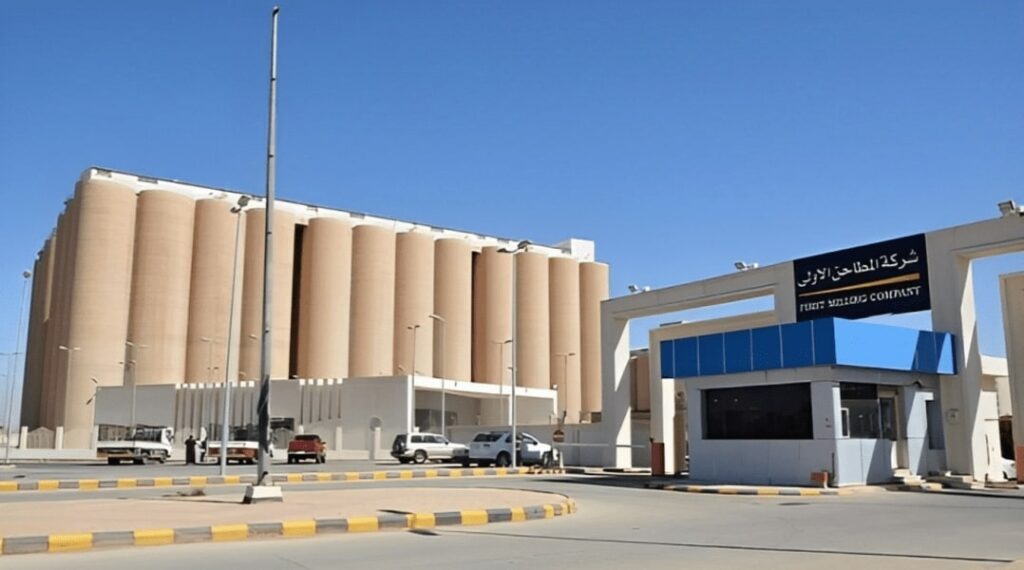
Arabian Mills for Food Products Co.’s initial public offering (IPO) in Saudi Arabia garnered significant attention, with the offering being fully covered within an hour of the books opening. This surge in investor interest reflects a robust appetite for new market opportunities and suggests continued momentum in the kingdom’s IPO market for the remainder of the year.

The IPO of Arabian Mills, a key player in the Saudi food industry, was launched as part of the ongoing surge in the Saudi financial markets. The company’s swift success highlights the thriving investment environment in the region, driven by increasing investor confidence and growing market demand. The offering was met with substantial enthusiasm, indicating that the investor base remains active and optimistic about new market entrants.

Saudi Arabia’s IPO landscape has experienced a notable transformation in 2024, with several high-profile listings capturing significant market interest. This latest offering from Arabian Mills is a testament to the buoyant sentiment among investors who are keen on capitalizing on emerging opportunities in the kingdom’s growing sectors. The rapid coverage of the IPO underscores a strong endorsement from the investment community, eager to engage with promising new ventures.

Recent trends show that the Saudi IPO market is thriving due to several factors, including economic diversification efforts and regulatory support from the government. The Saudi Vision 2030 initiative has been instrumental in reshaping the economic landscape, encouraging private sector growth, and enhancing market liquidity. This vision is reflected in the increasing number of successful IPOs and the growing participation of both institutional and retail investors.

Arabian Mills for Food Products Co. is positioned strategically within the Saudi food industry, which has seen a surge in demand due to demographic growth and changing consumer preferences. The company’s successful IPO is indicative of the strong performance of sector-specific offerings, driven by the increasing importance of food security and sustainability in the region.

Looking ahead, the IPO market in Saudi Arabia is expected to maintain its momentum, with several other companies poised to follow suit. The enthusiasm demonstrated by investors in Arabian Mills’ offering is likely to spur further activity and attract additional listings in the final months of 2024. This trend aligns with broader economic objectives and underscores the kingdom’s commitment to fostering a dynamic and diversified market environment.

The Saudi IPO market continues to attract significant attention from both domestic and international investors, reflecting the kingdom’s economic vitality and investor confidence. As the year progresses, the market is anticipated to sustain its vibrant activity, with ongoing support for new public offerings and an expanding range of investment opportunities.

The strong performance of Arabian Mills for Food Products Co.’s IPO highlights a key development in Saudi Arabia’s financial sector and sets a positive precedent for future market activities. The enthusiastic response from investors reinforces the ongoing appeal of the kingdom’s capital markets and the broader economic landscape.

Bahrain has unveiled a new tax regulation requiring large multinational corporations to pay a minimum tax rate of 15%, effective from January 2025. This policy marks a significant shift in the Gulf nation’s economic strategy, aiming to align with global tax standards and diversify its revenue streams.

The decision comes in response to the ongoing international movement towards a unified global tax system. Bahrain’s move aligns with the Organisation for Economic Co-operation and Development (OECD) framework, which seeks to curb tax avoidance by imposing a minimum tax rate on large corporations worldwide. By adopting this policy, Bahrain joins a growing list of countries implementing measures to ensure fairer taxation practices and reduce the competitive advantage of low-tax jurisdictions.

Bahrain’s Finance Minister, Sheikh Salman bin Khalifa Al Khalifa, announced the tax reform, emphasizing that the new rate would enhance the nation’s economic stability and transparency. The reform targets multinational companies with annual revenues exceeding a specified threshold, focusing on sectors such as finance, technology, and manufacturing.

The introduction of this tax rate represents a notable departure from Bahrain’s previously favorable tax environment, which has been a significant attraction for foreign investments. The country’s economic diversification strategy, spearheaded by its Economic Vision 2030, aims to reduce reliance on oil revenues and bolster other sectors of the economy. This new tax policy is expected to generate substantial revenue, which will be reinvested into public services and infrastructure projects.

International businesses operating in Bahrain will need to adapt to the new tax regime by recalibrating their financial strategies and compliance practices. The tax rate is set to apply to both local and foreign entities meeting the revenue criteria, potentially affecting a broad spectrum of industries. Corporate leaders and financial analysts anticipate that this shift could influence Bahrain’s attractiveness as a business hub, though the government has reassured that it remains committed to maintaining a competitive business environment.

Economic experts suggest that Bahrain’s tax policy aligns with global efforts to tackle tax avoidance and ensure that multinational companies contribute a fair share of taxes. The OECD’s initiative, supported by over 130 countries, aims to create a level playing field in international taxation. Bahrain’s decision to implement this policy reflects its commitment to international tax norms and its desire to improve fiscal integrity.

The impact of this new tax policy will be closely monitored by businesses and economic analysts. While it may lead to adjustments in Bahrain’s business landscape, it also signals the country’s proactive approach in adapting to global economic trends. Companies with operations in Bahrain will need to prepare for the changes by updating their financial planning and tax compliance measures in the lead-up to 2025.

As Bahrain moves forward with this tax reform, it underscores a broader global shift towards more equitable tax systems. The nation’s commitment to implementing the 15% minimum tax rate highlights its strategic efforts to align with international standards and foster a more transparent and sustainable economic environment.

A cryptocurrency trader has achieved a remarkable financial feat, turning a mere $10 investment into $150,000 within a staggering three-minute window. This rapid success was fueled by a calculated bet on a selection of lesser-known altcoins, highlighting the immense potential and volatility of the digital currency market. The trader’s windfall occurred during a particularly volatile trading session, where the chosen altcoins experienced an explosive surge in value. […]

KUALA LUMPUR, MALAYSIA – Media OutReach Newswire – 2 September 2024 – The influence of presidential elections on financial markets is often temporary. Still, the psychological effect of elections on traders and investors can cause emotional and illogical behaviour, contributing to increased market swings. Apart from the White House, the Senate is also up for grabs this fall, and the balance of power inside the legislative branch […]

ACWA Power has successfully secured $2.6 billion in financing to advance three major solar projects in Saudi Arabia, underscoring the Kingdom’s commitment to expanding its renewable energy portfolio. The projects, expected to significantly boost the country’s solar power capacity, align with Saudi Arabia’s Vision 2030 initiative, which aims to reduce reliance on fossil fuels and increase the share of renewable energy in its energy mix. The deal, […]

Rescue operations in Kerala’s Wayanad district are facing severe challenges as a massive landslide near Mundakkai has left large boulders and debris precariously hanging over the area. The landslide, triggered by heavy rains, has already caused significant damage, and the risk of further landslides looms over the region. Efforts to clear the debris and stabilize the area have been hampered by continuous downpours, making it difficult for […]

HONG KONG SAR – Media OutReach Newswire – 28 August 2024 – Prudential plc (“Prudential”; HKEX: 2378; LSE: PRU) today announced its financial results for the six months ended 30 June 2024. Performance highlights on a constant (and actual) exchange rate basis New business profit of $1,468 million. This was up 8 per cent (6 per cent) excluding the effect of interest rate and other economic impacts […]

Saudi Arabia’s pharmaceutical and medical device manufacturing sectors have witnessed a significant surge, with the total number of factories reaching 206 and investments exceeding SR10 billion ($2.6 billion). This rapid growth underscores the Kingdom’s commitment to expanding its healthcare infrastructure and supporting domestic production.

The Ministry of Industry and Mineral Resources revealed that out of the 206 factories, 56 are dedicated to pharmaceutical production. These pharmaceutical factories, licensed by the Saudi Food and Drug Authority (SFDA), represent investments of over SR7 billion. This expansion aligns with the Kingdom’s Vision 2030, which aims to reduce dependency on imports by bolstering local manufacturing capabilities.

The remaining 150 factories focus on the production of medical devices and equipment. These facilities have been instrumental in meeting the country’s growing healthcare needs, especially as global supply chains faced disruptions over the past few years. The investments in medical devices alone account for SR3 billion, reflecting the strategic importance of this sector in Saudi Arabia’s broader industrial diversification efforts.

A key factor driving this growth is the government’s active support for the private sector through favorable policies and incentives. These include tax exemptions, financial grants, and streamlined licensing processes. The Kingdom has also invested in infrastructure development, creating industrial zones dedicated to pharmaceutical and medical device manufacturing, which provide companies with the necessary resources to scale their operations efficiently.

The rise in local manufacturing is also attributed to the increasing demand for healthcare services in Saudi Arabia, fueled by a growing population and the government’s focus on improving public health. The healthcare sector is one of the fastest-growing segments in the Kingdom, with the government allocating substantial funds in its budget to enhance healthcare facilities, promote research and development, and attract foreign investment.

In addition to meeting domestic demand, Saudi Arabia is positioning itself as a regional hub for pharmaceutical and medical device production. The Kingdom’s strategic location and well-developed logistics network make it an ideal base for exporting products to neighboring countries and beyond. This has attracted interest from international pharmaceutical giants looking to establish a presence in the Middle East.

The local pharmaceutical industry has also benefited from partnerships with global companies, which bring in advanced technologies and expertise. These collaborations have led to the development of new products and the transfer of knowledge, further strengthening the capabilities of Saudi manufacturers. The SFDA has played a crucial role in this regard, ensuring that locally produced pharmaceuticals and medical devices meet international standards, thus enhancing their competitiveness in the global market.

Moreover, the Saudi government has launched several initiatives to support innovation and research in the pharmaceutical and medical device sectors. These include funding programs for startups and small and medium-sized enterprises (SMEs), as well as partnerships with academic institutions to foster research and development. These efforts are aimed at creating a sustainable ecosystem that encourages continuous innovation and contributes to the long-term growth of the industry.

The ongoing expansion in the pharmaceutical and medical device manufacturing sectors is expected to continue, with the government outlining ambitious plans for the coming years. These plans include increasing the number of factories, boosting production capacity, and enhancing the quality of locally produced products. The government’s emphasis on developing these sectors is seen as a crucial step towards achieving self-sufficiency in healthcare and reducing the reliance on imports, thereby ensuring the country’s resilience in the face of global challenges.

Saudi Arabia’s strides in the pharmaceutical and medical device industries reflect its broader economic transformation under Vision 2030. By fostering local manufacturing, the Kingdom is not only enhancing its healthcare capabilities but also contributing to the diversification of its economy, creating jobs, and positioning itself as a key player in the global healthcare market.


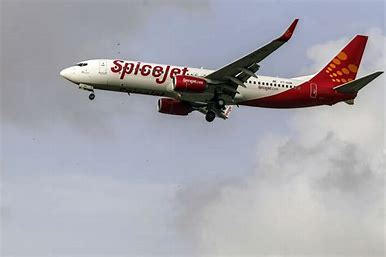
SpiceJet, one of India’s prominent low-cost carriers, is facing intensified oversight from the country’s aviation regulator, the Directorate General of Civil Aviation (DGCA). This move follows a series of operational mishaps that have raised concerns about the airline’s safety and reliability.

The DGCA’s decision to place SpiceJet under enhanced surveillance comes after multiple incidents involving technical issues and delays. These have not only inconvenienced passengers but also sparked worries over the airline’s ability to maintain a safe and efficient flight schedule. The regulatory body has mandated that SpiceJet undergo a series of rigorous checks, which include more frequent inspections of its aircraft and a closer examination of its operational practices.

The aviation sector has seen a surge in demand as travel restrictions have eased, but this has also brought increased scrutiny to airlines struggling to meet safety and service standards. SpiceJet’s troubles began earlier this year, with several flights reporting technical snags, including engine failures and landing gear malfunctions. These incidents have resulted in emergency landings and significant delays, shaking public confidence in the airline.

SpiceJet has been grappling with financial difficulties that have exacerbated its operational issues. The airline has faced challenges in maintaining its fleet and retaining key staff, leading to disruptions in its services. Despite efforts to restructure and secure additional funding, the airline has continued to face obstacles in stabilizing its operations.

The DGCA’s enhanced surveillance includes a comprehensive review of SpiceJet’s maintenance records, crew training procedures, and overall safety management systems. The regulator aims to identify and rectify any deficiencies that could compromise passenger safety. This action is part of the DGCA’s broader mandate to ensure that all airlines operating within the country adhere to the highest safety standards.

SpiceJet’s management has expressed its commitment to cooperating fully with the DGCA’s directives. The airline has assured passengers that safety remains its top priority and that it is taking all necessary measures to address the issues raised by the regulator. However, industry experts are concerned that the airline’s financial instability may hinder its ability to implement the required changes effectively.

The airline’s woes have also impacted its market position, with rivals capitalizing on SpiceJet’s struggles to gain a competitive edge. As SpiceJet works to restore its reputation, other carriers have moved to expand their routes and services, attracting passengers who might otherwise have flown with SpiceJet.

SpiceJet’s financial situation remains precarious, with mounting debts and reduced liquidity posing significant challenges. The airline has been exploring various avenues for raising capital, including the sale of assets and equity infusion. However, these efforts have yet to yield the desired results, leaving the airline in a vulnerable position.

The DGCA’s enhanced surveillance is expected to continue for an extended period as the regulator closely monitors SpiceJet’s compliance with safety regulations. The outcome of this scrutiny will likely have significant implications for the airline’s future, as failure to meet the DGCA’s standards could lead to further restrictions on its operations.

Passengers have expressed mixed reactions to the DGCA’s intervention. While some have welcomed the increased oversight as a necessary step to ensure safety, others have voiced frustration over the ongoing disruptions to their travel plans. The airline has acknowledged these concerns and pledged to improve its service quality.

SpiceJet’s situation highlights the broader challenges facing the aviation industry, particularly for carriers operating in a highly competitive and financially strained environment. As the airline navigates this difficult period, the industry will be closely watching how it addresses the issues identified by the DGCA and whether it can regain its footing in the market.

By K Raveendran The Supreme Court’s recent judgments granting bail to Delhi minister Manish Sisodia and others in the Delhi excise and similar cases mark a significant shift in how the judiciary approaches money laundering charges, particularly those pressed by the Enforcement Directorate (ED). The rulings not only highlight the evolving judicial perspective but also […]


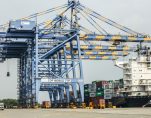
Jebel Ali Port in Dubai has achieved its highest container throughput in a single month since 2015, marking a significant milestone for the UAE’s maritime industry. This surge comes amid a notable increase in non-oil foreign trade, driven by the nation’s strategic economic partnerships. The port’s container handling reached unprecedented levels, surpassing previous records and reflecting a robust growth trajectory in trade activities. This spike in volume […]

VISHNU RAJA
RYO YAMADA
HITORI GOTOH
IKUYO KITA