News related to
financial

  • IFPHK x YF Life: Hong Kong–Macau Retirement Expense Indexrises to 131.6 — Monthly Spending Reaches HK$15,090
  • Retiree Living Costs Have Risen Nearly 3 Times Faster Than General Inflation Since 2020

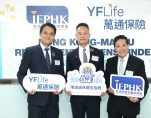
HONG KONG SAR – Media OutReach Newswire – 27 August 2026 – The Institute of Financial Planners of Hong Kong (IFPHK), in collaboration with YF Life Trustees Ltd. (YF Life Trustees), today launched the “IFPHK x YF Life: Hong Kong–Macau Retirement Expense Index” (Index). While the Index has been tracking retiree living expenses since its inception in 2020, this year marks the first time IFPHK and YF Life Trustees have partnered to expand the study to cover both Hong Kong and Macau, providing a broader regional benchmark.

Retirement Costs Soar Faster Than Inflation, Monthly Spend Hits HK$15,090: Over 72% of HK Retirees Wish They'd Acted Sooner

The findings show that retiree inflation in Hong Kong has continued to outpace general inflation. The Index rose to 131.6 in 2026, up from 127.0 in 2023 and 100 in 2020, while average monthly spending increased to about HK$15,090 in 2026. On an annualised basis, the Hong Kong Retirement Expense Index grew by more than 5% per annumfrom November 2020 to May 2026, compared with about 1.8% per annum for Hong Kong’s Composite CPI over the same period, showing that retiree living costs have effectively appreciated close to three times faster than Hong Kong’s general Composite CPI over the same period, underscoring how retirement-specific inflation — driven by travel and dining — is materially outpacing headline price trends.

Furthermore, the study reveals that more than 72% of retirees carry at least one regret regarding their retirement preparation. Most commonly, respondents feel they should have started saving or investing earlier and learned about financial planning sooner, while many continue to express concerns about medical costs, inflation, longevity risk and the risk of outliving their savings.

Dr. Paris Yeung, Chief Executive Officer of IFPHK, stated: “The findings show that satisfaction alone does not mean retirees are fully prepared. More than 72% say they have regrets, and the most common regrets point clearly to the need to start saving, investing and planning earlier. At the same time, retiree inflation has been rising faster than headline inflation, which means future retirees need more robust and flexible plans to protect their purchasing power over time. Through this expanded collaboration with YF Life, we aim to provide deeper regional insights to help future retirees plan with greater confidence.”

He added: “Turning regret into action requires starting earlier, integrating healthcare protection into retirement planning, viewing MPF as a steady retirement paycheck, and engaging qualified financial planners to address estate planning gaps. More importantly, retirement planning should shift from a rigid, set-and-forget approach to a flexible plan that adapts to each retiree’s evolving needs—what we call moving from a ‘fixed plan’ to a ‘flexible, evolving strategy’. Our goal is to help future retirees achieve sustainable and wellplanned golden years.”

Mr. Alvin Tse, Chief Executive Officer of YF Life Trustees, stated: “As the exclusive Project Sponsor of this expanded regional study, YF Life is proud to collaborate with IFPHK on this critical benchmark for Hong Kong and Macau. The 2026 data clearly shows that while retirees desire active lifestyles, they are heavily squeezed by medical inflation and the fear of outliving their wealth. To bridge this gap, retirees must shift away from viewing retirement savings as a static lump sum. By maximizing the flexibility of the MPF through phased withdrawals and mixed-asset strategies, alongside pairing them with lifetime annuity-style income streams and robust medical protection, individuals can effectively convert accumulated assets into a predictable, lifelong paycheck. True financial peace of mind comes from building an integrated fortress that safeguards against both market volatility and longevity risk.”

Key Highlights of the Study:

  • Retiree Inflation Has Outpaced General Inflation: The Index rose from 100 in 2020 to 131.6 in 2026, with average monthly retiree expenses increasing to about HK$15,090 and the Index growing at more than 5% per annum versus about 1.8% for Hong Kong’s Composite CPI for the same period. This escalation is driven partly by travelling and cross‑boundary transport—with roughly four out of five retirees visiting GBA Mainland cities and spending about RMB 1,100 per trip. This suggests that general inflation figures may understate retirees’ actual cash‑flow needs, highlighting the importance of planning for inflation‑protected retirement income and periodically rebasing budgets using a retiree‑specific living expense index rather than general CPI so they can maintain their intended post‑retirement lifestyle.
  • Retirees’ Satisfaction Masks Ongoing Financial Anxiety and Planning Gaps: Although many retirees report being satisfied with their current retirement life, concerns remain widespread, with 51% worrying about unexpected medical expenses, 41% about inflation and 77% still lacking any form of estate or asset planning. This suggests that retirees should turn present satisfaction into future resilience by building healthcare and contingency reserves, setting clear drawdown rules to manage longevity risk, and putting in place basic estate and incapacity documents such as wills, enduring powers of attorney and advance directives well before potential health or family crises arise.
  • Conservative Spending but Widespread Regret—Especially Among Asset‑Rich Retirees
    Actual retirement spending remains conservative, with average retirement expenses in 2026 equal to about 49% of pre‑retirement income. Yet more than 72% of retirees say they would have done something differently in preparing for retirement, most notably saving or investing earlier, learning financial planning earlier and communicating more openly with family about money and care needs. This pattern emphasizes that future retirees should start disciplined saving, investing and family financial discussions much earlier, even when their asset position appears comfortable.
  • MPF Transitioning Toward Income Support: While most eligible retirees still treat MPF as a lump sum, with about 76% having fully withdrawn their benefits in 2026, the scheme is gradually shifting toward an income‑support role, as 22% now use MPF to fund monthly expenses, up from 12% in 2023. Retirees are encouraged to treat MPF as part of a structured retirement income strategy, considering phased withdrawals, annuity‑style income solutions, and planned drawdowns rather than a single cash‑out, converting accumulated MPF assets into a more predictable and sustainable retirement paycheck.

Hashtag: #IFPHK #YFLife #RetirementPlanning

The issuer is solely responsible for the content of this announcement.

About “IFPHK x YF Life: Hong Kong–Macau Retirement Expense Index”

The “IFPHK x YF Life: Hong Kong–Macau Retirement Expense Index” was jointly launched in 2026 by the Institute of Financial Planners of Hong Kong (IFPHK) and YF Life Insurance International Limited. Since 2020, the Index has been the only long-term, retirement-specific benchmark tracking retirees’ actual living expenses. As the first study of its kind by IFPHK, the Index tracks and measures long-term changes in retirees’ actual living expenses with reference to the Composite Consumer Price Index (CPI) and the expenditure weightings published by the Government.

In the Hong Kong survey conducted in June 2026, NielsenIQ (NIQ) interviewed 304 retirees aged 55 to 74 with monthly personal income of at least HK$20,000 before retirement and not receiving means-tested social security or charitable support.

About IFPHK

IFPHK was established in June 2000 as a non-profit organization for the fast–growing financial industry. The Institute is the sole licensing body in Hong Kong authorized by Financial Planning Standards Board Limited to grant the much-coveted and internationally recognized CFP® certification and AFP® certification to qualified financial planning professionals in Hong Kong and Macau. Currently there are more than 236,000 CFP certificants in 29 regions; the majority of these professionals are in the U.S., China, Japan, Canada and Brazil. As at 28 February 2026, Hong Kong had approximately 3,238 CFP certificants.

At present, IFPHK has 5,298 members in Hong Kong including 956 Qualified Retirement Adviser (QRA) holders; and represents financial planning practitioners in diverse professional backgrounds such as banking, insurance, independent financial advisory, stock broking, accounting, and legal services.

About YF Life Trustees Ltd. & YF Life

YF Life Trustees is a member of YF Life Insurance International Limited (YF Life), and was among the first group of institutions approved as a Mandatory Provident Fund (MPF) scheme trustee. The company specializes in providing MPF services and is committed to creating long-term value for its scheme members.

The major indirect shareholders* of YF Life Insurance International Limited (“YF Life”) include Massachusetts Mutual Life Insurance Company (“MassMutual”), which itself has over 170 years of experience and is one of the Five Largest US Life Insurance Companies**, as well as Yunfeng Financial Holdings Limited, among others. YF Life is a long-term strategic partner of Barings. We stay at the forefront of Hong Kong’s insurance industry with our superior global investment capabilities, extensive partnership network, and fintech innovation.

* MassMutual and Yunfeng Financial Holdings Limited have indirect shareholdings in YF Life.
** The “Five Largest US Life Insurance Companies” are ranked according to the results of “Insurance: Life, Health (Mutual)” and “Insurance: Life, Health (Stock)”on total revenues for 2025, and based on the FORTUNE 500 as published on June 3, 2026.

HONG KONG SAR – Media OutReach Newswire – 27 August 2026 – In an era when enterprise software valuations are being fundamentally repriced by the rise of agentic AI, Deepexi Technology Co., Ltd. (1384.HK) has emerged as a rare counterexample: a pure-play enterprise AI platform that is delivering both technology leadership and bottom-line profitability. According to the company’s first interim results following its public listing, Deepexi recorded a 115% year-over-year surge in revenue for the first half of the year, powered by a 209% leap in core AI revenue and a decisive turnaround to quarterly GAAP profitability in the second quarter of 2026. This performance has earned the company “Buy” and “Overweight” ratings from multiple brokerages within its first year of listing.

Quarterly Profitability: A Rare Milestone in Hong Kong’s AI Sector

In capital markets, ambitious visions must ultimately be backed by real financial performance—and Deepexi’s interim results provide clear proof of execution.

For the first half of 2026, the company generated RMB 284.0 million in total revenue, marking a 115.0% year-over-year increase. Its AI business served as the primary growth engine, contributing RMB 226.0 million—an impressive 209.2% year-over-year surge—bringing AI revenue to 79.6% of total corporate turnover.

Even more noteworthy is the marked improvement in profitability. First-half gross profit reached RMB 160.0 million, up 120.5% year-over-year, with gross profit margin expanding to 56.5%. Crucially, during the second quarter of 2026, Deepexi posted a standalone quarterly net profit of approximately RMB 30.1 million, officially crossing the breakeven threshold.

In Hong Kong’s technology sector, pure-play enterprise AI companies capable of achieving quarterly net profitability while sustaining high R&D investment remain exceptionally rare. This milestone underscores Deepexi’s operational efficiency, scalable software delivery, and self-sustaining monetization engine.

This scarcity value is equally evident in the company’s revenue composition and vertical reach. Industrial manufacturing accounted for more than 50% of total revenue, while retail and consumer goods contributed 30%, alongside expanding footholds in healthcare and smart transportation. In manufacturing, for example, equipment troubleshooting and predictive maintenance involve dense engineering schematics, real-time IoT sensor telemetry, and extensive historical maintenance logs—all of which Deepexi translates into structured logic that AI models can readily interpret. This deep vertical expertise and proprietary data accumulation create a formidable competitive barrier that general-purpose AI vendors cannot easily match.

Beyond the “SaaSpocalypse”: Deepexi’s AI-Native Platform Defies the Software Valuation Reset

The first quarter of 2026 witnessed what market observers have dubbed the “SaaSpocalypse”—a tectonic shift in which approximately $2 trillion in market capitalization was erased from B2B software equities, driven by a fundamental fear that agentic AI would cannibalize the traditional per-seat licensing model. The iShares Expanded Tech-Software ETF (IGV) plunged nearly 21% year-to-date, and enterprise software multiples (EV/Sales) cratered from a 5.6x average at the end of 2025 to 4.2x by mid-March.

Investors have pivoted decisively toward AI-native infrastructure—companies that manage the data and underlying plumbing of autonomous systems—while penalizing traditional application-layer SaaS vendors reliant on human-centric interfaces. As a recent Windsor Drake analysis notes, “AI-native agentic platforms clear 14x to 22x revenue, with private rounds at 20x to 30x,” while legacy standalone RPA trades at just 2.5x to 5x. The market is now rewarding AI-native architecture and measurable workflow ownership.

Deepexi sits squarely on the winning side of this divergence. Unlike traditional SaaS vendors whose revenues are tied to human seat counts—and thus vulnerable to agentic displacement—Deepexi’s token-based, consumption-driven model aligns directly with the agentic AI future. The company’s DeepWorks enterprise Agent platform does not sell per-seat licenses; it sells AI productivity, enabling enterprises to deploy autonomous agents that replace repetitive administrative work, not software seats. As the market shifts from “AI as a feature” to “AI as a replacement,” Deepexi’s business model is structurally insulated from the seat-compression forces that have punished legacy software vendors.

Focus on Enterprise AI Applications and Proprietary Domain Data

To ensure AI truly meets real-world enterprise demands, generic foundational models are insufficient on their own. Deepexi’s core competitive edge lies in its specialized “Data + AI” dual-engine architecture, anchored by the FastData enterprise data intelligence platform, the FastAGI agentic AI suite, and the Deepexi Enterprise Large Model Platform, supported by its proprietary Deepology ontology dataset containing over 2,000 vertical industry skills.

At the foundational layer, the FastData platform—powered by the FastData Foil fusion engine—acts as an intelligent lakehouse that tokenizes structured, semi-structured, and complex unstructured enterprise data into standardized formats ready for large model training and inference. Building upon this data foundation, the FastAGI platform and DeepWorks Enterprise Agent Platform provide organizations with a flexible, modular AI operating system.

Featuring a pluggable architecture, the platform connects seamlessly to leading open-source foundation models such as DeepSeek and Zhipu AI, giving enterprise clients complete autonomy while eliminating vendor lock-in. This “model-agnostic” approach is a key differentiator in an environment where enterprises increasingly demand flexibility to choose the best model for each use case, rather than being locked into a single provider.

Through native Model Context Protocol (MCP) frameworks and specialized agents—ranging from operational decision-making agents to productivity and autonomous workflow execution agents—Deepexi embeds intelligence directly into core business operations. DeepWorks is fully integrated with mainstream workplace collaboration suites such as DingTalk, Feishu, and Tencent Meeting, allowing employees to summon AI copilots directly for automated weekly reporting, data synthesis, and cross-departmental coordination—effectively turning AI into an indispensable daily productivity tool.

In an enterprise AI market where 42% of organizations already have AI agents in production and 72% are deploying across production and pilots combined, Deepexi’s proven, governed agentic workflows are no longer an experiment—they are core infrastructure.

Strategic Partnership with Huawei Cloud: Tackling Compute and Data Bottlenecks

In the commercialization of enterprise AI, computing costs and access to high-quality domain data represent two of the industry’s most critical bottlenecks. On August 12, Deepexi announced a strategic alliance with Huawei Cloud to jointly launch enterprise data intelligence solutions, providing strong operational backing for the company’s long-term expansion.

The partnership combines the complementary strengths of both technology leaders. Huawei Cloud provides underlying Ascend AI computing clusters and distributed cloud infrastructure, while Deepexi brings its deep expertise in enterprise data governance, data tokenization, and vertical AI agent deployments. By integrating with Huawei’s domestic Ascend compute clusters, Deepexi not only secures stable, long-term computing power but also significantly drives down token processing costs. This cost efficiency establishes ideal conditions for exploring usage-based, token-metered commercial billing models—precisely the kind of consumption-based pricing that aligns with the agentic AI future.

Crucially, falling AI costs are widely expected to accelerate enterprise adoption of autonomous agents. Deepexi’s partnership with Huawei Cloud positions the company to capture this demand wave with a cost structure that improves as token volumes scale—a powerful margin-expansion dynamic that stands in stark contrast to the fixed-cost burden of traditional SaaS.

Strong Institutional Backing Highlights Long-Term Investment Value

Reflecting strong capital market confidence, Deepexi announced on August 17 the successful placement of 14,286,000 new H-shares at HK$35.00 per share, raising net proceeds of approximately HK$488.0 million. Successfully closing a sizeable placement amid broader market volatility demonstrates strong institutional recognition of Deepexi’s proven business model, robust unit economics, and profitability trajectory.

The company’s strategic shareholder structure provides a solid foundation for long-term growth. It is supported by prominent independent investors, including Hillhouse, 5Y Capital, and BAI, as well as industry-focused investors such as Shanghai AI. These partnerships enhance Deepexi’s industry reputation, drive technological innovation, and strengthen its market competitiveness.

The newly raised funds are earmarked primarily for continuous R&D in next-generation enterprise agent systems and token productivity platforms—positioning the company to capture the $206.5 billion AI agent software market projected for 2026, which Gartner expects to grow to $376.3 billion in 2027.

Investment Thesis: Why Deepexi Stands Apart

1. AI-Native Architecture in an Agentic World. Unlike legacy SaaS vendors facing seat compression, Deepexi’s token-based model is structurally aligned with the agentic AI future. The company doesn’t sell software seats—it sells AI productivity.

2. Rare Profitability in Enterprise AI. Quarterly GAAP profitability at a 56.5% gross margin, with projected revenue CAGR of 95.5% through 2027, places Deepexi among the most financially disciplined enterprise AI companies globally.

3. Model-Agnostic, Vendor-Neutral Platform. In an environment where enterprises demand flexibility, Deepexi’s pluggable architecture—supporting DeepSeek, Zhipu, and other open-source models—eliminates lock-in and captures value regardless of which foundation model wins.

4. Proprietary Data Moat. With over 2,000 vertical industry skills and deep expertise in manufacturing, retail, healthcare, and transportation, Deepexi’s domain-specific data capabilities create barriers that general-purpose AI vendors cannot replicate.

5. Strategic Compute Partnership with Huawei Cloud. Long-term, cost-effective compute access, combined with token-metered pricing models, positions Deepexi for sustained margin expansion as token volumes scale.

6. Institutional Validation. Backing from top-tier investors and a successful HK$488 million placement amid market volatility signal strong institutional confidence in Deepexi’s business model and growth trajectory.

The enterprise AI market has decisively shifted from early conceptual exploration into a new era of commercial execution and tangible financial delivery. Backed by mature product suites across FastData and FastAGI, proprietary vertical ontologies, strategic cloud partnerships, and an official transition to net profitability, Deepexi Technology has proven that enterprise AI can deliver both transformative technology and sustainable profits.

Hashtag: #DeepexiTechnology

The issuer is solely responsible for the content of this announcement.

About Deepexi Technology

Deepexi Technology is China’s leading provider of enterprise large model AI application solutions. Through its FastData enterprise data intelligence solution and FastAGI enterprise AI solution, it empowers enterprises to integrate their data, decisions and operations efficiently at scale. Deepexi ranked fifth in China’s enterprise large model AI application solution market in terms of revenue in 2024. Its solutions have achieved large-scale commercialization across multiple verticals, including consumer goods, manufacturing, healthcare and transportation. As of June 30, 2025, Deepexi Technology served a cumulative total of 283 enterprise customers across various industries.

This press release contains forward-looking statements that involve risks and uncertainties. Actual results may differ materially from those projected. The company undertakes no obligation to update any forward-looking statements.

HONG KONG SAR – Media OutReach Newswire – 26 August 2026 – SenseTime Group Inc. (“SenseTime” or the “Company”; Stock Code: 0020.HK) today announced its results for the first half of 2026. During the Reporting Period, the Group recorded total revenue of RMB2.91 billion, representing a year‑on‑year (“YoY”) increase of 23.4%, and gross profit of RMB1.21 billion, up 32.9% YoY. Gross profit margin reached 41.4%, an increase of 2.9 percentage points YoY. The Group also introduced recurring revenue (“RR”) for the first time, which totaled RMB1.14 billion and accounted for 39.3% of total revenue. The Group recorded a net profit of RMB620 million under International Financial Reporting Standards (“IFRS”), marking its first IFRS profit since its public listing. Generative AI revenue reached RMB2.33 billion, representing nearly 80% of the Group’s total revenue, while overseas business revenue increased 127% YoY, significantly outpacing the Group’s overall growth rate. While delivering healthy growth in revenue and gross profit, the Group continued to improve operating efficiency, with core operating losses narrowing significantly. Non‑IFRS adjusted net loss was RMB390 million, narrowing by 67.3% YoY.

The Group continued to accelerate the large‑scale commercial deployment of its AI capabilities, building system‑level AI capabilities around the framework of “one model system, one Token Factory, and one Agent Harness” to advance AI from intelligence generation toward end‑to‑end task execution and transform these capabilities into scalable commercial value.

Dr. Xu Li, Chairman of the Board and CEO of SenseTime, said: “SenseTime’s three-pillar core capability framework, built around ‘one model system, one Token Factory, and one Agent Harness’, uses a unified model system to continuously push the boundaries of intelligence, leverages infrastructure and optimization capabilities to reduce Token costs and strengthen cost‑based pricing power, and deploys agents deeply integrated into enterprise and individual workflows to deliver complete task execution capabilities. This framework enables SenseTime to move beyond pure price competition and create sustainable commercial value through differentiated technologies and services. At the same time, it allows us to expand our user base, drive recurring revenue growth, and lay a solid foundation for the Group’s high‑quality development.”

One Model System: Advancing Native Multimodal Intelligence and Long‑Horizon Agents with Global Leading Performance

In 2026, SenseTime released a series of models at a rapid pace, spanning native multimodal unification, visual perception and reasoning, controllable generation, long‑horizon agents, spatial intelligence, and physical world models. These included the NEO‑Unify architecture; SenseNova U1, U1.5 and U1.5‑Lite; SenseNova Vision; the office‑focused multimodal agent SenseNova 6.8‑Flash‑Lite; the content creation model SenseNova U1‑Pro; the spatial intelligence model SenseNova SI‑8B; and the Kairos 3.1 world model co‑developed with Ace Robotics. Across multiple core benchmarks, these models matched or outperformed leading international models, including Gemini, GPT, and DeepSeek. Less than four months after the U1 series was open‑sourced, the three projects had collectively garnered more than 11,000 stars on GitHub.

SenseTime is advancing from digital intelligence toward physical AGI through the closed‑loop framework of “architectural innovation, system capabilities, and high‑value delivery,” continuously translating technological breakthroughs into real-world applications and commercial value.

Token Factory: Upgrading from Compute Provisioning to Scaled Intelligence Production

SenseTime’s SenseCore is evolving into a production‑oriented Token Factory. Through integrated model and infrastructure optimization, as well as capabilities in model adaptation, inference optimization, heterogeneous scheduling, energy management and global service delivery, the Token Factory not only expands Token output and lowers unit costs, but also continuously enhances the reasoning, understanding, generation, and execution capabilities embedded in each Token.

In July 2026, SenseCore delivered an average daily Token service volume of 2.4 trillion, representing a YoY increase of approximately 22 times. As of the date of this announcement, the Group’s total deployed computing power had reached 48,000 Petaflops (P).

The Token Factory provides strong support for SenseTime in advancing the performance boundaries of its foundation models and scaling their commercial deployment. It has tripled the training speed for long‑context Agent models, increased image and video generation efficiency sixfold, improved reinforcement learning training efficiency, and shortened the cycle from model R&D validation to large‑scale deployment to just one week. In addition to supporting the SenseNova foundation model, the Token Factory now serves four external foundation model providers, establishing differentiated capabilities across high‑complexity computing domains, including AI for Science (“AI4S”), video generation, embodied intelligence, world models, and city‑level intelligent applications.

In addition, the Group remains committed to advancing the domestic compute ecosystem, increasing the MFU (Model Floating‑Point Utilization) of mainstream domestic chips by up to 2.5 times compared with the baseline levels established by chip manufacturers. SenseNova U1 has achieved Day 0 adaptation across more than ten domestic chip platforms.

Through compute‑energy synergy, the Company continues to reduce the unit cost of intelligence. During the Reporting Period, its Compute‑Energy Synergy Agent achieved load forecasting accuracy of 96% and generated cumulative electricity cost savings of more than RMB12 million. For every 10,000P of computing power, annual carbon emissions were reduced by 24,000 tons.

Agents Accelerate Adoption Across Enterprise and Consumer Markets, Delivering Value Through Workflow Integration and Enhanced Everyday Experiences

Building on its model and Token capabilities, SenseTime connects models, knowledge, tools, and workflows through a unified Agent Harness, transforming underlying AI capabilities into end-to-end task delivery solutions for enterprise and individual users.

The Group’s agents are rapidly expanding across both enterprise and personal workflows. During the Reporting Period, they served more than 1,000 enterprise customers across over 20 key industries, including education, government, marketing, logistics, banking, and insurance. The Office Agent, Raccoon, has served major enterprises including Lenovo, Ping An Technology, China’s three major telecommunications operators, JD.com, and Kylin Software. Total users increased more than fivefold YoY, enterprise users grew more than sixfold, and monthly active users on the cloud platform increased nearly tenfold. In addition, the video‑generation agent Seko reached a daily video production volume of 10,000 minutes. Content created on the platform has amassed an estimated 1.5+ billion views across short‑video platforms, including 10 short-form dramas that have each surpassed 100 million views. AI productivity solutions are also expanding beyond large organizations to serve smaller teams and One‑Person Companies (OPCs). In the consumer market, the Kapi series of agents, covering use cases such as health, finance, and content creation, has surpassed 45 million cumulative users.

Computer Vision remains a strategic gateway for the Group’s expansion into industry verticals and overseas markets. During the Reporting Period, revenue from the business reached RMB500 million, accounting for approximately 17% of the Group’s total revenue. The business extended across more than 20 countries and regions and served more than 4,500 customers worldwide, with recurring customers contributing 67% of revenue.

Bridging Digital and Physical Intelligence, Unlocking Ecosystem Value

SenseTime continued to invest in frontier areas, including world models and embodied intelligence, intelligent terminals, smart healthcare, and chips. The increase in the valuation of certain AI ecosystem investments generated fair‑value gains, contributing to the Group’s first‑ever IFRS profit and reflecting the gradual realization of financial value from our ecosystem assets. Beyond short‑term investment returns, the more significant long‑term value of these ecosystem investments lies in enabling the Group gain early access to frontier domains, continuously acquire real‑world tasks, data, and feedback, and further strengthen SenseTime’s unified multimodal models and system‑level delivery capabilities.

SenseTime is deepening its “Three-pillar Framework”: one model system to raise the ceiling of intelligence and expand agents’ ability to handle complex tasks; one Token Factory to improve quality and efficiency, reduce costs, and enhance global delivery capabilities; and one Agent Harness to integrate multimodal models with the Token Factory, enabling AI to complete end‑to‑end tasks in real-world scenarios.

Looking ahead, SenseTime will continue to advance the iteration of multimodal agents, driving the evolution of the Token Factory from pricing based on Token volume to pricing based on task outcomes. The Group will also deepen the application of multi‑agent collaboration across enterprise, individual, and OPC workflows, delivering efficient and reliable productivity solutions to users.

Hashtag: #SenseTime

The issuer is solely responsible for the content of this announcement.

About SenseTime

Founded in 2014, SenseTime is a leading artificial intelligence (AI) software company, committed to its mission of “creating a better AI-empowered future through original innovation”. The Company continues to lead cutting-edge AI research while accelerating the large-scale commercialization of AI technologies.

Leveraging deep academic expertise and strong in-house innovation capabilities, SenseTime continues to enhance its industry-leading multimodal, multi-task general AI capabilities, while fostering a vibrant developer ecosystem through structured open-source initiatives.

SenseTime’s business spans Generative AI, Vision AI, and emerging innovation-driven segments. Underpinned by SenseCore, its next-generation AI infrastructure, the Company integrates computing power, algorithms, and platforms to enable scalable AI deployment. Building on this foundation, SenseTime has developed the SenseNova foundation model series, delivering cost-efficient capabilities across a wide range of general AI tasks. SenseTime continues to lead the global Vision AI market, ranking No.1 worldwide by market share. Its SenseFoundry platform integrates years of accumulated computer vision expertise with advanced multimodal foundation models, providing stable and efficient Vision AI solutions to industries worldwide.

SenseTime is listed on The Stock Exchange of Hong Kong, with operations spanning more than a dozen countries and regions.

JPMorgan Chase has evaluated launching its own stablecoin as major banks reconsider their approach to blockchain-based money amid growing demand for digital payments and clearer US regulation. The deliberations mark a potential shift for the world’s largest bank by market capitalisation, which has so far concentrated on tokenised bank deposits rather than issuing a conventional stablecoin. JPMorgan already operates JPM Coin, a dollar-denominated deposit token designed for […]

Singapore is preparing to provide almost S$70,000, or nearly Dh200,000, in direct financial support for every citizen child as it confronts a record collapse in fertility and mounting pressure from an ageing population.

The new SG Child Support Package will extend government assistance from birth through age 17, replacing a system that concentrates much of its financial help around a child’s early years. Payments under the redesigned framework are scheduled to begin in April 2027.

Prime Minister Lawrence Wong unveiled the package at the National Day Rally on August 23, describing a broader shift towards supporting parents throughout the years of raising a family rather than relying mainly on incentives linked to childbirth.

Every Singapore citizen newborn covered by the new arrangements will receive a S$10,000 Baby Gift and a S$5,000 MediSave grant. A Child Development Account will receive an initial S$5,000 grant, with the government matching parental savings dollar for dollar up to another S$5,000.

Children will then receive S$2,000 in annual Child Credits from age one through 16. Government support will also include annual Edusave top-ups during primary and secondary education and a S$10,000 payment into the Post-Secondary Education Account at age 17.

Taken together, the measures will provide almost S$70,000 in direct financial assistance for each citizen child. Unlike the existing Baby Bonus and Large Families schemes, the basic level of support will no longer depend on birth order.

The overhaul comes after Singapore’s resident total fertility rate dropped to 0.87 births per woman in 2025, its lowest level on record and down sharply from 0.97 in 2024. The replacement rate required to maintain a population without migration is about 2.1.

Only 30,004 live births were recorded in 2025, an 11 per cent decline from 33,703 a year earlier. Resident births fell 10.6 per cent to 27,529, while citizen births declined 10.4 per cent to 26,201.

The figures have intensified concerns about the size of Singapore’s future workforce and the ability of a smaller working-age population to support growing numbers of elderly citizens. More than one-fifth of citizens are already aged 65 or above, placing Singapore among societies experiencing particularly rapid demographic ageing.

Financial incentives are only one part of the policy response. Wong acknowledged that decisions about having children are deeply personal and cannot be determined by government payments alone. The package therefore combines cash assistance with measures targeting childcare costs, parental leave, housing and workplace pressures.

Childcare leave will be expanded according to family size. Working parents will receive eight days each if they have one child aged 12 or below, 10 days with two children and 12 days with three or more children.

A working couple with three primary-school children would consequently have 24 days of childcare leave between them, compared with four days under the existing arrangements for parents whose youngest child is above six.

The government will also cover the financial cost of all statutory child-related leave up to the applicable reimbursement limit, reducing the expense borne by employers and seeking to limit any employment disadvantage associated with parenthood.

Preschool costs are another major target. Government-supported centres currently provide places for about 80 per cent of preschoolers, but full-day childcare can cost close to S$600 a month for some families, while infant care can exceed S$1,000.

Authorities aim eventually to bring full-day childcare fees at government-supported preschools down to S$150 a month and infant care fees to S$300. The lower fee structure is intended to apply regardless of household income, while lower-income households will continue to qualify for additional subsidies. Implementation will take several years as the network of supported operators expands.

Housing policy is being adjusted alongside the family package. The monthly household income ceiling for Build-To-Order public housing will rise from S$14,000 to S$16,000, while the ceiling for Executive Condominiums will increase from S$16,000 to S$18,000.

First-time families applying for a new flat will receive an additional ballot chance for every child they have or are expecting, giving larger households greater priority in securing subsidised housing. Further healthcare, transport and housing assistance for larger families is also under consideration.

By Subrata Majumder In the post Japanese Yen appreciation era, Japanese overseas investment shifted to China and ASEAN for low-cost manufacturing, leaving India behind. The trajectory is now witnessing movement in the reverse gear, owing to US President Trump’s high reciprocal tariff. Japanese investment has surged in India, leaving China and ASEAN behind. While Japanese […]

The article Trump’s high-tariff regime revives Japanese investment in India appeared first on Latest India news, analysis and reports on Newspack by India Press Agency).

Claims that outgoing White House press secretary Karoline Leavitt confirmed a Donald Trump-branded “Golden Token” can be exchanged at Bank of America for $3 million have no substantiated basis, with official government information and the bank’s published material showing no such redemption programme exists. The allegation has circulated through social-media and messaging accounts promoting purported Trump Golden Tokens as an extraordinary wealth opportunity. Some posts claim holders […]

Advertisements
Alibaba Group Holding’s powerful insiders have stepped in to buy shares after its $10.2 billion equity placement, but their show of confidence has done little to settle investor unease over dilution and the rising cost of the company’s artificial intelligence ambitions.

Founder Jack Ma bought more than HK$600 million worth of Alibaba’s Hong Kong-listed shares over consecutive trading days, while chairman Joe Tsai and chief executive Eddie Wu together purchased more than HK$200 million of stock. The buying helped shares recover modestly after the placement triggered their sharpest setback in months, but the stock remained well below levels preceding the deal.

Alibaba priced 710 million new shares at HK$112.70 each, raising HK$80 billion, or about $10.2 billion. The price represented an 8.4% discount to the August 21 Hong Kong close of HK$123 and increased the company’s outstanding share count by roughly 3.7%.

Hong Kong-listed shares slumped 8.5% on August 24, closing at HK$112.50 after trading as low as HK$110.10. They recovered 1.5% to HK$114.20 on Tuesday as purchases by senior executives became known, leaving them still more than 7% below the price immediately before the placement was announced.

The transaction has become a test of whether investors will continue financing increasingly expensive AI expansion despite the near-term pressure it places on earnings and cash generation. Alibaba has earmarked all net proceeds for its full-stack AI capabilities, covering computing infrastructure, chips, models and other technologies required to expand its cloud and generative AI businesses.

Demand for the offering itself was strong. Investor orders reached roughly $28 billion, making the placement almost three times subscribed. Sovereign wealth funds and long-only institutional investors accounted for a sizeable portion of allocations. The deal ranks as the largest primary follow-on share offering by a Hong Kong-listed company.

The discomfort instead centres on the scale and timing of Alibaba’s capital requirements. The company spent close to $10 billion on capital expenditure during the three months through June, an increase of about 75% from a year earlier. Net profit dropped about 75%, while free cash flow turned into an outflow of roughly $6.6 billion.

Alibaba has already deployed almost half of the 380 billion yuan it pledged last year to spend on AI and cloud infrastructure over three years. Management has argued that rapidly growing demand justifies accelerating investment and has shortened its expected payback period for AI expenditure to about two-and-a-half years from three years.

That argument is supported by Alibaba Cloud’s accelerating expansion. Revenue from the cloud business has been growing strongly, helped by demand for AI-related products, while the company continues to build computing capacity overseas. Alibaba Cloud this month opened a third data centre in South Korea, taking its network to 104 availability zones across 30 regions.

Its Qwen family of large language models has also strengthened Alibaba’s position among leading Chinese AI developers. New iterations have improved performance in coding, reasoning and agent-based tasks, helping the company compete with models from domestic rivals and leading US technology groups.

Investors nevertheless face a difficult balance between the longer-term AI opportunity and the immediate financial cost. Expensive processors, servers, data centres and networking equipment require large upfront commitments, while competition is pushing model providers towards lower prices. Alibaba is simultaneously spending heavily on quick commerce and other consumer businesses, adding pressure to margins.

The share sale has also revived scrutiny of capital allocation. Alibaba spent years repurchasing billions of dollars of its own shares, only to issue new equity at a sizeable discount as AI spending accelerated. Although the company still has substantial cash resources, investors have questioned why such a large equity raising was preferable to greater use of its balance sheet or debt financing.

The Linux Foundation has taken TRACE, an open specification designed to create hardware-backed evidence of how artificial intelligence agents operate, under vendor-neutral governance as companies seek stronger controls over increasingly autonomous AI systems. TRACE, short for Trust, Runtime Attestation and Compliance Evidence, creates cryptographically verifiable records showing what software executed, the policies governing it, the class of data it accessed and the tools it called. The initiative […]

Issac John Uzbekistan has emerged from the three-day Silk Road Finance & Technology Forum with an audacious ambition: to establish Tashkent as Central Asia’s financial technology gateway and, increasingly, as a bridge between the region and the $6 trillion global Islamic finance industry.   The question is whether this is achievable — or is it just another aspirational hub strategy in an increasingly crowded financial geography. There […]

Washington’s expanding economic offensive against Tehran is threatening to squeeze China’s access to discounted Iranian crude after war, blockades and maritime attacks sharply reduced flows through the Middle East’s main energy chokepoints. Chinese imports of Iranian crude moving through the Strait of Hormuz averaged about 530,000 barrels a day in July and August, down roughly 36 per cent from the first half of 2026 and 72 per […]

Matein Khalid I am so honoured that my peers, who are the creme de la creme of financial journalism in the global and GCC media have nominated me for Gulf Intelligence’s annual Energy Journalist of the year (Middle East) Award. Gulf Intelligence is a Dubai based energy market publisher and think tank, whose research is a must read for even ministers in OPEC and the world’s major […]

Financial pressures and burnout emerge as key challenges to life preparedness according to Etiqa Insurance Singapore Life Preparedness Survey 2026

SINGAPORE – Media OutReach Newswire – 26 August 2026 – Only 49% of Singaporeans feel prepared for the next decade, despite 76% already taking action to improve their financial wellbeing, health and future readiness. The findings, unveiled in Etiqa Insurance Singapore’s Life Preparedness Survey 2026, reveal a disconnect between Singaporeans’ confidence about the future and the proactive steps they are taking today.

This survey, conducted by Kantar in May 2026, tracks indicators of life preparedness across body, mind, money, and future among 1,017 Singapore Citizens and Permanent Residents aged 18 and above.

These findings highlight a growing preparedness gap across these dimensions, suggesting that being prepared today requires more than financial discipline alone. It calls for resilience and ability to navigate uncertainty and changing demands in life.

Key findings of the survey include:

  • Financial security emerged as the single strongest definition of preparedness, with 68% of Singaporeans identifying it as the most important factor in being future ready. Nearly half of Singaporeans (47%) cite lack of money as their biggest barrier to life preparedness, significantly ahead of lack of knowledge (20%), lack of time (16%), and lack of motivation (15%).
  • 68% of Singaporeans expressed readiness to take action to improve their life preparedness. They are most likely to start or increase savings (55%), exercise regularly (49%), spend more quality time with loved ones (38%), improve sleep habits (37%), and learn a new skill or take a course (33%).
  • 76% of Singaporeans have already taken action to address their concerns for 2026. Some of the key concerns are financial worries (49%), conflict issues (32%), lack of exercise (30%), and limited time to upskill (28%).

Life preparedness takes a back seat for older mid-life Singaporeans

One in three (39%) Singaporeans aged 45 to 54 are not ready to take action to improve their life preparedness. Among this group, 24% prioritise managing household finances, while 21% are most concerned about planning for their future care needs.

These findings point to the pressures faced by Singapore’s mid-life population, where financial responsibilities and future caregiving concerns compete with longer-term planning. As competing demands increase, broader life preparedness goals such as improving health, building resilience, and preparing for the future can take a back seat.

Burnout emerges as a key challenge to future life preparedness

Over half (56%) of Singaporeans reported experiencing burnout in the past year, with one in five feeling burned out “very often”.

Burnout begins early in life, affecting 44% of Singaporeans aged 18 to 24. For the 18 to 24 age group, burnout is driven primarily by uncertainty about the future (49%), financial worries (43%), and workload or job demands (43%).

Despite these pressures, 42% of Singaporeans aged 18 to 24 identified wealth accumulation as their top focus area for 2026. This highlights a generation striving to build long-term stability despite elevated levels of mental and emotional strain.

Avoidance of future-planning conversations continues to hinder life preparedness

Many Singaporeans are uncomfortable discussing future care needs, finances and legacy planning with their families. Only 21% of Singaporeans have had open and detailed discussions with their family about these topics. Among Singaporeans aged 55 and above, 13% prefer to handle these matters on their own, reflecting a desire for independence and self-reliance when planning.

The findings suggest there is an opportunity to encourage earlier and more open conversations around future care, finances, and legacy planning to help reduce uncertainty and improve long-term preparedness.

Life Preparedness to navigate life’s uncertainties

“Financial readiness remains an important foundation, but resilience today also requires stronger support systems and more open conversations around long-term planning. People are more likely to take meaningful action when they feel supported, informed and empowered,” said Ms Claudia Soh, CEO, Etiqa Insurance Singapore.

“Our findings show that Singaporeans are taking positive steps to improve their financial wellbeing, health and future readiness, yet many still lack confidence about the future,” added Ms Soh.

“Life preparedness today is not just about financial discipline. It is about having resilience, support and flexibility to navigate life’s uncertainties, from rising living costs and caregiving responsibilities to health challenges and career transitions. Strengthening preparedness therefore requires building positive daily habits and longer-term planning horizons that help people feel more confident about the future.”

Etiqa Insurance Singapore life preparedness programmes

Etiqa Insurance Singapore supports the community through a range of initiatives focused on improving financial literacy, emotional wellbeing, and future planning. Through community outreach programmes, educational workshops, and accessible insurance solutions, Etiqa Insurance Singapore aims to help Singaporeans build greater confidence in navigating financial, emotional, and lifestyle challenges while preparing for the future.

The full Etiqa Insurance Singapore Life Preparedness Survey 2026 can be accessed here. For more information on our products and services, please visit us at www.etiqa.com.sg
Hashtag: #Etiqa

The issuer is solely responsible for the content of this announcement.

About Etiqa Insurance Pte. Ltd. (Etiqa Insurance Singapore)

Protecting customers since 1961, Etiqa Insurance Pte. Ltd. (EIPL) is a life and general insurance company licensed and regulated by the Monetary Authority of Singapore and governed by the Insurance Act 1966. Having protected customers in Singapore since 1961 under the name United General Insurance Co. Sdn. Bhd., the company transitioned into the Singapore branch of Etiqa Insurance Berhad in 2009. Today, EIPL in Singapore stands as the pivotal operating entity of Etiqa Insurance Group, a leading insurance and takaful provider in ASEAN.

EIPL offers a comprehensive range of life and general insurance products accessible through its diverse distribution channels, including bancassurance, agents, brokers, financial advisers, partnerships, direct and online sales via Tiq by Etiqa. Etiqa is rated ‘A’ by credit rating agency Fitch for the group’s ‘Favorable’ business profile. The company is a member of the Maybank Group.

Etiqa Insurance Singapore Life Preparedness Survey 2026

The Etiqa Insurance Singapore Life Preparedness Survey was conducted in collaboration with Kantar in May 2026, surveying 1,017 Singapore Citizens and Permanent Residents aged 18 and above. This study delves into the attitudes, perceptions, and behaviours of Singaporeans, with a focus on life preparedness across body, mind, money, and future.

SINGAPORE – Media OutReach Newswire – 26 August 2026 – JOYY Inc. (NASDAQ: JOYY) (“JOYY” or the “Company”), a leading global technology company, today released its unaudited financial results for the second quarter ended June 30, 2026.

For the second quarter, JOYY reported total revenues of US$590.8 million, representing an increase of 16.3% year over year and 6.3% quarter over quarter. Social Entertainment revenue expanded 7.4% year over year and 5.6% quarter over quarter to US$422.7 million. BIGO Ads and SHOPLINE, the second growth engine of the Company, continued to deliver strong performance. BIGO Ads revenue generated US$133.7 million, up 53.1% year over year, while SHOPLINE contributed US$34.4 million, marking an accelerated year-over-year growth rate of 28.6%.

The Company continued to strengthen its profitability in the second quarter, with non-GAAP¹ operating income reaching US$49.1 million, up 28.2% year over year and 29.4% quarter over quarter. Non-GAAP¹ EBITDA reached US$56.9 million, up 18.1% year over year and 24.4% quarter over quarter. Operating cash inflow totaled US$64.9 million during the quarter, while net cash stood at US$3.06 billion as of June 30, 2026.

JOYY continued to deliver on its shareholder return commitment in 2026. Following the update of its three-year shareholder return program in May, the Company plans to return a cumulative US$1.5 billion to shareholders by the end of 2028. From January 1 to August 21, 2026, the Company returned US$358.8 million to shareholders, comprising US$216.4 million in share repurchases and US$142.4 million in dividends.

1. This press release includes certain non-GAAP financial measures as additional clarifying items to aid investors in further understanding the Company’s performance and the impact that these items and events had on the financial results. The non-GAAP financial measures provided above should not be considered as a substitute for, or superior to, the measures of financial performance prepared in accordance with GAAP. For details of the non-GAAP measures, including the reconciliations of GAAP measures to non-GAAP measures, please refer to the press release titled “JOYY Reports Second Quarter 2026 Unaudited Financial Results” issued by the Company on August 26, 2026.

Hashtag: #JOYY #FinancialReport

The issuer is solely responsible for the content of this announcement.

Flipkart has emerged as a serious challenger to India’s established quick-commerce platforms two years after launching Minutes, with daily orders surging past one million and its fulfilment network expanding rapidly across large and smaller cities.

The Walmart-owned company’s rapid-delivery service is handling an estimated 1.1 million to 1.2 million orders a day, compared with roughly 390,000 to 400,000 in November. That has brought Flipkart Minutes within striking distance of Swiggy Instamart, which is processing about 1.4 million daily orders.

Blinkit remains well ahead, with estimated daily volumes of roughly 3.4 million to 3.6 million orders, while Zepto handles about 2.4 million to 2.6 million. The gap nevertheless underlines the speed with which Flipkart has transformed itself from a late entrant into a major force in one of the country’s fastest-growing retail segments.

Flipkart Minutes was launched in August 2024, several years after Swiggy introduced Instamart and after Zepto established itself around ultra-fast grocery delivery. Blinkit’s origins stretch further back to Grofers, which began as an online grocery service before moving towards the dark-store model.

Flipkart has compensated for that late start with an aggressive infrastructure build-out. Minutes crossed 1,000 micro-fulfilment centres in June and now covers more than 130 cities and 8,000 pin codes. The company plans to expand its network to about 1,500 centres by the end of 2026. Orders have increased fivefold year on year.

The expansion is increasingly focused beyond the largest metropolitan markets. Around 90 cities added to the Minutes network over the past year are in smaller urban centres, where demand is growing from a relatively low base. Flipkart says its tier-two and tier-three business has expanded 42-fold compared with a year earlier.

That strategy distinguishes Flipkart from competitors that built much of their quick-commerce scale in affluent metropolitan neighbourhoods. The company can draw on an established e-commerce customer base, logistics infrastructure and merchant relationships while extending instant delivery to places where dark-store penetration remains lower.

Average baskets also offer Flipkart another competitive lever. Its average order value has been estimated at about ₹700, reflecting efforts to broaden rapid delivery beyond groceries into electronics, beauty products, wellness items and lifestyle merchandise. Fruits and vegetables remain important, but the average order value within that category has risen about 30% as customers become more comfortable buying larger baskets through Minutes.

The market itself continues to expand sharply. The six largest quick-commerce platforms together are now processing more than nine million orders a day. Blinkit, Zepto and Instamart still account for nearly four-fifths of that volume, but the accelerating expansion of Flipkart and Amazon is changing a market once dominated almost entirely by venture-backed start-ups.

Amazon is scaling its Now service while Reliance and other retailers are also seeking a larger share of instant commerce. Competition is increasingly shifting from simply entering new cities to placing additional fulfilment centres inside already-served pin codes, shortening delivery distances and expanding product selection.

For Swiggy, the pressure comes as Instamart concentrates increasingly on economics rather than network growth alone. The platform operates more than 1,200 dark stores across over 130 cities and serves more than 14 million monthly transacting users. Its gross order value reached ₹7,907 crore in the first quarter of fiscal 2027, rising 40% year on year, while its contribution-margin loss narrowed to 0.2% of gross order value. More than 45% of its dark-store network is contribution-margin positive.

Swiggy is also moving Instamart towards an inventory-led structure after changes to its foreign ownership arrangements, a model designed to improve purchasing efficiency, reduce wastage and give the company greater control over assortment and margins.

Walmart’s financial strength gives Flipkart considerable capacity to sustain investment while the quick-commerce business scales. Walmart International reported a 19% increase in e-commerce sales in its fiscal second quarter, while its operating income benefited partly from lower e-commerce losses. Flipkart’s advertising operations also remained a growth driver for the international division.

Washington has sanctioned the Wellbred commodities group and businesses spanning Singapore, the UAE, Switzerland and France, expanding pressure on a global commercial network linked to Iranian oil trader Mohammad Hossein Shamkhani. The measures designate Singapore-based Wellbred Capital Pte Ltd, UAE-based Wellbred Trading FZCO and Switzerland-based Wellbred Trading SA. La Nivernaise de Raffinage SAS, a French cooking-oil refinery controlled by Wellbred Trading SA, has also been placed under […]

Partnership creates new pathways for accountancy students in Guangdong to pursue the Singapore Chartered Accountant Qualification and gain professional exposure in Singapore

SINGAPORE – Media OutReach Newswire – 25 August 2026 – The Institute of Singapore Chartered Accountants (ISCA) and Guangdong University of Foreign Studies (GDUFS) have signed a Memorandum of Understanding (MOU) to strengthen Singapore–Guangdong collaboration in accountancy education and talent development, creating greater opportunities for GDUFS students in Guangdong to connect with the accountancy profession and pursue international professional pathways.

The MOU was signed in Singapore in conjunction with the 16th Singapore-Guangdong Collaboration Council (SGCC) Meeting, underscoring the strategic significance of the partnership and the growing links between Singapore and Guangdong in education, professional services and talent development.

Under the partnership, GDUFS’ Accounting, Auditing and Financial Management programmes will apply for accreditation under the Singapore Chartered Accountant Qualification (SCAQ) programme. Once accredited, graduates of these programmes will be eligible for fee waivers relating to five SCAQ Foundation Programme modules, providing a more streamlined pathway towards attaining the Chartered Accountant of Singapore, or CA (Singapore) designation upon fulfilling the remaining SCAQ requirements.

The partnership will also provide GDUFS students with opportunities to connect with ISCA and the wider accountancy profession, which includes industry and professional networks, events and activities. Students will have access to relevant ISCA membership opportunities and the relevant benefits, while those pursuing the SCAQ pathway will receive study support and opportunities such as internship and job-matching recommendations, SCAQ scholarships and access to ISCA’s publications.

Developing Internationally Connected Accountancy Talent

The partnership reflects ISCA and GDUFS’s shared commitment to developing the next generation of accountancy professionals with the capabilities, professional networks and international exposure to contribute across markets.

The two institutions will also collaborate on professional learning and development, including guest lectures, workshops and seminars for GDUFS faculty, students and alumni, as well as access to ISCA publications and online resources. Continuous professional development collaboration via ISCA’s specialisation programmes in financial forensics, sustainability and subscription-based online learning platforms for accounting professionals will ensure GDUFS graduates remain updated on evolving industry standards and best practices.

ISCA President Mr Lee Boon Teck said: “Our partnership with GDUFS is about building stronger links between Singapore and Guangdong in accountancy education and talent development. By connecting students with professional pathways, networks and industry exposure and opportunities in Singapore, we hope to equip the next generation of accountancy professionals with the capabilities and international exposure ready to contribute in an increasingly interconnected business environment.”

Professor Yu Pengyi, Dean of the School of Accountancy at GDUFS, said: “This partnership with ISCA marks an important milestone in our internationalisation journey, creating new professional pathways and opportunities for our students. By combining our strengths in language and accounting education with ISCA’s professional expertise and networks, we look forward to developing globally minded accounting professionals who can contribute across markets.”

The five-year partnership provides a framework for ISCA and GDUFS to further develop cooperation in accountancy education, professional development and engagement with the accountancy profession.
Hashtag: #ISCA #CharteredAccountants #DifferenceMakers #Accounting #Accountancy #MOU #GDUFS

The issuer is solely responsible for the content of this announcement.

Institute of Singapore Chartered Accountants (ISCA)

The Institute of Singapore Chartered Accountants (ISCA) is the national accountancy body of Singapore. Established in 1963, ISCA administers the Singapore Chartered Accountant Qualification programme and is the designated entity by the Singapore Ministry of Finance to confer the Chartered Accountant of Singapore [CA (Singapore)] designation.

ISCA supports over 46,000 members across industries in Singapore and globally, with members in more than 40 countries. With a growing international presence, ISCA has 12 overseas chapters, 7 offices across 10 countries and a network of over 150 strategic partners, strengthening professional connections and opportunities across borders. ISCA is also a member of Chartered Accountants Worldwide, a global network representing more than 1.8 million Chartered Accountants and students across over 190 countries.

ISCA advances professional development and lifelong learning through ISCA Academy, its training arm and drives community impact through ISCA Cares, its charity arm.

For more information, visit .

Arabian Post Staff -Dubai France and Saudi Arabia have unveiled a €6 billion leisure development near Paris that is expected to include three theme parks, with a flagship attraction built around the Dragon Ball manga and anime universe. The project will be developed around Cergy-Pontoise, about 30 kilometres northwest of the French capital, and is expected to create about 22,000 direct jobs. Qiddiya Investment Company, the Saudi […]

TAIPEI, TAIWAN & SINGAPORE – Media OutReach Newswire – 25 August 2026 – Empyrion Digital has closed a significant financial package for TW1, its 7MW data centre in Neihu, Taipei, with E.Sun Bank.

The financing is a key milestone for TW1 Empyrion Digital’s strategy of developing high-quality digital infrastructure across Asia’s key markets.

Located in Neihu, Taipei, TW1 is a carrier-neutral colocation facility designed to meet Taiwan’s growing demand for reliable, scalable and well-connected digital infrastructure. The facility will offer colocation solutions to enterprise, cloud and digital infrastructure customers with the capacity and connectivity to support AI deployment alongside their evolving compute needs.

Teruo Iwamoto, Chief Financial Officer of Empyrion Digital, said:

“Closing this financing is another important step in our growth in Taiwan. It reflects the strong fundamentals of TW1 and our financing partner’s confidence in the project and Taiwan’s broader digital infrastructure market. We thank E.Sun Bank, our advisers and all our partners for their support throughout the financing process.”

E.Sun Bank, said:

E.Sun Bank is pleased to support Empyrion Digital in the financing of TW1. As AI, cloud computing and digital services continue to grow, resilient and high-quality digital infrastructure is becoming increasingly important to Taiwan’s digital economy. E.Sun Bank is committed to leveraging its financial expertise to support quality infrastructure projects with long-term development potential. We look forward to building a strong partnership with Empyrion Digital as TW1 progresses.”

The financing underpins the continued development of TW1 as Empyrion Digital advances its data centre portfolio across Asia. The company remains focused on delivering strategically located, high-quality colocation infrastructure to meet the region’s growing demand for AI, cloud, connectivity and data-intensive applications.

Empyrion Digital thanks E.Sun Bank, its advisers and the wider project team for their contributions to the successful completion of this financing.

Hashtag: #EmpyrionDigital


The issuer is solely responsible for the content of this announcement.

About Empyrion Digital

Empyrion Digital is a next-generation digital infrastructure platform committed to sustainable practices and operational excellence. Green-by-design, we develop and operate scalable, carrier-neutral AI-capable data centres for hyperscale and enterprise customers across Asia.

Headquartered in Singapore, Empyrion Digital is a portfolio company of Seraya Partners, a leading Asia infrastructure fund with USD 2.7 billion of assets under management.

For more information, visit www.empyriondigital.com.

When a government has to step into the market and start buying back its own debt, it is not a display of strength. It’s an admission. Scott Bessent’s US Treasury doubled the size of its bond buyback programme this week. Reports now suggest officials are considering drawing close to $1 trillion from the Treasury General Account to help fund it. Washington will call this prudent debt management. […]

Bitcoin climbed back above $79,000 on Monday, extending a powerful rebound that has restored bullish momentum after weeks of pressure across cryptocurrency markets. The world’s largest digital asset briefly traded around $79,200 before encountering resistance near the psychologically important $80,000 level. The move capped a sharp recovery from levels near $63,400 earlier in the week, representing a gain of more than 20% from the trough. Bitcoin subsequently […]

Onix is pushing a specialised model of artificial intelligence that gives individual experts control over AI systems trained on their own work, betting that trust, privacy and domain knowledge can offer an alternative to general-purpose chatbots. The Montreal-based company, co-founded by David Bennahum and Nicholas Nadeau, has concentrated initially on health and wellness, where users can interact with AI versions of recognised specialists whose knowledge bases are […]

The US Treasury is considering tapping its roughly $950 billion cash balance to support purchases of longer-dated government bonds, potentially giving Secretary Scott Bessent greater scope to counter pressure in the Treasury market. The Treasury General Account, or TGA, is being treated as a possible source of cash for purchases of off-the-run securities, although officials have not specified how much could be deployed or when a decision […]

Standard Chartered has become the first bank to distribute a regulated Hong Kong dollar stablecoin, opening access to Anchorpoint Financial’s HKDAP for eligible institutional clients and partners as Hong Kong pushes tokenised money deeper into mainstream financial services.

The London-headquartered banking group said it will help qualifying customers integrate HKDAP into financial and commercial operations. Planned applications include money-market fund subscriptions, settlements with asset managers, transfers between entities within the bank’s international network and cross-border payments.

The move gives HKDAP a major banking distribution channel less than two weeks after Anchorpoint began its limited institutional rollout on August 12. The stablecoin, whose name stands for HKD At Par, is designed to maintain a one-to-one value with the Hong Kong dollar and is currently available through a controlled beta programme.

Standard Chartered is the majority shareholder in Anchorpoint, which was established with HKT and Animoca Brands. The venture received one of Hong Kong’s first stablecoin issuer licences in April, alongside HSBC, following the introduction of the territory’s Stablecoins Ordinance in August 2025.

Standard Chartered’s role as distributor is distinct from Anchorpoint’s function as issuer. Under Anchorpoint’s business-to-business-to-consumer model, authorised distributors provide access to the token after conducting customer onboarding and know-your-customer checks. That structure is intended to connect regulated tokenised money with banks, exchanges, asset managers, companies and, eventually, individual users.

Access remains restricted during the beta stage to corporates and professional investors. Anchorpoint aims to broaden availability to retail users as early as the end of 2026, subject to operational and market readiness.

HKDAP currently operates on the Ethereum mainnet. Its reserves are held under a trust arrangement for token holders, with Standard Chartered Trustee acting as trustee. The token does not pay interest and is not positioned as an investment product. Instead, it is designed as digital cash for payments, settlement and movement of funds.

Early activity remains deliberately limited. Anchorpoint disclosed circulation of HK$522,000 and transaction volume of HK$658,160 as of August 19, with reserve assets of about HK$1.62 million. Issuance over the preceding 30 days totalled HK$524,130, while HK$4,170 had been redeemed. The small amounts reflect the controlled institutional testing phase rather than a mass-market launch.

The distribution agreement nevertheless represents an important step towards commercial use. Standard Chartered plans to introduce additional HKDAP applications over the coming month, expanding beyond experiments into transactions that could demonstrate whether regulated stablecoins can reduce settlement times and connect conventional banking infrastructure with blockchain-based markets.

The bank has been accelerating its digital-asset strategy across several areas. It already provides institutional trading in deliverable spot Bitcoin and Ether, has expanded digital-asset custody services and has developed blockchain-based settlement and collateral arrangements. In July, it also launched integrated institutional access to Circle’s USDC minting and redemption infrastructure.

Standard Chartered’s scale could give HKDAP a distribution advantage. The group operates across 55 markets and reported total assets of about $993.4 billion at the end of June 2026, up from roughly $920 billion at the end of 2025. First-half operating income reached a record $11.6 billion, while pre-tax profit rose to $4.8 billion.

Hong Kong’s regulated stablecoin experiment is taking shape cautiously. The monetary authority has imposed capital, reserve-management, redemption, governance, anti-money-laundering and risk-management requirements on licensed issuers, seeking to distinguish supervised fiat-backed tokens from the less regulated stablecoins that dominate global cryptocurrency trading.

HSBC, the other initial licensed issuer, is preparing its own Hong Kong dollar stablecoin for launch during the second half of 2026. The entrance of two globally significant banks places Hong Kong among the jurisdictions attempting to develop regulated alternatives to dollar-denominated tokens such as USDT and USDC, which account for the overwhelming majority of global stablecoin activity.

HKDAP’s first commercial targets centre on areas where settlement speed can offer measurable benefits. Tokenised investment products can potentially be subscribed to and redeemed using programmable money without waiting for traditional banking hours. Cross-border corporate transactions and intragroup treasury transfers could similarly move continuously while maintaining a direct link to regulated fiat reserves.

VISHNU RAJA
RYO YAMADA
HITORI GOTOH
IKUYO KITA