News related to
next

Global energy giants SUEZ, TAQA, and Siemens have joined forces in a pivotal collaboration aimed at revolutionizing desalination in emerging markets, where water scarcity continues to pose significant challenges. This consortium, blending the expertise of three industrial leaders, is positioning itself as a key player in the next wave of technological advancements in water purification and sustainable resource management. The partnership is primarily focused on addressing water […]

Partnership with Youth Corps Singapore expands service-learning expeditions to more underserved communities in Asia, creating a new wave of youth leaders and deepening social impact. SINGAPORE – Media OutReach Newswire – 25 September 2024 – Emaan Catalyst Community Ltd (ECC), a Singapore-based foundation, is making a transformative impact by expanding its overseas service-learning (SL) program, aimed at empowering Singaporean youth and supporting underserved communities. This expansion is […]

The call for a significant increase in renewable energy investment to meet global climate goals has intensified. Dr. Sultan Al Jaber, the President of COP28, emphasized that global investments in renewable energy need to more than triple over the next six years to meet the ambitious target of 11,000 gigawatts (GW) of capacity by 2030. His remarks came during the Global Renewables Summit, marking the first-ever high-level […]

Celebrities Pakho Chau, Venus Wong and Stephanie Cheng celebrated the official opening on September 24, the brand’s first and only branch in Macau MACAU SAR – Media OutReach Newswire – 24 September 2024 – Galaxy Macau™ integrated resort continues to welcome renowned restaurant brands from all over, allowing guests to savor authentic culinary delights. And this autumn sees Hong Kong celebrity hangout Waso Cafe officially opening its […]

By Dr. Gyan Pathak Creating a bad neighbourhood is unwise, especially through totally avoidable unrestrained speeches. However, the leaders from the ruling establishment in India have been in the habit of making unrestrained speeches aimed at winning domestic elections that hurt our neighbouring countries unnecessarily worsening already strained relationships at a time when India is […]

Hong Kong is advancing its digital currency initiative, with the Hong Kong Monetary Authority (HKMA) announcing the launch of phase two in the e-HKD pilot program. This central bank digital currency (CBDC) initiative is designed to explore the future of financial transactions through tokenization, programmability, and offline payments. Following the completion of the first phase, which focused on evaluating foundational aspects of digital currencies, the second phase […]

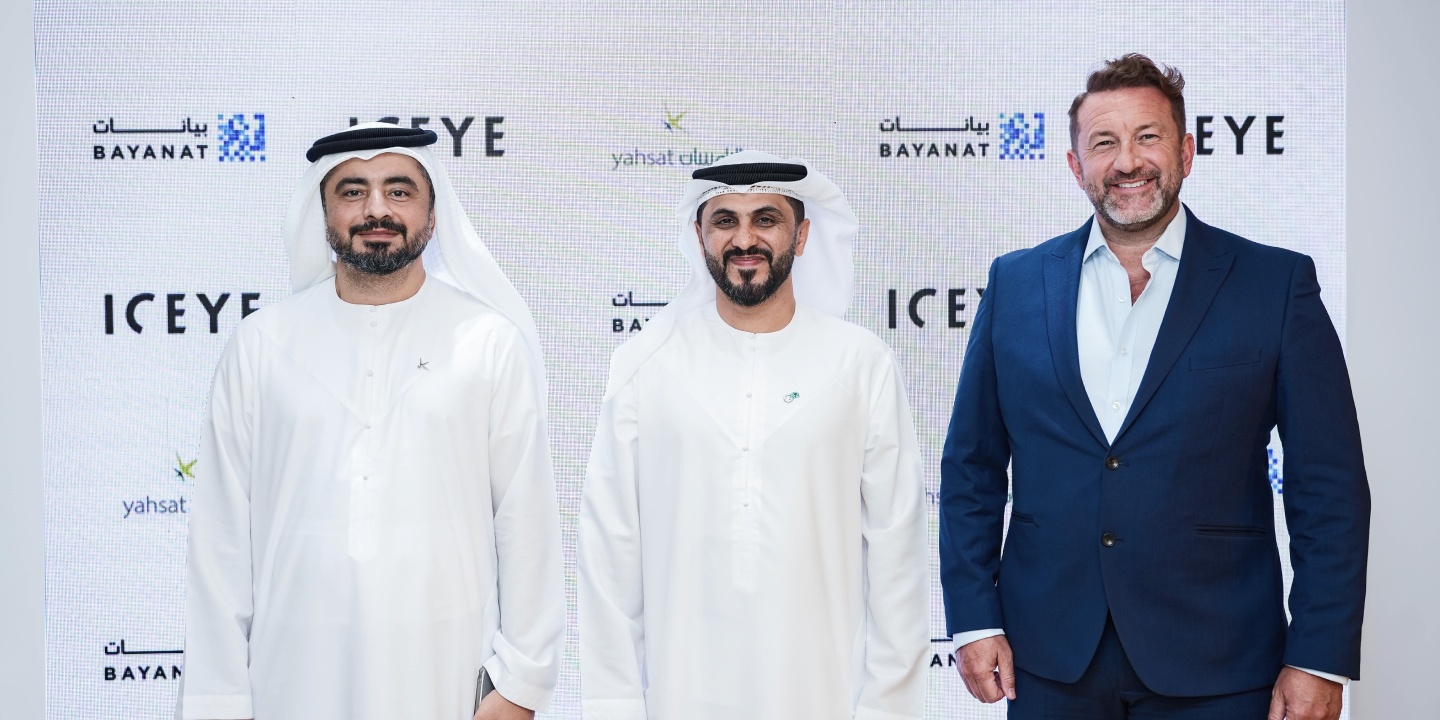
Bayanat, a prominent geospatial data analytics firm, and Yahsat, a leading satellite communications provider, are poised to finalize their merger by next month. This strategic union aims to enhance service delivery across the Middle East and North Africa (MENA) region, leveraging each company’s strengths in data analytics and satellite technology.

The merger represents a significant consolidation in the geospatial and satellite sectors, allowing the combined entity to offer a more robust suite of services. By integrating Bayanat’s advanced analytics capabilities with Yahsat’s satellite infrastructure, the companies plan to provide innovative solutions tailored to a variety of sectors, including government, defense, telecommunications, and natural resources.

As part of the merger, the leadership teams of both companies have emphasized a shared vision of fostering technological advancements and promoting digital transformation. Bayanat’s expertise in big data analytics is expected to complement Yahsat’s satellite communication services, allowing for real-time data processing and improved decision-making for clients. The collaboration is expected to facilitate enhanced services such as remote sensing, location-based services, and real-time monitoring for clients across various industries.

The merger is also positioned as a response to the increasing demand for high-quality geospatial data and reliable communication solutions in the region. As businesses and governments seek to optimize operations and improve efficiency, the ability to access and analyze geospatial information has become more crucial. Yahsat’s satellite technology will enable the delivery of data in remote areas, ensuring that organizations can benefit from Bayanat’s analytical insights regardless of their geographic location.

With this merger, the companies aim to position themselves as market leaders in the geospatial intelligence and satellite communications space. Industry analysts anticipate that the combined entity will have a significant competitive edge over its rivals due to the synergies generated from their respective technologies and expertise.

The merger has been welcomed by various stakeholders, including government entities that recognize the potential benefits of improved data services and satellite connectivity. This union aligns with broader governmental strategies focused on enhancing technological capabilities within the region. By improving access to data-driven insights, the merger is expected to support national initiatives in various sectors, from urban planning to disaster management.

Yahsat, which has been expanding its operations since its inception in 2007, has established itself as a leader in satellite communication, offering services that span the globe. The company operates multiple satellites and has formed strategic partnerships to enhance its service offerings. Bayanat, a subsidiary of the Abu Dhabi-based Group 42, specializes in AI-driven analytics, offering advanced solutions that harness big data for actionable insights. This merger marks a new chapter in both companies’ histories, combining their respective strengths to create a formidable entity in the tech landscape.

The merger has also sparked discussions regarding the future of the satellite and geospatial sectors within the MENA region. Experts highlight the importance of such consolidations in driving innovation and enhancing service delivery. As the demand for data services continues to grow, companies that can effectively integrate technology and analytics will be better positioned to meet market needs.

Looking ahead, the combined resources of Bayanat and Yahsat are expected to accelerate research and development initiatives. Both companies have indicated plans to invest in new technologies that enhance their service capabilities, focusing on next-generation satellite technologies and advanced analytical tools. This emphasis on innovation is crucial in a rapidly evolving market where clients increasingly expect sophisticated solutions.

In addition to enhancing their technological capabilities, the merger is anticipated to have significant implications for the regional job market. As the combined entity grows, it is expected to create new employment opportunities in tech development, project management, and customer support. This aligns with broader economic goals within the UAE to foster job creation in high-tech industries.

The merger has also raised questions about regulatory considerations, as the consolidation of two major players in the geospatial and satellite sectors may draw scrutiny from regulatory bodies. Ensuring compliance with local and international regulations will be essential for the newly formed entity as it seeks to navigate the complexities of the market.

Advertisements

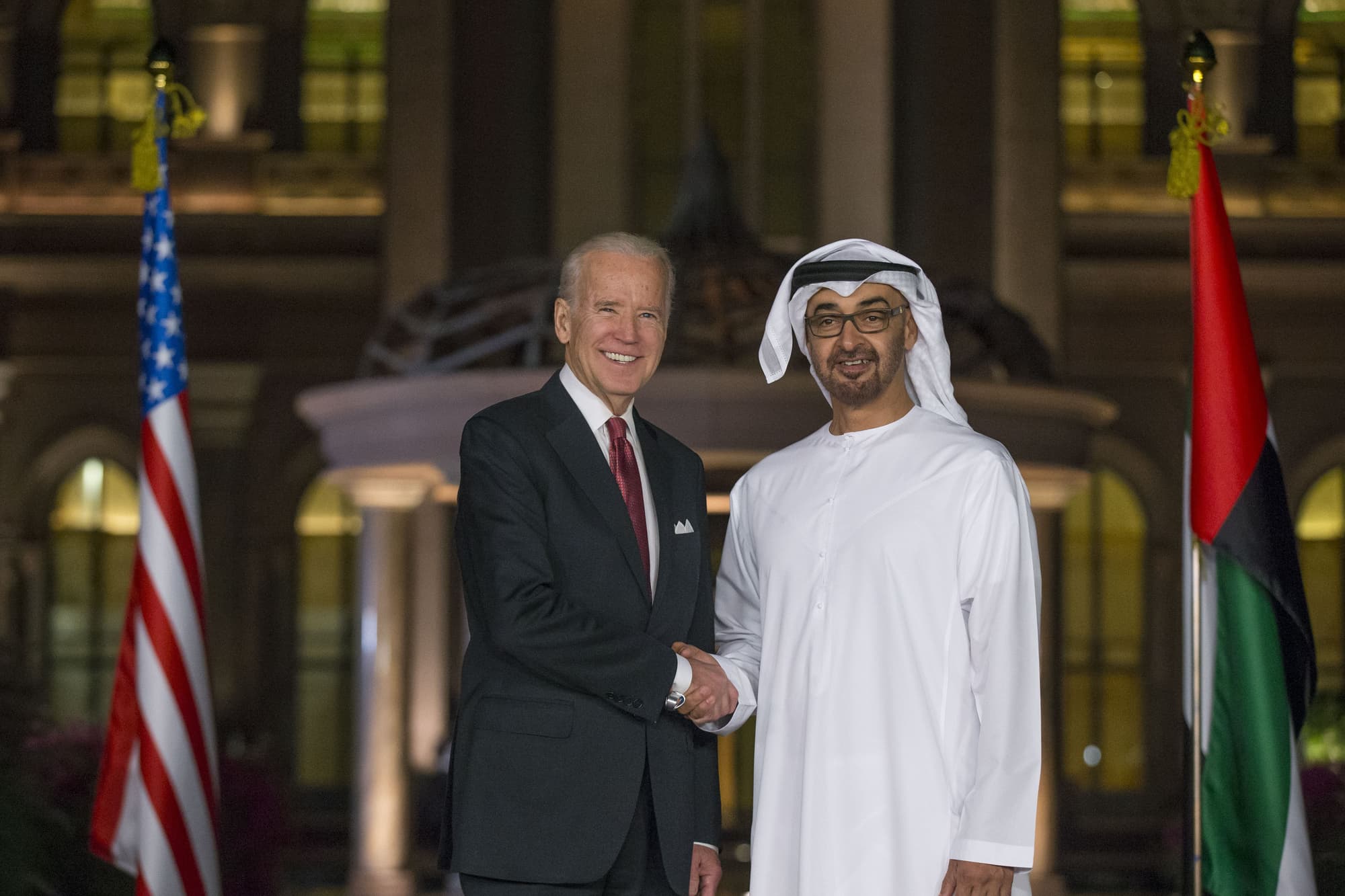
President Joe Biden has officially designated the United Arab Emirates as a major defense partner of the United States, solidifying the nation’s strategic role in the region. This move comes shortly after a similar designation was awarded to India, underscoring Washington’s efforts to build stronger alliances with Gulf and South Asian powers in the face of shifting global security dynamics. The announcement marks a significant step in US-UAE relations, enhancing defense cooperation and reaffirming the UAE’s importance in American military strategy.

The decision highlights the UAE’s evolving role as a critical player in regional security. With this designation, the UAE joins a select group of countries that enjoy preferential treatment when it comes to military cooperation with the United States. The relationship allows for greater access to advanced defense technology, streamlined military sales processes, and deeper intelligence collaboration. These developments come amid ongoing efforts by the US to recalibrate its security commitments in the Middle East, pivoting towards nations capable of contributing more significantly to their own defense.

Biden’s formal recognition of the UAE as a defense partner builds on decades of close military ties between the two nations. The UAE has long been a hub for US military operations in the region, hosting troops and serving as a staging ground for operations in neighboring conflict zones. The move is also seen as part of Washington’s broader strategy to reinforce its influence in the Gulf, where rising geopolitical tensions and the involvement of foreign powers like Russia and China continue to shape the security landscape.

For the UAE, this designation is not merely symbolic. It solidifies the nation’s status as a regional security leader and elevates its position on the global stage. It also provides the UAE with more direct access to sophisticated US defense systems, which will be critical in enhancing its defense capabilities amidst growing concerns over missile threats and other regional challenges. The UAE has long sought to upgrade its military arsenal, focusing on cutting-edge technology such as advanced fighter jets and missile defense systems. This new designation could accelerate these procurements, allowing for a faster, more seamless process.

The US government has been increasingly focused on forging deeper security ties with countries it sees as vital to countering both state and non-state actors. The UAE has been a crucial partner in US-led efforts to combat terrorism and ensure maritime security in the Gulf, particularly through its involvement in anti-piracy and anti-smuggling operations. The nation’s strategic location and military infrastructure have made it an indispensable ally in addressing threats posed by extremist groups and hostile states in the region.

Meanwhile, this development coincides with broader geopolitical shifts, as the US grapples with its role in a multipolar world. The Biden administration’s defense policy has focused on reducing its military footprint in some traditional hotspots while doubling down on partnerships that bolster regional security autonomously. The designation of both the UAE and India as major defense partners reflects a recalibrated approach to ensuring stability through cooperation, rather than direct military involvement.

The strategic importance of the UAE extends beyond the Middle East. Its influence in Africa, Central Asia, and the Indian Ocean region makes it a key player in a wider arc of geopolitical interests. With major global powers vying for influence in the Middle East, Washington’s decision to deepen its defense ties with Abu Dhabi also signals its intention to counter growing Russian and Chinese influence. China’s Belt and Road Initiative and increasing arms sales to Gulf countries, including the UAE, are clear indicators that the region is a key battleground for global influence.

The UAE’s defense relationship with the United States has grown in complexity in recent years. The two nations have regularly conducted joint military exercises, and the UAE has made substantial purchases of US-made defense equipment, including F-16 fighter jets, missile defense systems, and advanced drones. More recently, the UAE has expressed interest in acquiring next-generation US fighter jets, including the F-35, as part of its efforts to enhance its military edge. The partnership also extends to counterterrorism operations, where the two nations collaborate closely in intelligence sharing and tactical support to neutralize extremist threats.

The decision to elevate the UAE’s status comes against the backdrop of broader regional realignments. The Abraham Accords, which normalized diplomatic relations between the UAE and Israel, have reshaped the strategic landscape of the Middle East, offering new opportunities for cooperation between key US allies. This trilateral relationship between the US, UAE, and Israel is likely to deepen in the defense sphere, with potential collaborations in areas like missile defense and cybersecurity.

At the same time, the UAE faces growing security concerns closer to home. The conflict in Yemen, where the UAE has been heavily involved, continues to pose risks to regional stability. Iranian-backed Houthi rebels have launched missile and drone attacks against UAE infrastructure, raising the stakes for Abu Dhabi’s defense posture. The new designation from Washington could pave the way for more robust US support in addressing such threats, with the potential for more advanced defense systems aimed at countering missile and drone attacks.

US defense experts have praised the move, calling it a logical step in strengthening bilateral ties with a trusted partner in the Gulf. They argue that bolstering the UAE’s defense capabilities is not only in the interest of regional stability but also aligns with the US strategy of building self-reliant regional security partners. The UAE’s growing military spending and its focus on modernizing its armed forces further bolster the case for Washington’s decision.

Vercel, a prominent player in the web development ecosystem, positions itself as a pivotal solution for developers seeking speed and efficiency. Known for its Frontend as a Service (FaaS) model, Vercel enables developers to build, deploy, and optimize applications seamlessly, catering to the growing demands of modern web users. The platform has gained traction for its ability to deliver high-performance websites with minimal latency, a critical factor […]

Ambitious plans are underway at SpaceX as the company gears up for a series of uncrewed Starship missions to Mars, targeting a timeline of two years for the initial launches. These missions are designed to test crucial technologies that will pave the way for eventual human exploration of the Red Planet. Elon Musk, the CEO of SpaceX, has long articulated a vision of making life multi-planetary, and this initiative marks a significant step toward realizing that goal.

The five planned missions will focus on various aspects of Mars exploration, including cargo delivery, landing technologies, and the establishment of a sustainable presence. SpaceX has already made substantial progress with its Starship prototype, which has undergone several test flights to refine its capabilities. Each mission will build on the successes and lessons learned from previous launches, allowing the company to incrementally improve its systems and processes.

Recent advancements in rocket technology have made these missions feasible. The Starship, designed for deep space travel, boasts powerful engines capable of producing the thrust needed for interplanetary travel. Its reusable design not only enhances efficiency but also significantly reduces costs, a critical factor for long-term space exploration.

SpaceX’s launch schedule aims to conduct the first mission by 2026, with subsequent missions following within a tight timeframe. This approach reflects the company’s commitment to rapid iteration and development, a hallmark of its operational strategy. The first mission is expected to carry cargo, including scientific instruments and supplies, to help prepare for future human landings. Subsequent missions may explore the potential for in-situ resource utilization, which is crucial for sustaining human life on Mars.

Collaboration with various scientific institutions is an integral part of this initiative. SpaceX has been engaging with space agencies and academic organizations to leverage expertise and share research findings. These partnerships will enhance the scientific value of the missions, ensuring that the data collected contributes meaningfully to our understanding of Mars and the potential for future habitation.

In addition to scientific goals, the missions will also focus on testing technologies for landing on Mars. SpaceX has been refining its landing systems to ensure safe and precise landings on the Martian surface. This technology is vital for future missions, especially those involving human crews who will require reliable and accurate landing capabilities.

The significance of these missions extends beyond scientific research. They represent a critical step in SpaceX’s broader vision of establishing a human presence on Mars. Musk has often emphasized the importance of making humanity a multi-planetary species, and these missions are pivotal in achieving that aspiration. The data gathered during these uncrewed flights will inform the development of technologies needed for crewed missions, which SpaceX envisions could occur within the next decade.

Public interest in Mars exploration has surged in recent years, fueled by missions from NASA and other space agencies. The successful landing of rovers and the continuous flow of data from Martian orbiters have ignited curiosity and excitement about the planet. SpaceX’s efforts to land humans on Mars are expected to further this interest, potentially inspiring a new generation of scientists and engineers.

As SpaceX prepares for these groundbreaking missions, industry experts highlight the importance of ensuring safety and reliability. The complexity of interplanetary travel demands rigorous testing and validation of all systems involved. SpaceX’s track record with the Falcon 9 and Dragon missions provides some reassurance, as the company has established a reputation for innovation and successful launches.

Regulatory considerations will play a significant role in the mission’s planning and execution. SpaceX must navigate a complex landscape of international space law and safety regulations as it prepares for these launches. Engaging with regulatory bodies early in the planning process will be crucial to ensuring that the missions proceed smoothly.

By Nitya Chakraborty India’s neighbour Sri Lanka has elected the Marxist-Leninist leader Anura Kumara Dissanayake as the next president in the intensely contested presidential elections held on Saturday, September 21. About 75 per cent of the total of 170 million population who voted, broke away decisively from the binary of two political formations through years […]

Secures 28 new signings year-to-date in Southeast Asia, with plans to open 28 properties across the region this year SINGAPORE – Media OutReach Newswire – 23 September 2024 – The Ascott Limited (Ascott), the lodging business unit wholly owned by CapitaLand Investment (CLI), today announced 28 new signings year-to-date in Southeast Asia, adding over 3,400 units across its various brands in key destinations. Accounting for more than […]

Huawei has unveiled significant advancements in its fiber to the office (FTTO) technology, launching FTTO 2.0 and a suite of new products tailored for various industries, including education, healthcare, and hospitality. These innovations were announced at HUAWEI CONNECT 2024, with a strong emphasis on enhancing campus networks and transitioning to Wi-Fi 7 standards. The FTTO 2.0 system integrates cutting-edge optical networking technology to support the evolving demands […]

AM Green Technology and Solutions B.V., part of the AM Green Group, has finalized agreements to acquire Chempolis Oy, marking a significant step in its push toward sustainable fuel solutions. The acquisition of Chempolis, a biofuel technology company, aligns with AM Green’s strategy to strengthen its presence in the global energy transition market. AM Green plans to invest approximately $1 billion over the next three years to scale up the production of Sustainable Aviation Fuel (SAF) through Chempolis’ next-generation second-generation bio-refinery technology.

The acquisition is positioned to transform AM Green into a major player in the renewable fuels sector, focusing on producing over half a million metric tonnes per annum (MTPA) of SAF. The deal, formalized in a binding agreement, is seen as part of the broader industry trend toward decarbonizing the aviation sector, where SAF has gained increasing attention due to its potential to significantly reduce carbon emissions.

AM Green’s Chief Executive Officer described the acquisition as a “pivotal moment” for the company. He emphasized that the technology provided by Chempolis will allow for a more environmentally friendly approach to fuel production, particularly in the aviation industry, which is under mounting pressure to meet global carbon reduction targets. “This acquisition underscores our commitment to providing innovative, scalable solutions for energy transition. Chempolis’ bio-refinery technology is uniquely positioned to make a meaningful impact in the effort to decarbonize global airline operations,” he noted.

Chempolis is known for its cutting-edge, second-generation bio-refining technology that converts agricultural residues into biofuels. Unlike first-generation biofuels that rely on food crops like corn and sugarcane, second-generation biofuels are made from non-food sources, offering a more sustainable alternative without competing with global food supplies. By integrating Chempolis’ expertise, AM Green aims to rapidly scale its biofuel production to serve the growing global demand for SAF.

The aviation industry is facing increasing scrutiny over its environmental impact, with SAF emerging as a key solution to mitigate carbon emissions from flights. SAF is recognized for its ability to reduce greenhouse gas emissions by up to 80 percent compared to traditional jet fuel, depending on the production process. Many airlines, particularly in Europe and North America, have begun to incorporate SAF into their operations as part of broader sustainability goals. However, production volumes remain limited, with high costs and supply chain challenges posing obstacles to widespread adoption.

AM Green’s investment will help address these issues by ramping up SAF production and reducing costs through economies of scale. The company plans to leverage Chempolis’ technology not only in its own operations but also through a global licensing model. This strategy will enable other industry players to adopt the bio-refining technology, thus expanding the reach of SAF production beyond AM Green’s facilities. The aim is to create a broader ecosystem of bio-refineries around the world, working together to meet the aviation sector’s decarbonization targets.

Experts have noted that the acquisition reflects the growing competition among companies to acquire advanced biofuel technologies as the world shifts toward renewable energy sources. The airline industry is projected to face stricter environmental regulations in the coming years, driving the demand for alternative fuels. SAF, which can be blended with conventional jet fuel and used in existing aircraft without modifications, is seen as a practical solution to reduce emissions in the near term, while longer-term innovations like electric and hydrogen-powered planes remain under development.

AM Green’s $1 billion investment will be crucial in scaling up SAF production, which is still in its early stages. Currently, SAF represents less than 1 percent of total jet fuel consumption, but analysts predict that figure will rise significantly over the next decade as more airlines commit to sustainable fuel alternatives. By integrating Chempolis’ technology, AM Green is positioning itself to play a leading role in this transition.

The company also intends to partner with airlines and airports to facilitate the adoption of SAF on a global scale. In addition to producing SAF, AM Green plans to develop an extensive bio-refinery network, providing licensing opportunities for other companies interested in utilizing Chempolis’ technology. This approach could help lower the entry barriers for SAF production, making it more accessible and affordable for a wider range of stakeholders.

The bio-refinery technology that Chempolis offers is designed to be highly versatile, capable of processing various types of biomass, including agricultural residues, municipal waste, and forestry by-products. This flexibility allows for a more sustainable and diversified feedstock supply, reducing reliance on any single resource. Moreover, the technology is known for its efficiency in converting raw materials into usable fuels, minimizing waste and environmental impact.

Tickets for the highly anticipated “Vibes Overseas Dubai 2024” are now on sale, with the event scheduled to kick off next Thursday, September 26. Running through October 1, the five-day experience promises a mix of entertainment, relaxation, and exclusive parties across multiple venues in Dubai. Offering various ticketing packages, including options with accommodation, the event is set to attract a global crowd, with deposits starting at £49 per person.

The event organizers, Vibes Overseas, have put together a comprehensive lineup of activities, designed to cater to a wide range of interests. Tickets are available for both event-only access as well as packages that include hotel accommodations, giving attendees the flexibility to choose based on their preferences and budgets. While participants will need to book their own flights to Dubai International Airport (DXB), Vibes Overseas recommends using Skyscanner or similar platforms to find the best flight deals.

Set to begin at 4:00 PM on September 26, the event will unfold over several iconic venues in Dubai, known for its luxury, vibrant nightlife, and world-class infrastructure. Party-goers can expect a range of experiences, from poolside events to exclusive nightclub gatherings, all in the backdrop of the city’s skyline and desert landscapes. The event will culminate in the early hours of October 1, after five days of non-stop activities and social gatherings.

Vibes Overseas has built a reputation for organizing large-scale, luxury events that blend music, culture, and social interaction. Past attendees have praised the company’s attention to detail and their ability to create an inclusive, energetic atmosphere. This year’s event, expected to draw hundreds of participants from Europe, the United States, and the Middle East, will continue that tradition, offering a variety of experiences both during the day and into the night.

With demand expected to be high, the organizers are encouraging potential attendees to secure their tickets soon. The packages, which include all-event access, offer flexibility with deposit payments and installment plans. Attendees who book tickets with a deposit will receive a confirmation email from [email protected], which will outline details for the remaining payment installments. It is important to note that all tickets are non-refundable and non-transferable.

The event promises a packed schedule of both daytime and nighttime activities. From vibrant pool parties to more intimate social gatherings at some of Dubai’s most exclusive venues, attendees will have ample opportunity to mingle and network. Those opting for package deals with hotel accommodations will have their stay arranged by the event organizers, while event-only ticket holders will need to organize their own lodging. Dubai offers a wide variety of accommodation options, from budget-friendly stays to ultra-luxury hotels, ensuring that all guests can find something suitable.

As with past editions of Vibes Overseas, this year’s event is expected to attract a diverse crowd of music lovers, influencers, and nightlife enthusiasts. Dubai’s reputation as a global hub for tourism and entertainment adds to the allure of the event, with the city offering a mix of modern architecture, world-class dining, and luxury shopping. For many, the event serves as both a chance to attend an exclusive festival and an opportunity to explore one of the most dynamic cities in the world.

Attendees are encouraged to start planning their trip, including securing flights to Dubai. The city’s main travel hub, Dubai International Airport, is well connected to most major cities, making it a convenient destination for international travelers. Vibes Overseas has also highlighted the importance of early bookings, as tickets are expected to sell out quickly.

Safety and guest experience remain top priorities for the organizers, who have committed to following any local guidelines in place during the event. Dubai has hosted numerous large-scale international events in the past, and Vibes Overseas has assured participants that all necessary precautions will be taken to ensure a safe and enjoyable experience.

Dubai’s cooler weather in late September, with average daytime temperatures in the mid-30s Celsius, makes it an ideal time for outdoor events. Visitors can expect warm days, perfect for poolside events, and comfortable evenings that are ideal for exploring the city’s famous nightlife. The timing of the event, set just as the city transitions out of its hottest summer months, is designed to offer attendees the best possible conditions for enjoying both the scheduled activities and the city itself.

The 2024 Vibes Overseas event is shaping up to be one of the biggest events on Dubai’s calendar this year. With a carefully curated mix of parties, excursions, and social gatherings, the festival is aimed at creating a fully immersive experience for all attendees. Whether enjoying a luxurious rooftop party or mingling at an exclusive beach club, guests will have no shortage of options when it comes to making memories at this year’s festival.

Tickets are non-refundable and non-transferable, a policy aimed at ensuring the event runs smoothly and efficiently. With the clock ticking down to next Thursday’s opening, Vibes Overseas is encouraging all interested attendees to finalize their plans and secure their spot at what promises to be a highlight of Dubai’s 2024 social calendar.


Less than half of the player base for Hamster Kombat, a blockchain-based multiplayer game, managed to qualify for the anticipated Season 1 airdrop. As part of the game’s move towards rewarding its community with token distribution, the game’s management revealed that just 43% of active users met the necessary criteria, while over 2.3 million accounts were disqualified due to cheating. The announcement has generated significant discussion within […]

Oman’s Nama Power and Water Procurement Company (Nama PWP) has identified several prominent utility developers to spearhead the construction of five large-scale wind energy projects. This initiative marks a significant step in the nation’s efforts to diversify its energy sources and enhance sustainability. The competitive process saw strong interest from major players in the energy sector, with Saudi Arabia’s Acwa Power, Japan’s Sumitomo and Itochu, France’s TotalEnergies […]

Germany’s top envoy to Canada has issued a stark warning regarding the future of natural gas demand in Europe, suggesting that the continent’s appetite for Canadian exports is poised to diminish. This statement arrives amid ongoing discussions about energy supply amid Europe’s shifting focus towards renewable energy sources and greater energy independence. The envoy highlighted a significant transformation in Europe’s energy landscape, emphasizing a strategic pivot away […]

By K Raveendran The Supreme Court of India is finds itself at the threshold of a unique opportunity to create history when a bench headed by chief justice D Y Chandrachud takes up next month a clutch of petitions seeking a review of the 2022 verdict concerning the Prevention of Money Laundering Act (PMLA). Seldom […]

BEIJING, CHINA – Media OutReach Newswire – 18 September 2024 – On September 12, the 2024 China International Fair for Trade in Services officially kicked off. The Beijing Economic-Technological Development Area (also known as Beijing E-Town) made a stunning debut in Hall 2 of the Shougang Park with its themed exhibition area. By showcasing cutting-edge innovations like Xiaomi’s SU7, Longwood Valley MedTech’s surgical robot, and the Jielong-3 […]

A Crucial Milestone in the Fight Against Cardiovascular Disease in Chinese Population HONG KONG SAR – Media OutReach Newswire – 22 September 2024 – A groundbreaking AI-powered risk prediction tool is poised to revolutionize the prevention and management of cardiovascular disease (CVD) within the Chinese population. Professor Celine Chui Sze-ling, Assistant Professor of the School of Nursing and the School of Public Health, LKS Faculty of Medicine, […]

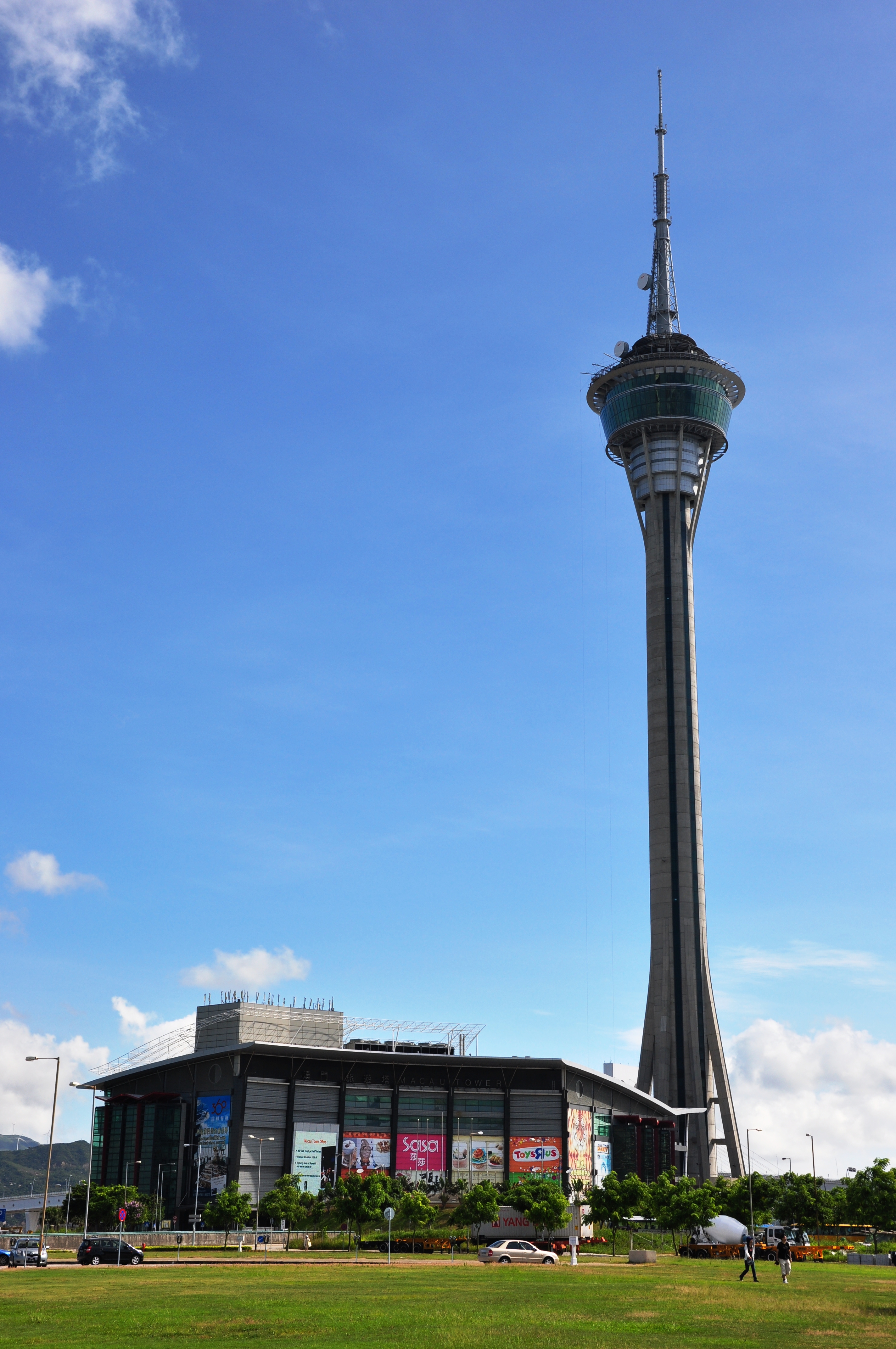
Macau, long recognized as the world’s casino capital, is pivoting towards economic diversification as concerns mount over the sustainability of its gaming-centric economy. The territory, heavily reliant on its vibrant gambling industry, is now witnessing a push from key leaders to embrace broader economic avenues in light of recent challenges, including regulatory pressures and shifting global economic dynamics.

Sam Hou Fai, a former judge and leading contender for the role of Macau’s next chief executive, has emerged as a prominent advocate for this diversification strategy. Emphasizing the urgent need for change, he has openly criticized the rampant expansion of the gaming sector, labeling it “barbaric” and detrimental to the territory’s long-term viability. Hou Fai’s vision encompasses not only an expansion of tourism beyond gaming but also the development of cultural, technological, and entertainment sectors that can provide stable revenue streams independent of the fluctuating fortunes of gambling.

The challenges facing Macau’s economy are manifold. Following the COVID-19 pandemic, the territory has seen a dramatic decline in tourist arrivals, particularly from mainland China, which accounted for a significant portion of its gaming revenues. This downturn has illuminated the risks of an economy overly reliant on a single industry. Furthermore, the Chinese government’s tightening of regulations surrounding gambling and its crackdown on illicit activities linked to the gaming industry have led to uncertainty, prompting both local stakeholders and investors to reconsider their strategies.

As part of this broader push for economic resilience, Macau has initiated various initiatives aimed at enhancing its attractiveness as a destination for non-gaming tourism. These include the development of cultural and heritage tourism, which seeks to showcase Macau’s rich history and blend of Portuguese and Chinese cultures. Events such as the Macau International Fireworks Display Contest and the Macau Arts Festival are being promoted to draw visitors who may not be interested in gambling but are keen on experiencing the local culture.

The shift towards diversification is also backed by the Macau government, which has unveiled plans to allocate substantial funds towards infrastructural projects that enhance connectivity and accessibility. This includes the expansion of public transport networks and the enhancement of facilities to accommodate large-scale international events. By investing in infrastructure, Macau aims to position itself as a competitive hub for business, conventions, and exhibitions, catering to a broader audience.

Tech innovation is another focal point in Macau’s diversification efforts. The government is actively encouraging the growth of tech startups and digital industries, aiming to harness the potential of emerging technologies such as artificial intelligence and blockchain. Initiatives to support entrepreneurship and attract foreign investment in tech sectors are being prioritized, with the goal of creating a sustainable ecosystem that supports job creation and economic growth beyond gambling.

Furthermore, Macau’s geographic location offers unique opportunities for expanding its role as a trade and logistics hub within the Greater Bay Area, a region comprising Hong Kong, Guangdong province, and Macau. This initiative aligns with China’s broader economic strategy, promoting interconnectedness among cities within the region. By leveraging its advantageous location and existing infrastructure, Macau seeks to establish itself as a key player in regional supply chains, thereby attracting businesses that are looking to expand their operations in Asia.

While the road to diversification presents numerous challenges, including resistance from entrenched gaming interests and the need for skilled labor in emerging sectors, the momentum for change is palpable. Sam Hou Fai’s leadership and advocacy are crucial in navigating these complexities, as he seeks to foster a collaborative environment among various stakeholders, including businesses, government entities, and the community at large.

The evolving landscape of Macau’s economy also reflects broader global trends. Many economies that have traditionally relied on a narrow set of industries are recognizing the importance of resilience and adaptability in an increasingly volatile world. The push for diversification is not just about mitigating risks; it is also about seizing new opportunities in a post-pandemic era characterized by shifting consumer preferences and technological advancements.

The Quad alliance, consisting of the United States, Japan, Australia, and India, solidified its growing significance as Prime Minister Narendra Modi emphasized India’s commitment to hosting the 2025 Quad Summit. Speaking at the Wilmington Summit, Modi underlined the alliance’s role in promoting stability and security in the Indo-Pacific region, while reaffirming that the grouping is not directed against any specific nation. This strategic partnership, formed in response to shared democratic values, continues to gain momentum amid evolving geopolitical tensions.

The Wilmington meeting marked a critical moment in the Quad’s development, furthering dialogue and cooperation between the four member states. Since its revival in 2021, the Quad has played a prominent role in fostering regional security, focusing on areas such as technological collaboration, climate action, and defense cooperation. Modi’s remarks highlighted India’s readiness to lead the next phase of the alliance, with preparations underway to host the 2025 summit.

As global challenges intensify, the Quad has emerged as a cornerstone of multilateral diplomacy in the Indo-Pacific. Modi pointed out the shared commitment to ensuring a free, open, and inclusive Indo-Pacific, with democratic principles at the core of the alliance. “The Quad is here to stay,” Modi stated, emphasizing that the grouping stands as a platform for collaborative solutions rather than a response to any particular nation or bloc. The assertion reflects the Quad’s non-confrontational approach, focusing instead on promoting collective security and economic prosperity across the region.

The Quad’s evolution since 2021 has been rapid, with member nations consistently expanding their areas of cooperation. Strategic experts have noted the alliance’s success in areas such as maritime security, with Quad navies conducting joint exercises aimed at improving interoperability. These exercises have not only bolstered defense capabilities but also demonstrated the alliance’s resolve to protect vital maritime routes, which are critical to global trade. With India poised to take on the next summit, expectations are high that the country will continue to push forward initiatives that reinforce regional security and economic growth.

The Wilmington Summit also underscored the importance of technology sharing and innovation. One of the key areas discussed was the development of resilient supply chains, particularly in the semiconductor industry, which has been under strain due to global shortages. The Quad countries are looking to collaborate on reducing dependency on specific nations for key technological inputs, enhancing supply chain diversification. Modi emphasized that the Indo-Pacific region, as a hub for technological development, could play a pivotal role in global supply chain stabilization. This effort reflects the Quad’s broader strategic aim of reducing vulnerabilities in critical industries while ensuring the equitable growth of emerging technologies.

The Quad’s expanding agenda now includes addressing climate change, a subject of critical importance for the Indo-Pacific, which is home to several vulnerable island nations. The Wilmington Summit reiterated the Quad’s commitment to reducing carbon emissions and promoting clean energy. Modi reinforced India’s role as a key player in the global climate conversation, showcasing the country’s strides in renewable energy development and its leadership in the International Solar Alliance. He noted that climate resilience would remain a core focus at the 2025 summit, as the Quad aims to balance economic growth with sustainable environmental practices.

While defense and economic issues dominated the Quad agenda, the alliance’s role in fostering people-to-people ties has not been overlooked. The Wilmington Summit highlighted educational exchanges and cultural collaborations between member states, reflecting the Quad’s broader ambition to strengthen ties beyond security and economics. By fostering a deeper understanding between citizens, the alliance seeks to build long-term partnerships that transcend geopolitical concerns. Modi’s vision for the 2025 summit includes a renewed focus on such exchanges, positioning India as a cultural and diplomatic bridge between the East and West.

Despite its progress, the Quad continues to face scrutiny, particularly from nations like China, which view the alliance as an attempt to contain their influence in the Indo-Pacific. However, Modi was quick to dispel this notion, stating that the Quad’s goals remain inclusive and transparent. The Quad’s diplomatic language has consistently emphasized collaboration over confrontation, seeking to engage with all nations willing to work toward a stable and prosperous region.

India’s growing role within the Quad has been noted by analysts, particularly in light of the country’s increasing influence in global economic and security forums. As the host of the 2025 summit, India is expected to leverage its diplomatic capabilities to further solidify the Quad’s position as a key player in the Indo-Pacific. Modi’s strategic vision includes strengthening defense ties with Quad members, while also expanding economic cooperation to address shared challenges such as trade imbalances and supply chain vulnerabilities.

The timing of India’s hosting of the 2025 Quad Summit is significant, as the Indo-Pacific continues to be a focal point for international diplomacy. Analysts have pointed out that India’s ability to navigate complex geopolitical dynamics will be crucial in ensuring the Quad’s continued success. With global powers vying for influence in the region, the Quad’s balanced and inclusive approach has positioned it as a diplomatic force for stability.

The Wilmington Summit also saw discussions on strengthening health security, with a focus on pandemic preparedness. The Quad’s efforts in distributing vaccines to Indo-Pacific nations have been well-received, showcasing the alliance’s capability to provide humanitarian assistance in times of crisis. Modi acknowledged the importance of continuing this collaboration, noting that health security would remain a priority in future Quad discussions. The pandemic’s impact on global health infrastructure has reinforced the need for multilateral approaches to address both current and future challenges, and the Quad is expected to play a vital role in these efforts moving forward.

Telstra has achieved a significant technological milestone, setting a new benchmark in optical networking. The Australian telecommunications giant successfully completed a trial that delivered 1.6 terabits per second (Tb/s) over a single optical channel across 700 kilometers. This breakthrough was made possible by leveraging the cutting-edge WaveLogic 6 Extreme (WL6e) technology developed by Ciena and Ericsson, both of whom played key roles in the trial. The WL6e […]

VISHNU RAJA
RYO YAMADA
HITORI GOTOH
IKUYO KITA