Just in:
AutoSwift secures close to A$10 million from Singapore’s X Star Technology to scale AI WINGMAN // Trump directs Justice Department scrutiny of Democratic threats // Recognition under the U.S. Green Building Council’s rating system confirms the 22-residence tower is on track for full certification on completion // NIA Highlights Three Exemplary Breakthroughs from National Innovation Awards, Driving Thailand Toward a Global ‘Innovation Nation’ // Trump’s Defeat In Midterm May Lead To Both Challenges And Opportunities For Indian Economy // Abu Dhabi property transaction value climbs 76.1 percent // BJP leader condemns cyber attacks over Mammootty wedding visit // Houthi missile barrage damages Aramco tower in Riyadh // BJP leader condemns cyber attacks over Mammootty wedding visit // From Seoul to Wuzhen: Korean Celebrities and Creators Spark a Water Town Slow-Living Trend // Abu Dhabi court holds NMC executives liable for fraud // PhotonPay Strengthens North American Regulatory Footprint with Canada’s RPAA Registration // UAE non-oil trade climbs to AED 2.945 trillion // Nexawork AI Launches Custom Software for SMEs From RM19,900.00 // AI stock rout erodes sovereign and pension holdings // Deemed status for high-performing aided colleges // EU challenges TikTok video rankings over harmful content loops // Rubio rejects prospect of imminent Iran peace breakthrough // Bank of England flags sharper AI share correction risks // Sber announces results of GigaArt AI-art festival: Nearly half a million images //

News related to
next

Strategy has bolstered its position as the largest corporate holder of Bitcoin by adding 1,045 BTC to its treasury on 9 June 2025, spending approximately $110.2 million at an average price of $105,426 per coin. That brings its total above 582,000 BTC, acquired at an average cost of roughly $70,086 — boosting its 2025 yield on Bitcoin to 17.1%, according to an announcement by chairman Michael Saylor.

The firm’s treasury now carries an estimated investment value of $40.79 billion. The latest acquisition is part of a relentless buying campaign that has seen the company accumulate tens of thousands of Bitcoins throughout the year. In late May, the group purchased an additional 4,020 BTC for $427 million, reaching 580,250 BTC by 26 May. Earlier that month, after a series of equity and debt raises, it added more than 300,000 BTC during Q1.

The corporate Bitcoin treasury strategy is underpinned by a multi‑layered capital stack designed to finance under market conditions without diluting shareholders or relinquishing control. This includes convertible debt, preferred stock instruments offering fixed yields with optional conversion to equity, and common shares. Analysts describe it as a breakthrough financial “operating system” that converts fiat capital into Bitcoin exposure at scale.

According to Bloomberg‑sourced commentary in May, the firm’s approach involves at‑the‑market offerings in both equity and preferred instruments, supplemented by cash flow and convertible debt—without ever selling Bitcoin. Q1 financial results reported a Bitcoin yield of 13.7% by the end of March and BTC gains of $5.8 billion on holdings of 553,555 BTC, prompting an increase of its annual yield target from 15% to 25%.

As bitcoin markets rally and institutional demand grows, Strategy has signalled that this buying spree will continue. Saylor told CNBC that with just approximately 450 BTC of daily supply entering the market—and that institutional treasuries consuming the majority—long-term projections see Bitcoin appreciating by about 30% annually over the next two decades. He projected a price of $13 million per coin by 2045 under this trajectory.

The firm’s outstanding holdings have prompted renewed attention on its financial structure. Bitcoin magazine highlighted how Strategy’s preferred stock offerings—BRF, BRK, and STRF—are tailored to different investor profiles, from conservative to yield-seeking, all channelled into financing additional Bitcoin accumulation without asset sales.

Meanwhile, market watchers anticipate that Strategy’s aggressive acquisition strategy may amplify the broader institutional bull thesis. One newsletter noted that as stock markets gain momentum during quarter-end, portfolio rebalancing often favours risk assets—potentially reinforcing demand for Bitcoin if equities outperform bonds.

Looking deeper into the timeline reveals that Strategy’s Q1 momentum included over $7.7 billion in net proceeds from equity issuances, along with a further $2.3 billion by late April, fueling Bitcoin purchases. The company also embraced a change in accounting methodology from cost to fair value at the beginning of 2025, which triggered a $12.7 billion adjustment to retained earnings; however, the quarter closed with a $5.9 billion unrealised loss on digital assets.

Despite the volatility, management remains confident. The effective yield on BTC holdings is now over 17% year‑to‑date—an outcome of continued accumulation and price appreciation.

Regulatory and competitive landscapes are evolving. Analysts at Bitcoin magazine have pointed to Strategy’s model as a blueprint for corporations seeking Bitcoin exposure without compromising control or shareholder value. Other public entities are entering the fray: one asset management firm completed a €300 million preferred issuance in Europe to build its own Bitcoin reserves.

Still, critics caution that the firm’s heavy reliance on debt and preferred stock raises questions about leverage and long-term liquidity. Strategy’s instruments are designed with structured priorities—from senior convertible notes deep down to common equity—potentially insulating Bitcoin holdings—but this structure also introduces obligations such as dividends and conversion terms.

Bitcoin’s price is hovering above $105,000, near all-time highs, sustaining Strategy’s value gains since the start of the year. If market momentum continues, on‑chain metrics suggest the company may keep adding to its stash throughout the summer, though any pullbacks or shifts in risk appetite by institutional investors could affect equity valuations and rebalancing flows.

Strategy’s model has sparked imitation. A recent financing round raised $710 million in a corporate Bitcoin treasury fund in the US, marking the next wave of treasury diversification. As public companies vie to distinguish themselves, Strategy remains at the forefront, backed by a unique capital structure designed to sustain Bitcoin acquisitions through market cycles.

As of 9 June 2025, Strategy maintains its stance that it will continue to leverage multiple instruments—including equity, preferred stock, convertible debt and operational cash—to support Bitcoin accumulation. With its current holdings approaching $41 billion at cost and a yield of over 17%, it sits poised to exploit any volatility, while its financial apparatus attracts investor scrutiny and racetrack comparisons to traditional bond markets.

Cancer patients, survivors and their loves ones formed an inaugural dragon boat team Citizens and tourists dive into the Dragon Boat Frenzy HONG KONG SAR – Media OutReach Newswire – 9 June 2025 – The “2025 Sun Life Hong Kong International Dragon Boat Races”, organized by the Hong Kong Tourism Board in collaboration with the Hong Kong China Dragon Boat Association and proudly title-sponsored by Sun Life, […]

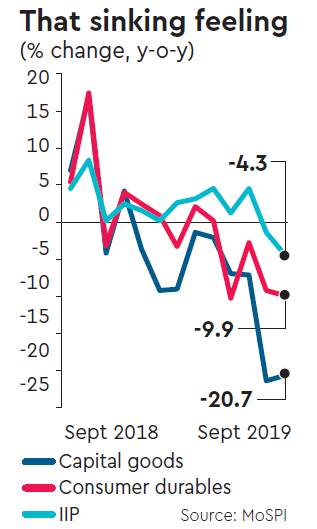
By Nantoo Banerjee India’s economic growth figures seem to be getting increasingly delinked with domestic manufacturing, industrial output, and job generation. The manufacturing sector had a very little contribution to the country’s 6.5 percent GDP growth during the last financial year, the slowest in four years. Despite a good monsoon last year, the country’s agriculture […]

Lyntia Networks is advancing its operational support systems through the integration of Oracle’s cloud-native communications technology, aiming to automate service orchestration and enhance the speed and efficiency of its telecom service delivery. The Spanish neutral wholesale operator, known for expanding its footprint in fibre infrastructure, seeks to leverage automation to meet growing market demands and improve customer experience. The deployment of Oracle’s OSS solutions will enable Lyntia […]

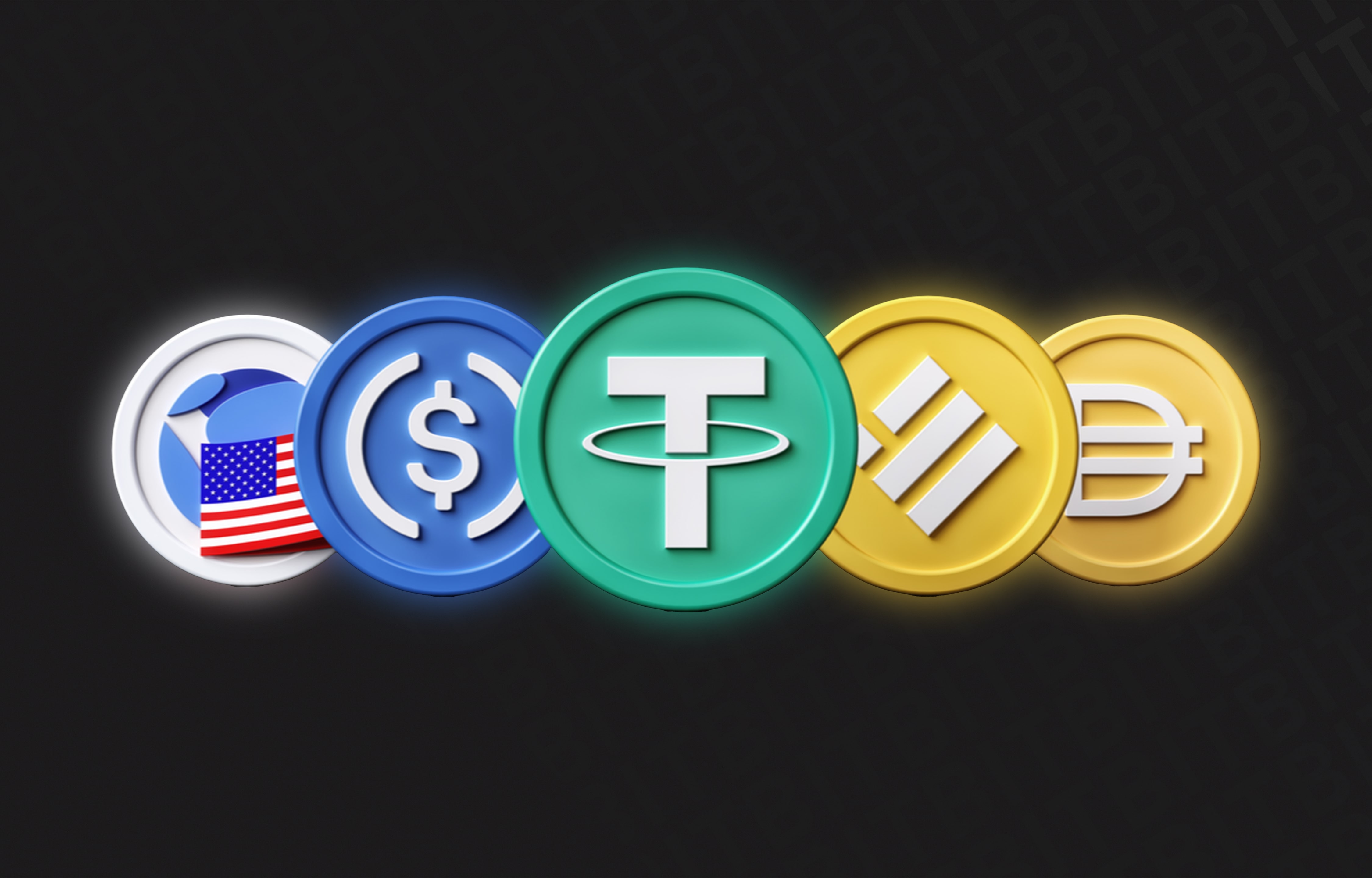
Stablecoins are processing roughly $33 trillion in yearly volume—around 20 times that of PayPal and three times Visa—while amassing $128 billion in U.S. Treasuries, placing these issuers among the top 20 holders of American debt and ahead of major nations such as Germany and Saudi Arabia.

Data from Andreessen Horowitz’s crypto arm shows that over 1 percent of the total U.S. dollar supply is now tokenised on blockchains. Major institutions, including Citi, project that by 2030 stablecoins could accumulate up to $3.7 trillion in Treasury holdings. While Ethereum and Tron currently underpin most of this infrastructure, emerging platforms such as Solana, Arbitrum and Base are gaining traction. Notably, on-chain data reveals that transactional activity in stablecoins appears largely decoupled from broader cryptocurrency trading volumes, indicative of growing real-world adoption. Today, these assets enable sub-second, sub-cent payments—positioning them as serious contenders to onboard the next billion users into the crypto economy.

Market analysts warn that growing stablecoin-backed Treasury holdings may shift demand dynamics for U.S. government debt. One study from academia found that by the end of the first quarter of 2025, Tether held roughly $98.5 billion in Treasury bills—equating to 1.6 percent of total outstanding bills. The research estimates that this level of demand has directly driven down one-month Treasury yields by approximately 24 basis points, indicating that stablecoin issuance is already influencing funding costs and potentially easing liquidity pressures.

Coinciding with this shift is a legislative push in Washington. A bill nearing Congressional approval would require issuers to fully back stablecoins with liquid assets, such as U.S. dollars and short-term Treasuries, and mandate monthly disclosures. Proponents suggest such regulation would reinforce investor trust, legitimize the sector and bolster U.S. debt demand. According to Reuters, Tether and Circle already hold a combined $166 billion in Treasuries—amounts that may increase further under binding legal frameworks.

Financial authorities have offered mixed views. Moody’s warns that large-scale liquidation driven by plunging confidence in stablecoin issuers could destabilise Treasury prices and spill over into broader fixed-income markets. Conversely, policymakers hope that expanded stablecoin activity could facilitate smoother funding for the Treasury, especially if issuers pivot toward demand for short-term debt like bills.

Macro strategies are duly noted. Vanguard’s rates chief suggests that sustained demand from digital currency custodians might spur the Treasury to favour issuing bills over long-term bonds, which could rebalance maturity profiles. Meanwhile, Bitwise’s investment head argues that this growing digital demand could reinforce the dollar’s position as the global reserve currency.

Infrastructure diversification within stablecoins is evolving. Ethereum and Tron continue to dominate, but high-throughput chains like Solana, Arbitrum and Google-backed Base are attracting developers and users aiming to benefit from faster, cheaper payments. The presence of real-world transactions—such as merchant and remittance use cases—underscores that stablecoins are transcending crypto-speculative flows, with sub-cent fees and near-instant settlement now commonplace features.

Emerging risks centre on financial-system vulnerability. The Treasury Borrowing Advisory Committee cautioned that a significant diversion of deposits into stablecoins could dampen demand for Treasuries and potentially curb lending by commercial banks. Money-market managers remain vigilant, with some estimating that stablecoins must scale further before triggering systemic instability.

Proponents counter that regulated stablecoins may alleviate pressures in the Treasury issuance process, with digital platforms absorbing demand in lieu of traditional buyers. Early legislative frameworks could incentivise these issuers to prefer bills over longer-duration instruments, helping to smooth fiscal financing.

Stablecoins are redefining the interface between digital currency networks and the time‑tested Treasury market, leaving policymakers to navigate a complex balance between innovation, stability and monetary control.

The UAE Football Association has imposed substantial sanctions on Sharjah FC’s Khalid Al Dhanhani and Shabab Al Ahli’s Sultan Adil, levying fines of Dh500,000 each and domestic bans spanning five matches. Both clubs have expressed full support for the association’s decision and announced plans to initiate internal reviews into the conduct of the players involved.

The disciplinary measures follow an investigation into conduct deemed inappropriate during recent fixtures in the UAE Pro League. The Football Association’s decision signals a firm stance on maintaining discipline and sportsmanship standards in the country’s top-tier football competitions. Sharjah and Shabab Al Ahli, two of the UAE’s most prominent clubs, have publicly committed to cooperation with the governing body’s directives and have vowed to undertake rigorous internal probes aimed at preventing future breaches.

Officials from Sharjah FC described the imposed sanctions as “just and necessary,” underscoring the club’s zero-tolerance policy towards behaviour that undermines the integrity of the sport. Similarly, Shabab Al Ahli representatives reiterated their support for the Football Association’s rulings, stressing the importance of upholding the reputation of UAE football on domestic and regional stages.

The cases against Al Dhanhani and Adil reportedly involved incidents that breached the association’s code of conduct, though specific details about the nature of the violations have been withheld from public disclosure to protect all parties involved. Observers note that the magnitude of the fines and bans reflects the association’s increased commitment to enforcing discipline and deterring misconduct in a league that continues to grow in regional prominence.

This move aligns with broader efforts by the UAE Football Association to professionalise the sport locally and align with international standards of governance and fairness. The recent enforcement of hefty penalties on high-profile players sends a message to the football community that violations, irrespective of player status, will attract stringent consequences.

Inside the clubs, internal investigations are expected to scrutinise not only the incidents leading to the penalties but also the systemic factors that may have contributed to the lapses in conduct. Sharjah and Shabab Al Ahli’s initiatives aim to reinforce codes of behaviour, improve player education regarding sportsmanship, and implement monitoring mechanisms to prevent recurrence.

The UAE Pro League, which features many international talents alongside local stars, has seen increased scrutiny over player behaviour and match officiating standards in recent seasons. The Football Association’s disciplinary committee has stepped up its vigilance to safeguard the league’s competitive integrity and enhance its appeal to sponsors and fans alike.

Football experts within the region have welcomed the decisive action taken by the association, noting that maintaining discipline is crucial as UAE clubs seek to compete more effectively in continental competitions such as the AFC Champions League. The implementation of fair play principles is viewed as integral to sustaining the sport’s development and nurturing young talent under professional frameworks.

While the penalties levied are severe, they also serve as an opportunity for the players to reflect on their professional conduct and align with the expectations set by their clubs and governing bodies. Both Al Dhanhani and Adil remain key figures within their teams, and their return following suspension will likely come with an emphasis on exemplary behaviour.

The financial fines represent a significant deterrent, especially in a league where clubs are increasingly investing in player welfare and development. The sanctions highlight the balance sought between disciplinary action and the need to foster a positive competitive environment that encourages respect among players, coaches, and officials.

The Football Association’s handling of this matter has been consistent with international best practices, reflecting a growing maturity in sports governance within the UAE. Clubs across the league are anticipated to reinforce internal policies and promote awareness to ensure alignment with the standards enforced by the governing body.

The disciplinary episode involving Al Dhanhani and Adil has also drawn attention to the broader cultural and professional expectations within UAE football, emphasising accountability and ethical behaviour as non-negotiable elements of athlete performance. As clubs prepare for the next stages of the season, the message from the association and participating teams is clear: professionalism and discipline will be upheld at all costs.

Greenlogue/AP The European Commission has initiated a research and innovation project to develop megawatt charging systems tailored for heavy‑duty transport across the EU. Aimed at aligning with the Green Deal’s objective of 90 % CO₂ reductions for HGVs by 2040, the project supports pilot hubs combining ultra-high-power charging with operational road‑haul scenarios on major corridors. The initiative includes constructing two demonstration sites—one in the Nordic region and another […]

Advertisements

UAE’s car market is undergoing a fundamental shift as lifestyle-driven mobility rises to prominence, reshaping consumer choices from metal to experience. A surge in preference for digitally enabled, subscription-based, and autonomous transportation is aligning with the emirates’ drive for sustainable, high-tech urban living. Automakers and transport authorities are adapting, marking a new era for mobility in the region.

At the forefront is the uptake of connected and autonomous vehicles. A 2024 Astute Analytica report found that the UAE invested US $500 million in autonomous and connected vehicle infrastructure, and government surveys show that nearly 60 per cent of residents are open to self-driving cars once available . Dubai aims for 25 per cent of its transport network to operate autonomously by 2030, while Abu Dhabi is piloting robotaxis under a combined Dubai Roads and Transport Authority and DP World initiative . Chinese mobility pioneer WeRide has commenced fully driverless robotaxi trials in Abu Dhabi and holds significant UAE licences, further cementing the country’s status as a regional testbed .

Parallel to autonomy, digital car buying and subscription services are gaining ground. A global study by Arthur D. Little reports that UAE has the highest percentage worldwide of buyers willing to complete vehicle purchases entirely online, with 53 per cent preferring full digital transactions . It also notes more than half of car buyers intend to purchase hybrid or electric models for their next car . Major brands such as Jaguar‑Land Rover, Audi and Volvo have launched subscription models allowing flexible short‑term access to vehicles, reflecting a deeper shift from ownership to access .

Luxury meets lifestyle in a market defined by adventure and affluence. The UAE’s love for off‑road capable SUVs—icons like Land Rover, Toyota Land Cruiser and Mercedes G‑Class—remains strong, supported by driving culture and desert heritage . At the same time, social media has amplified the aspirational value of high‑performance and bespoke vehicles, prompting services offering vehicle customisation and luxury rentals to expand .

Despite their prestige, sustainable mobility options are advancing steadily. Government plans aim for EVs to account for 10 per cent of all vehicles by 2030; Dubai Electricity and Water Authority intends to install 1,000 public charging points by 2025 . Financial incentives including free parking and toll exemptions support uptake. While less than 15 per cent of buyers currently prefer full battery‑electric vehicles , more than 50 per cent plan to choose hybrid or electric options next .

Shared mobility and micro‑mobility solutions are gaining traction among urban dwellers. The UAE’s ride‑hailing market grew to US $1.3 billion in 2023, and car‑sharing usage surged by 30 per cent to over 200,000 subscribers . Platforms like Careem, ekar and others expand convenient access while supporting sustainability goals .

Pre‑owned and rental markets also reflect shifting lifestyle demands. The luxury car rental segment caters to business travellers and experience‑seeking residents, accounting for over half of regional luxury rentals . Certified pre‑owned programmes and digital platforms make premium vehicles accessible and promote circular economy models .

Industry participants are racing to adapt. Six major dealers—including Al Futtaim Motors and Al Habtoor—control more than 62 per cent of the auto market by offering hybrid and electric models, digital sales funnels, and after‑sales personalisation services . Additionally, more than 80 per cent of UAE and KSA consumers now value in‑car digital services and are willing to share data for personalised experiences .

Strategic foreign investment continues to flow. In 2024, DP World handled a record 1.3 million vehicles, up 53 per cent year‑on‑year. China led automotive investments region‑wide, with 27 projects worth US $8 billion, generating 20,000 jobs . The UAE attracted 145 automotive projects valued at US $22 billion, solidifying its regional industry leadership .

Air mobility is emerging as a bold frontier. Authorities, including the General Civil Aviation Authority and Technology Innovation Institute, are mapping aerial corridors for air taxis and drones with a view to commercial roll‑out by 2026. Vertiports are under construction as Dubai aims to launch urban air taxi operations in early 2026 . Collaborations with global developers such as Volocopter and Joby Aviation underscore UAE’s intent to lead advanced mobility innovation.

Demographic and behavioural trends are shifting expectations. UAE’s younger, tech‑savvy population demands multimodal transport, sustainable choices, and flexible ownership. European research shows Gen Z and millennials prefer compact, shared, and electric vehicles, and lease options tied to services—mirroring emerging patterns in the Emirates . The convergence of digital retail, in‑car connectivity, autonomous capabilities and lifestyle choices is now the defining feature of the market.

That convergence gives rise to dynamic policy alignment and infrastructure development. Dubai’s Autonomous Transportation Strategy ambitions to ease congestion and strengthen economic diversification, while public‑private partnerships are building the ecosystem for AI‑enabled transport .

The transformation is clear: the UAE auto sector is evolving from a conventional showroom‑focused industry to an experiential mobility ecosystem. Consumers expect seamless digital transactions, autonomous options, flexible subscriptions, and elevated experiences. Governments and businesses are aligning investment and strategy to meet these expectations, fusing luxury with sustainability, and individual desire with urban resilience.

As the 2030 horizon approaches, next‑generation mobility is no longer an aspiration but a reality rolling on UAE roads, in the air, and on digital platforms—heralding a new age for the Gulf’s automotive narrative.

Maein Khalid Since the pandemic, IPO activity across GCC capital markets has surged – offering a sharp contrast to the stop-start pace on New York’s Nasdaq and the near standstill on London’s LSE. Nearly 300 IPOs have raised around $50 billion across the Gulf since 2021. Below I outline six key macro themes shaping this post-Covid IPO boom in the GCC. First, contrary to expectations, the number, […]

By Anjan Roy The new governor of the Reserve Bank, Sanjay Malhotra, has taken to monetary policy formulation and the world of finance like fish to water. Within a short period of his taking over, Malhotra has got into his charge with a refreshing confidence. RBI’s monetary policy, announced on Friday June 6, is surprisingly […]

A cluster of asteroids co-orbiting with Venus has captured the attention of astronomers due to their unpredictable trajectories, which could potentially intersect with Earth’s orbit over extended timescales. These celestial bodies, known as Venus co-orbital asteroids, are challenging to detect from Earth because of their proximity to the Sun, raising concerns about the adequacy of current asteroid monitoring systems. Recent simulations indicate that some of these asteroids […]

MOSCOW, RUSSIA – Media OutReach Newswire – 6 June 2025 – SIBUR, Russia’s largest producer of polymers and rubbers, has successfully concluded its five-year sustainability strategy and presented new targets for the next five-year period, 2025–2029. By 2030, the company aims to recycle at least 600,000 tonnes of plastic waste through its own and partner initiatives, including through the expansion of contract manufacturing for processing various types […]

Elon Musk has launched a scathing attack on President Donald Trump’s proposed $4 trillion tax and spending bill, branding it the “Debt Slavery Bill” and urging Americans to pressure lawmakers to reject it. The Tesla and SpaceX CEO’s criticism comes as the U.S. national debt approaches $37 trillion, with the Congressional Budget Office projecting the bill would add approximately $2.4 trillion to the deficit over the next […]

Launch of Gen2050, a structured accelerated programme to drive youth action in the area of social sustainability with an engagement series on key social issues Avails opportunities for youths from all backgrounds to start ground-up initiatives with the support of industry mentors and subject matter experts Provides youths with critical skillsets such as stakeholder management and seed funding to advance innovative ideas SINGAPORE – Media OutReach Newswire […]

Katsina State has secured 3,500 positions in the federal government’s Technical and Vocational Education and Training programme, marking a significant step in Nigeria’s efforts to equip its youth with practical, job-ready skills. The allocation is part of a broader initiative by the Federal Ministry of Education, which has launched a nationwide TVET programme aimed at enhancing industry-relevant skill development across the country. The programme invites Skill Training […]

KUALA LUMPUR, MALAYSIA – Media OutReach Newswire – 5 June 2025 – May proved to be a rather challenging month for gold traders. XAUUSD, the primary financial instrument for trading gold, fluctuated in a relatively broad range between $3,120 and $3,435 per ounce (oz), but finished the month virtually unchanged, narrowly recording a fifth consecutive monthly gain. Although trading started on a bearish note, XAUUSD found support […]

BlackRock’s iShares Bitcoin Trust ETF has surged into the ranks of the world’s 25 largest exchange-traded funds , reaching $72.4 billion in assets under management just 1.4 years after its launch. This rapid ascent positions IBIT as the youngest ETF among the top 25 by a significant margin, with the next youngest fund being over 12 years old.

Launched on January 5, 2024, IBIT has demonstrated unprecedented growth in the ETF landscape. Its swift accumulation of assets reflects a strong institutional appetite for regulated exposure to Bitcoin, coupled with investor confidence in BlackRock’s management capabilities.

The fund’s impressive performance is further highlighted by its consistent inflows. IBIT recorded net inflows on 29 of the past 30 trading days, including a 32-day streak without any outflows. Notably, on April 28, the ETF experienced its highest single-day inflow of the year at $970.93 million, even as Bitcoin’s price saw only a modest increase of 1.36%, closing at $95,000. This trend underscores the strong institutional demand for Bitcoin exposure through regulated investment vehicles.

IBIT’s rapid growth has also positioned it as the second-largest holder of Bitcoin globally, with holdings amounting to approximately 660,842 BTC. This places it just behind the pseudonymous creator of Bitcoin, Satoshi Nakamoto, in terms of holdings. The ETF’s success is attributed to its low fees and the trust investors place in BlackRock’s institutional framework.

The fund’s benchmark, the CME CF Bitcoin Reference Rate – New York Variant, provides a reliable and regulated pricing mechanism, further enhancing investor confidence. IBIT trades on the NASDAQ exchange, offering investors a familiar and accessible platform for Bitcoin exposure.

BlackRock’s foray into the cryptocurrency space with IBIT marks a significant shift in the financial industry’s approach to digital assets. The ETF’s success may pave the way for broader acceptance and integration of cryptocurrencies into mainstream investment portfolios.

The United Arab Emirates has long established itself as a vibrant meeting point of cultures, ideas, and innovation — a country where talent from every corner of the world is celebrated. Among the creative figures making their mark on the UAE’s cultural landscape is Zia Ur Rehman Shaikh, a dynamic filmmaker, storyteller, and cultural ambassador whose work continues to inspire and connect communities through the power of […]

M A Hossain By any military measure, Ukraine’s ‘Operation Spider Web’ was an astonishing success. In a meticulously planned operation, Ukrainian drones struck deep into Russian territory, obliterating at least 40 military aircraft—including nuclear-capable Tu-95 and Tu-22M3 bombers—in a single, devastating blow. The attack revealed not only meticulous Ukrainian planning over 18 months but also the glaring vulnerabilities of Russia’s so-called impenetrable airspace. It was a coup […]

Delhi’s government is set to introduce an updated Electric Vehicle Policy next month, aiming to enhance sustainable transport options and aggressively combat the city’s longstanding pollution challenges. The forthcoming policy update builds on the foundation laid by the original EV Policy, which has been instrumental in accelerating the adoption of electric vehicles across the capital. This next iteration emerges following a comprehensive review by an expert committee tasked with assessing the policy’s effectiveness and identifying areas for refinement.

The city’s persistent struggle with hazardous air quality has propelled the administration to double down on measures that reduce emissions, with electric vehicles representing a critical component of the broader environmental strategy. The new policy framework is expected to focus on improving public and private transport through increased incentives, infrastructure development, and regulatory support. The objective is to not only facilitate the switch from conventional fossil fuel vehicles to EVs but also to ensure a seamless ecosystem that supports electric mobility for consumers and manufacturers alike.

One of the central features under consideration is the expansion of subsidies and financial incentives for buyers of electric two-wheelers, three-wheelers, and cars. Since the initial policy launch, Delhi has witnessed a steady rise in EV sales, spurred by subsidies, easier registration processes, and preferential parking privileges. The new policy aims to amplify these benefits, possibly increasing the subsidy amounts to align with technological advancements and market trends. The government is also exploring differentiated incentives to encourage the uptake of electric commercial vehicles and public transport fleets, recognising their substantial contribution to urban emissions.

Charging infrastructure remains a pivotal challenge in the EV transition. To address this, the updated policy will emphasise the accelerated deployment of charging stations across the city, including residential complexes, commercial hubs, and public spaces. The government plans to partner with private players and utility providers to establish a robust network, minimising range anxiety among potential EV users. Additionally, the policy will advocate for streamlined permitting processes to facilitate rapid infrastructure rollout. These measures aim to create a user-friendly environment that supports daily electric vehicle operations without hindrance.

Delhi’s EV Policy 2.0 is also expected to incorporate measures aimed at fostering local manufacturing and innovation. The capital’s position as a key market and production hub in India for electric vehicles offers significant economic potential. The government is likely to introduce incentives for companies investing in research and development, battery manufacturing, and vehicle assembly within the city. This approach is designed to generate employment, encourage technological advancement, and reduce dependency on imports, especially in critical components such as lithium-ion batteries.

Environmental experts have welcomed the policy update, highlighting its potential to drastically reduce the city’s vehicular pollution, which accounts for a significant share of Delhi’s air quality problems. Dr. Anita Sharma, an environmental scientist based in Delhi, notes that “an effective EV policy not only addresses tailpipe emissions but also signals a shift towards sustainable urban planning and cleaner energy use.” She points out that integrating renewable energy sources into the charging infrastructure could further enhance the policy’s impact by ensuring that electric vehicles operate on green electricity rather than fossil-fuel-based power.

However, some challenges remain. The affordability of electric vehicles, despite subsidies, continues to be a barrier for many consumers. While the policy aims to widen access, the upfront cost of EVs compared to traditional petrol or diesel vehicles can deter lower-income buyers. Analysts suggest that targeted financing options and longer-term incentives could help bridge this gap. Moreover, the sustainability of the electric vehicle supply chain, including the ethical sourcing of battery materials, is gaining attention among policymakers and activists alike.

Delhi’s transport department has reiterated its commitment to transparency and public consultation throughout the policy finalisation process. Public workshops and stakeholder meetings have been conducted to gather feedback from industry experts, civil society groups, and consumer representatives. This collaborative approach aims to ensure that the policy is balanced, practical, and aligned with the city’s unique mobility landscape.

The new policy comes amid increasing competition among Indian cities to become leaders in electric mobility. Metropolitan areas like Mumbai, Bengaluru, and Hyderabad have also been rolling out ambitious EV incentives and infrastructure projects. Delhi’s updated framework is expected to set a benchmark in terms of scale and ambition, potentially serving as a model for other regions seeking to tackle urban pollution through cleaner transportation alternatives.

Matein Khalid Dr. Copper supposedly boasts a doctorate in economic forecasting because its price predicts inflection points in the global industrial cycle and Freeport-McMoRan (FCX) is the largest listed copper miner on earth, with gold and oil drilling businesses as ancillary SBUs. Dr. Copper is not exactly my fav prognosticator of the economic cycle but I do notice a mini price breakout of the red metal on […]

HO CHI MINH CITY, VIETNAM – Media OutReach Newswire – 4 June 2025 – After a successful launch in Los Angeles, Techcombank and ecosystem—One Mount and Masterise Group—are bringing the Overseas Talent Roadshow 2025 to Europe, with the next stop set for Paris on July 4–5. The Overseas Talent Roadshow attracted nearly 1,000 Vietnamese professionals in various majors. Los Angeles: A Kick-Off with Over 1,000 Talents Engaged […]

By Saifur Rahman Nisus Finance Investment Consultancy FZCO (NiFCO Dubai), a subsidiary of India’s Nisus Finance Services Company Limited (NIFCO), said it will place funds and assets worth up to US$500 million (Dh1.83 billion) for tokenisation in the UAE. NiFCO Dubai said, it has signed a Memorandum of Understanding (MoU) with Xchain Technologies FZCO (Toyow), a leading blockchain-based forensic and advisory firm, for the tokenisation of funds […]

Arada has launched Akala, a AED 5 billion development positioned as the world’s first precision wellness destination, located between Dubai International Financial Centre and Downtown Dubai. The project comprises two 220-metre towers housing 534 branded residences, integrating advanced medical diagnostics with luxury living. The residences range from one-bedroom apartments to a two-level penthouse named The Observatory, offering panoramic views of the Burj Khalifa. Each unit is designed […]

VISHNU RAJA
RYO YAMADA
HITORI GOTOH
IKUYO KITA