News related to
next

Arabian Post Staff -Dubai The UAE has cemented itself as a hub for high-net-worth individuals (HNWIs), with an influx of the world’s ultra-wealthy seeking refuge in its stable economic and political climate. Analysts highlight a surge in wealthy expatriates relocating to the region, driven by factors such as geopolitical instability, tax incentives, and a thriving real estate market. A UBS executive predicts that investments in the Middle […]

By Nitya Chakraborty Prime Minister Narendra Modi invited Russian President Vladimir Putin to visit India at the time of his visit to the BRICS summit at Kazan in Russia in October this year. This was immediately accepted by President Putin and in the last six weeks since the Kazan conclave on October 22-23 this year, […]

Cryptocurrency trading in South Korea shows a clear preference for altcoins, with 93% of transactions in the country involving digital assets other than Bitcoin. This trend starkly contrasts with the U.S., where Bitcoin continues to hold a larger share of the market, accounting for 29.5% of cryptocurrency transactions.

The growing dominance of altcoins in South Korea is reflective of broader trends within the cryptocurrency ecosystem. While Bitcoin remains the first and most recognized cryptocurrency worldwide, the South Korean market has become a hotspot for alternative cryptocurrencies. These digital assets, often referred to as altcoins, have gained significant traction, with a variety of tokens fueling both investment and speculative trading.

The data highlighting this shift reveals a marked preference for altcoins among South Korean investors, who appear to favor the variety and potential for high returns that altcoins offer. This preference may be driven by a combination of factors, including technological innovation, market volatility, and the potential for faster gains that altcoins can provide compared to Bitcoin, which has a more established presence and slower growth trajectory.

Several of these altcoins have gained popularity due to their specific utility in different sectors, from decentralized finance (DeFi) to gaming and non-fungible tokens (NFTs). The South Korean market, known for its high engagement with emerging technologies and trends, has also seen a growing interest in blockchain projects that offer more than just a store of value, making altcoins an attractive option for a broad base of retail investors.

In contrast, Bitcoin still holds significant sway in the U.S. market, accounting for almost a third of all cryptocurrency transactions. The U.S. has historically been a leader in the cryptocurrency space, with early adoption of Bitcoin paving the way for widespread acceptance. Institutional investment in Bitcoin, along with its status as the first cryptocurrency, has helped maintain its dominance in the American market.

Bitcoin’s larger share of the market in the U.S. is often attributed to its role as a store of value and the most recognized cryptocurrency. Despite the rise of altcoins globally, Bitcoin continues to be viewed as a safer, more stable investment option by many, particularly in more developed markets like the U.S. where institutional investors are a key component of the cryptocurrency ecosystem.

South Korea’s crypto trading landscape is also influenced by the country’s government policies and regulatory environment, which have been both restrictive and supportive of the crypto industry. South Korean regulators have implemented measures to curb speculative trading, including restrictions on anonymous crypto trading and a tax on crypto earnings. However, the country has also embraced blockchain technology and is a significant player in the global cryptocurrency market, making it a key area of focus for cryptocurrency exchanges and investors.

The dominance of altcoins in South Korea also reflects broader regional trends in Asia. Countries like Japan and China have had varying levels of cryptocurrency regulation, but South Korea has emerged as a prominent hub for crypto trading in Asia. The country’s crypto exchanges, such as Upbit, Bithumb, and Coinone, are among the largest in the world by trading volume, underscoring the importance of South Korea in the global digital asset market.

The high volume of altcoin transactions in South Korea is also indicative of a more risk-tolerant investor base. Many South Korean traders are known for their willingness to engage in speculative trading, often seeking to capitalize on the volatility of smaller cryptocurrencies. This risk appetite has created a market where altcoins, despite their relative instability compared to Bitcoin, are seen as more appealing due to the potential for higher rewards.

Despite these trends, Bitcoin’s position in South Korea is not negligible. Although it represents a smaller portion of the overall market compared to altcoins, it remains a key asset in the portfolios of many crypto traders. Bitcoin’s continued relevance is supported by its use as a benchmark for the broader cryptocurrency market, as well as its position as the largest and most well-established cryptocurrency.

Global trends in the cryptocurrency market suggest that the preference for altcoins in South Korea could have implications for other markets, particularly in Asia. As cryptocurrencies evolve and new technologies emerge, the demand for more specialized tokens could increase, leading to further shifts in market dynamics. While Bitcoin remains dominant in many regions, the rise of altcoins is a testament to the diversity and innovation that continues to characterize the cryptocurrency space.

The ongoing global competition between Bitcoin and altcoins reflects the broader evolution of the cryptocurrency ecosystem. As new use cases for digital assets continue to emerge, investors in markets like South Korea are looking beyond Bitcoin to find the next big opportunity. This trend highlights the complex and fast-changing nature of the crypto world, where innovation is constant and market preferences can shift rapidly.


The GameFi sector, which combines gaming and decentralized finance, has emerged as one of the most volatile areas within the blockchain industry. A new report by ChainPlay reveals staggering statistics, including the failure of 93% of GameFi projects, marking it as the sector with the highest rate of collapse. These findings underscore the significant risks investors and developers face when venturing into this rapidly evolving space.

GameFi projects, on average, last only four months, according to the ChainPlay analysis. The short lifespan of these initiatives suggests that many are struggling to gain traction or sustain long-term interest. This trend reflects broader challenges within the blockchain and cryptocurrency industries, where volatility and high turnover rates are not uncommon. GameFi’s focus on integrating traditional gaming elements with decentralized finance has led to a surge in interest but also to an overwhelming number of unsustainable projects.

The report also highlighted the impact of these failures on investors. Around 58% of venture capitalists (VCs) who invested in GameFi initiatives have experienced substantial losses, with some reporting a loss between 2.5% and as much as 99% of their investments. This staggering range of losses points to the unpredictability and speculative nature of investing in the GameFi market. For VCs, the combination of high-risk projects and a lack of long-term viability has led to significant financial setbacks, causing many to reassess their strategies within this niche sector.

The performance of GameFi projects has been disappointing in terms of price sustainability. On average, these projects have seen a drastic 95% decline from their all-time high prices. This sharp drop in value has affected not only investors but also the development teams, gaming communities, and stakeholders who were optimistic about the potential of combining gaming with blockchain technology. The lack of sustained growth and the overwhelming number of failures in this space have contributed to the disillusionment among many participants, causing them to question the long-term viability of GameFi.

Despite these challenges, a small number of successful GameFi projects have managed to maintain their presence in the market, showing that there is still potential for innovation in the sector. However, the data highlights a broader trend of overhyped projects that fail to deliver on their promises. The combination of a highly competitive environment, speculative investing, and a lack of regulation has made it difficult for many GameFi projects to thrive.

The failure of GameFi projects is part of a larger pattern of struggles within the broader cryptocurrency and blockchain industries. The market has faced significant hurdles, from regulatory challenges to the volatility of digital currencies. GameFi, which attempts to blend gaming with decentralized finance, finds itself at the intersection of two sectors already marked by uncertainty. While there is potential for growth in blockchain-based gaming, the overwhelming majority of projects have not been able to capitalize on this opportunity.

Several factors have contributed to the high failure rate in GameFi, including inadequate funding, lack of clear use cases, and poor execution. Many projects have failed to capture the attention of mainstream gamers or failed to create a compelling gaming experience that integrates well with decentralized finance. This has led to a lack of sustained user engagement, which is essential for the long-term success of any gaming project. Moreover, the speculative nature of the market, where some projects are launched more for investment purposes than for genuine gaming experiences, has created an unstable foundation for growth.

Another challenge facing GameFi is the high level of competition within the space. As new blockchain-based games are launched at a rapid pace, it becomes increasingly difficult for any single project to stand out and maintain long-term relevance. Many of these projects face challenges in attracting and retaining a dedicated user base, with some failing to differentiate themselves from one another. The lack of differentiation between GameFi projects contributes to their short lifespans, as gamers and investors alike move on to the next big opportunity.

GameFi’s integration with decentralized finance has raised concerns about its sustainability. While the concept of combining gaming and finance holds appeal, the lack of regulation in both industries has led to a volatile market where fraud, scams, and market manipulation can thrive. In many cases, GameFi projects have faced criticism for lacking transparency and failing to deliver on promises made to investors and users. This lack of accountability has been a key factor in the high failure rate, as many projects have been abandoned or left incomplete, leaving investors with little recourse for recovery.

Despite the overwhelming number of failures, there is still a glimmer of hope for the GameFi sector. Some developers are focusing on creating projects that offer genuine value to users, such as offering in-game assets that can be traded or creating games that appeal to mainstream gamers. Additionally, blockchain-based gaming offers the potential for new business models and revenue streams that traditional gaming cannot provide. However, for these innovations to succeed, the GameFi sector will need to overcome its current challenges and create a more sustainable ecosystem.

By Satyaki Chakraborty France landed on Wednesday night once again into a deeper political crisis after a no-confidence vote brought down the government, ending the beleaguered minority coalition of the conservative Prime Minister Michel Barnier propped up by the far right National Rally (RN) after only three months. The no-confidence motion brought by an alliance […]

Tesla’s long-anticipated Cybertruck production has been put on hold, marking a significant setback for Elon Musk and the electric vehicle giant. The delay follows a series of hurdles that have shaken investor confidence and raised concerns about the company’s ability to meet its ambitious targets. These setbacks compound the challenges Musk has faced this week, including a major drop in his stock valuation and continued issues related […]

Ubisoft has announced that it will be shutting down the servers for its free-to-play first-person shooter, *XDefiant*, after just seven months of operation. The decision comes as a result of the game’s inability to maintain a substantial player base and continued issues with player engagement. Ubisoft has confirmed that servers will officially close on June 3, 2024, but players can continue to enjoy the game until then. […]

Advertisements

HONG KONG SAR – Media OutReach Newswire – 5 December 2024 – Hong Kong’s economic outlook and business confidence are set to further improve in 2025, CPA Australia’s latest survey shows. With more than half of respondents predicting their company’s revenue will grow in 2025, companies are becoming more aggressive in their expansion plans and hiring intentions are the highest since 2020. (from left to right) Mr […]

As the cryptocurrency market continues to evolve, Cardano and Dogecoin millionaires are setting their sights on an emerging token, PropiChain, sparking significant attention from seasoned investors. This real-world asset (RWA) token is attracting major players in the space, with projections suggesting an explosive rise of up to 50,000%. The surge in interest comes as more investors turn their focus from speculative digital currencies to tokens linked to tangible real-world assets, offering a unique blend of security and potential for massive returns.

PropiChain, designed to bridge the gap between blockchain technology and traditional asset markets, has captured the interest of high-profile investors from the Cardano and Dogecoin communities, both of which have seen substantial gains in recent years. These communities, known for their large, dedicated following, are now seeking opportunities in new tokens with a real-world utility, a trend that could redefine the future of decentralized finance (DeFi). PropiChain aims to provide a decentralized solution for tokenizing real-world assets, such as real estate, commodities, and even intellectual property, opening up a wide range of possibilities for asset-backed investments on the blockchain.

What sets PropiChain apart from other tokens is its ability to tether digital currencies to tangible, regulated assets. This connection offers a degree of stability that many DeFi investors find appealing. By leveraging blockchain’s transparency and immutability, PropiChain enhances liquidity for traditionally illiquid assets, such as real estate, while ensuring that investors have access to a more secure investment vehicle. The market for tokenized real-world assets has been growing steadily, with PropiChain positioning itself as a leading contender in this emerging space.

The token’s potential to revolutionize asset-backed investments has caught the attention of not only individual investors but also institutional players. In recent months, there has been a notable shift in how institutional investors view cryptocurrencies and blockchain technology. Traditionally, institutions have been wary of the volatility and lack of regulation in the crypto market, but with projects like PropiChain offering clear pathways for integrating blockchain into established asset classes, the door is now open for greater institutional participation.

PropiChain’s backing comes from a team of developers with deep expertise in both blockchain and traditional finance. The project’s roadmap includes partnerships with real-world asset platforms and real estate developers, further solidifying its credibility and appeal. These collaborations are expected to enhance the platform’s real-world impact, enabling PropiChain to tokenize a diverse array of physical assets. The combination of robust technological infrastructure and real-world applicability makes PropiChain one of the most anticipated projects in the blockchain space.

For Cardano and Dogecoin investors, the appeal of PropiChain lies in its potential for massive returns. Both Cardano and Dogecoin have experienced significant growth over the past few years, driven in part by their strong communities and high-profile endorsements. As investors from these networks look for new opportunities, PropiChain’s innovative approach to bridging the digital and physical worlds presents a promising avenue for continued growth. PropiChain has captured the attention of these seasoned investors by offering the chance to be part of a project with exponential growth potential.

The token’s unique value proposition and the ongoing expansion of the decentralized finance sector have made PropiChain a rising star in the crypto market. Its underlying technology provides the foundation for a more secure, scalable, and transparent investment ecosystem. This makes PropiChain particularly attractive in a market that is becoming more focused on long-term sustainability and real-world use cases.

As the broader cryptocurrency market remains volatile, investors are increasingly searching for tokens that offer something beyond the speculative trading opportunities that have dominated much of the market in recent years. PropiChain, with its promise of tangible, asset-backed investments, represents a shift towards a more pragmatic approach to crypto investing. By focusing on real-world assets, PropiChain is poised to be at the forefront of the next wave of blockchain innovation, one that blends the best of traditional finance with the cutting-edge possibilities of decentralized technology.

The projected 50,000% increase in PropiChain’s value has sparked significant enthusiasm among crypto investors who see the token as a future powerhouse in the evolving landscape of blockchain-based asset management. While many tokens in the crypto space are often linked to speculative trends or abstract digital concepts, PropiChain offers a solid foundation grounded in physical asset backing. This gives it a distinct edge in attracting a broader range of investors, from those seeking stability to those chasing massive gains.

Oil prices have held their ground after a slight dip as the focus shifts to OPEC+’s upcoming decision regarding production cuts. Market participants are awaiting critical guidance on future supply restrictions from the cartel, a move that could significantly impact both global energy prices and economic stability. With mounting pressures from both geopolitical factors and fluctuating demand, the outcome of this decision is poised to influence the […]

Robinhood, the prominent commission-free trading platform, has confirmed its plans to expand into the Asia-Pacific (APAC) region by 2025. The company has chosen Singapore as its base of operations for this significant expansion, a move aimed at tapping into the fast-growing financial markets in Asia. This decision signals the company’s ambition to diversify its global footprint and cater to a region increasingly focused on digital finance and investment opportunities.

The decision to establish an office in Singapore reflects the city-state’s role as a key financial hub in Asia. Singapore’s favorable regulatory environment and its status as a regional fintech leader make it an attractive destination for global fintech companies looking to scale operations in the APAC region. The country has long been known for its pro-business stance, stable financial system, and robust technological infrastructure, all of which provide a conducive environment for a tech-driven financial firm like Robinhood.

Singapore has also seen a growing influx of financial startups and established companies expanding their reach to the Southeast Asian markets, making it a logical choice for Robinhood’s foray into the region. By setting up operations in Singapore, Robinhood hopes to capture a portion of the region’s burgeoning retail investor base, particularly as wealth in Asia grows rapidly, and more individuals gain access to financial markets through mobile apps and platforms.

Robinhood’s move into the APAC region also comes at a time when the fintech sector is undergoing significant changes. With the increasing use of smartphones and the internet, retail investment is seeing massive growth in Asia, especially among young investors who are tech-savvy and eager to explore stock trading. Robinhood’s low-cost, no-commission trading model aligns well with the financial preferences of these investors, making the company an appealing option in a region where many investors are looking for cost-effective and transparent trading solutions.

While Robinhood’s expansion into Asia is an exciting development, it will not be without its challenges. The company must navigate the diverse regulatory environments across various countries in the region, each with its own rules for digital finance, securities, and trading platforms. Although Singapore provides a strong starting point, Robinhood will need to carefully assess the regulatory frameworks in markets like Japan, South Korea, and India, where financial regulations can differ significantly.

As part of its regional expansion strategy, Robinhood is also expected to partner with local financial institutions and fintech startups in Asia. This could help the company tailor its services to the specific needs and preferences of consumers in each market. The company may also look to introduce new features that cater to local market conditions, such as investment options that are popular in certain countries or currencies that are more widely used in the region.

At the same time, Robinhood’s entry into Asia also brings the company into competition with established players in the region, including traditional brokerage firms and other fintech companies. In markets like Japan, South Korea, and Hong Kong, Robinhood will need to prove its ability to offer a compelling value proposition compared to local platforms, many of which already have a strong presence in their respective countries. To succeed, Robinhood will need to balance the advantages of its existing business model with the need to adapt to the unique dynamics of the Asian financial markets.

Despite the competition, Robinhood’s reputation as a disruptor in the financial services industry, combined with its innovative approach to retail investing, could provide a strong foundation for its success in the APAC region. The company’s ability to offer commission-free trading and easy-to-use mobile platforms has made it popular among retail investors in the United States, and it hopes to replicate this success in Asia, a region where digital adoption is accelerating.

Robinhood has also demonstrated its adaptability in the past, introducing new features and expanding into new territories as it seeks to broaden its user base. The company has already expanded its operations in Europe and Canada, and its move into Asia represents a natural next step in its global growth strategy. Given the rising demand for accessible investment tools across Asia, Robinhood’s entry into the region could prove to be a game-changer for retail investing in the APAC markets.

Ranked the 2nd highest among nine global vendors evaluated by top global research firm in current offering and strategy categories HANGZHOU, CHINA – Media OutReach Newswire – 5 December 2024 – Alibaba Cloud, the digital technology and intelligence backbone of Alibaba Group, has been recently named a Leader in The Forrester Wave™: Public Cloud Platforms Q4 2024 report. Alibaba Cloud believes this designation recognizes its depth of […]

Balancing Global Dynamics HONG KONG SAR – Media OutReach Newswire – 4 December 2024 – Today, KGI has released its 2025 Market Outlook, covering regions including Mainland China, Hong Kong, Taiwan, the U.S., Singapore, and Indonesia. (From left) Cusson Leung, Chief Investment Officer at KGI; James Chu, Chairman at KGI Securities Investment Advisory; James Wey, Head of International Wealth Management at KGI; Kenny Wen, Head of Investment […]

71% of organisations are using AI in their finance operations 57% of leaders say ROI is exceeding their expectations, compared to 29% of others. Financial reporting is the most common usage area – but this is widening out to include treasury management, risk management and tax Nearly three-quarters of leaders have developed principles and guidelines on the responsible use of AI HONG KONG SAR – Media OutReach […]

Dubai’s real estate market is poised for sustained growth, with property prices projected to climb by 8% in 2025. Analysts attribute this anticipated surge to a persistent imbalance between demand and supply. While the emirate has experienced rapid residential and commercial development, the limited availability of new properties is intensifying competition, driving prices higher. The luxury segment of Dubai’s property market continues to dominate global attention. Areas […]

Artificial intelligence computing company Tenstorrent has successfully closed its Series D funding round, raising $693 million at a valuation of $2 billion. The round saw significant participation from leading investors such as Samsung Securities and AFW Partners, further bolstering the company’s position as a key player in the rapidly expanding AI sector. This latest funding brings Tenstorrent’s total raised capital to over $1 billion since its inception. […]

Opens to the Public on December 4 Sparking Inspiration With a Line-up of Design Events HONG KONG SAR – Media OutReach Newswire – 4 December 2024 – Hong Kong Design Centre’s (HKDC) new landmark, DX design hub (the Hub) successfully concluded its Launching Party today. The celebratory event was attended by guests comprising of top government officials, business leaders and Mainland and France delegations. The Cultural and […]

KPay strengthens its position as the leading regional platform for merchants to simplify financial management and streamline business operations. The investment by Apis Growth Markets Fund III and Apis Global Growth Fund III will accelerate KPay’s trajectory to support one million merchants across Asia in the next five years HONG KONG/SINGAPORE – Media OutReach Newswire – 3 December 2024 – KPay Group (KPay), a one-stop financial management […]

By Nitya Chakraborty Less than two months are left for the presentation of the second budget of the third term Narendra Modi government in Parliament in February next year relating to the financial year 2025-26. The budget exercises are on in the finance ministry and the focus is on mobilizing additional resources for meeting the […]
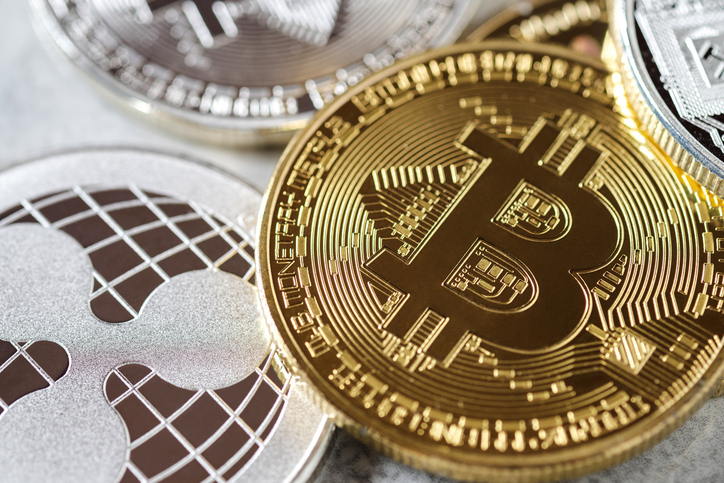

The U.S. government has transferred nearly $2 billion worth of Bitcoin, seized from the Silk Road marketplace, to Coinbase Prime, a move that has raised concerns within the cryptocurrency community. The transfer, which involved around 29,800 BTC, occurred in late July and has significant implications for the market, possibly signaling preparations for a large-scale sell-off of the government’s crypto holdings.

The Bitcoin in question had been stored in a U.S. government wallet following the 2022 seizure of assets tied to Silk Road, a dark web marketplace known for illicit transactions. Experts have warned that such a substantial movement of cryptocurrency could lead to increased market volatility, particularly if the U.S. decides to liquidate these holdings. The timing of the transfer, closely following statements from political figures like Donald Trump, who promised pro-crypto policies, has further fueled speculation about the government’s intentions. Trump had previously declared plans to make the U.S. the “crypto capital of the world” and hinted at not selling any federal Bitcoin reserves.

The U.S. government currently holds over $12 billion in Bitcoin, much of it from criminal investigations and seizures. According to blockchain analysis firm Arkham Intelligence, the Bitcoin was moved to an unknown wallet address before being sent to Coinbase Prime, which has a contract with the U.S. Marshals Service to manage government-held crypto assets. The transfer follows the signing of this deal between Coinbase and the U.S. government to “safeguard” such assets, leading some to believe that Coinbase is acting as a custodian rather than facilitating a sell-off.

While some market observers view the U.S. government’s actions as a sign of increasing institutionalization of Bitcoin, others, including high-profile crypto figures, have criticized the move as tone-deaf. Mike Novogratz, CEO of Galaxy Digital, condemned the timing, stating that it could damage the broader market sentiment, especially with the price of Bitcoin being influenced by large institutional actions.

There has been growing speculation regarding the U.S.’s stance on Bitcoin as a potential strategic reserve asset. While Senator Cynthia Lummis has championed legislation to purchase Bitcoin as a reserve asset for the U.S. Treasury, experts remain divided on the feasibility of such a policy. Some analysts see it as an optimistic, long-term vision for the U.S. to align itself more closely with cryptocurrency, while others, like BlockTower Capital’s Ari Paul, caution that the chances of this becoming a reality within the next few years are slim.

Saudi Aramco, the world’s largest energy company, has secured a significant foothold in the evolving mobility sector through its acquisition of a 10% stake in Horse Powertrain, a global leader in automotive engineering and electrification technologies. This strategic move, announced last week, underscores Aramco’s ambition to diversify its portfolio and strengthen its commitment to sustainable mobility solutions. Horse Powertrain, renowned for its cutting-edge advancements in electric powertrains, […]

DUBLIN, IRELAND – Media OutReach Newswire – 3 December 2024 – Aon plc (NYSE: AON), a leading global professional services firm, today announces the appointment of Anne Corona as CEO of Enterprise Clients and global chief commercial officer, effective 1 January 2025. This appointment is part of the firm’s strategy to advance its commercial capabilities by deepening commercial alignment, integration of data and analytics and service excellence […]

BANGKOK, THAILAND – Media OutReach Newswire – 2 December 2024 – Her Royal Highness Princess Sirivannavari Nariratana Rajakanya graciously inaugurated the Federation of Thai Fashion Designers (FTFD). The FTFD aims to advance the Thai fashion industry by fostering sustainable growth and establishing Thailand as a global fashion hub. Event Highlights The inauguration ceremony took place on Friday, 29 November 2024, at Impact Arena, Exhibition and Convention Center, […]

ANILAO, BATANGAS, PHILIPPINES – Media OutReach Newswire – 2 December 2024 – The Philippine Department of Tourism (DOT) officially launched the first Philippine Dive Experience on Thursday (November 27) to reinforce the country’s position as a premier global destination for diving and marine biodiversity exploration. Tourism Secretary Christina Garcia Frasco joins delegates of the Department of Tourism’s inaugural Philippine Dive Experience at LOVE Reef—an artificial structure designed […]

VISHNU RAJA
RYO YAMADA
HITORI GOTOH
IKUYO KITA